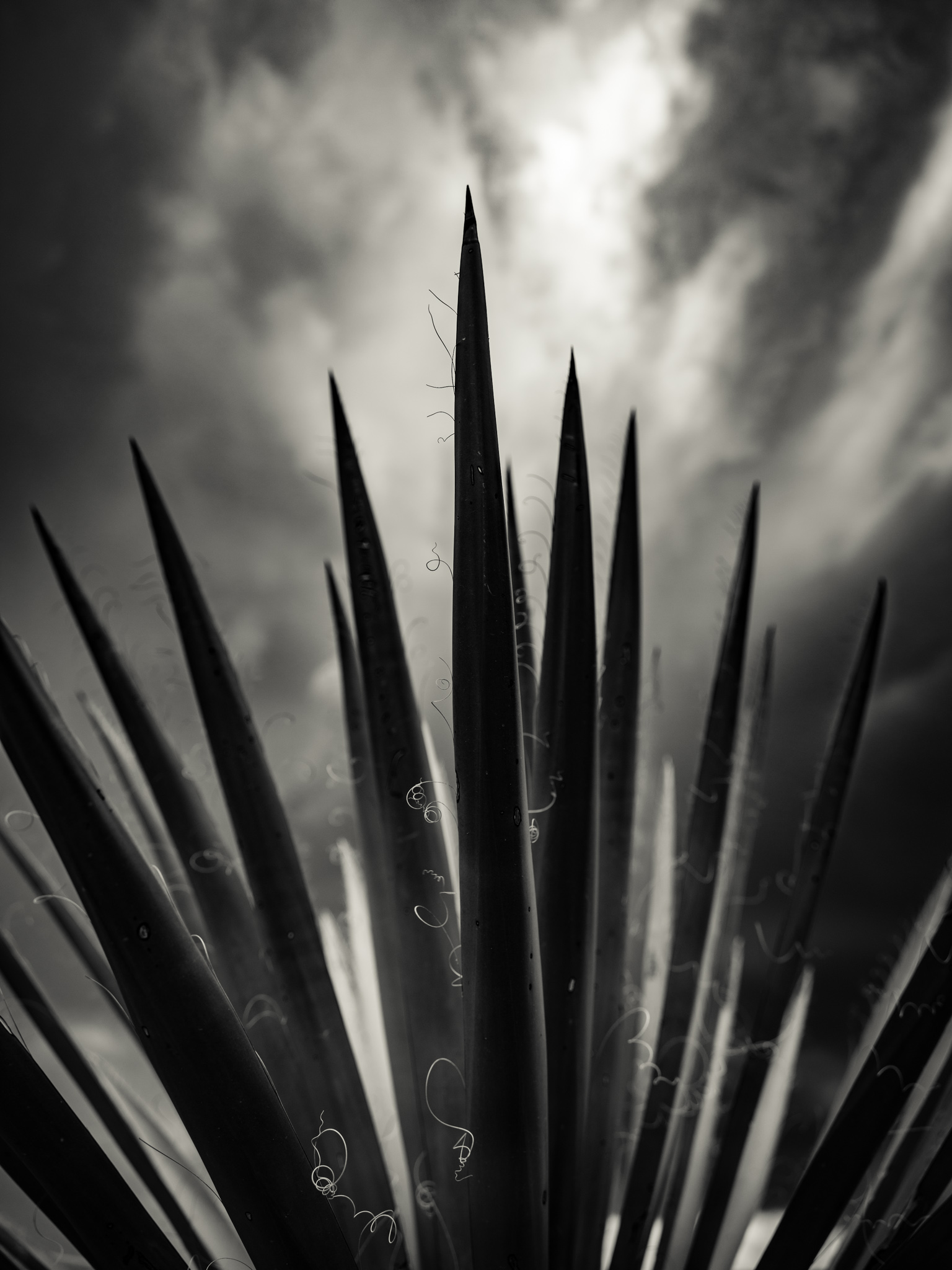
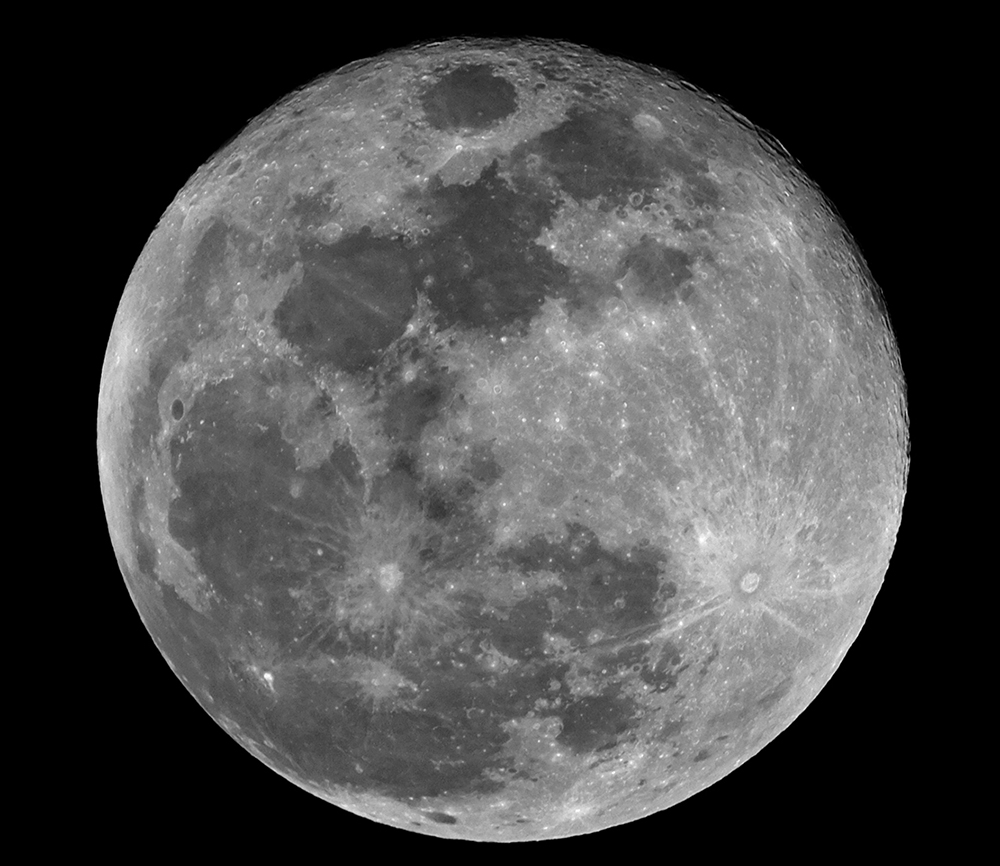
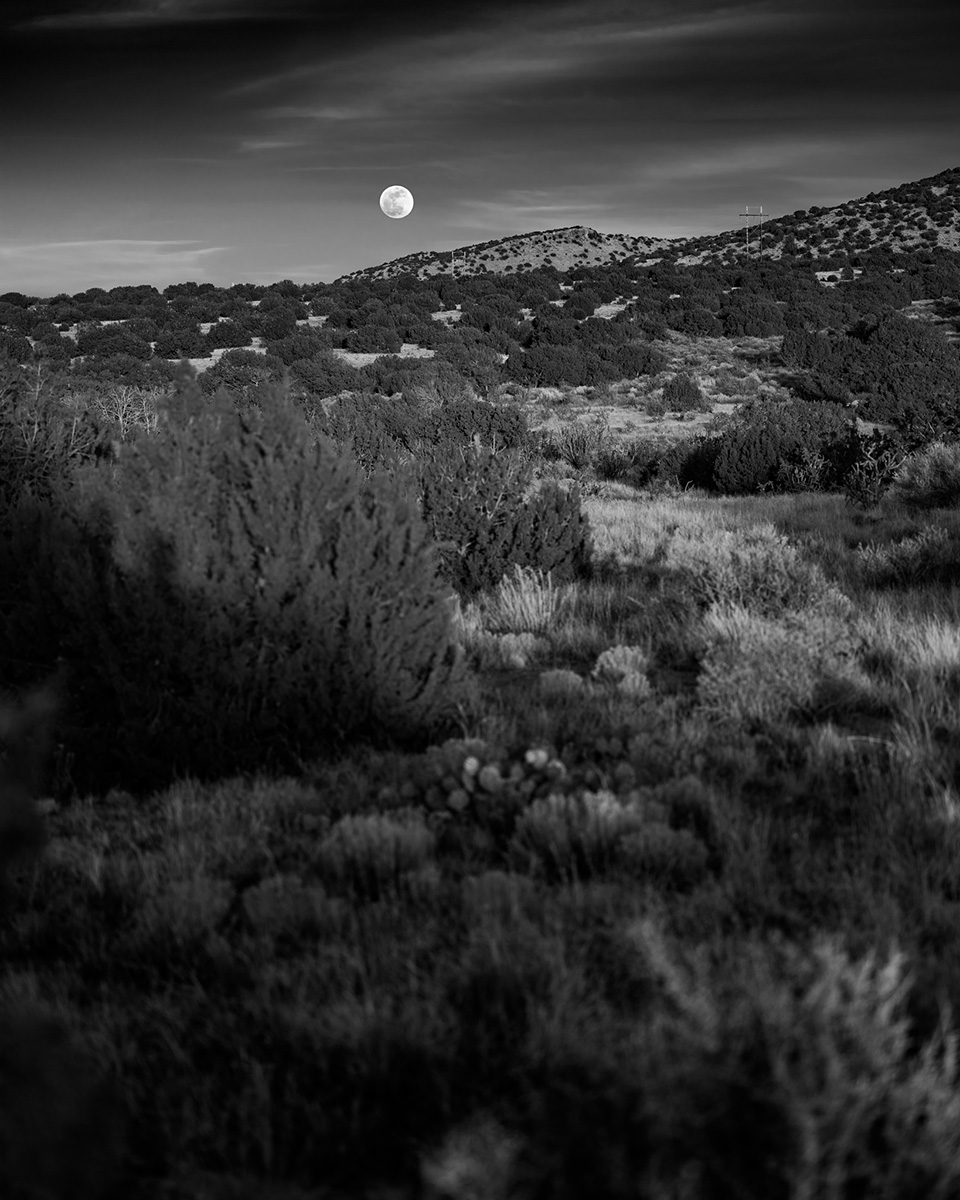
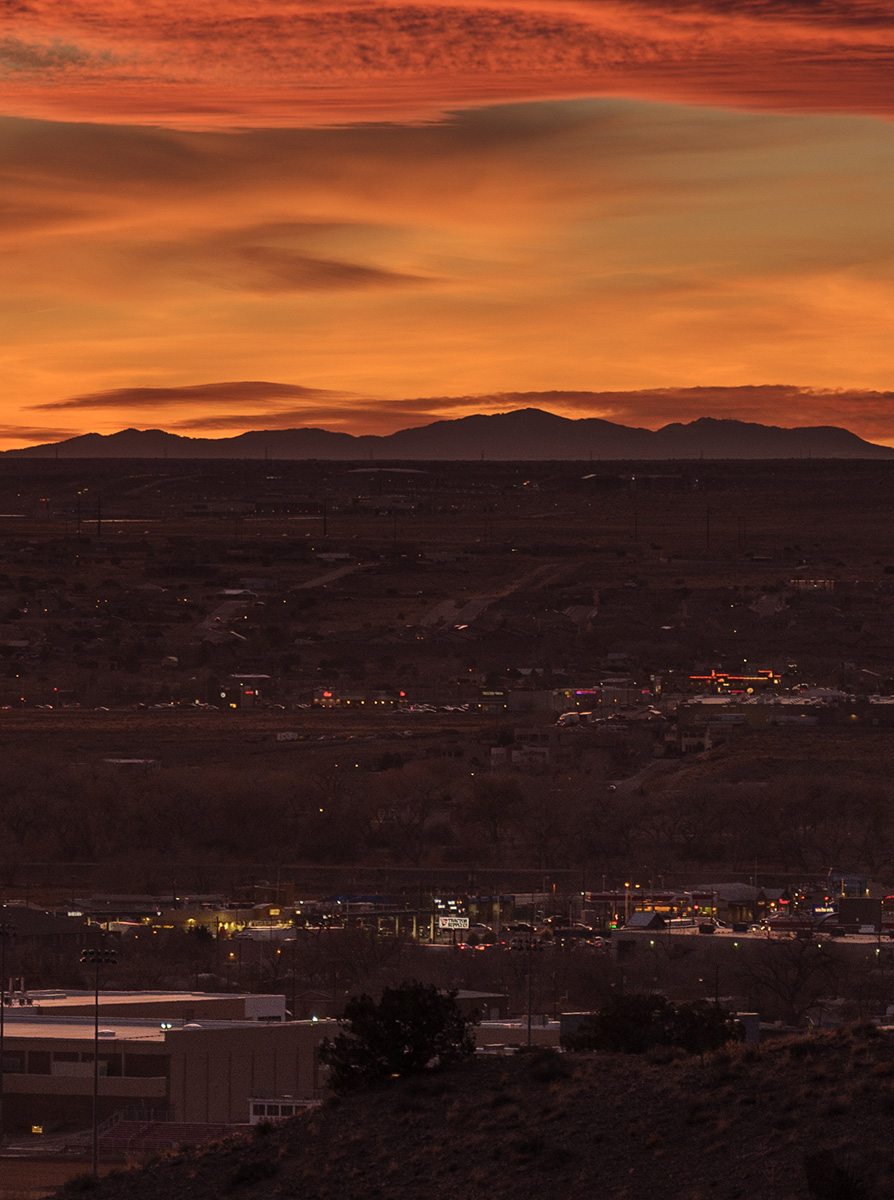
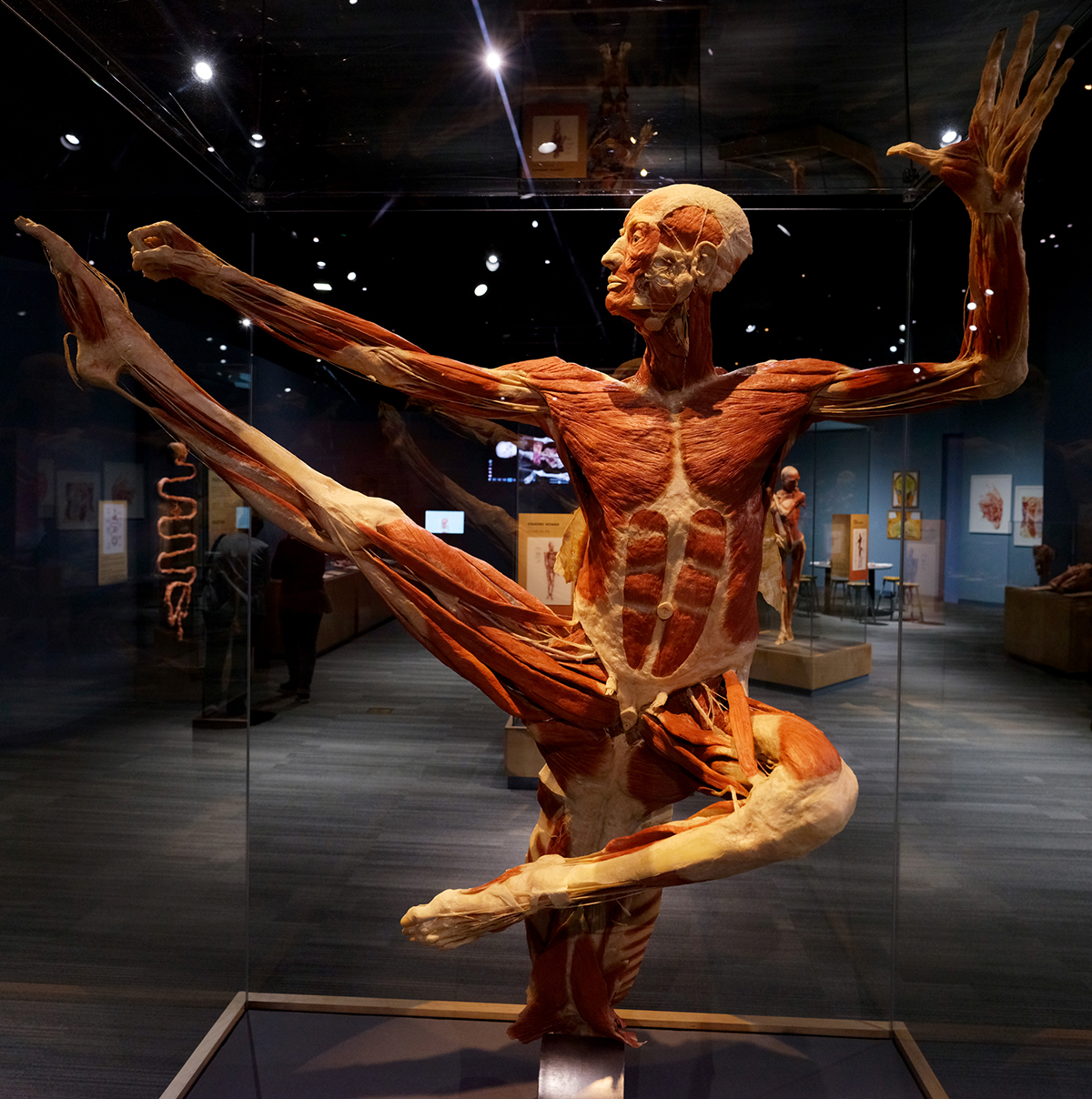
A black & white GFX image to bring the points being made back to the thread topic.
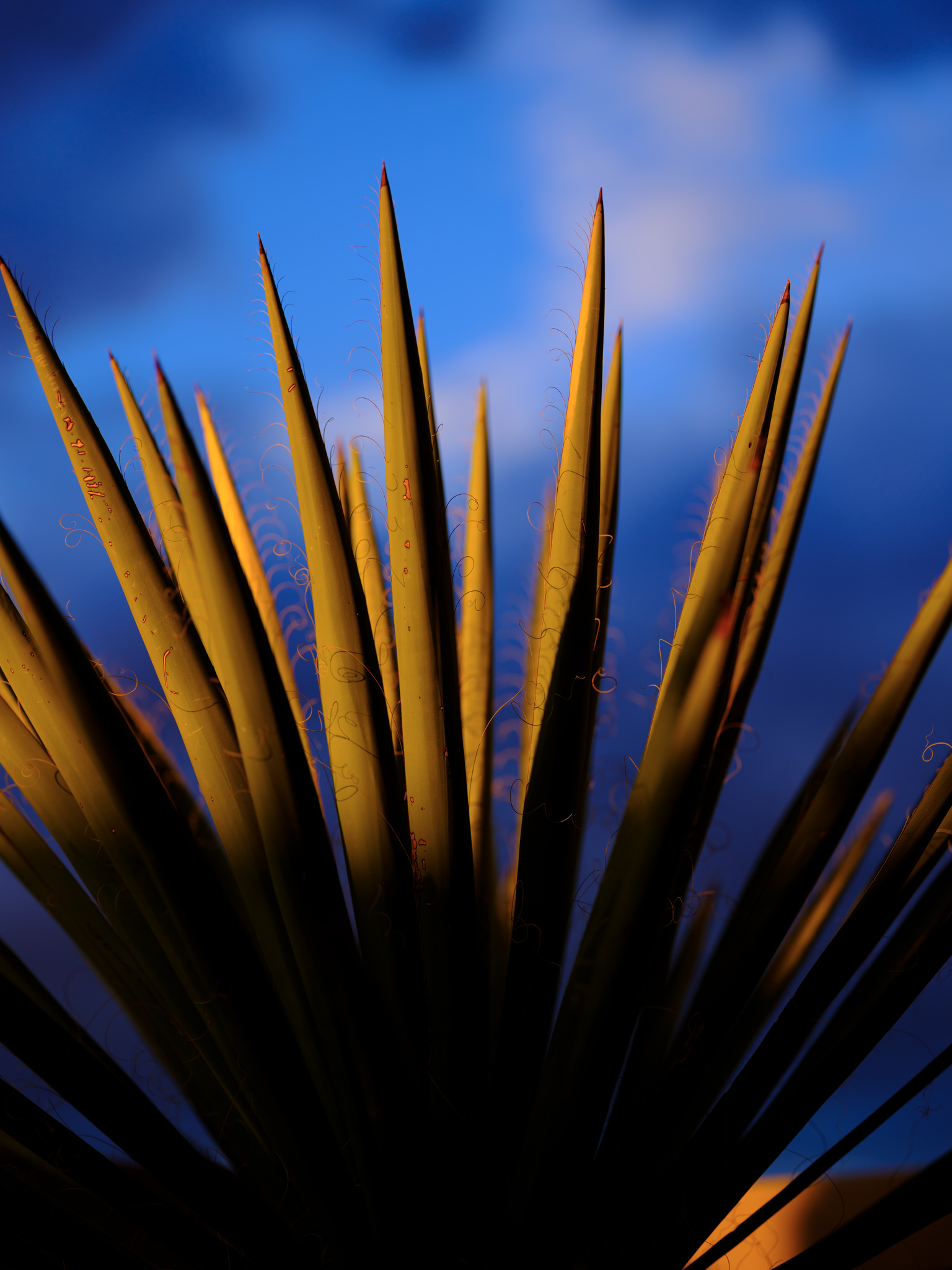
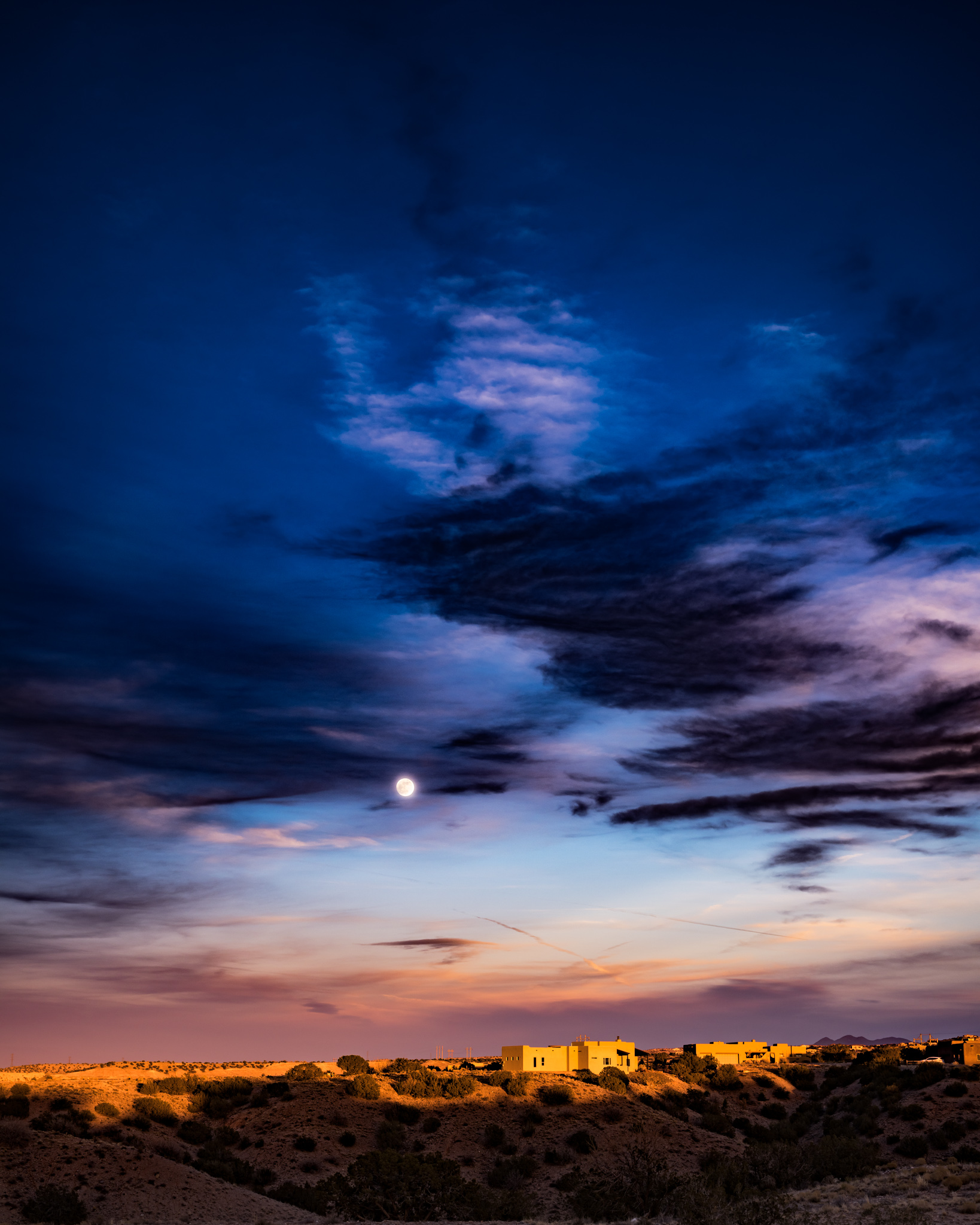
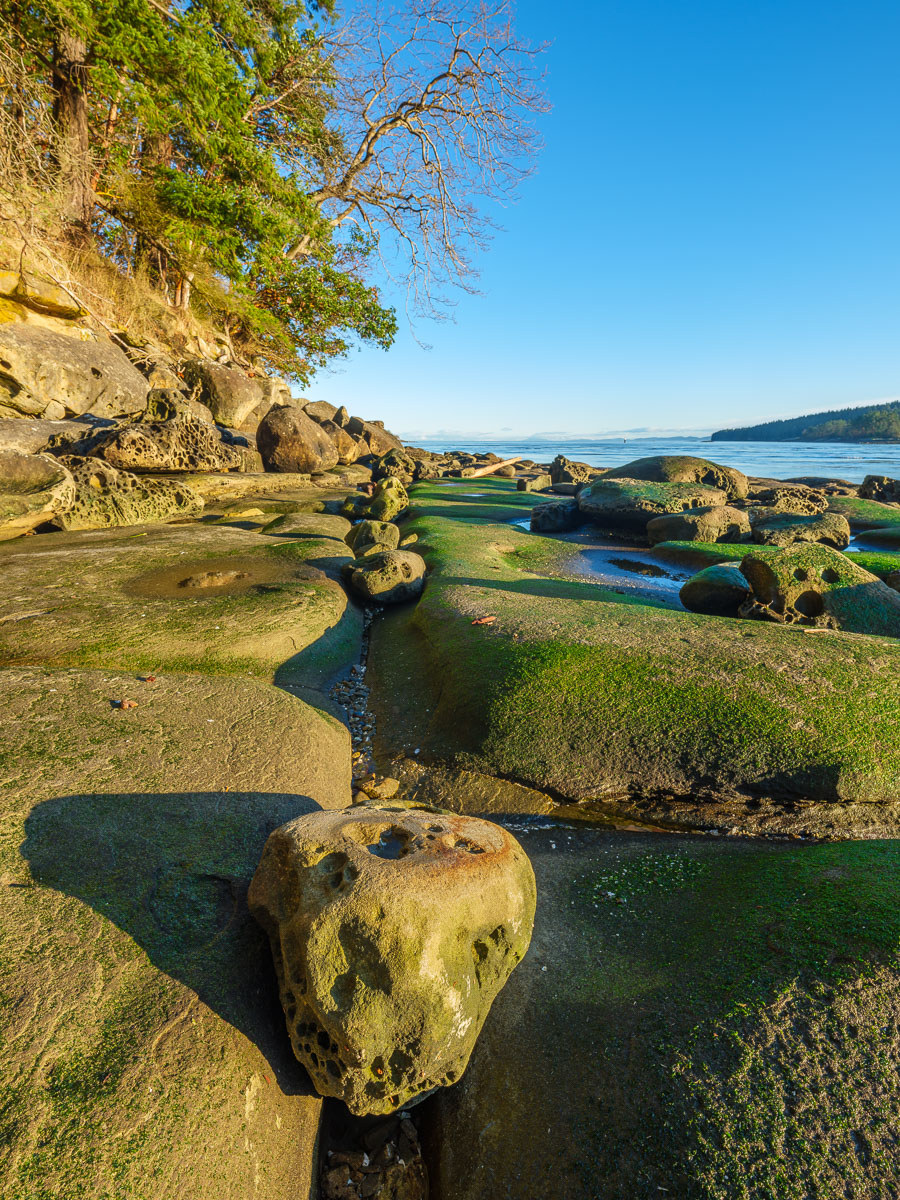
I think this is nice bokeh considering it was taken with the 32-64 zoom at 32mm (24mm in 135-format). I'd love to see a GF +-32mm f/2.8 with a very short MFD at some point.
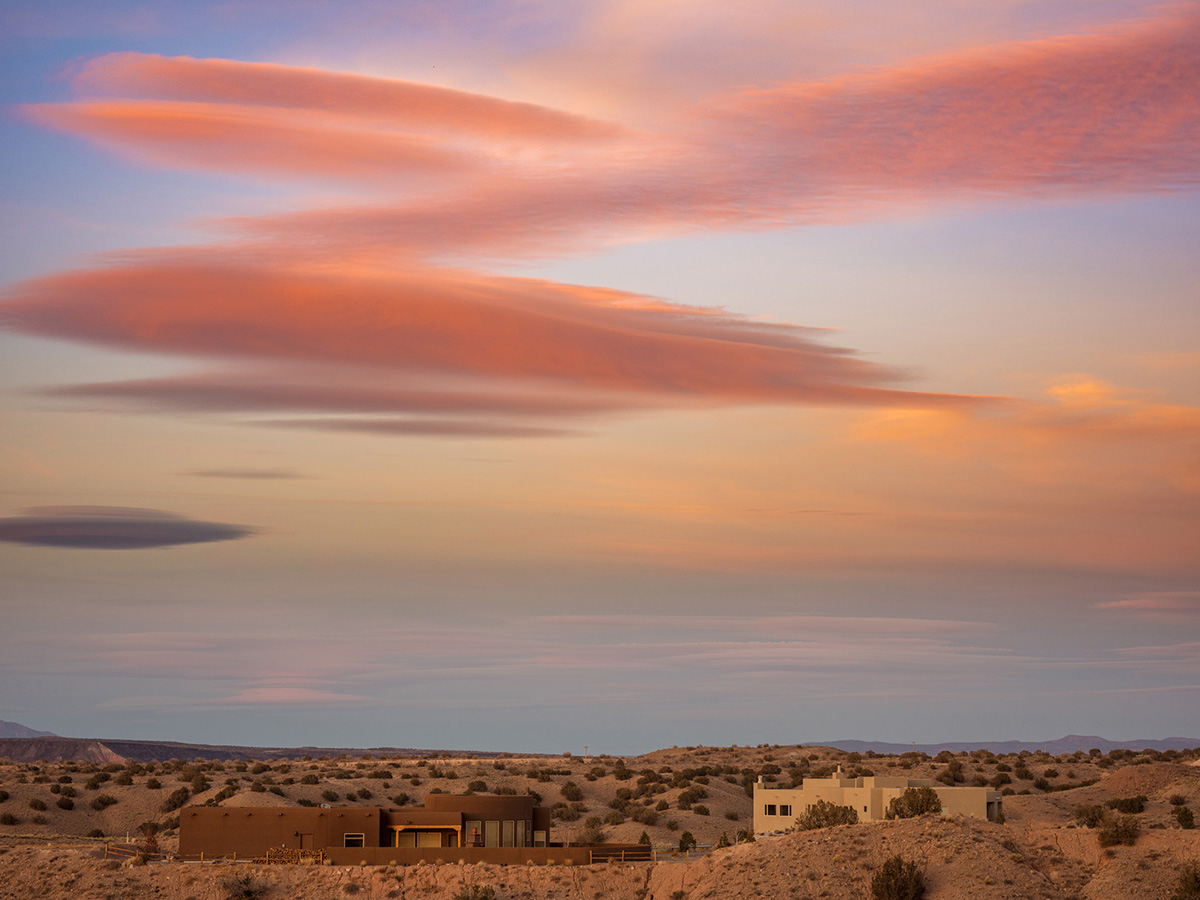
Velvia profile with increased vibrance and saturation in Lightroom.
I don't believe the Lightroom implementation of Velvia is anywhere near what Velvia medium format slide film looked like, and it takes some pushing to get it there.
I know many here have seen prints in magazines from years back made from medium and large format cameras with Velvia film. But I wonder how many here have actually seen a large Velvia slide on a light table. It is stunning to the point of being nearly-unbelievable. There really never was (never is?) a printing process that came close to doing justice to Velvia, but seeing a file like this from the GFX on screen reminds me a lot of it.
highdesertmesa wrote:
There really never was (never is?) a printing process that came close to doing justice to Velvia, but seeing a file like this from the GFX on screen reminds me a lot of it.
Cibachrome did a nice job printing from Velvia (and Ektachrome) slides... too bad it isn't around any more.
molson wrote:
Cibachrome did a nice job printing from Velvia (and Ektachrome) slides... too bad it isn't around any more.
Ah, I remember that. I did a Cibachrome from a slide of a beach sunrise. It was quite vibrant. I do like how we get more shadow detail in our prints now, but that was probably more a limitation of the slide film than the printing process.
>> There really never was (never is?) a printing process that came close to doing justice to Velvia
- Laser projection: LightJet on a Fuji Cryistal Archive glossy
- Inkjet : Z3200 on a Canson Platine or Hahnemuhle Photo Rag Baryta
After all it is about accurately capturing the most out of the slide during the scanning and then minor tweaking , mostly to eliminate the slightest magenta tint caused by the film base interference with the scanners' light source. Many "digitally" printed images, after moderate and tasteful adjustments are done to the quality scans in PS, usually exceed what is observed on the light table. The added benefit of prints is one does not need a loupe to enjoy them.
SergeyT wrote:
- Inkjet : Z3200 on a Canson Platine or Hahnemuhle Photo Rag Baryta
The color gamut of those papers is much smaller than what the current cameras like the GFX can capture. The Hahnemuhle FineArt Baryta is my current favourite, but it still falls short.
The comments were made about doing justice to Velvia and not about GFX image qualities.
It is my understanding that output gamut is a combination of media, inks, screening algorithms and output profiles.
The gamut is only one of image characteristics, same applies to perceived sharpness, tones, transitiones etc.
Not a single one "makes" the image.
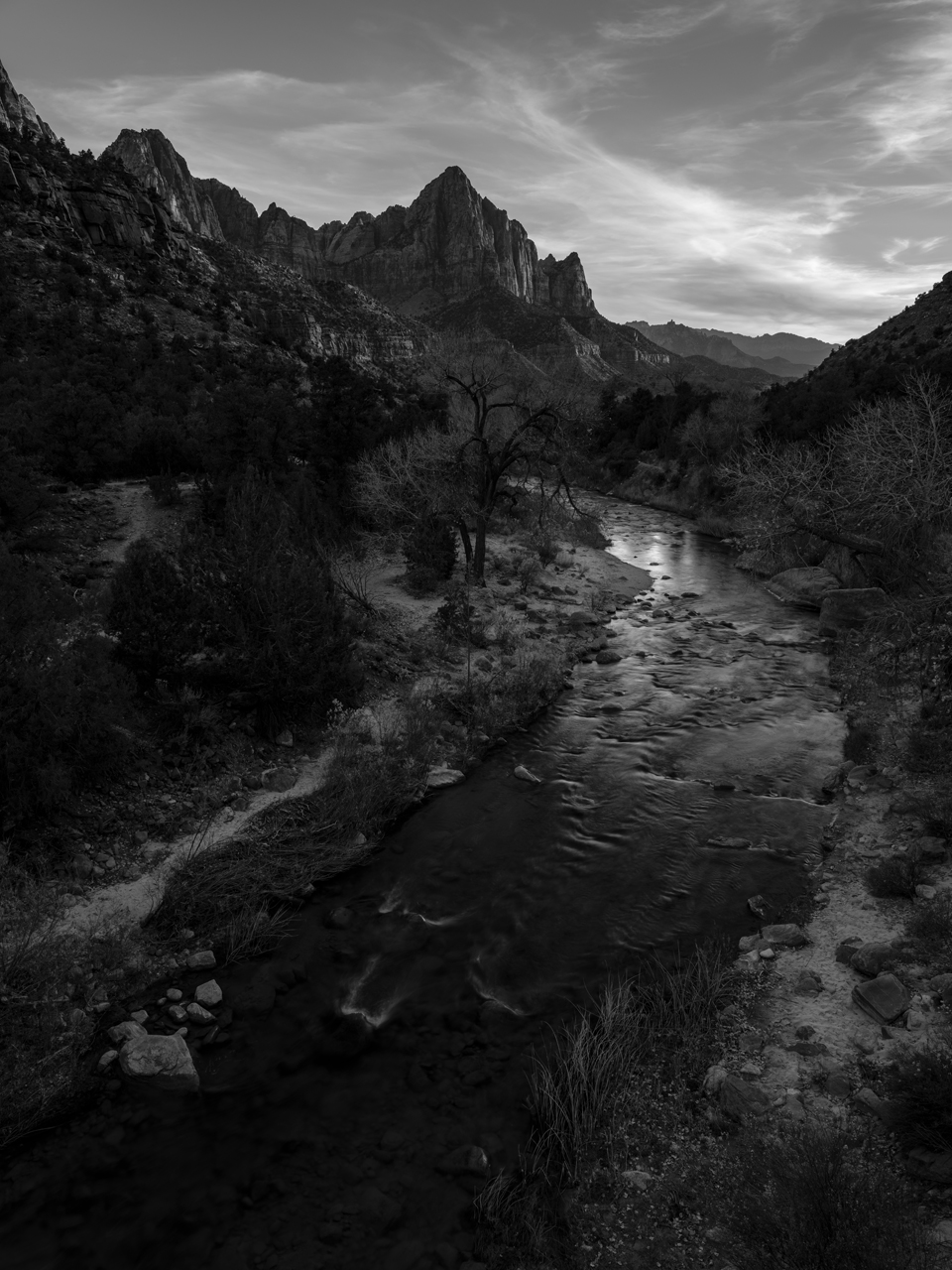
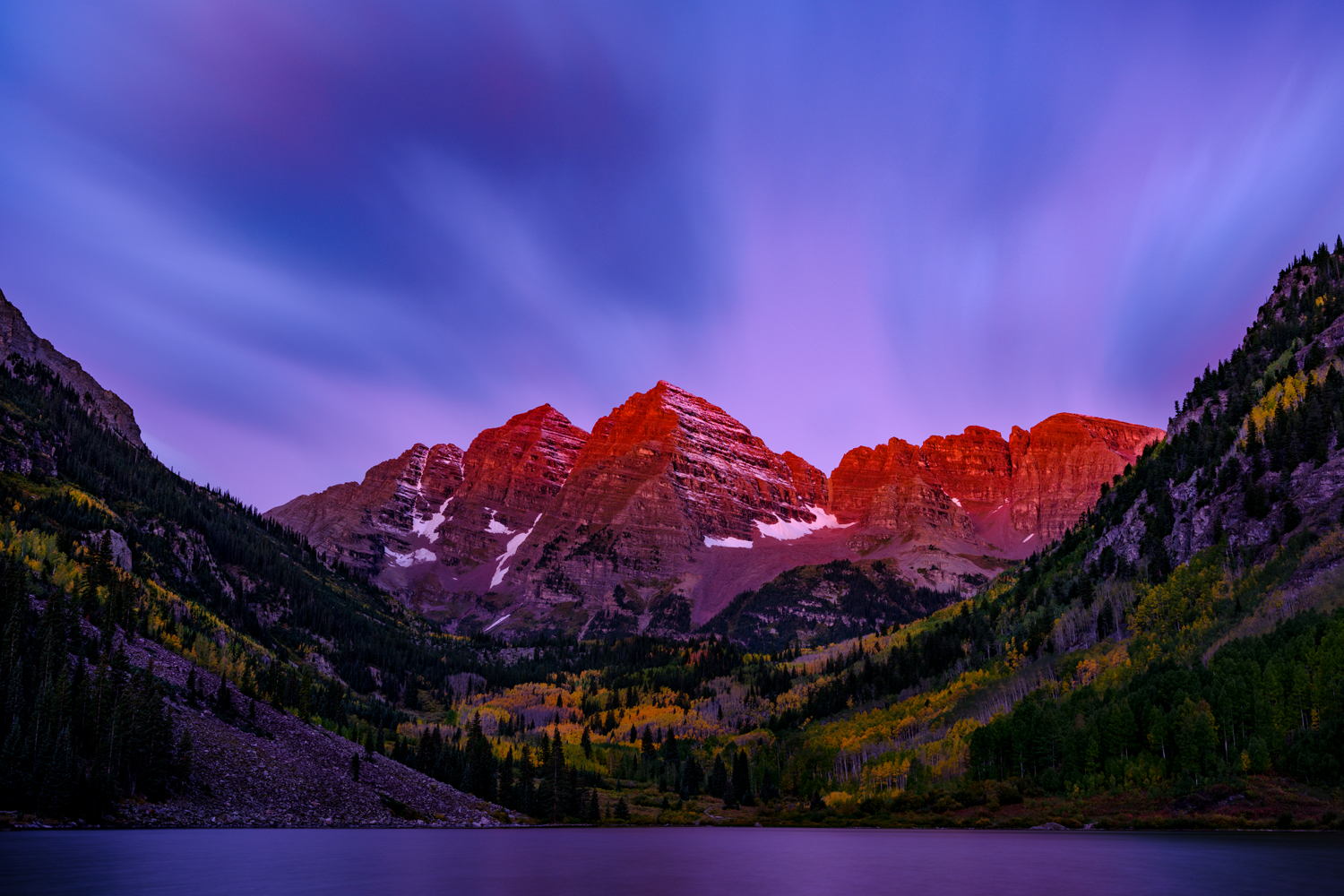
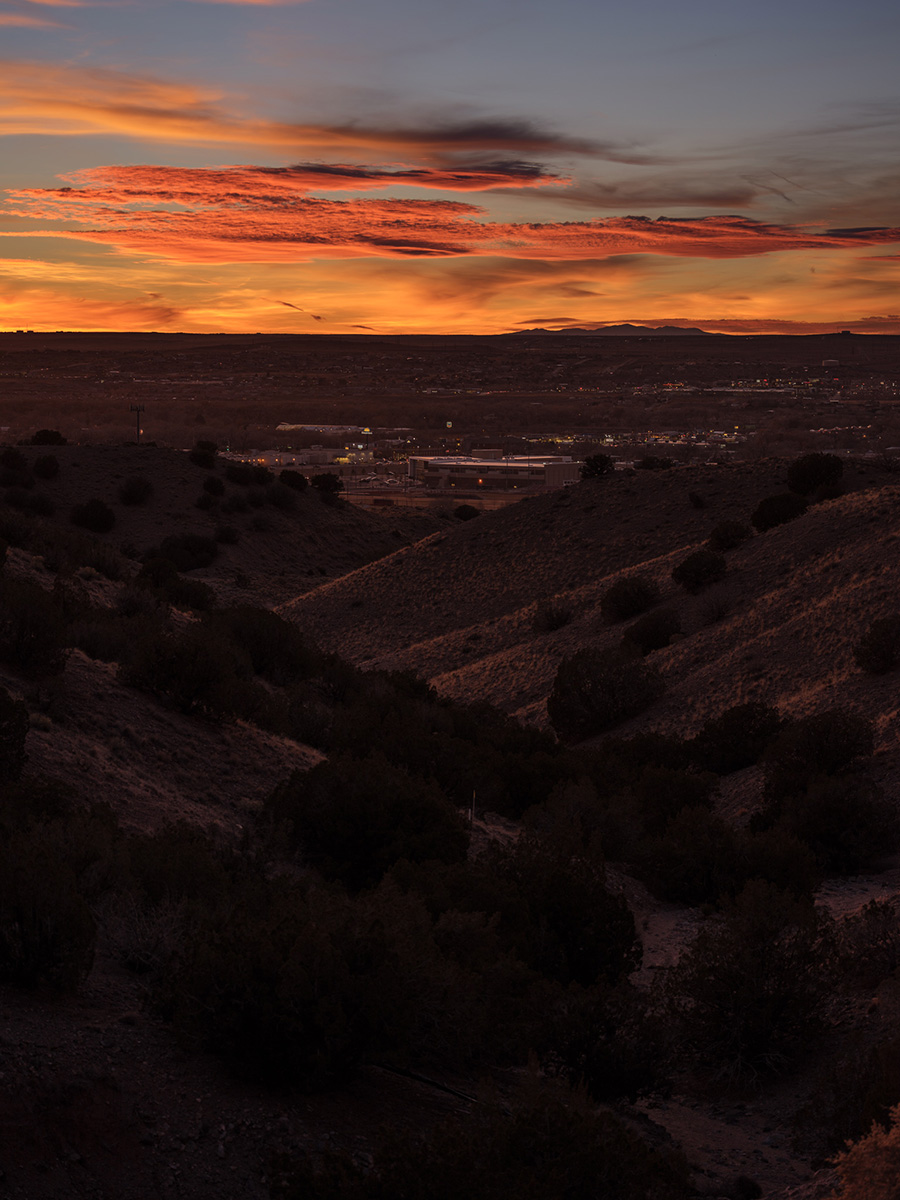
I decided to re-edit this image with the Velvia profile as my base instead of Provia (and there are plenty of other edits - exposure/shadows/highlights/contrast, dehaze, several local adjustments and spot healing, crop/level, etc. - I appreciate having this kind of flexibility in my files, but it's worth mentioning that the end result here is rather far removed from reality):
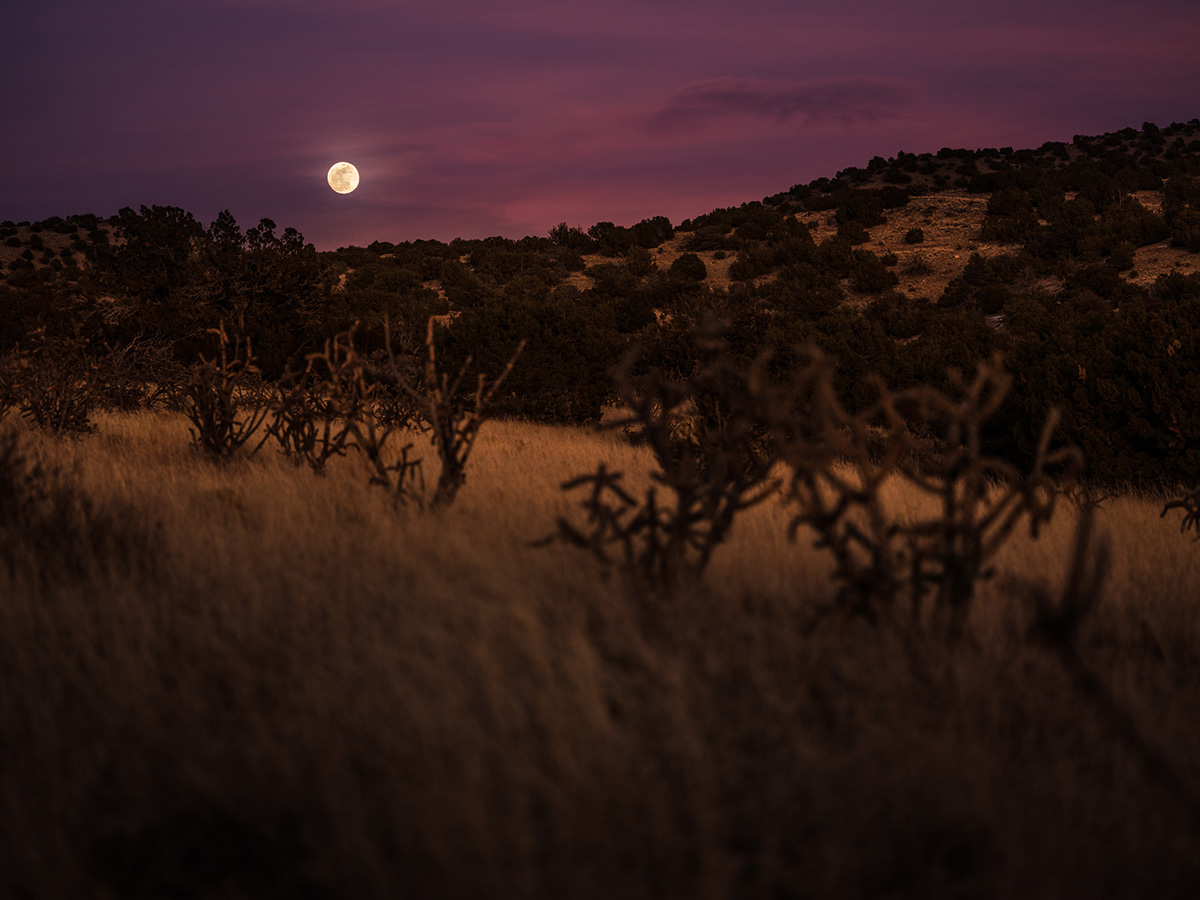
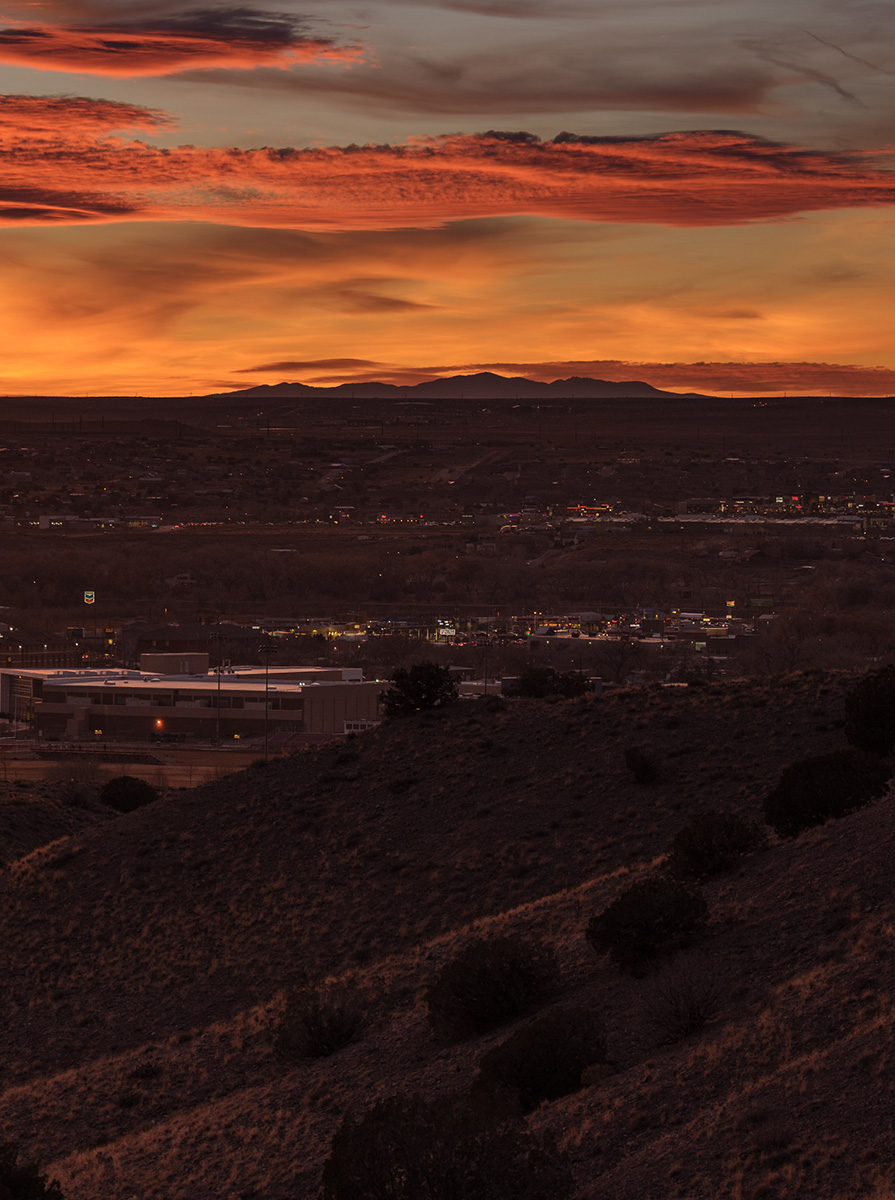
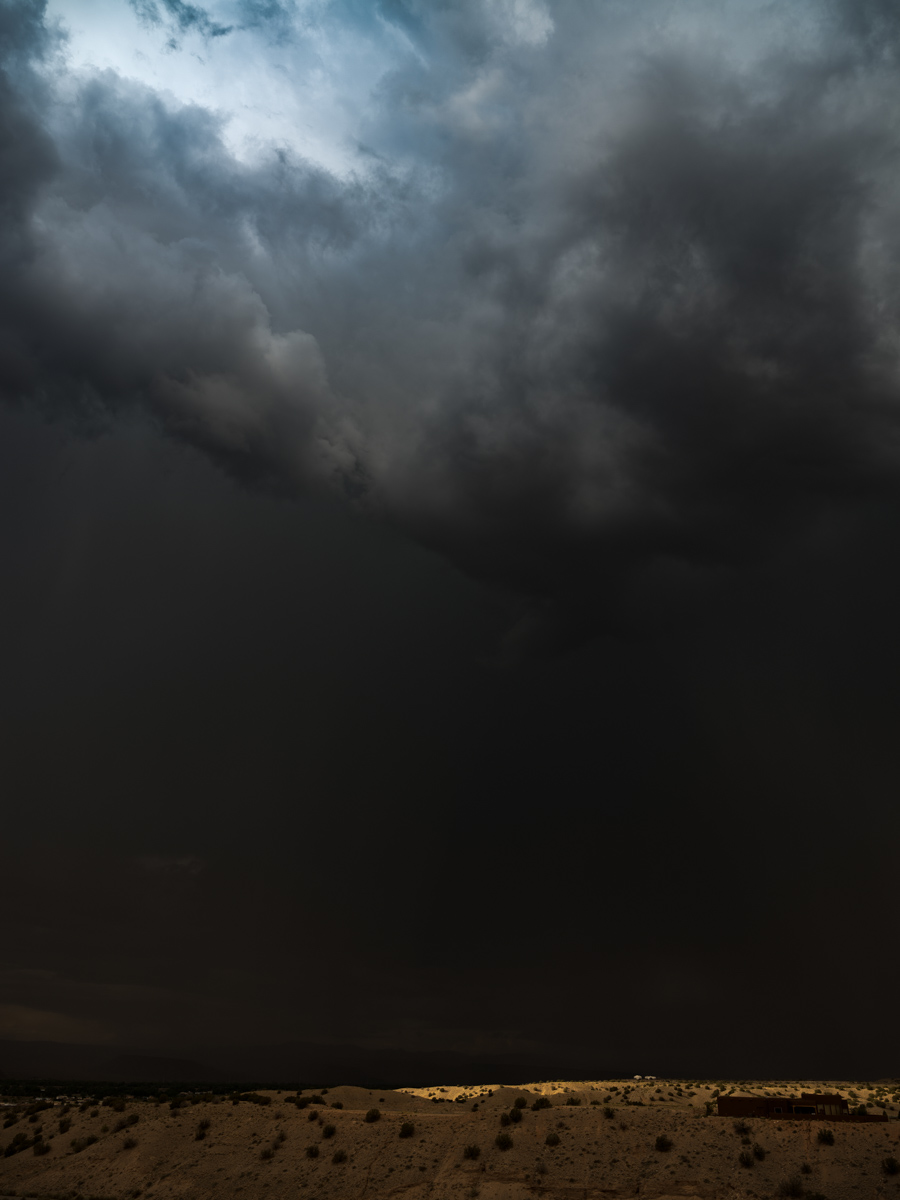
The rains finally stopped for a few hours so I went out late yesterday afternoon with the GFX. The sunset pretty much fizzled out, so this was probably the best image from the outing.