highdesertmesa
Offline
• • • • •
Upload & Sell: On
|
gdanmitchell wrote:
There is a lot to think about in that paragraph, and it aligns with much of my thinking and that of quite a few photographers.
The "implied 'trust'" issue is a tricky one. I'm not one to set objective boundaries around what a photograph can and cannot do. There is an element of "honesty" and "truth" in art and in photographs, but that is more complex than some attempt at objective reality in a photograph. (In my view, and objectively real photograph is an impossibility.)
As an example of how complicated this is, and perhaps of how some principles can work across a wide range of work, consider a couple of things we may have seen.
In the first case, think of some of those photographic images that, for example, add a gigantic and obviously impossible moon into a landscape photograph. While we can't (or at least I can't) say that this is wrong or shouldn't be done, I/we can think about how this works in the relationship between the photographer and viewer. Most viewers — as long as they aren't photographers or astronomers — simply find such things "spectacular" and see them as extraordinary "captures" of something in the real world that normal people simply don't see. Some photographers may go even further and — as in one famous example that I won't identify — accompany the image with text describing the incredible lengths the photographer went to in order to find and capture this spectacular and elusive phenomenon.
The problem that such photographs bring is that the extent to which they "work" depends almost wholly on a deception that is made particularly strong when the image of the moon is presented in photographic form, using a medium that most viewers trust to represent the reality it captured. Take away the deception — tell the viewer that it was a photoshop trick — and the power of the image is gone.
In a second case, consider the work of photographers such as Jerry Uelsmann or others who "construct" fantastical images using photographic techniques. (A couple years ago I saw marvelous prints by a Chinese photographer that edited together large numbers of photographs of buildings in order to create impossible architectures.) Uelsmann, using film technology, produces imaginary landscapes which, for example, may combine the nude human form with natural landscapes.
What he does is no more or less unreal than what the "giant moon" photographer does — so it can't simply be the use of manipulative techniques that is the problem. It is the context. Uelsmann is not trying to trick anyone. His work is utterly honest and truthful. It presents his own subjective reality, constructed photographically. It would be absurd to object to it because it involves manipulations. The answer to that would be, "Of course!"
I have a friend who once reminded me that the simplest and least sophisticated response to a temptation or a challenge is to resort to simple rule following, and that a more sophisticated response involves considering complex and sometimes contradictory elements and then making a case-by-case judgment. I think that is true of photography, too.
Speaking for myself, I'm very put off by the giant moon school of photography, but I'm very impressed by the kinds of imaginary work done by people like Uelsmann.
And finally, for me, the goal of simply recreating some sort of objective photographic recording of "the thing I saw" is both impossible (all photographs lie) and pointless (it can never be more real than the thing itself). To me, the most interesting photographs show me how the photographer sees the world, and even includes me in that constructed world.
...Show more →
Some great points made. It’s a mysterious process by which our brains divide and conquer when it comes to judging artwork. I could try and say it much more eloquently, but in the end it boils down to deciding, “Do I find this interesting and beautiful, or do I find it irritating and tacky?” — and — “Do I understand it?”
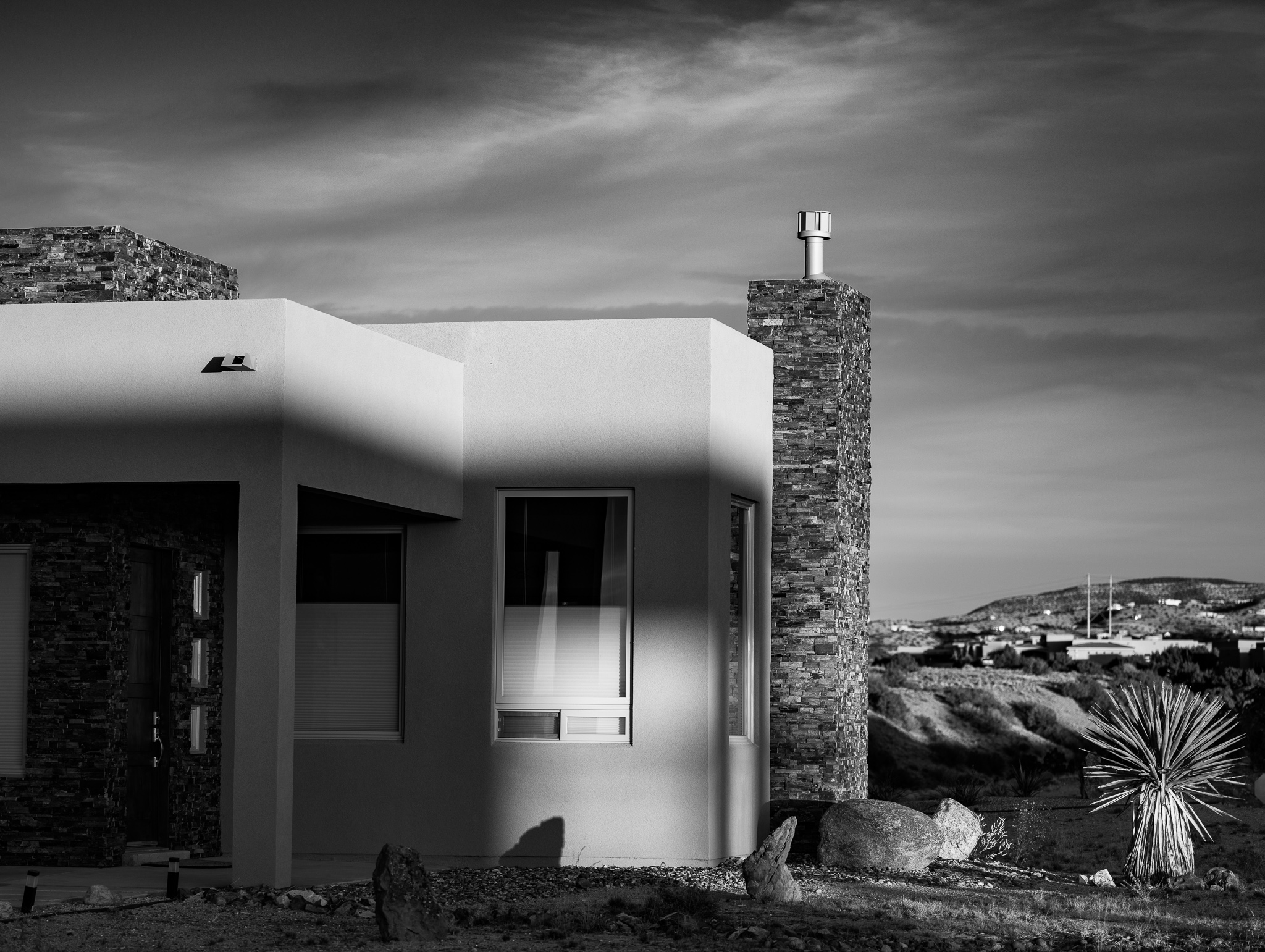
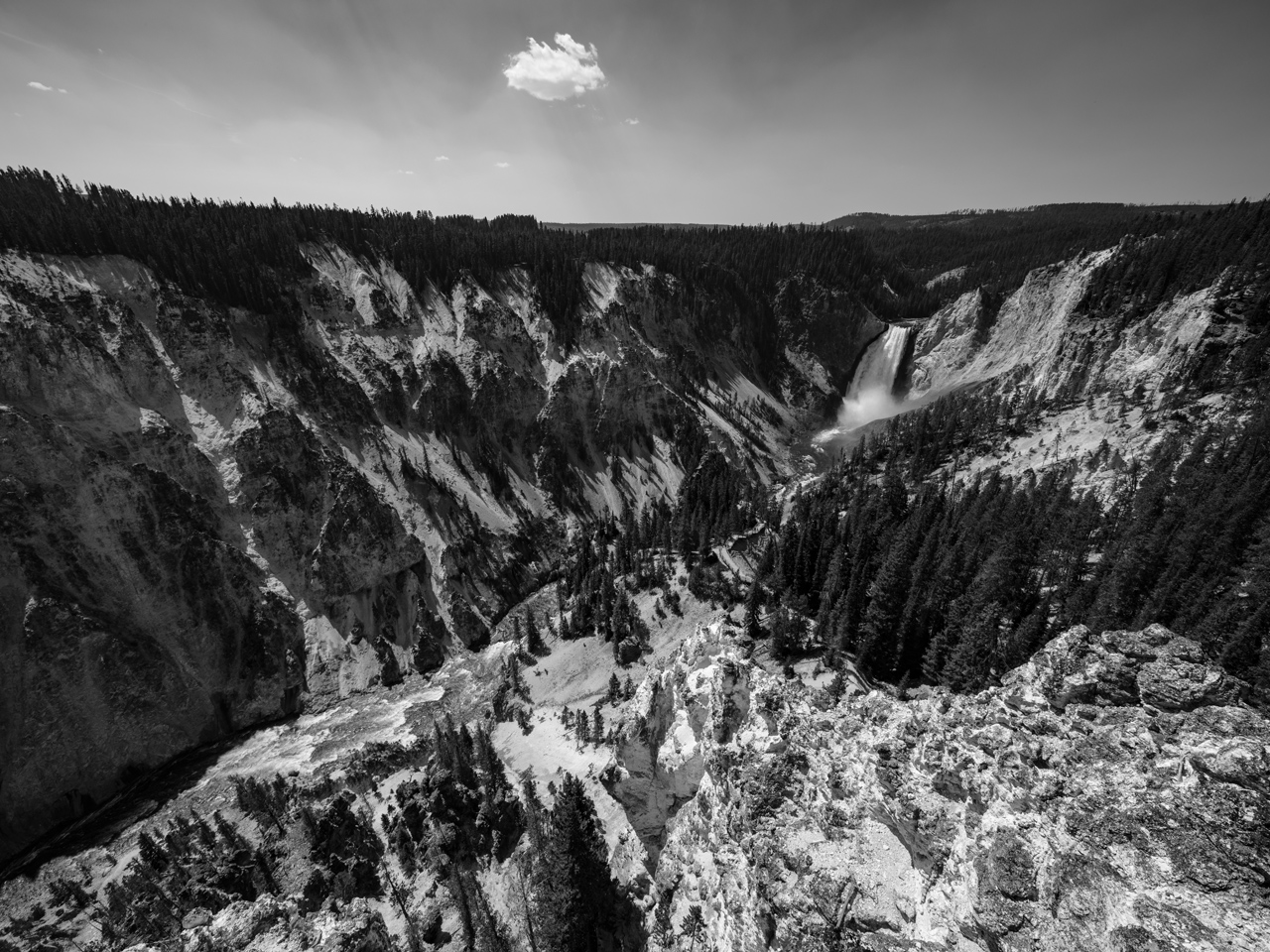
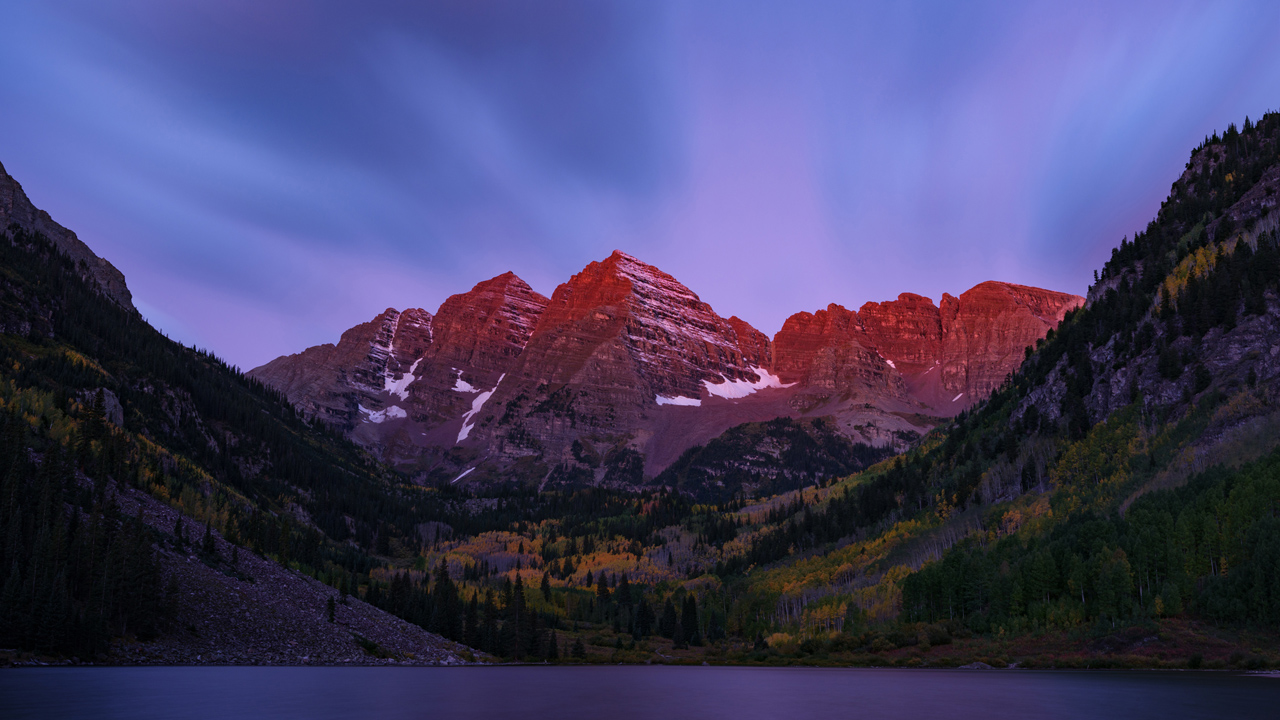
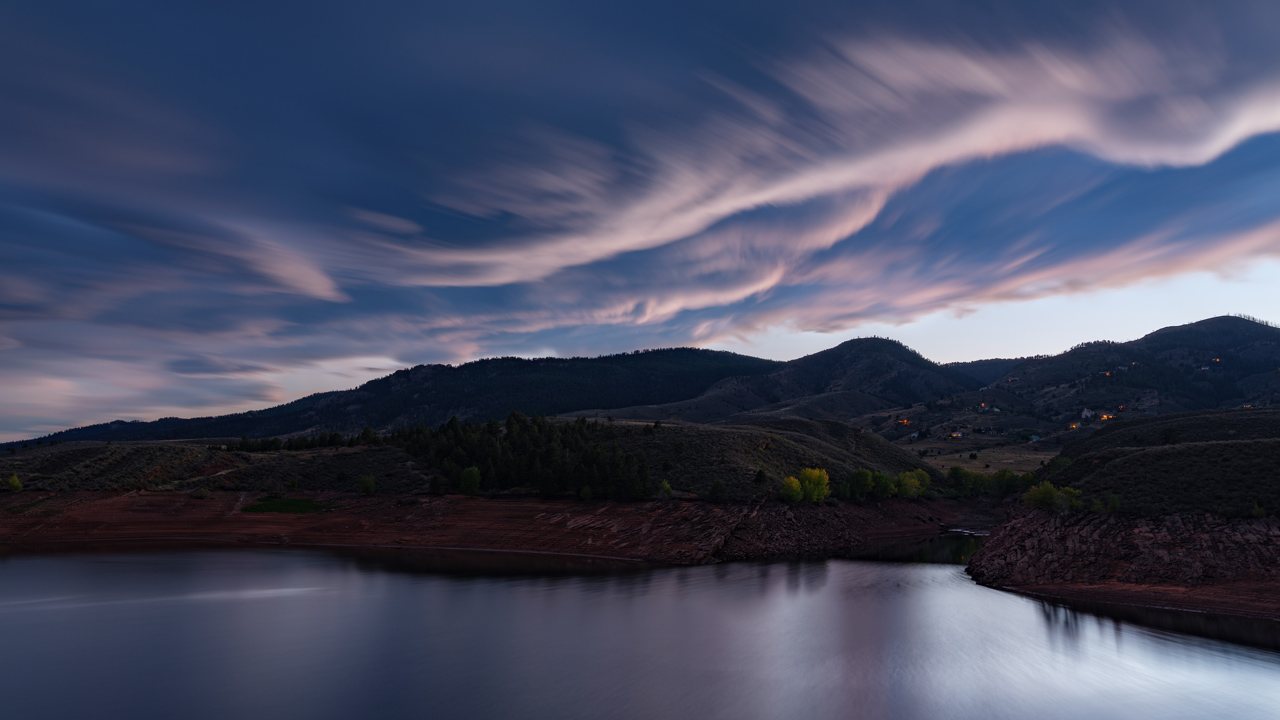
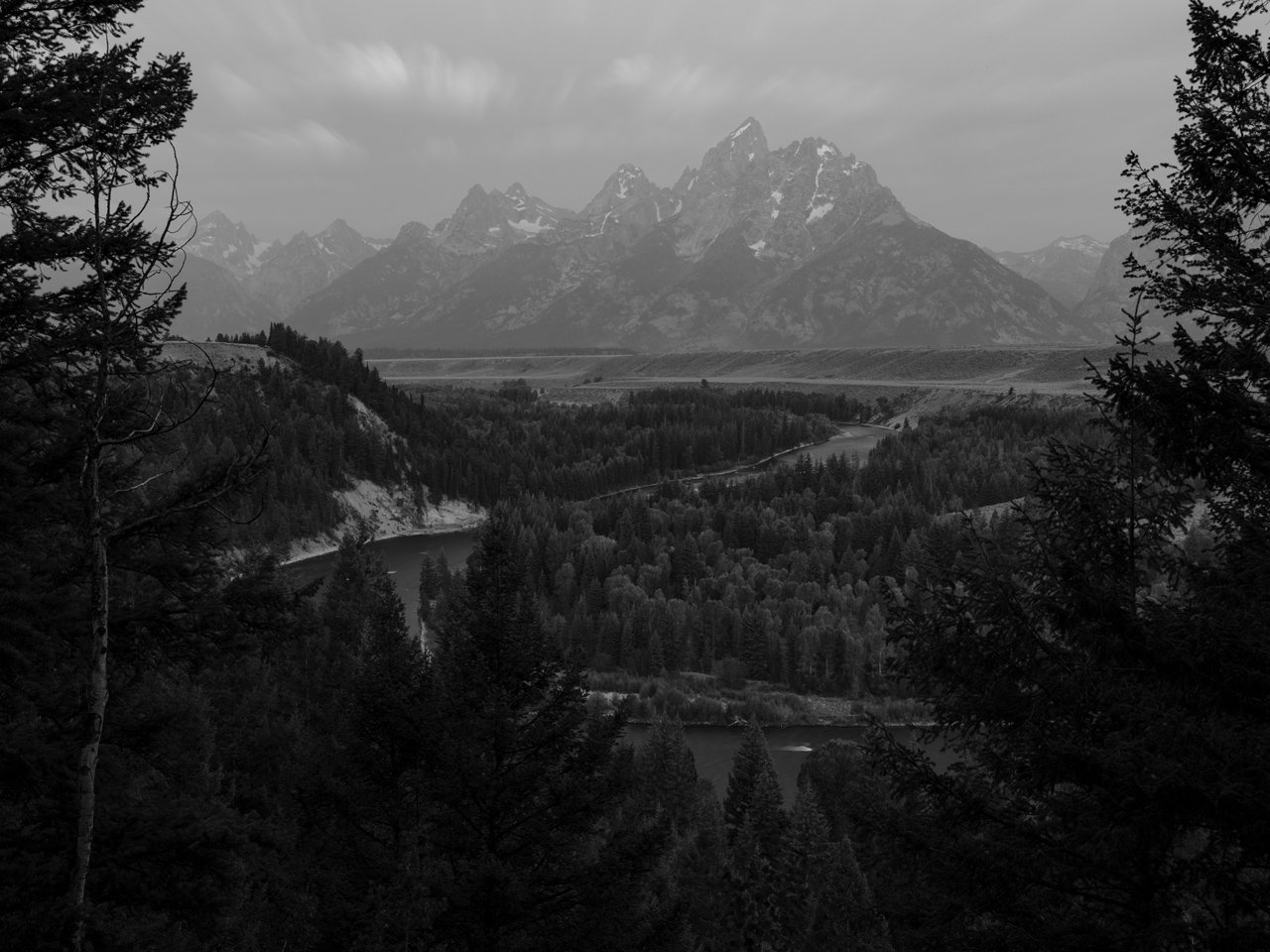
I also wonder if as a society, do we truly value traditional color landscape photography as art and not merely artwork? As was just mentioned in the post below yours, black and white photography helps give landscape shots an artistic classification that I think most people find more willing to accept them as a higher form of art. So with color landscape photography, in order to climb out of the mirey clay so to speak, how to we propel our photos beyond simply something pretty to frame and hang on the wall of a hotel lobby? What makes our landscape shots any better than the photo of a windsurfer on the wall inside a Whataburger during the late 1980s?
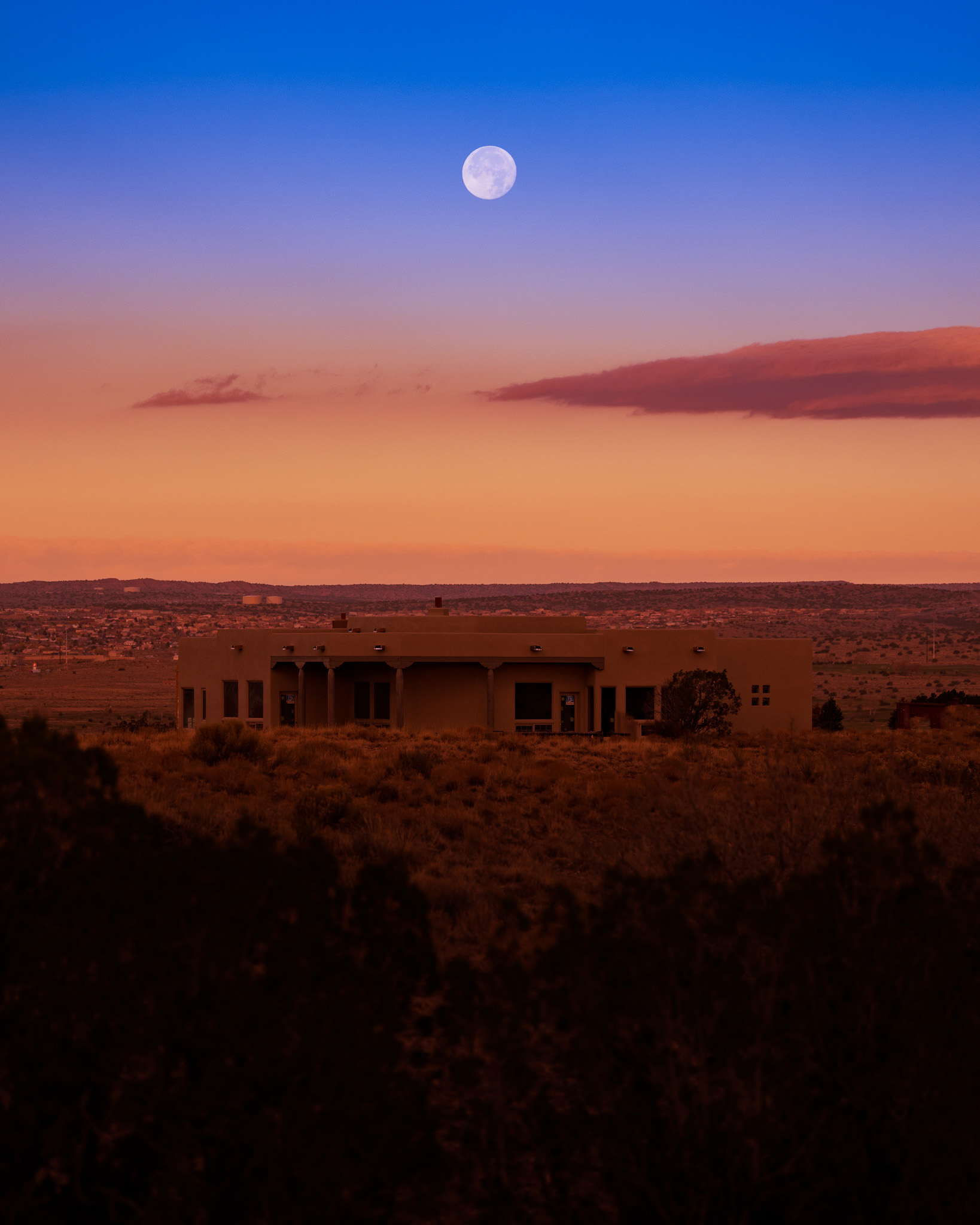
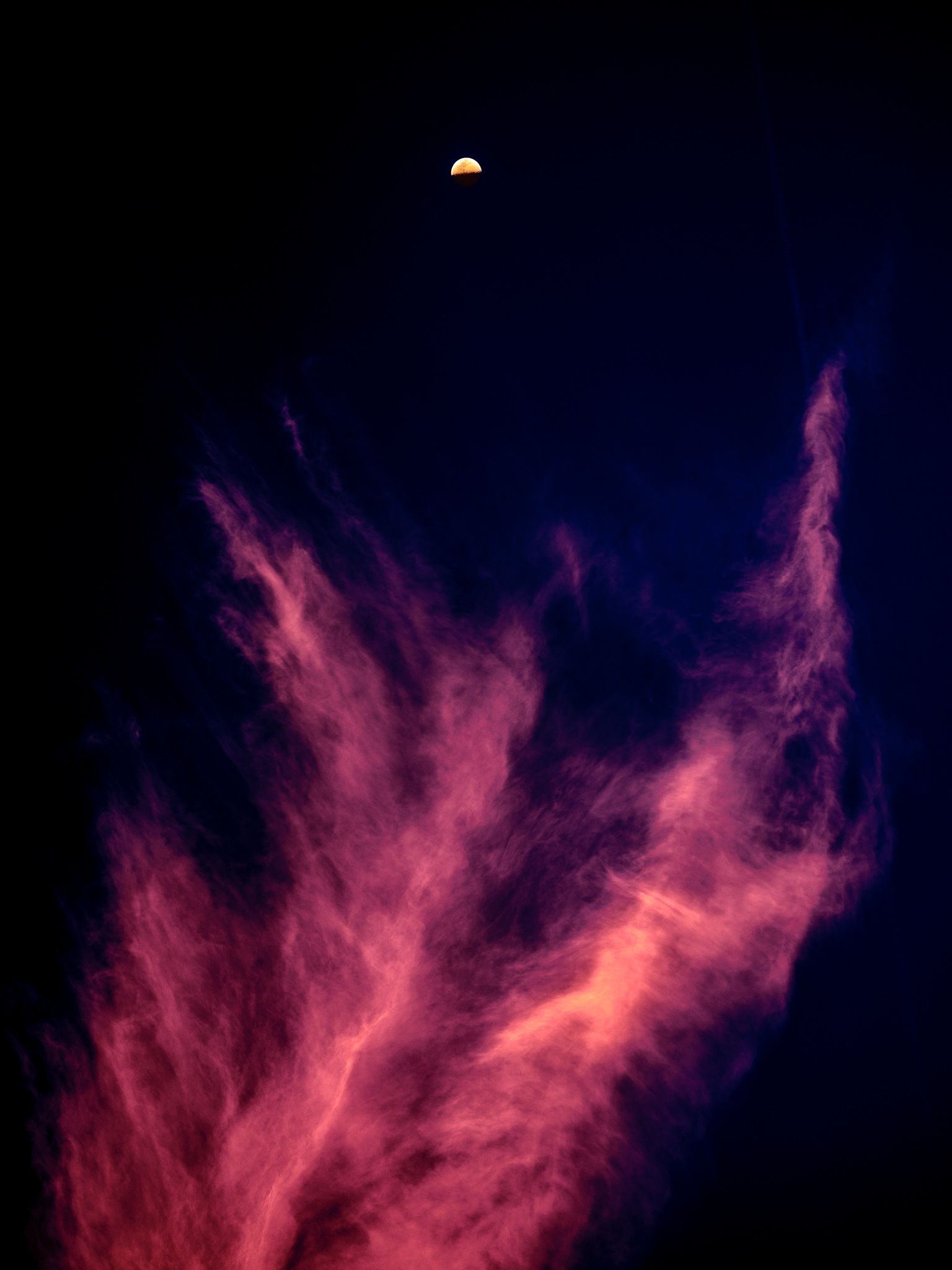
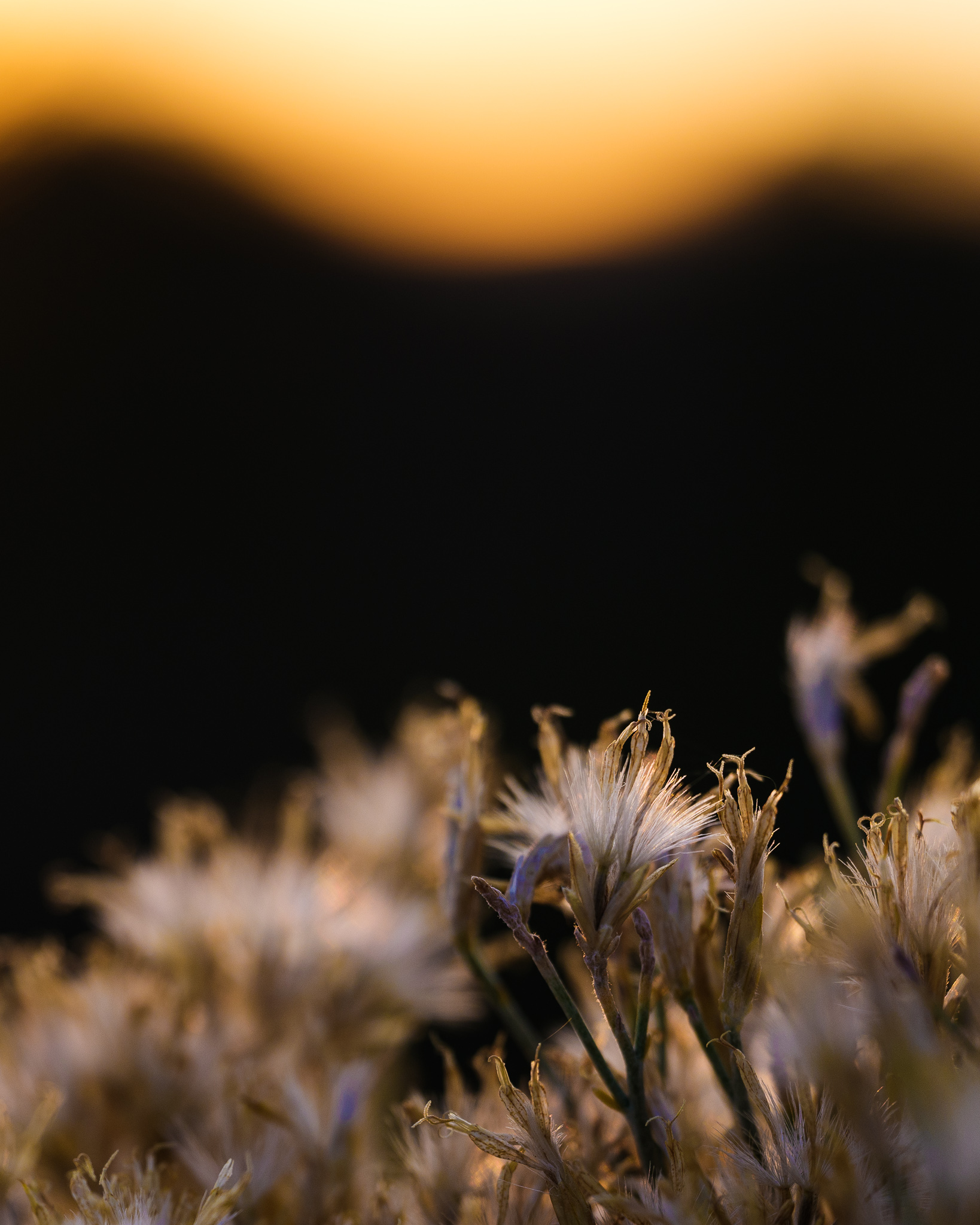
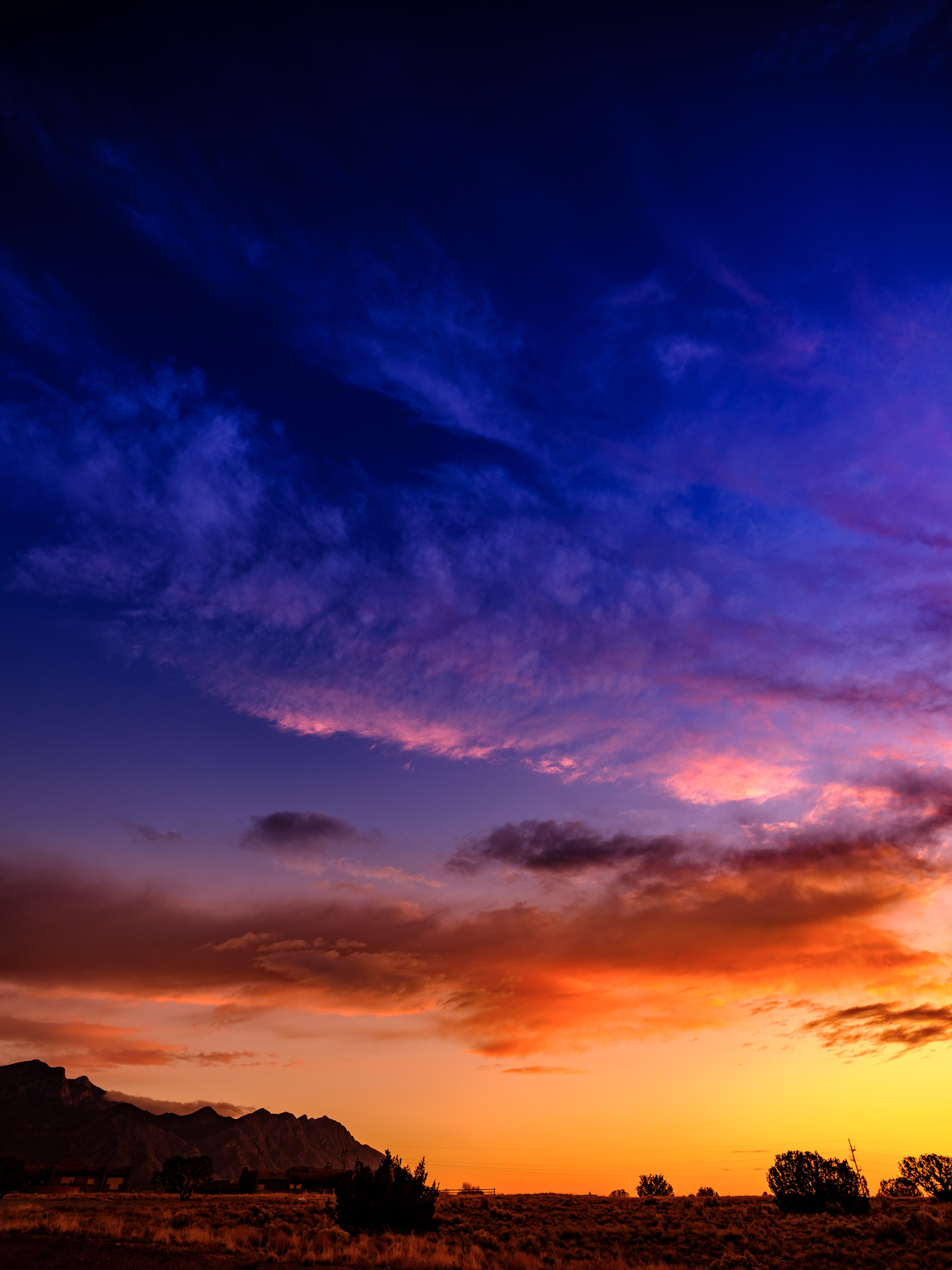
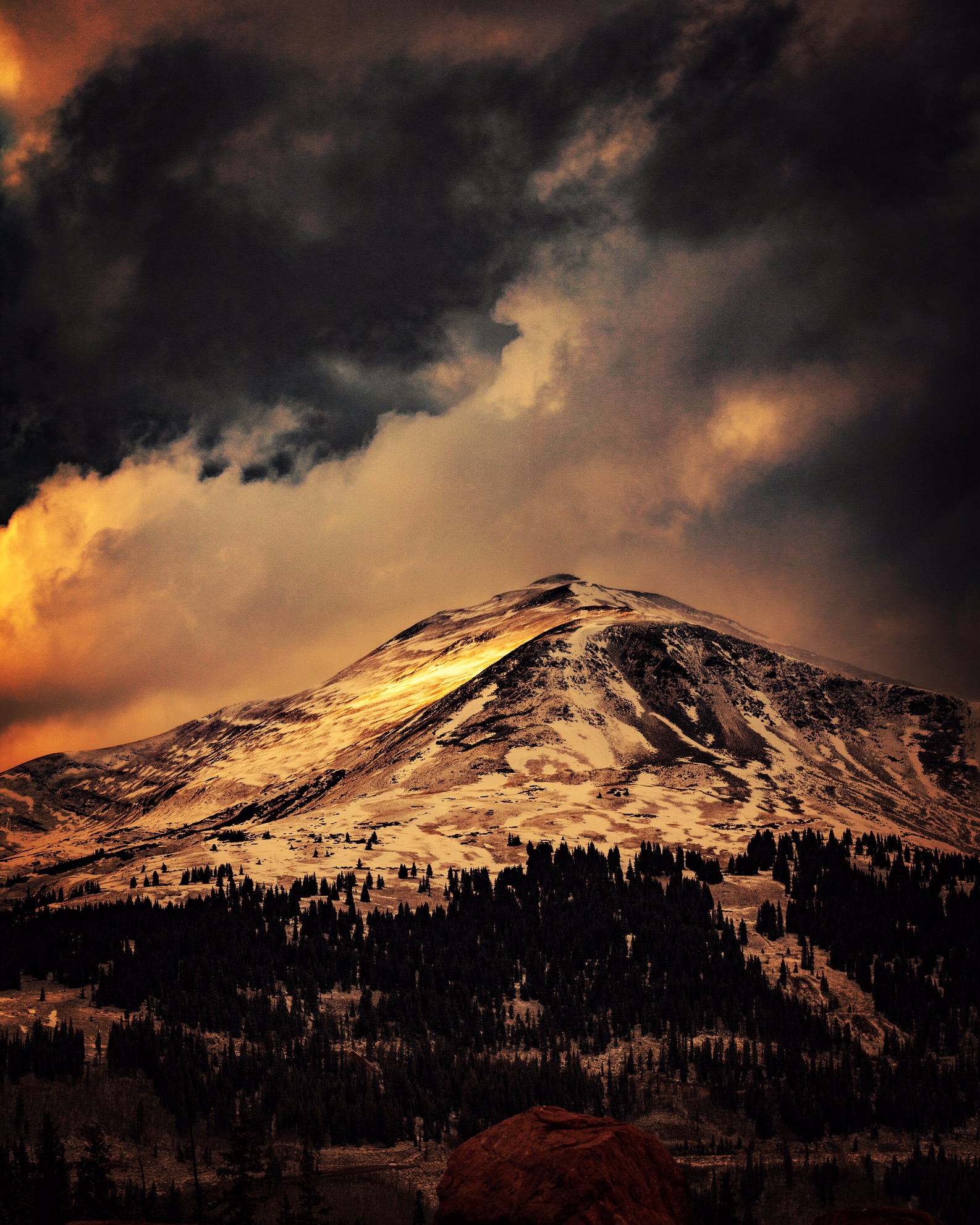
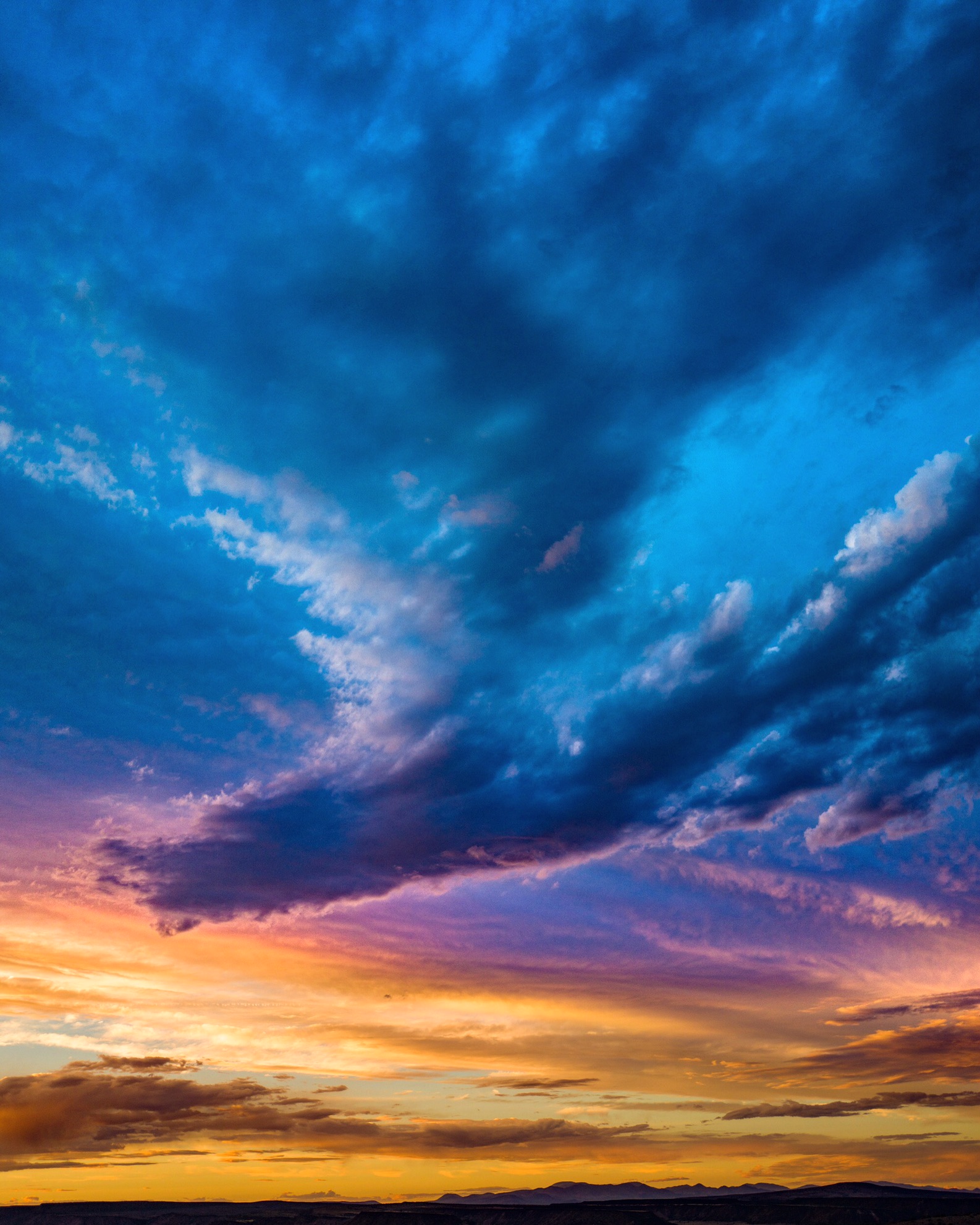
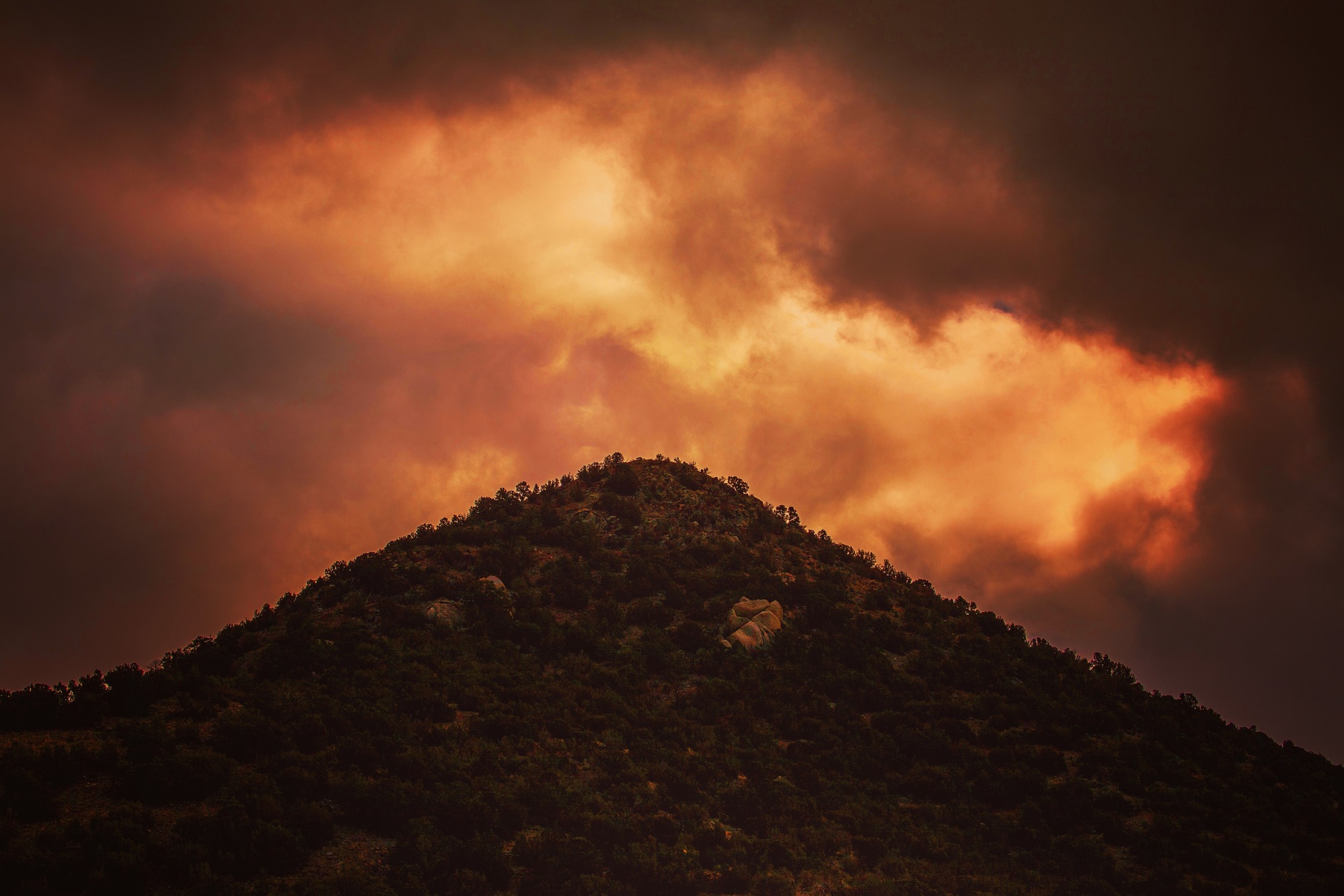
For myself, I try (and don’t always succeed) to find some sort of “character” in a landscape - some sort of drama like a cloudform that reminds me of a bird or rolling apocalyptic clouds that remind me of the end of days. And without something like this on a shot, I have a harder time selling myself and others on an over-the-top color and contrast rendition of the scene. But if I can come up with an image that reminds me of say a William Blake painting or an old oil painting (something Canon sensors lend themselves toward IMO), then I can feel really good about it.
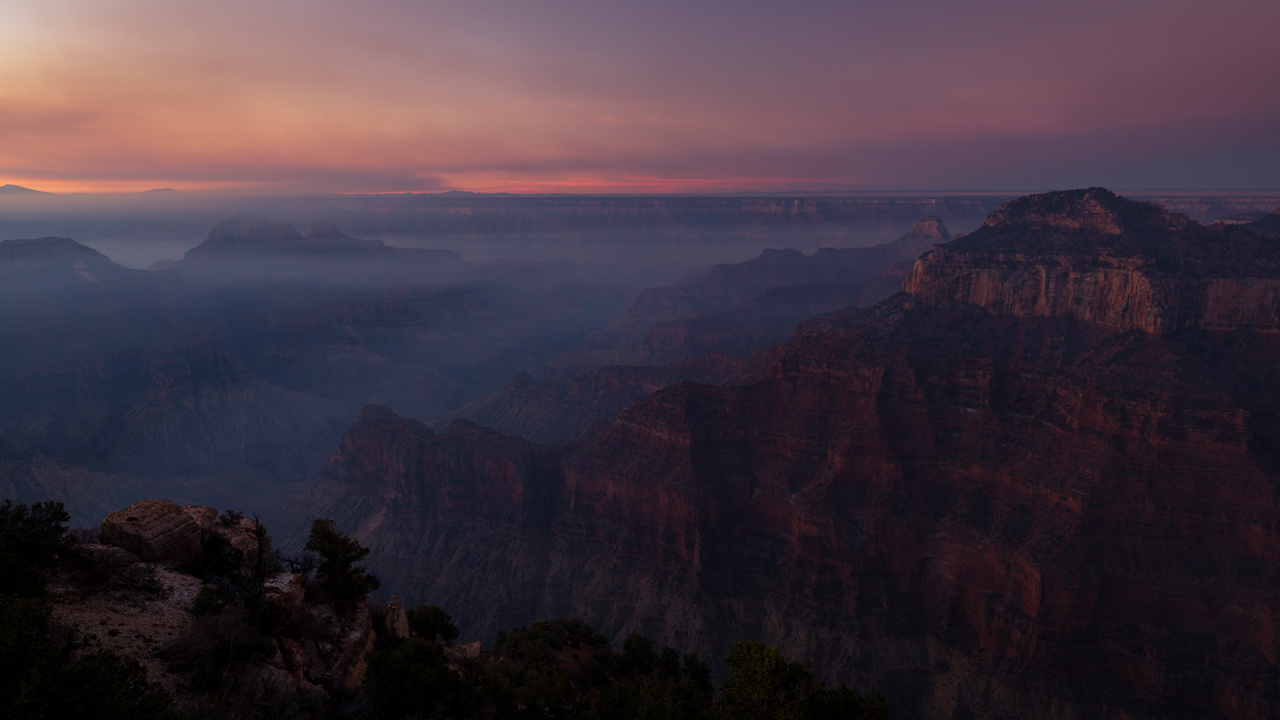
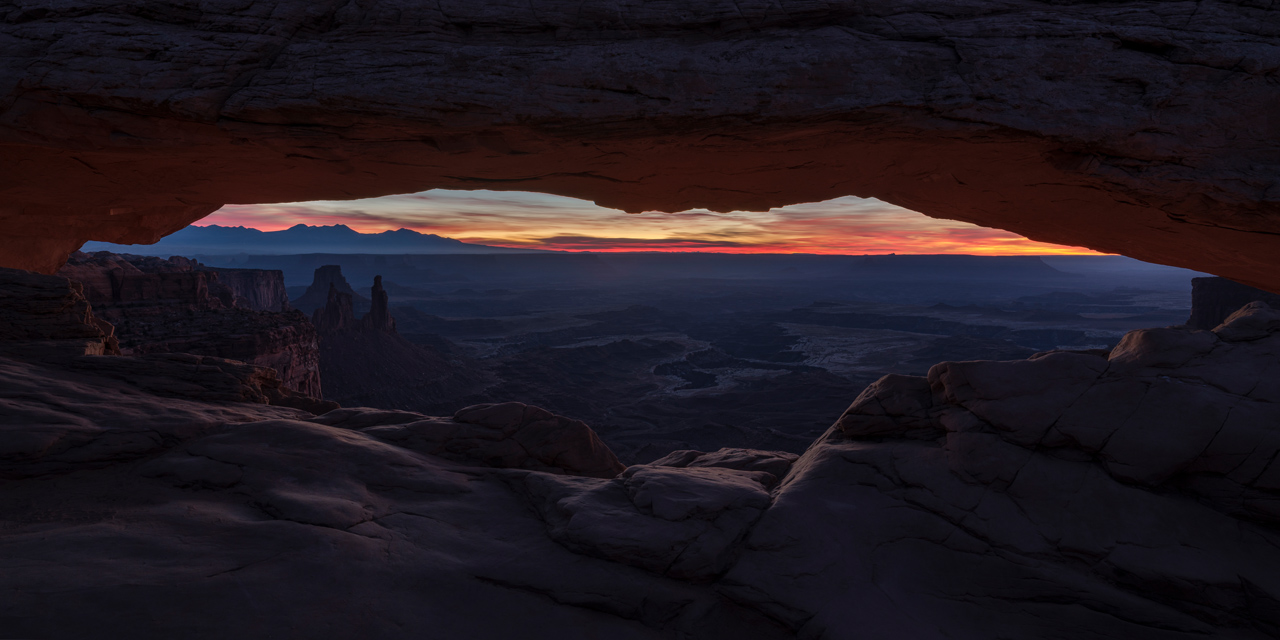
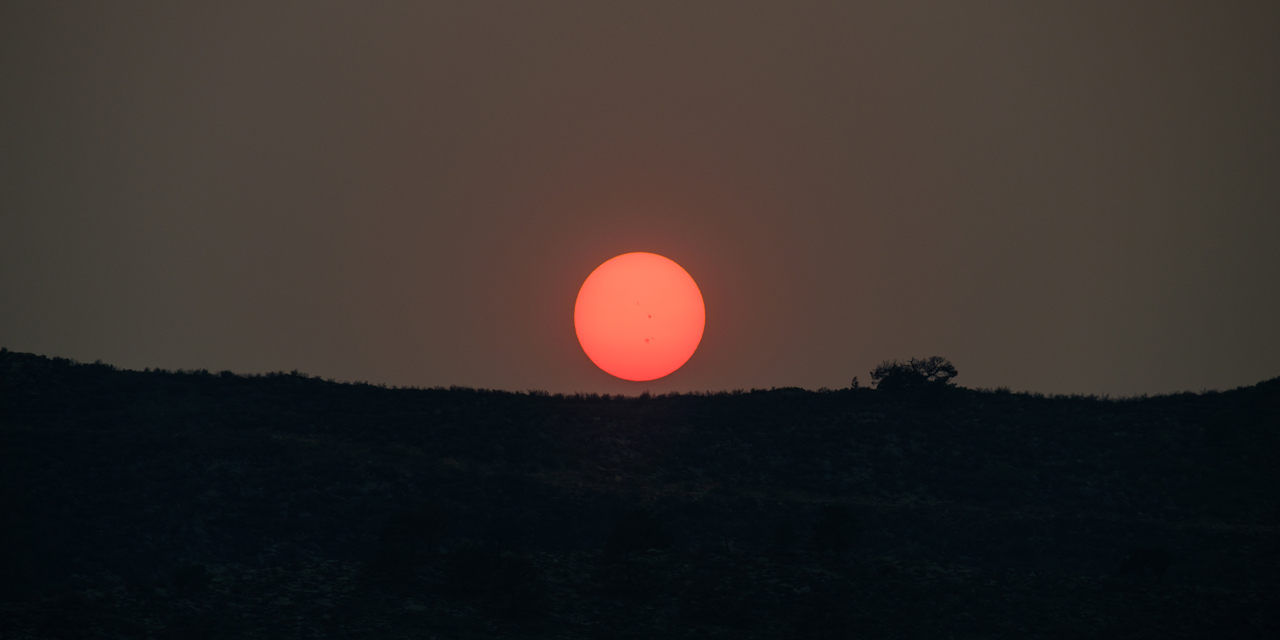
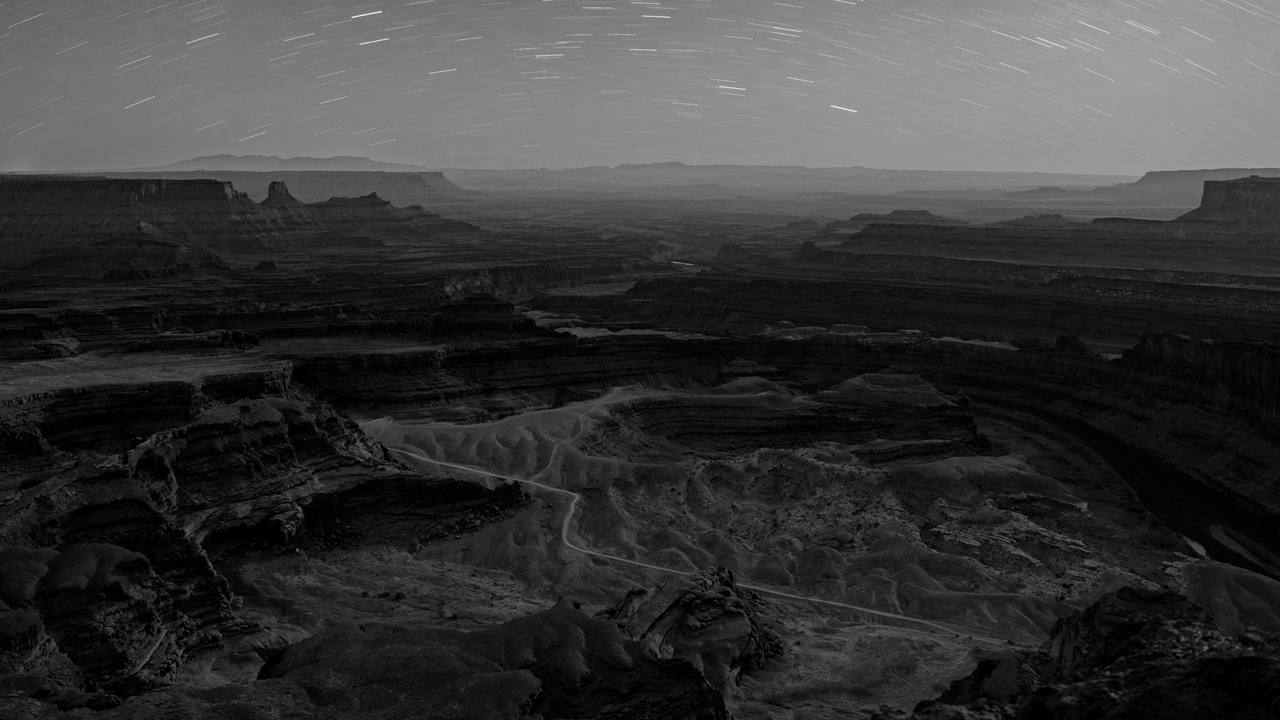
— and apologies for posting non-GFX images in a GFX images thread, but I haven’t had the GFX long enough to get shots like theses.
 © highdesertmesa 2017
 © highdesertmesa 2017
 © highdesertmesa 2017
|