chiron wrote:
Thank you. I may take one or at most two good light zooms--the Sigma 17-28/2.8 and the Sigma 28-70/2.8. But I do prefer shooting primes. Also, I rarely shoot outside of the 24-90mm range--that is just the framing I prefer. I find that most shots made with either longer or shorter focal lengths than that seem to impose the characteristics of the focal length on the image. I especially don't like compression effects. One of the things I like about your set of Batis 18mm is that they don't look like they were shot with an 18mm. So, clearly some of the issue is skill in composing and positioning the camera....Show more →
I’m very much like you. I don’t change my style of photography as I go from place to place. I always focus on bringing back images that portray the culture unique in the different places and always take my usual staple of lens. There are many resources these days on the net that one can use prior to a trip to get a better handle on the lay of the land. I very rarely take a zoom because I don’ know what I’d be shooting.
Sometimes a bit of change of perspective with longer teles and ultra wides relieves the boredom of standard focal length shots. Provides variety. They can reveal the culture too I think. The idea that zooms are only for lazy photographers is just incorrect.
Robin Smith wrote:
Sometimes a bit of change of perspective with longer teles and ultra wides relieves the boredom of standard focal length shots. Provides variety. They can reveal the culture too I think. The idea that zooms are only for lazy photographers is just incorrect.
Where do you see anyone saying zooms are for lazy photographers? I’m saying I know what I like to photograph when I travel and that does not change with different destinations. Now I do have two kits, one for landscape and one for culture and take the appropriate kit depending on what I focus on.
Give there are no Batis zooms, let’s just cut it here.
When I was travelling with set of primes only,it happened quite often that I missed photographic opportunity only because I need to change lens.I prefer primes and have my favourite sets for various topics,yet sometimes zooms just fit better,while my style is remaining the same,no matter lenses I use.
So,as a rule of thumb,primes are chosen first when I visit the know place and have much time to photograph and zooms for the rest.
chez wrote:
I’m very much like you. I don’t change my style of photography as I go from place to place. I always focus on bringing back images that portray the culture unique in the different places and always take my usual staple of lens. There are many resources these days on the net that one can use prior to a trip to get a better handle on the lay of the land. I very rarely take a zoom because I don’ know what I’d be shooting.
Yes, and you make beautiful photographs. While I know that there are many excellent photographers who like zooms--Peire above recommends them for traveling in new places and Sebastio Salgado occasionally uses them--I personally find that when I use a zoom I often concentrate on the object I am photographing rather than on the composition or content of the photograph. It is hard to make clear what I mean--but the zoom lens for me tends toward a record-making function while the prime lens forces me to concentrate on the composition and meanings of the photograph. I am reminded of Cartier-Bresson who shot 50mm almost exclusively, occasionally 35mm or 135mm.
chiron wrote:
I am reminded of Cartier-Bresson who shot 50mm almost exclusively, occasionally 35mm or 135mm.
As far as I know, none of his photos look like 135mm. For much of his career, HCB's regular lens kit was 35, 50 and 90mm. Some time in the 1970's he mostly used 35 and 40mm.
NJPhotographer wrote:
As far as I know, none of his photos look like 135mm. For much of his career, HCB's regular lens kit was 35, 50 and 90mm. Some time in the 1970's he mostly used 35 and 40mm.
I believe he used 135mm for some of his landscapes and on some assignments, like his coverage of Gandhi's funeral. But most of his pictures were made with 50mm lenses, of which he owned and used several.
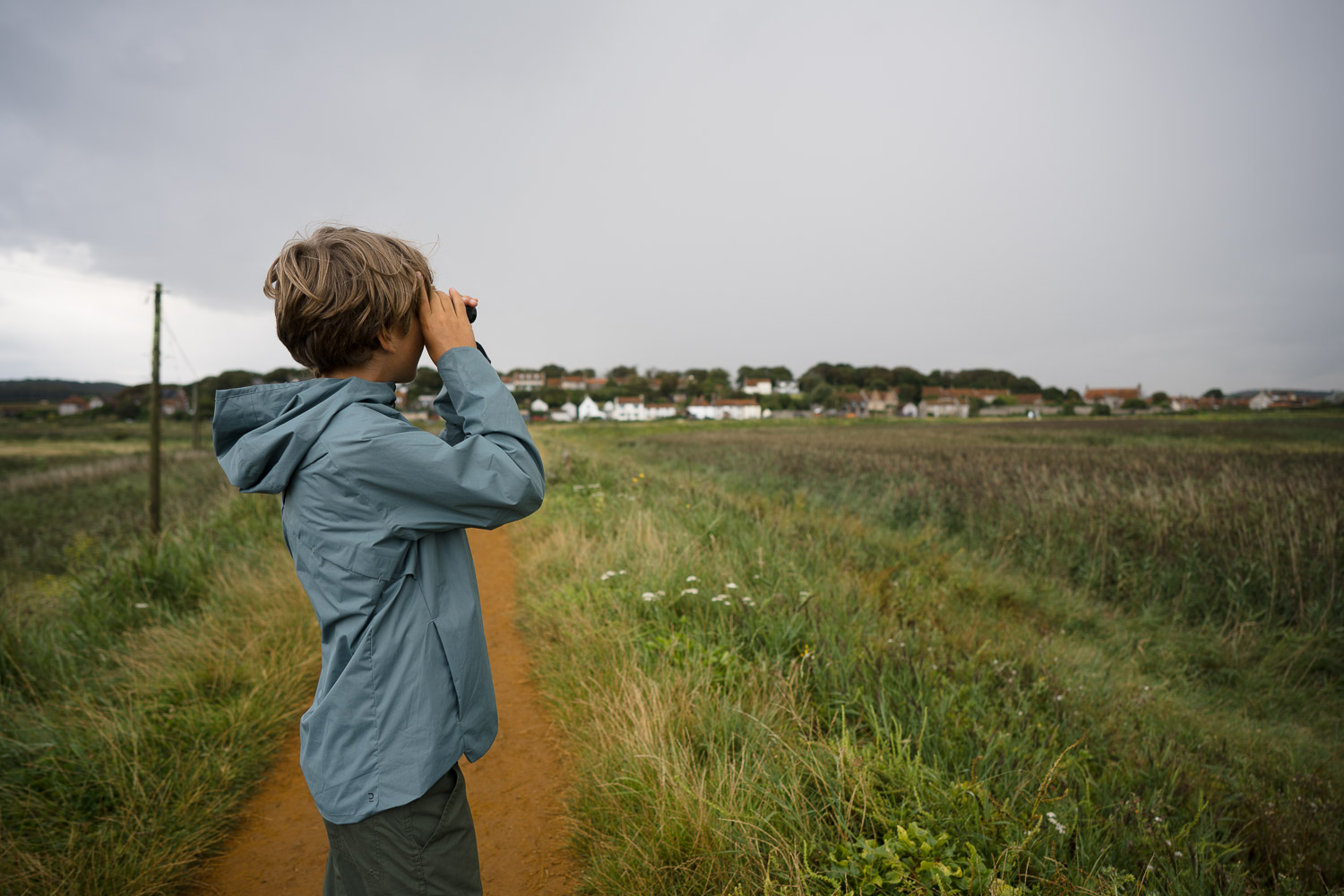
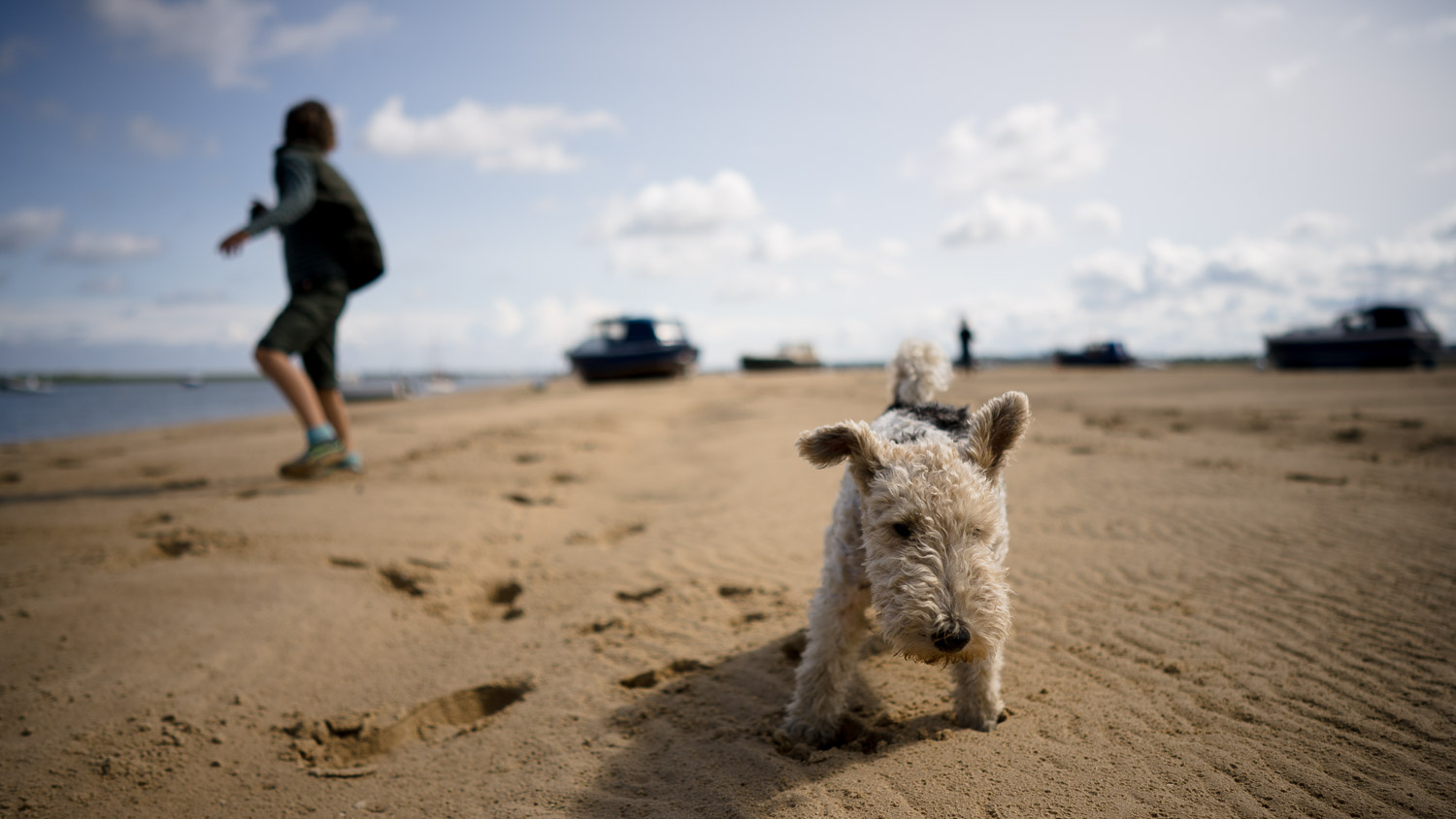
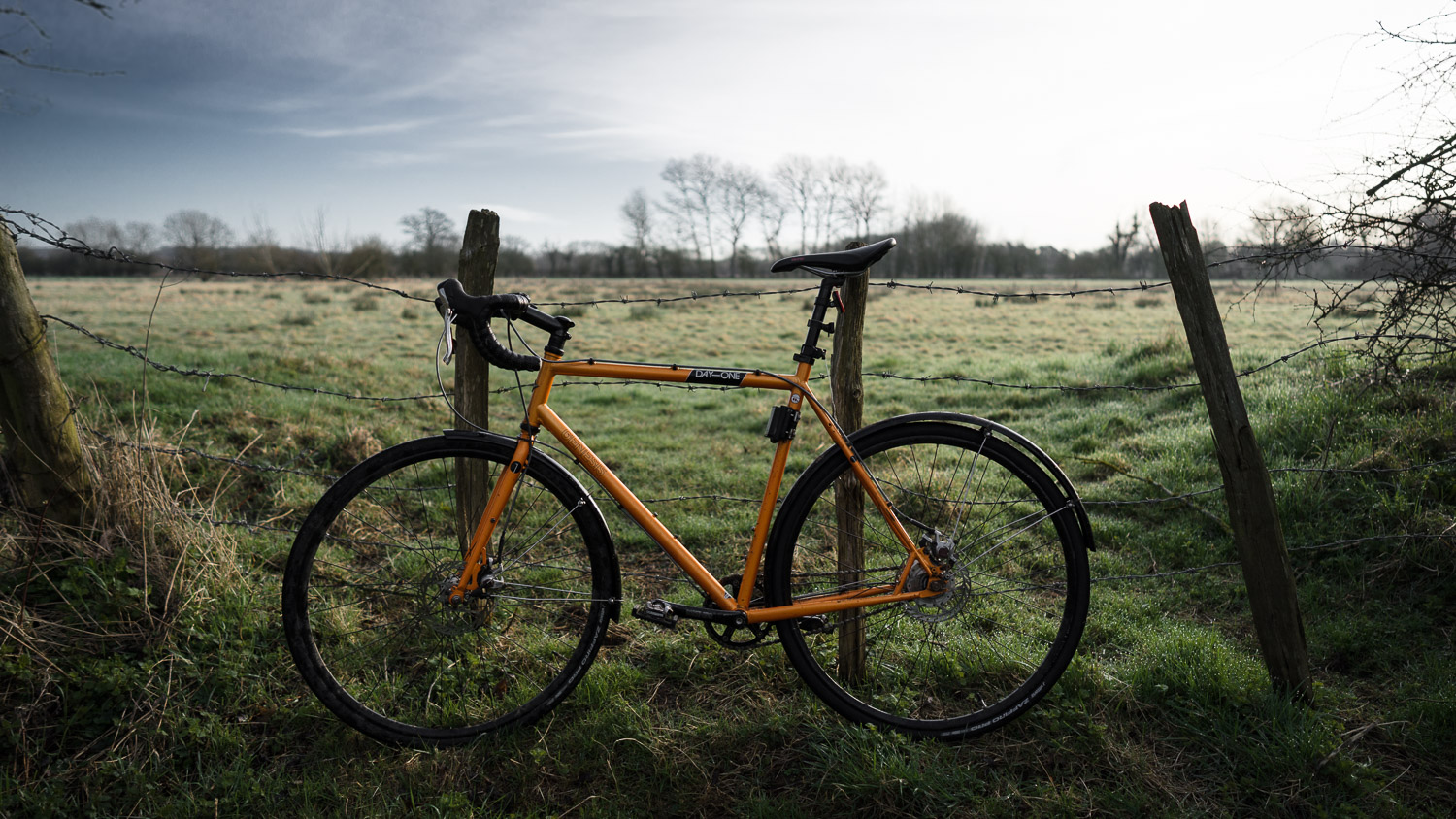
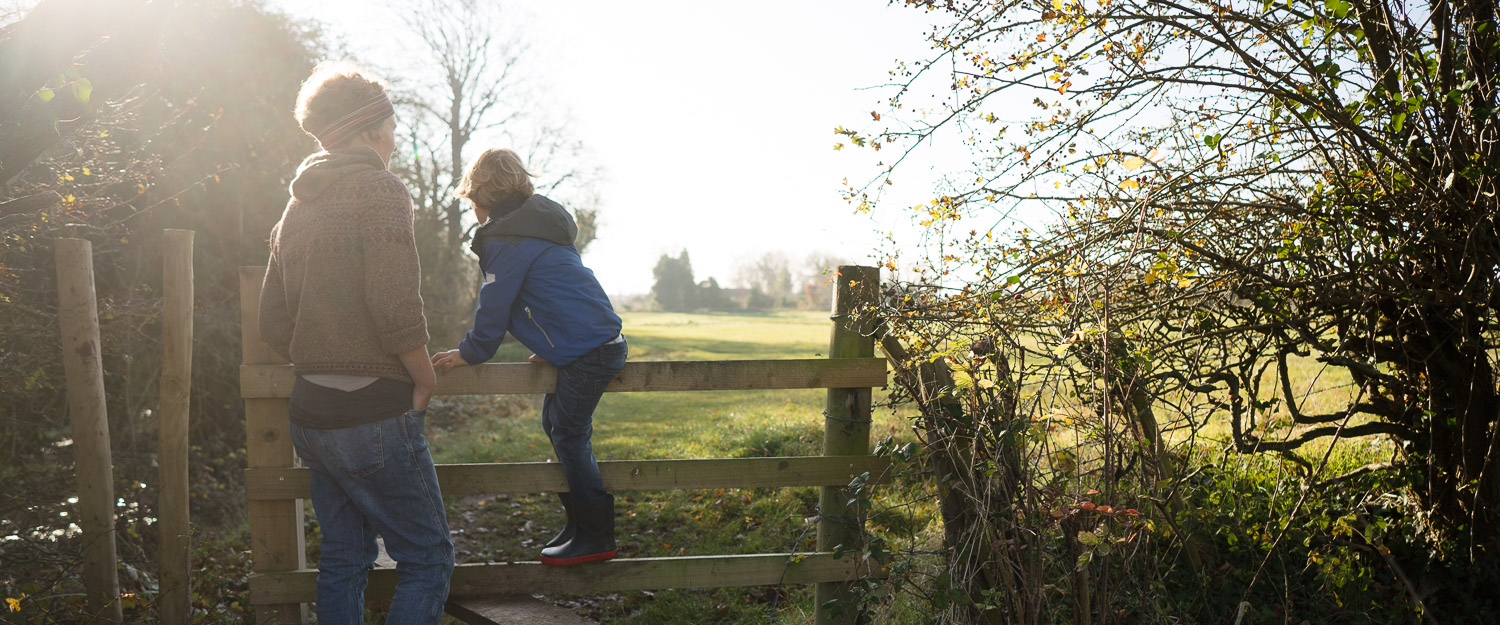
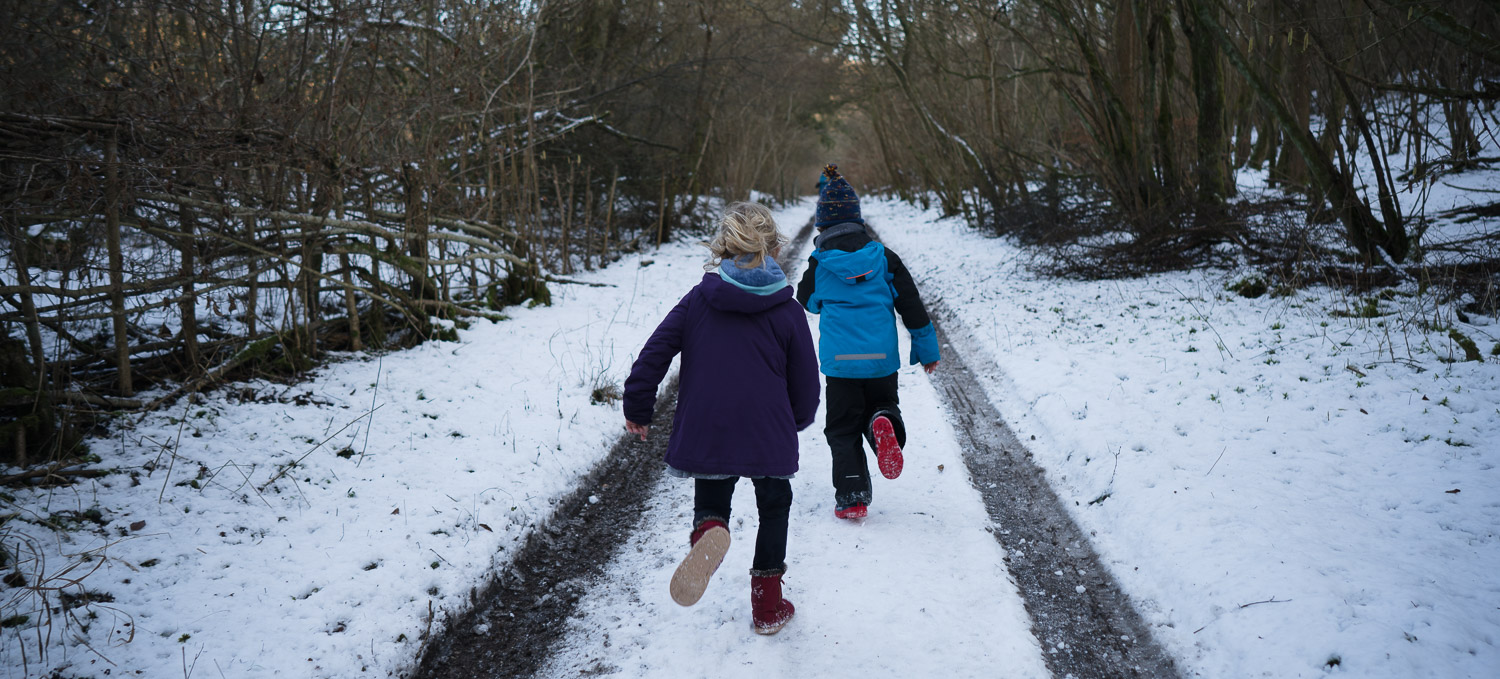
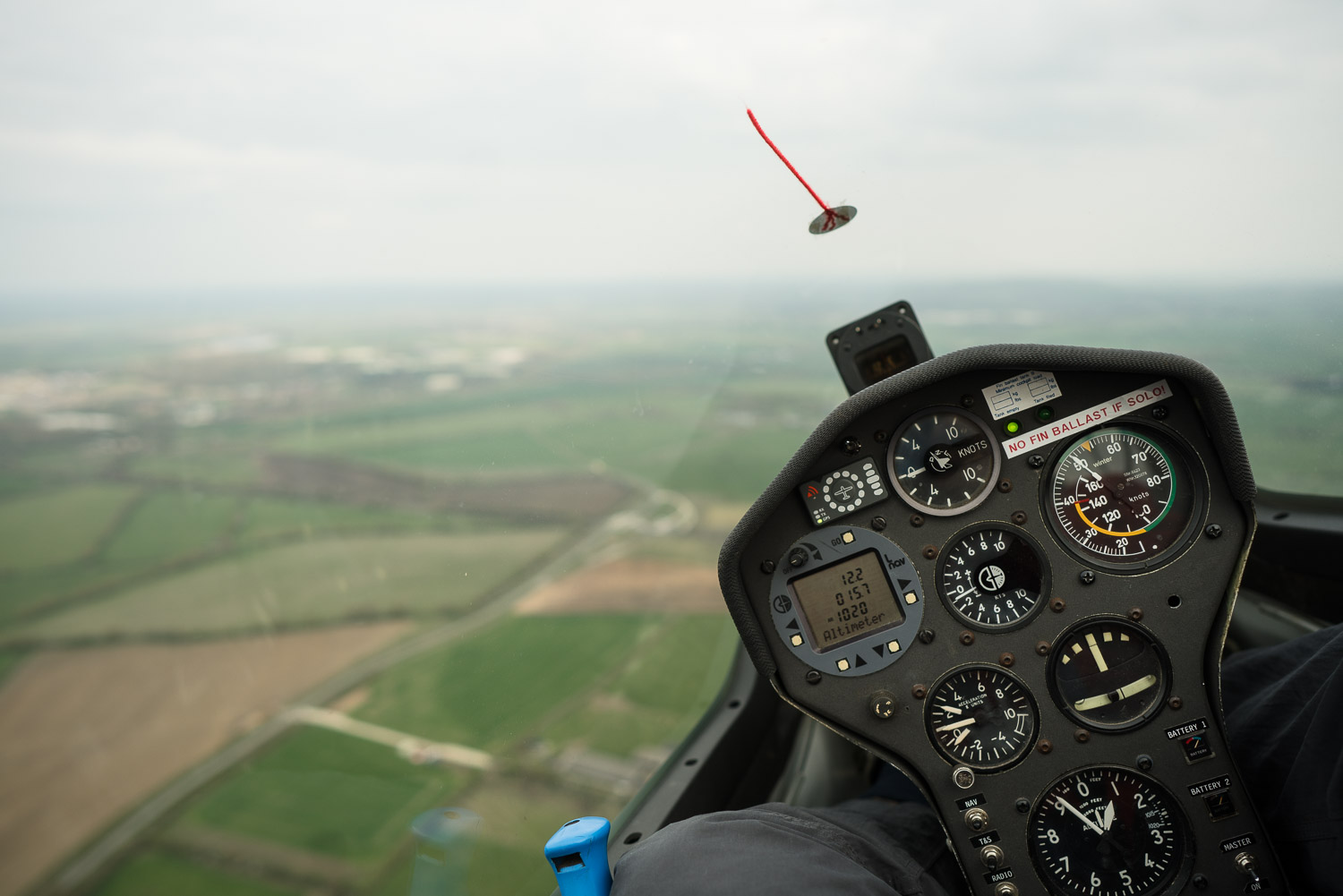
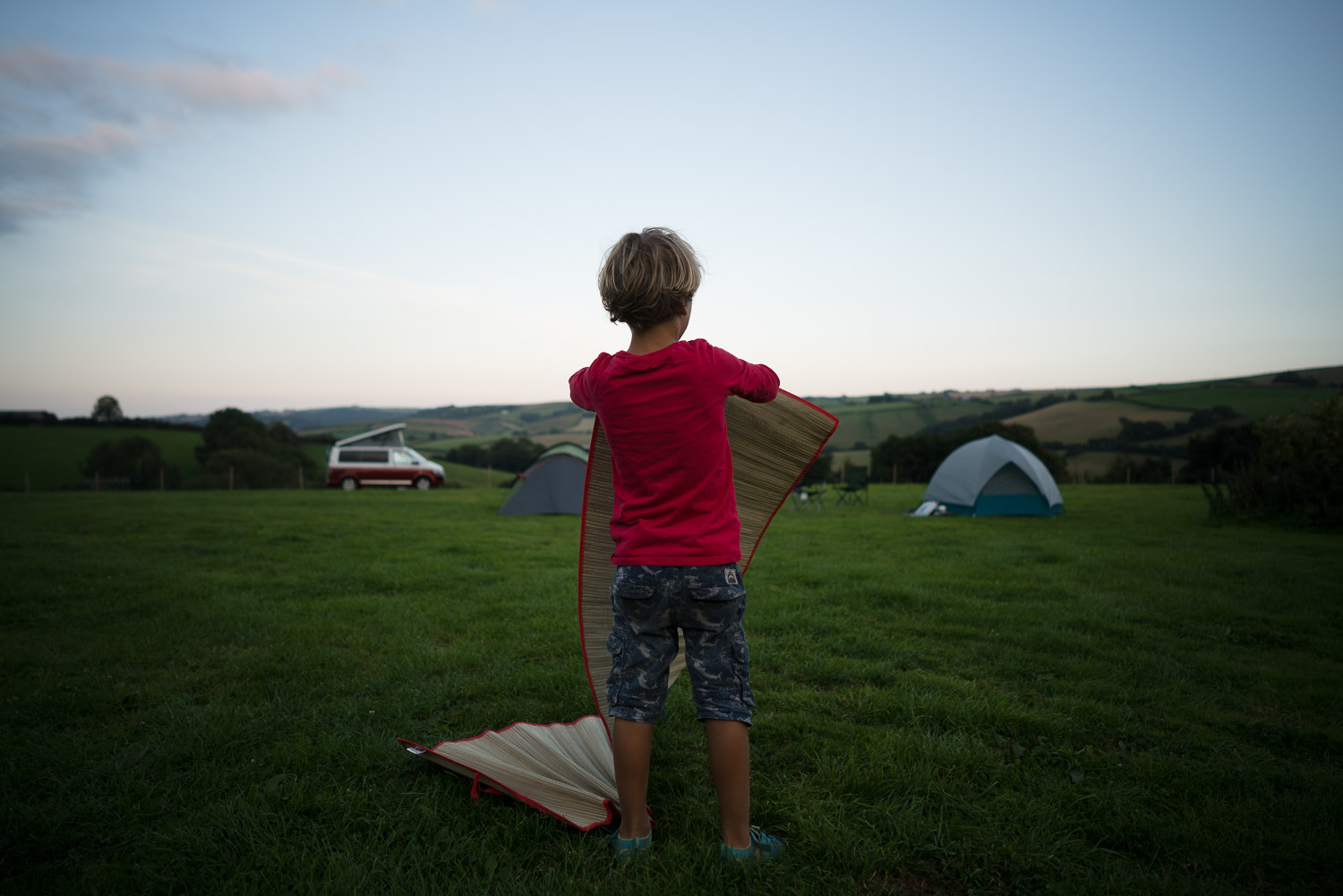
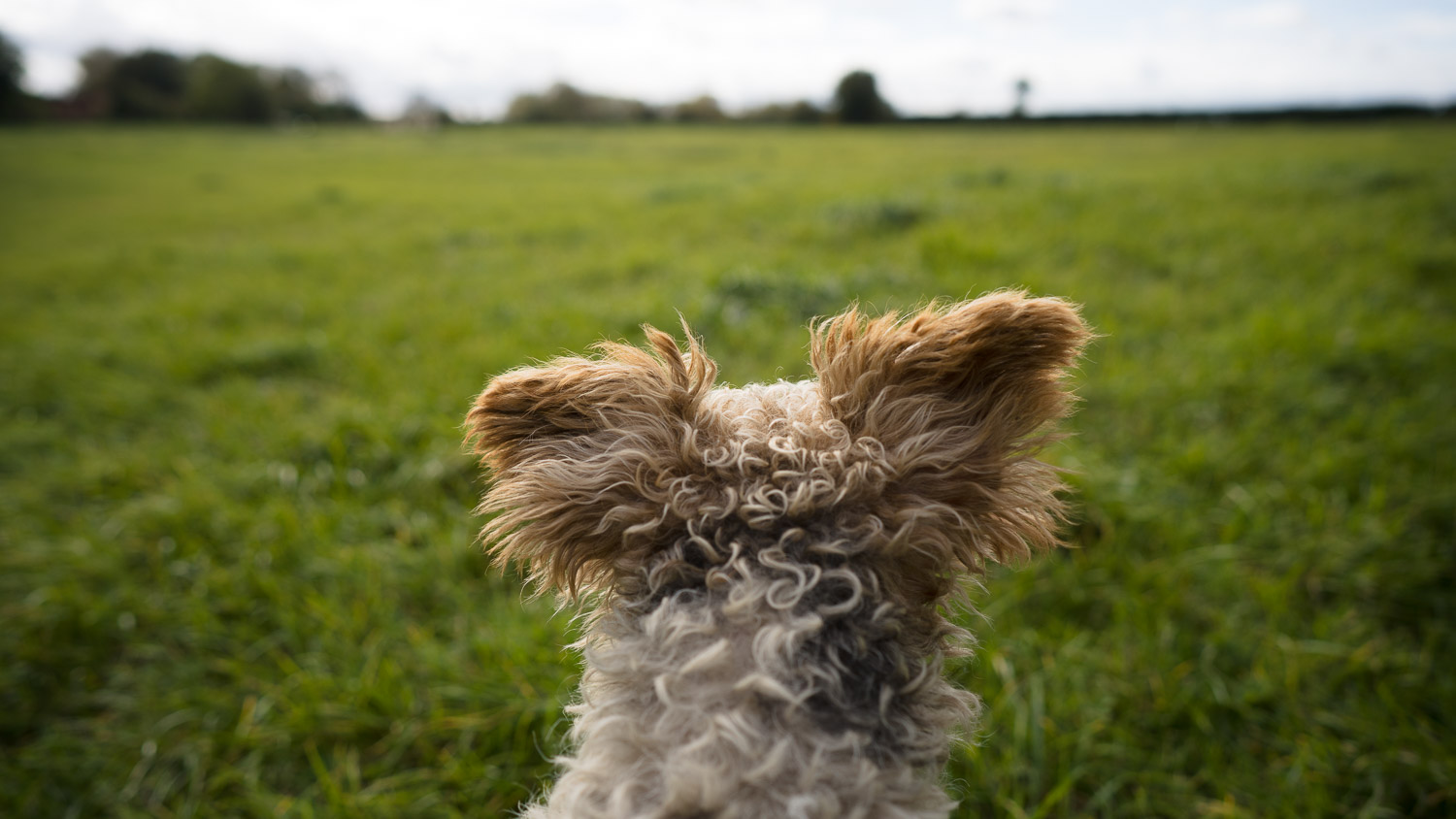
For more than a year now I've primarily been shooting with the 35GM and Batis 85, but over the summer I've started shooting with the Batis 25 again. I was struck by how organic the look is, compared to the 35GM: very contrasty in a way that seems to amplify the type of light I'm shooting in.
It seems like it's made for people: it's very sharp at intermediate distances, and the contrast adds a depth I don't see in other lenses. Sorry for not showing any faces - I'm not comfortable doing that on the open internet.
For more than a year now I've primarily been shooting with the 35GM and Batis 85, but over the summer I've started shooting with the Batis 25 again. I was struck by how organic the look is, compared to the 35GM: very contrasty in a way that seems to amplify the type of light I'm shooting in.
It seems like it's made for people: it's very sharp at intermediate distances, and the contrast adds a depth I don't see in other lenses. Sorry for not showing any faces - I'm not comfortable doing that on the open internet.
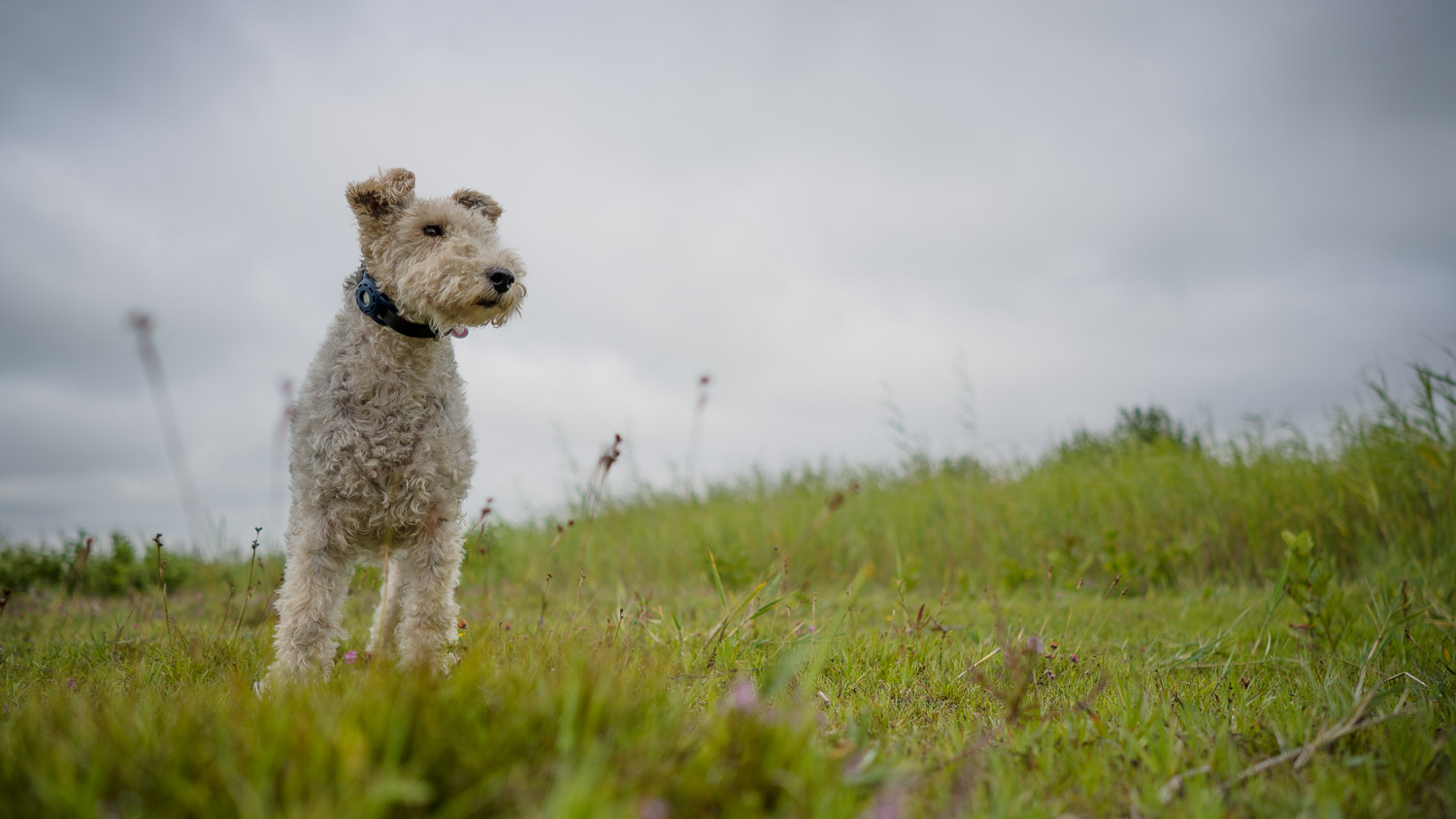
I feel the same way. The Batis series is made for people because the images always make a very lively impression on me. But at the same time you can also take wonderful landscape photos with Batis or great long exposures at blue hour. With little effort in Lightroom you can make the colors and contrasts shine. I would like to advise you not to try the Batis 40 under any circumstances. 40mm and f2 sounds boring at first. However, the lens actually has extreme addictive potential. I have been using the Batis 40/2 almost exclusively for almost three years. I use it for everyday life, family, travel, landscape, blue hour or architecture. The color output and the microcontrasts create a completely unusual image impression that I was not familiar with before. Sometimes the pictures look like they were painted. The contrasts and micro-contrasts remind me a bit of Voigtlander, just with Zeiss colors and AF. I sometimes find the image impression to be so extraordinarily beautiful that I don't miss f1.4. And when I use a different lens because I need a different focal length, I often miss the Batis 40 look. Believe me, it's better not to try the Batis 40 as it can pose a great danger to your 35 gp. I had my 85/1.4 GM exclusively in the display case for 5 years and have now sold it because I only used the 85 Batis. Three years ago we got a dog that requires very long walks every day. Since it is a Nordic dog with a thick coat, we always go out in the early evening in summer, when the temperature is cooler, but the lighting is also very impressive, the shadows become longer and longer and the light becomes softer and warmer. We are often on the road for 2-3 hours and I always take a few snapshots of my family or the dog with the Batis 40 without any photographic requirements. After almost 3 years of Batis 40, I still have those wow moments when I see the pictures. This wonderful early evening atmosphere that I feel when we spend hours walking in a very spacious park in the evening is actually reflected in the Batis 40 pictures. If you like Batis 25 and 85, you are really at risk and should definitely avoid the Batis 40 like the devil avoids holy water.
Schwarzlicht wrote:
I feel the same way. The Batis series is made for people because the images always make a very lively impression on me. But at the same time you can also take wonderful landscape photos with Batis or great long exposures at blue hour. With little effort in Lightroom you can make the colors and contrasts shine. I would like to advise you not to try the Batis 40 under any circumstances. 40mm and f2 sounds boring at first. However, the lens actually has extreme addictive potential. I have been using the Batis 40/2 almost exclusively for almost three years. I use it for everyday life, family, travel, landscape, blue hour or architecture. The color output and the microcontrasts create a completely unusual image impression that I was not familiar with before. Sometimes the pictures look like they were painted. The contrasts and micro-contrasts remind me a bit of Voigtlander, just with Zeiss colors and AF. I sometimes find the image impression to be so extraordinarily beautiful that I don't miss f1.4. And when I use a different lens because I need a different focal length, I often miss the Batis 40 look. Believe me, it's better not to try the Batis 40 as it can pose a great danger to your 35 gp. I had my 85/1.4 GM exclusively in the display case for 5 years and have now sold it because I only used the 85 Batis. Three years ago we got a dog that requires very long walks every day. Since it is a Nordic dog with a thick coat, we always go out in the early evening in summer, when the temperature is cooler, but the lighting is also very impressive, the shadows become longer and longer and the light becomes softer and warmer. We are often on the road for 2-3 hours and I always take a few snapshots of my family or the dog with the Batis 40 without any photographic requirements. After almost 3 years of Batis 40, I still have those wow moments when I see the pictures. This wonderful early evening atmosphere that I feel when we spend hours walking in a very spacious park in the evening is actually reflected in the Batis 40 pictures. If you like Batis 25 and 85, you are really at risk and should definitely avoid the Batis 40 like the devil avoids holy water. ...Show more →
I've enjoyed your Batis photos for a while. What do you do with them in post-processing? You elicit beautiful colors and light from many of the files. The lens should get a lot of credit for that, but I feel sure some post-processing must strengthen the effect.
My first experience with the Batis line was to get something AF that wasn't covered in my Loxia collection: Batis 18 (used, from B&S forum). I was wowed by the color and contrast, and soon managed to snag three other used lenses on this forum as well: Batis 25, 40, and 85. I really have no use for the 135, but who knows, someday . . .
I wish someone made an AF converter like the Sigma MC-11, but to go in reverse: from E-mount to R-mount with electronic connections. I would love to put my Zeiss E-mount Loxia, Batis and CV lenses on Canon R bodies!
Schwarzlicht wrote:
If you like Batis 25 and 85, you are really at risk and should definitely avoid the Batis 40 like the devil avoids holy water.
Haha I know what you mean! I used to have the Batis 40, but ultimately I didn't like the focal length: it was just a little too long for me. 40mm vs 35mm for me is the difference between looking at things vs being part of things.
Schwarzlicht wrote:
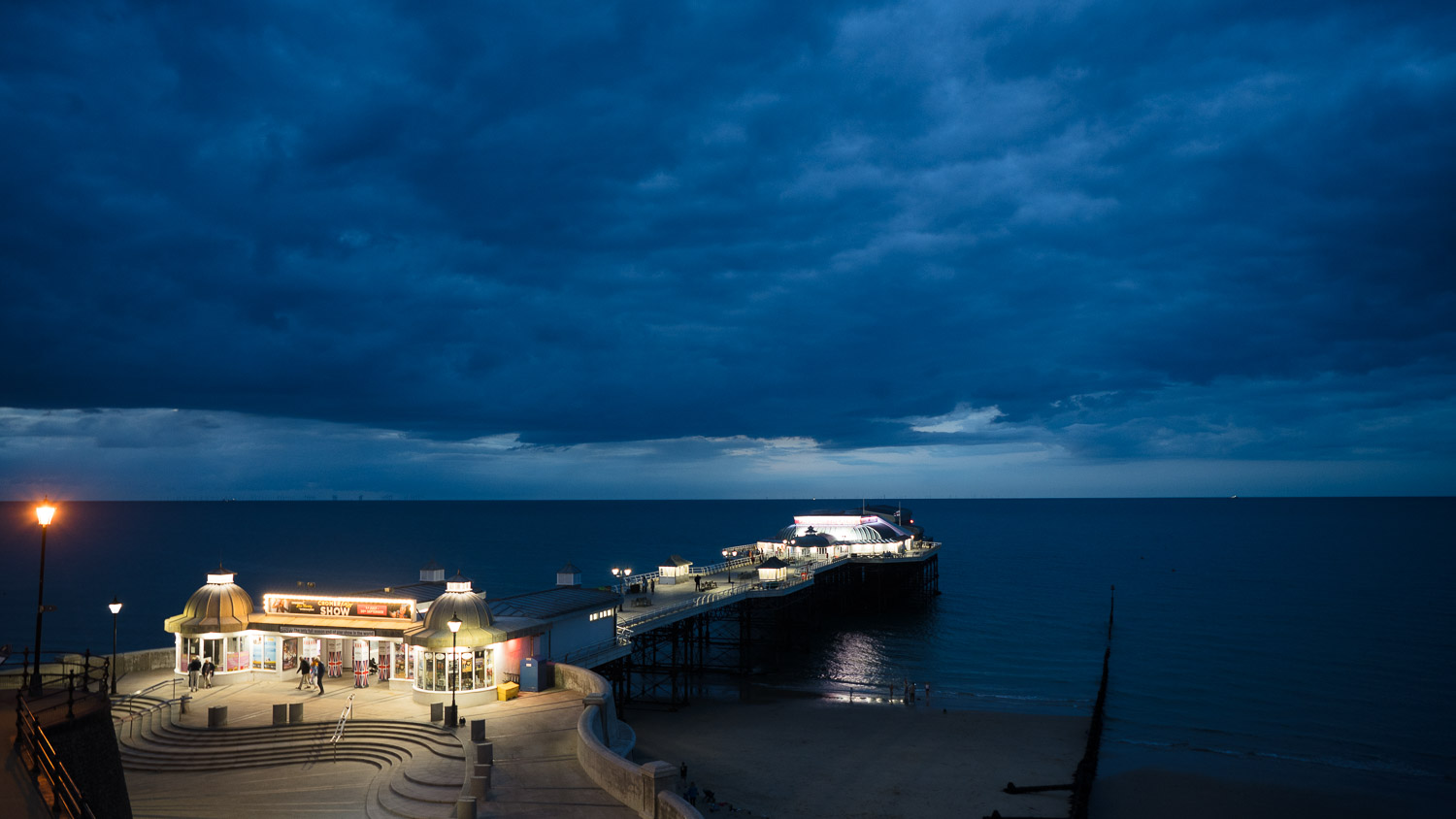
But at the same time you can also take wonderful landscape photos with Batis or great long exposures at blue hour
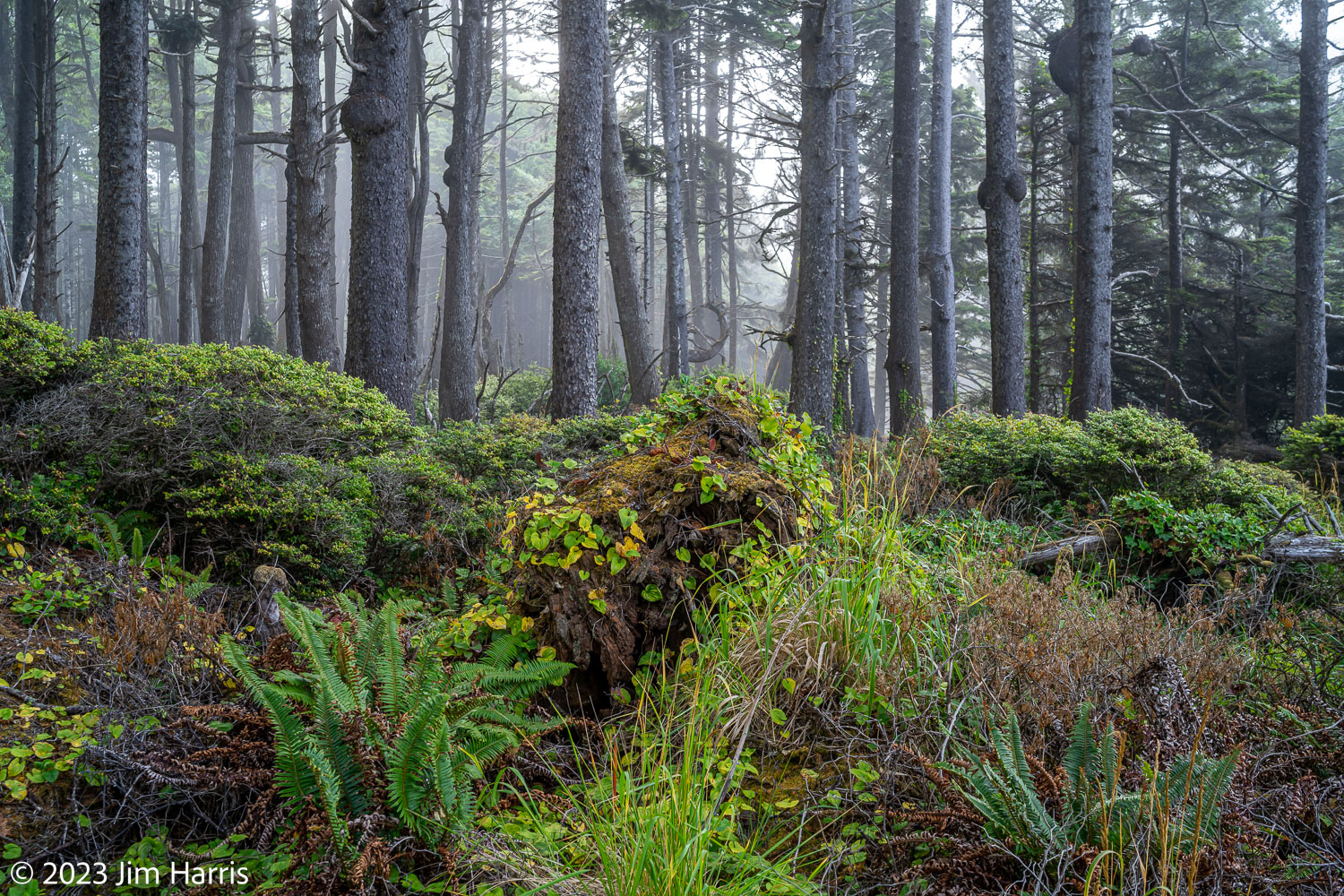
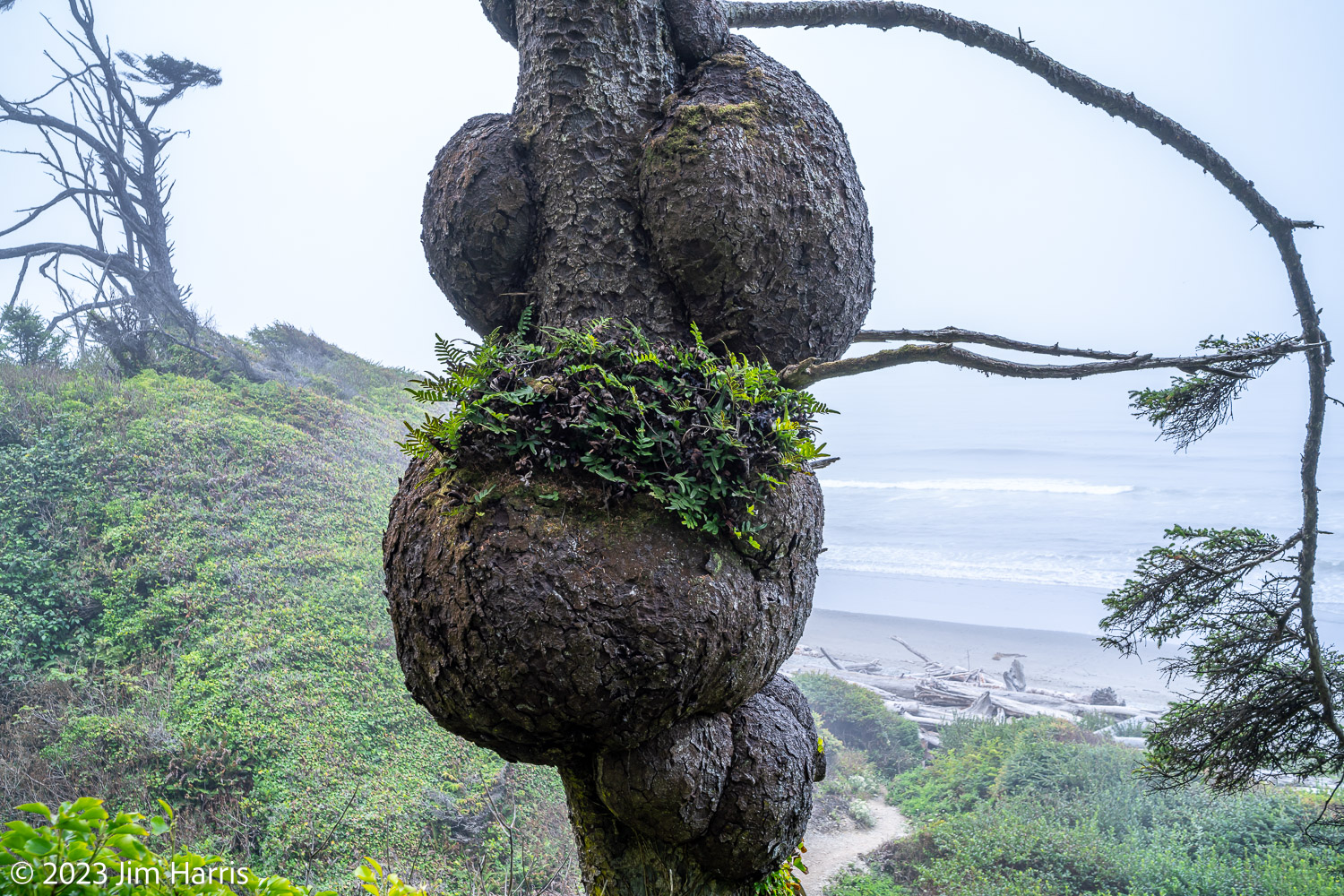
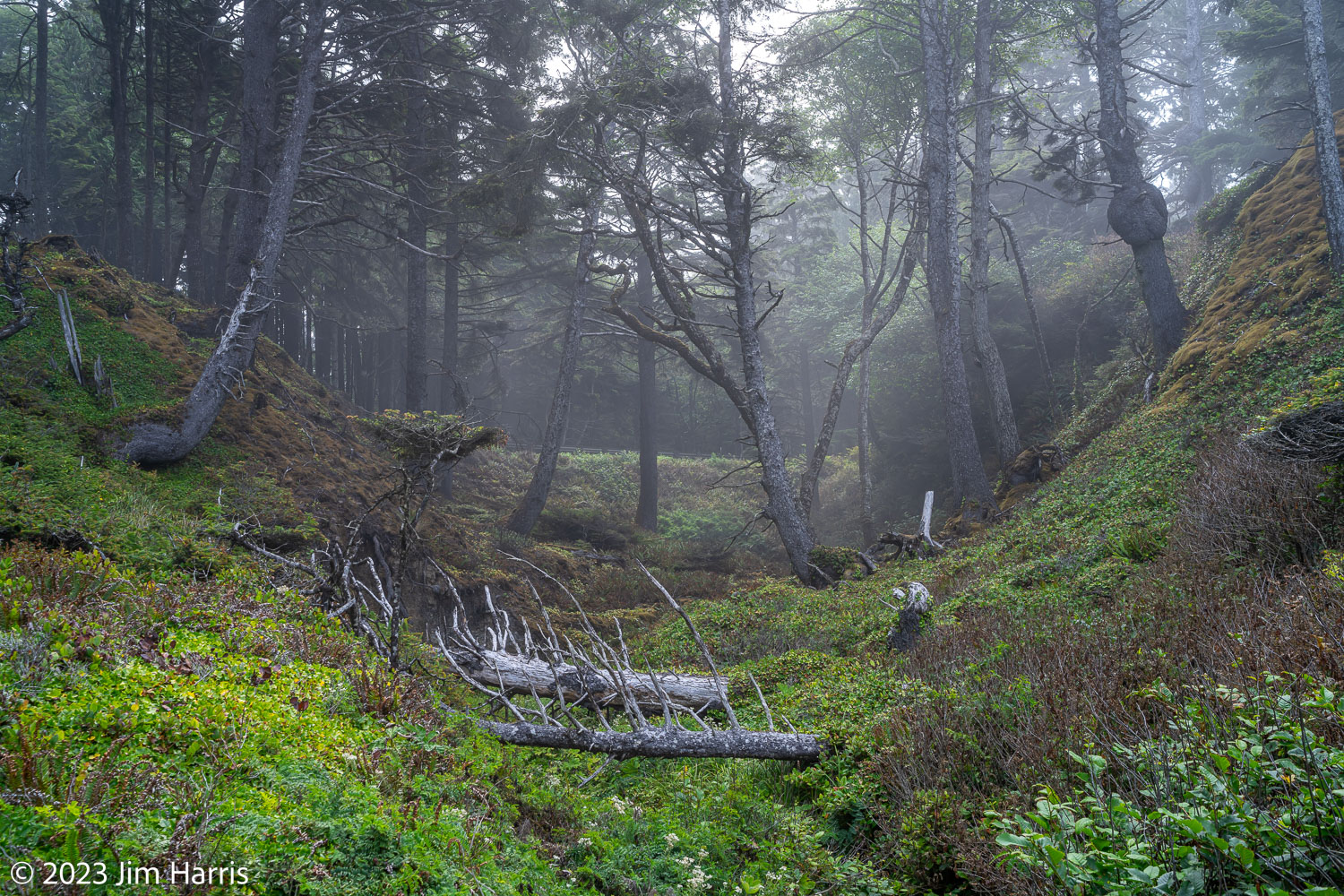
Absolutely - IMO the color separation in the blue-green to blue range is the best I've seen
Sony A7Riv, ZEISS Batis 25mm, f/2.0, 1/30s, 1000 ISO
Ineound wrote:
Very impressive! the separation is much more prominent than I would have expected (pic with the running kids).
Still contemplating over the 40mm Batis... (got the Sony 35mm F1.8 and the Samyang 45mm F1.8 right now)
Thanks! The Batis 40mm has all the contrast - as you can see with Schwartzlicht's photos. Unfortunately, the FOV was too narrow for me (it's more like a 43mm IIRC).
Yes. This does niggle me sometimes too. Completely agree with the Batis 40 description from Schwartzlich but would love it even more at 35mm. It's amazing how such a small difference can matter ... sometimes!