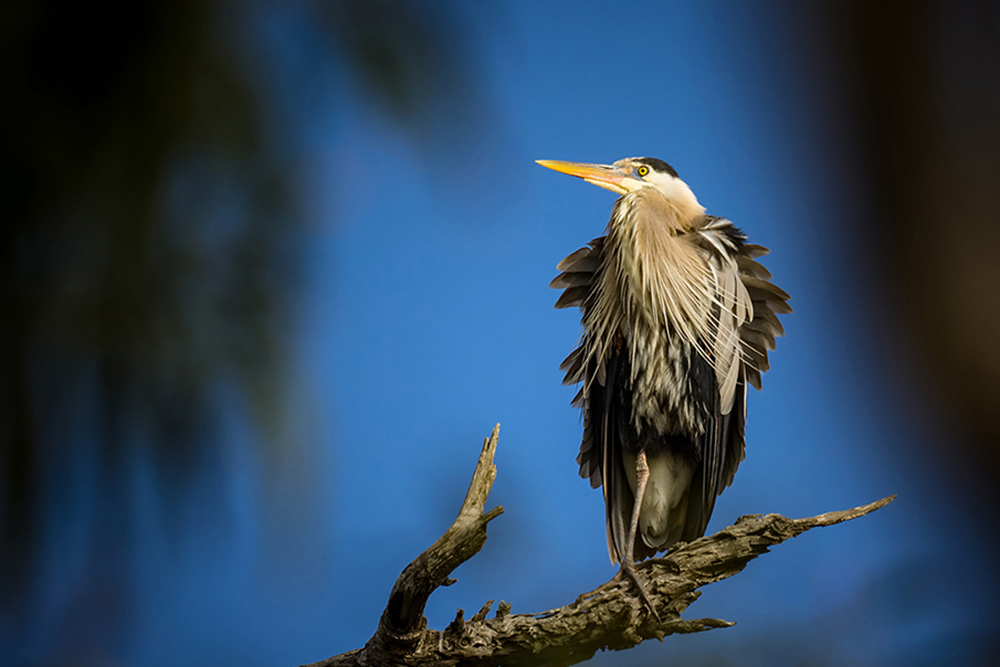
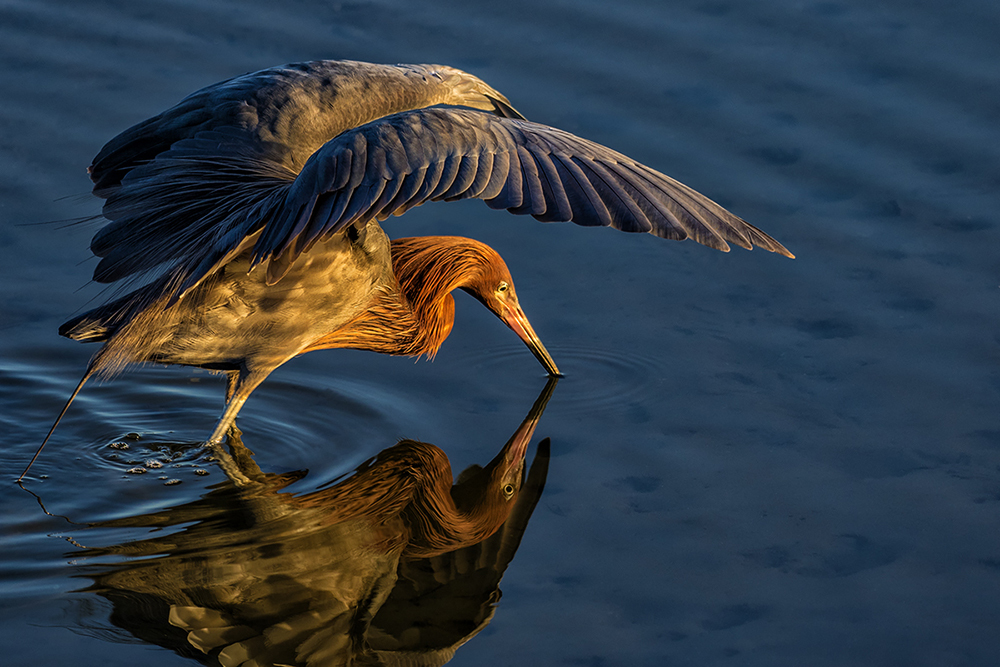
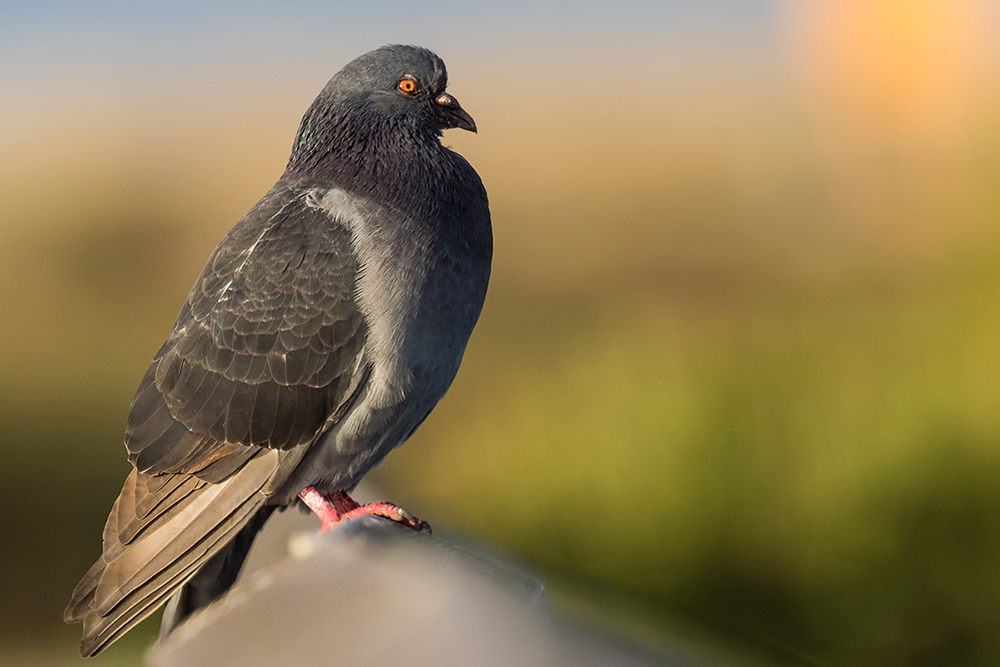
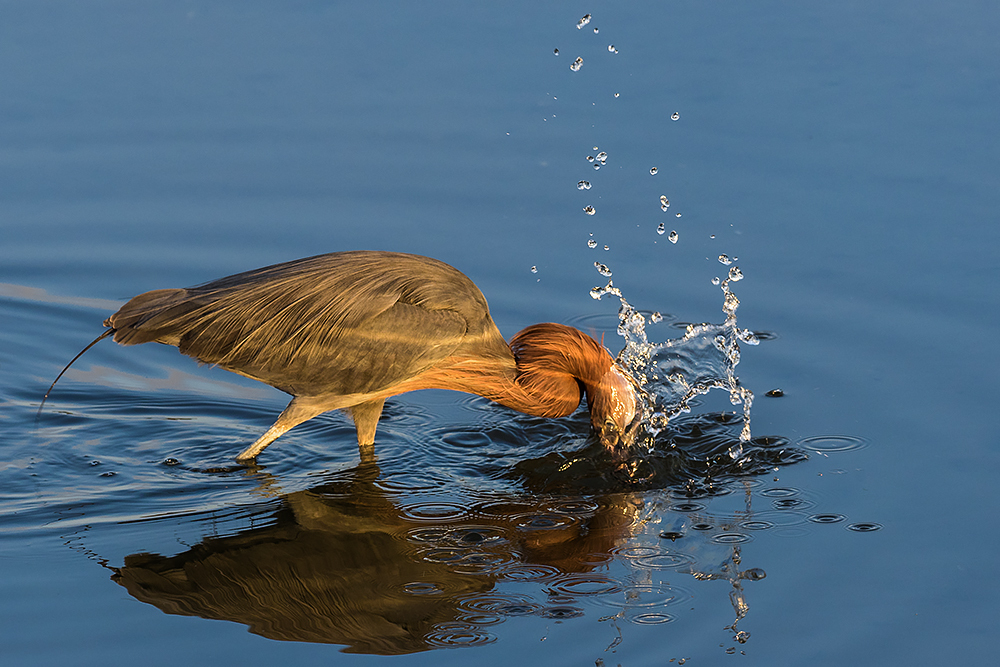
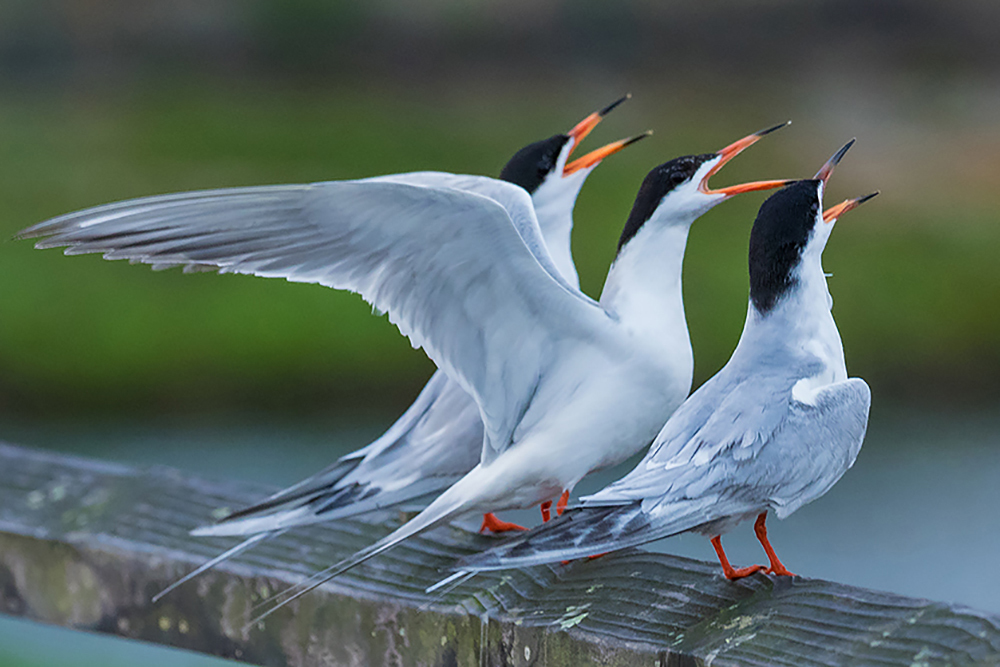
Sorry if there are some muddy corners, and the resolution/detail is not as good as the Olympus 300 PRO or PL 100-400 lens, but what are you going to do when you just have the Lumix consumer-grade 100-300 lens?
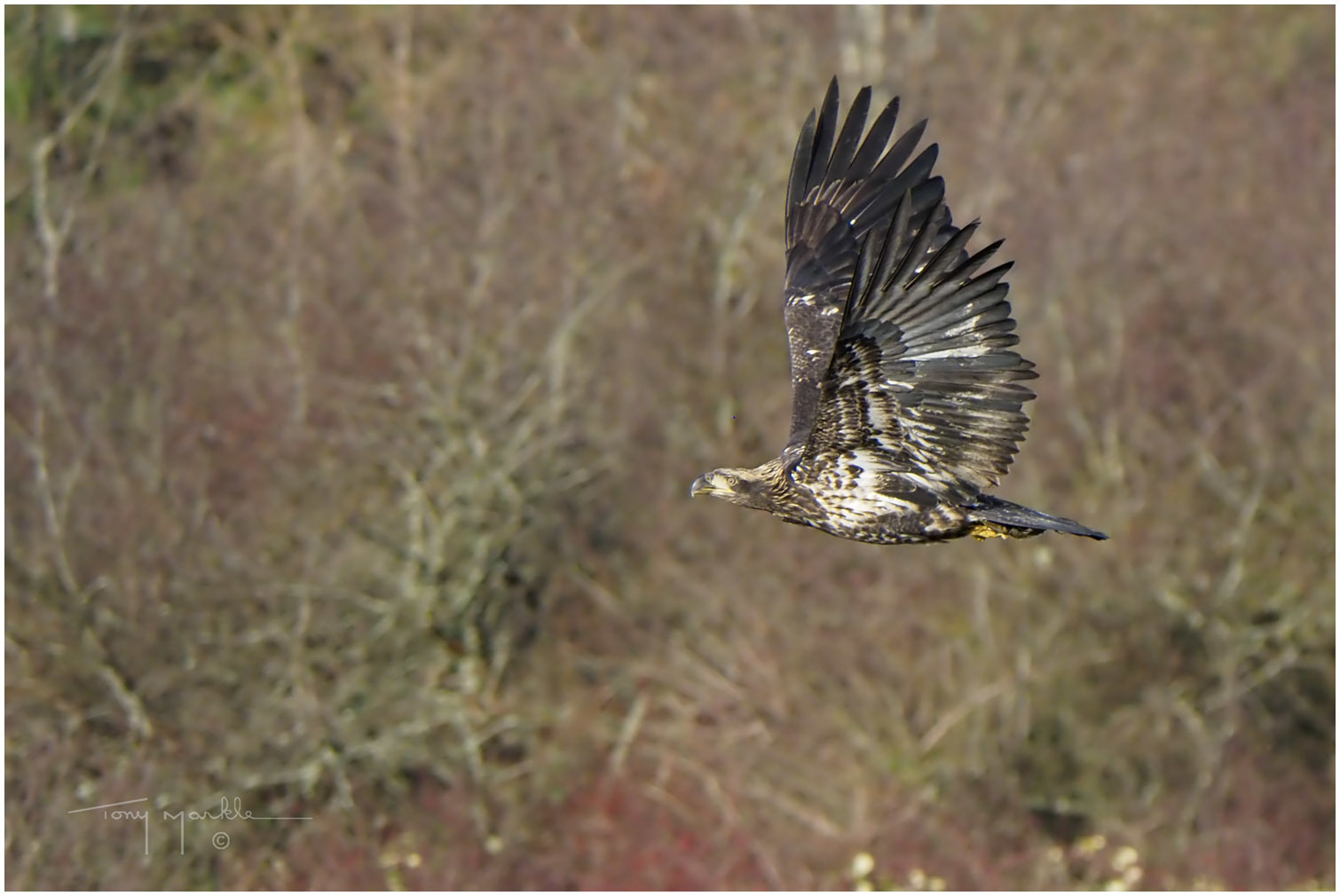
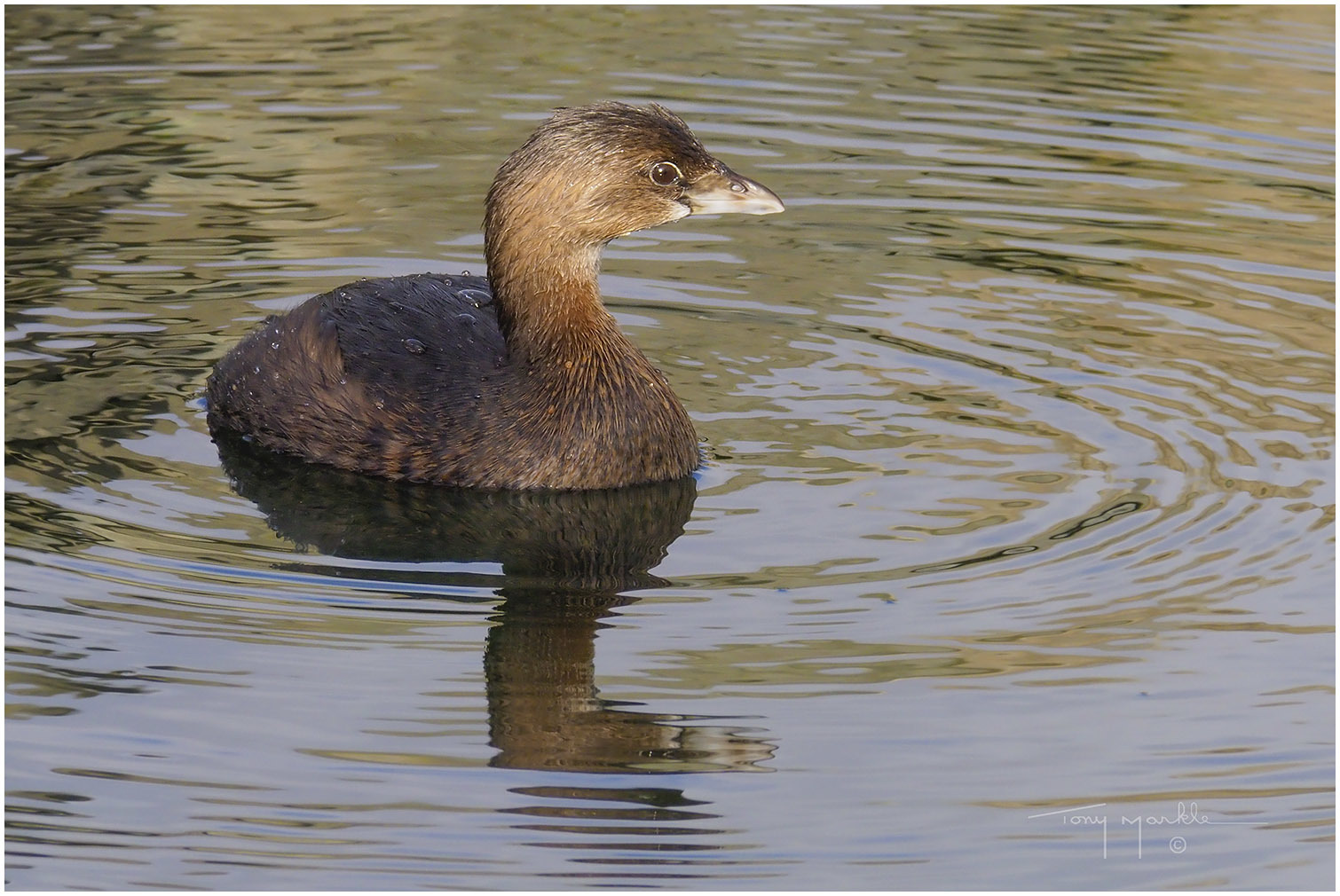
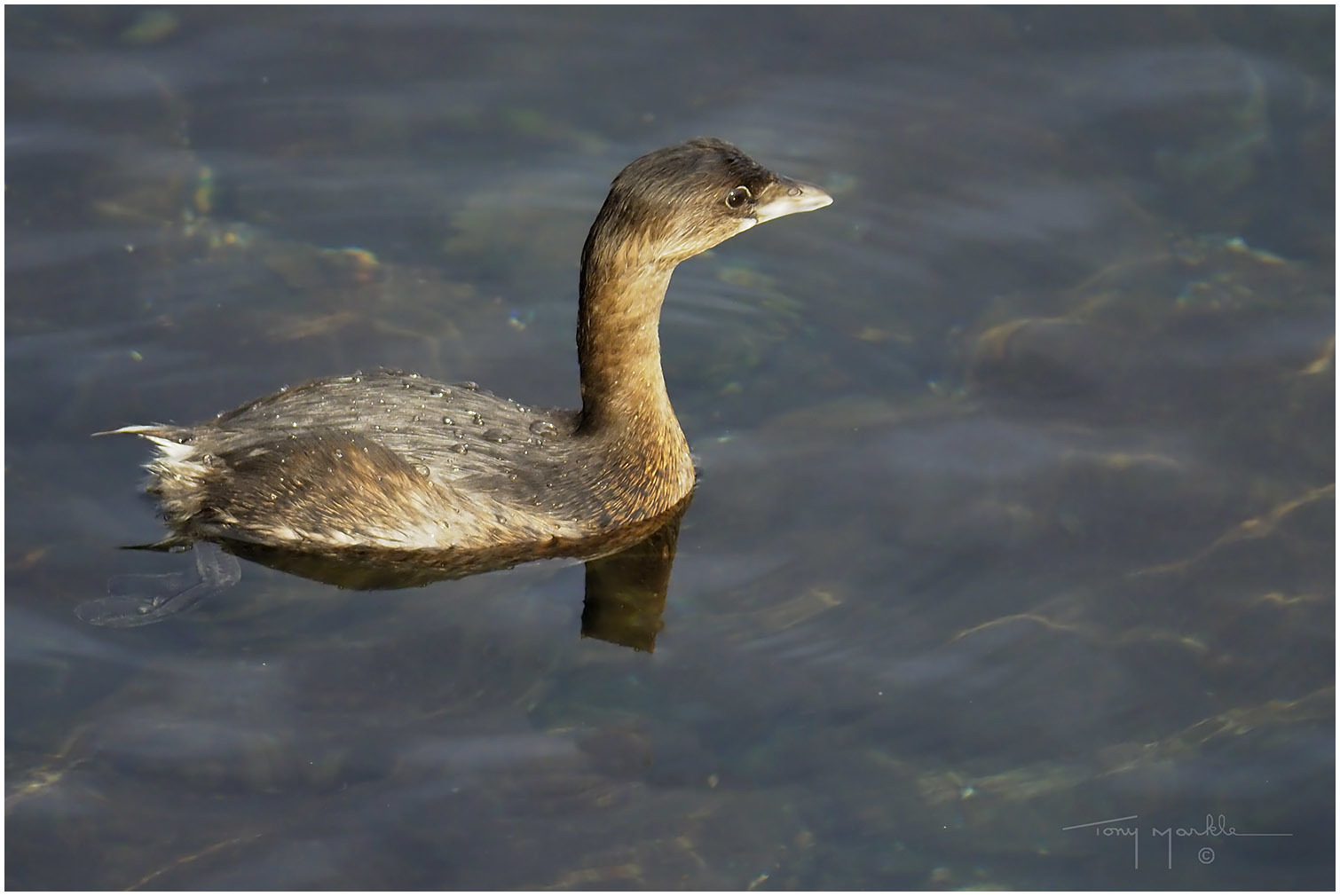
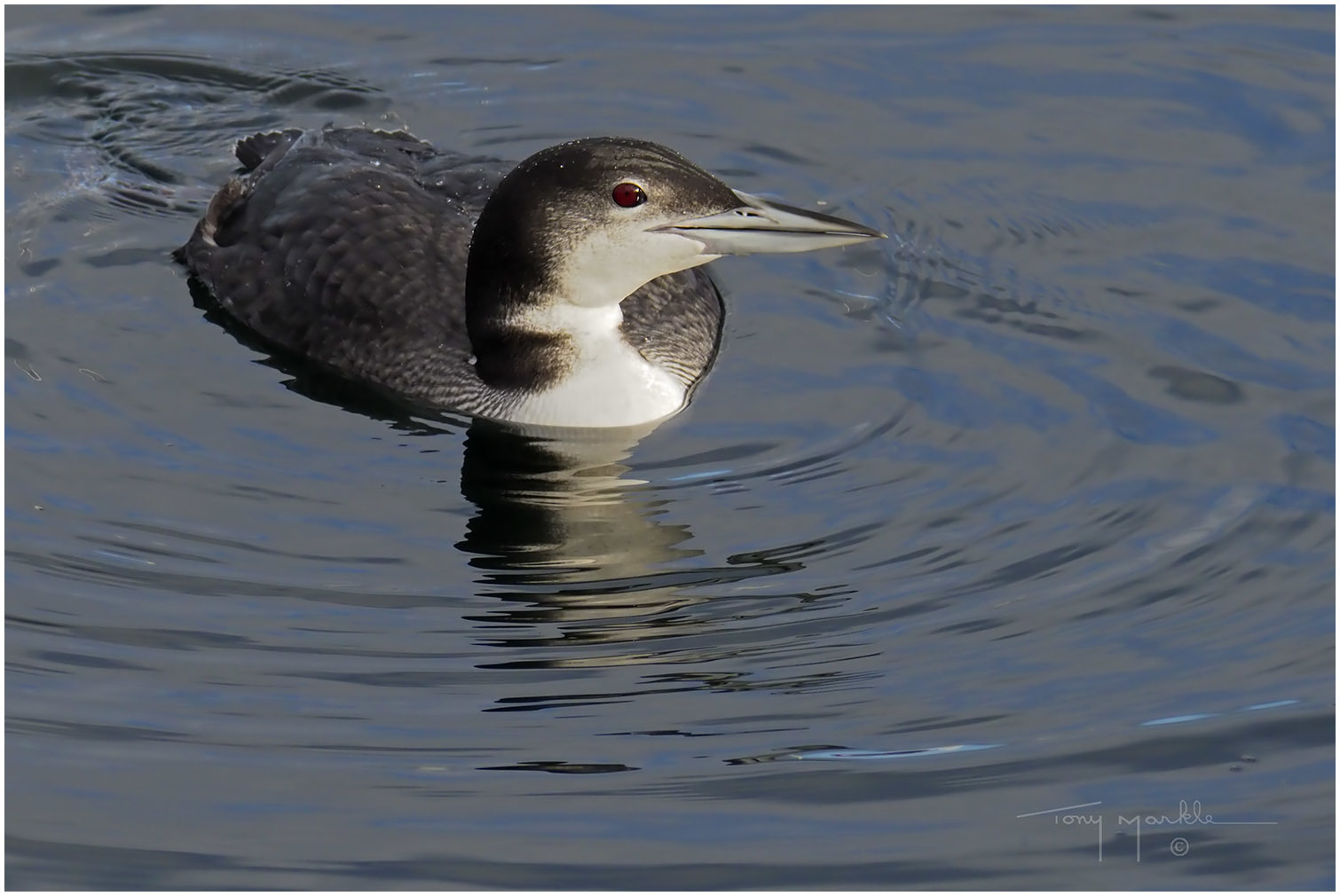
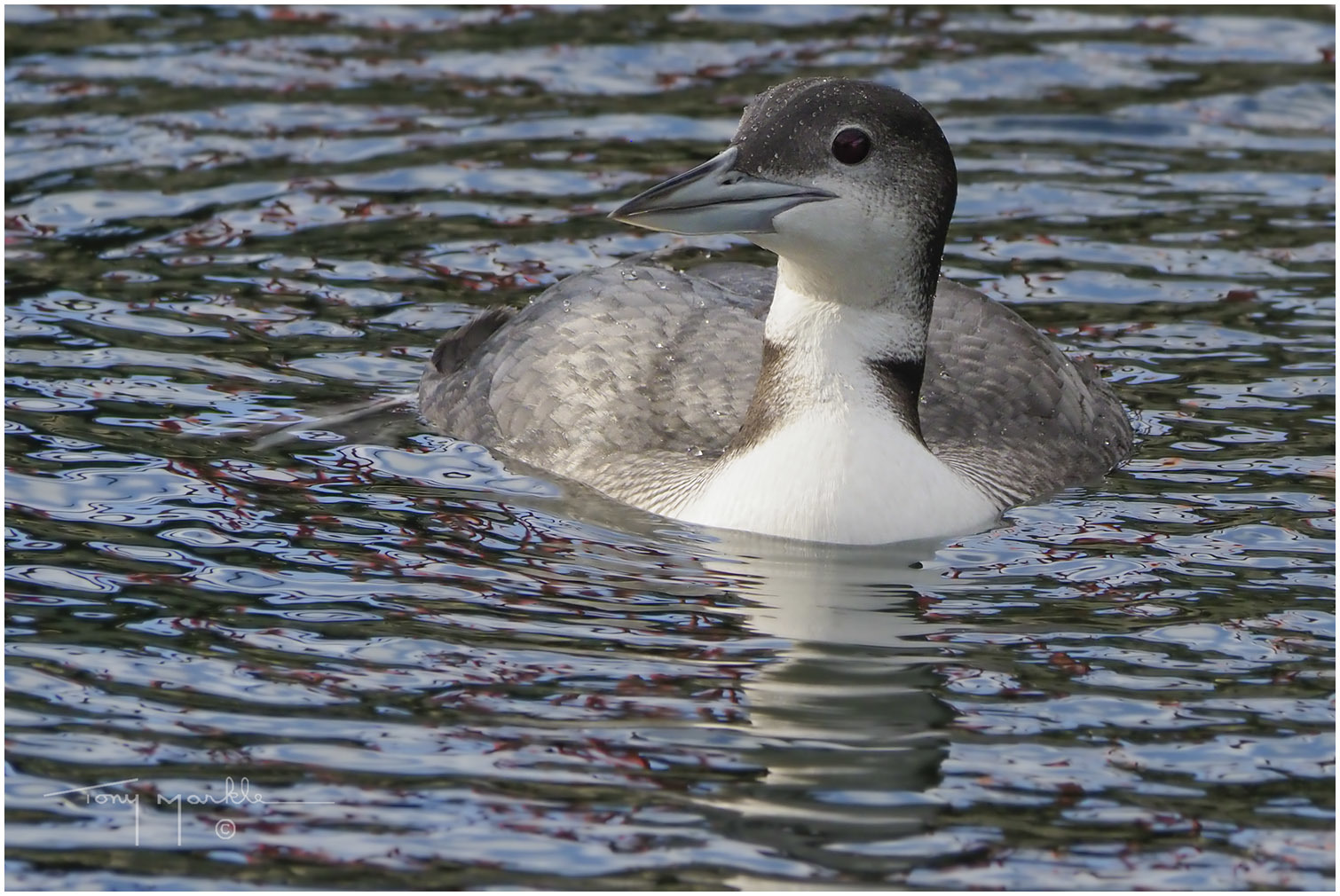
Juvenile Bald Eagle, Pied-billed Grebe, and Common Loon.
bobbytan wrote: Seeing how you are into bird photography, you need a rig/system like mine ... E-M1 Mk II + 300/4 PRO lens + Nissin i60A + MacBeam flash extender, mounted to a Wimberley Sidekick which in turn is mounted to my Arca Swiss Z1 ballhead and Gitzo GT 2540 legset. This is waaaay smaller and lighter than say a Canon 1Dx II + 600/4L II + 600EX-RT + Better Beamer + Wimberley WH-200 II Gimbal Head.
Imagemaster wrote:
I wonder if the 300/4 PRO with 1.4x TC would be sharper or faster AF than the bare Canon 400 f5.6 with a Metabones adapter.
Weather here too cold and stormy to test the latter combo.
We have both and I can only make a guess based on Poof's experience with the Oly 1.4TC with her 300/4. I think the bare Canon 400 will beat the Oly combo but not beat the Oly 300 bare. Curious as to what you find.
I shot in vain today with the M5 and 400/5.6, vain because the little birds couldn't get near the bait do to 50+mph winds and worse gusts. Even my hawks couldn't get here. Typical, first day with Sun in weeks but hell to pay with the wind speed.
Kind of nice, having a great photographer as a spouse, don't you think? Same in our house, but too often, when we both shoot the same image, I have to relagate mine to the "trash"
Skama, can't help here, it was my better-half's shot.
But I'd guess the problem is two amateurs doing their best but having fun doing it together Ha!
There is the concept of enjoying an image that isn't perfect ya know
She's up at the cabin while I'm down in the city, typing from the hospital even now; but when I see her this afternoon I'll shame her....best I can do!
Take this with a grain of salt since I don't own it but I still feel the bokeh is off on the 300/4 pro. Maybe it is just my imagination. The resolution looks quite good as is the contrast but they could improve teh bokeh a bit; though it is not quite as bad as the 4/3 50-200.
bobbytan wrote:
Try renting the Olympus 300/4 PRO lens. I think you will be very impressed. It's as good as any Canon Great White.
Bokeh is not this len's strong suit but it's not bad at all. Far from it actually. I've seen bad bokeh from the Canon 400 DO Mk II. And I have lots of sample shots with this lens with good bokeh. Much depends on the the subject matter and the distance between the subject and background, the f-stop, etc. I would trash or not use images with bad bokeh, and I would also attribute the problem to bad photography. What I am trying to get at here is that bad bokeh is as avoidable as lens flare and there is no reason to write off this lens for that reason. My favorite two m43 lenses would be this lens and the Nocticron.
Have a look at my pictures from Costa Rica, most of which were shot with the 300/4 PRO lens. Do you still believe that generally the bokeh of this lens is bad?
you2 wrote:
Take this with a grain of salt since I don't own it but I still feel the bokeh is off on the 300/4 pro. Maybe it is just my imagination. The resolution looks quite good as is the contrast but they could improve teh bokeh a bit; though it is not quite as bad as the 4/3 50-200.
Since in many cases of wildlife photography one has no control over the background, one has little control over bokeh. And not everyone can shoot with f2.8, or even f4, lenses.
Bad bokeh can sometimes be improved with proper post-processing.
MedicineMan404 wrote:
Skama, can't help here, it was my better-half's shot.
But I'd guess the problem is two amateurs doing their best but having fun doing it together Ha!
There is the concept of enjoying an image that isn't perfect ya know
She's up at the cabin while I'm down in the city, typing from the hospital even now; but when I see her this afternoon I'll shame her....best I can do!
Tell Poof that shooting at ISO 200 does not necessarily produce better images at f4 & 1/1600 when shooting moving subjects. ISO's of 400 or 800 can produce better images if it means getting more DOF due to a smaller aperture, or getting less motion blur because of using a higher shutter speed. JMO


 Amazon, free same day deliver. Can't beat that.
  , I'm done for today!
  .
. 


 Ha!
Ha!