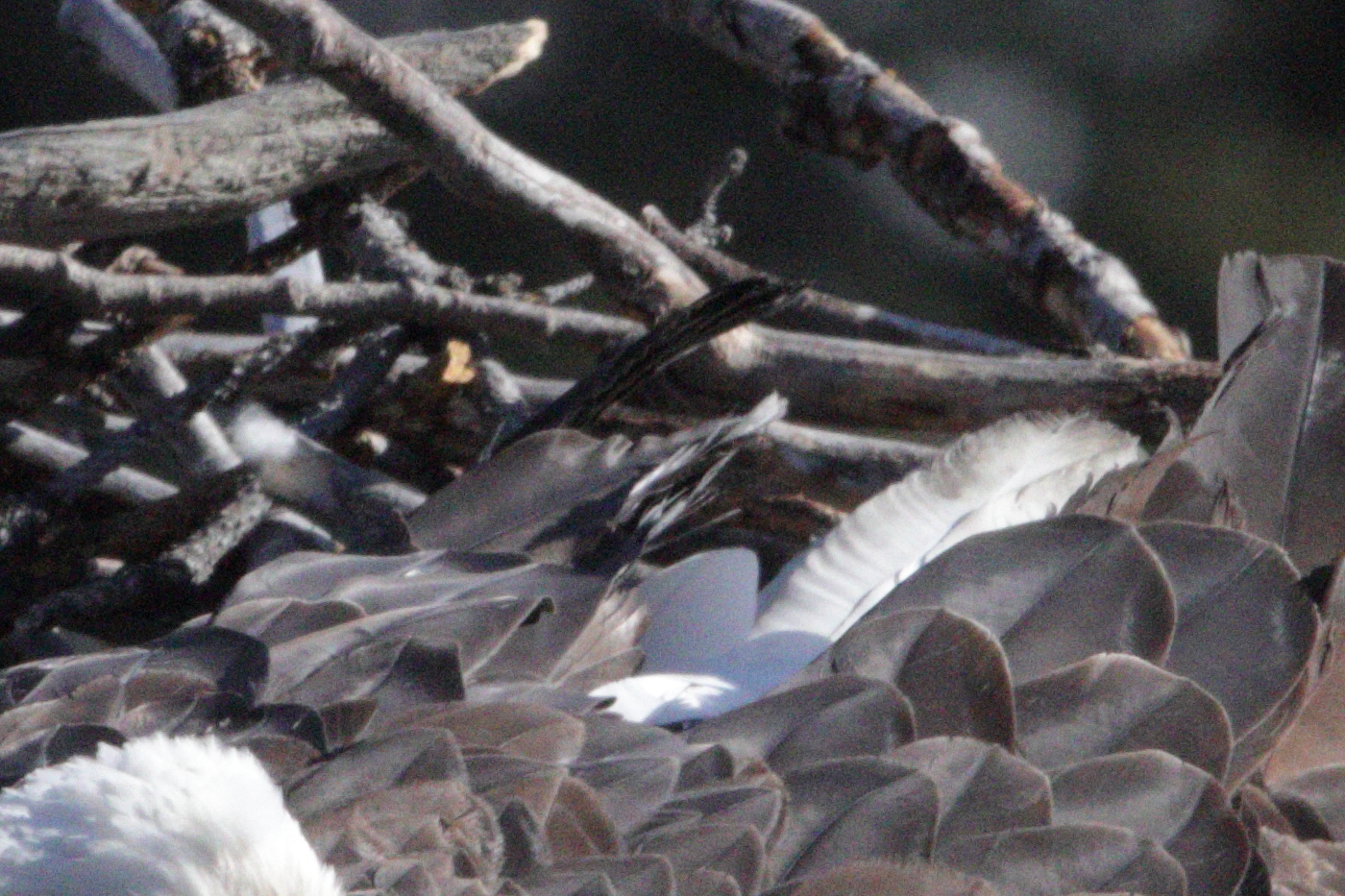
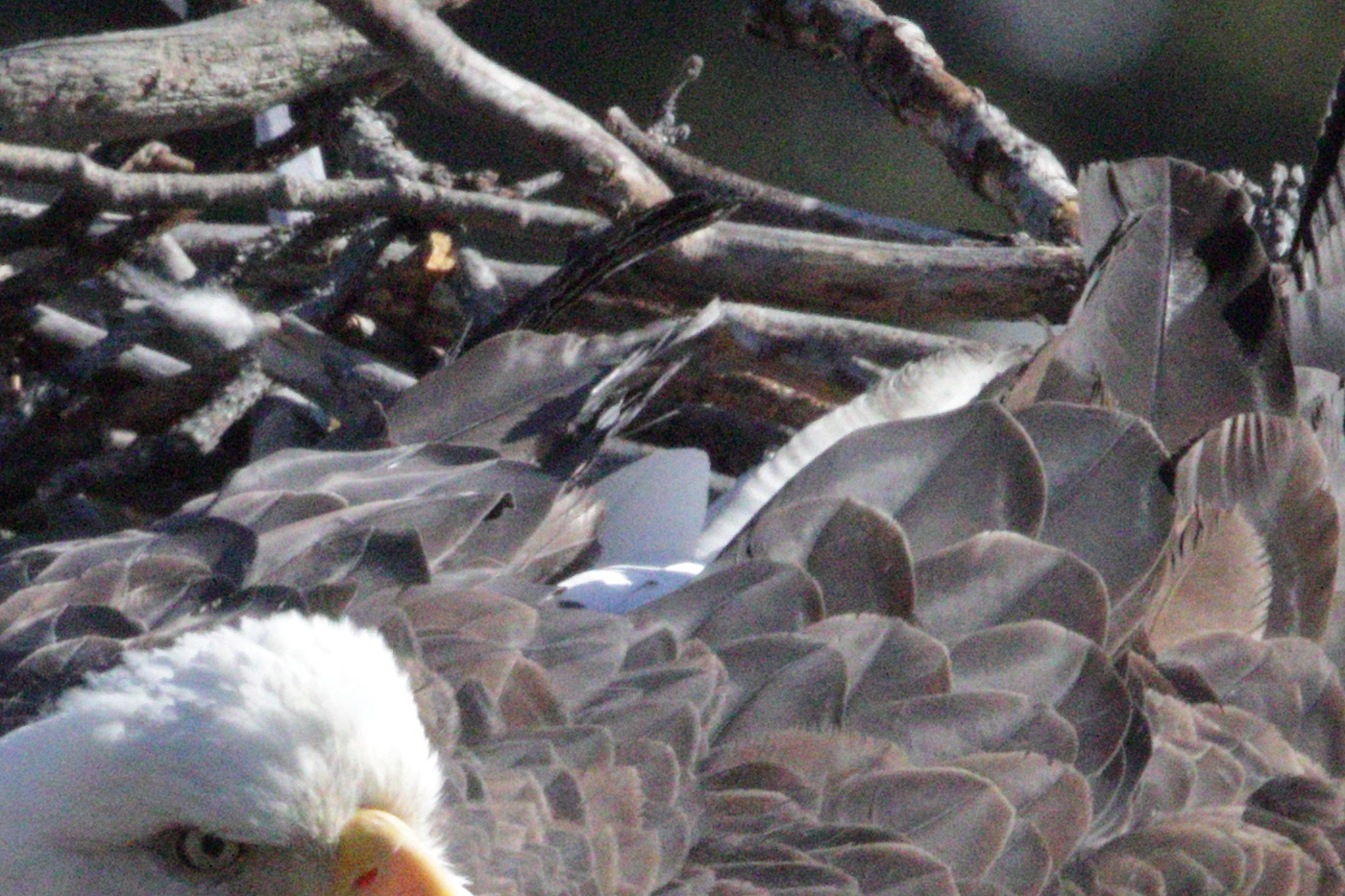
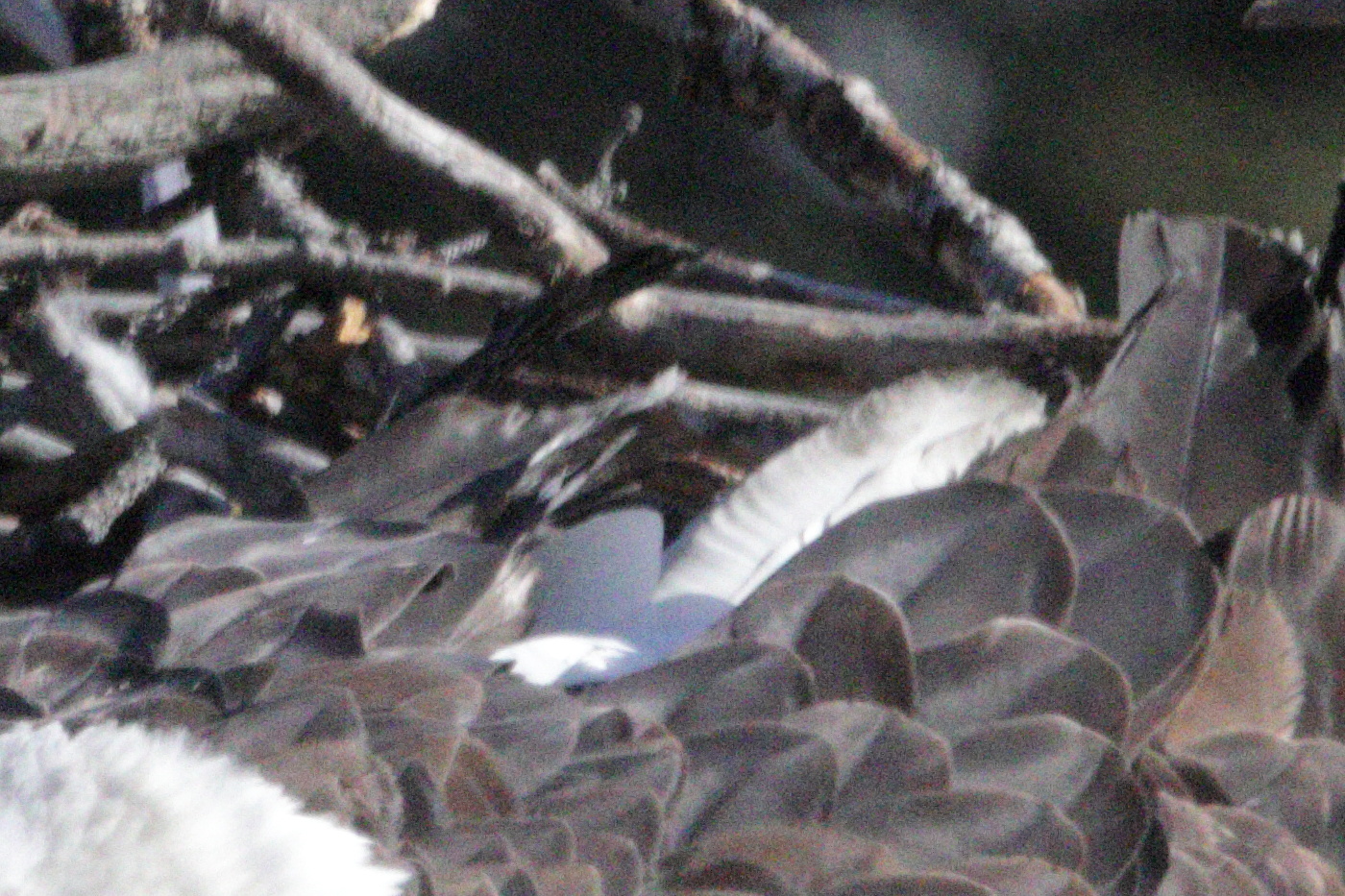
Geoff, thanks for your observations and welcome to the nit-picking that one gets when posting such info.
Such minor differences don't concern me very much and I don't know why some people seem to think that Canon brought out the 80D as a replacement for the 7D2. You get what you pay for, and both cameras have their strengths and weaknesses, and each buyer will decide what are most important to them.
Both are great cameras and the one with the better AF at both f5.6 & f8 would appeal to me the most.
Imagemaster wrote:
Geoff, thanks for your observations and welcome to the nit-picking that one gets when posting such info.
Such minor differences don't concern me very much and I don't know why some people seem to think that Canon brought out the 80D as a replacement for the 7D2. You get what you pay for, and both cameras have their strengths and weaknesses, and each buyer will decide what are most important to them.
Both are great cameras and the one with the better AF at both f5.6 & f8 would appeal to me the most.
From a sensor standpoint, I would have expected the 80D to look better. From my fringe understanding, the 80D and 1DXII have technology that reduces noise. I don't see that here. Obviously, the cameras are different in many ways, but with this kind of test, looking at ISO, I would have expected different results. I'd rather see a non- supertele lens used and actual low light versus small apertures. But this is a data point.
anselwannab wrote:
From a sensor standpoint, I would have expected the 80D to look better. From my fringe understanding, the 80D and 1DXII have technology that reduces noise. I don't see that here. Obviously, the cameras are different in many ways, but with this kind of test, looking at ISO, I would have expected different results. I'd rather see a non- supertele lens used and actual low light versus small apertures. But this is a data point.
Not sure why you are quoting me, when you are not replying to anything that I specifically said.
I didn't design the camera, nor have I used or reviewed it.
anselwannab wrote:
From a sensor standpoint, I would have expected the 80D to look better. From my fringe understanding, the 80D and 1DXII have technology that reduces noise. I don't see that here...
My understanding, and I put this out there to encourage discussion, is that Canon has always been pretty good at controlling high ISO noise. The 7D2 is a prosumer action camera that optimizes for higher ISO/faster frame rate relative to the more generally oriented XXD cameras. Comparing the 70D to 7D2 file sizes, the 70D is quieter than the 7D2 until somewhere between 800 and 1600 ISO where the 7D2 gains the advantage. (With equal size sensors, file size difference is directly related to noise.) This makes perfect sense considering the target application of each camera.
Frankly, I am delighted that the 80D noise holds up as well as it does at these high ISOs considering the increase in pixel density from 20 to 24 MP. Even on my 5D3 I consider anything over ISO 1600 for emergency use only and try very hard not to use them on a crop camera. I don't ever want to work with more than ISO 3200 as they appear very ugly.
Where I understand the 80D is a significant improvement over the 70D is in DR or low ISO shadow noise. (Although not up to the Sony level of DR, I'll quickly add for you lurkers out there. ) The low ISO improvements disappear about ISO 800 so I wouldn't expect to see any of that here.
I have not done the scientific tests to compare the 7D2 to my new 80D as I no longer have a 7D2, but playing with some test files, I continue to be very impressed with the new 80D's abilities at higher ISO.
lowside67 wrote:
I have not done the scientific tests to compare the 7D2 to my new 80D as I no longer have a 7D2, but playing with some test files, I continue to be very impressed with the new 80D's abilities at higher ISO.
Mark
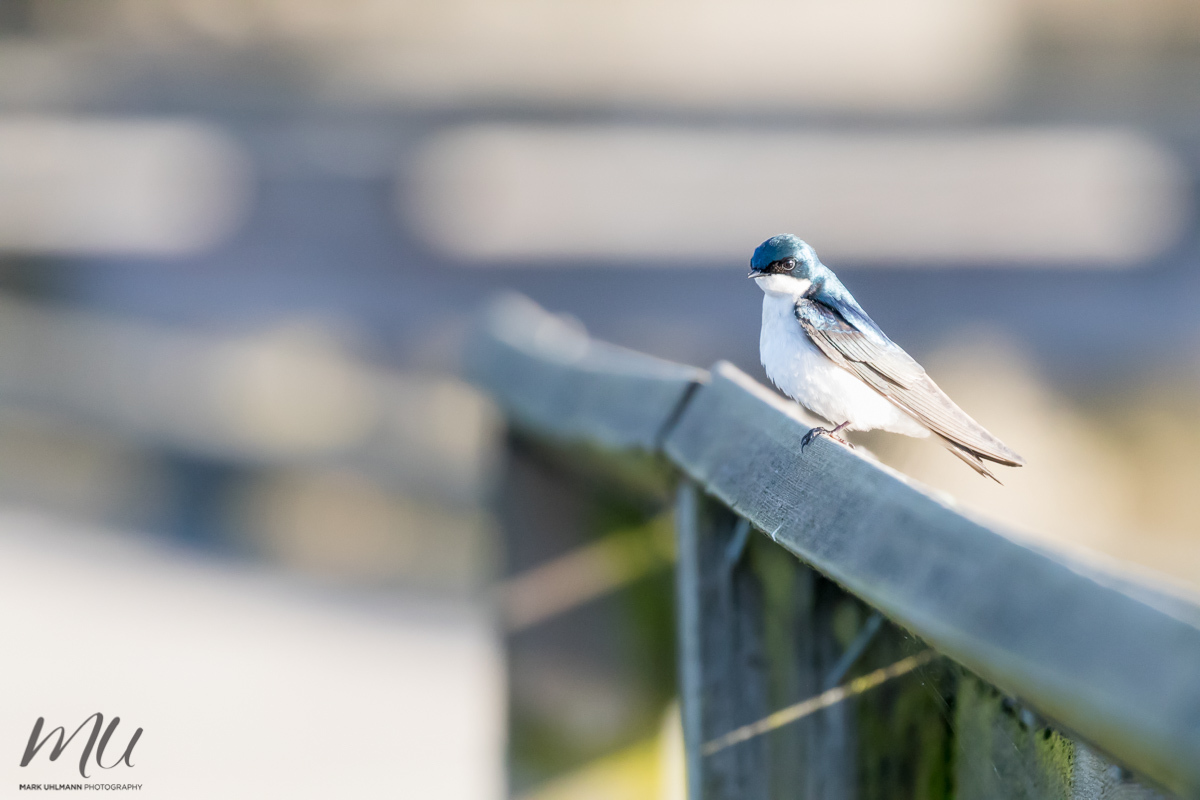
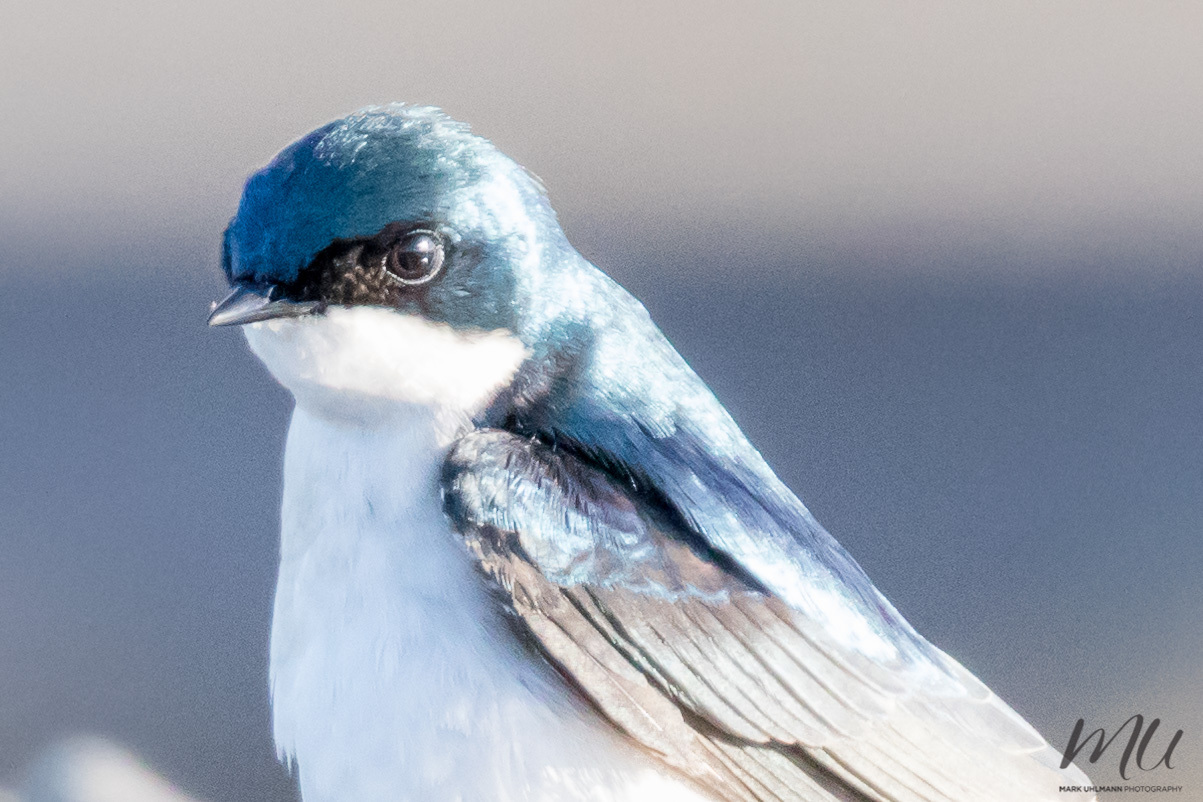
Over-exposed images do not make great examples for lack of noise.
Best to underexpose the swallow given the high contrast to protect white feather detail and boost shadow/darker regions in PP. Need to make use of the new (to Canon) sensor tech. ISO 6400 in good light is not the same as in poor light, where shadows will dominate.
To be fair, I'd prefer to see a comparison using DPP rather than ACR. Reason: Adobe has their model for interpreting Raw files, whereas Canon "should know" what the file really should be interpreted as. For example: ACR's default interpretation of 5DS/5DSR files crushes shadow detail (on purpose, according to someone from Adobe). How do we know that both the 7DII and 80D (or other Canon bodies for that matter) all use the same basic interpretation?
DPP "should" be "Canon-correct" for all of their bodies. ACR—maybe, maybe not. Capture One—might be more consistent than ACR, but maybe not.
Based on the OP's ACR results, it looks to me like the 7DII has better high ISO performance than the 80D.
Abbott Schindl wrote:
To be fair, I'd prefer to see a comparison using DPP rather than ACR. Reason: Adobe has their model for interpreting Raw files, whereas Canon "should know" what the file really should be interpreted as. For example: ACR's default interpretation of 5DS/5DSR files crushes shadow detail (on purpose, according to someone from Adobe). How do we know that both the 7DII and 80D (or other Canon bodies for that matter) all use the same basic interpretation?
DPP "should" be "Canon-correct" for all of their bodies. ACR—maybe, maybe not. Capture One—might be more consistent than ACR, but maybe not.
Based on the OP's ACR results, it looks to me like the 7DII has better high ISO performance than the 80D....Show more →
ACR's defaults for 5Ds(R) is useless, but you can fix it or download an improved profile for free. I use C1 Pro 9 for 5DsR as it suffers no such stupidities. What's worse 5DsR has been out what, 12 months and no fix from Adobe.
I'm thinking that Canon didn't write their algorithm's based on 3rd party software ... so it would be good to see how DPP plays with the files.
I didn't like DPP's workflow / lack of edit capability (vs. PS), but when I used to use it (many years ago), I did notice that I liked it's output better than ACR. Granted a ton of folks don't use DPP, but I think it would provide a better Apples to Apples comparison regarding the Canon approach @ their improvement(s).
After that ... those of us who chose to use 3rd party software, well that's our prerogative to do so at our own peril / gain.
As to the overexposed shots ... 1/2 empty vs. 1/2 full. If you consider the fill / shadow areas more as "properly exposed" (vs. key light overexposure), it still gives a hint @ what ISO 6400 can look like.
I'm thinking that Canon didn't write their algorithm's based on 3rd party software ... so it would be good to see how DPP plays with the files.
I didn't like DPP's workflow / lack of edit capability (vs. PS), but when I used to use it (many years ago), I did notice that I liked it's output better than ACR. Granted a ton of folks don't use DPP, but I think it would provide a better Apples to Apples comparison regarding the Canon approach @ their improvement(s).
After that ... those of us who chose to use 3rd party software, well that's our prerogative to do so at our own peril / gain.
As to the overexposed shots ... 1/2 empty vs. 1/2 full. If you consider the fill / shadow areas more as "properly exposed" (vs. key light overexposure), it still gives a hint @ what ISO 6400 can look like....Show more →
I find I can get results from LR about 5x faster than from DPP and in most cases the output is similar. DPP has better colour, I think LR produces better fine detail, DPP handles noise a bit better, but I try to do as little luma NR as possible and leave that to a better tool like Topaz or imagenomic or DxO's prime NR.
Tough crowd... these are not wall hangers, just first shots with the new camera. My point remains that I think the files show good flexibility... not that I am adequately able to expose a white bird.
arbitrage wrote:
Here are the same 3200 and 6400 from DPP. All NR and Sharpening set to zero.
Looking just at background noise, the 80D 3200 ISO file seems about halfway 7D2 3200 and 6400 ISO (1/2 or maybe 2/3 stop advantage for 7D2 at this level). However, after fine-tuning chroma noise reduction and scaled for the same output size the difference could be pretty small.
I understand the deficiencies of ACR's default 5DS/5DSR conversions, which is why I suggested comparing Canon camera capabilities using DPP.
BTW: I use neither—I prefer Capture One Pro, but still believe that to see what Canon's engineers think they've created, DPP is probably the best tool.
Thanks, arbitrage, for taking the time to run these in DPP! I know it's a bit of work (I wish DPP's workflow was much better (read, "really usable"), as their Raw conversions are very nice).


 Sony
Sony