p.114 #1 · Nikon AF-S NIKKOR 200-500mm f/5.6E ED VR
CMYK Designs wrote:
That's an absolutely beautiful shot...Are you shooting RAW or Jpeg? What are you post processing with, Lightroom or something else?
p.114 #5 · Nikon AF-S NIKKOR 200-500mm f/5.6E ED VR
trenchmonkey wrote:
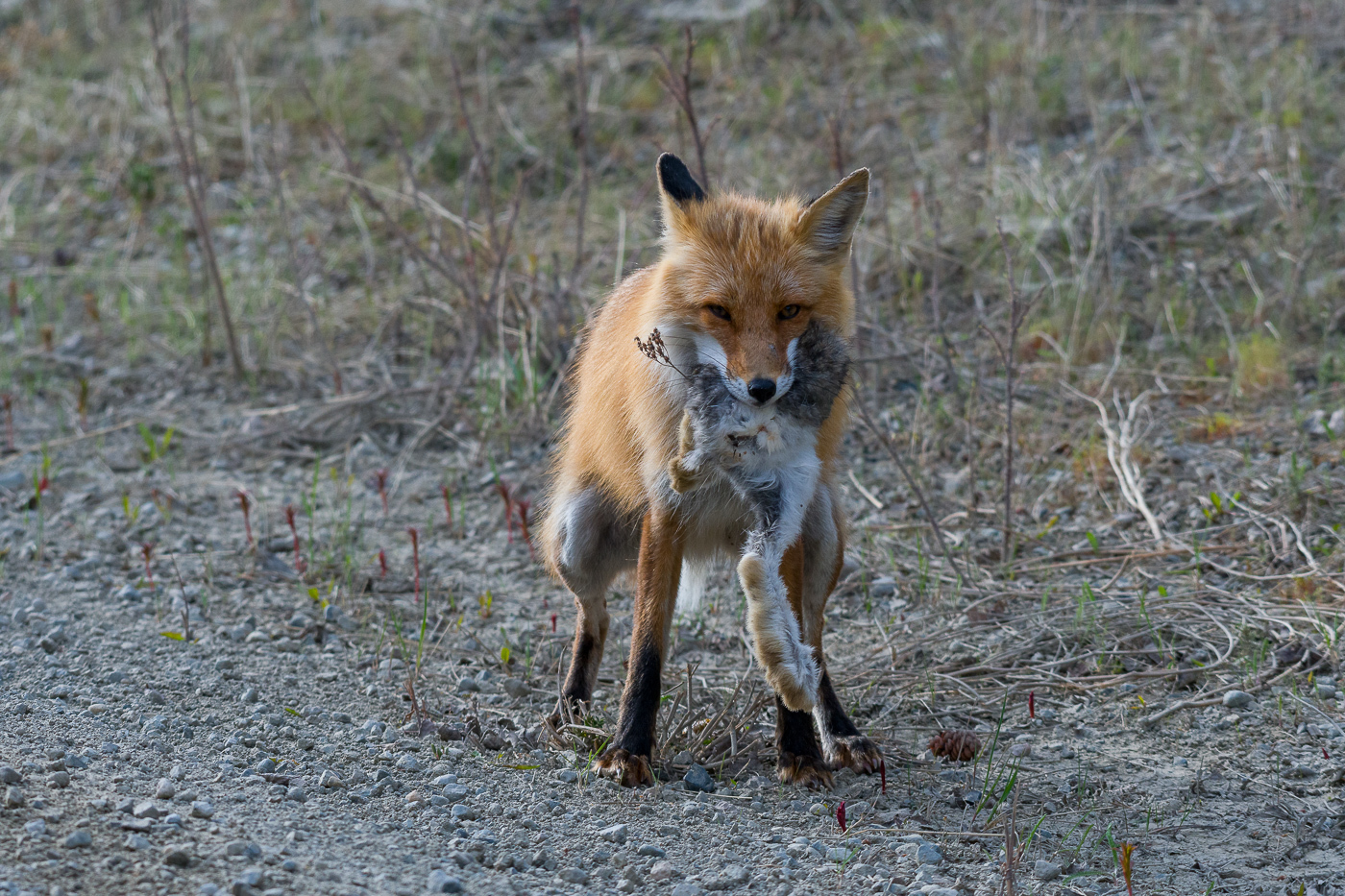
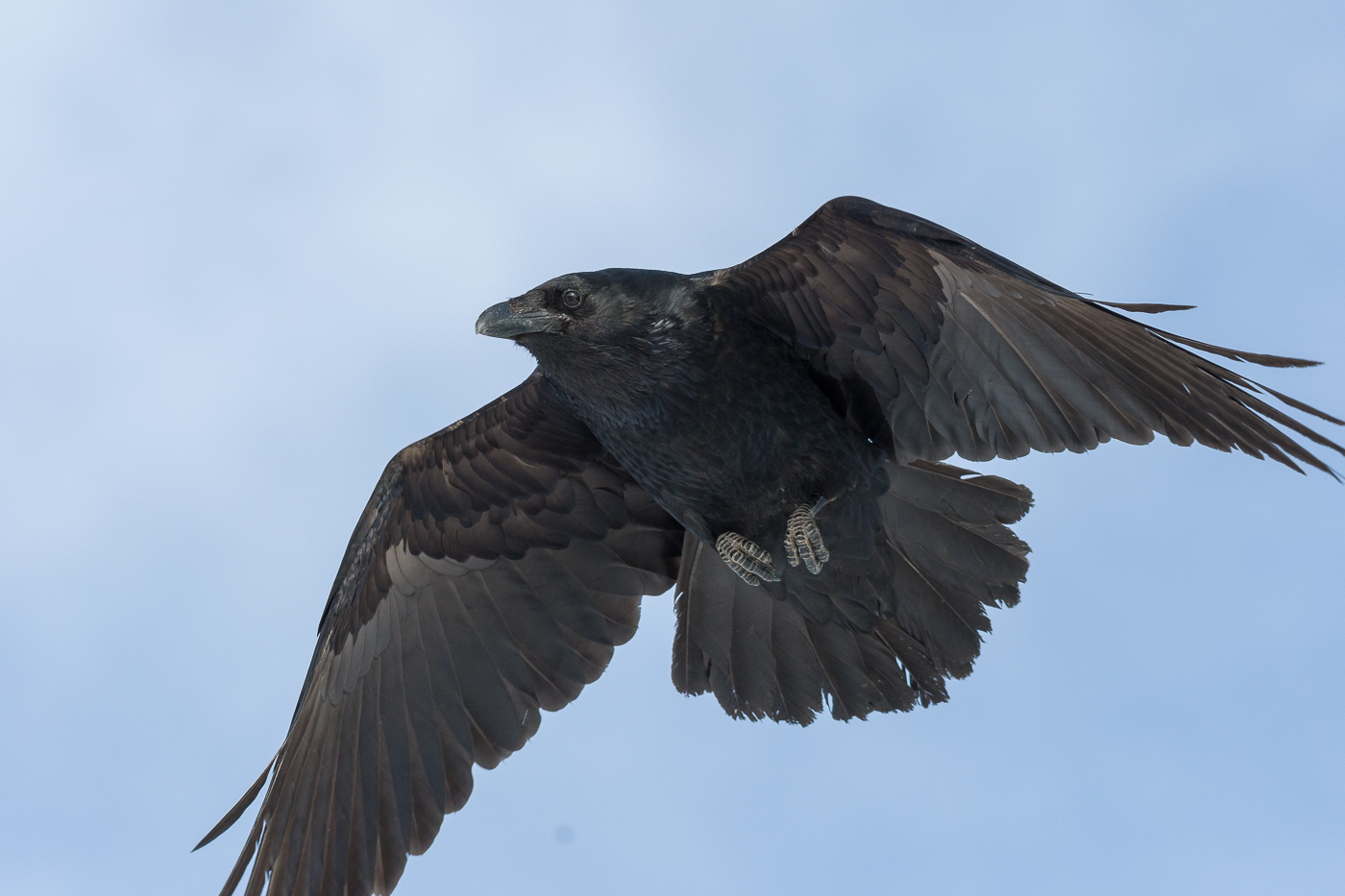
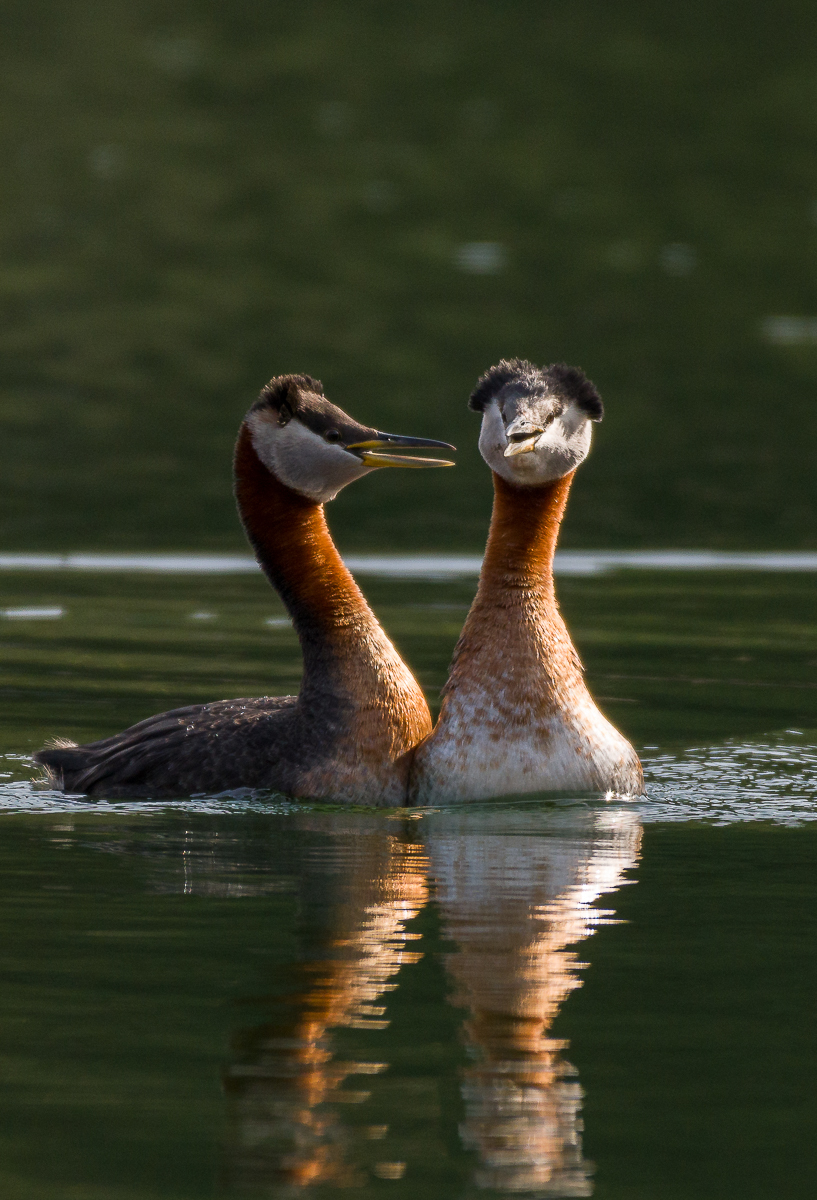
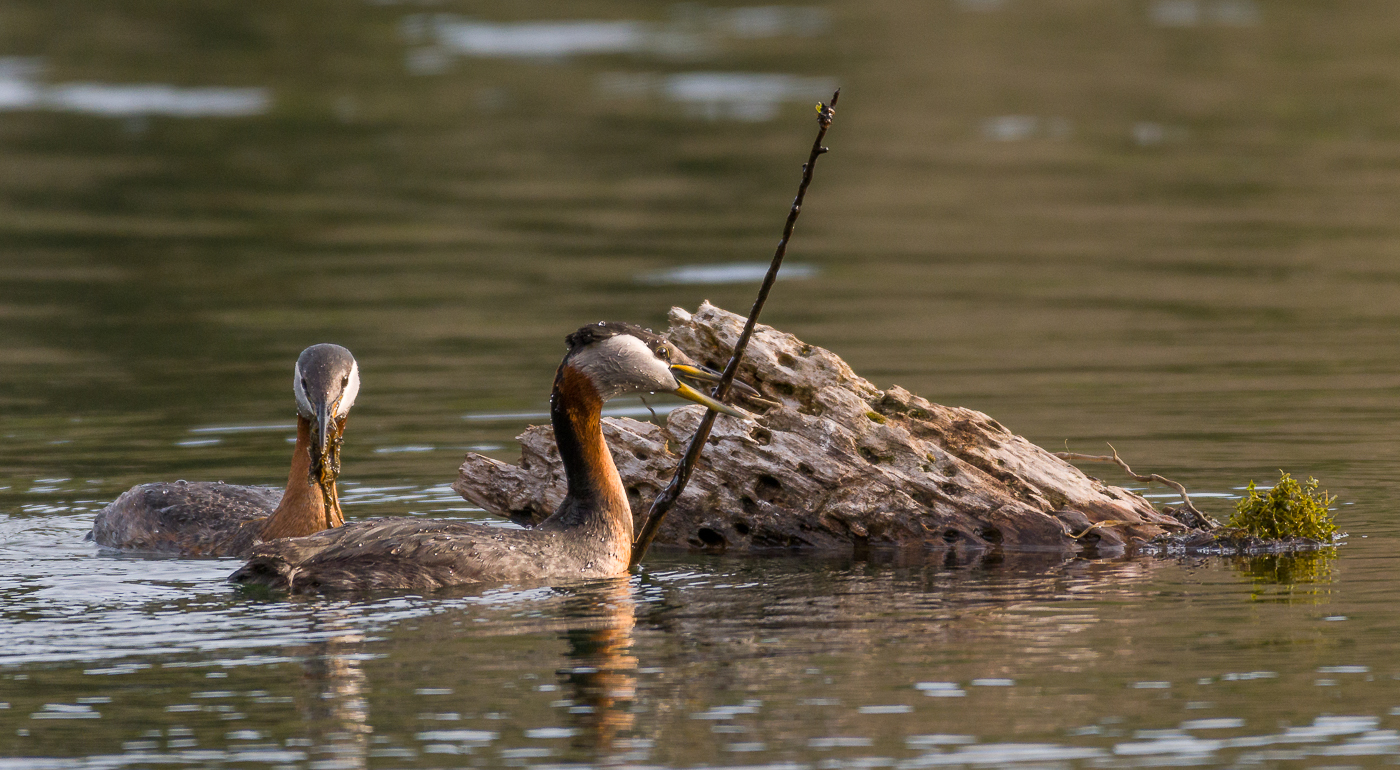
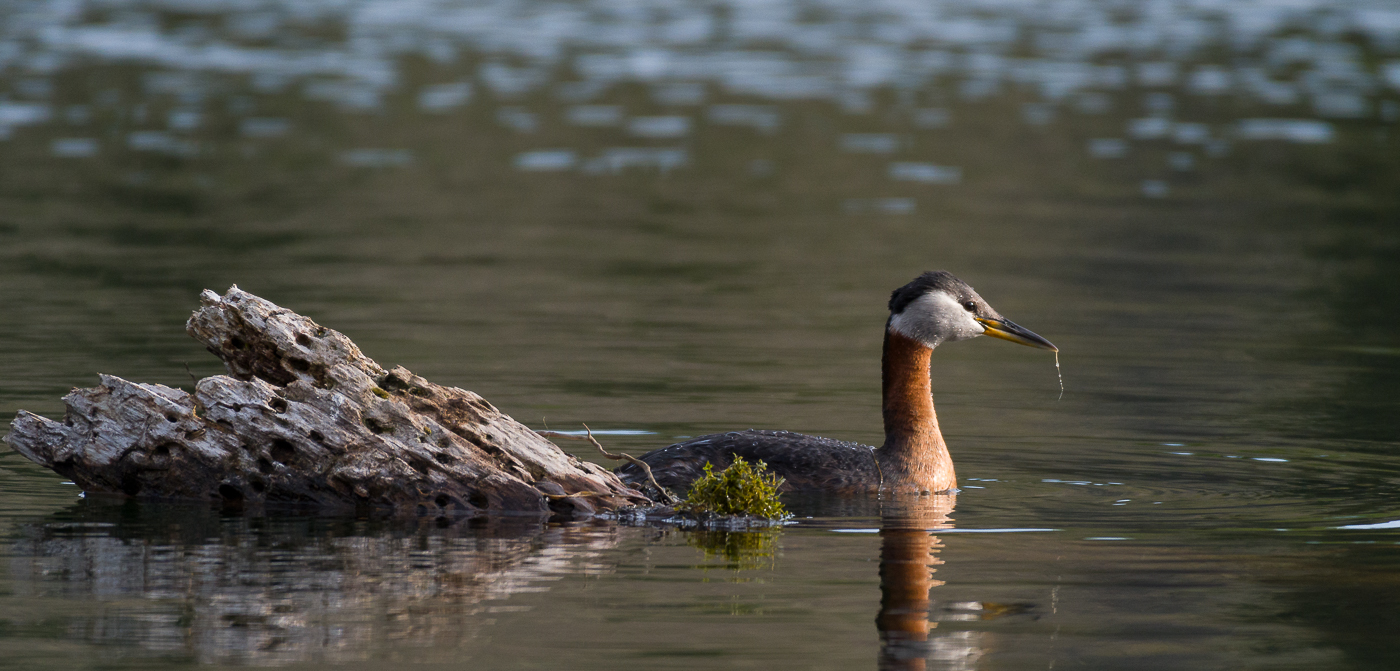
Quick frame filler on a P.O. run...
CMYK Designs wrote:
That's an absolutely beautiful shot...Are you shooting RAW or Jpeg? What are you post processing with, Lightroom or something else?
Thanks very much, Bill. I'm a Jpeg shooter, mostly just a little crop and slap on a watermark.
I've managed to set up my bodies to 'deliver', leaving me to concentrate on getting the shot.
p.114 #6 · Nikon AF-S NIKKOR 200-500mm f/5.6E ED VR
trenchmonkey wrote:
Thanks very much, Bill. I'm a Jpeg shooter, mostly just a little crop and slap on a watermark.
I've managed to set up my bodies to 'deliver', leaving me to concentrate on getting the shot.
p.114 #7 · Nikon AF-S NIKKOR 200-500mm f/5.6E ED VR
arbitrage wrote:
Have you compared yours at 5.6 to 7.1? For the first 4 months or more I never bothered even trying to stop it down. I was happy at 5.6. Then a few months ago I was just playing around testing and tried it stopped down. At 7.1 I noticed a significant difference. However, I do think some of that is from increasing DOF and therefore decreasing the small AF focus shifts that sometimes render the eye just slightly out from frame to frame. When 5.6 hits on target it comes very close but in a string of 20 shots you get a lot more keepers and a bit more"bite" at 7.1. At least with my copy of the lens. Brad Hill also found 7.1 to be the sweet spot on his copy....Show more →
I've done quite a bit of shooting at F6.3, F7.1, F8, and even a little bit at F11 for some larger groups of creatures. On my copy, F5.6 appears to be the sharpest, or at the very least no less sharp than slightly stopped down. Focus is dead-on (without operator error) so there is no perceived sharpness gain from any extra DOF afforded by the smaller apertures. Somewhere around F8 is also where I suspect diffraction starts to become noticeable, so I would not necessarily expect the smaller apertures to perform better unless F5.6 was noticeably weak. Somewhere between F5.6 and where diffraction becomes visible is going to be where the lens is the sharpest, probably determined more by sample variation than anything else. I don't have a lab to test in, but those are my observations thus far. I shoot at F5.6 most of the time because that is a significant advantage of this lens compared to others I could have bought, and I often want it for the faster shutter speed anyways. I do think I have an exceptional copy, as all the superzooms seem to have some sample variation - I would assume a less than perfect copy or one with AF slightly off would have more noticeable gains by stopping down.
p.114 #8 · Nikon AF-S NIKKOR 200-500mm f/5.6E ED VR
CanadaMark wrote:
I've done quite a bit of shooting at F6.3, F7.1, F8, and even a little bit at F11 for some larger groups of creatures. On my copy, F5.6 appears to be the sharpest, or at the very least no less sharp than slightly stopped down. Focus is dead-on (without operator error) so there is no perceived sharpness gain from any extra DOF afforded by the smaller apertures. Somewhere around F8 is also where I suspect diffraction starts to become noticeable, so I would not necessarily expect the smaller apertures to perform better unless F5.6 was noticeably weak. Somewhere between F5.6 and where diffraction becomes visible is going to be where the lens is the sharpest, probably determined more by sample variation than anything else. I don't have a lab to test in, but those are my observations thus far. I shoot at F5.6 most of the time because that is a significant advantage of this lens compared to others I could have bought, and I often want it for the faster shutter speed anyways. I do think I have an exceptional copy, as all the superzooms seem to have some sample variation - I would assume a less than perfect copy or one with AF slightly off would have more noticeable gains by stopping down....Show more →
Sounds very similar to mine. I notice an ever so slight increase in sharpness at f7.1 compared to f5.6, but it's so slim that I don't notice it unless I'm shooting comparisons of a chart on a tripod. For wildlife, I'm at f5.6 90% of the time, because the lower ISO/higher shutter speed is generally more useful than than that minuscule improvement in sharpness/DoF.
I do find that if the subject's more distant, stopping down gives a more noticeable improvement. I haven't tested that too much though, it's just a gut feeling really. With atmospheric distortion it's very difficult to tell - I might have to do some moon shots on a cool night to get a better idea of that.
p.114 #9 · Nikon AF-S NIKKOR 200-500mm f/5.6E ED VR
CanadaMark wrote:
I've done quite a bit of shooting at F6.3, F7.1, F8, and even a little bit at F11 for some larger groups of creatures. On my copy, F5.6 appears to be the sharpest, or at the very least no less sharp than slightly stopped down. Focus is dead-on (without operator error) so there is no perceived sharpness gain from any extra DOF afforded by the smaller apertures. Somewhere around F8 is also where I suspect diffraction starts to become noticeable, so I would not necessarily expect the smaller apertures to perform better unless F5.6 was noticeably weak. Somewhere between F5.6 and where diffraction becomes visible is going to be where the lens is the sharpest, probably determined more by sample variation than anything else. I don't have a lab to test in, but those are my observations thus far. I shoot at F5.6 most of the time because that is a significant advantage of this lens compared to others I could have bought, and I often want it for the faster shutter speed anyways. I do think I have an exceptional copy, as all the superzooms seem to have some sample variation - I would assume a less than perfect copy or one with AF slightly off would have more noticeable gains by stopping down....Show more →
Same observation here....although the overall usage of the lens had not been much. I've played it around f6.3 and f7.1...but have not percieve much difference. Amidst abysmal & whimsical lighting conditions in the Himalayas, I had to use it @ f5.6, and back home viewing the files on the PC, I am satisfied.
p.114 #12 · Nikon AF-S NIKKOR 200-500mm f/5.6E ED VR
CanadaMark wrote:
I've done quite a bit of shooting at F6.3, F7.1, F8, and even a little bit at F11 for some larger groups of creatures. On my copy, F5.6 appears to be the sharpest, or at the very least no less sharp than slightly stopped down. Focus is dead-on (without operator error) so there is no perceived sharpness gain from any extra DOF afforded by the smaller apertures. Somewhere around F8 is also where I suspect diffraction starts to become noticeable, so I would not necessarily expect the smaller apertures to perform better unless F5.6 was noticeably weak. Somewhere between F5.6 and where diffraction becomes visible is going to be where the lens is the sharpest, probably determined more by sample variation than anything else. I don't have a lab to test in, but those are my observations thus far. I shoot at F5.6 most of the time because that is a significant advantage of this lens compared to others I could have bought, and I often want it for the faster shutter speed anyways. I do think I have an exceptional copy, as all the superzooms seem to have some sample variation - I would assume a less than perfect copy or one with AF slightly off would have more noticeable gains by stopping down....Show more →
When working with DOF ranges in the millimetres increasing DOF to cover slightly in front and behind the eye often does improve perceived sharpness overall. Also it minimizes focus shifts from say front half of the eye and just in front being in focus to back half of the eye and just behind it being in focus. No camera or lens combo (even the D500) can eliminate those focus shifts due to so many factors. Instead with more DOF you get more images in that perfectly sharp range of just the eye with a little ahead and behind. This mostly applies to frame filling 500mm on D500 portraits of birds where DOF can just cover half the eye. If you are shooting a bird 15 meters away then it doesn't matter at all and 5.6 is superb and all you would want or need.
p.114 #13 · Nikon AF-S NIKKOR 200-500mm f/5.6E ED VR
arbitrage wrote:
When working with DOF ranges in the millimetres increasing DOF to cover slightly in front and behind the eye often does improve perceived sharpness overall. Also it minimizes focus shifts from say front half of the eye and just in front being in focus to back half of the eye and just behind it being in focus. No camera or lens combo (even the D500) can eliminate those focus shifts due to so many factors. Instead with more DOF you get more images in that perfectly sharp range of just the eye with a little ahead and behind. This mostly applies to frame filling 500mm on D500 portraits of birds where DOF can just cover half the eye. If you are shooting a bird 15 meters away then it doesn't matter at all and 5.6 is superb and all you would want or need.
But still hopefully these are passable at f/5.6...Show more →
Yes but I am talking about actual sharpness and not perceived sharpness from greater DOF when stopped down. As best I can tell, F5.6 is the sharpest aperture on my lens, and it seems to focus *exactly* where it tell it to every time, save for any errors I make on my end. Whether I need to stop down or not to get the desired amount of my subject in focus is a separate issue, and is certainly necessary at times. Obviously an image with everything you want in focus is better than a sliver of DOF with slightly better sharpness. I went through another set of photos yesterday and by F11 I can very clearly see the lens starting to soften up compared to the wider apertures, but that is not surprising. F5.6 was the best, with no significant difference up until F8 or so, but F8 was a tiny bit softer if I scrutinized them side by side at 100% - nothing that would ever make a big difference.
p.114 #14 · Nikon AF-S NIKKOR 200-500mm f/5.6E ED VR
First outing with this lens to shoot the Peregrine Falcons around their cliffside nest on the shore of the Pacific Ocean near my home in SoCal.
Of course I was eager to see how it performed on these magnificent birds in flight... and I continue to be impressed each time I use it.
These in-flights were taken atop the cliff with the Pacific Ocean in the background below.
p.114 #19 · Nikon AF-S NIKKOR 200-500mm f/5.6E ED VR
Gorgeous...and wish I had a Peregrine opportunity like that Kirk. Beautiful spot.
KirkB wrote:
First outing with this lens to shoot the Peregrine Falcons around their cliffside nest on the shore of the Pacific Ocean near my home in SoCal.
Of course I was eager to see how it performed on these magnificent birds in flight... and I continue to be impressed each time I use it.
These in-flights were taken atop the cliff with the Pacific Ocean in the background below.