This topic is in the 2015 archive. You can read it and like its posts here. It is read only.
Archive 2015Canon Summer '2015!
p.71 #2Canon Summer '2015!
Had a visit today from a group of Steller's Jays. They often make an appearance here in early fall and from time to time during the winter.
Interesting ... bold birds!
LuckyT
PS .. Geoff ... a hint of blue 'nictitating membrane' for ya
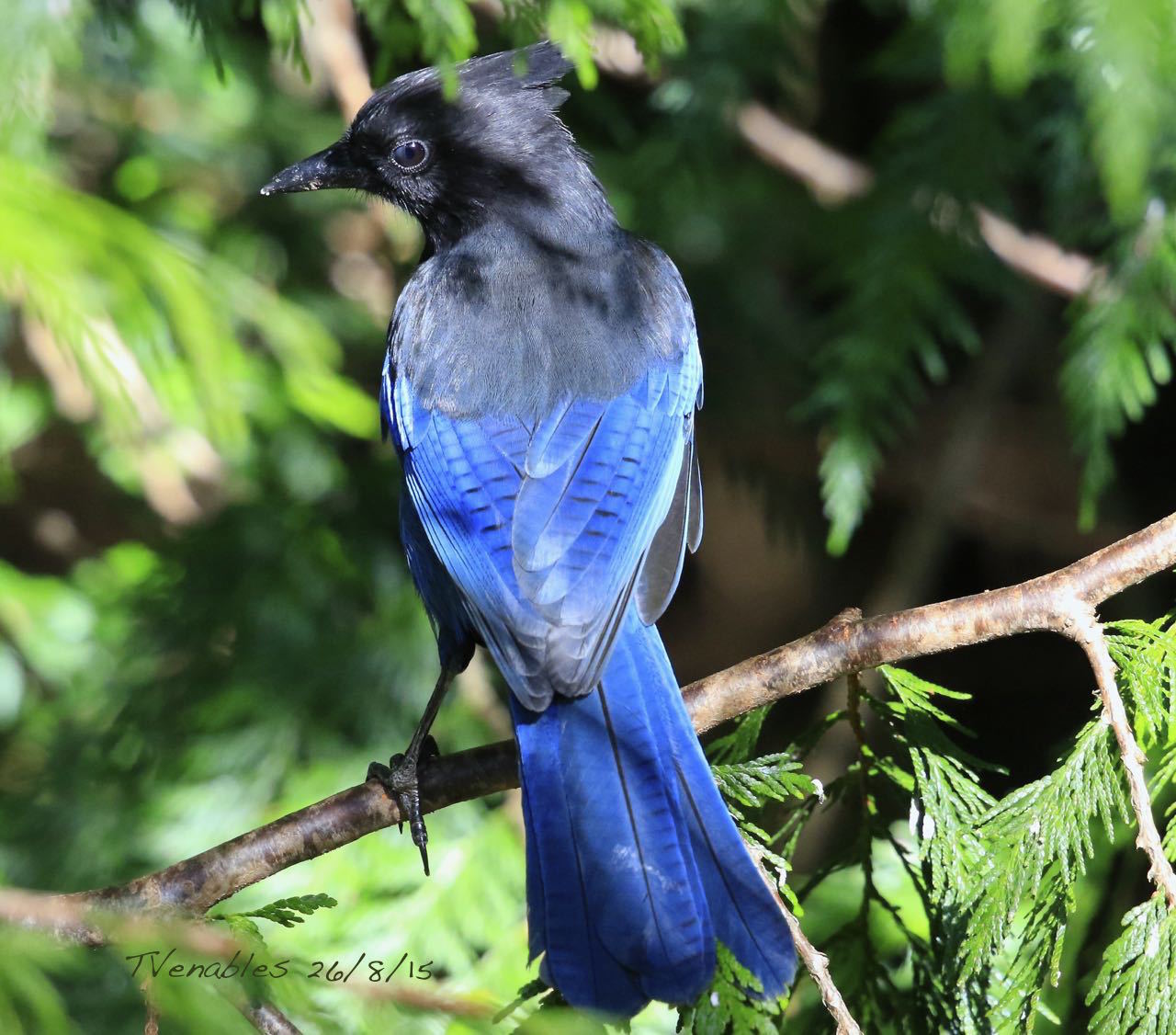
Steller's Jay ... Sign of Fall in my yard
Interesting ... bold birds!
LuckyT
PS .. Geoff ... a hint of blue 'nictitating membrane' for ya
© LuckyStrike 2015
Steller's Jay ... Sign of Fall in my yard
Aug 26, 2015 at 10:12 PM
p.71 #3Canon Summer '2015!
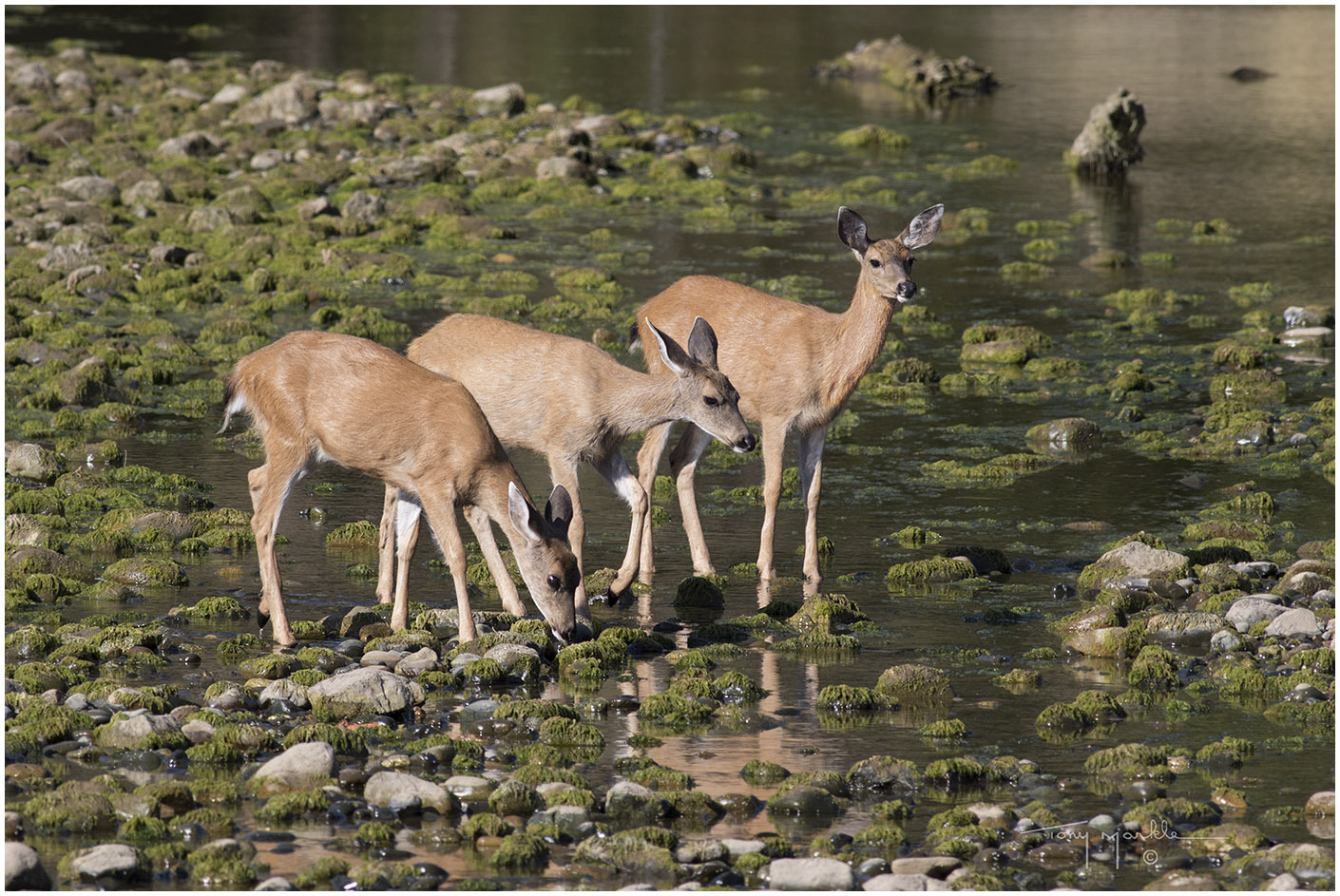
As I was leaving the park one evening I spied two young deer by the treeline, happily munching the manicured grass of a soccer/frisbee field. They were so relaxed and I couldn't believe how close they let me approach. At one point the smaller of the two actually grazed happily about 30-35 feet from where I stood.
All with the Canon 1DIV and Sigma 150-600 C...
 AE9G6748
 AE9G6644
 AE9G6794
 AE9G6721
 AE9G6783
All with the Canon 1DIV and Sigma 150-600 C...
AE9G6748AE9G6644AE9G6794AE9G6721AE9G6783Aug 27, 2015 at 06:08 AM
p.71 #4Canon Summer '2015!
One evening in Venice.
http://chrisfawkes.com/blog/wp-content/uploads/2015/08/Venice1-pastels.jpg
http://chrisfawkes.com/blog/wp-content/uploads/2015/08/Venice1-pastels.jpg
Aug 27, 2015 at 09:19 AM
p.71 #5Canon Summer '2015!
Great shot, Chris!
Crop detail from 17-35L lens @ f/2.8, on 1Ds3, ISO 400.
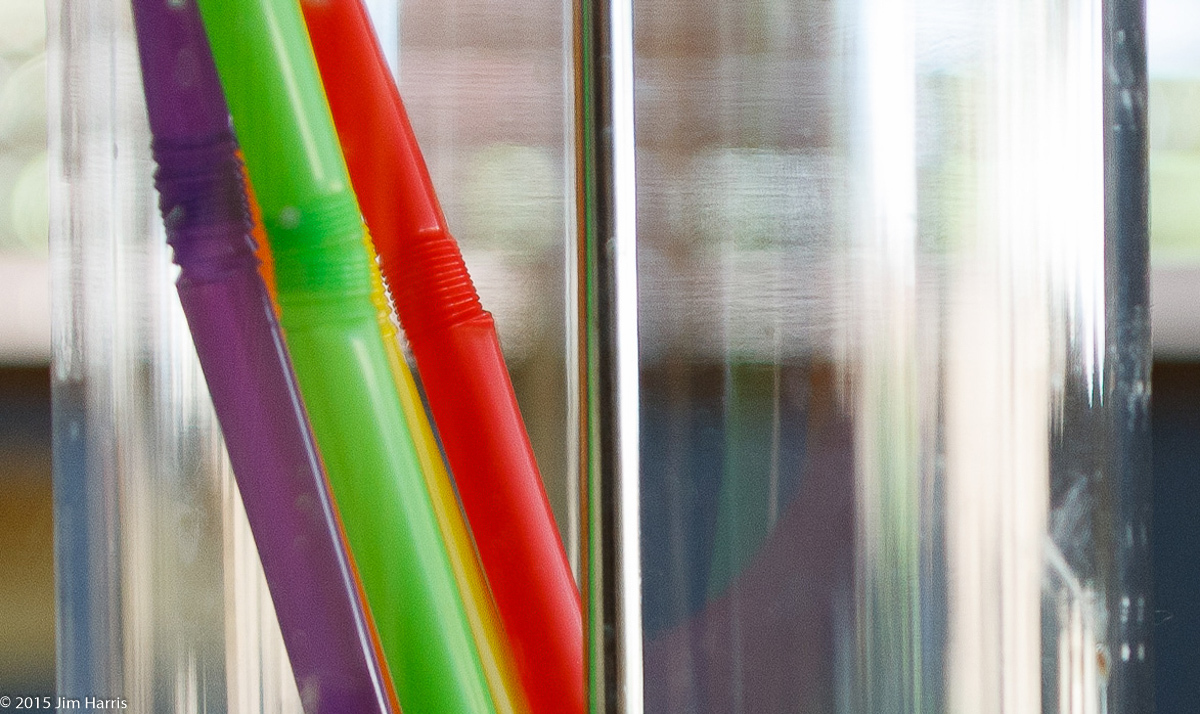
"Color Fringing"
Crop detail from 17-35L lens @ f/2.8, on 1Ds3, ISO 400.
"Color Fringing"
Aug 27, 2015 at 03:55 PM
p.71 #6Canon Summer '2015!
Some more action from my Summer Heron Shooting Range, yesterday and today.
Mah Big one pijun boy is harvesting catfish etc. like there is no tomorrow.
All shot with handheld 1DX + 800L.
Edited on Aug 28, 2015 at 07:17 PM · View previous versions
Mah Big one pijun boy is harvesting catfish etc. like there is no tomorrow.
All shot with handheld 1DX + 800L.
Edited on Aug 28, 2015 at 07:17 PM · View previous versions
Aug 27, 2015 at 05:32 PM
p.71 #7Canon Summer '2015!
At one point in the shoot I got too close to the Big one, so I started backing off slowly, and as the luck would have it, he snagged a fish while I was on the move. Well, I started firing while trying to regain steadiness of my 800L handhold, and surprisingly a few of those shots turned out kind of OK.
Edited on Aug 28, 2015 at 07:17 PM · View previous versions
Edited on Aug 28, 2015 at 07:17 PM · View previous versions
Aug 27, 2015 at 07:01 PM
p.71 #9Canon Summer '2015!
Isaac Grant wrote:
When the juvenile Ruddy Turnstones show up in New York, you know the shorebird season is winding down. All shots with Canon 7d2 and Sigma 150-600 C.
https://farm1.staticflickr.com/712/20740051640_c825956056_b.jpgRuddy Turnstone by Isaac Grant, on Flickr
https://farm6.staticflickr.com/5770/20901833476_20a0a8cd6e_b.jpgRuddy Turnstone by Isaac Grant, on Flickr
Same goes for the juvenile Least Sandpipers
https://farm6.staticflickr.com/5769/20307057843_ef1734c0c9_b.jpgLeast Sandpiper by Isaac Grant, on Flickr
And Semipalmated Sandpipers
https://farm6.staticflickr.com/5744/20604667868_1e20d36ae6_b.jpgSemi-palmated Sandpiper by Isaac Grant, on Flickr
https://farm1.staticflickr.com/769/20170065834_91ba1059b4_b.jpgSemi-palmated Sandpiper by Isaac Grant, on Flickr
Too bad for the end of shorebirds...now lets hope for the return of the Majestic Snowy Owl so I can once again make the pilgrimage out to those beautiful NY beaches....
If you don't know about the great Snowy Owl hunt of January 2014 you can read more here.....
https://www.fredmiranda.com/forum/topic/1269237/0
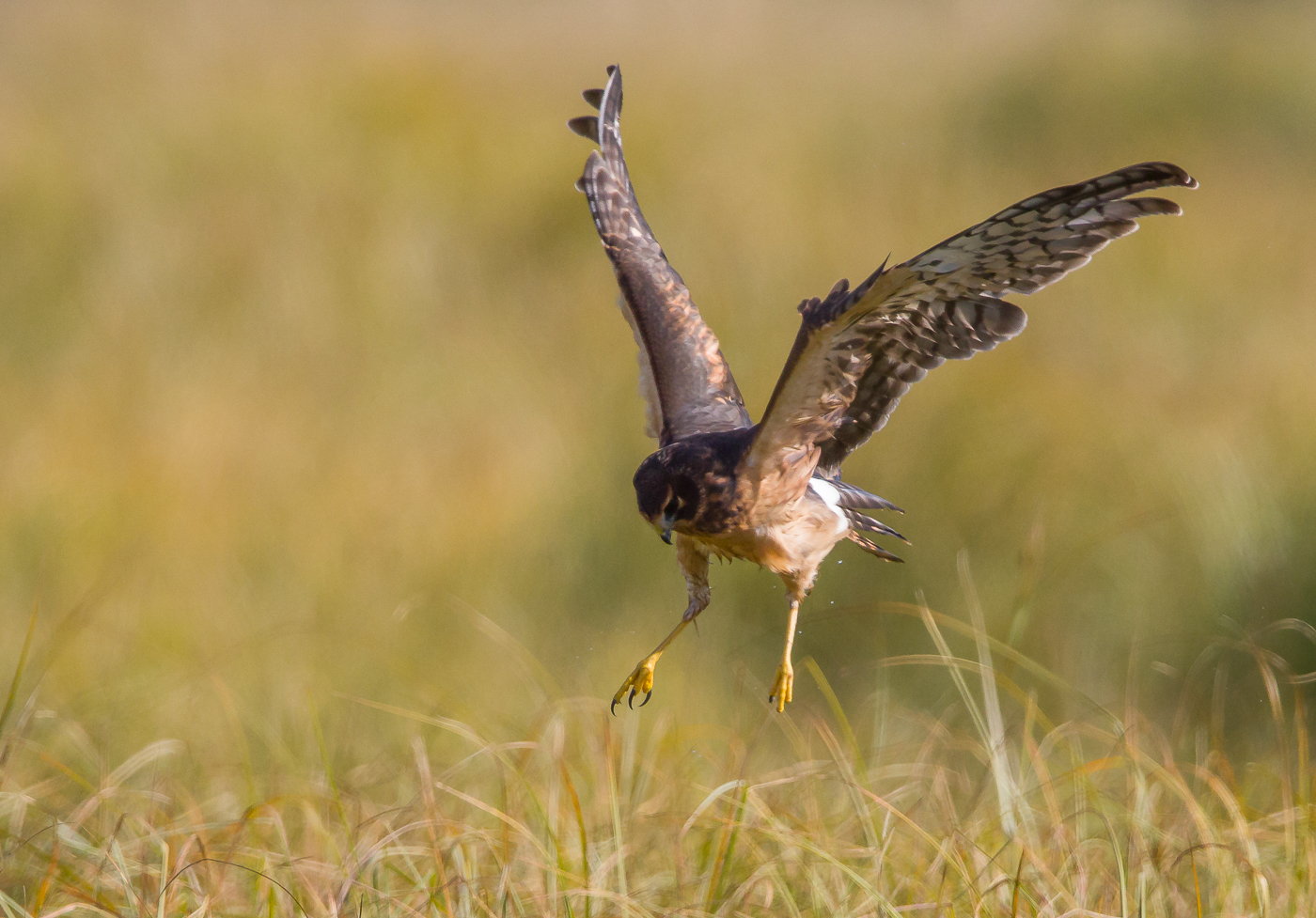
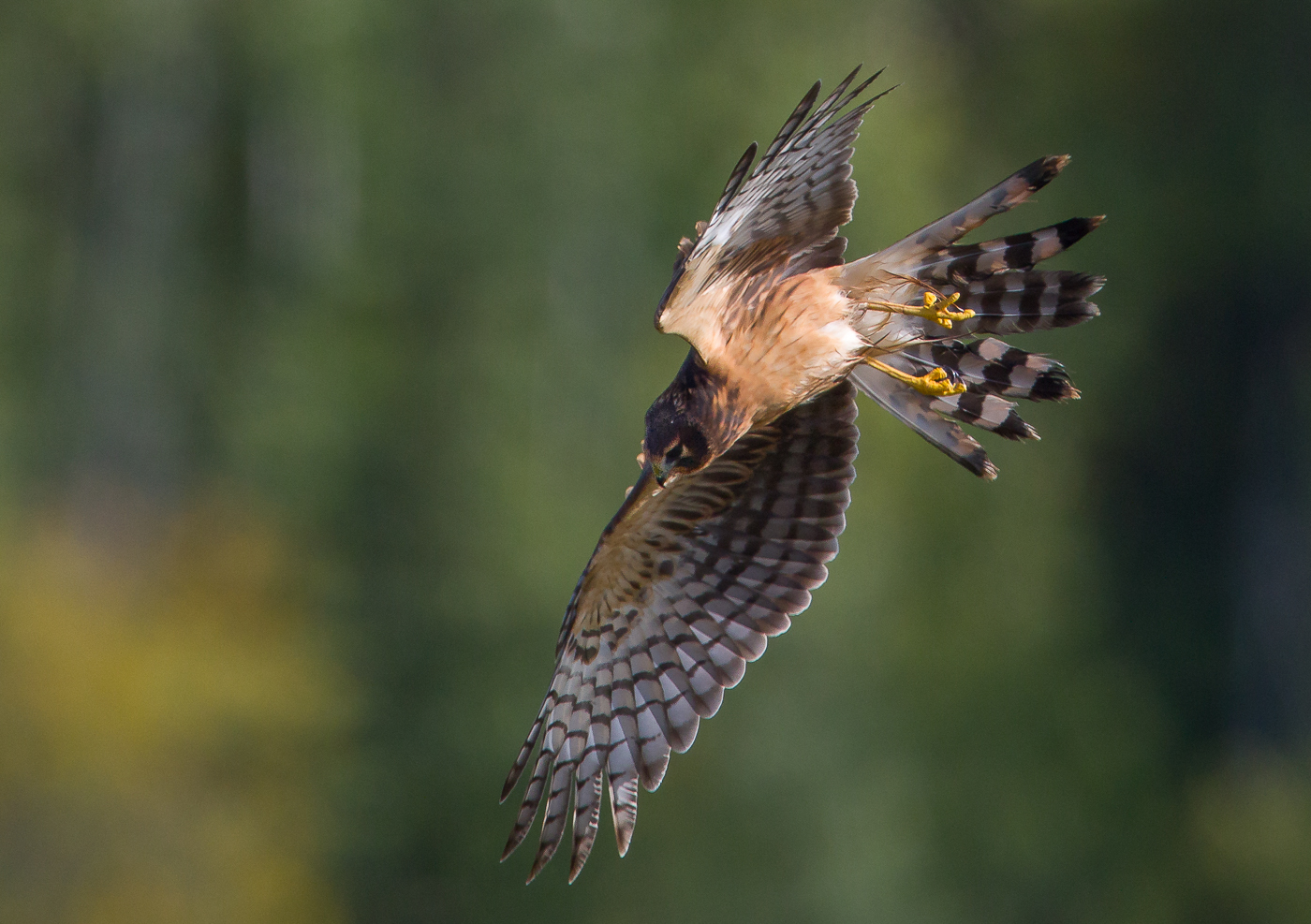
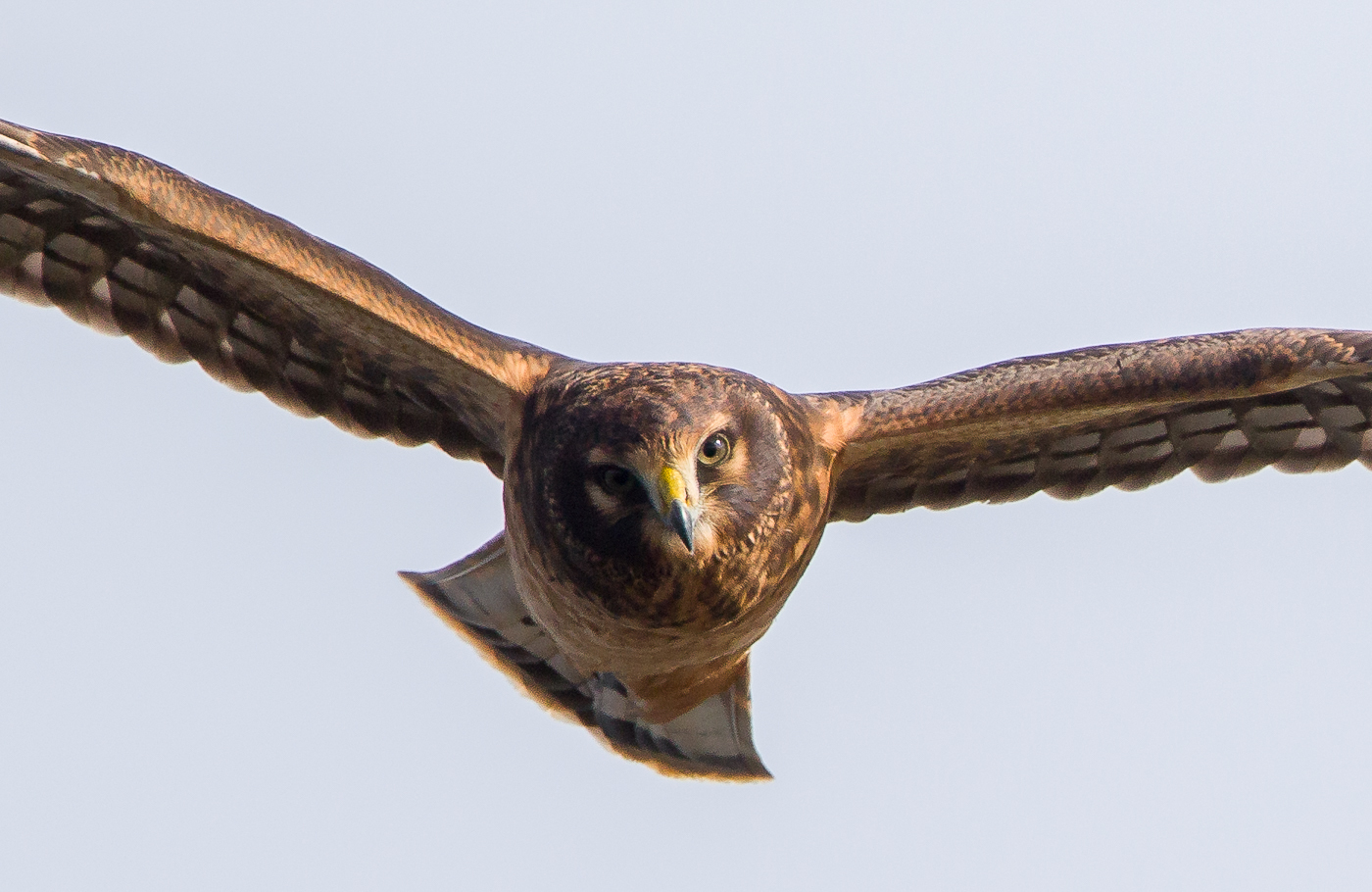
Here are couple more N. Harriers from yesterday's shoot...
 |
||
 |
||
|
|
||
 |
||
|
|
||
 |
||
|
Aug 27, 2015 at 08:27 PM
p.71 #10Canon Summer '2015!
By this frame I had regained my balance and attained the required framing leeway.
Edited on Aug 28, 2015 at 07:17 PM · View previous versions
Edited on Aug 28, 2015 at 07:17 PM · View previous versions
Aug 27, 2015 at 08:50 PM
p.71 #11Canon Summer '2015!
Isaac Grant wrote:
Always Snowies around. I had a secret stash of 5 of them last year in a spot that nobody really knew about. Aren't there snowies much closer to you?
https://farm1.staticflickr.com/712/20740051640_c825956056_b.jpgRuddy Turnstone by Isaac Grant, on Flickr
https://farm6.staticflickr.com/5770/20901833476_20a0a8cd6e_b.jpgRuddy Turnstone by Isaac Grant, on Flickr
Same goes for the juvenile Least Sandpipers
https://farm6.staticflickr.com/5769/20307057843_ef1734c0c9_b.jpgLeast Sandpiper by Isaac Grant, on Flickr
And Semipalmated Sandpipers
https://farm6.staticflickr.com/5744/20604667868_1e20d36ae6_b.jpgSemi-palmated Sandpiper by Isaac Grant, on Flickr
https://farm1.staticflickr.com/769/20170065834_91ba1059b4_b.jpgSemi-palmated Sandpiper by Isaac Grant, on FlickrToo bad for the end of shorebirds...now lets hope for the return of the Majestic Snowy Owl so I can once again make the pilgrimage out to those beautiful NY beaches....
If you don't know about the great Snowy Owl hunt of January 2014 you can read more here.....
https://www.fredmiranda.com/forum/topic/1269237/0
Here are couple more N. Harriers from yesterday's shoot...
Some years they irrupt into Vancouver by Delta/Whiterock but the last time was 2012 I think. If they irrupt there I will be on them for sure. If there is a large irruption to NY again, I will strongly consider flying out for another attempt with some better weather forecasting first...
Always Snowies around. I had a secret stash of 5 of them last year in a spot that nobody really knew about. Aren't there snowies much closer to you?
arbitrage wrote
Isaac Grant wrote
When the juvenile Ruddy Turnstones show up in New York, you know the shorebird season is winding down. All shots with Canon 7d2 and Sigma 150-600 C.https://farm1.staticflickr.com/712/20740051640_c825956056_b.jpgRuddy Turnstone by Isaac Grant, on Flickr
https://farm6.staticflickr.com/5770/20901833476_20a0a8cd6e_b.jpgRuddy Turnstone by Isaac Grant, on Flickr
Same goes for the juvenile Least Sandpipers
https://farm6.staticflickr.com/5769/20307057843_ef1734c0c9_b.jpgLeast Sandpiper by Isaac Grant, on Flickr
And Semipalmated Sandpipers
https://farm6.staticflickr.com/5744/20604667868_1e20d36ae6_b.jpgSemi-palmated Sandpiper by Isaac Grant, on Flickr
https://farm1.staticflickr.com/769/20170065834_91ba1059b4_b.jpgSemi-palmated Sandpiper by Isaac Grant, on Flickr
If you don't know about the great Snowy Owl hunt of January 2014 you can read more here.....
https://www.fredmiranda.com/forum/topic/1269237/0
Here are couple more N. Harriers from yesterday's shoot...
Some years they irrupt into Vancouver by Delta/Whiterock but the last time was 2012 I think. If they irrupt there I will be on them for sure. If there is a large irruption to NY again, I will strongly consider flying out for another attempt with some better weather forecasting first...
Aug 27, 2015 at 09:16 PM
p.71 #12Canon Summer '2015!
Isaac Grant wrote:
Nice picture but your bird is not a Harris Hawk. Juvenile Harris' Hawks look very similar to adults except they have strong streaking on the breast where the adults are pure brown. It would also have an all yellow bill and bare yellow skin around the eye. Plus would be uniformly brown on back and have a really large and bold rufous mark on the whole wing. Your bird looks to be a young Coopers Hawk to me. Thin, disperse streaking on breast is a good mark to use. Tail and legs are other marks to see but not...Show more →
Isaac,
You're right. It's not a Harris. Not seeing the tail threw me off. There are much lighter Harris than normal around here, but this is actually a light morph Red-tail. I base the ID on conversations (and pix swaps) with the US FWS here at Cabeza Prieta who - being wildlife biologists - are far more knowledgable than me. They did allow that a white morph Red-tail was rare here and that we also have lighter than usual Harris, but the other factors like beak and the amount of white in the breast made it definitive to them. Also, so far as I know, the Cooper doesn't like the real desert we have. The pix is going on the front page of the local paper next week with a "Beat the heat" cutline so I had to make sure I had the proper ID.
On the Red-tail humor theme, somebody left the sprinklers running for 24+ hours at the HS ball field behind my house. Just drove by an hour or so ago and there was a full grown Red-tail squatting in a hole made by a broken sprinkler head. I swear he was 1/3 submerged and looking rather proud of himself
Robert
Aug 28, 2015 at 02:06 PM
p.71 #13Canon Summer '2015!
Some photos from Gateway to Space exhibition I took back in june during my visit to Prague.
Canon 1D Mark IV, Canon 16-35L II and Canon 24-70L, tripod, of course....
http://milanhutera.com/wp-content/uploads/2015/08/IMG_4860-2.jpg
http://milanhutera.com/wp-content/uploads/2015/08/IMG_4866-2.jpg
http://milanhutera.com/wp-content/uploads/2015/08/IMG_4875-2.jpg
http://milanhutera.com/wp-content/uploads/2015/08/IMG_4877-2.jpg
http://milanhutera.com/wp-content/uploads/2015/08/IMG_4880-2.jpg
http://milanhutera.com/wp-content/uploads/2015/08/IMG_4881-2.jpg
http://milanhutera.com/wp-content/uploads/2015/08/IMG_4885-2.jpg
http://milanhutera.com/wp-content/uploads/2015/08/IMG_4891-2.jpg
http://milanhutera.com/wp-content/uploads/2015/08/IMG_4895-2.jpg
http://milanhutera.com/wp-content/uploads/2015/08/IMG_4908-2.jpg
Aug 28, 2015 at 03:36 PM
Phantom Medic
Offline
Activity
[X]
Details
p.71 #14Canon Summer '2015!
arbitrage wrote:
https://farm1.staticflickr.com/712/20740051640_c825956056_b.jpgRuddy Turnstone by Isaac Grant, on Flickr
https://farm6.staticflickr.com/5770/20901833476_20a0a8cd6e_b.jpgRuddy Turnstone by Isaac Grant, on Flickr
Same goes for the juvenile Least Sandpipers
https://farm6.staticflickr.com/5769/20307057843_ef1734c0c9_b.jpgLeast Sandpiper by Isaac Grant, on Flickr
And Semipalmated Sandpipers
https://farm6.staticflickr.com/5744/20604667868_1e20d36ae6_b.jpgSemi-palmated Sandpiper by Isaac Grant, on Flickr
https://farm1.staticflickr.com/769/20170065834_91ba1059b4_b.jpgSemi-palmated Sandpiper by Isaac Grant, on FlickrToo bad for the end of shorebirds...now lets hope for the return of the Majestic Snowy Owl so I can once again make the pilgrimage out to those beautiful NY beaches....
If you don't know about the great Snowy Owl hunt of January 2014 you can read more here.....
https://www.fredmiranda.com/forum/topic/1269237/0
Here are couple more N. Harriers from yesterday's shoot...
Last one is a winner! Really like the variety in your shoots. Not only they are technically great but they are not boring showing the same, again and again. Nice work!
Isaac Grant wrote
When the juvenile Ruddy Turnstones show up in New York, you know the shorebird season is winding down. All shots with Canon 7d2 and Sigma 150-600 C.https://farm1.staticflickr.com/712/20740051640_c825956056_b.jpgRuddy Turnstone by Isaac Grant, on Flickr
https://farm6.staticflickr.com/5770/20901833476_20a0a8cd6e_b.jpgRuddy Turnstone by Isaac Grant, on Flickr
Same goes for the juvenile Least Sandpipers
https://farm6.staticflickr.com/5769/20307057843_ef1734c0c9_b.jpgLeast Sandpiper by Isaac Grant, on Flickr
And Semipalmated Sandpipers
https://farm6.staticflickr.com/5744/20604667868_1e20d36ae6_b.jpgSemi-palmated Sandpiper by Isaac Grant, on Flickr
https://farm1.staticflickr.com/769/20170065834_91ba1059b4_b.jpgSemi-palmated Sandpiper by Isaac Grant, on Flickr
If you don't know about the great Snowy Owl hunt of January 2014 you can read more here.....
https://www.fredmiranda.com/forum/topic/1269237/0
Here are couple more N. Harriers from yesterday's shoot...
Last one is a winner! Really like the variety in your shoots. Not only they are technically great but they are not boring showing the same, again and again. Nice work!
Aug 28, 2015 at 04:56 PM
p.71 #15Canon Summer '2015!
Isaac Grant wrote:
Isaac,
You're right. It's not a Harris. Not seeing the tail threw me off. There are much lighter Harris than normal around here, but this is actually a light morph Red-tail. I base the ID on conversations (and pix swaps) with the US FWS here at Cabeza Prieta who - being wildlife biologists - are far more knowledgable than me. They did allow that a white morph Red-tail was rare here and that we also have lighter than usual Harris, but the other factors like beak and the amount of white in the breast made it definitive to them. Also, so far as I know, the Cooper doesn't like the real desert we have. The pix is going on the front page of the local paper next week with a "Beat the heat" cutline so I had to make sure I had the proper ID.
On the Red-tail humor theme, somebody left the sprinklers running for 24+ hours at the HS ball field behind my house. Just drove by an hour or so ago and there was a full grown Red-tail squatting in a hole made by a broken sprinkler head. I swear he was 1/3 submerged and looking rather proud of himself
RobertIts a Coopers Hawk. Red-tails of all color morphs when in juvenile plumage always have a clean white upper breast and streaked breast band. This bird clearly does not. It has an eye line, darker cap, thin and even streaking throughout is breast and belly. Young hawks are hard. This bird looks like a big female coopers hawk.
I'm no where as experienced as Isaac with hawk IDs but from doing a bit of reading I would go with female coopers also. If you want another excellent opinion shoot Dorian a PM and he can have his say. But if Dorian and Isaac agree I would ignore what those other guys told you. Dedicated birders are much better at this stuff than biologists IMHO.
OntheRez wrote
Isaac Grant wrote
Nice picture but your bird is not a Harris Hawk. Juvenile Harris' Hawks look very similar to adults except they have strong streaking on the breast where the adults are pure brown. It would also have an all yellow bill and bare yellow skin around the eye. Plus would be uniformly brown on back and have a really large and bold rufous mark on the whole wing. Your bird looks to be a young Coopers Hawk to me. Thin, disperse streaking on breast is a good mark to use. Tail and legs are other marks to see but not visible in this picture.You're right. It's not a Harris. Not seeing the tail threw me off. There are much lighter Harris than normal around here, but this is actually a light morph Red-tail. I base the ID on conversations (and pix swaps) with the US FWS here at Cabeza Prieta who - being wildlife biologists - are far more knowledgable than me. They did allow that a white morph Red-tail was rare here and that we also have lighter than usual Harris, but the other factors like beak and the amount of white in the breast made it definitive to them. Also, so far as I know, the Cooper doesn't like the real desert we have. The pix is going on the front page of the local paper next week with a "Beat the heat" cutline so I had to make sure I had the proper ID.
On the Red-tail humor theme, somebody left the sprinklers running for 24+ hours at the HS ball field behind my house. Just drove by an hour or so ago and there was a full grown Red-tail squatting in a hole made by a broken sprinkler head. I swear he was 1/3 submerged and looking rather proud of himself
Robert
I'm no where as experienced as Isaac with hawk IDs but from doing a bit of reading I would go with female coopers also. If you want another excellent opinion shoot Dorian a PM and he can have his say. But if Dorian and Isaac agree I would ignore what those other guys told you. Dedicated birders are much better at this stuff than biologists IMHO.
Aug 28, 2015 at 06:05 PM
p.71 #16Canon Summer '2015!
Another nicely spent morning on the Summer Heron Shooting Range, this time with a young Big one pijun.
Edited on Aug 29, 2015 at 11:34 AM · View previous versions
Edited on Aug 29, 2015 at 11:34 AM · View previous versions
Aug 28, 2015 at 07:16 PM
p.71 #17Canon Summer '2015!
7D ~ 18-55 STM
 IMG_4395 C) All Rights Reserved by Sett N trenZ, on Flickr
Aug 28, 2015 at 08:03 PM
p.71 #18Canon Summer '2015!
Here's just one Regret pijun shot so that they do not start to feel neglected.
Edited on Aug 29, 2015 at 11:32 AM · View previous versions
Edited on Aug 29, 2015 at 11:32 AM · View previous versions
Aug 28, 2015 at 10:13 PM
p.71 #19Canon Summer '2015!
Peter, I'm liking your 'big bird' pijun hunting/shooting exploits, they are most wonderful! And all look like they took a substantial effort given what appears to be some heavily shaded areas. Can't imaging wielding that 1DX and 800L about the marshes n weeds, not to mention branches n trees
Catfish, Pijuns and PetKal...oh my!
Catfish, Pijuns and PetKal...oh my!
Aug 28, 2015 at 10:32 PM