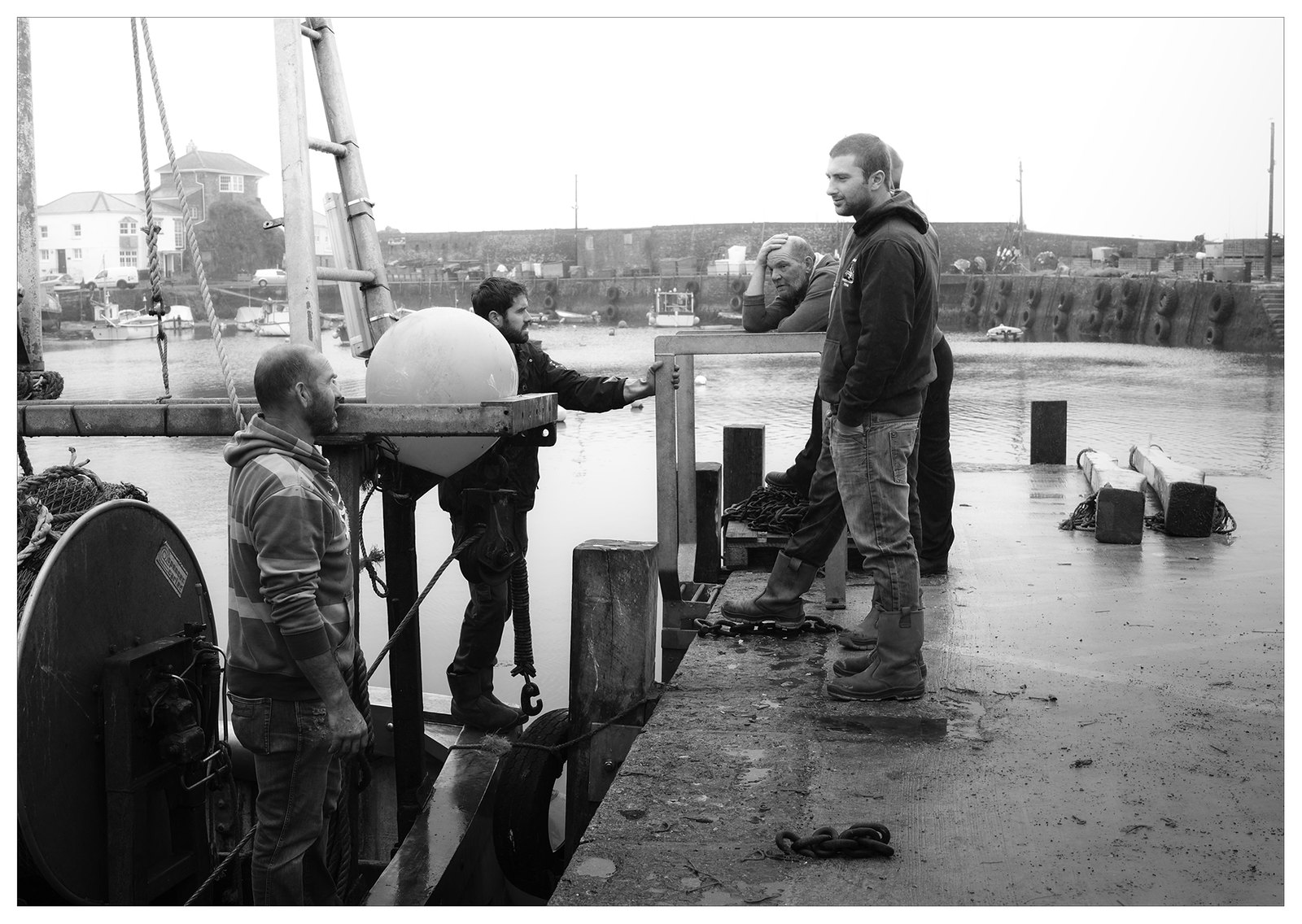
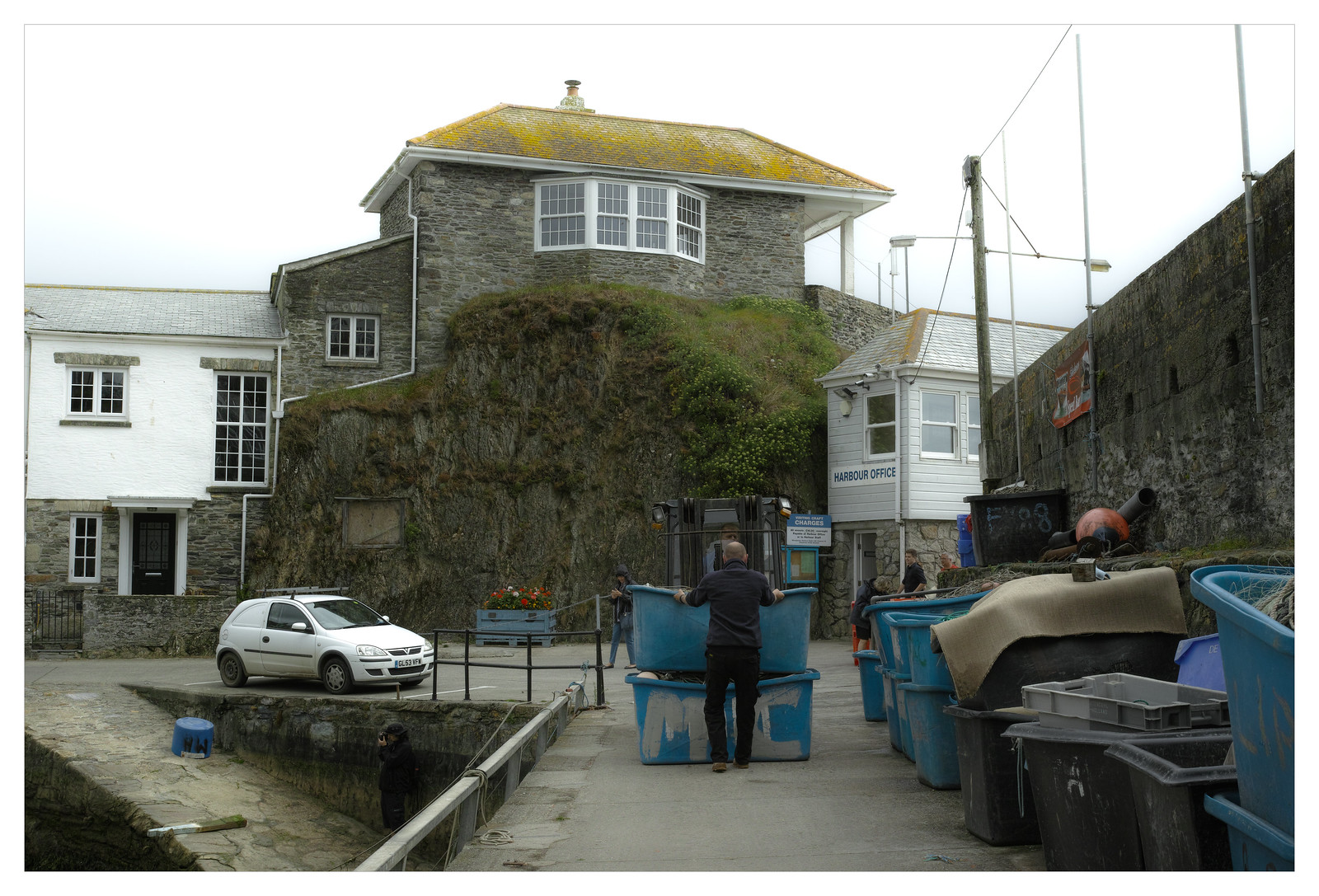
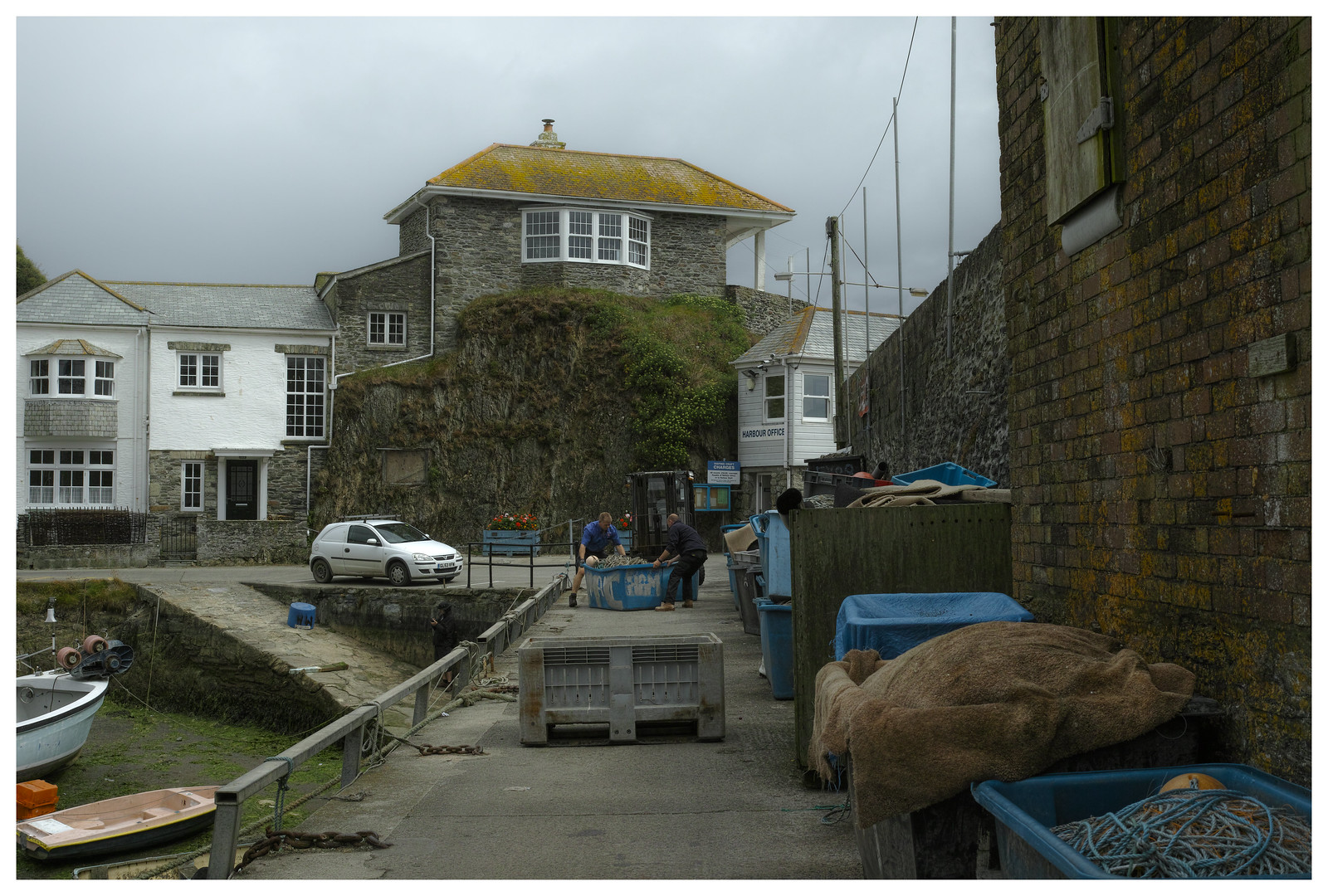
In my mind, when shooting on film, my b/w mostly looked like the first one, with the deep blacks and whites. I miss this in the third image do I like the softer graduation.
I was hoping to get a standard recipy *) but it looks like it will not be the case. It will be like the old days: which developer you use, which graduation, which filter during printing etc... Not bad, as it is part of the fun with b/w photography.
*) as an ex-wedding tog, a standard recipy saved me lots of time. I still have this mindset, though I am a pure amateur now. I have to relearn the joy of processing
OlafSiebert wrote:
Thank you both for your comments.
In my mind, when shooting on film, my b/w mostly looked like the first one, with the deep blacks and whites. I miss this in the third image do I like the softer graduation.
I was hoping to get a standard recipy *) but it looks like it will not be the case. It will be like the old days: which developer you use, which graduation, which filter during printing etc... Not bad, as it is part of the fun with b/w photography.
*) as an ex-wedding tog, a standard recipy saved me lots of time. I still have this mindset, though I am a pure amateur now. I have to relearn the joy of processing ...Show more →
I think for me this sums it up, I also would like a one step process. Maybe I am missing something and other can. But hey ho if it was that simple we'd all be producing the same images.
Just to add the third image I chose as a preference would give a lot of scope as a starting point. I do in my attempts at B+W digital like to start with a flattish image so it can be dodged + burned as in a dark room with wet photography.
OlafSiebert wrote:
wow. these are really great tones ...
Yes those tones work well for some subjects and I have from time to time achieved what I refer to as dark molasses black. I also wonder if with this image the Quattro with its slighly less prickly image output compared to the Merrills suits the subject very well. I do try to put as much negative fill light onto SPP b+w images to soften them, without getting that glamour glow look which can happen if not careful.
With the d700, I have a rather simple process developing with C1 and certain b/w presets which I like and are ok for skin tones.
For my long exposure series I also have a fixed process: SPP colour -> SEP mono (and all the time the same settings, in order to create a consistency).
Example D700 (zeiss lens, so it still fits in the alt thread):
Yes I often get a series if taken in a style and similar lighting that presets can be a good starting point. I may take a series on the quay which offer up sympathetically close exposures which work well. As apposed to when groups of files are so different in the differing light of the day.
On the harbour photography fishermen, with the water, large white buildings, there are certain times of the day in bright light when I find it impossible to get a decent exposure that I am happy with, on occasions not even worth bothering with the file.
Each of the above images has a differing quality that is very good with the character coming through well within both portraits.
I'd say a series like this, consistency gives continuity and a good reference point. This obviously can be achieved easier in similar environments and lighting conditions.
Like these both very much Olaf . I have a my own objective preference for the second image. One reason is the consistency of tonal values, not 100% convinced of the white of the white top, it unbalances the image as whole compared to the 2nd image which is tonally very well balanced. Me nitpicking, it is a fine image nevertheless.
Not sure if the DP3M should be used to sell gear... it might reveals to much details. As I bought a DP0Q, I need to clear out, so I photographed the items for sale. All with DP3M.
OlafSiebert, interesting long-exposure shot. I notice some vertical stripes on the left & right sides of the image. Is it banding noise?
Looking forward to reading your experiences with DP0Q.