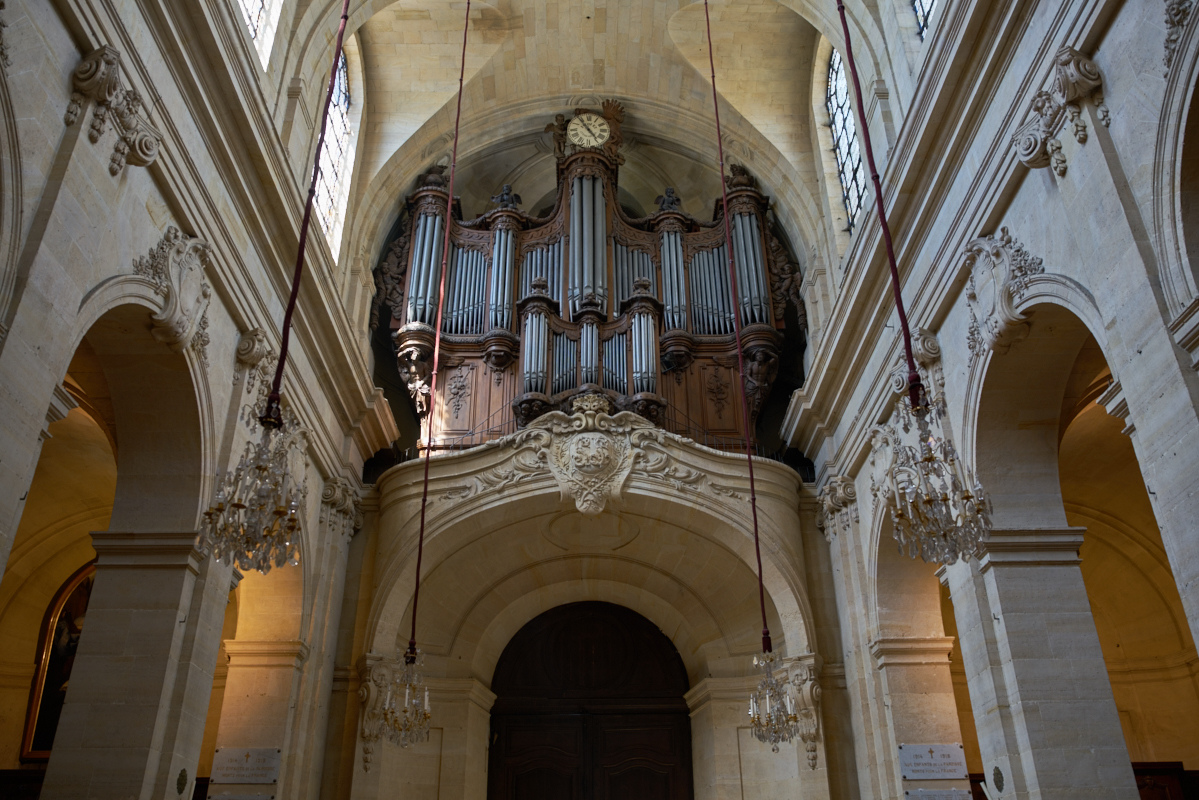
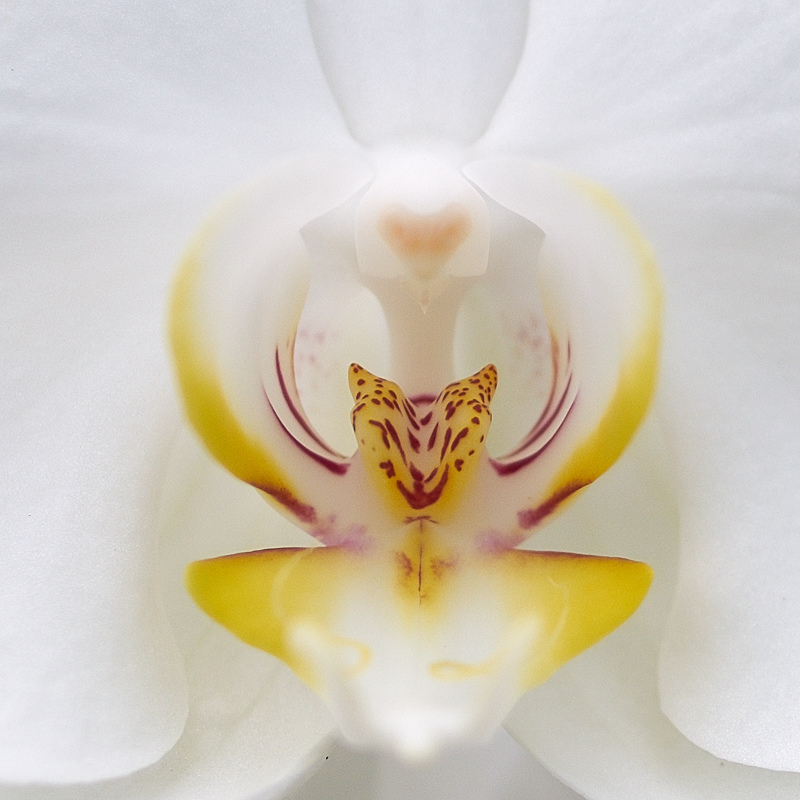
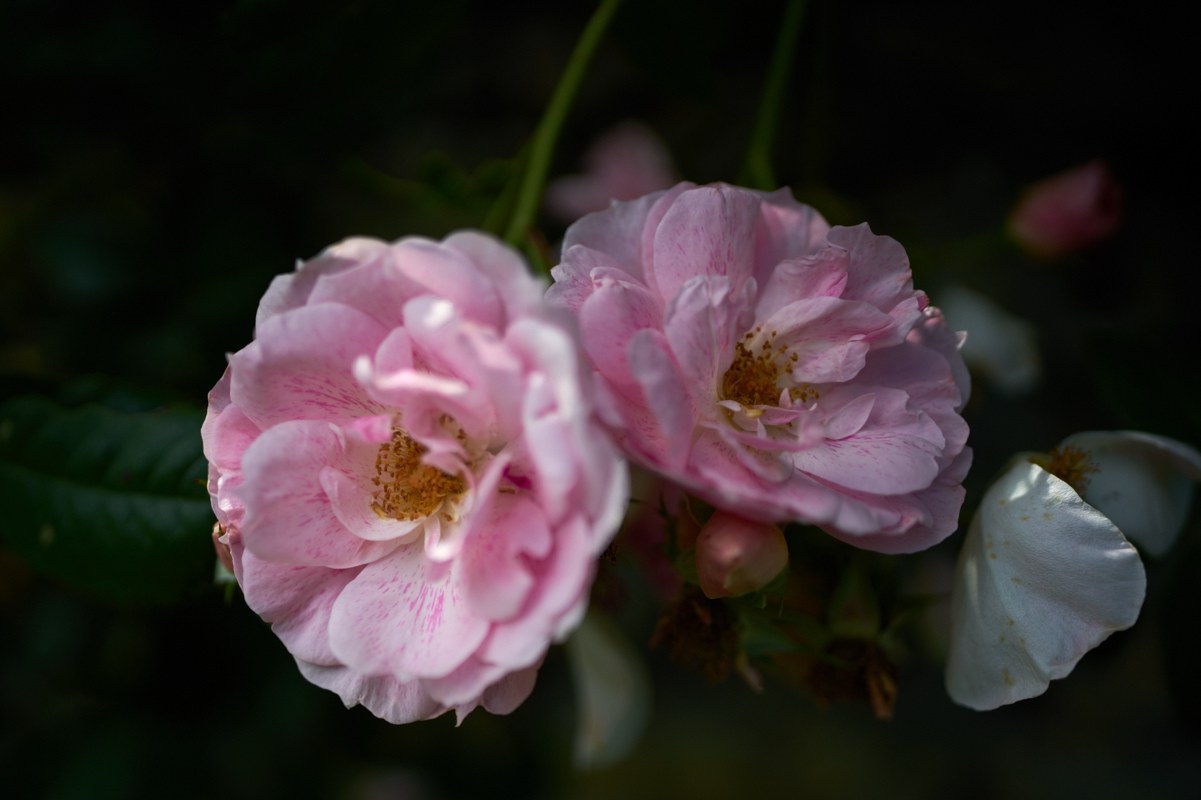
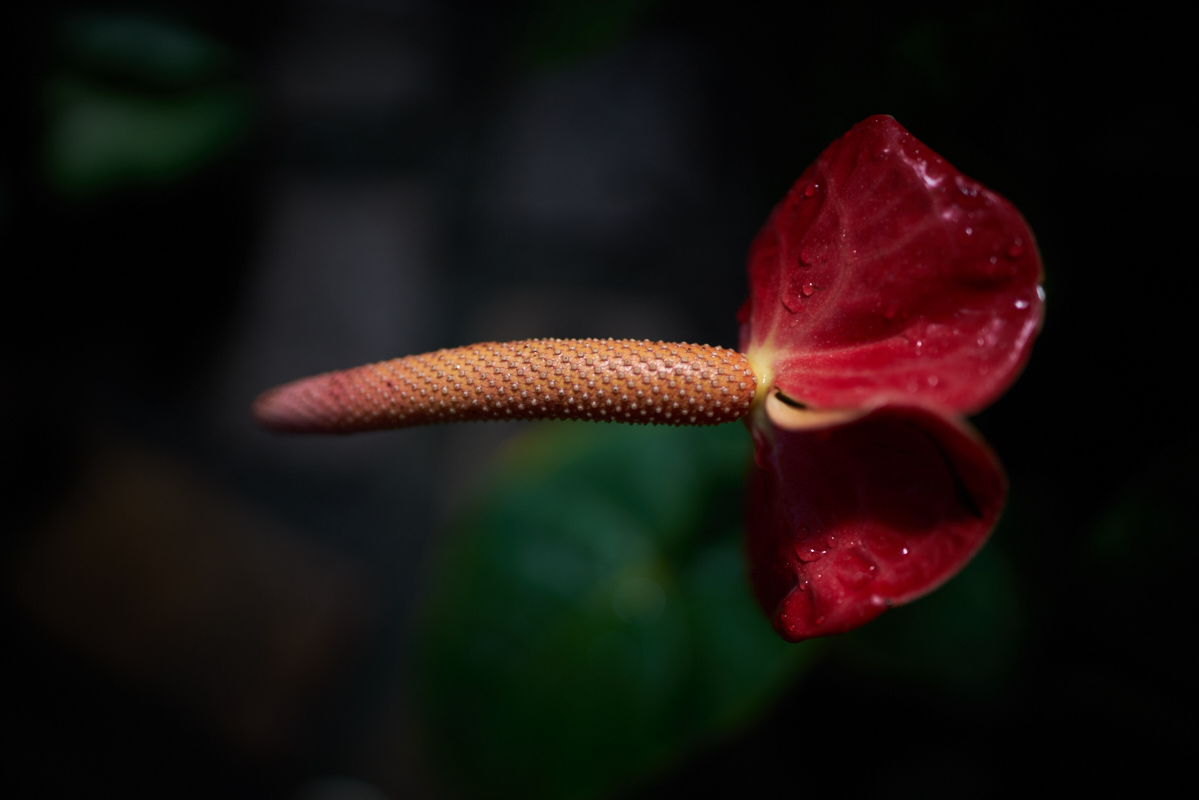
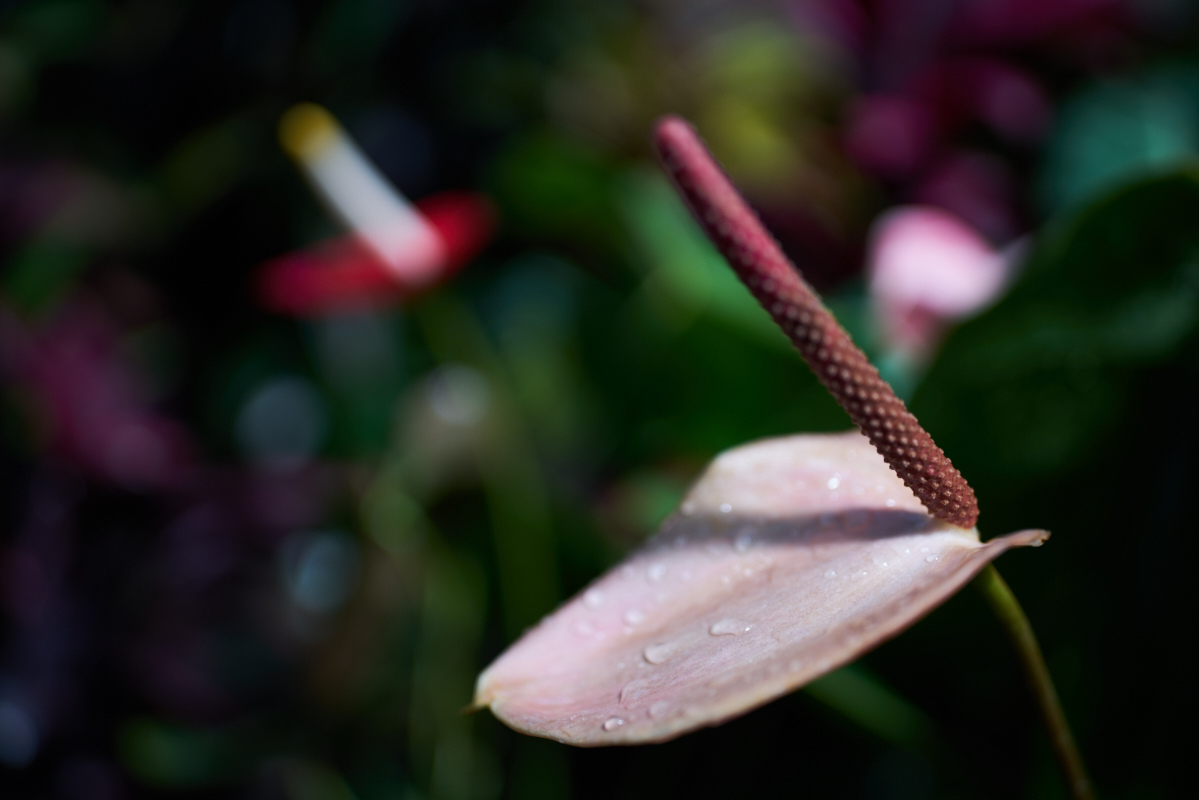
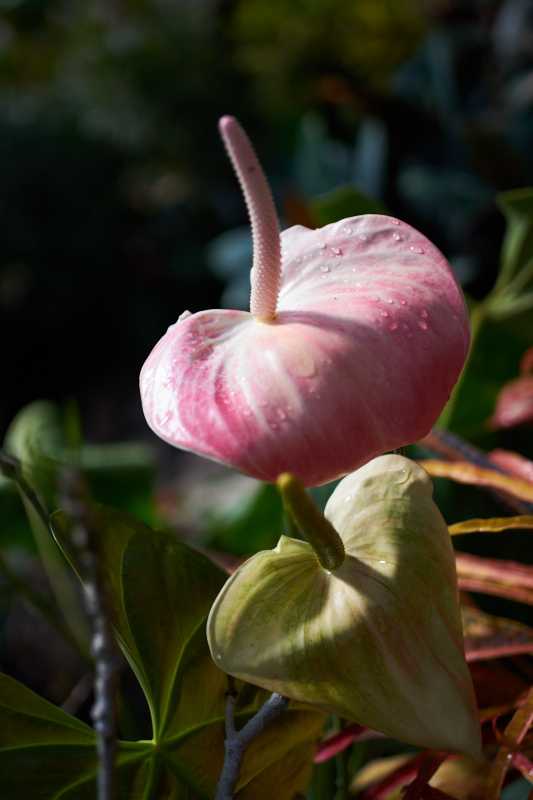
Almost unbelievable good bokeh in your images with the 28mm Otus, Philippe! I had both the older and current Canon 24 f1.4 for some years and never got anything like this out of the lens. Paired with the sharpness of the in-focus areas, the Otus seems to end the search of the best 28mm lens. If I wasn't stuck in the ultra-wide territory I could happily live with just the Otus 28 and 55. These two lenses really stuck out from all the rest according to the images in this thread.
@Philippe: maybe off topic, but for quite some years I have the impression that many of your images are underexposed by about one EV (or more precisely that the dark tones are over-represented in the histogram), at least judged by the screens I use. Is this on purpose? If not, do you use a calibrated screen? I had a similar "problem" with my images in the past and it turned out, that my screen setting were too bright (and the gamma not correct). As a result, most prints were too dark. After using calibrated screens with way less brightness my prints were spot on eventually.
Ulff wrote:
I had a similar "problem" with my images in the past and it turned out, that my screen setting were too bright (and the gamma not correct). As a result, most prints were too dark. After using calibrated screens with way less brightness my prints were spot on eventually.
Same here. The monitor gamma plays an important role on brightness level. I solved my problem after I got the LP2480ZX, a fantastic monitor for photo editing.
Thanks for the comment on the dark tones. Considering that my monitor is calibrated, my only guess is that good photography shows the soul of the photographer, and that mine -dark, very dark- is showing....:-)
More seriously, it may be that my eyes are not calibrated. I enjoy seeing very well in the dark, and it may have something to do with my choices. But I will keep your comment in mind, and have just lowered the brightness of my monitor a bit to compensate artificially.
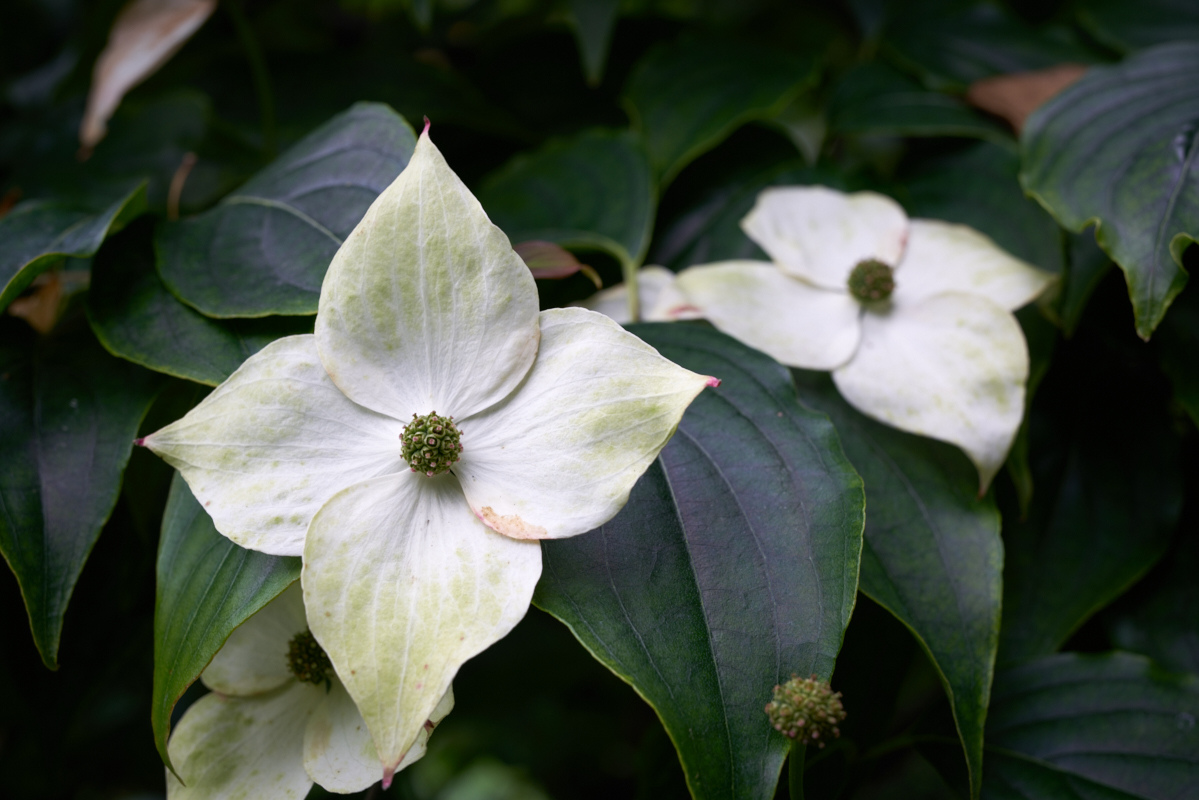
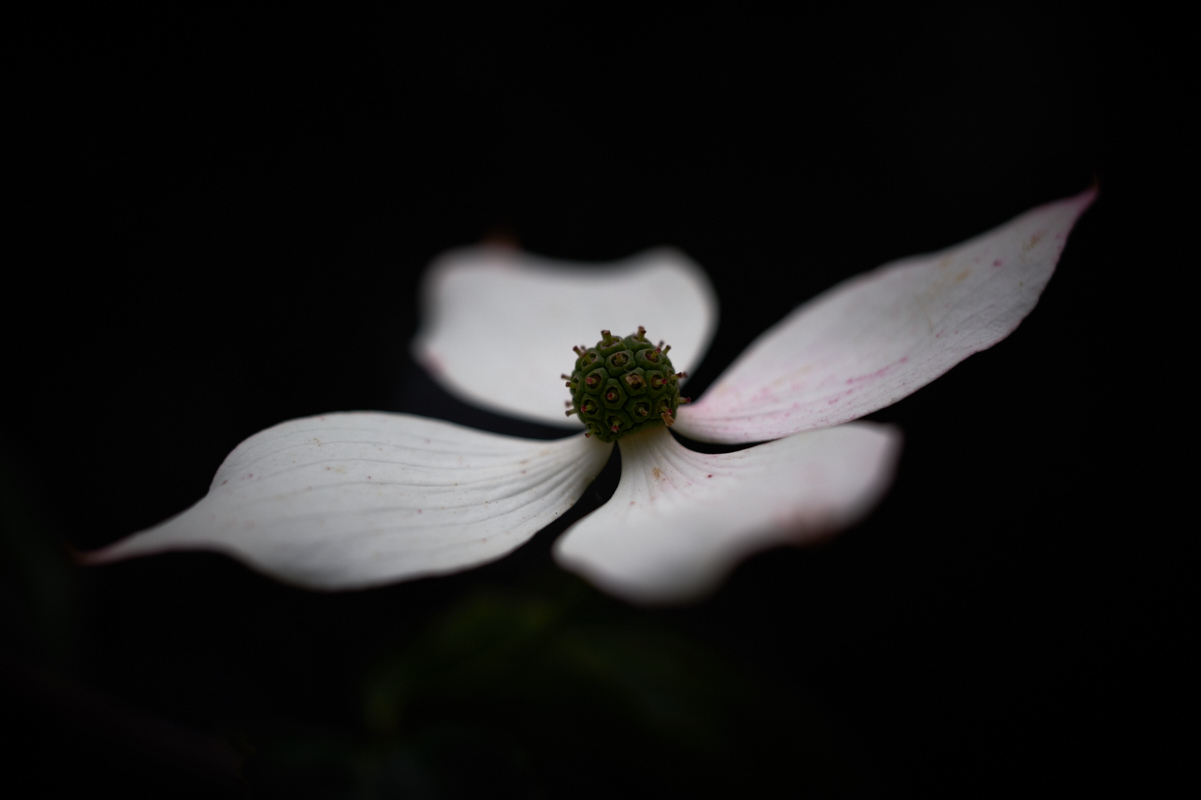
Some 55 shots in which the colour -darkness- aspect is "deliberate".
philber wrote:
Thanks for the comment on the dark tones. Considering that my monitor is calibrated, my only guess is that good photography shows the soul of the photographer, and that mine -dark, very dark- is showing....:-)
More seriously, it may be that my eyes are not calibrated. I enjoy seeing very well in the dark, and it may have something to do with my choices. But I will keep your comment in mind, and have just lowered the brightness of my monitor a bit to compensate artificially.
Some 55 shots in which the colour -darkness- aspect is "deliberate".
Being of a somewhat similar bent - re: darkness - I find your photos spot on when viewed on my calibrated eizo monitor. I tend towards more deeply saturated blacks/shadow areas and am of the philosophy that shadows are what they are: deep, dark, and mysterious. I prefer not to open them too wide.
philber wrote:
Thanks for the comment on the dark tones. Considering that my monitor is calibrated, my only guess is that good photography shows the soul of the photographer, and that mine -dark, very dark- is showing....:-)
More seriously, it may be that my eyes are not calibrated. I enjoy seeing very well in the dark, and it may have something to do with my choices. But I will keep your comment in mind, and have just lowered the brightness of my monitor a bit to compensate artificially.
So everything is fine if you prefer the slightly darker look intentionally. I just couldn't resist to share my need to alter the tone curve of some of your images a bit to the brighter side. Brightness is a complex topic in any case, because every screen as an output medium has a different brightness. Therefore only a few viewers see the images in the same way as they appear to the photographer itself with his/her specific monitor settings. I typically view images with 120 cd/m² btw, and prepare them for printing at 80 cd/m², so maybe I'm biased toward settings for prints. If I try higher values, especially your first image from the last set begins to flourish on my screen.
Really want to see a load more Otus 28mm images here. I have had my 55mm since it was released and I have been absolutely nuts about it to this day. But, I'm more of a wide angle shooter and every time I see the amazing images from my 55mm I wish I had the same rendering/performance in a wider lens.
Back in February I ordered the new Canon 35L II. It is superbly sharp, but it just doesn't seem to have the same sort of gorgeous color/clarity I get from the 55mm. Soooo, I'm pondering selling the 35L II and going for the Otus 28mm. I know I would appreciate the wider angle even more than 35mm. Cost and weight are the main two things that give me pause. Lack of example images is another.
Sadly it appears the 28mm just isn't as appealing to many as the 55 and 85 have been, which leads to a scarcity of example images. I do very much appreciate the few images posted here so far.
David, your wish is my command! If you love the 55, you will go gaga over the 28. It is IMHO even a bit better, and my partner in DearSusan, Pascal, who owns the 85 thinks the same. DearSusan contains many tens of images with the 28 across a number of posts.
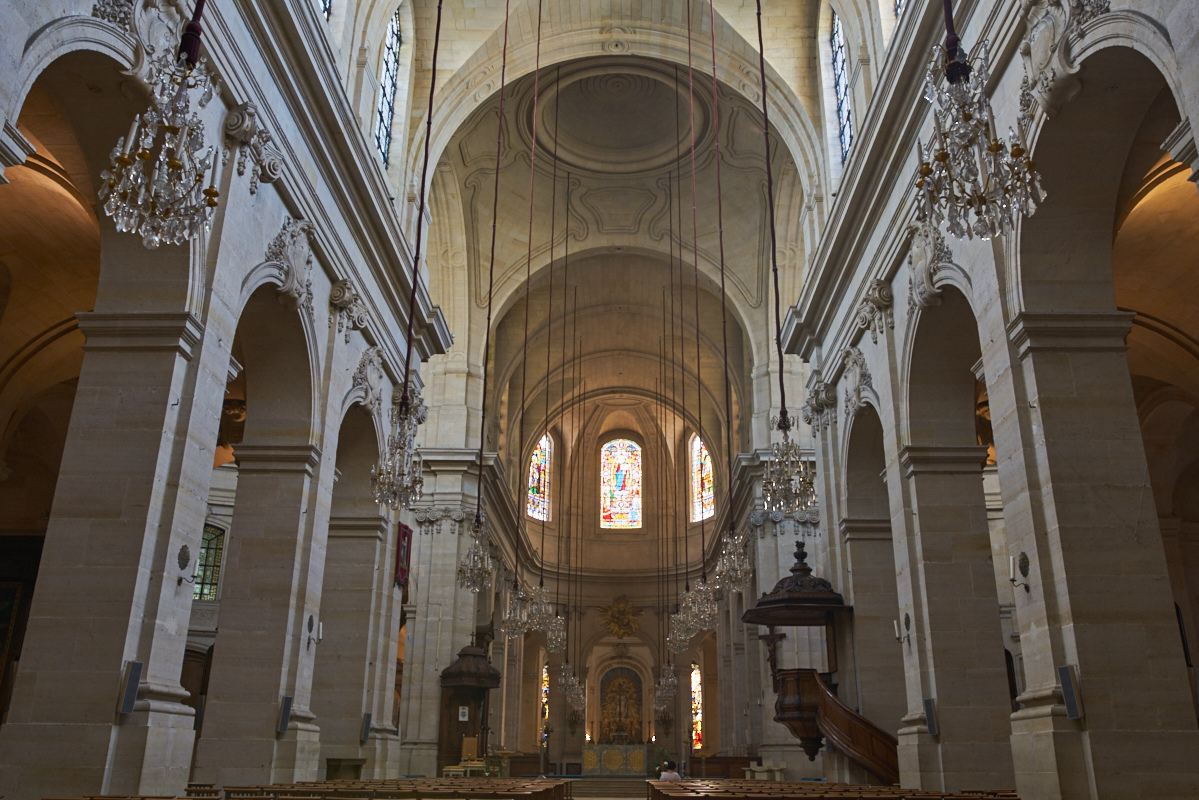
Otus 28mm on A7R II
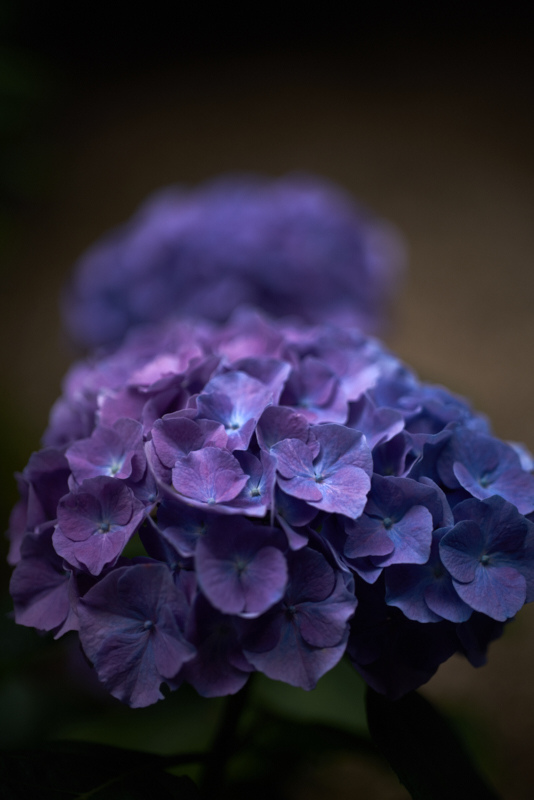
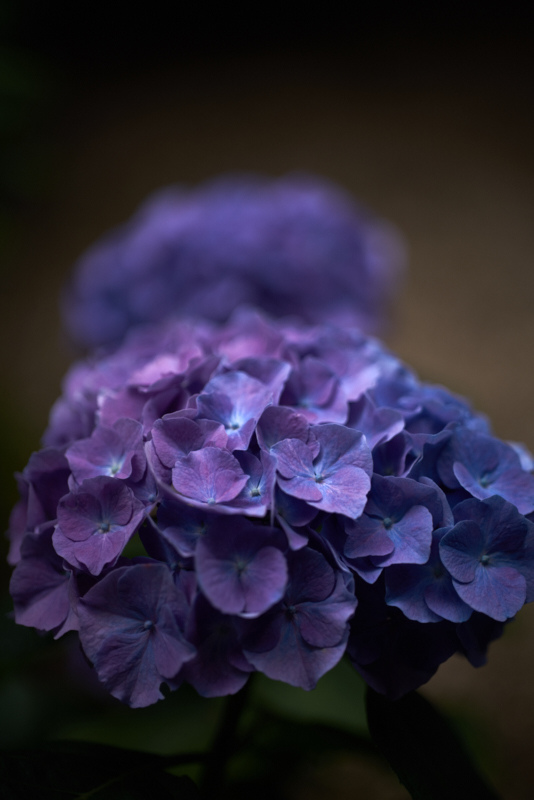
Ulff, upon reflexion there may be a second reason behind my choice. I feel that sensors over-saturate on strong colours (red, orange, purple for example) well before the camera registers clipping. So I tend to lower the exposure to get the full beauty of the colour at the expense of some darkness. I add one such picture of a hortensia with the 55mm. Sure it is too dark, but (a) I find it "nice", and, more importantly, (b), the deep blue hue isn't oversaturated.
Just so that you should know why I bought a 28mm f:1.4 lens that is both heavy and costly. To shoot this, of course, and wide open of course...:-) Though, to be honest, I did crop just a bit...:-)
philber wrote:
I feel that sensors over-saturate on strong colours (red, orange, purple for example) well before the camera registers clipping. So I tend to lower the exposure to get the full beauty of the colour at the expense of some darkness. I add one such picture of a hortensia with the 55mm. Sure it is too dark, but (a) I find it "nice", and, more importantly, (b), the deep blue hue isn't oversaturated.
Thant can indeed be the case and it can make sense to intentionally underexpose to avoid this. But if you raise the gamma value (mid tone / overall brightness) afterwards in PP you will get an images which is not too dark while no color information is lost due to over-saturation.
By the why the rendering of your Otus 28 looks really gorgeous. Congratulation for acquring this great lens. For me it's just too big and heavy especially on the A7RII. If it would have the size of the Loxia 21 while keeping it's rendering and IQ (I know it's technically not possible) I would get it immediately, even for the Otus 28 price.
philber wrote:
David, your wish is my command! If you love the 55, you will go gaga over the 28. It is IMHO even a bit better, and my partner in DearSusan, Pascal, who owns the 85 thinks the same. DearSusan contains many tens of images with the 28 across a number of posts.
Thanks for this! Very encouraging...so good to learn that the 28 is as good, if not slightly better than the 55. Now I just need to decide if I want to live with a few less lenses (the sales of which would be needed to fund the 28).
Boris, your kind words shall be forwarded to Zeiss, who will no doubt find them very encouraging...:-)
And thanks for the congrats! I will try out your suggestion.
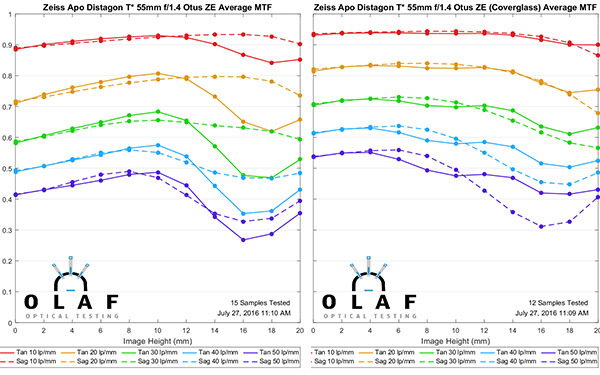
I remember we had a somewhat contentious discussion about LensRentals's OLAF MTF results for the 55 Otus being surprisingly low, but I can't find that thread right now, so I'll post it here. At the end of Roger's latest post, he shows new results for the 55 Otus after they installed a cover glass, presumably emulating the Canon sensors' cover glass, and the MTF results are significantly better. Check it out:
Andre Y wrote:
I remember we had a somewhat contentious discussion about LensRentals's OLAF MTF results for the 55 Otus being surprisingly low, but I can't find that thread right now, so I'll post it here. At the end of Roger's latest post, he shows new results for the 55 Otus after they installed a cover glass, presumably emulating the Canon sensors' cover glass, and the MTF results are significantly better. Check it out:
I've left a comment asking if this was something specific to that lens, or to Zeiss, or whether it affects all of their results for all EF lenses.
It's not specific to Zeiss or the Otus 55. When we first started looking into cover glass thickness effects, we saw it as mostly a wide-angle thing, then found short backfocus (mirrorless) was a factor. When we tested the Otus we still thought it didn't affect 50mm and up SLRs.
The other factor that makes me not feel so bad -- back then the manufacturers were TOTALLY secretive about cover glass thickness. They've stopped being that way now and actually it was an email from Zeiss suggesting we retest with cover glass that got me to look at it again. The difference is pretty dramatic.
Thanks Roger. I appreciate the follow-up on this lens. The dip in the edges would seem to indicate a cover glass issue, but the central contrast has also increased significantly. Do you guys know what mechanism is causing that?
Also have you noticed any changes in lens variation with the added cover glass? About the same, better, worse?