p.1 #1 · How bad is it? Fungus in Nikon 300 2.8 AF-S
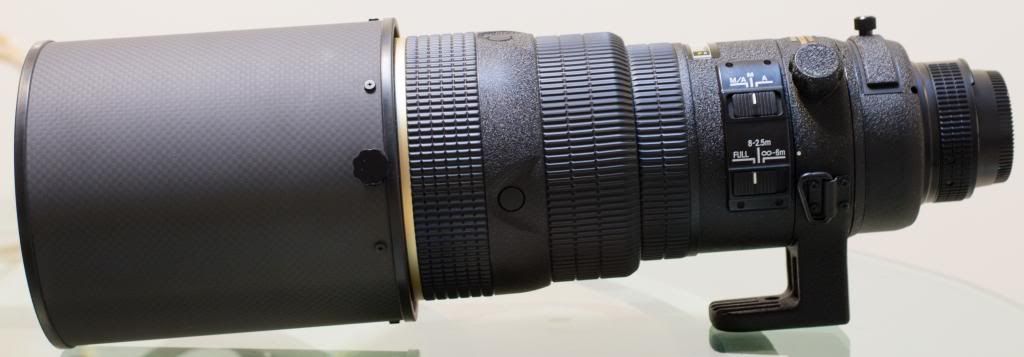
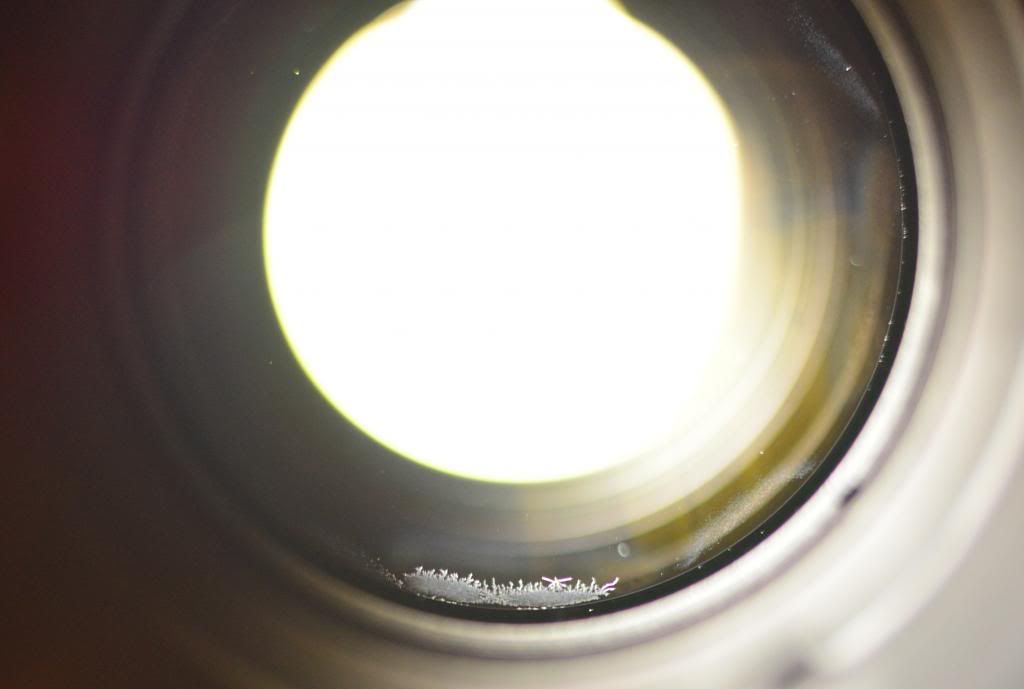
I was just about to offer a Nikon 300mm 2.8 AF-s MK1 lens for sale when I found fungus on the edge of an element in the middle of the lens. I can't see it from the rear element so I'm guessing that it won't cause any imaging problems.
Other than the fungus, this lens near mint, so does anyone have a suggestion of how I should price this now?
Thanks.
btw...hard to get a clean shot in there...lots of reflections.
p.1 #7 · How bad is it? Fungus in Nikon 300 2.8 AF-S
From what I have been told (and read) fungus can "burn" into the lens elements (or coating if you will) - so the sooner the better if you get it fixed..
I would for sure isolate that lens from your other lenses.. That sucks though..
p.1 #8 · How bad is it? Fungus in Nikon 300 2.8 AF-S
Fungi don't like light. On a sunny day, point it at the sun and leave it for a couple hours. DDon't put a camera on it. Just let the sunlight stream through. The sunlight kills the spores and fungus and keeps it from spreading. Of course, it must still be cleaned.
p.1 #10 · How bad is it? Fungus in Nikon 300 2.8 AF-S
If it really only costs $200 to have it cleaned, then it's worth it...'cause no one's going to pay a good price for a contaminated lens. The fungus eats beyond the coating and into the actual glass.
p.1 #12 · How bad is it? Fungus in Nikon 300 2.8 AF-S
Fungi are spread by spores floating in the air. All lenses "breathe" as elements move around during focusing and zooming. This draws in air and forces air out.
p.1 #14 · How bad is it? Fungus in Nikon 300 2.8 AF-S
Dis-assembly and Cleaning is the best option which will affirm if there is etching into the glass.
Etched glass is not necessarily bad depending on what element it is. I think Macros would make the presence of fungi/etching more obvious than others, but I could be wrong.
Cleaning should involve not just the affected glass but the entire lens (all optics and the barrel) to get rid of any spores so that there is no recurrence.
Fungal spores can be viable for a very long period even under unfavorable conditions. If there are still any spores lying around after cleaning there could be a recurrence. So mere cleaning may not enough (unless it was a very thorough job). It's best to watch for any recurrence. Recurrence may not necessarily be bad as long as it is dealt with in a timely manner as fungi are most susceptible in their hyphal stage. So if measures are taken (light and humidity control) immediately after a recurrence, then the chances of preventing further outbreaks are much better and the lens could be saved.