CalW wrote:
Julian, I have been considering those Kenko tubes for a while - you just pushed me over the edge. B&H should thank you
The one slightly irritating thing with Tubes is the in focus area depth. You don't have much lee way. You are either in focus or not at one particular distant, but for such good lenses as the 45 and 75 it is nice to be able to use them with more magnification, even if it is has that limit. I usually use the EF 100mm f2.8 macro on the OM-D for macro. The tubes are light and not noticed in a bag and useful for occasions like these, rather than lugging the Macro lens around.
Hope that made sense, but if not, you are all aware of what tubes are about.
Hi Julian.
A little time back , i posted, does anyone know if the Kenko extension tubes for M4/3s are plastic or metal ? Can you now answer that ? Also how close with the 75MM for (at) MFD ?
Thanks
Harry Palmer
juju1958 wrote:
The one slightly irritating thing with Tubes is the in focus area depth. You don't have much lee way. You are either in focus or not at one particular distant, but for such good lenses as the 45 and 75 it is nice to be able to use them with more magnification, even if it is has that limit. I usually use the EF 100mm f2.8 macro on the OM-D for macro. The tubes are light and not noticed in a bag and useful for occasions like these, rather than lugging the Macro lens around.
Hope that made sense, but if not, you are all aware of what tubes are about. ...Show more →
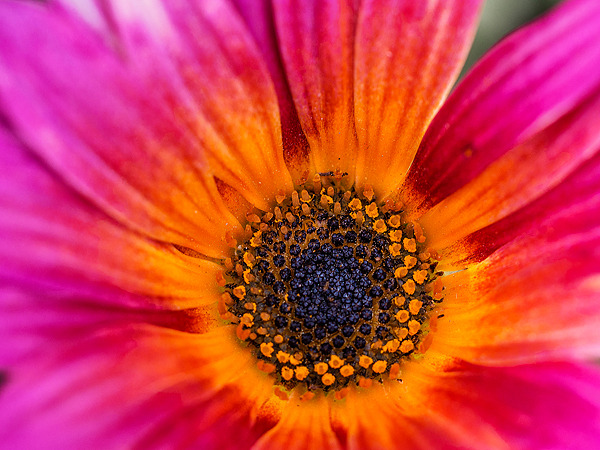
I too have been toying with the idea of getting the Kenko AF extension tubes for my 75mm. What do you think? I have the 60 macro which I am quite pleased with, but the extra reach you can get with the 75 is great, and the ultra-shallow DOF allows you to maybe create some very artsy flower abstracts.
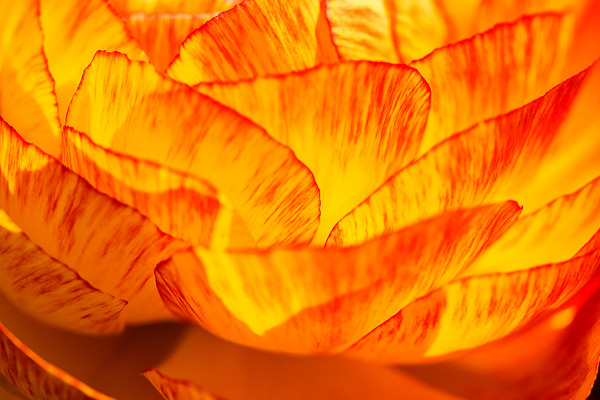
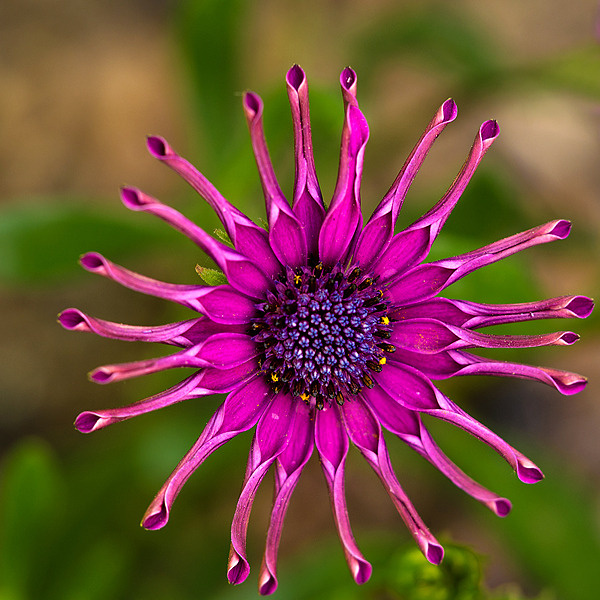
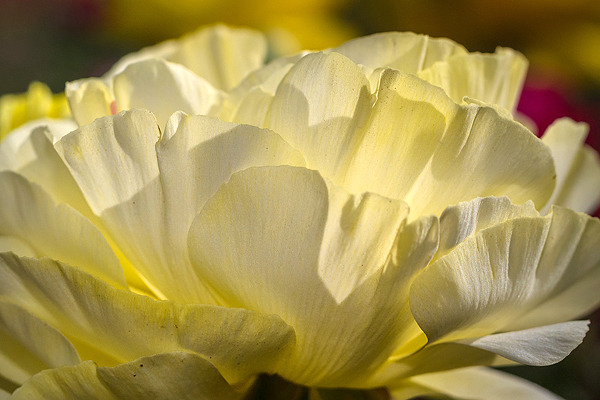
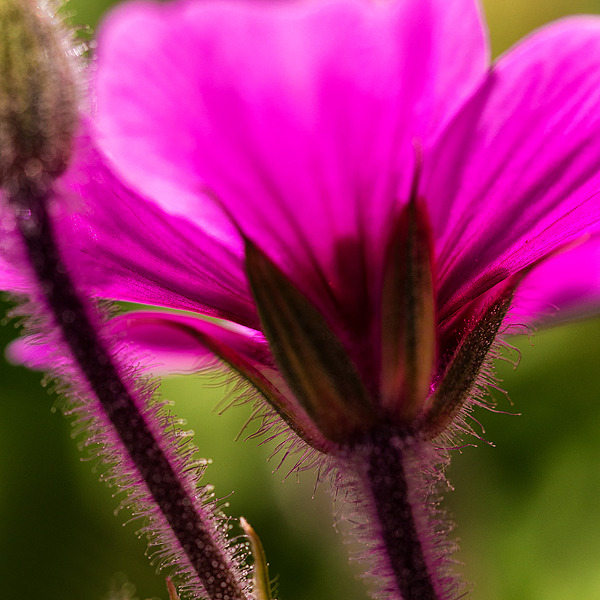
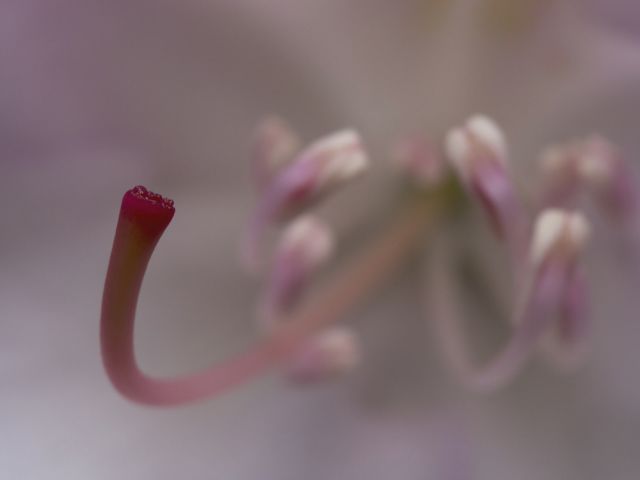
Some samples here, all shot hand-held with the 60 macro.
Kingfishphoto wrote:
Hi Julian.
A little time back , i posted, does anyone know if the Kenko extension tubes for M4/3s are plastic or metal ? Can you now answer that ? Also how close with the 75MM for (at) MFD ?
Thanks
Harry Palmer
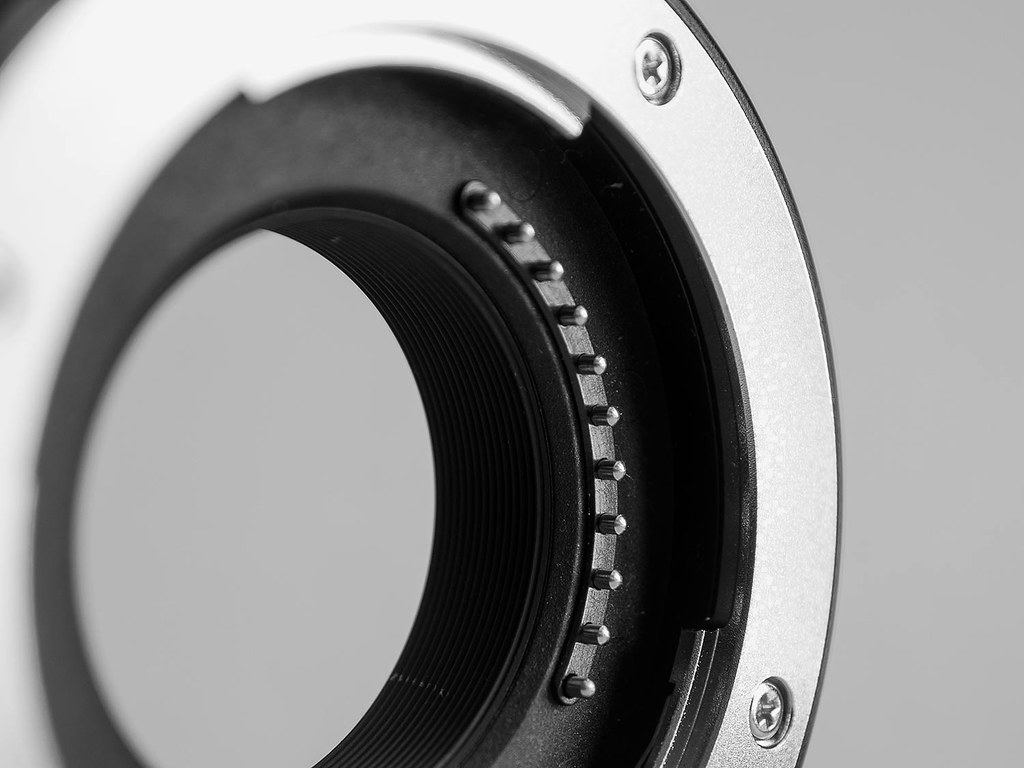
Harry they have a combination of metal and some kind of composite material. The outer black appears to be metal, it has metal mounts, it is the central internal tube which is the composite plastic material. They feel strong and for the small size, solid, much like the OM-D itself. They are quality , not sure if it is because they are more compact, but they feel more solid than my EOS 35mm Kenko tubes.
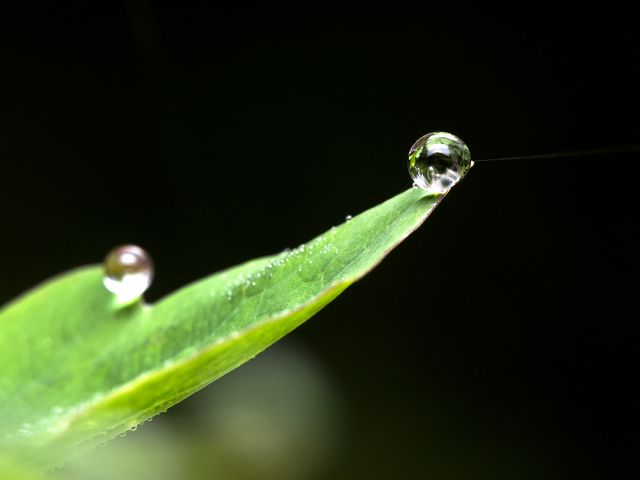
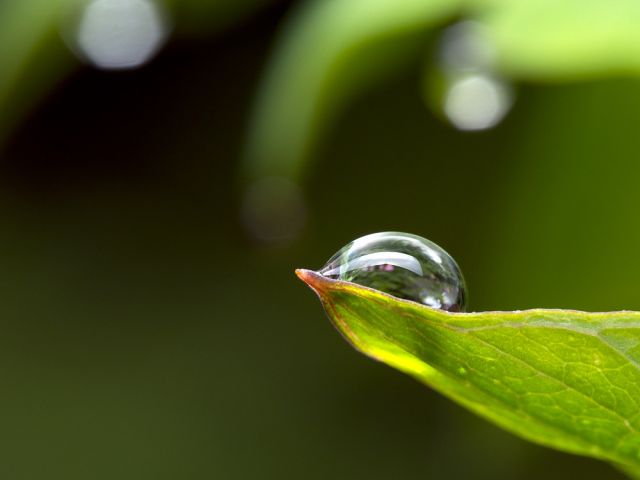
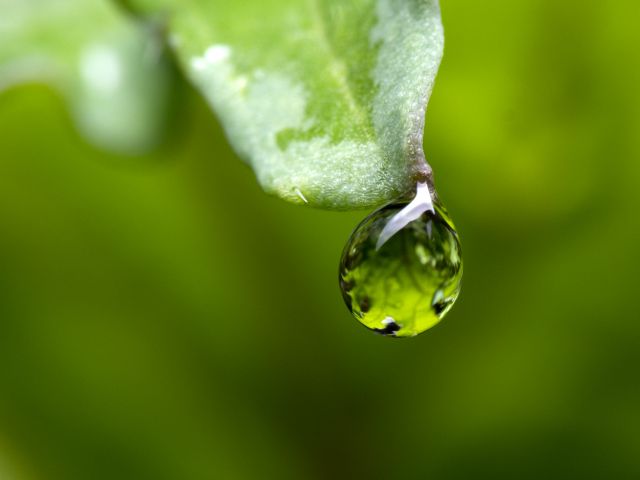
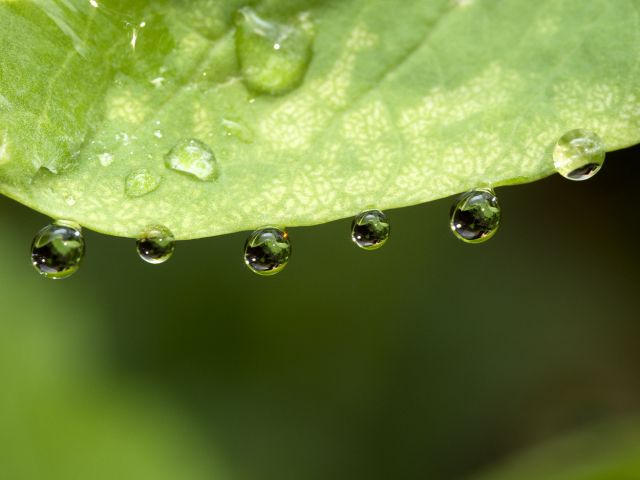
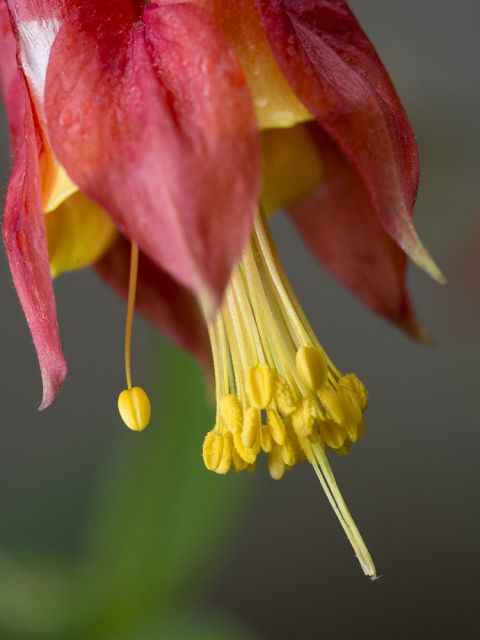
I am supposed to be on a ladder painting, but it is still too wet from the rain last night to do so. But we have some nice dew droplets to play with! These are with the 60mm macro plus a left-over Canon 250D magnifier.
CalW wrote:
I am supposed to be on a ladder painting, but it is still too wet from the rain last night to do so. But we have some nice dew droplets to play with! These are with the 60mm macro plus a left-over Canon 250D magnifier.
Bobby, the 250D is a close-up lens with a magnification of +4 that is screwed on to the front of a lens like a filter. It has two achromatic elements to correct chromatic aberrations and does do not degrade the optical performance of the lens. It increases resolution working from the front of the lens, whereas the tubes work from the back. I have used both the magnifier and the tubes together with the Canon macro lenses and look ahead to also doing so on the 60mm with the Kenko tubes I have on order.
CalW wrote:
I am supposed to be on a ladder painting, but it is still too wet from the rain last night to do so. But we have some nice dew droplets to play with! These are with the 60mm macro plus a left-over Canon 250D magnifier.
Very nice shots. Interesting on that last shot, I have one similar (but not as good) using Olympus E-5 and 50mm macro + 1.4xTC
Very nice shots, though, and I may have to look into getting me a Canon closeup lens.
I still don't quite get it. A close-up lens is great on a normal non-macro lens as it allows to focus real close and get you some magnification but your 60 macro already allows you to focus real close with 1:1 magnification. And even though the Canon close-up lens is well corrected I would think that the IQ from a naked macro lens is better. Any time you put a piece of glass in front of your lens there is (in theory at least) a bit of IQ degradation.
CalW wrote:
Bobby, the 250D is a close-up lens with a magnification of +4 that is screwed on to the front of a lens like a filter. It has two achromatic elements to correct chromatic aberrations and does do not degrade the optical performance of the lens. It increases resolution working from the front of the lens, whereas the tubes work from the back. I have used both the magnifier and the tubes together with the Canon macro lenses and look ahead to also doing so on the 60mm with the Kenko tubes I have on order.
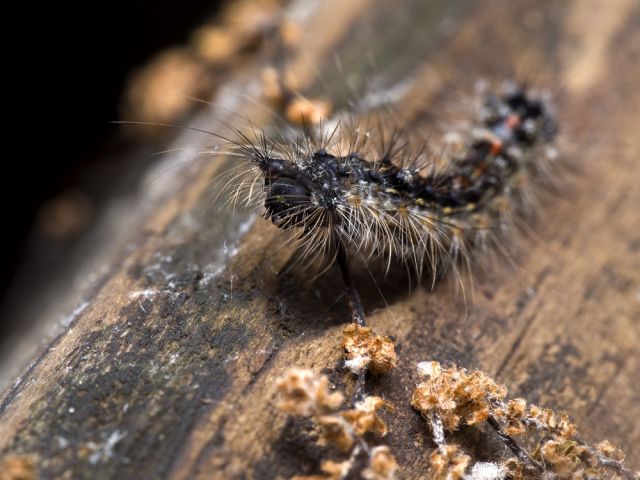
Sure, Bobby, in theory there has to be some degradation - but this glass is good enough that I can't see it. And I'm just greedy I suppose, but I like to get closer than 1:1, just for fun. For what it may be worth, the combination of the Olympus 60mm and the 250D works just slightly better than either of my former Canon macro lenses. For example, I was never able to capture even a hint of detail in the red "fur" on a spider mite (quite a bit smaller than the head of a pin) with a normal macro lens before. With the Canon MP-E 65mm f/2.8 1-5x of course, one can tell who the mite's hairdresser is
Okay, I get it now. Since you already have the 250D why not have fun it right? When I shot with Canon I had always wanted to get the 500D for the 135L but I never did, as I was quite happy with the 100 macro, and later the 100L IS. Well, the IS of the 100L is good but not as good as IBIS. IBIS rocks ... and it got even better with the E-P5.
CalW wrote:
Sure, Bobby, in theory there has to be some degradation - but this glass is good enough that I can't see it. And I'm just greedy I suppose, but I like to get closer than 1:1, just for fun. For what it may be worth, the combination of the Olympus 60mm and the 250D works just slightly better than either of my former Canon macro lenses. For example, I was never able to capture even a hint of the red "fur" on a spider mite (quite a bit smaller than the head of a pin) with a normal macro lens before. With the Canon MP-E 65mm f/2.8 1-5x of course, one can tell who the mite's hairdresser is ...Show more →