Ok... thanks for the details, as this is what I thought
I find that the 800PF does a nice job knocking out the background when a heavy crop is not required (let's say a final file of 30MP w/ a Z9/Z7), but as you reveal... there is no "magic bullet" when the subject to lens difference is large.
The coyotes I posted were DX crops (about 20MP), and I was disappointed by the lack of isolation. My subject to lens distance was huge... 100 meters, maybe more... This is a reminder that getting close (enough) with the right lens matters more than just having the right lens.
It doesn't matter what the depth of field is, what matters is how far outside of the depth of field the BG is. I have images taken at 400mm f/16 where the BG is complete mush. I.e. the difference in subject distance and BG distance matters much more than aperture.
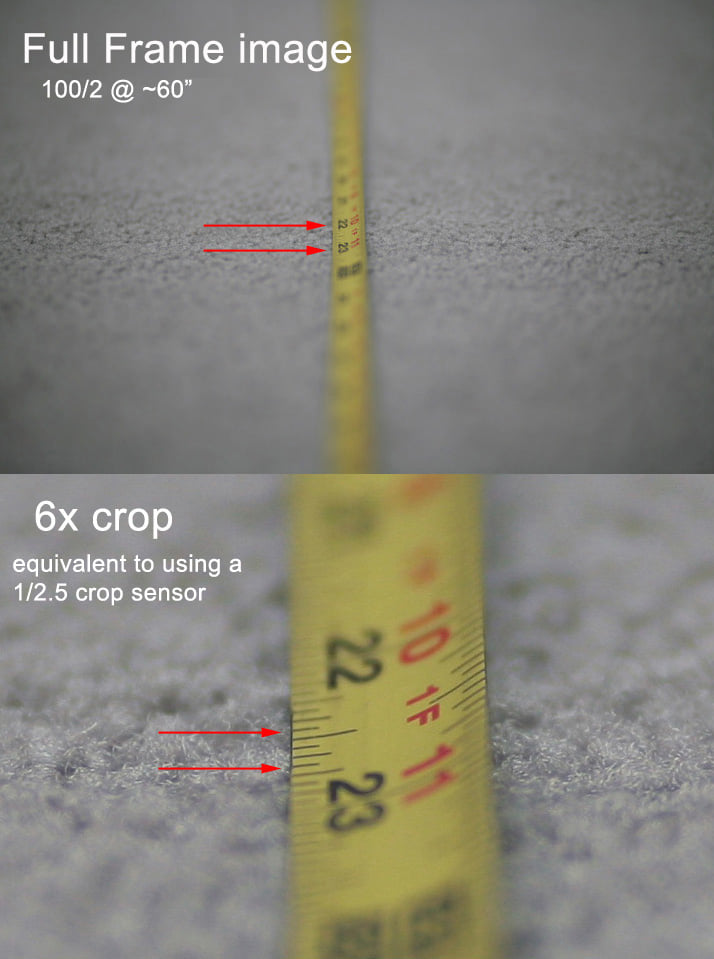
Cropping doesn't affect this... if you crop the depth of field decreases in the final image; doesn't matter if it's done with crop factor, DX mode, or in post.
I beg to differ with the last statement. While at a technical level, depth of field is depth of field... thus, you are correct that the background focus relative to the subject focus is a function of the total area of confusion in a frame. However, when you crop deeply into an image, the depth of field in the background becomes more prominent because you have narrowed the viewer's field of view. On the other hand, in the case of the eagle shots, if the photographer chooses to show a small eagle in a larger frame to emphasize the eagle's place in its landscape, then the background will appear less distracting relative to the totality of the frame.
I will site my own coyote images as an example. The two images presented below were taken right after each other (7238 v 7241), however I chose to crop one. The trees in the cropped image appear to be more distracting relative to the focus on the coyote. In the uncropped shot the brain perceives the trees relative to the coyote in a very different manner. I feel as if the narrower field of view increases the negative impact of a relatively close background.... however, all brains are function of our living experience, so my perception of this difference may be different from yours.
bruce
There are many things going on in your example... in the first image the wolf in nearly central and the surrounding trees/branches function overall as something of natural framing. In the crop you have moved the wolf farther away from center which de-emphasises it, moved the adjacent tree/branches more central emphasizing them; and the primary distractors (IMO) are the adjacent branches, not BG.
Ok... thanks for the details, as this is what I thought
I find that the 800PF does a nice job knocking out the background when a heavy crop is not required (let's say a final file of 30MP w/ a Z9/Z7), but as you reveal... there is no "magic bullet" when the subject to lens difference is large.
The coyotes I posted were DX crops (about 20MP), and I was disappointed by the lack of isolation. My subject to lens distance was huge... 100 meters, maybe more... This is a reminder that getting close (enough) with the right lens matters more than just having the right lens.
It doesn't matter what the depth of field is, what matters is how far outside of the depth of field the BG is. I have images taken at 400mm f/16 where the BG is complete mush. I.e. the difference in subject distance and BG distance matters much more than aperture.
Cropping doesn't affect this... if you crop the depth of field decreases in the final image; doesn't matter if it's done with crop factor, DX mode, or in post.
I beg to differ with the last statement. While at a technical level, depth of field is depth of field... thus, you are correct that the background focus relative to the subject focus is a function of the total area of confusion in a frame. However, when you crop deeply into an image, the depth of field in the background becomes more prominent because you have narrowed the viewer's field of view. On the other hand, in the case of the eagle shots, if the photographer chooses to show a small eagle in a larger frame to emphasize the eagle's place in its landscape, then the background will appear less distracting relative to the totality of the frame.
I will site my own coyote images as an example. The two images presented below were taken right after each other (7238 v 7241), however I chose to crop one. The trees in the cropped image appear to be more distracting relative to the focus on the coyote. In the uncropped shot the brain perceives the trees relative to the coyote in a very different manner. I feel as if the narrower field of view increases the negative impact of a relatively close background.... however, all brains are function of our living experience, so my perception of this difference may be different from yours.
bruce
There are many things going on in your example... in the first image the wolf in nearly central and the surrounding trees/branches function overall as something of natural framing. In the crop you have moved the wolf farther away from center which de-emphasises it, moved the adjacent tree/branches more central emphasizing them; and the primary distractors (IMO) are the adjacent branches, not BG.