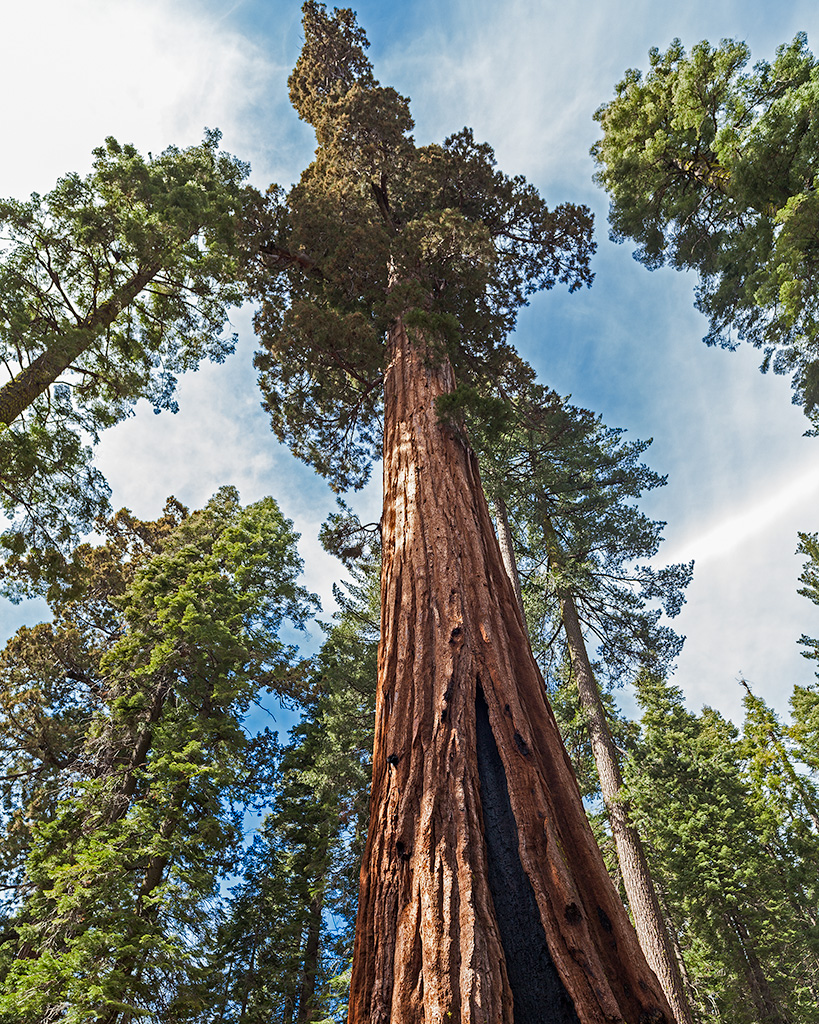
I can't say it looks flat. I can't say it's a good representation of the 3D POP either; like what I have seen in some photos in the past that have impressed me.
j4nu wrote:
Ooops, maybe I wasn't clear in my post.
I only posted this picture because it shows what my brain / eyes recognize as 3D pop.
What usually happens is that the photographer recalls the scene well, often vividly. This colors his judgment on the level of depth in the ensuing imagery. Get a woman to look at it. Not joking, they see (much) better than most men.
I think we may need to consider if this is a subject matter issue. If our pictures were of attractive and young women (or men) with minimal cloths or nudes would anybody be looking for 3D pop? I am not convinced they would be, but instead focus on the subject matter itself. Ask not if the subject in my photo has pop--ask if your subject is willing to pop off some cloths for your photo.
Jonas B wrote: Jonas B wrote: j4nu wrote:
Well, maybe not so much an explanation as a possible take on it.
Yes, "very much (less) pronounced" is a problem.
I once saved money and bought he Leica Summilux-M 35/1.4 pre FLE. It was a wonderful lens and I got several beautiful images using it. But the stupid lens wasn't able to render a flat target sharp from border to border. Big midzone dip.
The problem was visible in medium large and large prints. The MTF-value were pretty much looking like thos RustyBug posted a while ago (was it a quiz and if so, where are the answers?). That is one reason for me to think the MTF values are worthy of an extra look sometimes.
Can small differences in "sharpness" have any impact? I would say yes. That's when thinking of hundreds of portraits and other images where I have made use of selective sharpening and it surely have helped many images.
I mentioned in a comment to the extreme Revuenon images that I was hoping for A/B comparisons between "normal" lenses. The extreme Holga or toy lens (or old Revuenon) don't interest me. I expect my lenses to be able to deliver a normal decent image when I want one. hen there are of course minor pros and cons with everything and when possible we should take advantage from "the pros". It is for example cool getting close to zero LoCA from a cheap Viltrox 50/2. Then I may have to blu some part of the background a little - something hat is much easier to do than remove LoCA (from a Zeiss 50/2 for example).
For info, it is the M 24 Summilux and the M 24 Elmarit.
My .02 on the MTF's (can't confirm) is that (dang article I can't find) Leica's ethos to develop the scene depth had them, intentionally putting in that mid-Zone dip ... so the transition from A > B has a rapid reduction in fine detail, and then the return to higher MTF in Zone C provides this "looking over a valley" kind of presentation, and if you're subject is in Zone A, then the Zone B space falls off before picking up again in Zone C.
The Elmarit is then designed got have that "flatter" corner to corner, with a more gradual transition across A / B / C. Granted, this are X / Y axis, not Z axis graphs, but (going back to my CoC multiplier), they can "carry through" into the scene. Again, only exists in my head, but it kind jives with my experience / observations, of sorts.
j4nu wrote:
I've never actually played with selective sharpening and de-sharpening in order to induce that 3d effect. But maybe with enough skill and care it can indeed be used towards that purpose.
Guaranteed that this indeed can be done.
The key / trick is to do it with a degree of judiciousness that it transitions naturally in concert with other visual cues of the scene ... otherwise, you can wind up with that fake look ... and a host of other tells, that tips your hand.
Given the complexity of the composition, it can be a labor of love, and with as many times as I've done it, and seen others attempt it ... few folks actually do it well enough that the tells can't be discerned by a trained eye.
As mentioned a few times throughout this thread ... the old thread had the A : B lens difference, and then the PP editing was done to make them "very close" via post.
So, here again ... absolutely, it can be done. But, it takes an earnest skillset to do it well. The basis being rooted in the understanding of visual physiological response cues. Just throwing some blur at the BG ... not quite the same thing.
Btw, your point about incorporating BOTH sharp / de-sharp is an integral aspect of push / pull that affords better presentation than in one direction alone. Using the film plane as the starting point for fore / aft work. Doing it to the level that represents a natural optic ... easier said than done, often times.
Jonas B wrote:
If it was possible to frame in a way so the outer zones could be cropped away (so they didn't sharpen up again) it didn't hurt. If having the subject close to the border and angled it sometimes made a mess of things where the blur first increased and later decreased. Many times it didn't matter and many images were beautiful.
No, the MTF is useless for this. What it tells me is that we have to check for field curvature, much like tsdevine says. The ZM 35/1.4 is an example of a lens with a bad shaped curvature when used with cameras having a thick sensor stack. That curvature doesn't help at all. Some other lenses may have a field curvature bending in the other direction (making the background at the sides more blurry) and perhaps that makes it easier sometimes when looking for sharp center and blurry background.
What I tried to say earlier is that also small differences in perceived "sharpness" can help with dimensionality or pop. Local sharpening and sometimes blurring.
I like it when the focus plane is flat. I'm a mediocre photographer and have enough problems with my work without extensive field curvature adding to the soup. So, field curvature is one off the things I check when getting a new lens in my hands. I appreciate Fred Miranda's reviews where he post the animated GIF demonstrating possible field curvature....Show more →
+1 for Fred's FC GIF's.
So, maybe my CoC x MTF mental gymnastics is more like CoC x MTF x FC (conceptual impact, not literal math).
RustyBug wrote:
…your point about incorporating BOTH sharp / de-sharp is…
This kind of stuff is standard practice among people who understand post-processing, as is adding controlled vignetting, adjusting the curves differently throughout the image, color balance, and saturation in various of the image, and more.
j4nu wrote:
I'm happy we agree about MTF usefulness in this case .
I've never actually played with selective sharpening and de-sharpening in order to induce that 3d effect. But maybe with enough skill and care it can indeed be used towards that purpose.
When it comes to field curvature, I actually think it can help with 3d pop. Given it's the right kind of curvature for the scene, so that it increases the blur around the subject, but not excessively (i.e. like a toy lens).[...]
Of course... "de-sharpening" sounds so much better than my "blurring".
I think the excessive effects are for fun only but also something you get tired of quickly.
RustyBug wrote:
Guaranteed that this indeed can be done.
The key / trick is to do it with a degree of judiciousness that it transitions naturally in concert with other visual cues of the scene ... otherwise, you can wind up with that fake look ... and a host of other tells, that tips your hand.
Given the complexity of the composition, it can be a labor of love, and with as many times as I've done it, and seen others attempt it ... few folks actually do it well enough that the tells can't be discerned by a trained eye.
As mentioned a few times throughout this thread ... the old thread had the A : B lens difference, and then the PP editing was done to make them "very close" via post.
So, here again ... absolutely, it can be done. But, it takes an earnest skillset to do it well. The basis being rooted in the understanding of visual physiological response cues. Just throwing some blur at the BG ... not quite the same thing.
Btw, your point about incorporating BOTH sharp / de-sharp is an integral aspect of push / pull that affords better presentation than in one direction alone. Using the film plane as the starting point for fore / aft work. Doing it to the level that represents a natural optic ... easier said than done, often times....Show more →
Right, so if we knew how to do it exactly in post, we'd probably also knew what scene and with which lens to shoot .
Still, I think MTF doesn't really help with this, one of the reasons already mentioned by others being that it's calculated/measusred at inifinity with center focus...
BTW, is there another "old" thread about this? Do you have a link to that post, as it sounds really interesting?
raminolta wrote:
I can't say it looks flat. I can't say it's a good representation of the 3D POP either; like what I have seen in some photos in the past that have impressed me.
Well, I guess that's the most common impression this picture evokes here, as there were no other comments.
Which to me is very strange, because, in my eyes, it's one of the best recent examples of the effect I've run into.
Unfortunately, this further proves the futility of the effort put in this thead ...
philip_pj wrote:
...Related - guess where your visual cortex focuses first? Hint - it's not the far corners so beloved of reviews and APO enthusiasts. The photo lives or dies on its impact zones: the colorful, contrasty, bright and identifiable data in or near to the middle 'magic donut'. What is it? It's the circle that is formed with a radius of 12mm (known as the short edge).
Cooke knew this a hundred years ago, all their lenses conform to it. So do for example, the Simeras and many Chinese lenses. The fall-off in focus, contrast and muted color in corners are designed to correspond to your own vision. These are not design fails, they are design choices - hard nosed and carefully orchestrated. And they are coming to your niche of the visual arts via the process of cine-stills 'convergence'. This is going to be a kind of visual invasion from the cine world into our quaint and settled world....Show more →
Regarding your thoughts/expertise on the influence of film aesthetics on lens design, it seems to me that designers of the Hawk's VantageOne and VantageOne4 line were particularly guided by similar ideas and choices. So, if you are by any chance unfamiliar with them (and perhaps also considering the interesting 3D/depth topic of this thread), it might be not entirely in vain to take a look at the way they approached fulfilling their directional preferences:
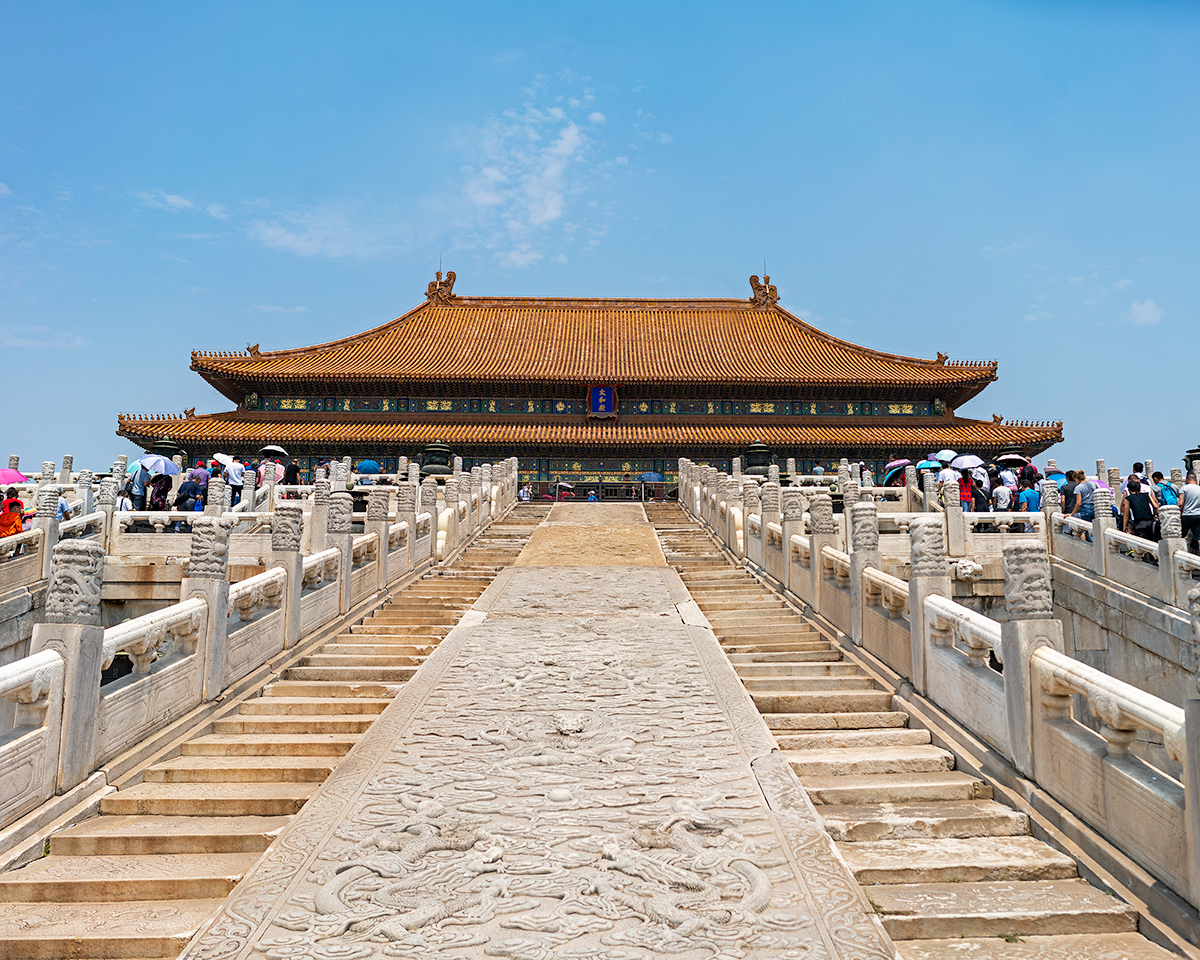
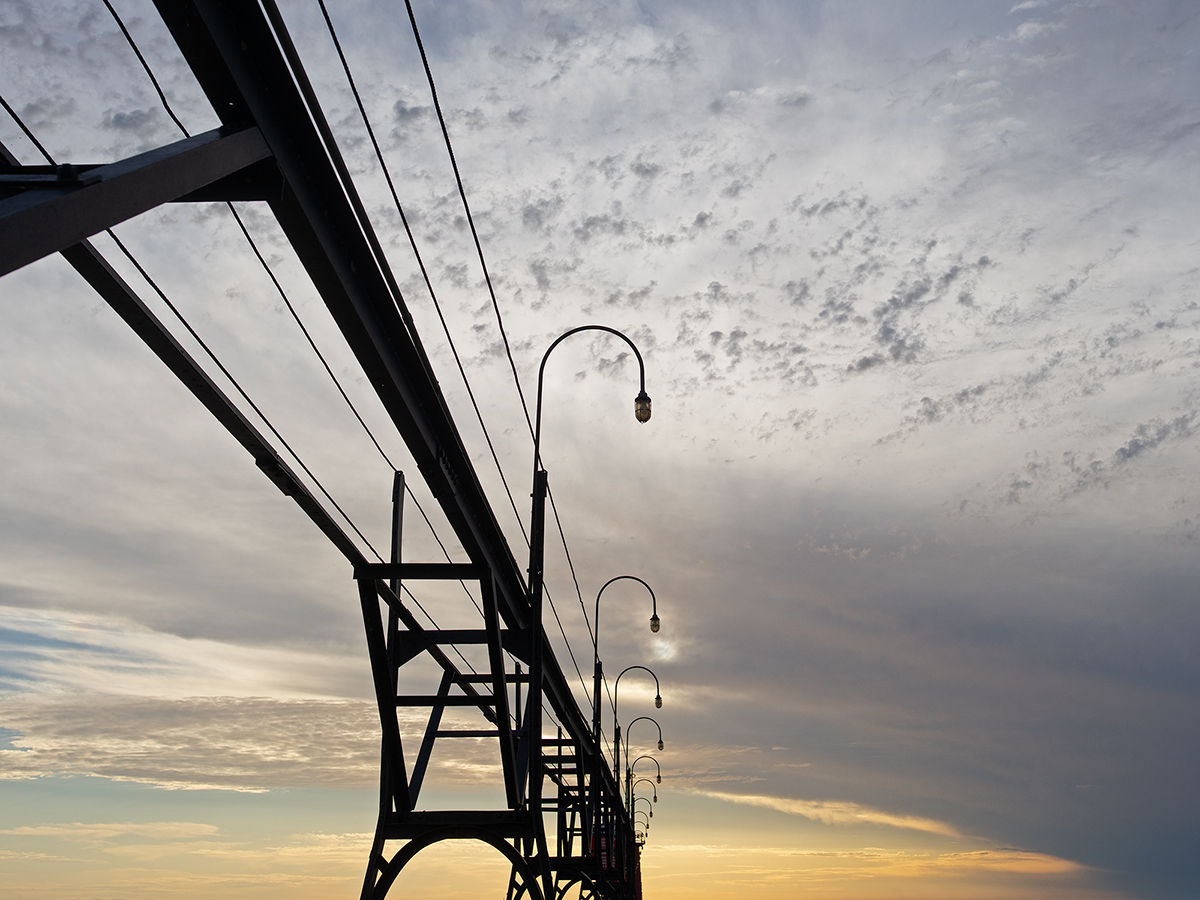
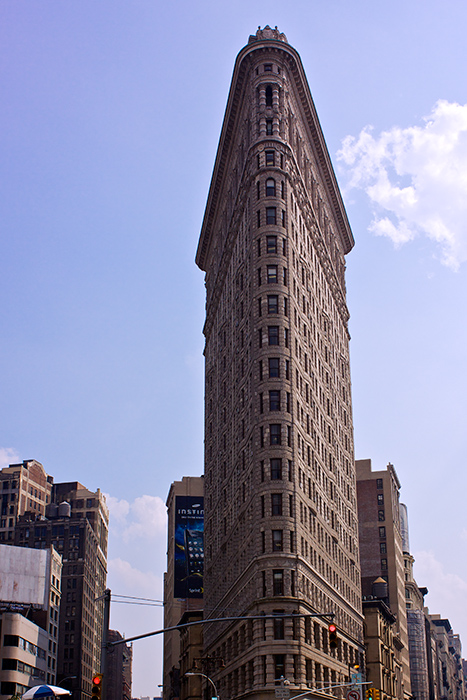
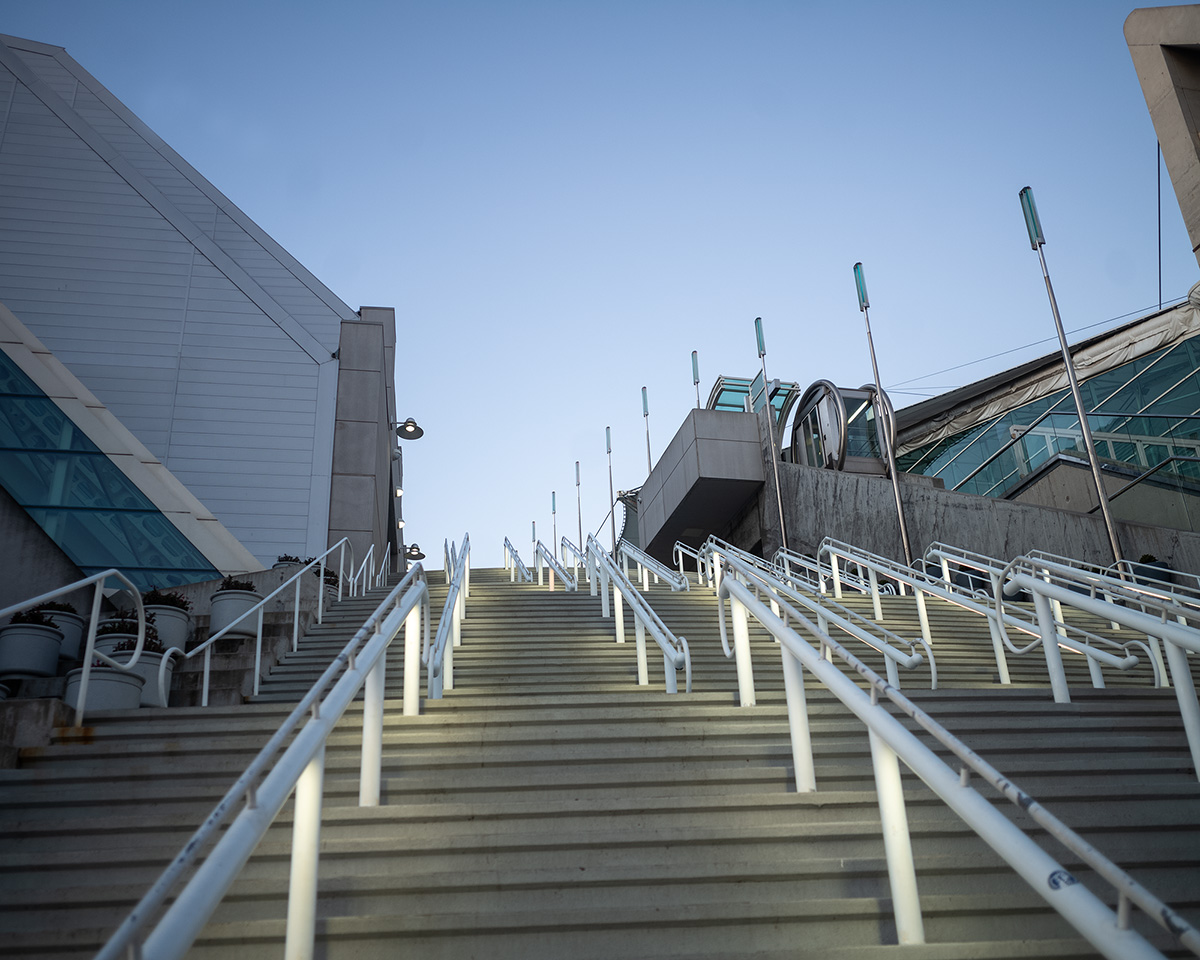
I do think this blog entry is useful. In my own experience, when I want 3D I get it most reliably by using what he calls depth by perspective. This type of 3D effect, I think, is driven mostly by composition and has very little to do with the lens or bokeh fall off or other elements. I also suspect it is the 3D that is most easily seen by the largest number of people.
Below are some of my shots that I think used this compositional technique to create images that I see 3D and which I think most people who see the images also see 3D.
ILCE-7RM2ZEISS Loxia 2.4/25 lens25mmf/4.01/2000s100 ISO0.0 EV
ILCE-7RM5Voigtlander NOKTON 21mm F1.4 Aspherical lens21mmf/4.01/2000s100 ISO0.0 EV
ILCE-7RM2ZEISS Loxia 2.4/85 lens85mmf/2.41/320s100 ISO+2.0 EV
Canon EOS 50D50mmf/2.01/1000s200 ISO+0.3 EV
LEICA M10Summicron-M 1:2/28 ASPH. lens28mmf/2.01/125s200 ISO0.0 EV
Canon EOS 5D Mark IIZeiss Distagon T* 2.8/21 ZE lens21mmf/6.31/125s160 ISO0.0 EV
I wonder if it's the imperfections that make me like a lens. My brother said that what makes a (guitar) amp sound good is the distortion. You don't want a perfectly clean sound. I wonder if there's an analogy in lenses where there imperfections add a signature, maybe some vignetting, spherical aberration, or whatever that gives a look you like. Years ago I adapted some of my old lenses (Contax and Nikon) and found I liked the "70s-80s" look.
Of course the viewer doesn't notice any of this, meaning it's the image that matters, but it's fun for the photographer.
gdanmitchell wrote:
This kind of stuff is standard practice among people who understand post-processing, as is adding controlled vignetting, adjusting the curves differently throughout the image, color balance, and saturation in various of the image, and more.
Understood ... but, when the intricacies of depth are among a scene with a variety of neighboring components in multiple (and/or overlapping) planes, it can be more of a labor of love, than if the optic does so naturally. Keeping the "tells" at bay in such situations isn't always an easy task.


 .
.