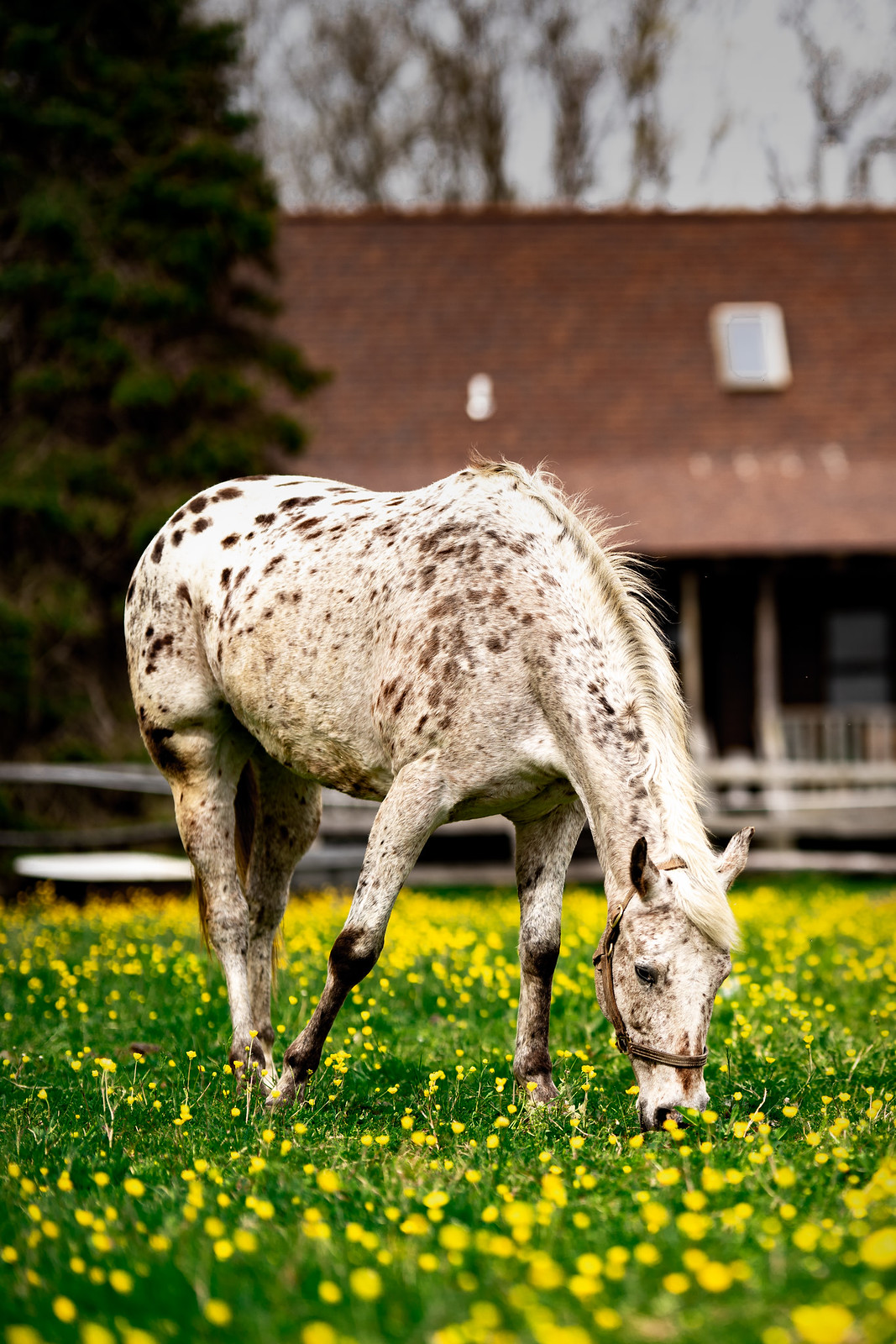
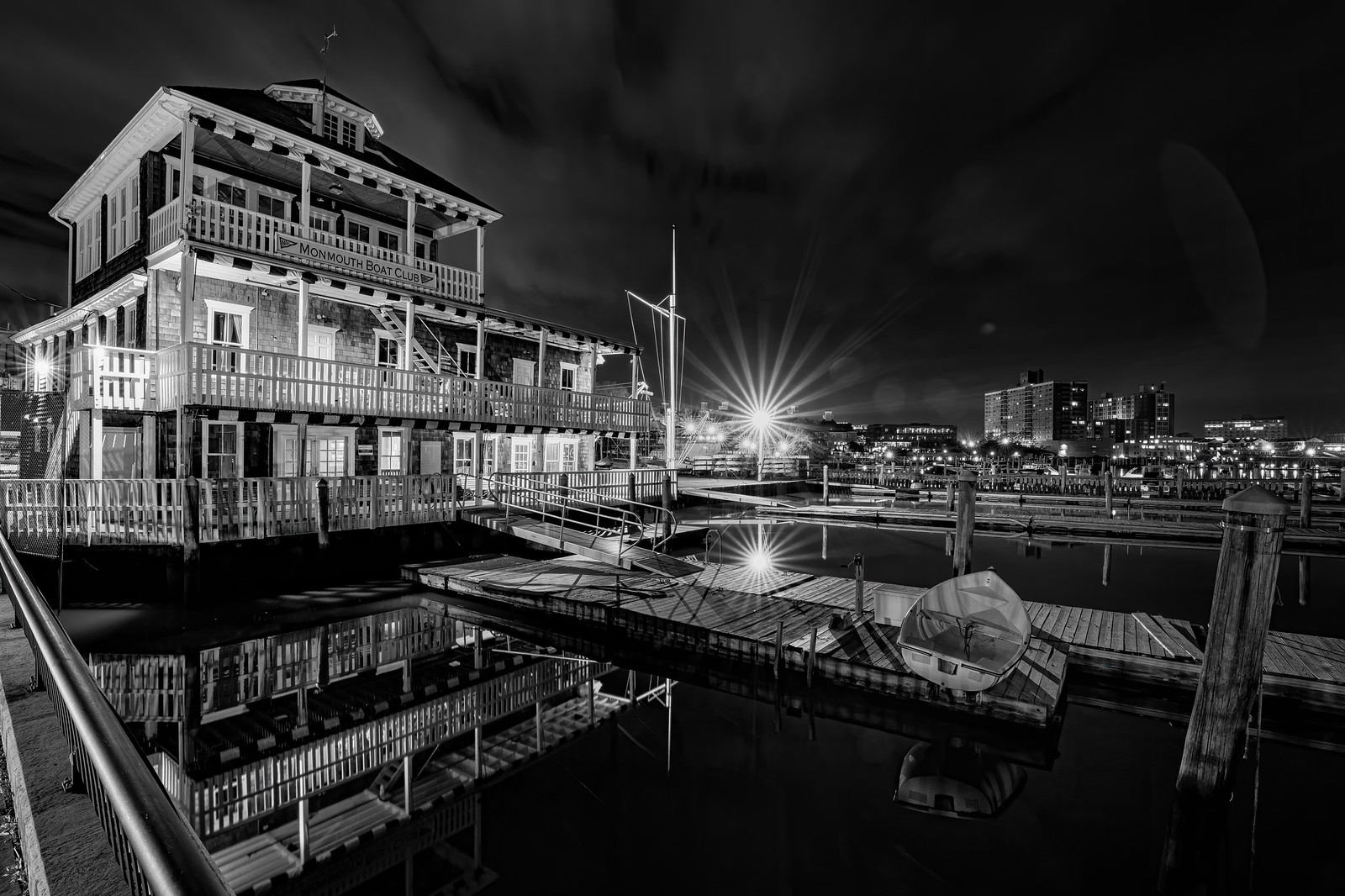
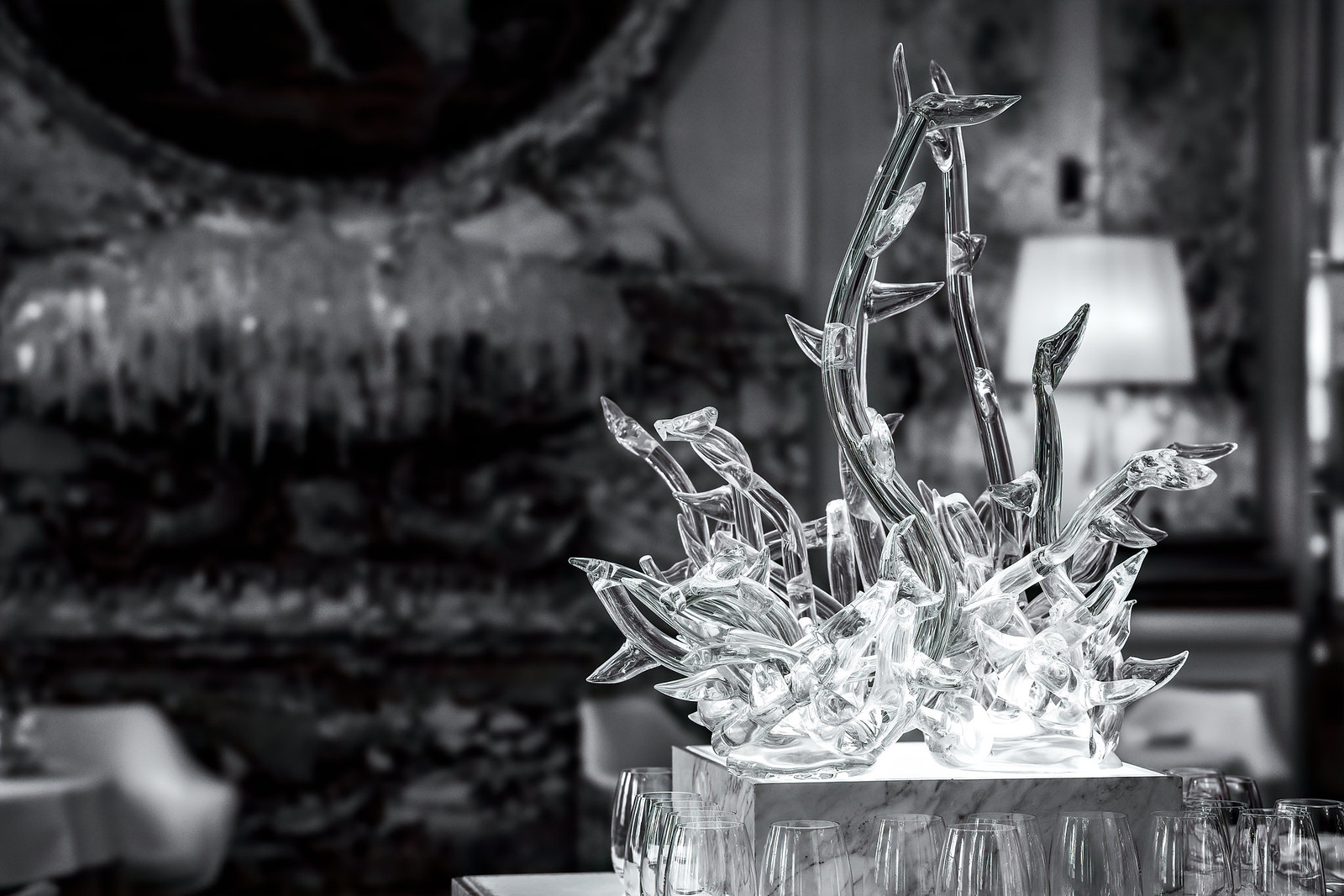
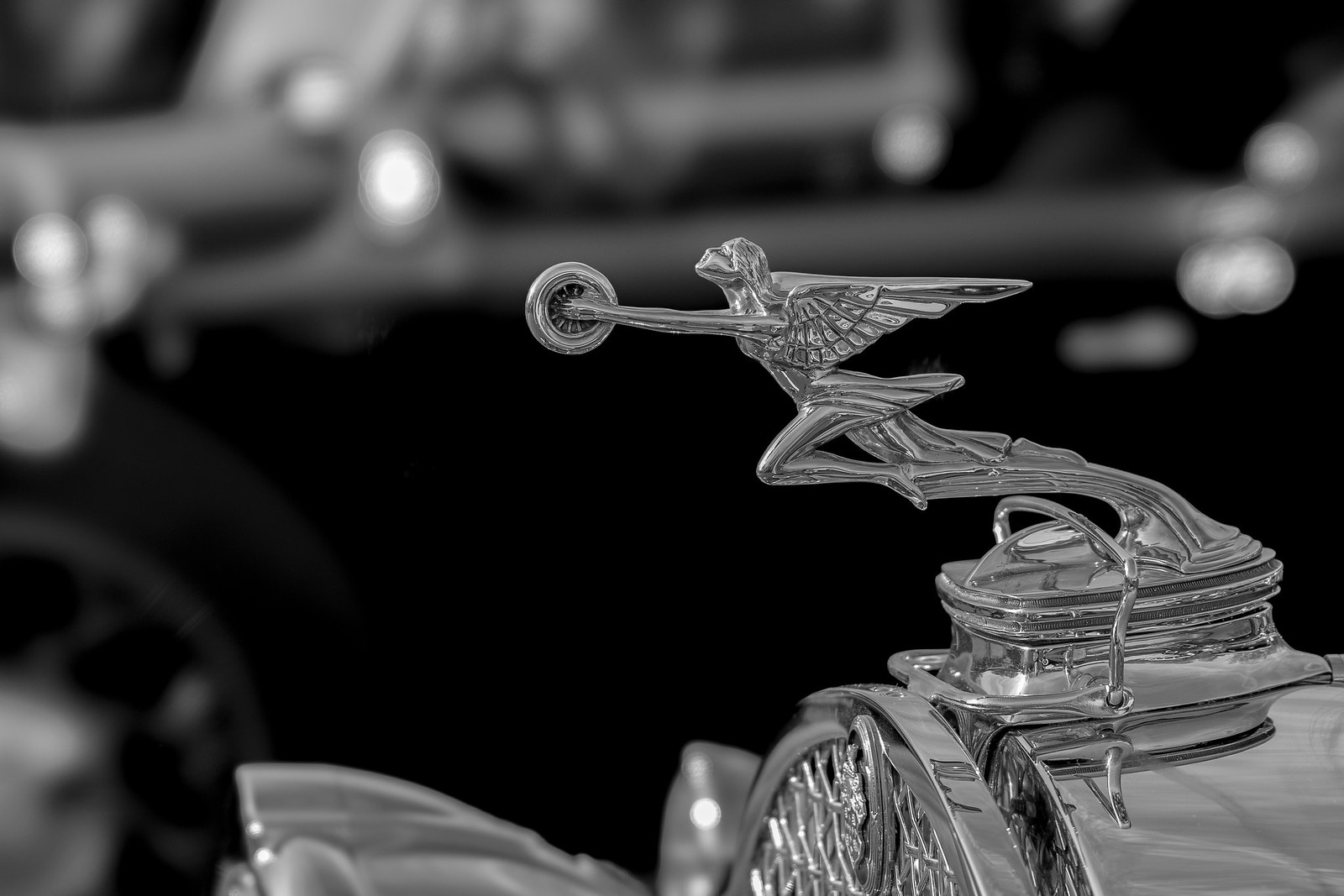
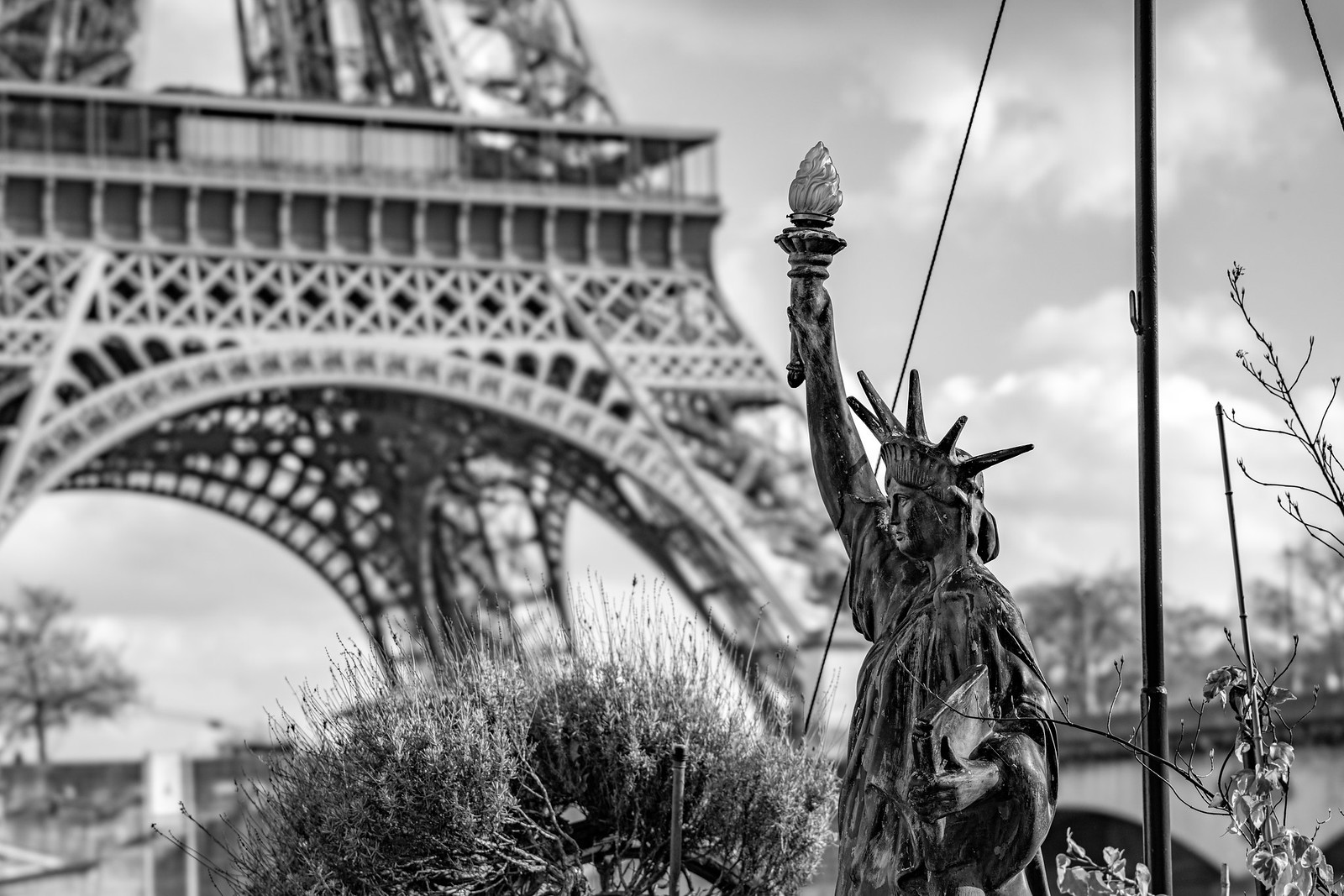
Personally, I'm still finding that the Sigma 35/1.2 is the best I've experienced with regard to being able to produce the effect in various conditions fairly easily and frequently.
Some recent stuff cross-posted from the dedicated lens thread.
JohnDizzo15 wrote:
Personally, I'm still finding that the Sigma 35/1.2 is the best I've experienced with regard to being able to produce the effect in various conditions fairly easily and frequently.
Some recent stuff cross-posted from the dedicated lens thread.
It all depends on subject to distance and FL, at least with regards to the 3D part. Pop alone can be cardboard-like, and usually works better if an entire subject is within DOF, and the background is blurry.
Regarding the 3D part, the more the subject in focus, at the viewing distance, has more detail than we can see nakedly, the more it’s viable candidate. And the more the DOF resembles what our brain sees with its eyes FL (more like 40mm equiv) and f7 to f10, the more it may give an impression of 3D. Even us will perceive an object as more 3D if the object has shading, which is a strong clue of the actual shape.
This is why most photos with real 3D cues or impression will vary in aperture depending on subject distance and FL. For a wider lens, more pop will happen with faster lens, especially portrait. But for a 100mm lens, even f16 can give the impression. But if the subject and background are closer together, quite close, a faster aperture may give more that impression.
Many confuse or rather use the same name to refer to different impressions, or use different names to refer the same impression. Often not, besides differences in perception that always exist, as in anything in the world, about 99% of disagreements (my estimate based on experience) are language related
Yeah, really just think it's when the subject is "enveloped" properly in the just right amount of DoF for complete coverage while leaving background blurry. That can be exaggerated by midtone detail (contrast) and lighting (rim light of some sort, usually back, or cross)
ftllens wrote:
Yeah, really just think it's when the subject is "enveloped" properly in the just right amount of DoF for complete coverage while leaving background blurry. That can be exaggerated by midtone detail (contrast) and lighting (rim light of some sort, usually back, or cross)
Agreed.
Even my phone demonstrates it, usually with subjects 12-24'' tall.
Some lenses are designed with different transition rates in different zones of the image. Match up the spatial relationship of the composition in harmony with the lens design, and you can maximize the effect.
Pieces of the puzzle are:
Lens
Comp
Lighting
Perspective
The more of them you put together to incorporate depth cues, the more depth perception you can generate.
Maybe I'm just not wrapping my head around what 3D pop really means. To me, both of these have a 3D look to them in different ways. The first I took with the Sigma 105 1.4 and the second was taken with the Sigma 14-24.
Fred Miranda wrote:
Usually lenses with smooth focus transition zone do not have the greatest 3D pop. Is that your experience as well?
+1
Those lenses that have variable transition zones seem to create the strongest effect ... WHEN, the composition places the subject / spatial relationship in the right focal distance / area of the frame / lens to accentuate the transition rate difference.
Generally agree, but sometimes shots with a lot in focus can look 3D as well, but it's a different look.
I agree my shot above looked flat on here. At full resolution, less so. The B&W above has a bit of depth to it, but not the same as the cutout of the horse or John Dizzo's shots.
RustyBug wrote:
+1
Those lenses that have variable transition zones seem to create the strongest effect ... WHEN, the composition places the subject / spatial relationship in the right focal distance / area of the frame / lens to accentuate the transition rate difference.
Those lenses that have variable transition zones seem to create the strongest effect ... WHEN, the composition places the subject / spatial relationship in the right focal distance / area of the frame / lens to accentuate the transition rate difference.
These were taken with the 100 STF, I always felt that when the lens was used closer up it had a very 3D pop to the images it produced.
Rob70 wrote:
I do believe that Leica like Zeiss lenses are particularly capable of rendering 3D, but again it's got nothing to do with the number of lens elements. It's the philisophy of the two companies to aim at high end optical products (that you have to pay for too). Also with leaving AF out of the equation they can focus much more on the optics themselves, thus producing some of the very best lenses.
In this sense Leica and Zeiss and in my opinion also Voigtlander are more consistent than others in producing lenses that are capable of exceptional micro contrast, color reproduction and smooth bokeh, that among others are key components that make the 3D illusion work.
Still there are plenty of other lenses out there, that will also produce stunning results.
Quality of manufacturing in and of itself isn't the key component to the 3D-ish. There are plenty of Leica & Zeiss lenses that DO NOT render the effect. If you study the optical design relationships between the entrance & exit pupils, you'll find that there is a trend in how much ratio is involved. That coupled with transition rates along the mtf curve.
I studied all the data sheets of the Zeiss lenses that seemed to exhibit the 3D more strongly vs. those that don't ... back over the year long thread on the matter. Borrowing from that, I then looked at some non-Zeiss lenses and noted that they had similar relationships between the entrance / exit pupil ratios.
So, it's not a simple matter of just making better lenses ... BUT, you also have to make excellent lenses with the intent in design to afford those transition rates. Not all lenses (even great ones) are designed the same regarding transition rates / zones. That said, I do think that Zeiss probably designs some of their lenses more aggressively in this regard than others ... but, they don't have a corner on the market, either.
Learning where those transitions exist in a given lens, then harnessing your composition to that is key to taking advantage of it, imo. Yes, other attributes (perspective, lighting, spatial relationships, etc.) contribute also.
saxguy wrote:
These were taken with the 100 STF, I always felt that when the lens was used closer up it had a very 3D pop to the images it produced.
I keep pressing the "Like" button, but it still only let's me give 1 "Like".
If you think about it ... that STF lens is likely designed with the intent of being mostly used for portrait distances. By shooting at distances nearer (vs. mid or infinity), you are probably in or nearer to the sweet spot of the design. As such, it seems you are being rewarded nicely for paying attention to the inherent design the optical engineers built into it.
RustyBug wrote:
I keep pressing the "Like" button, but it still only let's me give 1 "Like".
If you think about it ... that STF lens is likely designed with the intent of being mostly used for portrait distances. By shooting at distances nearer (vs. mid or infinity), you are probably in or nearer to the sweet spot of the design. As such, it seems you are being rewarded nicely for paying attention to the inherent design the optical engineers built into it.
Yes. It is very different than my Sigma 105 1.4. With the Sigma I can get subject separation at a wide range of distances from the subject. With the STF there is a very definitive zone and then the effect falls off fairly rapidly as you move further from the subject.
These are fantastic shots (truly enjoyable!) but not 3D to my eyes. I believe a big part of it is seeing the transition zones from in to out of focus. But that's the difficulty with identifying 3D... there's not enough consensus on what is/isn't 3D.
saxguy wrote:
These were taken with the 100 STF, I always felt that when the lens was used closer up it had a very 3D pop to the images it produced.