AlexDROP wrote:
All those pictures are taken with Distagon 35/2 lens that is praised to be very 3D among ZE/ZF line. It has a nervous bokeh that helps (!) in 3D rendering cuz it retains edges of OOF subjects recognizable yet blurred. Sigma 35/1.4 Art has a nervous bokeh and can produce 3D images but not very easy as ZE 35/2.
Samuli Vahonen explained this behavior very detailed. Can't find his post in ZE/ZF/ZM thread. Maybe he could post it here again.
If I have time this week let me pull out the 2/35.... will try to provoke some 3Ds.
LBJ2 wrote:
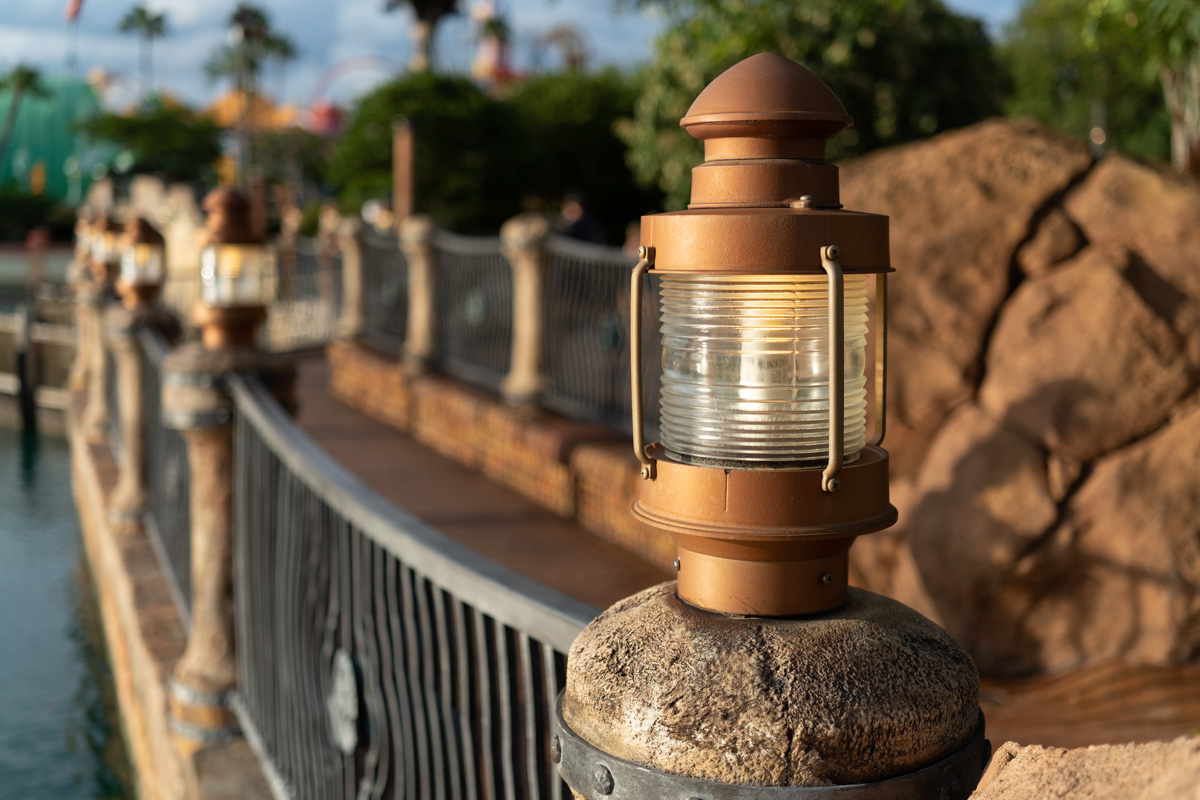
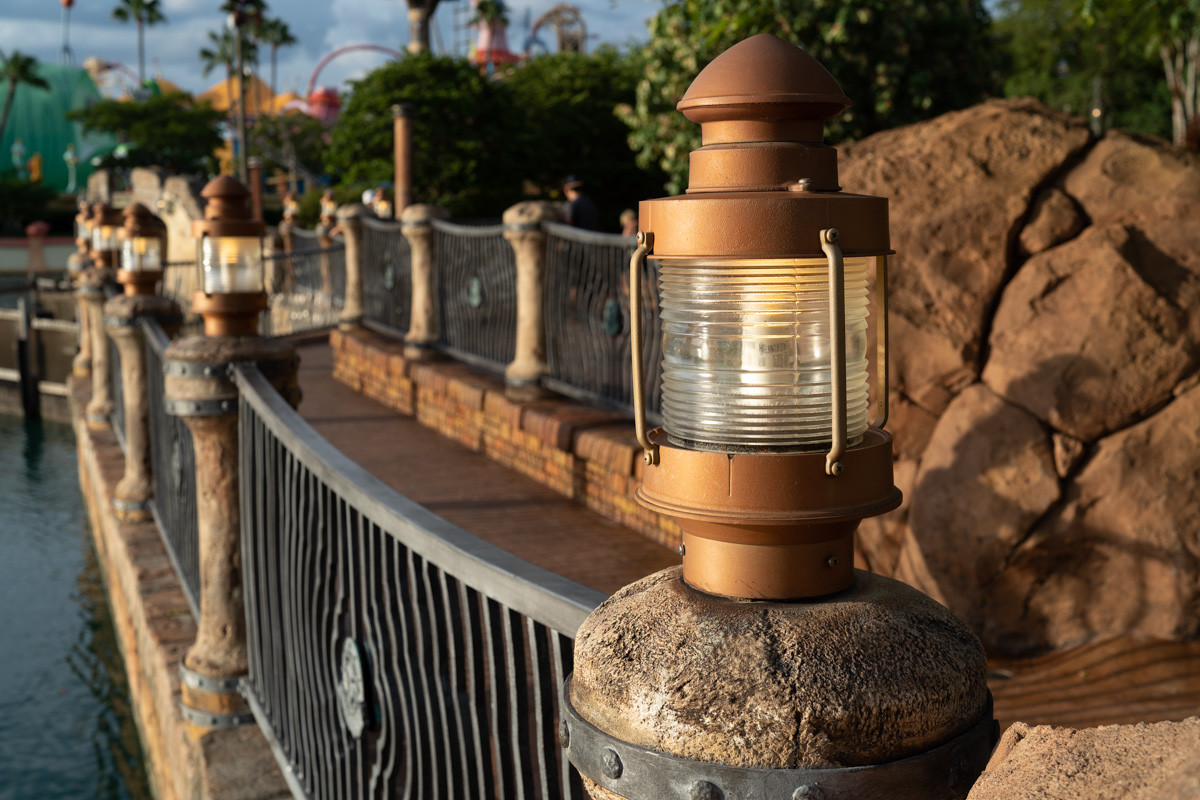
Do you see 3D Pop or just typical DoF effect, or flat as a pancake?
First image f/2.0, Second image f/5.6
Interestingly, when looking at those pictures on my phone I noticed that I get a different effect depending on phones orientation and thus image size. In portrait mode (small images) f/2 looks better with just a bit of pop, but in landscape mode (and larger images) I find f/5.6 better and the foreground object seems "more 3d" than f/2 or either image at smaller size in portrait mode.
Of course it makes sense that viewing size/distance plays a huge role but it really hadn't dawned on me until now.
LBJ2, the f/2 image has no 3D effect; it's all shallow depth of field.
I think the f/5.6 image is fairly flat. Maybe it's just too busy to realize the effect? I can certainly perceive the lanturn closest as being in the foreground, and the other lanterns being in the background, but it doesn't feel 3D.
LBJ2 wrote:
Posting two SOOTC images ( via LR Adobe Color profile) without EXIF data as not to reveal the lens just yet.
Do you see 3D Pop or just typical DoF effect, or flat as a pancake?
If you see 3D Pop do you see the effect in both images f2 and f5.6?
First image f/2.0, Second image f/5.6
Oops, but I can see no 3D-pop in any. F/2 image preserves some good 3D rendering in OOF areas yet I can't say the whole image has 3D pop. The main subject is rather small and the composition does not show gradual depth. It only has the main subject and foreground and nothing in between to show 3D. F/5.6 image has even less trace of 3D pop
ZE 100 Makro-Planar at f/2 (Canon 6D)
The image shows why I will never get rid of this lens. Wide open it delivers a sweet mix of mild planar haze and Zeiss 3D rendering. Not very 3D pop yet I still love it.
I don’t totally agree that A) microcontrast is a defining feature though it helps and B) that it’s purely a lens trait. Always liked this article by Thom Hogan on microcontrast.
So, the most likes was an f/2 image with the FE 28 . . . a lens that is cheap and never had a review noting it has 3D characteristics A few other most liked are also using a shallow depth of field. I want to reiterate that I can see something of a 3D effect in some images. I think some scenes are better for it and some photographers are better at creating it (e.g., either in spotting the right lighting, , composition, overall scene, post processing, etc.) or they simply get lucky. But even a camera phone registered some of the most Likes. That being said, I also don't think Likes necessarily reflect the best 3D effect. As in the FE 28 image, that's really the impact of a shallow depth of field, but it's a cool image and therefore gets Likes just for being cool, potentially and that's why I Liked it.
I sought science to help explain the effect. Lloyd Chambers has a primer of sorts of the Zeiss 3D effect (and it's clearly a Zeiss marketing page since it's on their website here). And, I suppose Zeiss benefits from having 3D pop as a marketing tool. Anyway, Lloyd discusses microcontrast as a feature of a lens that is necessary to achieve the effect. He argues that the 3D Zeiss Pop is apparent at wider apertures and that the field flattens as you stop down more and diffraction begins (e.g., f/11 or so on various Milvus and Otus lenses he used). Do we all agree that microcontrast is an element of a lens that produces 3D effect? Or, is that simply Zeiss trying to capitalize on the the claimed Zeiss pop?
As I looked through his set of images, the image that had what appeared to be the most 3D effect was one shot at f/1.4 (similar to the cat being shot at wide open or John Dizzo's images being wide open; though, he is also shooting a fairly ultra wide open lens and that introduces another variable).
Earlier, I suggested a test using similar lenses with the same focal length to demonstrate that they didn't also produce the 3D effect using the exact same scene and processing. What I really would find useful is a scientific explanation for the 3D effect that can be attributed to a lens and that's why I read the Lloyd Chambers article hoping it had answers. Anecdotes can be countered with hundreds images on Flickr that do not show the effect from the same lens or can be debated as to whether they even demonstrate the effect (e.g., like the red Ferrari). I did search on Jim Klasson's blog to see if he had tested for the the 3D effect and because I value his research, but nothing came up. I searched articles by Roger Cicala and others on his site and found nothing. Why is this so difficult to explain with science (or just link me to it) Luminous Landcape has this link about stereo vision that he describes as 3D, but it's much more about lighting and color and composition and not lens specific. I am seeking the features of a lens that can specifically lead to enhancing the effect.
I posted this image below today just for discussion and I'll delete it in a few weeks as it's not up to my standards. I shot this at 12mm on the 12-24G and at f/11. I speculate that this would have had some 3D effect had I shot it at f/4 instead with the couple nearest as the target of the focus. But then that's getting back to many of the most Liked images using more shallow depth of field and also ties into the Zeiss article.
Mathieu18 wrote:
I don’t totally agree that A) microcontrast is a defining feature though it helps and B) that it’s purely a lens trait. Always liked this article by Thom Hogan on microcontrast.
I didn't mean to imply that microcontrast is necessary for 3D, but I found Zeiss to be the one source trying to use it as a defining feature. Clearly, they have reason to believe that their lenses have more "microcontrast" and that tying it something they can market is good for them. So, that's a good article.
EDIT: I put microcontrast in quotes because I have some problem with it as well, but that's for another discussion, another time. Heh.
I'd like to point to a resource that showed me, that perfect color and micro contrast, while certainly being helpful are by no means necessary to achieve a 3D look.
Check out these images from the early 20th century:
In my experience and for my own vision it's always the TRANSITION from the subject to the fore- and background that produces the 3D.
This transition can be
from sharp detail to a (somewhat) blurry background (I don't feel that way when the background is unrecognizable)
from high to low contrast (like the tree with the fog in the background)
from rich to mute or pastel color
from warm to cold color
supporting qualities or conditions:
large sensor (film) size
vignette,
lines or layers that support the pespective and sense of depth
shadows, reflections
overcast sky
clear cut borders...
There certainly are lenses that help the cause more than others by their rendering qualities, but it's too simple to reduce it to micro contrast and color.
If you're interested I've summarized much of it here a while back.
Rob70 wrote:
I'd like to point to a resource that showed me, that perfect color and micro contrast, while certainly being helpful are by no means necessary to achieve a 3D look.
Check out these images from the early 20th century:
In my experience and for my own vision it's always the TRANSITION from the subject to the fore- and background that produces the 3D.
This transition can be
from sharp detail to a (somewhat) blurry background (I don't feel that way when the background is unrecognizable)
from high to low contrast (like the tree with the fog in the background)
from rich to mute or pastel color
from warm to cold color
supporting qualities or conditions:
large sensor (film) size
vignette,
lines or layers that support the pespective and sense of depth
shadows, reflections
overcast sky
clear cut borders...
There certainly are lenses that help the cause more than others by their rendering qualities, but it's too simple to reduce it to micro contrast and color.
If you're interested I've summarized much of it here a while back.
I find a lot of this forum debate, explanations and examples, being rather wide of the mark and not describing "3D Pop" very well. I've never seen these discussions arrive at a solid definition or repeatable expression of 3D Pop. Most come off as somehow contrived or gimmicky.
Some examples are very positive in immersing the viewer into the image, most others seem to rely on "trickery" such as shallow DOF, boosted clarity/contrast, strong color saturation, etc. Personally, I want the effect to simulate what I "see" in reality, as if I can feel the textures or observe the fine details of objects or scenes.
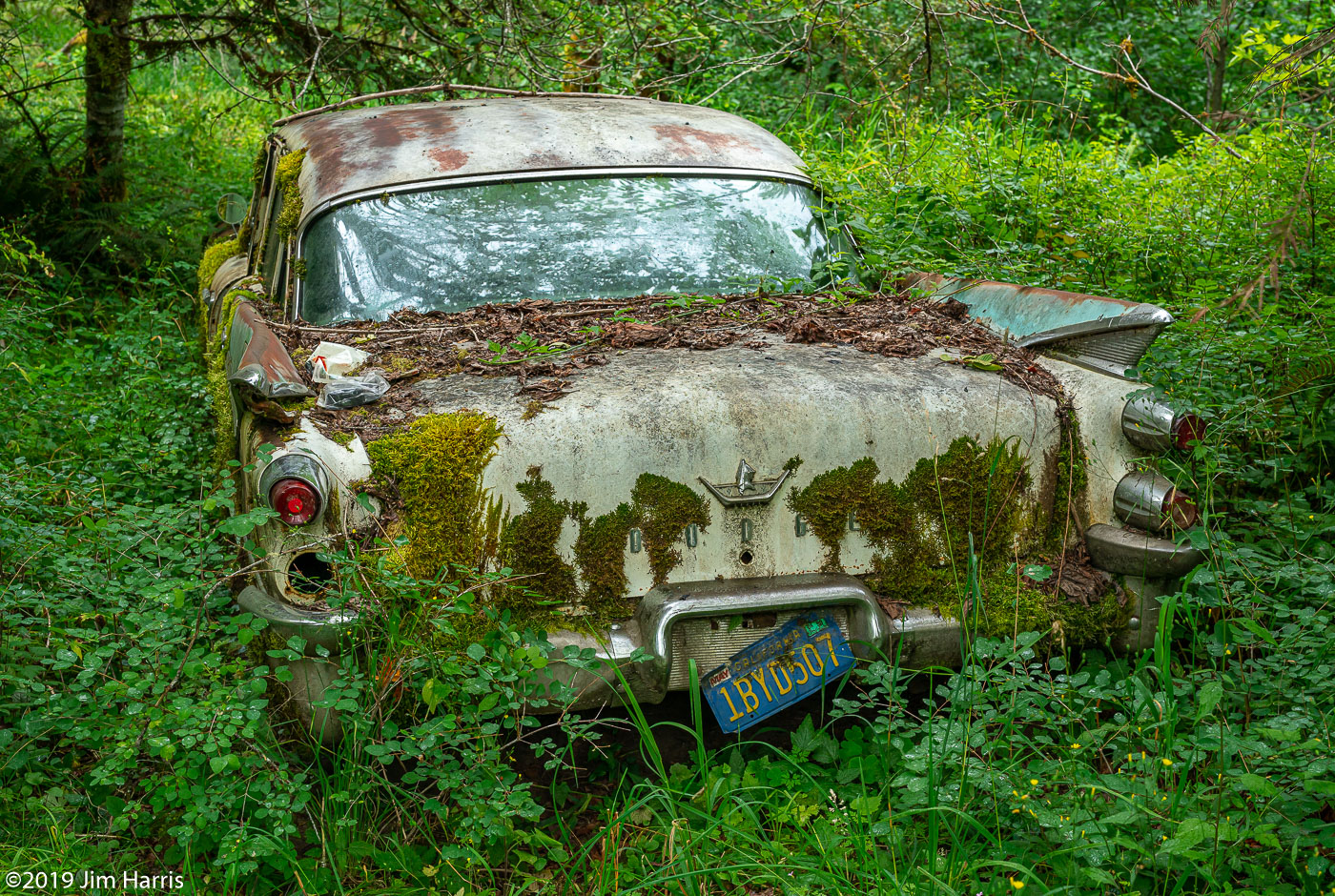
Although I don't claim to be a particular expert, 50 years of study and use of principles of fine art and photography have given me a decent sense of the visual concept. So, I offer this humble and unpretentious picture of decaying car being overwhelmed by the vitality of life. The shot definitely relies on several functions we are talking about: DOF, micro-contrast, slight vignetting, extended DR, etc.
This shot is by no means straight OOC, but not what I consider excessive PP. In reviewing images from my recently acquired Sigma 50/1.4 Art (used, and with a noticeable off-center nick on the front element), I find it a very strong contender for having the topic's 3D Pop (I'm also quite impressed with the Sigma 24/1.4 Art, although the extended DOF makes it pop less than the longer 50mm).
The topic arises regularly because it is complex and multi-factorial, and people see quite differently. Without more explanation (which can provided if anyone wants to know), the above image of the old car exemplifies a lack of image depth (or 3D) even as it offers convincing content. It's a good display of how modern 'sharpness first' lenses trip up at this (for many) critical aspect of imaging.
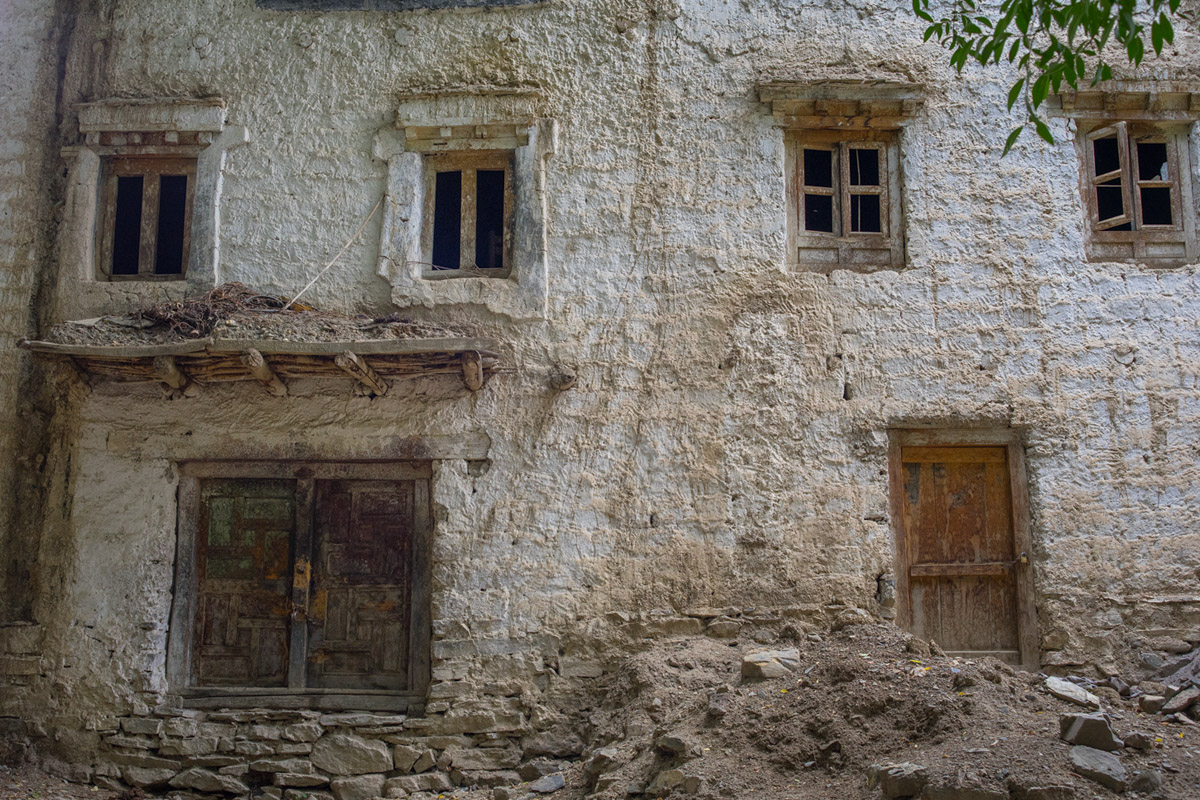
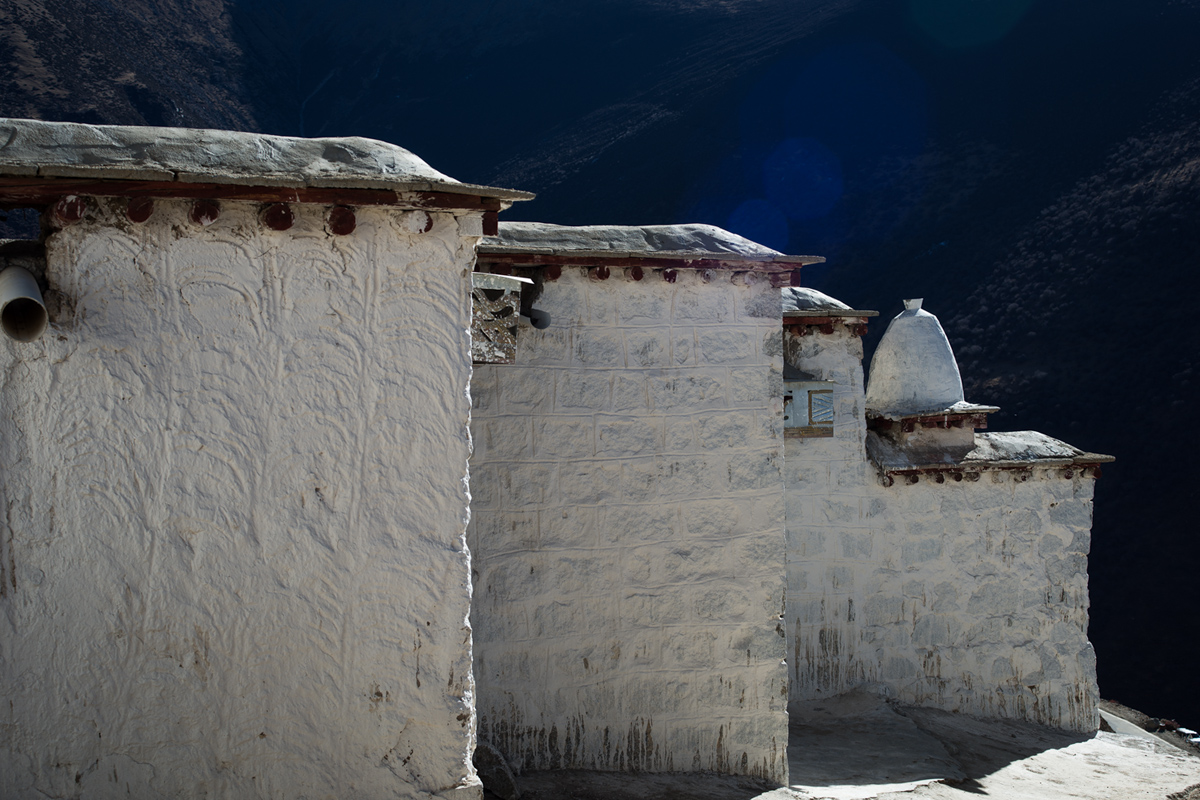
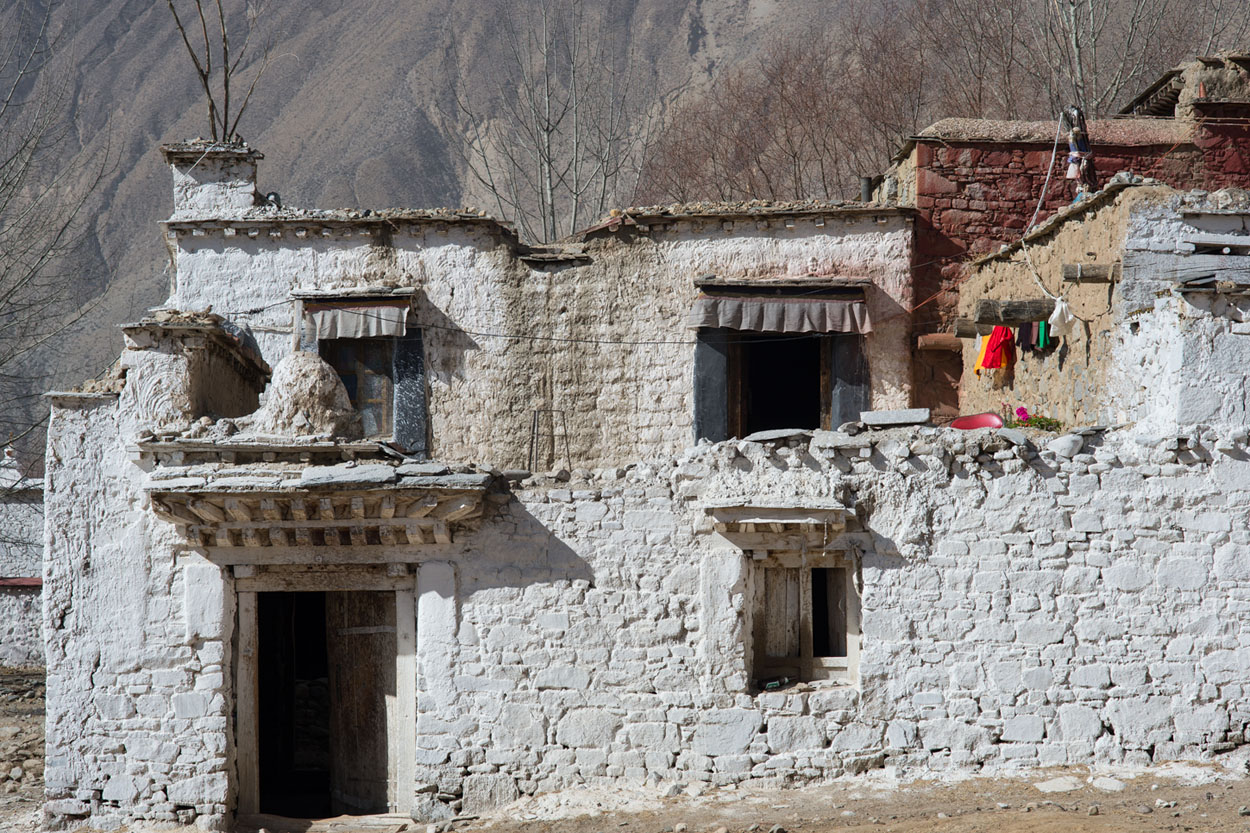
To continue the exploration using (more or less) planar surfaces to show how well-structured micro-contrast, tonal subtlety and flat fields can convey 'depth', and make images of this challenging kind more authentic. Here are five images.
#1 shows the formula of high spatial frequency / weak low spatial frequency (acutance) with subtle colour and tone grading.
#2 the top half shows intense micro-contrast and colour grading in a close-up planar surface.
#3 besides the ghosting, this one illustrates how effective 'old world' low acutance can render surfaces if they have excellent tonal gradation. The third wall is well-drawn even in focus fade.
#4 emphasises flat field to portray several walls in unforgiving sun, with finely drawn building blocks across the image; the high saturation red garment shows how bleached the scene is.
#5 this WA shows how the trifecta of colour / tone gradation / high micro-contrast combine to render the scene as both realistic and lively, and give depth to the brick pyramid.
All are from last century lenses, #1-4 from a 1980s design used very often on 36/42mp Sonys. I read yesterday that Brian Smith believes that all Canon lenses older than four years will not work benefit from the new high res a7rIV. He is a well-respected figure in the field:
'All that means is the lens resolution for certain lower quality lenses may not increase with a higher resolution sensor. This is also true for every Canon lens over 4 years old.' Leaving that one without comment.






 A few other most liked are also using a shallow depth of field. I want to reiterate that I can see something of a 3D effect in some images. I think some scenes are better for it and some photographers are better at creating it (e.g., either in spotting the right lighting, , composition, overall scene, post processing, etc.) or they simply get lucky. But even a camera phone registered