Here's my contribution. I could produce pop-3D effect only with primes mostly wide open and with specific composition with much fore- and/or background involved. Not every WO shot with the very best prime lens gives pop-3D. For true 3D effect I'm ispired by Olaf's works in brenizer technique (copy&paste required to make the link workable).
Zeiss lenses produce 3D effect easier than Sigma 35 Art that needs more support from the right composition and lighting. Some 3D shots are exceptionally sharp and have no bokeh areas, other have a lot of blurred fore- and background areas. IMHO lens imperfections in bokeh areas can improve 3D effect and Zeiss knows it designing lenses with specific blurring effect that retains OOF edges better recognizable.
BTW cat's eye effect and native lens vignetting helps in producing 3D effect for centered composition with an isolated subject alongside with thin DOF effect.
Great result, it has the look, quite definitely!
I wonder how the Zeiss ZF 35mm f2 would look in this very situation.
But the Tammy is no slouch at all, and the AF and VR are very,useful, as is the low MFD!
Ultraluminal wrote:
This thread reminds me of similar discussions in large format blogs about contact prints vs digital prints, discussions that were launched in 1985 when the Iris printer came out and then of course later when Epson's high-resolution inkjet printers became available. The thing about contact prints is that they have a look, a depth, that you have to see to understand. You can't just take a picture of a contact print and post it online. And as awesome as digital prints are, I've never seen one that can capture that look. And this look is not so dependent on the lens: pinhole photographs (where every part of the image is more or less in focus) will have the same feeling, as if the photo itself has depth, as if you are looking through a window at a strange 3D monochrome universe. But I think there are some commonalities between contact prints and this thread on the 3D look in digital imaging. I will quote DrPablo from the archived Fred Miranda thread "Where does the 3D look come from?" (it's a very long thread with many interesting posts):
...Show more →
I started off in photography using formats large enough to make useful contact prints (other than simply proof sheets of a whole 35mm film) and spent many a happy hour fiddling with tissue paper to do shading on contact prints! The good tonal gradations are a characteristic of Silver Chloride emulsion, good for contact prints but rather slow for projection printing,where bromide or chloro-bromide are more generally useful.
Ultraluminal wrote:
Thank you for those wonderful examples. And since this is a thread on lenses that can give that 3D look, I'd like to give a shout out as well to the 75mm Color Heliar f/2.5. For one thing, perhaps partly because it doesn't get a lot of love from lens reviewers, it's cheap! For those who are interested in reading more about this lens, here are a couple of links from the many that I've collected over the years, reviews that may touch a bit on what Philip was talking about above:
I've had one of these for quite a while, bought it originally to give me a modern medium tele to use on a Leica III, and like it on my Fuji too. Interestingly along with other Voigtlander lenses I like there are often comments that its 'flat and uninteresting'!
The 'flat' is often simply a potential beautiful color palette lurking in the image, awaiting some decent post-processing. How hard can it be? You really need solid foundation colour palette for RAWs, just as many use neutral or similar camera profiles.
Lens designers know a large number of their customers: (i) shoot camera-baked jpegs; (ii) are new to the game; (iii) really, really dislike doing anything much to their images through either/both lack of time/lack of interest; (iv) want bright colours OOC; or (vi) are pros who churn through 1000s of images per session and cannot possibly deal with each image, and so adopt an average outcome.
And that is why many modern lenses are so sickly sweet and quick to over-saturate in colour delivery. If the industry moves this way as a whole entity, soon very few remember what it was like to see classy, stylish images that did not beat you over the head. That is how you change the expectations of a new generation; it's happening with the normalisation of 1000g lenses, like the new 1090g Sigma 35/1.2, especially made to 'suit' FE Sonys. They are all doing it..except the friends at CV.
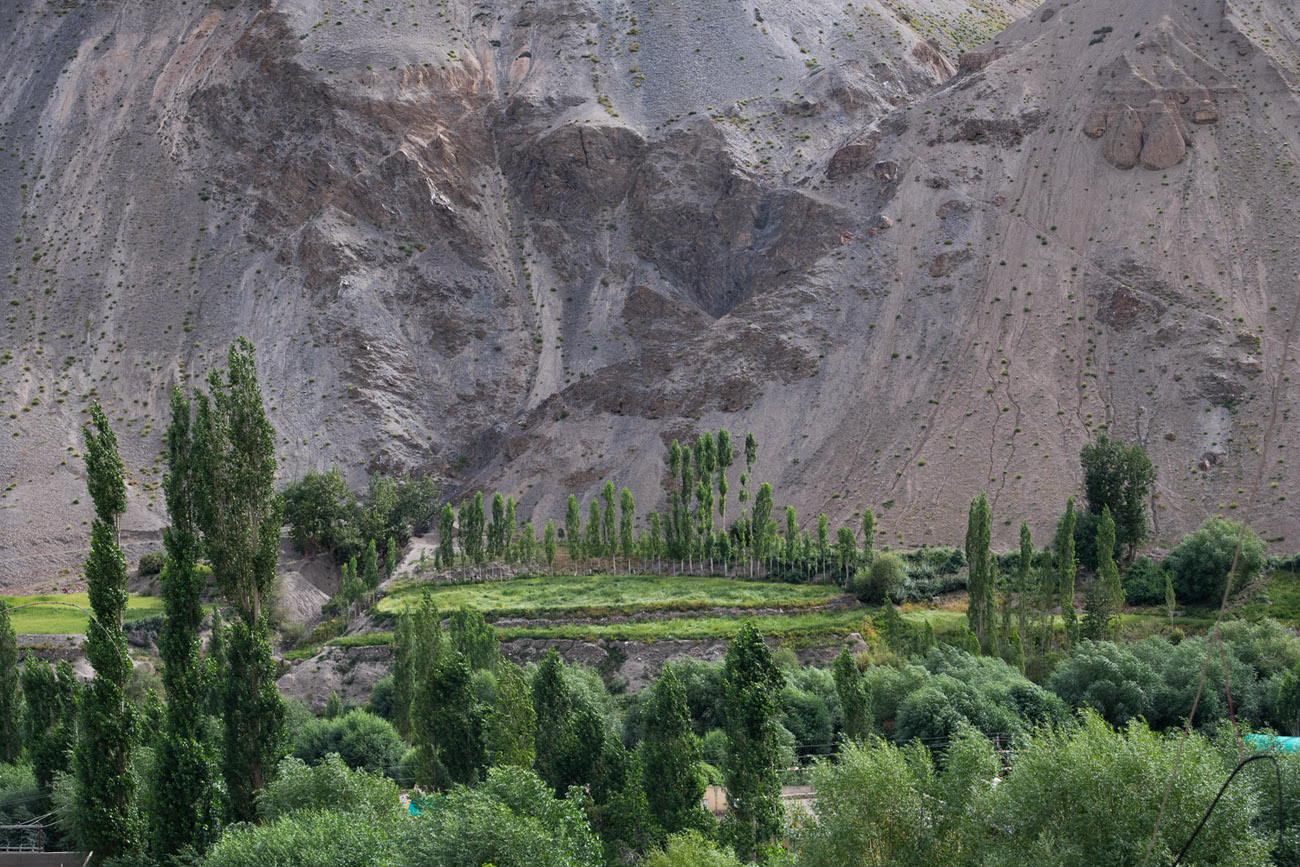
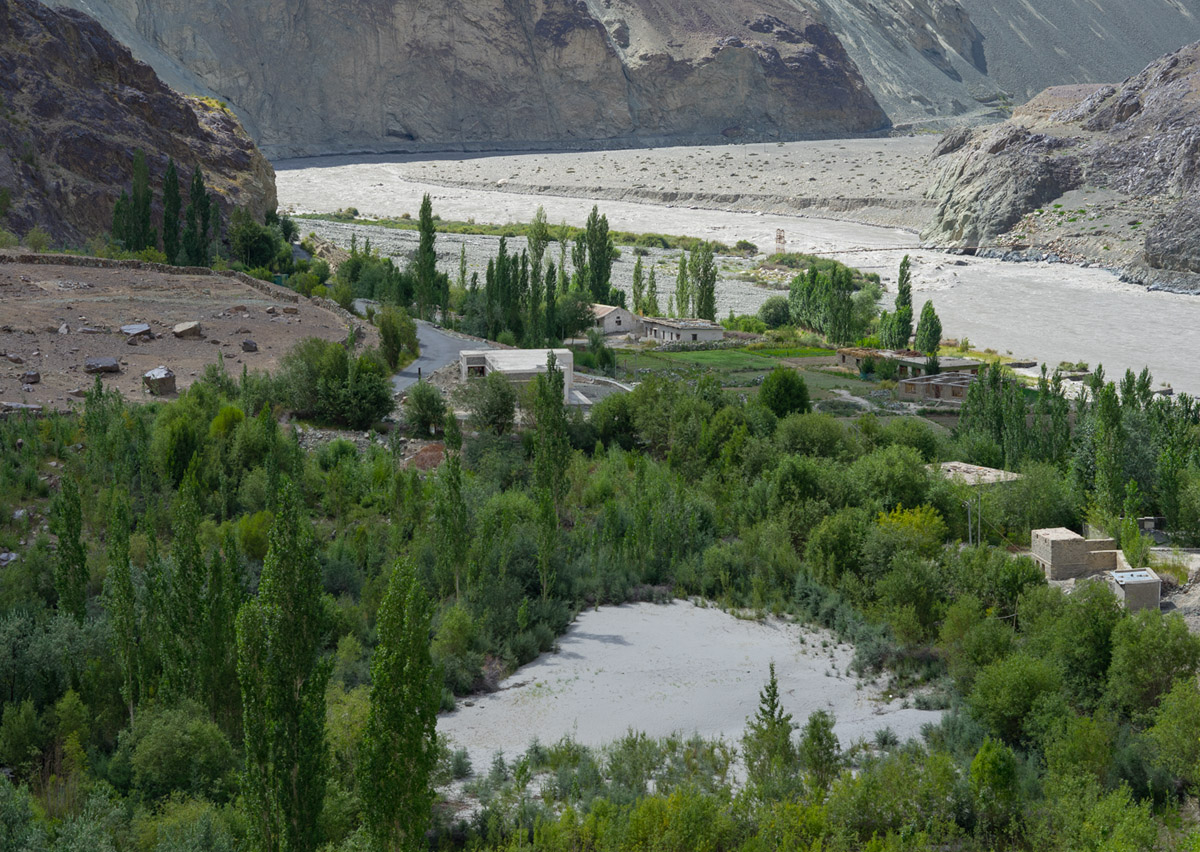
To hopefully show the dramatic effect color handling can have on 3D, here are two images, one from a lens 30 years old and the other from a lens 30 months old. Both images lack leading lines and both are over 50mm in focal length, shot in similar light/time of day. One image lacks colour tone variation (hue gradation) and thus suffers a lack of 3D; the other has well-drawn colour gradients which assist the viewer in understanding the photo dynamic, front to back. I could provide details but if you see it, you'll know.
philip_pj wrote:
To hopefully show the dramatic effect color handling can have on 3D, here are two images, one from a lens 30 years old and the other from a lens 30 months old. Both images lack leading lines and both are over 50mm in focal length, shot in similar light/time of day. One image lacks colour tone variation (hue gradation) and thus suffers a lack of 3D; the other has well-drawn colour gradients which assist the viewer in understanding the photo dynamic, front to back. I could provide details but if you see it, you'll know.
The first image is beautiful and does indeed have a 3D look and a rich color palette.
The second image is a tougher subject. The range of light to dark is greater in this image, primarily because of the lighter sand, river, and mountain colors. So overall there is a larger color tonal gradient in image two. But it is the layout of that gradient fails to give that 3D pop. There are concentrated areas of relative monotones in the river, the sand field in the forefront, and the large sandbar to the right of the river in the upper center of the image. The image has a patchy quilt-like spread of colors, not the smooth gradients seen in the first image. The image is also a bit overexposed, to my eye. Overall a very flat and, IMO, much less appealing image than the first.
A great example of how the layout of hue gradients contribute to “3D pop.”
Most shots here (not all) are at wider apertures. I do think you can coax a little out even stopped down (for example at f/11), if you have the right lighting and angles.
AlexDROP wrote:
Despite it is blurred it retains some good amount of 3D. Nice rendering.
Yes, sorry for that - 200mm 1/80 of a second, manual lens, A7I, no IS, moving action. the blur is definitely not the fault of the lens. but I thought I upload it as there is definitely some 3d rendering.
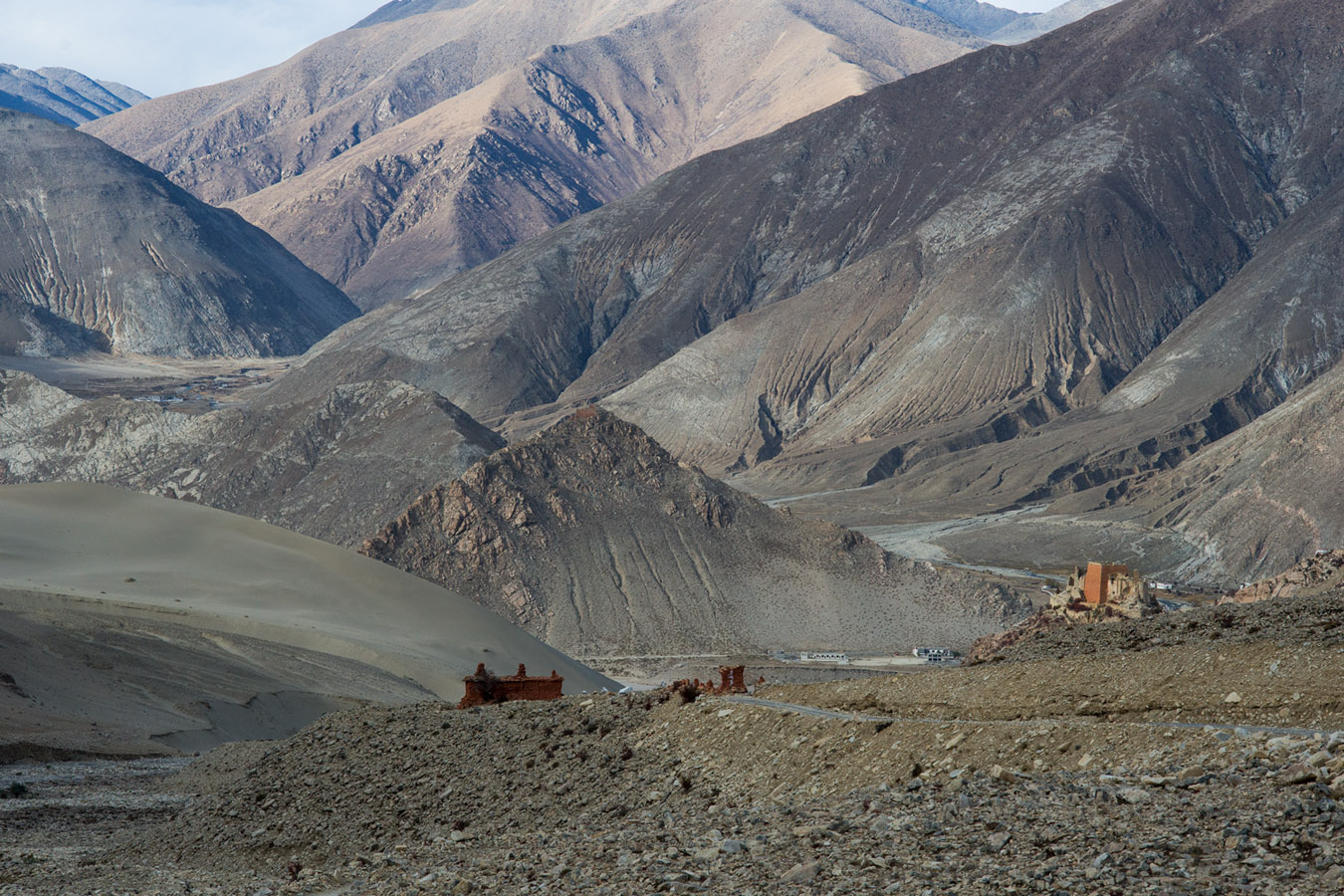
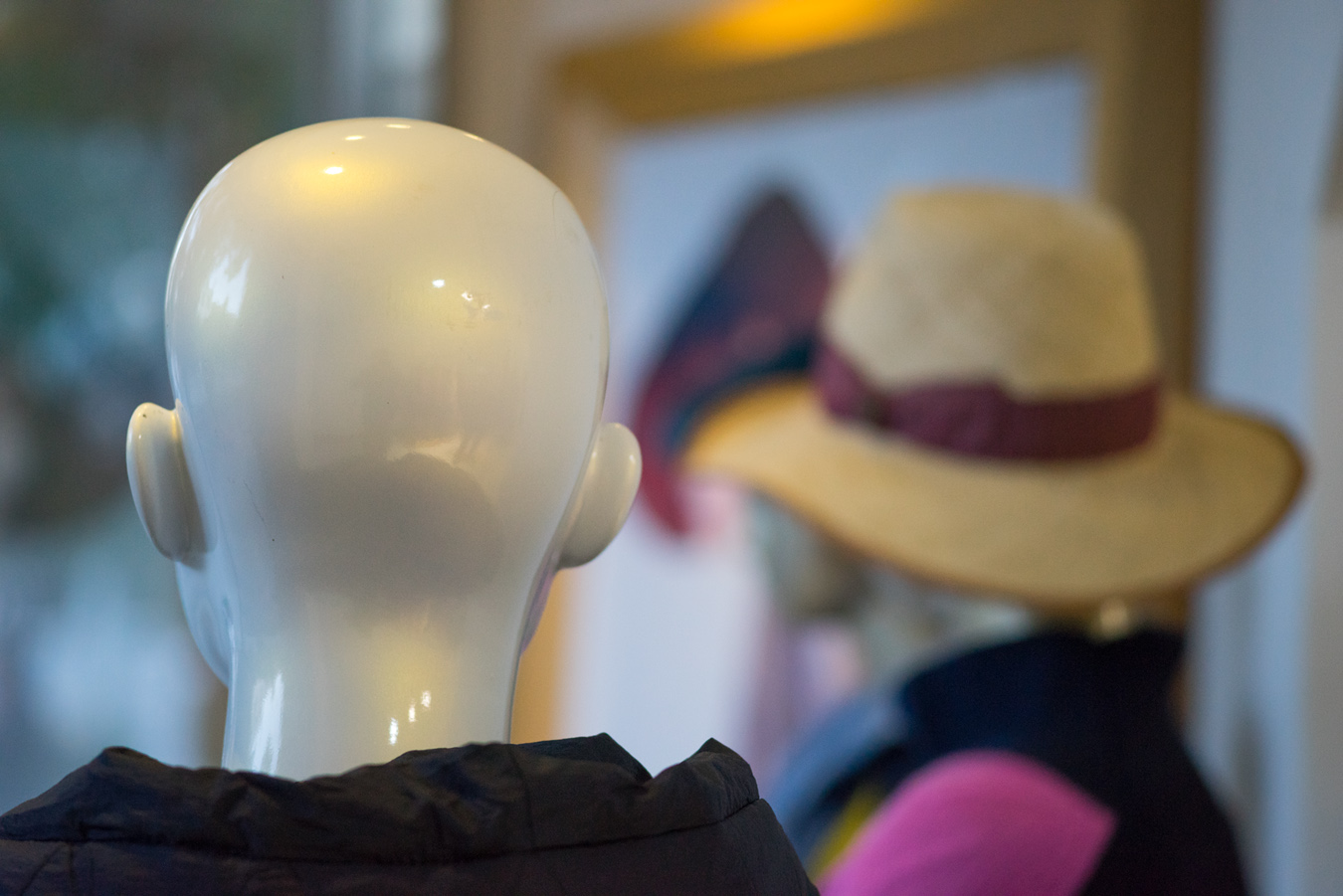
A close run among my MF lenses (all chosen for 3D qualities) comes from the CY 100/3.5. It obviously gets plenty of wide open use - being my favourite portrait lens - but here are a couple of full DOF landscapes with no leading lines to speak of - a tough test. Plus two shot at f3.5 to illustrate the OOF favoured by CZ designers from this very trad 5/4 Sonnar design.