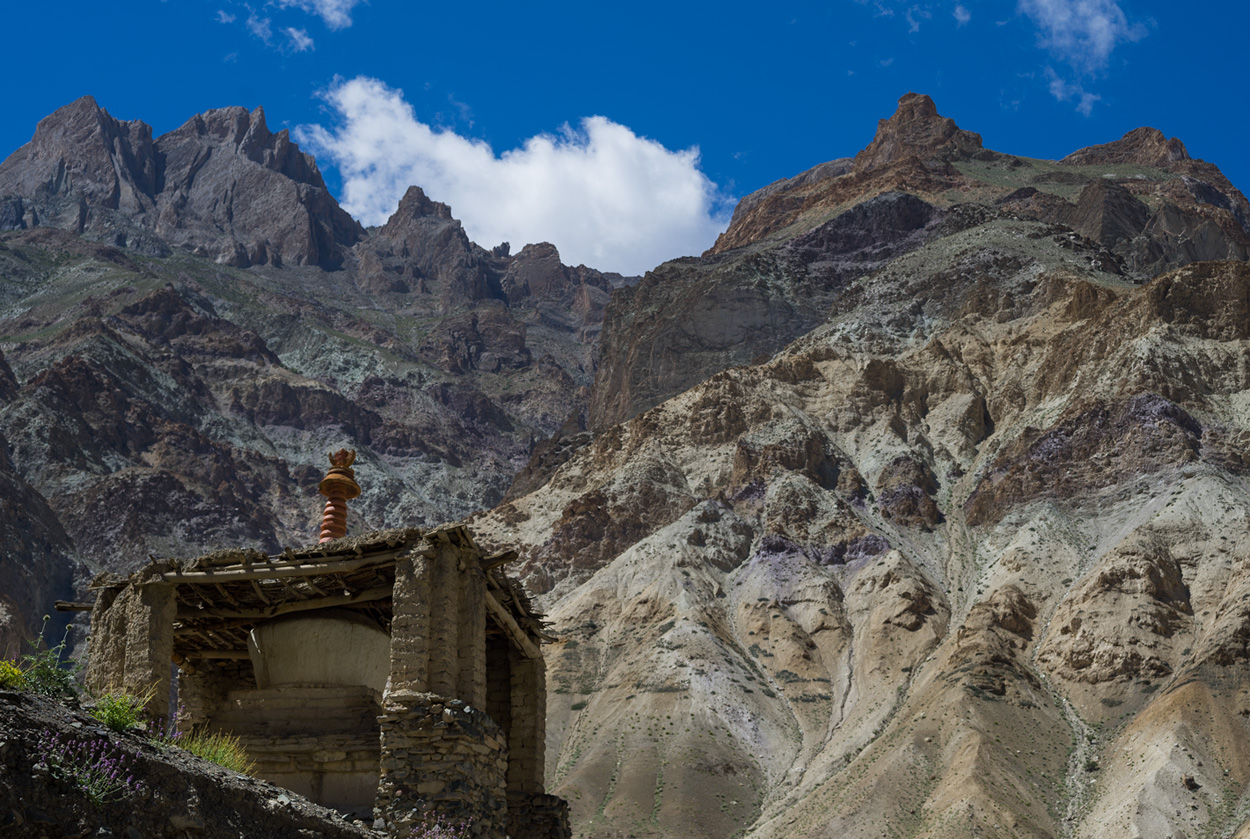
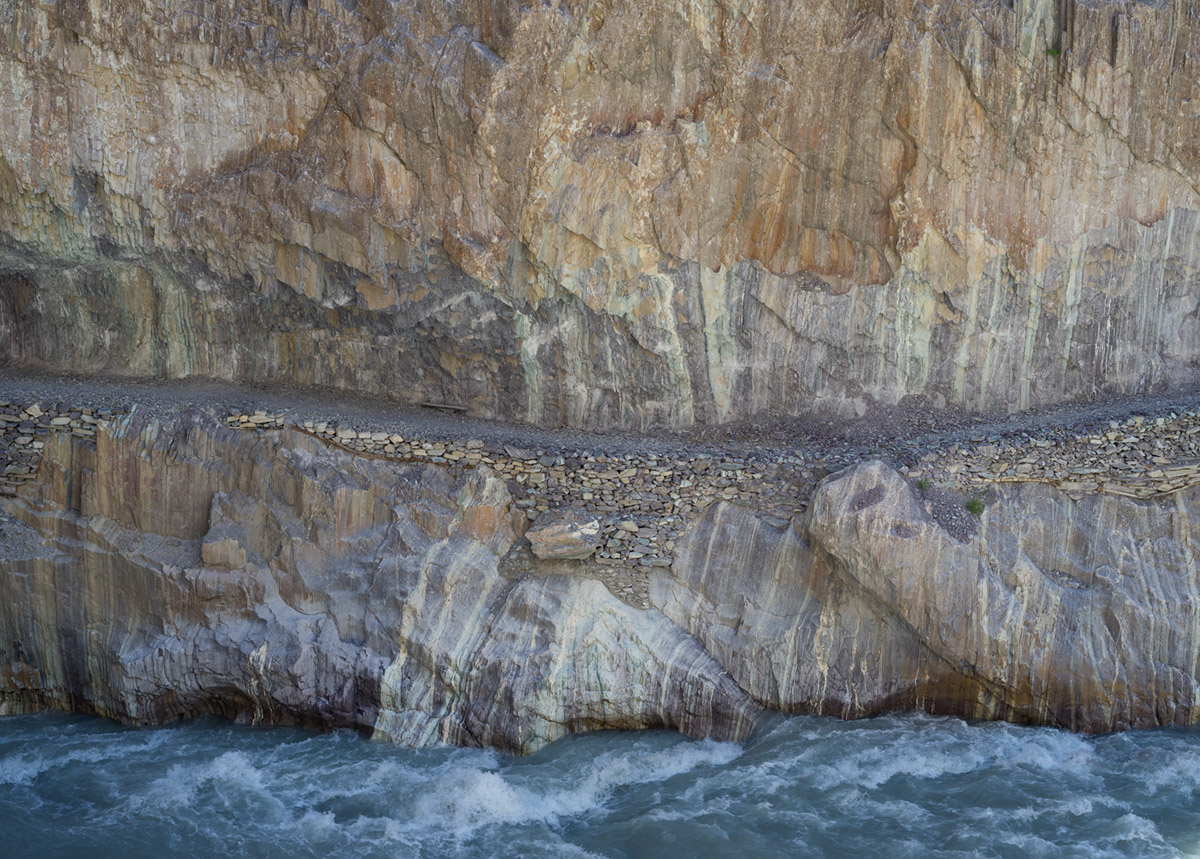
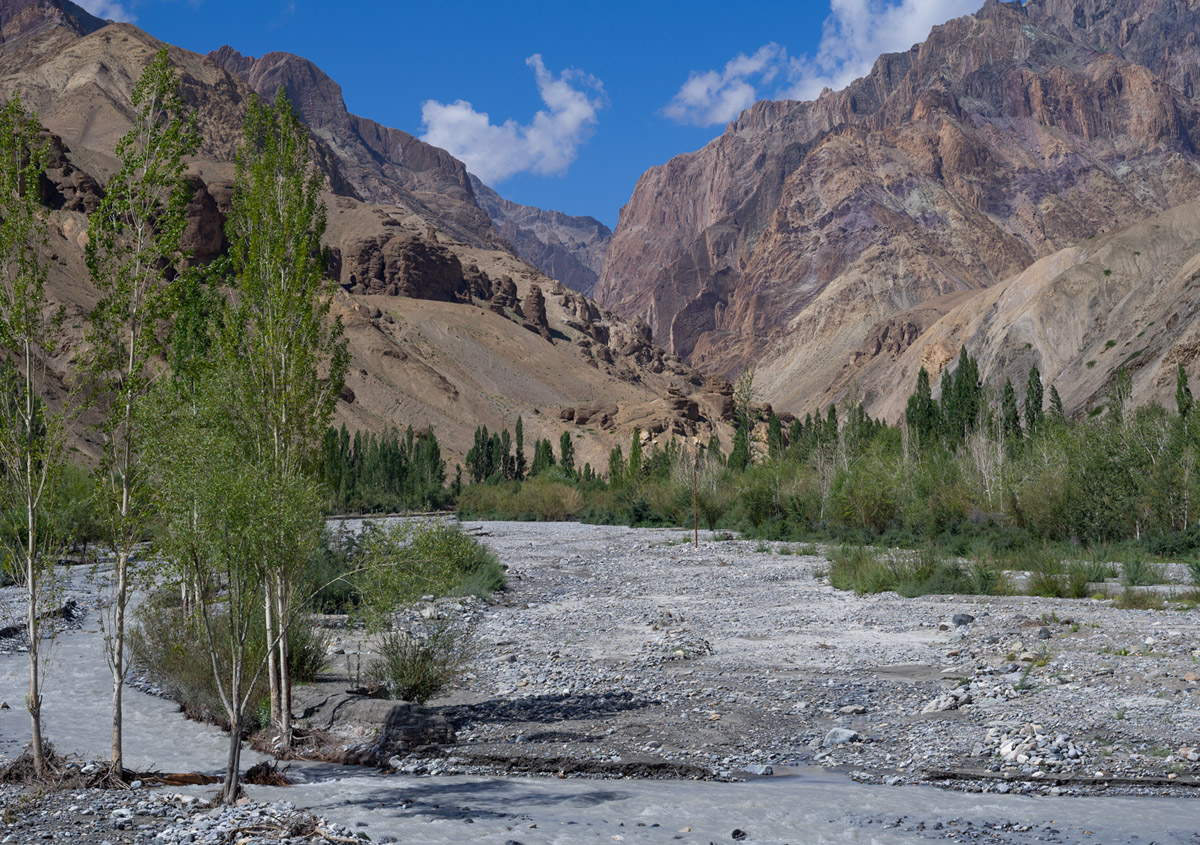
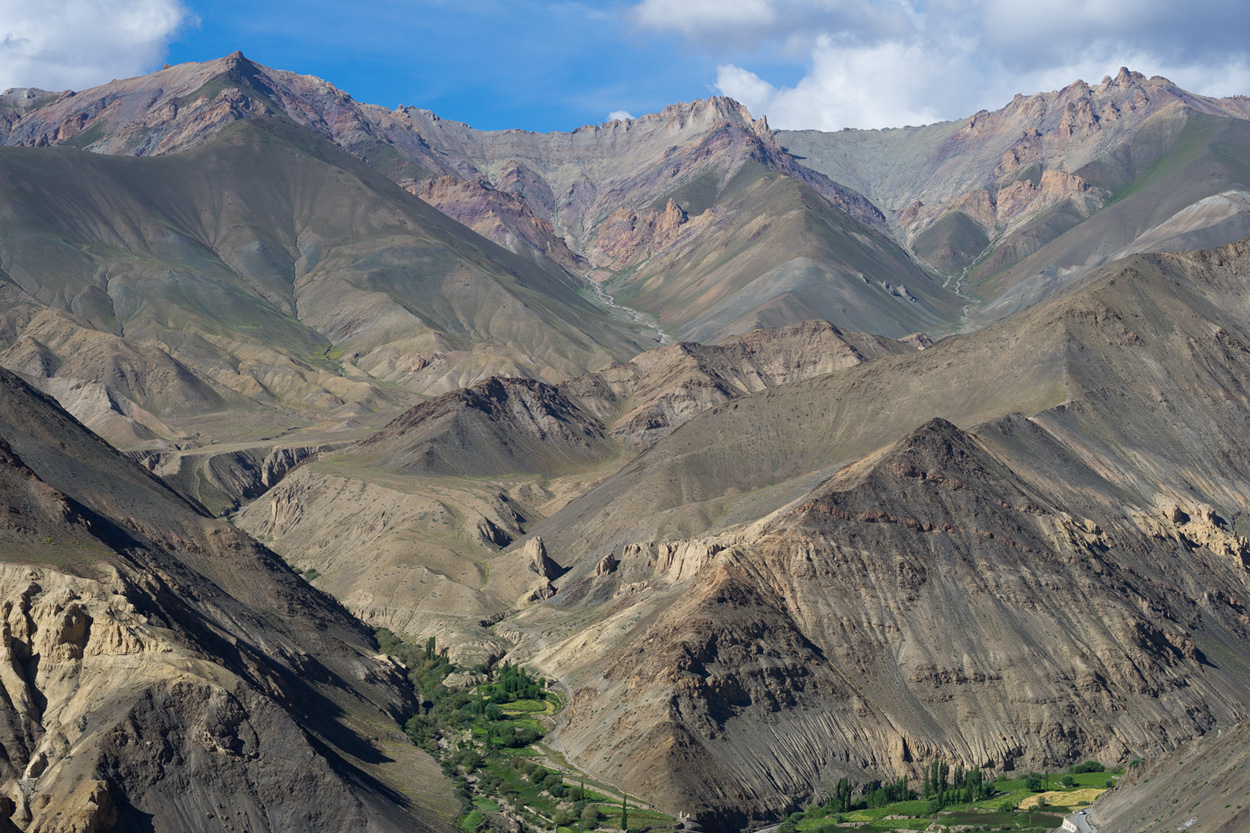
Olaf G wrote:
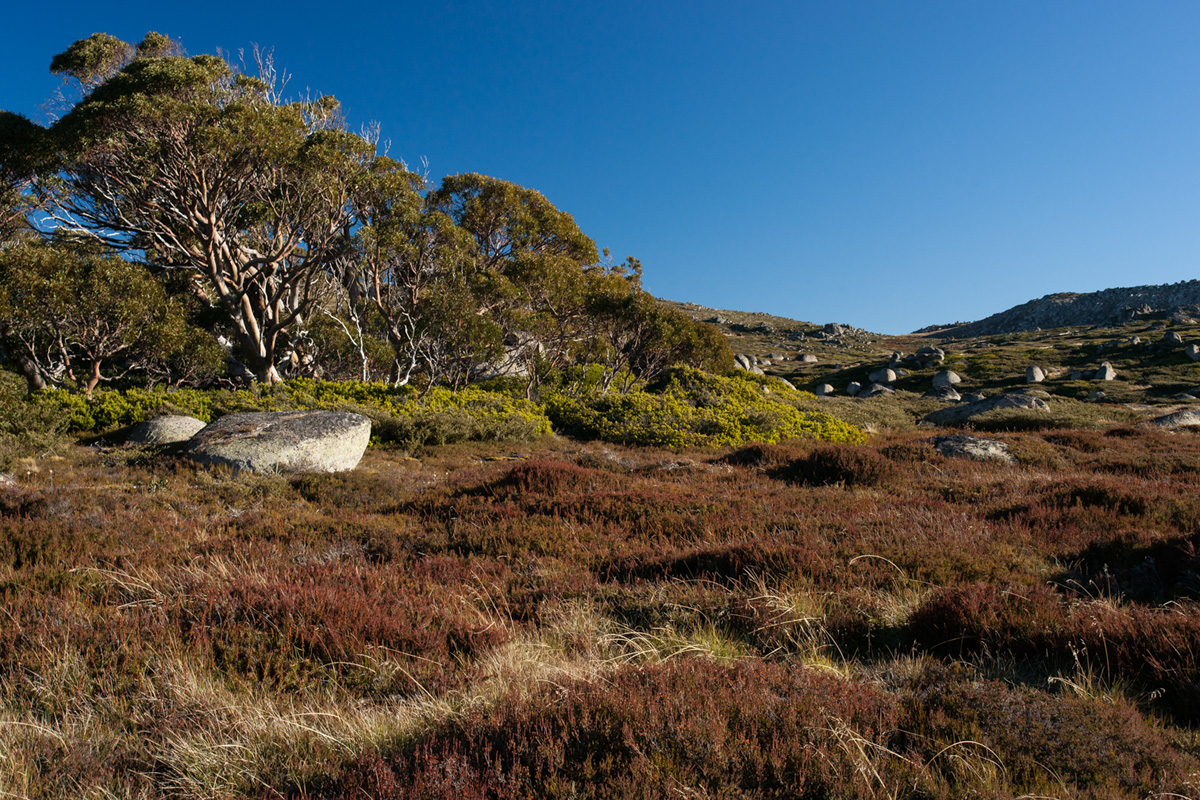
Beautiful pictures. The 35-135 seems to be quite rare. How does its IQ compare to the 35-70?
The Contax 35-135/3.3-4.5 seems to be almost non-existent on this site. In fact, I think I am the only person who uses it. It's a shame, actually. It's a stellar lens in almost every way. At f8 it is razor sharp to the corners and the color and contrast is very nice. I love having the extra range to 135mm. My landscape kit for a while now has consisted of the 35-135, Canon 16-35/4L, and the Contax 28/2.8. I just purchased the Loxia 21/2.8 and am going to sell the Canon.
When I get the time I will test the 35-70 against the 35-135 and post some images. Based on my experience with both lenses for several months, it's hard to tell them apart. The 35-135 is pretty heavy, though, at 860 grams.
It was the weight largely, mudlake, nearly twice the 35-70. That and the oddball range of focal lengths, large filter thread. It was many CZ peoples' favourite of the - I think - eight zooms they made. Really complex too, at 16/15. Very good in the middle of the range, but did not reach the heights of the 100-300, a simple, glass dependent design. Less elements, better glass formulations.
I'd also be interested in a comparo of the 35-70 and the 35-135, esp at 50mm and 70mm (none were great at the wide end and the 35-135 has 3.5% of barrel distortion at 35mm).
For two shooters, one of these would accompany a 35-70 nicely for road trips, and it peaks at f8 too. hmm. You could leave behind 1-2 primes if it worked out well, and separate landscape lenses from other use lenses. I'm thinking of moving the Loxia 85mm along, like it less for general/people than the 100/3.5..this 35-135 is only 860-595g = 270g more. And you would keep the signature CY look and get good up to 135mm coverage. Would save bringing the 100-300, it's a bit heavy and specialized for travel.
How do you set IBIS on the Sony A7 cameras with this lens?
Do you change FL setting for each shot or do you set IBIS to a medium zoom position (50mm) and leave it there?
Or do you switch it off ?
PEKA62 wrote:
How do you set IBIS on the Sony A7 cameras with this lens?
Do you change FL setting for each shot or do you set IBIS to a medium zoom position (50mm) and leave it there?
Or do you switch it off ?
Tx.
I have memory settings for particular focal lengths for IBIS. Changing the IBIS setting is as quick as turning the top dial.
IBIS is a pre-shot action from a custom button, we use so many CY lenses, two of them zooms. I am a strong believer in hoods. I have seen ghosting from (I assume) older coatings in the 35-70. In those days everyone used hoods, CZ had this very complex set of lens hood parts/rings you can buy. We use a hat generally or a screw in Mamiya 645 55-110mm zoom metal hood, cheap on ebay.
The used 35-70 I bought during eBay's recent 20% off sale arrived from Japan today.
I've not yet taken any photos with it to test its image quality, but I have checked the size of the image circle it projects and for the one or two other people (besides myself, of course!) who have any interest in this aspect of its performance, my initial results are generally positive.
At 35mm/f8/infinity focus, the image circle is large enough to provide for only 2-3mm of rise/fall movement on my A7R's 24x36 sensor before vignetting starts to become visible.
At 40mm/f8/infinity focus, however, this increased to approx. 7-8mm; at 50mm, it's more like 9-10mm, and thereafter, it increases to at least 12mm, with a brief bump to 15mm somewhere between 60-65mm.
I'm a bit disappointed the image circle isn't larger at 35mm, but I'm also not surprised, as this is typical of most zoom lenses and it usually grows larger only after the lens is racked out a bit. (My fingers are crossed regarding the 28-85 zoom that is scheduled to be delivered later today.)
Mind you, I haven't yet taken any photos to evaluate its IQ when shifted to these limits and it's entirely possible the IQ falls off enough toward the outer edges to make the full image circle not useful.
(Remember, though, that I photograph mostly at night, so this is less of an issue for me than most photographers, because the outer edges of most of my photos are either black sky or dark shadow areas, where any vignetting -- even hard vignetting -- is effectively invisible.)
FYI, I was also surprised by how compact and lightweight the lens is (well, at least compared to the Sigma Art 25-35/f2 behemoth I packed and sent off to its new owner earlier today, anyway!)
So I've now had a chance to take some (daytime) test photos with the 35-70 around my neighborhood. This won't come as a surprise to many, but I am favorably impressed by its performance overall, at least for how I typically use lenses.
Which usually means stopped down to f8 and focused at 75 to 150 feet. I was particularly surprised at how well distortion is controlled (this is important because I photograph a lot of architecture, which quickly exposes more than minor amounts of distortion) and what distortion there is, was quite easily corrected during post-processing when necessary.
I also found its close-focusing ability to be quite handy, as I used it on a Samsung NX500 (which turned its 60mm focal length into a 90mm focal length) to photograph several items that I'll be auctioning on eBay soon and achieved very good results.
That said, its performance does seem weakest at the far ends of its focal range, so for my purposes, it's really more like a 40-60 zoom instead of 35-70. But that's okay, because this is also the range where its image circle is larger than the corresponding primes, which is why I bought this lens in the first place.
Assuming its fairly slow maximum aperture doesn't prove to be an impediment to my nighttime photography (although I typically photograph at f8, I compose my photos with the lenses wide open and obviously, in low light conditions, the wider, the better!), I think I'll be holding onto it for its versatility, if not its absolute IQ.
P.S.: I haven't posted any of my test photos, because I can't imagine anybody other than me will be interested in seeing them. Although maybe I should, because I doubt many people have ever seen how this lens performs outside of the central 24x36 part of its image circle. So if anybody is interested in seeing some of my test photos, do let me know and I'll happily post a few of them....
(The 28-85 was supposed to be delivered yesterday, but the seller didn't tell me he was requesting a signature and I wasn't home when UPS arrived, so it's now caught up in UPS second-delivery Hell and who knows when I'll actually be able to put my hands on it?!)
I took the 35-70 zoom lens with me on my outing earlier this morning and although I took only four photos with it, I came home quite favorably impressed by its performance for my nighttime photography.
I expected its relatively slow maximum aperture would prove problematic for composing and focusing my photos taken under low-light conditions, but this area is quite well lighted and although a brighter image would have been preferred, thanks to my external HDMI monitor setup, I was able to see well enough to get the job done.
After photographing with the 35-70 again this morning, I realize I forgot to mention what a joy it is to use the very smooth, long-throw focus ring and how easy it is to achieve precise focus with it. In this day of focus-by-wire lenses, it's a real and increasingly rare treat ... seriously!
Also, its eight-bladed aperture makes (IMO) much nicer stars on specular highlights and point sources of light than do the six-bladed apertures used on all my other C/Y lenses.
Audii-Dudii wrote:
After photographing with the 35-70 again this morning, I realize I forgot to mention what a joy it is to use the very smooth, long-throw focus ring and how easy it is to achieve precise focus with it. In this day of focus-by-wire lenses, it's a real and increasingly rare treat ... seriously!
Well, well ... I used my 35-70 again this last outing and not because I needed to test it some more, but because I considered it to be the best lens for the job.
If this lens went a bit wider -- say, 28 mm or even better, 24 mm -- then it may well be possible that it could serve as my only lens.
Only once before have I ever thought I could get by with just a single lens and that lens, no surprise, is the Contax N 17-35/f2.8, another Zeiss zoom design ... who knew?!
Dustin Gent wrote:
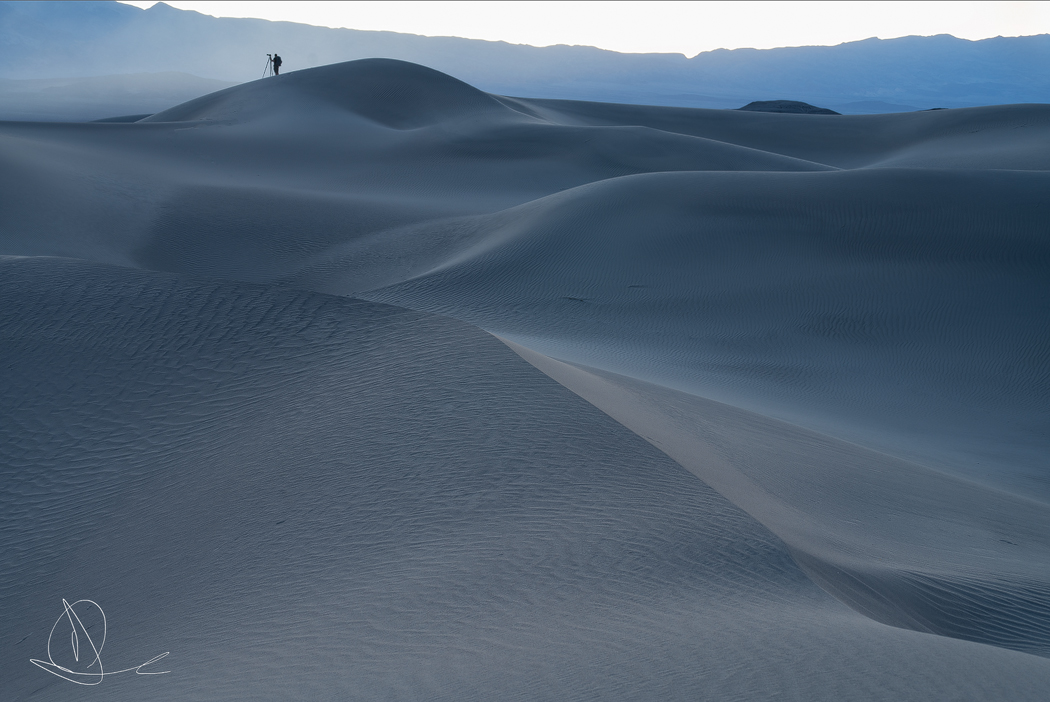
wow, not much use with this lens? it is now my workhorse. Taken last month in DV with A7r2.
In fact, I used mine earlier this morning to take this photo when I couldn't sleep and took my dog for a walk around our neighborhood:
I continue to be very pleased with its performance, although I find myself using it as more of a 40-60 zoom in order to maximize image quality. <shrugs>
It's actually a bit stronger on axis at 70mm than elsewhere, by design. I love the long end of it for open landscapes - very high astigmatism control, ultra even performance, slow fade across the frame, very good bokeh. Unusually, it also delivers a fat band of DOF and with a flat field - landscapes are very reliably drawn. A most pre-modern zoom, lol.