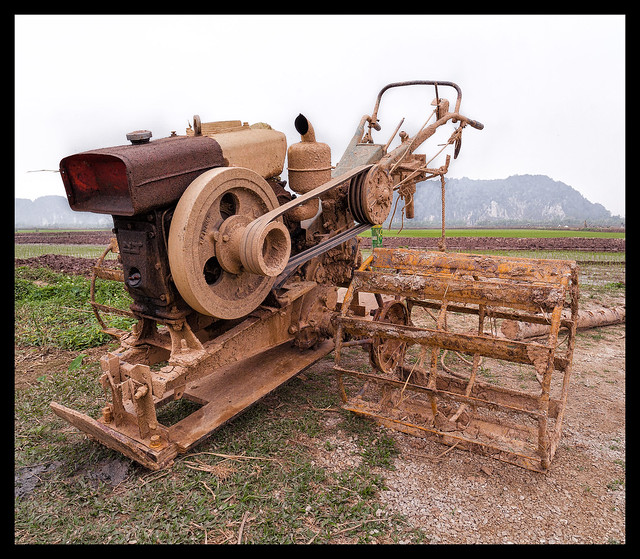
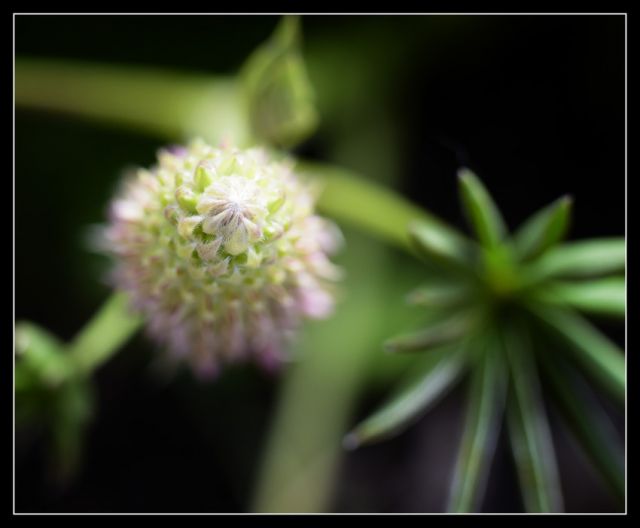
From an outing today. A couple of other photographers and I went to photograph an old homestead this morning. When we got there, we found that it was gone. The buildings had been destroyed and burned. There were lots of remnants - tubs, bed frame, some beams, wire, pipes, etc. Inside of a metal box on the remains of what appeared to be farm equipment were these wasp nests.
I took a few shots at f/5.6, f/13, and f/18. The shots at f/18 were not as sharp - apparently, diffraction was kicking in. I liked both the f/5.6 and f/13 shots, but ended up liking the shallow DOF a little better. I know that a lot of people would prefer the f/13 with greater DOF, but I prefer the slightly greater depth perception with the shallower DOF.
Anyone else ever find themselves wanting to go back to an older set up? For me, perhaps it was the first 'real' camera set up I had but I have never been able to get files that had the same color, rendition, bokeh ever again. I've gone through a Fuji x100, x100s, xt1, Sony NEX 6, A6000, nikon d7000, d600, and now have a d800 and have used a various Zeiss glass with all of them but nothing comes close to the joy of shooting the nex 5 with the zeiss zm 35/2.8. Technically, the D800 mops the floor with it and while the D800 is great to use, I do miss the tiny form factor and the files I got out of the Nex 5. Part of me wishes to grab that pair again but the inability to use it above ISO 800 was a real drag. That was what originally prompted me to try other cameras that did better in low light.
The red/orange on trees is common on pines growing in national parks and swamps, another example about red stuff on healthy tree. I don't know exactly what causes it, but I have understood this happens to pine when it grows on too wet environment. Most of the Finland is covered by forest, but it's been hundreds of years modified for wood industry - this means that there are ditches to drain the soil to make it optimal for growing maximum volume of wood ==> no red stuff on ordinary Finnish forests. The worst part is that from Finland's forests only under 2% is in it's natural state - rest 98% is artificial monotonous industrial forest with minimal biodiversity
Samuli...Show more →
In Czech its very similar, we have monoculture of spruce instead (same reason as Finland, wood industry). I dont have exact numbers, but its probably close to 90%. Obvious results are bug infestations, low durability in windstorms (which sometimes ends in pretty catastrophic ways). And heavy soil damage.. Today Czech is trying to change that by re-planting original species, but it will take ages to get it to original state.. if ever.
Suprisingly (or not) best results are places where were surface mines, and nature just slowly re-planted everything by itself. (with little help of course) And military areas without anyone interfering with nature look pretty good too, plus few national parks, but even one of our oldest is mostly monoculture of spruce too.. (shame as only few hundred years ago, it was pretty mixed forest).
Im quite suprised with what you wrote, cause I thought it looked as this always in Finland. Thanks for education.
Mescalamba wrote:
Im quite suprised with what you wrote, cause I thought it looked as this always in Finland. Thanks for education.
Apologies if I have given unrealistic impression from Finland's forests. I'm mostly staying in those forests, which are in their natural state - this is due to personal preferences and the fact that from photography point of view the industrialized forests are very poor; nothing to shoot there.
Mescalamba wrote:
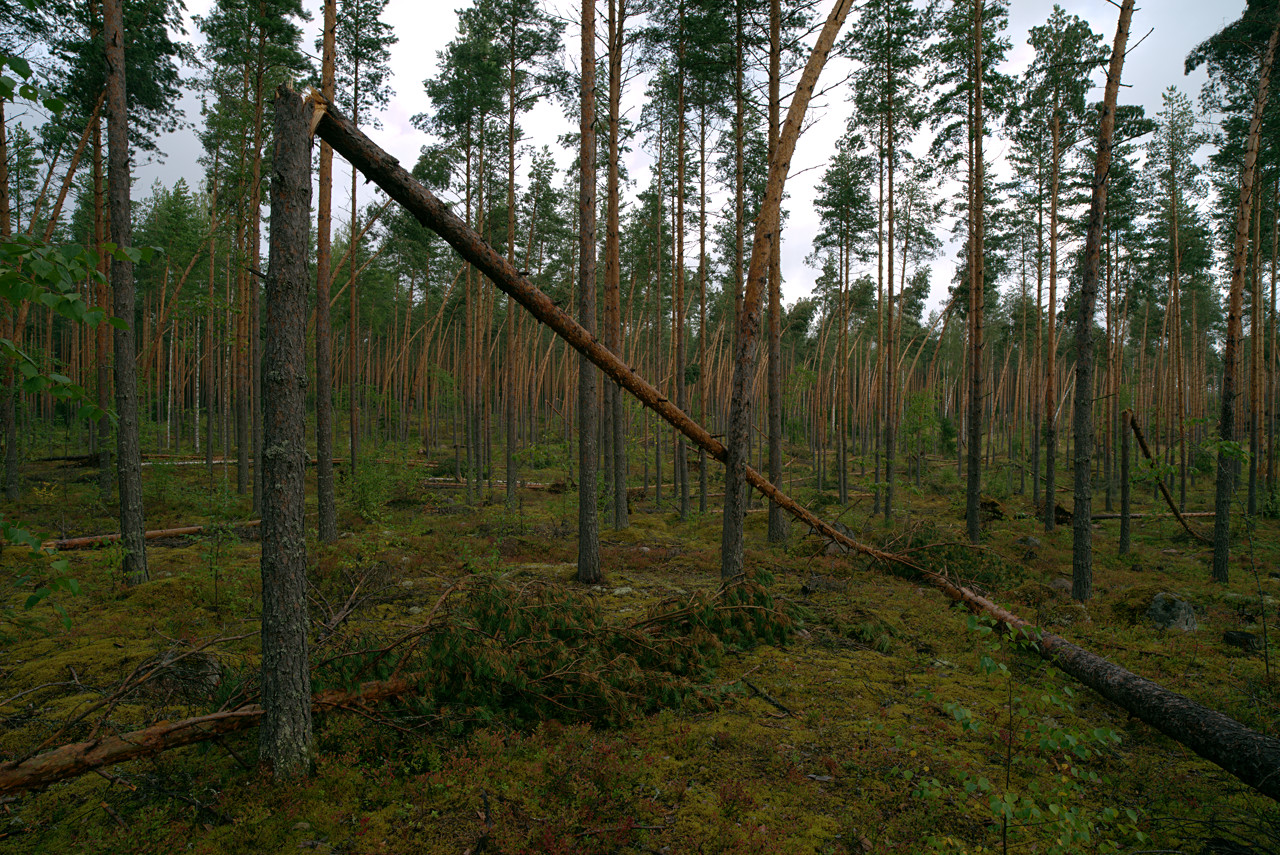
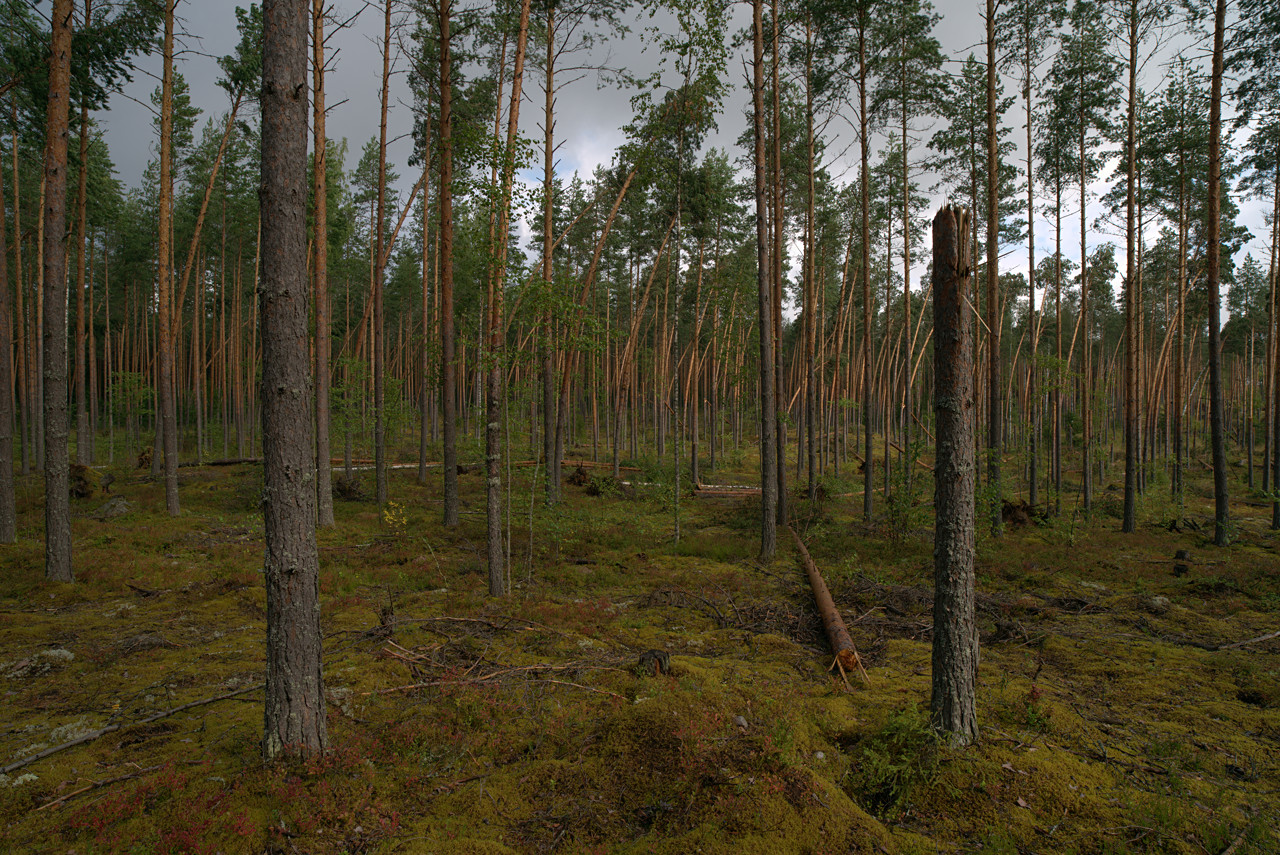
...low durability in windstorms...
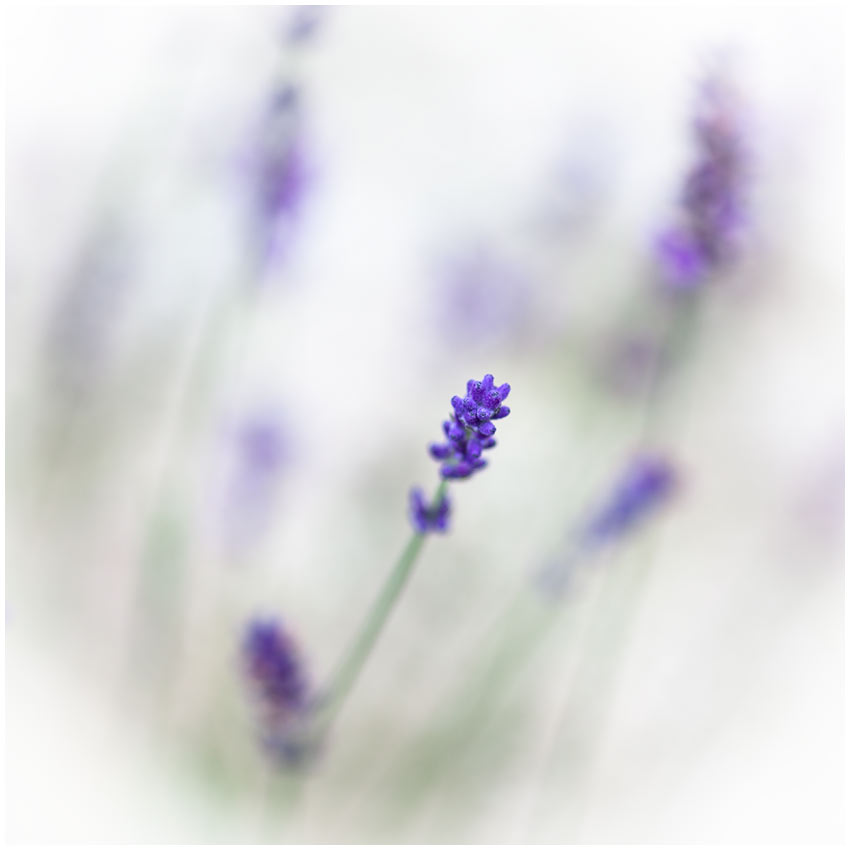
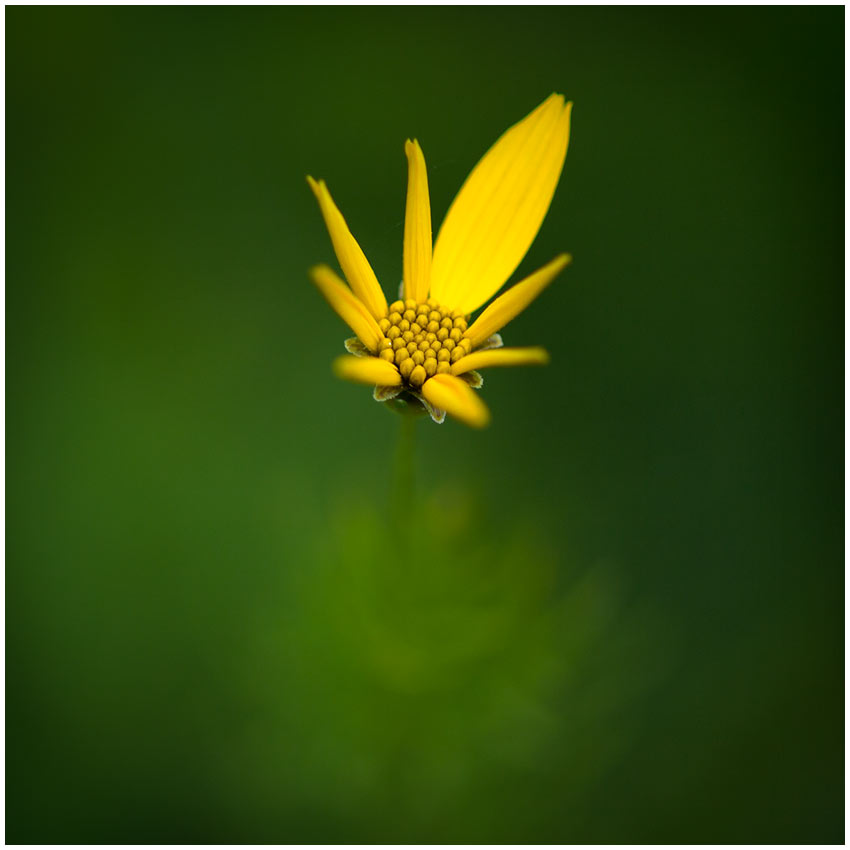
Like this? (lenses used: ZE21@f/11, ZE21@f/11 and ZE1.4/35@f/1.7)
Samuli Vahonen wrote:
Apologies if I have given unrealistic impression from Finland's forests. I'm mostly staying in those forests, which are in their natural state - this is due to personal preferences and the fact that from photography point of view the industrialized forests are very poor; nothing to shoot there.
Like this? (lenses used: ZE21@f/11, ZE21@f/11 and ZE1.4/35@f/1.7)