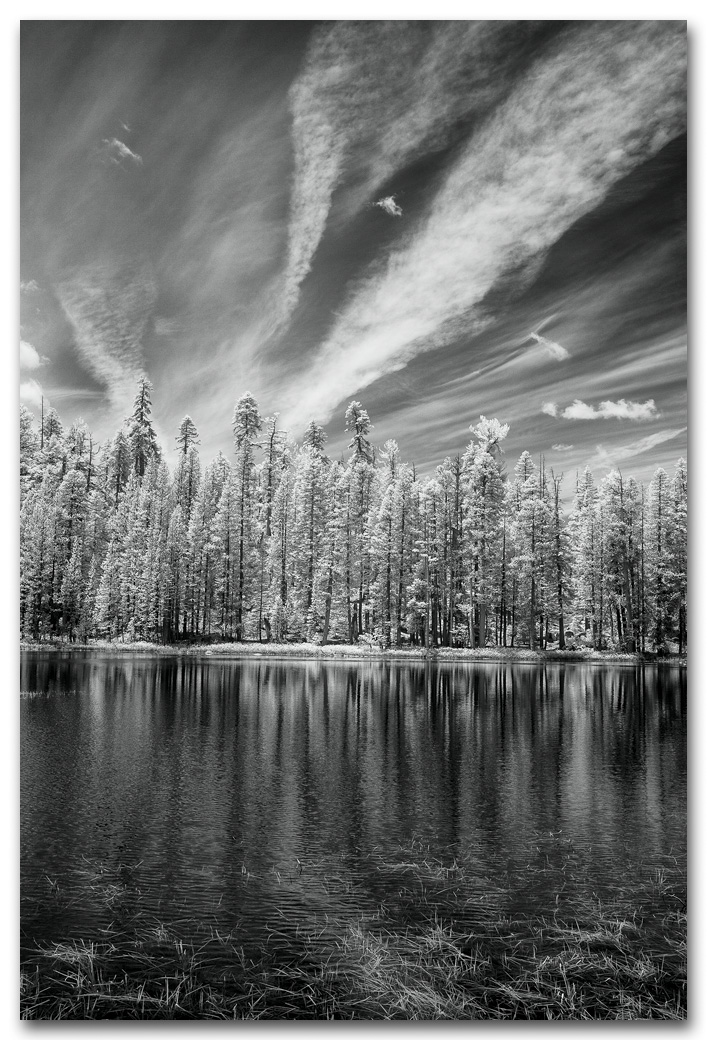
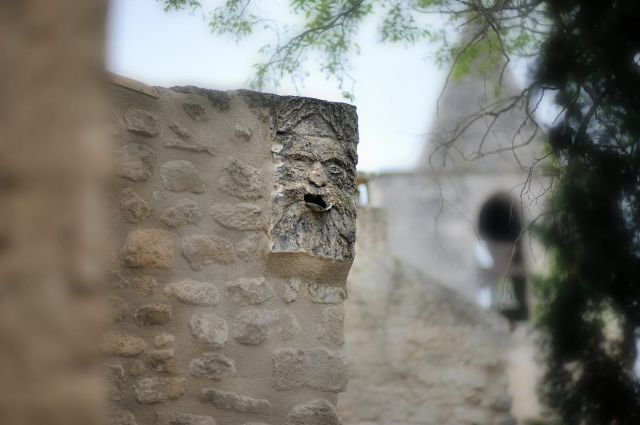
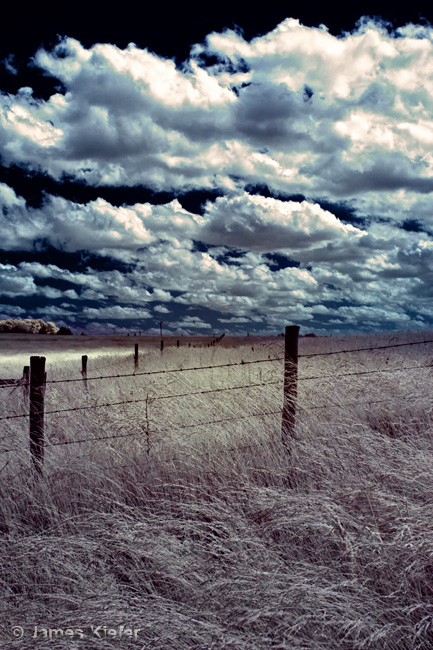
There are several different types of IR conversions from places like Lifepixel (where I had mine done) and MaxMax. The most common is the Hoya R72 like filter, which passes light of wavelengths longer than 720nm but very little of less than that. Digital sensors "translate" that as mostly red pixels registering light. The images from the R72 style retain some small amount of non-red pigment. You can white balance to get a range of dramatic colors from the Raw file.
If you set it roughly like this, with intense red shades, like this one...
Then you can leave it as is or you can Channel swap in Photoshop (Channel Mixer: Set Red Channel to 0 red and 100 blue and Blue Channel to 0 blue and 100 red), and you will get something like the blue sky versions that I posted in this thread.
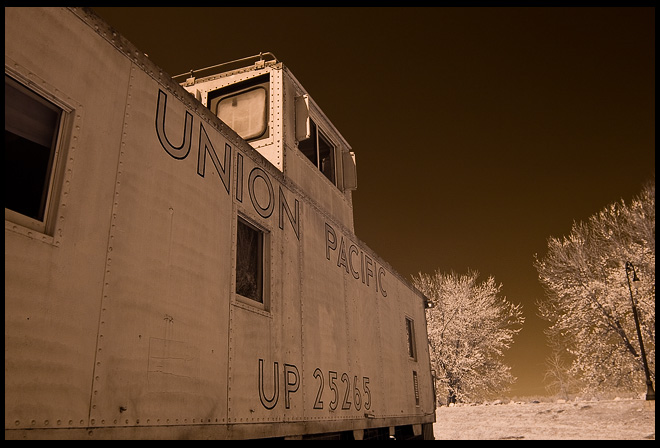
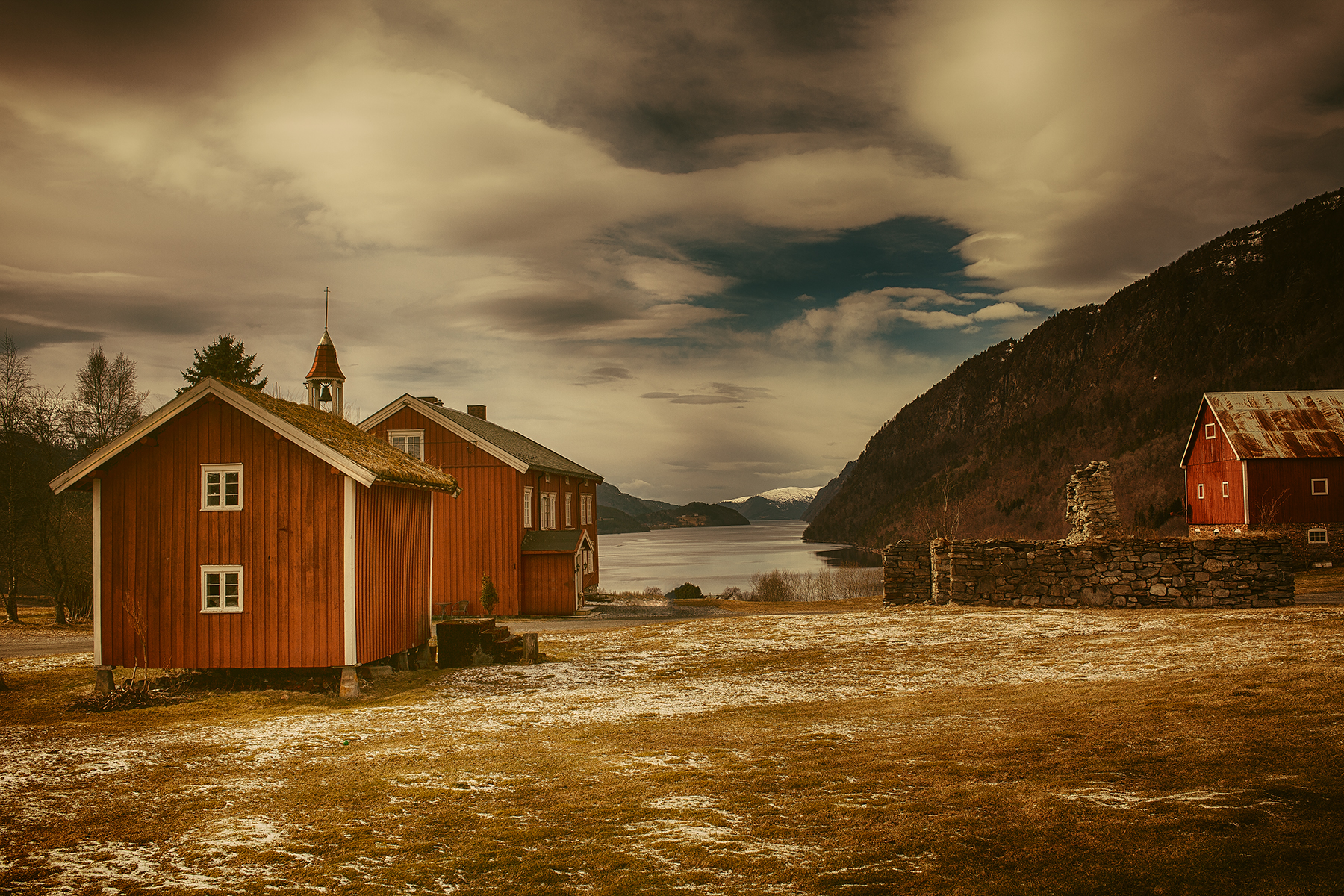
Alternatively, You can set the WB cooler and get a faded Sepia kind of look like these:
From time to time, I will set the white balance a couple of different ways and blend the images together. This tends to keep noise low from what would otherwise be massive color shifts. In IR, since the color palette is so truncated, you tend not to have the posterizing and ugly artifacts that would happen if you pushed saturation or color shifts in visible light photography.
Of course, any of these can be converted to BW, and that is the traditional way that people have seen IR. Much of Ansel Adams photos were shot with red or IR filters to give the near black skies and brighter foliage.
If you have an old camera body that you would otherwise consider selling for too little money, consider having it converted to IR (or one of the various other formats available).
Jim - Love your IR shots. I have a 20D that was converted by Lifepixels as well. The camera seems archaic by today's standards. I may have to dig mine out after seeing these stellar images!
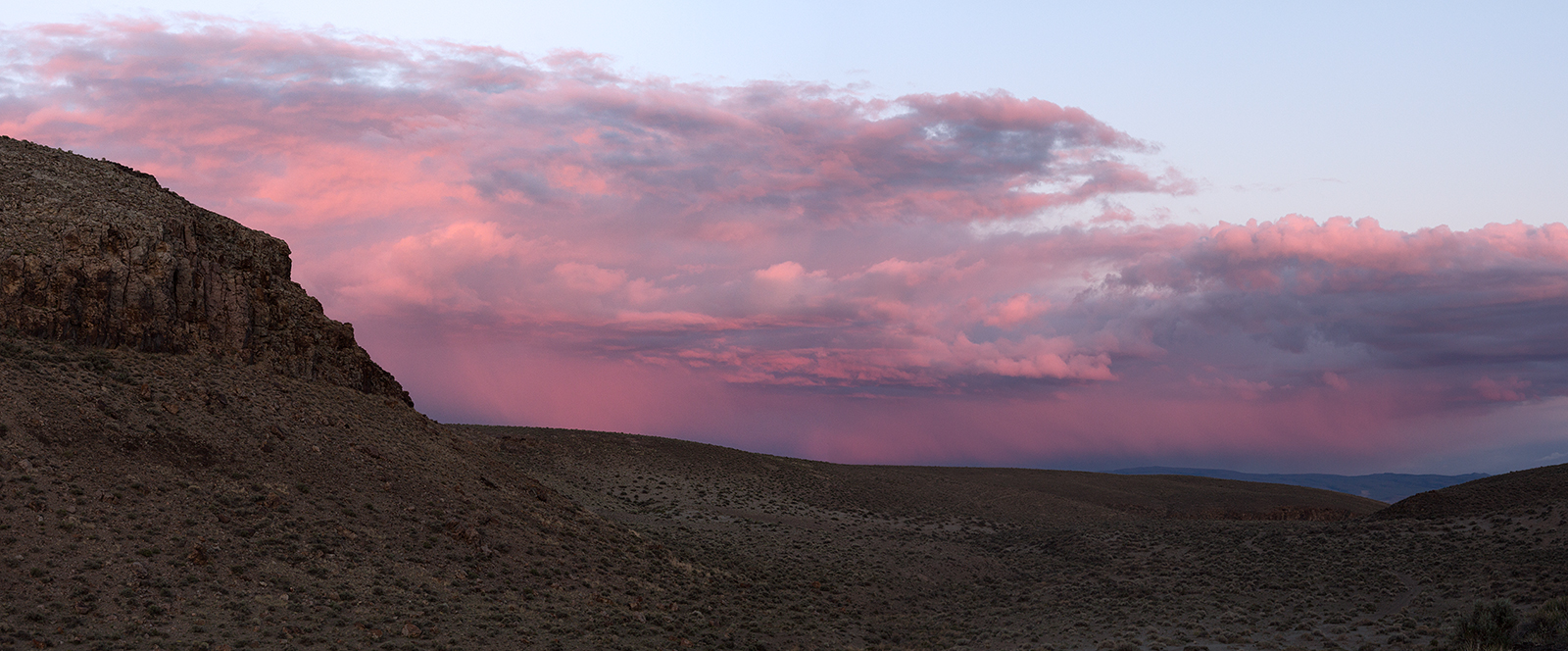
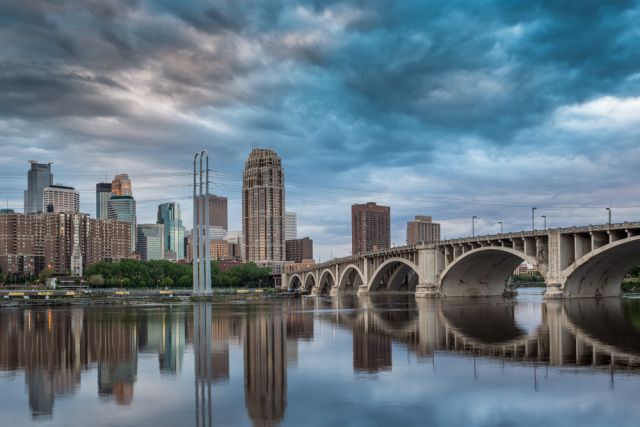
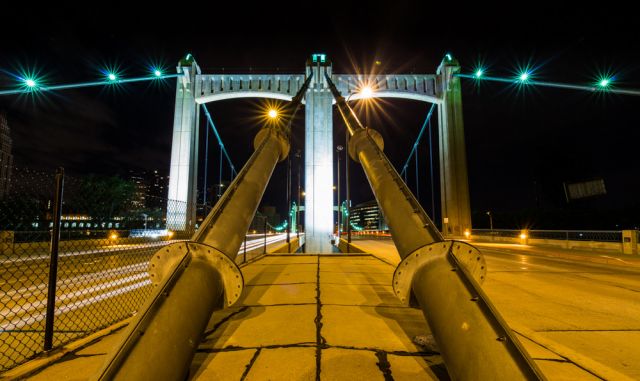
Bob and User222, thank you. User222, beautiful colors and flow to your sunset stitch. Bob, really like the subtlety of the bridge buttress shot.
Bob, I spent a lot of time staring at the LCD on the 20D - even when it was off. I kept thinking, "I used to think that I could see/judge ANYTHING with that little postage stamp sized screen!?!?!?!?!?"
What is inside is still good though. However, my tolerance for noise from the 20D is limited, having been spoiled by the 5d2. ISO 100 only, I think on these Yosemite shots from the 20D. If you still have it, the Contax 85 is great with IR. Really has profound 3D and limited or no hot spot up through f/8. If I recall, it picks up a little but manageable hot spot above f/8.