ocean2059
Offline
• • • •
Upload & Sell: On
|
 p.1074 #3 · ZE/ZF/ZM Images (Official Thread!) p.1074 #3 · ZE/ZF/ZM Images (Official Thread!) | |
Gunzorro wrote:
Thanks so much! I'm glad to have been able to provide examples of images I enjoy from these fine lenses.
As you probably already know, the ZE/ZF etc. lenses were an advance on the older SLR manual focus Contax/Kyocera designs of manual focus lenses, with no major restrictions on size or weight (within reasonable use limits). Imaging was better on the new "ZE" designs due to reconfigured designs along with all new lens mount offerings. Speeds were generally improved, as were lens coatings and glass. The result is a huge improvement over the Contax style of manufacture.
The Loxia were more modern designs with an emphasis first on industrial photography and videography, so the size is different (smaller, with same 52mm filter diameter), the lens formula and elements are different, and the coatings are different. IMO, the Loxia are the "superior" design for imaging.
The later revamps or introductions of the ZE line, such as the 15/2.8 (never used) 25/2, 135, etc, saw improvements in optics and design that provide imaging at almost the same level as the Loxia, still at the bulkier and heavier design (built like a tank).
I currently own ZE lenses in 18/3.5, 25/2, 28/2, and 35/2. In Loxia, I have the 21/2.8, 25/2.4, 35/2, and 50/2. I believe all these lenses were purchased used on the FM B&S board.
Which do I prefer? Loxia. They (and a few other Zeiss lines) were designed for mirrorless of different types of sensor sizes including M4/3 and were a new animal on the scene. My favorites are the Loxia 21/2.8 and 25/2.4 models based on their great performance and my interest in wider angle photography.
The "ZE" family is more versatile if you consider using on FF platforms with adapters. Nikon mount version can be adapted to Canon, and both can be adpated to mirrorless. So that provides a lot of usefulness for owners of multiple brands (which are in the minority of camera ownership), so that makes the ZE" a very practical choice. That is very nice, even at the cost of size and weight. Obviously at this point and into the foreseeable future the Loxia are strictly usable on Sony cameras. But who knows if the mirrorless designs. Peire makes tremendous examples of how these fine lenses can be used for landscape, architecture, travel and botanical fields in his native Poland, and he continues to be a leader in showing the value of these more classic DSLR inspired designs.
But if I need to choose, I most often grab a couple Loxia lenses (and now a CV 40/1.2 in Sony E mount) to do most of my MF shots on Sony FF mirrorless, at least until I updated my Canon bodies to include the new R camera.
Great deals are to be found today on both used "ZE" and Loxia lines so it's a wide open field which ever style you choose to add to your system. Both have the wonderful "Zeiss Look" with rich colors and contrast and low flare. Loxia has better sun-stars if you like that. Both types have signature Zeiss vignetting, which tends to add emphasis and drama, but is easily correctable in PP for shots that have too much emphasis. I generally do not correct the Loxia for color fringing and vignetting, but do correct a bit more for "ZE" in some situations.
Things are even more complex now that the Batis line of Sony mount AF Zeiss lenses exist! I don't have any Batis at the moment, but I do keep eyeing the 18/2.8 to replace my ZE 18/3.5 with its heavy CA, so-so sharpness on edges, and vignetting.
I certainly recommend getting the "ZE" types over the older Contax types. The imaging improvements are similar to the revamp of Canon's older model EF 24/2.8 and 35/2 to the newer version 24/2.8, 28/2.8, and 35/2 IS models, which was a really be jump in image quality for inexpensive professional lenses. Nikon has done similar improvements on its line with even better (and more expensive) offerings in semi-pro DSLR designs.
Hope that helps illuminate my interest in the Zeiss line of lenses I currently use.  ...Show more → ...Show more →
Jim, thank you very much fo your detailed reply. Similar to you, I also tried these Loxia and Classic ZF/ZE in Sony, Nikon/Canon systems. While I have limited experience with Loxia (I only used 21/2,8 and 85/2.4), I feel the color rendering and strong micro contrast of these two lines are pretty similar. I also think that ZE/ZF lenses are better fitted to 24-30 MP sensor bodies than higher MP Sony A7/R4. But Loxia lenses with Sony A7/r4 have advantages in optical performances, particularly in terms of resolving power. Of course, the size advantage also goes to Loxia line as Dave mentioned above.
|


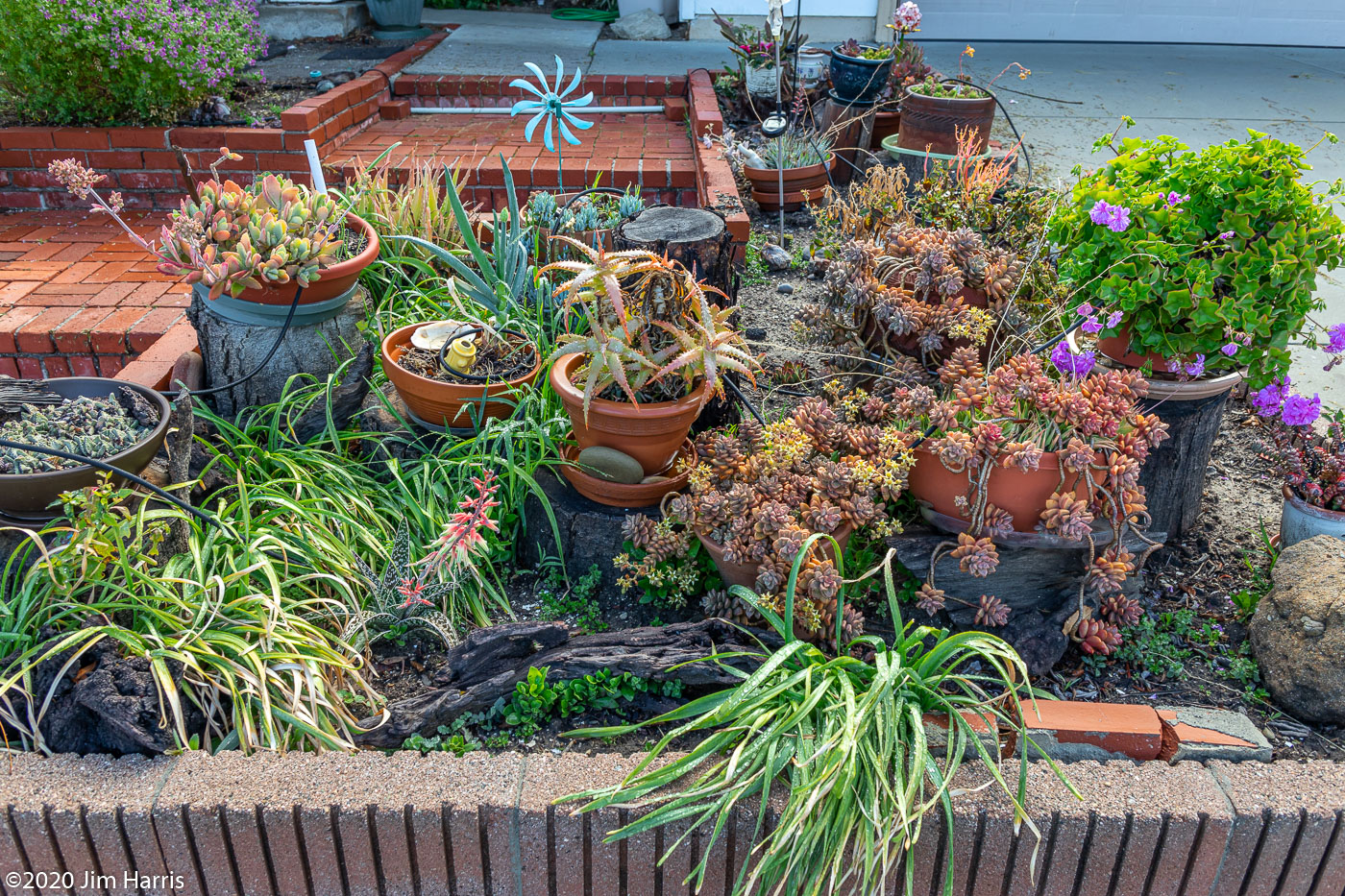
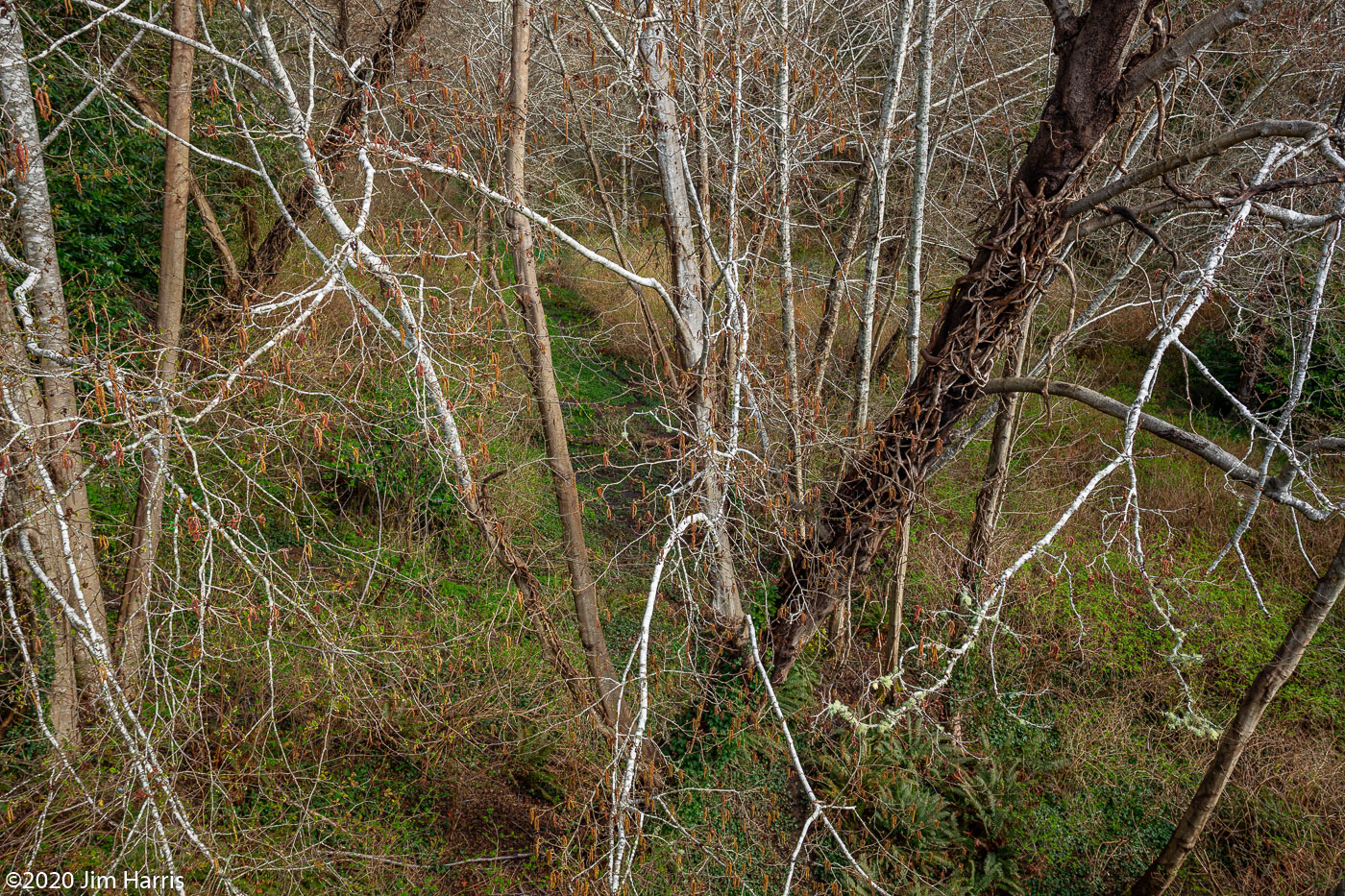
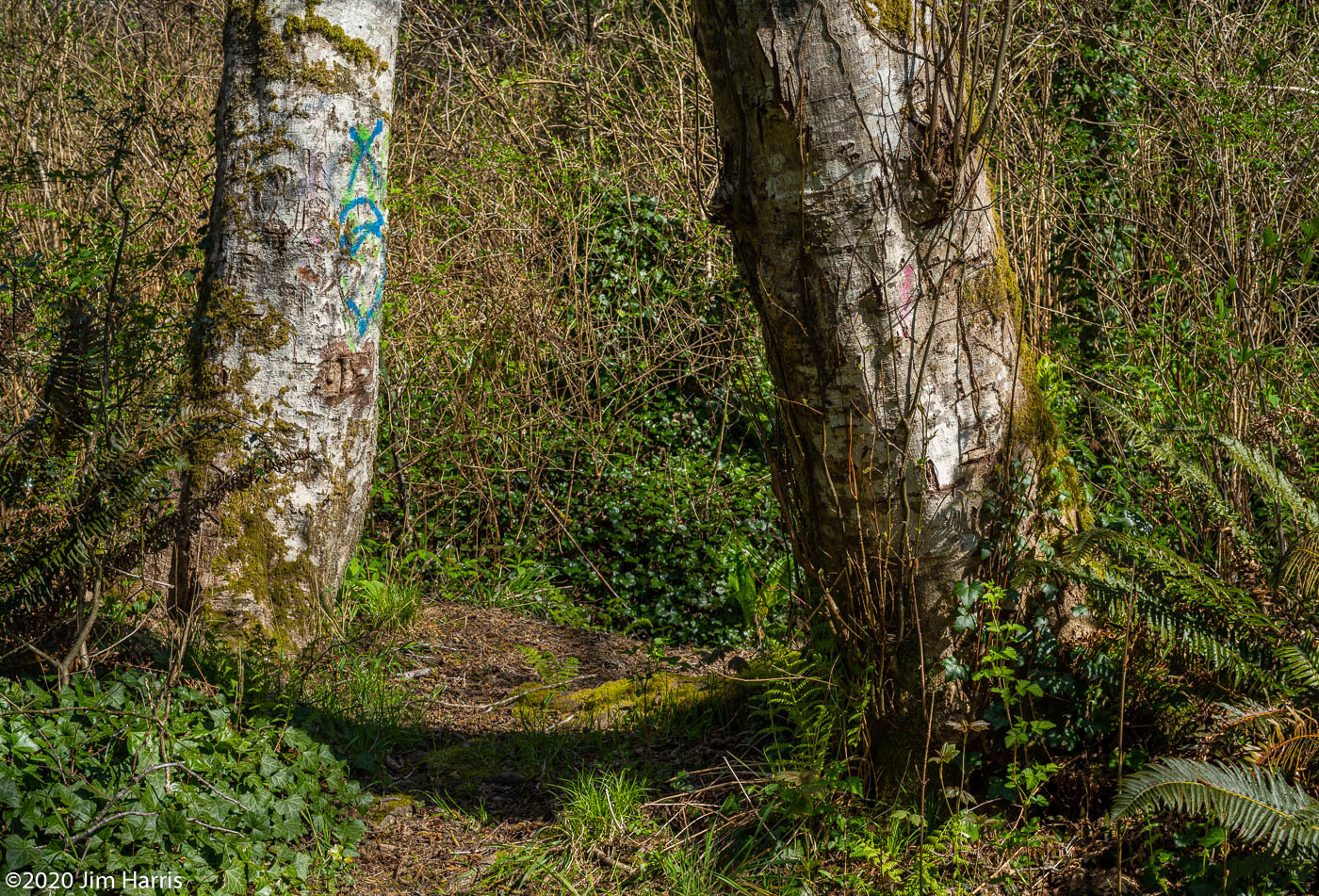
 ), here is a pretty nice shot from yesterday morning with the often maligned ZE 18mm f3.5 at f8, using LR for PP. Does pretty well on 61MP a7R4.