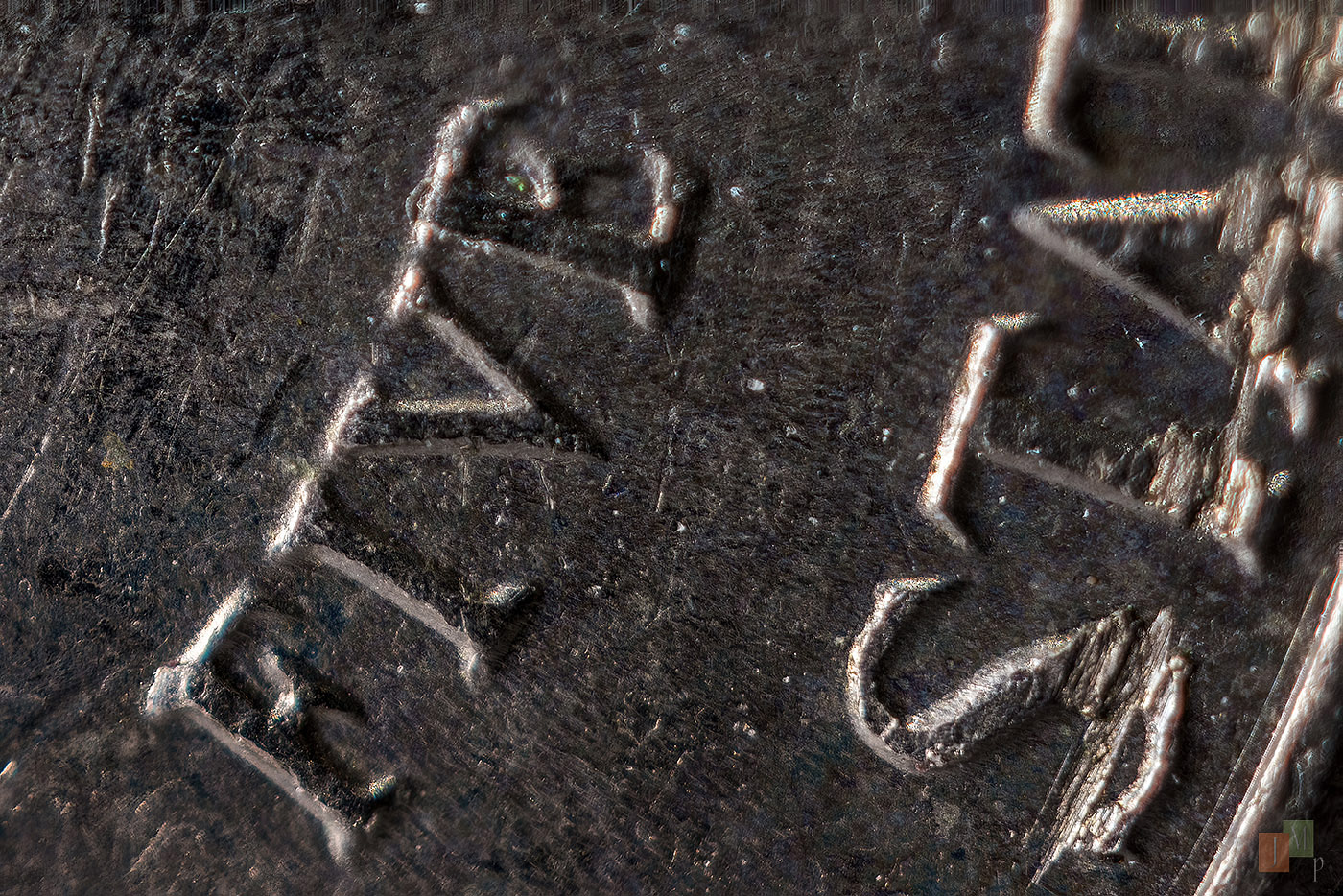
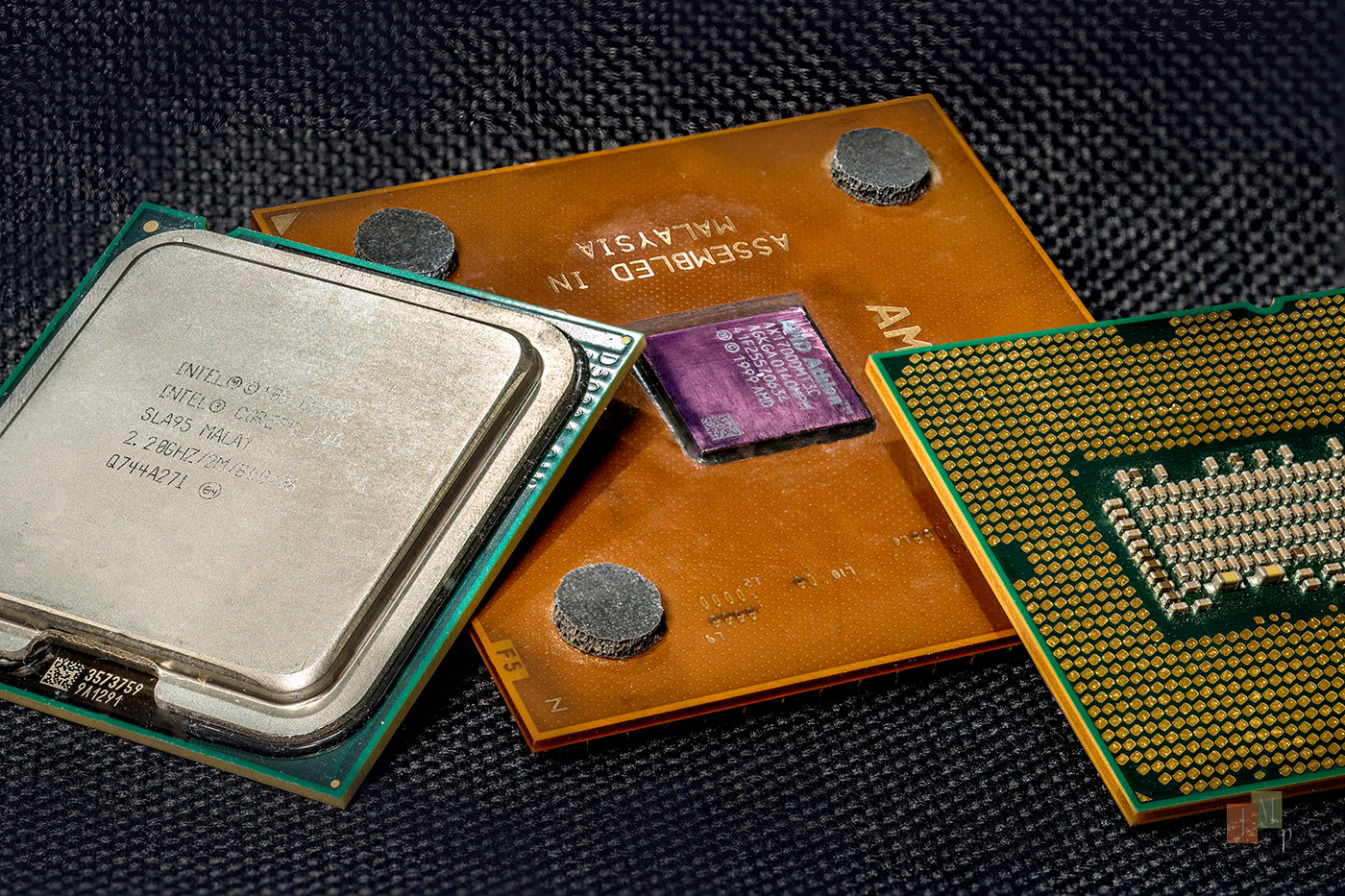
Anyone used the 70-180mm micro? I checked Thom's comment and he mentioned some softness at the edge and rated 4. I am currently shooting the 200/4 micro and mostly on my Canon gig and I am not sure how much image quality loss with the zoom.
This is one case where Thom is flat out wrong. Perhaps he had a bad copy or was having a bad day, this lens is a very unique piece of glass and if you are not used to the strictures of macro shooting sub par results can surely sneak up on you.
I have shot this lens many times as my buddy had one and it was nearly as sharp as my Tamron 90 annd that is really saying something for a zoom , and the ability to zoom with a macro is impressive
Jeff, that's a huge benfit of this lens - you can change composition on the fly without having to move your tripod. It also retains focus as you zoom, which is really nice. Great lens optically, but watch out for the tripod collar. I had some sharpness issues with mine on a tripod, which I attribute to the collar (and possibly my technique).
I owned a 70-180 for a few years. It's a very good, yet oft-understood lens!
Here're my thoughts: Yes the zoom is convenient and optically it's a very good lens. With careful technique on a tripod, excellent results can certainly be obtained.
But an important consideration that is often overlooked is that, because of the 70-180's floating element design, at its close-focus setting it is actually a little shorter than the 105 AFD Micro at that lens' 1:1 setting. People seem to like to compare the 70-180 to the 200 f4 Micro because the zoom "goes to 180." But at its 180mm setting and closest focus distance, the 70-180's effective focal length is only about 90mm. So really, as a macro lens, it needs to be compared to the 105 Micro, not to the 200!
In terms of sharpness, I found that the 70-180 was not as sharp as the 200 (at least comparing my copies of both of these lenses) for critical work in the macro range. I also found the 70-180 to be less sharp than my 80-200 f2.8 at 200mm focused at infinity. Finally, I found the 70-180 to be less sharp than my 105 micro, as well, though I like the zoom's smooth backgrounds better than the blocky OOF lines of the 105 AF. The above is based on really picky analysis, mainly since macro work is my bread-and-butter.
Since my ultimate objective was production of critically sharp closeups for publication and large prints, I opted to keep (and lug around) the 105 & 200 micros and 80-200 f2.8, and I eventually sold the 70-180.
But all that said, the above is not intended to knock the 70-180 - it is a decent all-arounder - decent macro, decent zoom for travel or a day in the woods. I've thought of buying another copy for times I don't want to bring my whole arsenal. However, having used the lens daily for a few years, alongside the other lenses mentioned above, I would agree with Thom's bottom line.
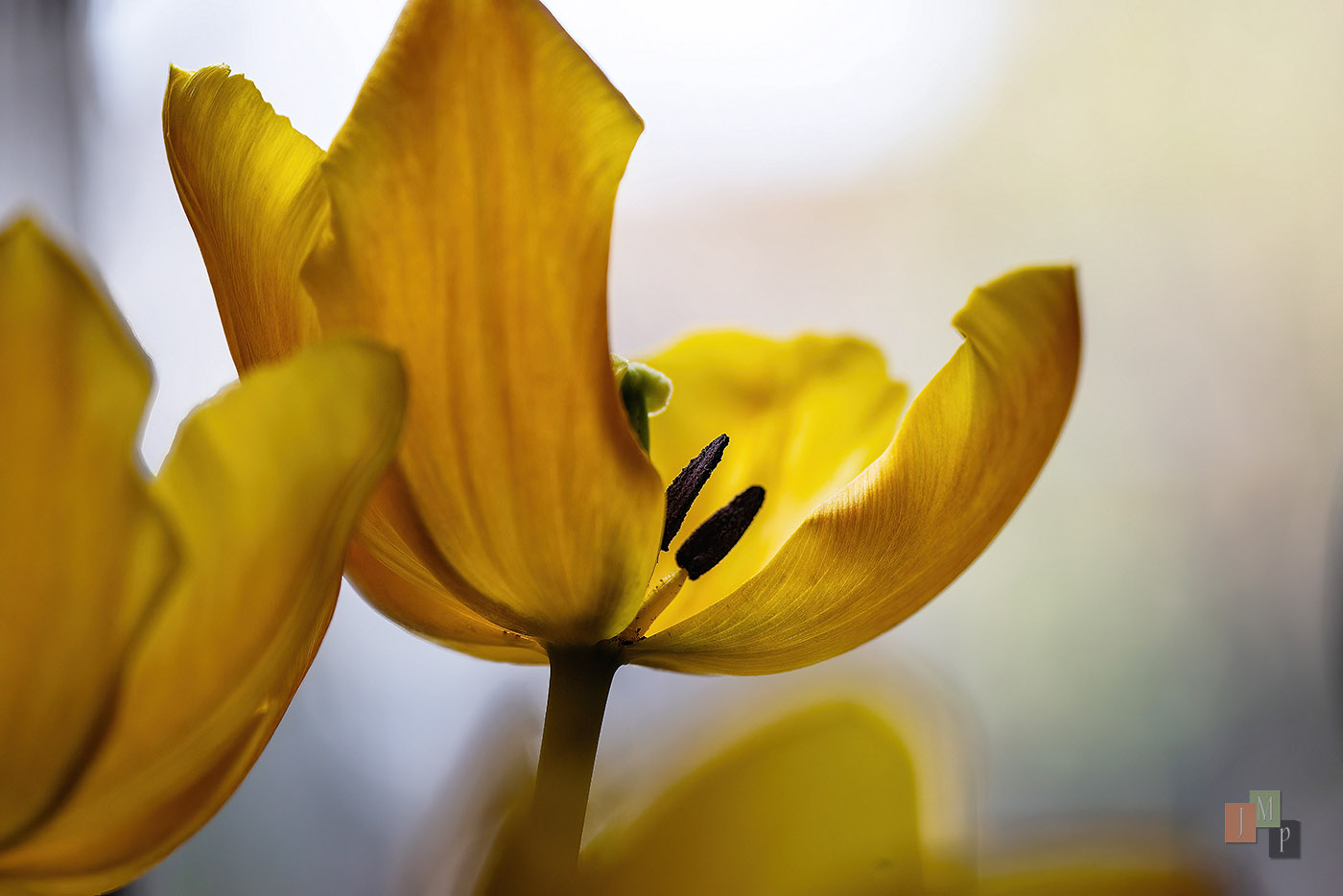
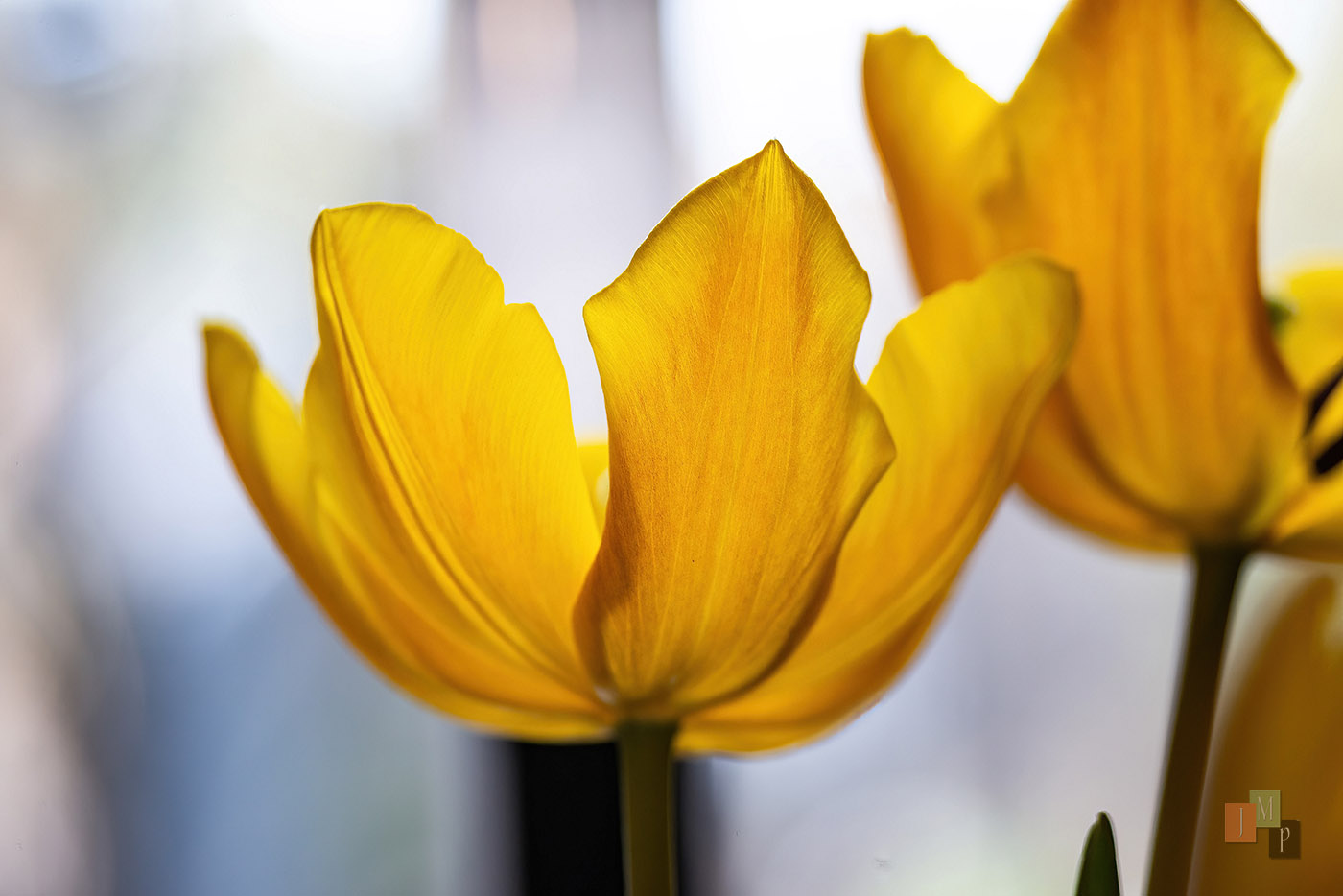
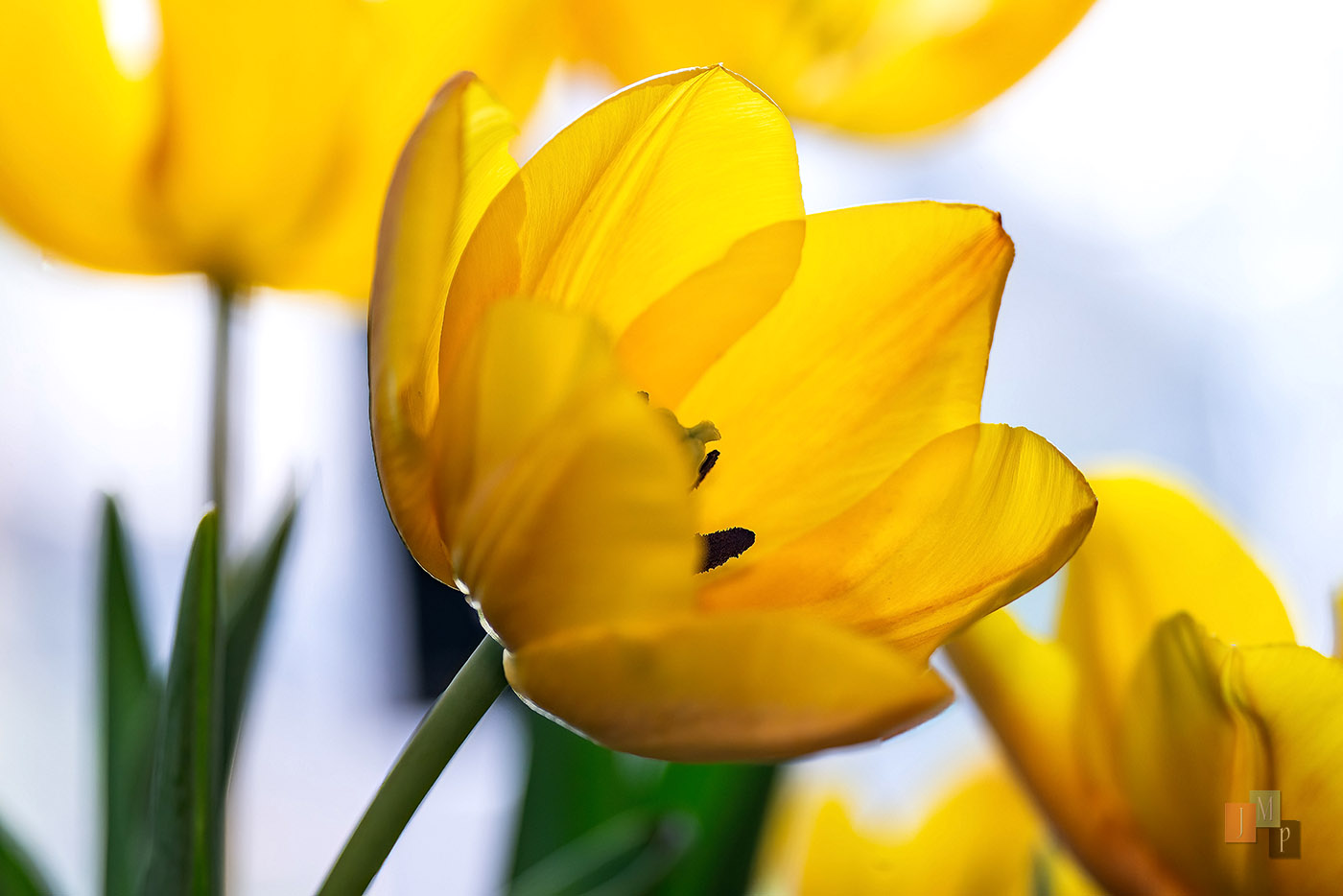
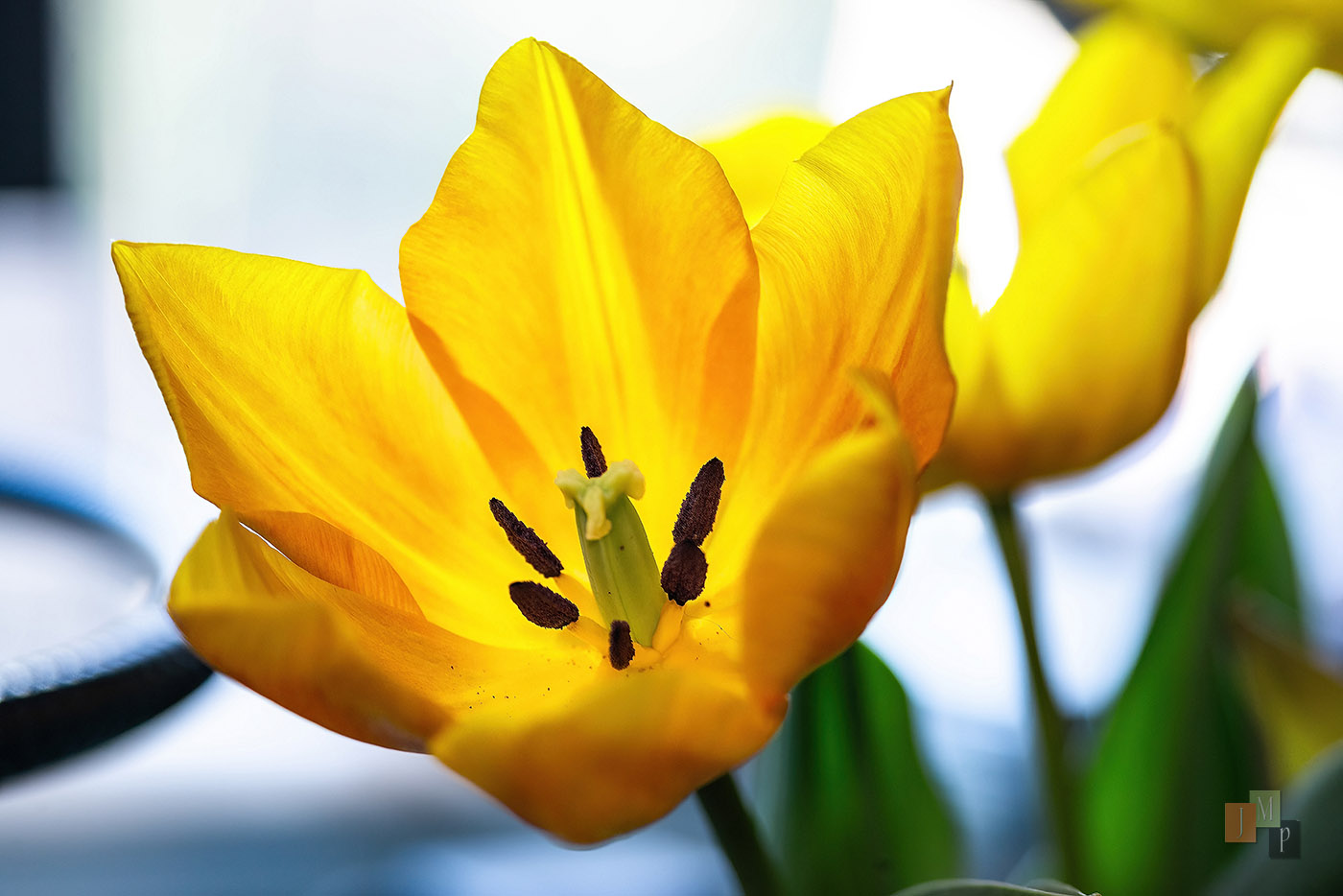
This is the earliest thread I could find on this one of a kind lens. It is a great lens, and I was hoping others might share their photos using it. Here are some yellow tulips.
highcontrast wrote:
But an important consideration that is often overlooked is that, because of the 70-180's floating element design, at its close-focus setting it is actually a little shorter than the 105 AFD Micro at that lens' 1:1 setting. People seem to like to compare the 70-180 to the 200 f4 Micro because the zoom "goes to 180." But at its 180mm setting and closest focus distance, the 70-180's effective focal length is only about 90mm. So really, as a macro lens, it needs to be compared to the 105 Micro, not to the 200!
Thanks for mentioning (long time ago) my old website which is no longer online.
The 70-180 was good, however, as @highcontrast@ recalled, it needs to be compared to the 105 Micro, not to the 200. As a macro lens, the angle of view, the perspective and the consequent isolation of the subject from the background can't be compared to 200's, unless we use it as a regular telezoom to shoot subjects at low magnification:
Nikon F-801, AF ED 70-180/4.5-5.6D, Fujichrome Velvia 50
The Micro-Nikkor 70-180 works fine when coupled to the Nikon 5T achromatic close-up lens (to get around 0.9:1 reproduction ratio, R). It is worth noting that both focusing and working distance are larger when the 5T attachment lens was used. This fact is rather important when we shoot shy animals in their habitat. For example, at R ~ 1:2 the working distance (WD) is 23-24 cm when the zoom ring is set at 180 mm (focusing distance, FD ~ 47-48 cm); with the 5T lens, at 1:2 FD is about 54 cm and WD is around 30-31 cm.
The measured focusing distance (FD) and working distance (WD, i.e. the distance between the attachment lens and the subject) are plotted below as a function of the magnification (or reproduction ratio, R). All the data have been measured with the zoom ring set at 180 mm. For each R value, both FD and WD are larger when the 5T lens is used.
Well, seeing as the original post is 19 years old...
I'll add it to the image thread if it becomes an image thread (not sure if the OP is around to edit the title)
Thanks for mentioning (long time ago) my old website which is no longer online.
The 70-180 was good, however, as @highcontrast@@ recalled, it needs to be compared to the 105 Micro, not to the 200. As a macro lens, the angle of view, the perspective and the consequent isolation of the subject from the background can't be compared to 200's, unless we use it as a regular telezoom to shoot subjects at low magnification:
Nikon F-801, AF ED 70-180/4.5-5.6D, Fujichrome Velvia 50
The Micro-Nikkor 70-180 works fine when coupled to the Nikon 5T achromatic close-up lens (to get around 0.9:1 reproduction ratio, R). It is worth noting that both focusing and working distance are larger when the 5T attachment lens was used. This fact is rather important when we shoot shy animals in their habitat. For example, at R ~ 1:2 the working distance (WD) is 23-24 cm when the zoom ring is set at 180 mm (focusing distance, FD ~ 47-48 cm); with the 5T lens, at 1:2 FD is about 54 cm and WD is around 30-31 cm.
The measured focusing distance (FD) and working distance (WD, i.e. the distance between the attachment lens and the subject) are plotted below as a function of the magnification (or reproduction ratio, R). All the data have been measured with the zoom ring set at 180 mm. For each R value, both FD and WD are larger when the 5T lens is used.
Riccardo,
Thanks for responding. When this lens came out in 1997 I thought it sounded great, but it was too pricey. Then in 2004 when Nikon quit making them - the used prices climbed even higher. Besides the obvious only one of it's kind zoom feature - it has 9 rounded iris blades, and a builtin tripod mount. A builtin hood would have made it perfect IMO, but does it perform? Last fall the used prices fell enough for me to finally get a copy to compare to my 200mm f4 ais, 105mm f4 ais, 105mm f2.8 afd, and a raft of 55-60mm micros I somehow ended up acquiring. The image quality is excellent on my copy, and that it goes through 18 elements in 14 groups is kind of amazing. MFD is 14 inches at 180mm - 4.75 inches from subject to filter ring.
Why I wanted to add a doublet achromatic close-up lens to all that glass is beyond me, but I did. The only recommended closeup lens I could find was the 6T? Maybe your 5T was a typo? Anyway, with the 6T the exact opposite occurs. MFD at 180mm falls to under 13inches - 3.75 inches from subject to filter ring. I think it performs superb, but I like all my af and mf nikkors. In terms of image quality - I have yet to find any lens macro or not that can resolve as good as the Nikkor-P.C factory ai'd 55mm f3.5 That cost me all of $40. Took a long time to stop using it all the time.
James Markus wrote:
Riccardo,
Thanks for responding. When this lens came out in 1997 I thought it sounded great, but it was too pricey. Then in 2004 when Nikon quit making them - the used prices climbed even higher. Besides the obvious only one of it's kind zoom feature - it has 9 rounded iris blades, and a builtin tripod mount. A builtin hood would have made it perfect IMO, but does it perform? Last fall the used prices fell enough for me to finally get a copy to compare to my 200mm f4 ais, 105mm f4 ais, 105mm f2.8 afd, and a raft of 55-60mm micros I somehow ended up acquiring. The image quality is excellent on my copy, and that it goes through 18 elements in 14 groups is kind of amazing. MFD is 14 inches at 180mm - 4.75 inches from subject to filter ring.
Why I wanted to add a doublet achromatic close-up lens to all that glass is beyond me, but I did. The only recommended closeup lens I could find was the 6T? Maybe your 5T was a typo? Anyway, with the 6T the exact opposite occurs. MFD at 180mm falls to under 13inches - 3.75 inches from subject to filter ring. I think it performs superb, but I like all my af and mf nikkors. In terms of image quality - I have yet to find any lens macro or not that can resolve as good as the Nikkor-P.C factory ai'd 55mm f3.5 That cost me all of $40. Took a long time to stop using it all the time.
I'm not Riccardo, but there are indeed both 5T and 6T diopters (and actually 3T and 4T, as well as 0, 1, and 2). The "T" diopters were intended for use on telephoto lenses.
I have the older Nippon Kogaku N-AI 55/3.5, predecessor of your lens, and it is also a gem. I often use it with the 5T on a 52mm~62mm step ring, and IQ is amazing.
James Markus wrote:
The only recommended closeup lens I could find was the 6T? Maybe your 5T was a typo? Anyway, with the 6T the exact opposite occurs. MFD at 180mm falls to under 13inches - 3.75 inches from subject to filter ring. I think it performs superb, but I like all my af and mf nikkors. In terms of image quality - I have yet to find any lens macro or not that can resolve as good as the Nikkor-P.C factory ai'd 55mm f3.5 That cost me all of $40. Took a long time to stop using it all the time.
Hi Jim,
Nikon recommended the 6T lens to get life size (1:1). I preferred the 5T for the reason you stated: 5T provides better figures in terms of working distance. Moreover, being the 5T less powerful, less image degradation should be expected.
highcontrast wrote:
I'm not Riccardo, but there are indeed both 5T and 6T diopters (and actually 3T and 4T, as well as 0, 1, and 2). The "T" diopters were intended for use on telephoto lenses.
Let me add that the "T" are doublets (achromatic close-up lenses). 0, 1 & 2 aren't; they are single-element lenses.
Just samples used for different purposes. Things I have noticed since November. No CA, little distortion, balances well with FX dslr bodies, excellent color saturation, contrast and sharpness. It needs a retractable lens hood instead of the HB-14 bayonet mount. However, this lens is a marvel of engineering, and a wonderful achievement for Nikon.
4.5x In a lens stack of the 70-180mm (@180) with the 40mm f4 EL-Nikkor reversed
Ok, added to the images list thread. Just out of curiosity (killed the cat) how much was the lens brand new? I looked around at them on ebay (none for sale currently here), found some with fungus, some with internal haze... and of course, some as near mint with those conditions (thanks but no thanks) and yes, some near mint
NightOwl Cat wrote:
Ok, added to the images list thread. Just out of curiosity (killed the cat) how much was the lens brand new? I looked around at them on ebay (none for sale currently here), found some with fungus, some with internal haze... and of course, some as near mint with those conditions (thanks but no thanks) and yes, some near mint
Laura, I remember it was $1595 at the local camera store, but google ai says
"The Nikkor 70-180mm Micro f/4.5 was introduced in 1997 and its original price was $1,100."
Used, I saw it climb to $2500. It is like the 28mm f1.4 afd which has been all over the place since Nikon stopped making them.
Jim
Ripolini wrote:
Nikon recommended the 6T lens to get life size (1:1). I preferred the 5T for the reason you stated: 5T provides better figures in terms of working distance. Moreover, being the 5T less powerful, less image degradation should be expected.
I own the 5T and it performs quite well, but I wouldn't trust the stronger 6T. I generally prefer extension or reversing/stacking lenses to get higher magnification, but the diopters are convenient, and the quality of Nikon's "T" doublets is quite apparent.
I was always tempted by the 70-180 Micro-Nikkor and it seems like a nice bit of kit, but as noted above the effective focal length at 1:1 is a LOT less than 180mm, so I will stick with my Voigtländer 125/2.5 APO-Lanthar.
Charts are nice and do have value, but if you can't get "sharp" from any modern macro lens (and many not-so-modern)...it ain't the lens. My advice with macro lenses (of which I've had most F mounts) is forget optics...just look at FL, distance, handling, and features that would be applicable to your shooting. Forget optics...they're all pretty great*.
*105G has some purple fringing/CA that might bother some if you've got a lot of spec. highlights.
jbear wrote:
Charts are nice and do have value, but if you can't get "sharp" from any modern macro lens (and many not-so-modern)...it ain't the lens. My advice with macro lenses (of which I've had most F mounts) is forget optics...just look at FL, distance, handling, and features that would be applicable to your shooting. Forget optics...they're all pretty great*.
*105G has some purple fringing/CA that might bother some if you've got a lot of spec. highlights.
Excellent advice! Things like your desired magnification and working distance are vastly more important than lens reputation. If you only need up to half life-size (1:2), there are a whole lot more options, while life-size (1:1) comes at a price in both $$$ and usability of the setup. If you're shooting coins or stamps, working distance isn't so much of an issue, but obviously insects are another mater. Also, lighting: On a table indoors, you can tolerate poor working distance as it's possible to utilize multiple artificial light sources, but in the field shooting mushrooms, you need enough room to allow for natural light or a ring-flash. Ultimately, all the Micro-Nikkors are quite excellent lenses (and in fact the oldest ones are perhaps the best corrected), and achieving sharp macro results is almost always dominated by technique, not the lens.
My favourite setup is my PB-4 with a 135mm enlarger lens as I can use it on a good tripod for mushrooms and even shift/tilt my plane of focus. As I said, the 70-180 Micro-Nikkor fell of my list as its effective focal length at 1:1 and 180mm is so reduced that working distance isn't nearly as good as my 135mm setup, and I already have a 105/2.8 Micro-Nikkor otherwise.