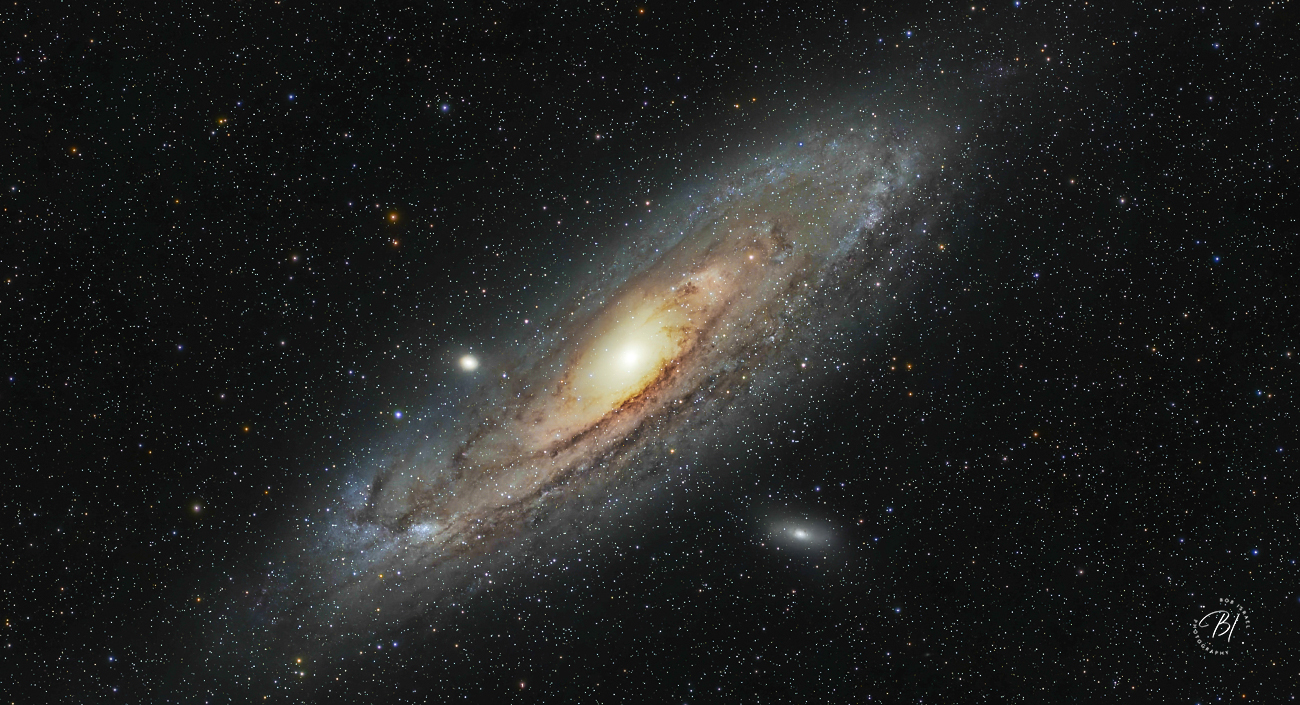
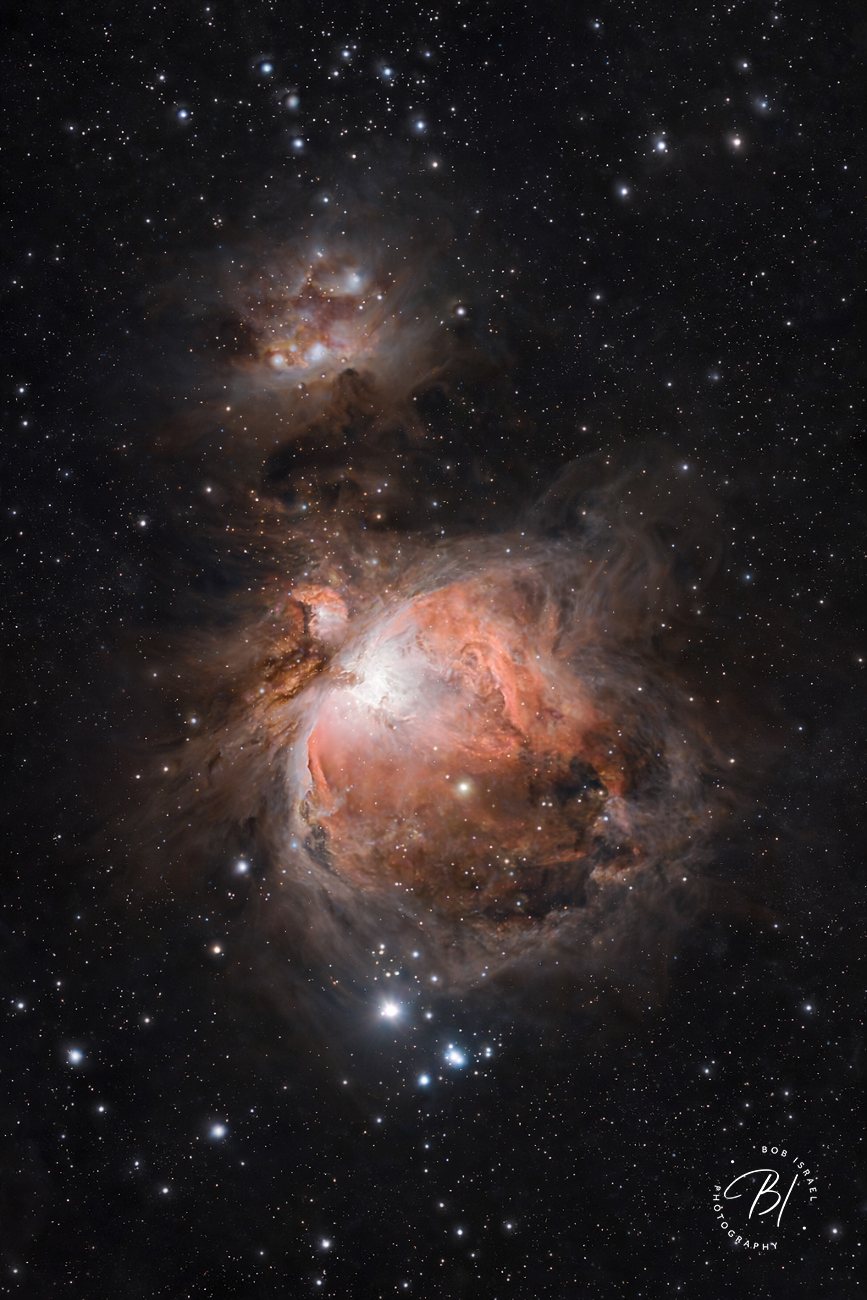
Hi Bob, I love your M31 image. Much respect for astrophotographers. I would love to try it except for several issues. Too much light pollution (I live in a big city), cost to play is high, and I'd need a tutorial as the required equipment, techniques and processing are daunting! Keep the images coming. I'll have to live vicariously through others.
Odyssey1812 wrote:
Hi Bob, I love your M31 image. Much respect for astrophotographers. I would love to try it except for several issues. Too much light pollution (I live in a big city), cost to play is high, and I'd need a tutorial as the required equipment, techniques and processing are daunting! Keep the images coming. I'll have to live vicariously through others.
Wing.
I would counter that it has gotten a lot easier and less expensive over the past couple of years. I have the Seestar S30 Pro from ZWO which was $699. The Seestar app runs on your phone or tablet and is very easy to learn. Pick a target and the scope finds it and starts imaging. The resulting stacked image comes right out of the telescope. However, it also saves the individual frames if you choose to stack and process yourself. Recently, new software called AstroWizard makes the stacking and processing much more straight forward. And you might be surprised what you can get from within the city.
Yeah. You can let it go stacking images for hours. Even continue doing it on multiple nights. It’s fun to sit inside and watch the progress in the phone app.
Yes, that's correct. Fortunately, the telescope has a planning mode. Set it up to start and end at a certain time, go to sleep, wake up and collect the data.
The wide angle lens is used for Milky Way, star trails and time lapses. It can also track subjects (although I have yet to try). Lastly, the wide angle lens is used to locate the sun/moon before the long lens takes over for imaging.
rji2goleez wrote:
The wide angle lens is used for Milky Way, star trails and time lapses. It can also track subjects (although I have yet to try). Lastly, the wide angle lens is used to locate the sun/moon before the long lens takes over for imaging.
That’s something the S50 doesn’t have, and that would be nice.
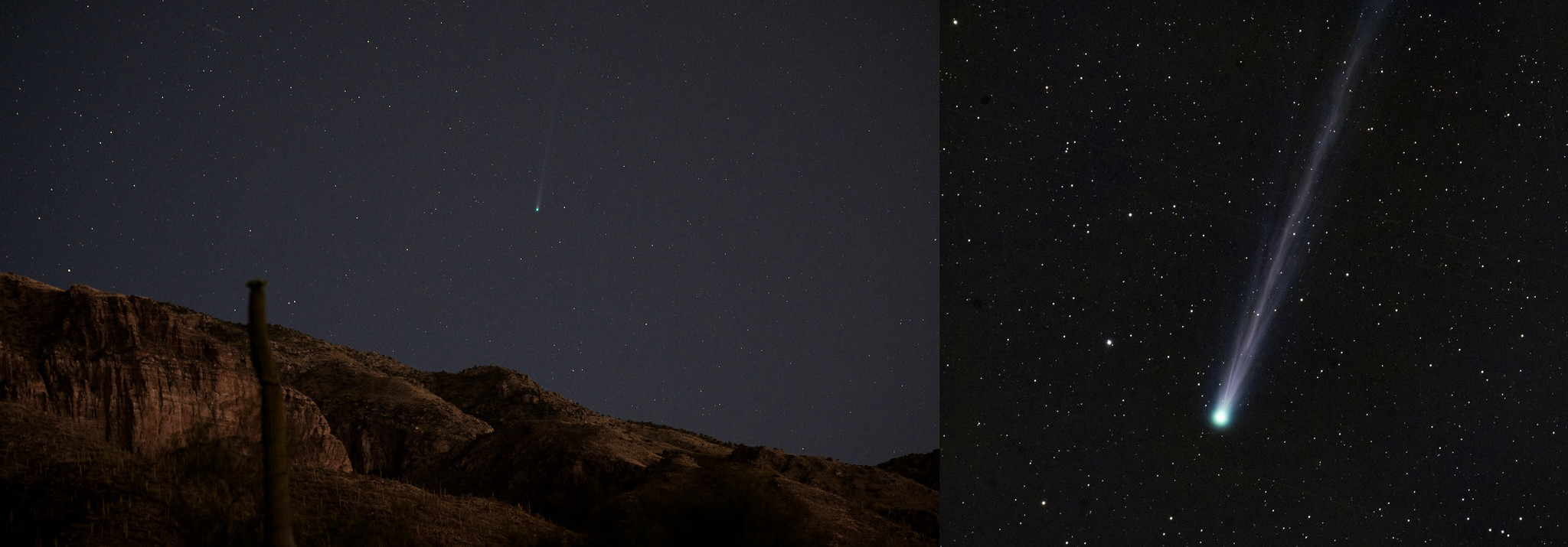
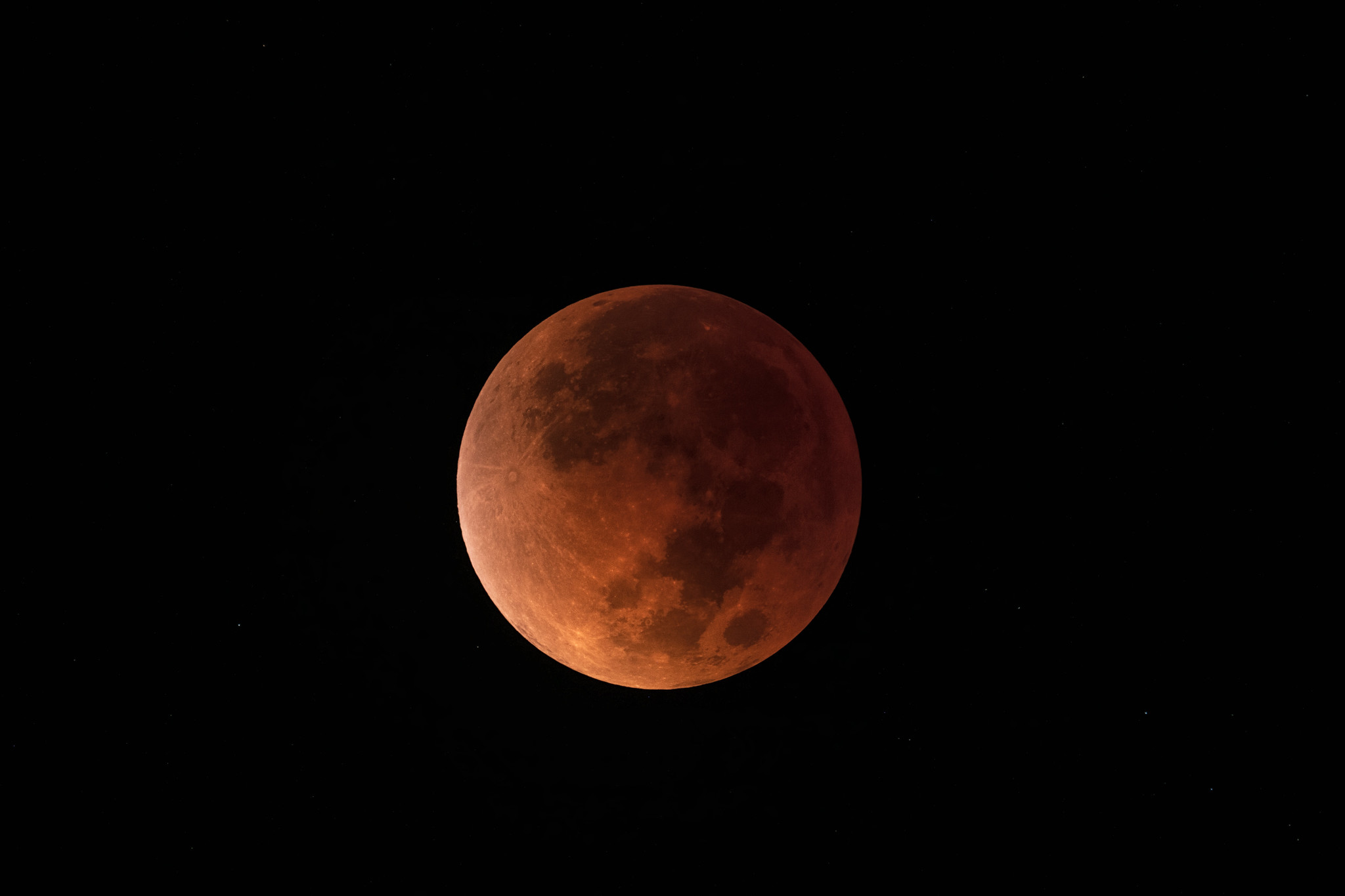
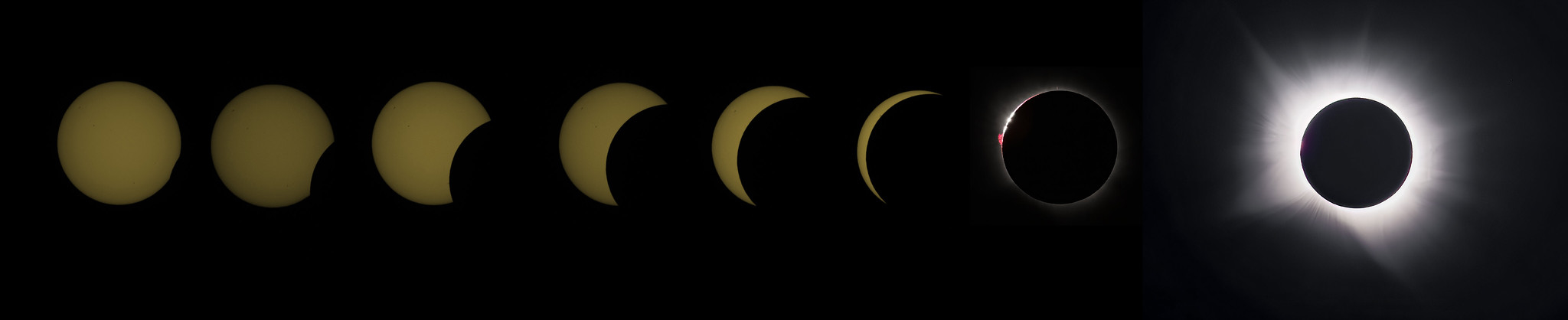
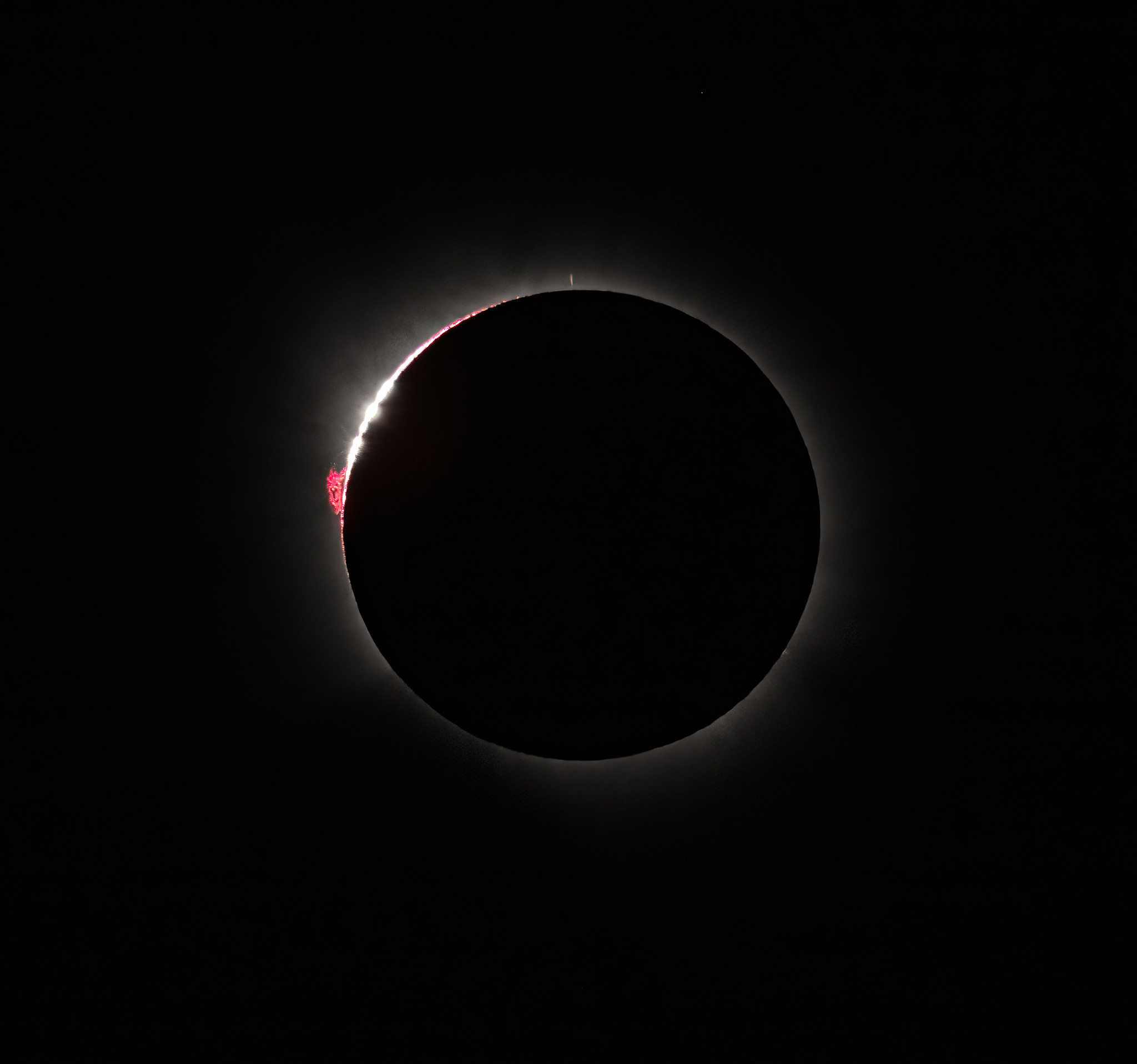
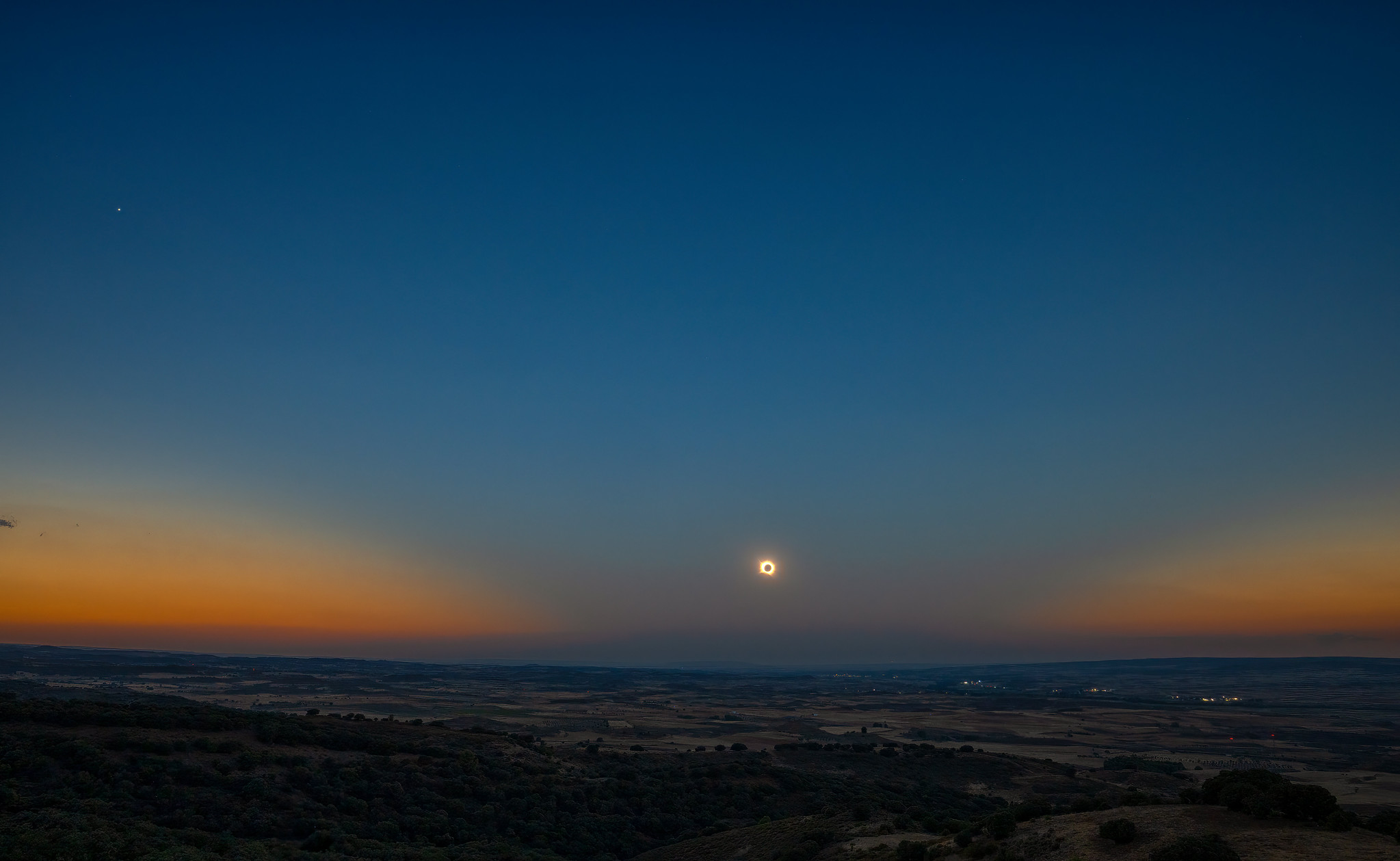
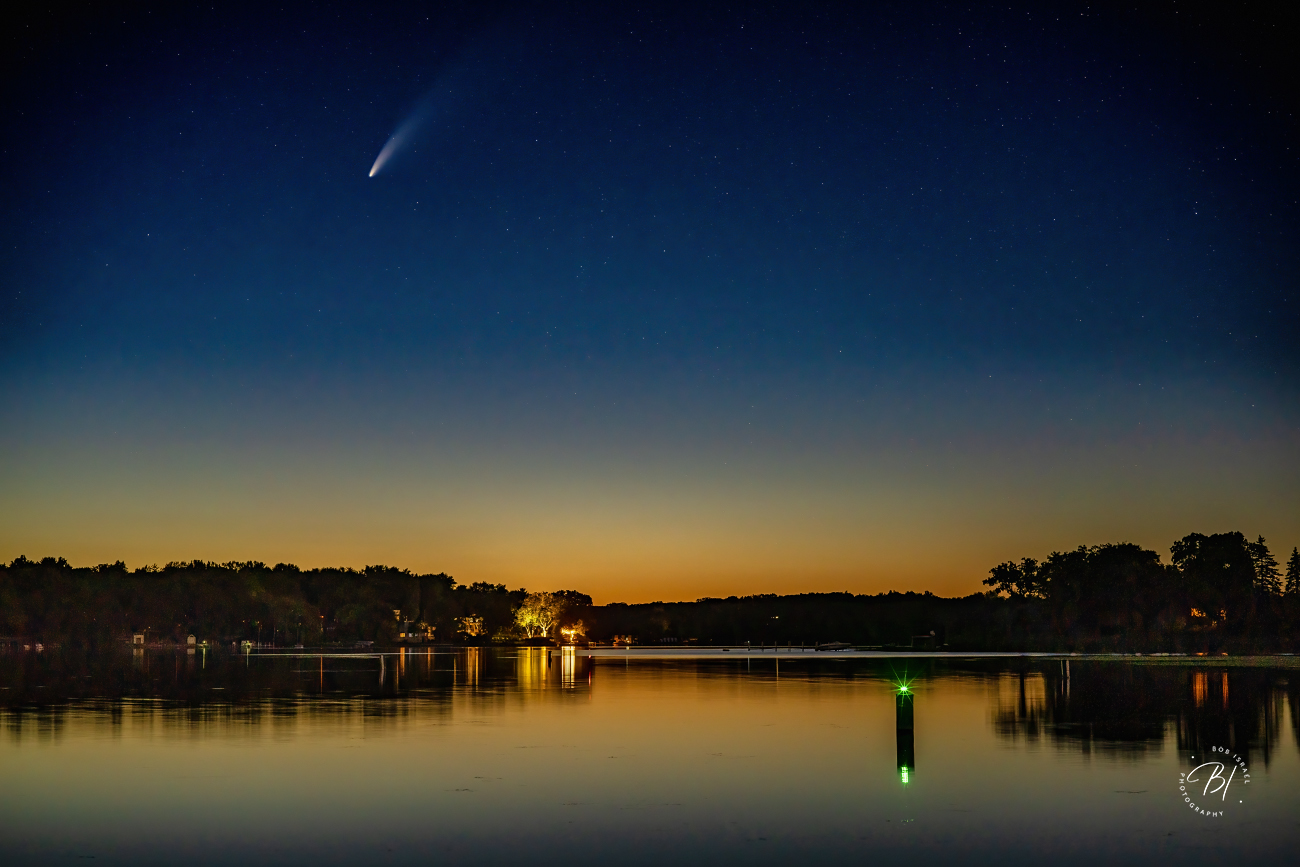
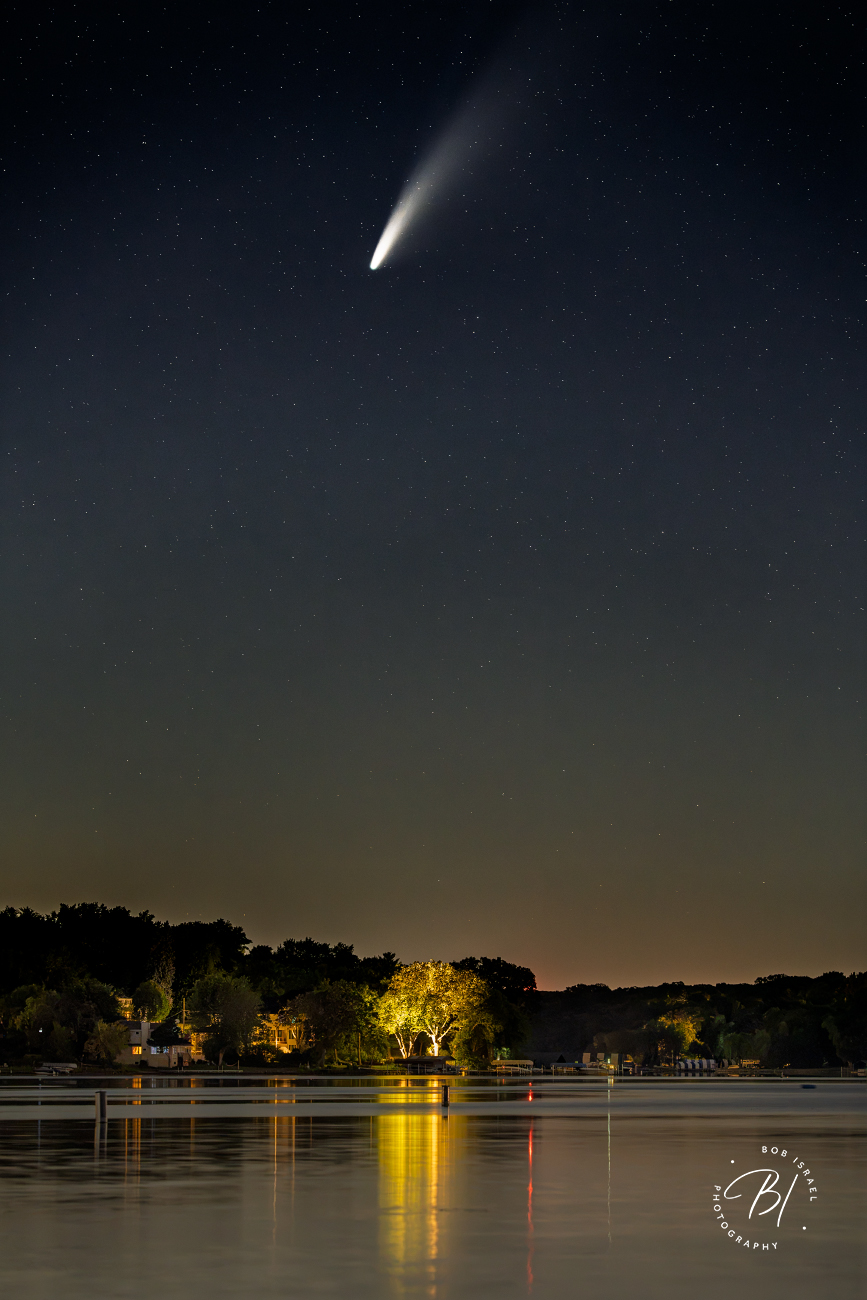
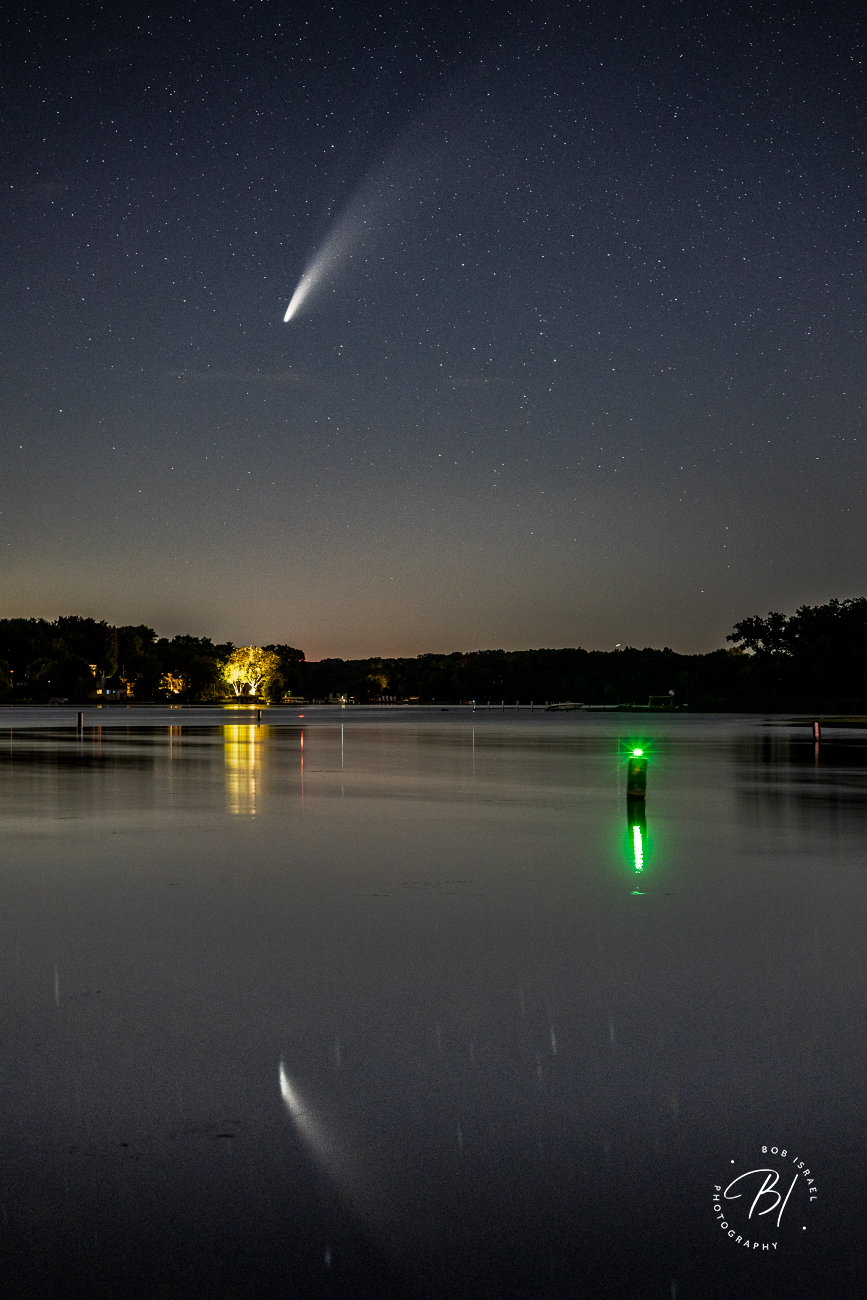
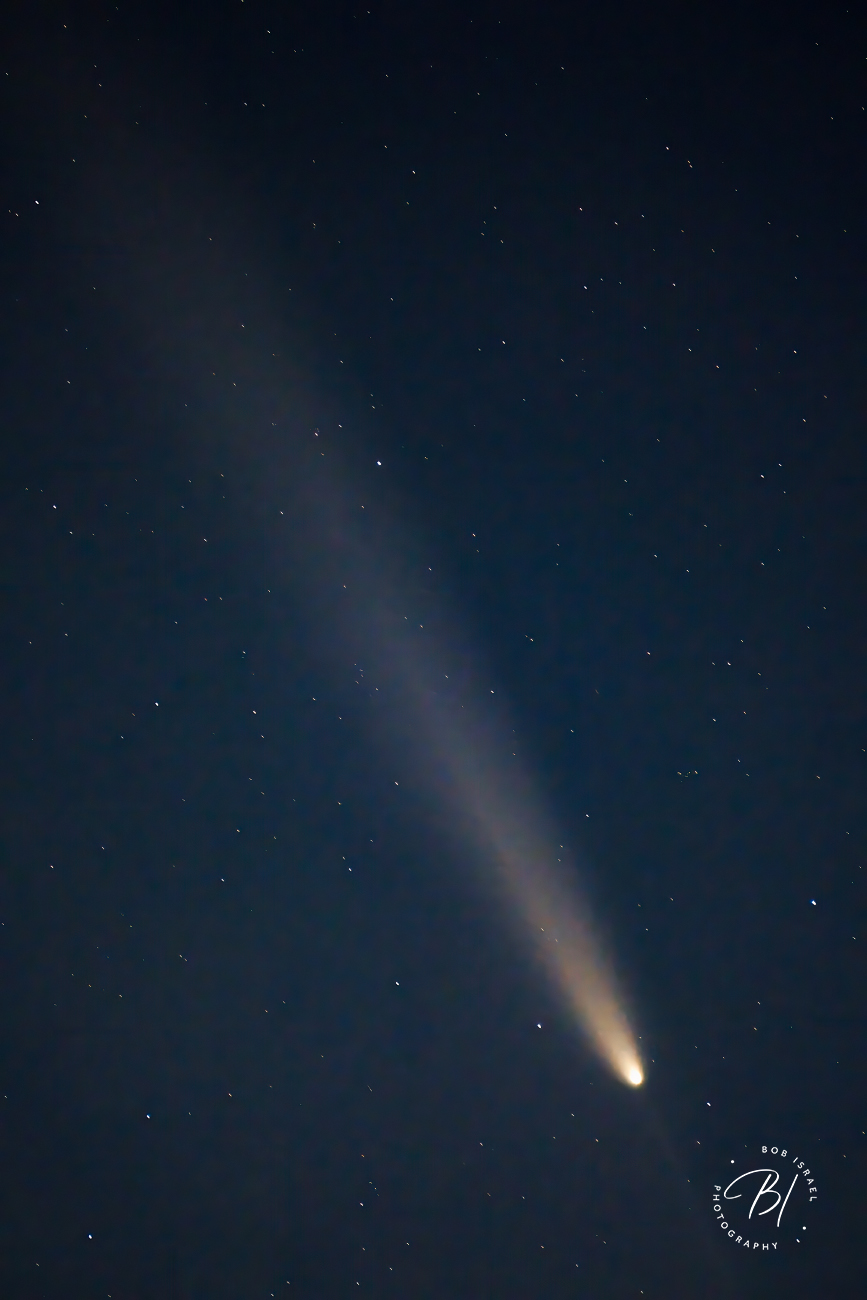
I shoot both cameras and dedicated astro cameras (ZWO) but for this thread I'll show only a "real" camera, my Nikons in action in 2026 the comet is 2025R3, the other the total lunar eclipse last March
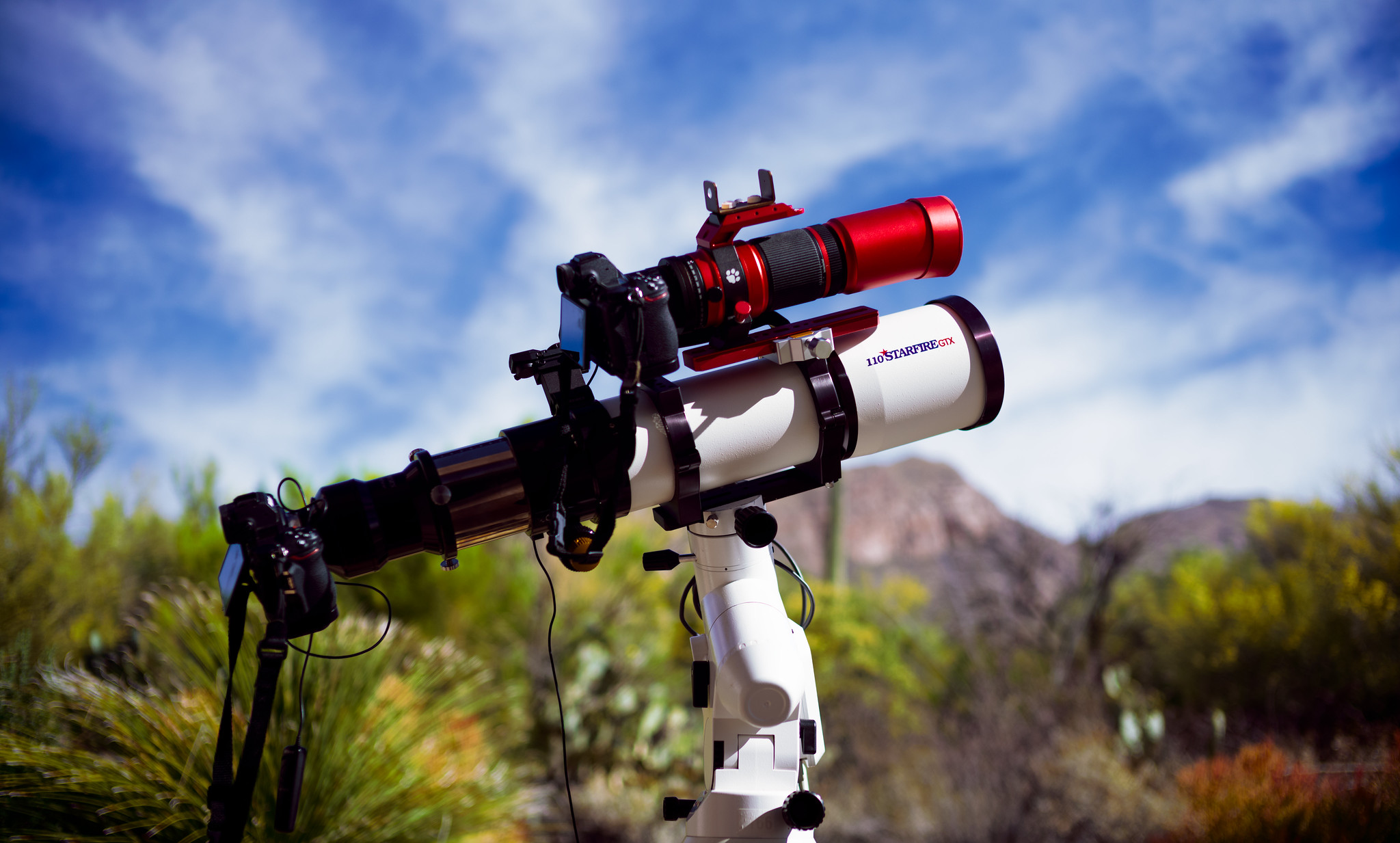
The telescope portrait is a noct 0.95 image with my Leica M11
The astrophysics telescope is as good as glass gets- wait time for a scope is measured in years, but the quality of the glass is on par with the best camera lens from Leica, Zeiss etc...
I did not need to see this thread of additional gear I didn't know I needed! What kind of dark sky do you need for this? I assume from middle of Denver you're probably not gettin much?
Seabassius wrote:
I did not need to see this thread of additional gear I didn't know I needed! What kind of dark sky do you need for this? I assume from middle of Denver you're probably not gettin much?
Can't speak to your exact location but you will be surprised by the images you can get from the city. A light pollution filter helps and some of these smart scopes, like the Seestar 30, have them built in. I've see nice images from skies classified as Bortle 9 which is a light polluted as it gets.
Yeah, just when I thought I'd NEVER try astro again ...
Really nice stuff ... gotta pin this one for now, but ... yeah, that's kind of a game changer, particularly in the "hassle factor" territory. This thing seems like it makes life for astro work much easier than the old days. Heck, it looks very travel friendly, too.
RustyBug wrote:
Yeah, just when I thought I'd NEVER try astro again ...
Really nice stuff ... gotta pin this one for now, but ... yeah, that's kind of a game changer, particularly in the "hassle factor" territory. This thing seems like it makes life for astro work much easier than the old days. Heck, it looks very travel friendly, too.
Yup, very travel friendly. Easily fits in a camera backpack or suitcase. I've taken it in my carry on!
Seabassius wrote:
I did not need to see this thread of additional gear I didn't know I needed! What kind of dark sky do you need for this? I assume from middle of Denver you're probably not gettin much?
IMO you are right.
I had access to crazy dark skies. Some minor light domes up to 20 degrees, but otherwise the Milky way was easy to see, and if the marine layer rolled in you could easily see the zodiac light, and the resulting images were jaw dropping. I once tried to photograph the same kinds of objects from my backyard with narrowband filters, and the results were underwhelming. So if you don't know any better, then the results from the middle of Denver might be perfectly fine, but one trip to dark skies will completely ruin you.
The thing that made me finally pull the plug was my doc's recommendation to exercise more. Once I started doing that I just didn't have the energy to spend all-nighters in the dark mountains. Sure, it could be automated, but then it would have been yet another "hobby" were I mostly sit in front of a computer, which I already do for work.
Another irritating factor was that for optimal results you needed amazing weather: no moon, no clouds, no wind.
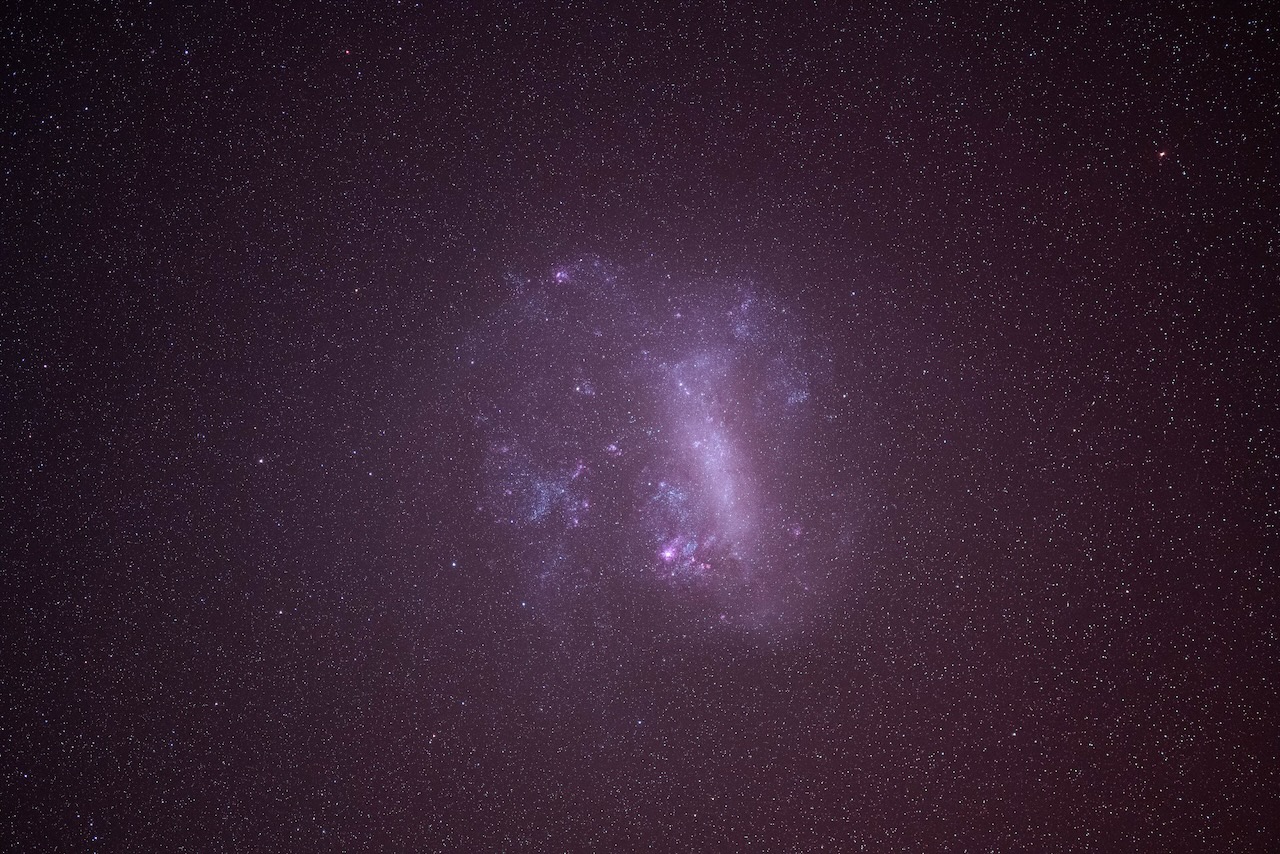
Large Magellanic Cloud - shot from Point Tribulation, Queensland. Astro-moded Z7 with Zeiss Otus 100mm. Single 30sec exposure (tracked)
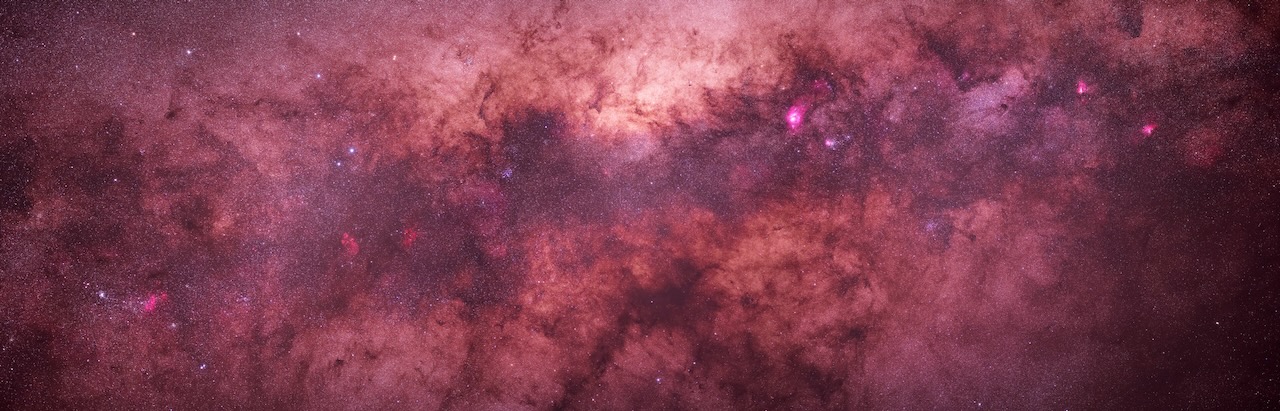
Pano from the core of the milkyway- shot from Point Tribulation, Queensland. Astro-moded Z7 with Zeiss Otus 100mm - stitched from Single 30sec exposure (tracked)
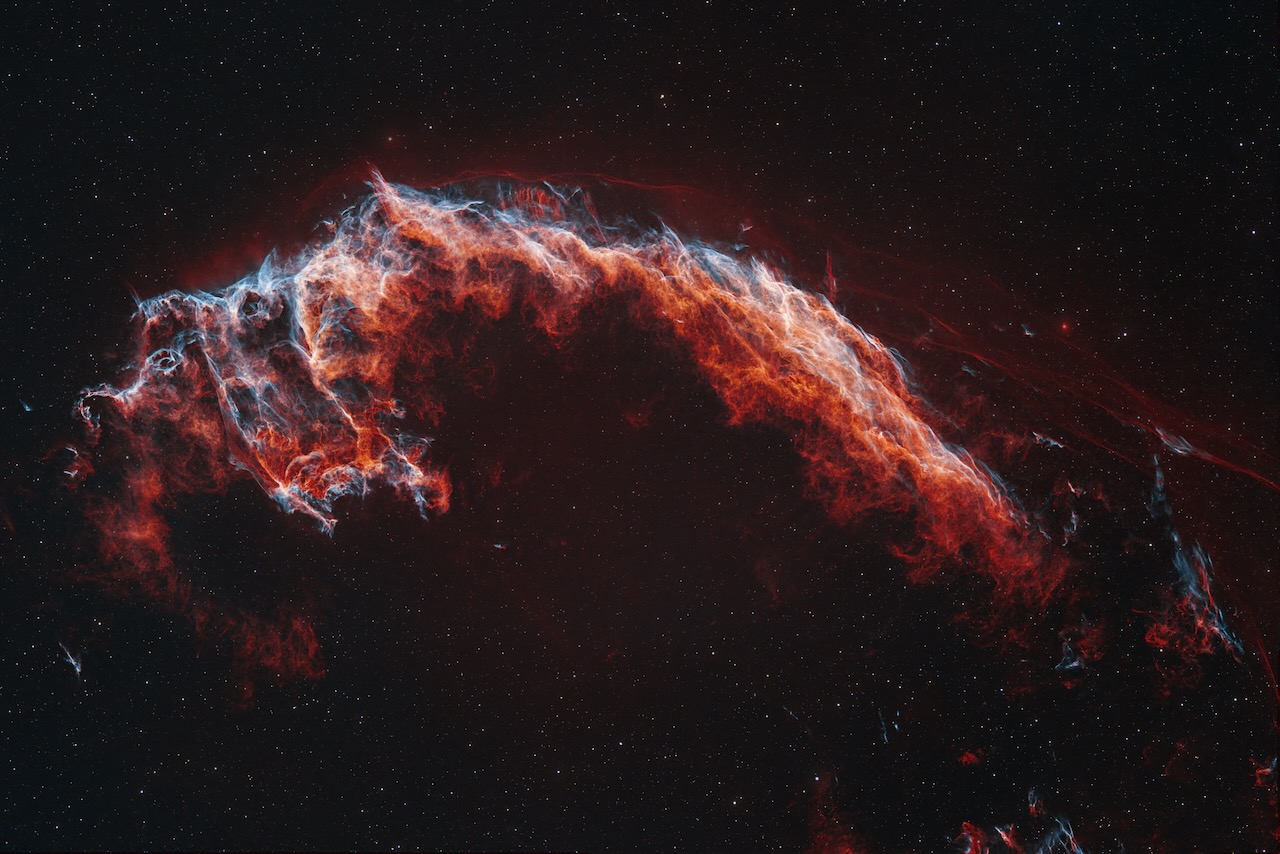
Eastern Veil nebula - narrowband images using H-alpha (5nm), OIII (3nm) and SII (3nm) filters with an Astro-Physics 155EDF (1080mm focal length), tracked an guided on an AP mount. 300 second individual exposures with total integration around 12 hours.