Need some help choosing a lens. I am primarily a wildlife photographer Canon R5, but would like to experiment with night sky and have a possible Utah trip ( landscapes ) on my horizon. Is there a single good choice for both ? Or will I need two lens ? Thoughts ?
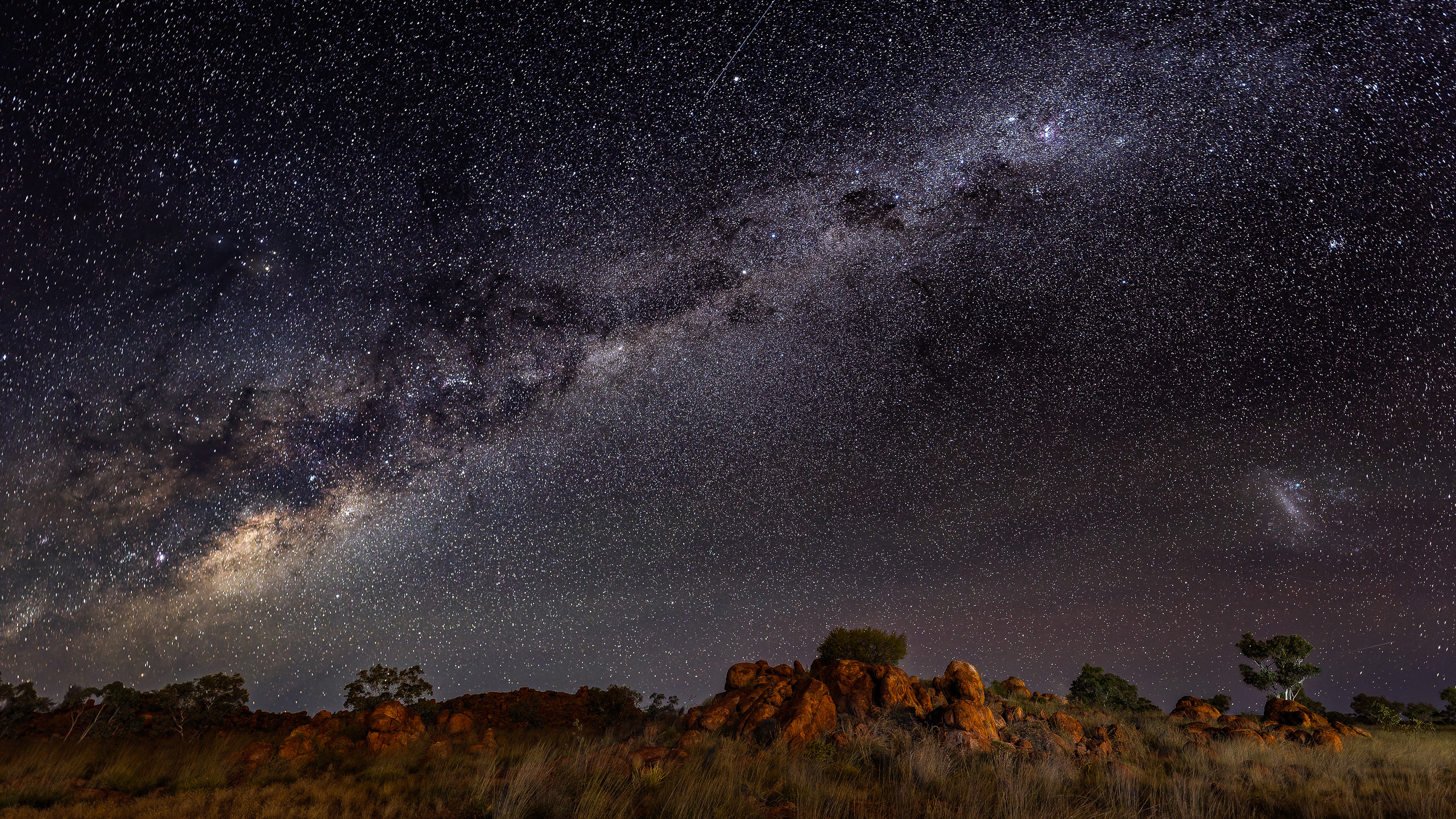
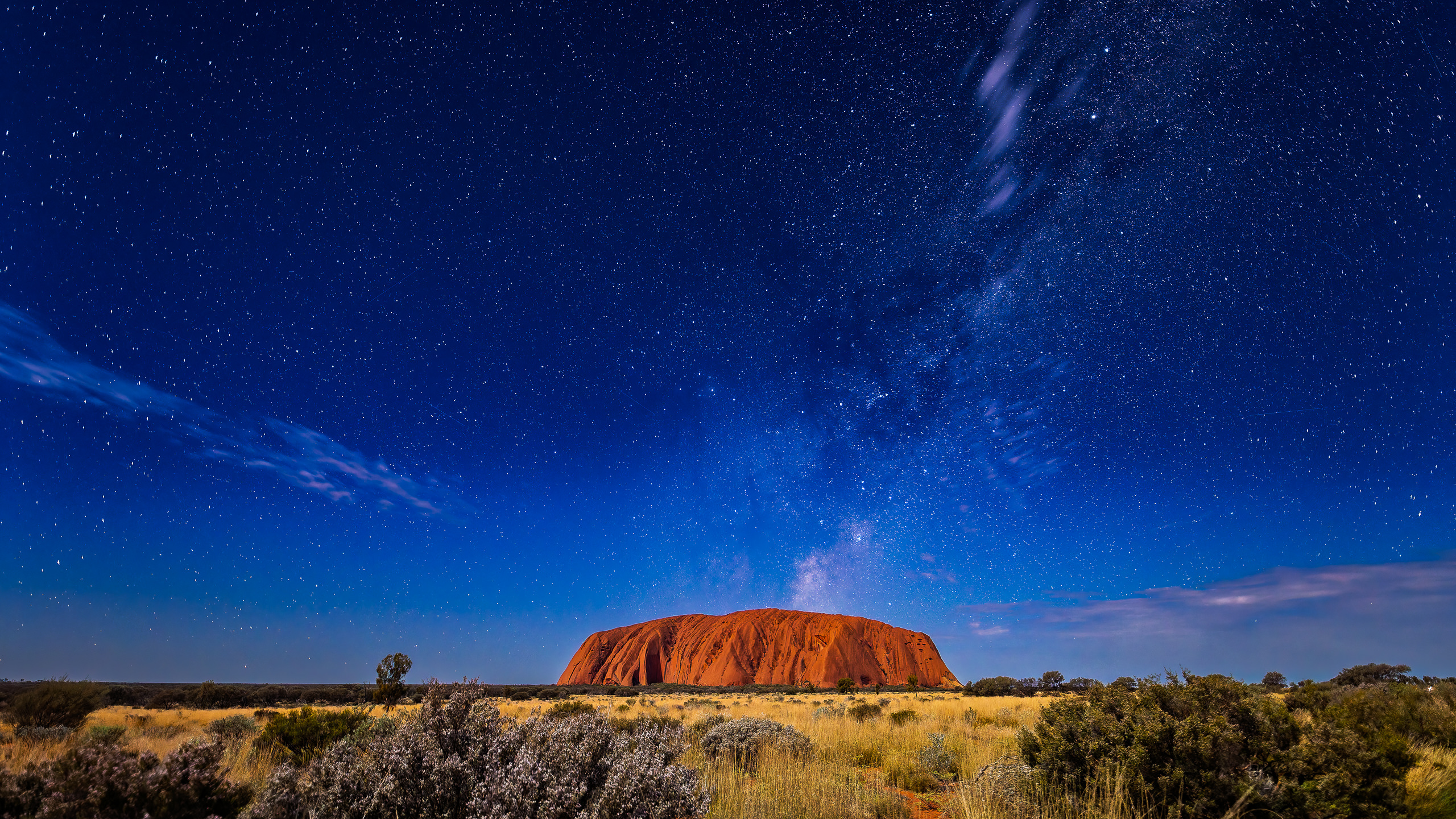
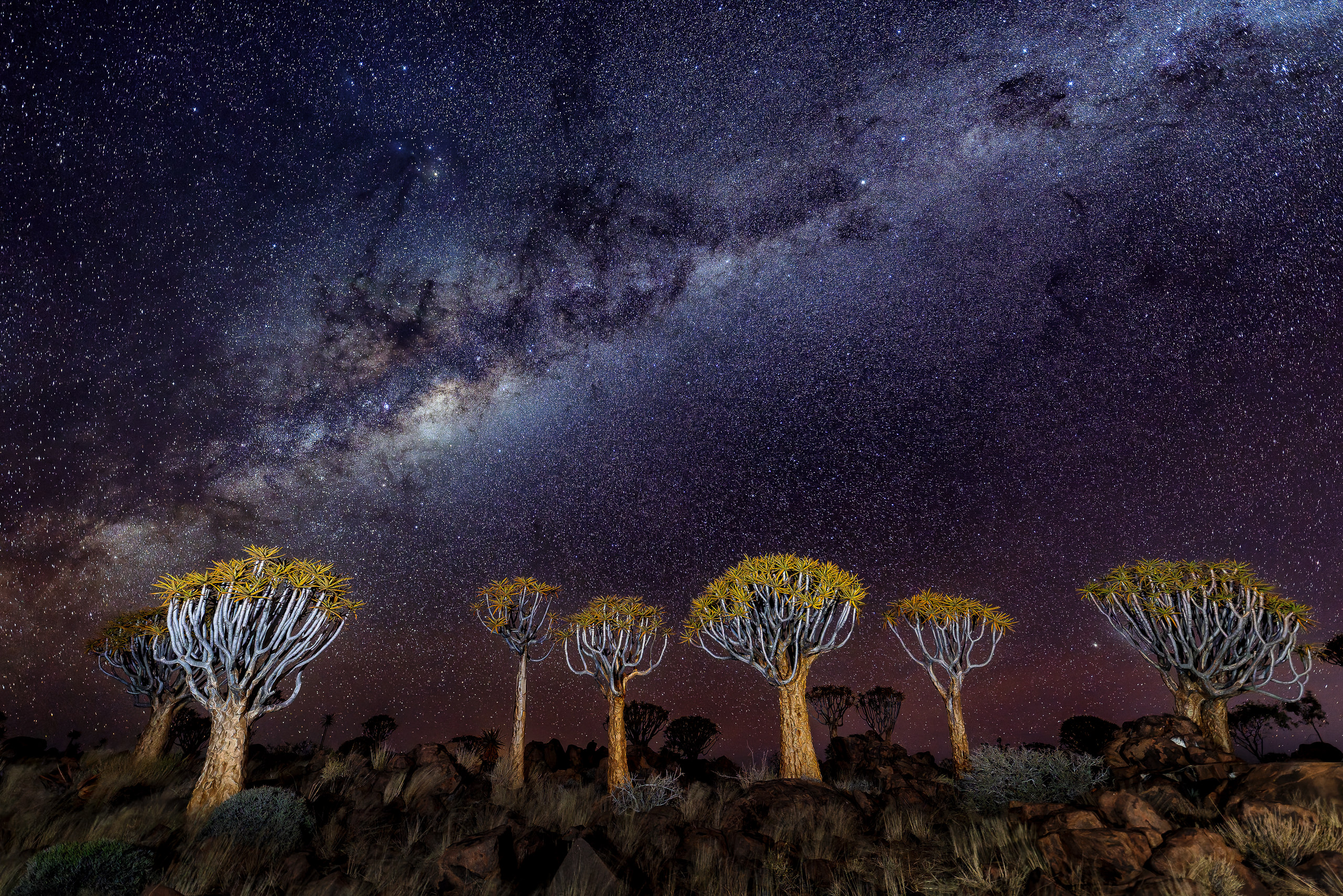
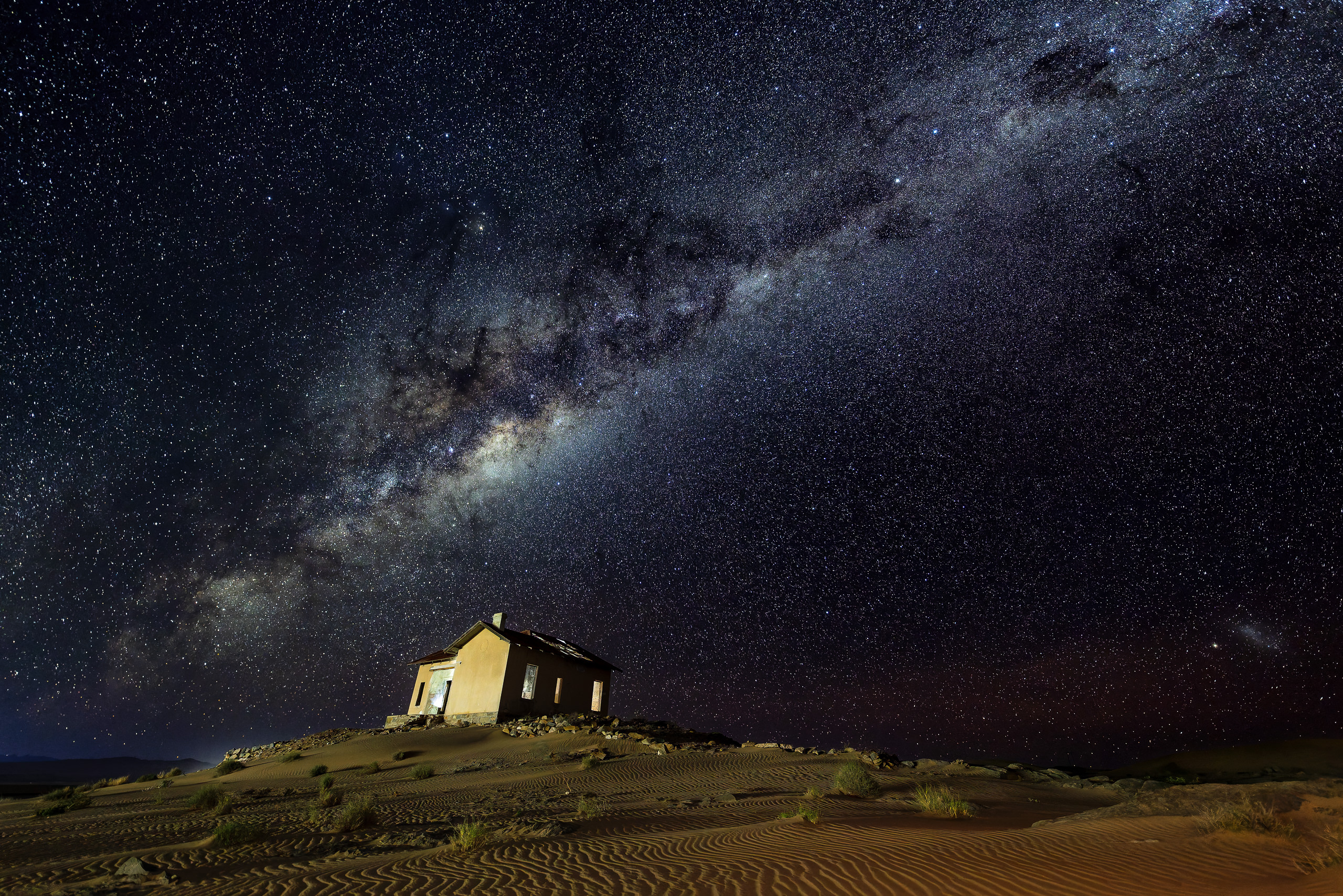
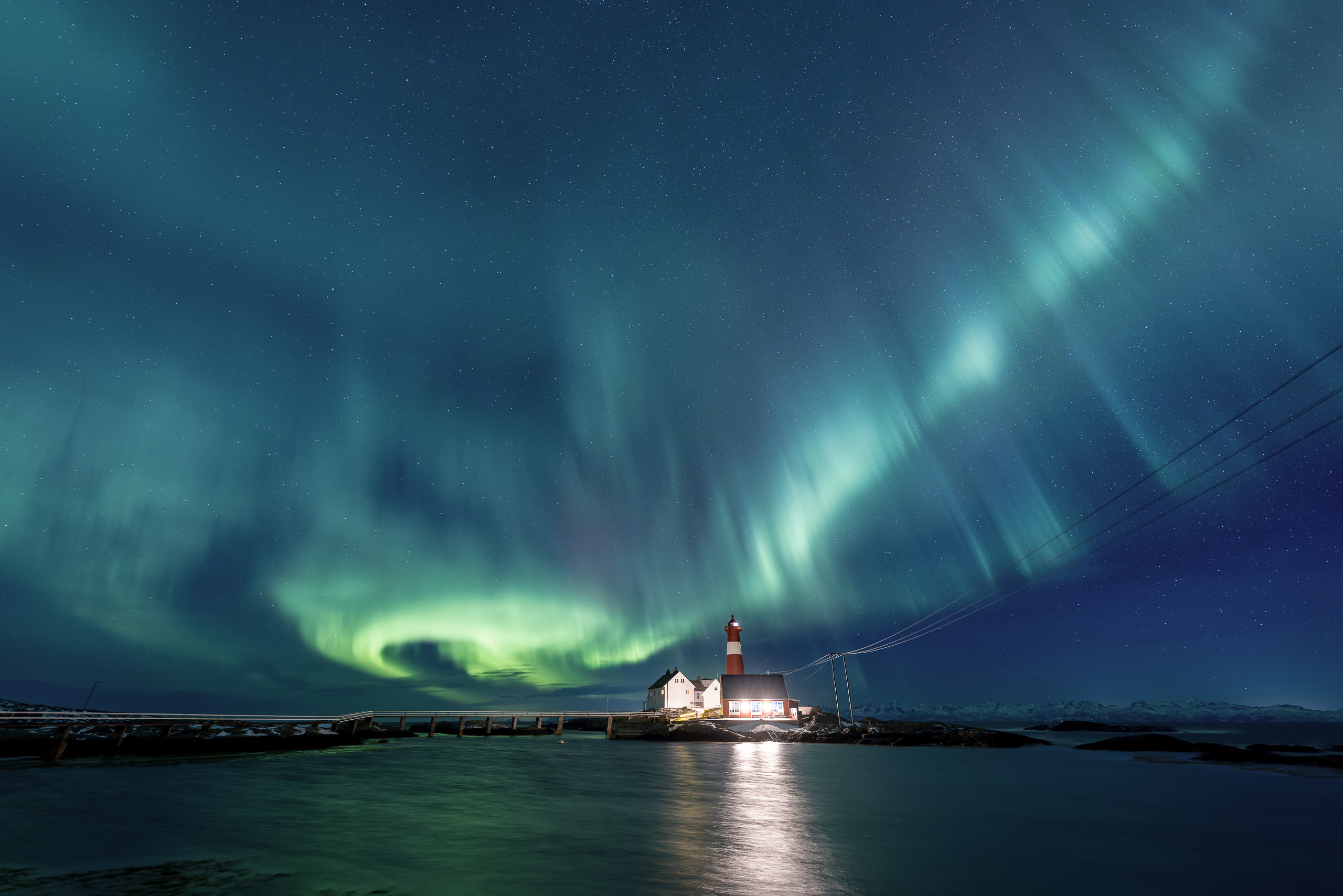
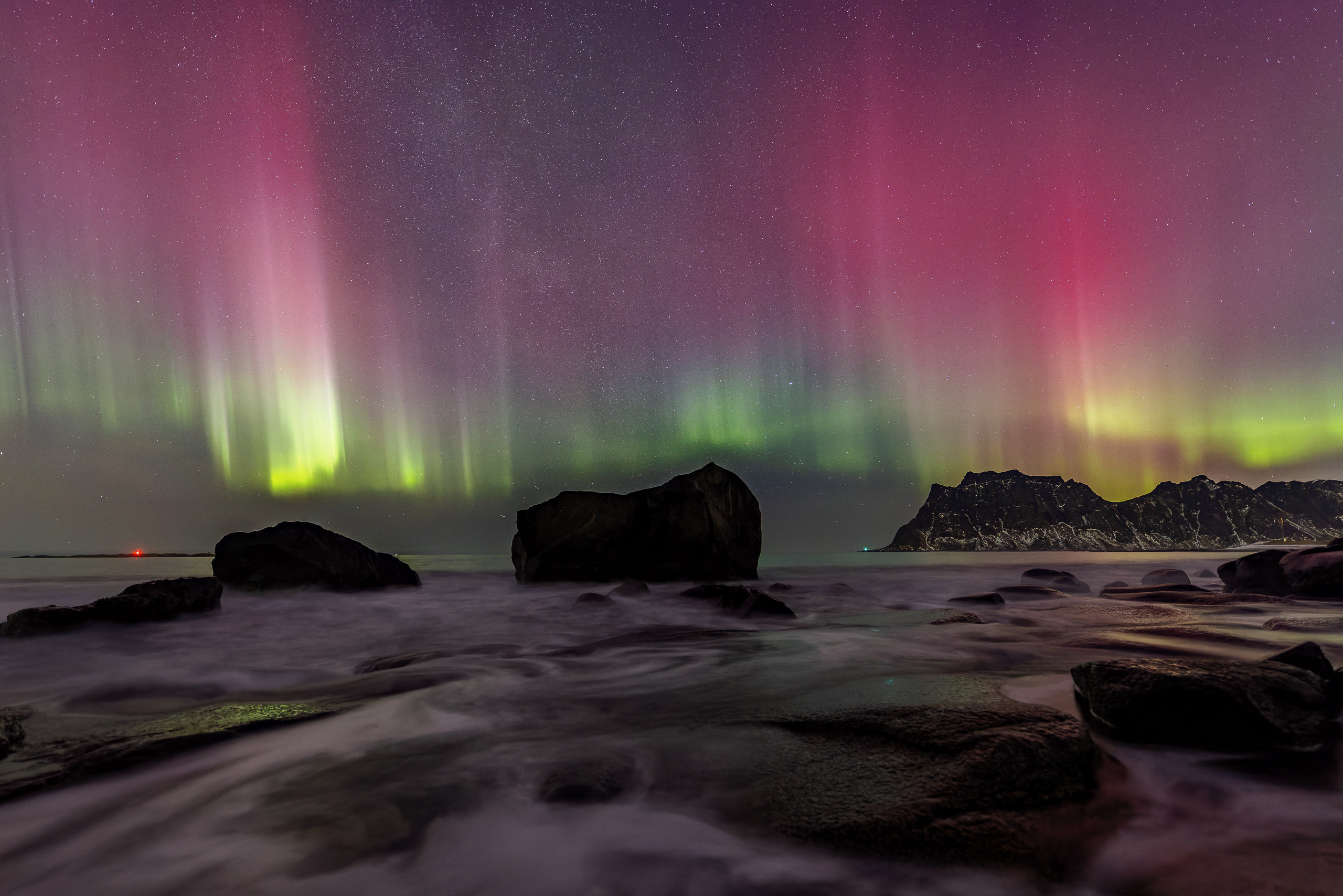
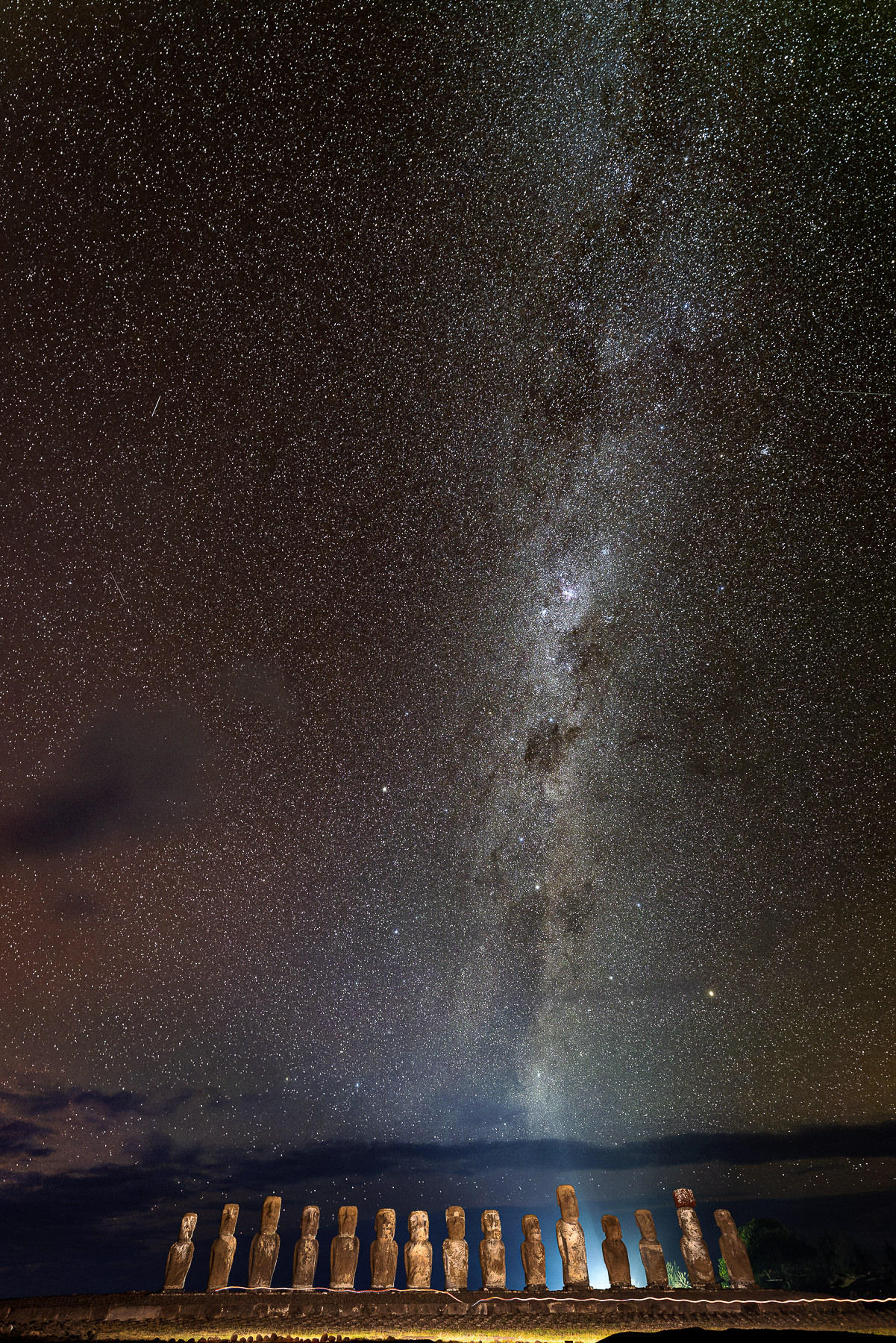
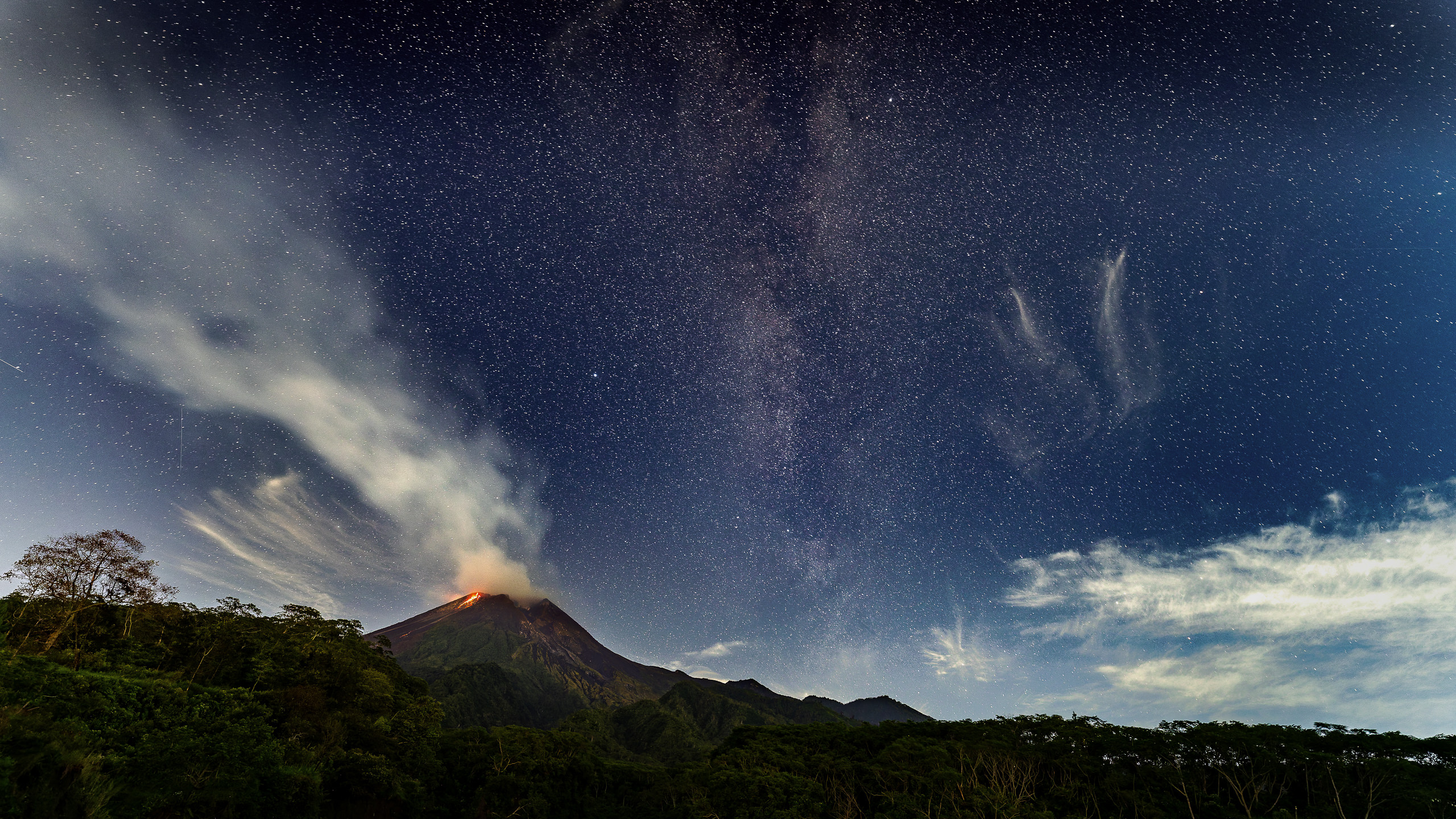
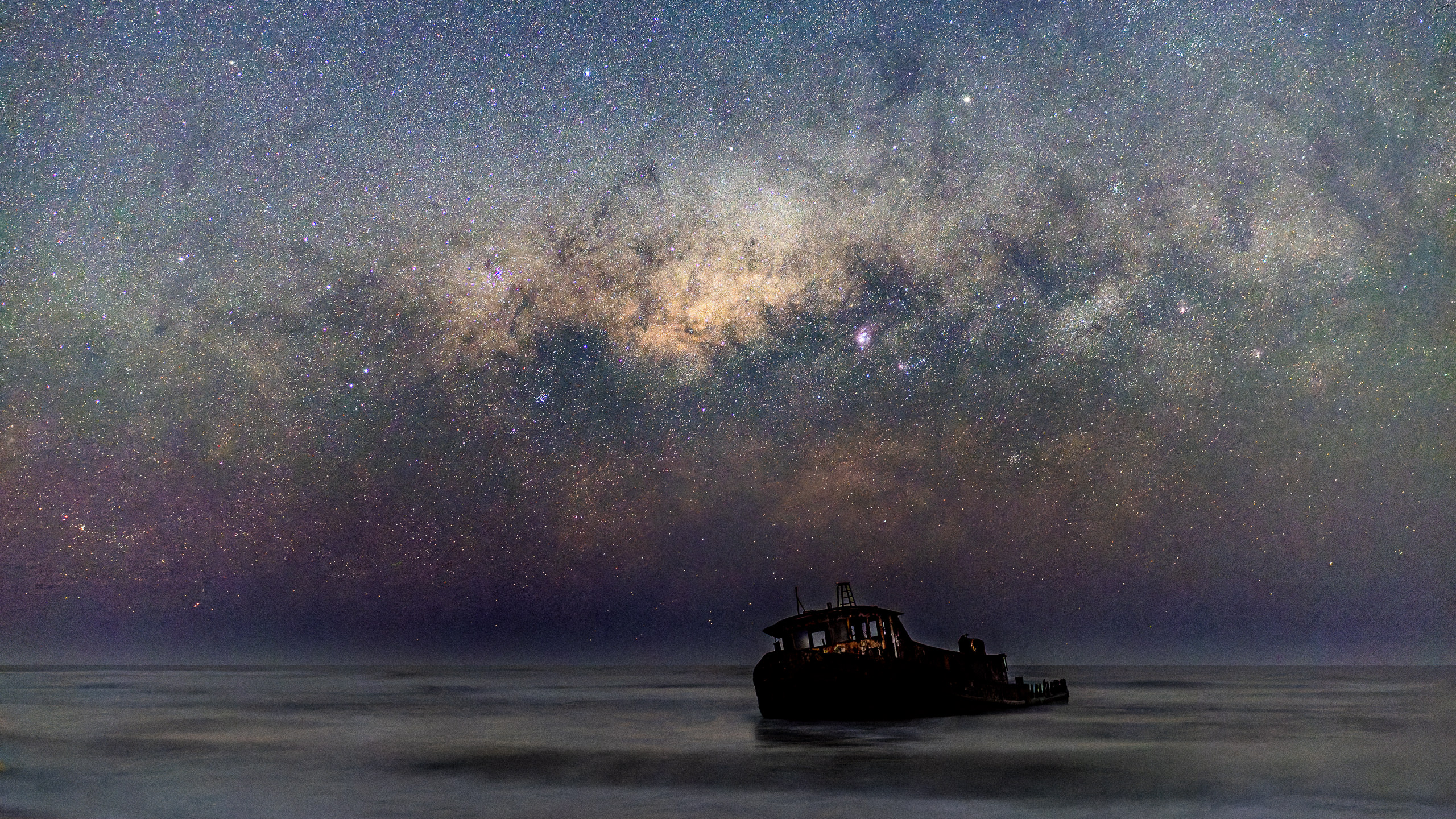
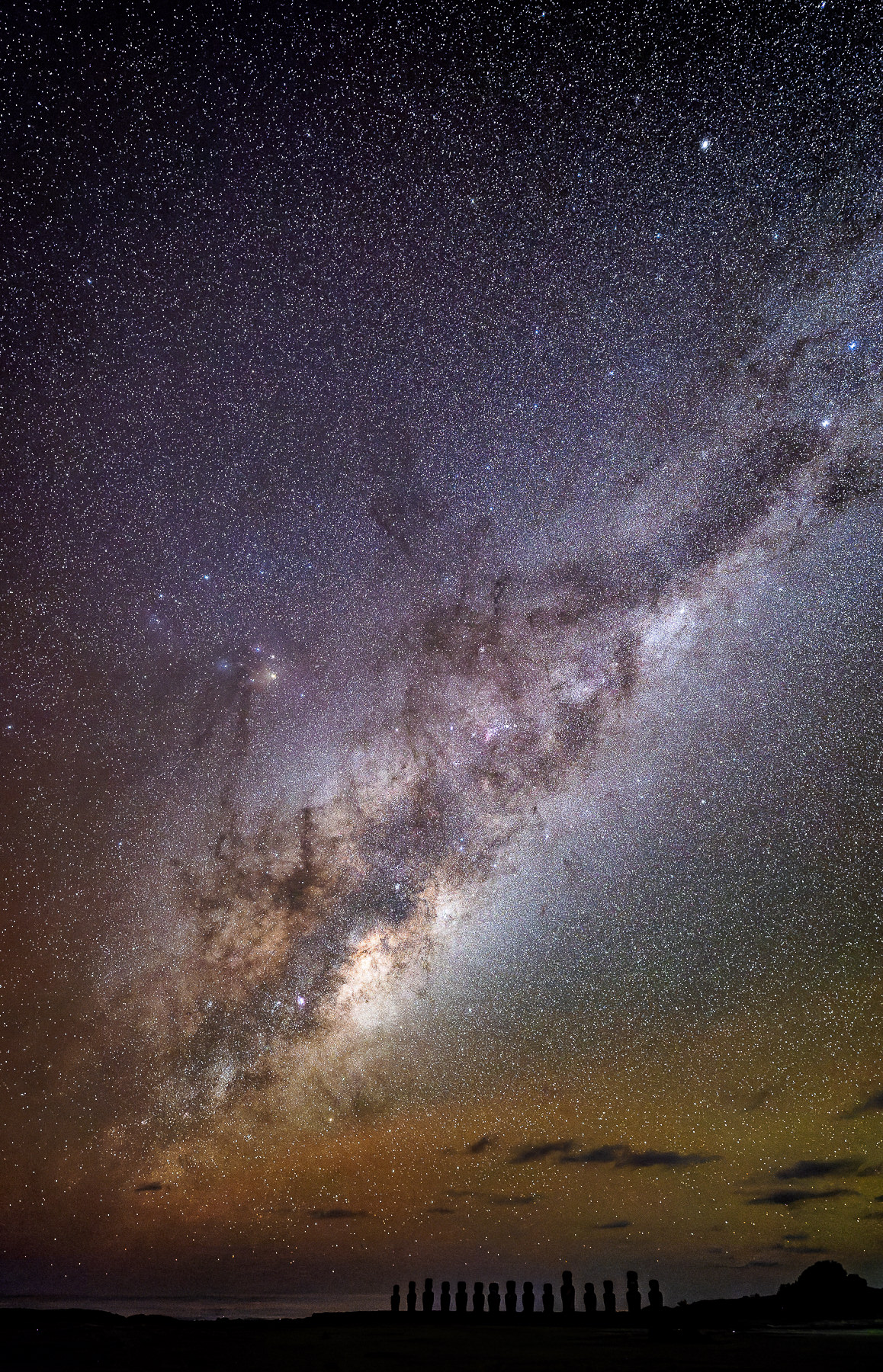
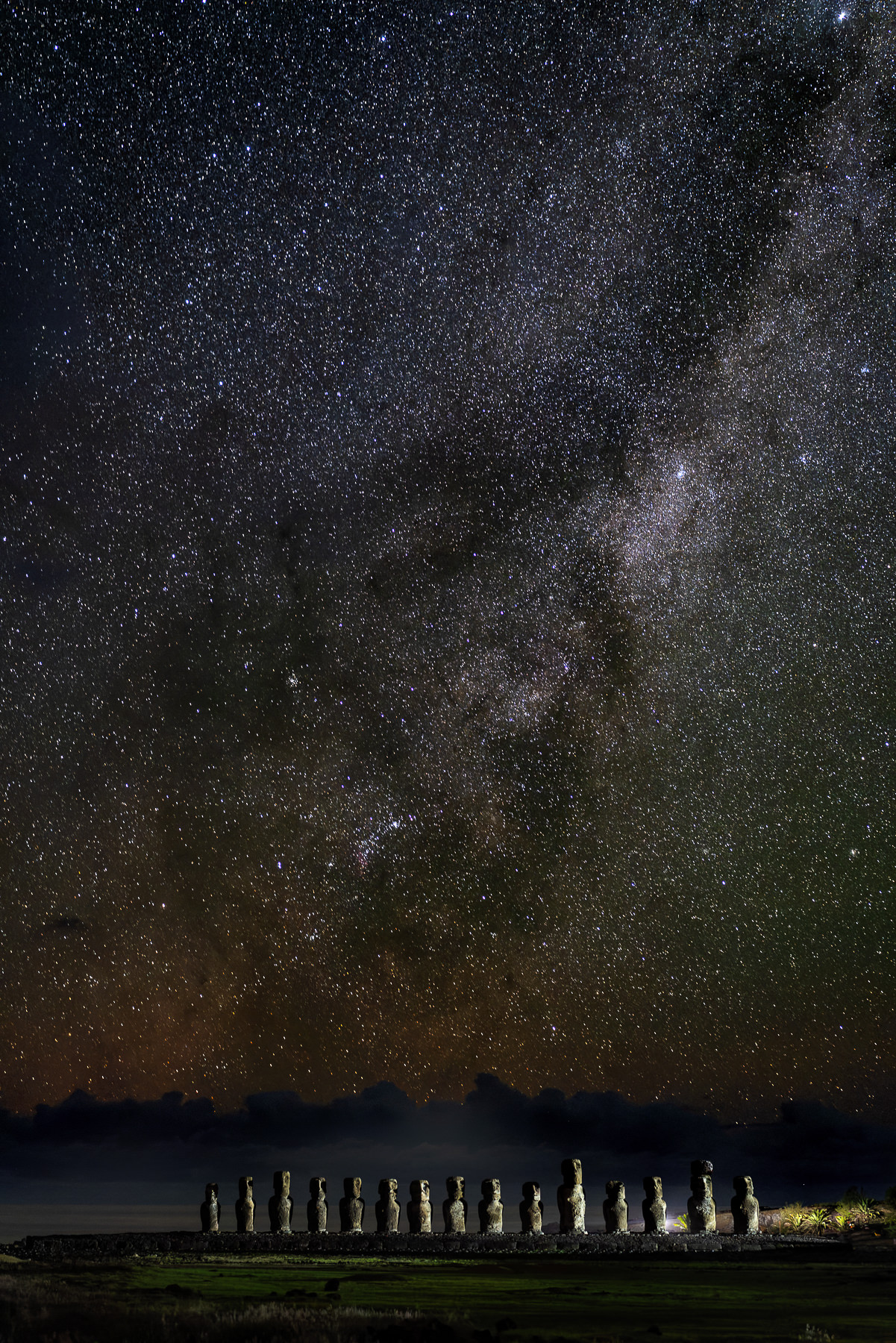
If you say night sky, we have to be clear whether the emphasis is on night or sky. If it's the former, then pretty much anything will do, ideally 2.8 or faster. If the emphasis is on sky, then there's a definite winner - that's 14mm, as fast as possible. I used to have the Sigma 1.8 art, and then the canon 1.4 came out and I was immediately in love. Half the size, half the weight, double the price, totally worth it.
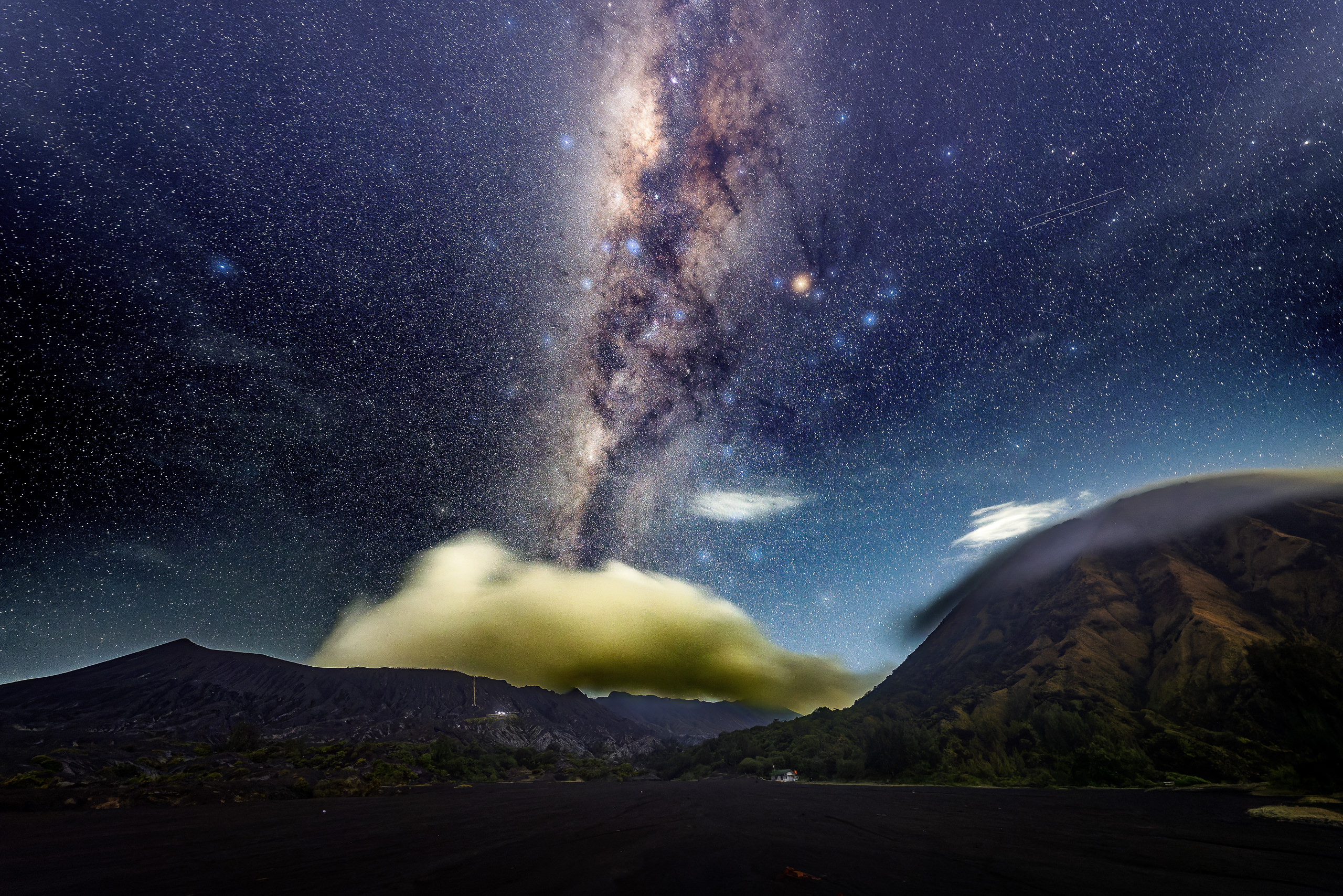
Canon EOS R514mm F1.8 DG HSM | Art 017 lens14mmf/1.830s2000 ISO+1.3 EV
Canon EOS R514mm F1.8 DG HSM | Art 017 lens14mmf/1.813s4000 ISO+1.3 EV
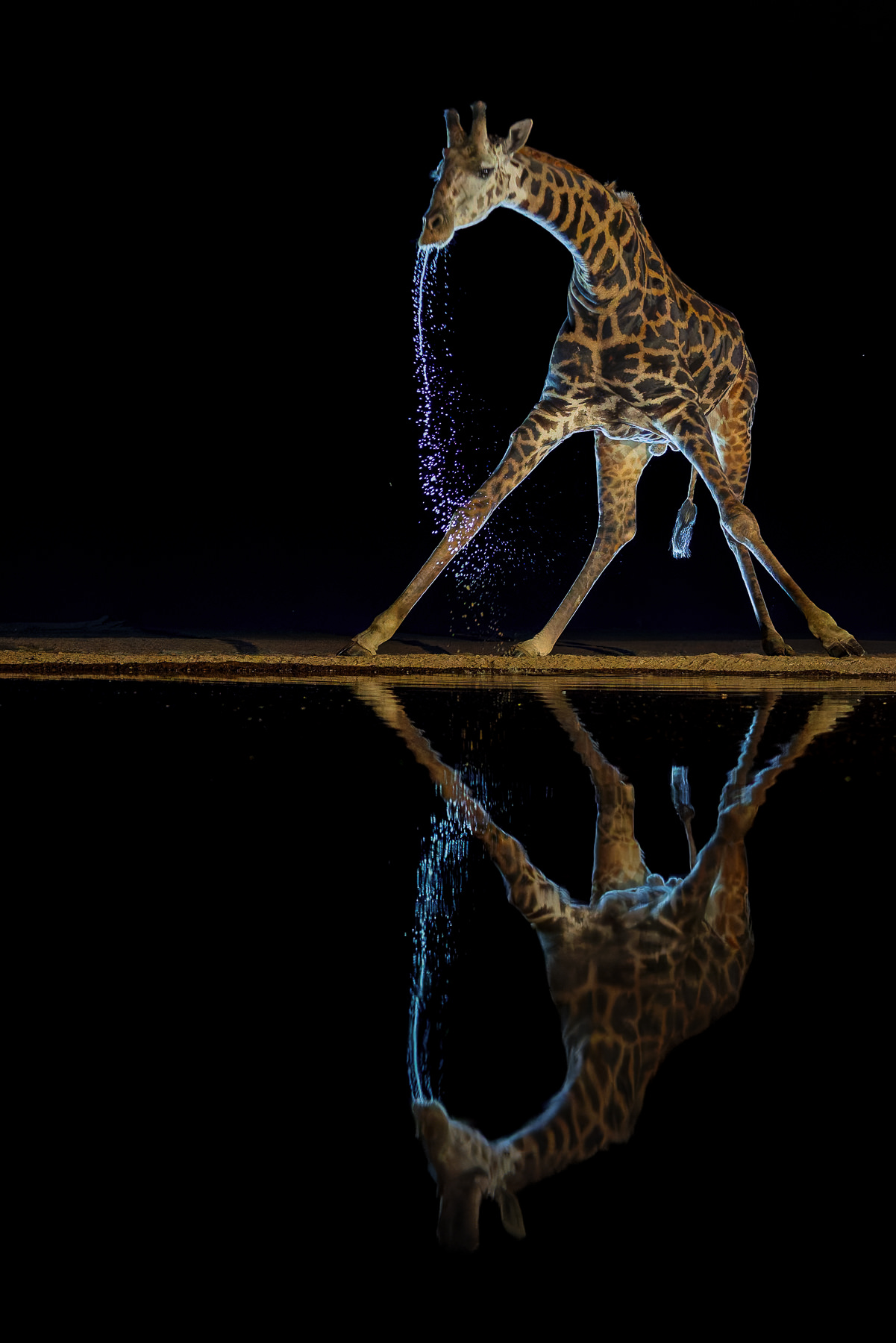
Canon EOS R5m214mm F1.8 DG HSM | Art 017 lens14mmf/2.215s6400 ISO0.0 EV
Canon EOS R5m214mm F1.8 DG HSM | Art 017 lens14mmf/2.215s6400 ISO0.0 EV
Canon EOS R5m214mm F1.8 DG HSM | Art 017 lens14mmf/2.55s800 ISO-0.7 EV
Canon EOS R5m214mm F1.8 DG HSM | Art 017 lens14mmf/2.04s1600 ISO-1.7 EV
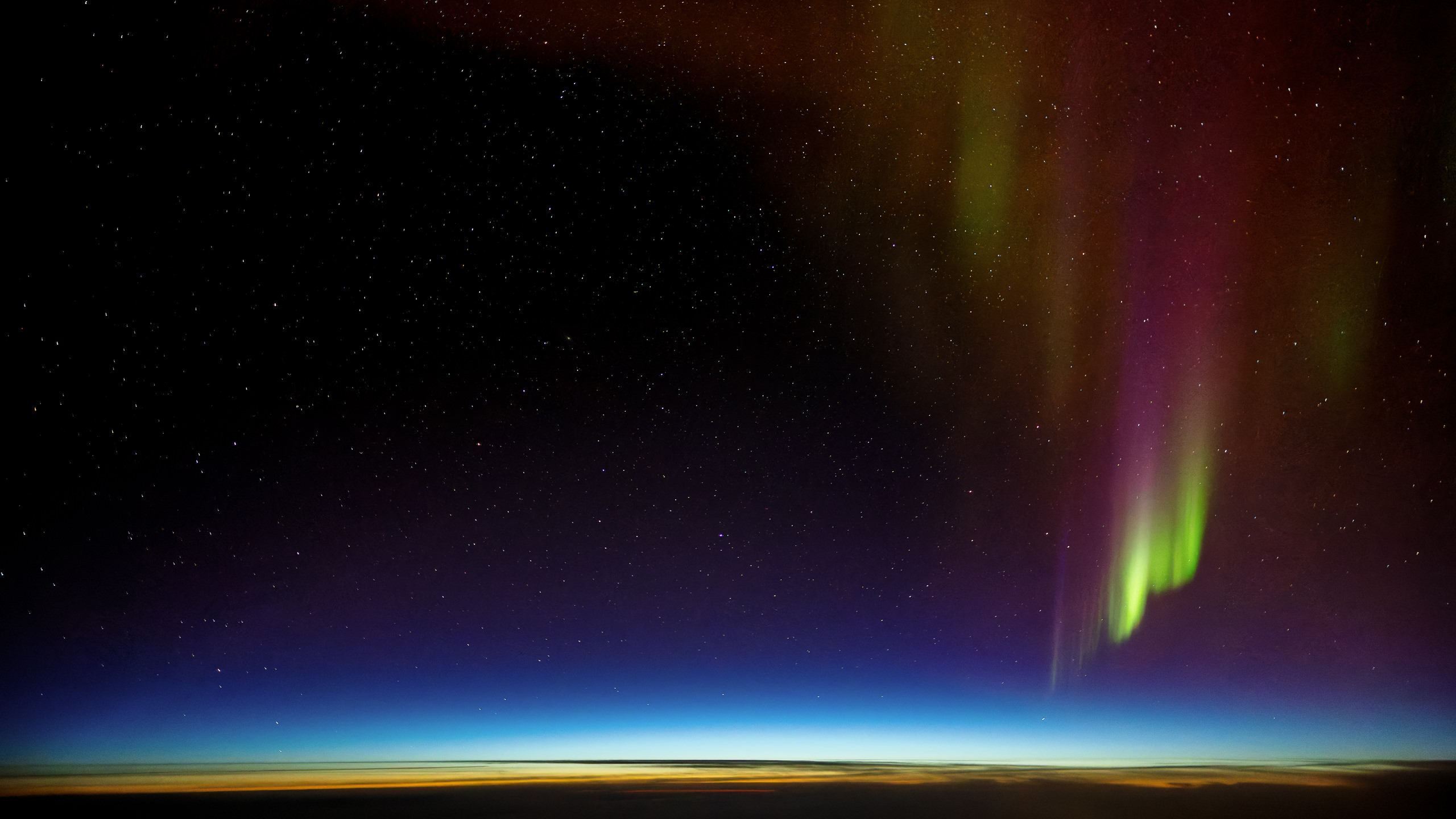
Canon EOS R5m2RF14mm F1.4 L VCM lens14mmf/2.015s3200 ISO0.0 EV
Canon EOS R5m2RF14mm F1.4 L VCM lens14mmf/1.425s3200 ISO+2.3 EV
Canon EOS R5m2RF14mm F1.4 L VCM lens14mmf/1.430s3200 ISO+1.3 EV
Thanks Stan. I love all your ( Night sky )images. Just goes to show how green I am, don't even know the right terminology. I was thinking stars and possible Northern lights ? Thank you I value your knowledge and experience.
If you want stars / northern lights, you want as wide and as fast as possible, and for that the 14/1.4L is absolutely unbeatable. It's so tiny, too, which counts for a lot. Decidedly sharper than the Sigma. It's an amazing package.
Stan...congratulations on such a wonderful series of images - love them!
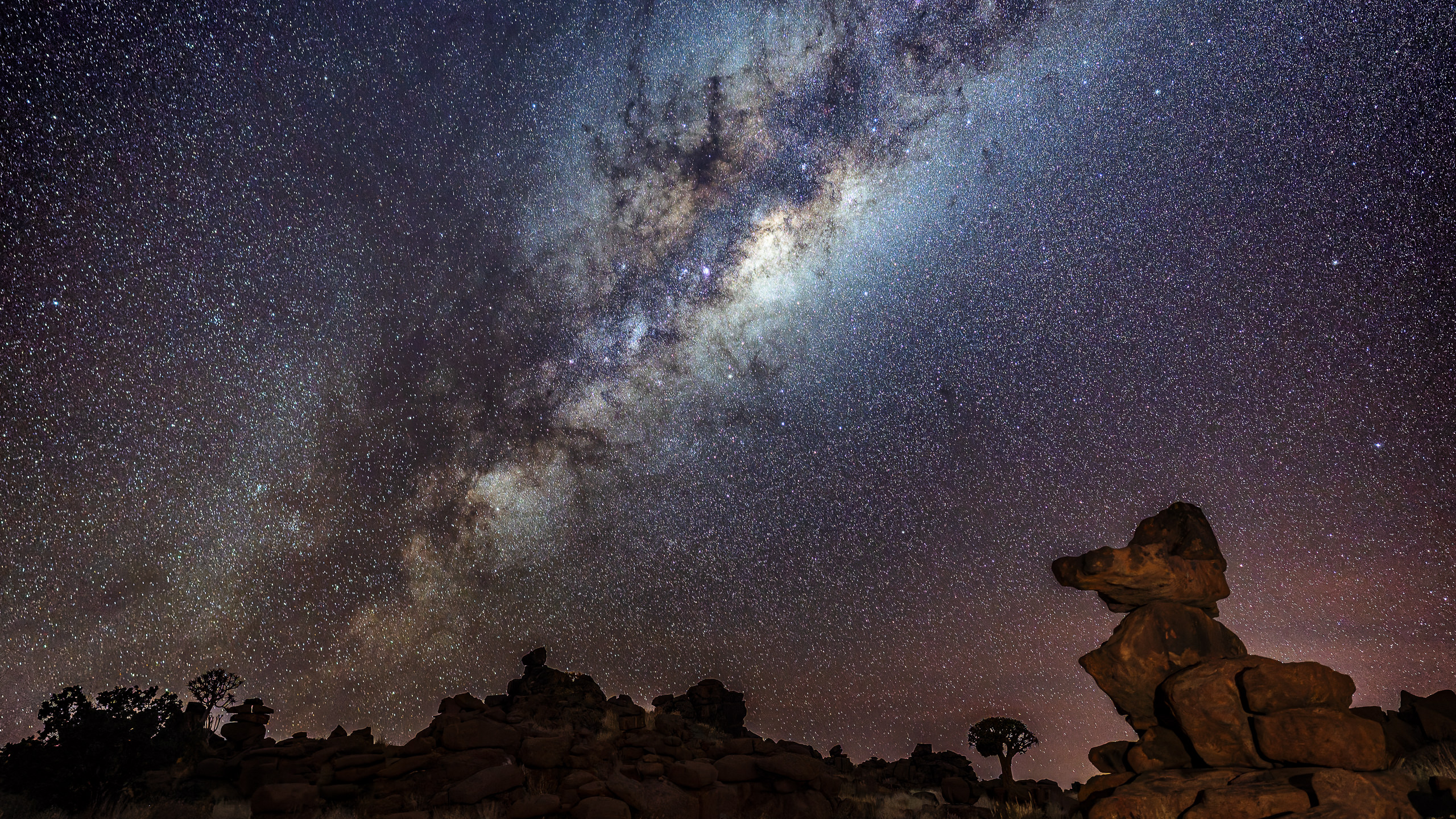
Regarding #3, I've seen daytime images of those trees before but can't place them - Madagascar?
If you haven't already let me encourage you to post them in the Landscape Thread. You have some strong images that might place well in the weekly 'best of' competition. Thanks for sharing these.
I'll throw in a vote for a fast 20-24mm lens as well. Stan shared some great examples of what you can do with 14mm. I like carrying a 24mm along with the 14mm so I can shoot what fits the composition. When it works, I like that he 24mm can fill the sky with the best part of the Milky Way. The 24mm f/1.4 VCM has proven excellent for this. If I hadn't already bought it, I'd probably favor the 20mm for its slightly wider view.
Just a few practical details. The main reason not to use too long exposures are that stars should stay as points, not become streaks. I mainly use a Zeiss 15/2.8 ZE on a R5. A 5s exposure at ISO 3600-5000 is usually ok. A good enough f/1.4 should be a wonderful tool to keep exposures short and ISO low enough.
For comets with pronounced tails a longer FL is usually beneficial. My Milvus 35/1.4, Otus 100/1.4 or ZE 135/2 are nice. But the exposure times must be kept faster to avoid those ugly star streaks. A tracking device on the tripod does magic. A flimsy tripod is a disaster, sooner rather than later. Keep the leggs short if windy.
Al Trujillo wrote:
Regarding #3, I've seen daytime images of those trees before but can't place them - Madagascar?
Thanks for the kind words, Al. These are the quiver trees in southern Namibia. They look similar to the trees in Socotra in shape and size, but are tiny compared to the trees in Madagascar (still on the list).
And yes longer lenses are also helpful, but once you have the 14, you can't go back
Canon EOS R5m2RF24mm F1.4 L VCM lens24mmf/1.81/250s6400 ISO0.0 EV
Canon EOS R5m2RF24mm F1.4 L VCM lens24mmf/1.41/2s6400 ISO0.0 EV
Canon EOS R5m2RF20mm F1.4 L VCM lens20mmf/2.020s6400 ISO0.0 EV
Canon EOS R5m2RF50mm F1.4 L VCM lens50mmf/1.45s3200 ISO0.0 EV
Canon EOS R5m2RF20mm F1.4 L VCM lens20mmf/1.46s3200 ISO+2.0 EV
Canon EOS R5m2RF50mm F1.4 L VCM lens50mmf/2.015s3200 ISO+3.3 EV
kylebarendrick wrote:
I'll throw in a vote for a fast 20-24mm lens as well. Stan shared some great examples of what you can do with 14mm. I like carrying a 24mm along with the 14mm so I can shoot what fits the composition. When it works, I like that he 24mm can fill the sky with the best part of the Milky Way. The 24mm f/1.4 VCM has proven excellent for this. If I hadn't already bought it, I'd probably favor the 20mm for its slightly wider view.
Hi Kyle. Thanks for your comments. I appreciate you responding. Always good to have multiple opinions.
Z250SA wrote:
Just a few practical details. The main reason not to use too long exposures are that stars should stay as points, not become streaks. I mainly use a Zeiss 15/2.8 ZE on a R5. A 5s exposure at ISO 3600-5000 is usually ok. A good enough f/1.4 should be a wonderful tool to keep exposures short and ISO low enough.
For comets with pronounced tails a longer FL is usually beneficial. My Milvus 35/1.4, Otus 100/1.4 or ZE 135/2 are nice. But the exposure times must be kept faster to avoid those ugly star streaks. A tracking device on the tripod does magic. A flimsy tripod is a disaster, sooner rather than later. Keep the leggs short if windy....Show more →
Thanks for pointing things out. I always say " you don't know, what you don't know". Thank you.