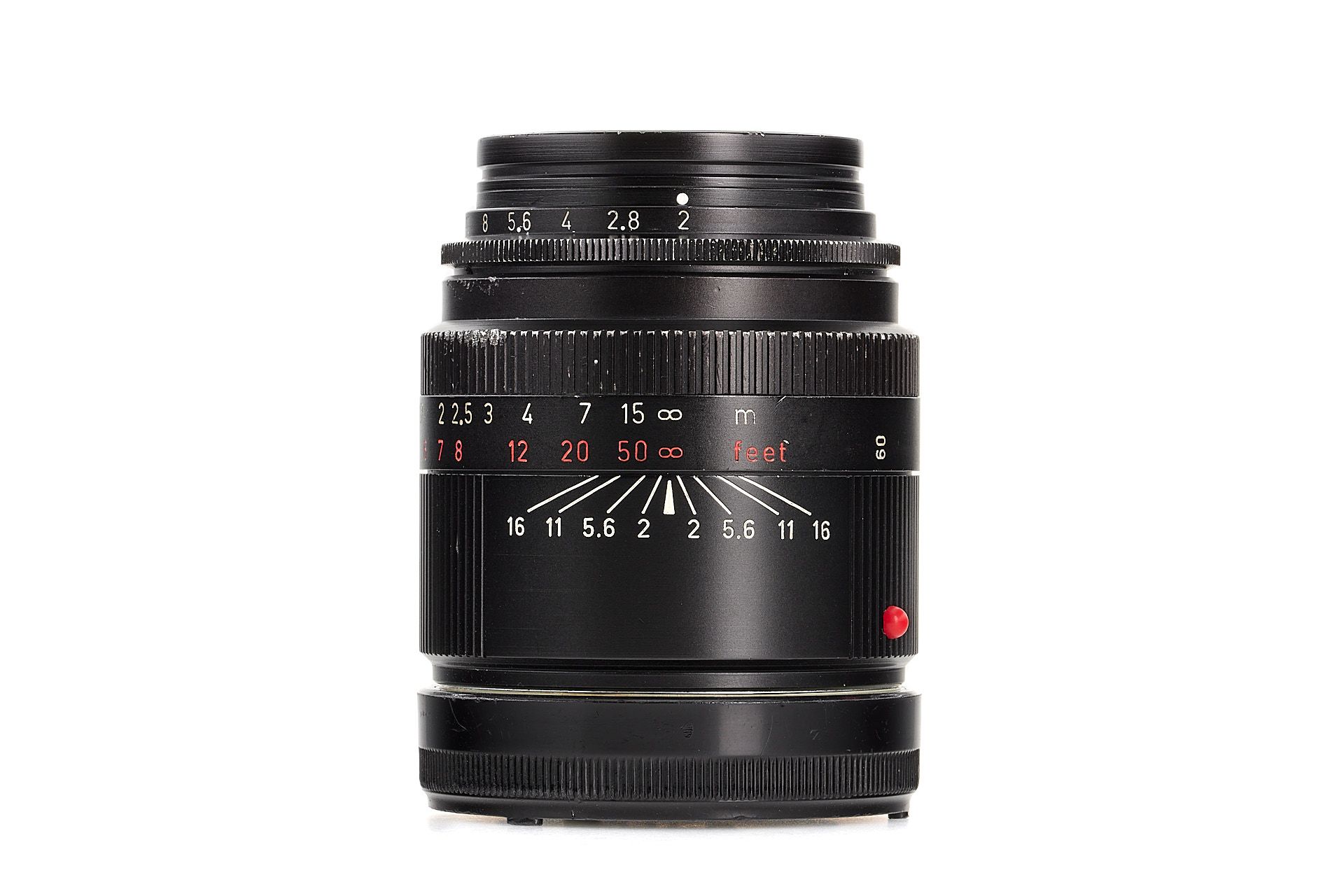
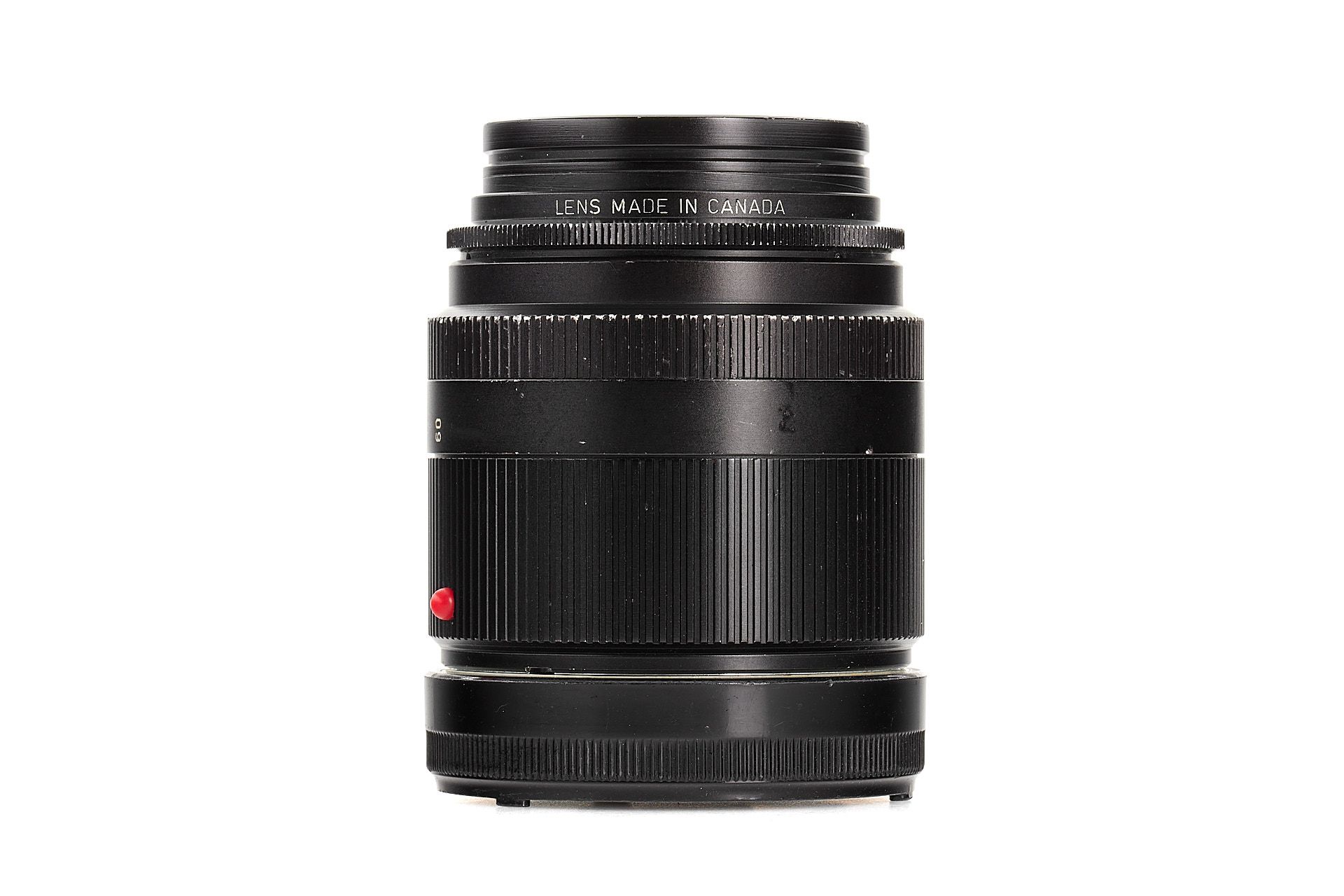
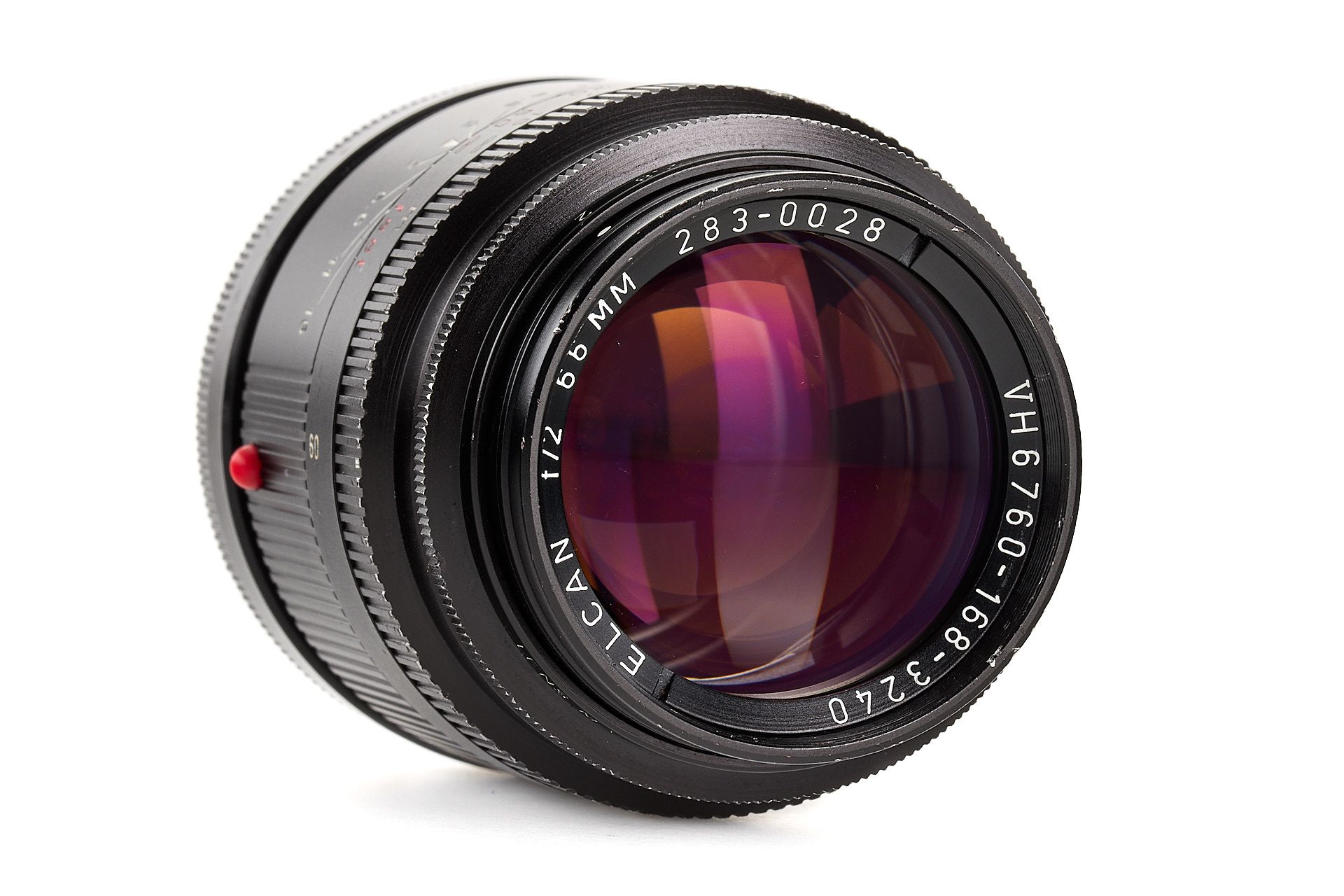
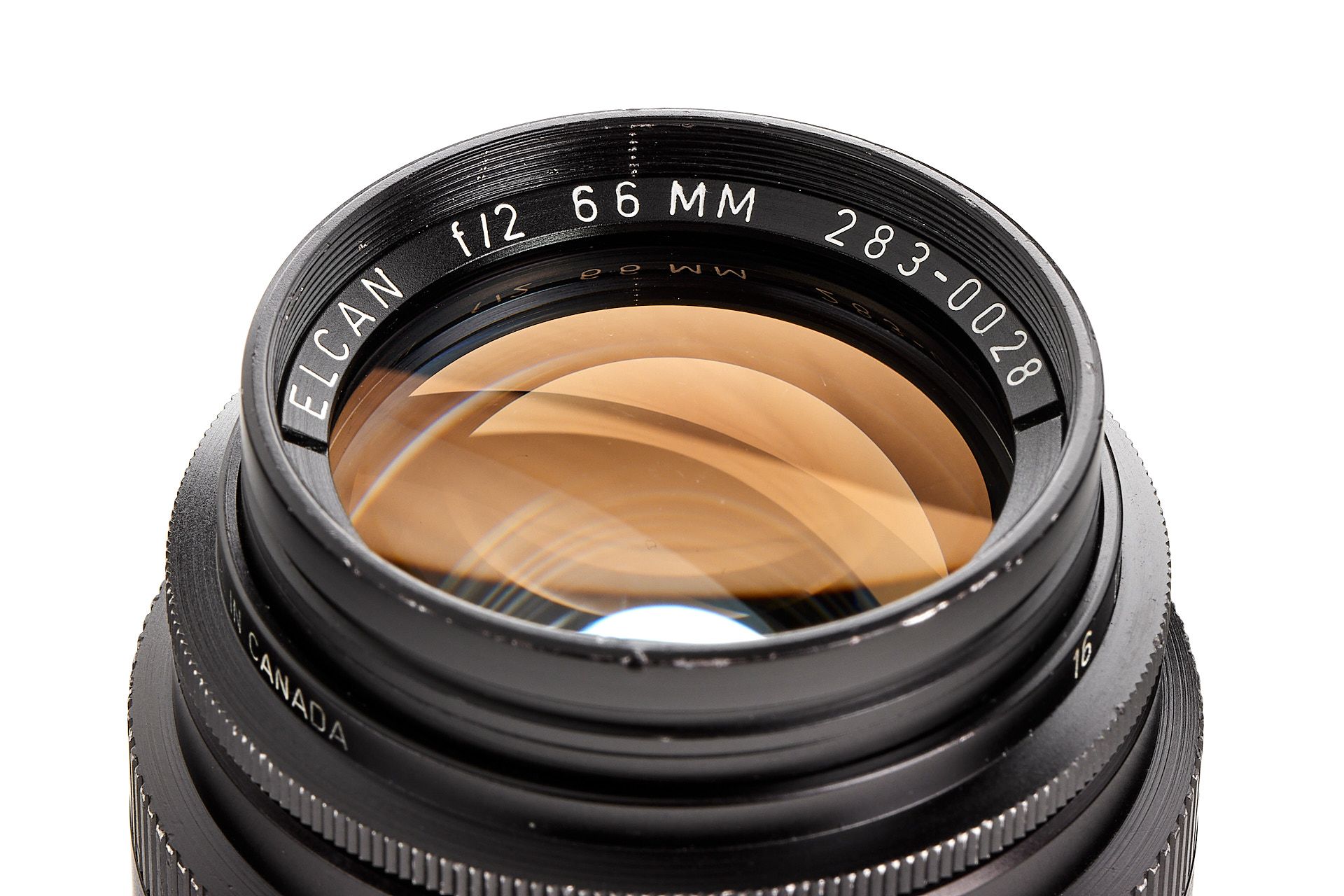
Leica is rumored to announce a new Elcan 66mm f/2 limited-edition lens next week, on September 3rd (Thursday).
The new model will be part of the vintage/historical/heritage/classic collection.
Only 660 pieces will be produced, and the price is expected to be around 9,000 dollars/euros.
---------
The Leica Elcan 66mm f/2 is an ultra-rare, high-resolution military optic produced by Ernst Leitz Canada (Elcan) in Midland, Ontario, around 1970-1972. Developed under legendary optical designer Dr. Walter Mandler, it was originally commissioned for the U.S. Navy and utilized by NATO forces as a “spy” lens during the Cold War. Many examples were lost or destroyed in service. The M-mount lens features a complex nine-element design, an E39 filter thread, and a one-meter minimum focusing distance, achieving a resolving power that remains impressive even on modern digital sensors. The unusual 66mm focal length has no matching Leica M framelines.
With an estimated production run of fewer than 200 total units, the Elcan 66mm is considered one of the rarest and most historically significant lenses in Leica’s history, rarely appearing on the market and commanding massive premiums among collectors. Collectors prize it for Mandler’s ultra-sharp, high-resolution rendering and balanced color, sometimes called apochromatic in practice even though it is not labeled APO.
Looks like Leica beat LLL to the punch on this one.
But LLL could still undercut them significantly, assuming they're able to get a hold of one to clone (or wait until the Leica copy is released and clone it - would anyone know the difference?).
rscheffler wrote:
Looks like Leica beat LLL to the punch on this one.
But LLL could still undercut them significantly, assuming they're able to get a hold of one to clone (or wait until the Leica copy is released and clone it - would anyone know the difference?).
The question is: Would anyone actually want to use one as a daily lens? It's famous for a lot more than just its extreme rarity, but practically speaking... I just asked my M's framelines about a 66mm field of view, and they hate the idea.
Framing via the M OVF is already an exercise in imprecision but one that can be honed through sufficient practice, as I found shooting 21mm and using the edges of the OVF itself as an approximation, instead of a dedicated 21mm finder. So if the Elcan were to bring up the 50mm lines (I have no idea), after a while you'd probably have a pretty good idea of how far in to crop for appropriate framing.
If anything, it's just a continuation of the self-inflicted pain that M shooters seem to seek out and work with as part of the M challenge.