fredmiranda.com
Login

Moderated by: Fred Miranda
  New fredmiranda.com Mobile Site
  New Feature: SMS Notification alert
  New Feature: Buy & Sell Watchlist
  

FM Forums | Nikon Forum | Join Upload & Sell
1              3       end
  

Light Lens Lab 75mm f/1.5 Z21 Review


highdesertmesa
Offline
• • • • •
Upload & Sell: On
p.2 #1 · Light Lens Lab 75mm f/1.5 Z21 Review


Fred Miranda wrote:
I really like the Light Lens Lab macro adapter for the L-mount, and I think it will pair beautifully with both the lens and the SL3.

Good question about the 1m MFD. There is a hard stop, and I believe it could potentially be modified to allow focusing from 1m down to about 0.7m without having to alter the rangefinder cam, since there appears to be some remaining extension available.


I forgot that LLL sells an M-to-L adapter. I have a Hawk's Factory macro adapter that I've been using since 2022, which initially leaked a bit of excess grease but never has again.


Jun 06, 2026 at 06:56 PM
Fred Miranda
Offline
Admin
Upload & Sell: On
p.2 #2 · Light Lens Lab 75mm f/1.5 Z21 Review


highdesertmesa wrote:
I forgot that LLL sells an M-to-L adapter. I have a Hawk's Factory macro adapter that I've been using since 2022, which initially leaked a bit of excess grease but never has again.


I am not sure if you can find it anywhere as I think it's discontinued but it's the best M-L adapter I've tried. The tolerances are very tight, my copy has zero play, and it rotates butter smooth.


Jun 06, 2026 at 08:18 PM
Jorge Torralba
Offline
• • • •
Upload & Sell: On
p.2 #3 · Light Lens Lab 75mm f/1.5 Z21 Review


i know 1k is a lot of money. but for an extra 1k, you can buy a good condition 75 apo 2 m which is probably one of the best 75's you can get on an m. and the bokeh is just gorgeous.


Jun 06, 2026 at 08:44 PM
highdesertmesa
Offline
• • • • •
Upload & Sell: On
p.2 #4 · Light Lens Lab 75mm f/1.5 Z21 Review


Jorge Torralba wrote:
i know 1k is a lot of money. but for an extra 1k, you can buy a good condition 75 apo 2 m which is probably one of the best 75's you can get on an m. and the bokeh is just gorgeous.

https://www.leicaimages.com/gallery/1/U1.1780723748.2.jpg


That rendering is nice, but it looks nothing like the lens being reviewed, IMO.


Jun 06, 2026 at 08:50 PM
highdesertmesa
Offline
• • • • •
Upload & Sell: On
p.2 #5 · Light Lens Lab 75mm f/1.5 Z21 Review


Fred Miranda wrote:
I am not sure if you can find it anywhere as I think it's discontinued but it's the best M-L adapter I've tried. The tolerances are very tight, my copy has zero play, and it rotates butter smooth.


I think they have it in stock on their site at the moment. The only thing that keeps me clinging to the Hawk's Factory is the adjustable infinity stop. With that, I can set infinity so that I can trust the hard stop on my M lenses, thereby using the SL like I would an M for infinity landscape. Having to tweak focus for infinity at max magnification every time I take a shot gets old (because it's easy to accidentally move focus between shots).


Jun 06, 2026 at 08:59 PM
Fred Miranda
Offline
Admin
Upload & Sell: On
p.2 #6 · Light Lens Lab 75mm f/1.5 Z21 Review


Back to Quick Links

Sunstar rendering

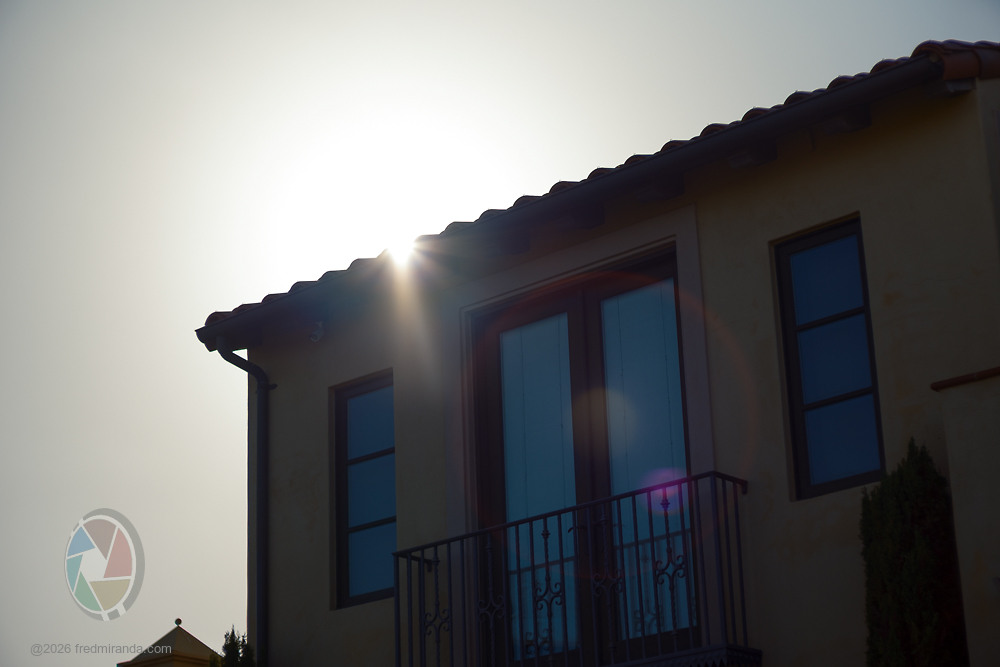
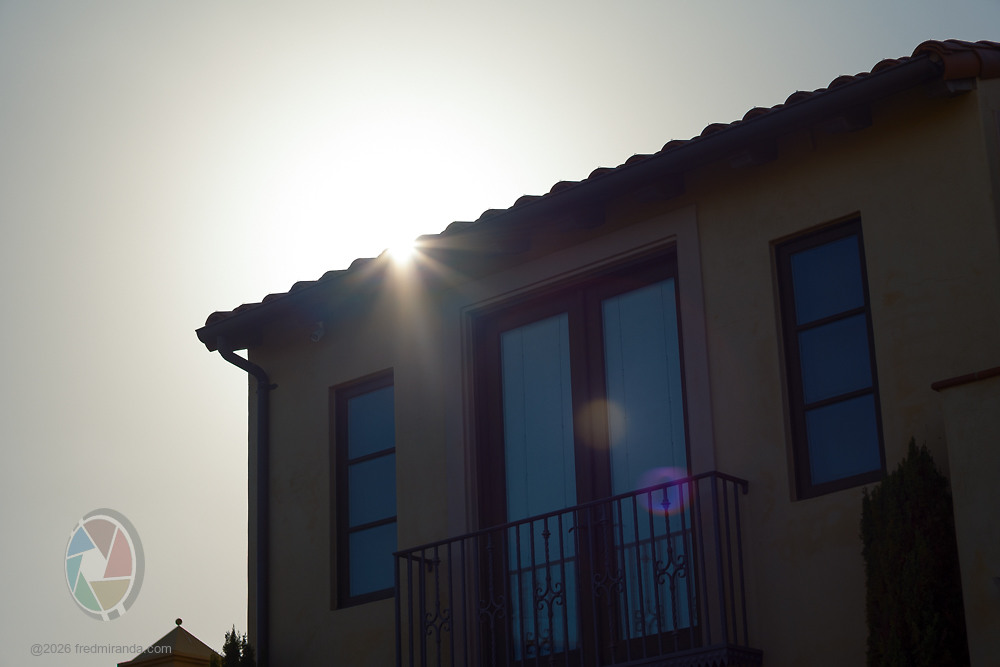
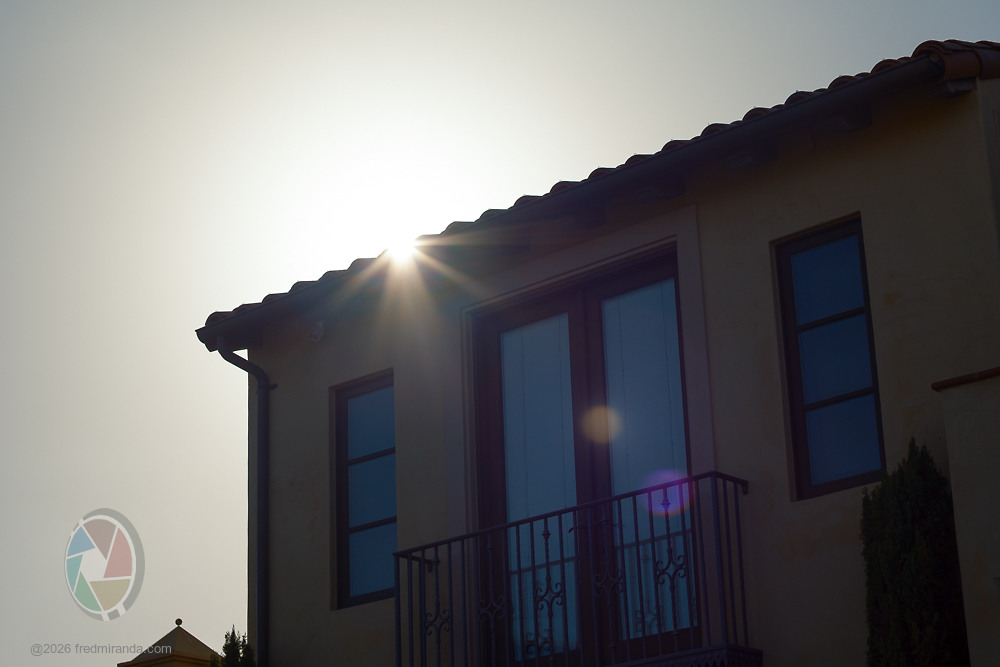
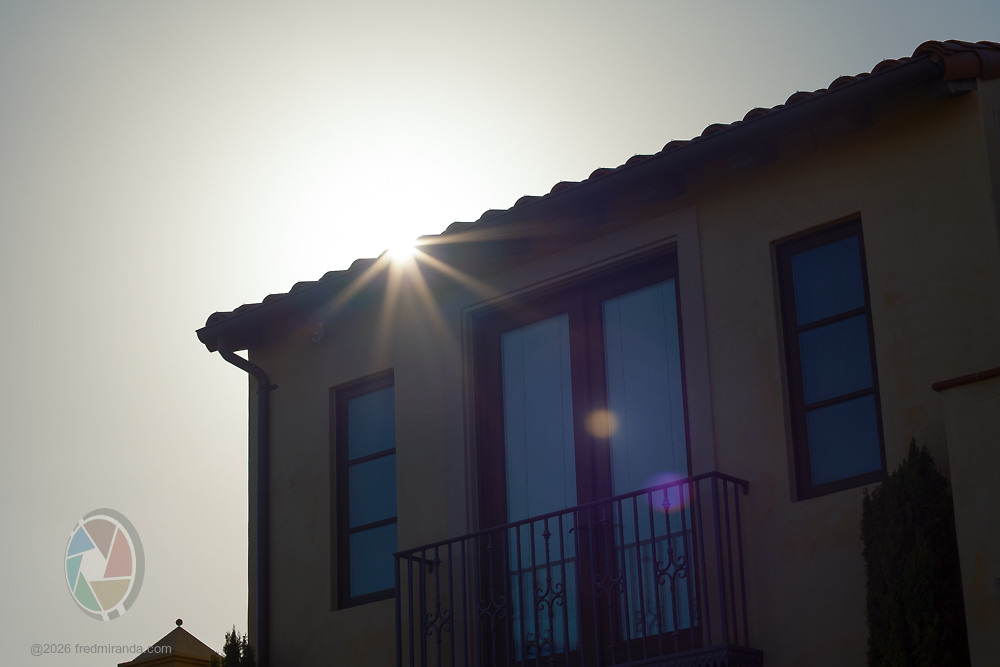
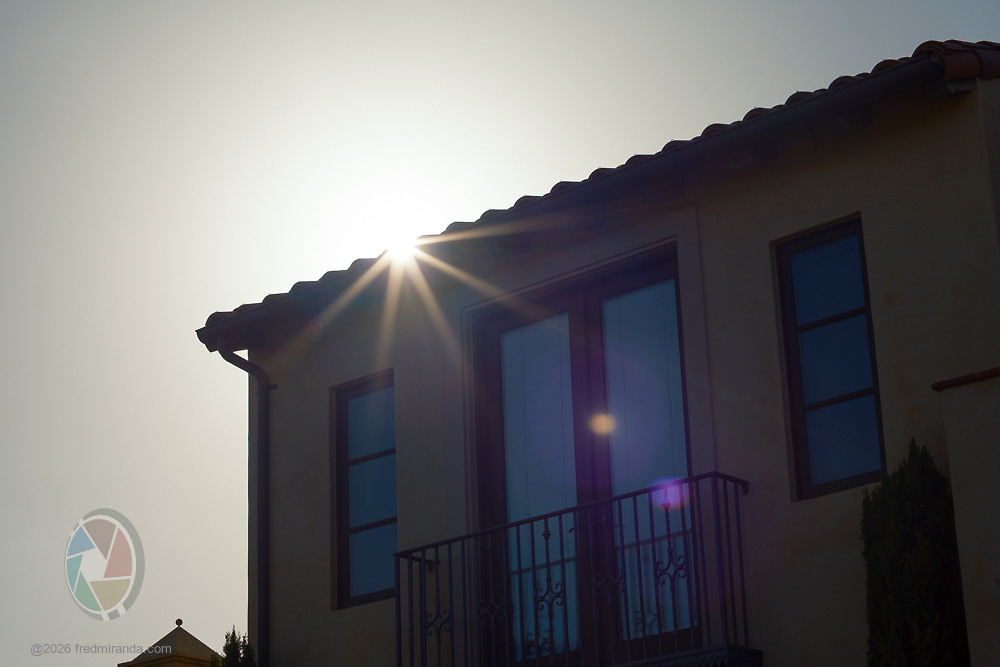
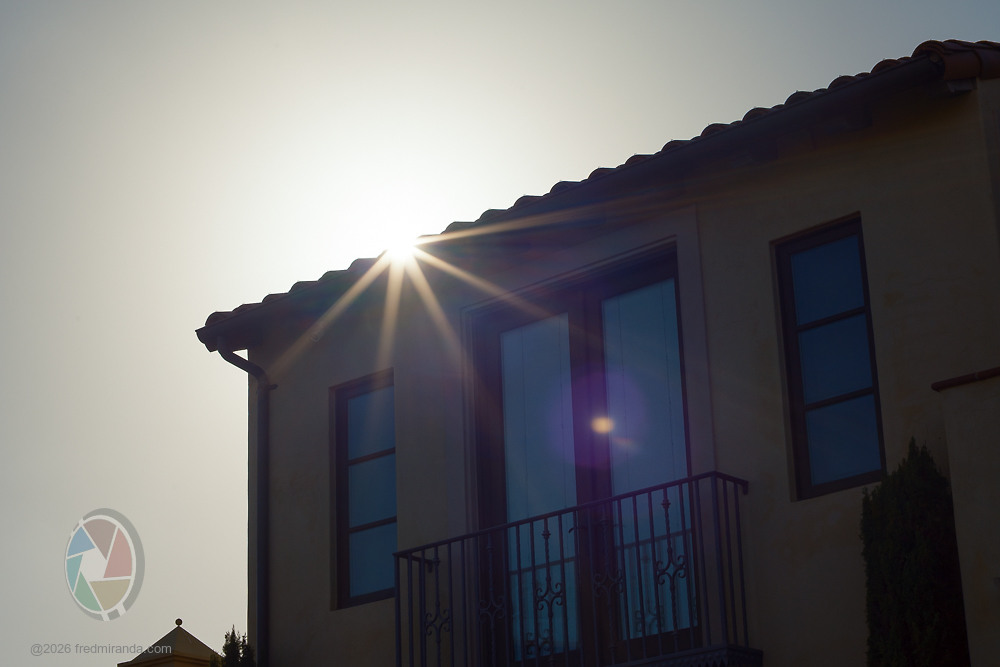
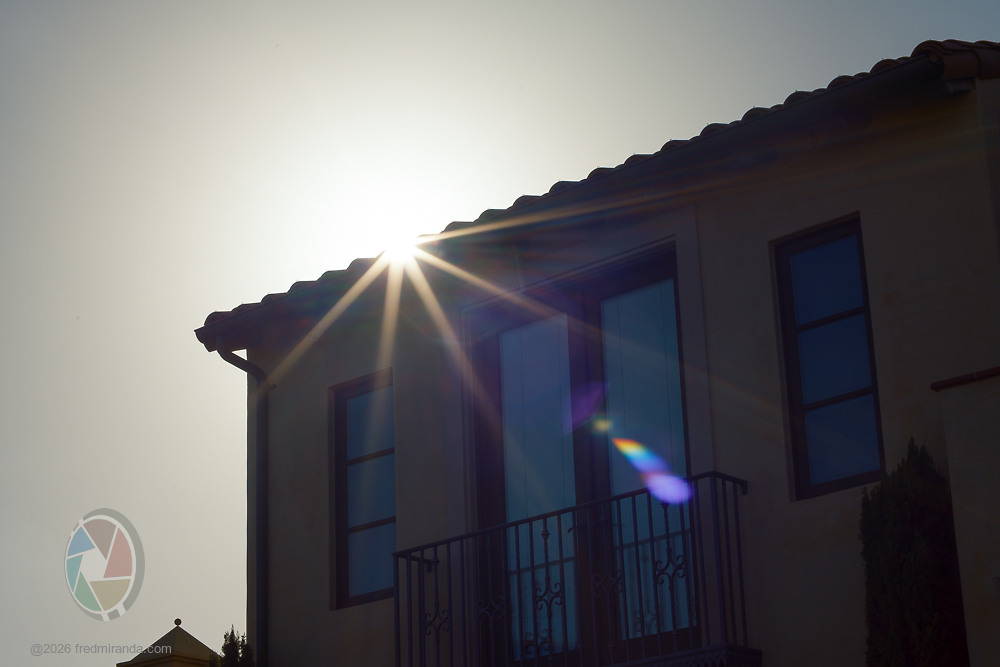
Photographers who appreciate well defined sunstars will find the Light Lens Lab 75mm f/1.5 Z21 particularly interesting. Like the Light Lens Lab 50mm f/1.5 Z21, the 75mm version features a 10 straight blade aperture mechanism. Sunstars begin to emerge at f/4 and become fully defined by f/5.6, remaining excellent through the smallest apertures. Even at f/22, the rays retain their shape and symmetry, which is uncommon for many lenses, especially telephoto designs. The evenly spaced, clean rays also suggest very tight manufacturing tolerances.

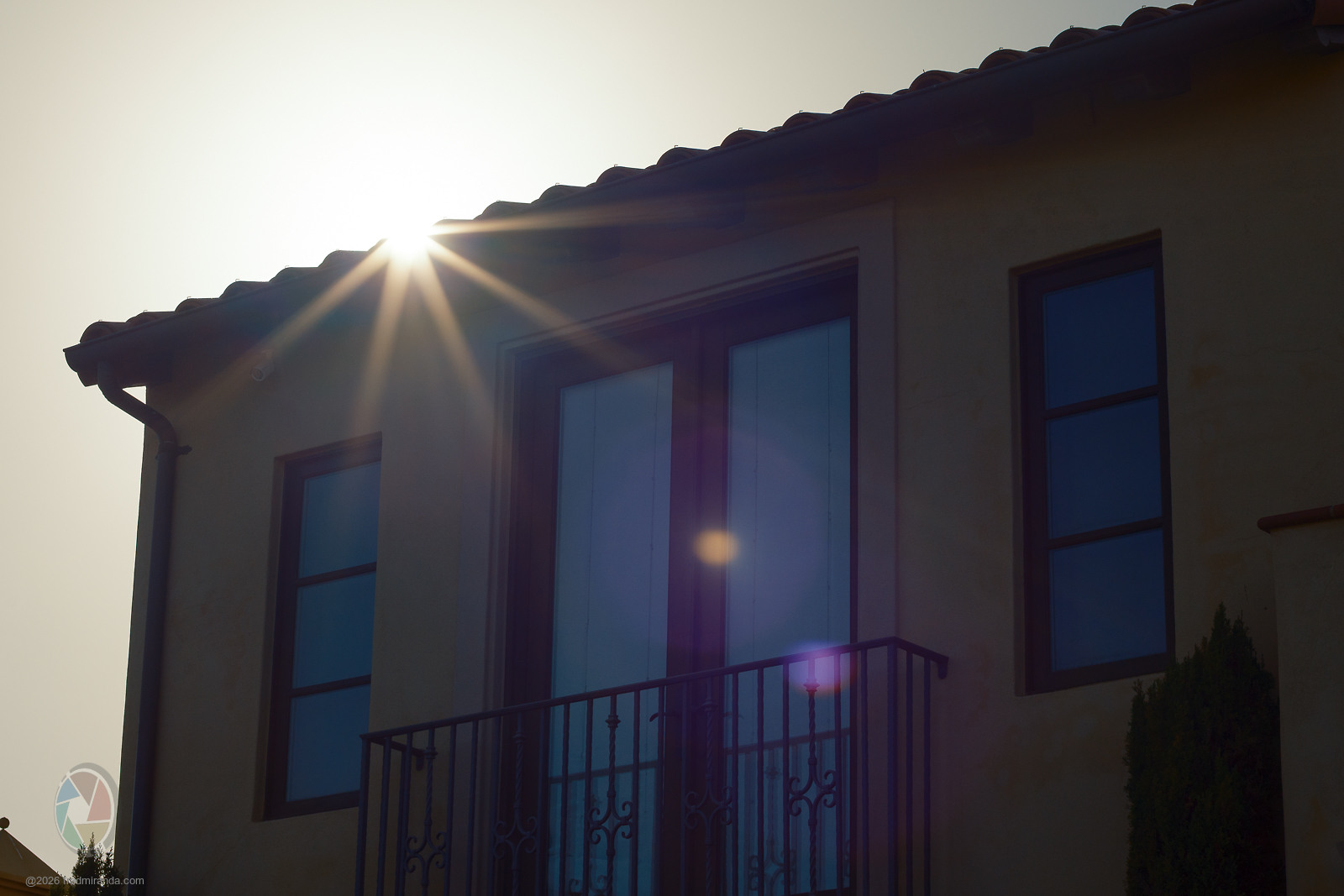
When the light source is within the frame, the lens shows some amber and violet ghosting even when the sun is partially obstructed, but constrained veiling flare, as shown in the samples below. As a result, this sunstar series also provides a good look at the lens's flare characteristics. Personally, I enjoy ghosting flare effects when they are pleasant and not excessive, and the rendering here strikes a nice balance.

From f/1.5 through f/2.8, the sunstar effect remains soft and diffuse, a look that many photographers actually prefer. While the rays are visible, they lack strong definition and produce a smoother, less defined appearance. In practical use, well defined sunstars do not fully appear until around f/4 or f/5.6, where the lens is already operating at its optimum aperture.

The sequence below illustrates the transition from f/2.8 to f/22 in full stop increments. Thanks to its 10 blade aperture design, the lens produces 10 pointed sunstars with excellent symmetry throughout the aperture range:


f/2.8


f/4


f/5.6


f/8


f/11


f/16


f/22


Jun 07, 2026 at 10:43 AM
Fred Miranda
Offline
Admin
Upload & Sell: On
p.2 #7 · Light Lens Lab 75mm f/1.5 Z21 Review


Back to Quick Links

Minimum Focus Distance: Resolution, Contrast and Focus Shift


The original Angenieux 50mm f/1.5 S21 has a minimum focus distance (MFD) of 1 meter. One of the improvements I appreciated on the Light Lens Lab 50mm f/1.5 Z21 was the closer 0.7m MFD, which made the lens considerably more versatile in practical use.

As mentioned earlier, the Light Lens Lab 75mm f/1.5 Z21 is not a homage lens in the strict sense, since Angenieux never produced a 75mm f/1.5 S21. It is better described as a lens inspired by the rendering characteristics of the original 50mm f/1.5 S21. This time, however, Light Lens Lab chose to retain the original 1 meter MFD.

I was told this decision was made to allow tighter rangefinder calibration tolerances and ensure accurate alignment with the rangefinder mechanism, which becomes increasingly critical when focusing a fast telephoto lens. If that is indeed the reason, Light Lens Lab probably made the right engineering choice, although I would still have preferred a 0.7m MFD for additional flexibility.

The real question, however, is how the lens performs at its MFD...

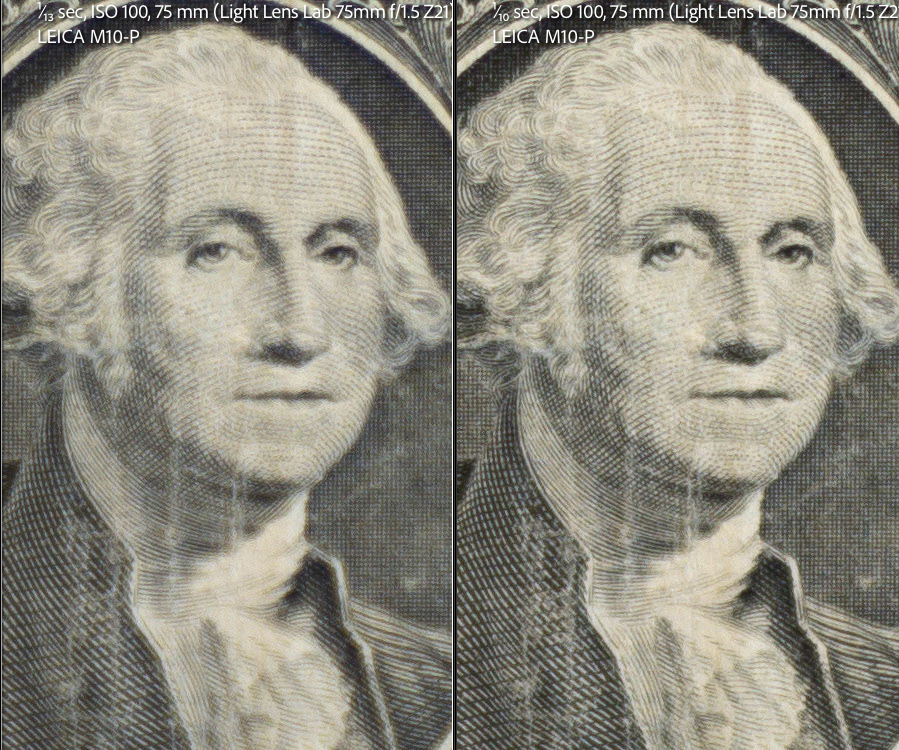
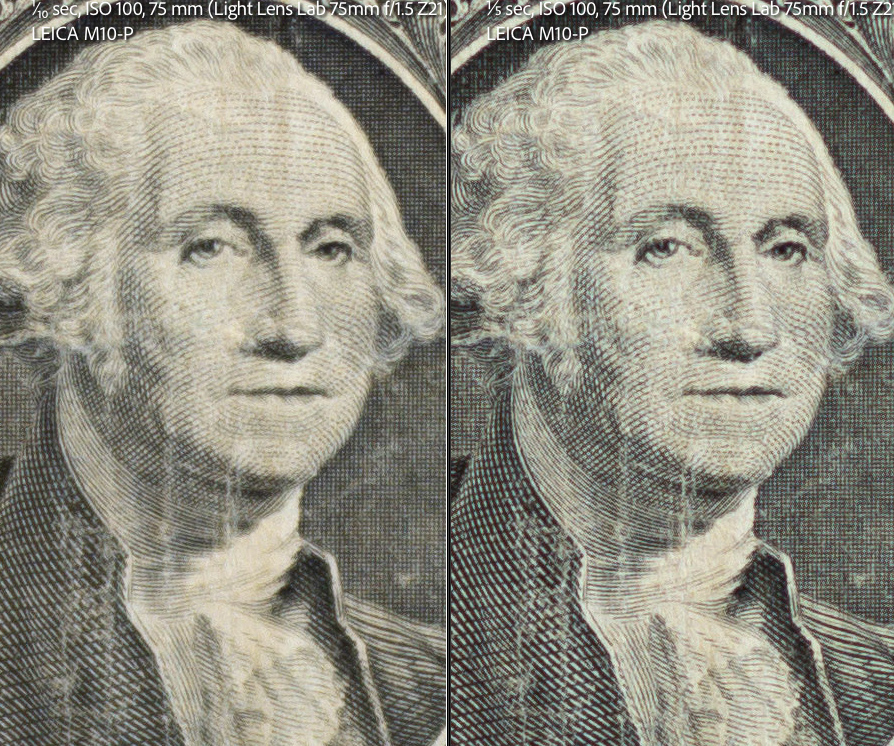
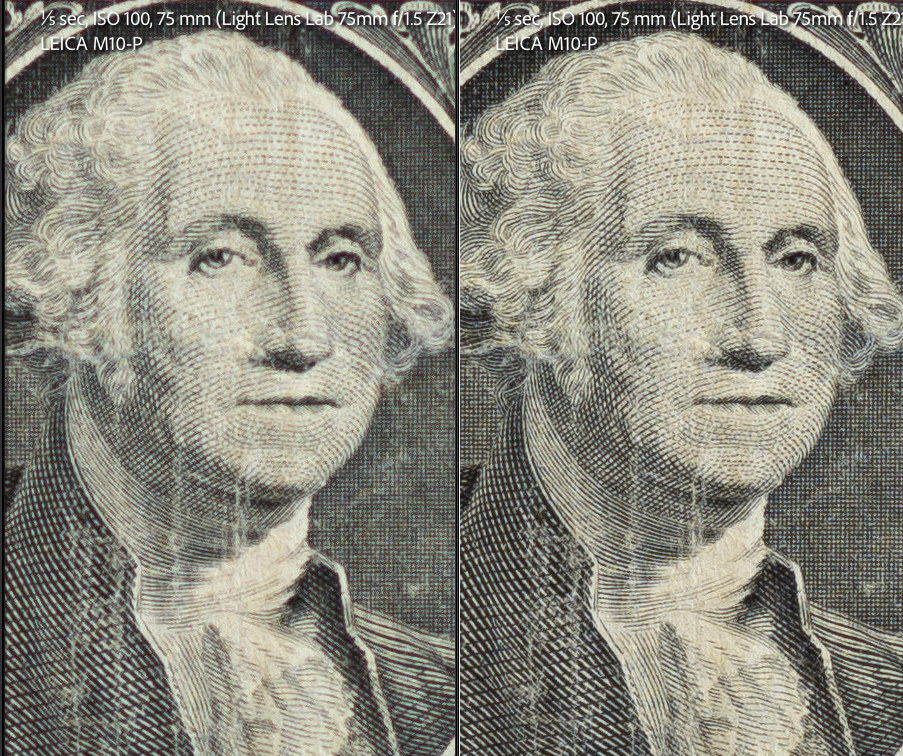
As expected, and similarly to the 50mm f/1.5 Z21, wide open performance at 1m shows visible spherical aberration (SA), resulting in lower contrast and reduced resolution. Stopping the lens down produces a substantial improvement. Since the lens is not equipped with a modern floating element design, some loss of sharpness at close range when used wide open is entirely expected.

The good news is that focus shift has been noticeably improved compared to the LLL 50mm f/1.5 Z21. When focusing at f/1.5 and stopping down without refocusing, image quality continues to improve at each aperture. This was not the case with the 50mm Z21, where focus shift could become severe enough by stopping down.

Focus shift is still present on the 75mm Z21, but it is much better controlled and no longer becomes problematic in real world shooting. This is great news for rangefinder shooters.

Pronounced focus shift appears to be an inherent characteristic of the original Angenieux 50mm f/1.5 S21 and was also evident in the Light Lens Lab 50mm f/1.5 Z21. I am pleased to report that Light Lens Lab's engineers have done a much better job controlling it in the 75mm Z21. Whether this improvement is related to the decision to maintain a 1m MFD instead of 0.7m is difficult to say, but the connection is certainly interesting.

Usually, when a lens shows moderate to strong focus shift, focusing wide open and then stopping down without refocusing often results in a softer image because the plane of focus moves away from the intended subject. In this case, despite the presence of a small amount of focus shift, IQ continues to improve as the lens is stopped down.

The following sequence shows 100% pixel-level crops captured at apertures from f/1.5 to f/4.


At 1m MFD using LiveView


LEFT: f/1.5 | RIGHT: f/2


LEFT: f/2 | RIGHT: f/2.8


LEFT: f/2.8 | RIGHT: f/4


Jun 07, 2026 at 04:10 PM
Fred Miranda
Offline
Admin
Upload & Sell: On
p.2 #8 · Light Lens Lab 75mm f/1.5 Z21 Review


Back to Quick Links

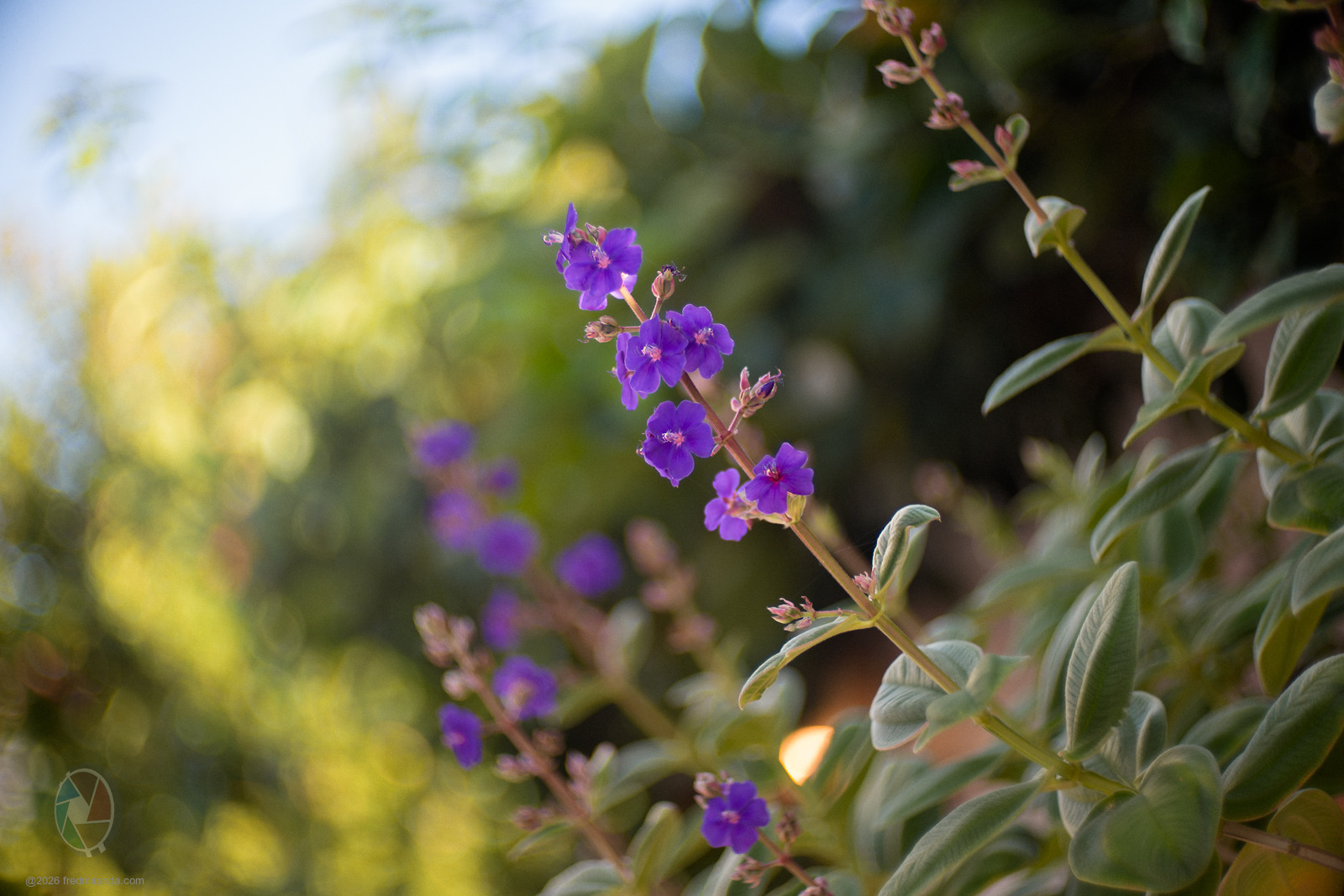
Samples 2: Continuing My First Outing with the Lens, Late Afternoon Light

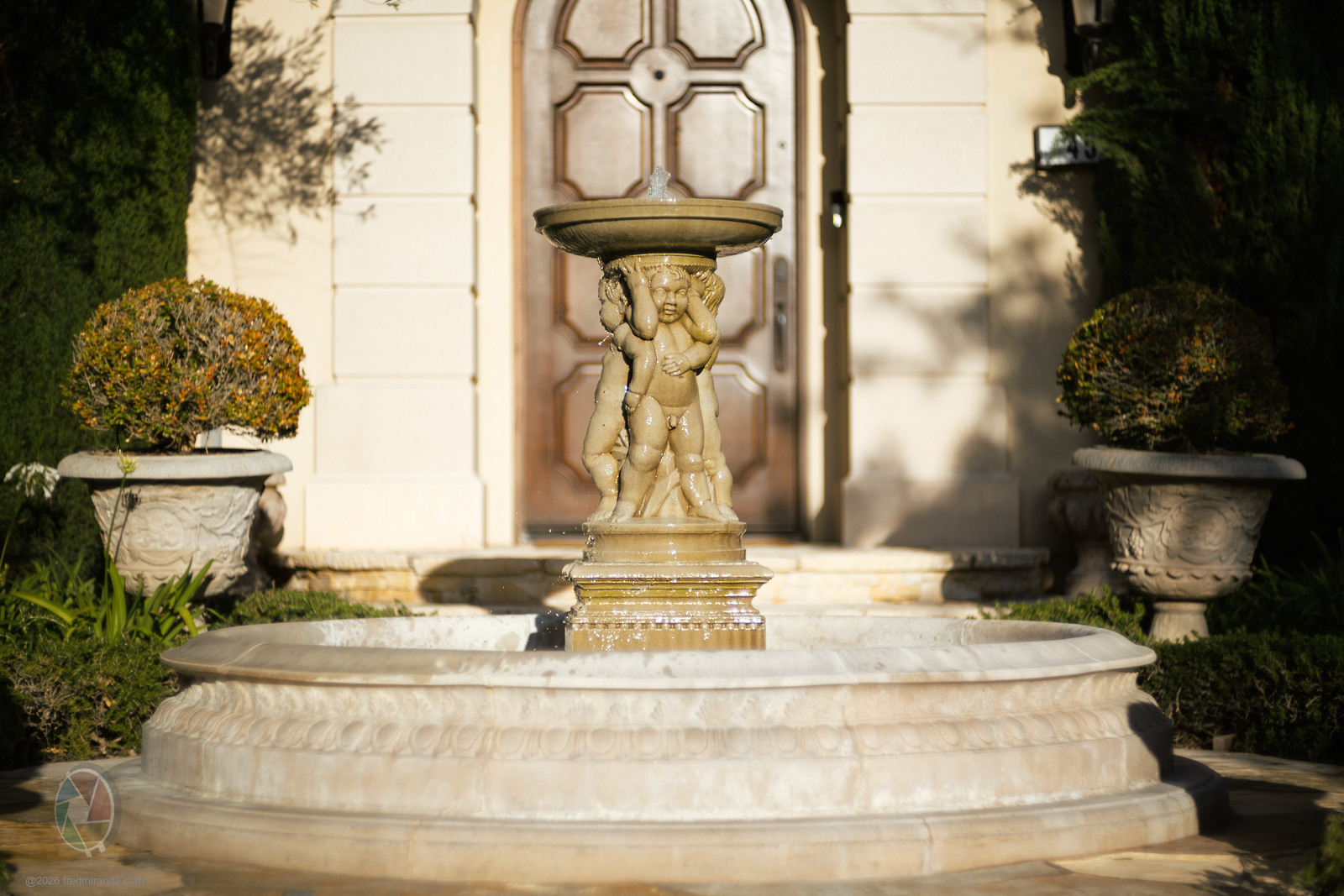
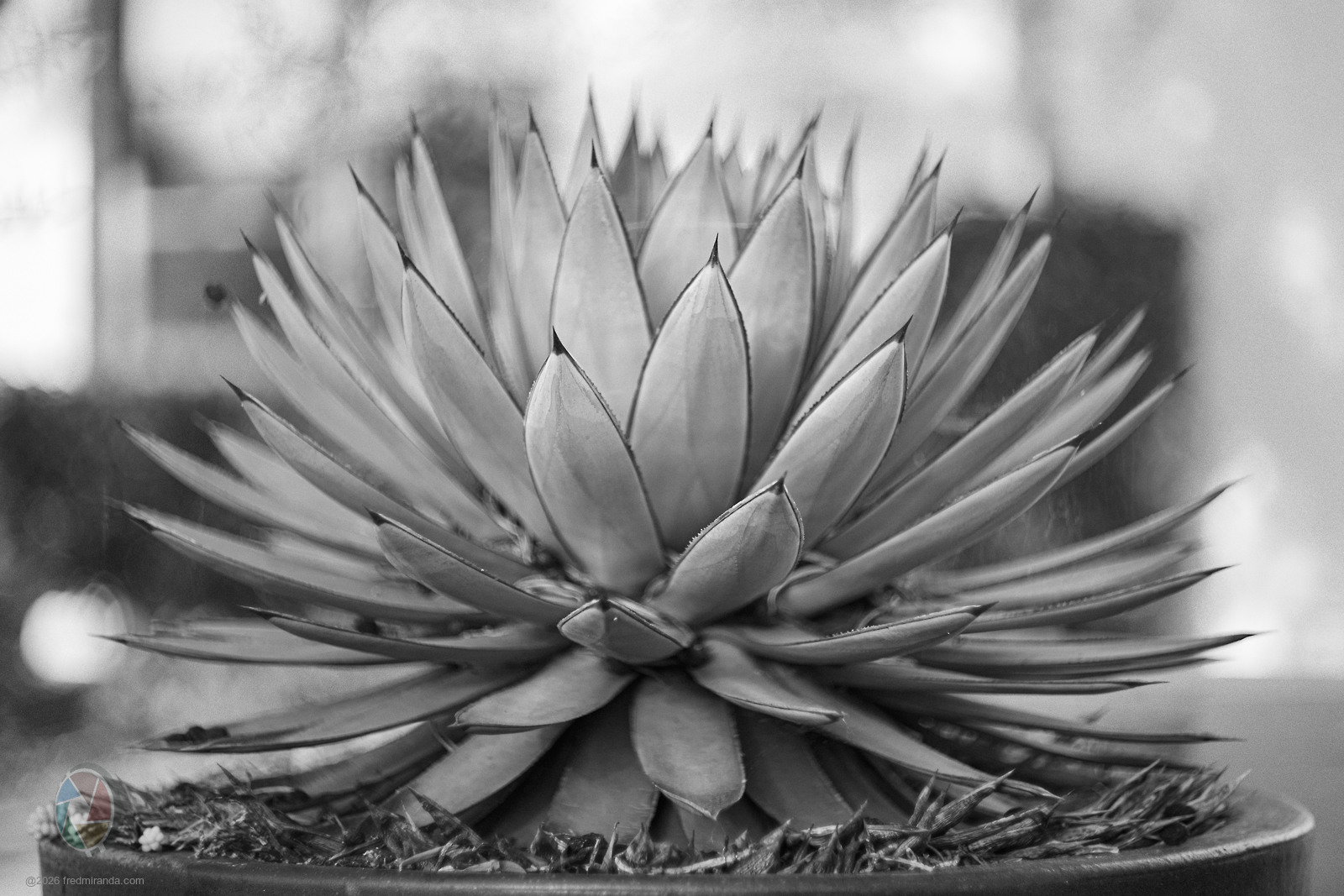
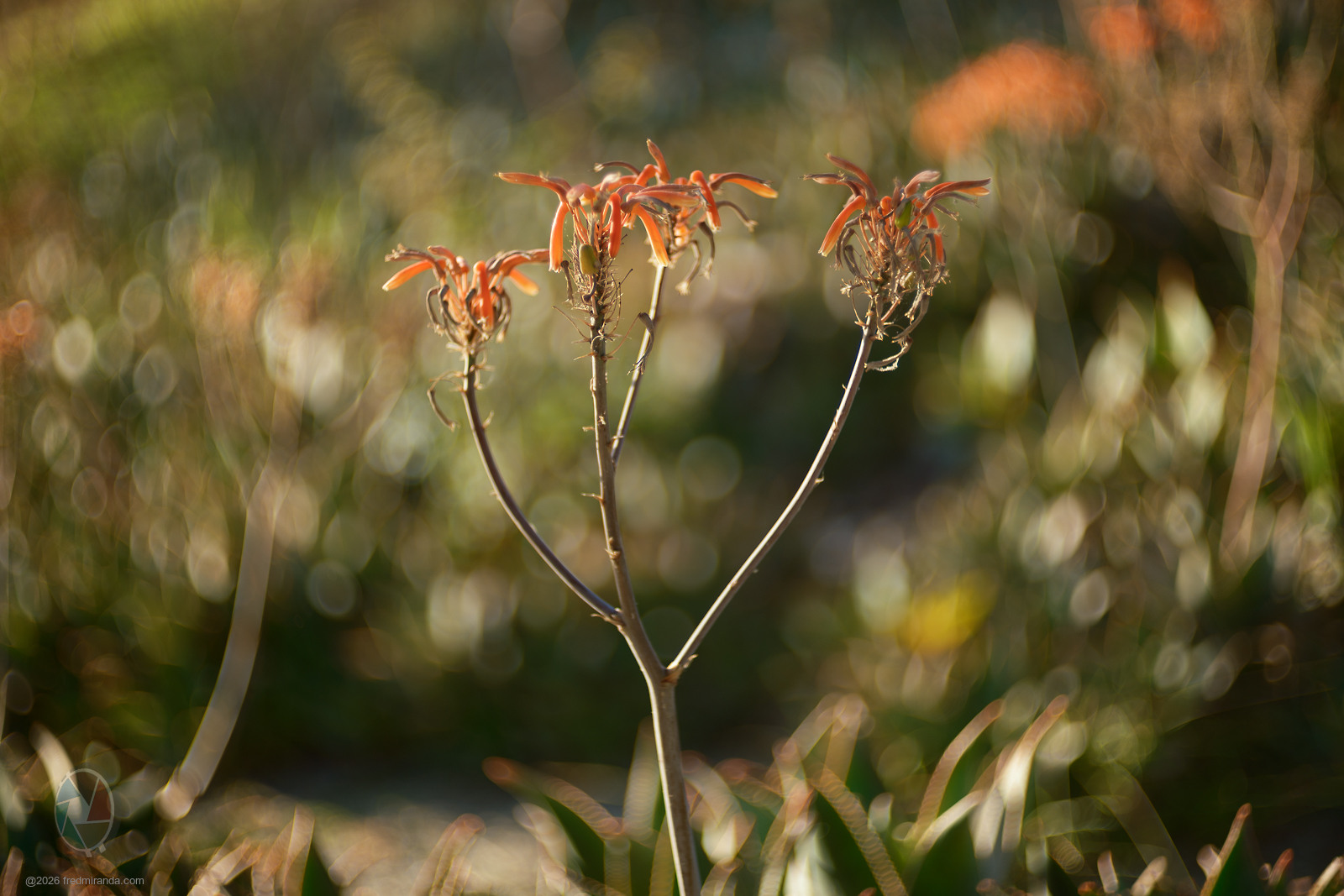
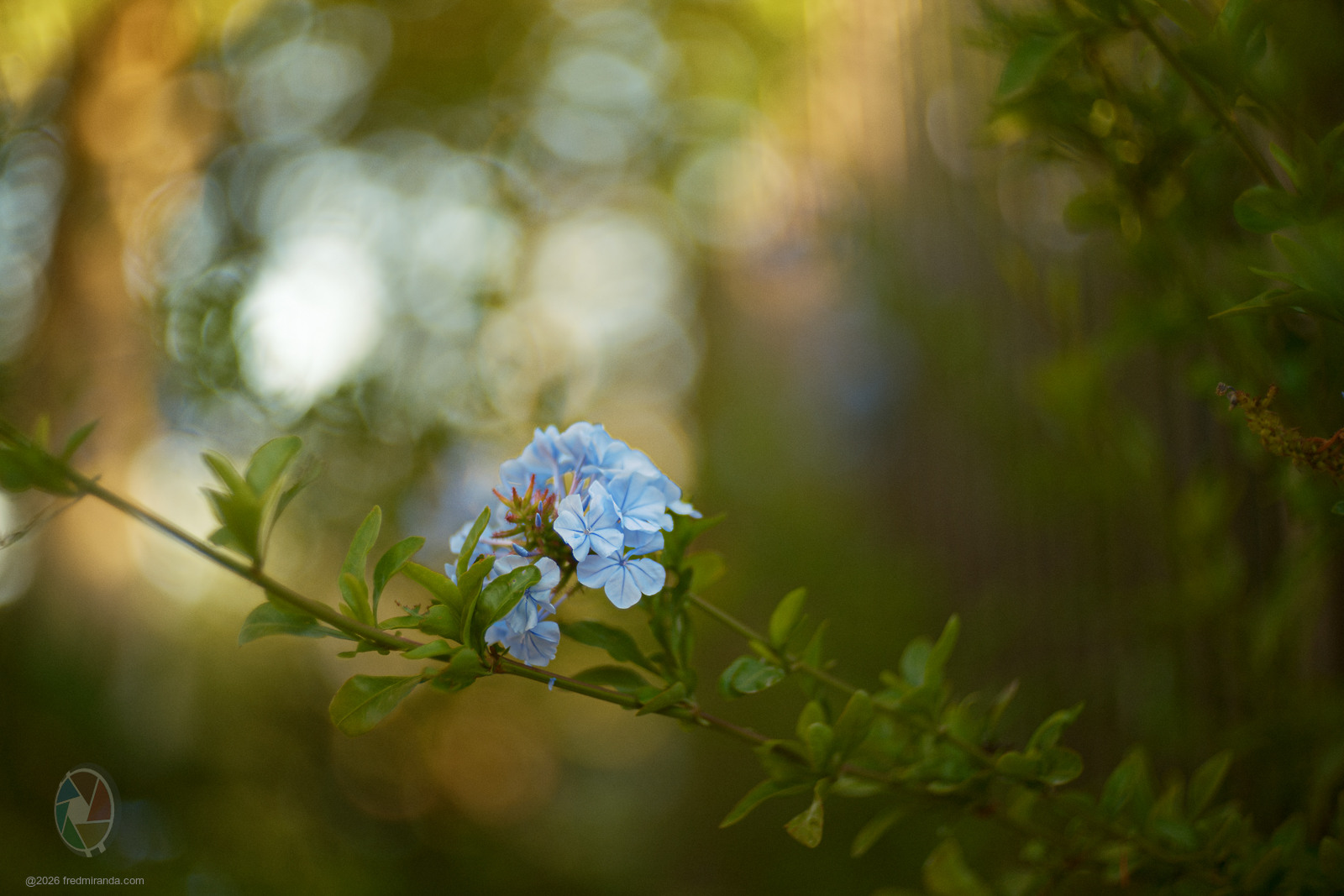
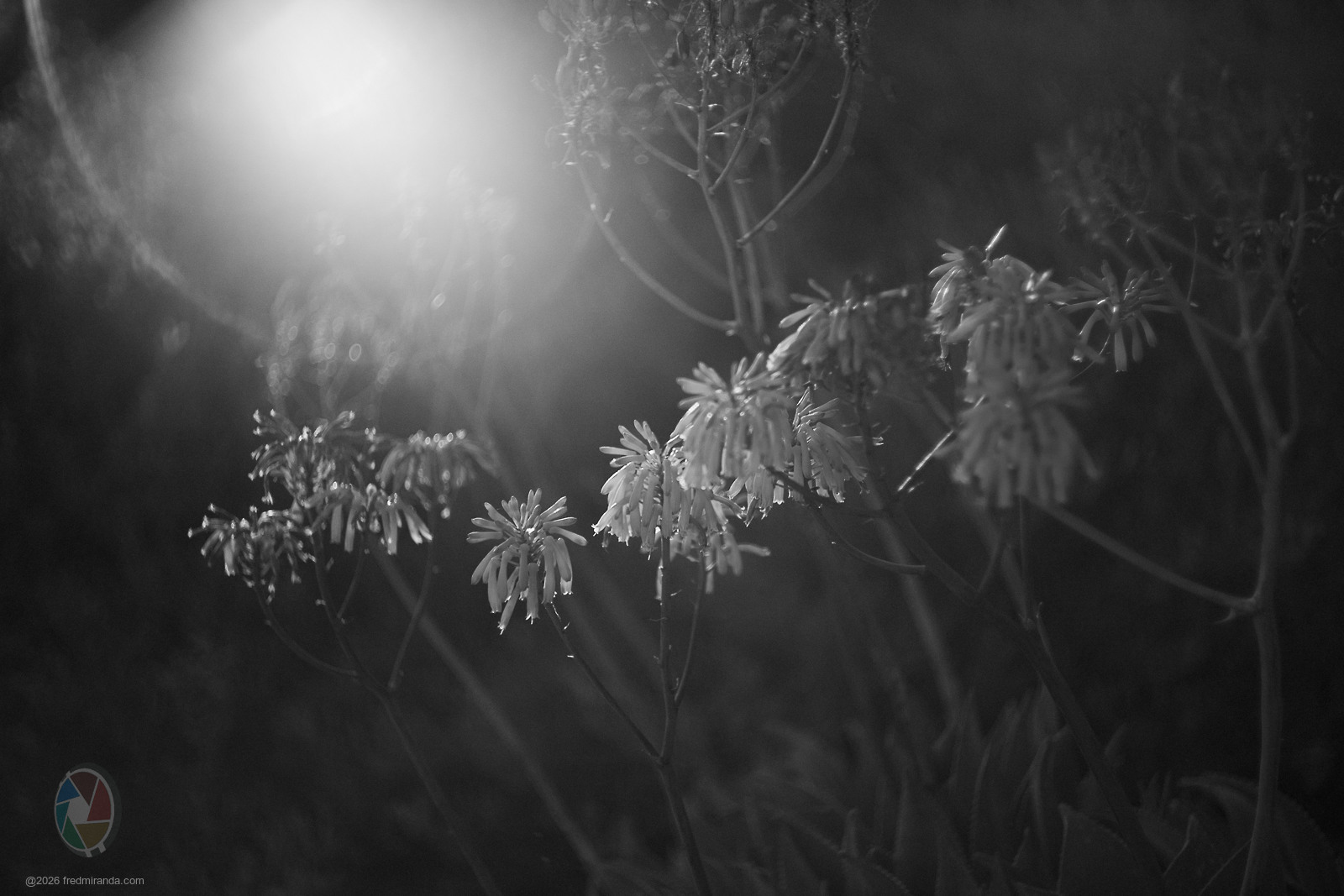
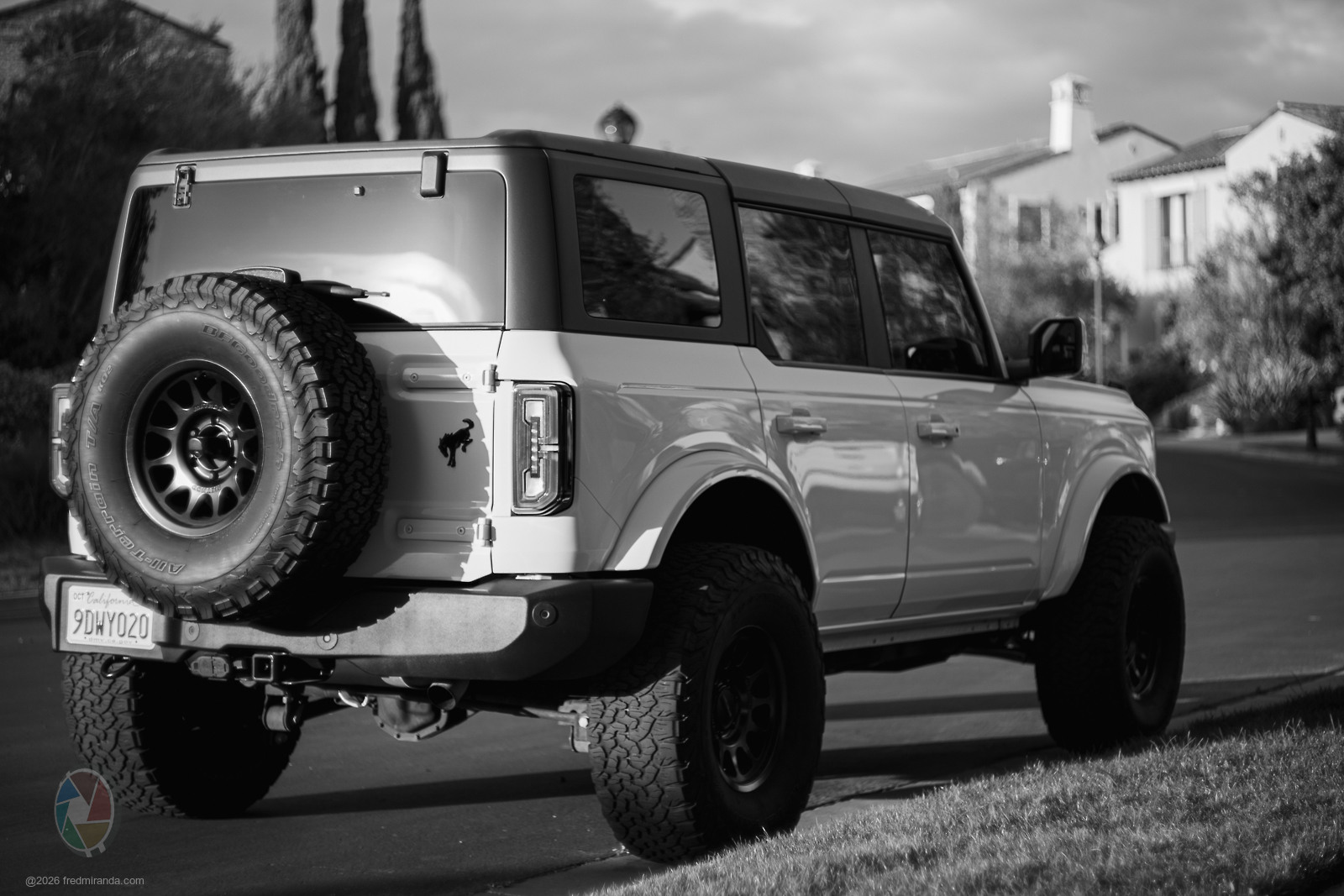
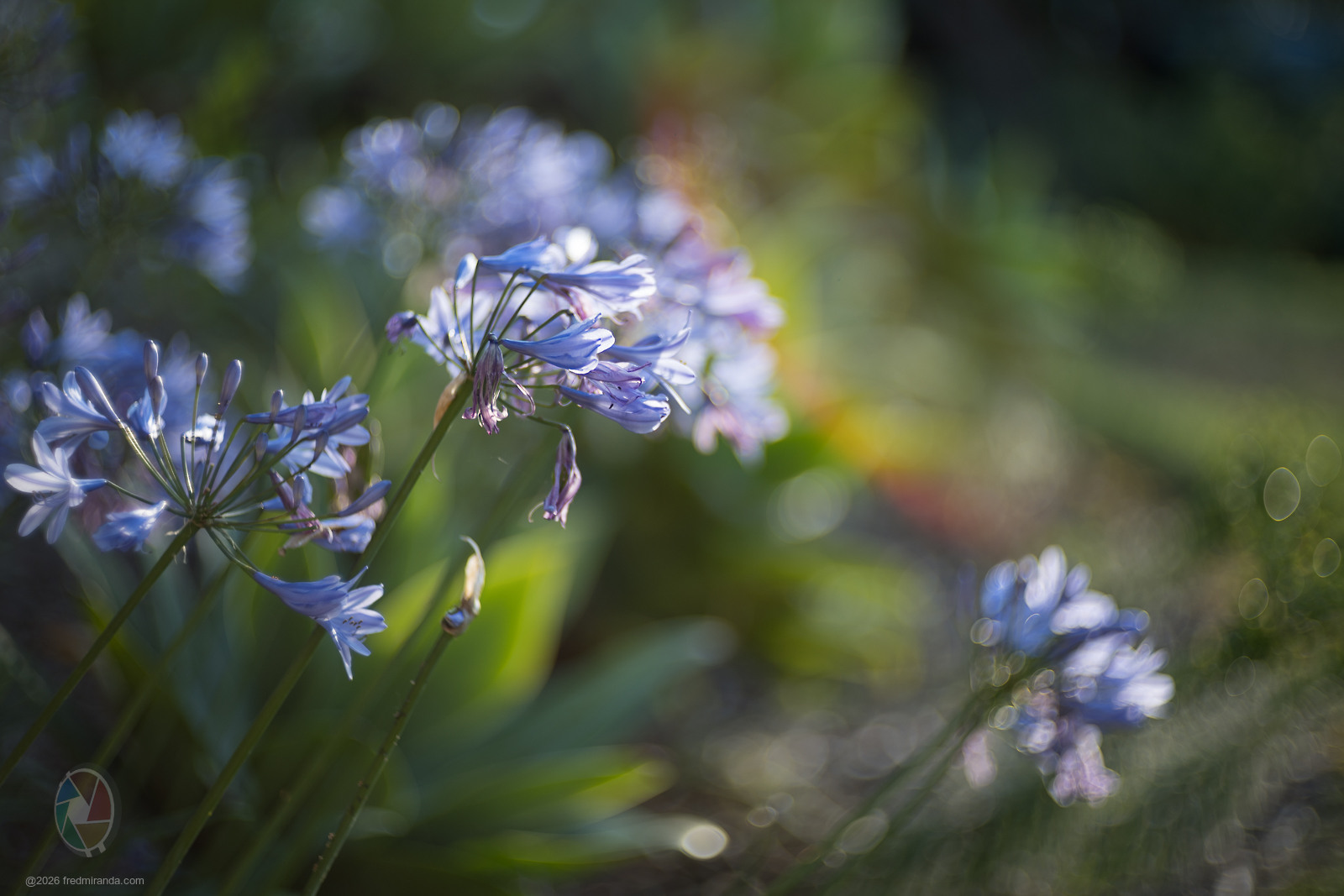
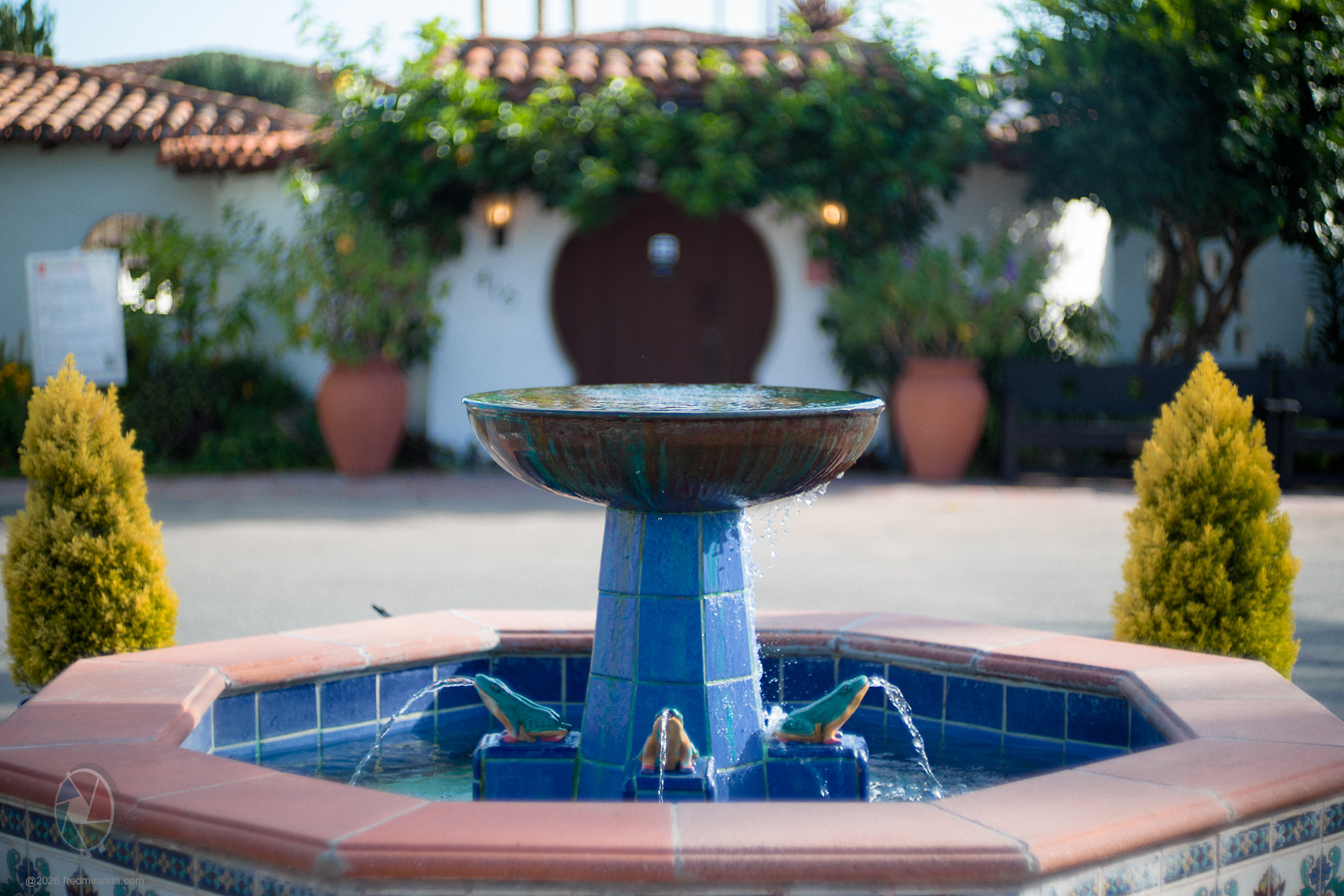
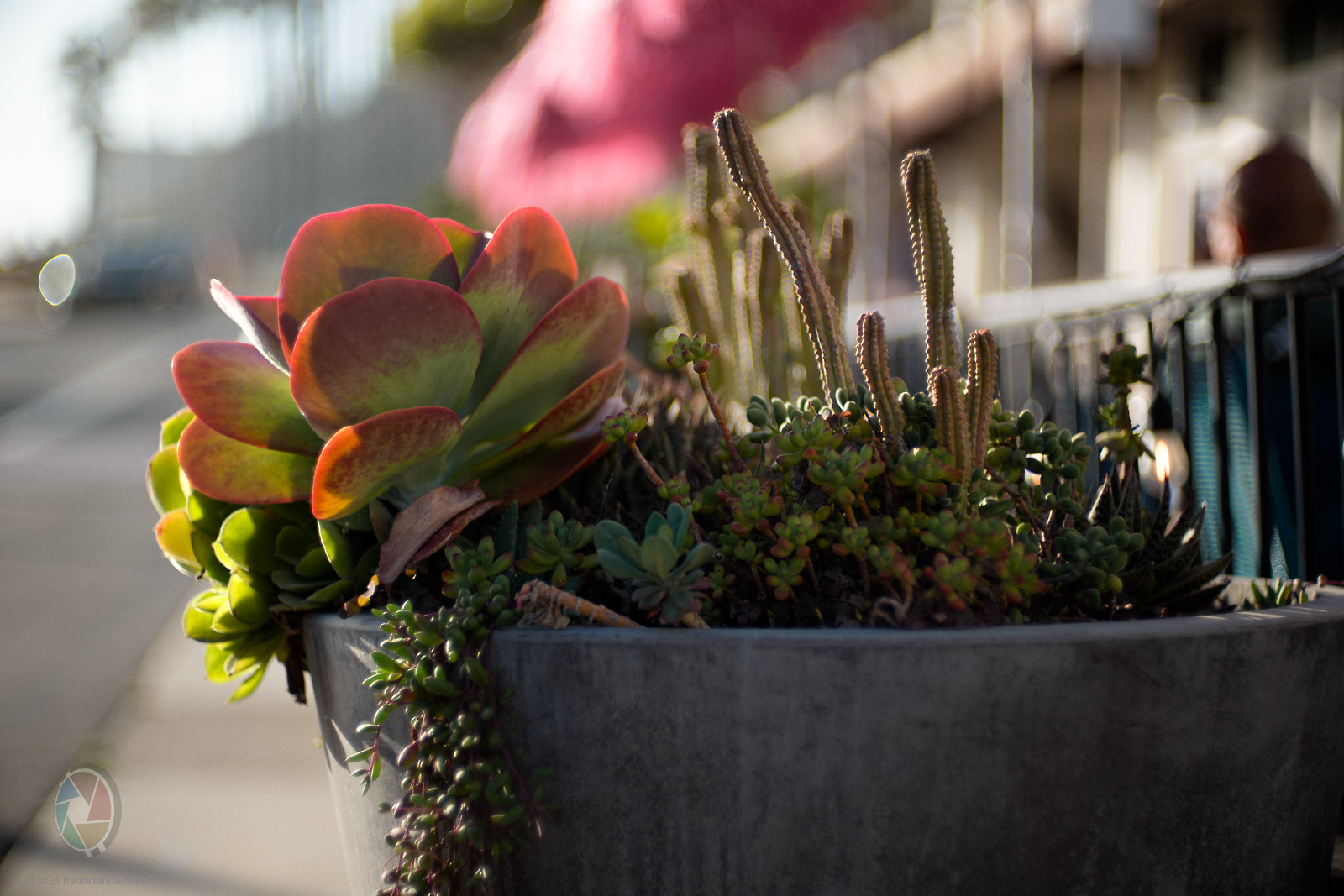
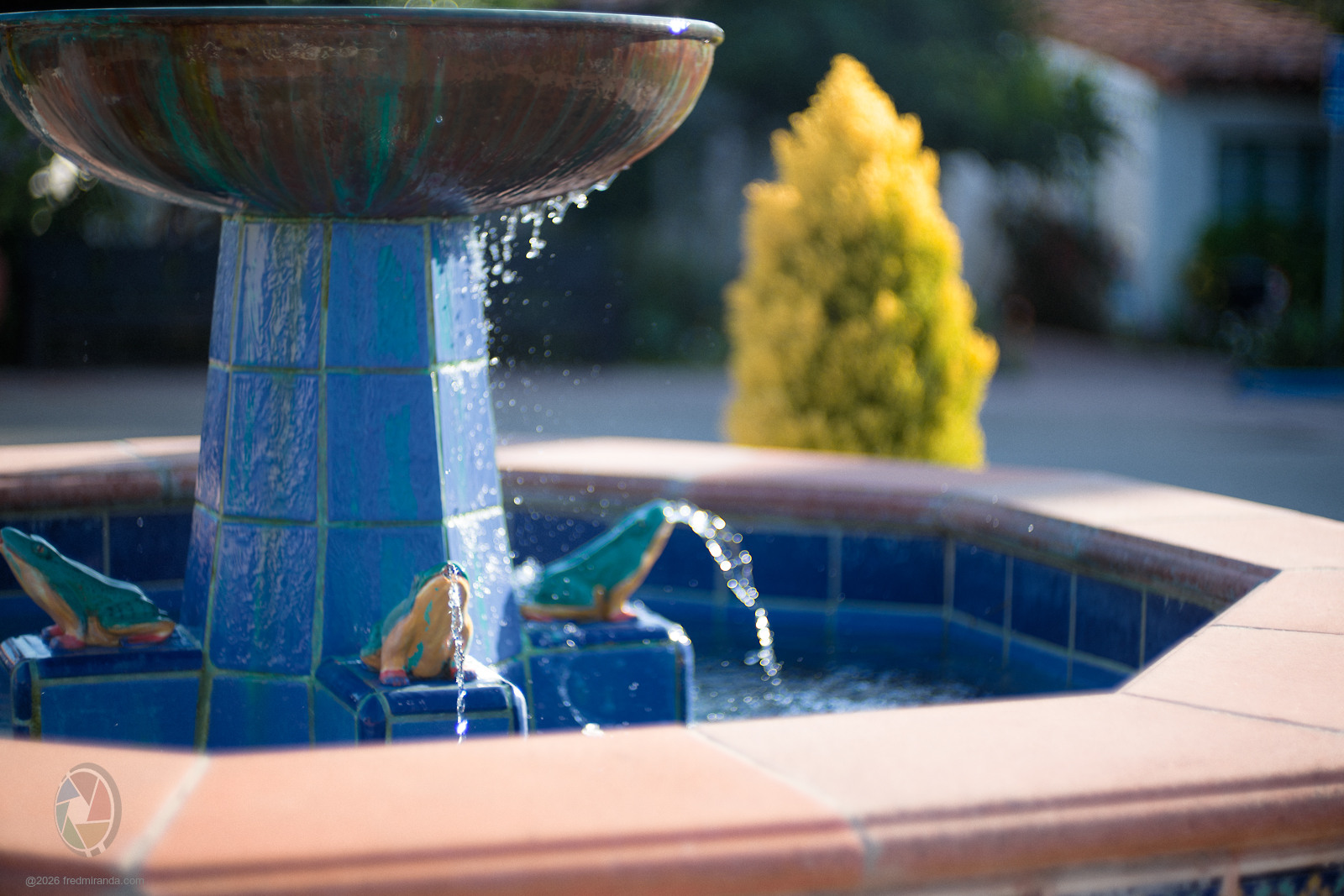
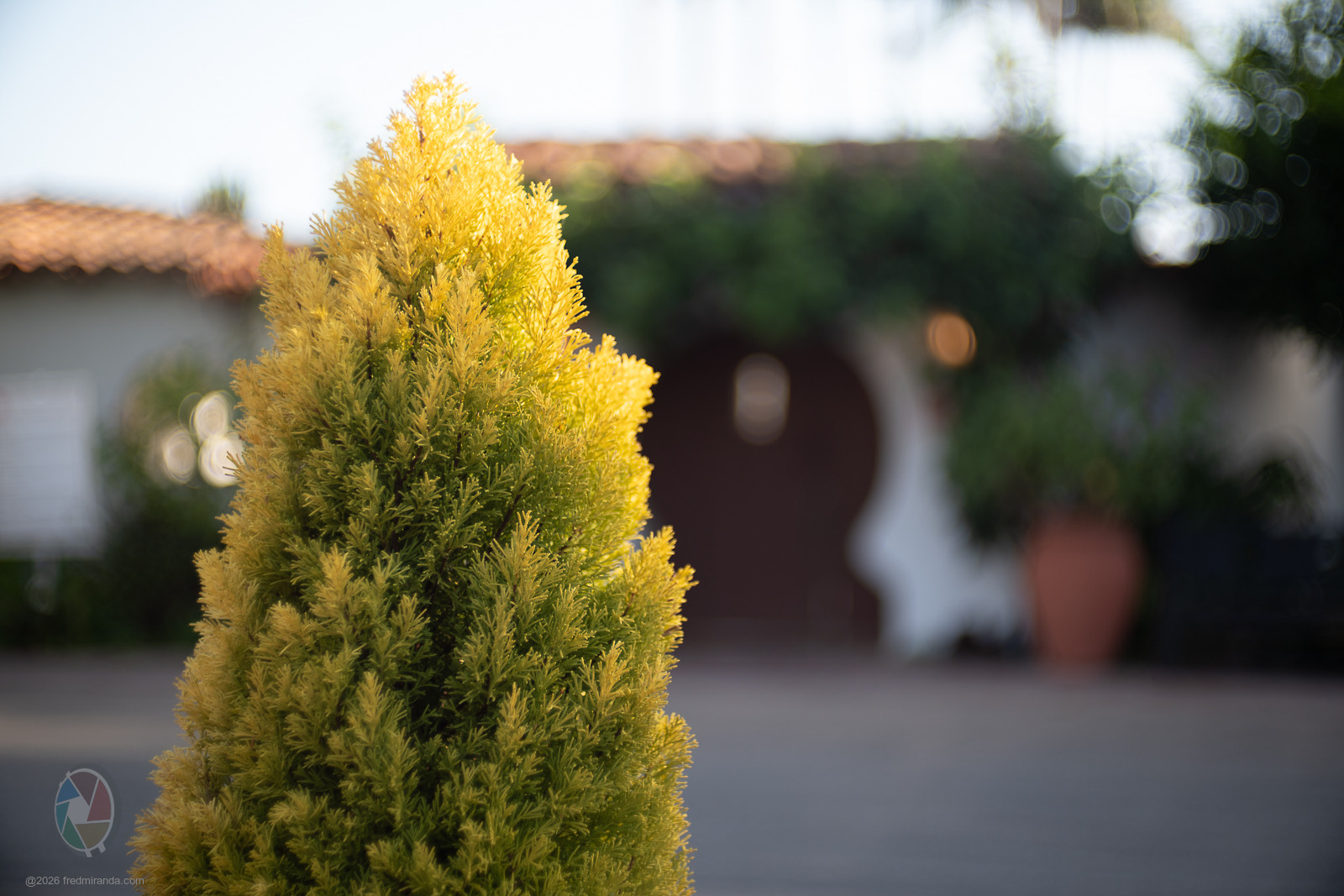
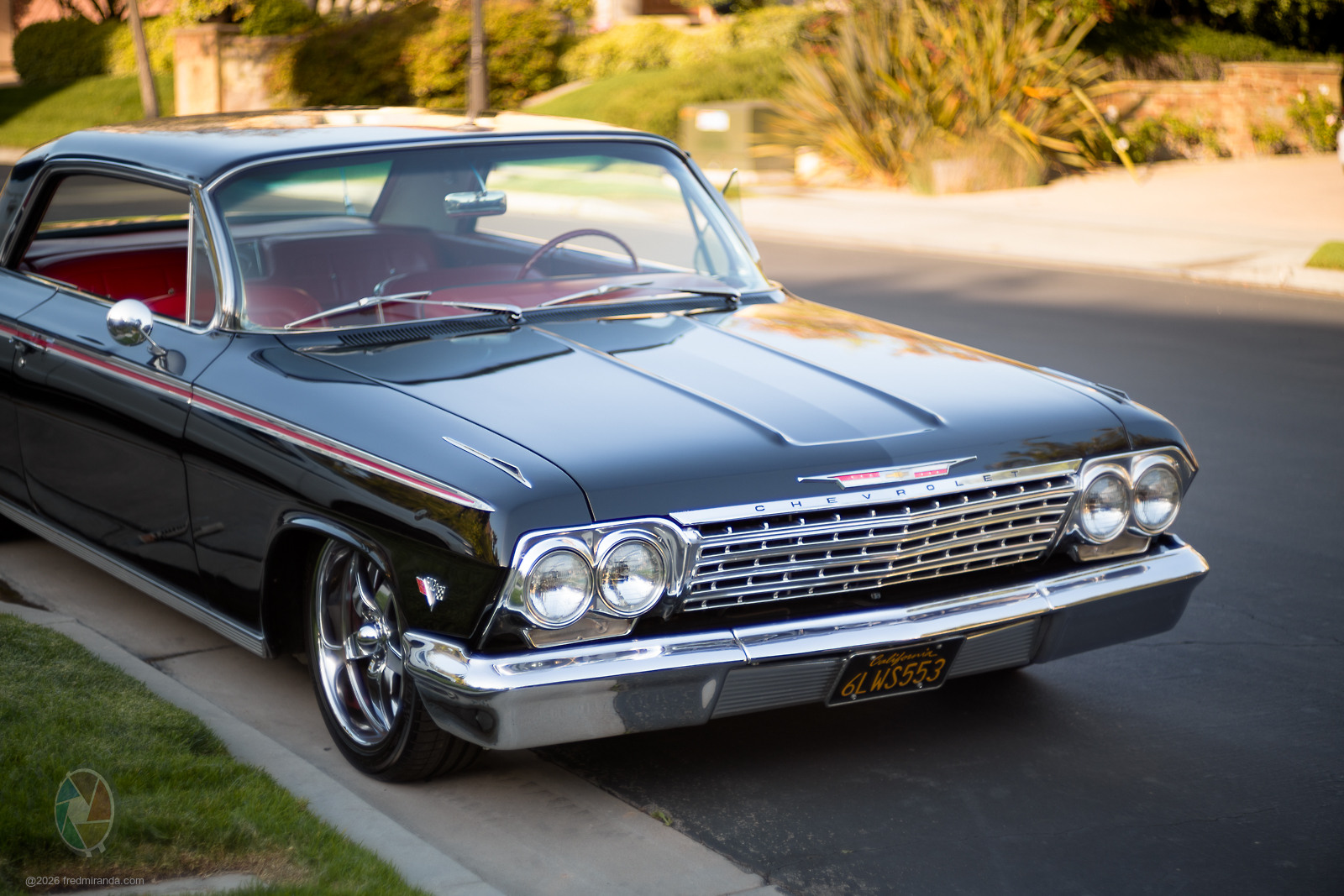
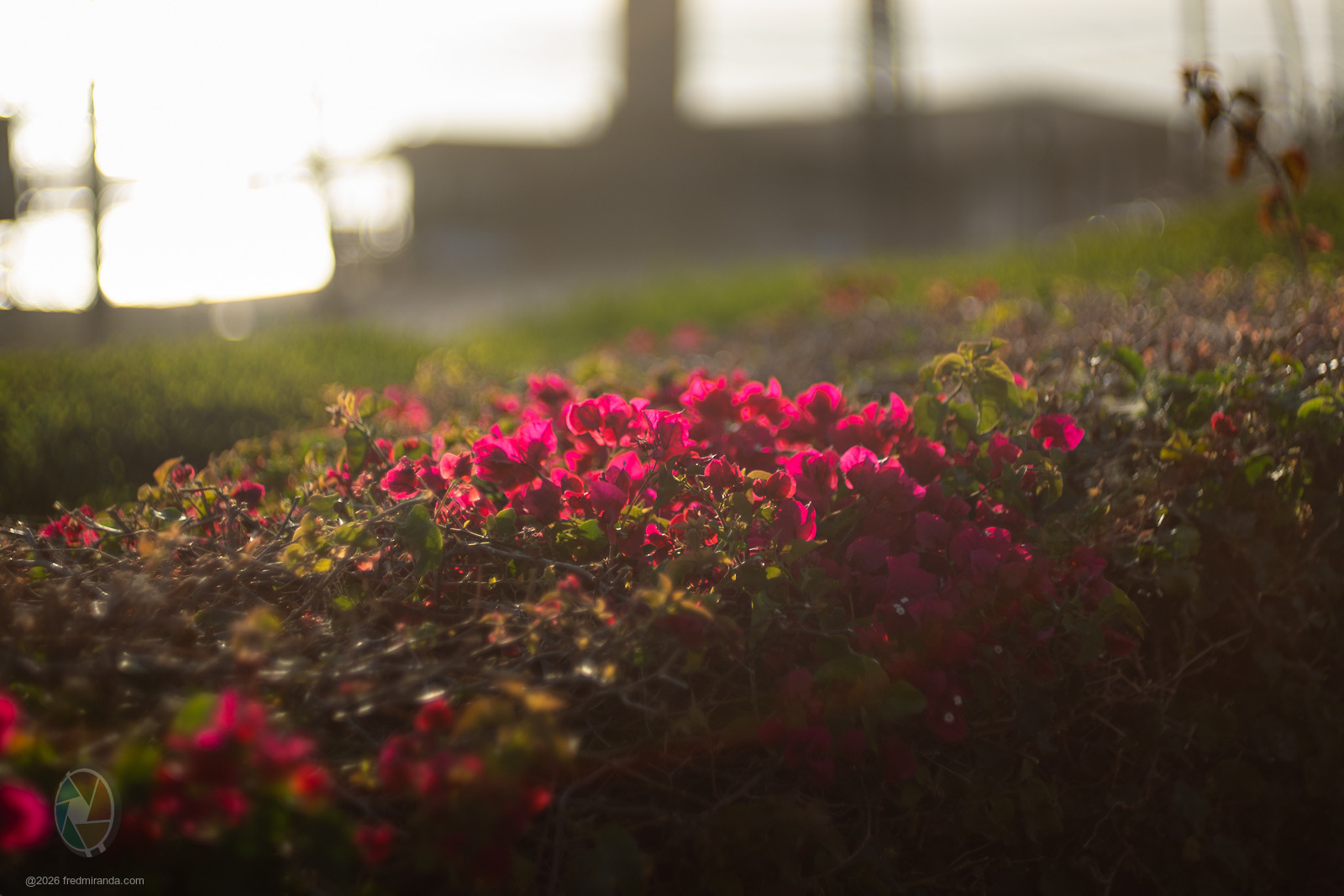
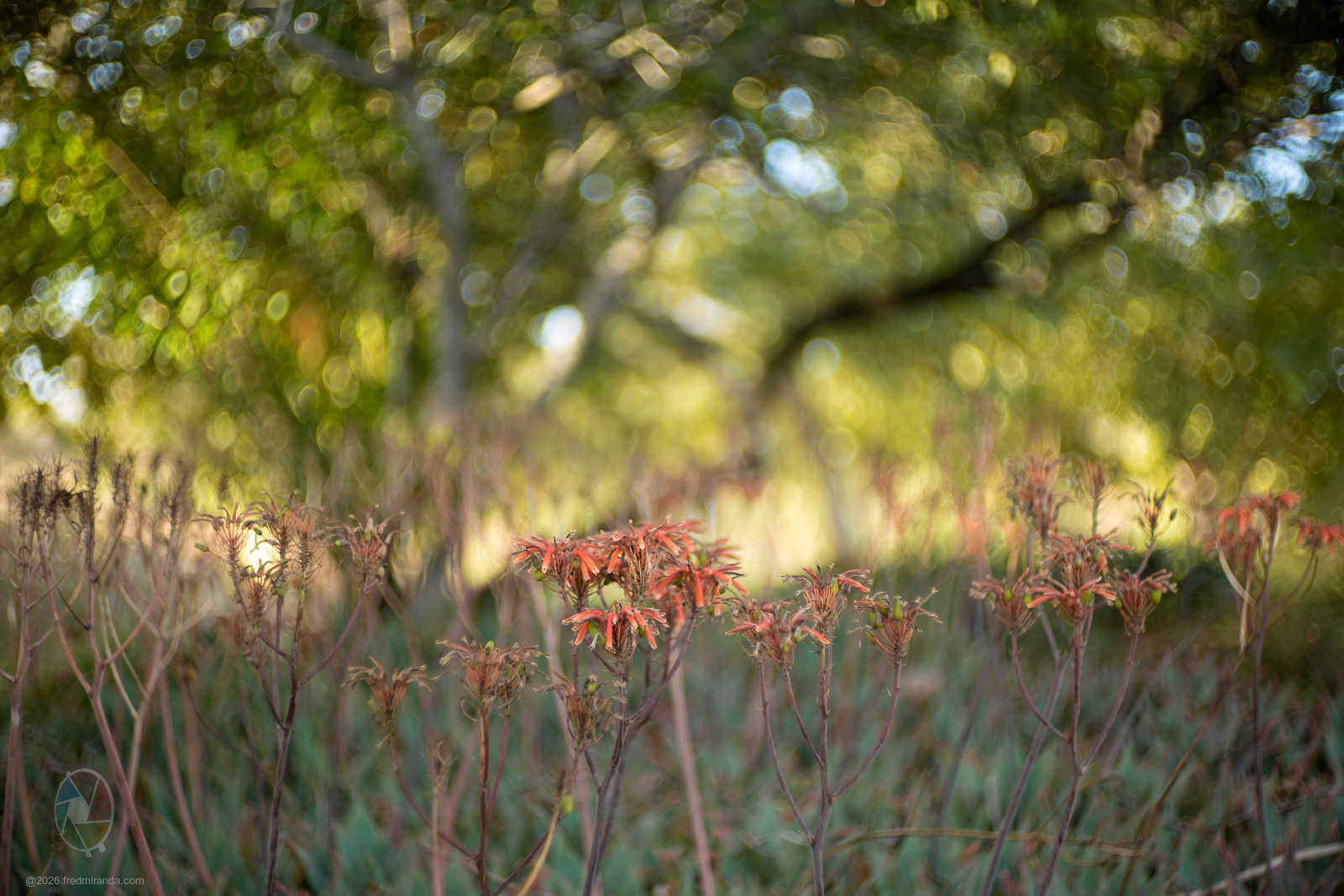
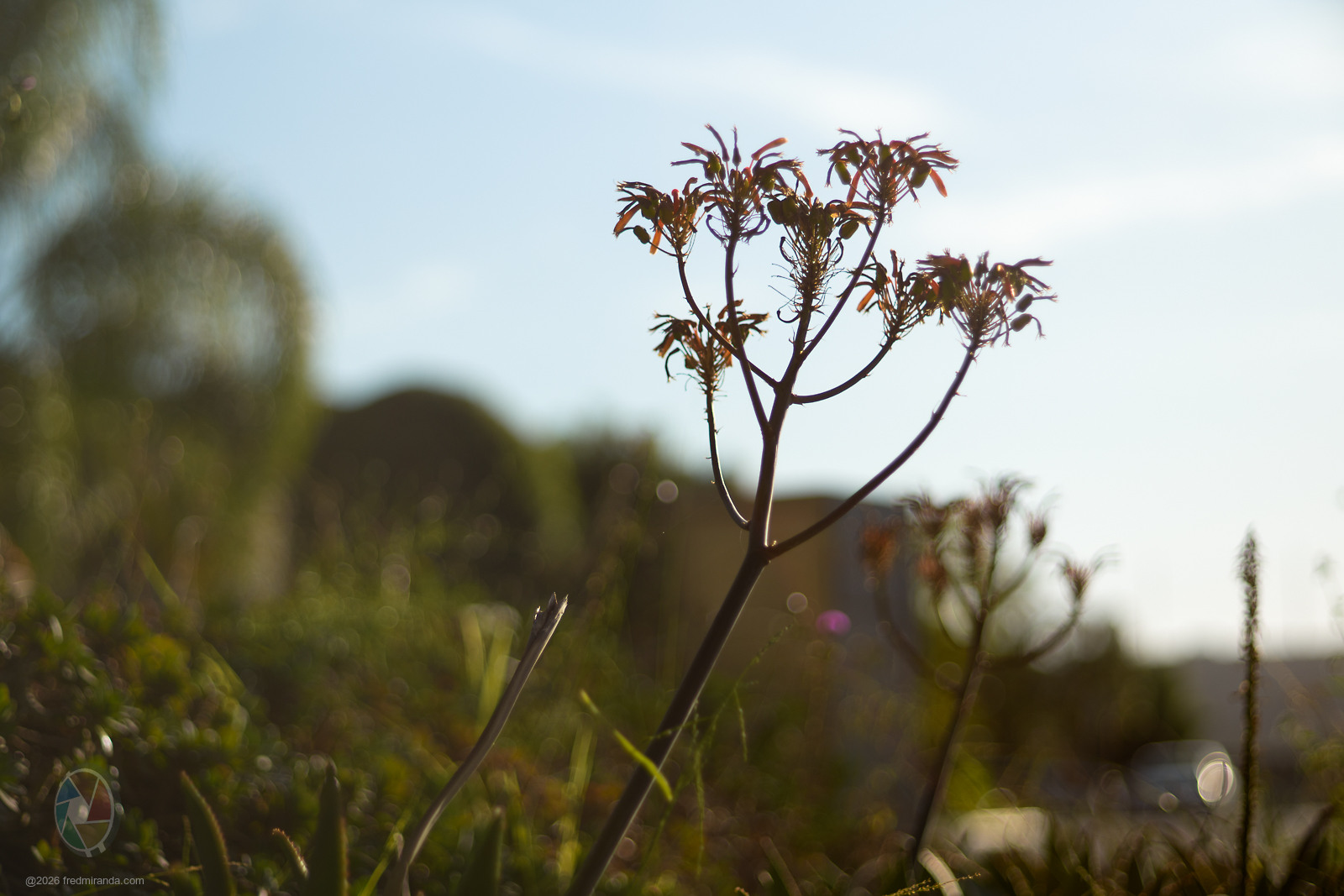
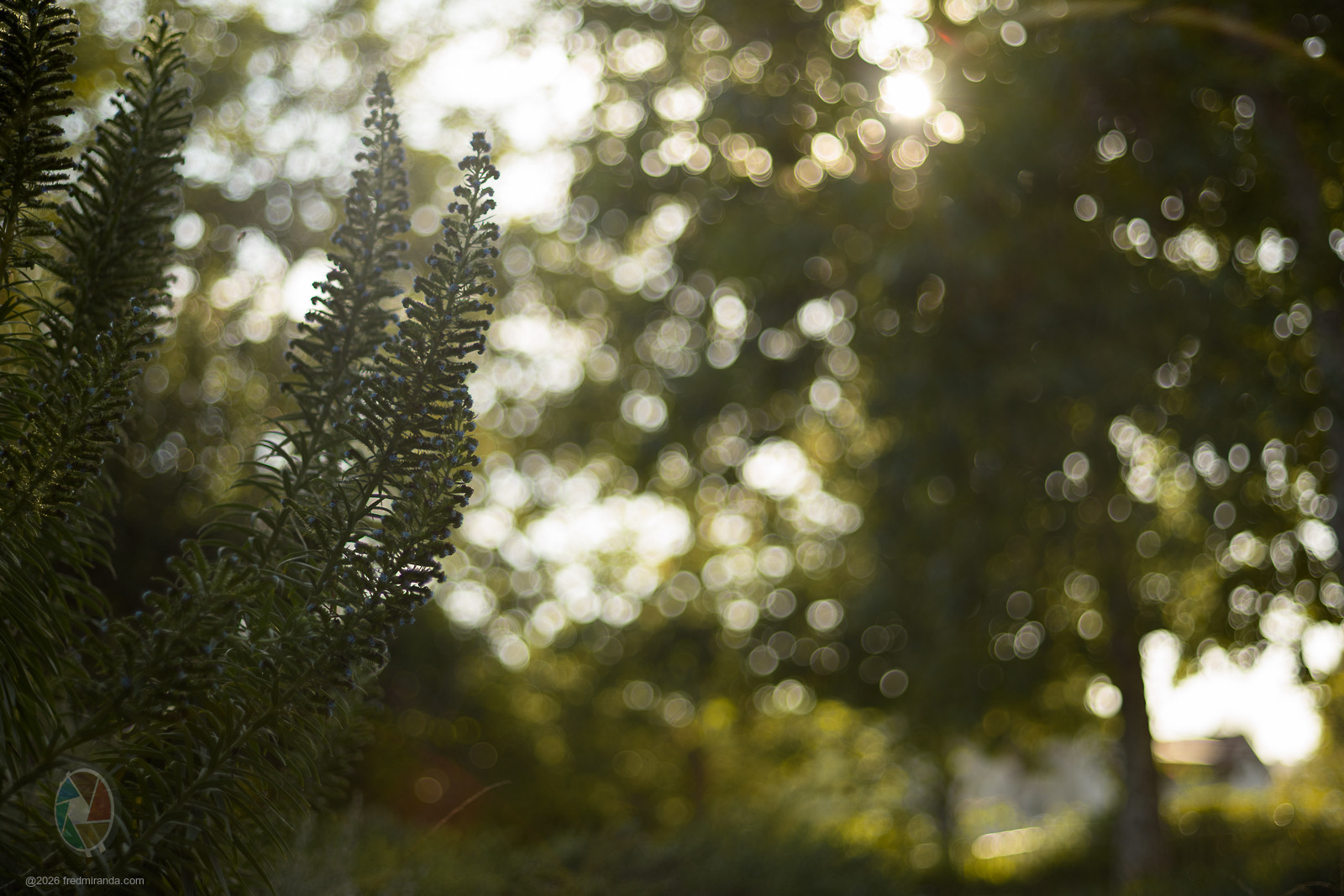
Most of the images were taken wide open at f/1.5 in late afternoon light, with subjects at varying distances.

Post processing was kept very light, with only minor sharpening and small exposure adjustments. I used Adobe Color or Monochrome profiles to let the lens natural color and tonal response come through.


  LEICA M10-P    Light Lens Lab 75mm f/1.5 Z21 lens    75mm    f/1.4    1/4000s    100 ISO    0.0 EV  


  LEICA M10-P    Light Lens Lab 75mm f/1.5 Z21 lens    75mm    f/1.4    1/1000s    100 ISO    0.0 EV  


  LEICA M10-P    Light Lens Lab 75mm f/1.5 Z21 lens    75mm    f/1.4    1/800s    100 ISO    0.0 EV  


  LEICA M10-P    Light Lens Lab 75mm f/1.5 Z21 lens    75mm    f/1.4    1/400s    100 ISO    0.0 EV  


  LEICA M10-P    Light Lens Lab 75mm f/1.5 Z21 lens    75mm    f/1.4    1/1600s    100 ISO    0.0 EV  


  LEICA M10-P    Light Lens Lab 75mm f/1.5 Z21 lens    75mm    f/1.4    1/2500s    100 ISO    0.0 EV  


  LEICA M10-P    Light Lens Lab 75mm f/1.5 Z21 lens    75mm    f/1.4    1/1600s    100 ISO    0.0 EV  


  LEICA M10-P    Light Lens Lab 75mm f/1.5 Z21 lens    75mm    f/1.4    1/640s    100 ISO    0.0 EV  


Jun 08, 2026 at 06:58 PM
Fred Miranda
Offline
Admin
Upload & Sell: On
p.2 #9 · Light Lens Lab 75mm f/1.5 Z21 Review


Back to Quick Links

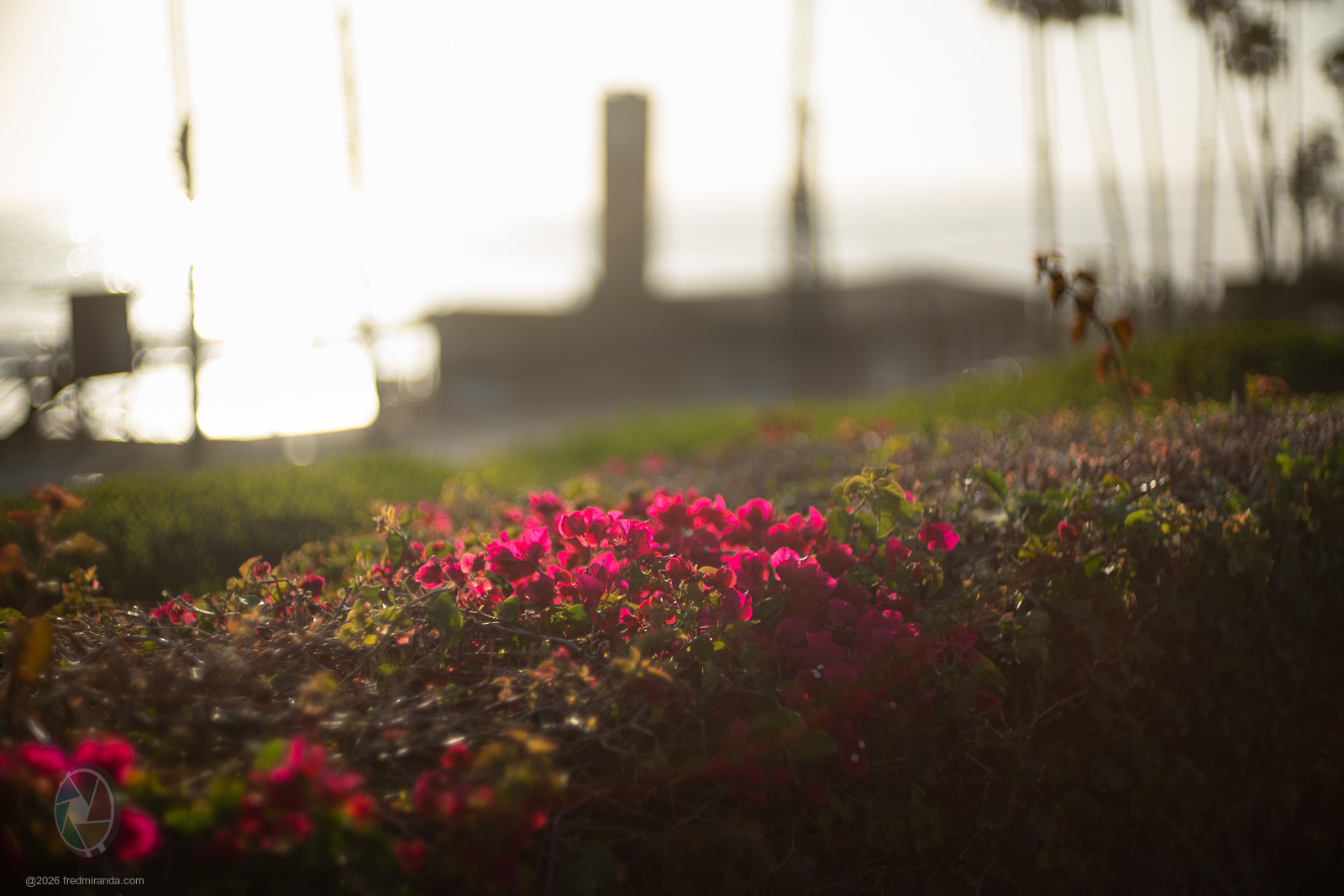
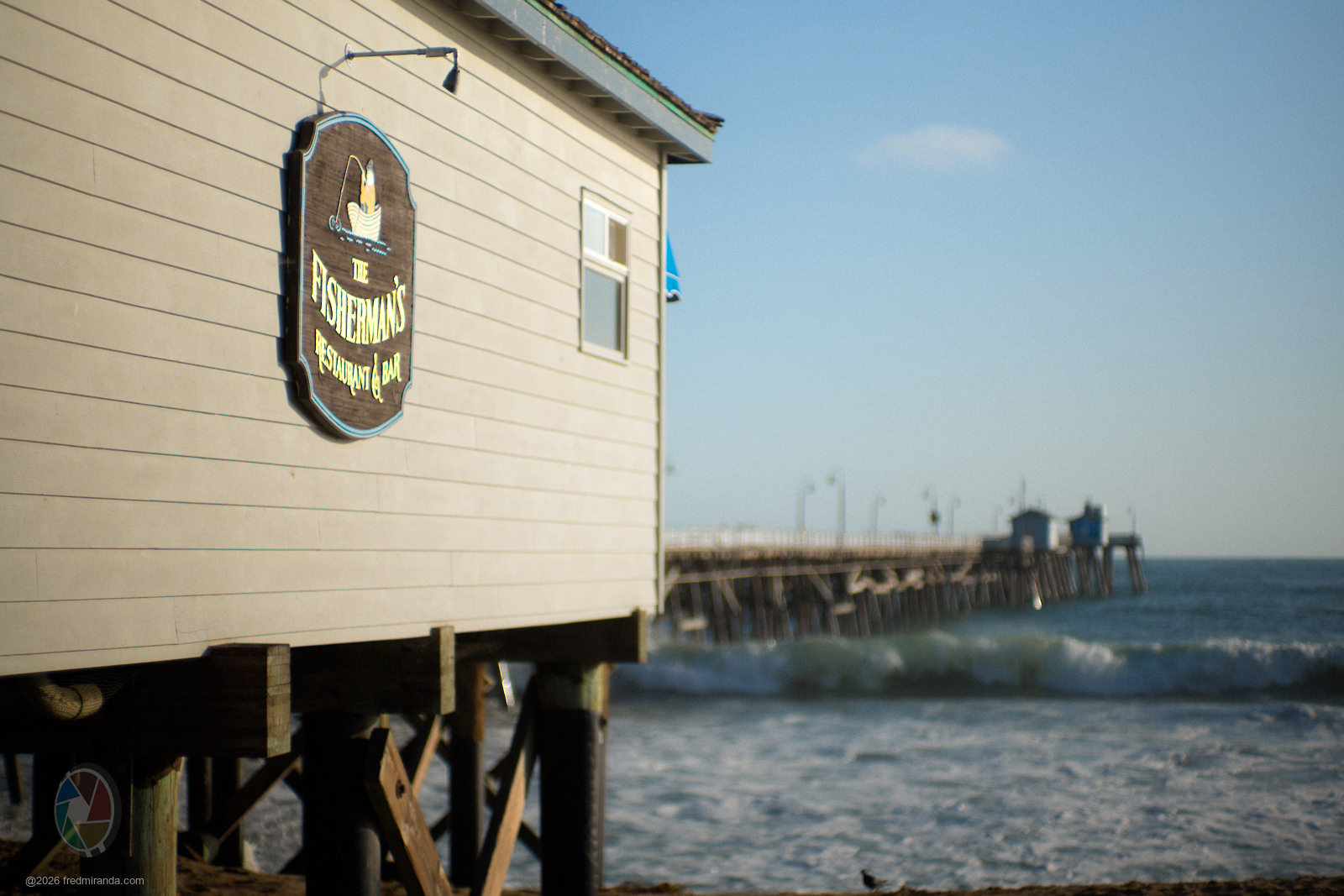
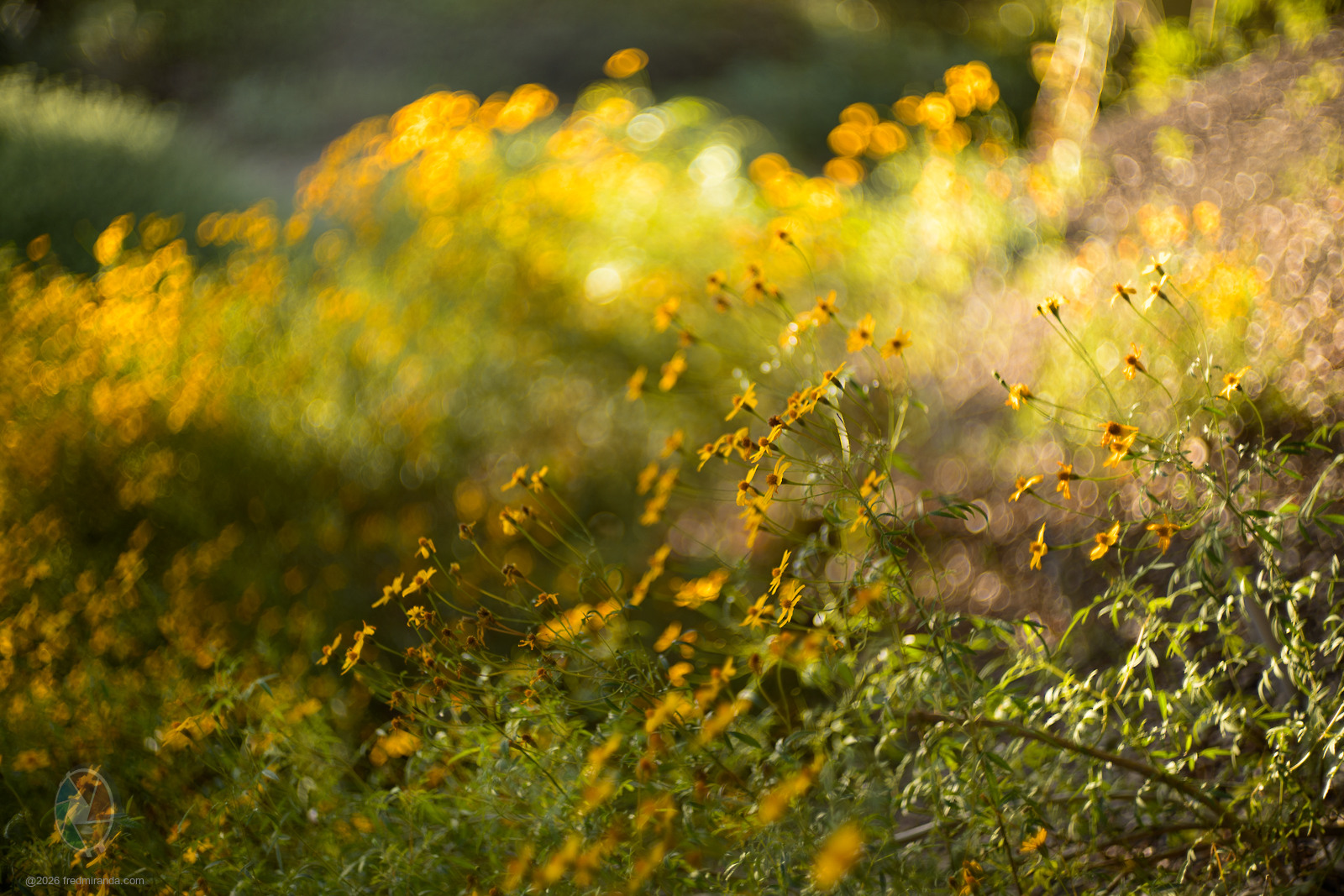
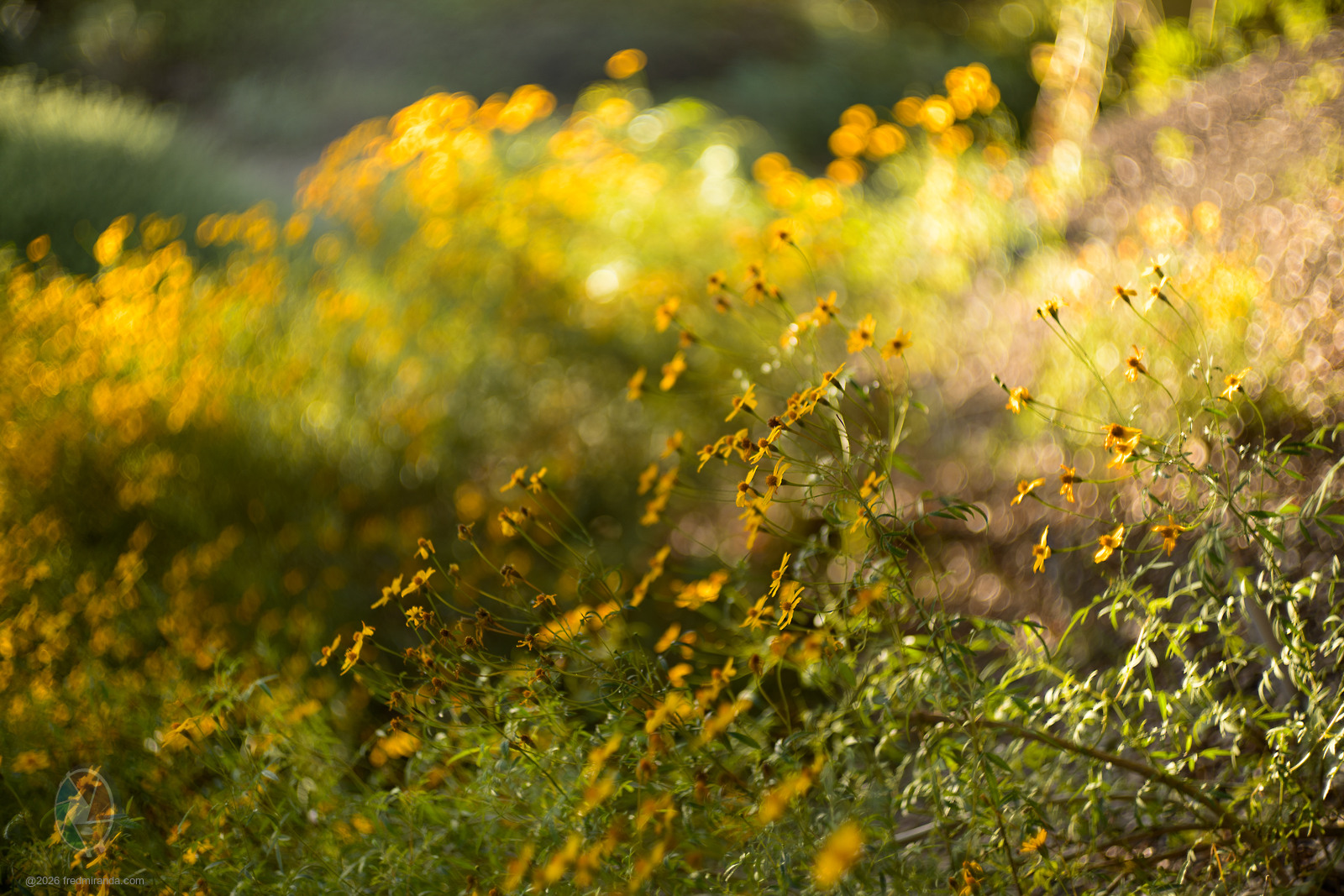
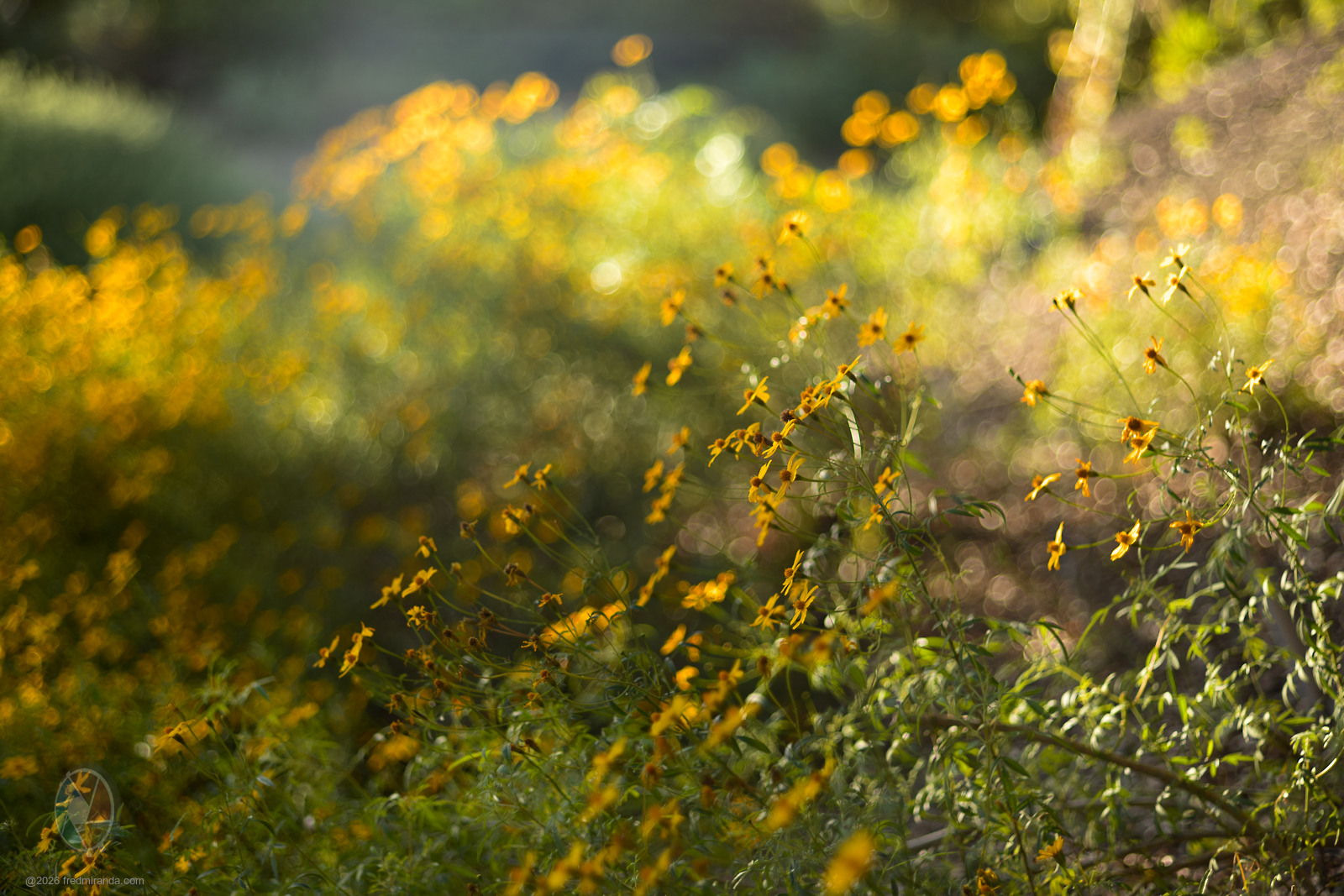
Samples 3: A walk near the beach at Late Afternoon Light

Most of the images were captured wide open at f/1.5 in late afternoon light, with subjects positioned at a variety of distances.

Post processing was intentionally kept to a minimum, consisting only of minor sharpening (40, 0.8, 20, 50) and small exposure adjustments. I used the Adobe Standard or Color profiles throughout to allow the lens’s natural color rendition and tonal character to shine through.


at f/2

  LEICA M10-P    Light Lens Lab 75mm f/1.5 Z21 lens    75mm    f/2.0    1/1250s    100 ISO    0.0 EV  


  LEICA M10-P    Light Lens Lab 75mm f/1.5 Z21 lens    75mm    f/1.4    1/2000s    100 ISO    -0.7 EV  


  LEICA M10-P    Light Lens Lab 75mm f/1.5 Z21 lens    75mm    f/1.4    1/800s    100 ISO    0.0 EV  


  LEICA M10-P    Light Lens Lab 75mm f/1.5 Z21 lens    75mm    f/1.4    1/2500s    100 ISO    0.0 EV  


  LEICA M10-P    Light Lens Lab 75mm f/1.5 Z21 lens    75mm    f/1.4    1/4000s    100 ISO    -1.0 EV  


  LEICA M10-P    Light Lens Lab 75mm f/1.5 Z21 lens    75mm    f/1.4    1/4000s    100 ISO    -0.7 EV  


  LEICA M10-P    Light Lens Lab 75mm f/1.5 Z21 lens    75mm    f/1.4    1/1250s    100 ISO    0.0 EV  


  LEICA M10-P    Light Lens Lab 75mm f/1.5 Z21 lens    75mm    f/1.4    1/1250s    100 ISO    0.0 EV  


  LEICA M10-P    Light Lens Lab 75mm f/1.5 Z21 lens    75mm    f/1.4    1/1000s    100 ISO    0.0 EV  


Jun 10, 2026 at 01:11 PM
teh_rebel
Offline
• • •
Upload & Sell: Off
p.2 #10 · Light Lens Lab 75mm f/1.5 Z21 Review


Great rendering on these. Between this one and Light Lens Lab 75mm f/2 "SPII", which one are you liking more?


Jun 10, 2026 at 01:38 PM


Search in Used Dept. 

Fred Miranda
Offline
Admin
Upload & Sell: On
p.2 #11 · Light Lens Lab 75mm f/1.5 Z21 Review


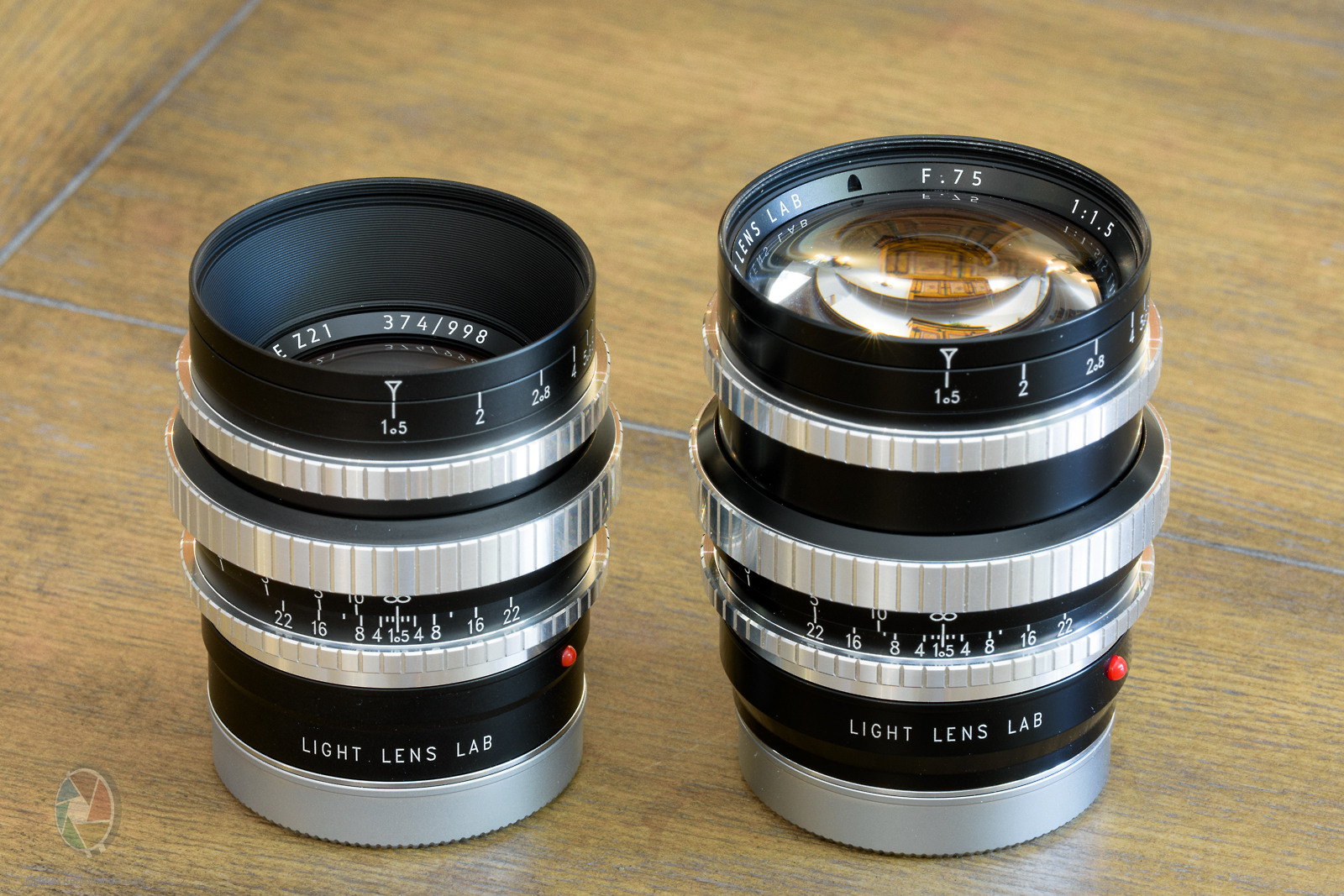
As mentioned in the review introduction, the 50mm f/1.5 Z21 uses a recessed front element that helps shield the optics from stray light. The telephoto design of the new 75mm f/1.5 Z21, however, required a different optical configuration. To achieve the longer focal length, the entire 6 element, 4 group optical assembly has been moved forward, placing the front element nearly flush with the filter threads rather than recessed within the lens barrel.

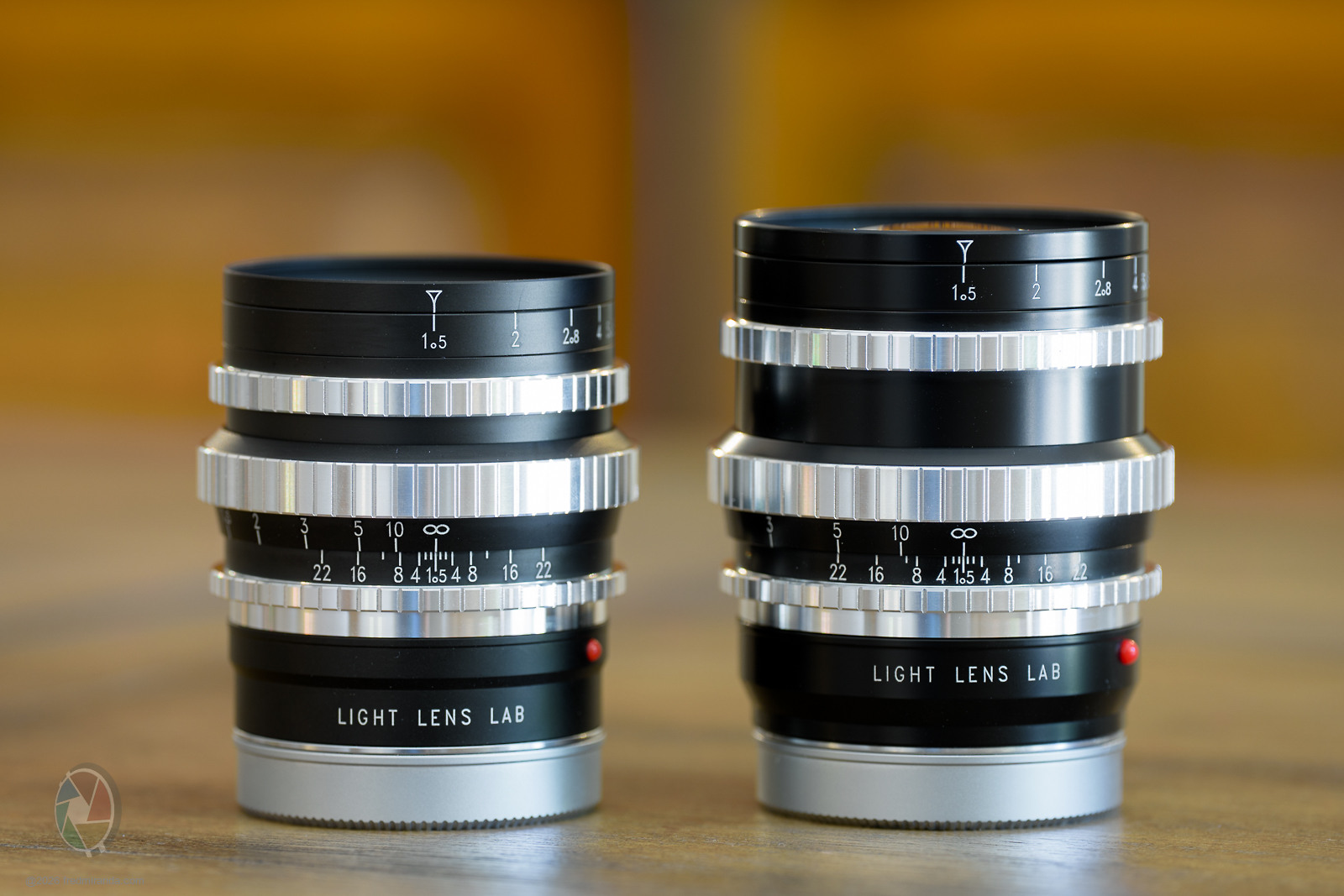
The images below illustrate this design difference and also show the two lenses side by side for a size comparison. Both lenses shown are the black paint (matte) versions, although the 50mm f/1.5 Z21 has a slightly more matte finish than the 75mm f/1.5 Z21.


LEFT: 50mm f/1.5 Z21 (recessed front element) | RIGHT: 75mm f/1.5 Z21 (near-flush front element)


LEFT: 50mm f/1.5 Z21 | RIGHT: 75mm f/1.5 Z21 (near-flush front element)


Jun 10, 2026 at 02:09 PM
HereIAm
Offline

Upload & Sell: On
p.2 #12 · Light Lens Lab 75mm f/1.5 Z21 Review


I'm really liking the images this one pulls off.


Jun 10, 2026 at 03:05 PM
Fred Miranda
Offline
Admin
Upload & Sell: On
p.2 #13 · Light Lens Lab 75mm f/1.5 Z21 Review


Back to Quick Links

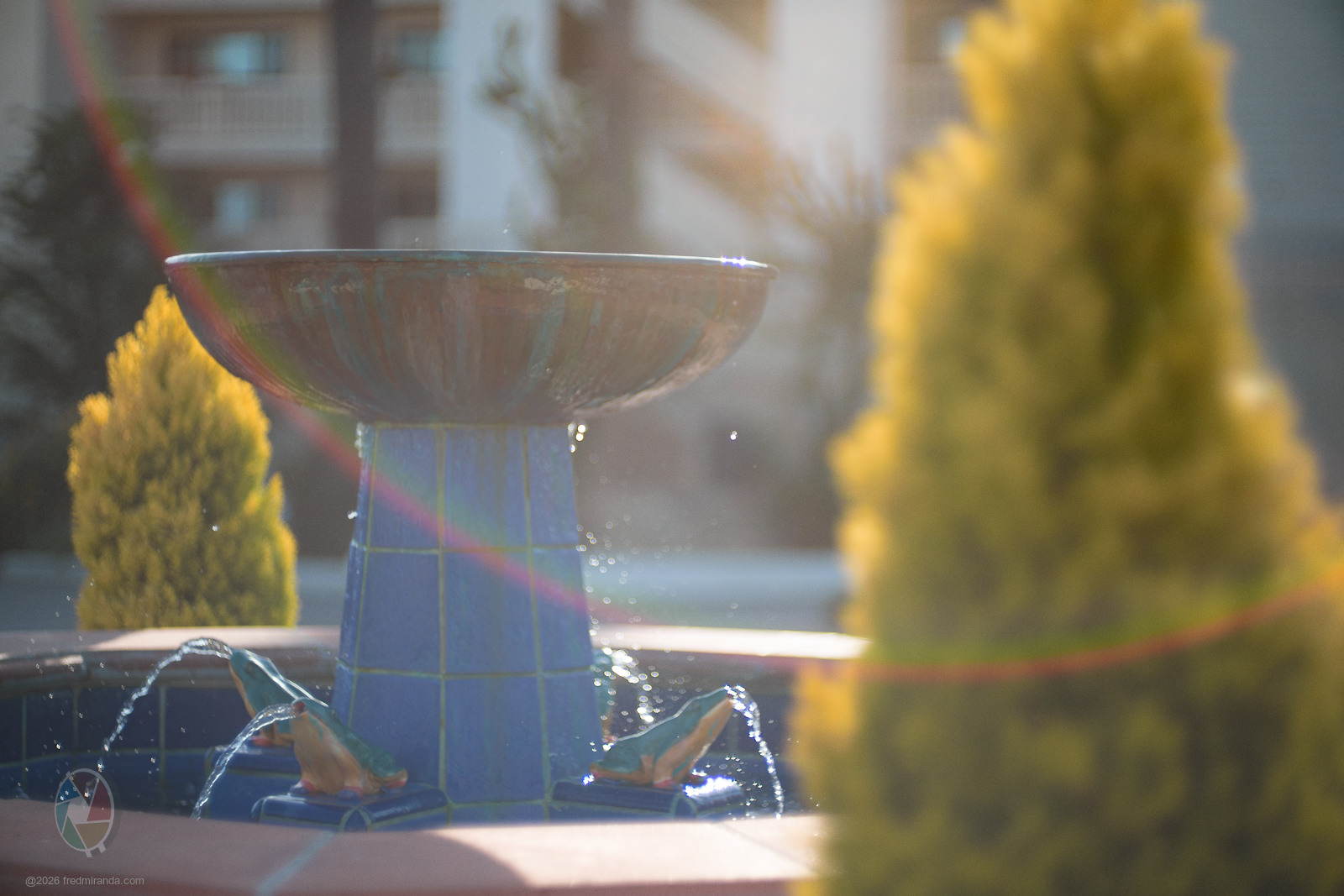
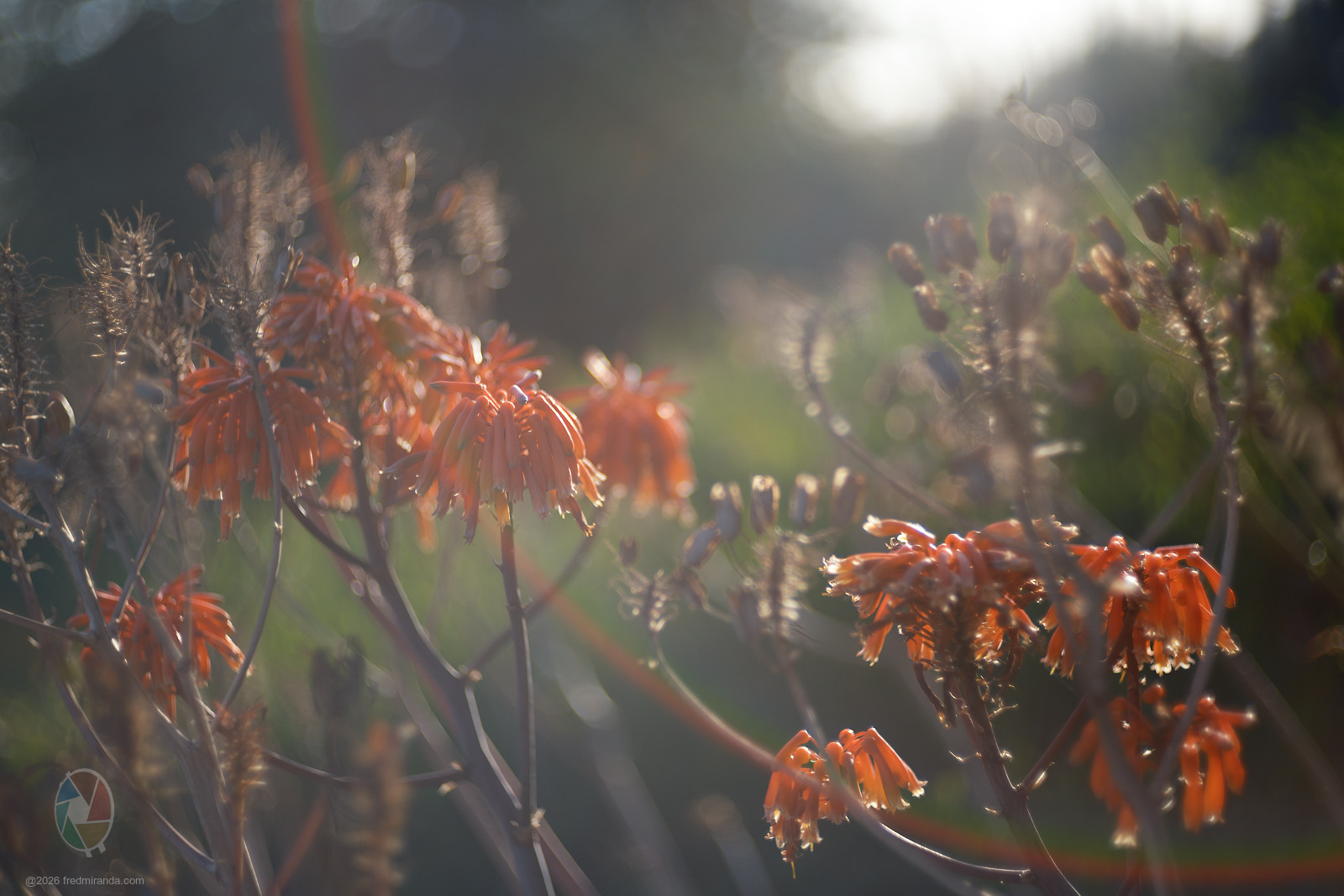
Flare Resistance

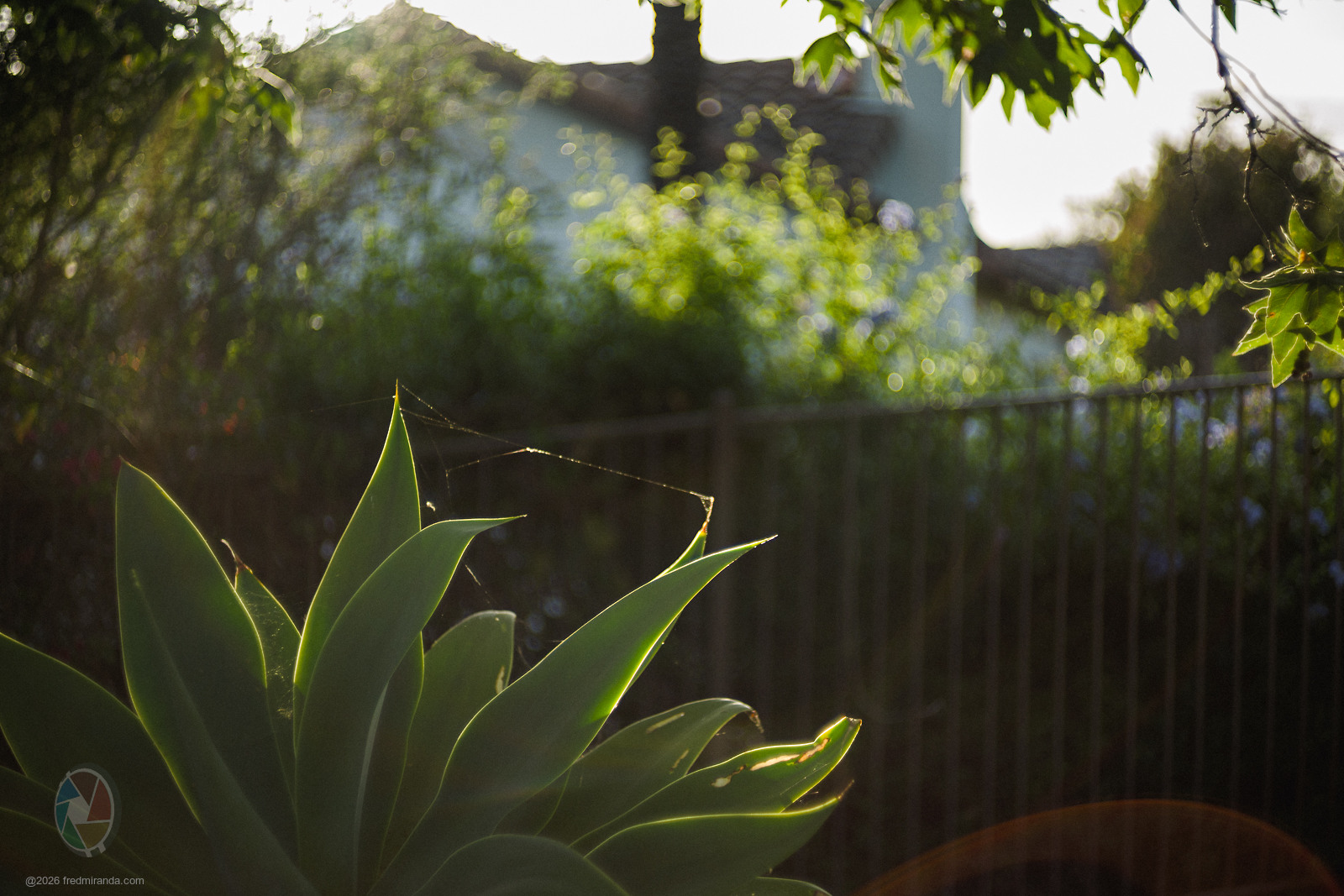
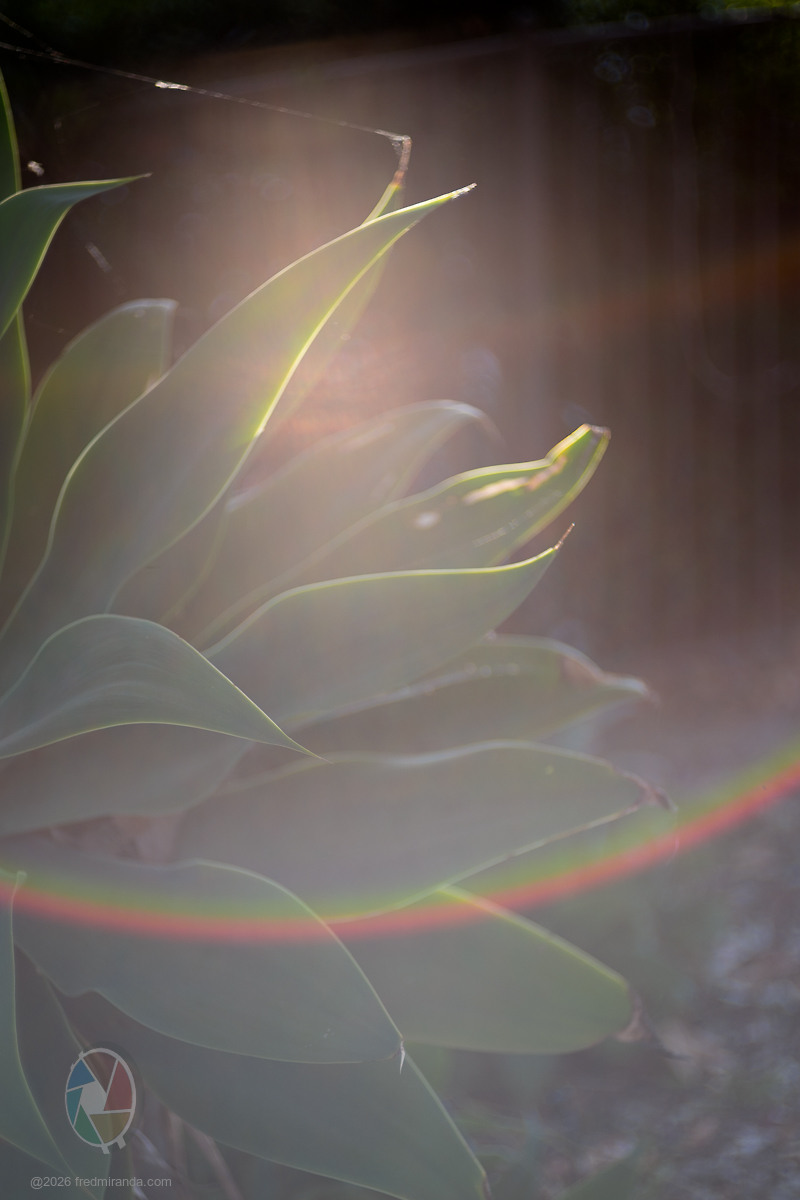
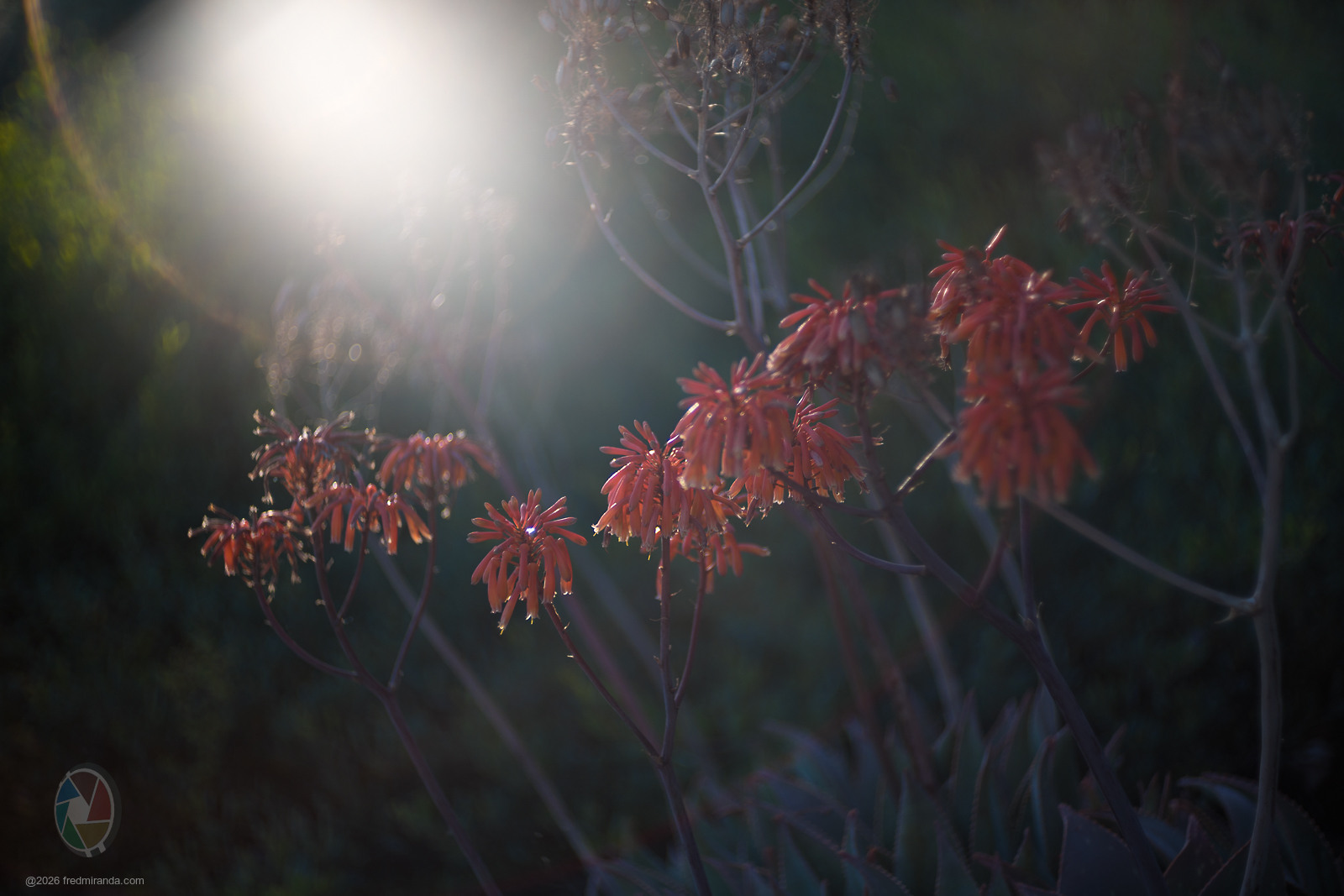
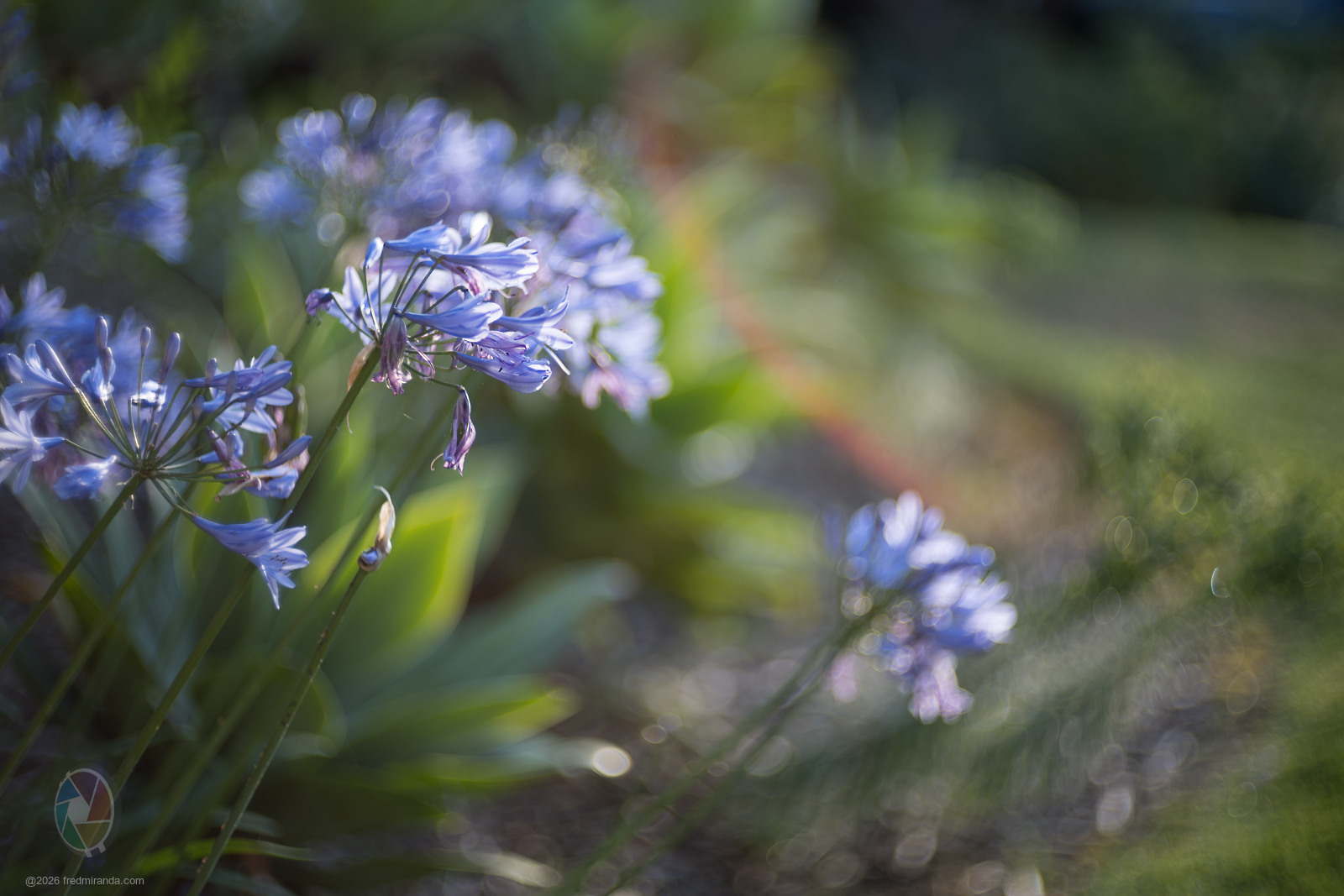
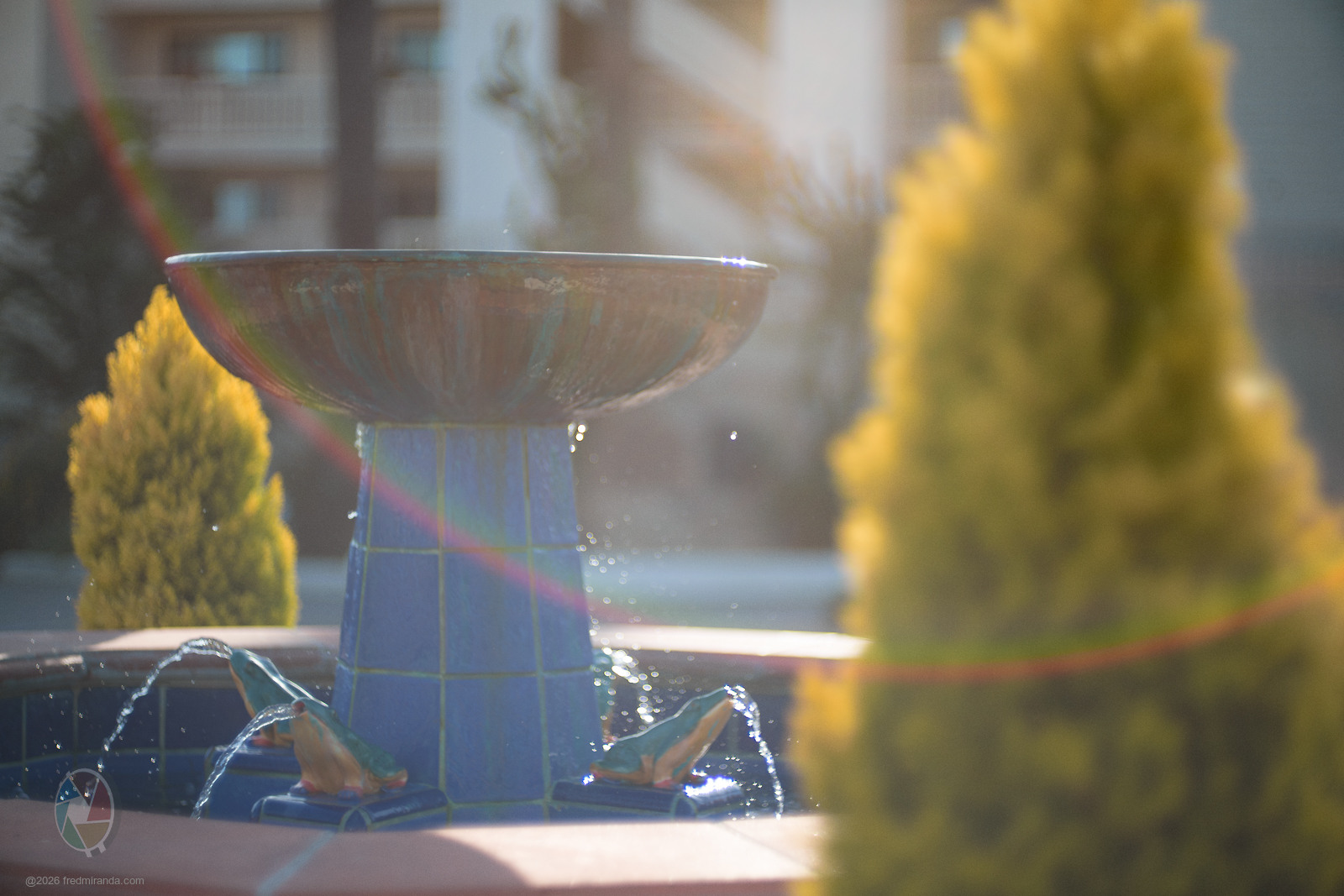
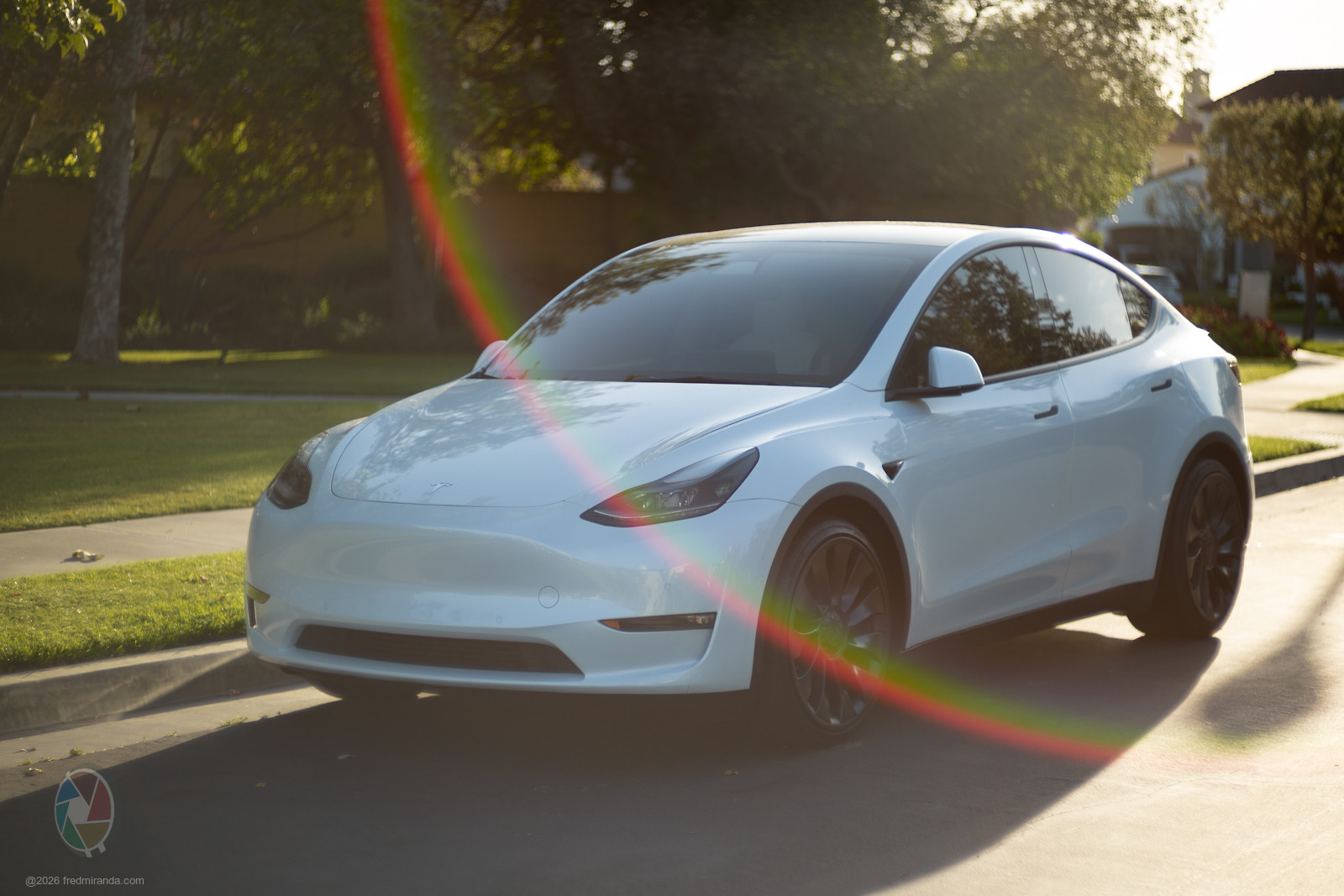
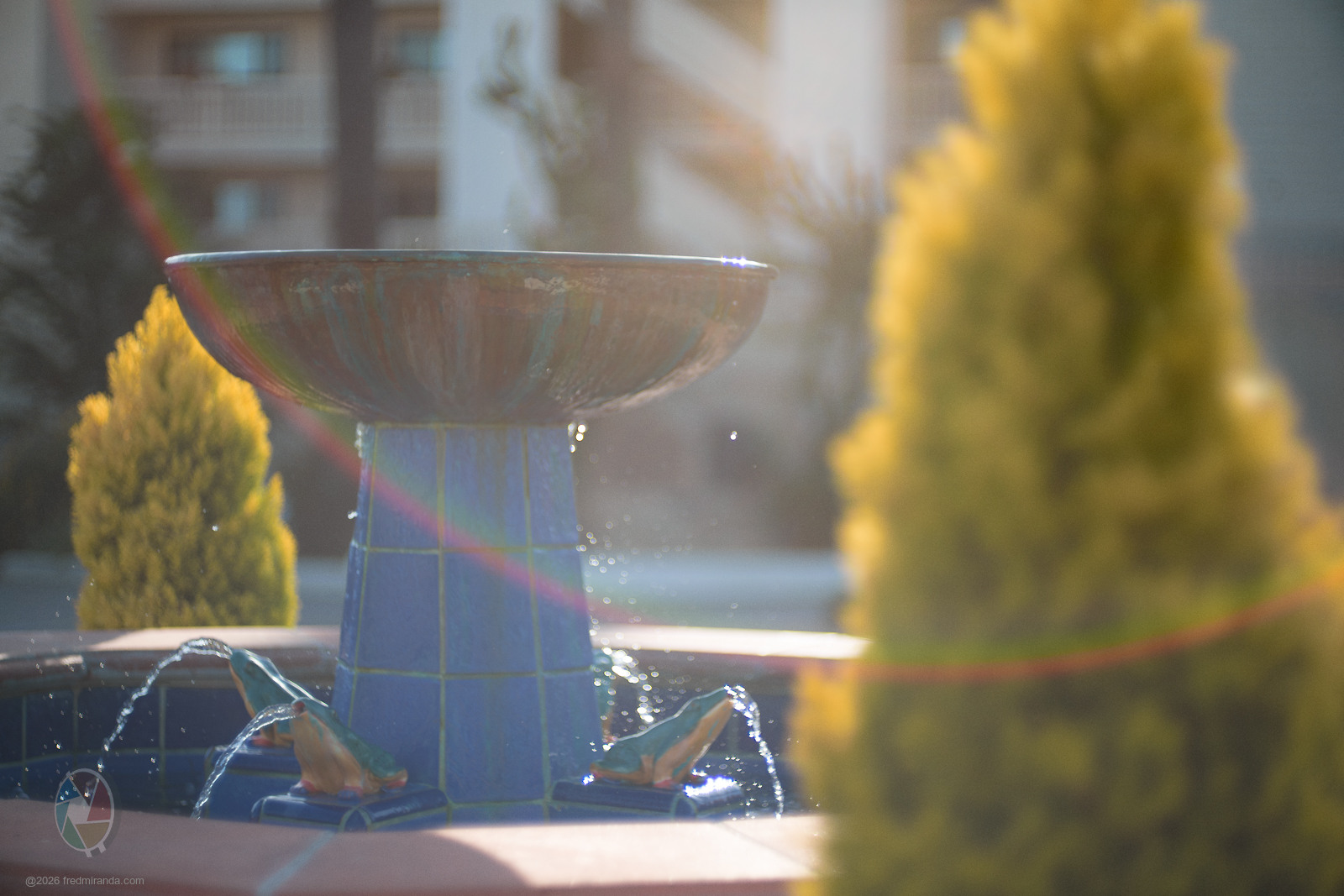
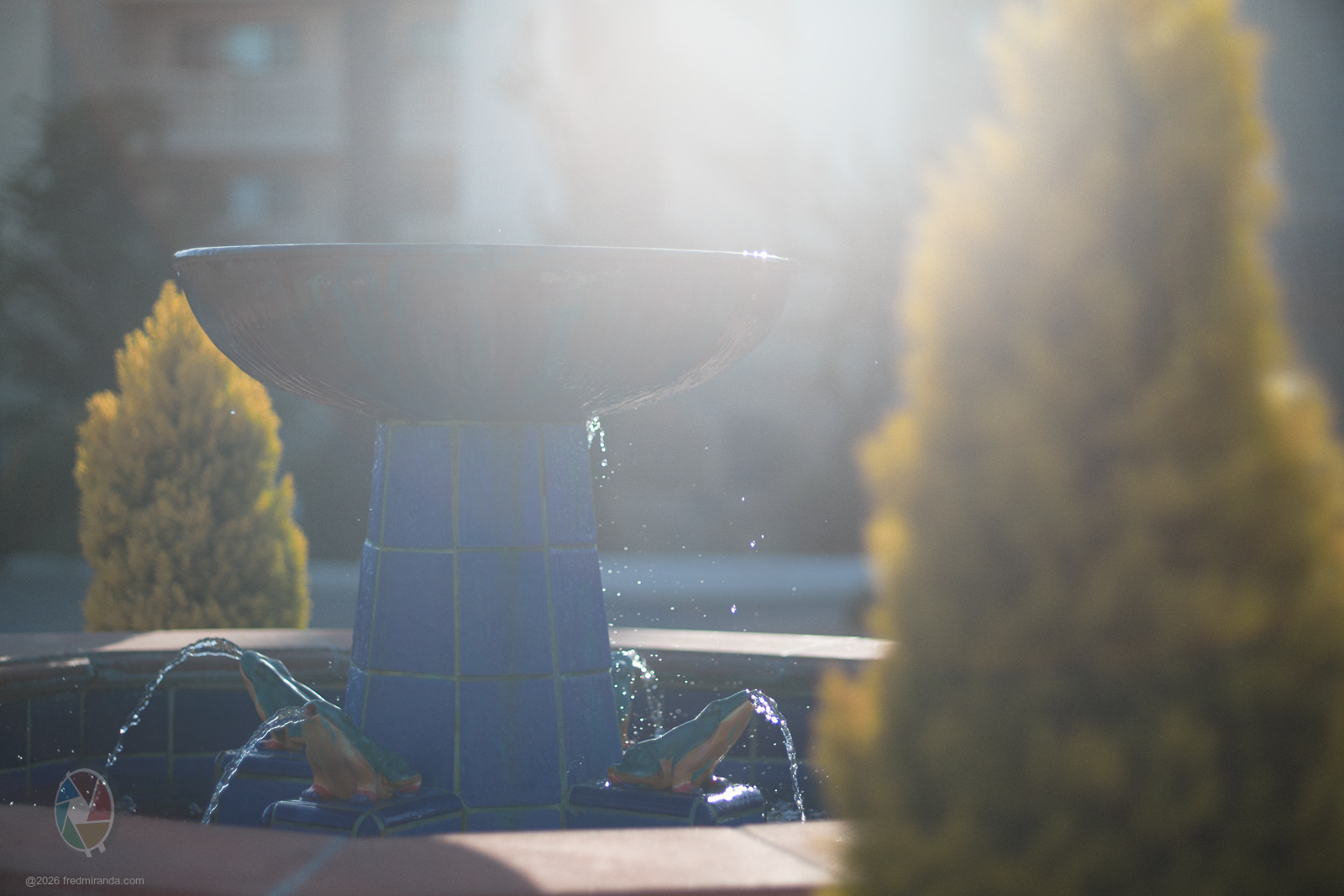
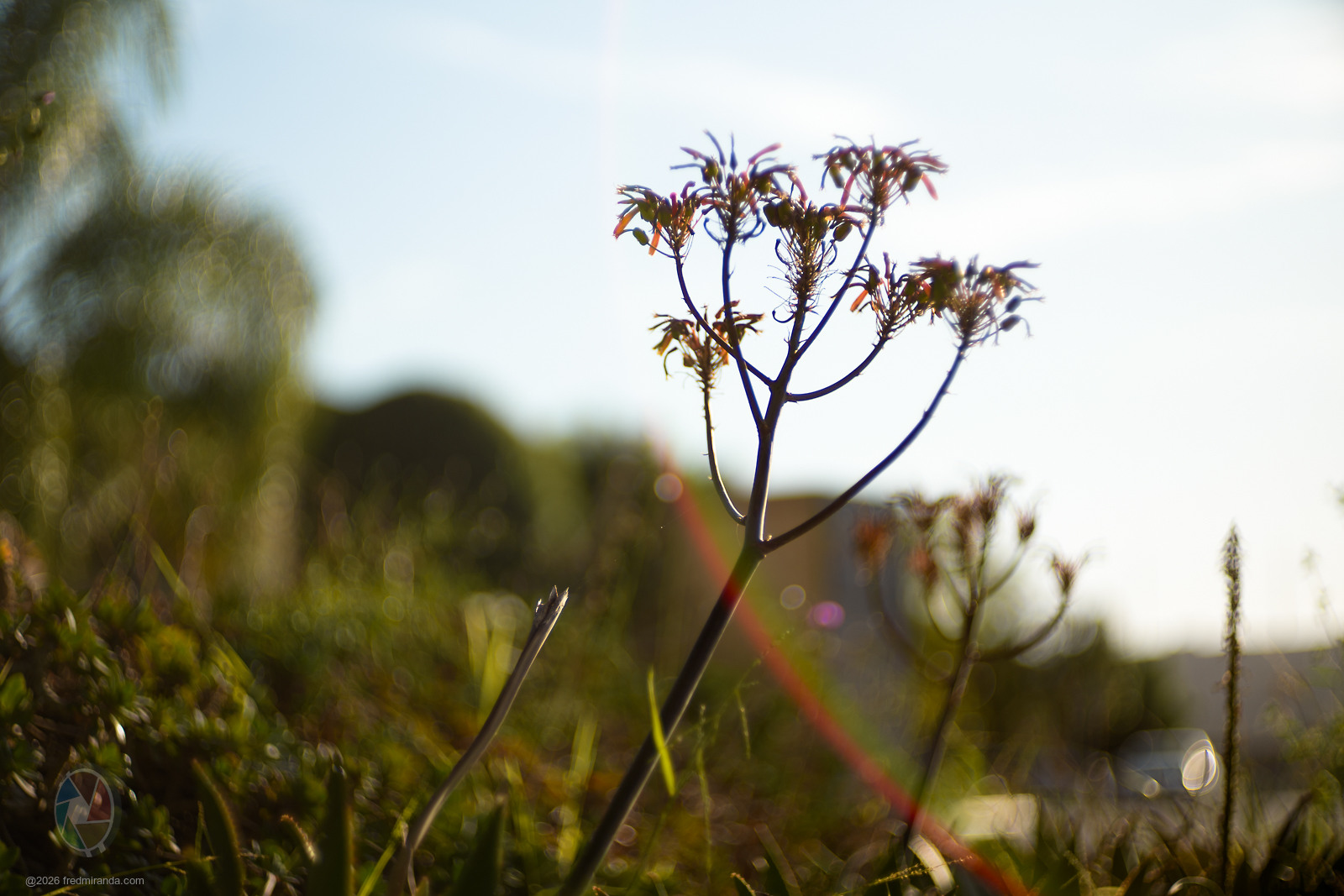
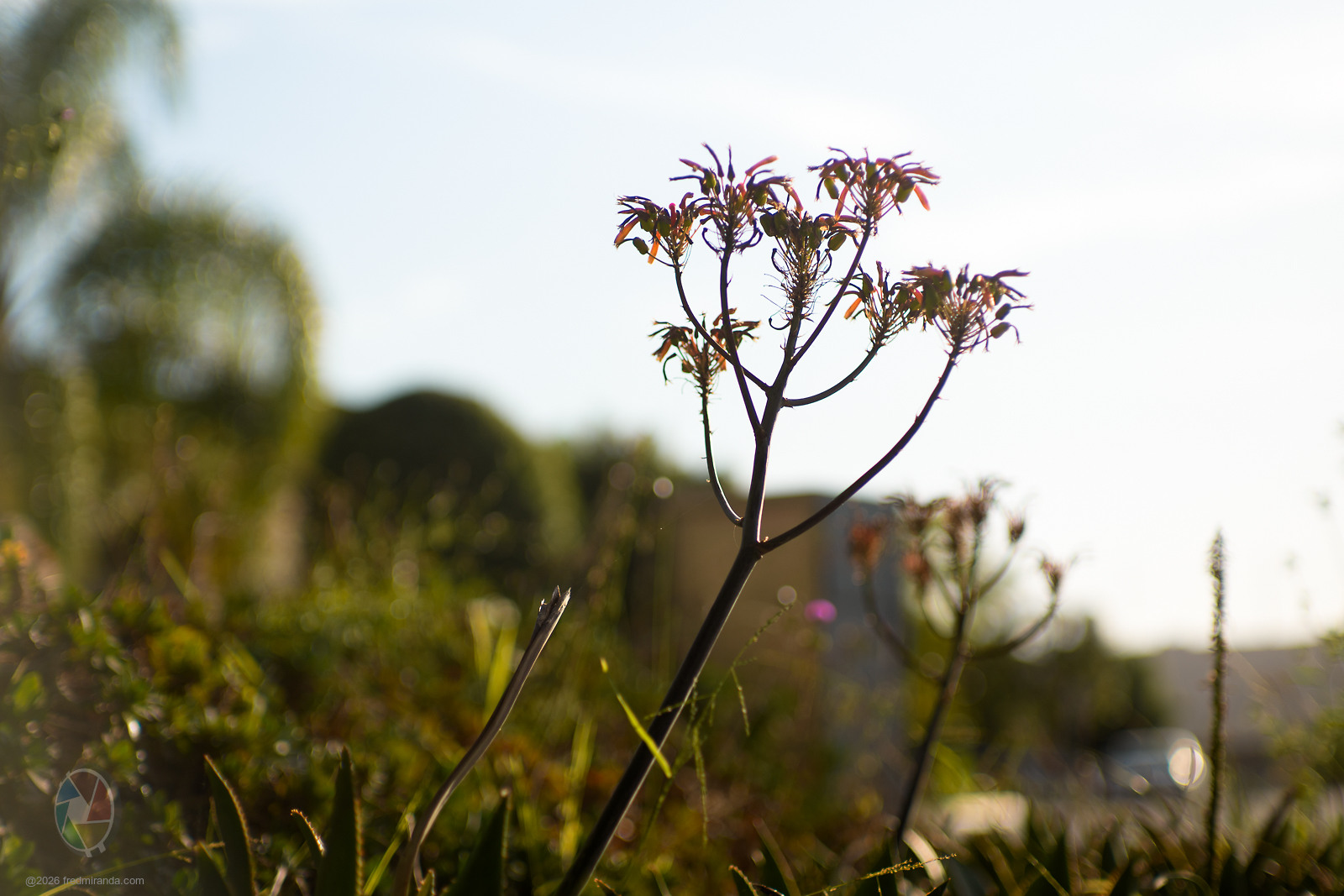
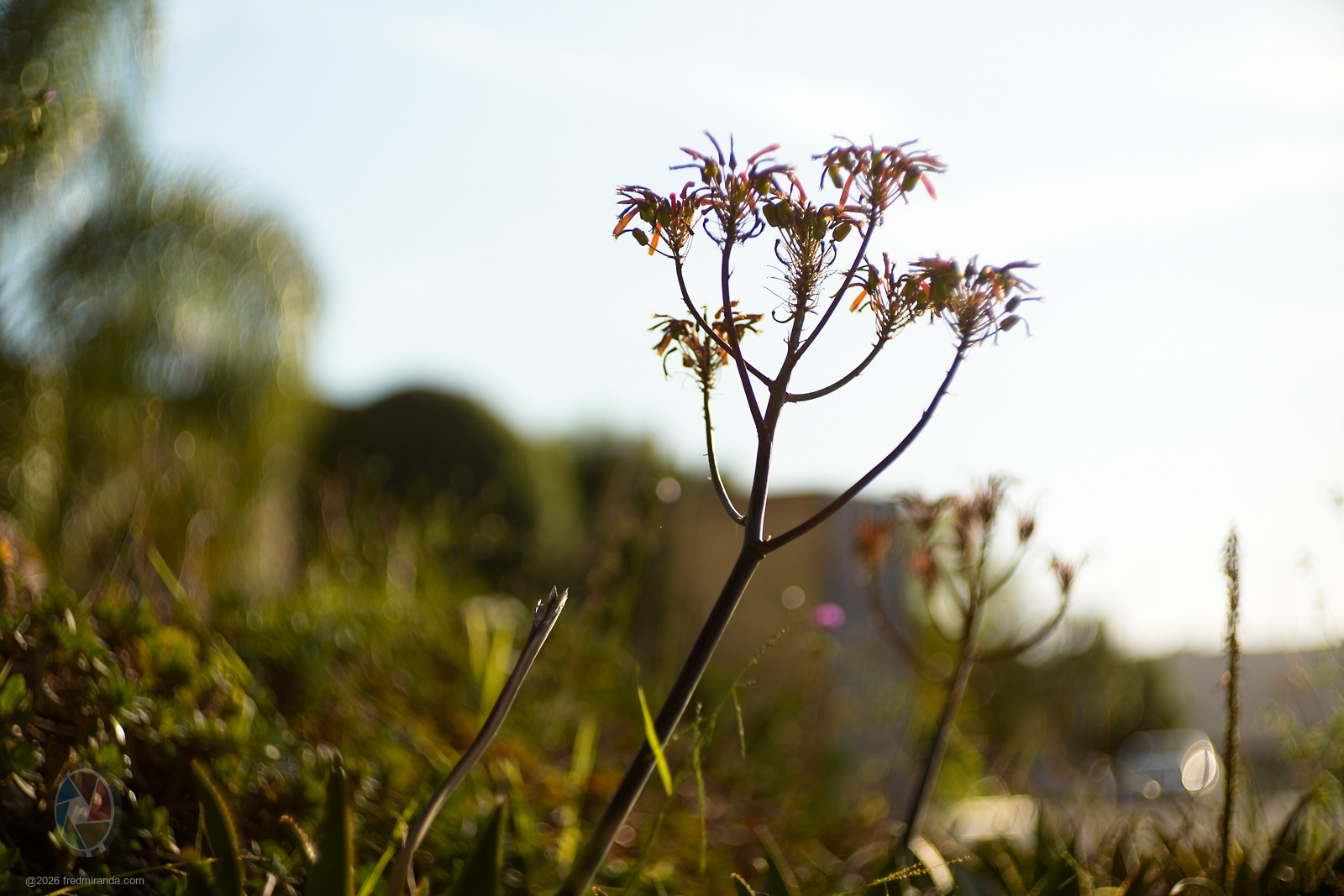
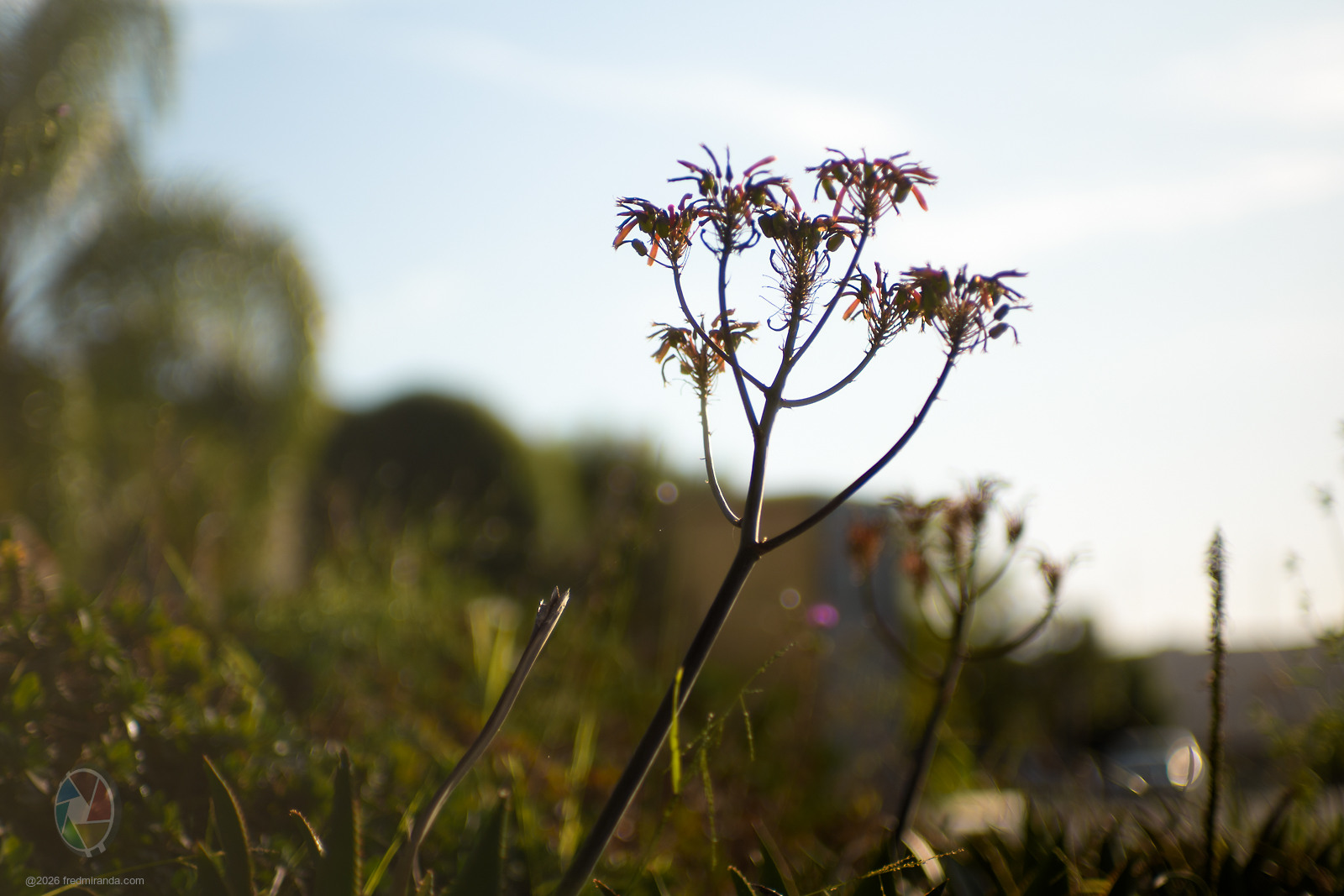
Following in the footsteps of its smaller sibling, the Light Lens Lab 50mm f/1.5 Z21, one of the defining characteristics of the Light Lens Lab 75mm f/1.5 Z21 is its distinctive flare behavior. When bright light sources enter or approach the frame, the lens can produce both ghosting and veiling flare, including the colorful "rainbow" flare signature associated with classic vintage optics. That said, the amount of veiling flare is relatively well controlled and noticeably less pronounced than on some other Light Lens Lab lenses, such as the LLL 75mm f/2 SP II.

By modern optical standards, these flare characteristics would generally be viewed as imperfections. However, the 75mm Z21 is not intended to prioritize strong flare resistance. Instead, it embraces many of the rendering traits that made classic lens designs so appealing in the first place. Under the right conditions, flare can contribute atmosphere, mood, and a cinematic quality that enhances an image rather than becoming a distraction.

Working with flare on a rangefinder can sometimes be challenging because the optical viewfinder does not show exactly how light is interacting with the lens. Even small changes in camera position or shooting angle can significantly alter the result. For photographers who want more precise control over flare effects, adapting the lens on a mirrorless camera, or composing through the LCD or Visoflex, makes it much easier to preview and position flare exactly where desired.

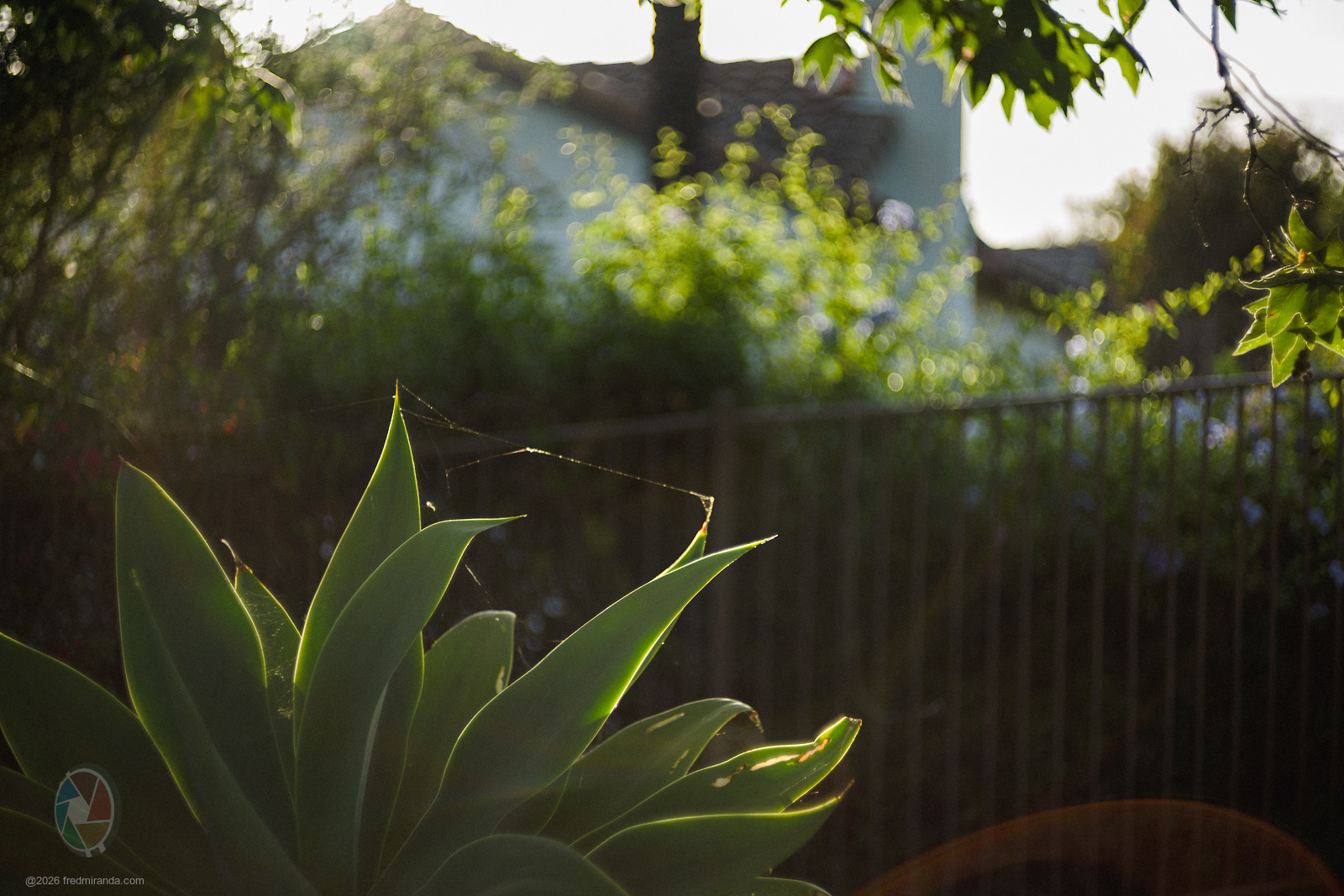
The examples below show both the lens's signature rainbow flare and the level of veiling flare that can occur when shooting into strong backlighting. Whether these characteristics are viewed as flaws or creative tools will depend largely on the photographer's preferences, but for those who appreciate this classic rendering, flare is much part of the lens's character and appeal.


  LEICA M10-P    Light Lens Lab 75mm f/1.5 Z21 lens    75mm    f/1.4    1/2500s    100 ISO    0.0 EV  


  LEICA M10-P    Light Lens Lab 75mm f/1.5 Z21 lens    75mm    f/1.4    1/1600s    100 ISO    0.0 EV  


  LEICA M10-P    Light Lens Lab 75mm f/1.5 Z21 lens    75mm    f/1.4    1/1000s    100 ISO    0.0 EV  


  LEICA M10-P    Light Lens Lab 75mm f/1.5 Z21 lens    75mm    f/1.4    1/2500s    100 ISO    0.0 EV  


  LEICA M10-P    Light Lens Lab 75mm f/1.5 Z21 lens    75mm    f/2.0    1/500s    100 ISO    0.0 EV  


  LEICA M10-P    Light Lens Lab 75mm f/1.5 Z21 lens    75mm    f/5.6    1/1600s    100 ISO    0.0 EV  


  LEICA M10-P    Light Lens Lab 75mm f/1.5 Z21 lens    75mm    f/2.0    1/2500s    100 ISO    0.0 EV  


  LEICA M10-P    Light Lens Lab 75mm f/1.5 Z21 lens    75mm    f/1.4    1/2500s    100 ISO    0.0 EV  


  LEICA M10-P    Light Lens Lab 75mm f/1.5 Z21 lens    75mm    f/2.0    1/4000s    100 ISO    -1.0 EV  


Jun 10, 2026 at 03:55 PM
Fred Miranda
Offline
Admin
Upload & Sell: On
p.2 #14 · Light Lens Lab 75mm f/1.5 Z21 Review


Continuing on flare behavior, and since I referenced the Light Lens Lab 75mm f/2 SP II (review here), here is a direct comparison of the two lenses. Both shots were taken from a tripod within seconds of each other, using identical exposure settings, white balance, and post-processing parameters.

The LLL 75mm f/2 SP II shows stronger veiling flare when shooting into the light and does not produce the rainbow-style ghosting seen in the 75mm f/1.5 Z21.


  LEICA M10-P    Light Lens Lab 75mm f/1.5 Z21 lens    75mm    f/2.0    1/2500s    100 ISO    0.0 EV  


  LEICA M10-P    Light Lens Lab 75mm f/2 SP II lens    75mm    f/2.0    1/4000s    100 ISO    0.0 EV  


Jun 10, 2026 at 04:02 PM
Edward Teller
Offline
• • •
Upload & Sell: On
p.2 #15 · Light Lens Lab 75mm f/1.5 Z21 Review


Just to echo what others have said before, I really appreciate the work you put into these lens tests, and the information they provide. More helpful than is usually available elsewhere.


Jun 11, 2026 at 07:42 AM
Fred Miranda
Offline
Admin
Upload & Sell: On
p.2 #16 · Light Lens Lab 75mm f/1.5 Z21 Review


Back to Quick Links


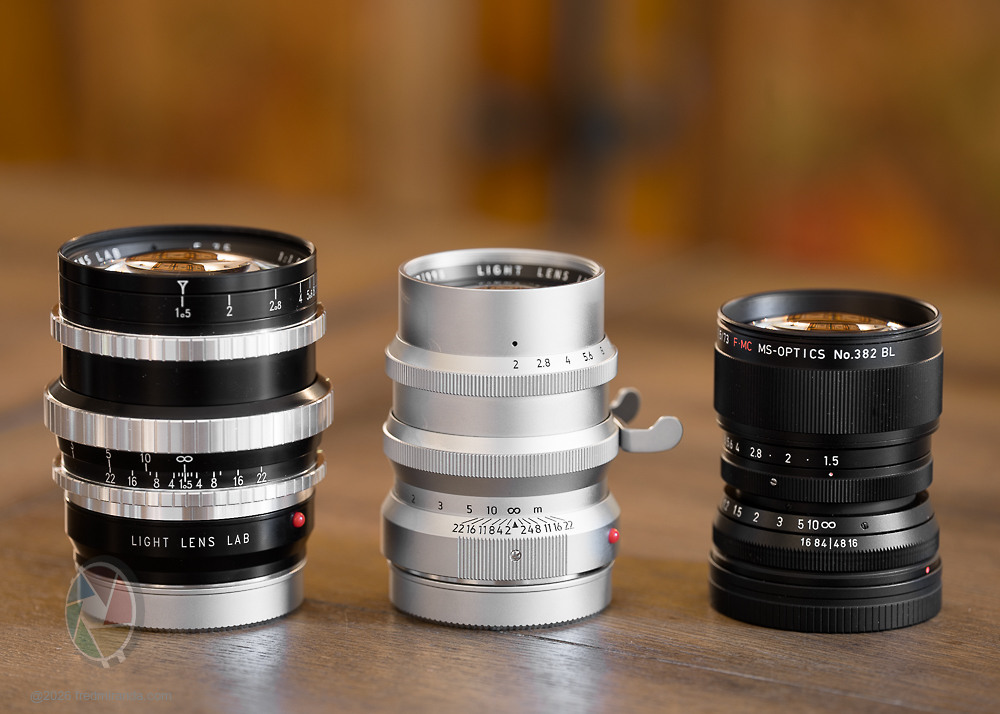
Rendering Comparison: Light Lens Lab 75mm f/1.5 Z21 vs 75mm f/2 SP II and MS Optics 73mm f/1.5 Sonnetar

This comparison looks at rendering differences in contrast, micro-contrast, and overall character between the Light Lens Lab 75mm f/1.5 Z21, MS Optics 73mm f/1.5 Sonnetar, and Light Lens Lab 75mm f/2 SP II, including how each behaves in terms of off-axis performance, field curvature, and wide-open rendering at f/1.5 and f/2 where applicable.


Light Lens Lab 75mm f/1.5 Z21, Light Lens Lab 75mm f/2 SP II and MS Optics 73mm f/1.5 Sonnetar


Light Lens Lab 75mm f/1.5 Z21:

The 75mm f/1.5 Z21 performs significantly better than its 50mm f/1.5 Z21 sibling when subjects are focused off-axis (away from center). Where the 50mm shows higher astigmatism and glow in those conditions, the 75mm Z21 maintains a rendering consistency much closer to the center of the frame. In some samples, I deliberately focused off-axis to highlight this behavior.

Like the 50mm Z21, the 75mm Z21 leans toward an amber color temperature rather than a cooler or neutral balance. At f/1.5, there is still residual spherical aberration (SA), and field curvature remains noticeable (see the review section on field curvature shape at various distances). When stopped down to f/2, the lens retains most of its character, but highlights become slightly rounder and outlining is reduced.

Overall, the lens has a very distinctive rendering signature, with pronounced highlight outlining and visible optical vignetting, producing cat’s-eye bokeh and swirl in the corners.


MS Optics 73mm f/1.5 Sonnetar:

The Sonnetar is very close to the Z21 in terms of warm color temperature. Compared to the Z21 at f/2, it shows lower optical vignetting, less extreme field curvature, and reduced outlining in out-of-focus highlights.

Its rendering is generally more controlled and less aggressive than the Z21. The focal length is slightly wider at 73mm versus 75mm, which also contributes to a subtly different spatial compression and perspective feel.


Light Lens Lab 75mm f/2 SP II:

The 75mm f/2 SP II renders with a more neutral color temperature, which many users may prefer. Its bokeh highlights show defined outlining, sitting somewhere between the Z21 and the Sonnetar in character.

Optically, it outputs lower optical vignetting than the Z21, resulting in less swirl and fewer cat’s-eye highlights toward the corners. However, the rendering is not as uniformly rounded as the Light Lens Lab 50mm f/2 SP II, which is expected given the longer focal length.

It resolves high detail well even off-center, but at f/2 it shows lower contrast than the other two lenses. This becomes particularly evident when shooting into the light, where stronger veiling flare reduces overall contrast and color saturation, giving images a softer, more organic look.

____


I will present resized images for each scene (shot in 6:00pm lighting) in the following order, with each scene showing four lenses for direct comparison:

⦿ Light Lens Lab 75mm f/1.5 Z21 at f/1.5
⦿ MS Optics 75mm f/1.5 Sonnetar at f/1.5
⦿ Light Lens Lab 75mm f/1.5 Z21 at f/2
⦿ MS Optics 75mm f/1.5 Sonnetar at f/2
⦿ Light Lens Lab 75mm f/2 SP II at f/2

Each scene will follow the same sequence so rendering differences can be compared consistently under identical lighting and framing. All images were shot on a tripod, allowing for reliable comparison of field of view and uncorrected vignetting. The same sharpening settings (40, 0.7, 20, 50) were applied across all frames, and the Adobe Color profile was used for every image to keep processing consistent.


Scene 1 at 2 meters:


⦿ Light Lens Lab 75mm f/1.5 Z21 at f/1.5

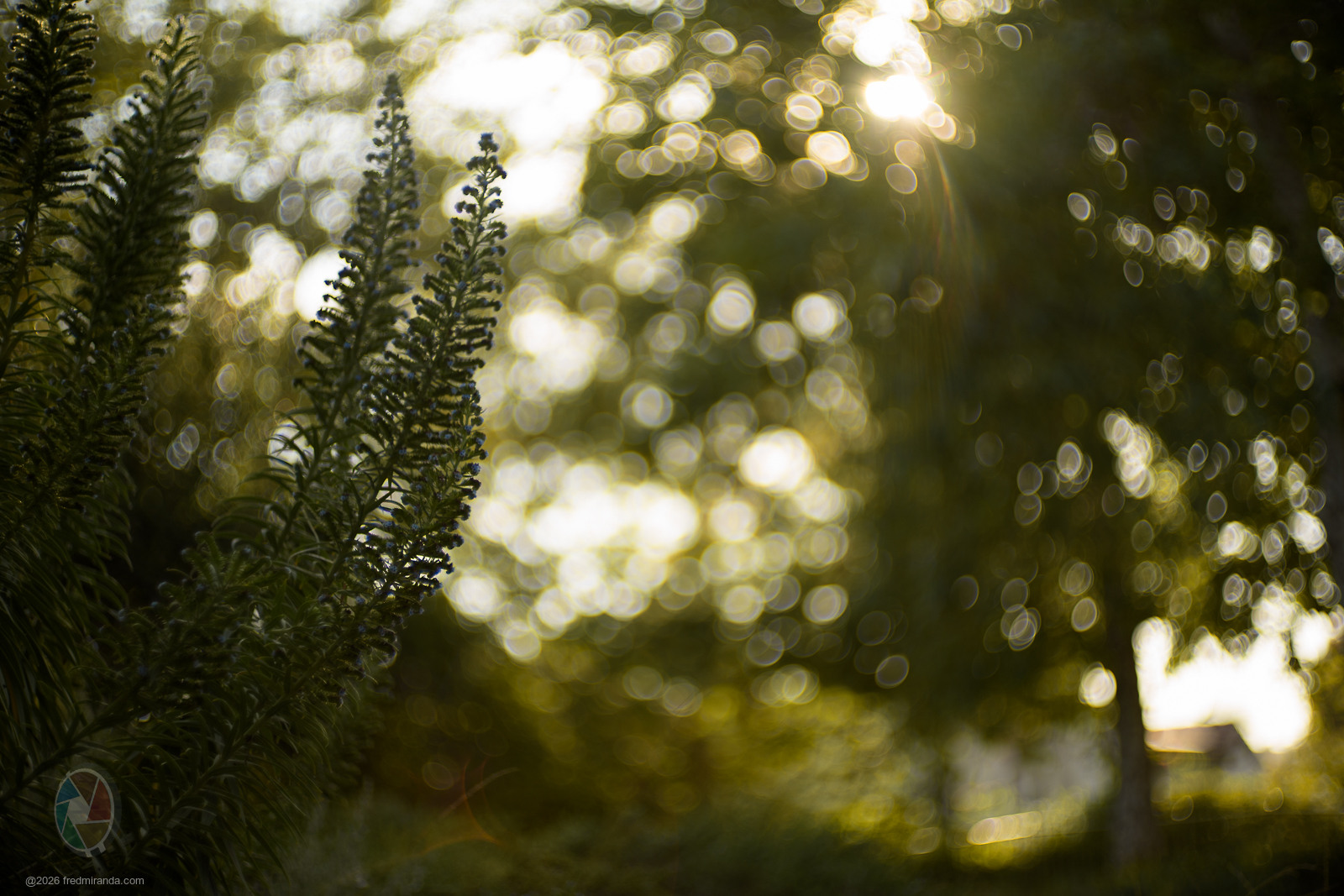
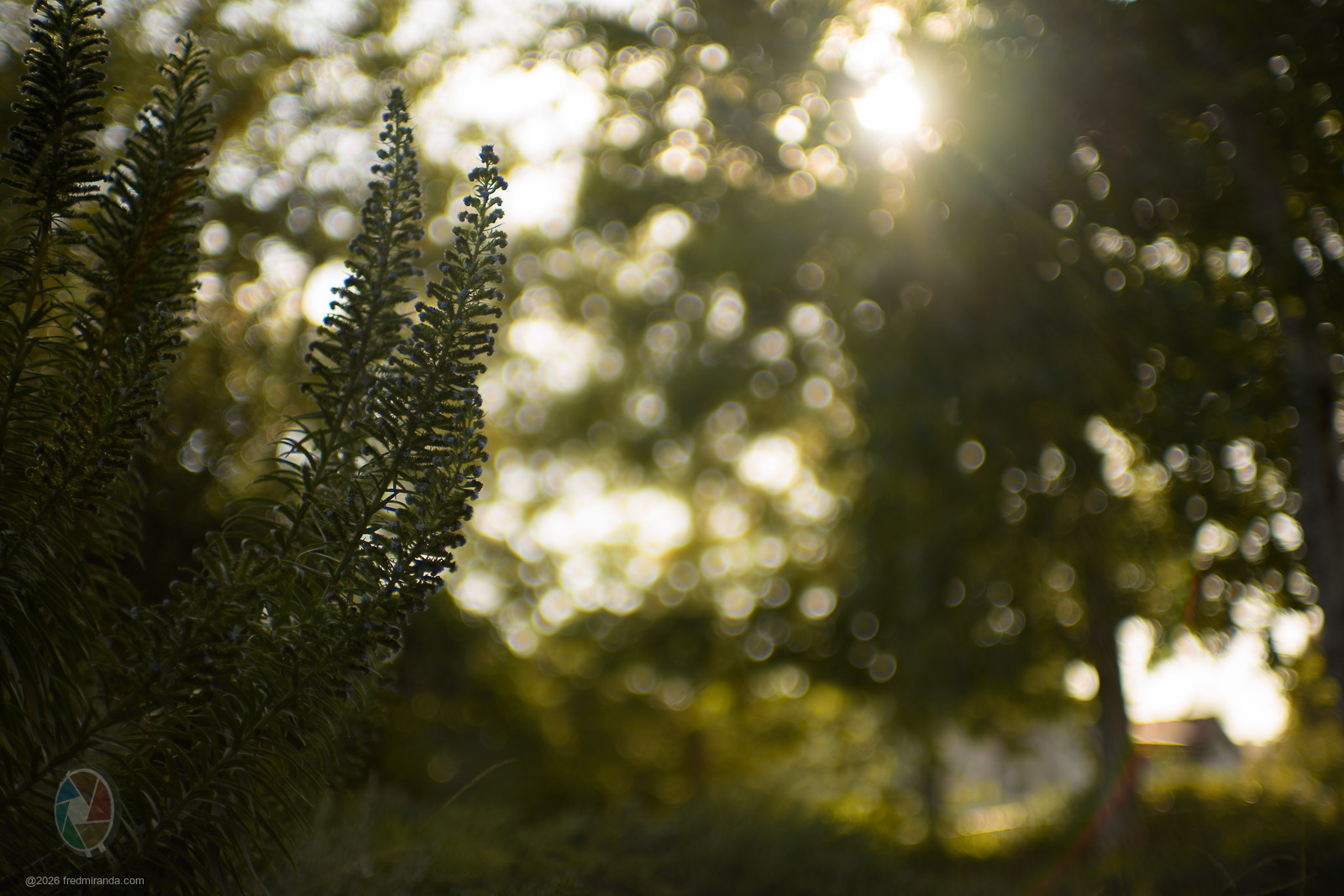
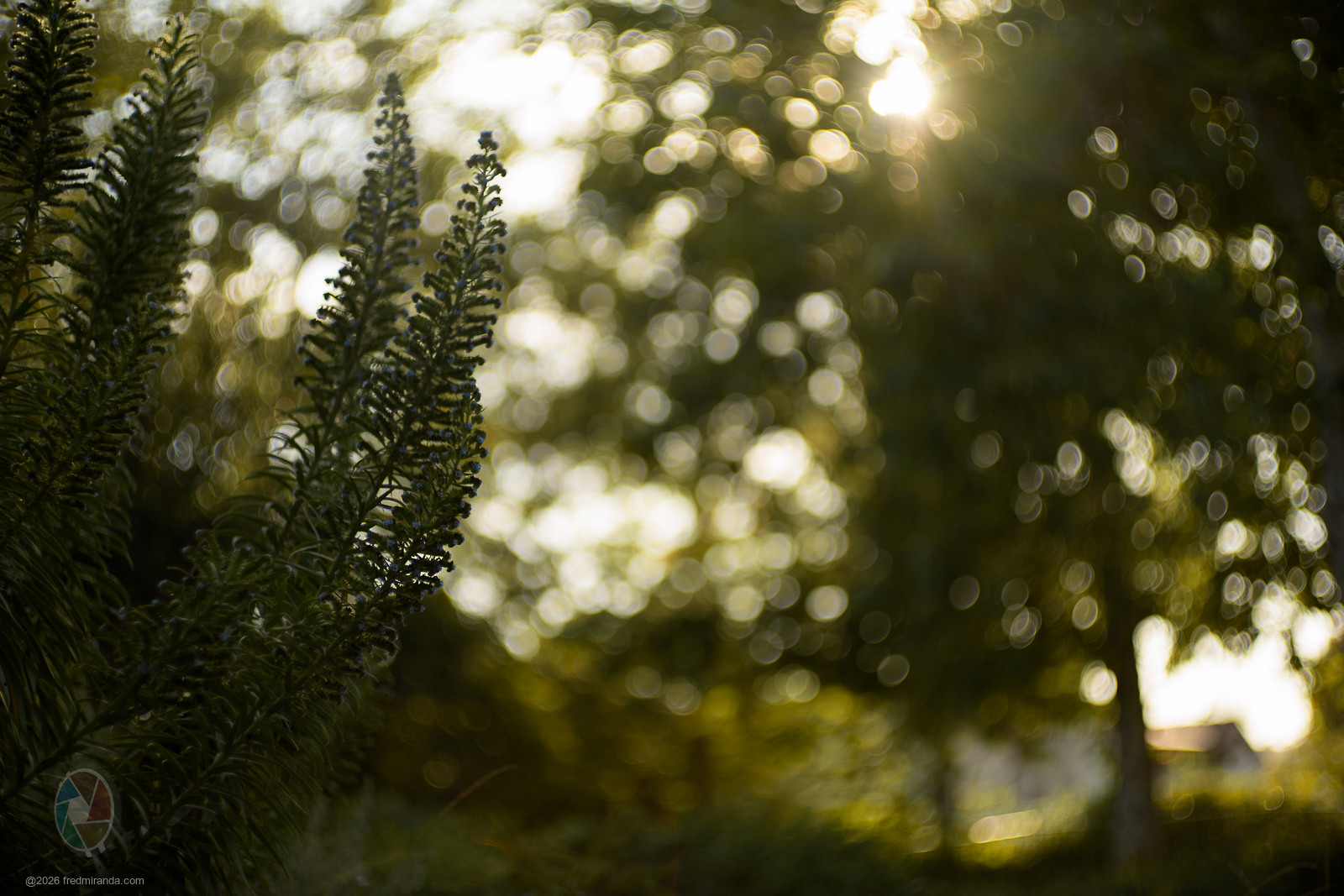
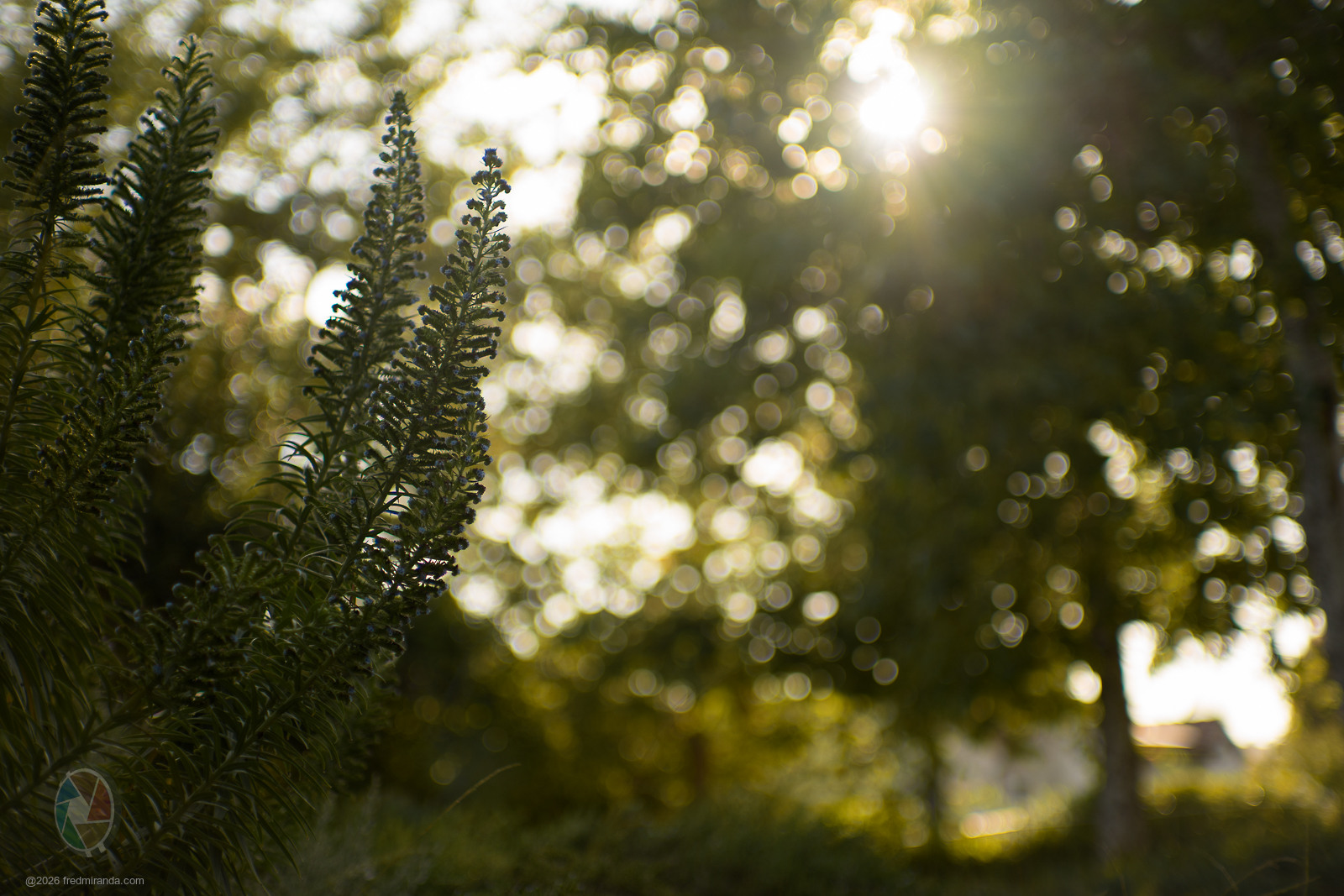
  LEICA M10-P    Light Lens Lab 75mm f/1.5 Z21 lens    75mm    f/1.4    1/400s    100 ISO    0.0 EV  


⦿ MS Optics 75mm f/1.5 Sonnetar at f/1.5

  LEICA M10-P    MS-Optics 73mm f/1.5 Sonnetar lens    73mm    f/2.0    1/250s    200 ISO    0.0 EV  


⦿ Light Lens Lab 75mm f/1.5 Z21 at f/2

  LEICA M10-P    Light Lens Lab 75mm f/1.5 Z21 lens    75mm    f/2.0    1/320s    200 ISO    0.0 EV  


⦿ MS Optics 75mm f/1.5 Sonnetar at f/2

  LEICA M10-P    MS-Optics 73mm f/1.5 Sonnetar lens    73mm    f/1.4    1/400s    100 ISO    0.0 EV  


⦿ Light Lens Lab 75mm f/2 SP II at f/2

  LEICA M10-P    Light Lens Lab 75mm f/2 SP II lens    75mm    f/2.0    1/320s    200 ISO    0.0 EV  


Jun 13, 2026 at 02:29 PM
Fred Miranda
Offline
Admin
Upload & Sell: On
p.2 #17 · Light Lens Lab 75mm f/1.5 Z21 Review


Scene 2 at 1.2 meters:


⦿ Light Lens Lab 75mm f/1.5 Z21 at f/1.5

  LEICA M10-P    Light Lens Lab 75mm f/1.5 Z21 lens    75mm    f/1.4    1/4000s    200 ISO    0.0 EV  


⦿ MS Optics 75mm f/1.5 Sonnetar at f/1.5

  LEICA M10-P    MS-Optics 73mm f/1.5 Sonnetar lens    73mm    f/2.0    1/4000s    200 ISO    0.0 EV  


⦿ Light Lens Lab 75mm f/1.5 Z21 at f/2

  LEICA M10-P    Light Lens Lab 75mm f/1.5 Z21 lens    75mm    f/2.0    1/4000s    200 ISO    0.0 EV  


⦿ MS Optics 75mm f/1.5 Sonnetar at f/2

  LEICA M10-P    MS-Optics 73mm f/1.5 Sonnetar lens    73mm    f/1.4    1/8000s    100 ISO    0.0 EV  


⦿ Light Lens Lab 75mm f/2 SP II at f/2

  LEICA M10-P    Light Lens Lab 75mm f/2 SP II lens    75mm    f/2.0    1/4000s    200 ISO    0.0 EV  


Jun 13, 2026 at 02:31 PM
Fred Miranda
Offline
Admin
Upload & Sell: On
p.2 #18 · Light Lens Lab 75mm f/1.5 Z21 Review


Scene 3 at 1.5 meters:


⦿ Light Lens Lab 75mm f/1.5 Z21 at f/1.5

  LEICA M10-P    Light Lens Lab 75mm f/1.5 Z21 lens    75mm    f/1.4    1/1250s    100 ISO    0.0 EV  


⦿ MS Optics 75mm f/1.5 Sonnetar at f/1.5

  LEICA M10-P    MS-Optics 73mm f/1.5 Sonnetar lens    73mm    f/1.4    1/1000s    100 ISO    0.0 EV  


⦿ Light Lens Lab 75mm f/1.5 Z21 at f/2

  LEICA M10-P    Light Lens Lab 75mm f/1.5 Z21 lens    75mm    f/2.0    1/1000s    200 ISO    0.0 EV  


⦿ MS Optics 75mm f/1.5 Sonnetar at f/2

  LEICA M10-P    MS-Optics 73mm f/1.5 Sonnetar lens    73mm    f/2.0    1/640s    200 ISO    0.0 EV  


⦿ Light Lens Lab 75mm f/2 SP II at f/2

  LEICA M10-P    Light Lens Lab 75mm f/2 SP II lens    75mm    f/2.0    1/800s    200 ISO    0.0 EV  


Jun 13, 2026 at 02:33 PM
Fred Miranda
Offline
Admin
Upload & Sell: On
p.2 #19 · Light Lens Lab 75mm f/1.5 Z21 Review


Scene 4 at 2.5 meters:


⦿ Light Lens Lab 75mm f/1.5 Z21 at f/1.5

  LEICA M10-P    Light Lens Lab 75mm f/1.5 Z21 lens    75mm    f/1.4    1/1600s    100 ISO    0.0 EV  


⦿ MS Optics 75mm f/1.5 Sonnetar at f/1.5

  LEICA M10-P    MS-Optics 73mm f/1.5 Sonnetar lens    73mm    f/1.4    1/2000s    100 ISO    0.0 EV  


⦿ Light Lens Lab 75mm f/1.5 Z21 at f/2

  LEICA M10-P    Light Lens Lab 75mm f/1.5 Z21 lens    75mm    f/2.0    1/1600s    200 ISO    0.0 EV  


⦿ MS Optics 75mm f/1.5 Sonnetar at f/2

  LEICA M10-P    MS-Optics 73mm f/1.5 Sonnetar lens    73mm    f/2.0    1/1250s    200 ISO    0.0 EV  


⦿ Light Lens Lab 75mm f/2 SP II at f/2

  LEICA M10-P    Light Lens Lab 75mm f/2 SP II lens    75mm    f/1.4    1/1250s    100 ISO    0.0 EV  


Jun 13, 2026 at 02:35 PM
Fred Miranda
Offline
Admin
Upload & Sell: On
p.2 #20 · Light Lens Lab 75mm f/1.5 Z21 Review


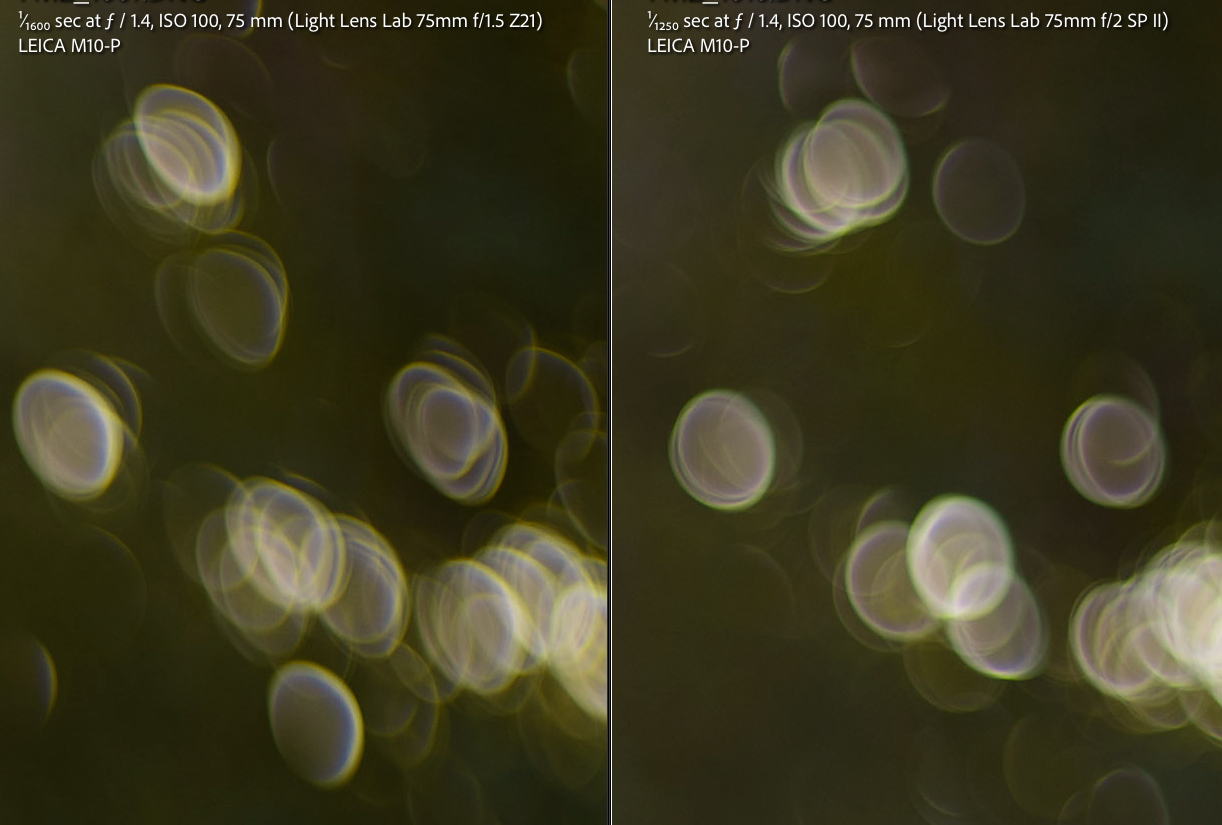
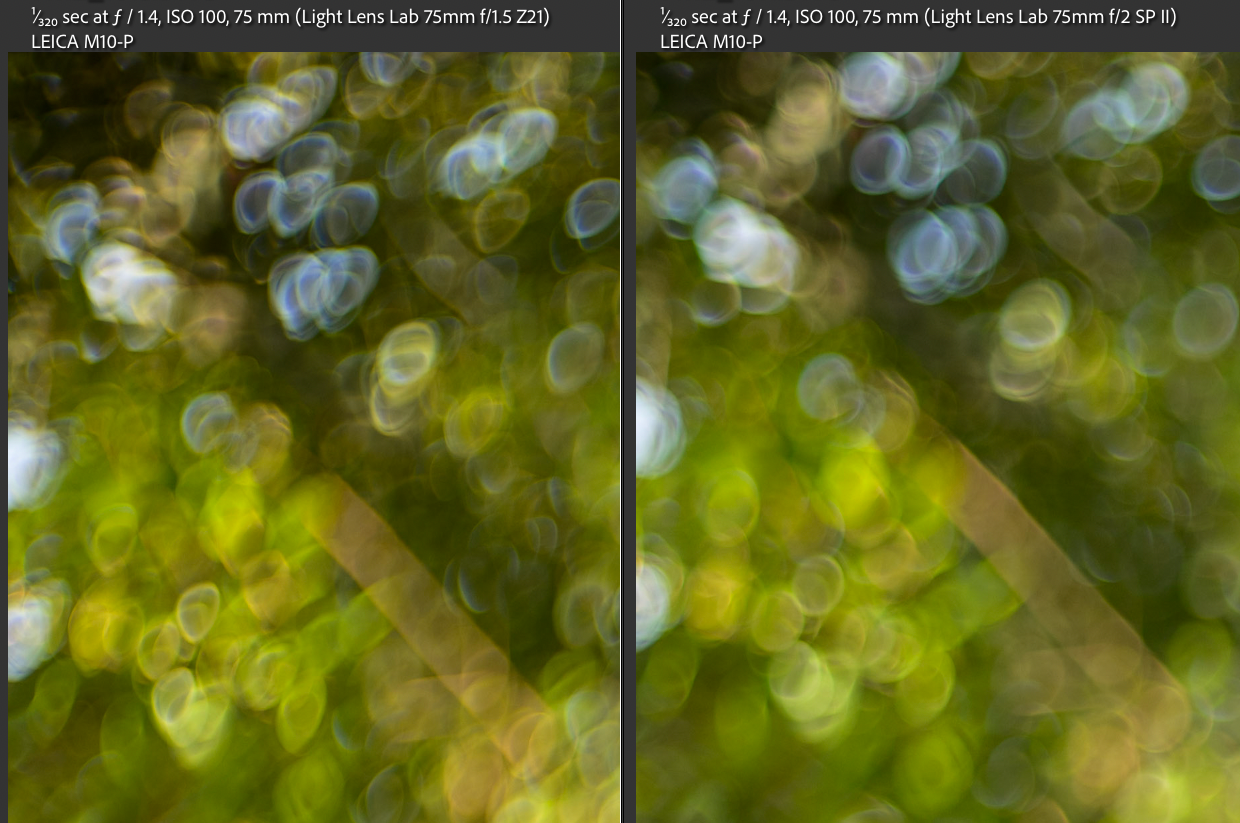
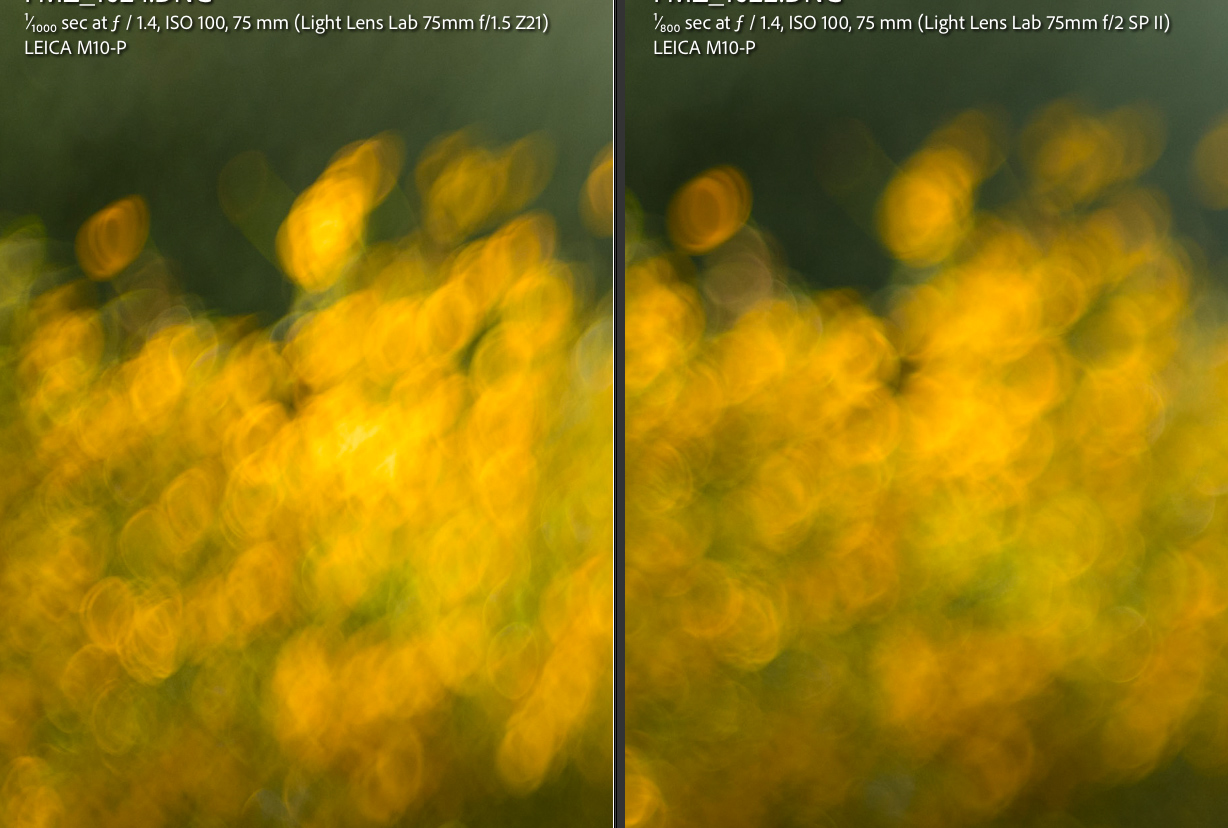
Here are 100% crops from the comparisons above, highlighting my personal observations.

The Light Lens Lab 75mm f/2 SP II shows lower optical vignetting than the 75mm f/1.5 Z21. Even when stopped down to f/2, the Z21 still displays more cat’s-eye highlights and swirling bokeh than the SP II does wide open at f/2.

Both lenses are shown at f/2. (Please disregard the f/1.4 aperture displayed on the M10-P, as the camera is incorrectly reporting the aperture.)


Jun 13, 2026 at 02:39 PM
1              3       end


FM Forums | Nikon Forum | Join Upload & Sell

1              3       end


Welcome back
Log in to your account