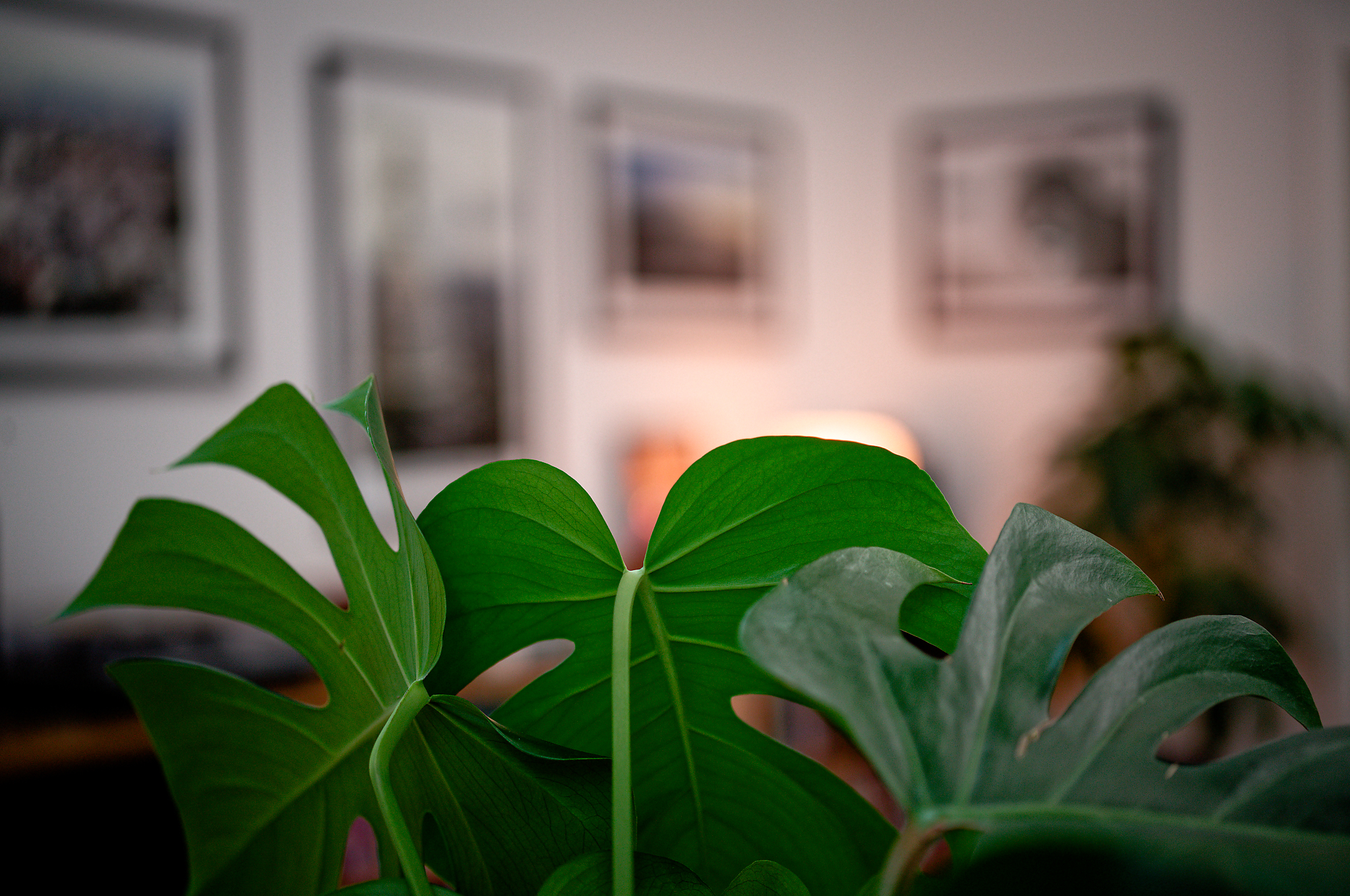
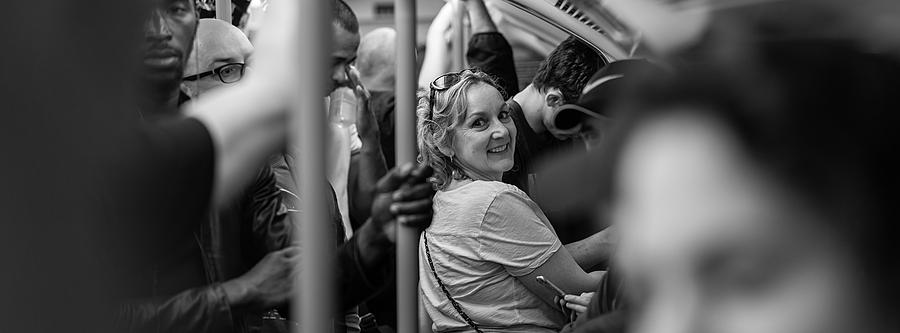
p.1 #3 · Voigtlander 50 Apo Lanthar. Bokeh - Not too shabby.
I will never understand people that whine about the 35 and 50 APO-L's bokeh. It's gorgeous, especially compared to some of the other turds that Voigtlander have shoveled out.
RoamingScott wrote:
I will never understand people that whine about the 35 and 50 APO-L's bokeh. It's gorgeous, especially compared to some of the other turds that Voigtlander have shoveled out.
Hmm—well, if I look at the pictures hanging on the wall in the background, they look really peculiar — except for the one at the left edge of the frame.
p.1 #9 · Voigtlander 50 Apo Lanthar. Bokeh - Not too shabby.
I felt compelled to put together some more images and a quick blog post showing how bokeh works on slower glass . Amazing what you can think of when you retire and have too much time on your hands
p.1 #14 · Voigtlander 50 Apo Lanthar. Bokeh - Not too shabby.
RoamingScott wrote:
I will never understand people that whine about the 35 and 50 APO-L's bokeh. It's gorgeous, especially compared to some of the other turds that Voigtlander have shoveled out.
They somehow managed to combine Zeiss Milvus subject separation with bokeh reminiscent of the Zeiss Classic line (ZF/ZE, etc.). The images often evoke medium format film feels (IMO).
p.1 #15 · Voigtlander 50 Apo Lanthar. Bokeh - Not too shabby.
Well, it came in. I have a completely different outlook on the pre asph lenses and how this classic line delivers. I put a review on my site and some sample images there.
I have never seen a sexier setup than that lens with a glossy black m11.
p.1 #16 · Voigtlander 50 Apo Lanthar. Bokeh - Not too shabby.
Achieving a smooth, controlled, gradual blur is one of the hardest things for a lens to master. This is exactly what high-end cinema lenses costing $35k to $40k obsessively strive for (look at the picture). In the photography world, however, influencers, YouTubers, and bloggers, who know nothing about optics, have popularized the myth of the 'extreme background-melting bokeh'. This has been a windfall for manufacturers, allowing them to sell unbalanced lenses lacking any real refinement at premium prices.
True apochromatic lenses are among the few capable of delivering this kind of rendering, which cements the APO Lanthar’s reputation as a high quality optic. The only lenses that surpass it are selected Zeiss Otus models and, above all, Leica’s APO-Summicron SL and also M series, but the APO Lanthar comes at a fifth or a sixth of the price. Many contemporary lenses boast an f/1.2 aperture, yet they only deliver the depth of field of a theoretical f/2 and transmit light like an f/4. This is because they rely on massive optical designs that prioritize biting sharpness and a flamboyant f-number over micro-contrast resolution. Conversely, Leica’s APO f/2 lenses transmit light like a true f/2 (nearly T2) and yield the depth of field of a commercial f/1.4, thanks to their uniform, high spatial fidelity. While the 35mm and 50mm APO Lanthars don't quite reach that elite tier, they share the same optical philosophy, making them some of the finest lenses on the market today. Personally speaking, the best ones among all of the Cosina's.
A note: achieving a smooth and controlled rendering does not necessarily require an apochromatic lens. Instead, it demands optics designed for resolution rather than pure sharpness. Which is way more challenging.
p.1 #17 · Voigtlander 50 Apo Lanthar. Bokeh - Not too shabby.
Zermelo wrote:
Achieving a smooth, controlled, gradual blur is one of the hardest things for a lens to master. This is exactly what high-end cinema lenses costing $35k to $40k obsessively strive for (look at the picture). In the photography world, however, influencers, YouTubers, and bloggers, who know nothing about optics, have popularized the myth of the 'extreme background-melting bokeh'. This has been a windfall for manufacturers, allowing them to sell unbalanced lenses lacking any real refinement at premium prices.
True apochromatic lenses are among the few capable of delivering this kind of rendering, which cements the APO Lanthar’s reputation as a high quality optic. The only lenses that surpass it are selected Zeiss Otus models and, above all, Leica’s APO-Summicron SL and also M series, but the APO Lanthar comes at a fifth or a sixth of the price. Many contemporary lenses boast an f/1.2 aperture, yet they only deliver the depth of field of a theoretical f/2 and transmit light like an f/4. This is because they rely on massive optical designs that prioritize biting sharpness and a flamboyant f-number over micro-contrast resolution. Conversely, Leica’s APO f/2 lenses transmit light like a true f/2 (nearly T2) and yield the depth of field of a commercial f/1.4, thanks to their uniform, high spatial fidelity. While the 35mm and 50mm APO Lanthars don't quite reach that elite tier, they share the same optical philosophy, making them some of the finest lenses on the market today. Personally speaking, the best ones among all of the Cosina's.
A note: achieving a smooth and controlled rendering does not necessarily require an apochromatic lens. Instead, it demands optics designed for resolution rather than pure sharpness. Which is way more challenging....Show more →
Spot on. Especially on the SL series.
75 Apo F2 SL
Yet the pre asph lux is doing something amazing here as well.
p.1 #19 · Voigtlander 50 Apo Lanthar. Bokeh - Not too shabby.
For what it is and what it does (and especially what it costs), the 50 APO-Lanthar has a nice draw. I also quite like the ergonomics of it and find the size acceptable. That being said, I probably prefer the 50 Lux ASPH (even if it isn't as sharp across the whole frame and has worse CA correction).
Dad by Jim Fischer, on Flickr
Leica M7, Voigtlander 50mm f/2 APO-Lanthar VM, Flic Film Aurora 800.
Ross by Jim Fischer, on Flickr
Zeiss Ikon ZM, Voigtlander 50mm f/2 Apo-Lanthar, Kodak Portra 400
Brian by Jim Fischer, on Flickr
Zeiss Ikon ZM, Voigtlander 50mm f/2 APO-Lanthar VM, Kodak T-Max 100, Xtol 1:1
Jenny by Jim Fischer, on Flickr
Zeiss Ikon ZM, Voigtlander 50mm f/2 APO-Lanthar VM, Kodak T-Max 100, Xtol 1:1
p.1 #20 · Voigtlander 50 Apo Lanthar. Bokeh - Not too shabby.
those are great. no need to prefers the lux unless you want that extra bokeh. I have the 50 lux non asph. and absolutely love it. it took me a while to appreciate "glow" I still prefer the clinical sharpnes from the lanthar but the bokeh from the lux reissue with the extra aperture blades is a game change for me.