Fred Miranda
Offline
Admin
Upload & Sell: On
|
 p.3 #4 · Light Lens Lab 75mm f/2 "SPII" Review p.3 #4 · Light Lens Lab 75mm f/2 "SPII" Review | |
Light Lens Lab 75mm f/2 SP II – Read the Full Review
Final Thoughts
The Light Lens Lab 75mm f/2 SP II is a modern interpretation of the Cooke Speed Panchro Series II optical design, adapted into a short telephoto M-mount lens. While the 50mm f/2 SP II established the foundation of this rendering signature, the 75mm extends it into a focal length that places greater demands on balance between subject separation and reach.
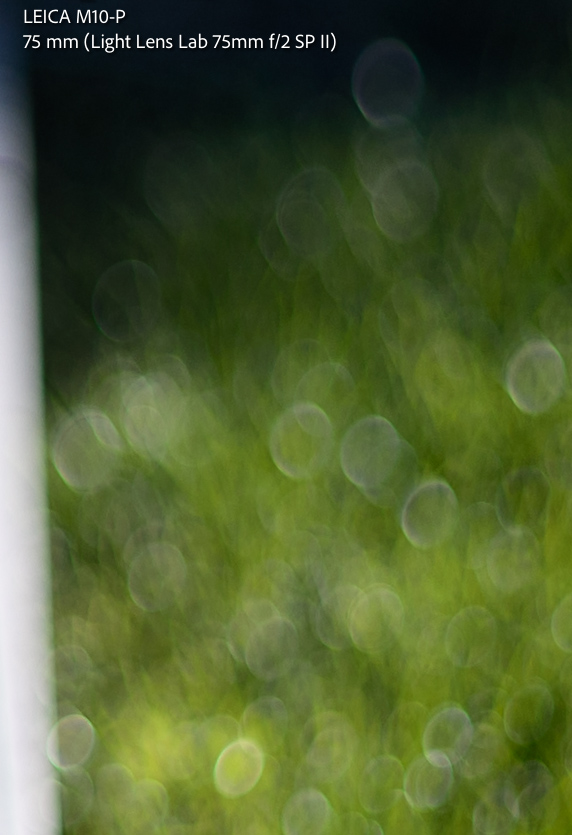
Instead of designing a lens around maximum correction as the primary goal, this lens is built around a very specific cinematic idea rooted in 1940s Cooke Speed Panchro cinema optics. That heritage shows up immediately in its combination of gentle contrast driven by residual SA and veiling flare, rounded specular highlights even toward the corners, characterful outlining, and a generally organic transition between focus and defocus. It is a look that feels intentionally non-modern in the best possible way, especially when compared to highly corrected newer telephoto designs.
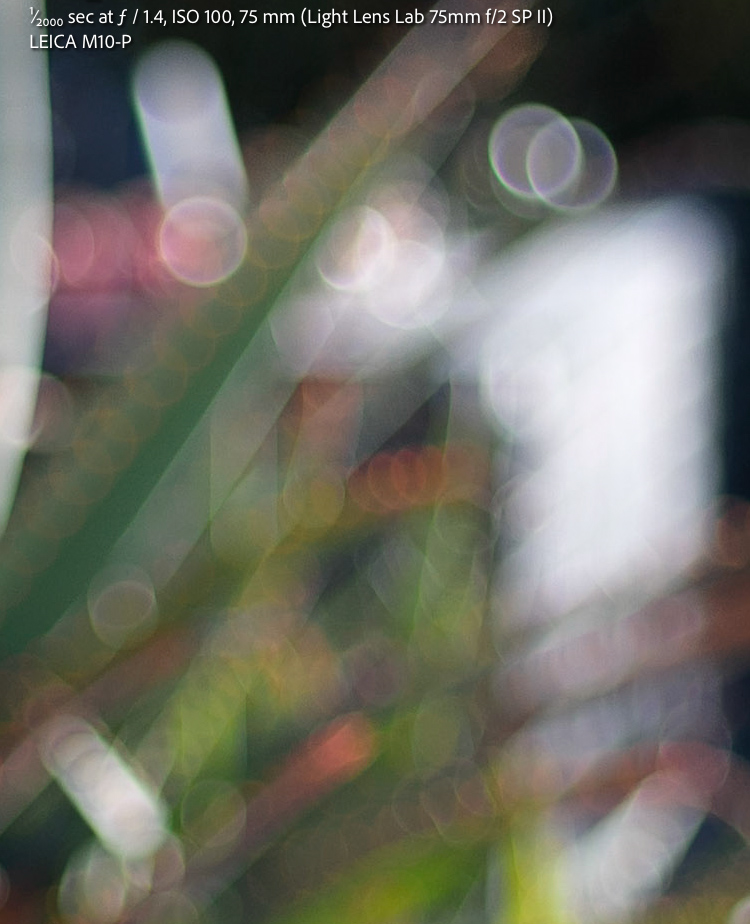
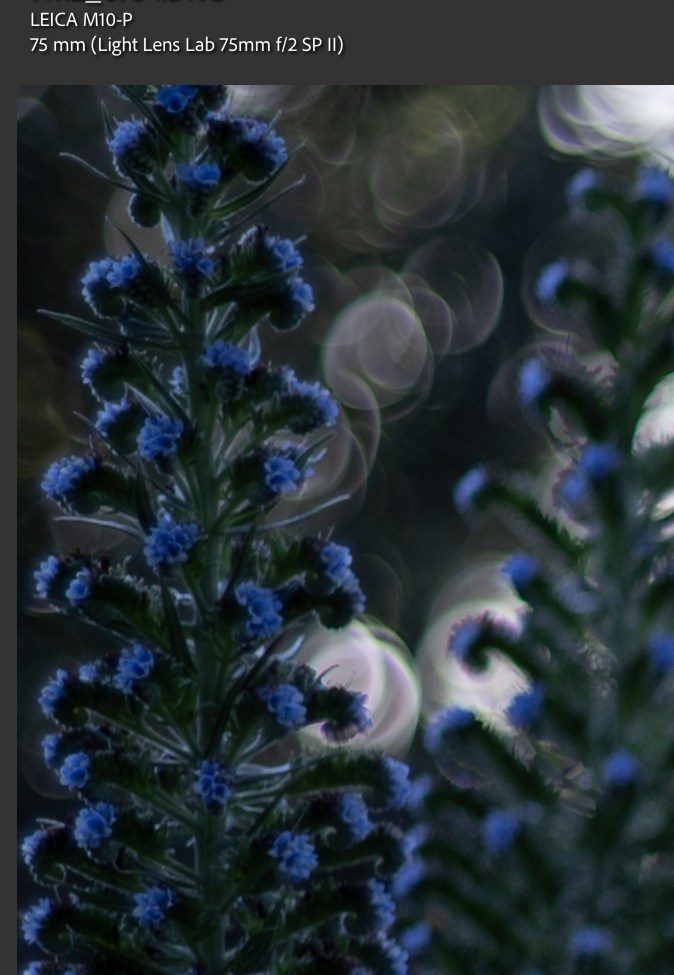
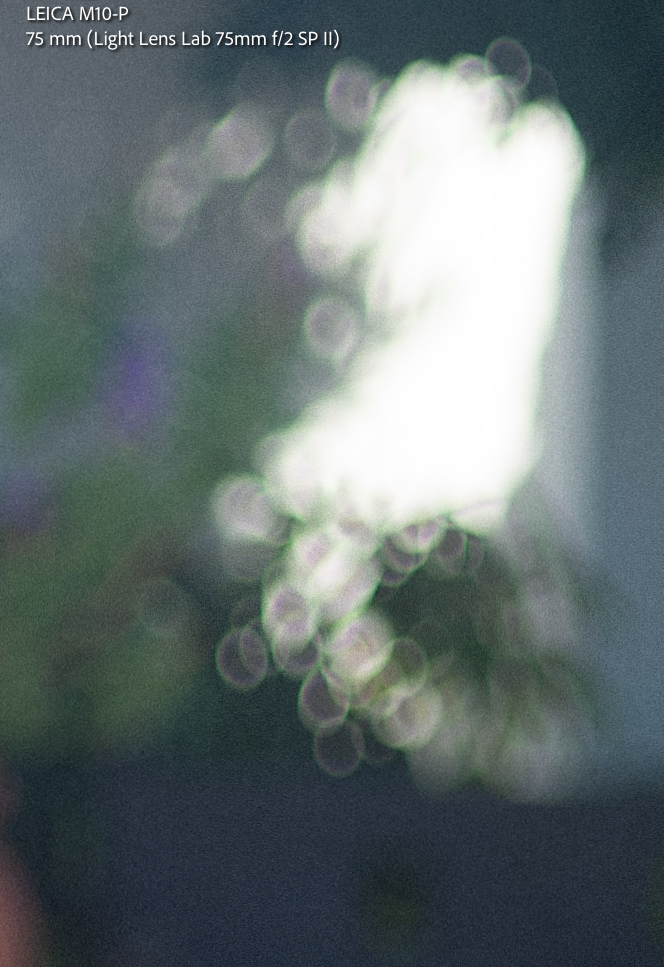
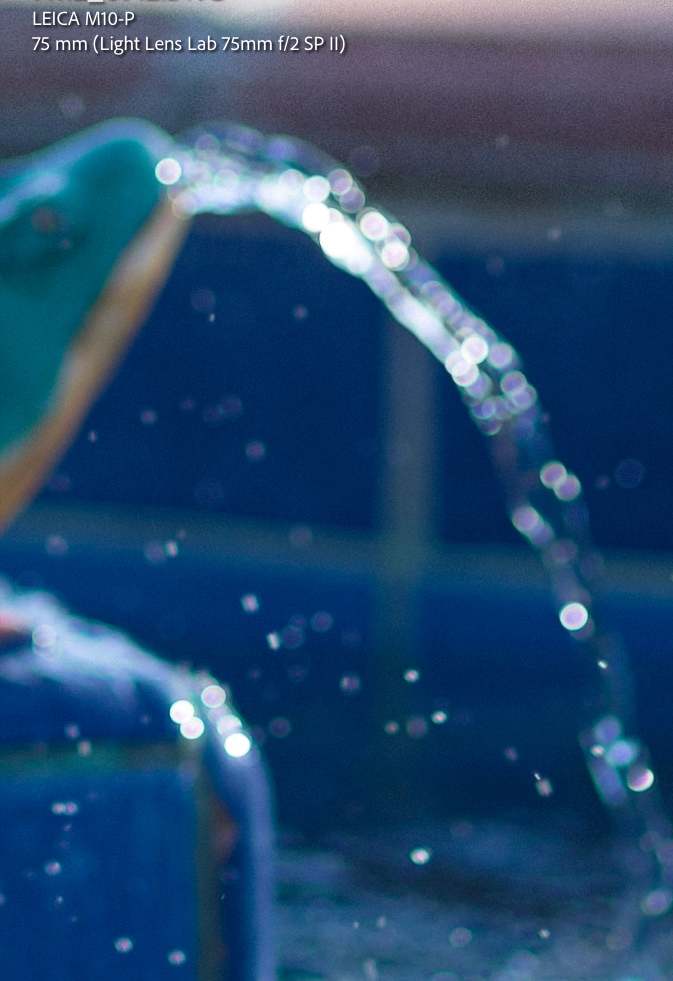
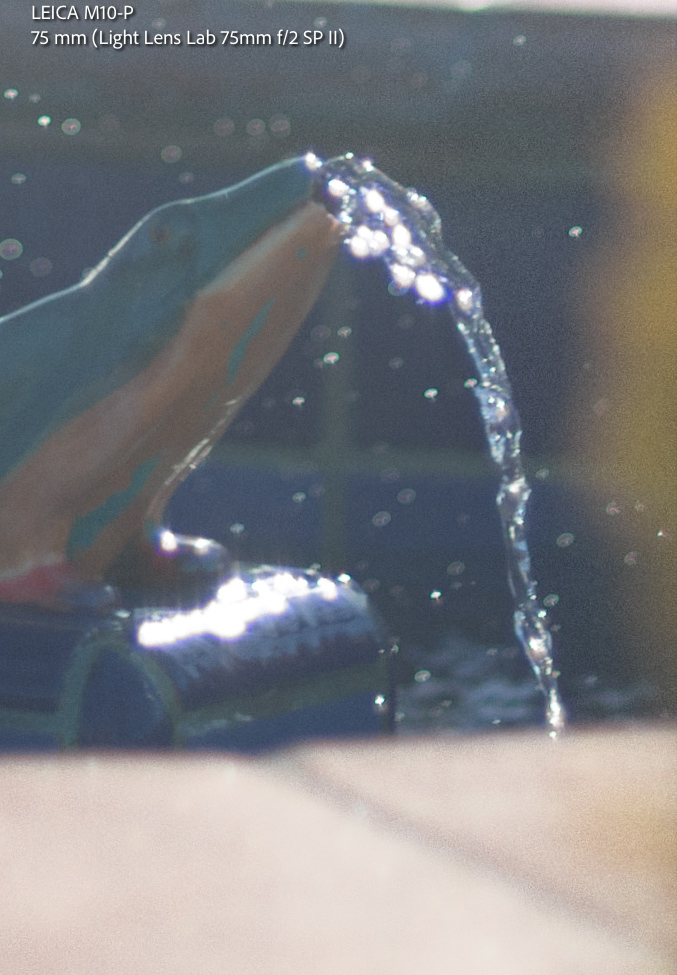
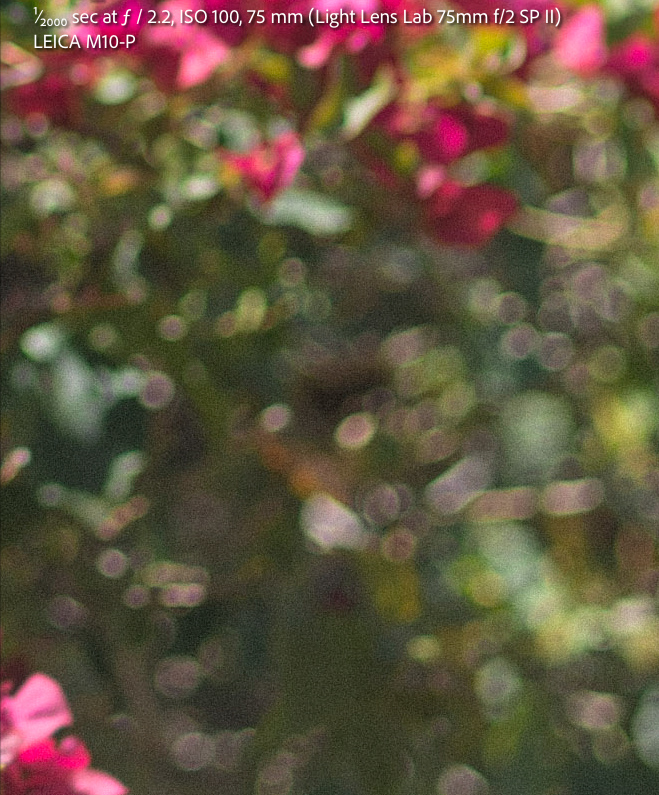
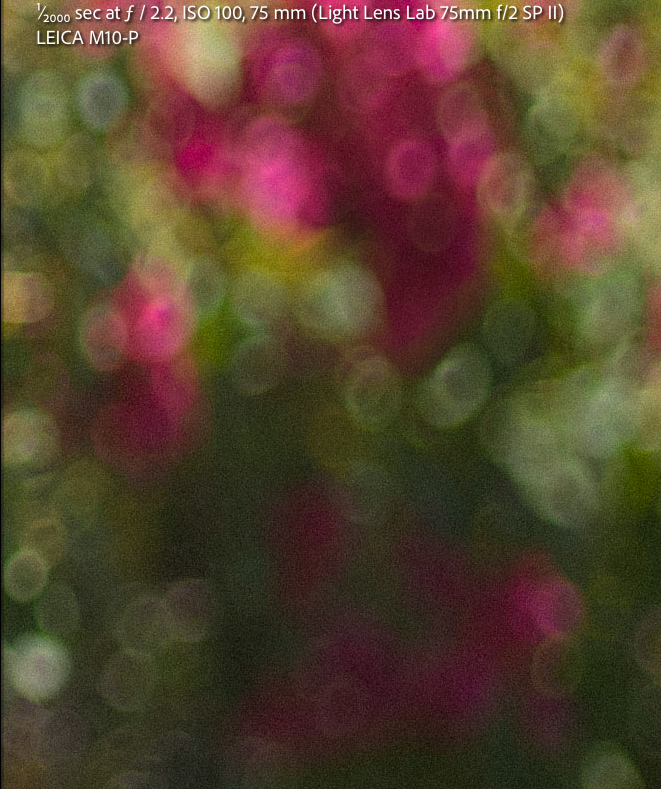
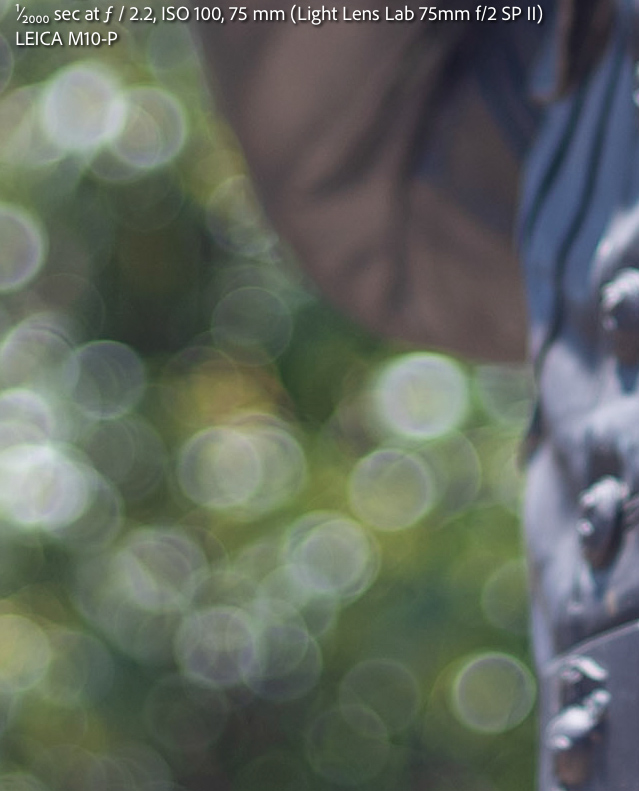
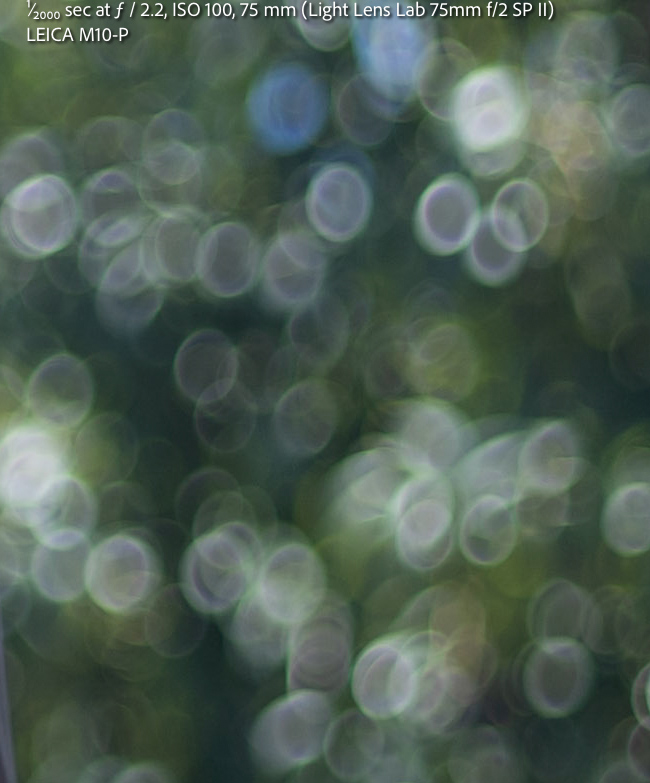
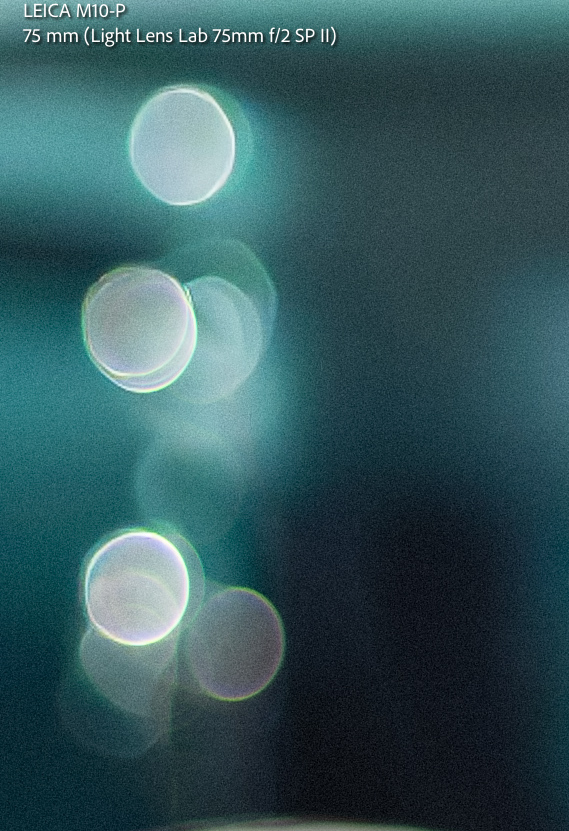
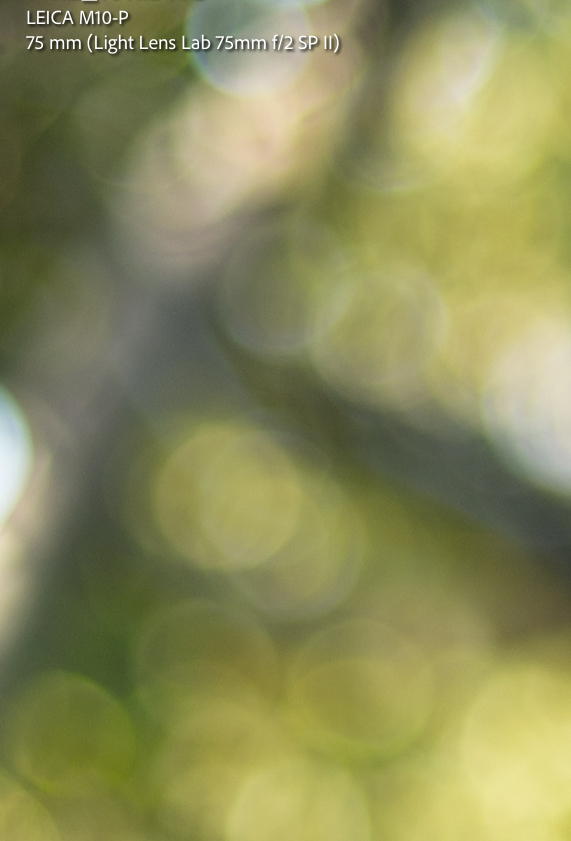
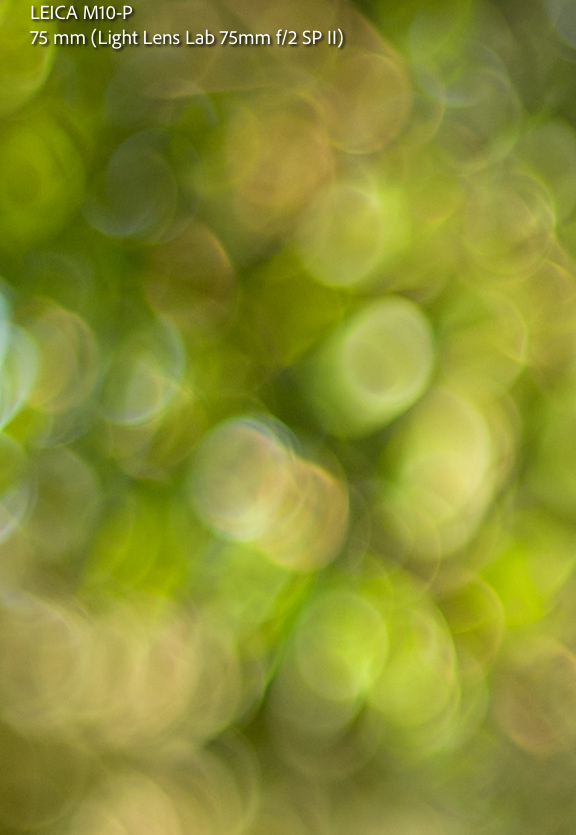
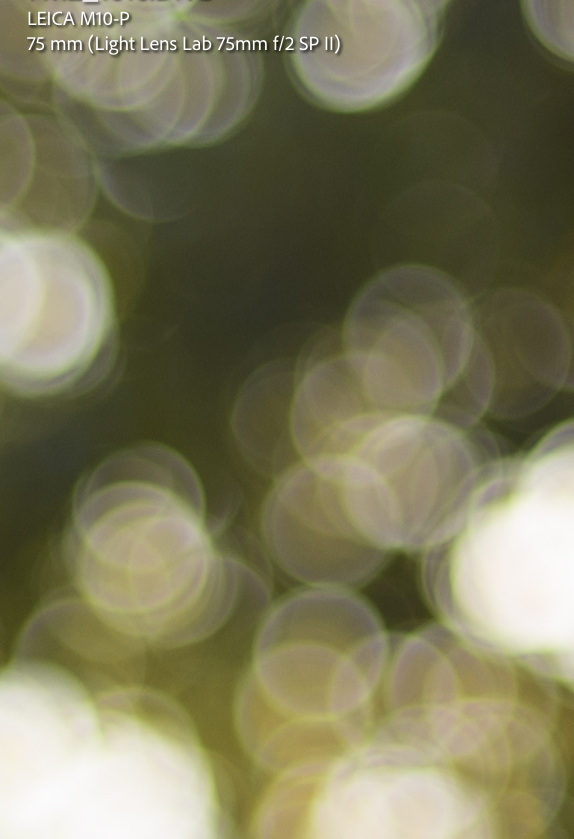
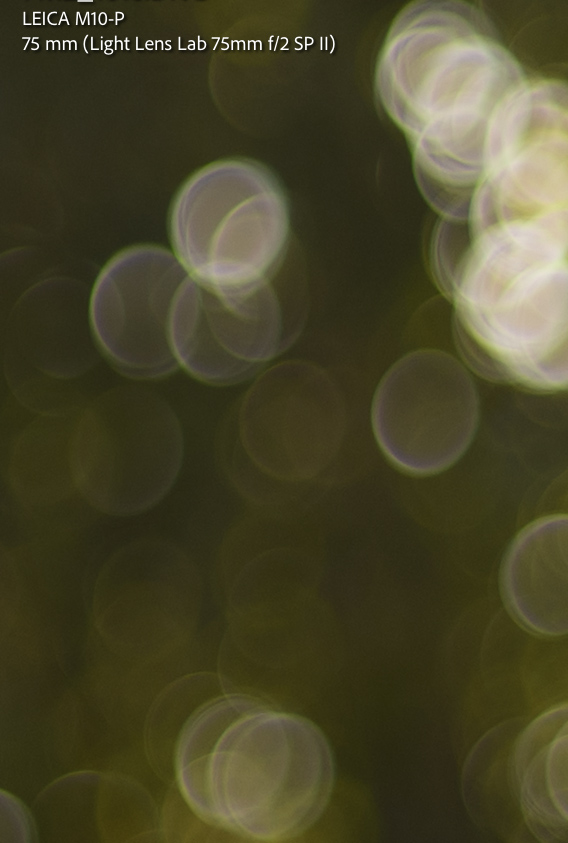
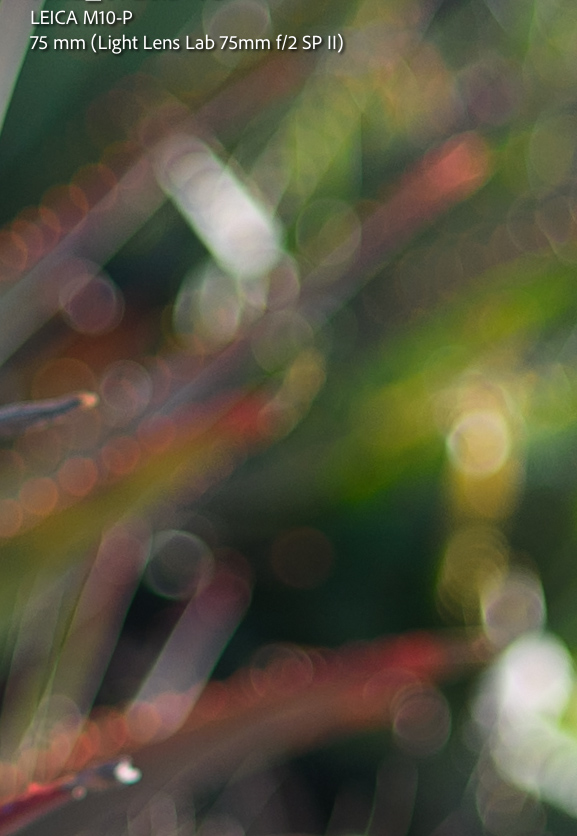
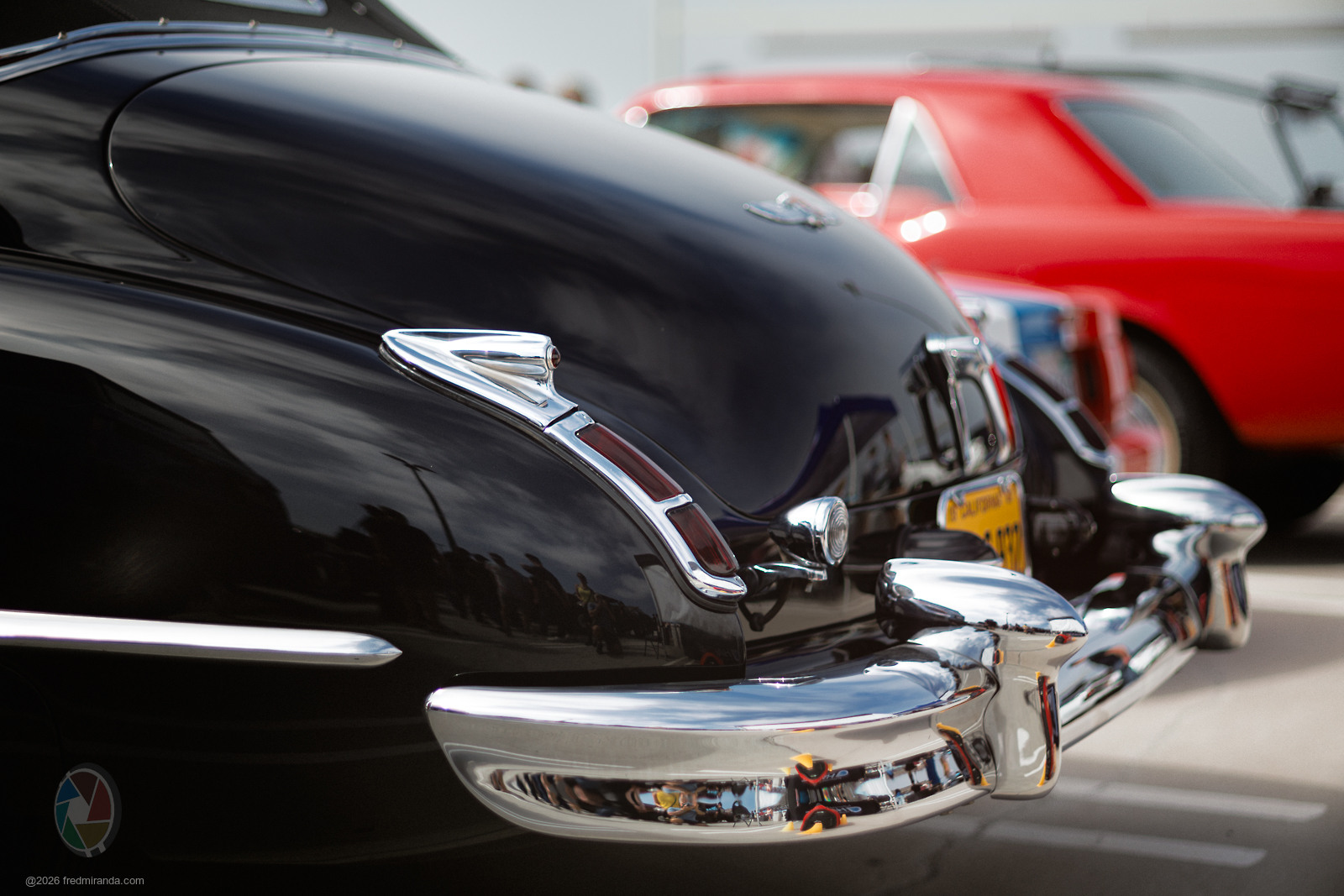
Wide open at f/2, the lens already presents a clearly defined signature. Contrast is moderate rather than punchy, with a soft but controlled rendering of fine detail in the focused plane. The out-of-focus areas are shaped primarily by low optical vignetting, which keeps bokeh highlights noticeably round even toward the edges of the frame. Instead of collapsing into aggressive cat's-eye shapes, highlights retain structure and definition across most of the image circle. This is paired with a consistent outlining effect that becomes one of the defining visual cues of the lens.
What makes the rendering particularly interesting is how balanced it remains across the frame. Optical vignetting is well controlled for a 75mm design, and field curvature behaves in a flat and predictable way. The result is a consistent rendering style, with fewer abrupt changes in specular highlight geometry or blur character from center to corner. It does not eliminate character, but it keeps that character evenly distributed.
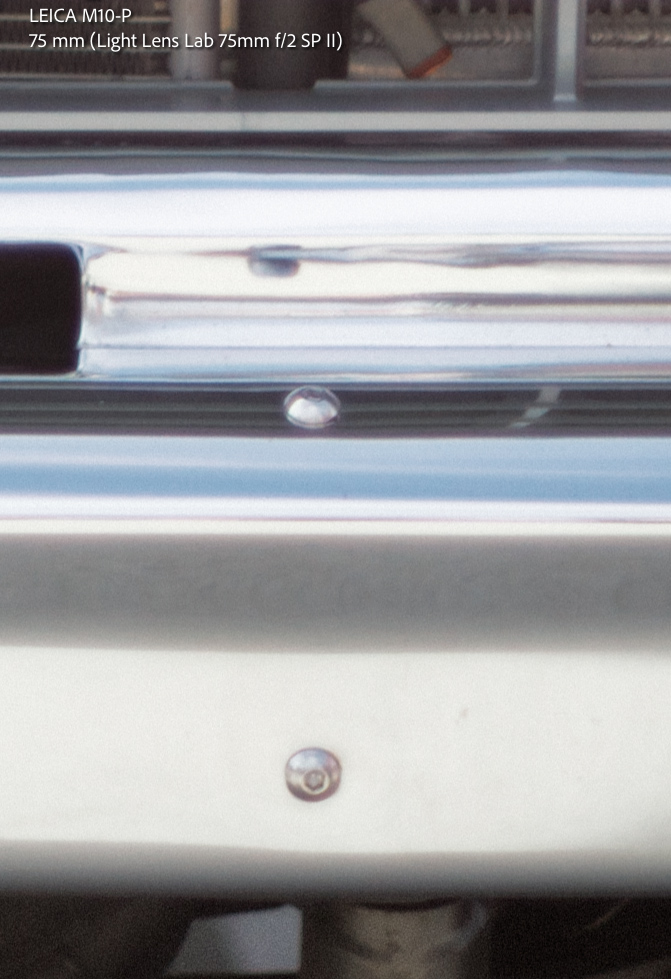
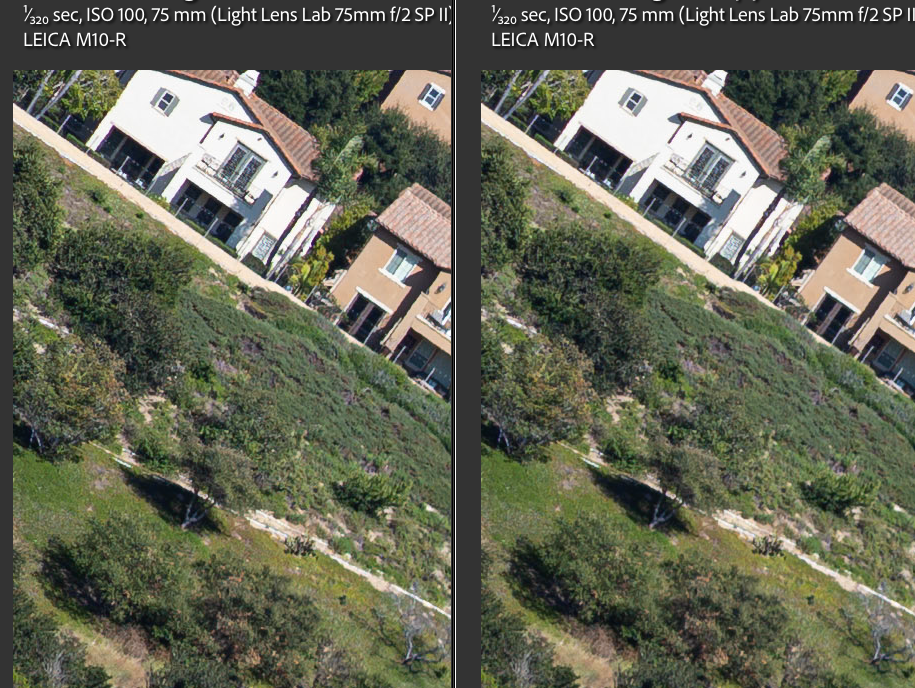
Despite its vintage-inspired design the optical performance outperforms what the barrel aesthetics might suggest. Central sharpness is already very usable at f/2 even on a 40MP sensor with clear gains by f/2.8 and peak across the frame by f/4. Even at maximum aperture it still resolves strong detail across much of the image area in a way reminiscent of the LLL 50mm f/2 SP II.
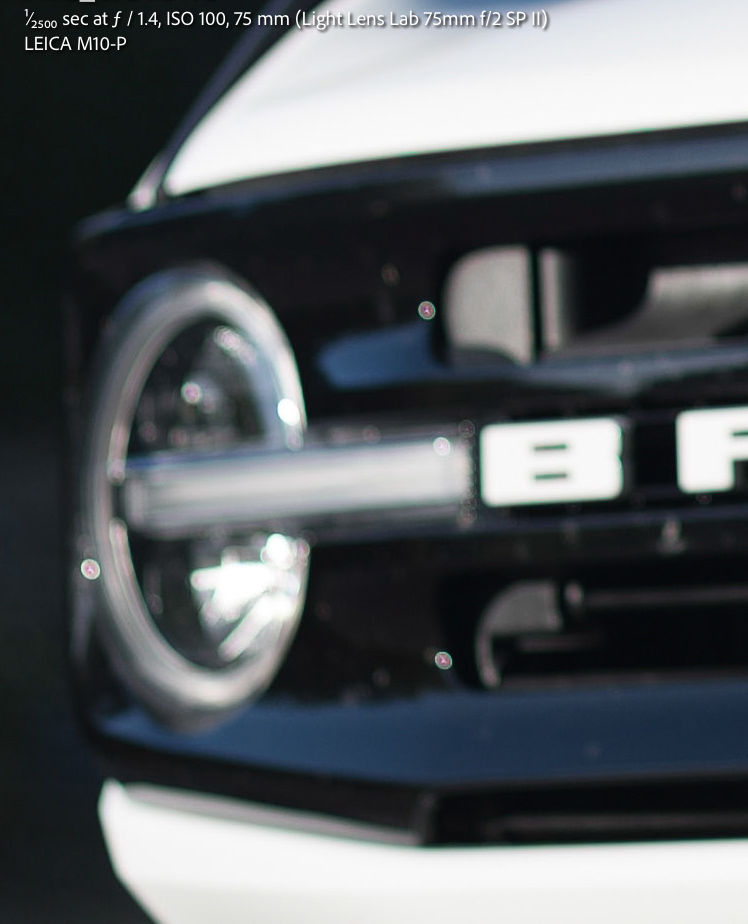
Close focus behavior reflects the same design priorities. At the 0.7m minimum focusing distance, residual spherical aberration becomes more visible and reduces contrast at f/2, although fine detail is still present. The lens responds quickly when stopped down. By f/2.8 to f/4, close range performance becomes strong. Focus shift is minimal, which is an important strength for a lens of this optical character and simplifies real world shooting significantly.
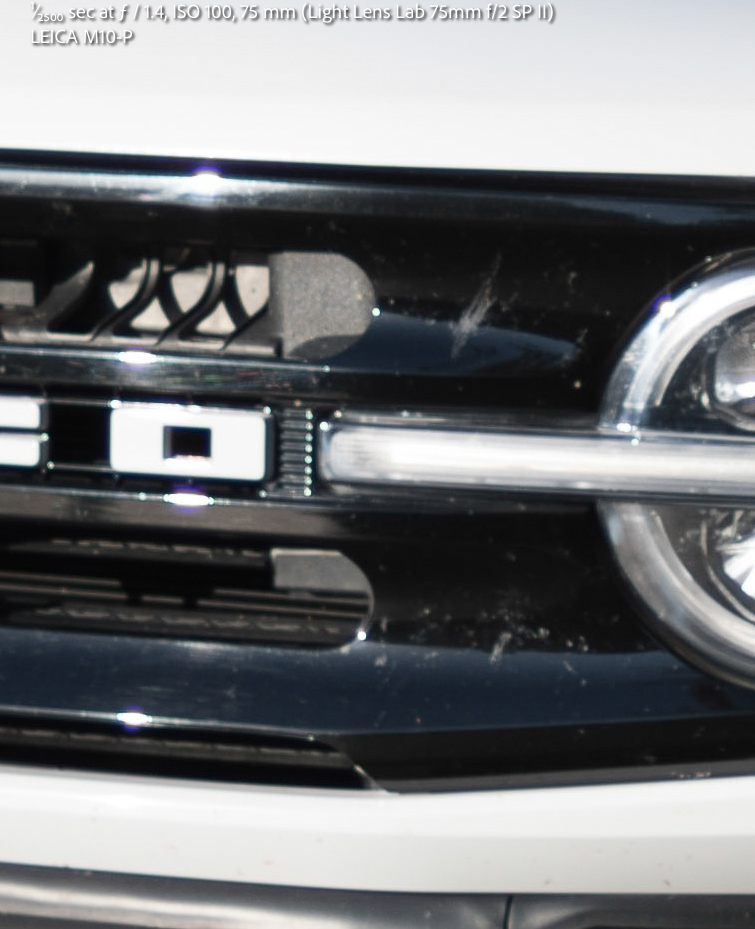
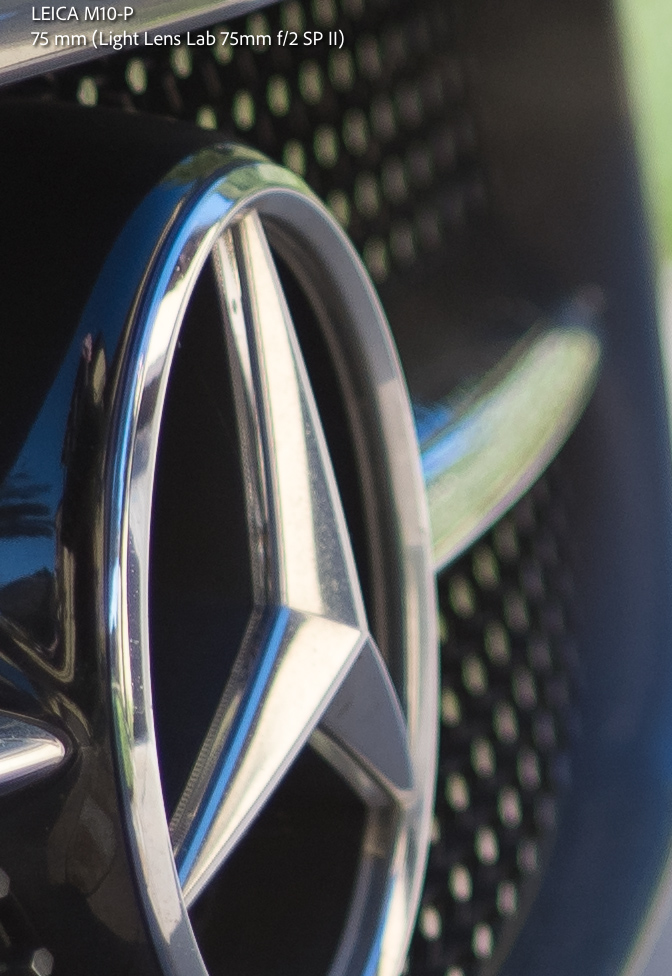
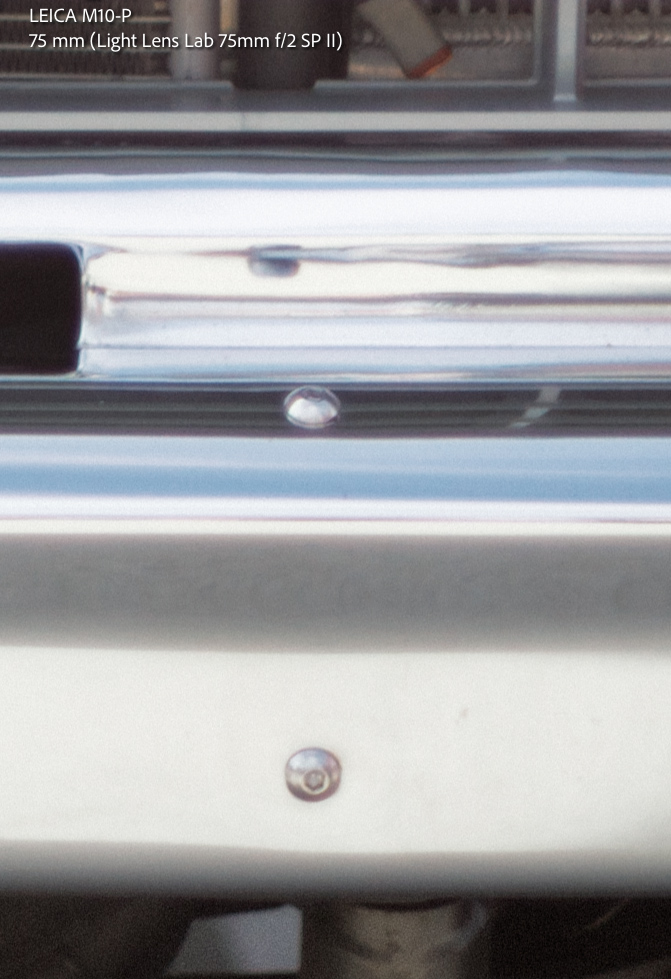
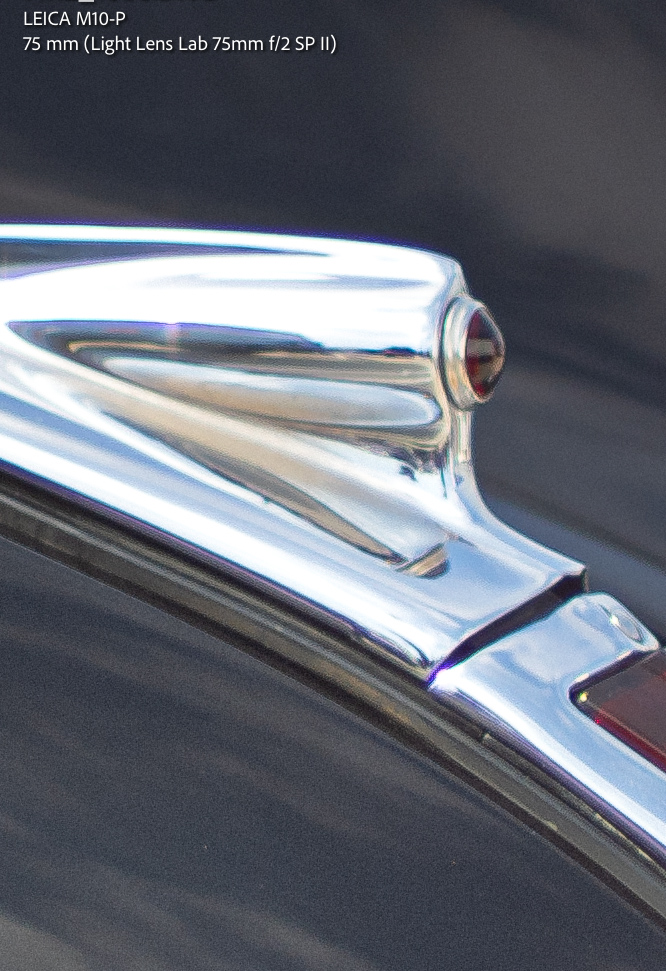
Chromatic aberration control is another strong point. Lateral CA is essentially negligible, while axial CA remains surprisingly well contained even in challenging high contrast lighting. Any residual fringing is subtle and should not be noticeable even in extreme conditions. In my samples I intentionally pushed purple fringing to extremes, and the lens still held color error to a low level.
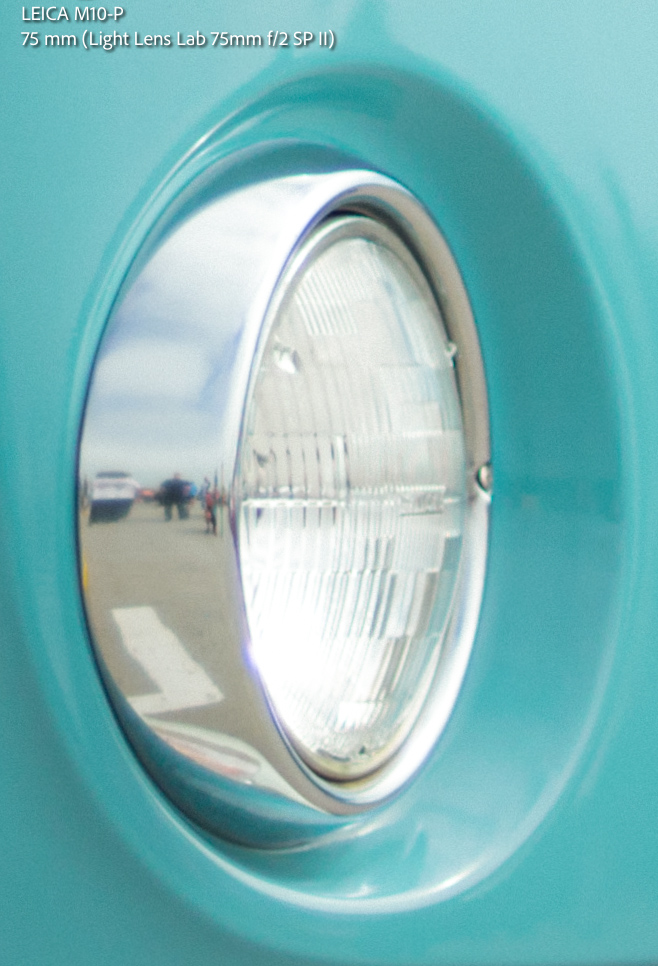
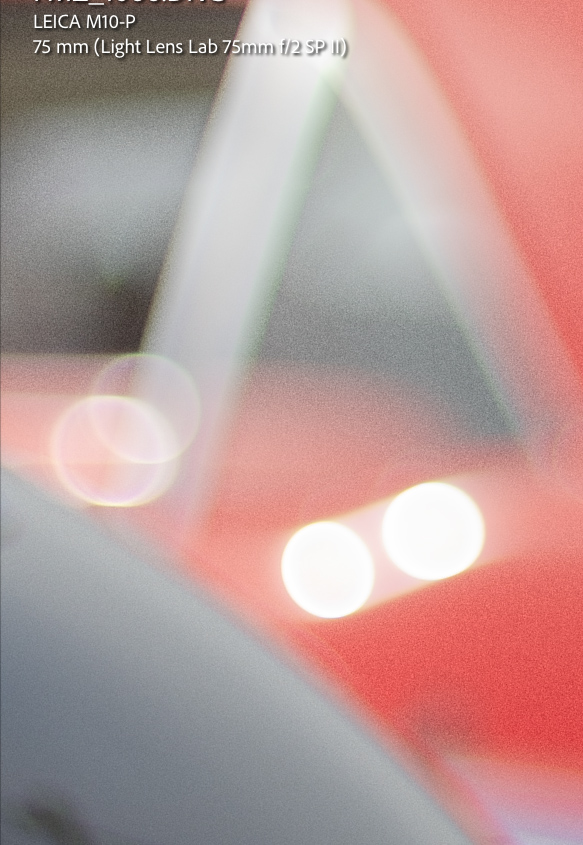
Flare behavior is very much part of the lens identity. Veiling flare and ghosting can be prominent depending on light angle, reducing contrast in backlit situations but also introducing a distinct "cine" atmosphere. The included hood works very well in controlling stray light when needed. It is also lightweight, made of aluminum instead of brass, which improves handling. The flare signature produces a warm amber glow that can enhance rather than distract from the scene. Veiling flare is always present to some degree and contributes a unique mood, especially in portrait work.
Compared to the Light Lens Lab 50mm f/2 SP II, the 75mm version feels more mature, with improved off-axis performance and a more pleasant amber flare compared to the bluish violet flare of the 50mm. Against more aggressively character-driven designs such as the 75mm f/1.5 Z21, the SP II is clearly more neutral, with less swirl, reduced optical vignetting, and a more restrained highlight outlining. This places it in a different category altogether, closer to controlled, filmic rendering than expressive optical character.
⸻
Pros
⦿ Cooke Speed Panchro Series II inspired rendering translated into a usable modern M-mount short telephoto
⦿ Strong character with clearly defined outlining and consistently round specular highlights across most of the frame
⦿ Unusually low optical vignetting for a 75mm design, keeping highlight shape intact away from the center
⦿ Excellent chromatic aberration control, with lateral CA essentially absent
⦿ Lightweight 310g aluminum barrel construction makes it easy to carry and use all day
⦿ Lightweight aluminum hood maintains balance and handling without compromising the classic SP aesthetic
⦿ Very even frame-to-frame resolution even wide open, with a clear sweet spot around f/2.8
⦿ Low distortion out of camera, no need for post correction
⦿ Neutral field curvature across distances contributes to predictable rendering
⦿ Distinct filmic flare signature with warm amber ghosting that adds atmosphere
⦿ Strong sunstar definition from f/11 to f/16 with defined 12-point rays
⦿ No meaningful focus shift, making aperture changes highly reliable in rangefinder shooting
⦿ Very usable close-focus performance even wide open, improving slightly from f/2.8 onward
⦿ More neutral color response compared to warmer, more stylized variants like the ZS6 and Z21 series
⦿ Focus action is smooth and free of play due to tight production tolerances, with precise rangefinder alignment
⸻
Cons
⦿ Veiling flare can become severe in strong backlight, significantly lowering contrast
⦿ Lower micro-contrast at f/2 compared to modern corrected 75mm designs
⦿ Residual spherical aberration wide open reduces bite, especially at close focus distances
⦿ 0.7m minimum focus distance limits versatility compared to modern telephotos
⦿ Highlight outlining can become quite noticeable in certain compositions and lighting conditions
⦿ Sunstars remain soft and undefined until heavily stopped down to f/11 and beyond
⦿ Flare behavior is difficult to anticipate through a rangefinder viewfinder
⦿ Not designed for high contrast, clinical rendering, or maximum sharpness output
⸻
The Light Lens Lab 75mm f/2 SP II ultimately delivers exactly what it sets out to do. It preserves the Cooke Speed Panchro inspired character while remaining fully usable on modern digital M bodies. Rendering is consistent, specular highlights stay round with only slight edge deformation, and the overall image remains controlled without losing its personality. It is not a high contrast, clinical lens, and it is not trying to be. Instead, it offers a deliberate cinematic rendering with enough optical correction to produce very pleasing images in real use.
What you end up with is a lens that pays homage to a historical design, almost like a time machine in the way it renders. It produces a recognizable signature that will also appeal to videographers, but it is clearly built with M shooters in mind.
_____
Order the Light Lens Lab 75mm f/2 SP II lens:
Lens Light Lab Store | Get a 5% discount when you use the FREDMIRANDA code at checkout.
|