fredmiranda.com
Login

Moderated by: Fred Miranda
  New fredmiranda.com Mobile Site
  New Feature: SMS Notification alert
  New Feature: Buy & Sell Watchlist
  

FM Forums | Nikon Forum | Join Upload & Sell

1              end
  

Light Lens Lab 75mm f/2 "SPII" Review


EMH2025
Offline
• •
Upload & Sell: On
p.2 #1 · Light Lens Lab 75mm f/2 "SPII" Review


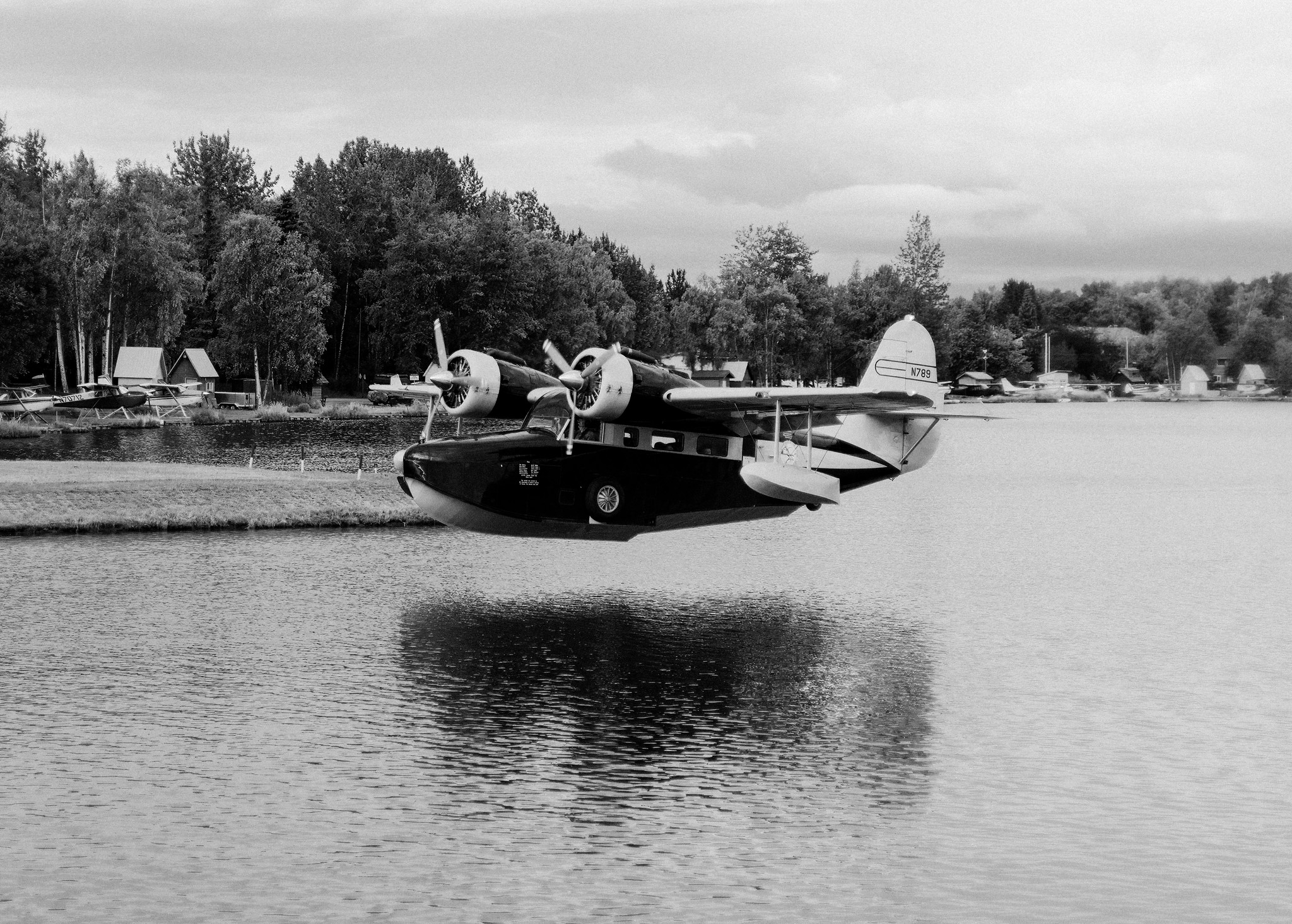
all a matter of spending the time to find the right speed, 1/1000 th is too slow, 1/10,000 or so is too fast, like anything else it requires working on it. Or just accept the blur of the aircraft at 1/1000..... The M is not the best choice for fast aircraft, racing cars, or quick birds, it can be made to work well, just takes more than commitment. 75 mm is a bit harder, 90 or 35 even more so, than 50 mm like the MS Optics Petz here Part of the fun is to use the wrong choice of camera and work on it, otherwise I might as well use my Z8 and 20 fps, and 3d following and let the camera do all the work.

RoamingScott wrote:
The propellers aren’t even attached to the plane . You do you.



Jun 05, 2026 at 10:12 AM
Steve Spencer
Offline
• • • • • • •
Upload & Sell: On
p.2 #2 · Light Lens Lab 75mm f/2 "SPII" Review


EMH2025 wrote:
electronic shutter is to get short exposures to freeze plane motion, yes I could get an blur of aircraft at M film speeds, but I dont care much for such blur some like the blurs as arty, I dont seem to be one of them So with my M I am wing shooting moving my camera fast to follow the aircraft same as one would do wing shooting with shotgun bird hunting, so the plane is moving and I am moving through all the shots- hence fast speed.


You could get 1/4000 with the mechanical shutter. I would think that would be fast enough and you wouldn't get the movement distortion in the propeller(s), or at least it would be greatly reduced. I would give 1/4000 and mechanical shutter at least a try and see if you don't like the results better.


Jun 05, 2026 at 11:09 AM
EMH2025
Offline
• •
Upload & Sell: On
p.2 #3 · Light Lens Lab 75mm f/2 "SPII" Review


yes good idea and I'll give it a try- higher the FL the greater the problem leaping from my usual 50 to 75 does indeed impose more wing shooting problems I already knew this from 90/135 last season, and 75 has its issues, on the other hand 35 is steel rim easy..

"you can't always get what you want (especially with a M) but sometimes you get what you need"

Steve Spencer wrote:
You could get 1/4000 with the mechanical shutter. I would think that would be fast enough and you wouldn't get the movement distortion in the propeller(s), or at least it would be greatly reduced. I would give 1/4000 and mechanical shutter at least a try and see if you don't like the results better.


Jun 05, 2026 at 11:14 AM
highdesertmesa
Offline
• • • • •
Upload & Sell: On
p.2 #4 · Light Lens Lab 75mm f/2 "SPII" Review


EMH2025 wrote:
all a matter of spending the time to find the right speed, 1/1000 th is too slow, 1/10,000 or so is too fast, like anything else it requires working on it. Or just accept the blur of the aircraft at 1/1000..... The M is not the best choice for fast aircraft, racing cars, or quick birds, it can be made to work well, just takes more than commitment. 75 mm is a bit harder, 90 or 35 even more so, than 50 mm like the MS Optics Petz here Part of the fun is to use the wrong choice of
...Show more

A blurred propeller is better than a frozen propeller because it conveys motion. Either is better than a warped propeller.


Jun 05, 2026 at 11:23 AM
RoamingScott
Offline
• • • • • •
Upload & Sell: Off
p.2 #5 · Light Lens Lab 75mm f/2 "SPII" Review


A blurred propeller is generally PREFERRED, and there are no physical limitations on a M camera for a properly (no pun intended) taken photo of a prop plane. Zone focus, get your settings together, easy. Usually it’s a 1/200 situation.


Jun 06, 2026 at 03:59 PM
Fred Miranda
Offline
Admin
Upload & Sell: On
p.2 #6 · Light Lens Lab 75mm f/2 "SPII" Review


Back to Quick Links

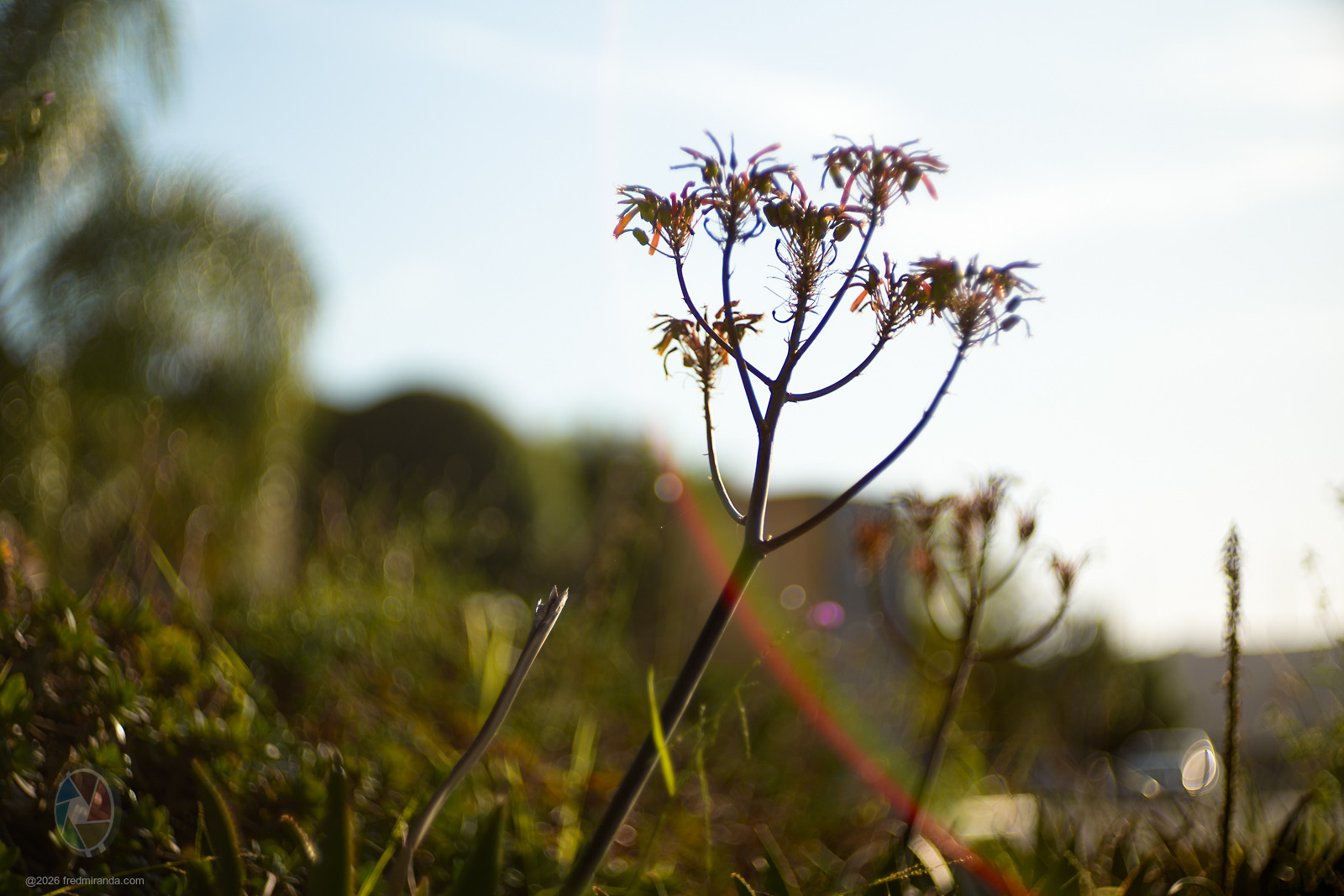
Flare Resistance

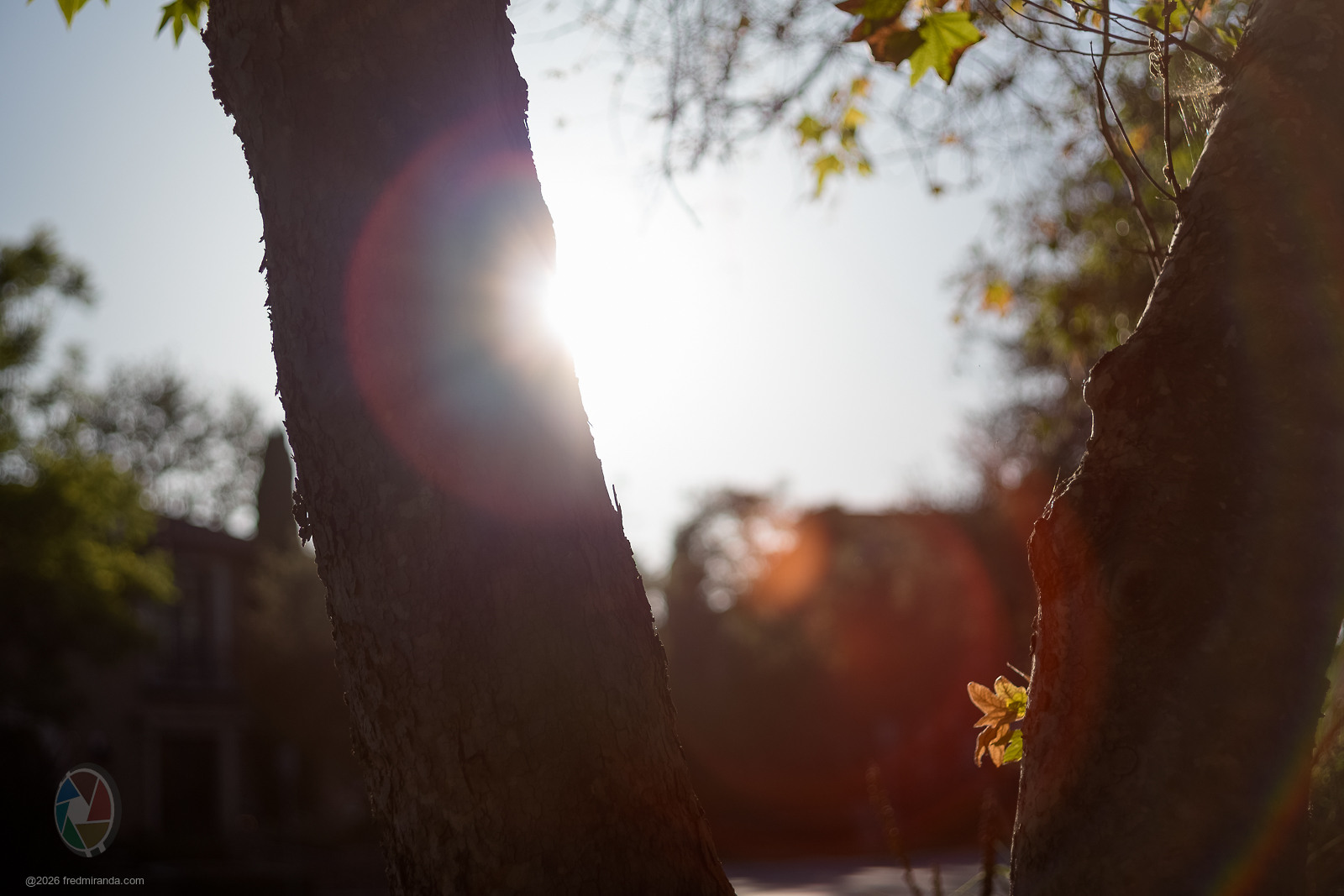
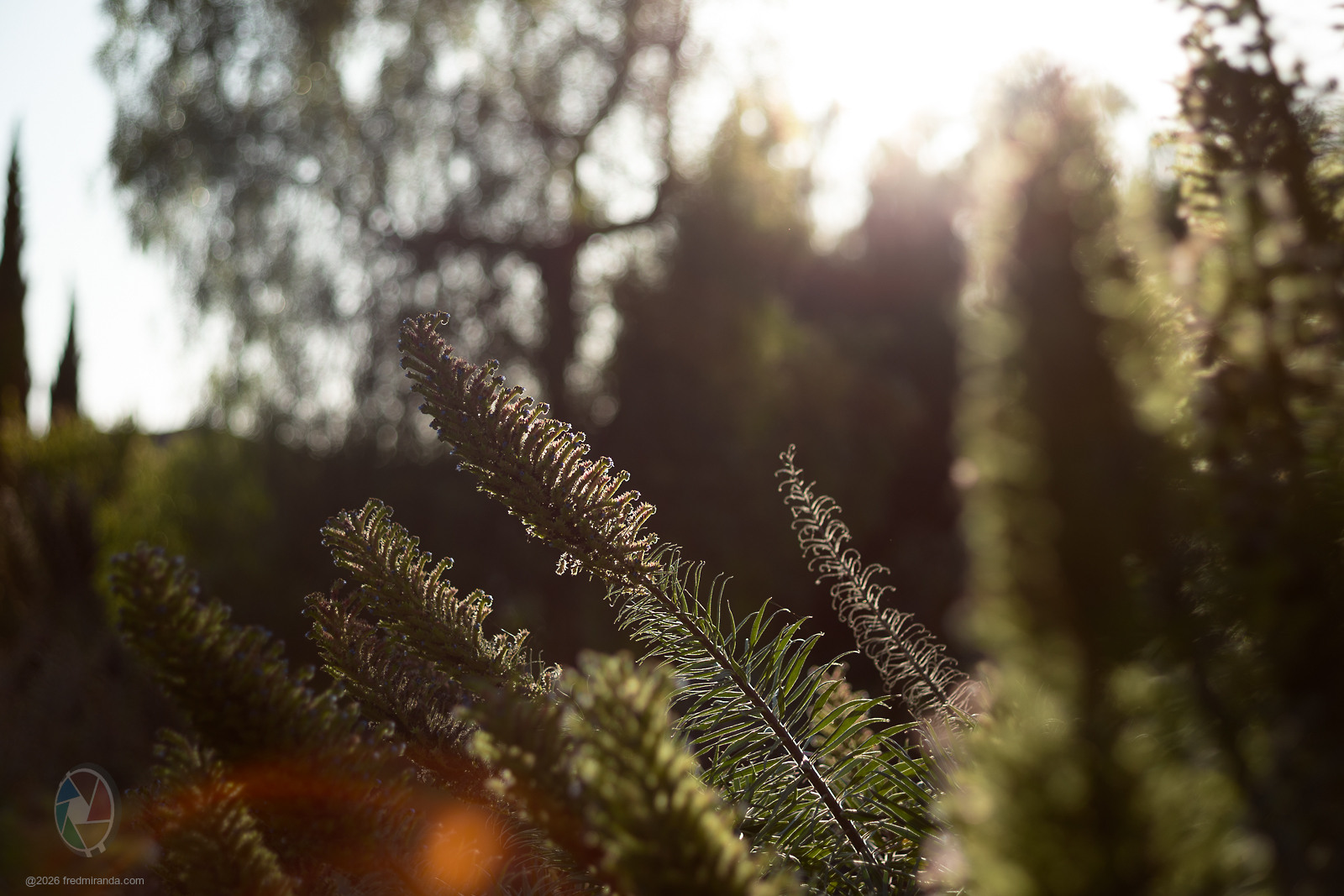
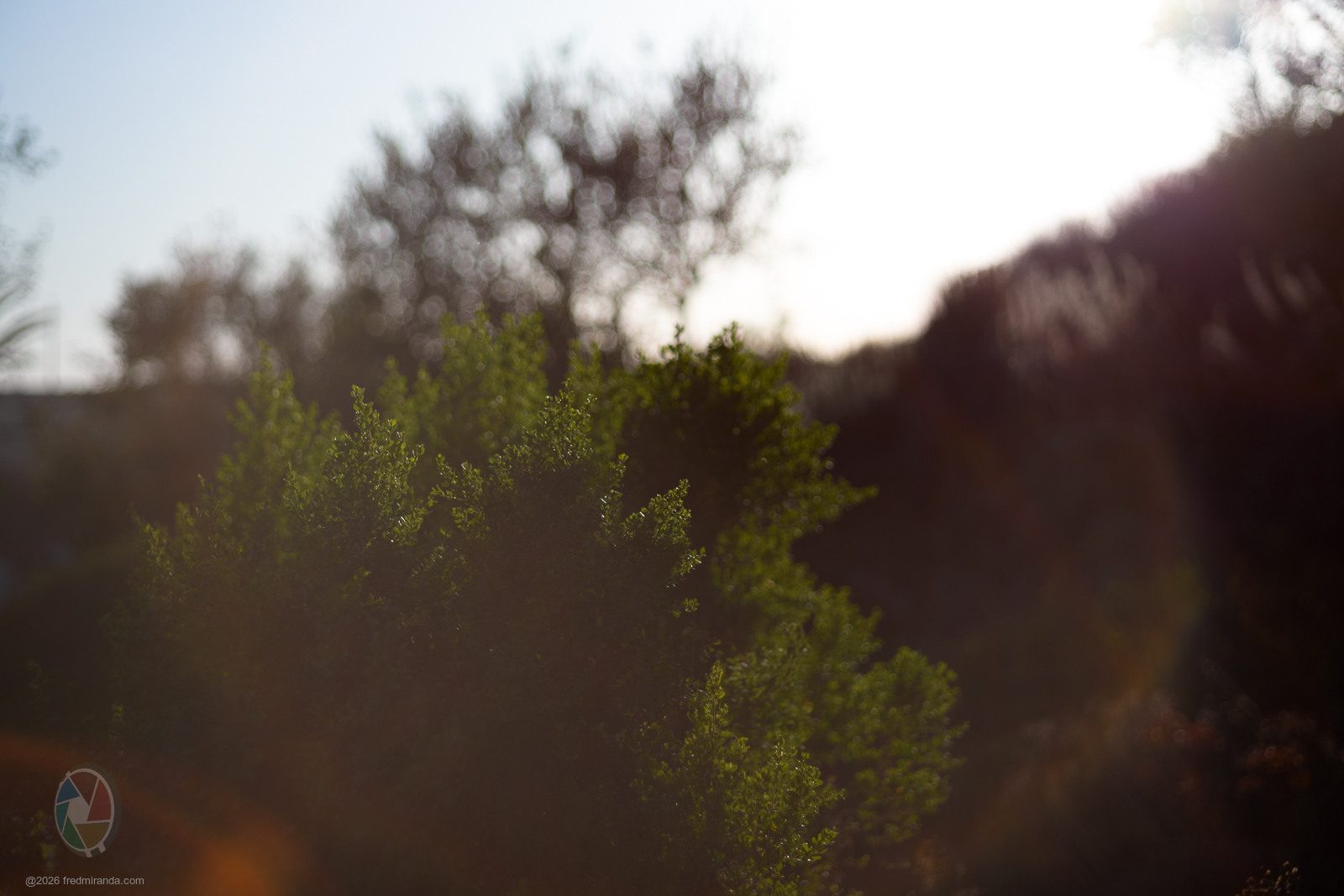
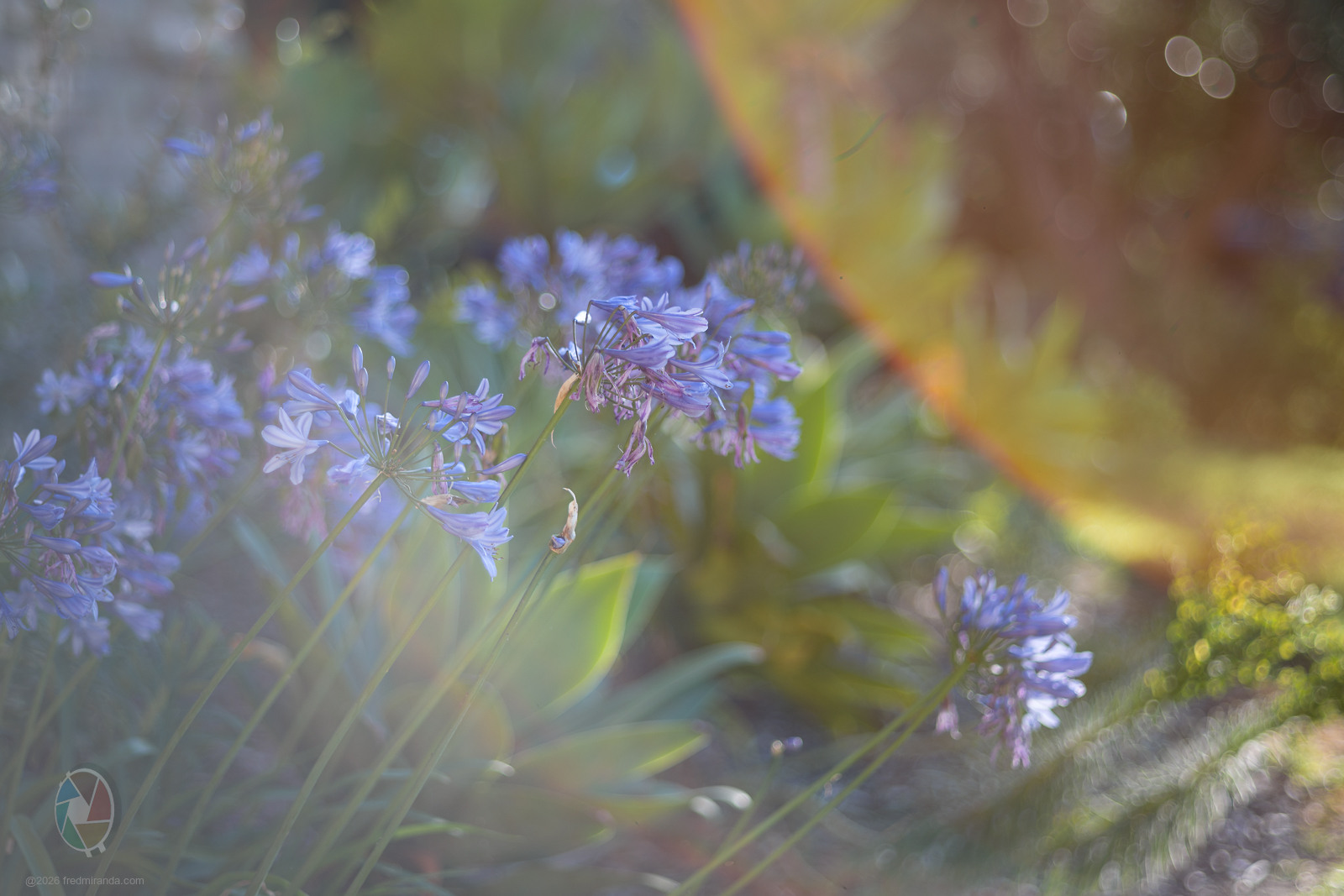
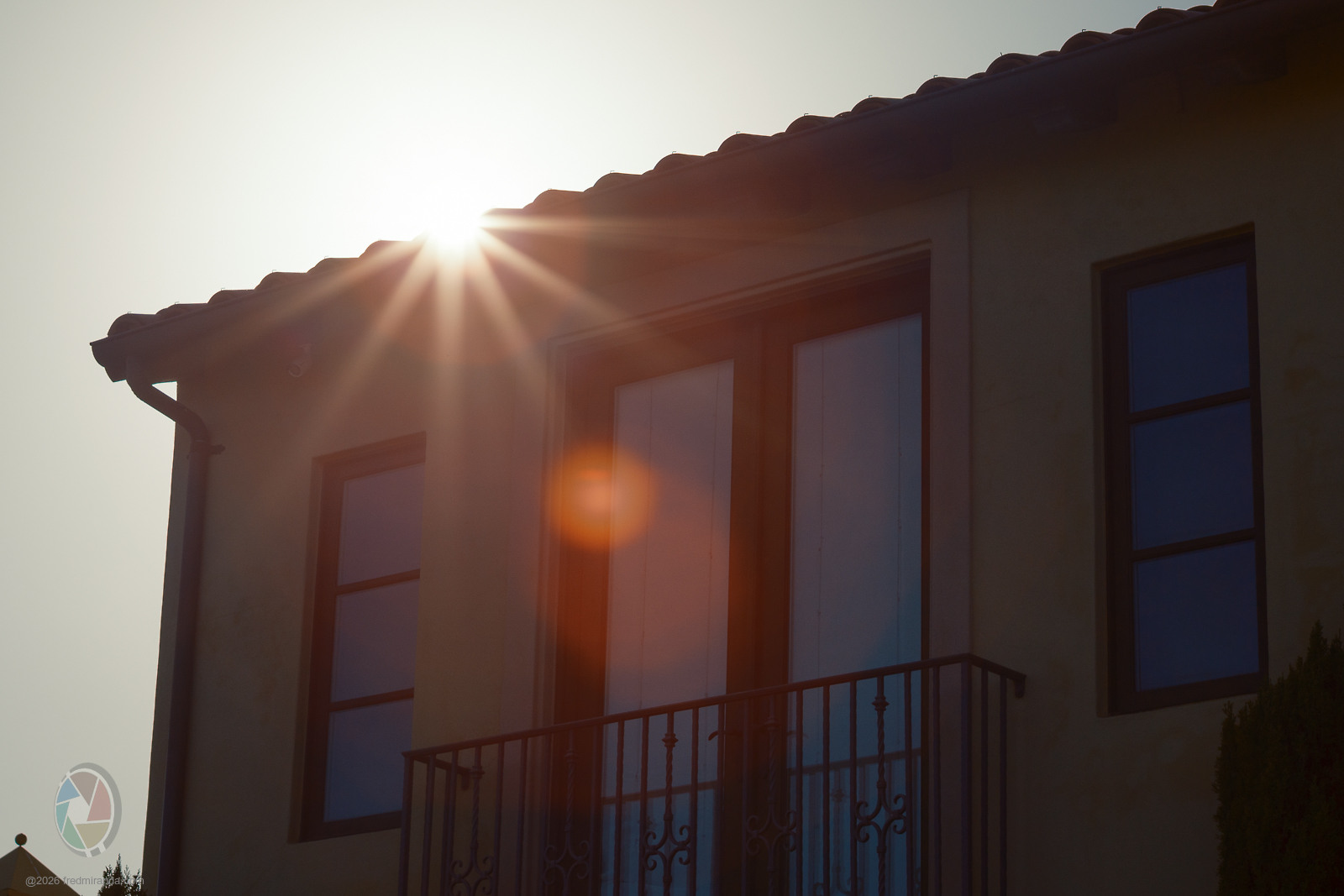
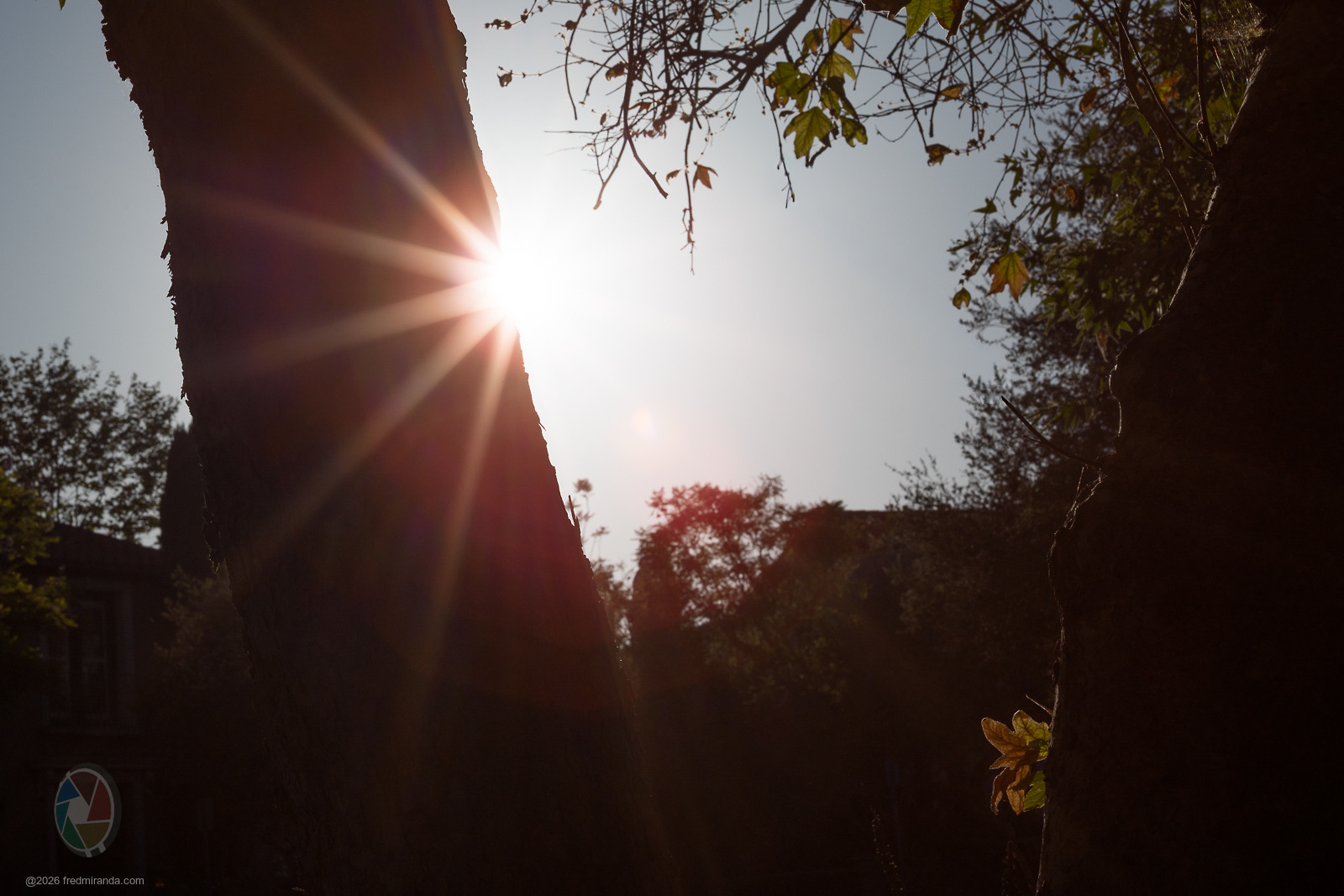
The Light Lens Lab 75mm f/2 SP II has its own distinctive flare behavior, which differs from the earlier Light Lens Lab 50mm f/2 in the Speed Panchro (SP II) line. The 75mm produces a ghosting flare with a warm, amber tone, while the 50mm SP II tends toward a cooler blue or purplish hue. This difference comes from the coatings used on each lens. The underlying flare characteristics are similar, but the color rendering of the flare is clearly distinct.

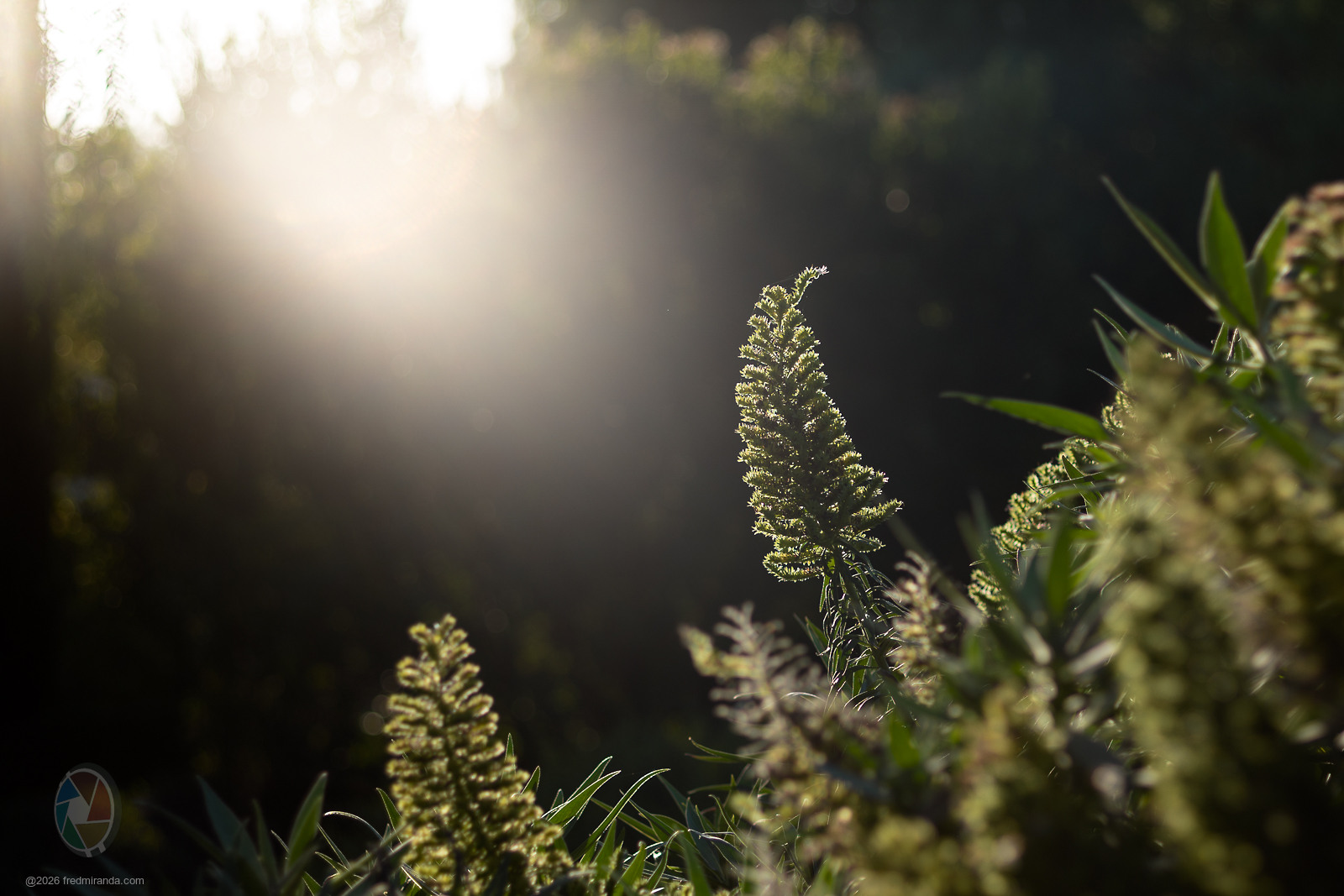
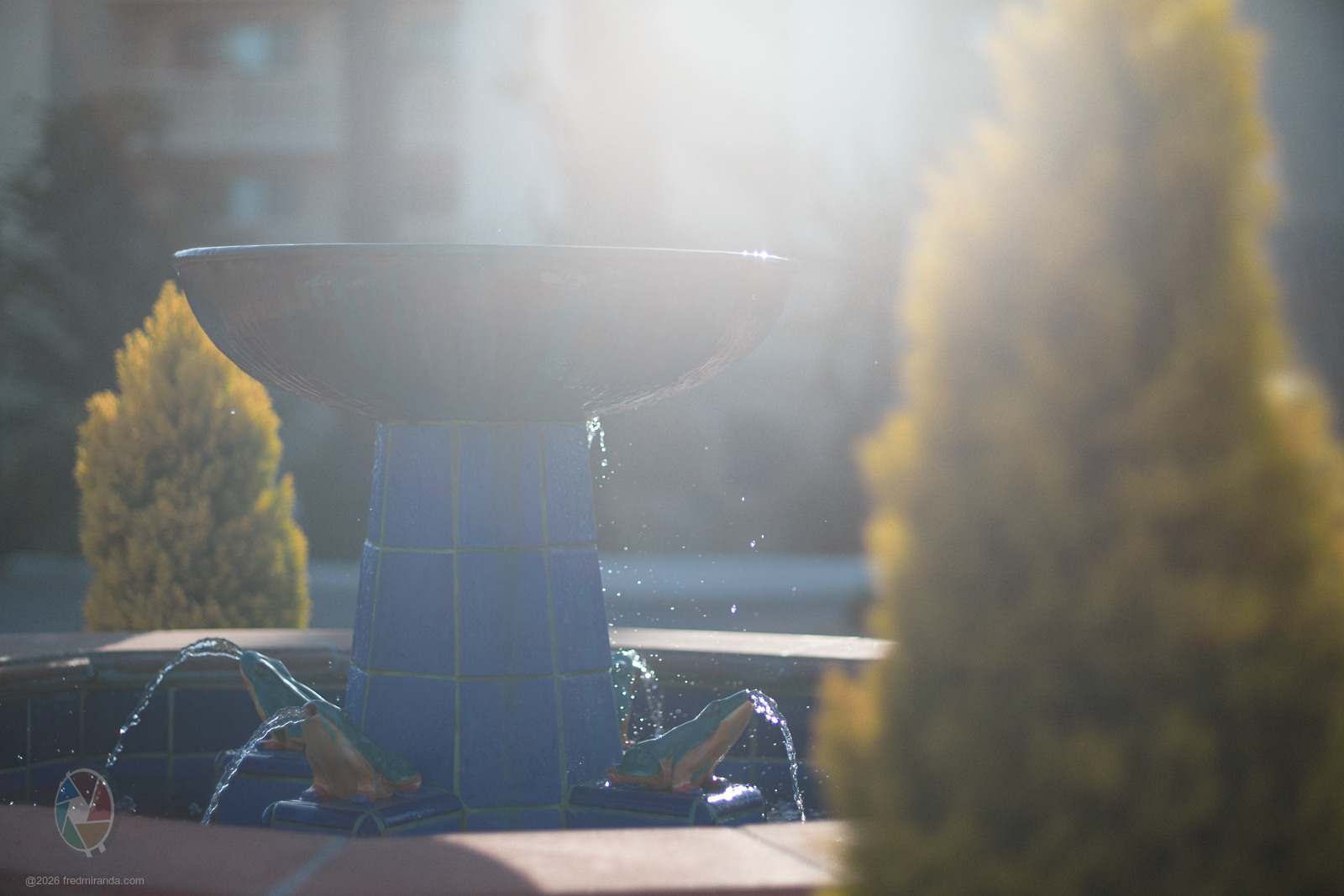
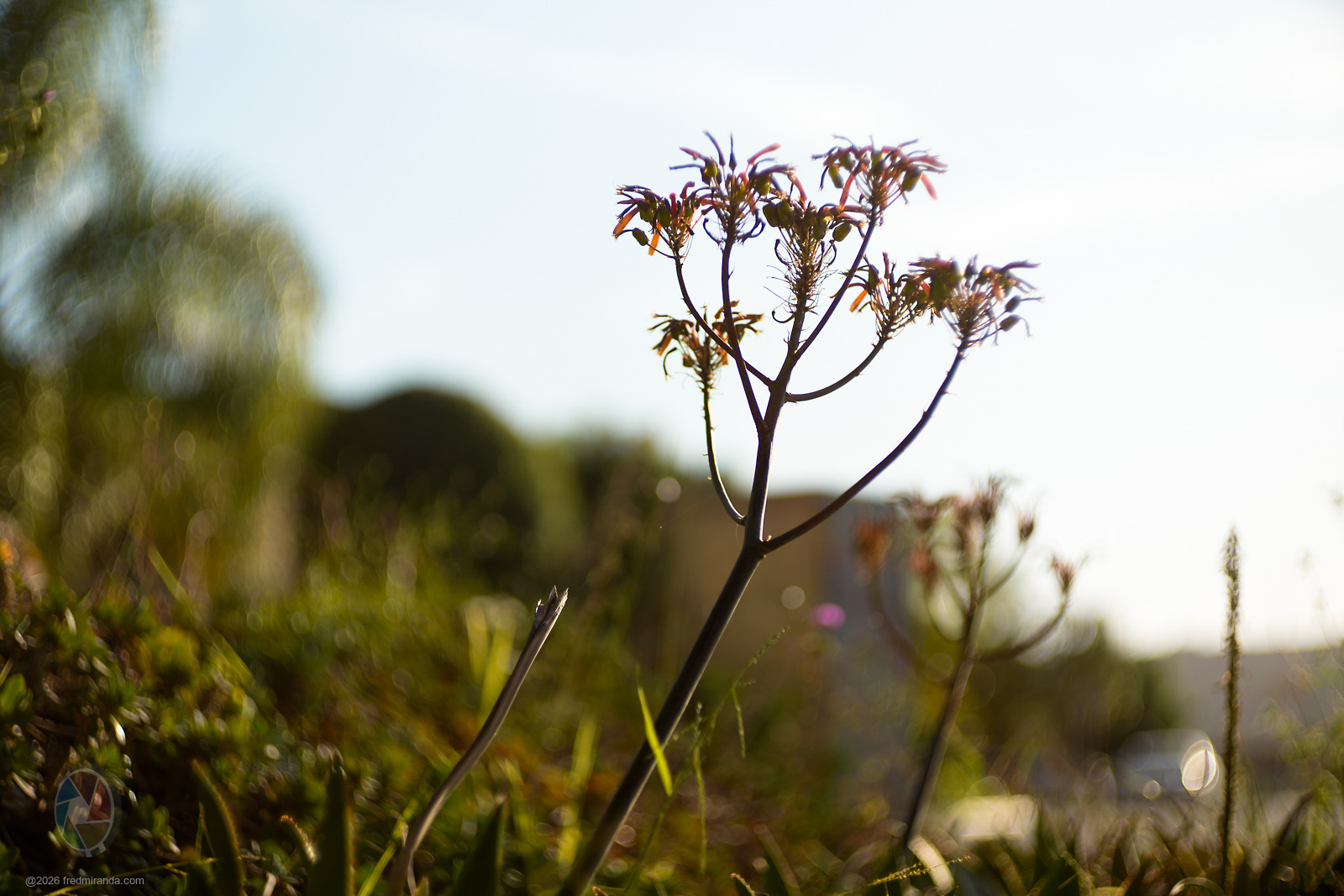
When bright light sources enter or approach the frame, the lens can produce both ghosting and veiling flare. The veiling flare in particular can become quite strong at times, reducing contrast significantly. In certain situations this creates a look that can work well for portraits or more atmospheric images, with a clear connection to classic vintage optics.

From a modern optical standpoint, these flare traits would typically be considered weaknesses. However, the SP II series is not designed with maximum flare resistance as the priority. Instead, it aims to emulate classic Cooke characteristics, embracing many of the rendering qualities that made older lens designs so appealing. In the right conditions, the flare can add atmosphere, mood, and a cinematic feel, although it requires careful handling, especially when used on a Leica rangefinder where the optical viewfinder does not fully reveal how the light is interacting with the lens.

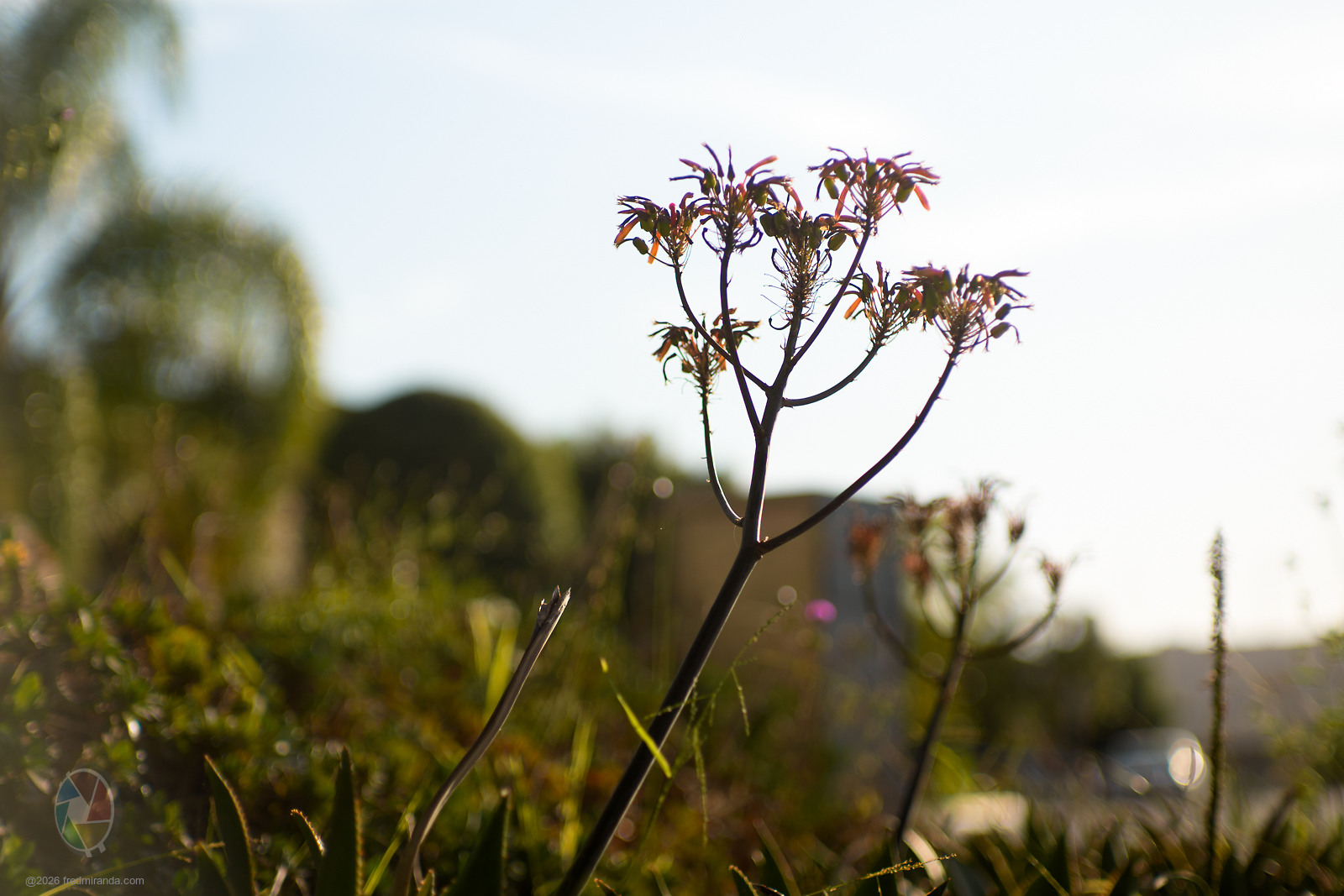
The examples below illustrate both the ghosting and veiling flare characteristics that appear when shooting into strong backlight.


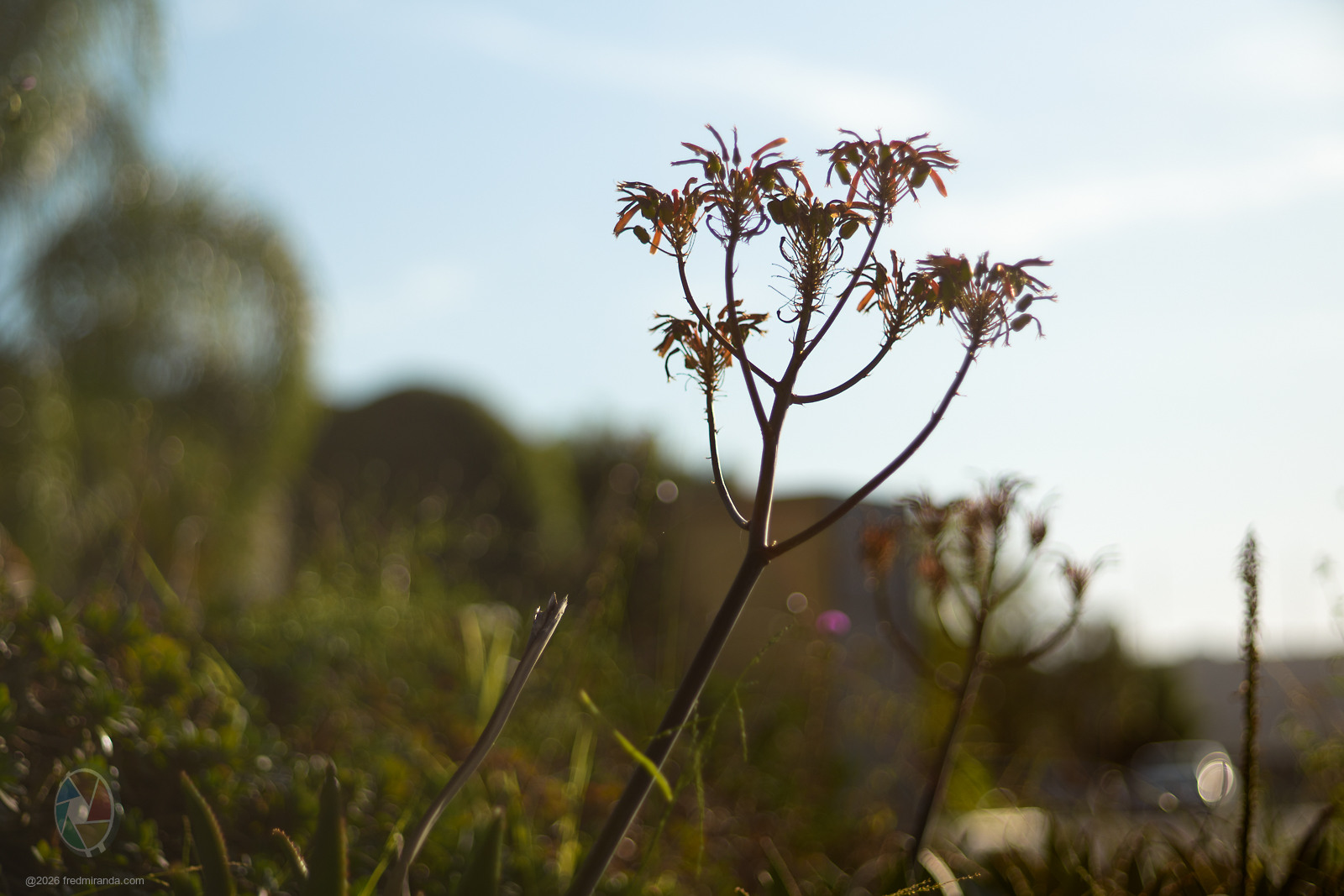
  LEICA M10-P    Light Lens Lab 75mm f/2 SP II lens    75mm    f/1.4    1/4000s    100 ISO    0.0 EV  


  LEICA M10-P    Light Lens Lab 75mm f/2 SP II lens    75mm    f/1.4    1/2500s    100 ISO    0.0 EV  


  LEICA M10-P    Light Lens Lab 75mm f/2 SP II lens    75mm    f/1.4    1/2500s    100 ISO    0.0 EV  


  LEICA M10-P    Light Lens Lab 75mm f/2 SP II lens    75mm    f/1.4    1/4000s    100 ISO    0.0 EV  


  LEICA M10-P    Light Lens Lab 75mm f/2 SP II lens    75mm    f/1.4    1/800s    100 ISO    0.0 EV  


  LEICA M10-P    Light Lens Lab 75mm f/2 SP II lens    75mm    f/1.4    1/1600s    100 ISO    0.0 EV  


  LEICA M10-P    Light Lens Lab 75mm f/2 SP II lens    75mm    f/2.0    1/4000s    100 ISO    0.0 EV  


  LEICA M10-P    Light Lens Lab 75mm f/2 SP II lens    75mm    f/2.0    1/4000s    100 ISO    -1.0 EV  


  LEICA M10-P    Light Lens Lab 75mm f/2 SP II lens    75mm    f/8.0    1/2000s    100 ISO    0.0 EV  


Jun 10, 2026 at 04:23 PM
Fred Miranda
Offline
Admin
Upload & Sell: On
p.2 #7 · Light Lens Lab 75mm f/2 "SPII" Review


Back to Quick Links

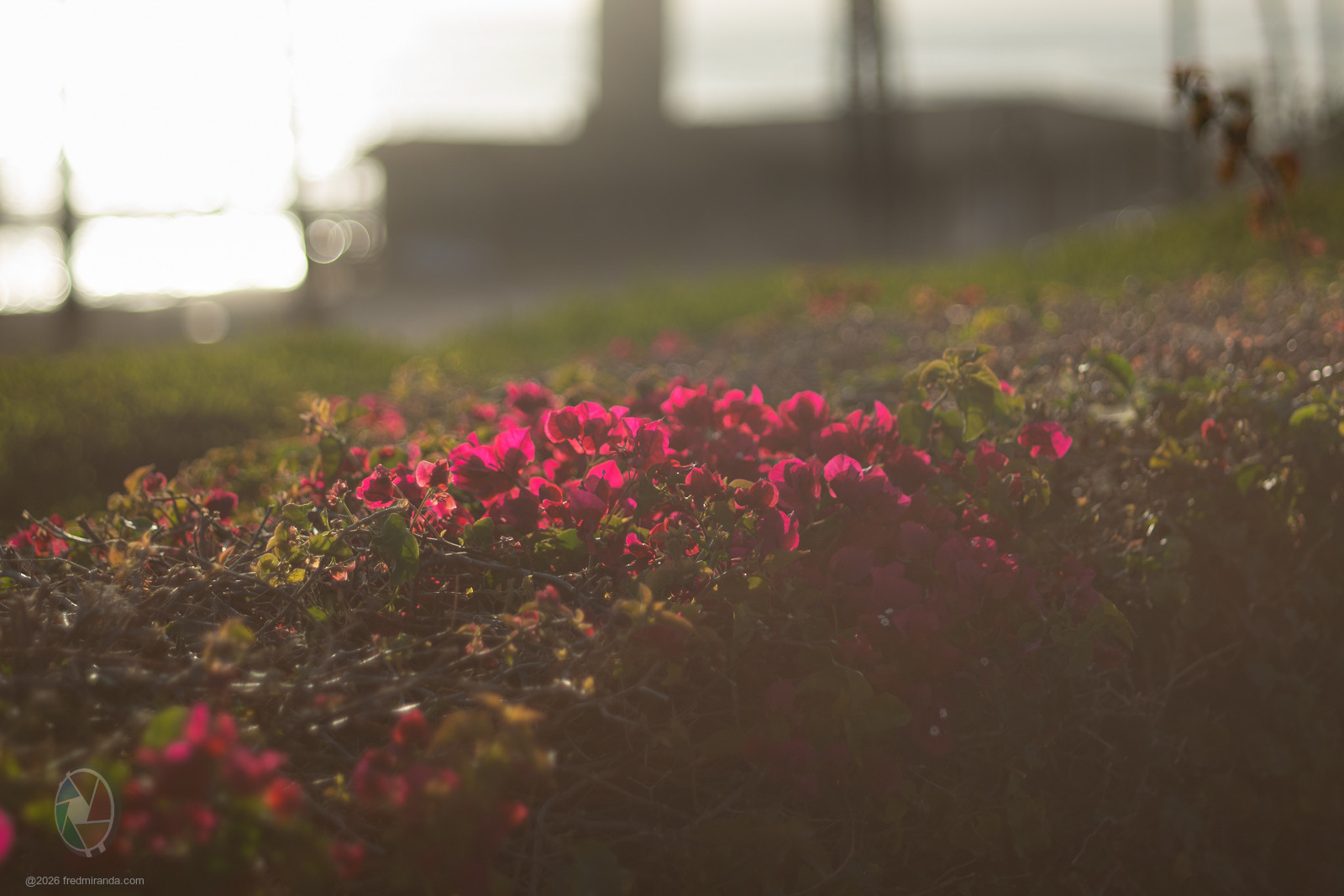
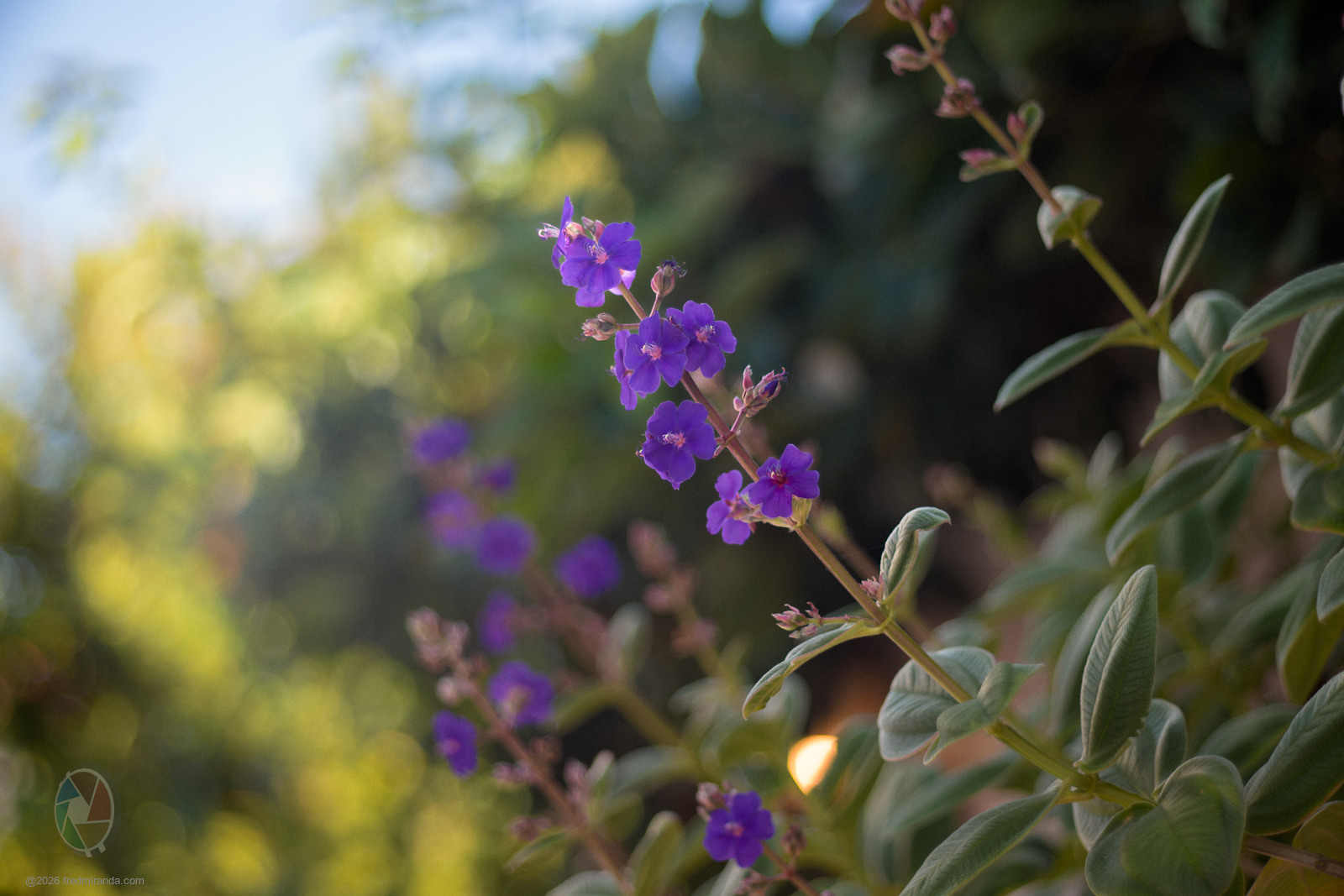
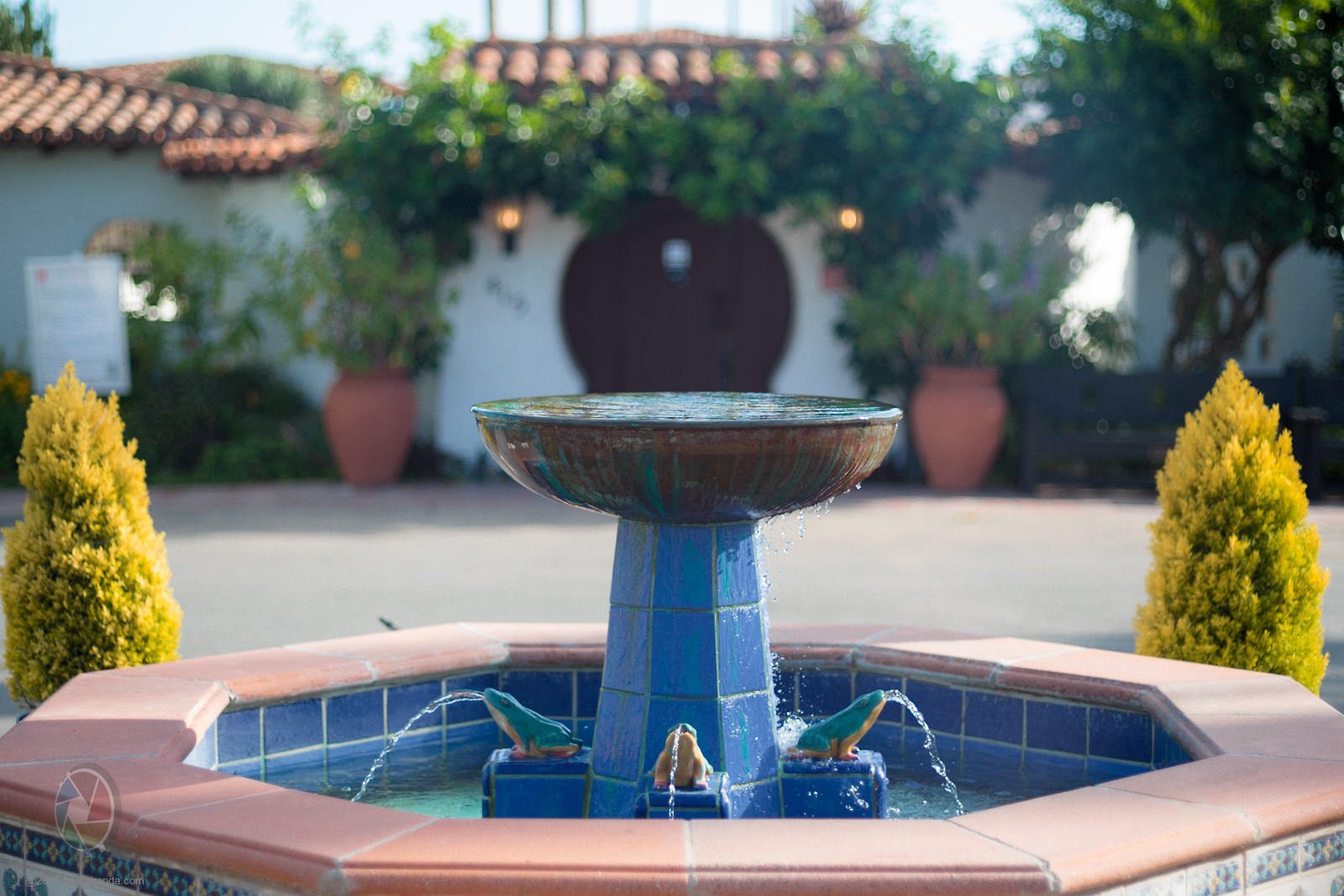
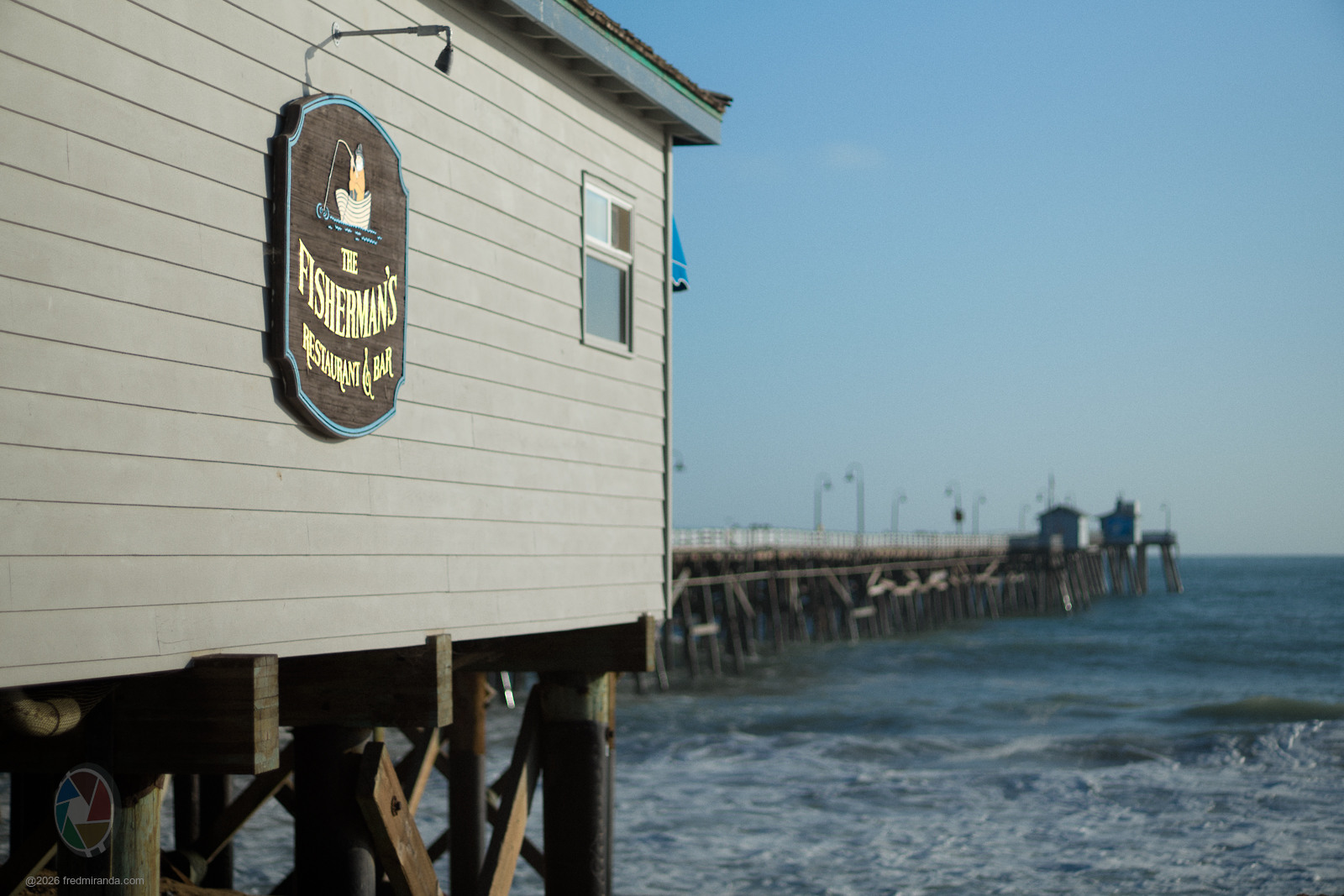
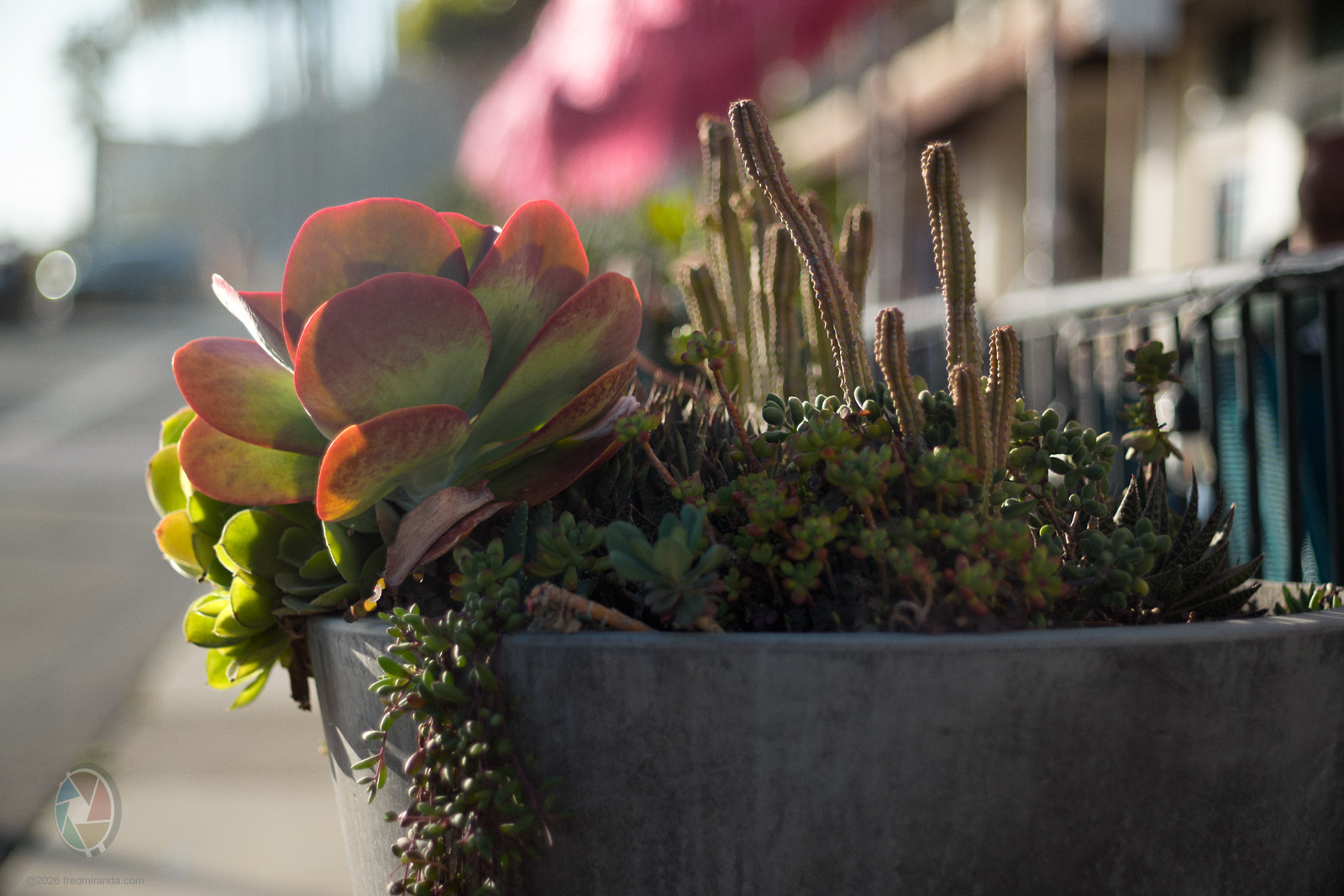
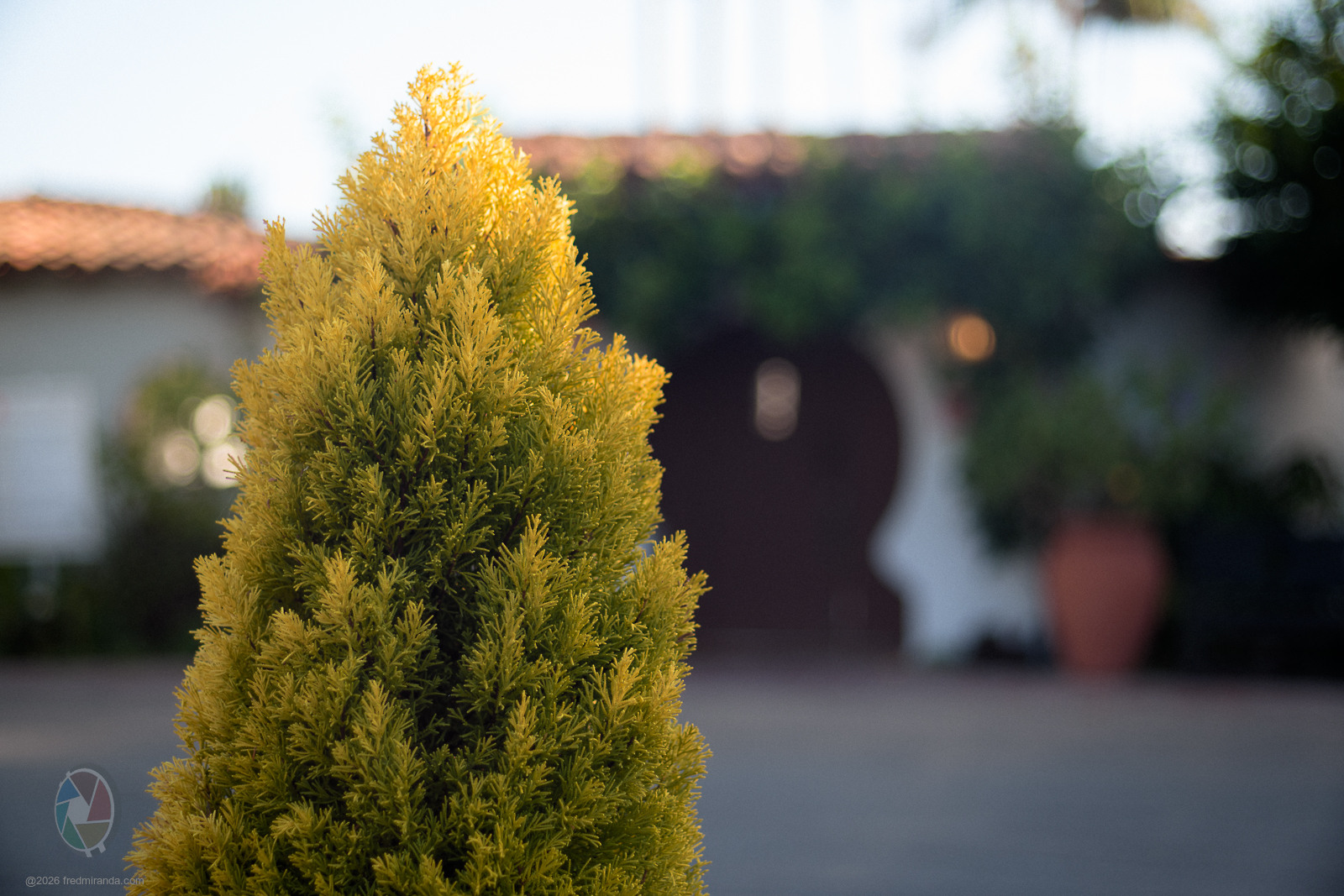
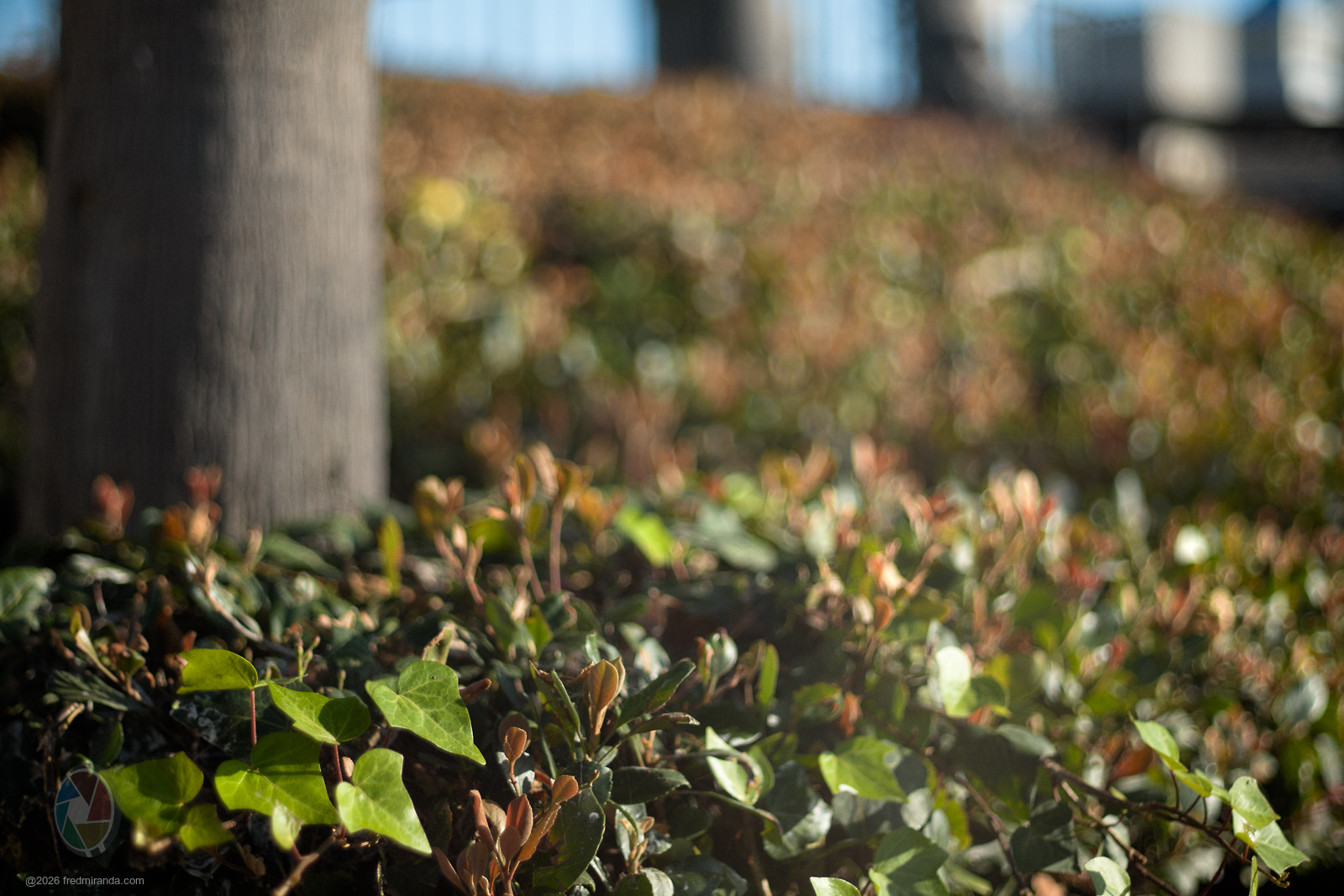
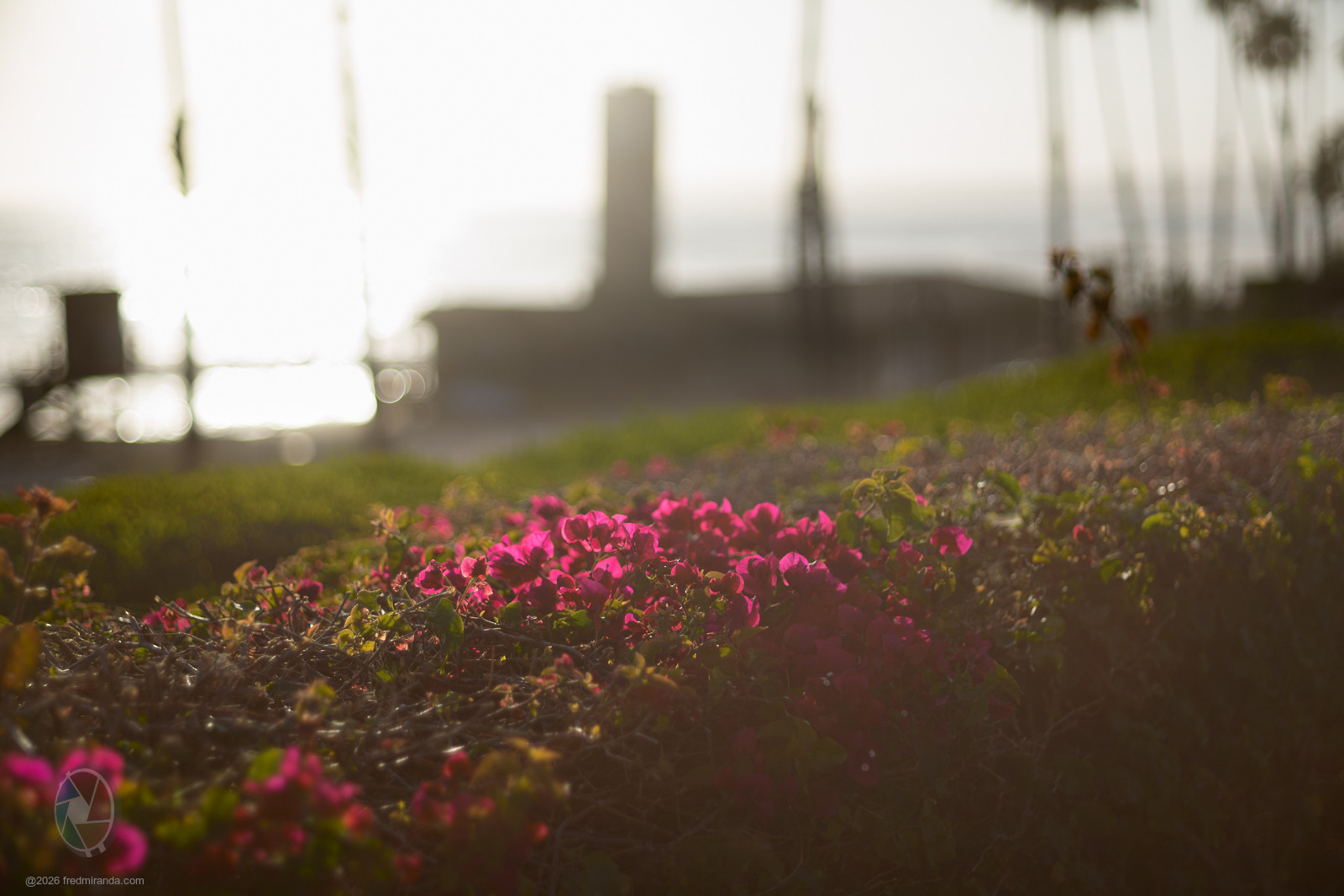
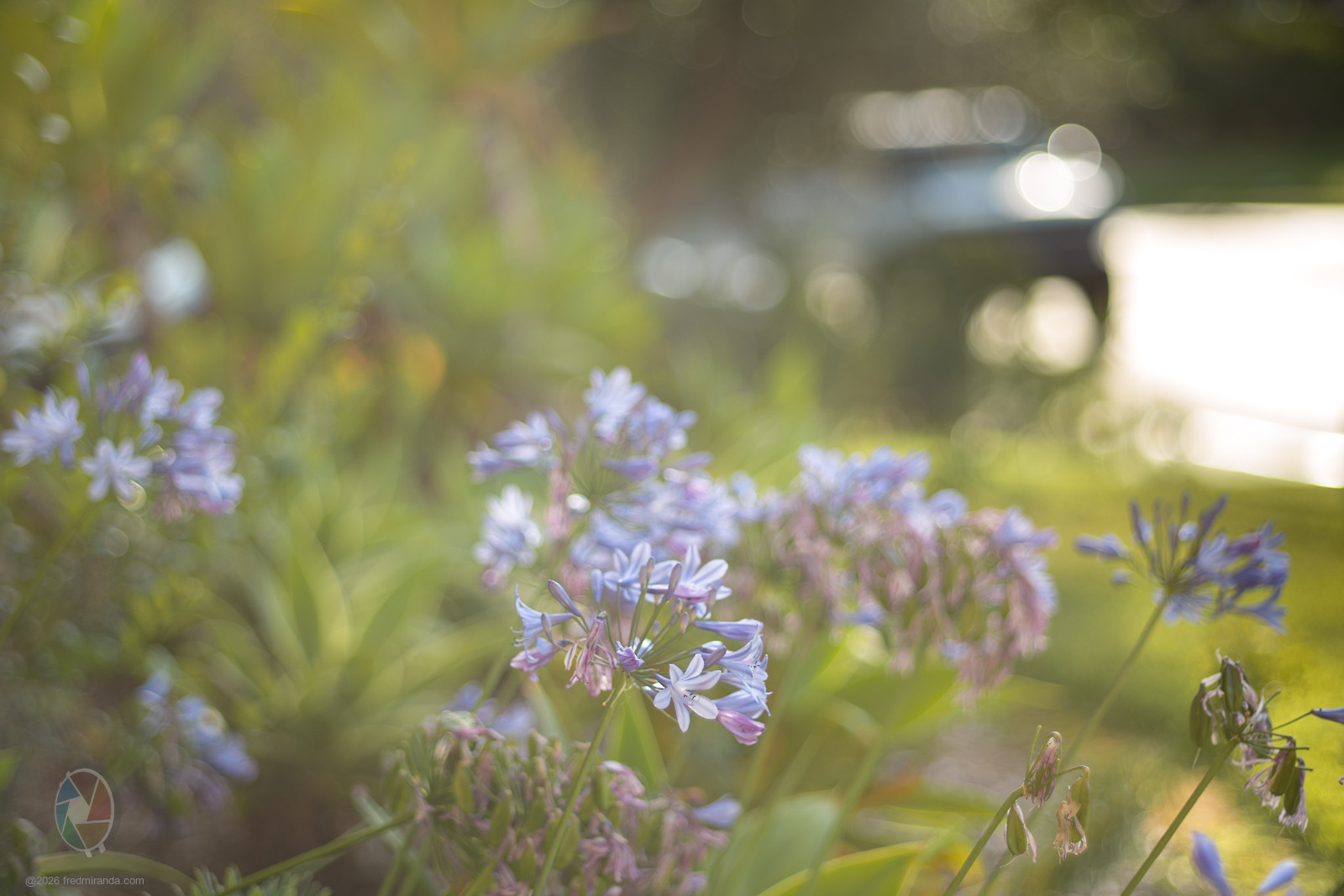
Samples 3: A walk near the beach at Late Afternoon Light

Most of the images were captured wide open at f/2 in late afternoon light, with subjects positioned at a variety of distances.

Post processing was intentionally kept to a minimum, consisting only of minor sharpening (40, 0.8, 20, 50) and small exposure adjustments. I used the Adobe Standard or Color profiles throughout to allow the lens’s natural color rendition and tonal character to shine through.


  LEICA M10-P    Light Lens Lab 75mm f/2 SP II lens    75mm    f/2.0    1/500s    100 ISO    0.0 EV  


  LEICA M10-P    Light Lens Lab 75mm f/2 SP II lens    75mm    f/2.0    1/1000s    100 ISO    0.0 EV  


  LEICA M10-P    Light Lens Lab 75mm f/2 SP II lens    75mm    f/2.0    1/4000s    100 ISO    -0.7 EV  


  LEICA M10-P    Light Lens Lab 75mm f/2 SP II lens    75mm    f/2.0    1/1600s    100 ISO    -0.7 EV  


  LEICA M10-P    Light Lens Lab 75mm f/2 SP II lens    75mm    f/2.0    1/640s    100 ISO    0.0 EV  


  LEICA M10-P    Light Lens Lab 75mm f/2 SP II lens    75mm    f/2.0    1/2000s    100 ISO    -0.7 EV  


  LEICA M10-P    Light Lens Lab 75mm f/2 SP II lens    75mm    f/2.0    1/4000s    100 ISO    -1.0 EV  


Jun 10, 2026 at 05:38 PM


Search in Used Dept. 

Fred Miranda
Offline
Admin
Upload & Sell: On
p.2 #8 · Light Lens Lab 75mm f/2 "SPII" Review


Back to Quick Links


Rendering Comparison: Light Lens Lab 75mm f/2 SP II vs 75mm f/1.5 Z21 and MS Optics 73mm f/1.5 Sonnetar

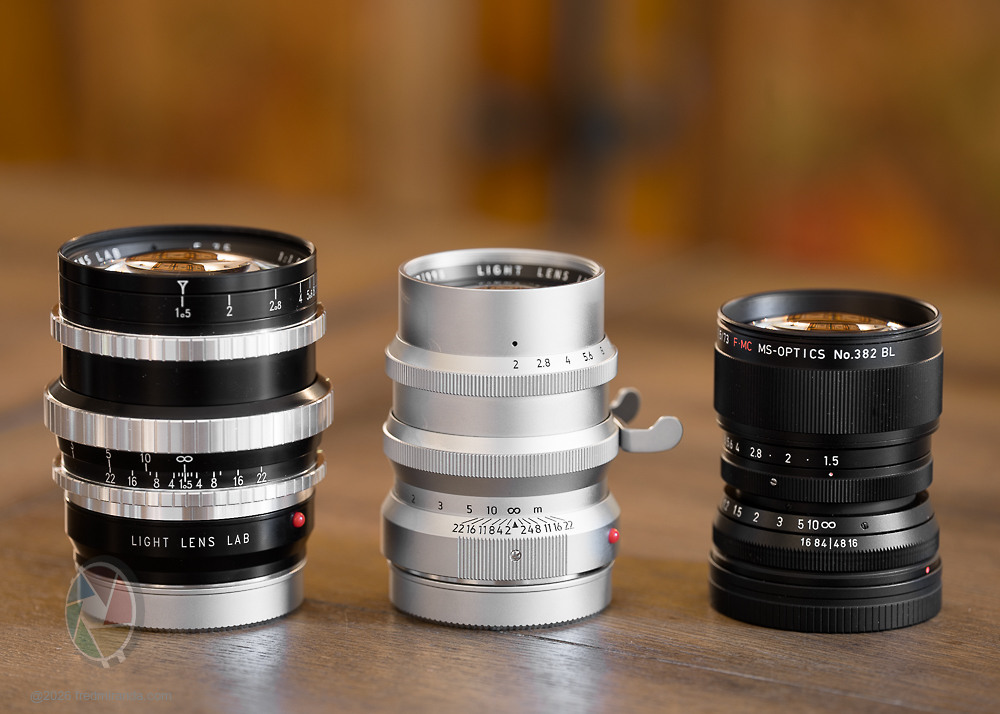
This comparison looks at rendering differences in contrast, micro-contrast, and overall character between the Light Lens Lab 75mm f/1.5 Z21, MS Optics 73mm f/1.5 Sonnetar, and Light Lens Lab 75mm f/2 SP II, including how each behaves in terms of off-axis performance, field curvature, and wide-open rendering at f/1.5 and f/2 where applicable.


Light Lens Lab 75mm f/1.5 Z21, Light Lens Lab 75mm f/2 SP II and MS Optics 73mm f/1.5 Sonnetar


Light Lens Lab 75mm f/2 SP II:

The 75mm f/2 SP II renders with a more neutral color temperature, which many users may prefer. Its bokeh highlights show defined outlining, sitting somewhere between the Z21 and the Sonnetar in character.

Optically, it exhibits lower optical vignetting than the Z21, resulting in less swirl and fewer cat’s-eye highlights toward the corners. However, the rendering is not as uniformly rounded as the Light Lens Lab 50mm f/2 SP II, which is expected given the longer focal length.

It resolves high detail well even off-center, but at f/2 it shows lower contrast than the other two lenses. This becomes particularly evident when shooting into the light, where stronger veiling flare reduces overall contrast and color saturation, giving images a softer, more organic look.


MS Optics 73mm f/1.5 Sonnetar:

The Sonnetar is very close to the Z21 in terms of warm color temperature. Compared to the Z21 at f/2, it shows lower optical vignetting, less extreme field curvature, and reduced outlining in out-of-focus highlights.

Its rendering is generally more controlled and less aggressive than the Z21. The focal length is slightly wider at 73mm versus 75mm, which also contributes to a subtly different spatial compression and perspective feel.


Light Lens Lab 75mm f/1.5 Z21:

The 75mm f/1.5 Z21 performs significantly better than its 50mm f/1.5 Z21 sibling when subjects are focused off-axis (away from center). Where the 50mm shows higher astigmatism and glow in those conditions, the 75mm Z21 maintains a rendering consistency much closer to the center of the frame. In some samples, I deliberately focused off-axis to highlight this behavior.

Like the 50mm Z21, the 75mm Z21 leans toward an amber color temperature rather than a cooler or neutral balance. At f/1.5, there is still residual spherical aberration (SA), and field curvature remains noticeable (see the review section on field curvature shape at various distances). When stopped down to f/2, the lens retains most of its character, but highlights become slightly rounder and outlining is reduced.

Overall, the lens has a very distinctive rendering signature, with pronounced highlight outlining and visible optical vignetting, producing cat’s-eye bokeh and swirl in the corners.

____


I will present resized images for each scene (shot in 6:00pm lighting) in the following order, with each scene showing four lenses for direct comparison:

⦿ Light Lens Lab 75mm f/1.5 Z21 at f/2
⦿ MS Opticcs 75mm f/1.5 Sonnetar at f/2
⦿ Light Lens Lab 75mm f/2 SP II at f/2

Each scene will follow the same sequence so rendering differences can be compared consistently under identical lighting and framing. All images were shot on a tripod, allowing for reliable comparison of field of view and uncorrected vignetting. The same sharpening settings (40, 0.7, 20, 50) were applied across all frames, and the Adobe Color profile was used for every image to keep processing consistent.


Scene 1 at 1.3 meters:


f/2

  LEICA M10-P    Light Lens Lab 75mm f/1.5 Z21 lens    75mm    f/2.0    1/2000s    200 ISO    0.0 EV  


f/2

  LEICA M10-P    MS-Optics 73mm f/1.5 Sonnetar lens    73mm    f/2.0    1/1600s    200 ISO    0.0 EV  


f/2

  LEICA M10-P    Light Lens Lab 75mm f/2 SP II lens    75mm    f/2.0    1/1600s    200 ISO    0.0 EV  


Jun 12, 2026 at 02:25 PM
Fred Miranda
Offline
Admin
Upload & Sell: On
p.2 #9 · Light Lens Lab 75mm f/2 "SPII" Review


Scene 2 at 2.5 meters:


f/2

  LEICA M10-P    Light Lens Lab 75mm f/1.5 Z21 lens    75mm    f/2.0    1/320s    200 ISO    0.0 EV  


f/2

  LEICA M10-P    MS-Optics 73mm f/1.5 Sonnetar lens    73mm    f/2.0    1/250s    200 ISO    0.0 EV  


f/2

  LEICA M10-P    Light Lens Lab 75mm f/2 SP II lens    75mm    f/2.0    1/320s    200 ISO    0.0 EV  


Jun 12, 2026 at 02:28 PM
Fred Miranda
Offline
Admin
Upload & Sell: On
p.2 #10 · Light Lens Lab 75mm f/2 "SPII" Review


Scene 3 at 1.2 meters:

Here, I will also include samples from the Light Lens Lab 75mm f/1.5 Z21 at f/1.5 to demonstrate the distinctive rainbow flare effect. This flare is unique to the Z21 and is only present when the lens is used wide open.


f/1.5

  LEICA M10-P    Light Lens Lab 75mm f/1.5 Z21 lens    75mm    f/1.4    1/4000s    200 ISO    0.0 EV  


f/2

  LEICA M10-P    Light Lens Lab 75mm f/1.5 Z21 lens    75mm    f/2.0    1/4000s    200 ISO    0.0 EV  


f/2

  LEICA M10-P    MS-Optics 73mm f/1.5 Sonnetar lens    73mm    f/2.0    1/4000s    200 ISO    0.0 EV  


f/2

  LEICA M10-P    Light Lens Lab 75mm f/2 SP II lens    75mm    f/2.0    1/4000s    200 ISO    0.0 EV  


Jun 12, 2026 at 02:31 PM
Fred Miranda
Offline
Admin
Upload & Sell: On
p.2 #11 · Light Lens Lab 75mm f/2 "SPII" Review


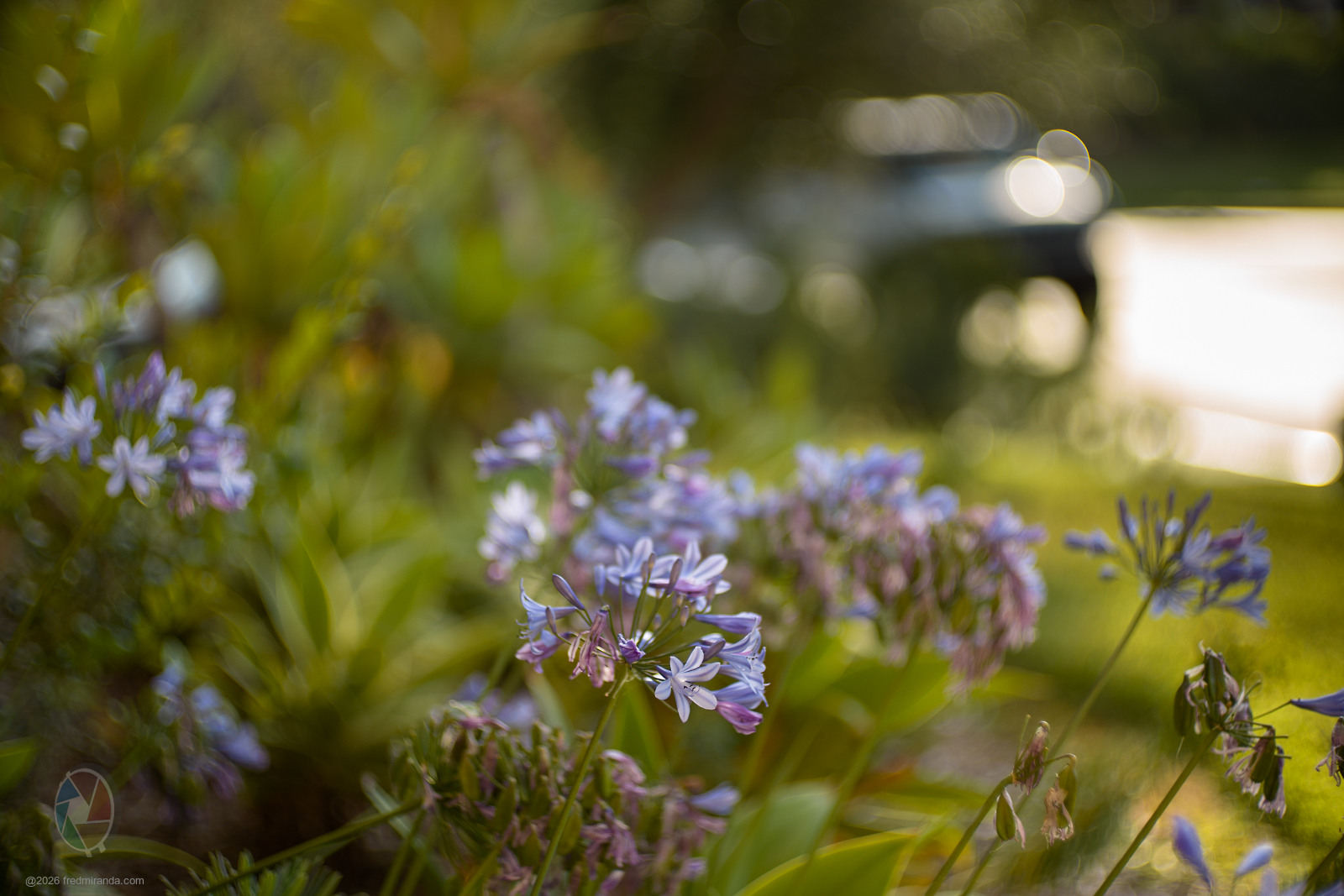
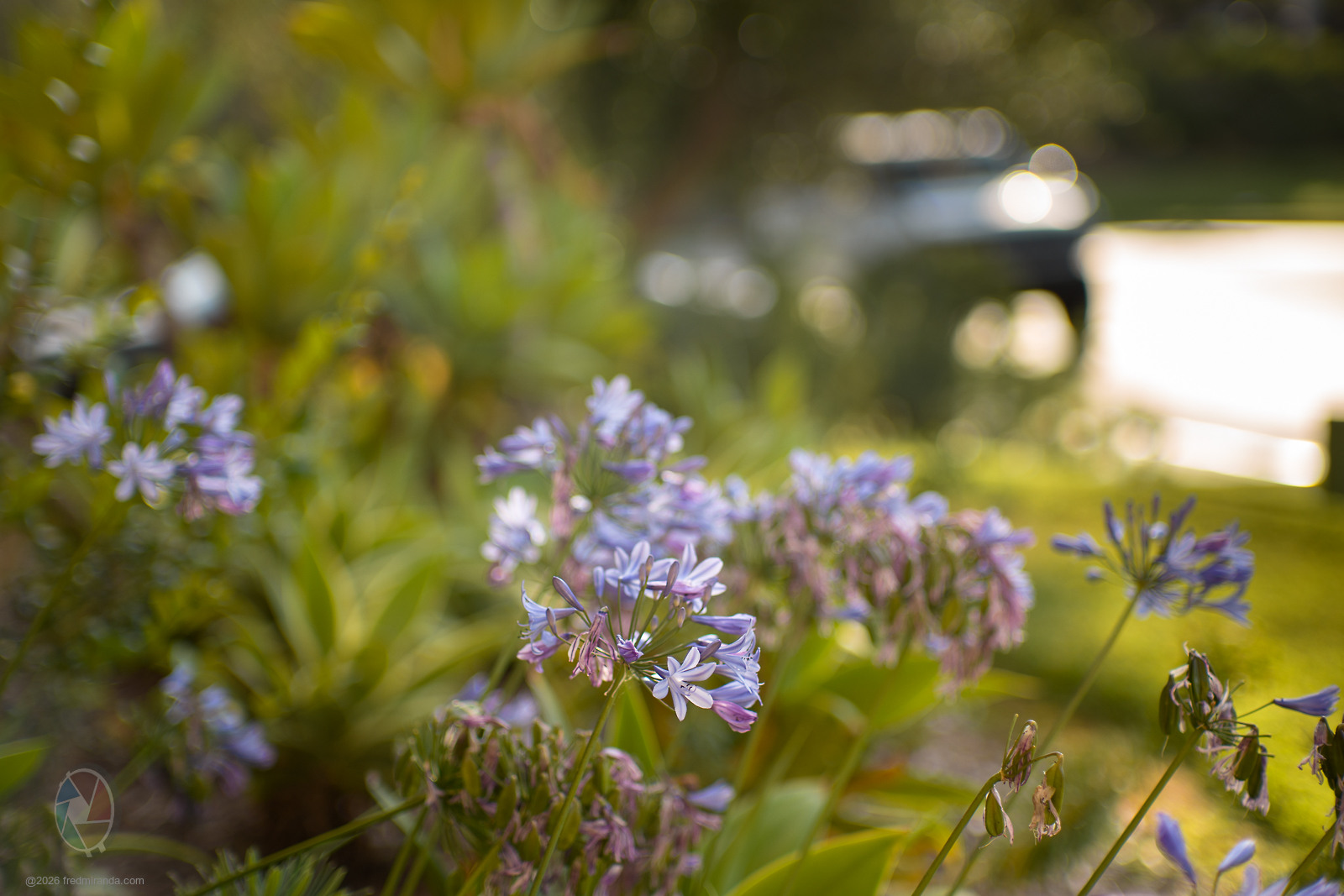
Scene 4 at 1.5 meters:


f/2

  LEICA M10-P    Light Lens Lab 75mm f/1.5 Z21 lens    75mm    f/2.0    1/1000s    200 ISO    0.0 EV  


f/2

  LEICA M10-P    MS-Optics 73mm f/1.5 Sonnetar lens    73mm    f/2.0    1/640s    200 ISO    0.0 EV  


f/2

  LEICA M10-P    Light Lens Lab 75mm f/2 SP II lens    75mm    f/2.0    1/800s    200 ISO    0.0 EV  


Jun 12, 2026 at 02:32 PM
Fred Miranda
Offline
Admin
Upload & Sell: On
p.2 #12 · Light Lens Lab 75mm f/2 "SPII" Review


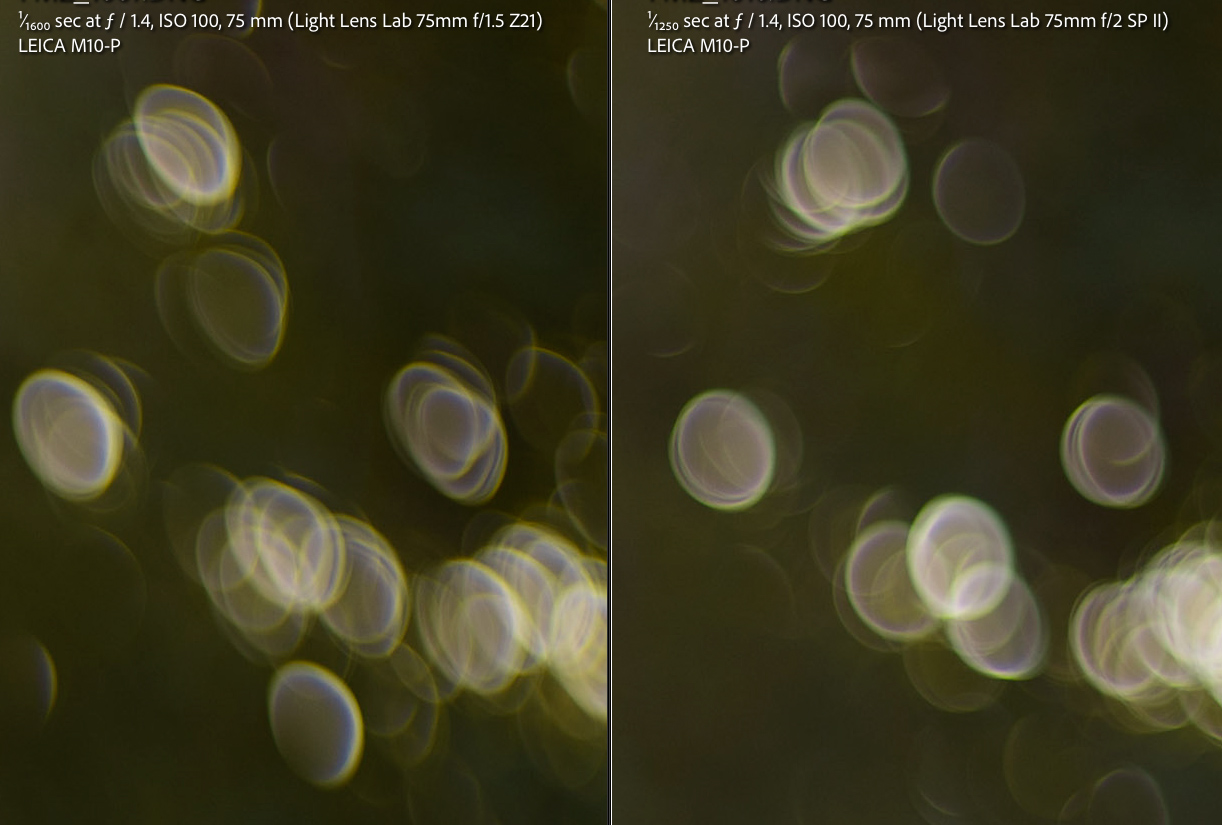
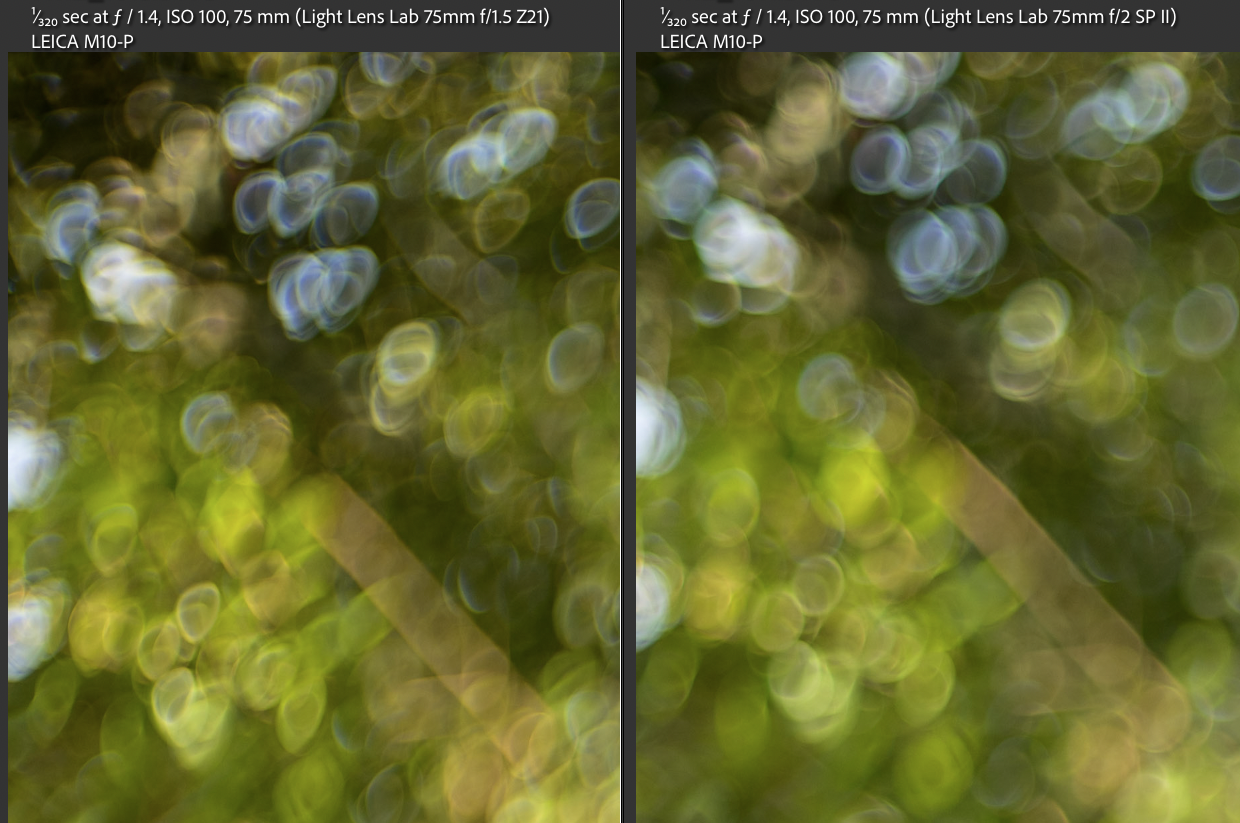
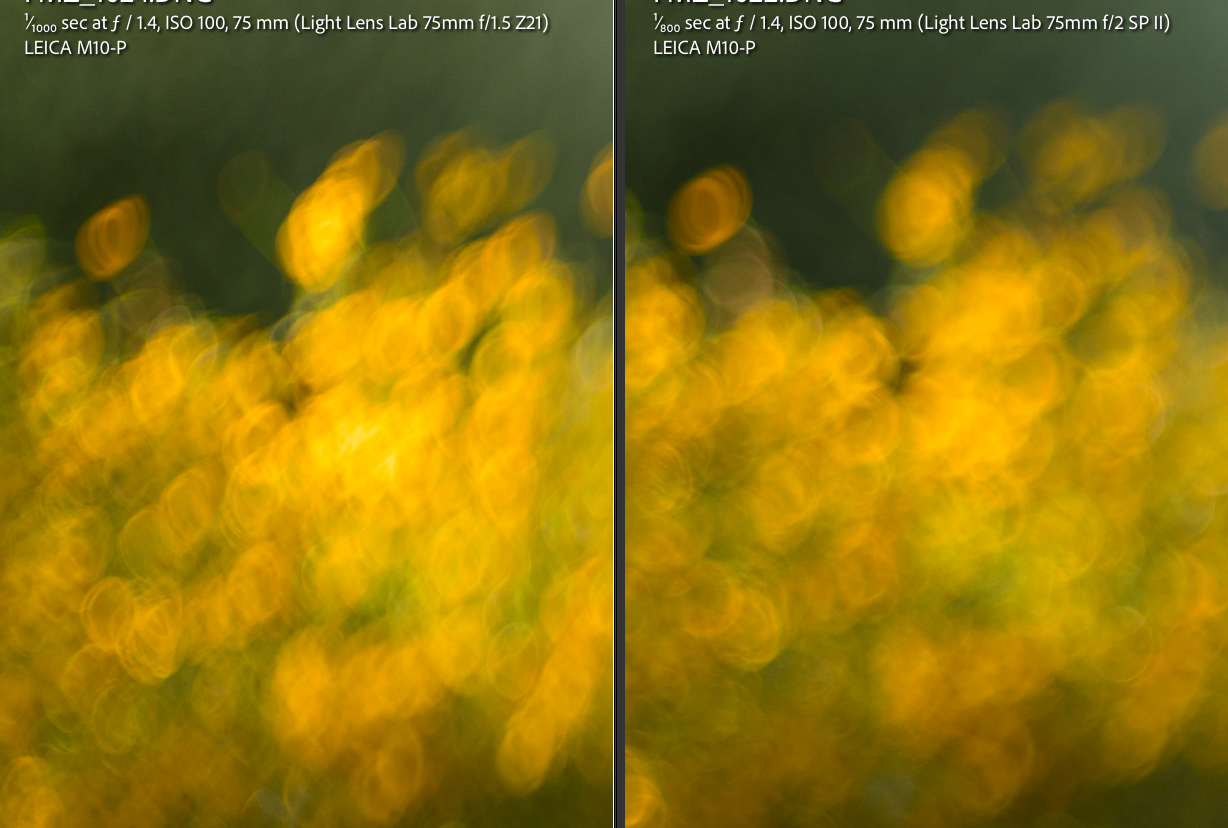
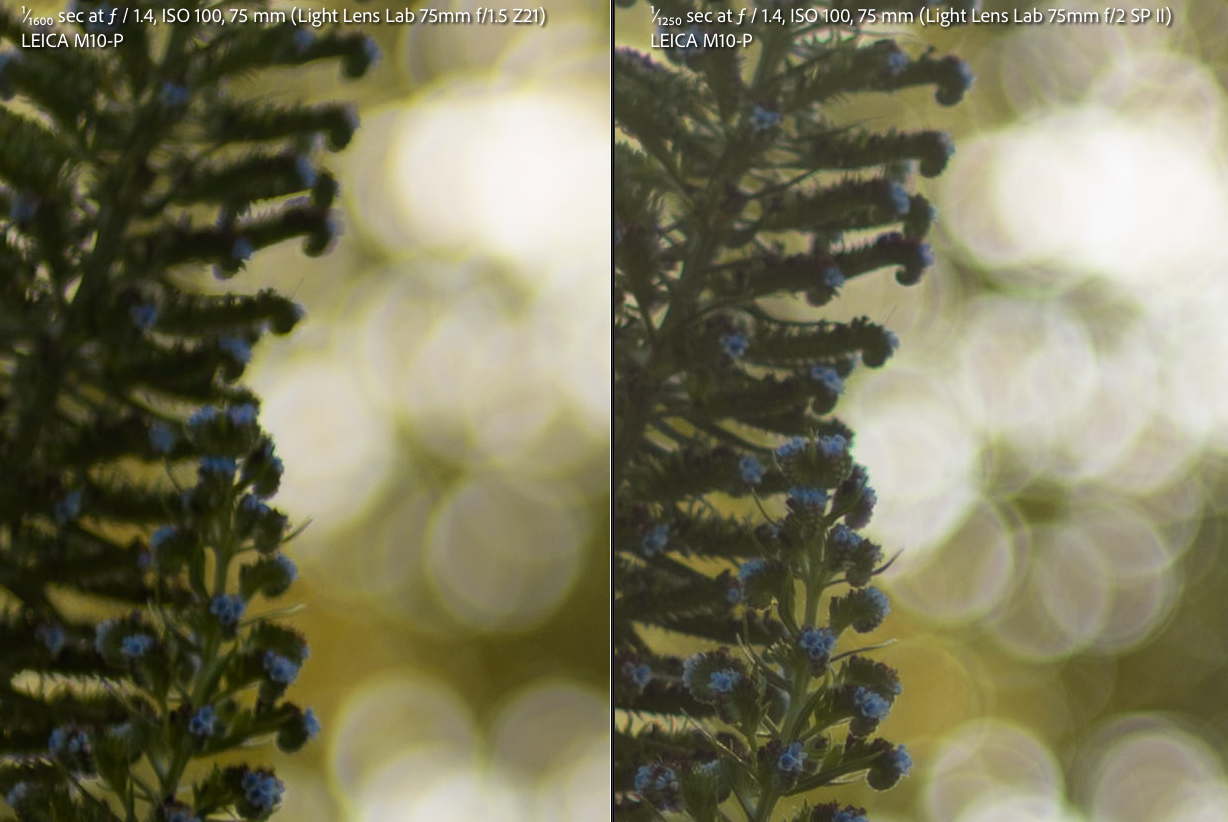
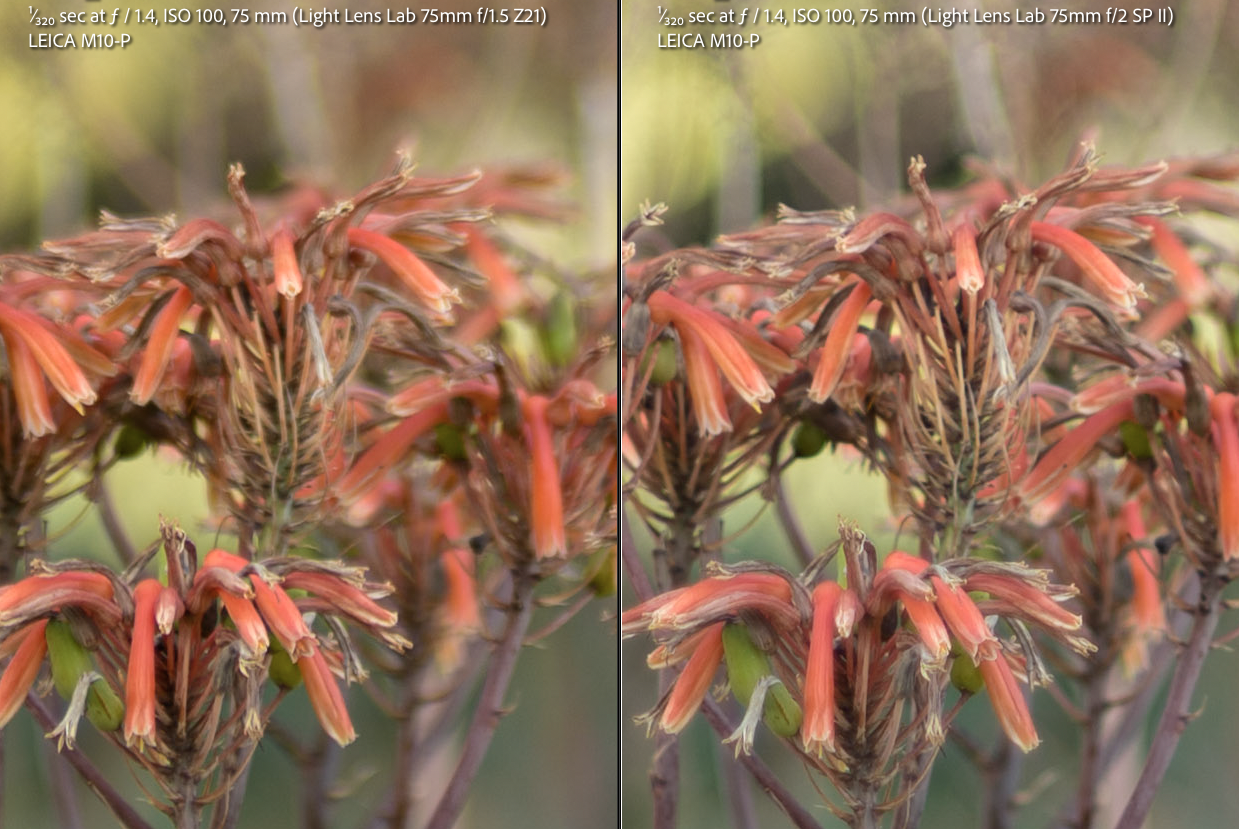
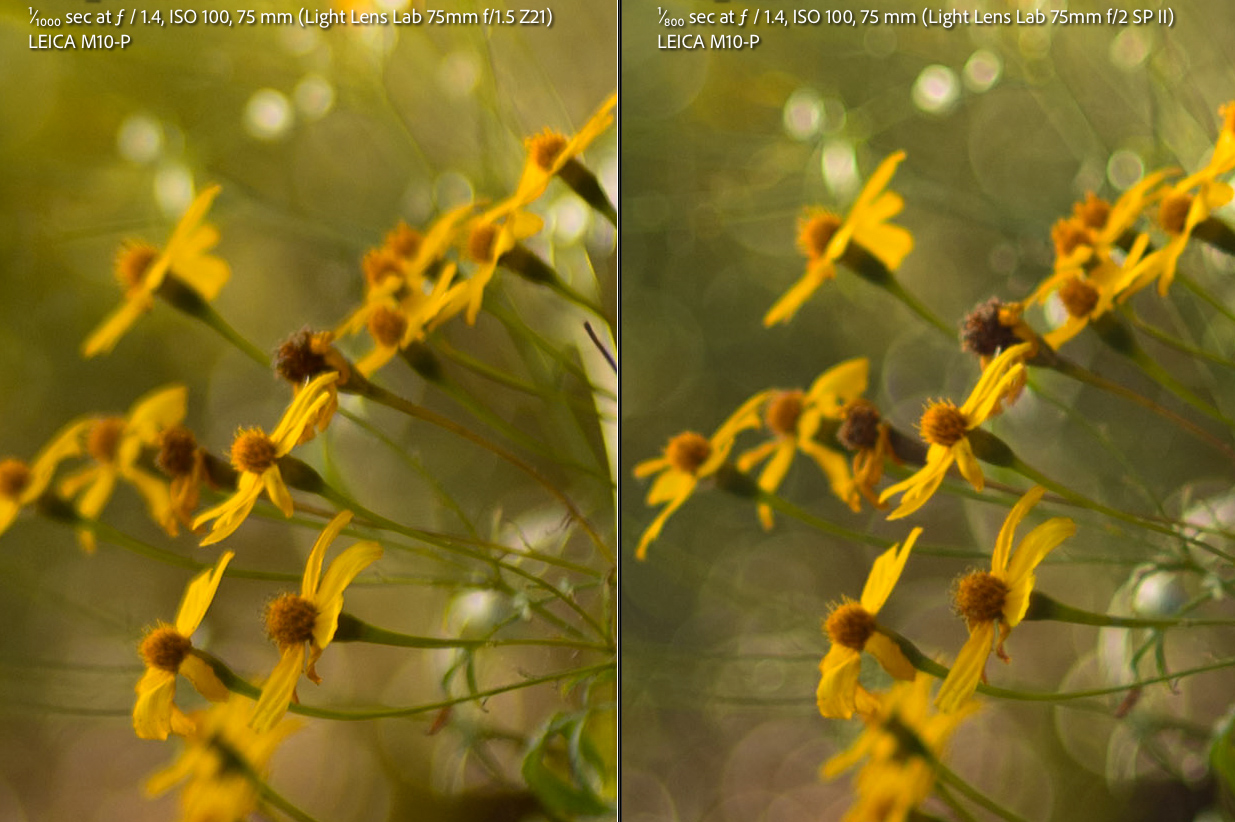
Here are 100% crops from the comparisons above, highlighting my personal observations.

The Light Lens Lab 75mm f/2 SP II shows lower optical vignetting than the 75mm f/1.5 Z21. Even when stopped down to f/2, the Z21 still displays more cat’s-eye highlights and swirling bokeh than the SP II does wide open at f/2.

Both lenses are shown at f/2. (Please disregard the f/1.4 aperture displayed on the M10-P, as the camera is incorrectly reporting the aperture.)


Jun 12, 2026 at 02:43 PM
Fred Miranda
Offline
Admin
Upload & Sell: On
p.2 #13 · Light Lens Lab 75mm f/2 "SPII" Review


Off-axis (away from the center, particularly toward the corners), the SP II is capable of resolving noticeably higher detail than the Z21.


Jun 12, 2026 at 02:46 PM
Fred Miranda
Offline
Admin
Upload & Sell: On
p.2 #14 · Light Lens Lab 75mm f/2 "SPII" Review


For subjects focused around the central area, both lenses perform similarly.


Jun 12, 2026 at 02:47 PM
1              end


FM Forums | Nikon Forum | Join Upload & Sell

1              end


Welcome back
Log in to your account