old-gregg
Offline
• • •
Upload & Sell: Off
|
 p.1 #1 · Subjective Fujifilm X100vi review for street photographers p.1 #1 · Subjective Fujifilm X100vi review for street photographers | |
Before getting the X100vi I read a bunch of reviews, after all it's not new. And yet, it still surprised me, so I decided to document my experience and share it with whoever's in my shoes, i.e. evaluating it for street/documentary type of photography.
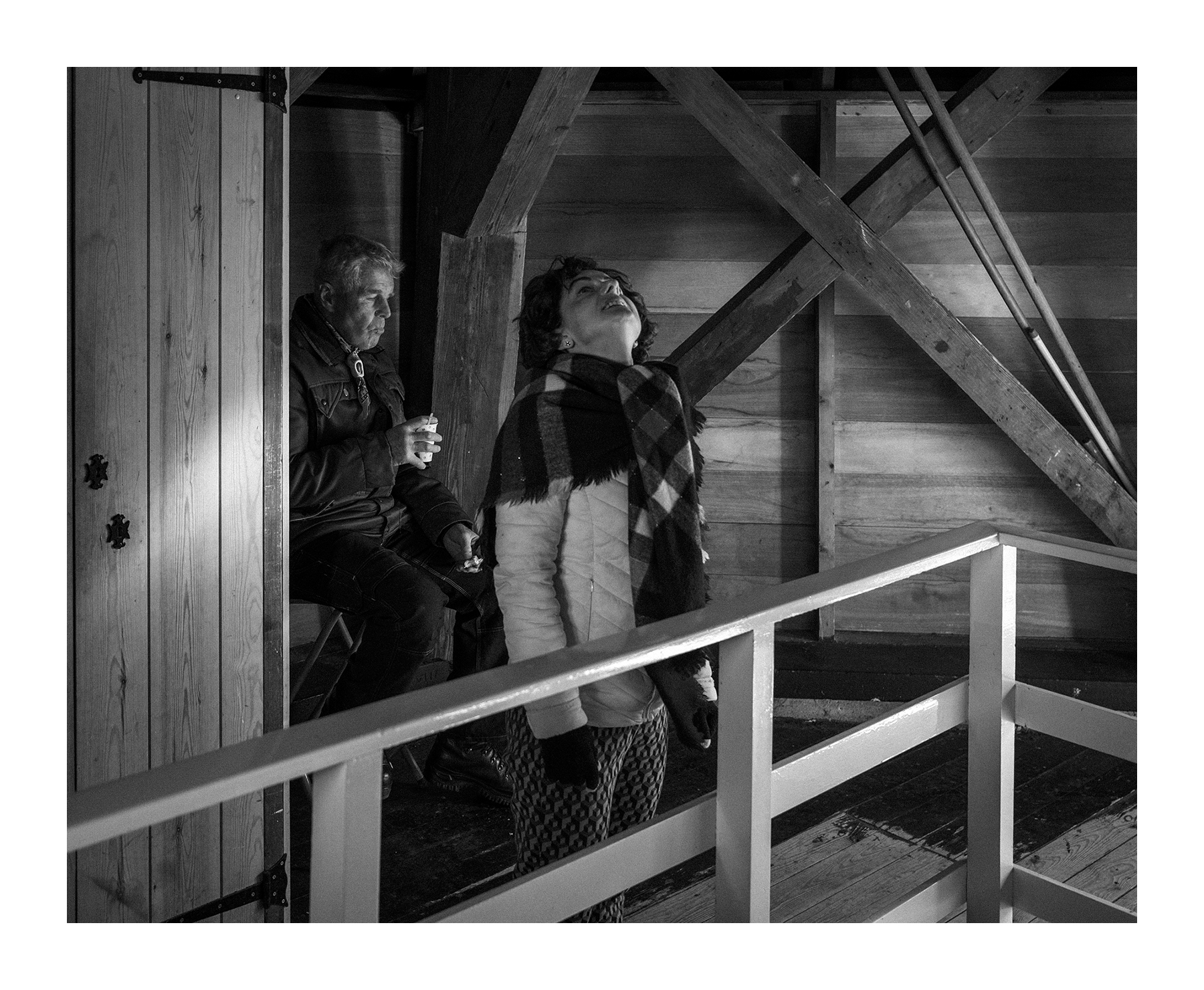
This is a highly opinionated camera with serious limitations aside from having the fixed lens, and therefore it's not a good fit for everyone.
Let’s start with the good. Yes, the SOOC JPEGs are phenomenal — especially if you spend some time experimenting and tweaking the settings for the JPEG engine. I took the camera on a two-week trip to Europe and was able to get great results without having to re-process the RAW files. The colors, tonal curve, and film simulations are all as excellent as people say. The film grain simulation is also very well done (I shoot a lot of film as well).
The form factor is unbeatable: it’s somewhat pocketable and light enough to dangle on your wrist strap all day. The fixed 35mm lens takes full advantage of being integrated into the camera body — it’s sharp, compact, and fast for its size. And the optical finder works, it's practical and well implemented.
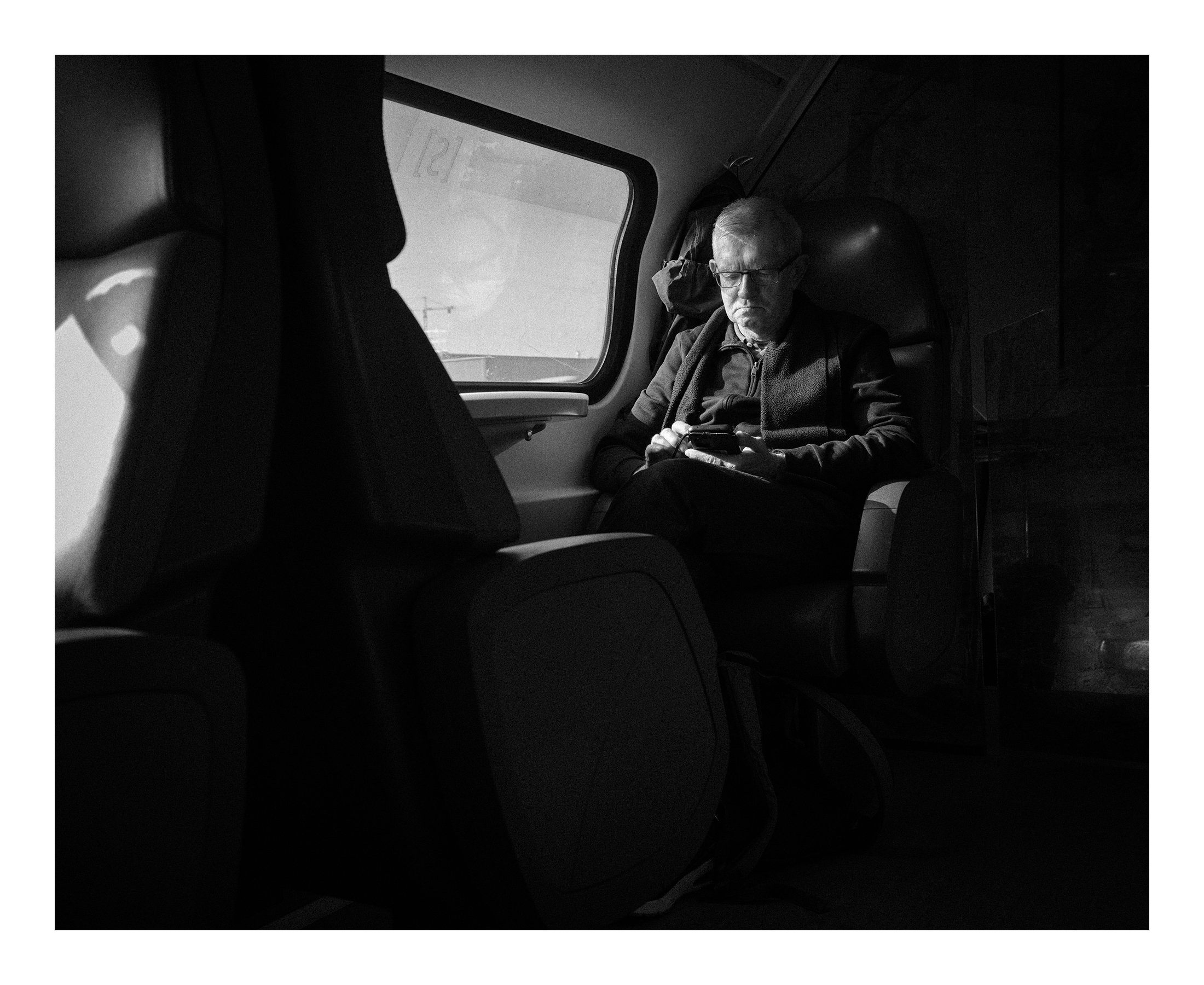
I was quite worried about the 40mp sensor; so many pixels in a smaller APS-C area seemed excessive. I was expecting more noise and generally lower "pixel-level" image quality ruining my pixel-peeping habits. I did not do any instrumented tests, but in real life RAWs at ISO 125-3200 delivered everything I needed out of them. I'd say my final results were identical to 26MP files from my X-T3, but offer more resolution.
I give it 4 stars out of 5. Why not 5 then? TL;DR: This is a slow camera to shoot with. Even in single-shot, AF-S mode, it's not fast. If you have at least 3 second budget to prepare for every shot, this may not be a limitation you care about. In my case, I like walking around with a camera close at hand, and if I see something interesting developing, I often only have 1–3 seconds to react. The X100VI is just too unpredictable to work reliably in those situations. Sometimes I get the shot; sometimes I don’t.
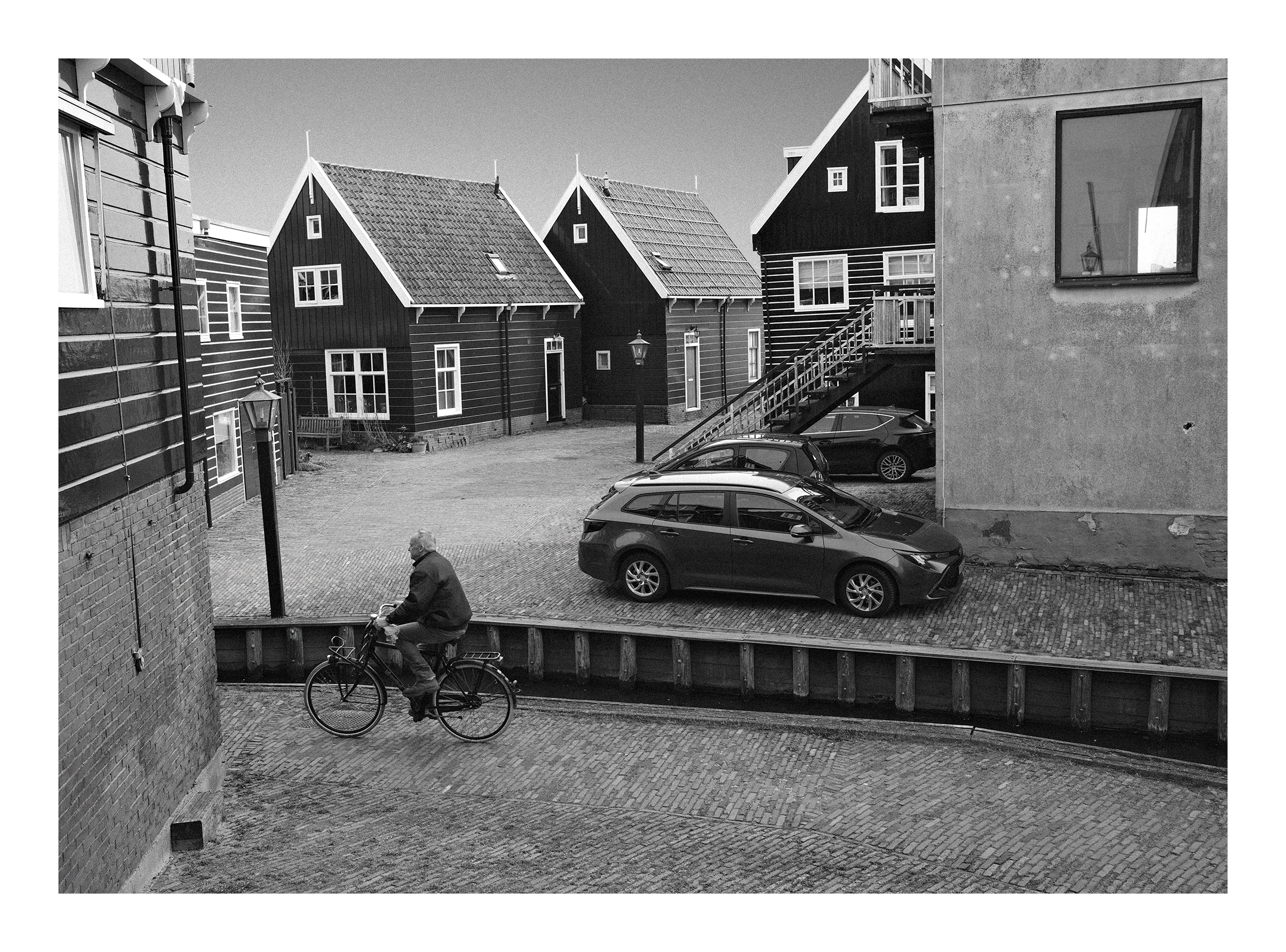
Here’s what makes it slow:
First, the autofocus. It’s not bad, actually. But it was unpredictable. Under the same lighting conditions, often just a couple of minutes apart, it would take a variable and unpredictable amount of time to lock focus. Most of the time it’s near-instant; but once in a whilevit takes a whopping second to focus on a seemingly identical well-lit scene.
Another issue is how the powered-on camera reacts to light changes. If you rapidly move from a shadow or dark area into bright light, or simply pull it out of a bag into sunlight, the X100vi takes 3–5 seconds to slowly “come to life.” The LCD and EVF go completely white for a while, and frame lines disappear in the optical finder, before gradually adjusting and becoming usable again. This is incredibly frustrating when you’re moving through contrasty scenes.
Also, if you tweak the JPEG engine settings, especially Clarity, the camera takes a full second to process each image after you press the shutter. This makes it impossible to fire off two or three shots in quick succession. You can change the settings to minimize or avoid this lag, you can even make it instant by turning off JPEG entirely. But doing so kind of defeats one of the main advantages of the camera in the first place.
The autofocus box is controlled by the joystick on the back, but the stick protrudes too much, so it constantly brushes against your clothes, camera bag, or anything else. As a result, when you raise the camera to an eye level, the AF box is usually somewhere off in the corner of the frame, requiring extra time to reposition. To avoid this, you can turn it off between shots, which makes it slower in operation.
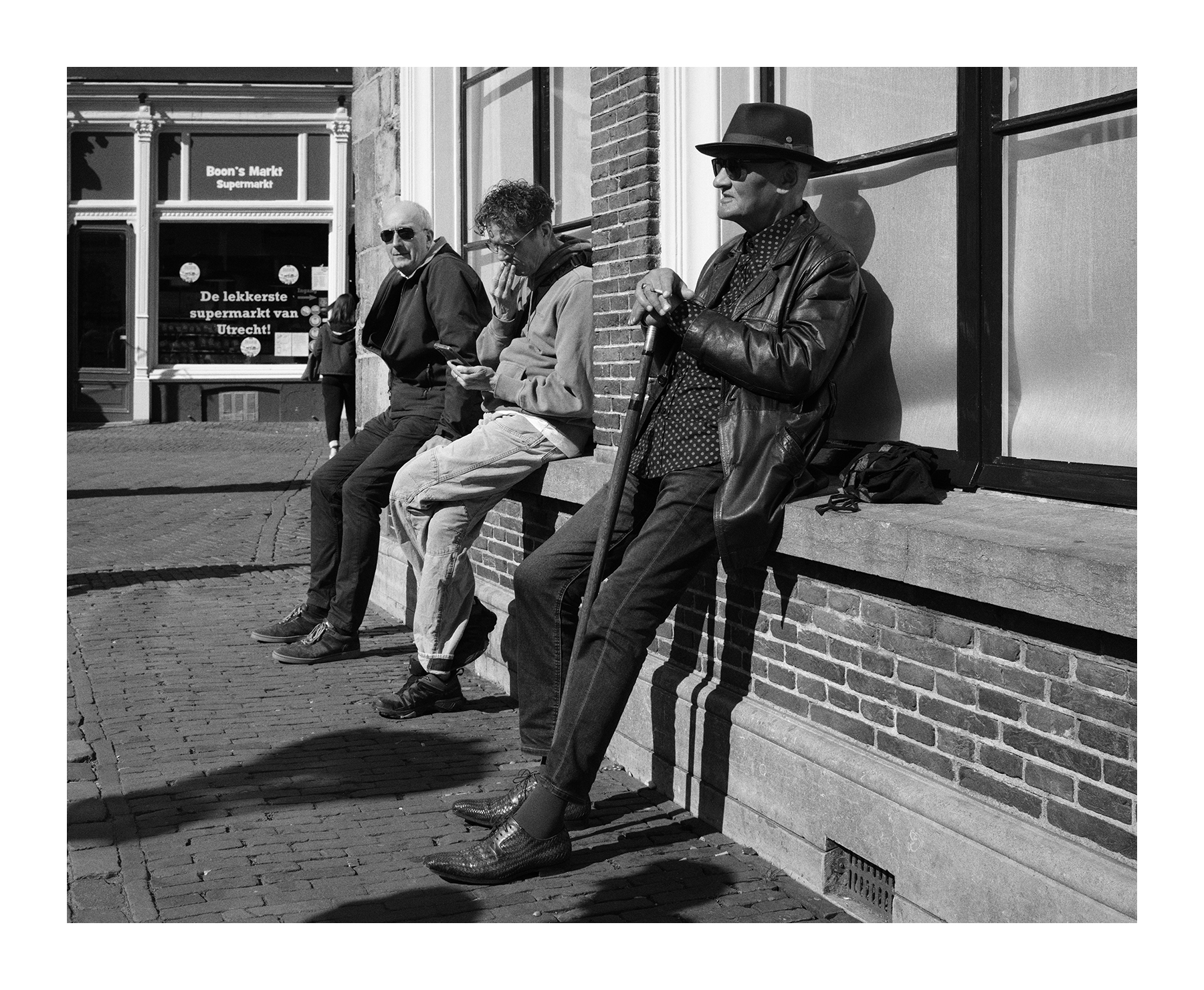
Finally, there are some ergonomic paper cuts: While the ON/OFF switch is a fairly standard design similar to Nikon and Sony cameras, it’s not implemented as well — it takes noticeable effort to flip the switch and it’s not as grippy as in other cameras. The same goes for the LCD screen. There’s only one small designated area where your finger has enough traction to lift the screen, whereas on my other cameras the screen flips with no effort: grab anywhere.
Each of these issues individually isn’t a big deal and you can adjust to, but together they compound into an overall fairly sluggish picture-taking experience. I often couldn't keep pace with what was in front of me. Unfortunately, this camera is not a great street/documentary machine, even though its form factor seems ideal for that purpose. I just sold mine. But for a more slower and deliberate shooting style it's hard to beat its unique combination of size, optics, and IQ.
P.S. I would also add that one month is not enough to **truly** learn a camera. Perhaps there are hacks and settings to address some of the speed-impeding shortcomings I discovered. Please share them below, possibly triggering deep regrets on my part  If that happens I don't mind re-buying it. If that happens I don't mind re-buying it.
|


