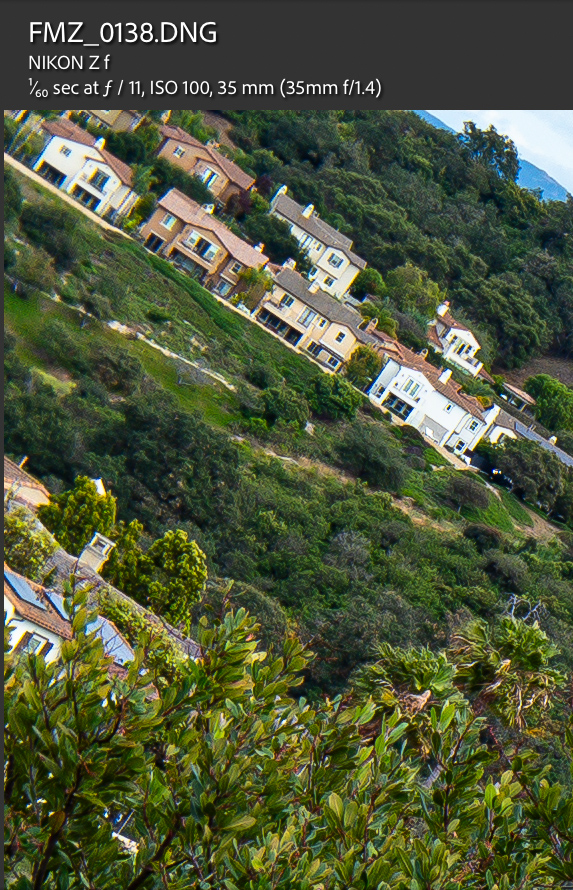
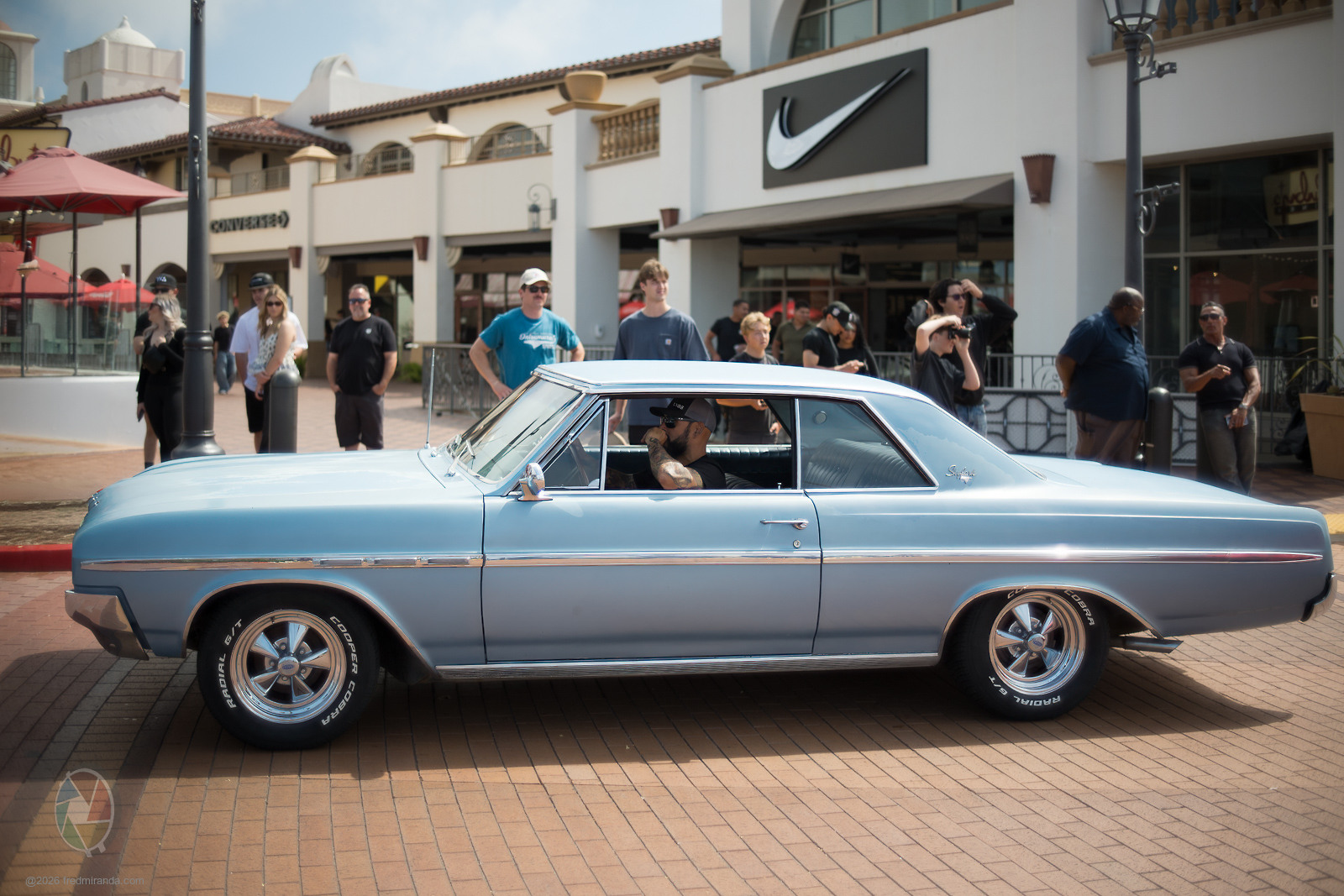
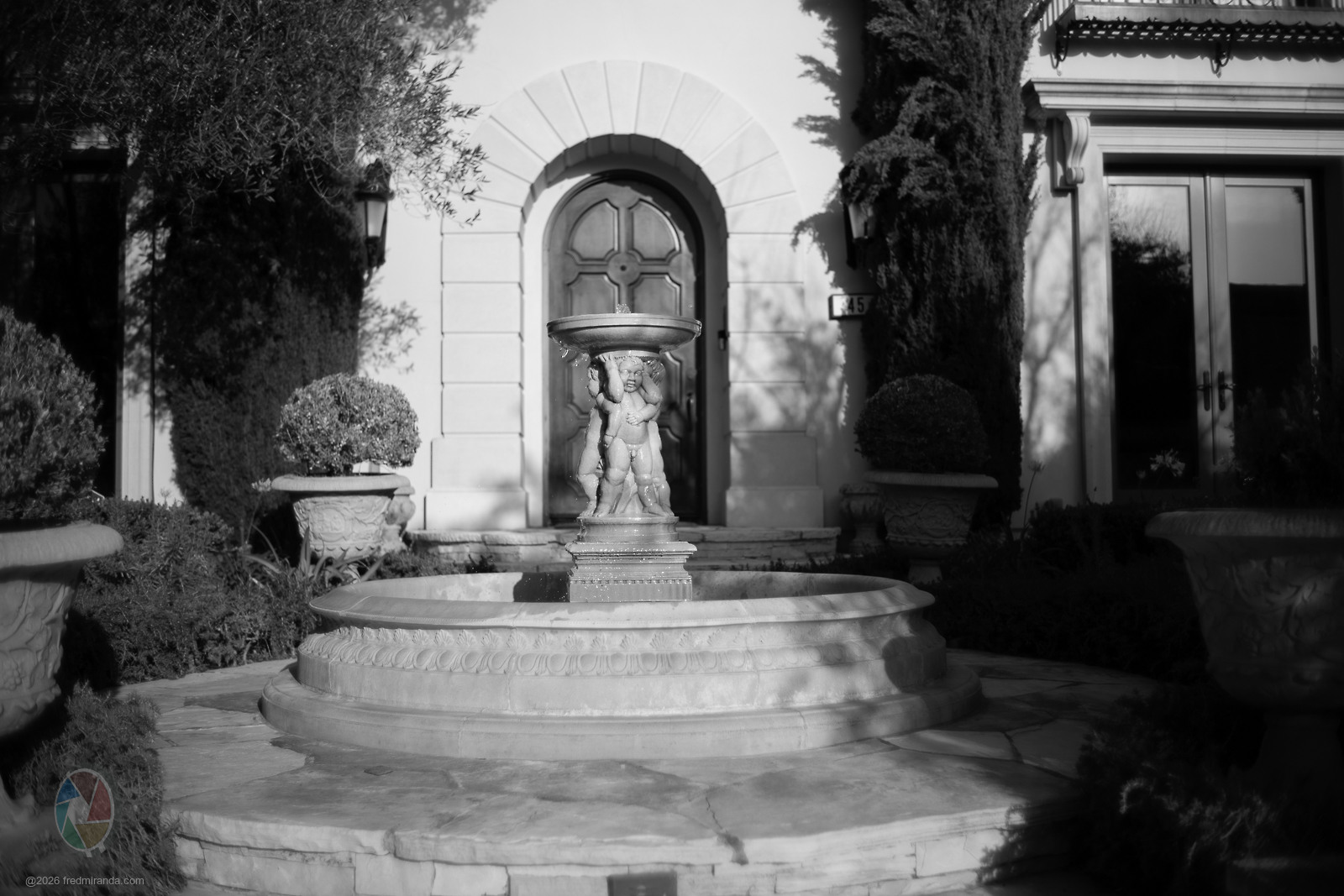
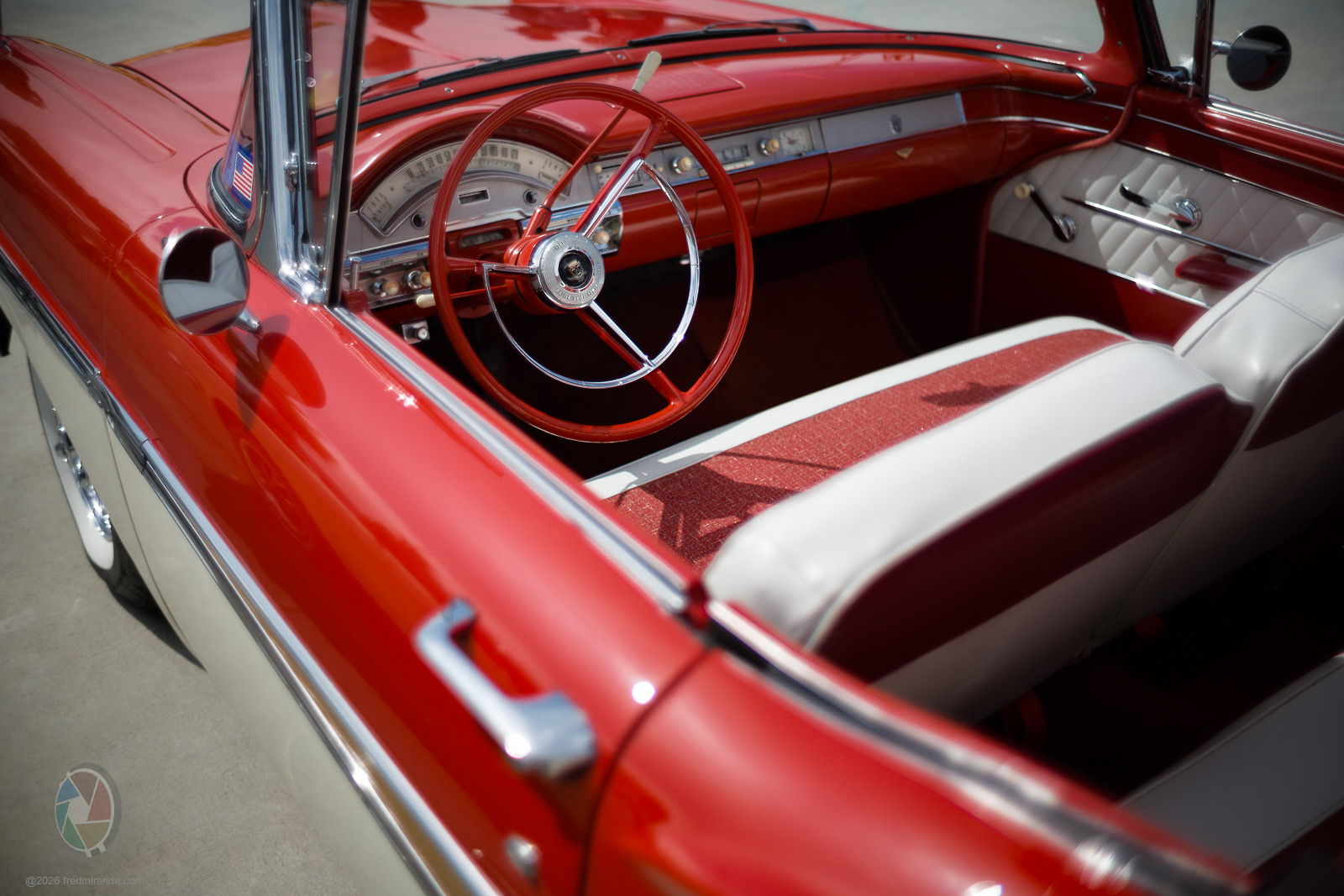
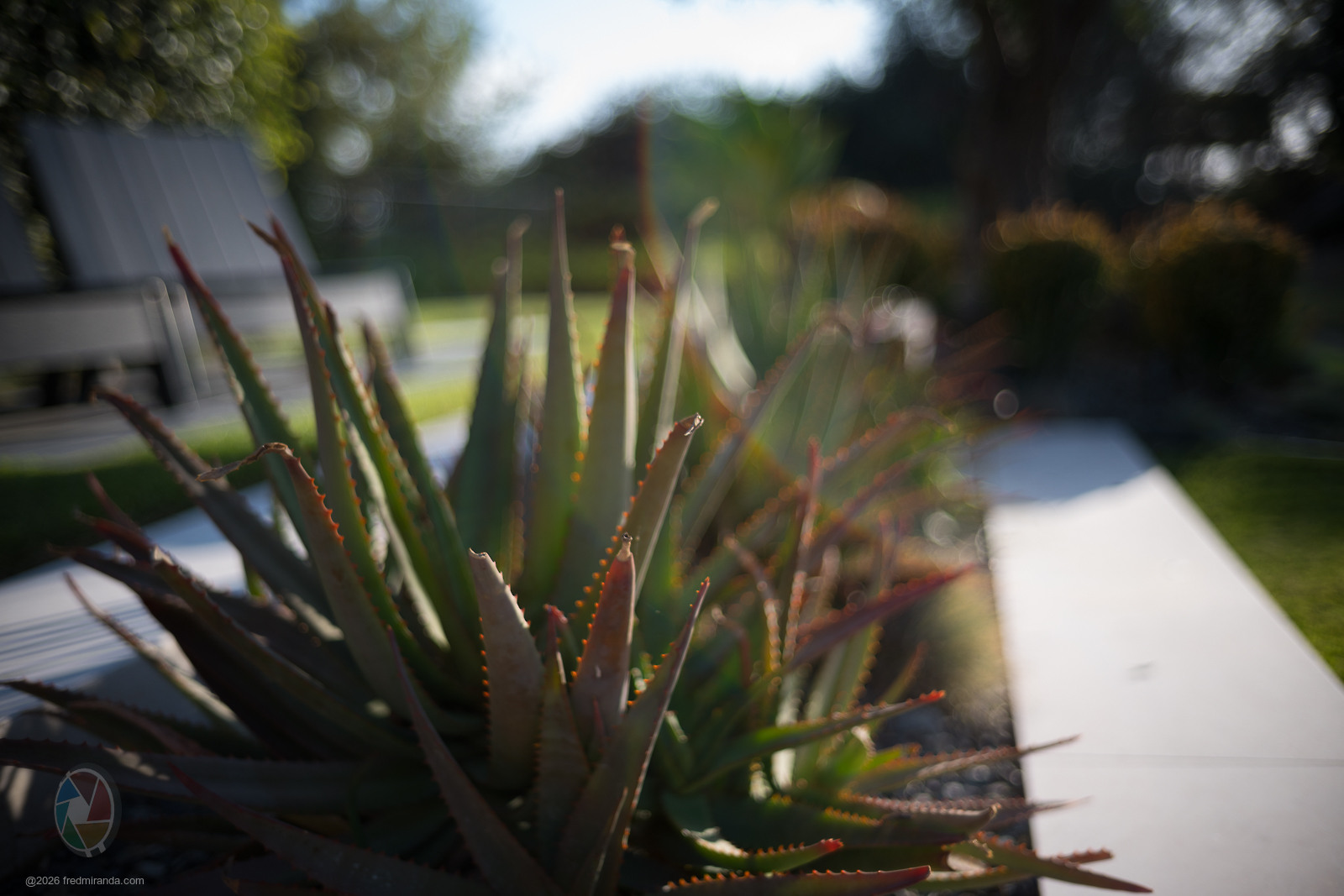
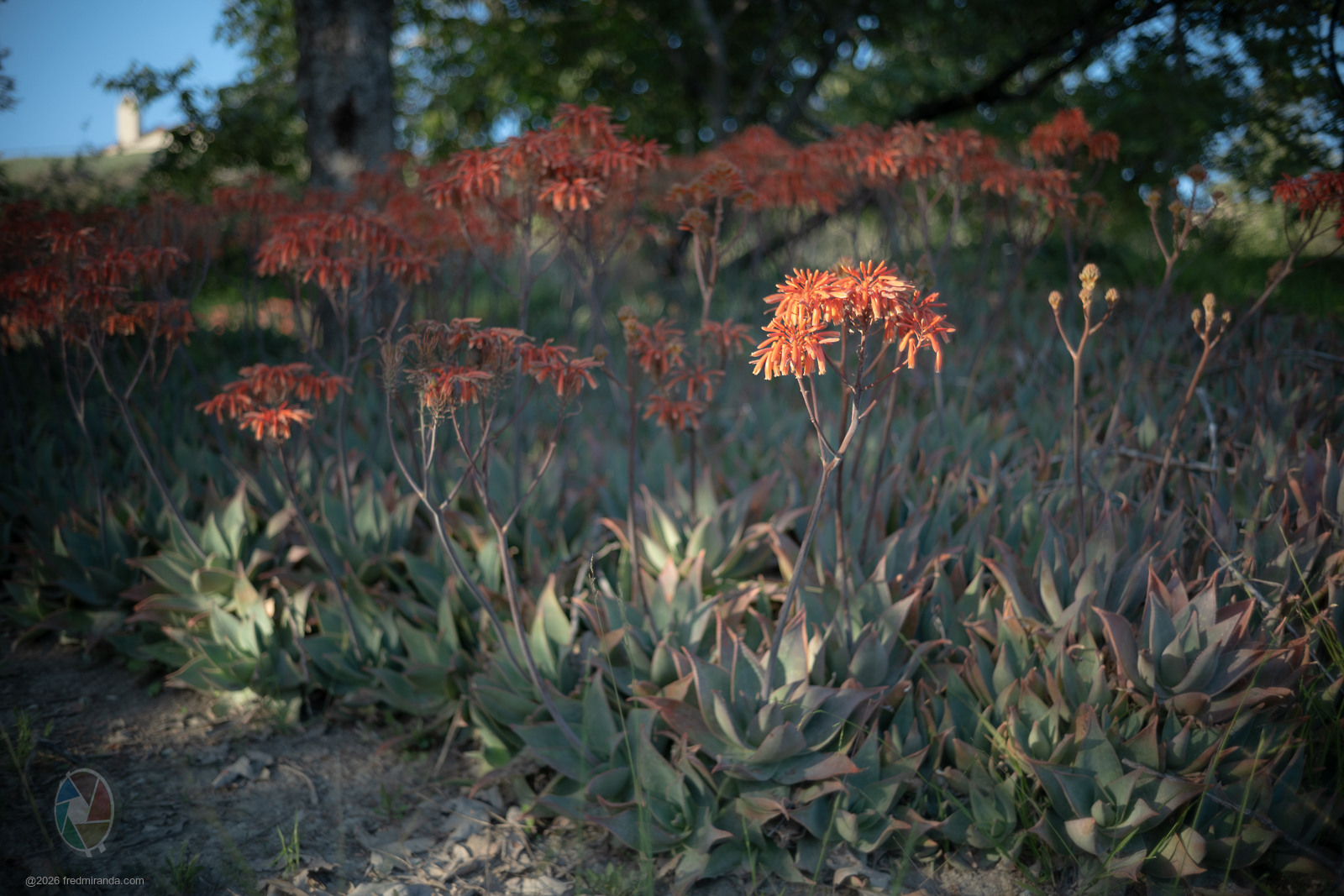
I actually think the Nokton looks better, maybe except for the extreme corners. If anything, the Septon should look much sharper in the harsher, more contrasty light. But it doesn't.
------------
A bit surprising how low the distortion seems. I wonder if that differs between the versions for FE/Z/M. I almost always feel that I want to correct for distortion with my FE, and that it looks worse than shown here.
Makten wrote:
I actually think the Nokton looks better, maybe except for the extreme corners. If anything, the Septon should look much sharper in the harsher, more contrasty light. But it doesn't.
------------
A bit surprising how low the distortion seems. I wonder if that differs between the versions for FE/Z/M. I almost always feel that I want to correct for distortion with my FE, and that it looks worse than shown here.
The Nokton is wider and objects are further away, so it may look sharper... it's hard to say for sure... also the corners.
When you write about distortion, do you mean the Nokton 35/1.4 (FE)?
The FE version in phillipreeve.net review looks bad in midframe and very bad in corners even at f8:
Midframe performance depends a lot on if you take curvature of field into account when focusing. If focusing in the middle, you will most likely get crappy midframe. But if you focus for the midframe, it's quite good and the center is still good enough. You might get worse corners though (because the field seems wavy rather than just spherical).
It's a not a lens for those seeking perfection, but it's surprisingly good stopped down. Very much like many old classic lenses actually, but with better colors and higher contrast. You get a retro, misty look with wild bokeh close up and wide open, smooth transition zone, very nice bokeh at distance, and still good enough performance for landscape if needed.
One of the strengths of the Voigtlander 35mm f/1.4 Nokton's classic optical design is its impressive control of color aberrations, especially considering its fast aperture and compact size. It seems that some of the residual spherical aberration helps mask these artifacts, but I have tested many lenses with noticeable spherical aberration that still show strong purple and green fringing in out of focus areas. That is definitely not the case here.
With the Voigtlander 35mm f/1.4 Nokton, I only see traces of fringing, typically slight magenta in front of the focus plane and green behind it. Purple fringing at the actual focus plane is also very well controlled, which is uncommon for classic, fast aperture lens designs.
So for those who enjoy a bit of spherical aberration (SA) for a more organic and natural rendering, rather than the razor sharp modern look, while still appreciating good correction of color errors, this lens strikes a very appealing balance.
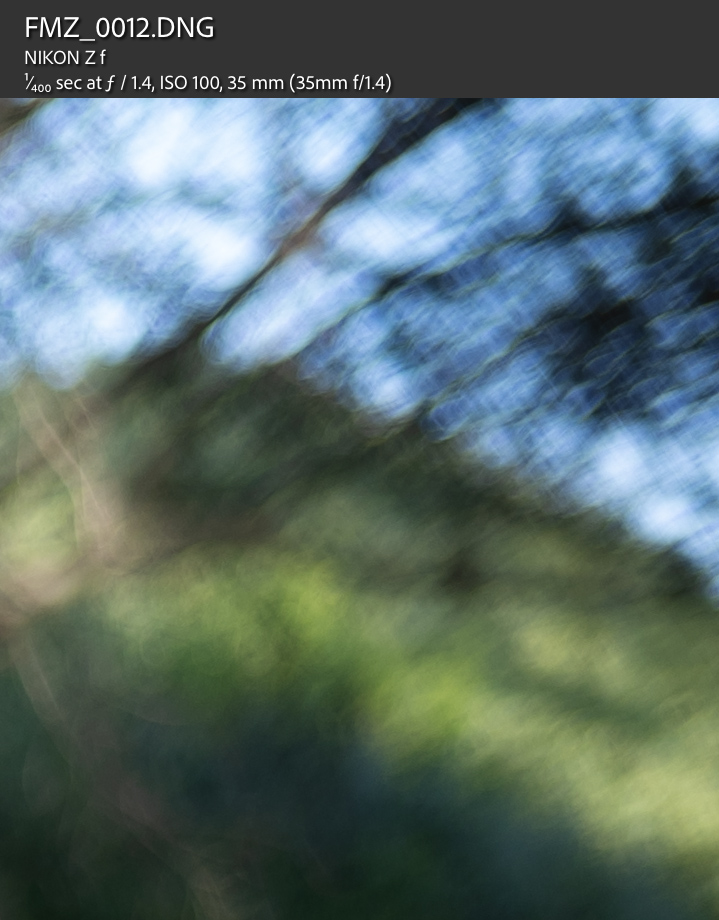
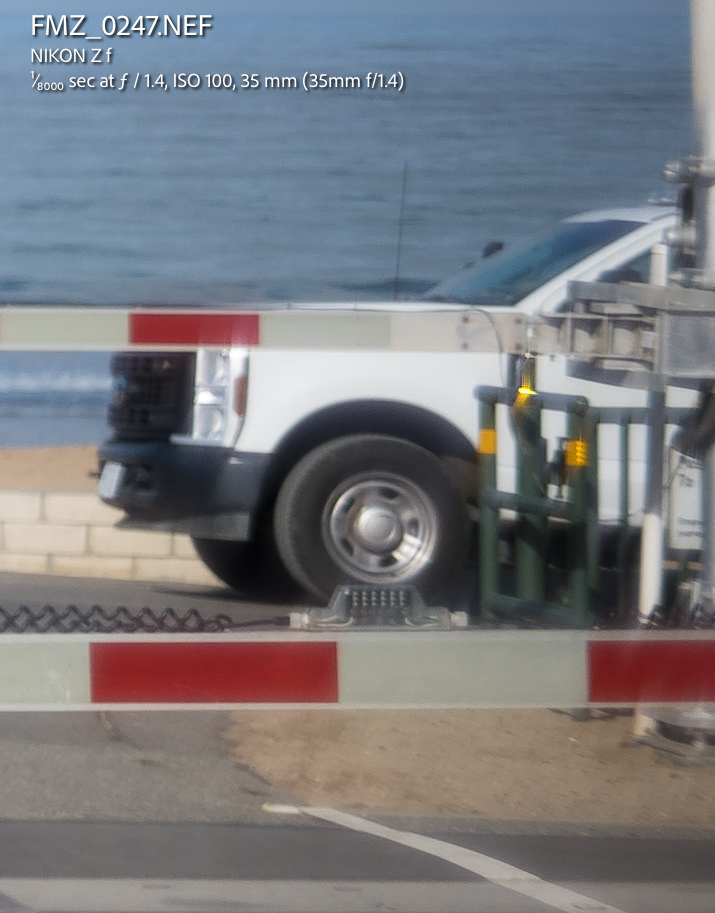
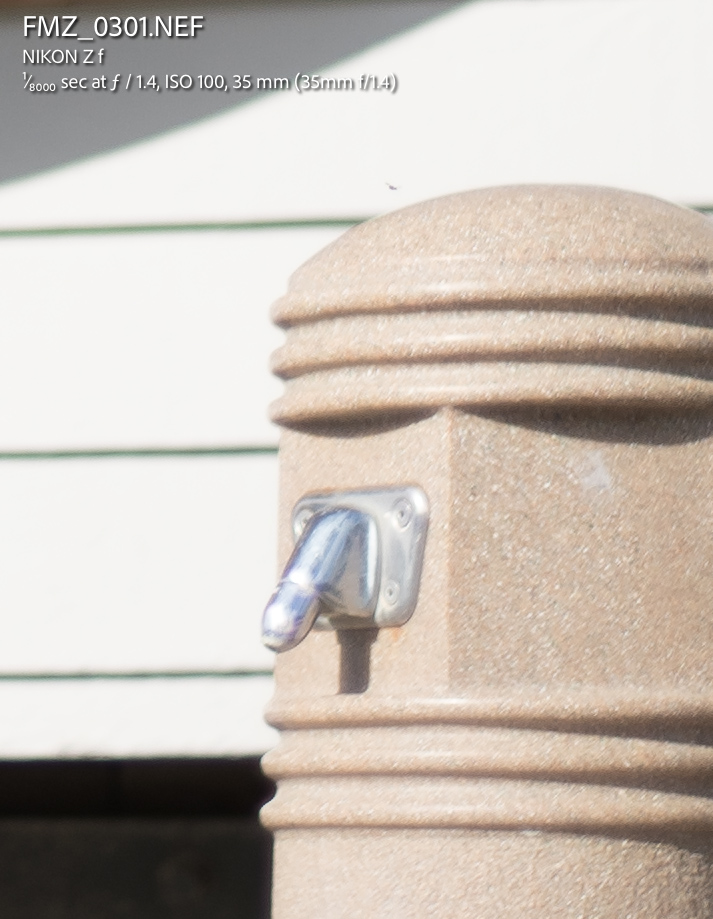
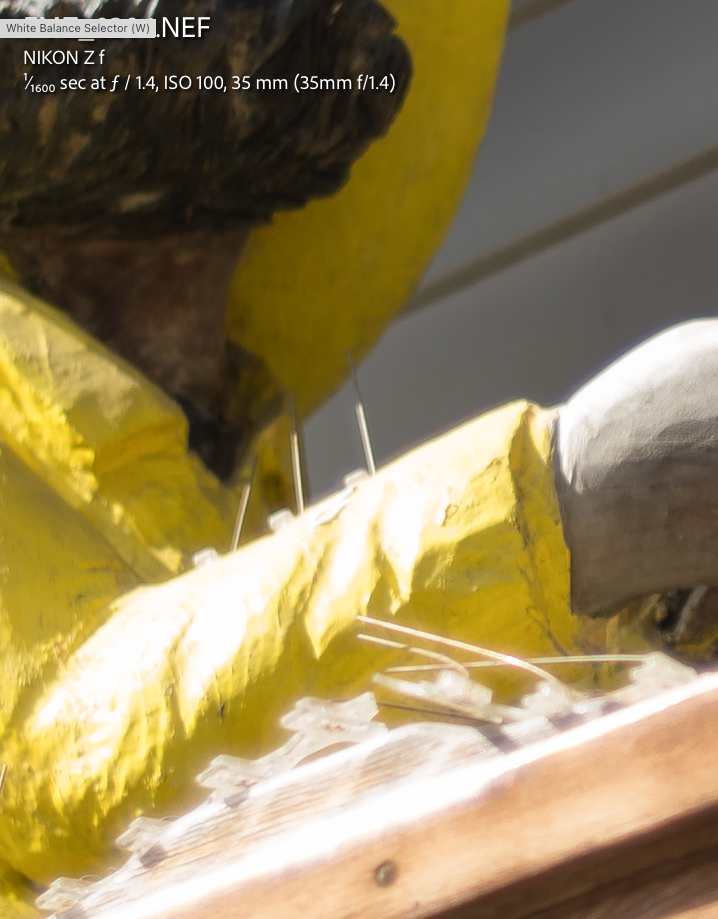
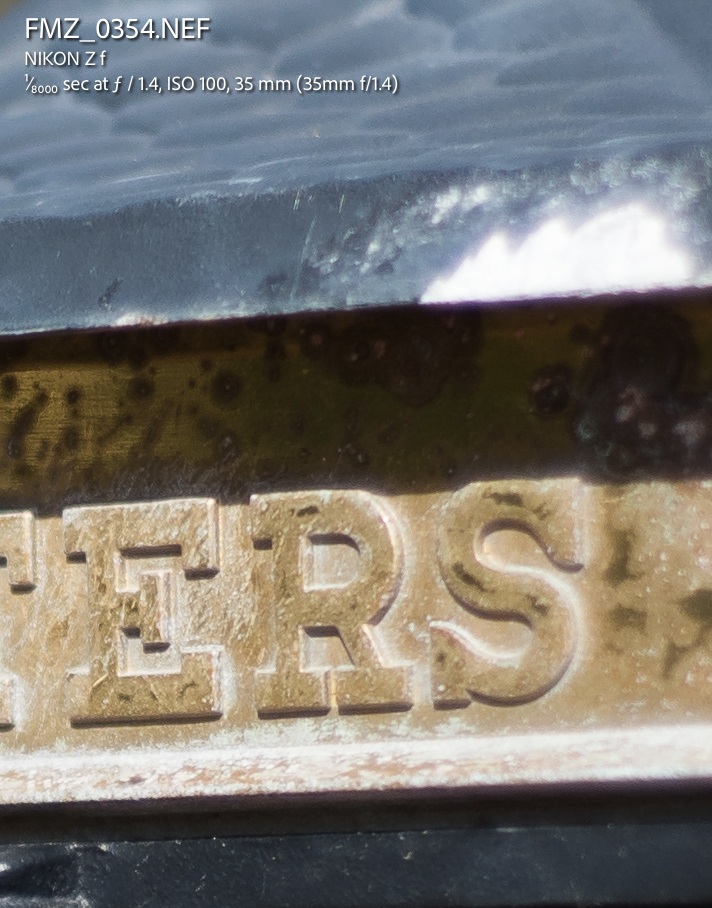
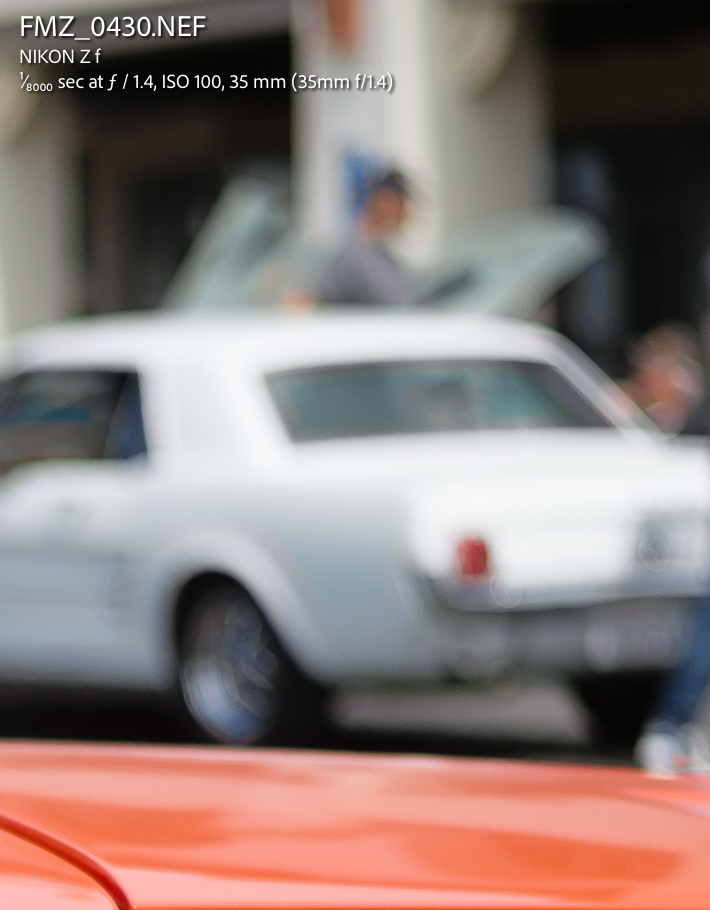
Here are 100% crops showing out of focus areas both in front of and behind the focus plane, where green and magenta fringing are typically most visible. I've also included a couple of samples showing the lens's very low level of purple fringing at the actual focus plane.
The Voigtlander 35mm f/1.4 Nokton shows excellent correction of lateral chromatic aberration (LaCA), an optical flaw that typically appears toward the edges and corners of the frame at any aperture, even when stopped down.
When enabling Lightroom's automatic CA correction, I only see a very minor improvement, suggesting that lateral CA is already extremely well controlled optically. There may be traces of residual color error, but nothing visible even at the pixel level.
The first image crop shows the lens without any Lightroom correction applied, while the second shows the result with lateral chromatic aberration (LaCA) correction enabled.
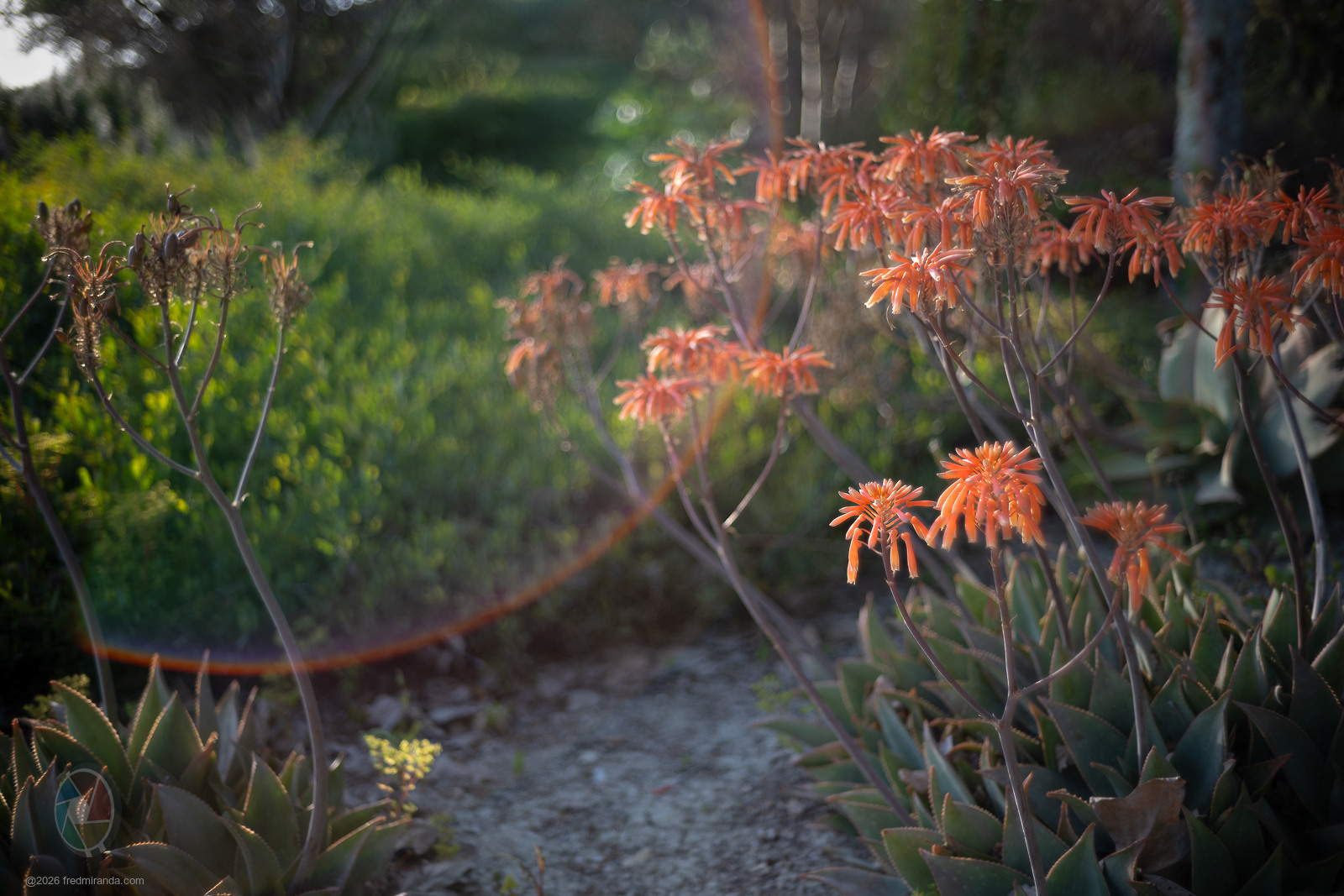
The Voigtlander 35mm f/1.4 Nokton offers what I would describe as average flare resistance. Its coatings and optical design make it more resistant to ghosting and veiling flare than most vintage lenses, and it is also more controlled than the original Leica 35mm f/1.4 Summilux pre-asph.
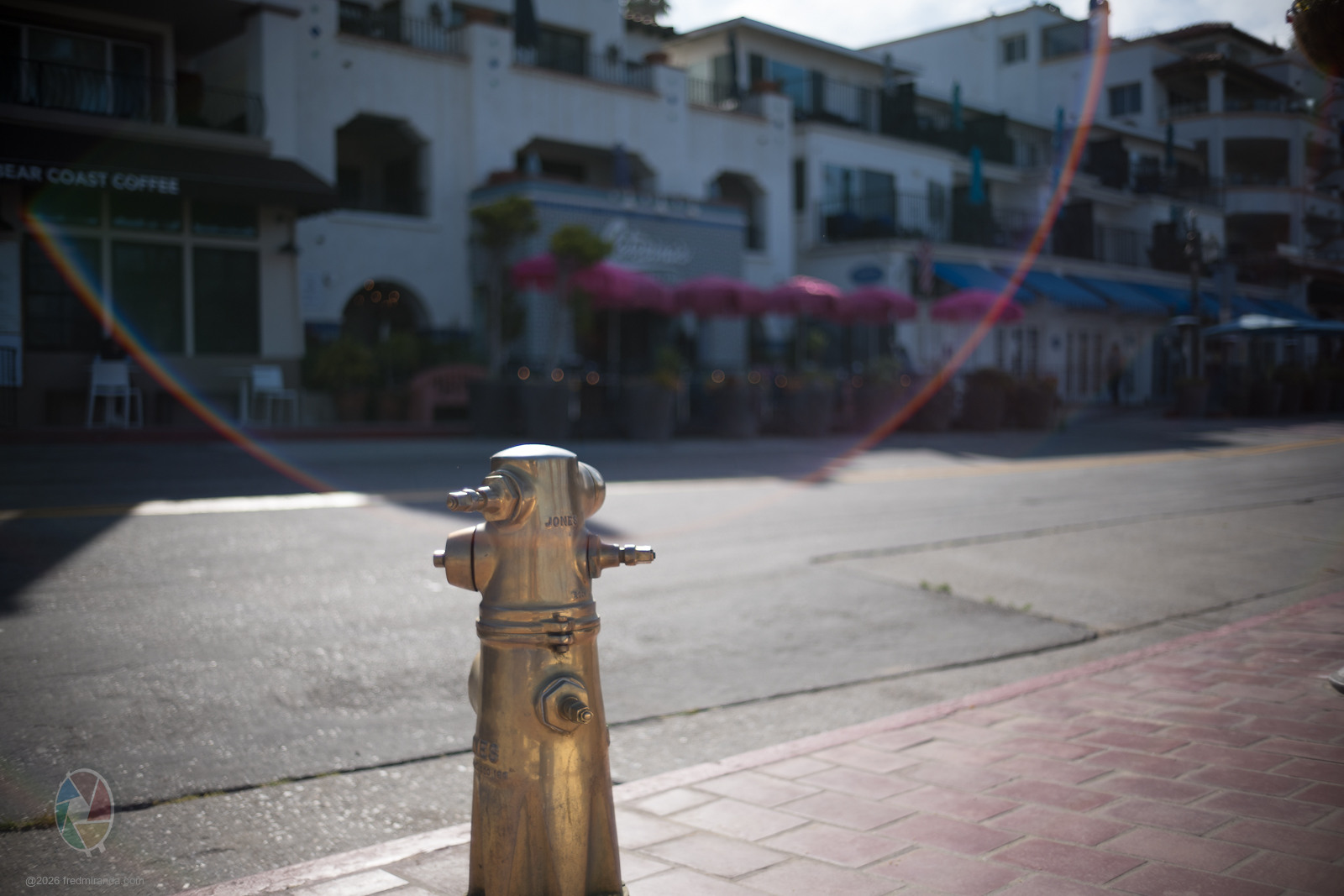
Sharing the same optical design as the M-mount version, the Nokton handles flare with generally good control while still allowing a gentle glow in strong backlight. It also produces the characteristic ring, or rainbow-style flare of this optical design around point light sources, especially when shooting into the sun, along with some veiling flare when pushed hard against the light. Overall, it delivers a pleasing, slightly imperfect rendering that suits photographers who enjoy a bit of vintage character.
In most situations, the rendering has a cinematic veiling quality with very little ghosting. The examples shown here represent the worst-case scenarios I encountered after shooting nearly a hundred images with this lens. In real-world use, flare is usually mild and often contributes character instead of becoming overly distracting.
Here are some sample images showing the characteristic ring flare, as well as some veiling flare and reduced contrast when shooting directly into the sun.
NIKON Z f35mm f/1.4 lens35mmf/1.41/2000s100 ISO0.0 EV
NIKON Z f35mm f/1.4 lens35mmf/1.41/1000s100 ISO0.0 EV
lower overall contrat from veiling
NIKON Z f35mm f/1.4 lens35mmf/1.41/1000s100 ISO0.0 EV
NIKON Z f35mm f/1.4 lens35mmf/1.41/2000s100 ISO0.0 EV
NIKON Z f35mm f/1.4 lens35mmf/1.41/6400s100 ISO-0.3 EV
The Voigtlander 35mm f/1.4 Nokton offers what I would describe as average flare resistance. Its coatings and optical design make it more resistant to ghosting and veiling flare than most vintage lenses, and it is also more controlled than the original Leica 35mm f/1.4 Summilux pre-asph.
Sharing the same optical design as the M-mount version, the Nokton handles flare with generally good control while still allowing a gentle glow in strong backlight. It also produces the characteristic ring, or rainbow-style flare of this optical design around point light sources, especially when shooting into the sun, along with some veiling flare when pushed hard against the light. Overall, it delivers a pleasing, slightly imperfect rendering that suits photographers who enjoy a bit of vintage character.
In most situations, the rendering has a cinematic veiling quality with very little ghosting. The examples shown here represent the worst-case scenarios I encountered after shooting nearly a hundred images with this lens. In real-world use, flare is usually mild and often contributes character instead of becoming overly distracting.
Here are some sample images showing the characteristic ring flare, as well as some veiling flare and reduced contrast when shooting directly into the sun....Show more →
Pretty surprised on the flaring on this lens-
Seems MUCH more controlled here than on the M version of this lens. I actually really like the flare here even if a bit more subtle than on the M version-
RustyRus wrote:
Pretty surprised on the flaring on this lens-
Seems MUCH more controlled here than on the M version of this lens. I actually really like the flare here even if a bit more subtle than on the M version-
I've shot with the 35/1.4 Nokton for many years, and the ring flare behavior is very similar, if not slightly more pronounced, on the M-mount version. I'll dig up some of my own samples, but here are a few examples from Flickr:
The Voigtlander 35mm f/1.4 Nokton, regardless of mount, uses the same optical design. It's inspired by the original Leica 35mm f/1.4 Summilux pre-asph, but is actually a bit more corrected. Spherical aberration is better controlled, and even the characteristic ring flare is generally less pronounced.
Here are two samples from the Leica version showing the ring flare behavior, and how much more pronounced it can be:
LEICA M-D (Typ 262) Summilux-M 1:1.4/35 lens 35mm f/2.4 1/1000s 200 ISO 0.0 EV
LEICA M-D (Typ 262) Summilux-M 1:1.4/35 lens 35mm f/2.4 1/3000s 200 ISO 0.0 EV
Fred Miranda wrote:
The Voigtlander 35mm f/1.4 Nokton, regardless of mount, uses the same optical design. It's inspired by the original Leica 35mm f/1.4 Summilux pre-asph, but is actually a bit more corrected. Spherical aberration is better controlled, and even the characteristic ring flare is generally less pronounced.
Here are two samples from the Leica version showing the ring flare behavior, and how much more pronounced it can be:
This is exactly what I have in my mind when I think of the 35 1.4 lens flare-
I wonder if its just a new coating that corrects it more on the Z mount version? Both look great but I do prefer the more pronounced M flaring-
I don't get it. I use the M mount version - 35 1.4 II MC - and I never get flare like that!
I always use the lens hood - are you using it w/o a hood so the silver chrome front ring is effecting the image?
My attempt at lens flare w M7, CV 35 1.4 II, Cinestill 400D
Desmolicious wrote:
I don't get it. I use the M mount version - 35 1.4 II MC - and I never get flare like that!
I always use the lens hood - are you using it w/o a hood so the silver chrome front ring is effecting the image?
My attempt at lens flare w M7, CV 35 1.4 II, Cinestill 400D
Desmolicious wrote:
I don't get it. I use the M mount version - 35 1.4 II MC - and I never get flare like that!
I always use the lens hood - are you using it w/o a hood so the silver chrome front ring is effecting the image?
My attempt at lens flare w M7, CV 35 1.4 II, Cinestill 400D
I don't remember getting the ring flare on my FE either, but two obvious reasons in your case:
* The sun is in the frame.
* The lens is stopped down.
Seems like you only get ring flare with the sun just outside the frame, and then most likely without the hood. I would also think it disappears when stopping down (the ring is probably a reflection off the edges of one of the lens elements, that will be blocked with a smaller aperture).
Edit: I seldom use the hood (size reasons), but if I see flare in the EVF, I usually block it with my hand for that particular shot.