Back to Quick Links
Rendering
Many shooters are already familiar with the rendering of this lens, but it may be new to those who mainly use native Nikon glass. As noted in the introduction, the optical DNA of the Voigtlander 35mm f/1.4 Nokton traces back to the classic double Gauss design used in the Leica 35mm f/1.4 Summilux pre-asph, later refined in the Voigtlander Nokton VM version.
What we have here is essentially that same VM optical formula, adapted for the Nikon sensor stack. Compared to the original Leica design, Voigtlander increased correction of spherical aberration by adding an extra element and upgrading one element to a high refractive index material. This helps reduce excessive glow and improves contrast compared to the earlier rendition, although it does introduce a slight increase in distortion.
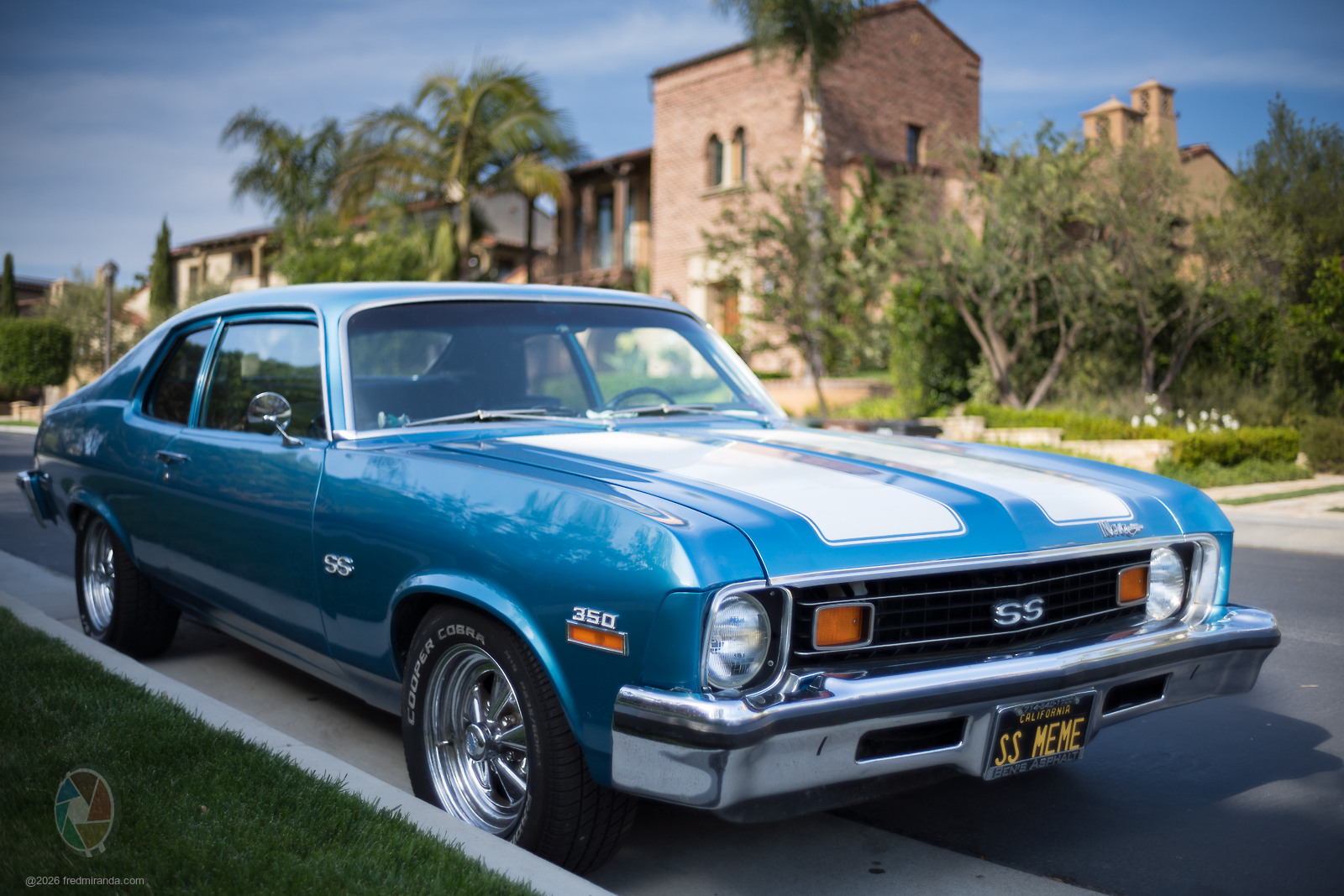
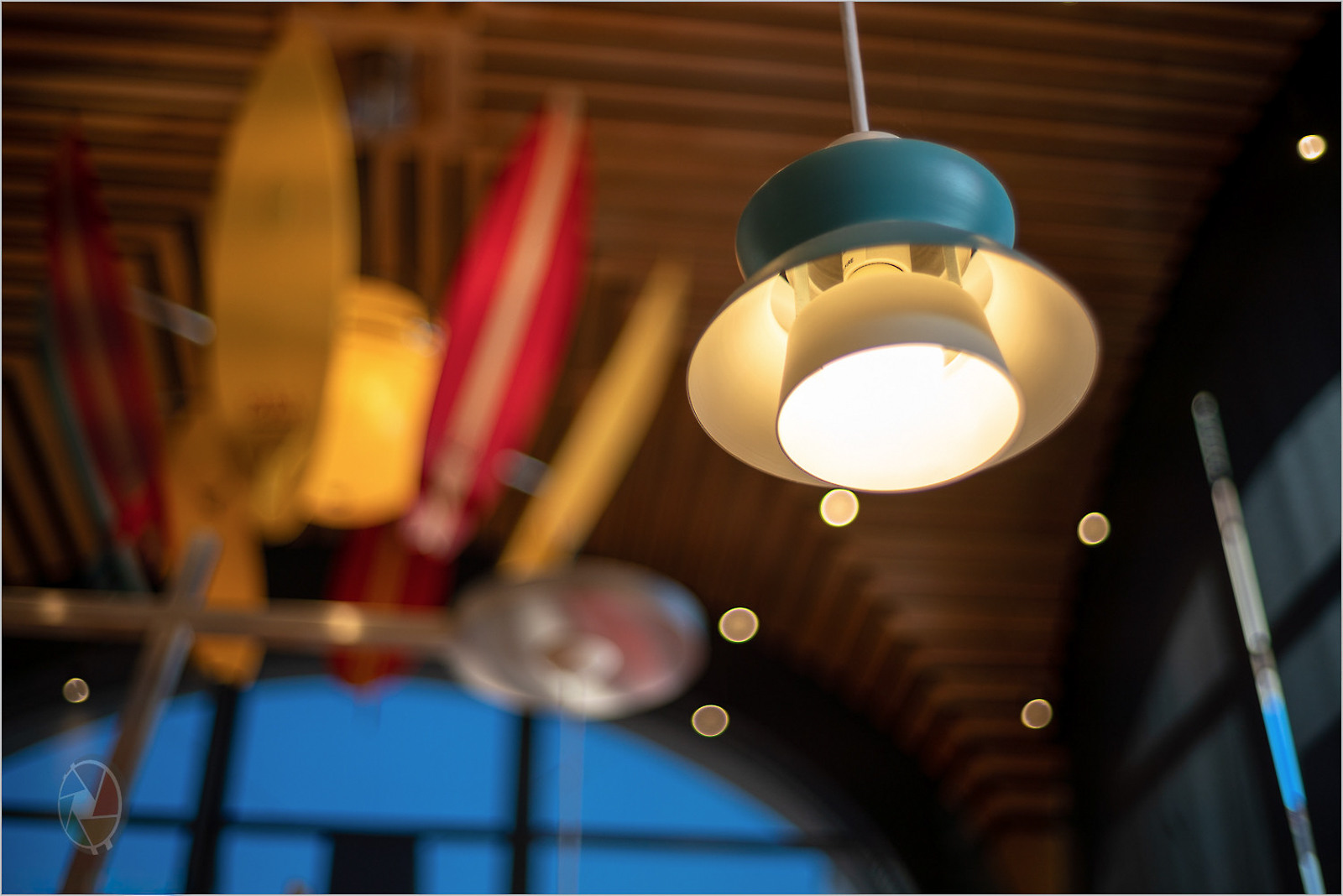
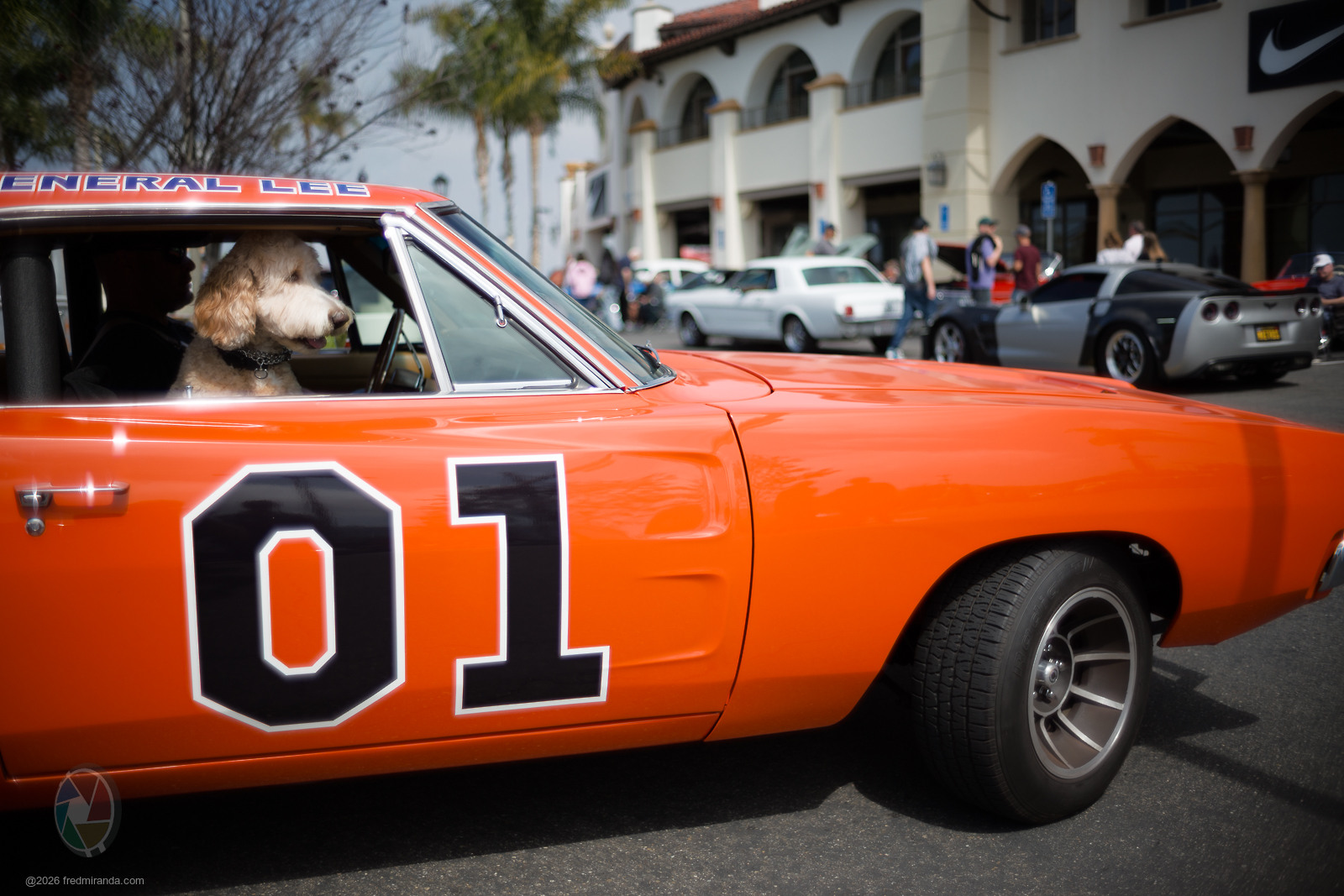
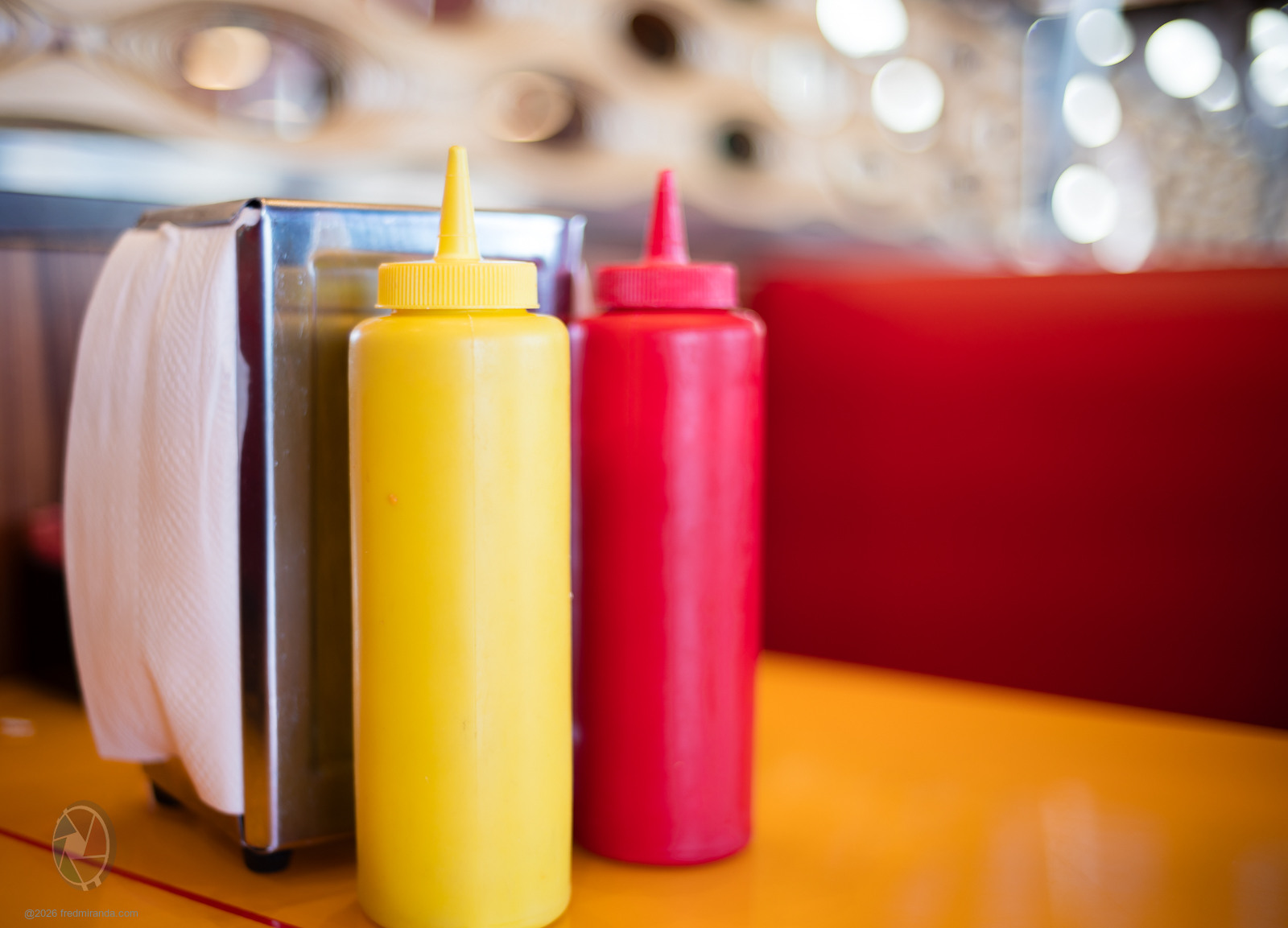
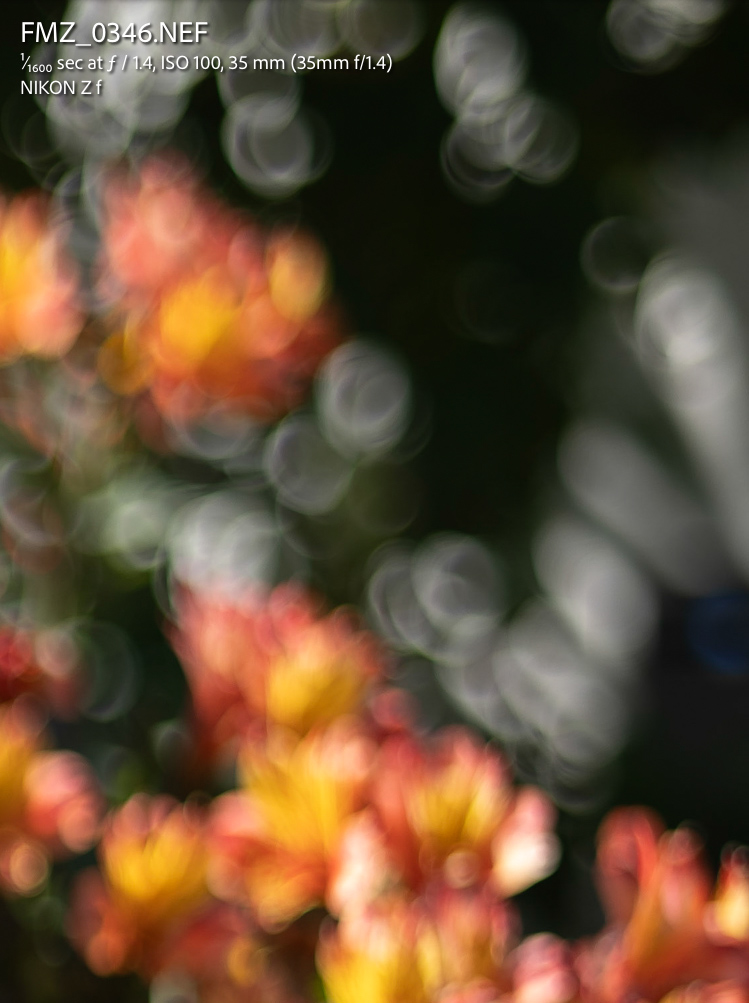
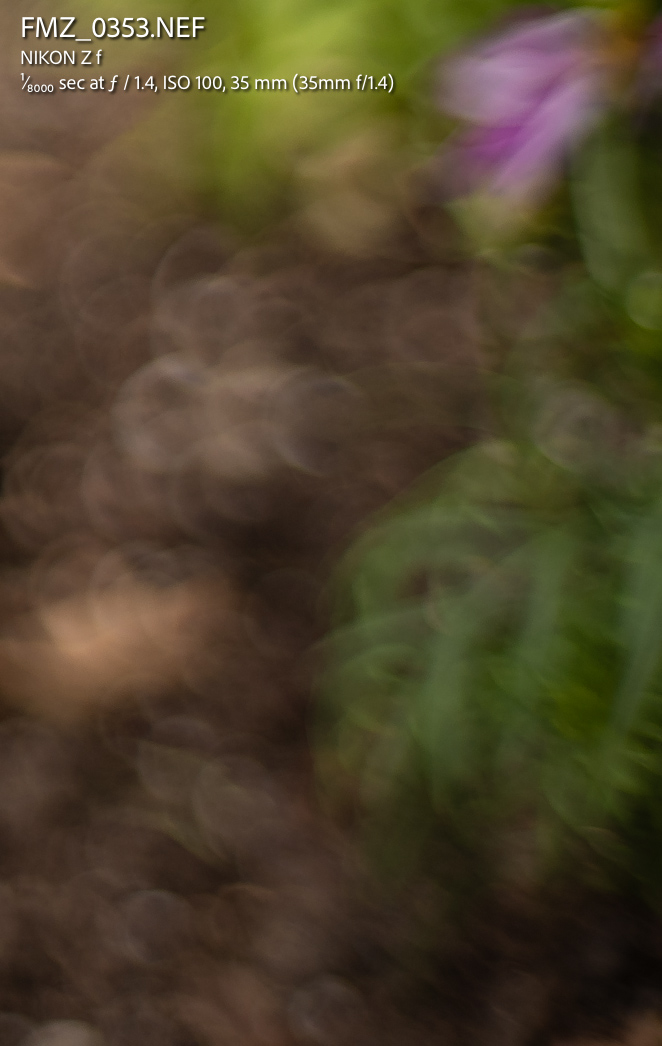
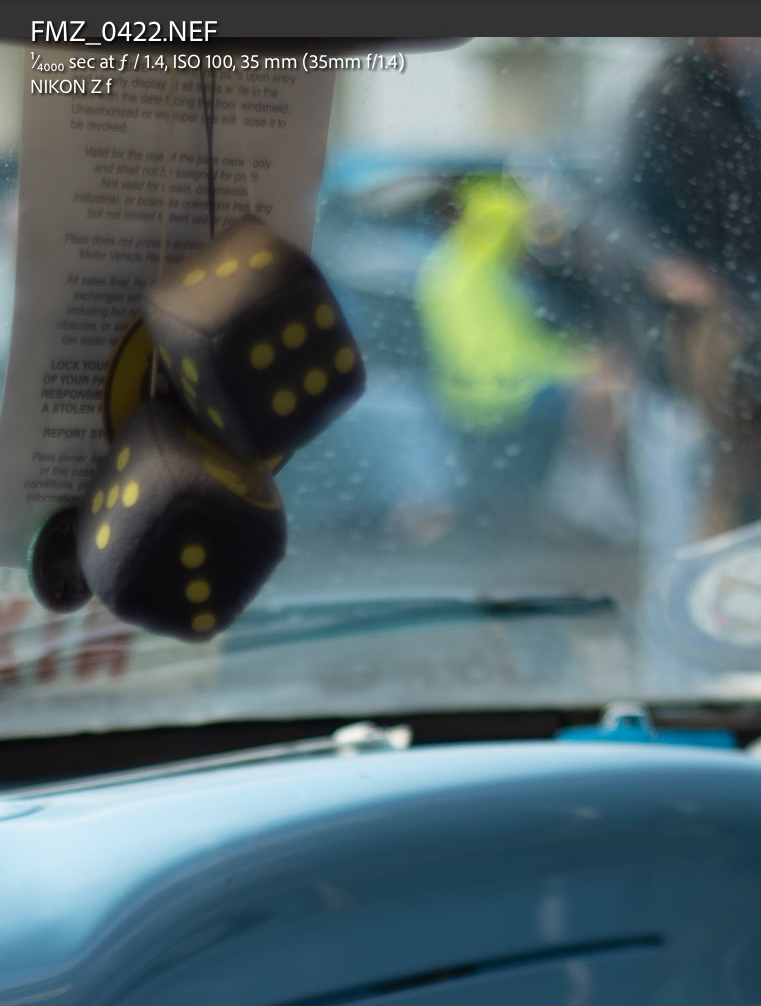
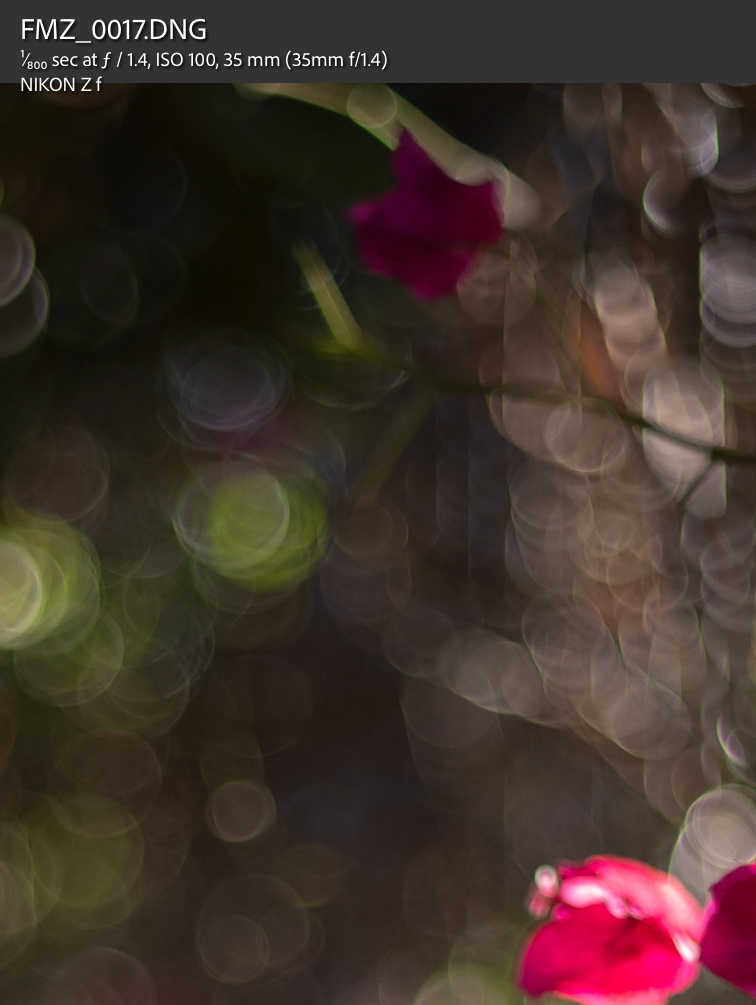
Even with these refinements, the lens still maintains a familiar rendering character. Wide open, it has a slightly dreamy quality with residual spherical aberration and a gentle glow, much lower than the original Leica version, especially in off-axis areas. Highlights can show a bit of outlining, giving the image a more structured look than many modern clinical designs.
This rendering is consistent with what you see in the VM and E-mount versions, now brought natively to Z mount. The character varies significantly with aperture. Wide open it is more expressive and slightly imperfect in a pleasing way, though subjective and not for everyone. I personally enjoy this look and tend to prefer lenses like this over more corrected modern optics.
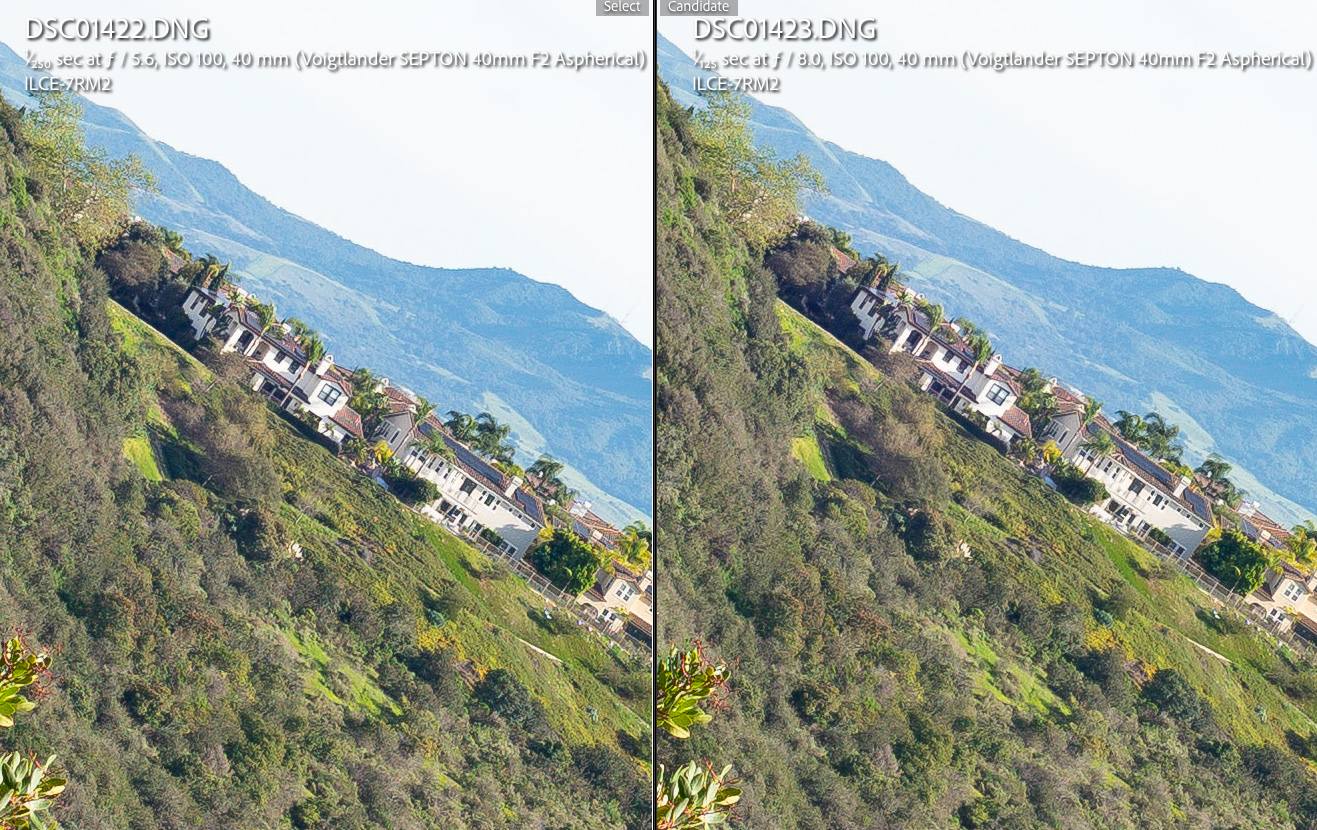
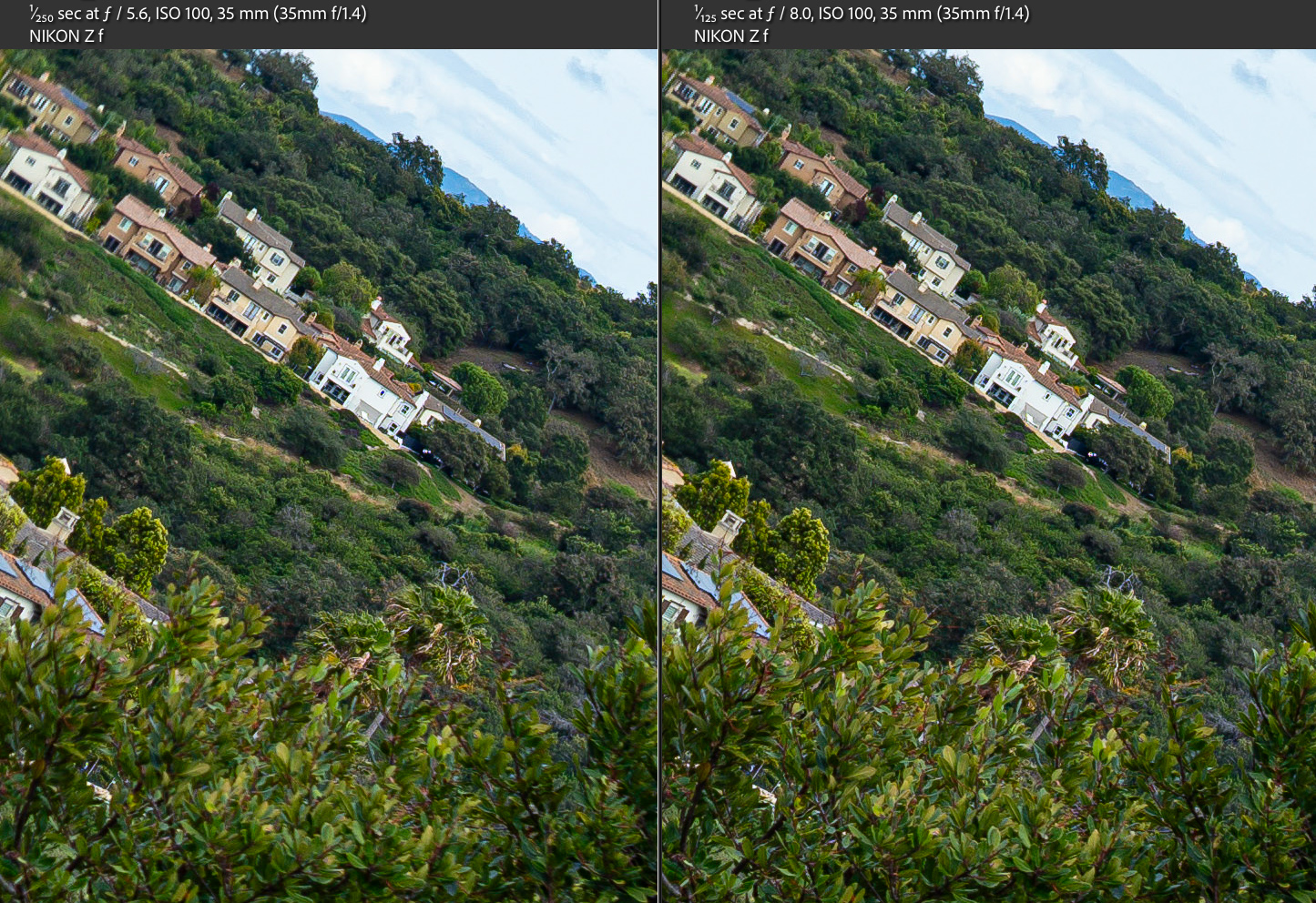
Stopped down to around f/1.7 or f/2, aberrations reduce noticeably and contrast improves, which may be the sweet spot for those wanting balance between character and cleanliness. At f/2.8 and beyond, the lens becomes very well corrected, sharp across the frame, and increasingly neutral in rendering.
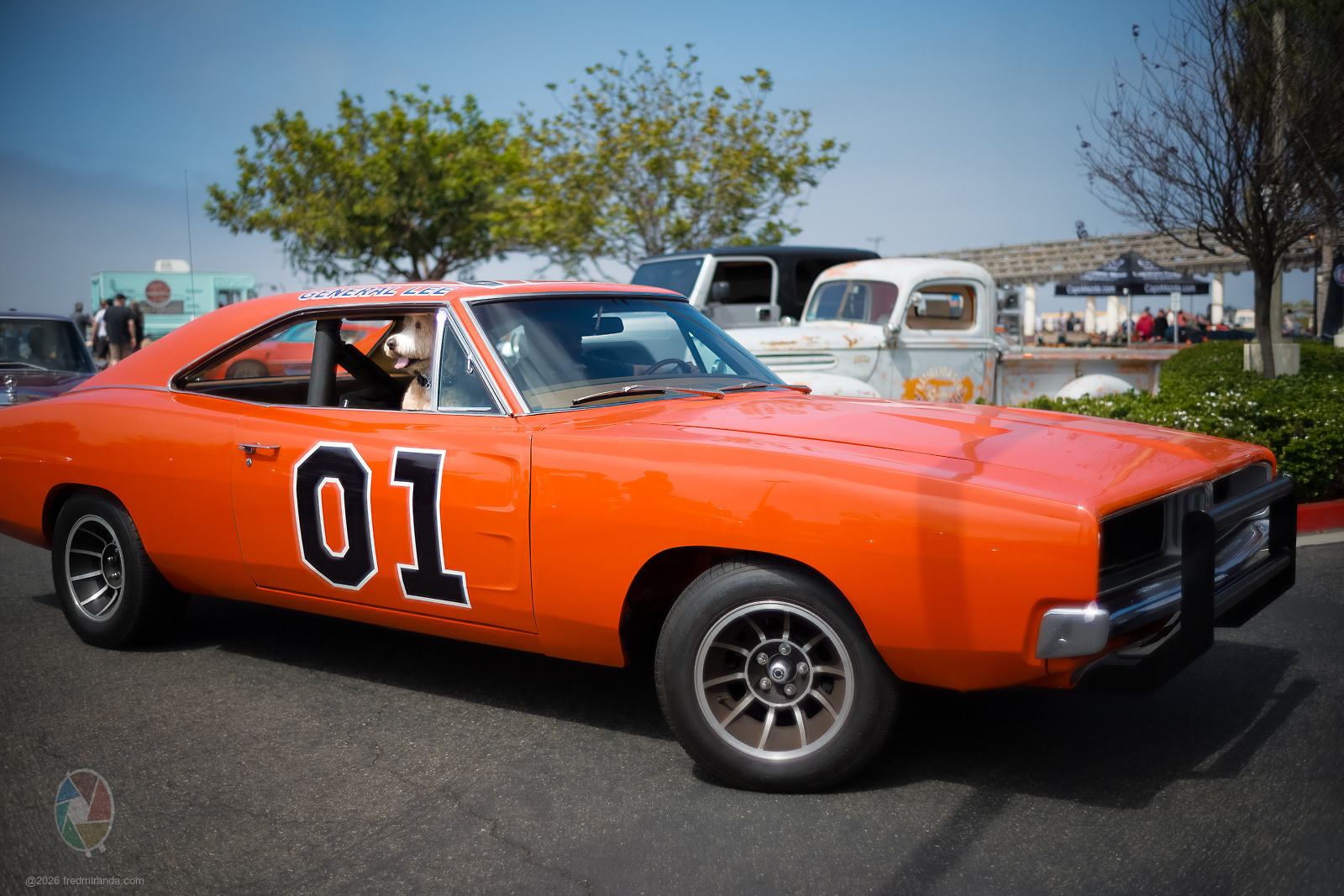
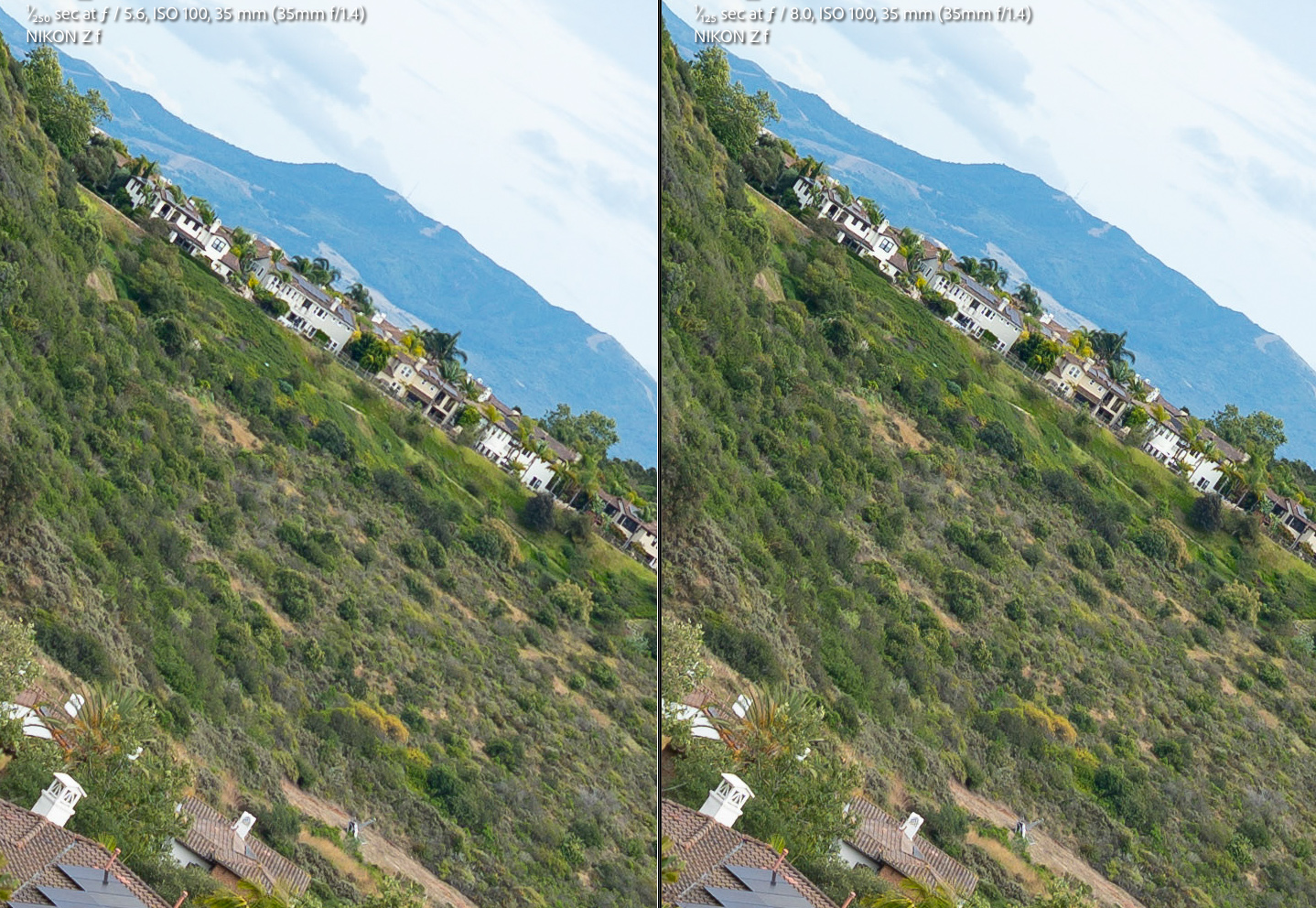
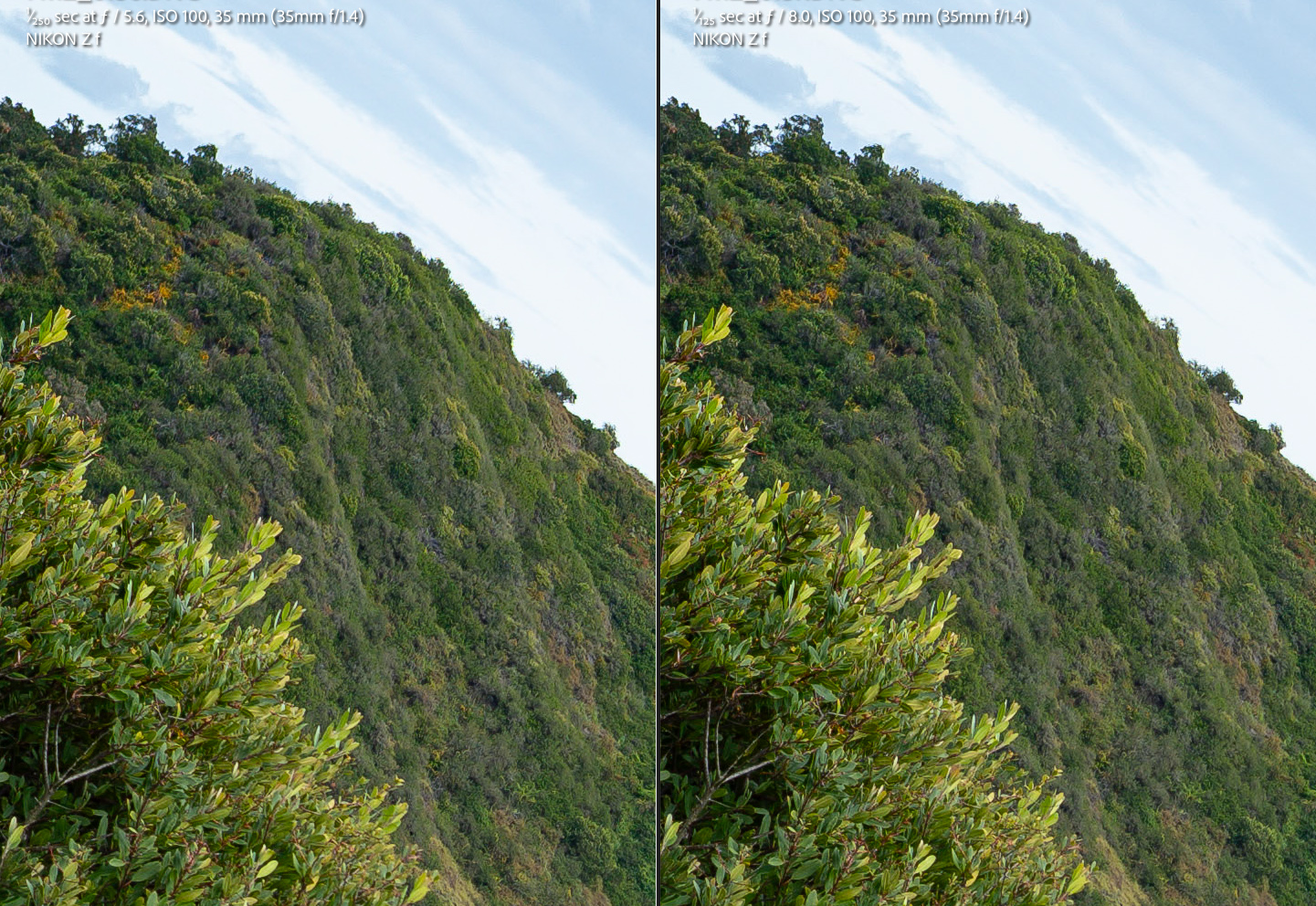
Sample 1: NIKON Z f 35mm f/1.4 lens 35mm f/1.4 1/3200s 100 ISO -0.3 EV
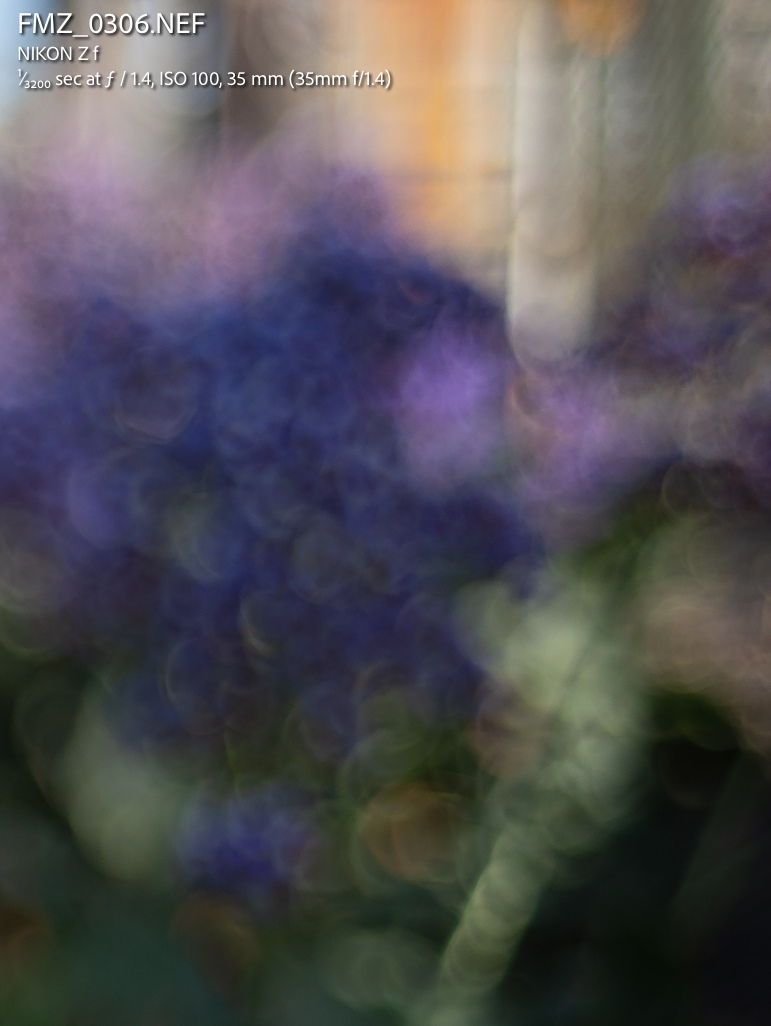
100% crop from the focused area above