RoamingScott wrote:
lol, the SEPTON is the chipped Z Ultron (kinda, but not really) in way more ways than...this...thing.
Yeah...the blurring on the left side of the corner shots, even at small apertures, is disappointing. I wonder if the original 1960's Leica-M 35/1.4 did that?
The APO is not great living on the Zf all day walking around the city and I don't need NASA satellite IQ. It's probably fine on a modern grip camera. From what is posted here, it looks like the IQ of this one is fine, in a reasonable size for the Zf.
The Z 35/2 Apo is longish on gripped cameras as well. I'd consider this Z 35/1.4 Nokton when compactness is paramount. I do rather enjoy the NASA satellite IQ of the Z 35/2 Apo, however.
Keith B. wrote:
Yeah...the blurring on the left side of the corner shots, even at small apertures, is disappointing. I wonder if the original 1960's Leica-M 35/1.4 did that?
Keith,
The Voigtlander 35mm f/1.4 Nokton closely follows the rendering of the original 1960s Leica design. That said, all three Cosina versions, VM, E, and Z-mount, deliver higher contrast and slightly better resolution across the frame, including the corners. (Also less glow wide open)
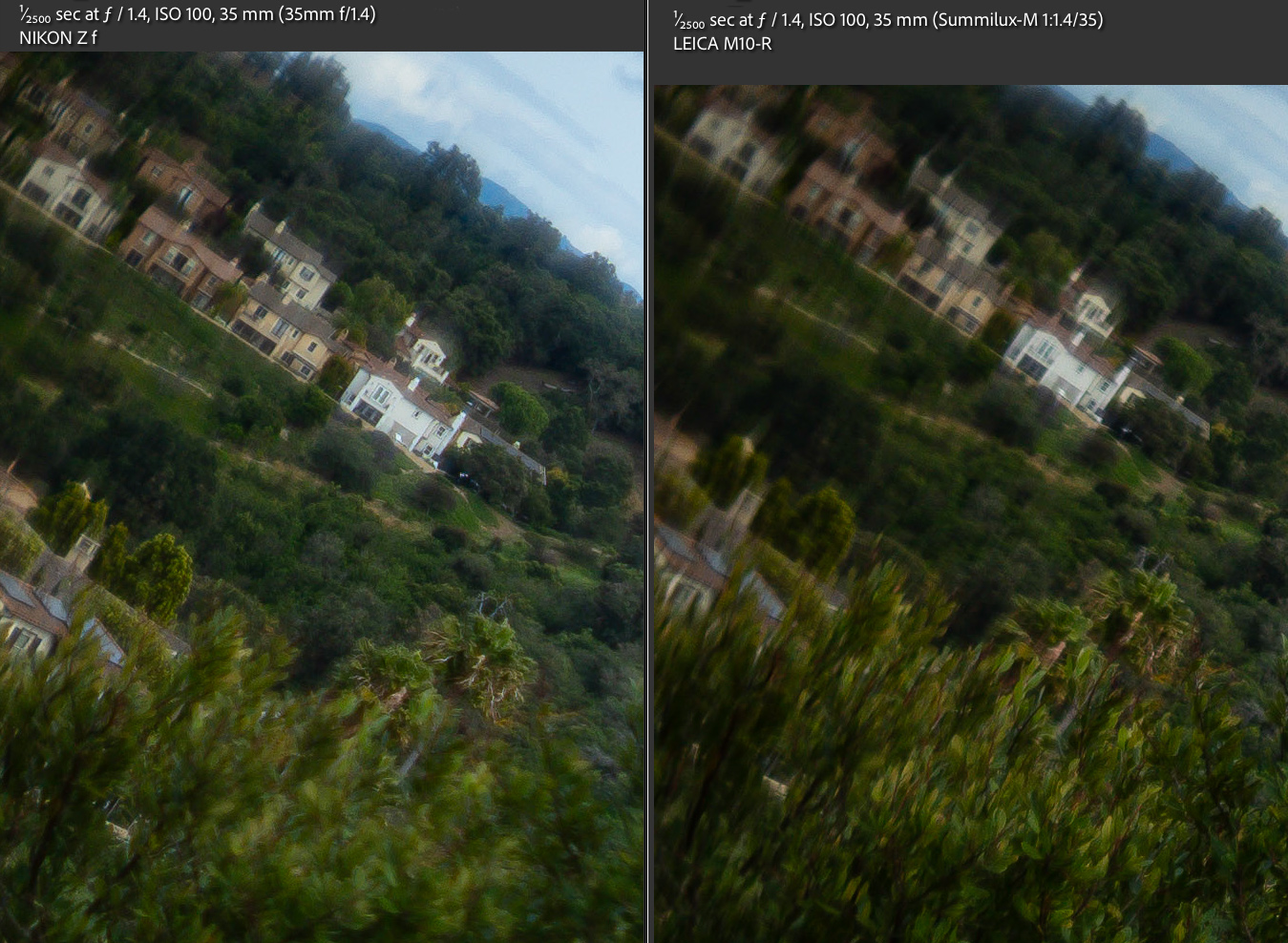
Here's a comparison between the Voigtlander 35mm f/1.4 Nokton Z-mount and the Leica 35mm f/1.4 Summilux pre-ASPH on the Leica M10-R. The M10-R files were resized from 41MP to 24MP to match the field of view. You may noticed that the FC shape is also different.
Extreme Corner at f/1.4: Nikon ZF (left) | Leica (right)
Keith B. wrote: The APO is not great living on the Zf all day walking around the city and I don't need NASA satellite IQ. It's probably fine on a modern grip camera. From what is posted here, it looks like the IQ of this one is fine, in a reasonable size for the Zf.
The Z 35/2 Apo is longish on gripped cameras as well. I'd consider this Z 35/1.4 Nokton when compactness is paramount. I do rather enjoy the NASA satellite IQ of the Z 35/2 Apo, however.
I would say it's not even just about compactness alone. These lenses have very distinct rendering wide open, and choosing one over the other really comes down to personal taste and what you're shooting. Personally, I love both looks.
One leans into that ultra-correct, or as you put it, "NASA satellite" level of correction, while the other gives you a more characterful, slightly more organic look. Neither is objectively better in that sense. It's more about matching the lens to the subject and the mood you want.
The Voigtlander 35mm f/1.4 Nokton Z-mount focuses as close as 0.27 meters, which is slightly closer than the 0.3m limit of the Sony E-mount version. Wide open at minimum focus distance, there is some residual spherical aberration, and without a floating element design, performance is not at its best.
The good news is that stopping down to f/2 or f/2.8 brings a noticeable improvement in both resolution and contrast, even at 0.27m.
One thing to be aware of is focus shift at wider apertures. This isn's an issue if you focus at the same aperture you shoot with. It only becomes noticeable if you focus wide open and then stop down to f/2.8 or f/4 without refocusing.
To better illustrate this, the example crops below compare performance at f/1.4, f/2, f/2.8, and f/4. The final image shows two crops at f/2.8, one focused at f/1.4 and the other at f/2.8, clearly demonstrating the focus shift. This is normal behavior for this optical design and is consistent across all mounts, including the original Leica version.
At 0.27m MFD: LEFT (f/1.4) | Right (f/2)
At 0.27m MFD: LEFT (f/2) | Right (f/2.8)
At 0.27m MFD: LEFT (f/2.8) | Right (f/4)
Two crops at f/2.8: one focused at f/1.4 and the other at f/2.8, clearly demonstrating the focus shift.
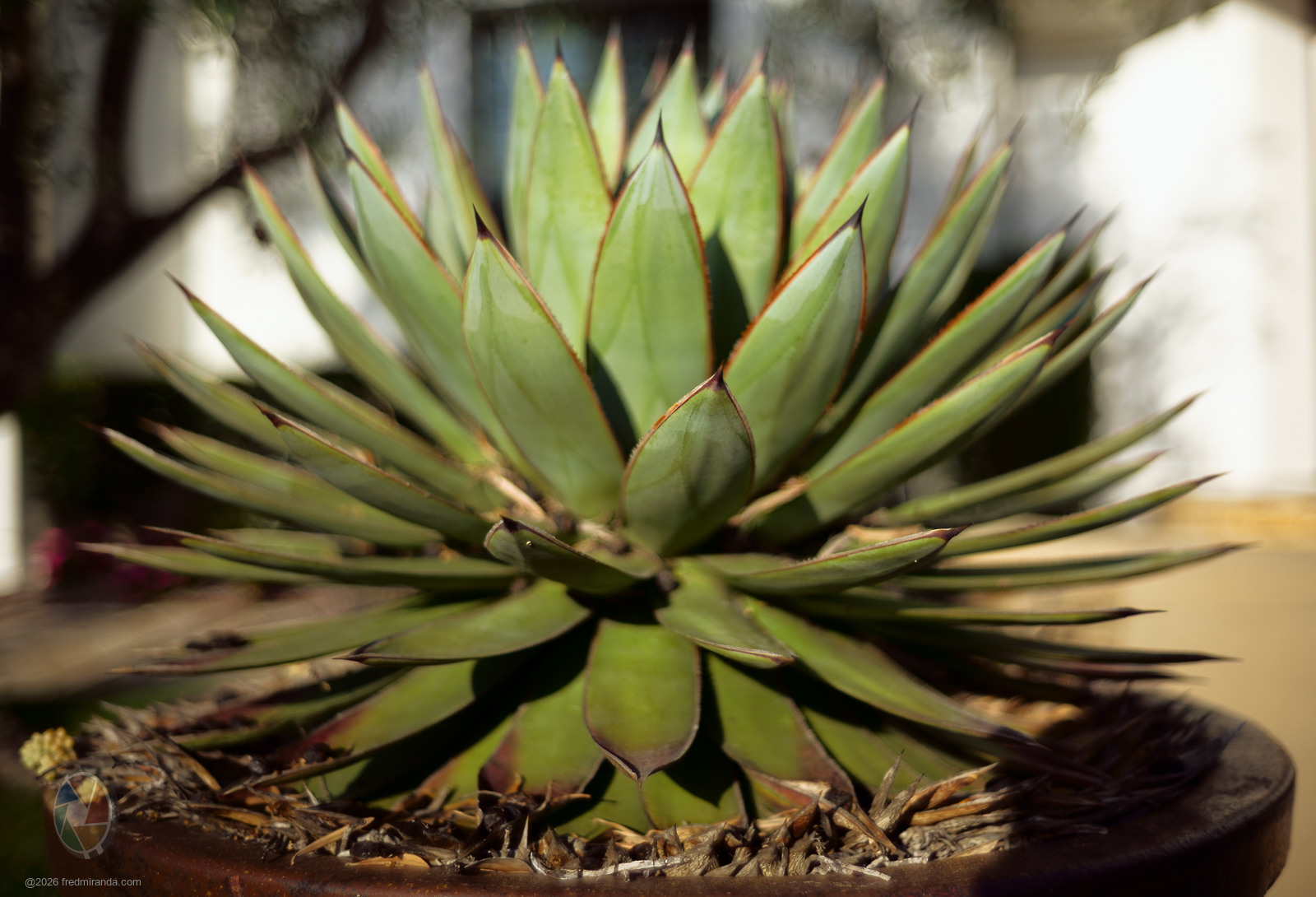
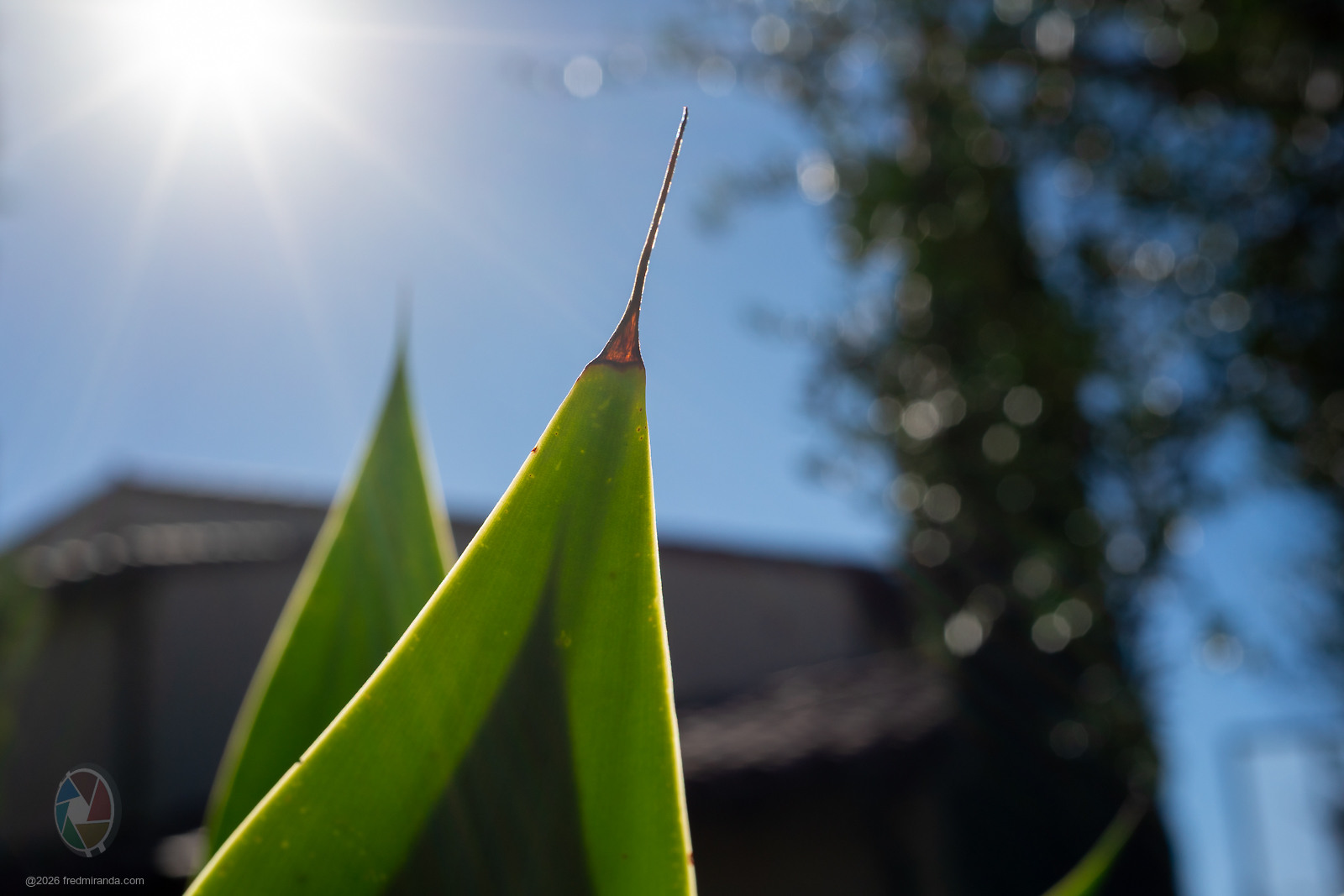
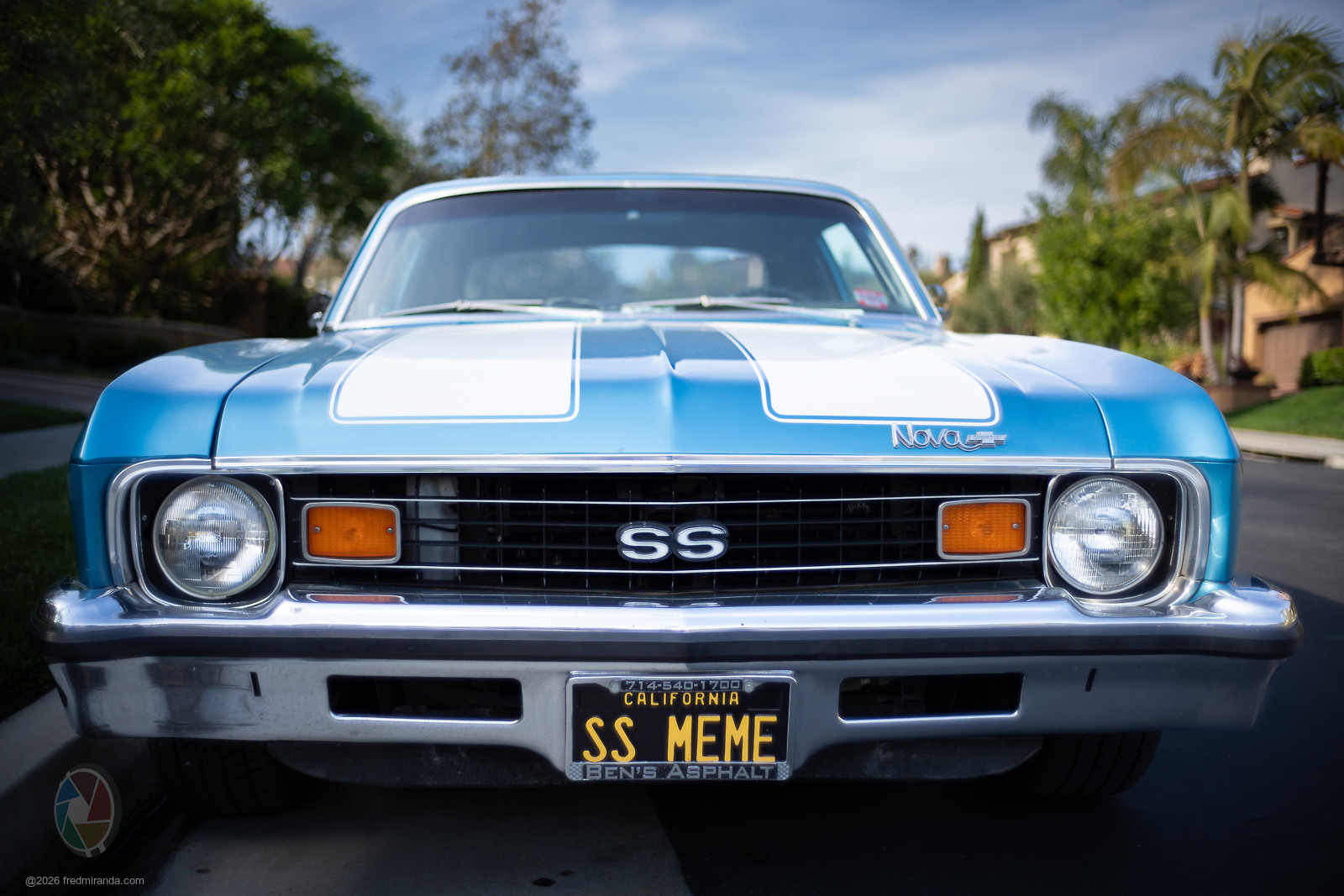
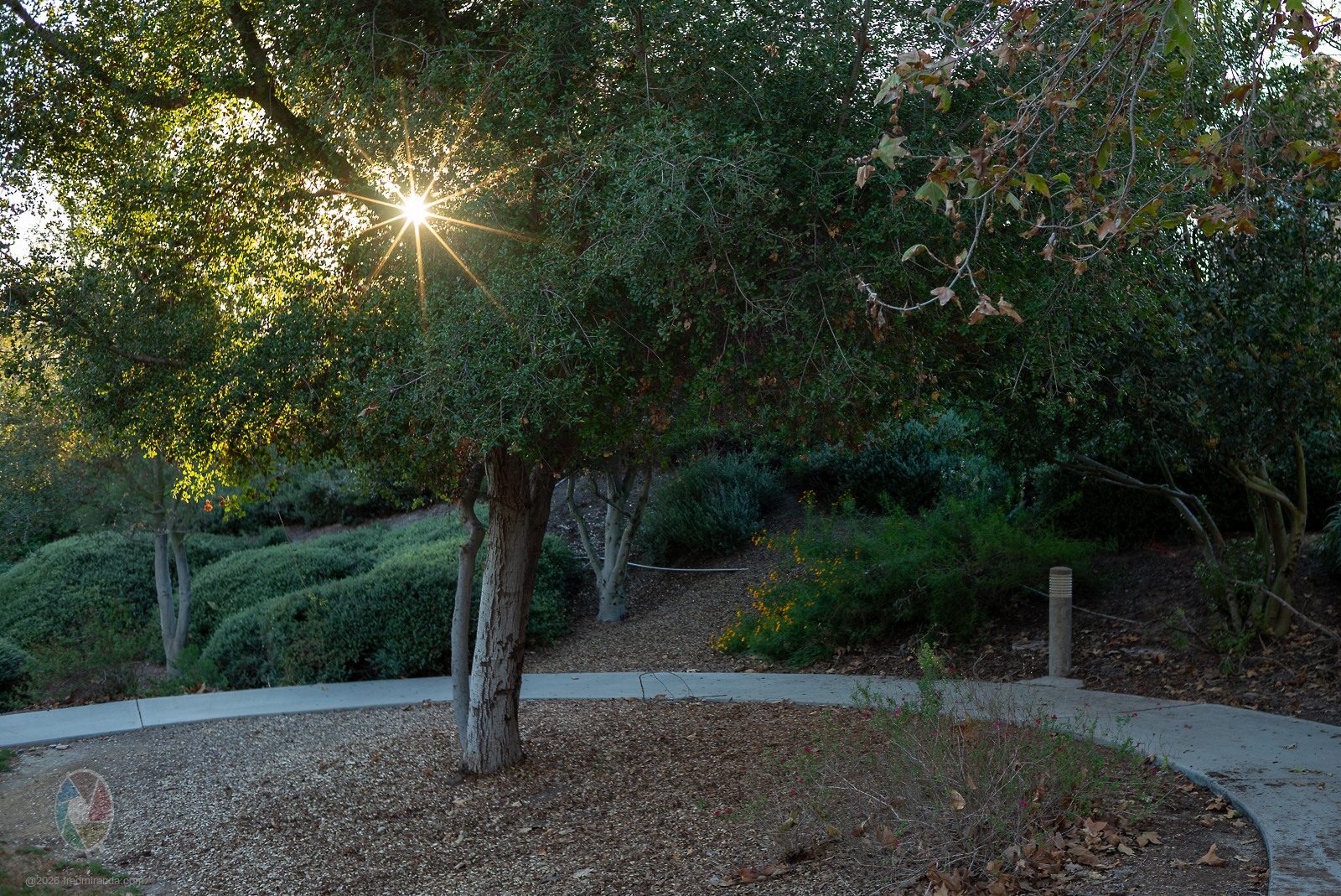
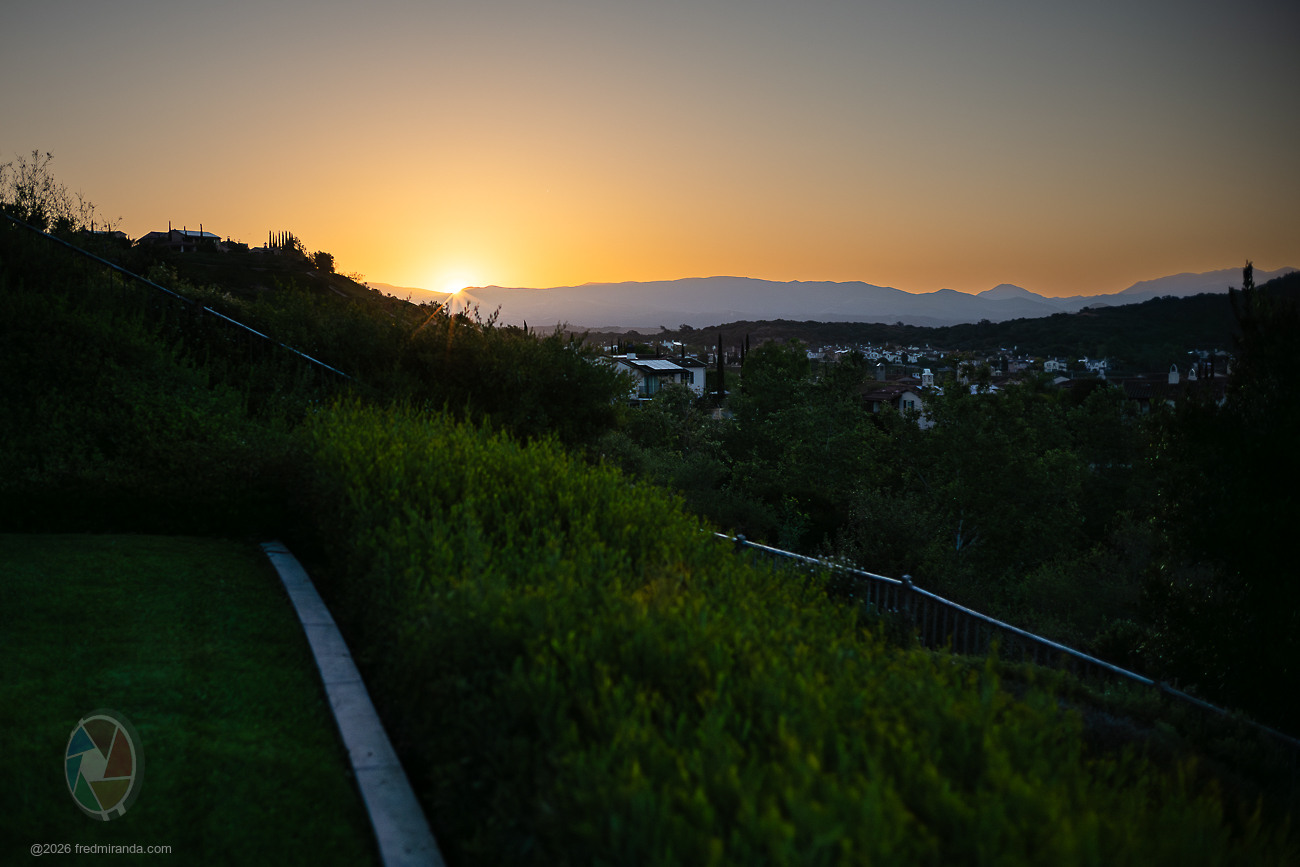
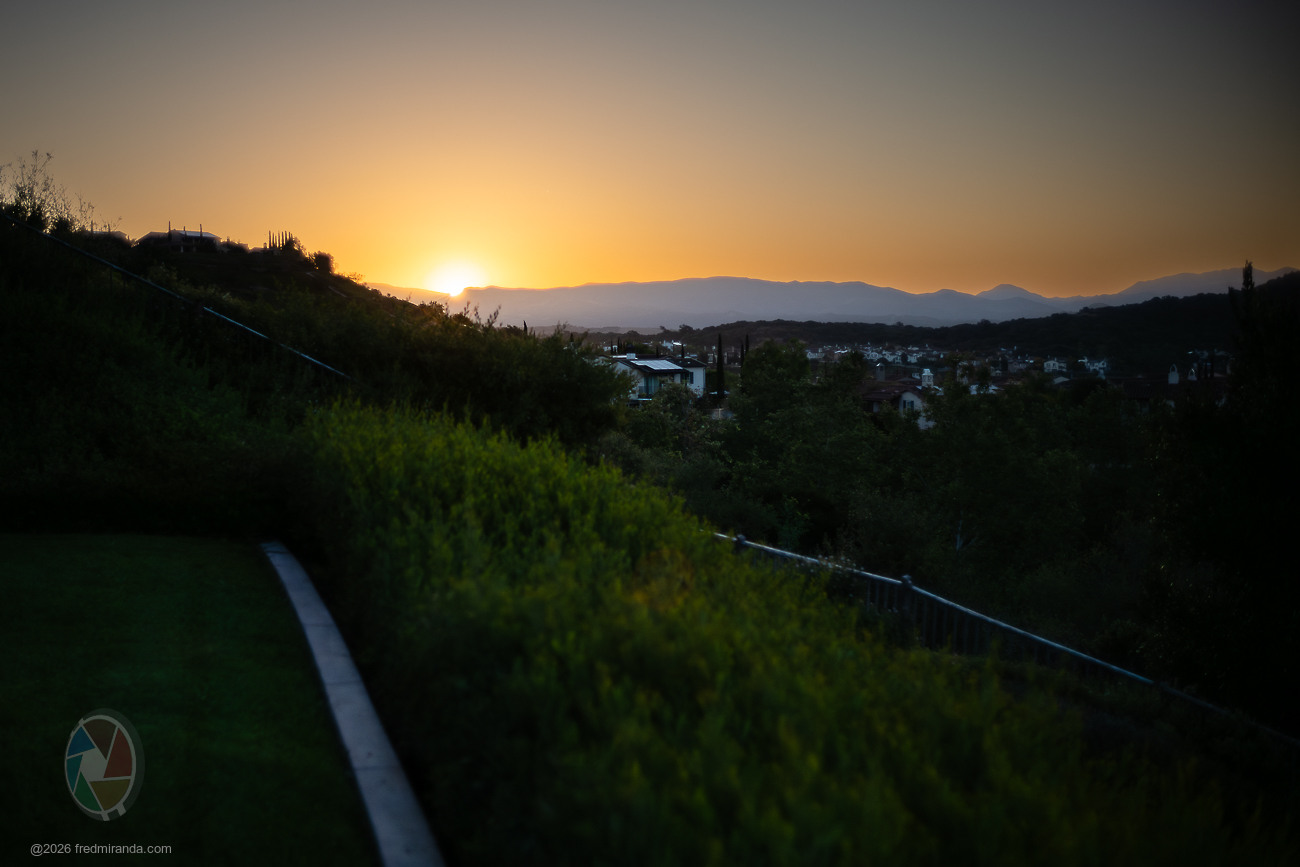
Most of the images were taken wide open at f/1.4, using a range of lighting conditions and subject distances.
Post processing was kept to a minimum, with only light sharpening and slight exposure adjustments. I used Adobe Color or Adobe Standard profiles to better reflect the lens’s natural color rendering.
I've always been impressed with the Voigtlander 35mm f/1.4 Nokton, and as mentioned in the introduction, it pairs very well with the Nikon Zf 24MP sensor.
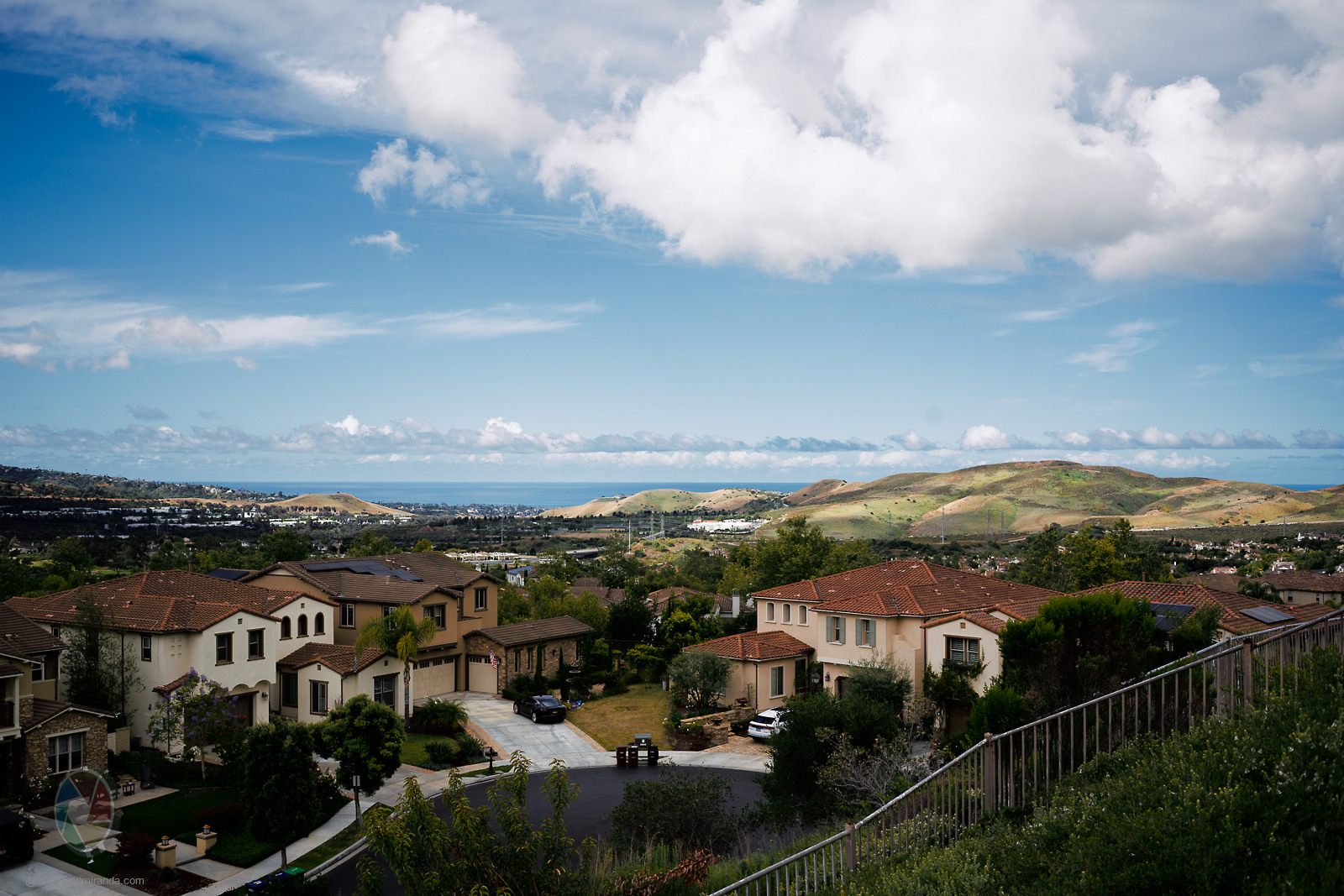
No corrections were applied for distortion, vignetting, or chromatic aberration. A few images were also shot at f/5.6 to show the lens's peak resolution and contrast across the frame.
NIKON Z f35mm f/1.4 lens35mmf/1.41/5000s100 ISO0.0 EV
NIKON Z f35mm f/1.4 lens35mmf/1.41/1600s100 ISO0.0 EV
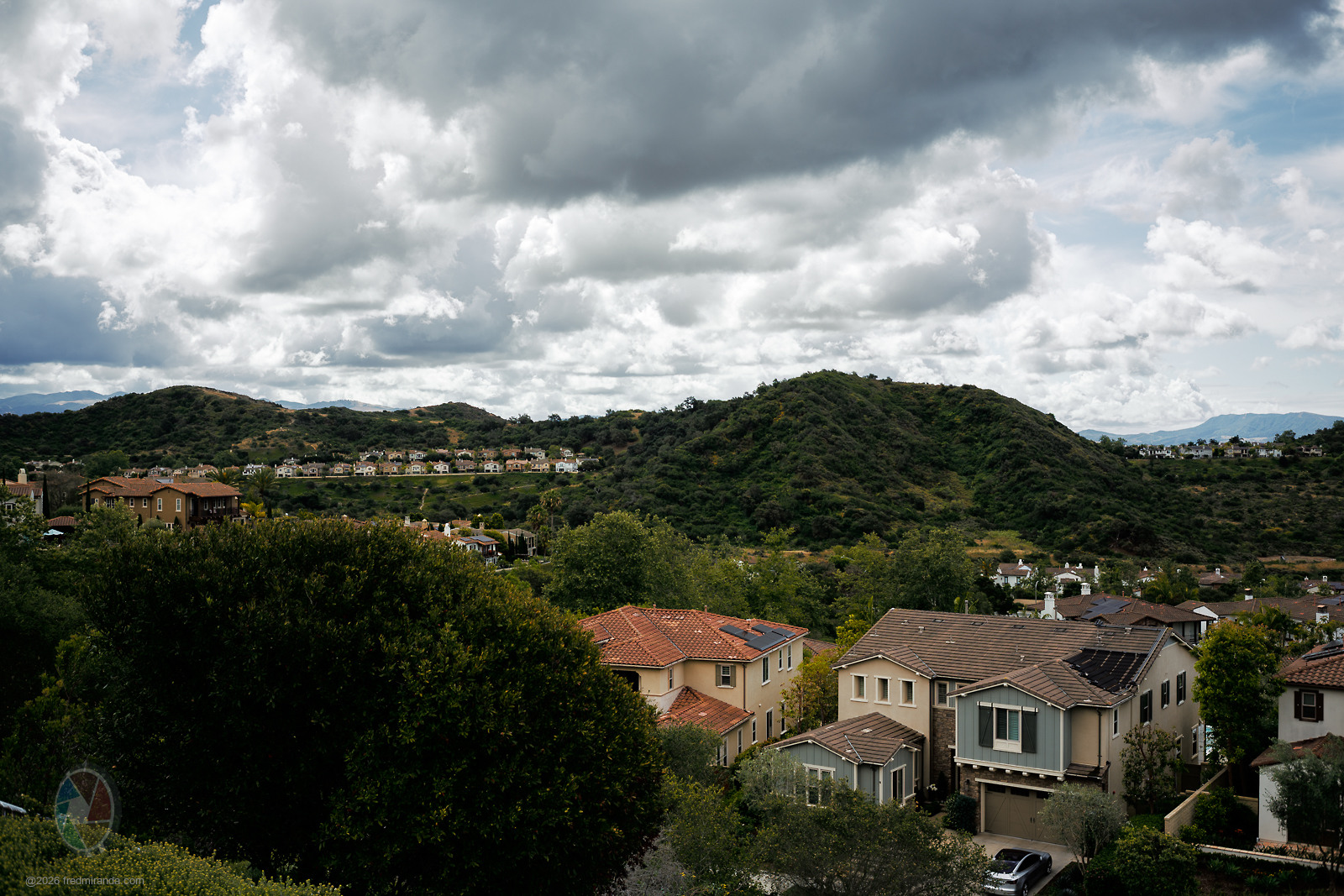
NIKON Z f35mm f/1.4 lens35mmf/5.61/800s100 ISO0.0 EV
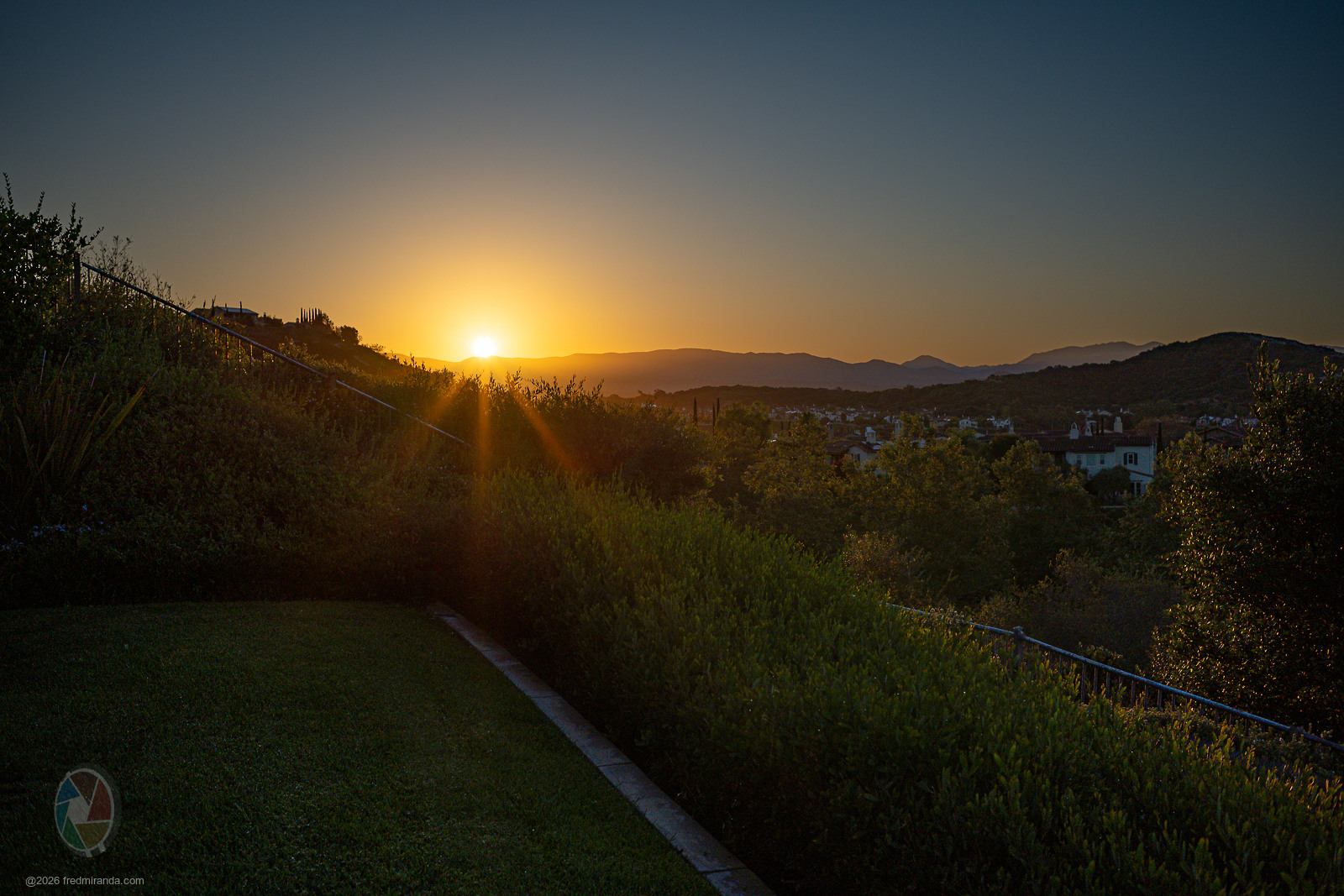
NIKON Z f35mm f/1.4 lens35mmf/7.11/1250s100 ISO+1.0 EV
NIKON Z f35mm f/1.4 lens35mmf/1.41/2000s100 ISO+0.3 EV
NIKON Z f35mm f/1.4 lens35mmf/2.81/80s100 ISO+1.7 EV
NIKON Z f35mm f/1.4 lens35mmf/5.61/400s100 ISO0.0 EV
phinix wrote:
Looking good.
I wonder what price will it come up with? Would be great if it was close to 40/2 Septon.
In Japan Septon 40/2 and 35/1.4 Nokton classic for E-mount have the same official price (85K yen before tax) but the street prices of 35/1.4 are slightly cheaper at around 67K yen (including tax) vs. around 75K yen for Septon, since 35/1.4 (E) has already been available for 8+ years and prices have dropped a little over time. The E-mount version of 35/1.4 has been selling relatively well through the years and it's been positioned as a kind of reasonably priced entry point lens among CV's E-mount lineup. There was no close competition (40/1.2 has been significantly more expensive and the original version that remains in production is quite a bit bigger & heavier, and 35/1.2 and 40/1.2 SE got discontinued) until Septon arrived.
Although there is a chance of a little price increase compared to E-mount version's original price with the new 35/1.4 Z and RF versions due to inflation etc. I would guess that the price would still be very close to Septon in all markets.
RoamingScott wrote:
lol, the SEPTON is the chipped Z Ultron (kinda, but not really) in way more ways than...this...thing.
Considered Septon but with the 35 announced at the same time, been awaiting Fred's review. I want the smallest lenses that are good stopped down and most are today. Rendering is important, but not chasing absolute MTF or bokeh.
I love all the hate people feel they need to express when this lens gets talked about. I've taken some of my favorite images with the M-mount version of this lens, and am looking very forward to getting this for my Zf. Thanks for the review!
taildraggin wrote:
I want the smallest lenses that are good stopped down and most are today. Rendering is important, but not chasing absolute MTF or bokeh.
I think many photographers fall into this category.
Juha Kannisto wrote:
In Japan Septon 40/2 and 35/1.4 Nokton classic for E-mount have the same official price (85K yen before tax) but the street prices of 35/1.4 are slightly cheaper at around 67K yen (including tax) vs. around 75K yen for Septon, since 35/1.4 (E) has already been available for 8+ years and prices have dropped a little over time. The E-mount version of 35/1.4 has been selling relatively well through the years and it's been positioned as a kind of reasonably priced entry point lens among CV's E-mount lineup. There was no close competition (40/1.2 has been significantly more expensive and the original version that remains in production is quite a bit bigger & heavier, and 35/1.2 and 40/1.2 SE got discontinued) until Septon arrived.
Although there is a chance of a little price increase compared to E-mount version's original price with the new 35/1.4 Z and RF versions due to inflation etc. I would guess that the price would still be very close to Septon in all markets....Show more →
Sounds good, Juha
My daughter is going to Japan in July, I hope Cosina will release it by then, so she could buy it for me.
Planning to get it at Bic Camera - would you suggest different shop for better price, or is that one ok?
I'm happy that as a tourist, she won't pay extra tax, but on the other hand, its weird that local Japanese peeps need to pay it.
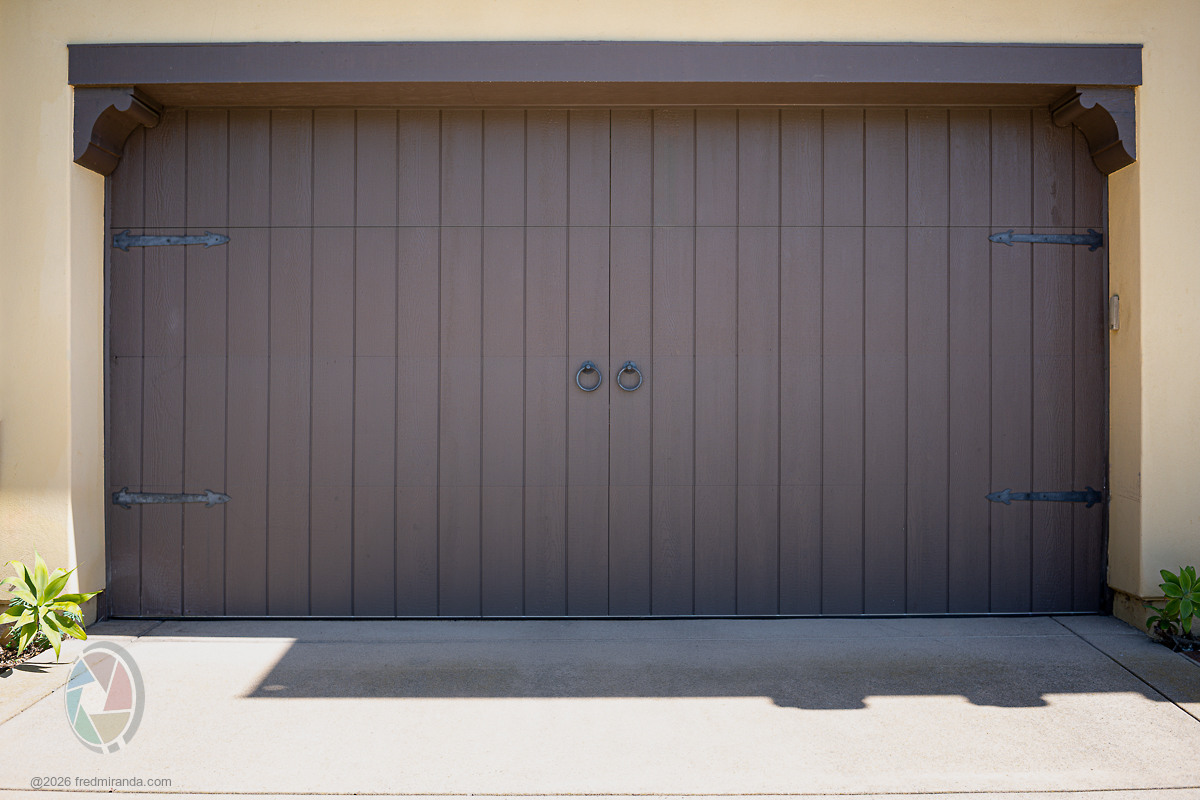
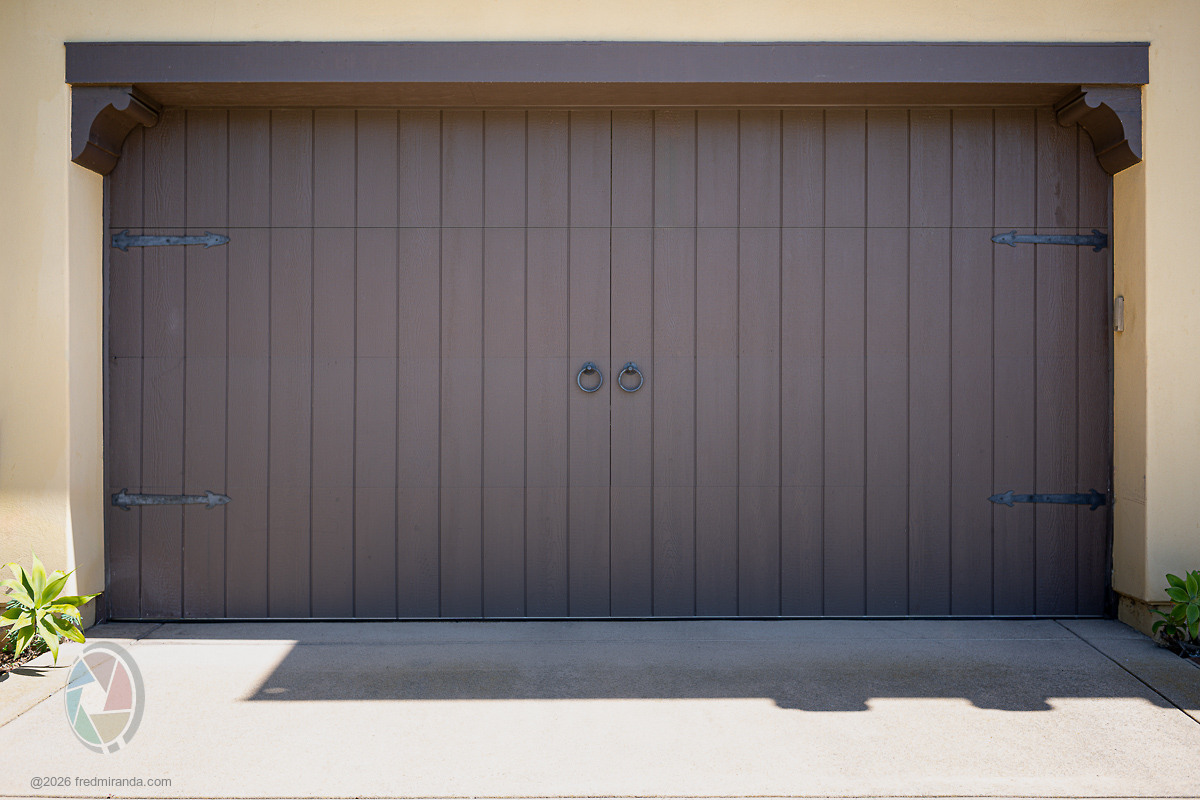
Just like I saw with the Voigtlander 35mm f/1.4 Nokton VM and the E-mount version, I went into this expecting a bit of barrel distortion from the Z-mount. Sure enough, testing today confirmed it's there, although it's on the mild side and nothing out of the ordinary for a fast 35mm.
In real world use, it shows up mostly in straight architectural lines near the edges of the frame, with a slight outward bowing. It's not something that jumps out in most scenes, especially for general shooting, but if you're photographing buildings or anything with clean geometry, you may notice it.
The good news is it's very easy to deal with since it's simply barrel. In Lightroom, a quick +3 distortion adjustment cleans it up nicely with no noticeable hit to image quality.
Below are examples showing the uncorrected image, followed by the corrected version using a +3 distortion adjustment in Lightroom.
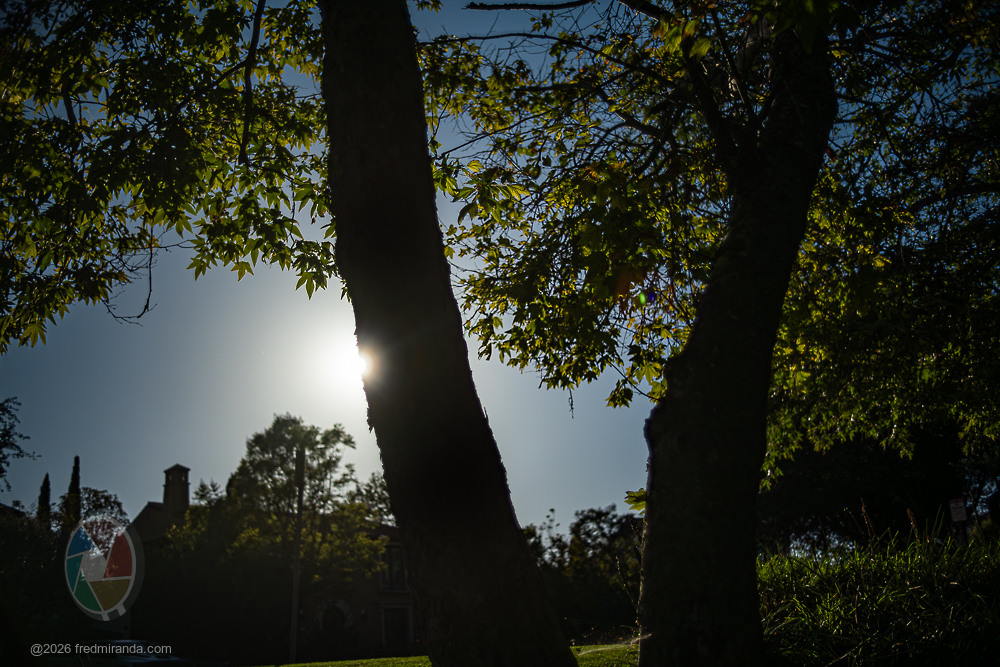
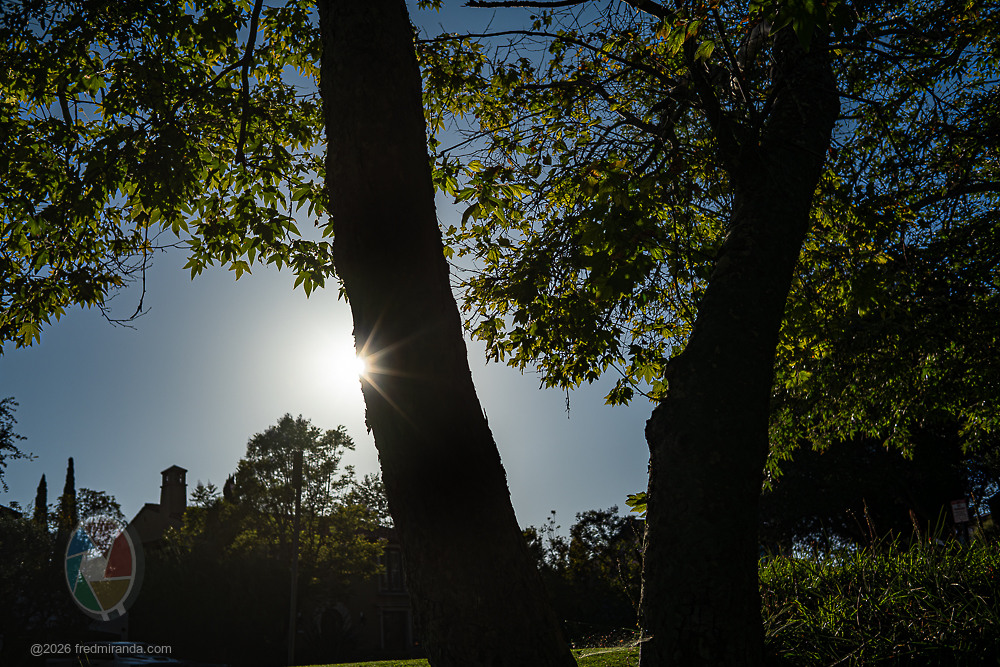
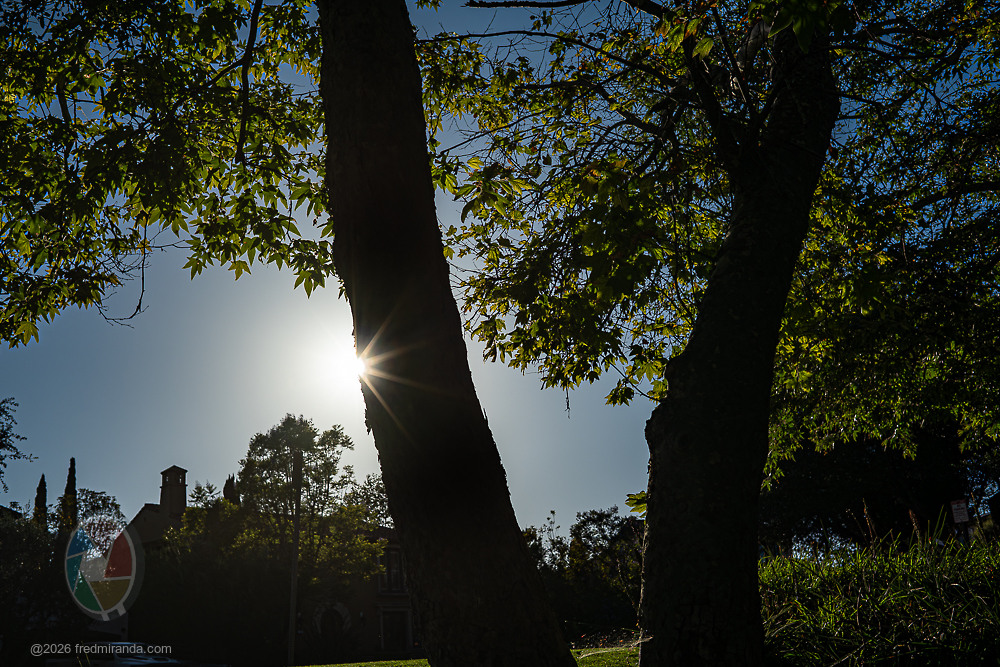
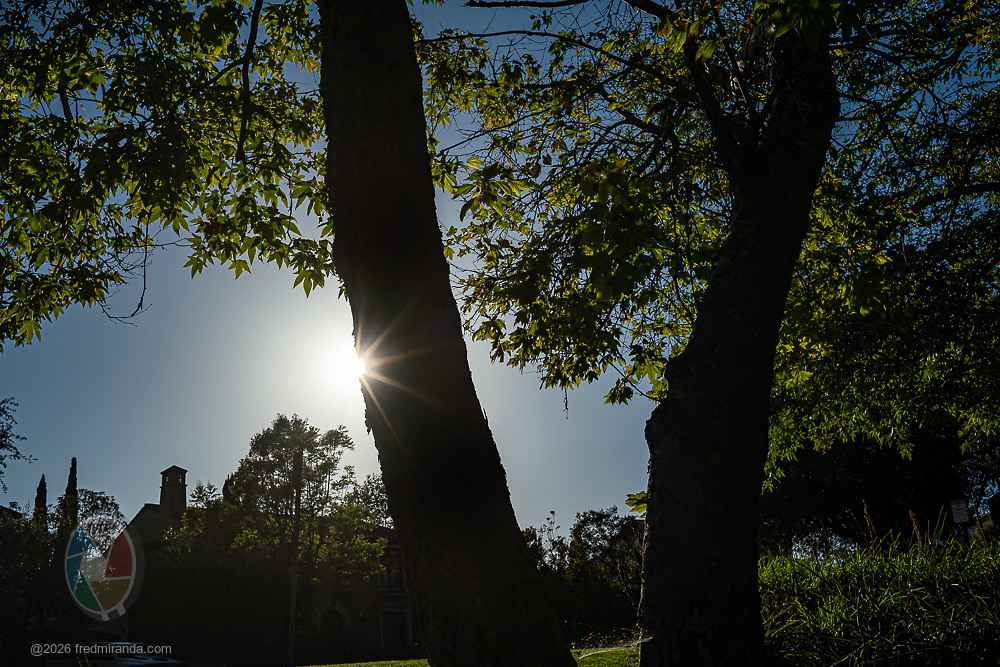
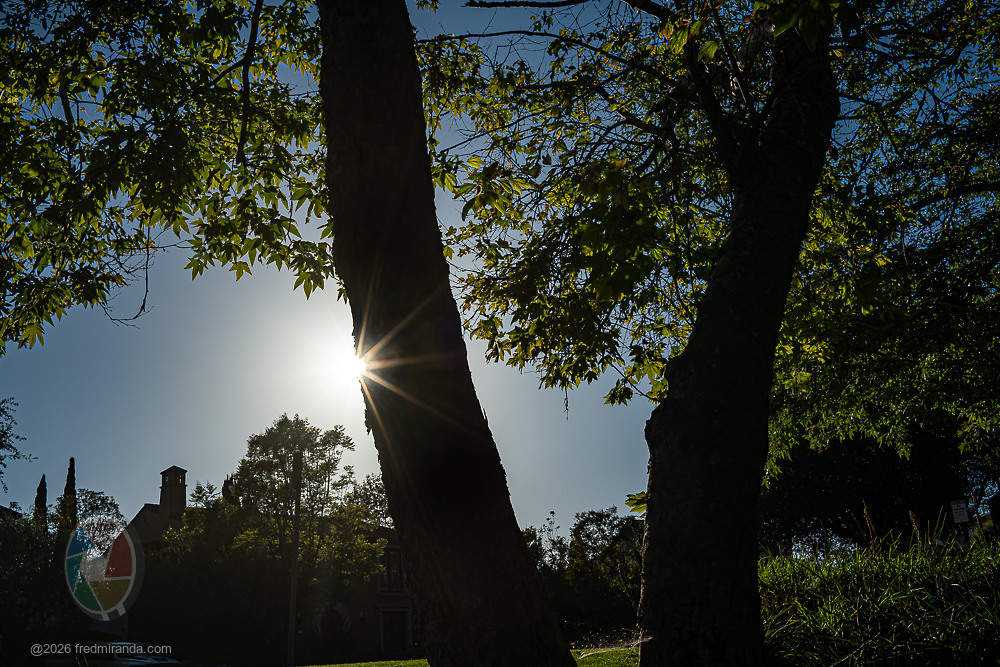
For those who appreciate well-defined sunstars, the Voigtlander 35mm f/1.4 Nokton really stands out. Like most Cosina designs, it uses straight aperture blades and benefits from very tight manufacturing tolerances. The result is a clean, highly defined sunstar pattern with evenly spaced rays.
The aperture maintains a very consistent decagon shape through most of the aperture range, which helps produce attractive sunstars surprisingly early. You can already see nicely defined stars at f/2, but they become much stronger by f/2.8 and look their best from f/4 onward. At f/1.4, the blades are fully open so the sunstars appear soft and undefined. At the opposite extreme, f/16 produces a more chaotic and less pleasing pattern due to diffraction and the tiny aperture opening.
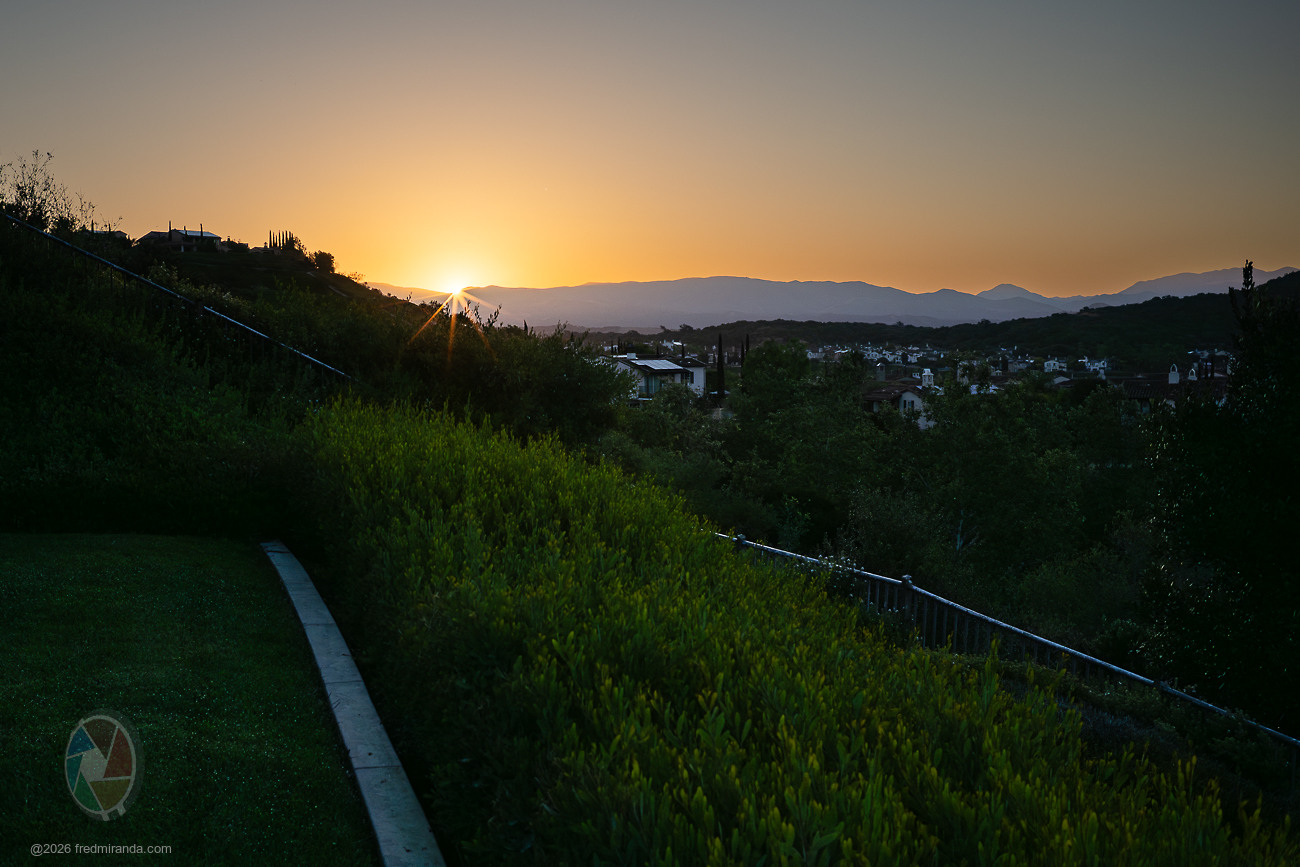
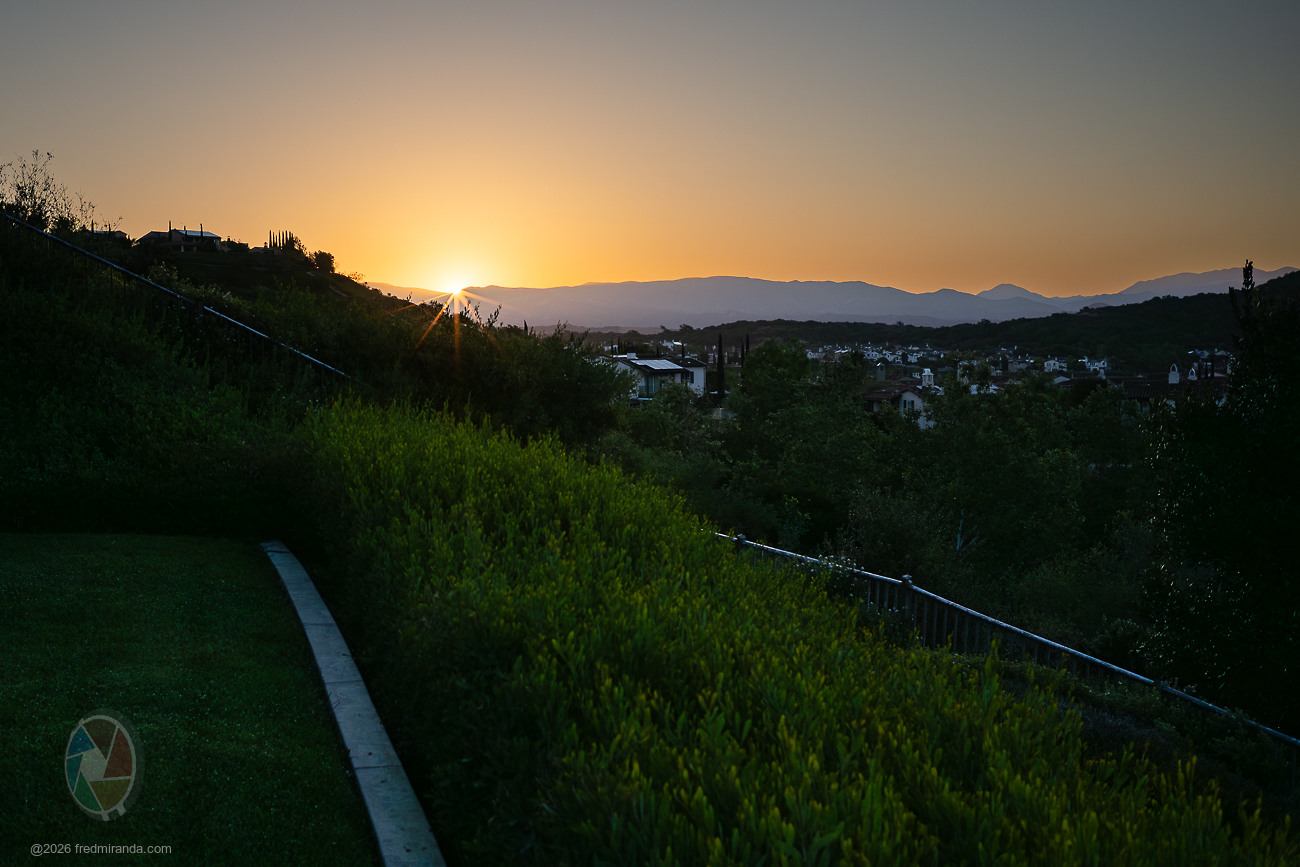
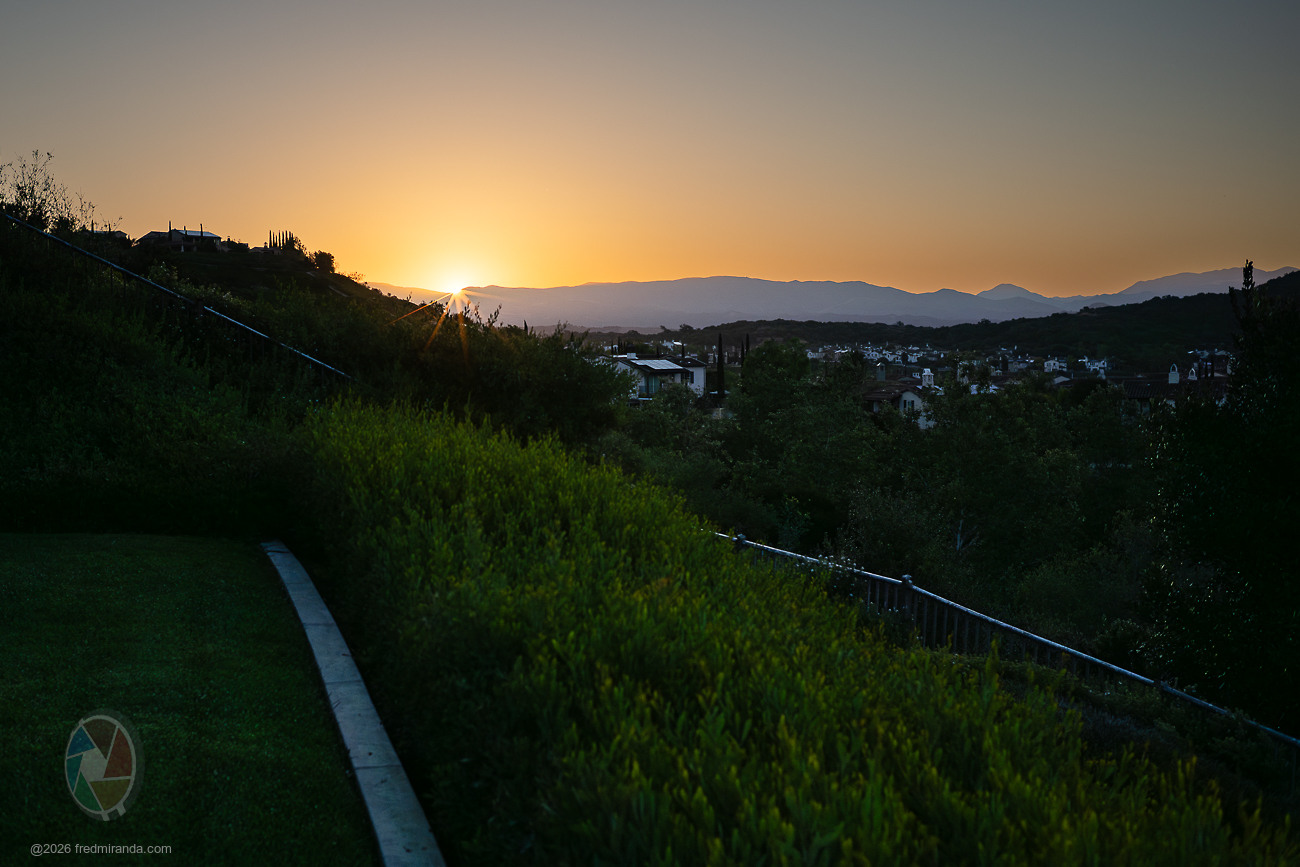
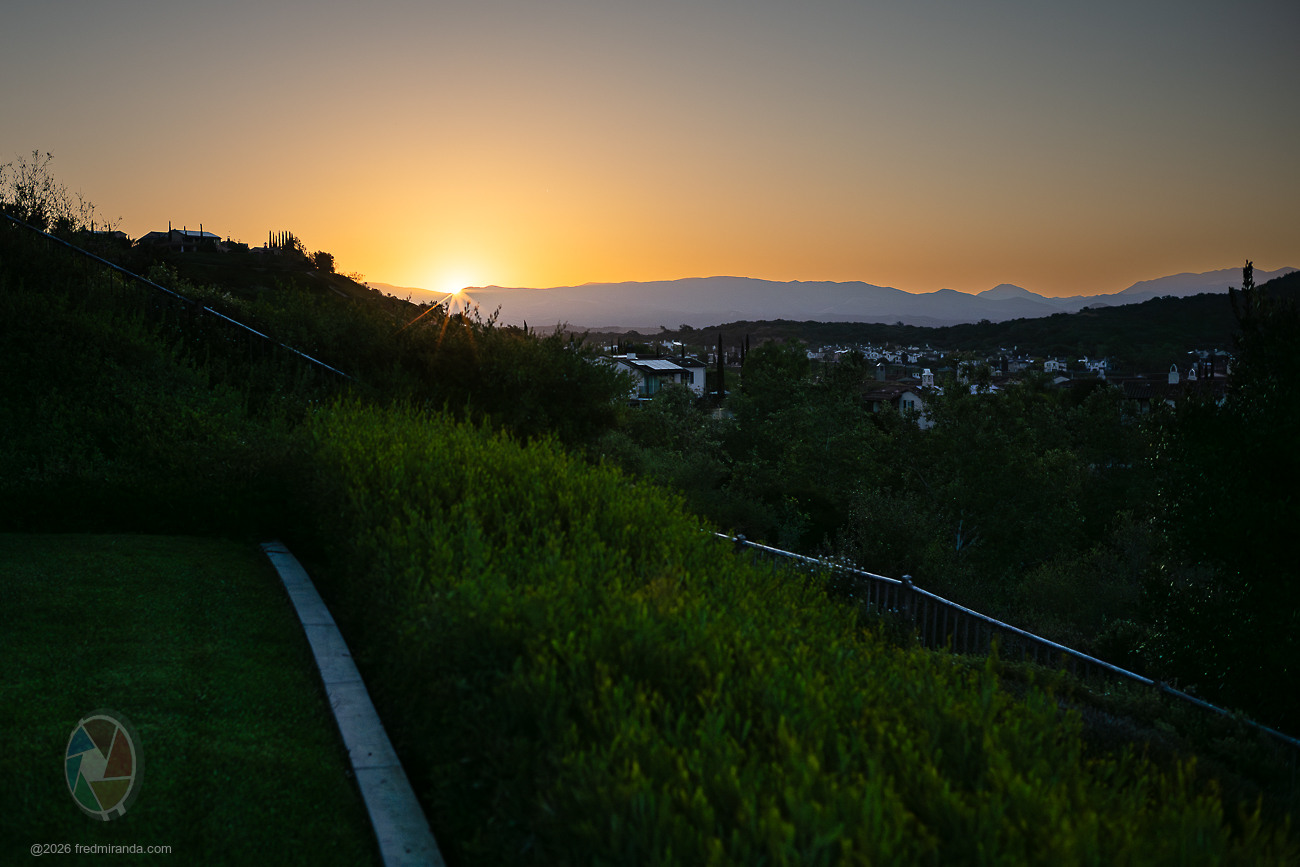
Below is a series of images showing the sunstar rendering from f/1.4 through f/16 in full stop increments. With its 10 straight blades, the lens produces clean and symmetrical 10-point sunstars.
Flare resistance is also quite good overall. In my tests, the lens coatings provided good resistance to ghosting, although at f/1.4 there is a visible ring flare that appears to be characteristic of this optical design. I see the same behavior on both the VM version and the original Leica M version.
These samples also reveal the natural vignetting behavior throughout the aperture range since no correction was applied. Vignetting is quite strong at the larger apertures, especially wide open, but improves steadily as the lens is stopped down.
NIKON Z f35mm f/1.4 lens35mmf/16.01/200s100 ISO-1.3 EV
NIKON Z f35mm f/1.4 lens35mmf/11.01/400s100 ISO-1.3 EV
F/2.8
NIKON Z f35mm f/1.4 lens35mmf/8.01/800s100 ISO-1.3 EV
NIKON Z f35mm f/1.4 lens35mmf/5.61/1600s100 ISO-1.3 EV
NIKON Z f35mm f/1.4 lens35mmf/4.01/3200s100 ISO-1.3 EV
NIKON Z f35mm f/1.4 lens35mmf/2.81/6400s100 ISO-1.3 EV
NIKON Z f35mm f/1.4 lens35mmf/2.01/8000s100 ISO-1.3 EV
NIKON Z f35mm f/1.4 lens35mmf/1.41/8000s100 ISO-1.3 EV
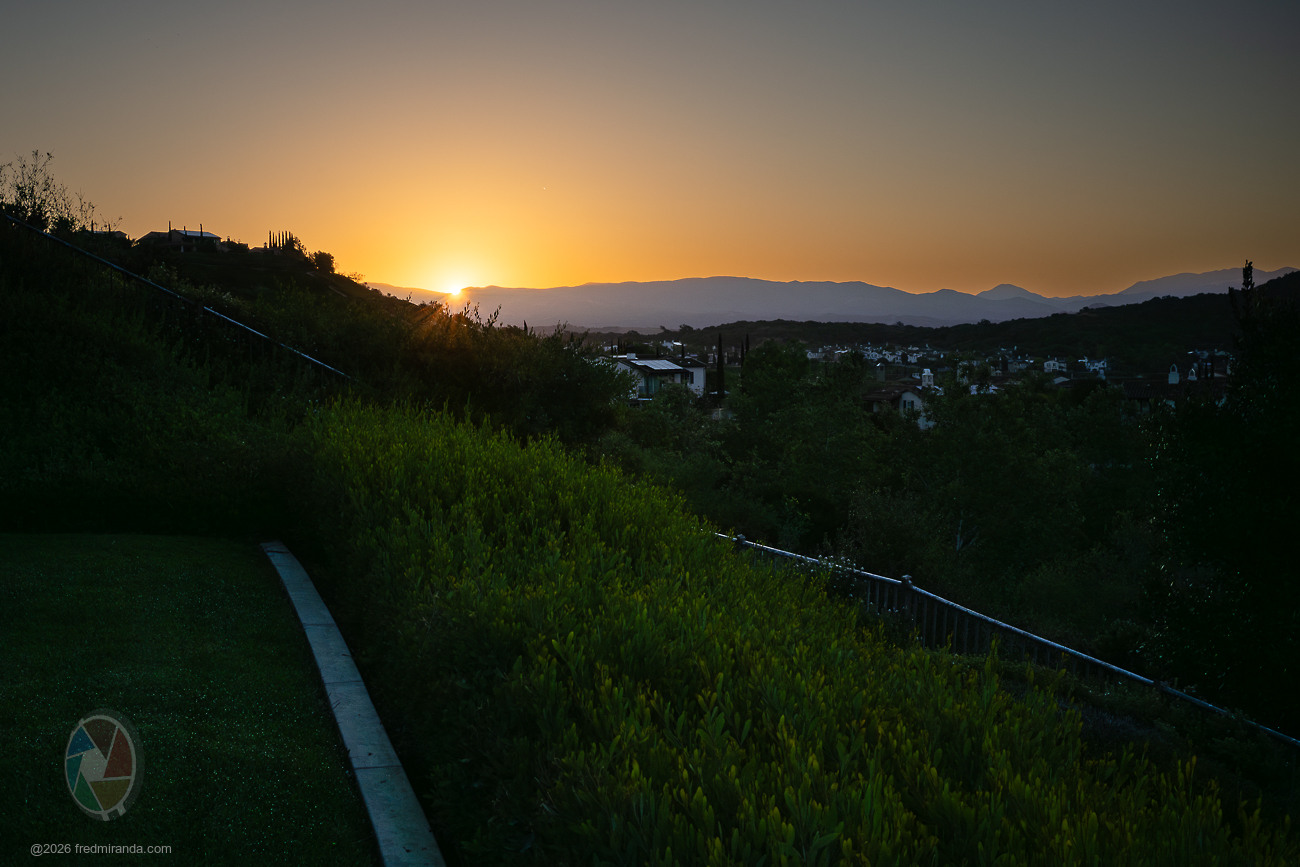
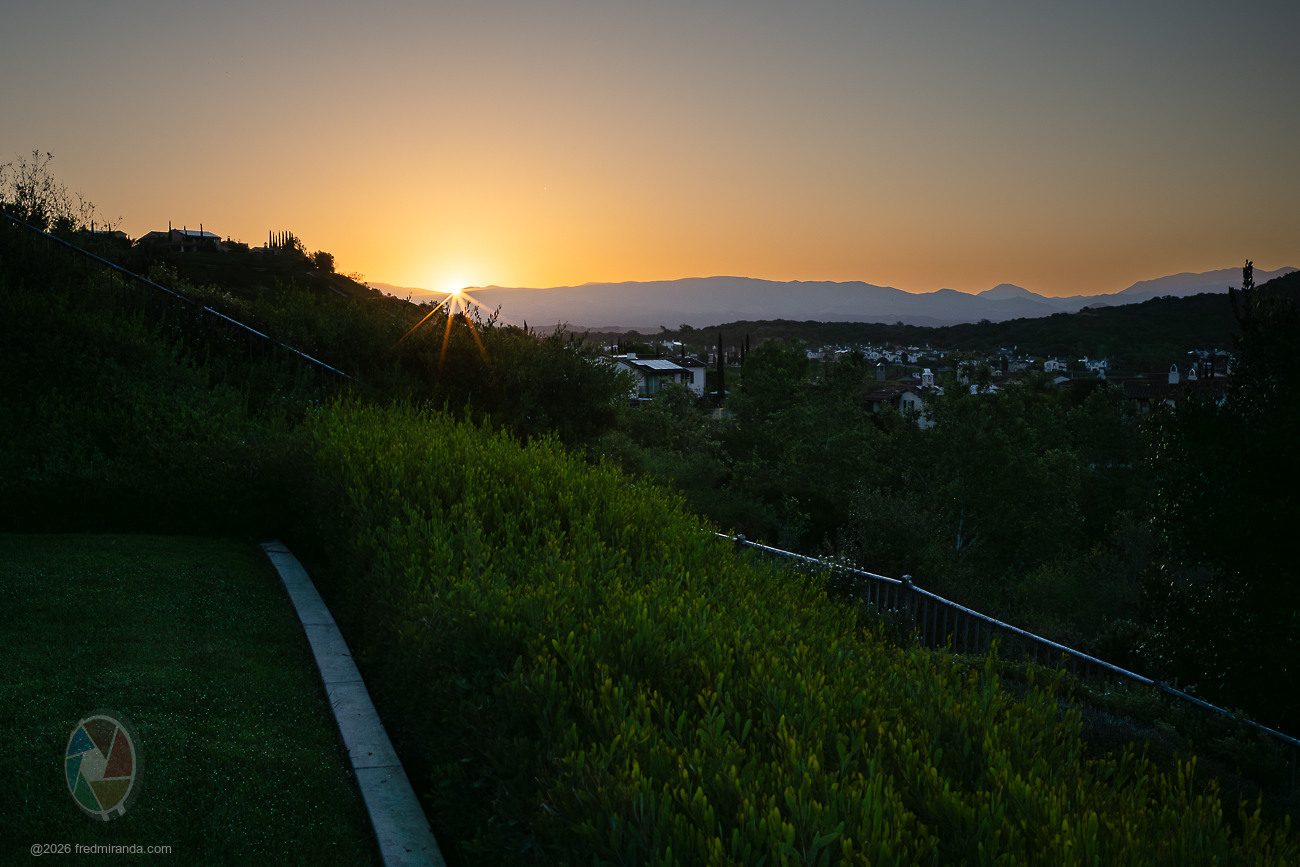
I also tested the sunstar rendering in a different scene to see how the lens behaves under more realistic lighting conditions.
Below are several samples captured wide open, and then at f/4, f/5.6, f/8, and f/11 (optimal apertures). This sequence gives a good idea of how the sunstars gradually develop as the lens is stopped down, becoming cleaner, more defined, and increasingly dramatic at the mid apertures.
NIKON Z f35mm f/1.4 lens35mmf/1.41/8000s100 ISO-1.0 EV
NIKON Z f35mm f/1.4 lens35mmf/4.01/1250s100 ISO-1.0 EV
NIKON Z f35mm f/1.4 lens35mmf/5.61/640s100 ISO-1.0 EV
NIKON Z f35mm f/1.4 lens35mmf/8.01/320s100 ISO-1.0 EV
NIKON Z f35mm f/1.4 lens35mmf/11.01/160s100 ISO-1.0 EV
phinix wrote:
Sounds good, Juha
My daughter is going to Japan in July, I hope Cosina will release it by then, so she could buy it for me.
Planning to get it at Bic Camera - would you suggest different shop for better price, or is that one ok?
I'm happy that as a tourist, she won't pay extra tax, but on the other hand, its weird that local Japanese peeps need to pay it.
Bic Camera and Yodobashi Camera will have 10% higher price (instead with 10% store point allocation to customers who have their bonus points card) than Map Camera, Fujiya Camera, Ogikubo Sakuraya, Kitamura etc. There might be some room there to negotiate the price to same level if one doesn't have the bonus card though. I would recommend Map Camera, Fujiya Camera and Ogikubo Sakuraya as having lower cost without needing to negotiate and best stock levels of Voigtländer lenses though. Kitamura should also be fine but I haven't personally bought from them. All of these stores will have Tax Free option for visitors.
Since the release month / date has not been published yet, the best chance to find it in July would be if Cosina announces it for June release (if they have a June release, it would most likely be announced on 5/15). Most of the time they release new lenses close to the end of each month so if it becomes a July release, it might come out relatively late in July.
So, if one would only have one lens for a Sony A7cR, would it be the 35 Nokton or the 40 Septon?
I don't think there's a definitive answer based on what I have seen, so people might pick one based on size, or liking 35 over 40, or the 1.4 maximum aperture, or...
What does it matter what others think? They render COMPLETELY differently so you’d get the one you like better.
asekcsc5 wrote:
So, if one would only have one lens for a Sony A7cR, would it be the 35 Nokton or the 40 Septon?
I don't think there's a definitive answer based on what I have seen, so people might pick one based on size, or liking 35 over 40, or the 1.4 maximum aperture, or...