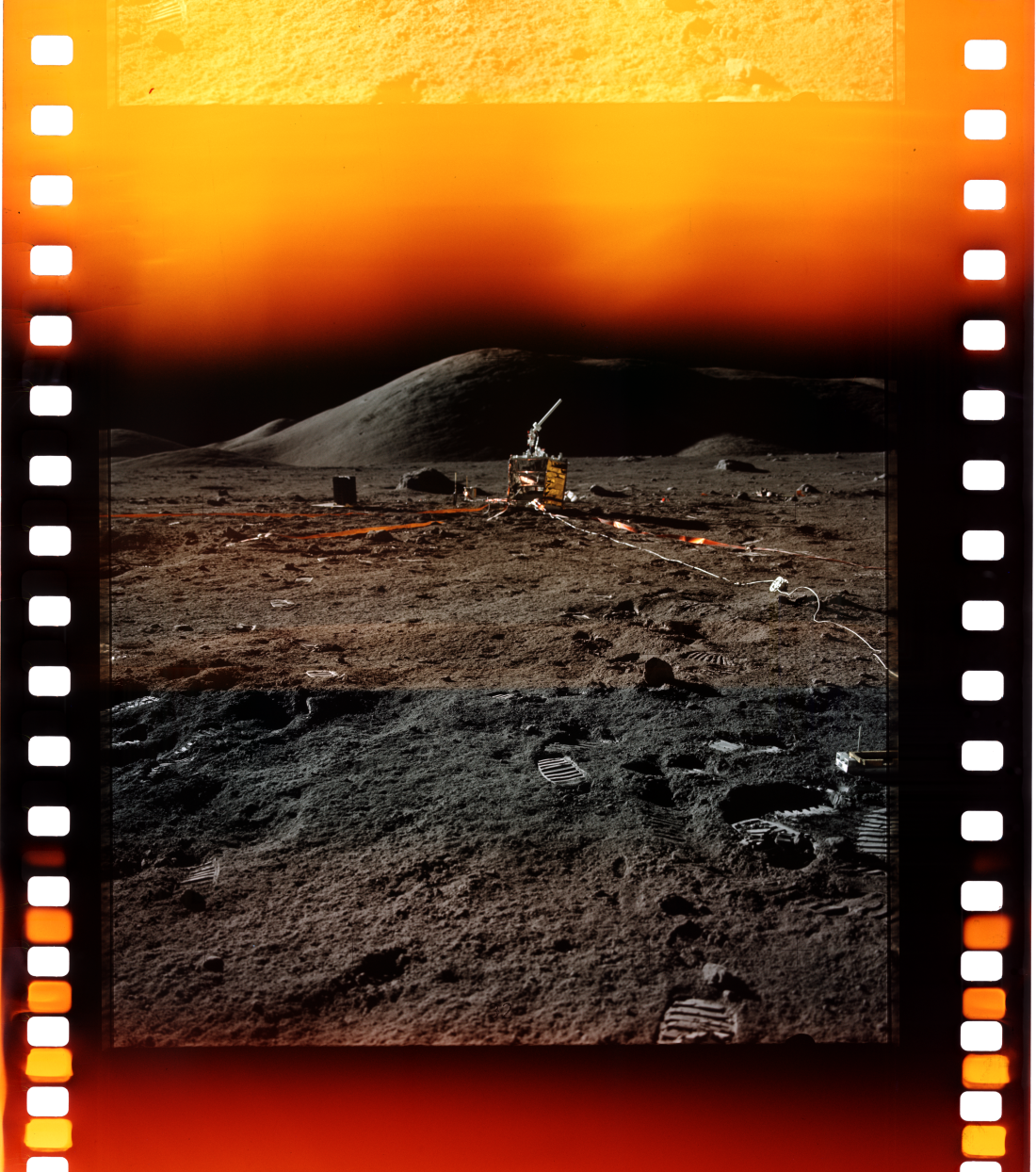
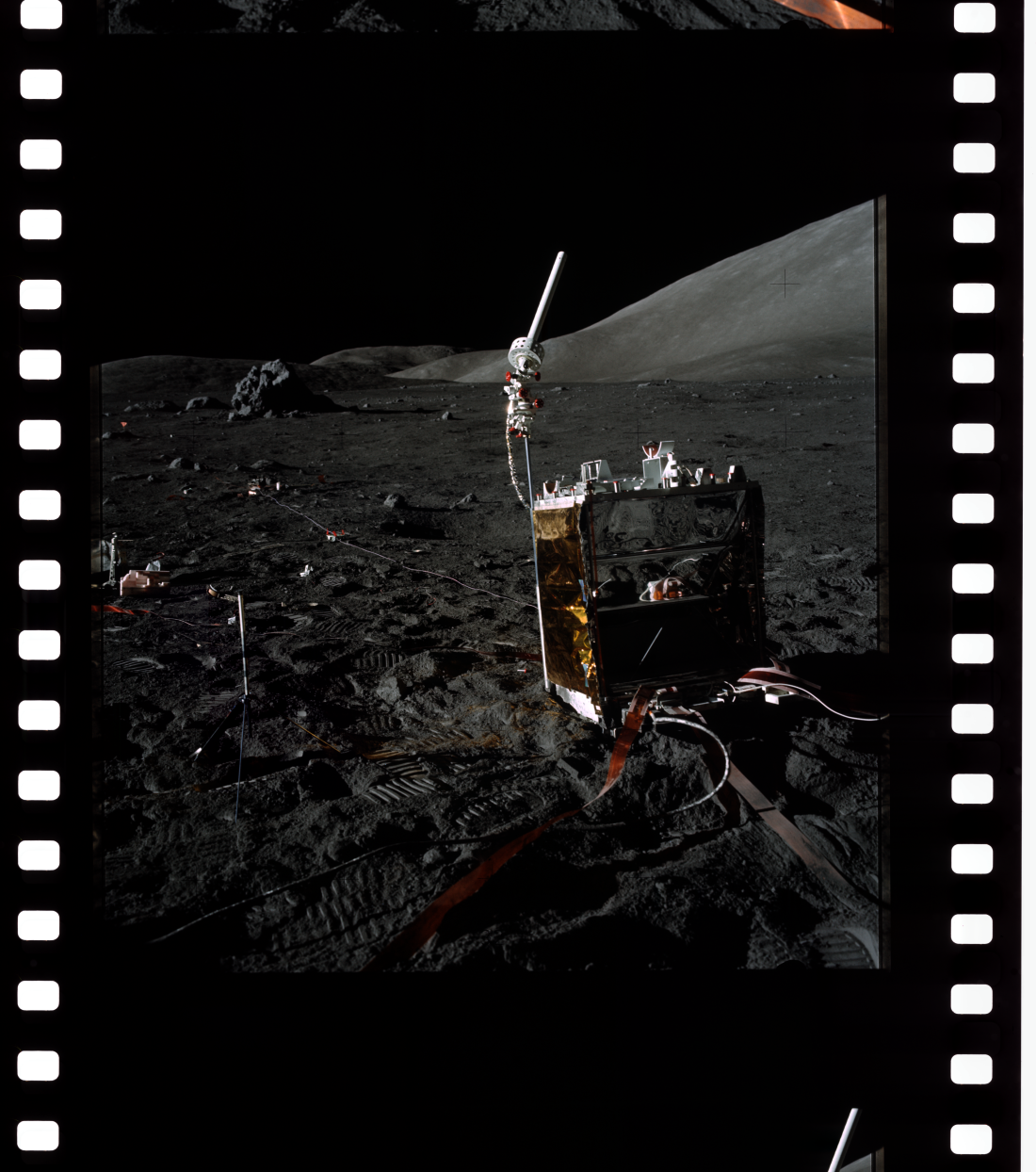
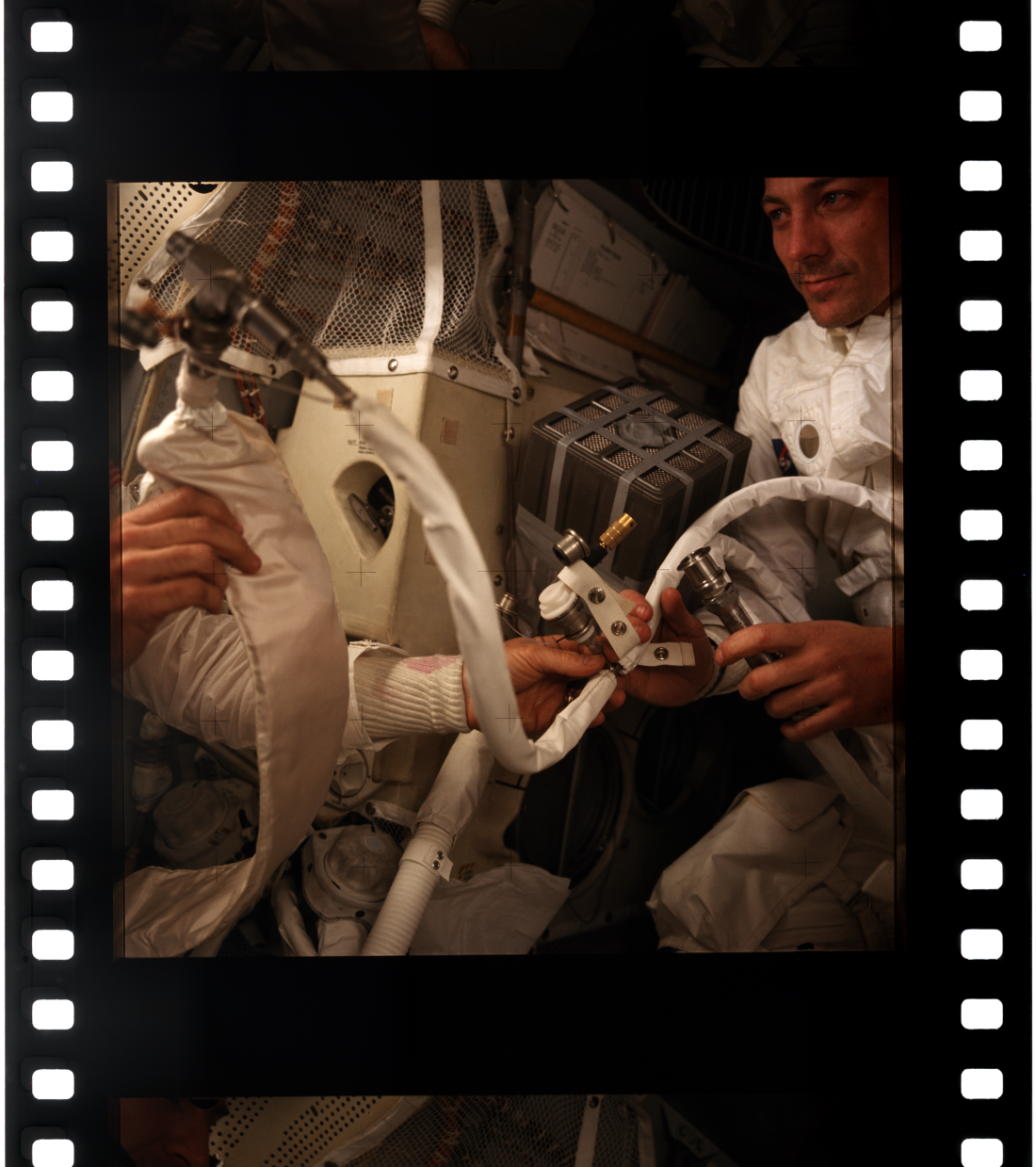
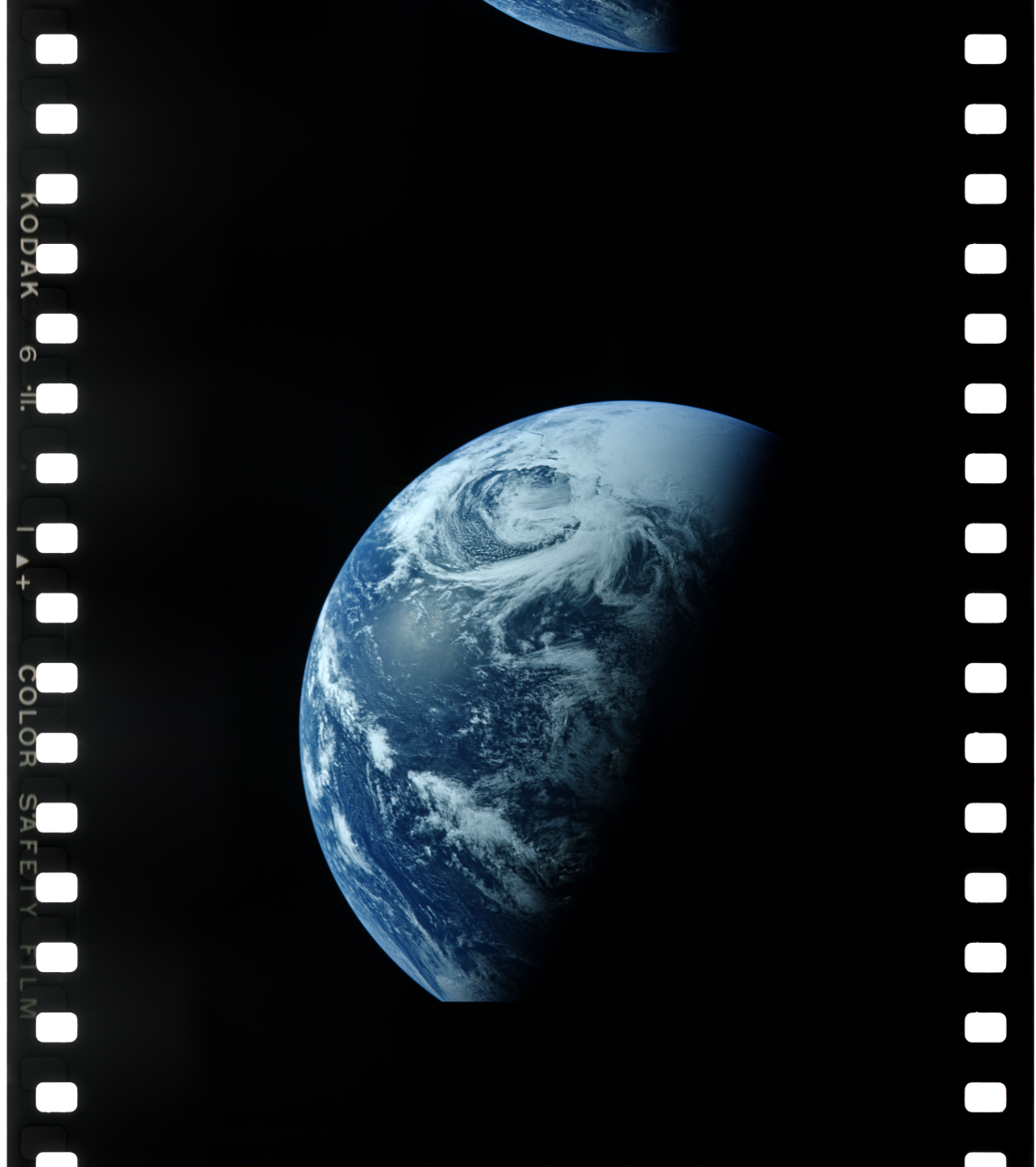
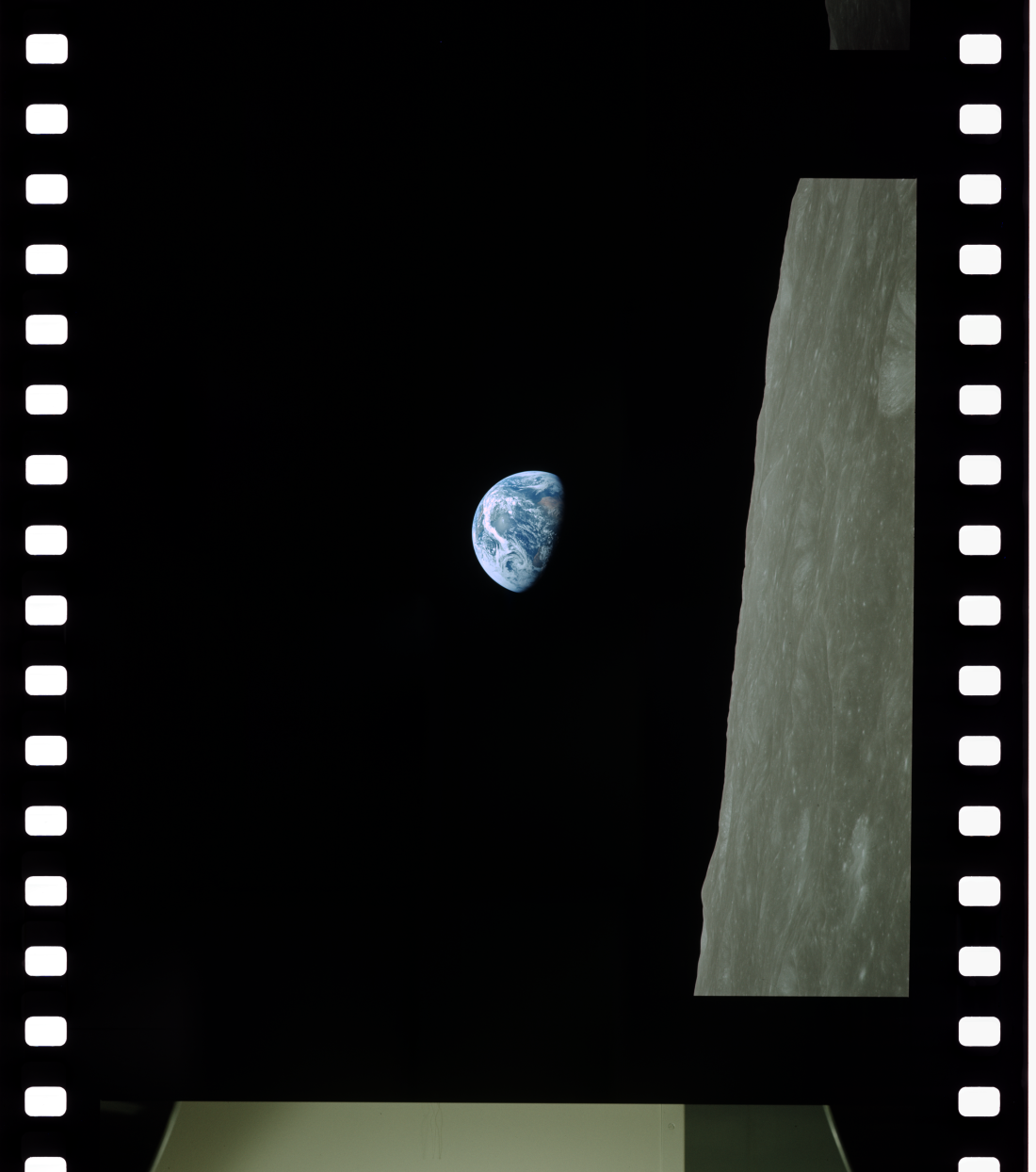
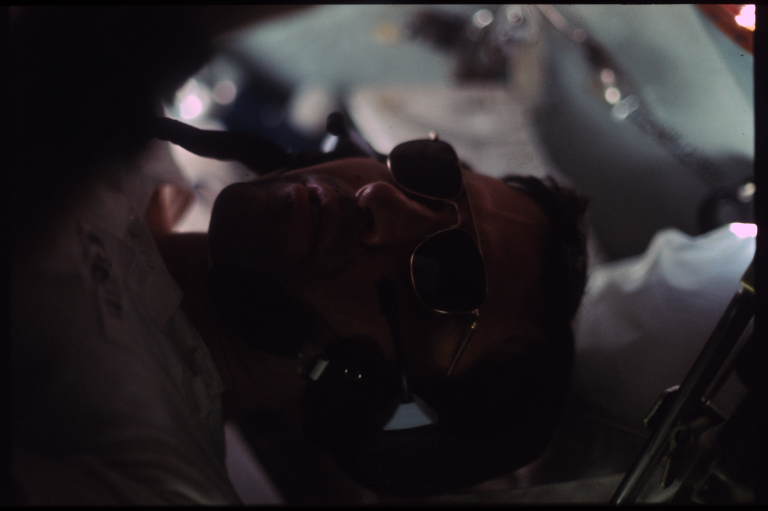
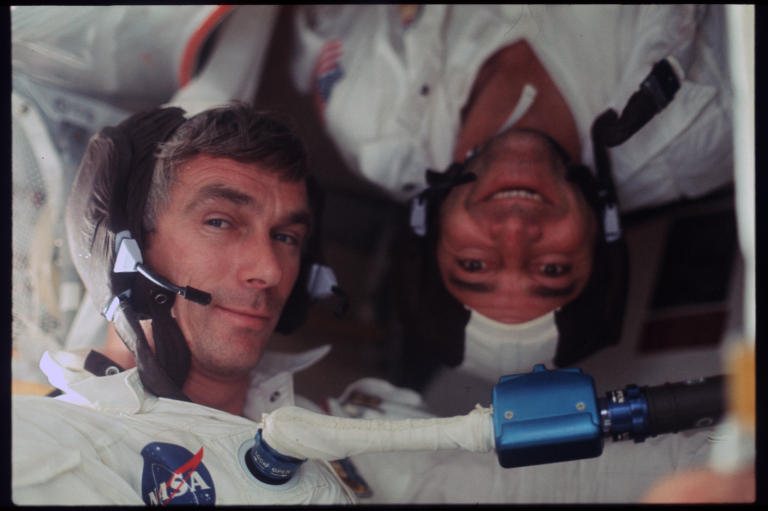
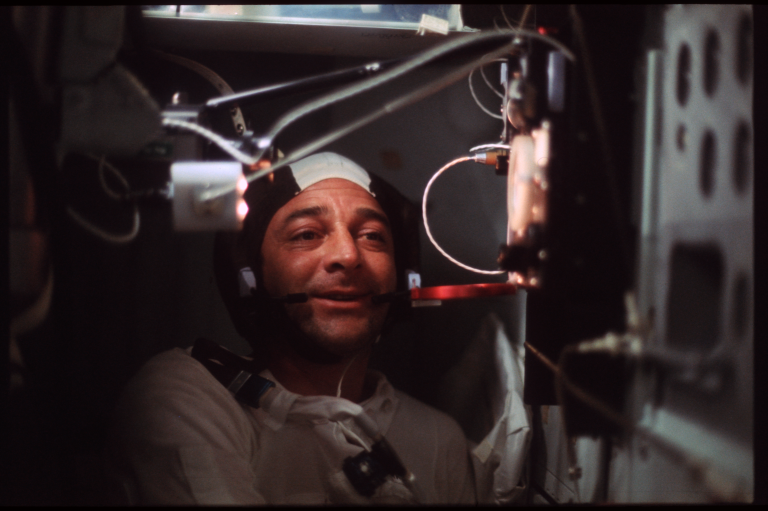
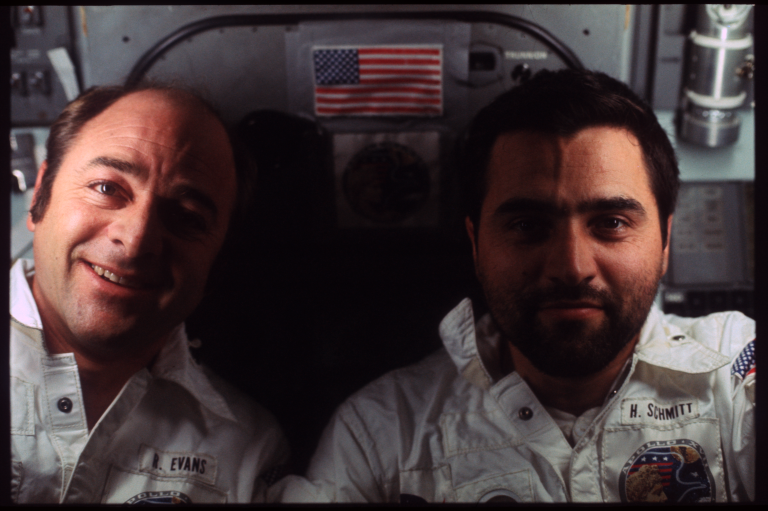
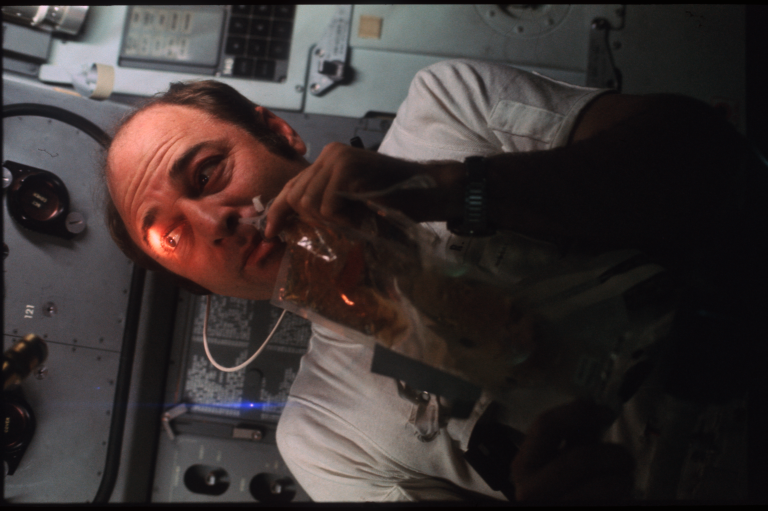
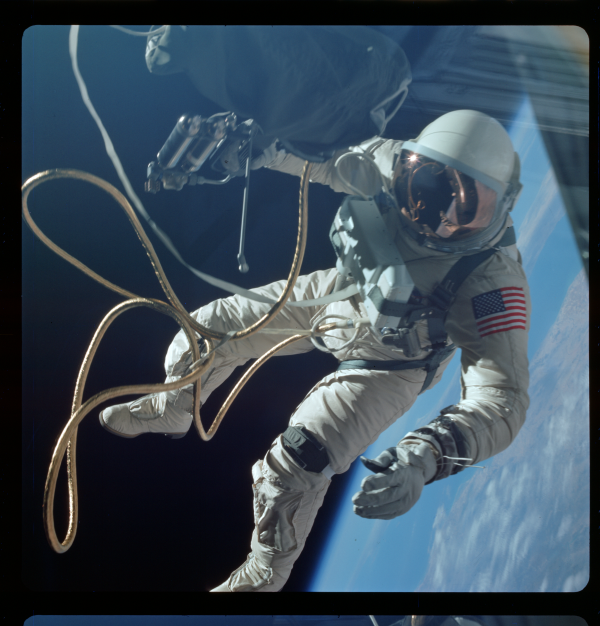
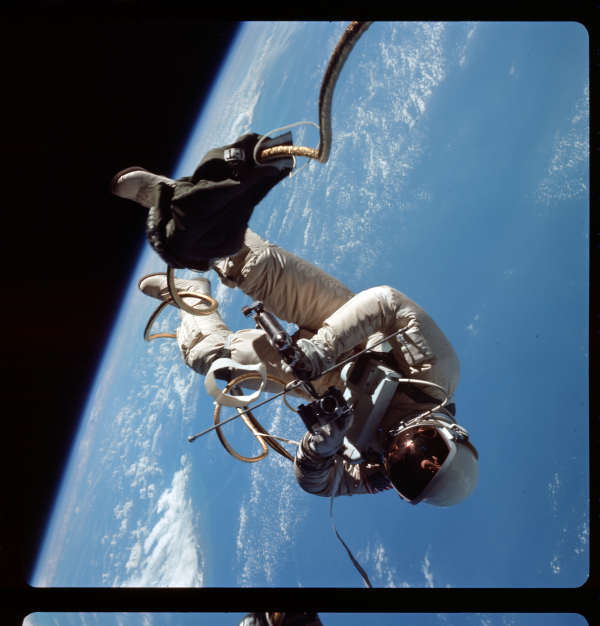
I was watching the Artemis II launch yesterday with my kids, and it made me wonder if there was if anyone has high quality scans from all those Hasselblads that got left behind on the moon. Turns out I might have found my new favorite website: https://tothemoon.im-ldi.com/gallery/Apollo
There are thousands of photos, often scanned up over 1GB per tif.
I was watching the Artemis II launch yesterday with my kids, and it made me wonder if there was if anyone has high quality scans from all those Hasselblads that got left behind on the moon. Turns out I might have found my new favorite website: https://tothemoon.im-ldi.com/gallery/Apollo
There are thousands of photos, often scanned up over 1GB per tif.
andrewd01 wrote:
Why do the Hassy scans have sprocket holes?
The NASA Hasselblads were converted to use 70mm film instead of 120, so they could take more shots on a single film magazine. Changing film would have been slightly inconvenient
Several years ago I was a podcast producer for fxguide, specifically thevfxshow. Over 100 episodes as a matter of fact. When I was with the fxguide crew in Las Vegas at NAB in 2011 we met and interviewed Lee Peterson who was a lead designer of the Hasselblad cameras that went to the moon on Apollo. The link to a later re-recorded interview is below. Lee is a very interesting person and it was an honor to sit and listen to issues that were faced when designing lenses and cameras that had to work both in atmospheric pressure and in complete vacuum as well as the extreme temperature changes the on the moon. It's worth a listen.
geekcop wrote:
Several years ago I was a podcast producer for fxguide, specifically thevfxshow. Over 100 episodes as a matter of fact. When I was with the fxguide crew in Las Vegas at NAB in 2011 we met and interviewed Lee Peterson who was a lead designer of the Hasselblad cameras that went to the moon on Apollo. The link to a later re-recorded interview is below. Lee is a very interesting person and it was an honor to sit and listen to issues that were faced when designing lenses and cameras that had to work both in atmospheric pressure and in complete vacuum as well as the extreme temperature changes the on the moon. It's worth a listen.
Really interesting conversation. Interesting how he talked about where that grid of crosses on all these images, the indexed glass up against the film. I didn't know why the grid of was there, but it makes sense that some trig and known constants could back out fairly accurate measurements. Also, just general setup stuff, dealing with charged regolith, dealing with effects of acceleration, dealing with big temp and pressure swings, lack of ability for a suited astronaut to use a viewfinder, etc. Pretty cool. The rest of the conversation touching sensor calibration was interesting too. The photos I take and post about here is just for fun, "art", that sort of thing. But at work, I do deal a bit with calibrated sensors in a motion capture system in a sports science context, and the heat commentary is making me curious how much I'm affected.
Good share. For everyone else, the Hasselblad/moon mission talk starts around 20 minutes in on the above link.