gdanmitchell wrote:
I can imagine situations where 30 fps is valuable, but… I also know that shooting at that rate (especially in long bursts) generates hundreds/thousands of frames, often with little advantage over a slower rate, say 10 fps or so.
For me, it would be rare to choose that high frame rate.
Thoughts?
Really depends on what one shoots doesn’t it. Some subjects like the bat on the ball require that split second capture where the extra fps might make or break the moment. If one does not need this split second moment…then yeh, reduce the fps. Sort of like using high iso like 12,800 when needed and reducing when not.
gdanmitchell wrote:
We are not in disagreement then.
30fps (or 60fps or the sky is the limit!) can be useful for those who rely on it to product that gives of subject relationship in space — or, I think, for certain specialized kinds of bird and other photography.
If you do a lot of those things, then it could be extremely important.
But most of the time, few of us do that sort of thing, and my point is that just going with 30fps in those other cases probably creates more problems for the photographer than it solves… and slower burst rates likely make more sense.
BTW, I’m impressed that you, likely a person who specializes in this sort of aviation photography, can produce images that along the planes this way. :-)
The 30 or even 20 FPS in the A7RVI is certainly a big selling point from Sony, it's there if you need it even if you don't shoot that fast 99% of the time. Agree, most people have no need or desire to shoot that fast, the small group that do tend to be very vocal.
Incoming swallow sequence - forget those dogs, they be slow as by comparison - no wind so they're belting along as they do.
LOSSLESS compressed RAW at 30fps. 1/3200s so a bit slow but very little light available.
For those who think you can't shoot fast things using LOSSLESS compressed RAW because autofocus calcs drops when using this mode that doesn't seem to be true and rolling shutter distortion seems negligible on the majority of images.
Note that even the A9iii will likely loose focus when the bird veers off out of the frame so that's quite typical.
As usual acquisition is crazy fast and you won't find more accurate AF. In better light use f/8 to increase DOF and reduce the likelihood of missing focus on the eyes.
duncangr wrote:
Incoming swallow sequence - forget those dogs, they be slow as by comparison - no wind so they're belting along as they do.
LOSSLESS compressed RAW at 30fps. 1/3200s so a bit slow but very little light available.
For those who think you can't shoot fast things using LOSSLESS compressed RAW because autofocus calcs drops when using this mode that doesn't seem to be true and rolling shutter distortion seems negligible on the majority of images.
Note that even the A9iii will likely loose focus when the bird veers off out of the frame so that's quite typical.
As usual acquisition is crazy fast and you won't find more accurate AF. In better light use f/8 to increase DOF and reduce the likelihood of missing focus on the eyes.
Cliff L. wrote:
Can anyone post some hummingbird in flight images?
I'm really intrigued by this camera, but need to know if indeed it's useable for hummingbirds.
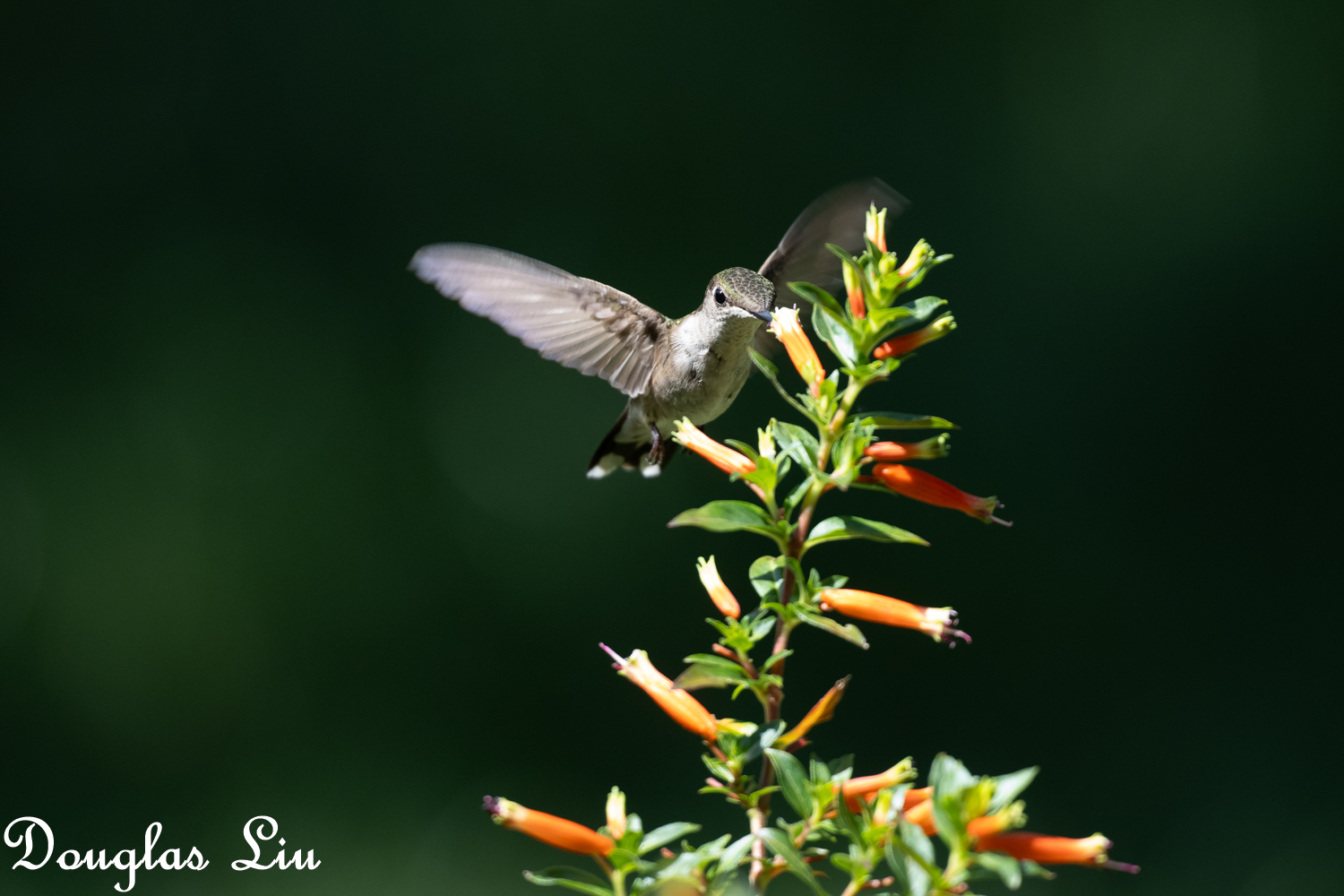
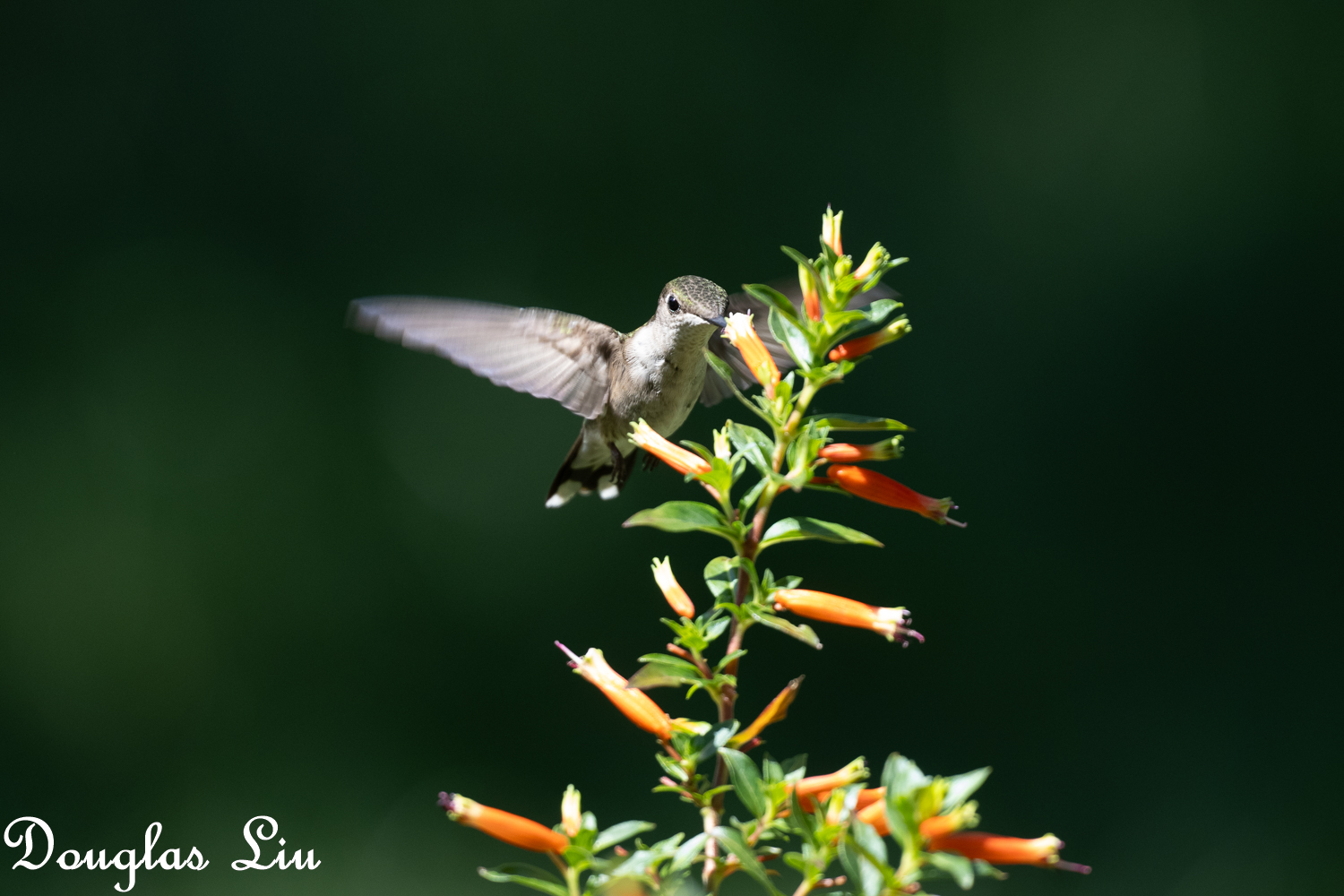
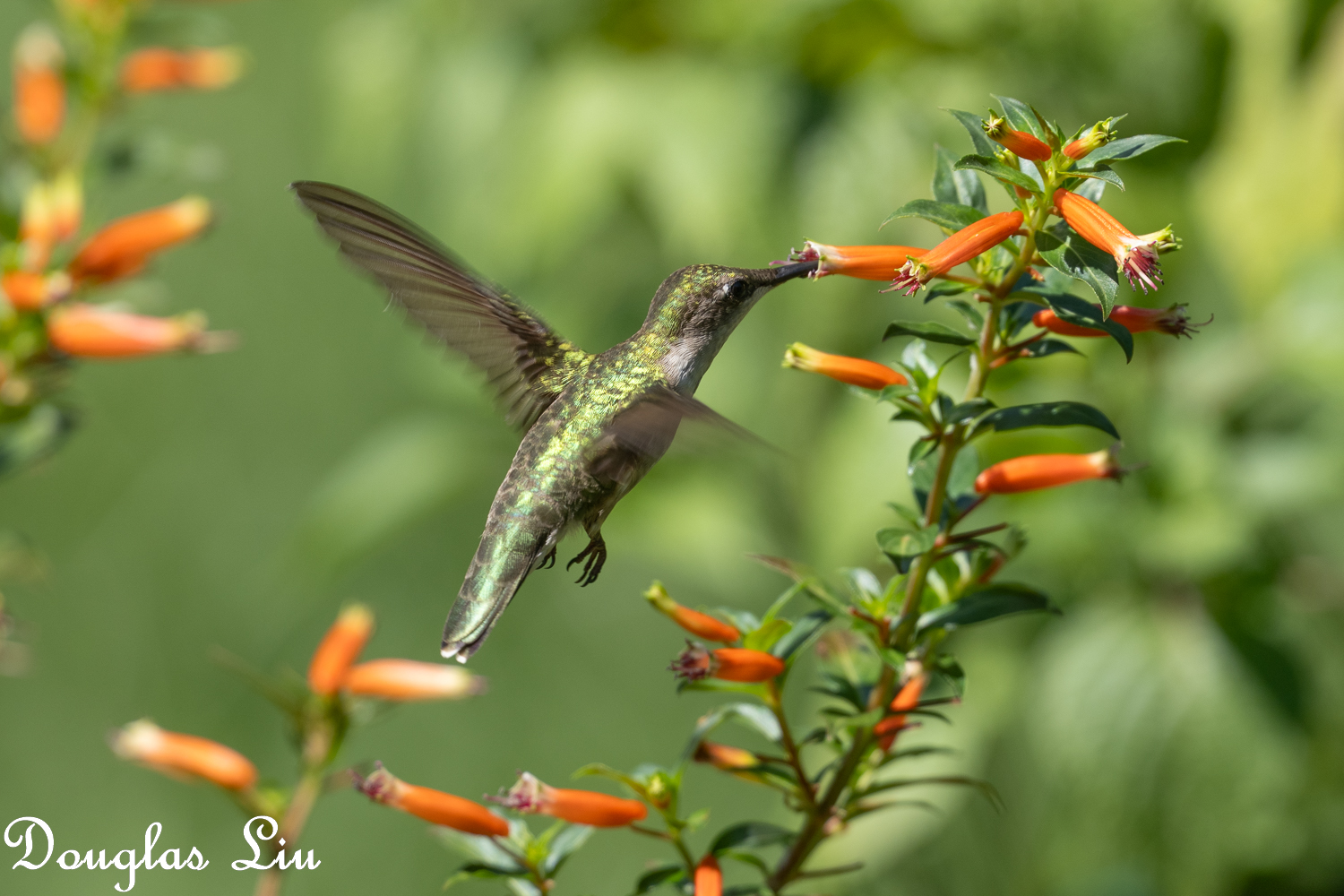
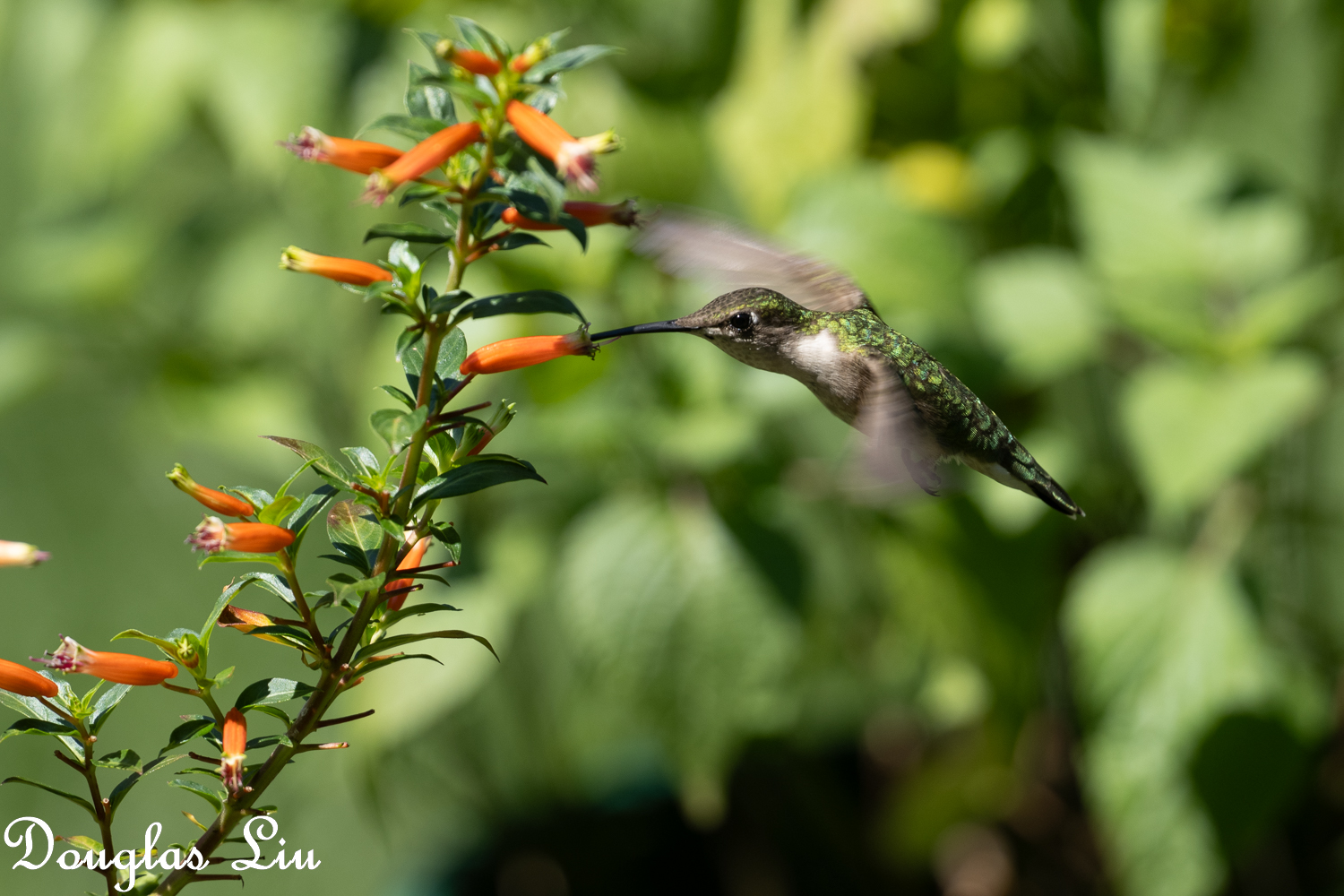
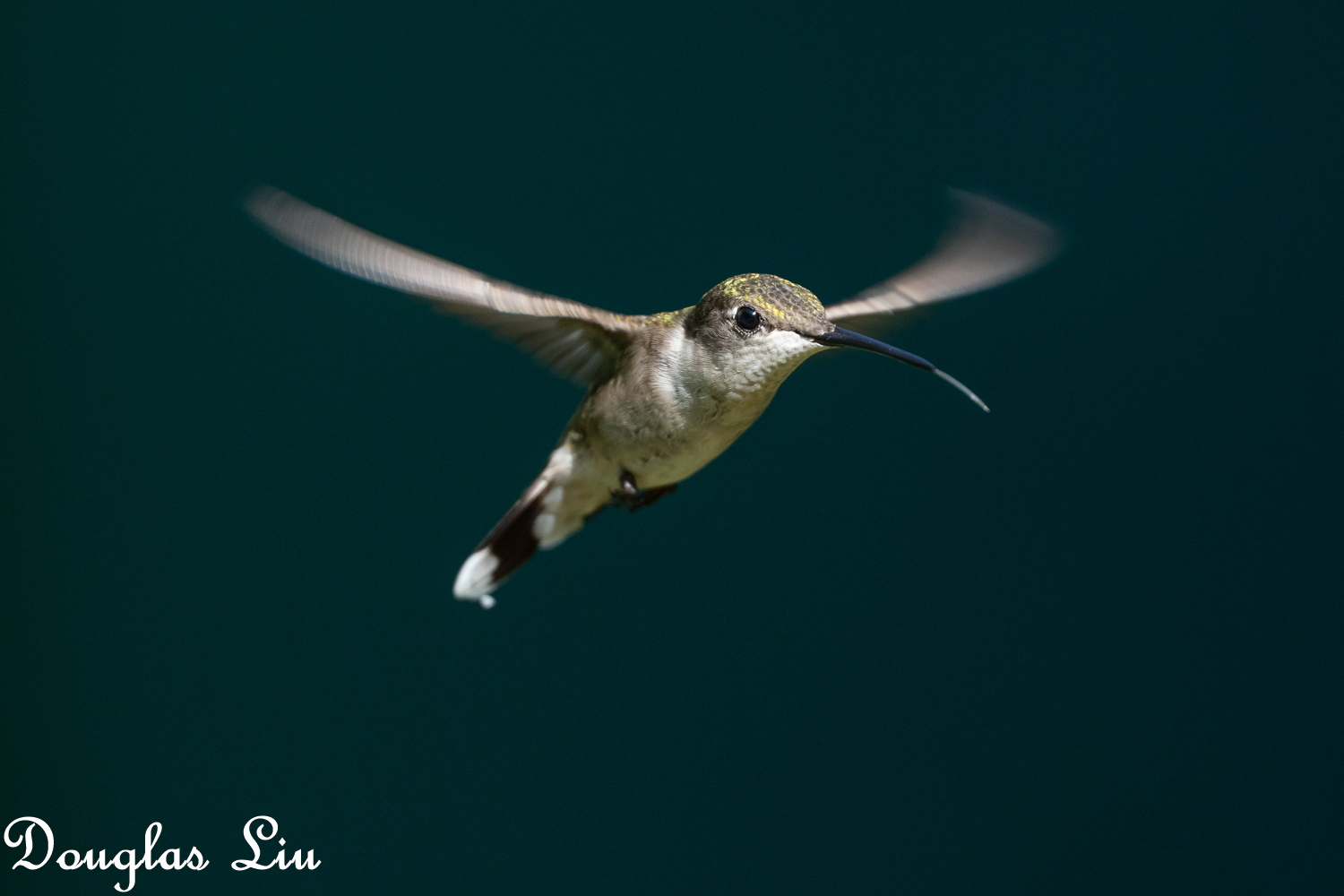
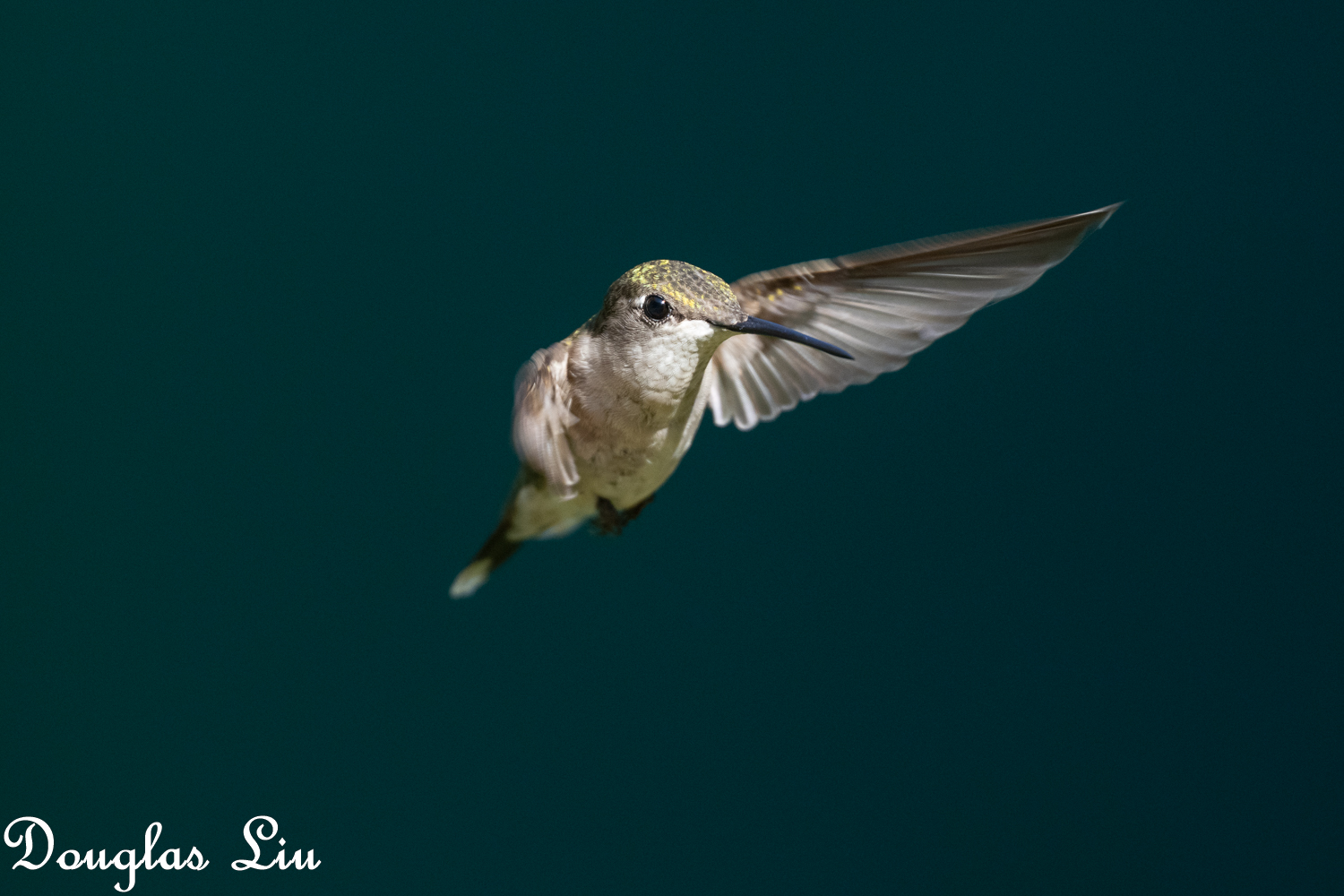
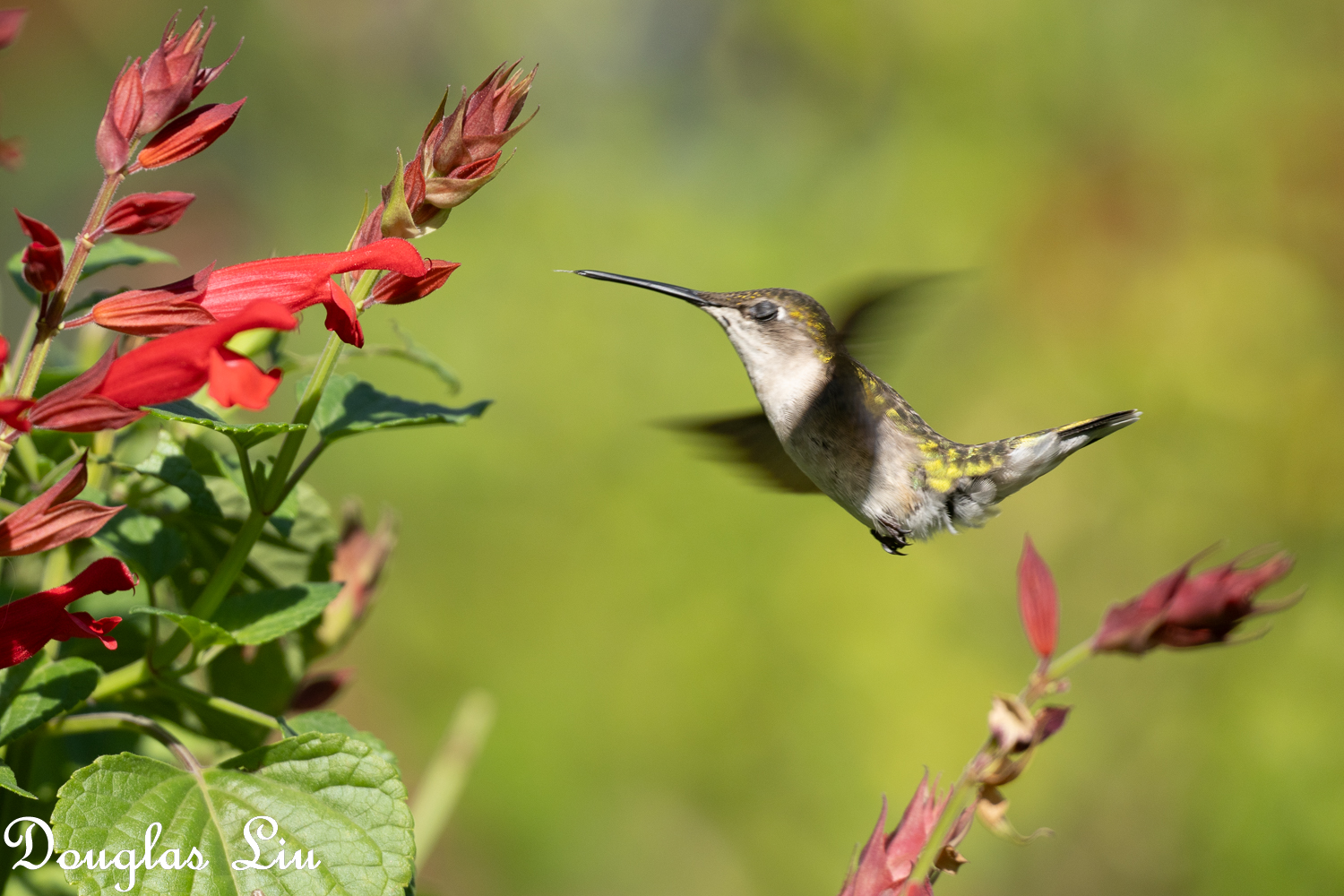
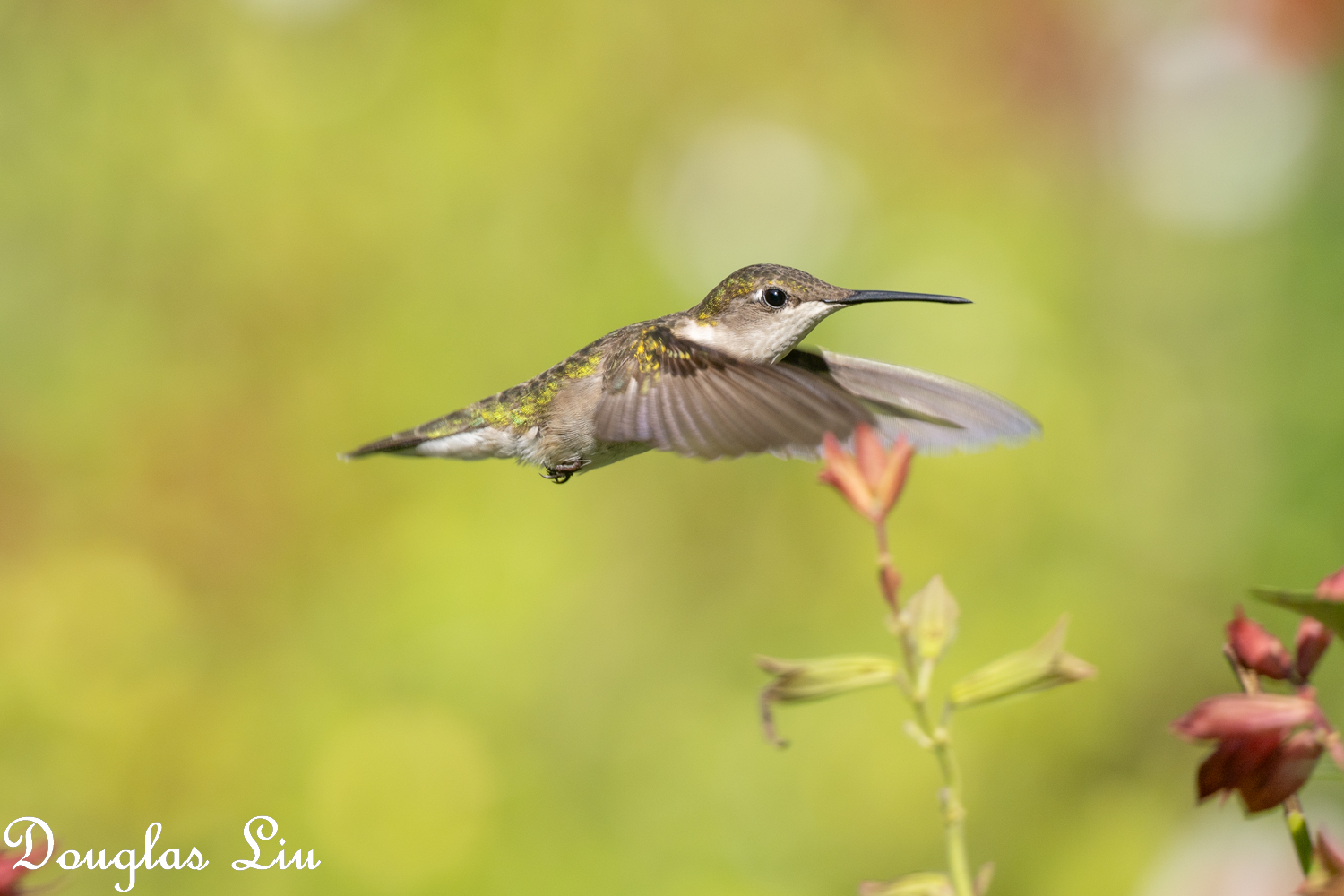
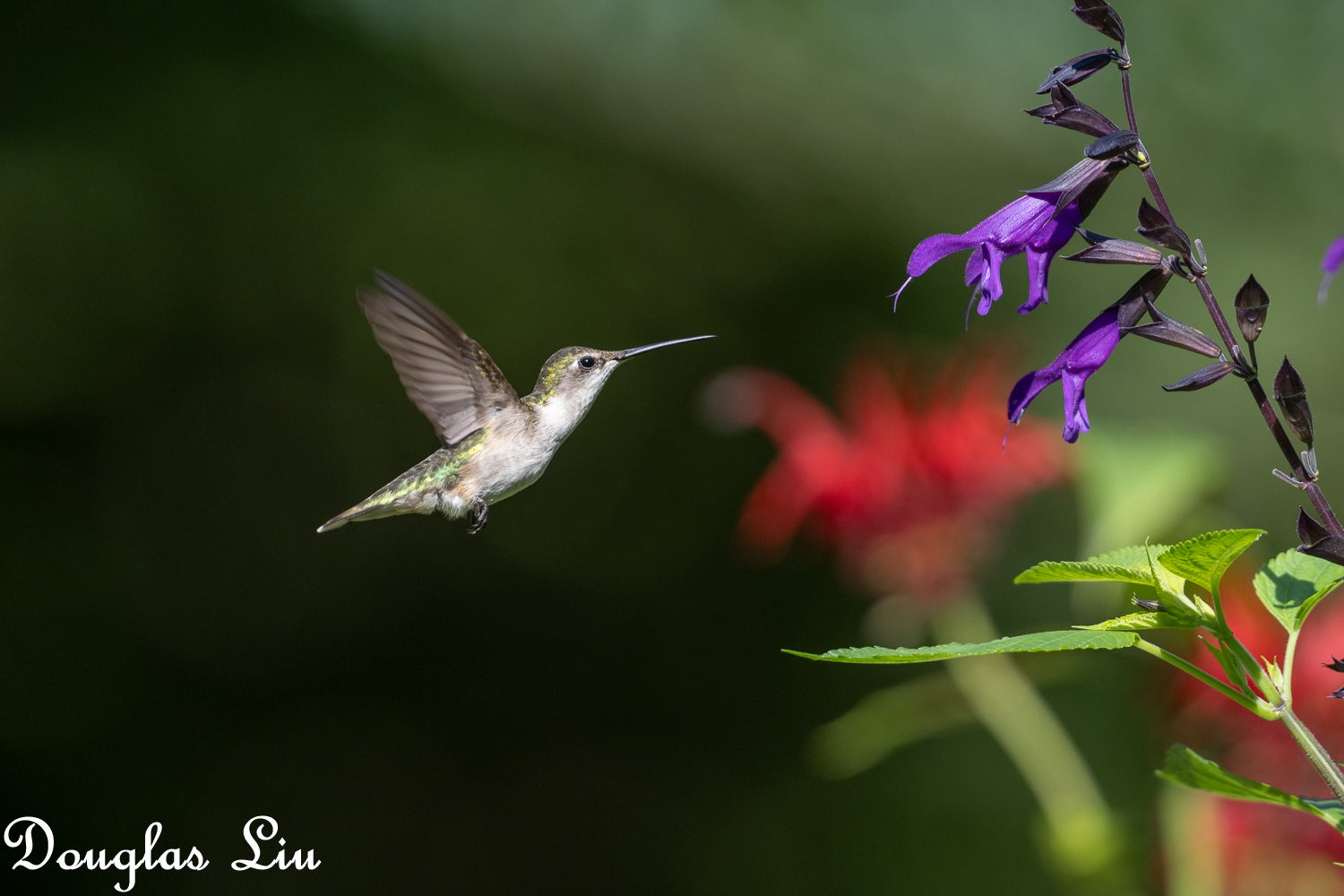
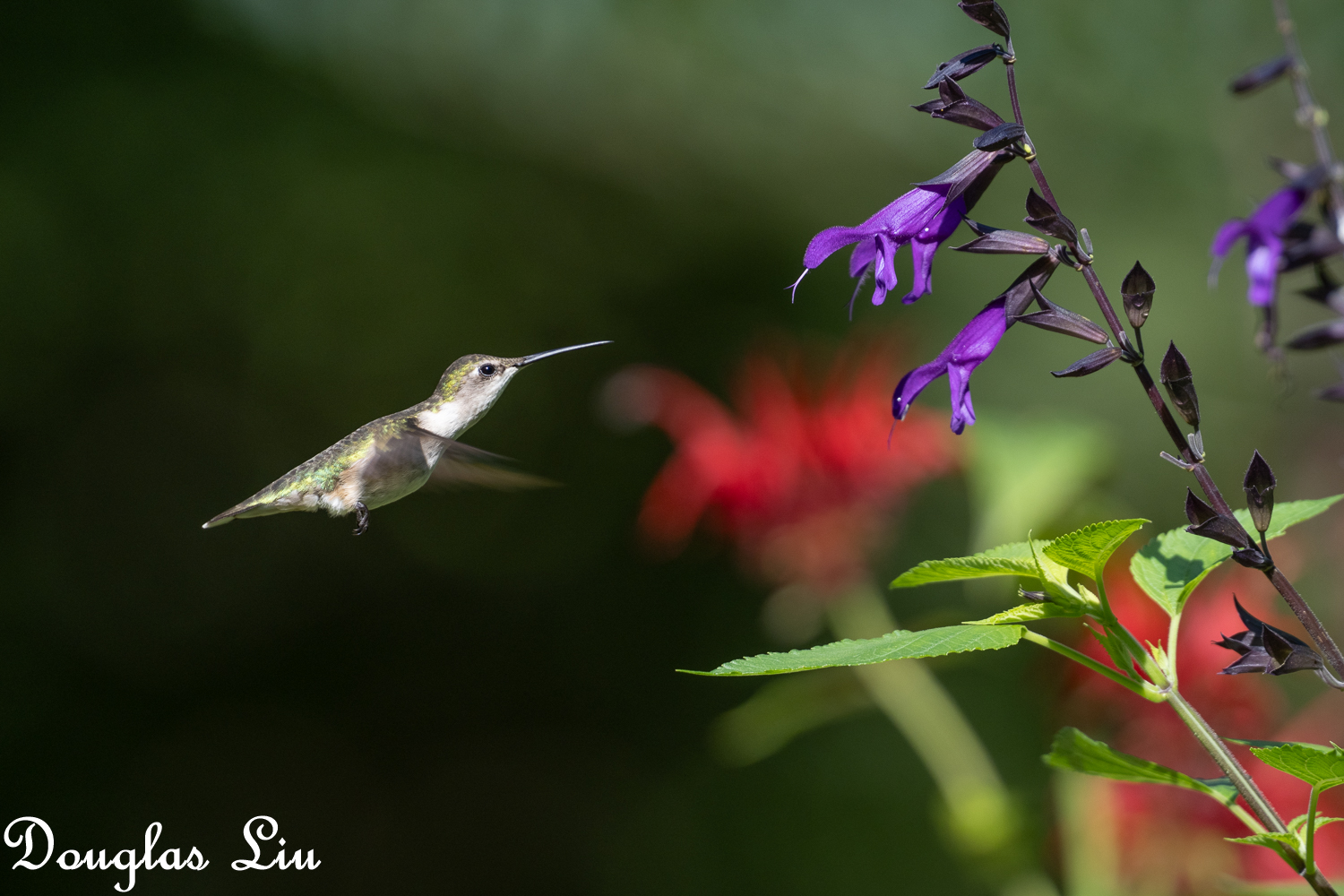
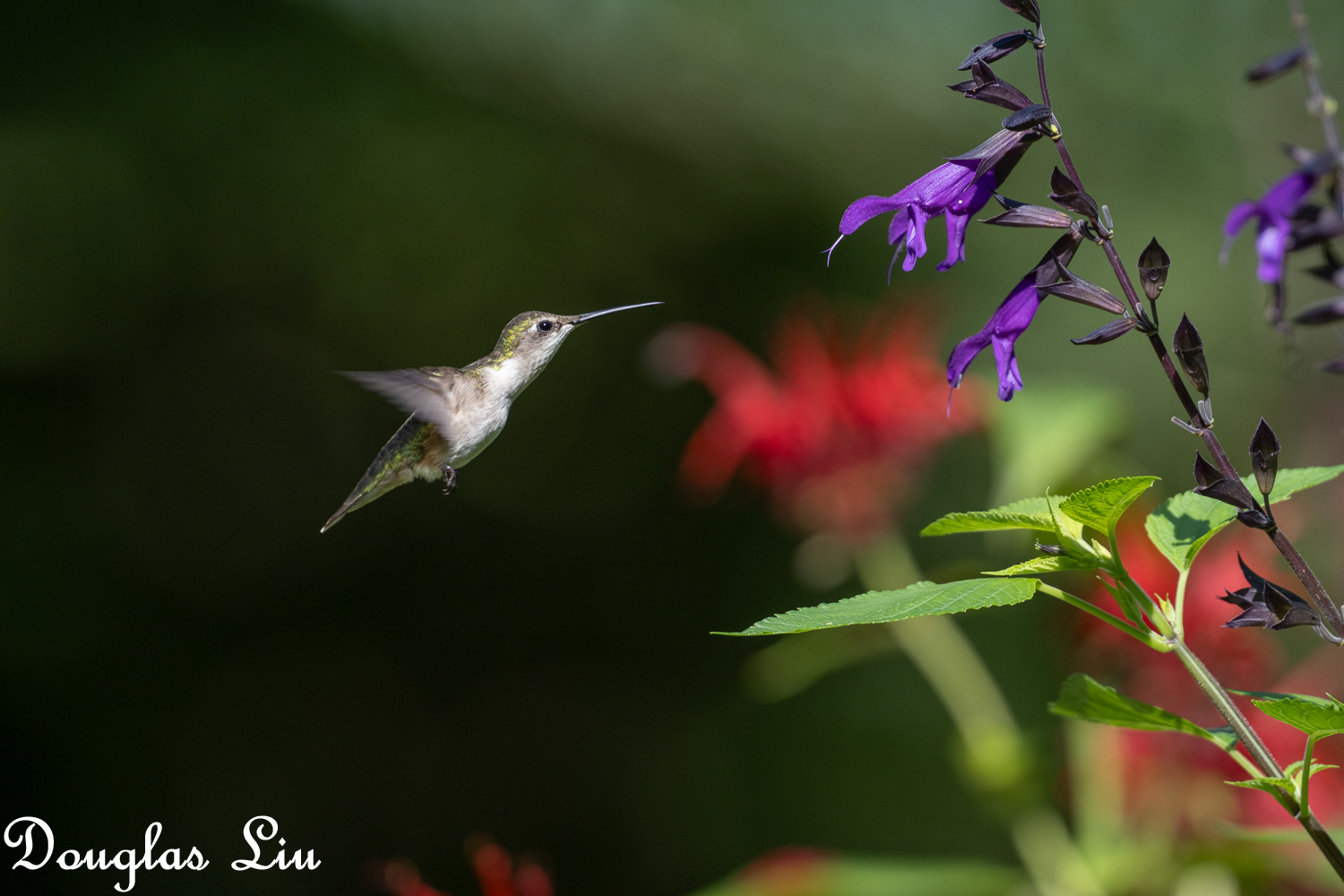
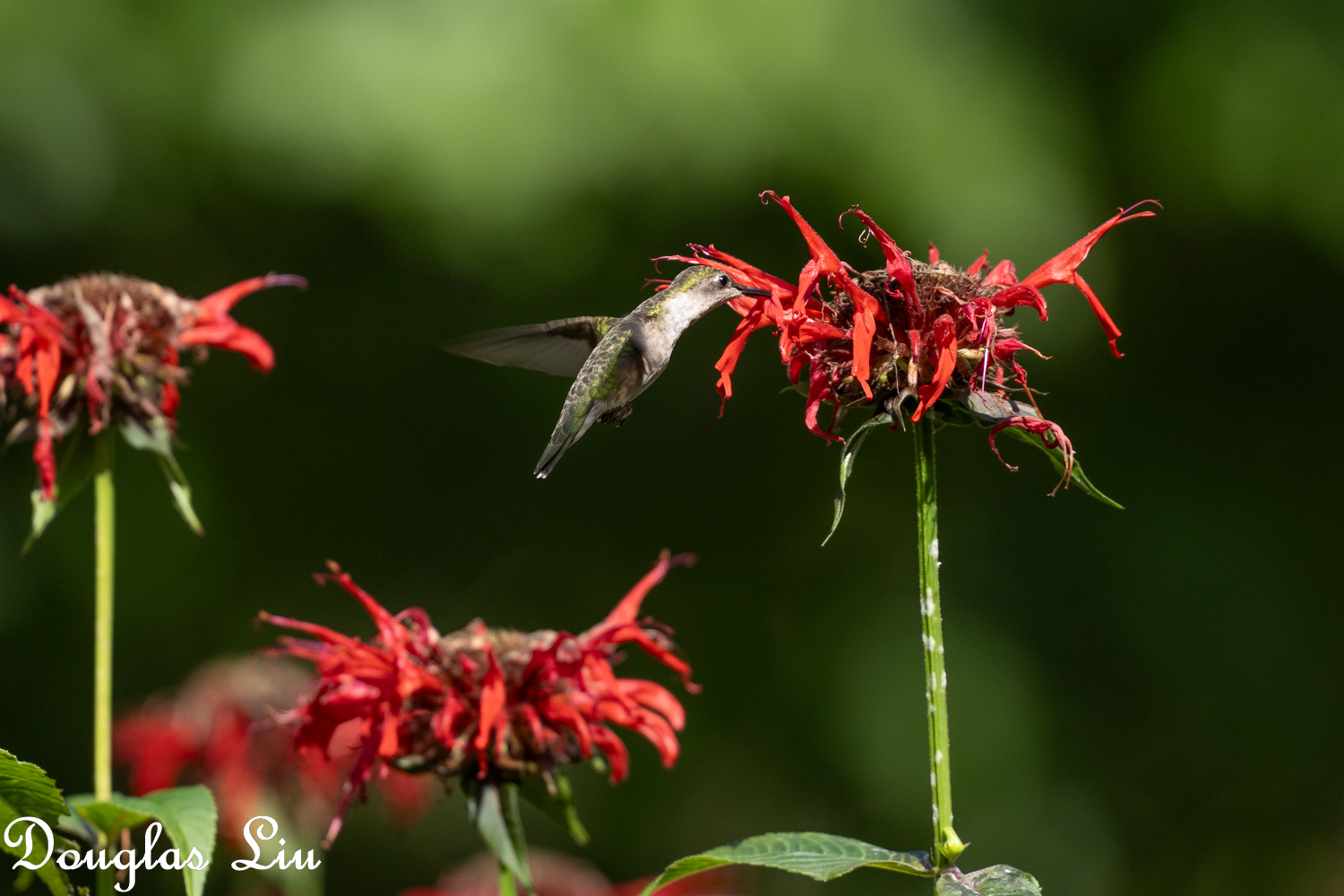
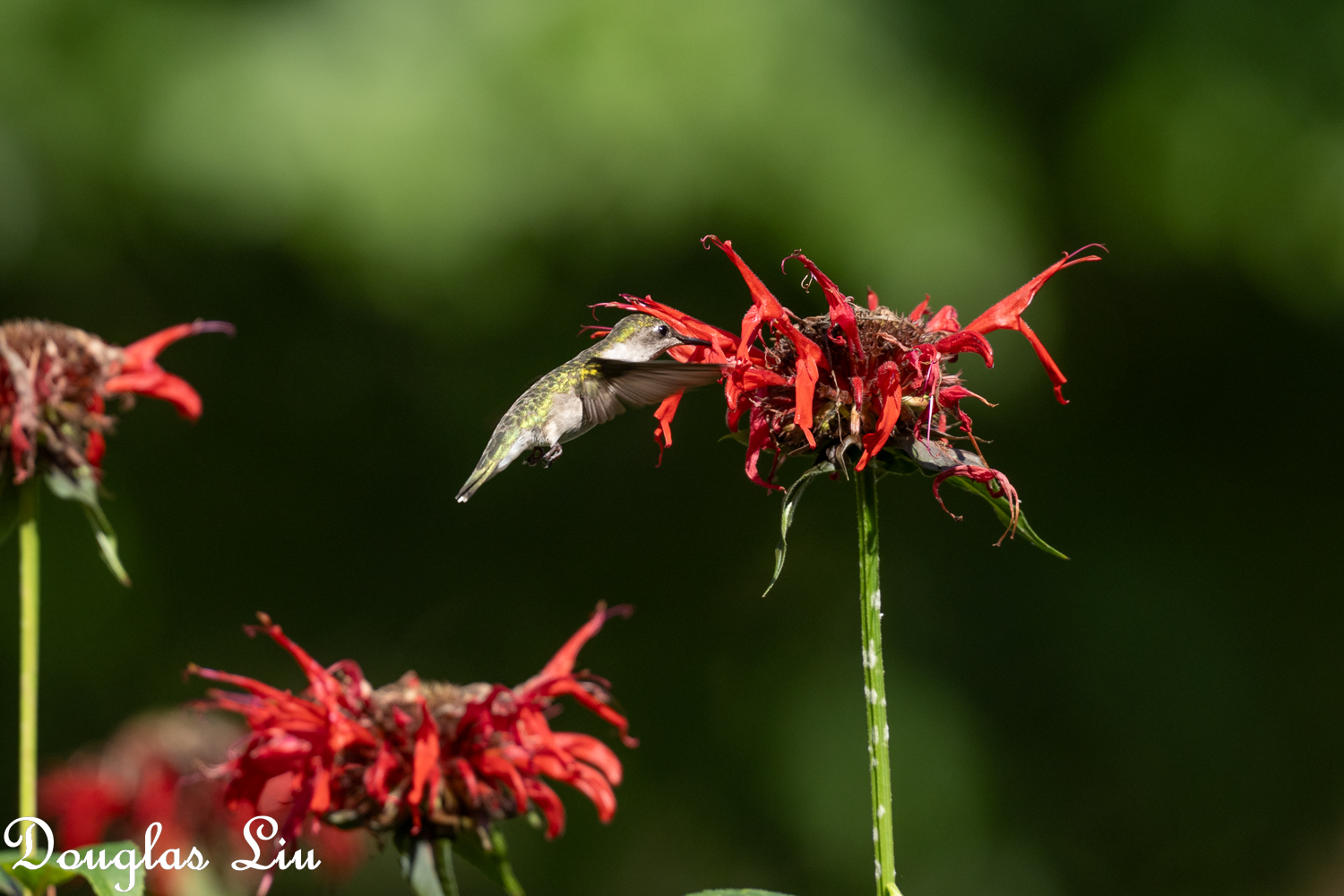
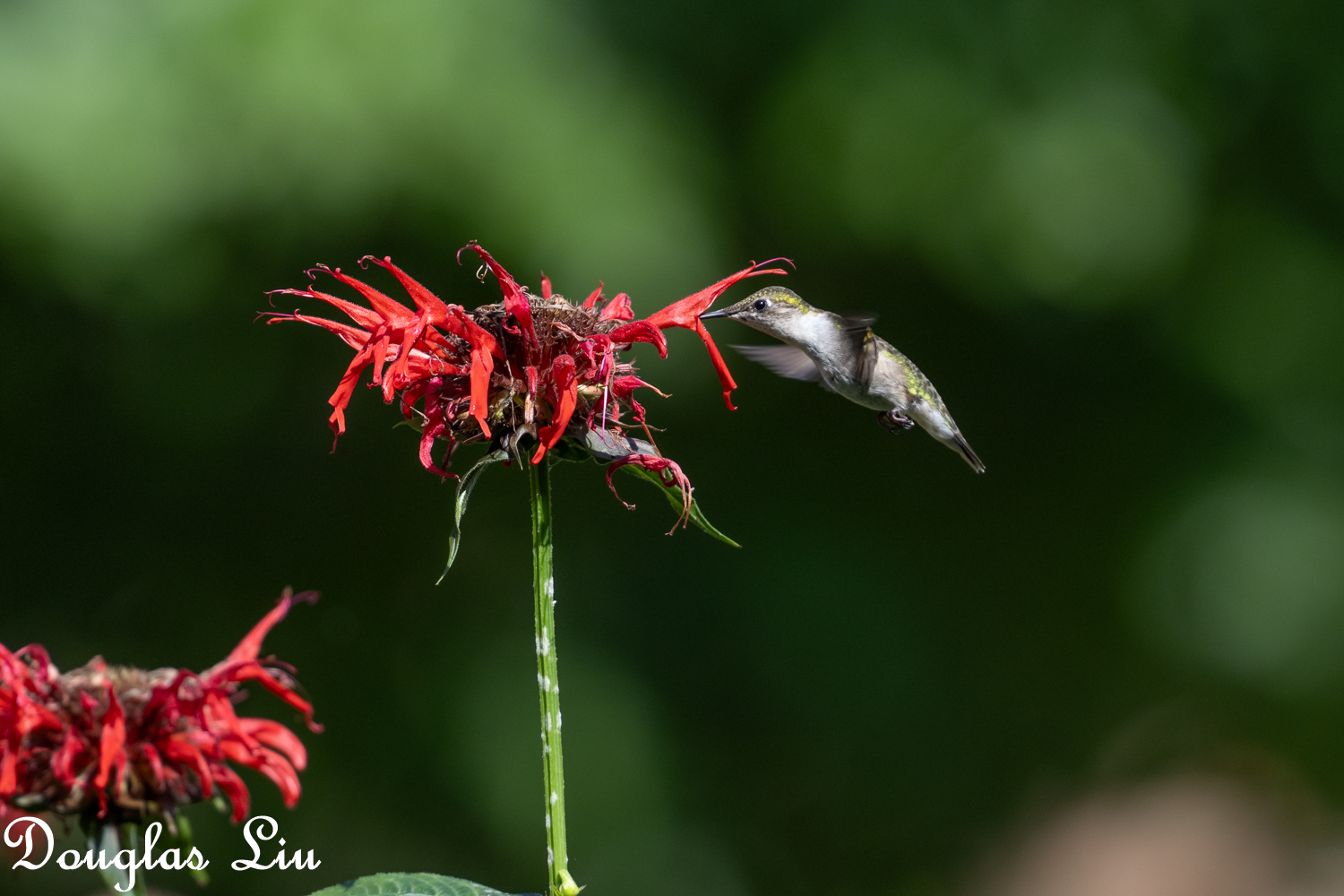
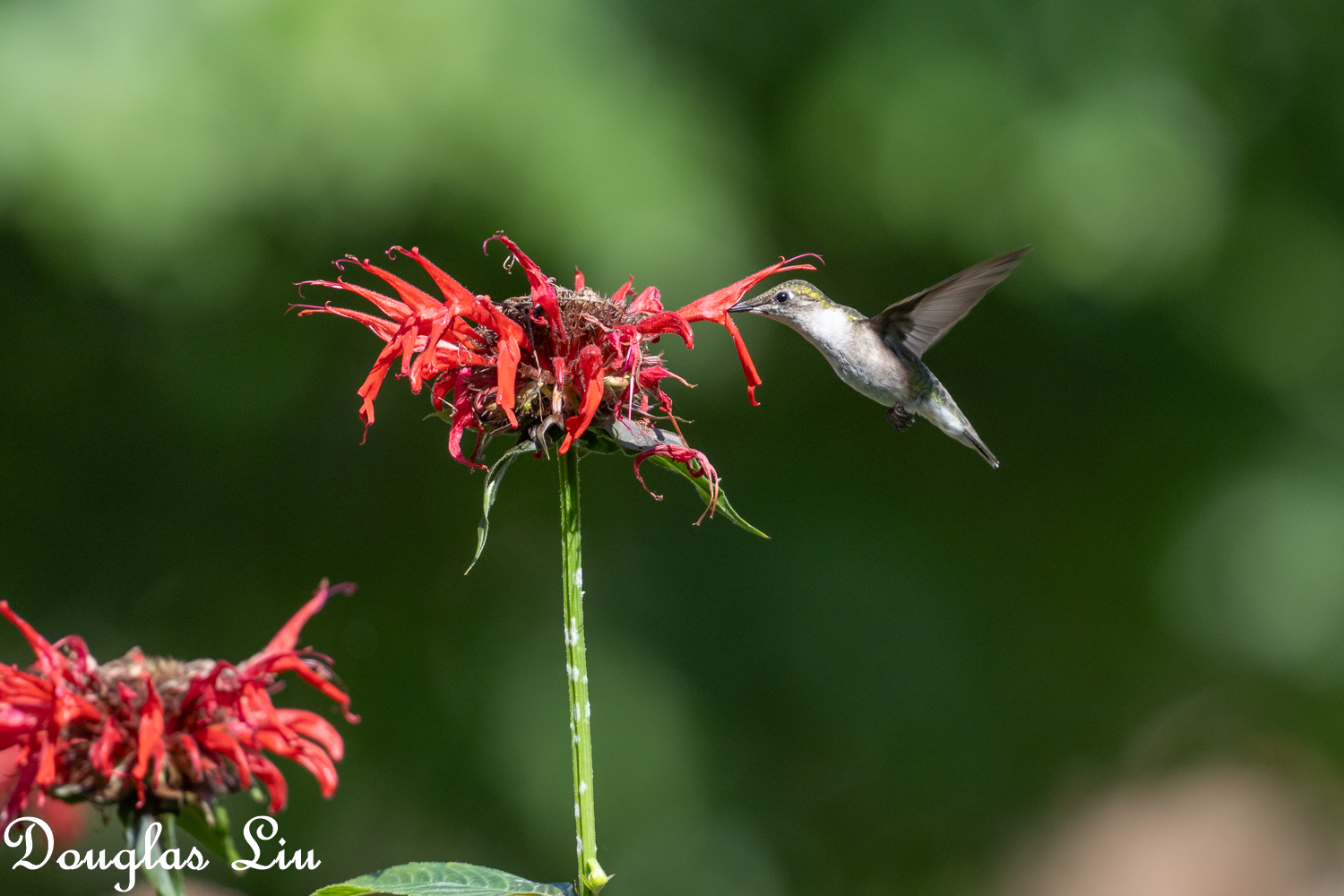
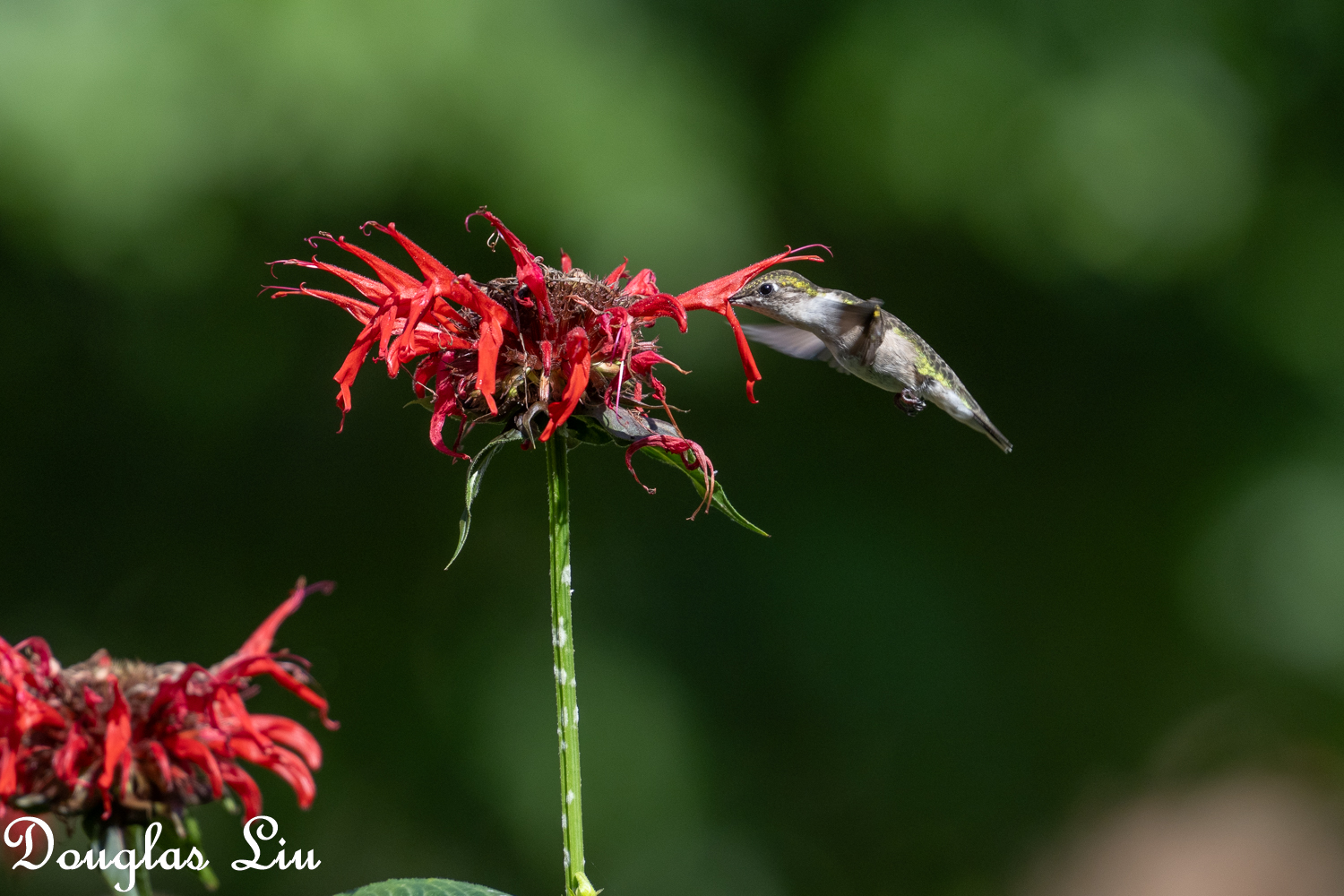
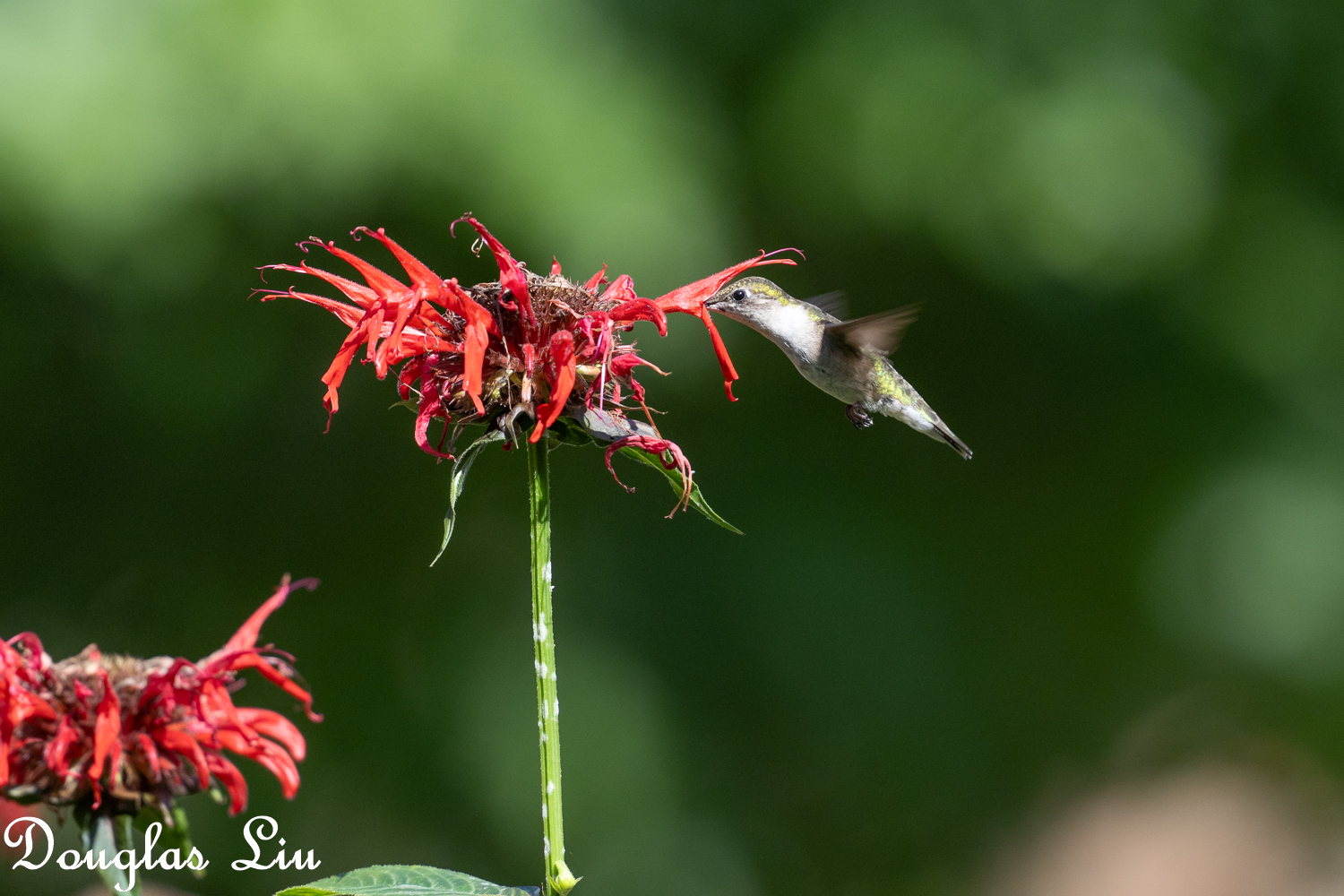
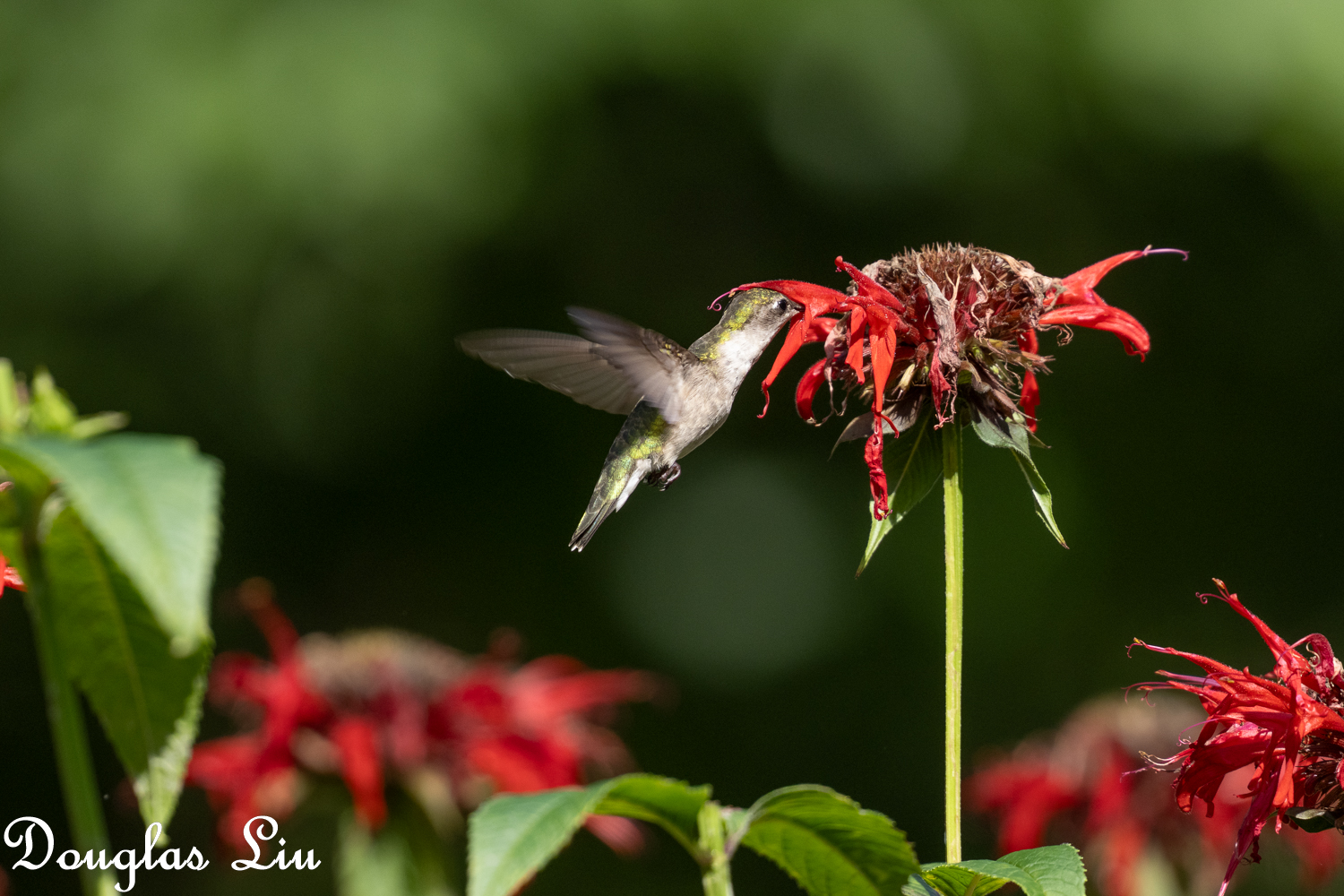
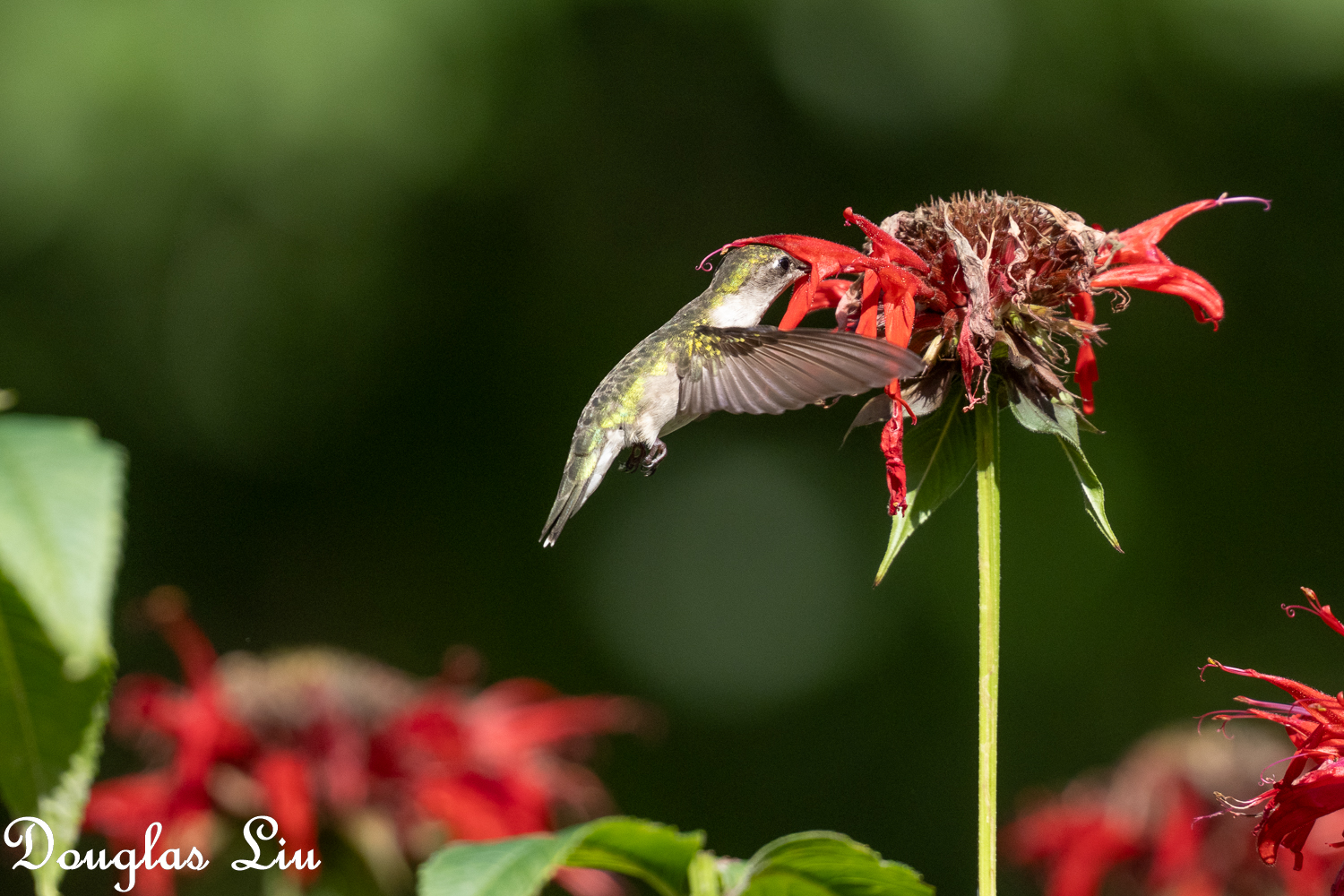
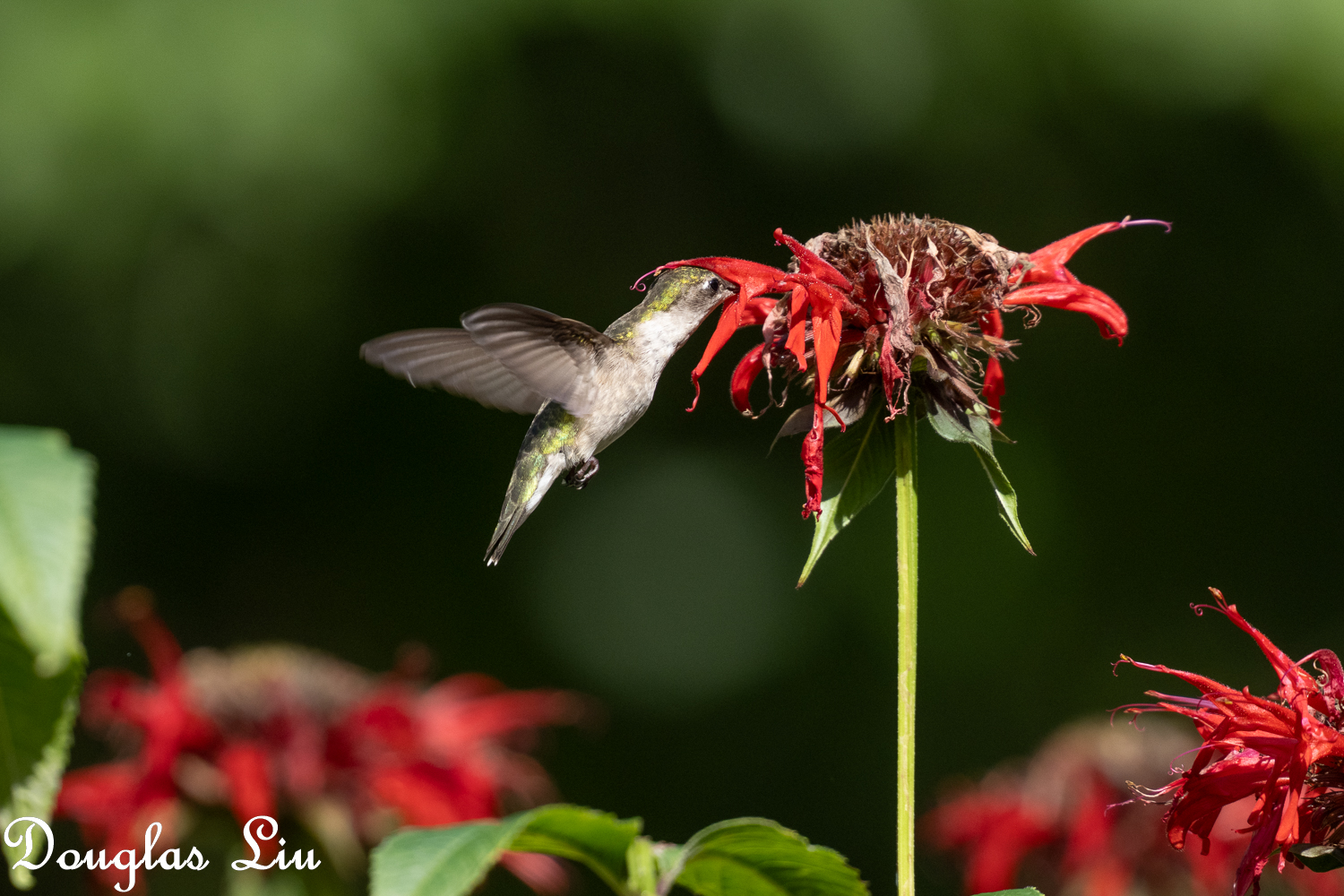
Cliff, I had the chance of taking some hummer shots in my yard with the A7RVI, I was pleasantly surprised that based on quick glance, I am not seeing massive wing distortion, I shot at 1/800 or 1/1000.
Douglas L wrote:
Cliff, I had the chance of taking some hummer shots in my yard with the A7RVI, I was pleasantly surprised that based on quick glance, I am not seeing massive wing distortion, I shot at 1/800 or 1/1000.
Thanks, Douglas.
I'm not really worried about a little distortion, I just want to avoid those mutant birds with four wings like I was getting with the A7RV.
Douglas L wrote:
The 30 or even 20 FPS in the A7RVI is certainly a big selling point from Sony, it's there if you need it even if you don't shoot that fast 99% of the time. Agree, most people have no need or desire to shoot that fast, the small group that do tend to be very vocal.
Which is why it seems like the best solution for that “small group” is simply to get a camera that is optimized for what they regard as the most important thing, perhaps that A1ii. It hardly seems like a defect that the A7r6, Sony’s best camera for high resolution photography, does not also quite equal their most expensive cameras with lower resolution that are optimized for speed with lower resolution.
It feels a little like someone buying a high end sedan for its comfort and speed and then complaining that it won’t carry a half ton of lumber as well as a truck. ;-)
I agree with Dan. Every time I think some other camera, eg the Hasselblad X2D2 or Fujifilm GFX100s might be a better choice for my landscape and nature work, I remind myself of just how capable the Sony A7R... series of cameras really are. They have high resolution, my first priority, and impressive programability, an unmatched set of OEM and third party lenses, and more. Canon and Nikon each make excellent cameras and I spent many, many years using Nikons from the F2 through the D800E but Sony still wins for me. I did not "need" the A7RVI, I already have the A7RV, but I genuinely enjoy using this new camera. Let the BIF and sports shooters have their super fast lower resolution cameras, no problem with that but the A7RVI covers so many genres so well, it's hard to consider anything else if one is fortunate to have the resources.
doc4x5 wrote:
I agree with Dan. Every time I think some other camera, eg the Hasselblad X2D2 or Fujifilm GFX100s might be a better choice for my landscape and nature work, I remind myself of just how capable the Sony A7R... series of cameras really are. They have high resolution, my first priority, and impressive programability, an unmatched set of OEM and third party lenses, and more. Canon and Nikon each make excellent cameras and I spent many, many years using Nikons from the F2 through the D800E but Sony still wins for me. I did not "need" the A7RVI, I already have the A7RV, but I genuinely enjoy using this new camera. Let the BIF and sports shooters have their super fast lower resolution cameras, no problem with that but the A7RVI covers so many genres so well, it's hard to consider anything else if one is fortunate to have the resources....Show more →
Indeed. I have the A9III and old A1 for underwater work, A1ii and now the 7R6 and its awesome!
I'm not really worried about a little distortion, I just want to avoid those mutant birds with four wings like I was getting with the A7RV.
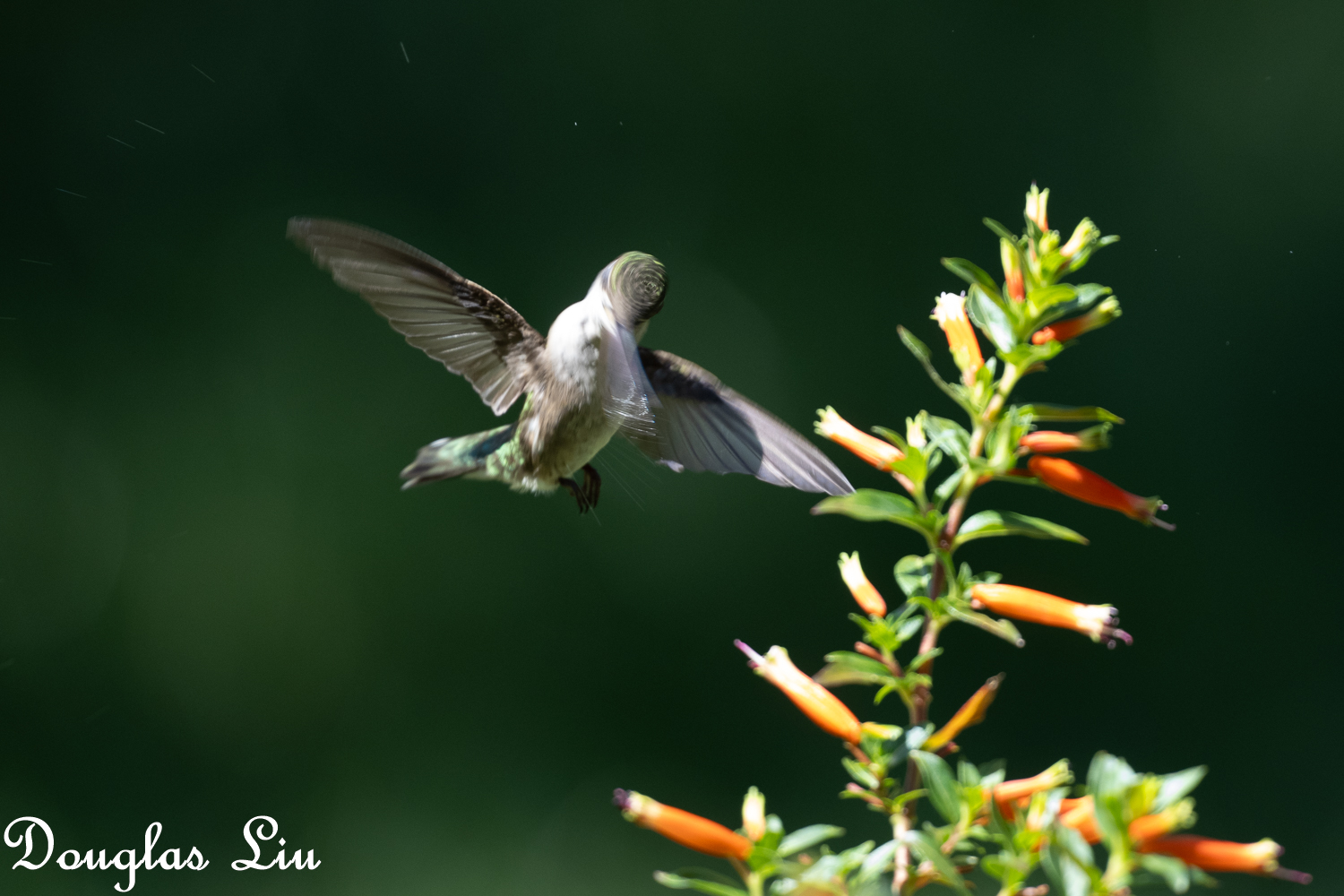
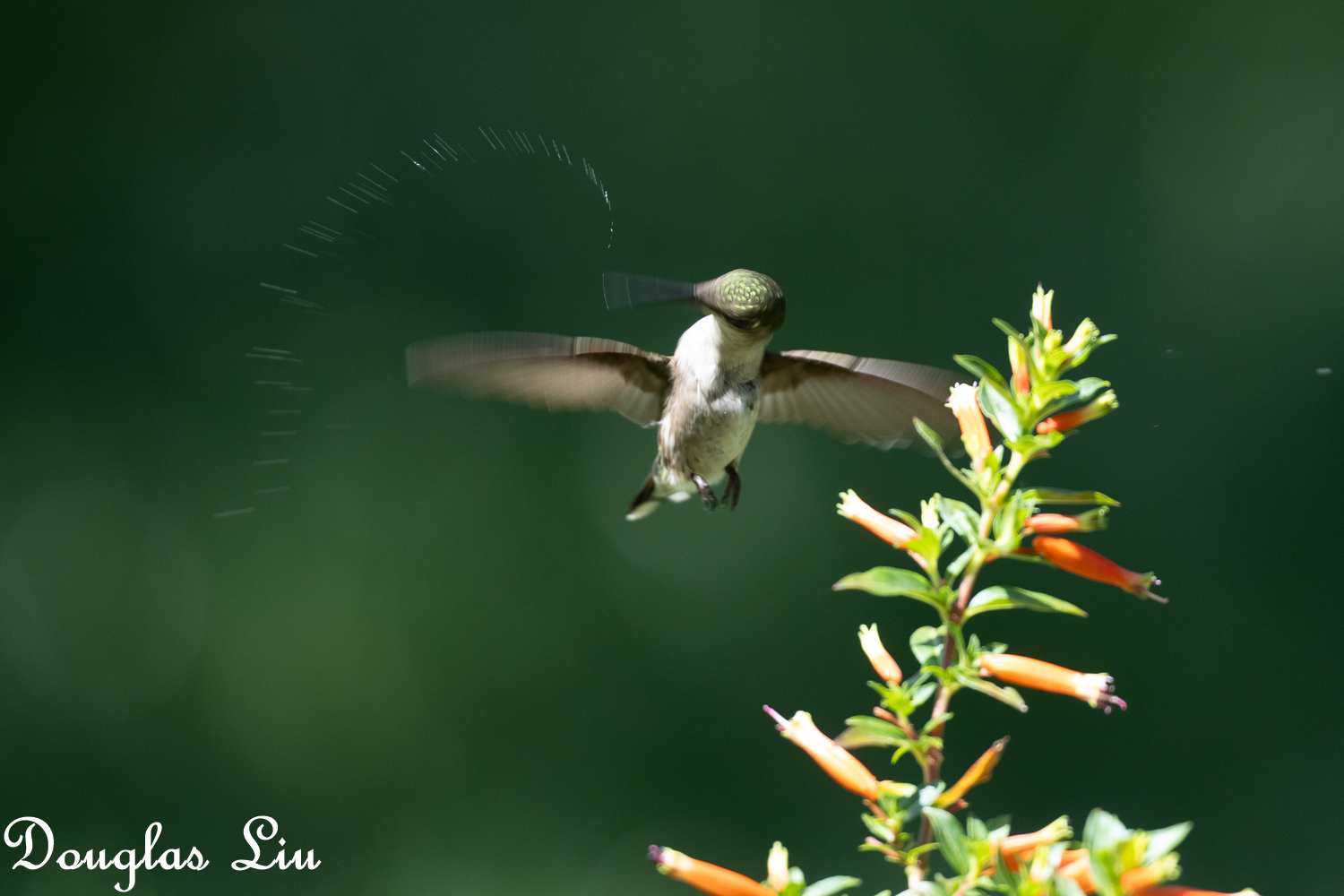
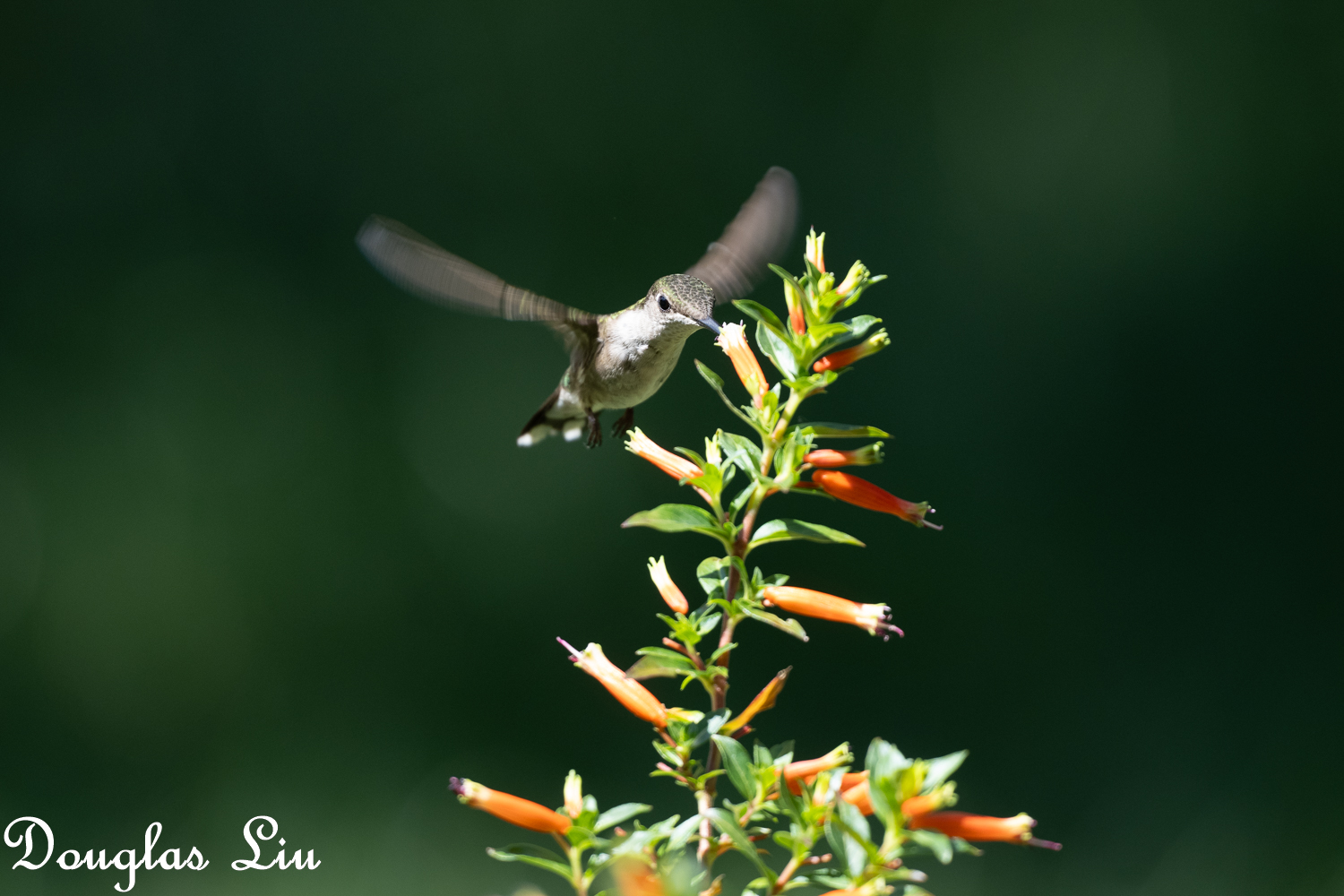
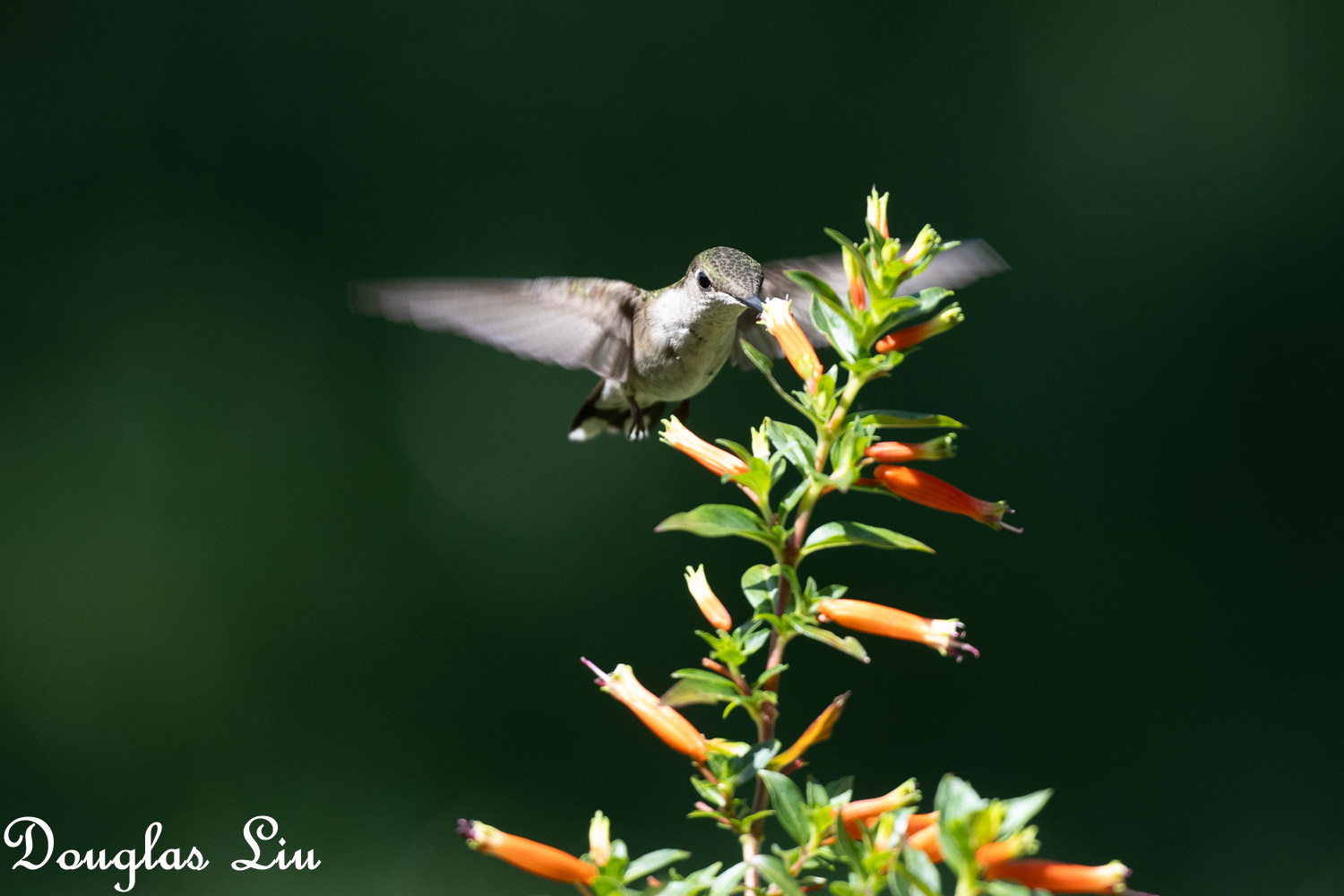
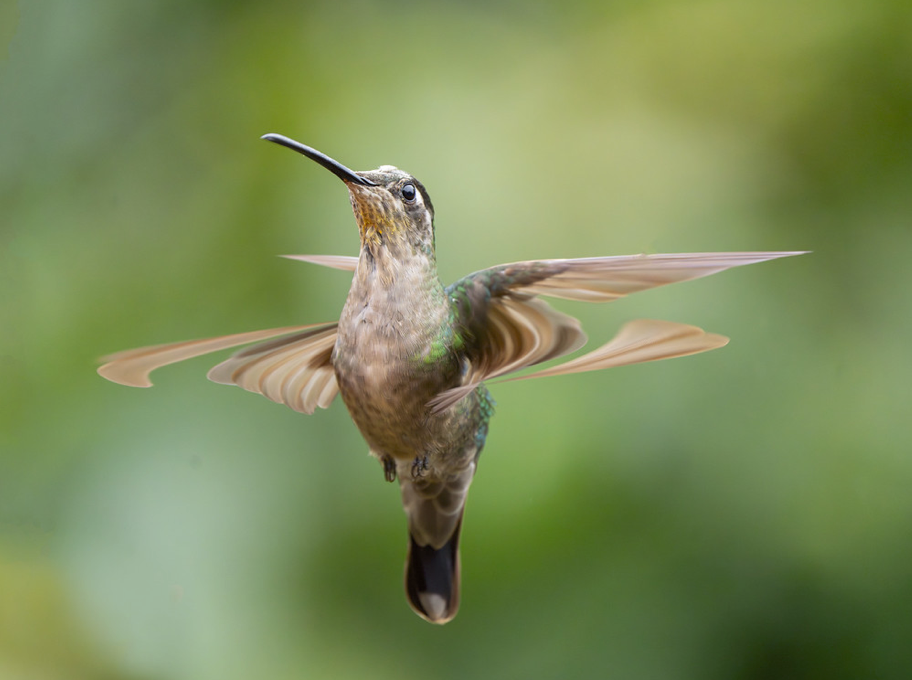
Cliff, I am posting some hummer shots, I was expecting much worse rolling shutter effect on the wings based on the sensor readout speed and some of the review pictures I saw online. I was pleasantly surprised it's quite usable for hummingbird shoots. Based on my own observation, the most visible effect is probably the occasional longer or shorter wing spans than normal.
Cliff L. wrote:
Definitely better than the A7R V, but not as good as the A1 or my R5 II.
Based on my very short hummer shoots, I FEEL the keep rate is not quite as high as the A1II. It's no surprise there though. The A7RVI is really a fabulous package, one just needs to be aware of its short comings in very limited occasions.
Cliff L. wrote:
Definitely better than the A7R V, but not as good as the A1 or my R5 II.
I don’t see signs of distortion from a slower sensor in those images. All I see is blur from 1/1000s during the mid stroke. You would need an image of the hummer darting away from one flower to another to say if there is rolling shutter distortion.
Jul 01, 2026 at 06:45 AM
Steve Spencer Offline • • • • • • • Upload & Sell: On
arbitrage wrote:
I don’t see signs of distortion from a slower sensor in those images. All I see is blur from 1/1000s during the mid stroke. You would need an image of the hummer darting away from one flower to another to say if there is rolling shutter distortion.
To me, most of these look pretty good, but it looks to me like the 9th and the 11th ones in the series have movement distortion. Not a bad outcome at all, but I don't think movement distortion free either.
Douglas L wrote:
Cliff, I am posting some hummer shots, I was expecting much worse rolling shutter effect on the wings based on the sensor readout speed and some of the review pictures I saw online. I was pleasantly surprised it's quite usable for hummingbird shoots. Based on my own observation, the most visible effect is probably the occasional longer or shorter wing spans than normal.
These are amazing shots. I don't know anything about BIF but from what I've watched on hummers their wings move mostly horizontal during hover. If that's the phase caught for these images I wouldn't except to see much rolling shutter distortion since distortion occurs for movement across vertical rows. Have your observations been different with other cameras?
For reference here's a slow-motion video of a hover (various parts, but first is at 0:54):
snapsy wrote:
These are amazing shots. I don't know anything about BIF but from what I've watched on hummers their wings move mostly horizontal during hover. If that's the phase caught for these images I wouldn't except to see much rolling shutter distortion since distortion occurs for movement across vertical rows. Have your observations been different with other cameras?
For reference here's a slow-motion video of a hover (various parts, but first is at 0:54):
Thank you. I have been shooting hummingbirds in my yard for 7 or 8 years if not longer. For that I have been using a variety of Sony cameras, including the A7RIII (before Sony had any fast bodies), A1, A1II. I don't think I ever used the A7RIV or the A7RV for that because the A1 was already out 6 or 7 years ago. I have seen pretty "interesting mutant" hummingbirds taken with cameras with slow sensor readout. James' post above is a perfect illustration.I don’t think pictures taken with A1 A1II look that different, which is a big pleasant surprise to me. I do feel certain shots made by the A7RVI have longer wings.
I know some folks are sick and tired of the sensor readout speed/rolling shutter discussion. Everybody knows the A7RVI (or even the A7RV for that matter) is a fantastic body for landscape and a host of other genres. Nobody is even questioning that. To me, the somewhat uncertain part is for some very niche applications in fast action stuff, if you rarely use the A7RVI for that kind of stuff, carry on. I know if I want to have higher probability of getting "the" shot, I will pick up the A1II. For me, the A7RVI is an all round camera that excels in many many areas and also happens to be very very good at fast actions, just not as good at the A1(II) and A9III in some niche applications.