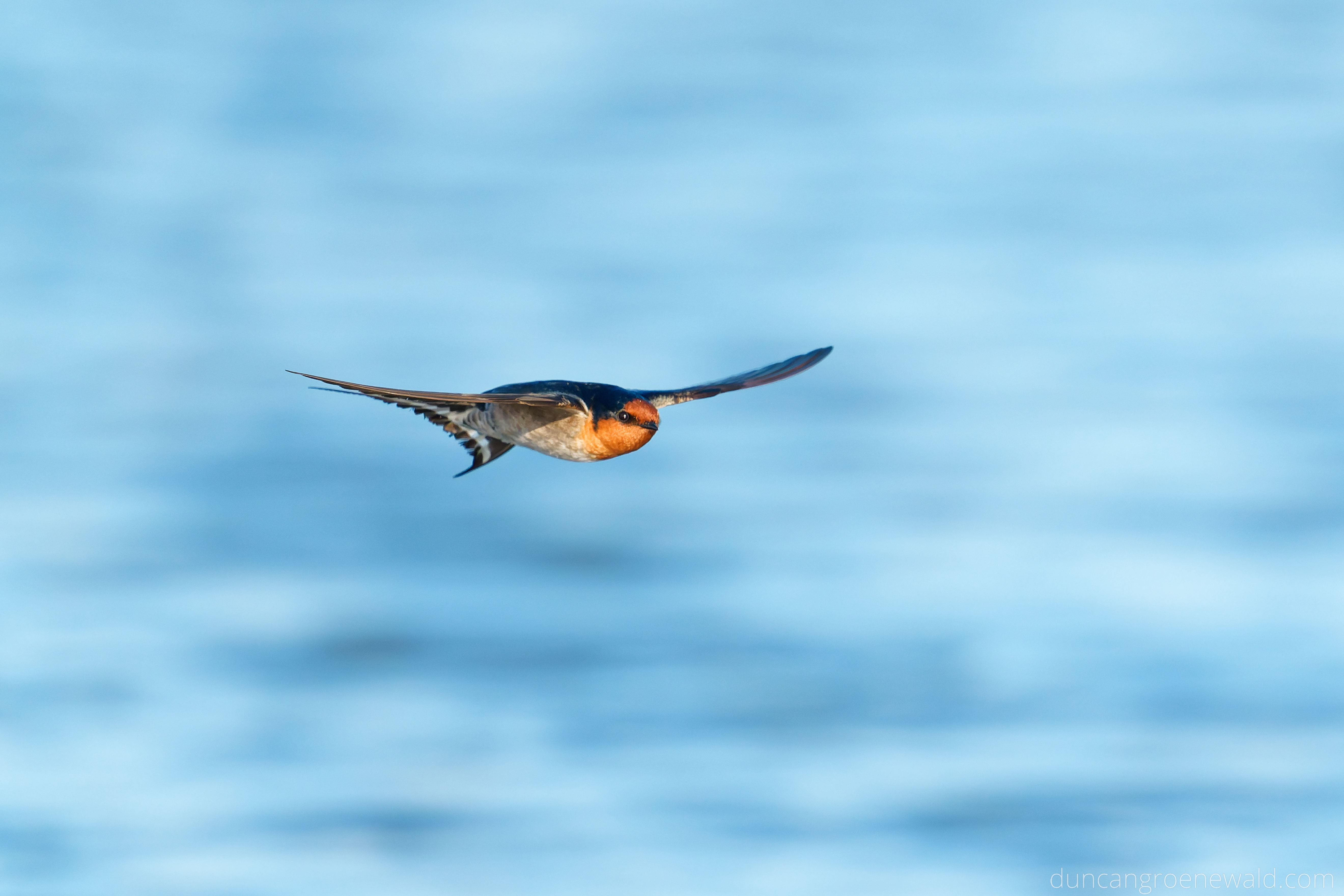
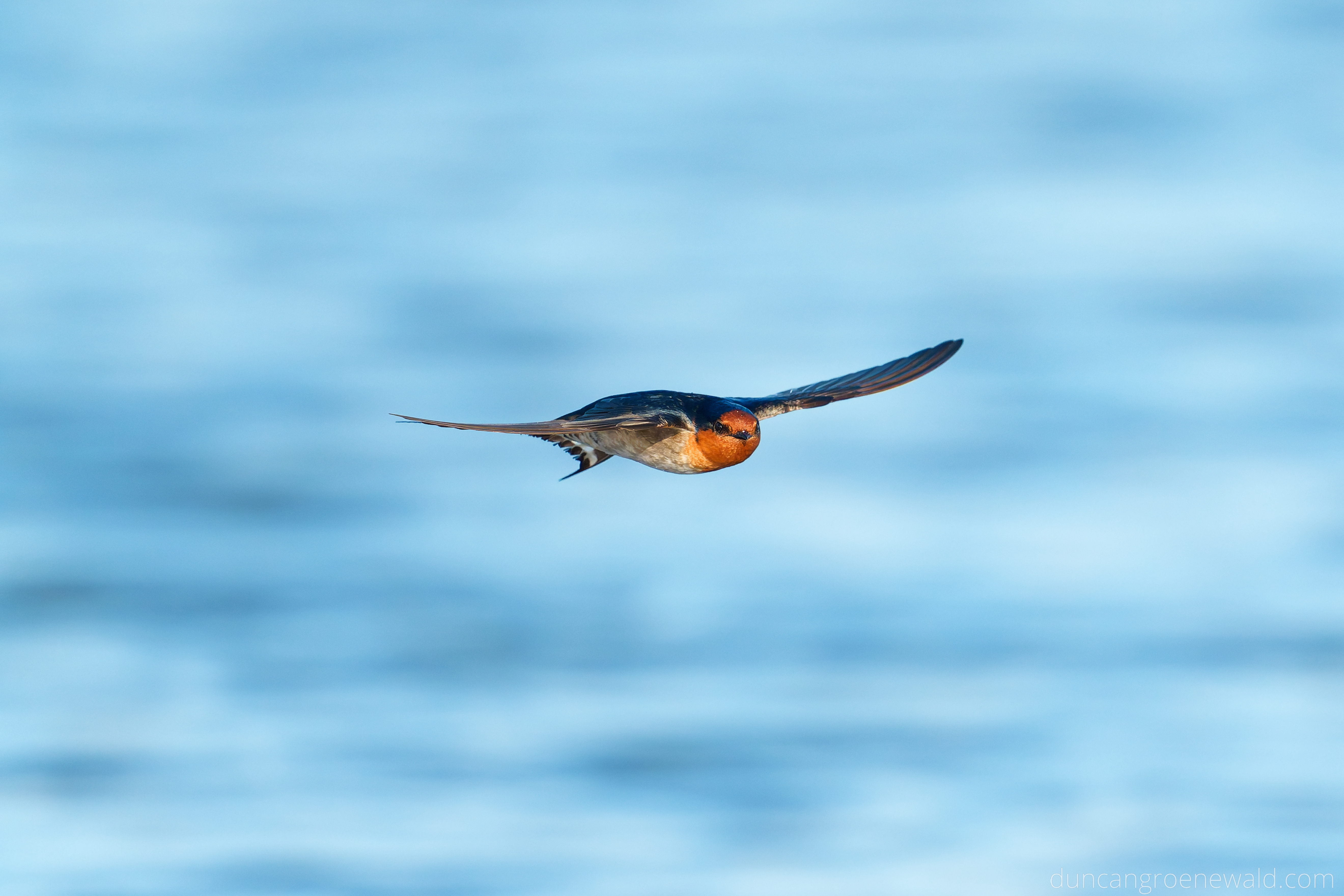
Michael Gordon wrote:
The reviewer seems pretty harsh with the VI for astro. Is it really a problem after post processing and downsampling? My A7RIII does fine in astro but I am thinking the illuminated controls, better EVF for focusing may be helpful and the AF should be better in other applications. I stack or track anyways but am worried about the noise seen in the long exposure foreground image.
Unfortunately, he didn't mention if he used the mechanical or electronic shutter for astro. That may very well make a difference.
seaSharp wrote:
Nice shots! I'm renting one to try out with the Sigma 500mm 5.6 - what settings, if any, did you change in the AF section? And are these all shot with lossy compression set?
No change to any AF settings - default seems to be just fine. You really need to push the shutter speed for BIF so the fastest lens you can afford.
I used lossy compressed which is a pain because for some reason DxO don't support it on this camera but they do on the A1/A9 series - WTF ! So my images are processed with Image Edge and a very very old version of Topaz which is a bit ordinary.
You should be able to use lossless compressed - which apparent is supported by DxO. I think the buffer is just not as big but it seemed to shoot 30fps just fine but I didn't use it much so there may be a downside other than file size.
Really enjoying this camera. I'm coming from the A7RV and I'm finding the improvements are more significant than what I assumed looking at the spec sheet. I will share some images below and summarize some of the key upgrades (for me) as follows:
1) Having DGO with the mechanical shutter simplifies the process of choosing the "best" ISO for exposures. On the A7RV, whenever I saw an image I loved, I would always think about whether I should shoot at ISO 100 or 320 and how much to under or over expose. The A7RVI makes things simple, I can let it choose any ISO from 100-640 that is appropriate for the minimum shutter speed and know that I am getting the best IQ.
2) Having a usable electronic shutter has not only facilitated photographing subjects like butterflies, which on the V required a lot of trial and error, but also helps with regular day to day landscape work. If I need to push the shutter speed lower while handholding, I use a custom button to switch to ES, turn on continuous shooting, and fire off a series of frames and usually find one that is sharp. Compared to the MS, I can usually get an extra stop of handholdability and that makes up for any IQ loss as well as reducing the time I need to get a sharp photo.
3) Having 10 custom modes allows me to keep the dial on * for almost all the types of shooting I do. Instead of changing many settings when I switch subjects, I have a custom button to cycle through 10 configurations that cover most of my interests.
4) I really like having the XS AF point box as I am often doing close up shooting or shooting with a very shallow depth of field where small adjustments make a difference in the final image.
5) The AI white balance sensor is definitely giving me a better starting point when editing RAW, even with my WB set to "Daylight," which I prefer. I splurged for the Cobalt Spectre profiles and I am spending much less time in the edit getting the colors basically where I want, leaving me with more time and energy for tweaking.
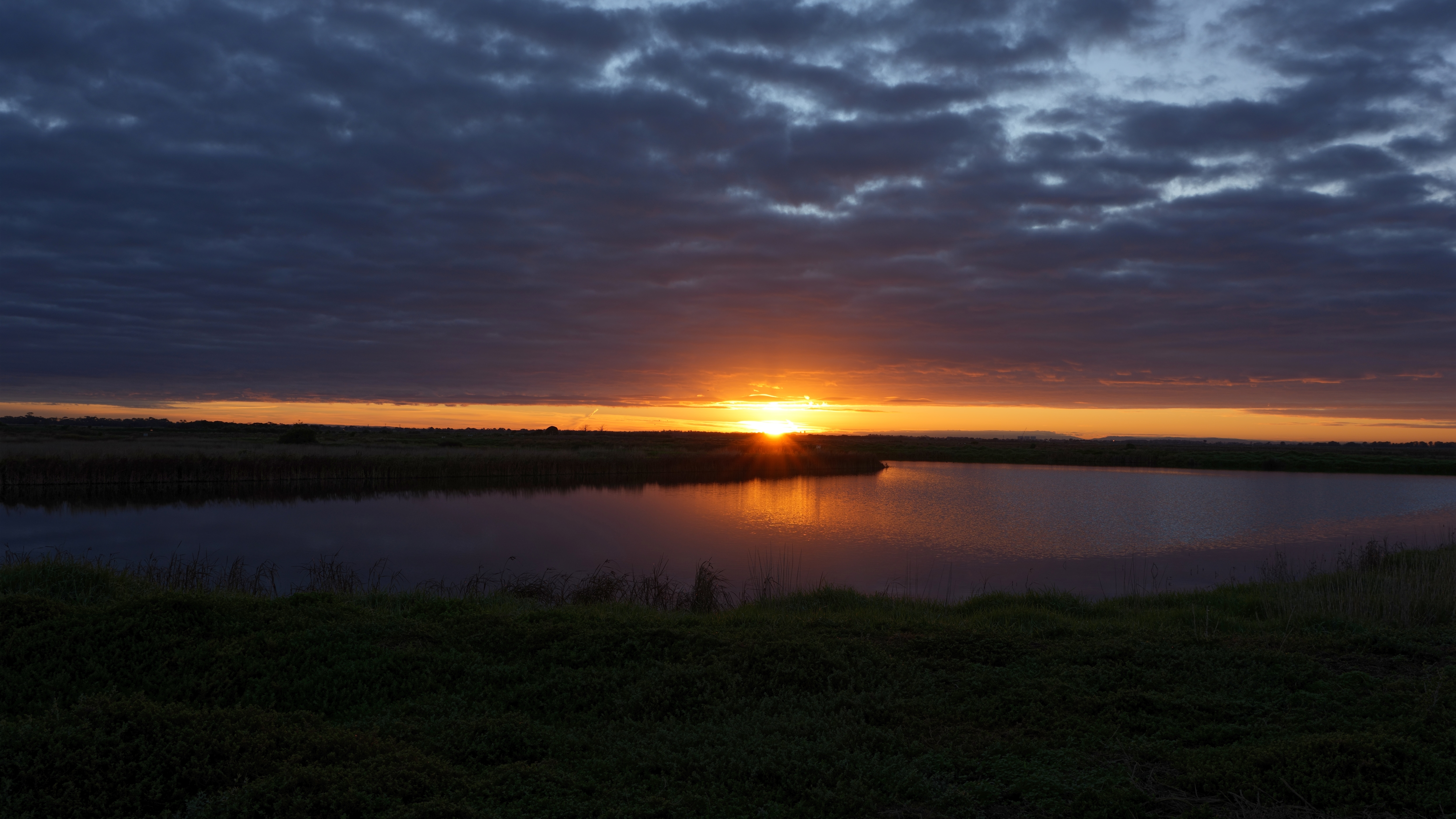
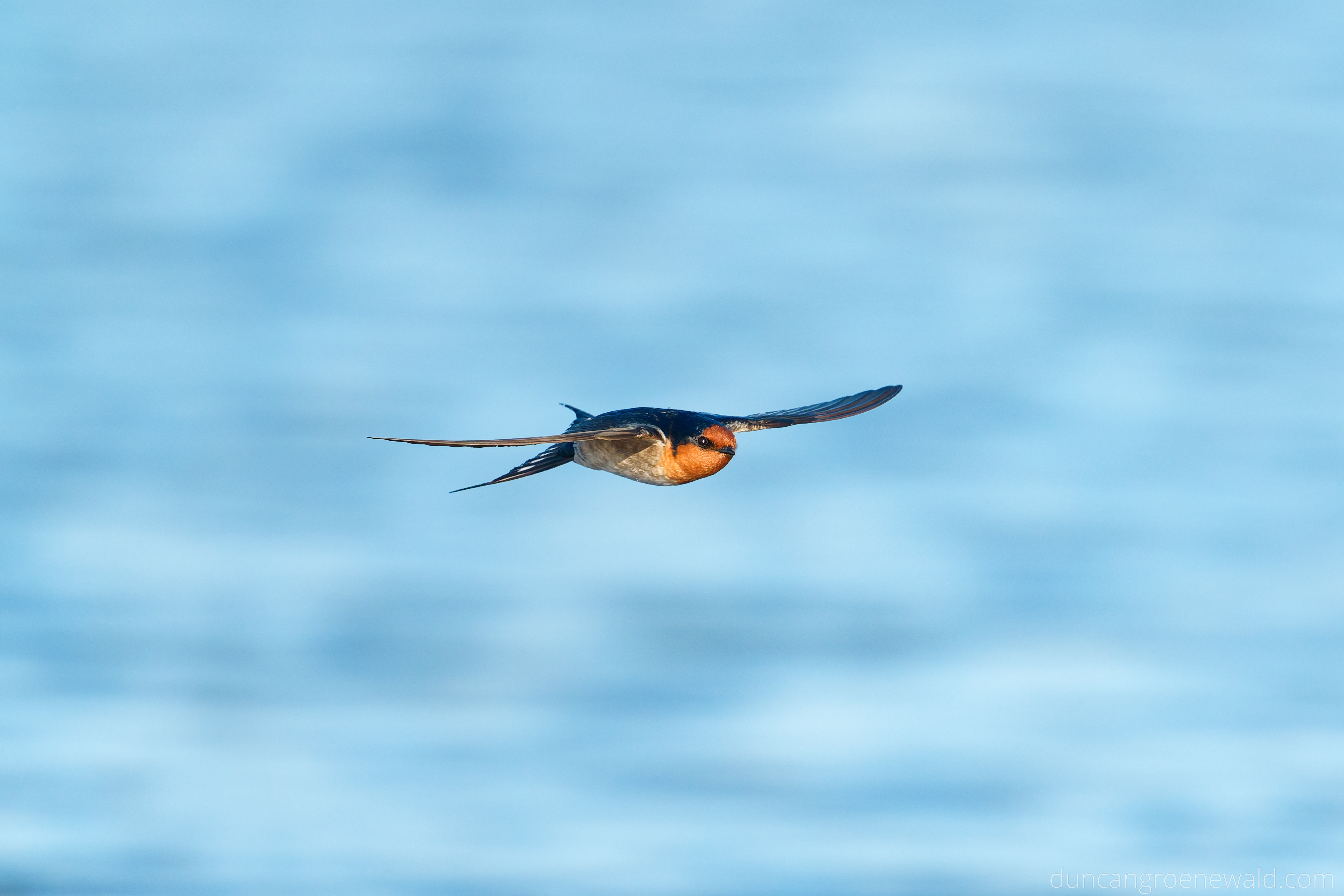
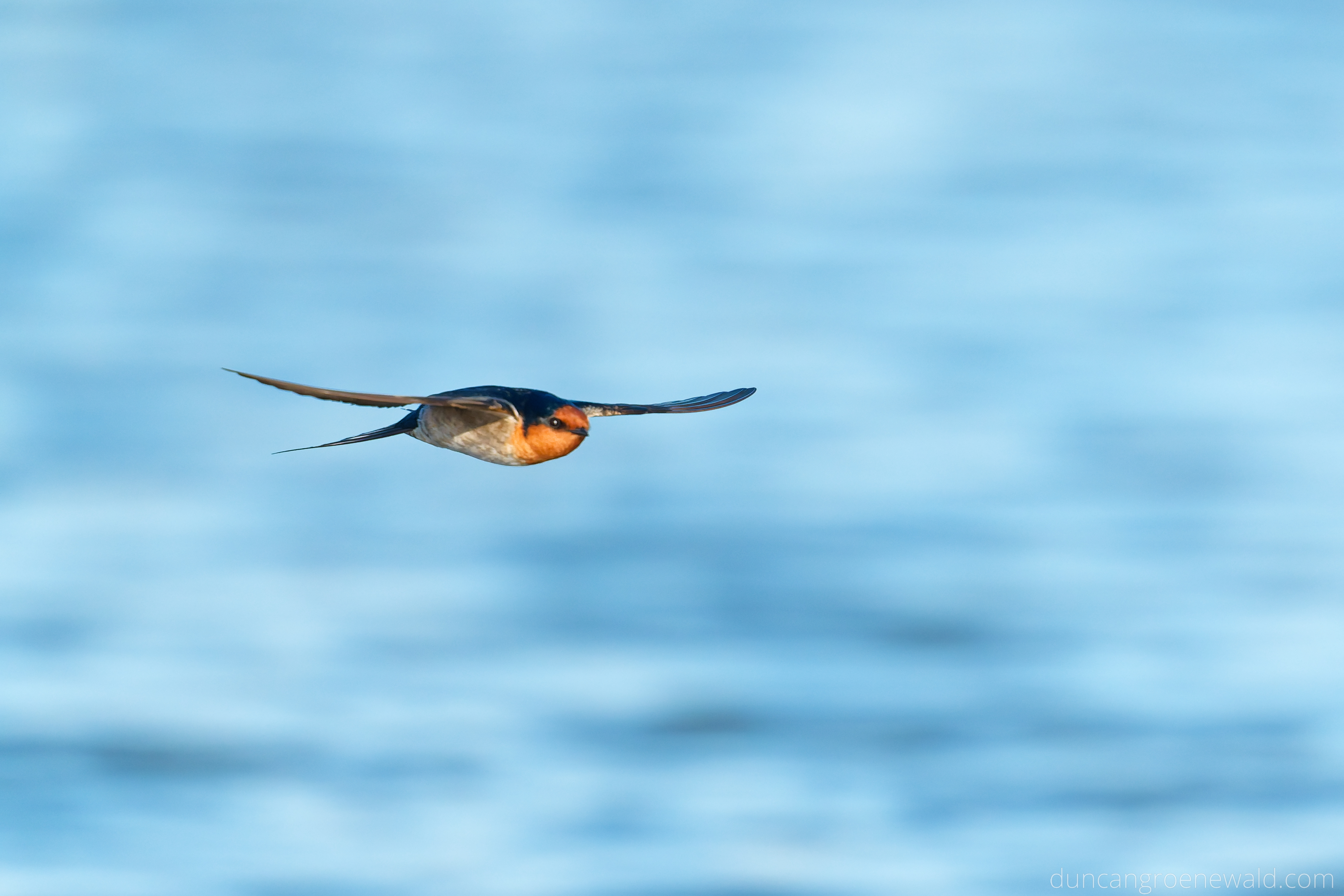
Here is a range of initial images since getting the camera:
DWOfPaul wrote:
Thanks for sharing, this was a great review that addressed a bunch of the questions I had about the a7rVI. I do wish he were clear, though, when testing dynamic range and astro photography, whether he was using the electronic or physical shutter. The electronic shutter is getting the buzz, but I feel like most photographers are going to be better served with the physical shutter on this camera.
Exif from his sample files shows full mechanical (both first and second).
ketang wrote:
Really enjoying this camera. I'm coming from the A7RV and I'm finding the improvements are more significant than what I assumed looking at the spec sheet. I will share some images below and summarize some of the key upgrades (for me) as follows:
1) Having DGO with the mechanical shutter simplifies the process of choosing the "best" ISO for exposures. On the A7RV, whenever I saw an image I loved, I would always think about whether I should shoot at ISO 100 or 320 and how much to under or over expose. The A7RVI makes things simple, I can let it choose any ISO from 100-640 that is appropriate for the minimum shutter speed and know that I am getting the best IQ.
2) Having a usable electronic shutter has not only facilitated photographing subjects like butterflies, which on the V required a lot of trial and error, but also helps with regular day to day landscape work. If I need to push the shutter speed lower while handholding, I use a custom button to switch to ES, turn on continuous shooting, and fire off a series of frames and usually find one that is sharp. Compared to the MS, I can usually get an extra stop of handholdability and that makes up for any IQ loss as well as reducing the time I need to get a sharp photo.
3) Having 10 custom modes allows me to keep the dial on * for almost all the types of shooting I do. Instead of changing many settings when I switch subjects, I have a custom button to cycle through 10 configurations that cover most of my interests.
4) I really like having the XS AF point box as I am often doing close up shooting or shooting with a very shallow depth of field where small adjustments make a difference in the final image.
5) The AI white balance sensor is definitely giving me a better starting point when editing RAW, even with my WB set to "Daylight," which I prefer. I splurged for the Cobalt Spectre profiles and I am spending much less time in the edit getting the colors basically where I want, leaving me with more time and energy for tweaking.
Here is a range of initial images since getting the camera:
Very nice! I received mine yesterday, a much earlier purchase than I was planning. I "charged" the battery for a few hours, tried to set up the camera but the battery died before I could finish. I forgot to check the battery capacity when I started. I put the battery in the charger again and the status light kept blinking, like the first time. I didn't know what it meant. The battery was still at 1% after 30 minutes. I knew something was not right, so I changed the cable. the 50% light is blinking now so I think it's working. I have another battery coming tomorrow.
I want to try the A7RVI for an airshow on either this Sat or Sun, depending on the weather. Knowing the issues the slower sensor read speed may cause for fast action shoots under certain conditions, I want to try it on airshows and humming birds anyway. I didn't buy the A7RVI expecting it to outperform the A1II for fast stuff. You just can't beat the physics (sensor speed and AF calculations/second).
Without using the A7RVI for an extended period of time, I would hazard a guess that if you can have only one camera, and shoot 30% fast stuff and 70% other genre, the A7RVI may be a perfect camera. But if you shoot 70% fast stuff and 30% other genre, the A1II may be a better suit. Fortunately I can have both. The question is whether the A7RVI is good enough to replace one of my two A1IIs. I shoot a lot of planes, birds, but do shoot some landscape, cityscape stuff.
Charging from 0% with the OEM charger takes a little over an hour. Make sure you have at least a 45W PD AC adapter and a good cable. I saw only about 28W going into the charger for one battery, so less than what a 3A cable will deliver. I did not track and integrate power in the computer. It's possible that some data cables don't supply enough current.
I also tested charging with a few PD power banks and some worked better than others. One rated 45W don't work and entered a continual power on/off cycle. Another 65W PD power bank delivered a full charge as usual. Check whatever you would use ahead of time.
EB-1 wrote:
Charging from 0% with the OEM charger takes a little over an hour. Make sure you have at least a 45W PD AC adapter and a good cable. I saw only about 28W going into the charger for one battery, so less than what a 3A cable will deliver. I did not track and integrate power in the computer. It's possible that some data cables don't supply enough current.
I also tested charging with a few PD power banks and some worked better than others. One rated 45W don't work and entered a continual power on/off cycle. Another 65W PD power bank delivered a full charge from 0% with 60% left.
Check whatever you would use ahead of time.
Thank you. It was the cable problem. The PD AC adapter is an Anker 736 100W charger. It's almost at 100% now. It was definitely the cable's problem, which I didn't expect.
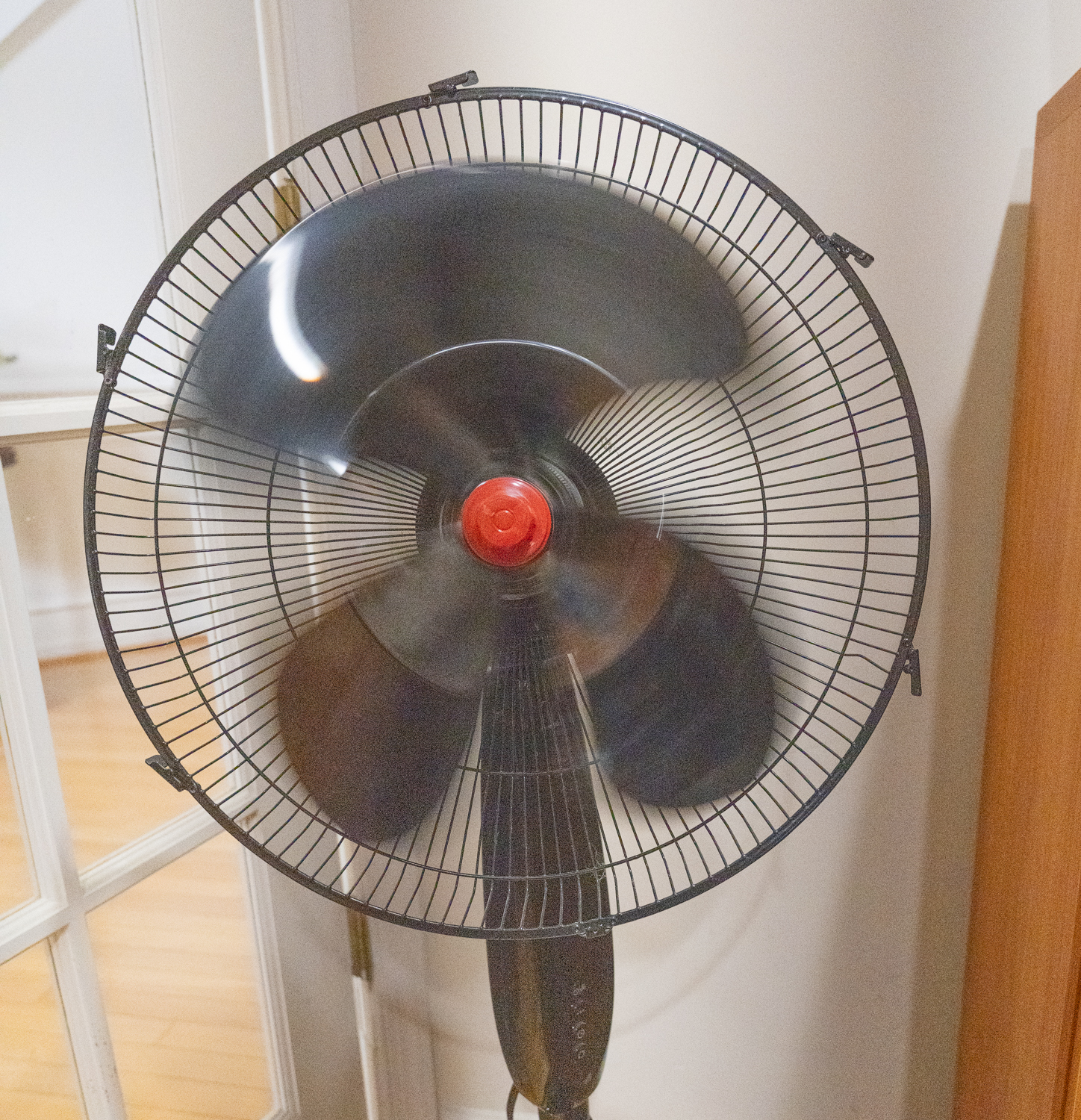
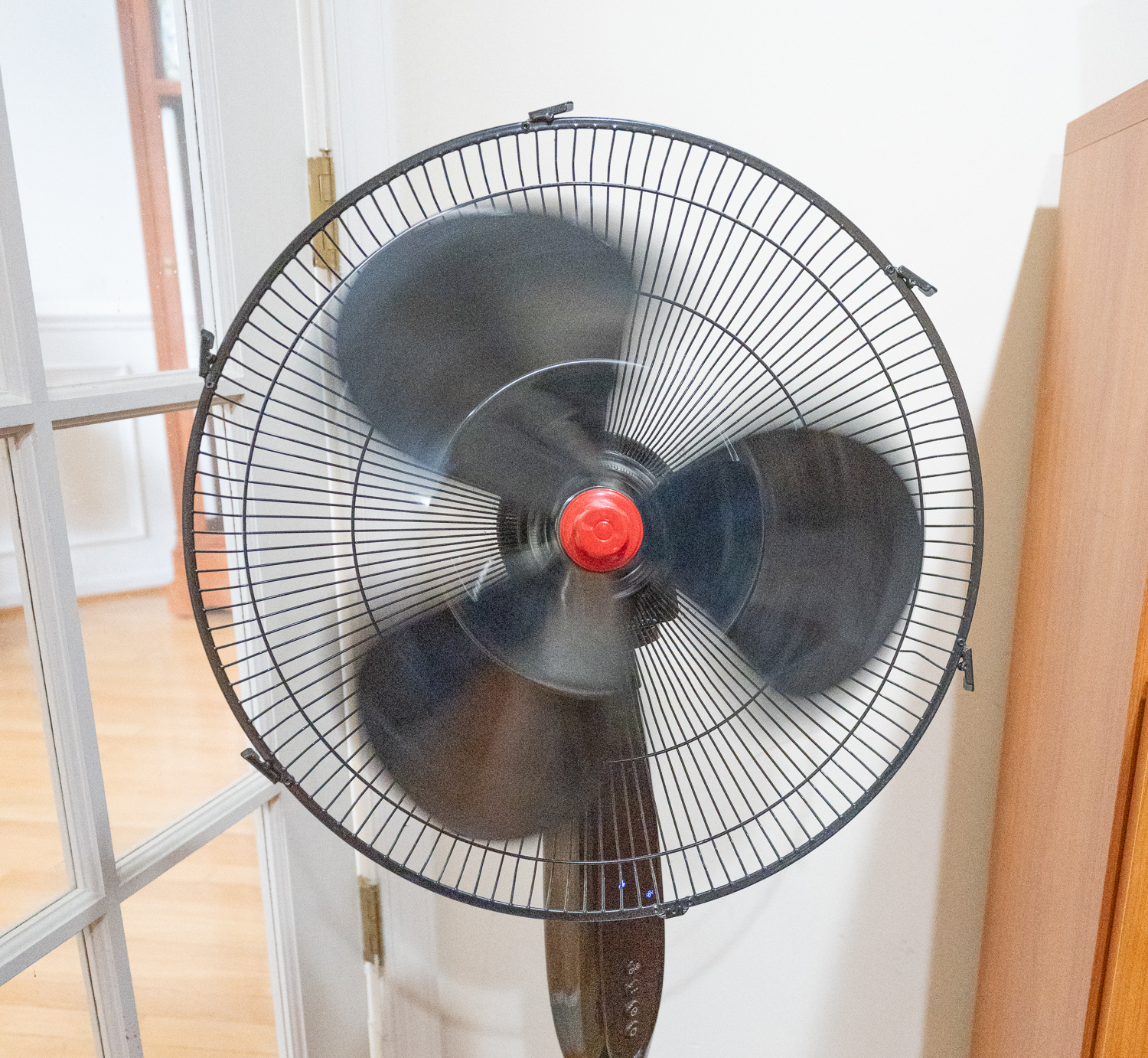
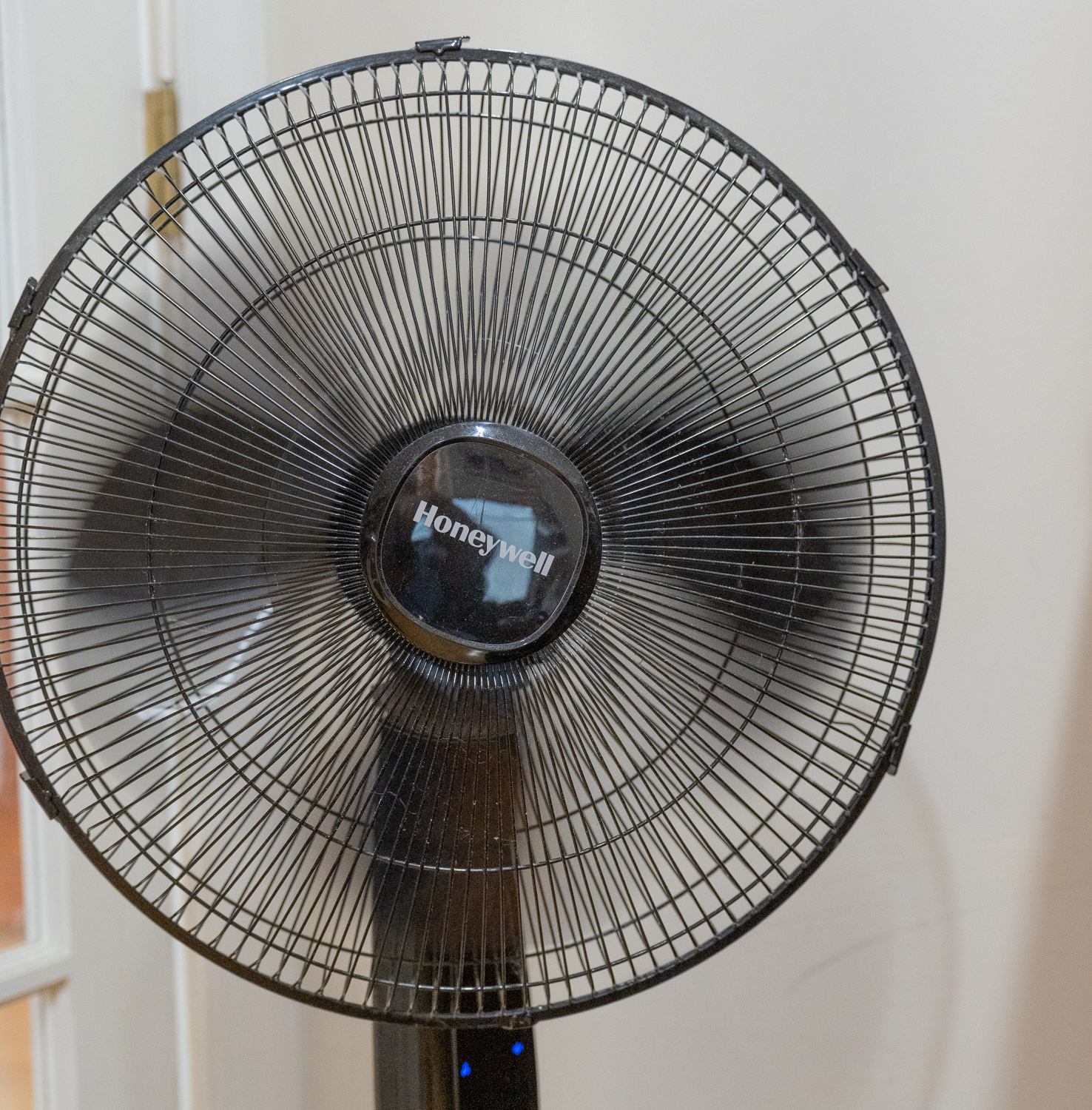
Got my A7RVI two days ago, set it up. I just took a few shots of a moving fan with it and compared them to the shots taken with the A1II, same shutter speed. I knew this would be the result but I had to do it myself for sh@ts and giggles
Both shot with electronic shutter, lossless compressed raw.
A7RVI
ILCE-7RM6FE 20-70mm F4 G lens20mmf/4.01/400s10000 ISO0.0 EV
A1II
ILCE-1M2FE PZ 16-35mm F4 G lens20mmf/4.01/400s10000 ISO0.0 EV
Douglas L wrote:
Got my A7RVI two days ago, set it up. I just took a few shots of a moving fan with it and compared them to the shots taken with the A1II, same shutter speed. I knew this would be the result but I had to do it myself for sh@ts and giggles
Both shot with electronic shutter, lossless compressed raw.
2nd one is a wall hanger
I actually could see this be relevant to you propeller shots to some extent. Would you be at 1/400 on those? That's getting the propeller nice and blurred and pan the aircraft if something I'm still working on.
I actually could see this be relevant to you propeller shots to some extent. Would you be at 1/400 on those? That's getting the propeller nice and blurred and pan the aircraft if something I'm still working on.
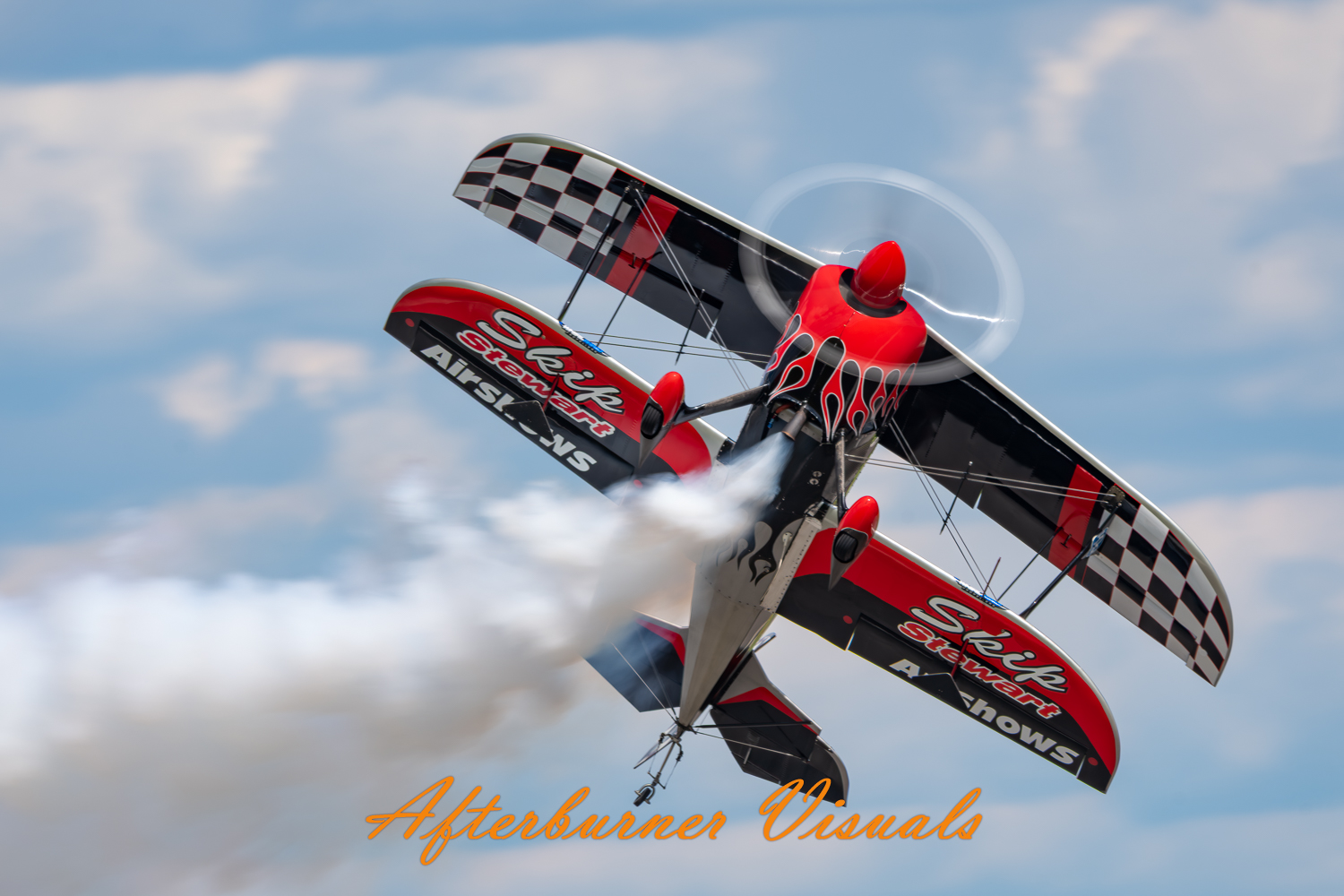
1/125 is my standard shutter speed for propeller planes. See picture below taken last week with the A1II.
Without actually trying it first hand, I am thinking 1/125 may actually "mask" the A7RVI's jello effect because at such speed the blades are barely visible as individual blade anyway. at 1/400 +shutter speed I think you will definitely see some jello effect. I just took another fan picture at 1/100, the jello effect is much less visible.
A&RVI at 1/100
ILCE-7RM6FE 20-70mm F4 G lens58mmf/4.01/100s4000 ISO0.0 EV
ILCE-1M2FE 400-800mm F6.3-8 G OSS lens800mmf/11.01/125s50 ISO0.0 EV
Douglas L wrote:
1/125 is my standard shutter speed for propeller planes. See picture below taken last week with the A1II.
Without actually trying it first hand, I am thinking 1/125 may actually "mask" the A7RVI's jello effect because at such speed the blades are barely visible as individual blade anyway. at 1/400 +shutter speed I think you will definitely see some jello effect. I just took another fan picture at 1/100, the jello effect is much less visible.
Notice how fan fills almost whole picture (hard to tell as there is some square crop, but I guess so) but propeller on the plane fits only a small part of picture. When the propeller is smaller in picture it will be less impacted by scan speed. Scan speed with compressed raw is about 14ms per shorter image dimension, but if the propeller diameter is only 1/10 of shorter picture side the scan of the propeller part will happen in 14/10 ms which could be fast enough.
You can try to photograph the fan with two focal lengths or distances to test it.
Douglas L wrote:
Got my A7RVI two days ago, set it up. I just took a few shots of a moving fan with it and compared them to the shots taken with the A1II, same shutter speed. I knew this would be the result but I had to do it myself for sh@ts and giggles
Both shot with electronic shutter, lossless compressed raw.
FYI it’s been documented by others that you will get the best sensor readout speed if you shoot compressed raw (not lossless), approx. 14ms rather than the approx. 20ms in lossless raw.
Ross Martin wrote:
FYI it’s been documented by others that you will get the best sensor readout speed if you shoot compressed raw (not lossless), approx. 14ms rather than the approx. 20ms in lossless raw.
Thanks Ross. It's such a complicated piece of equipment. I have read conflicting reports on how different raw format affects the autofocus calculation per second, DR and the buffer too. It's all about priority and compromise, I guess you can't have the cake and eat it too
Douglas L wrote:
Thanks Ross. It's such a complicated piece of equipment. I have read conflicting reports on how different raw format affects the autofocus calculation per second, DR and the buffer too. It's all about priority and compromise, I guess you can't have the cake and eat it too
Standard Compressed RAW gets you the 14ms readout speed and the 60 AF calculations per second, so that’s the way to go *if* a person is needing maximum capability for fast subjects. The speed increase is due to Standard Compressed dropping to 12 bits, so in theory there is a small DR tradeoff. In terms of buffer, Sony artisan Mark Galer says Standard Compressed gives 5 seconds compared to 3 second buffer in lossless raw.
Thanks again, Ross. I read somewhere more than once that if compressed raw is chosen, the AF calculation drops from 60/seconds to 30/seconds? I wish there is an official Sony white paper with the technical details. Both ChatGPT and Gemini got conflicting information.
James Burden wrote:
Haha....before the 7R6 I limped along with the A1 II and The 7R5....quite an imperfect match but I like to shoot a wide variety of stuff so the resolution based camera always tagged along. Now I'm with the 7R6 and the A1 II is the second body unless the subject is extremely fast. 🤷🏼♂️ The missing link on the 7R6 for me is just down to ergo's.....If I had access to hummers or say motor sports/panning subs the role would reverse. They are such a great pair for me....
Now that I have the RVI, I will try hummers in my yard when the weather is better. I have seen hummers with 3 wings in some of the shots taken with the RVI posed on youtube. Not a surprise really. May get to try it on some helicopters this afternoon, at 1/60 or 1/100 second. I suspect that it will not show the rolling effect because the blades in motion are barely visible as individual blades anyway at such low shutter speed. But at higher shutter speed the "mask" may come off. Will find out!