gdanmitchell
Offline
• • • • • • •
Upload & Sell: Off
|
 p.2 #4 · Using Manual lenses on Mirrorless p.2 #4 · Using Manual lenses on Mirrorless | |
It is a bit of mixed bag.
How many of you are using lenses dating to before, say, 1987? I’ll bet there are a few out there, but not many.
Why 1987? That’s when the still-quite-viable EF system was introduced. That’s basically four decades ago. EF lenses still work just fine on the most modern Canon R bodies, albeit with adapters.
Will the current RF series last that long? No way to know, but certainly these lenses seem designed to the same kind of standards as the EF system.
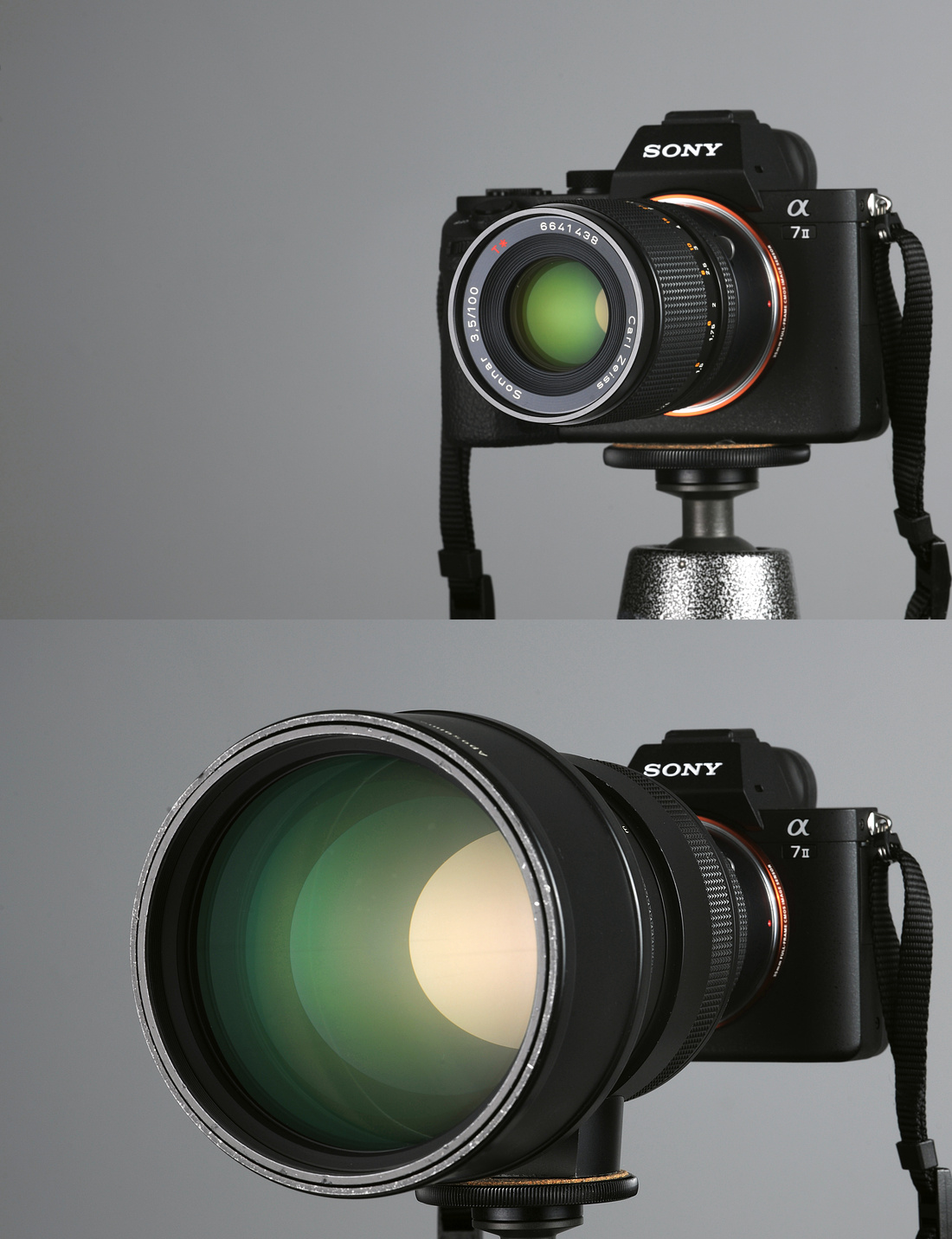
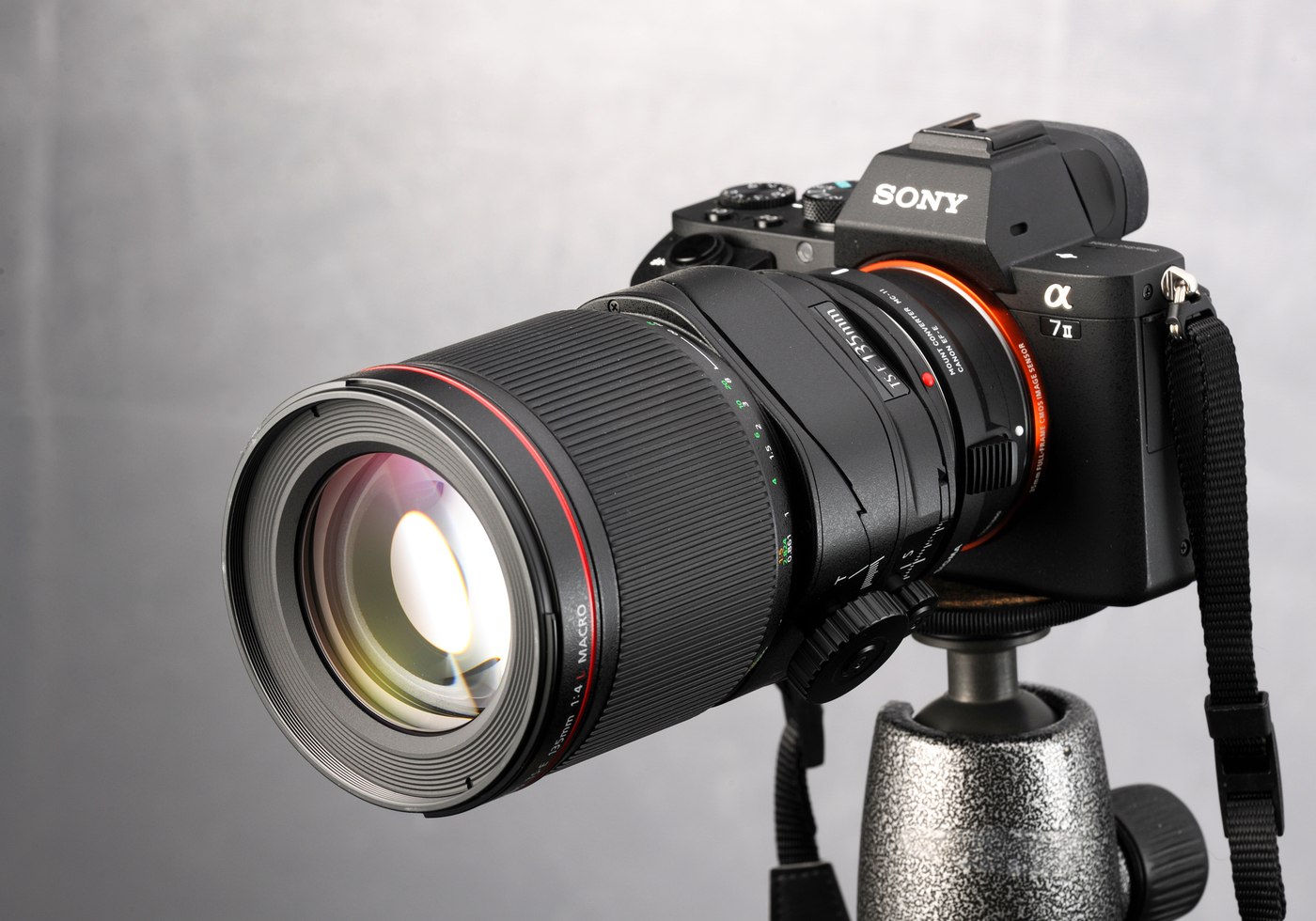
To the extent that more modern lenses provide increased functionality, the balance between features and long term durability can swing either way. If you are, for example, an architecture or landscape photographer whose mode is to put the camera on a tripod and do everything manually, fully manual lenses can be a fine option. (I use them this way at times.)
On the other hand, if you photograph subjects where speed and automation arguably make possible sort of photographs that were virtually impossible with older manual gear (sports, wildlife, a lot of street photography) the fact that the gear may last fewer decades (but still decade!) may seem less significant. (Some of this old-process work is quite nice.)
Unlike old photography, it ain’t black and white…
- - -
A possibly-related aside: We seem to be in one of the periodic “retro” periods as tastes vacillate back and forth between “retro is better!” and “modern is better!”
I’ve had work in a particular show from time to time for over a decade. I have a piece in it again this year, and I was at the official opening last night. This year, looking at the photographic work that was included, I was somewhat shocked by how much of it was monochrome (my piece is, too, though a modern pigment print) and also using old processes — silver prints, silver palladium, and similar. A decade ago there might have been (but wasn’t always) a single piece done in those ways.
You might always say that it au courante to be old school… for now. :-)
- - -
Regarding the general movement to use techniques and tools from an earlier era, I wondered how many great photographers (or painters, musicians, etc.) today are known specifically for their dedication to using tools that were chosen because they were not modern. I can’t think of very many. (I happens in music a big. Mozart was inspired by his “discovery” of Bach’s polyphony. Today, some music of Argo Pärt and others does reflect some concepts from a very early time.) But mostly, in their own eras, it seems that most great, memorable artists were using tools, techniques, and materials that were modern in the context of their time, and not too many were doing the opposite.
|