fredmiranda.com
Login

Moderated by: Fred Miranda
  New fredmiranda.com Mobile Site
  New Feature: SMS Notification alert
  New Feature: Buy & Sell Watchlist
  

FM Forums | General Gear-talk | Join Upload & Sell


Tested Various Hand Warmers – My Findings


Stefan Official
Offline
• •
Upload & Sell: Off
p.1 #1 · Tested Various Hand Warmers – My Findings


Over the past few days, I’ve tested several hand-warming solutions, since I have almost all of them on hand.

Reusable Sodium Acetate Heat Pads
These can be activated by clicking and reset by boiling. They heat up quickly and nicely, but after about half an hour, they’re basically useless. For longer use, you’d need a lot of pads, which quickly becomes heavy and bulky.

Single-Use Chemical Heat Pads
These oxidize when exposed to air and eventually warm up. Unfortunately, they take almost an hour to reach maximum heat, and even then, the warmth is rather weak. I was disappointed. Environmentally, they’re a nightmare: on a vacation you can easily go through 40 pads, which means roughly 2 kg of chemicals and metal ending up in the trash. Feels completely wrong.

Zippo Pocket Warmers (Fuel-Based)
I’ve owned these for around 15 years. They run for about 6 hours, but are trickier to handle. They can’t be quickly turned on or off—once activated, they burn until the fuel is gone. Also, you can’t take lighter fluid on a plane, so that’s an extra hassle. They also don’t always light reliably, which can be frustrating. Back in the day, they were great for outdoor use, but modern alternatives have clearly caught up.

Electric Pocket Warmers (OCOOPA)
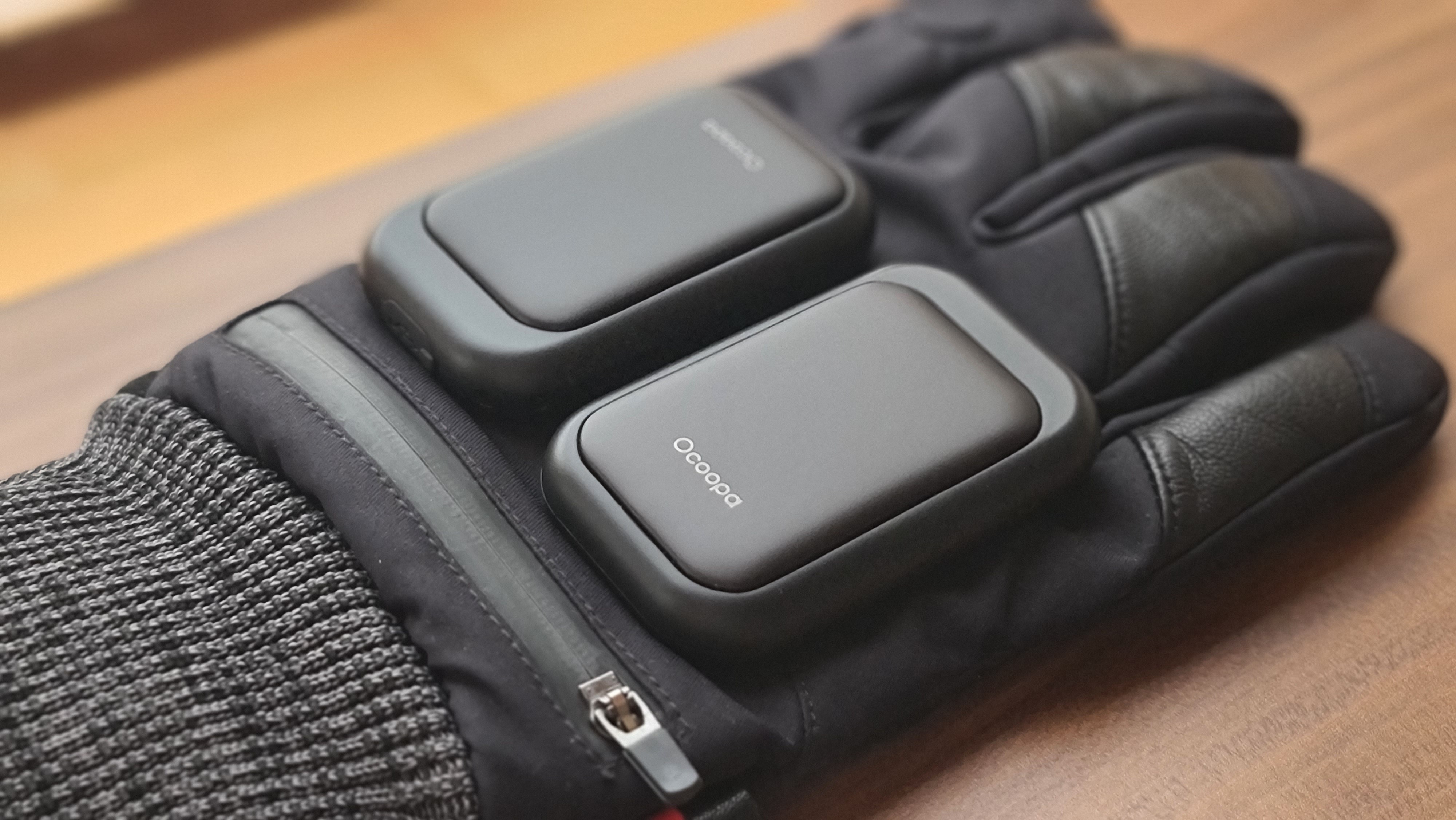
My first-generation unit is about 6 years old and still works perfectly. They’re admittedly bulky and heavy, but more practical, warmer, and more reliable than anything I’ve used before. The only drawback is their size and weight – if only it weren’t for that, they’d be perfect.

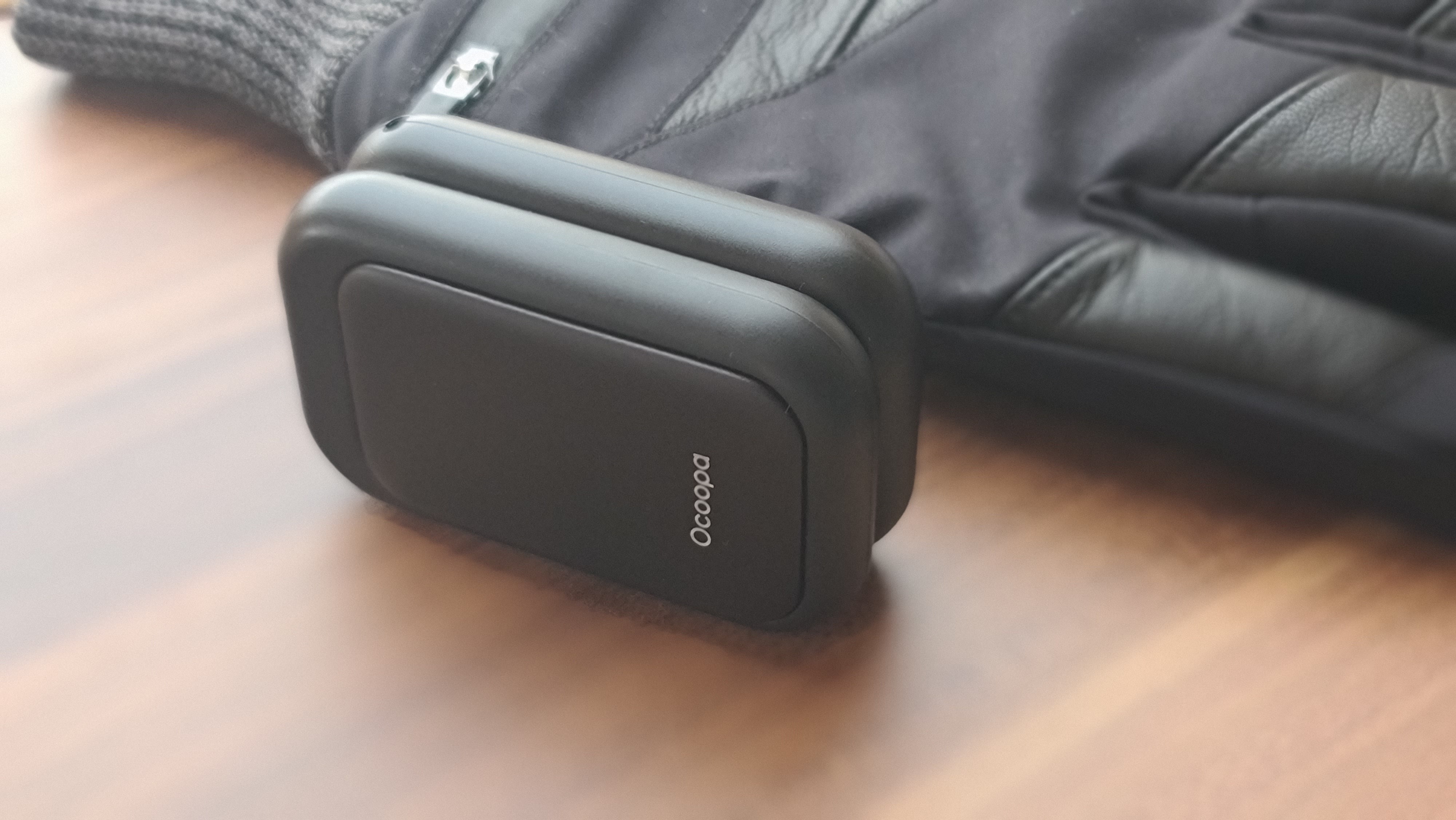
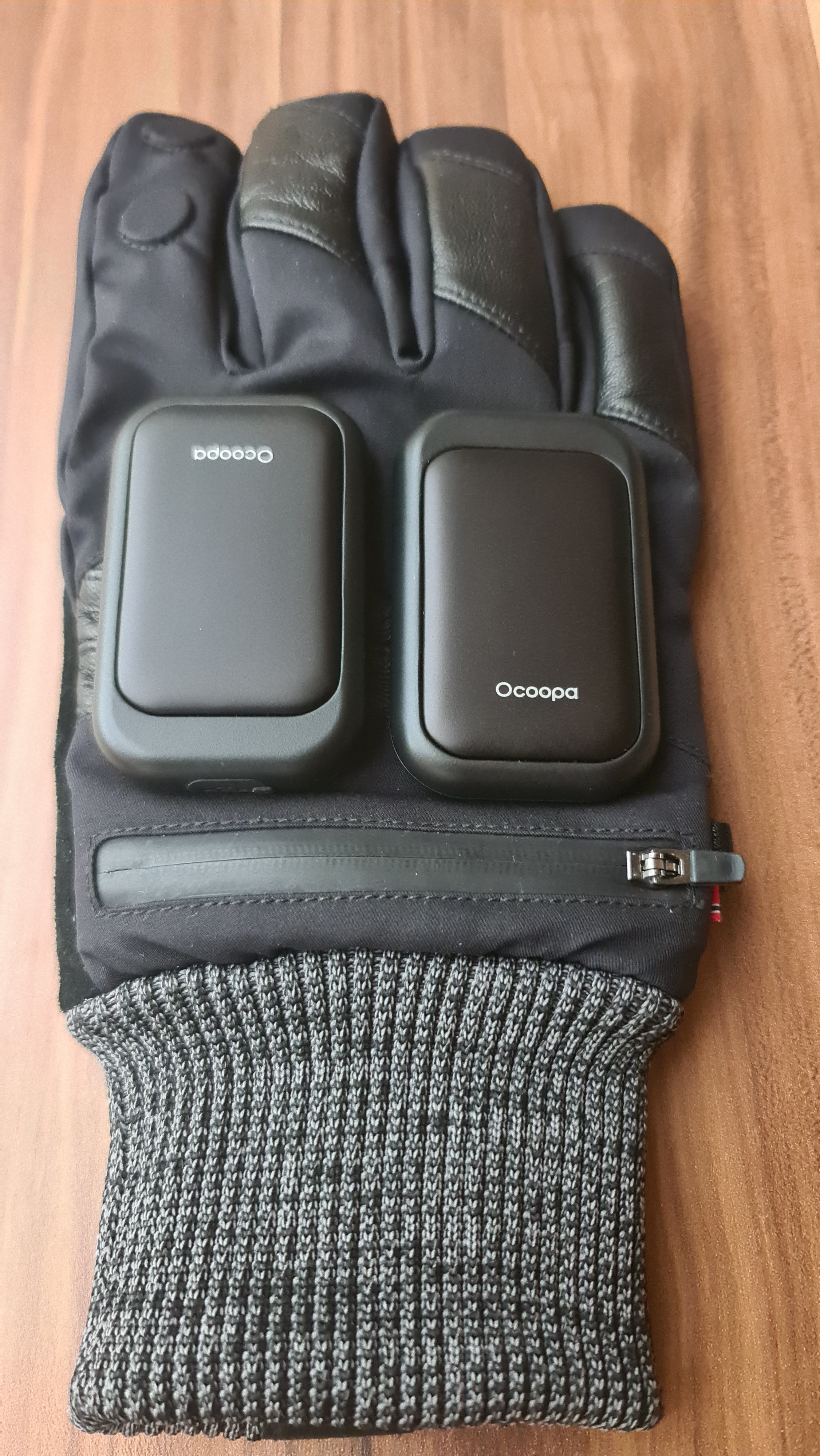
Nowadays, OCOOPA is actually the market leader in Europe (I didn’t know that!) and offers very small models, barely bigger than single-use chemical pads. These tiny units run about 8 hours on level 1, 6 hours on level 2 (tested myself), and 3–4 hours on level 3. At max heat, they get very hot—direct skin contact can even be painful. With a thin layer of fabric in between, level 3 is ideal; otherwise, levels 1–2 are fine for direct skin contact.

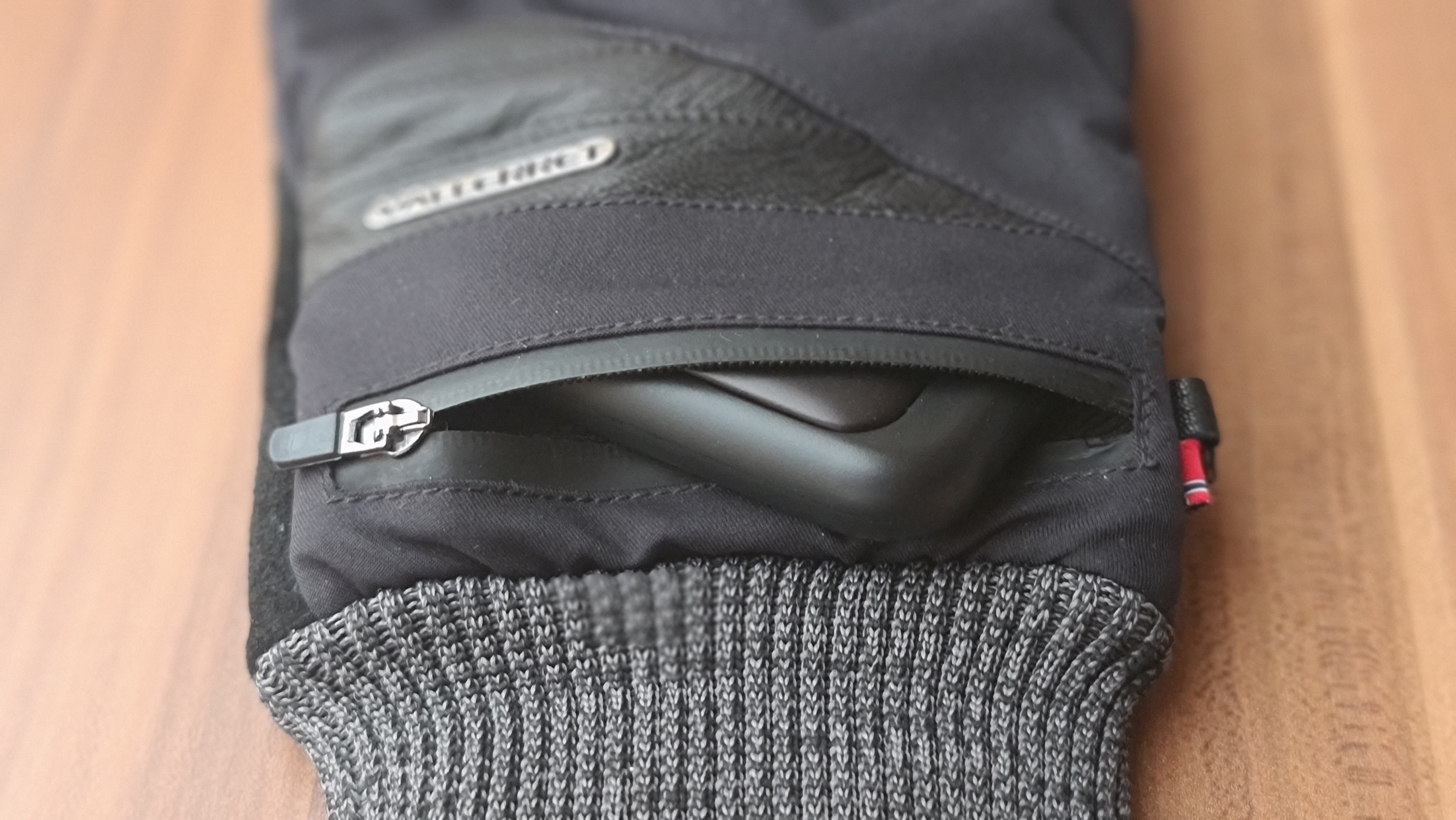
The small electric warmers are extremely handy (only 65 g), and fit in gloves, shoes, or other spots. All the old drawbacks are gone. A neat bonus: if you stack them, they magnetically attach to form a larger warmer. Price is around €8 each. I can honestly recommend them—if you need something like this, definitely check them out. For me, they combine the best features of all worlds.

Here are a few photos:


Feb 01, 2026 at 08:16 AM
jeffbuzz
Offline
• • • •
Upload & Sell: On
p.1 #2 · Tested Various Hand Warmers – My Findings


Hothands disposable warmers are made from ingredients which are naturally found in the soil. Disposal is essentially putting dirt back in the dirt.


Feb 01, 2026 at 02:02 PM
Stefan Official
Offline
• •
Upload & Sell: Off
p.1 #3 · Tested Various Hand Warmers – My Findings


Worldwide, an estimated 600 million disposable hand warmers are sold each year. Each contains roughly 20 g of iron powder, 2 g of activated carbon, 1 g of vermiculite, 1 g of salt, and 1–1.5 g of laminate foil made of plastic and metal. This adds up to 12,000 tons of iron powder (which turns to rust), 1,200 tons of activated carbon, 600 tons of vermiculite, 600 tons of salt, and 720 tons of laminate foil per year, over 15,000 tons of material in total, all for short-term heat.

After use, most hand warmers end up in regular trash bins or are incinerated. The laminate produces CO₂ and fine dust, while the rest remains as slag or filter ash and is deposited in landfills. So the claim that it is “just dirt back in the dirt” is misleading, because it generates permanent waste and microplastics while consuming raw materials.

In comparison, a rechargeable electronic hand warmer requires more material and energy to produce, due to its plastic or metal casing, electronics, and lithium-ion battery, but it can be used for many hundreds of charge cycles. Per use, it produces far less waste, less CO₂, and consumes fewer resources than disposable hand warmers. Most parts, especially the battery, can be recycled at the end of life, so anyone who regularly uses hand warmers will create significantly less waste and resource consumption with a reusable device.


Feb 01, 2026 at 03:30 PM


Search in Used Dept. 

EB-1
Offline
• • • • • • •
Upload & Sell: Off
p.1 #4 · Tested Various Hand Warmers – My Findings


That's not so much material for the chemical handwarmers, especially considering the contents. Those electric glove heaters are too bulky for me, though I use the electric socks. I suspect that a huge number of the Li-Ion power banks are only used a few times then sit around until they go bad and are thrown out.

EBH


Feb 01, 2026 at 04:15 PM
jeffbuzz
Offline
• • • •
Upload & Sell: On
p.1 #5 · Tested Various Hand Warmers – My Findings


Stefan Official wrote:
Worldwide, an estimated 600 million disposable hand warmers are sold each year. Each contains roughly 20 g of iron powder, 2 g of activated carbon, 1 g of vermiculite, 1 g of salt, and 1–1.5 g of laminate foil made of plastic and metal. This adds up to 12,000 tons of iron powder (which turns to rust), 1,200 tons of activated carbon, 600 tons of vermiculite, 600 tons of salt, and 720 tons of laminate foil per year, over 15,000 tons of material in total, all for short-term heat.

After use, most hand warmers end up in regular trash bins or are incinerated. The laminate
...Show more

What about the environmental impact of the li-ion batteries used in the electric warming devices? Those contain an array of toxic metals including lead. The ingredients in disposables are literally found in garden soil.

Rechargeable batteries make sense for daily use items like phones and cameras. The batteries are more likely to fulfill their maximum potential of usage before degrading. Seasonal use rechargeables are more likely to degrade due to age and improper storage long before they've been charge/discharge cycled enough times to offset the environmental cost of producing them.


Feb 02, 2026 at 11:42 AM
Stefan Official
Offline
• •
Upload & Sell: Off
p.1 #6 · Tested Various Hand Warmers – My Findings


I’ve tested all types and explained everything in detail here. My first electric hand warmer is now six years old and the battery still works perfectly. I’m speaking from real experience; I’m not just making things up. I’ll either give it away or sell it soon, so it will probably continue to work for another six years. In the end, it will be 12 years old. I honestly don’t understand how anyone can talk that down.
Also, at least here in Germany, batteries are collected and recycled separately. Single-use is always the worst option — common sense alone tells you that, even without doing the math. If we were to use disposable hand warmers when we’re in Norway with friends soon, we’d end up throwing about 10 kg of them into the trash. That’s roughly the amount used over two weeks. Do you really think that’s the better alternative? It’s also heavier to transport and much more expensive than rechargeable electric hand warmers.
But anyway. My point was simply to talk about these electric hand warmers mentioned above, to share my experience, and to be helpful. They’re barely larger than the disposable ones, and at around 60 grams they’re hardly any heavier either. They’re lighter in the backpack than carrying a whole pack of single-use warmers, they can be recharged for many years, and — even more importantly — they get much warmer. And if I don’t need them anymore after 30 minutes because the weather gets too bad and I pack up for the night, I just switch them off. What exactly are you supposed to do with activated disposable warmers?


Feb 02, 2026 at 12:13 PM


FM Forums | General Gear-talk | Join Upload & Sell


Welcome back
Log in to your account