I want to add a lens to cover 16mm range. I have 24-70mm gm2 and 70-200mm gm2, but don’t want to spend big money to buy 16-35mm gm2. So, I am thinking 16-35mm f4 g or 16mm f1.8g. 16-25mm f2.8 g can be a contender.
It’s strictly for landscape photography so I don’t need a fast lens. What do you think?
I just picked up a Viltrox 16 f1.8 to use for landscape and astro. Stopped down I think it's as sharp as the 16G. It's bigger but has a solid build quality. Price is decent. It's gotten solid reviews for astro as well.
The Voigtlander 15mm f/4.5 Asph is useful for landscape. The narrow aperture allows the lens to be quite small. If you're shooting at f/5.6 or 8 anyway, there's no need for a faster lens. Downsides are manual focus and lack of any sealing. It does have electronic contacts so you get proper metering and EXIF.
Younjulius wrote:
I want to add a lens to cover 16mm range. I have 24-70mm gm2 and 70-200mm gm2, but don’t want to spend big money to buy 16-35mm gm2. So, I am thinking 16-35mm f4 g or 16mm f1.8g. 16-25mm f2.8 g can be a contender.
It’s strictly for landscape photography so I don’t need a fast lens. What do you think?
Years ago I was primes-only for landscape photography. Eventually I understood that the advantages of primes for this genre — supposedly greater sharpness — didn’t amount to much at the apertures we typically use for these subjects.
In addition, you have much more control over composition with a zoom. You can position the camera in the ideal spot for your subject, foreground and background, and you’ll maintain the full resolution that your sensor provides rather than compromising composition or cropping in post.
I’m unfamiliar with the specific Sony zooms, so I can’t offer your lens-specific recommendations. However, f/4 lenses often work very well for landscape since you generally are unlikely to shoot wide open.
Younjulius wrote:
I want to add a lens to cover 16mm range. I have 24-70mm gm2 and 70-200mm gm2, but don’t want to spend big money to buy 16-35mm gm2. So, I am thinking 16-35mm f4 g or 16mm f1.8g. 16-25mm f2.8 g can be a contender.
It’s strictly for landscape photography so I don’t need a fast lens. What do you think?
I think it's a deeply personal and inherently subjective thing. I've been into photography my entire life, but I cannot produce an interesting image with a zoom. My brain/eye need hard constraints to succeed at finding compositions. I can only "see" in one or two focal lengths, and only within the range of 20-85mm. I literally never managed to produce an interesting image outside that range, or with a zoom. I simply cannot imagine how to walk and see the world around me in a dozen focal lengths between 24 and 105mm simultaneously. And yet, some folks like @Ross Martin shows fantastic work made with the 24-105mm zoom almost daily here.
The more versatile zoom range means you have to switch lenses less often - nicer workflow and a real advantage in bad weather or sandy / dusty environments.
It has much nicer sunstars than the other two lenses (7 aperture blades vs 11). The 22-point stars from the other lenses are just too distracting..
For me the wider the lens the more I prefer the optical and size advantages inherent in manual focus prime lenses. When shooting landscapes you will be shooting most often stopped down to f/8 or more. That means that everything from a few feet to infinity is in focus so no need for AF or fast apertures. High optical performance is possible in very small sizes and at reasonable prices. Wide often means aberrations like corner softness, distortion, and vignetting at edges and corners. Primes reduce all of these significantly better than can be done in a very wide zoom.
I am a mostly landscape photographer as well, but I do not often use super-wide points of view. I also have the 24-70GMII and the 70-200GMII.
I decided to get the 16-35 f/4 G PZ and have been quite happy with it. It's so small, light, and sharp that I almost always bring it along even if I'm not sure I'll need it.
I have not used the 16-25 f/2.8G but it's probably a good choice as well. I do like the bit of overlap with the 16-35 as I dislike lens changing.
I've been at this a long time and have gone back and forth with the great prime vs zoom question. I own too many primes, which are quite wonderful but which I almost never use. I guess I'm a zoom person. I have said, with a prime, the lens decides the point of view, with a zoom the photographer decides. There are many exceptions, of course but I mostly go out with the three lenses I mentioned, 16-35 f/4, 24-70 f/2.8 GMII, and 70-200 f/2.8 GMII. It is rare I need others.
I like zoom lenses, and the new f/2.0 zooms are almost like prime lenses – really impressive! However, I find zooms in the ultra-wide-angle range rather pointless. Ask many photographers how they use a 16–35 mm GM2: most set it to 16 mm because they want an ultra-wide view. In practice, it’s rarely actually “zoomed.”
Usually, you’d have a 24–70 mm GM2 or a similar standard zoom on the camera if you really want variable focal lengths. I myself used to own an ultra-wide zoom and almost always used it at the maximum wide-angle setting – the flexible focal length is hardly used in the ultra-wide range.
I would have loved the 16–28 mm f/2.0 when it comes out, but honestly, in practice it’s hardly useful. It’s significantly heavier, and I would almost always use it at 16 mm anyway. Ask many photographers which setting they use on an ultra-wide zoom, and you’ll see the same pattern: mostly at the wide-angle end.
In short: with ultra-wide lenses, a zoom often just adds unnecessary weight because the flexible focal length is rarely used. That’s my experience. So save the money and the weight, and instead enjoy a brighter, optically superior prime lens – with it, you can also shoot the Milky Way or the Northern Lights.
This is simply because the appeal of an ultra-wide lens lies in capturing a lot of the scene at once. “Zooming” between 16 and 35 mm is rarely needed in most landscape, architecture, or night photography – you usually change your perspective or position rather than your focal length.
PS: Oh, and I find the 16–35 mm f/4 G PZ really boring. Does nobody shoot landscapes at night? Or the Milky Way? Or want to photograph the Northern Lights? What use is a zoom you hardly need in this range, but that fails to cover 50 % of the subject world – especially in dark corners, museums, or other places where tripods aren’t allowed?
Stefan Official wrote:
Ask many photographers how they use a 16–35 mm GM2: most set it to 16 mm because they want an ultra-wide view. In practice, it’s rarely actually “zoomed.”
hasenbein wrote:
Utter BS, sorry.
Shows that you have no clue.
I’ve looked through all your photos on Flickr. There’s almost nothing in the 16–24mm range. You mostly shoot ultra-wide at 16mm, or start at 24mm, usually 28mm and above. The 18–24mm range is simply neither fish nor fowl, and around 24mm it’s quite boring – almost everyone with a smartphone shoots there.
The impact you want to achieve in ultra-wide really only starts at 16mm, not at 18 or 20mm. Just because a subject fits into the frame at 20mm doesn’t automatically make it a good photo. Composition and perspective decide the quality – often requiring adjusting your focal length and taking a few steps.
No auroras, no Milky Way, no dark churches or museums where tripods aren’t allowed – none of that seems to interest you.
Lens speed (aperture) really matters, and the numbers show why. To make it clearer for situations like auroras, the Milky Way, or dark interiors, I converted it to classic exposure times at ISO 100 and f/8 – like photographing a city skyline at night from a tripod:
f/1.8, ISO 1600, 10 s ≈ ISO 100, f/8, 53 minutes
f/2.8, ISO 1600, 10 s ≈ ISO 100, f/8, 22 minutes
That’s a massive difference between f/1.8 and f/2.8. For auroras or the Milky Way, it can quickly decide whether a photo is sharp or blurred. 4 seconds at f/1.8 can already become 10 seconds at f/2.8 – often far too long, and moving lights will blur. Just one second can determine whether an image is usable or not.
You may see it differently – opinions vary. But your comment doesn’t explain your thoughts and comes across as an attack. My photography friends mostly agree. Utterly dismissive comments like ‘BS’ or ‘you have no clue’ don’t impress anyone. One more like that, and you’ll end up on my ignore list.
Lot's of good suggestions here. But, you can make a good landscape image with any of these lenses, or ANY lens for that matter, if you know how to. I've made many significant landscape images with focal lengths from 11mm to 720mm, prime or zoom, doesn't matter.
old-gregg wrote:
I think it's a deeply personal and inherently subjective thing. I've been into photography my entire life, but I cannot produce an interesting image with a zoom. My brain/eye need hard constraints to succeed at finding compositions. I can only "see" in one or two focal lengths, and only within the range of 20-85mm. I literally never managed to produce an interesting image outside that range, or with a zoom. I simply cannot imagine how to walk and see the world around me in a dozen focal lengths between 24 and 105mm simultaneously. And yet, some folks like @Ross Martin@ shows fantastic work made with the 24-105mm zoom almost daily here....Show more →
One little tool that can help you see the world photographically and with a bit more flexibility is the simple “framing card.” This is just a piece of cardboard or similar (I use excess matting materials) with a cutout in your favorite aspect ratio.
Before taking out the camera, you use it to view potential subjects. It serves to isolate them from their surroundings by putting a frame around them, must like that mat you might put around a print. I first started going this maybe 15 years ago after a well-regarded landscape photographer I know explained it to me and after I saw him using this tool.
FWIW, I work with focal lengths from 16mm to 400mm when shooting landscape subjects, and I prefer to begin with a notion of the subject and its interpretation and then use the focal length that gets me there.
I have the Viltrox 16mm f1.8 I use for wide landscape shots and astro. But I've heard good things about the Tamron 16-30 f2.8 if you were looking at a zoom. Don't think you need to spend the money on the Sony GM to get great landscape shots.
I own both zooms and primes, both are capable of producing excellent images. I sometimes think the debate between the two comes down to "what do you prefer to have in your hand". I personally get more satisfaction using manual focus primes, but that is my chosen method of working. If you like zooms, then get a zoom. If you are looking to maximize your budget, you might want to consider a third party lens rather than a Sony. It came up on another thread recently that Sigma's wide angle zoom (14-24mm DG DN) is quite good. This may still exceed your budget. If you are looking to spend less, then I would suggest that you will get more value from a prime lens rather than than a zoom. The Viltrox 16mm comes to mind. I have not used it, but it has been well reviewed.
Thank you @old-gregg for your kind word, I appreciate that!
@Younjulius you have an excellent foundation with your two top-notch GMII zooms, and in terms of the wide options there are so many ways you can go in E mount and in my mind no one ‘right’ answer, rather several potential ‘correct’ answers depending on personal preference. Some use and love the 12-24/2.8GM and consider that an essential part of the holy trinity to match what you have. At the other end of price and size/weight is the 16-35/4PZ which I do carry and find it plenty good enough for me at typical landscape apertures, and the light weight is a joy. I do also have a Sigma 14-24/2.8 for certain uses and that has been tested extremely well against some primes in its range. The Sony 16/1.8 has intrigued me for its simplicity, but there are compositions I make on occasion where I need that 17-23mm range. As part of my journey to use and test many E mount options (most bought used here on FM and resold if not keeping, so little to no loss) I have also owned the original 16-35/2.8GM and GMII, and I felt both were quite fine and could easily do the job. Not to be overlooked is the Tamron 16-30/2.8, I have not yet used it but did use their previous 17-28 and they make very solid performers at great prices. Others have recommened the Sony 16-25/2.8 which appears to be a nice balance of speed, range, size/weight, and price.
I agree with Dan and Jeffrey about being able to put to good use a very wide range of focal lengths for landscape photography. I always have from 14 or 16mm on up to 400-500mm in my pack on my landscape trips and use all of them, whatever best suits each subject. I also practice the workflow Dan mentioned in first selecting the perspective that best gives me the view I want for a given subject, and once at that exact spot using a zoom to fine tune the exact composition. I still own a set of fantastic primes in the f/1.8 to f/1.2 range and use those at times for astro or non-landscape use, and I recognize that for some photographers here primes-only is what they prefer and use for their landscape work and that’s great for them, we all have our own preferences.
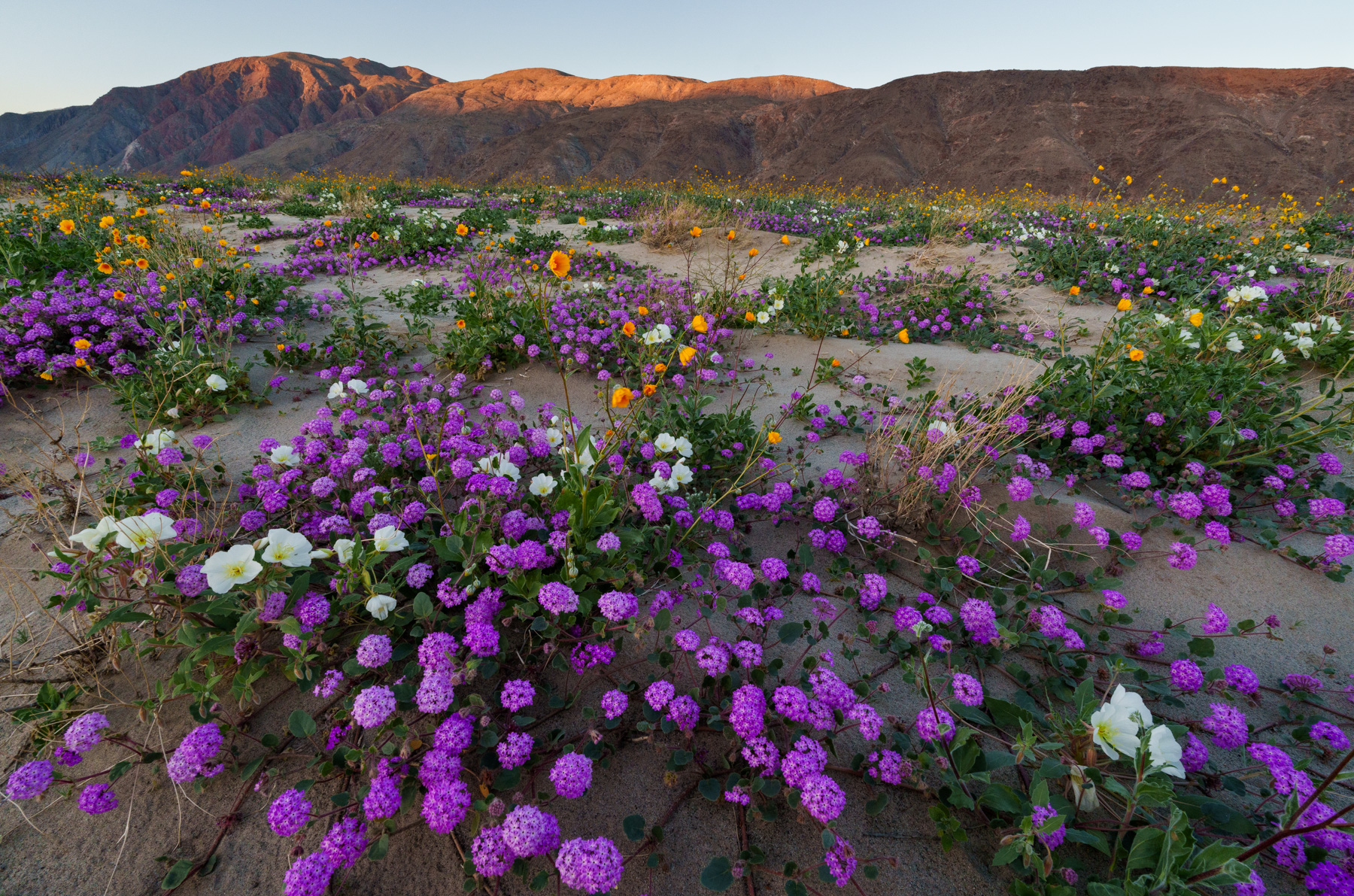
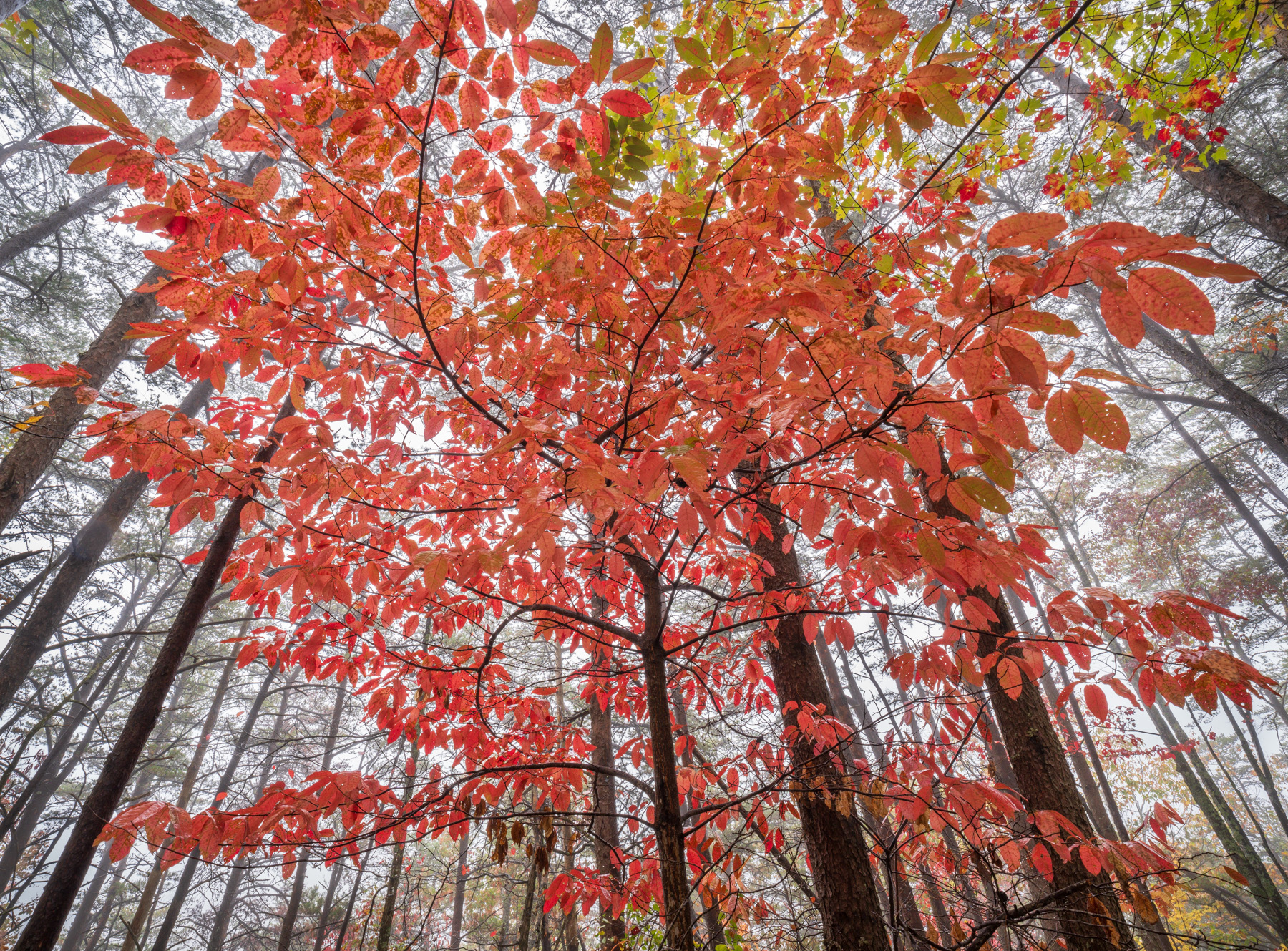
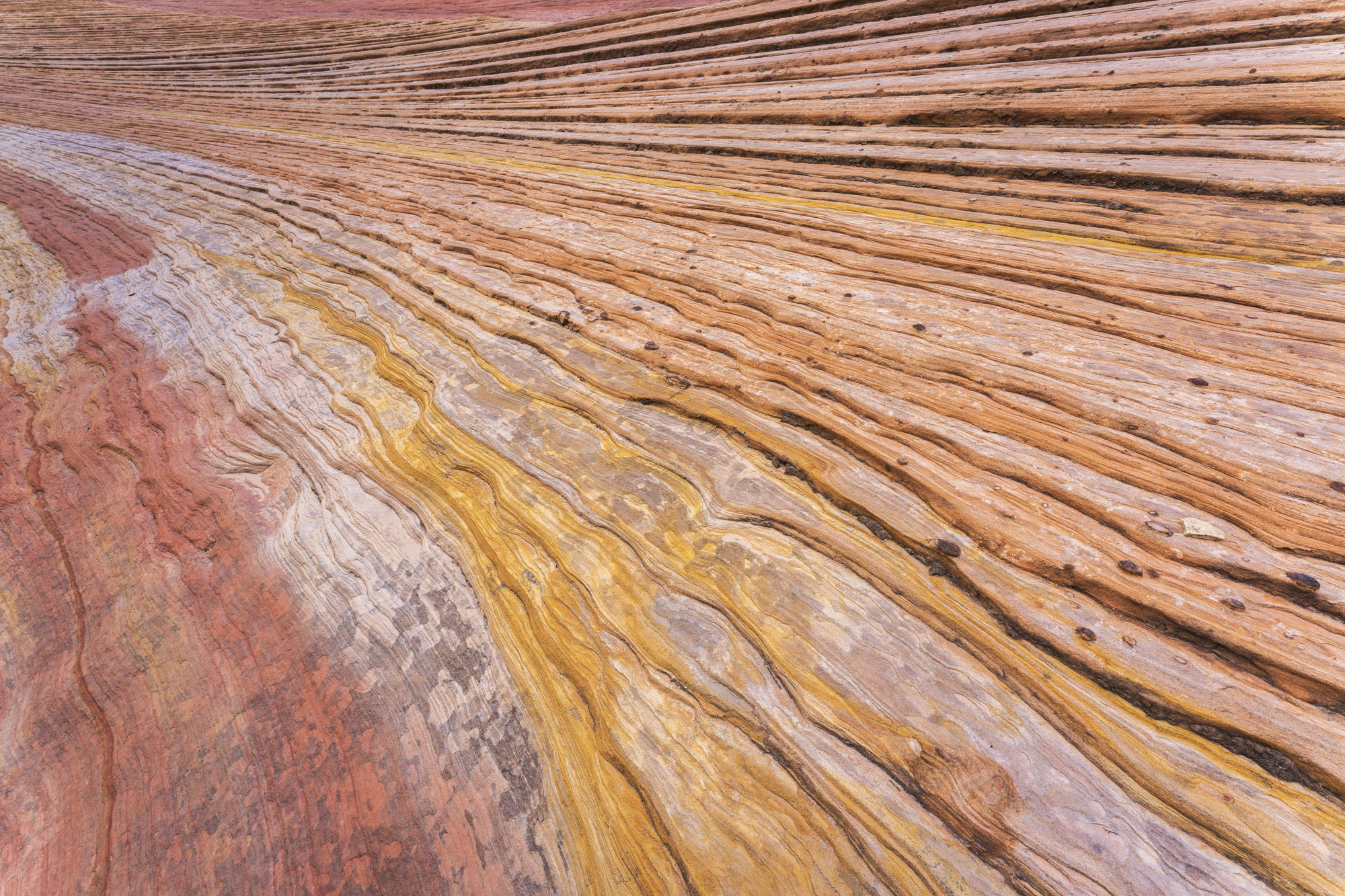
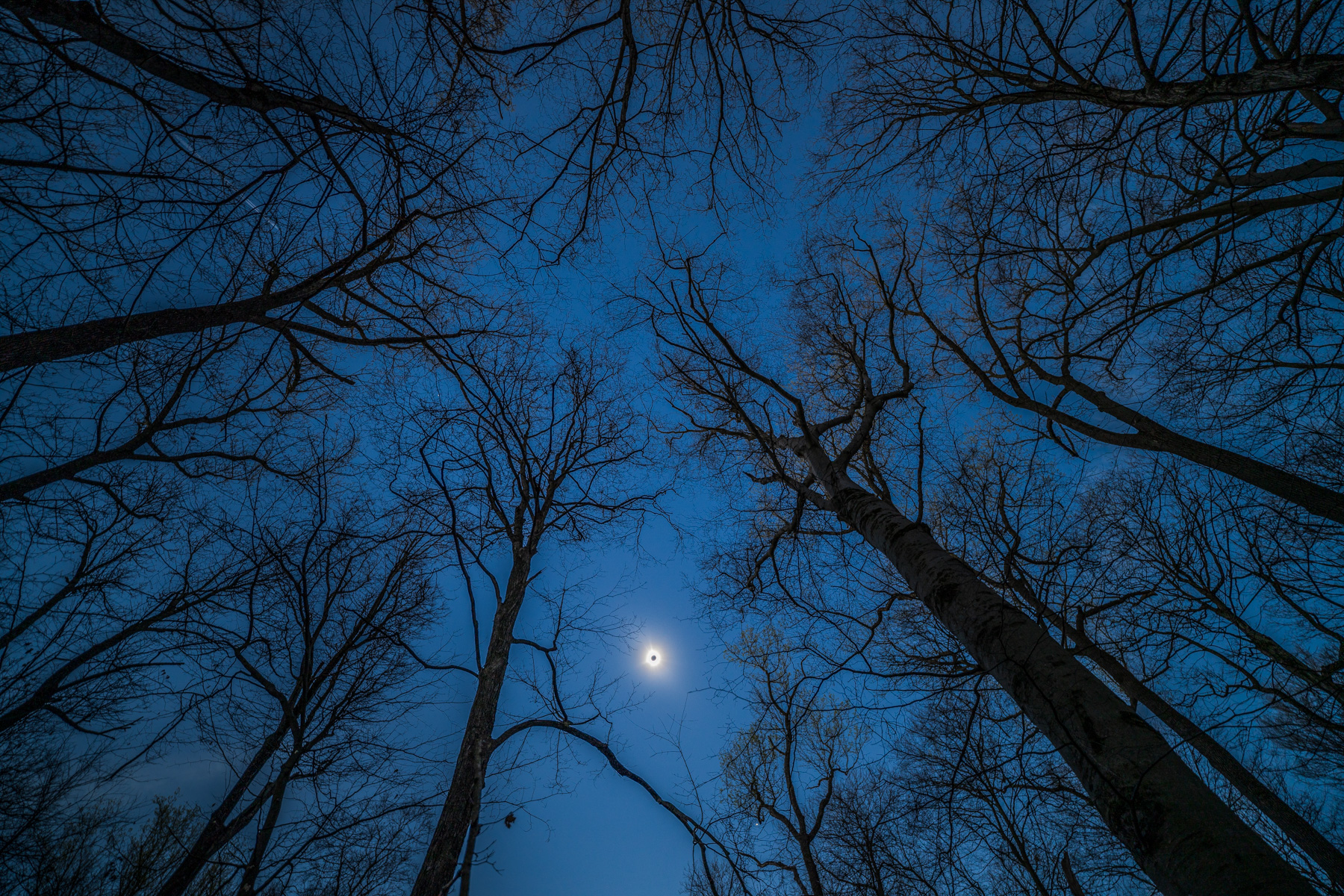
Below are images from the 16-35PZ, 16-35GMII, Sigma 14-24, Viltrox 16/1.8 (wide open), and for fun the Sigma 500.
ILCE-7RM5FE PZ 16-35mm F4 G lens16mmf/16.01/100s320 ISO0.0 EV
ILCE-7RM5FE 16-35mm F2.8 GM II lens16mmf/14.01/13s320 ISO0.0 EV
ILCE-7RM514-24mm F2.8 DG DN | Art 019 lens15mmf/16.01/60s100 ISO0.0 EV
ILCE-7RM5Viltrox 16mm F1.8 FE lens16mmf/1.81/8s100 ISO0.0 EV
ILCE-7RM5500mm F5.6 DG DN OS | Sports 024 lens500mmf/8.01/125s320 ISO0.0 EV