A big part for all my trips (mostly solo trips) is taking photographs (more creative work than casual shots). Mostly interested in landscapes, street, and occasional self portraits (streets or landscape as backdrop). Prefer simple/minimum set up. Next trip: Iceland. I have a Sony A7 CII (bought for traveling purpose). Which one(s) of the following Sony GMs should I get?
Sony 16-35/2.8
Sony 24-70/2.8
Sony 50/1.4, 80/1.4, 35/1.4
I do like to shoot in low light. Want fast FS.
Ideally I'd prefer just one zoom. If not, one zoom plus one prime. What are your thoughts/experiences? Would love to see your sample traveling photos. If you could indicate what lens you used for your photos, and what focal lengths that'd be great. Many thanks in advance!
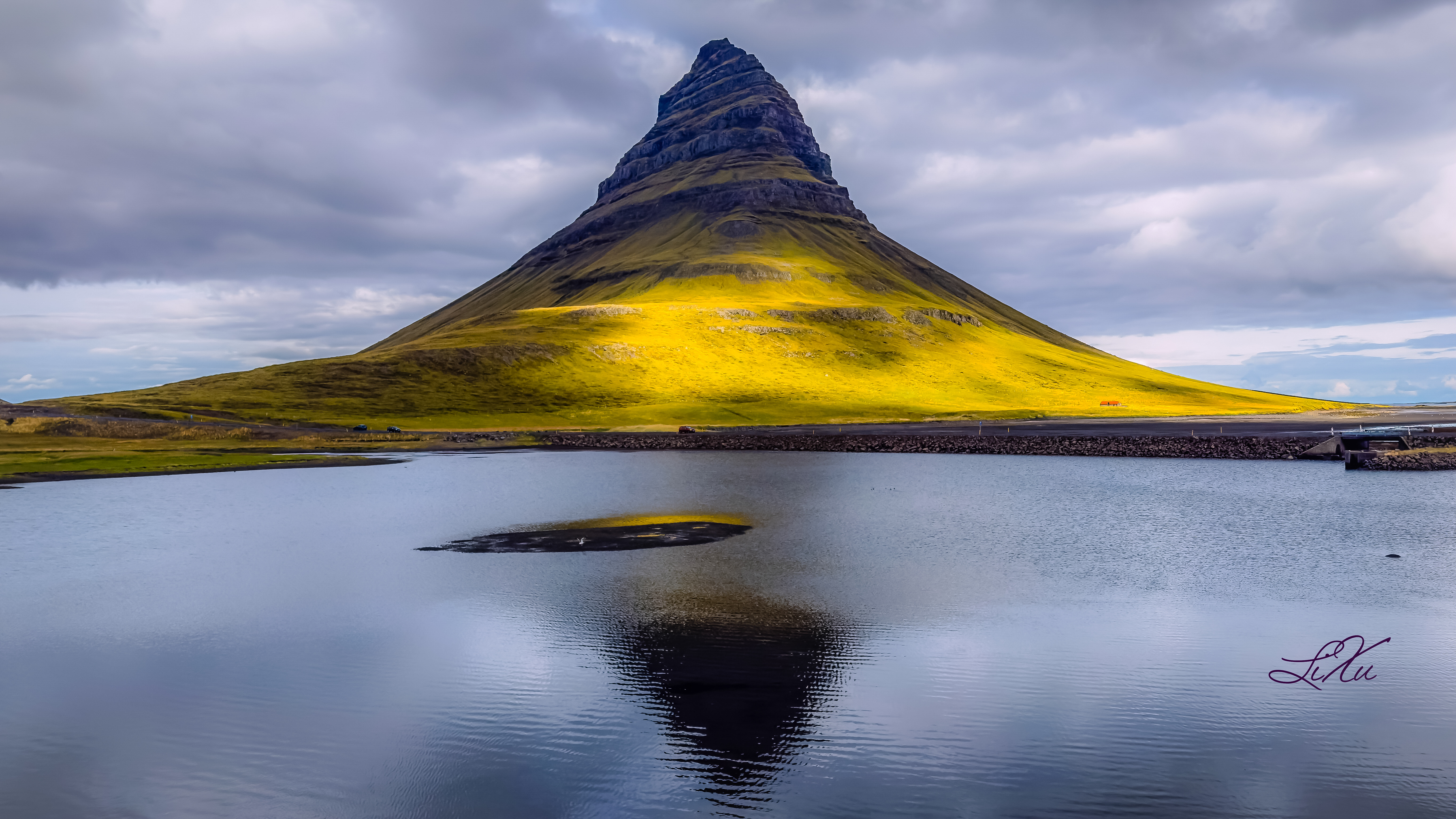
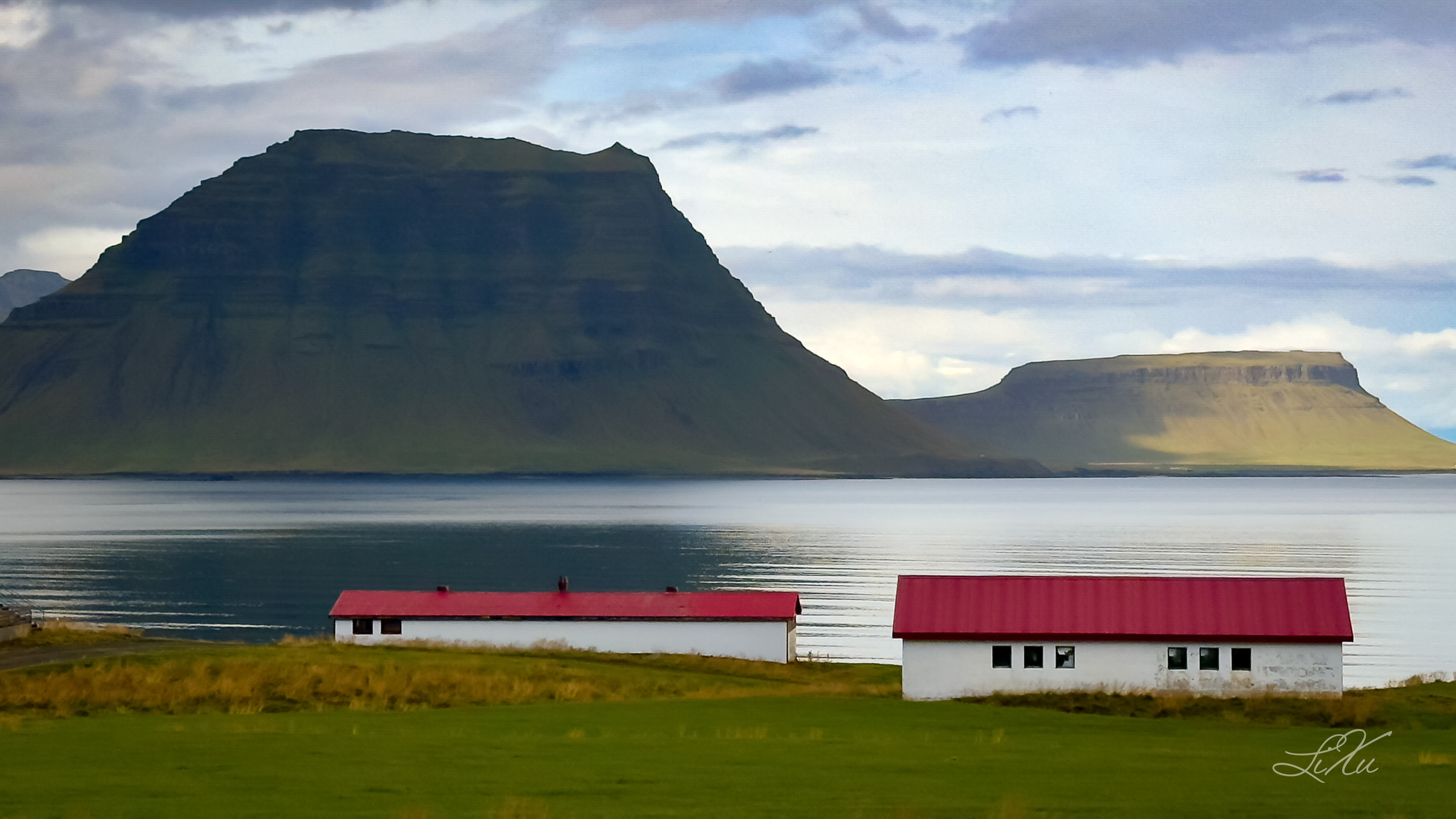
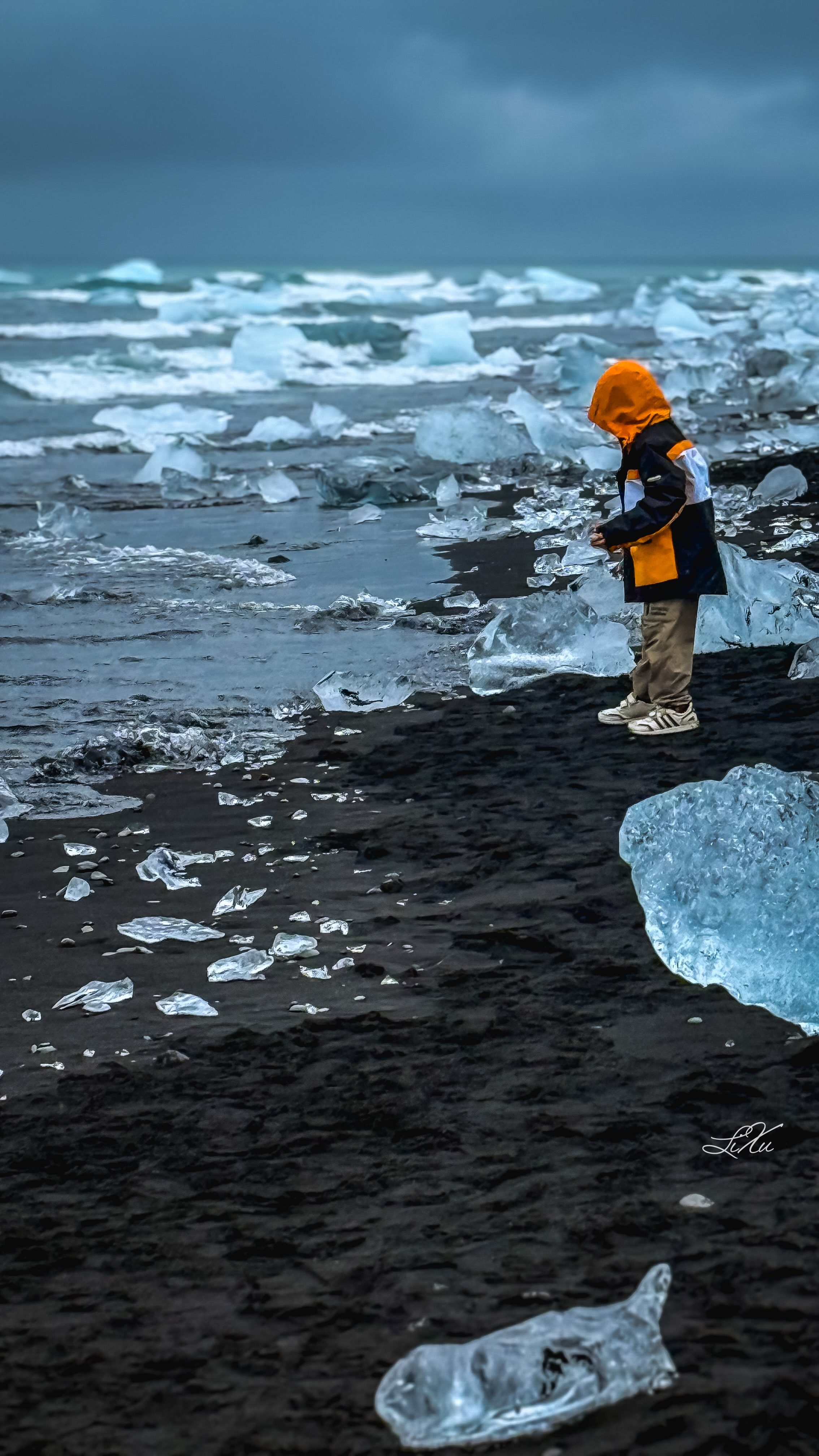
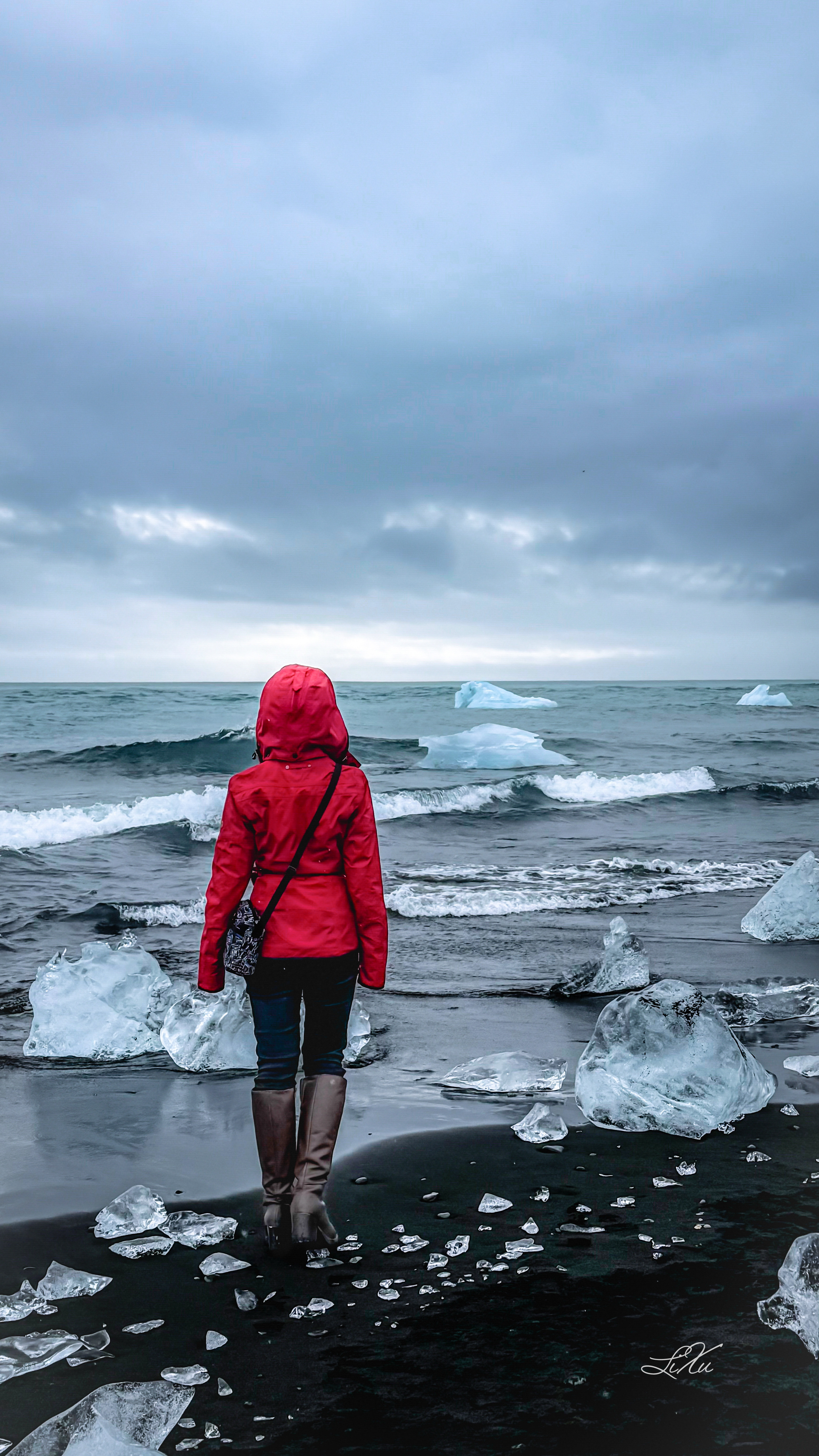
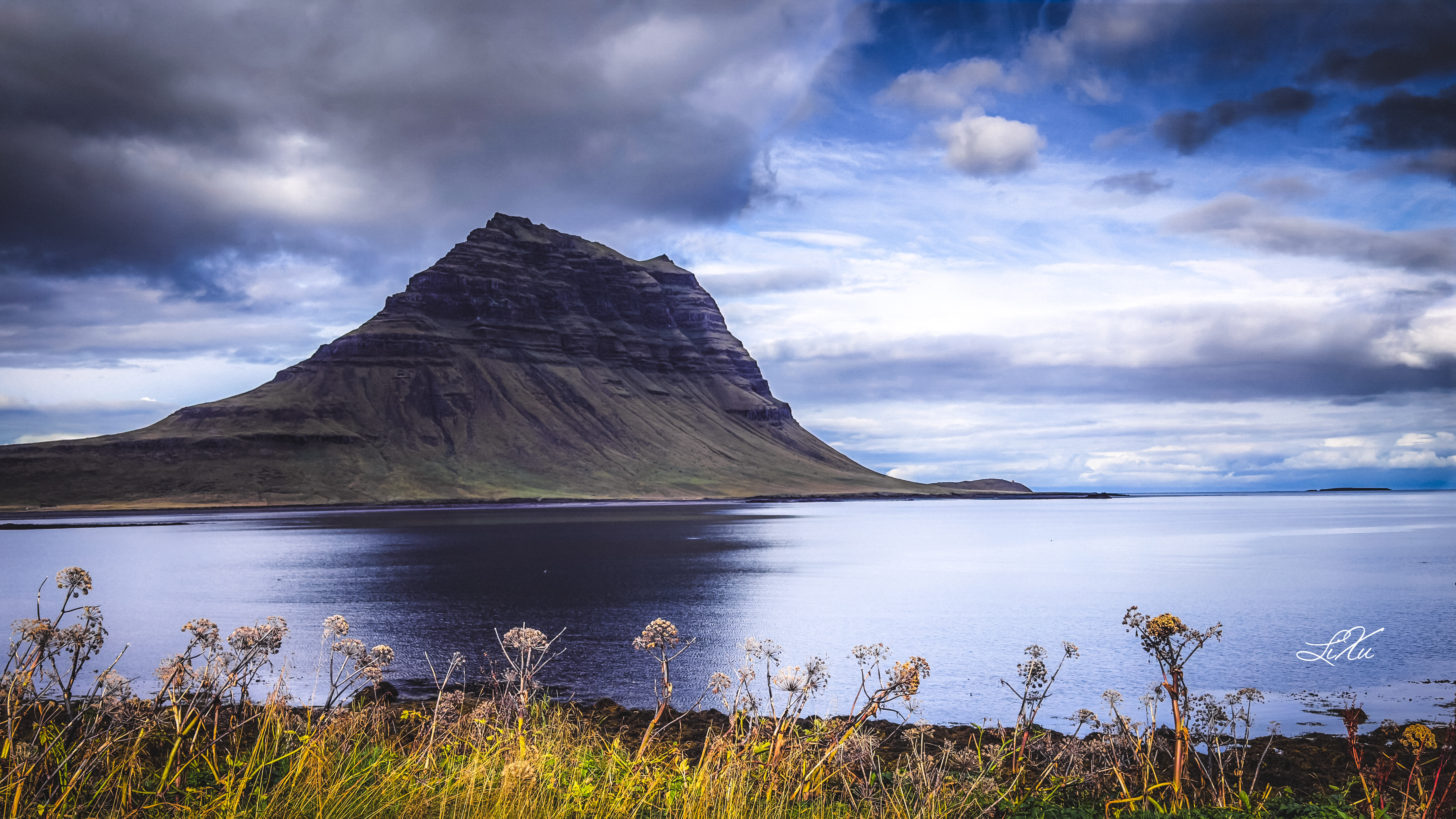
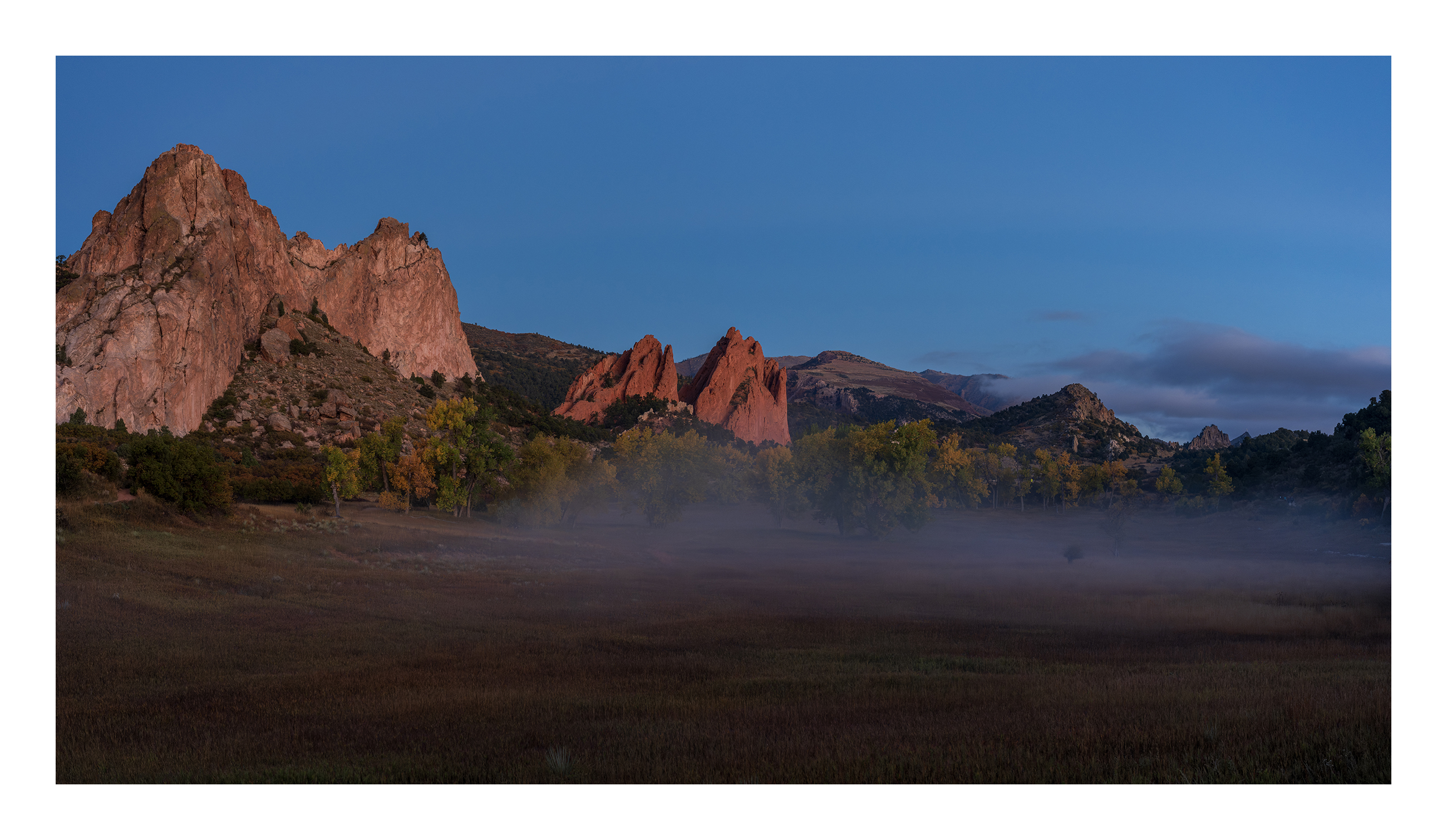
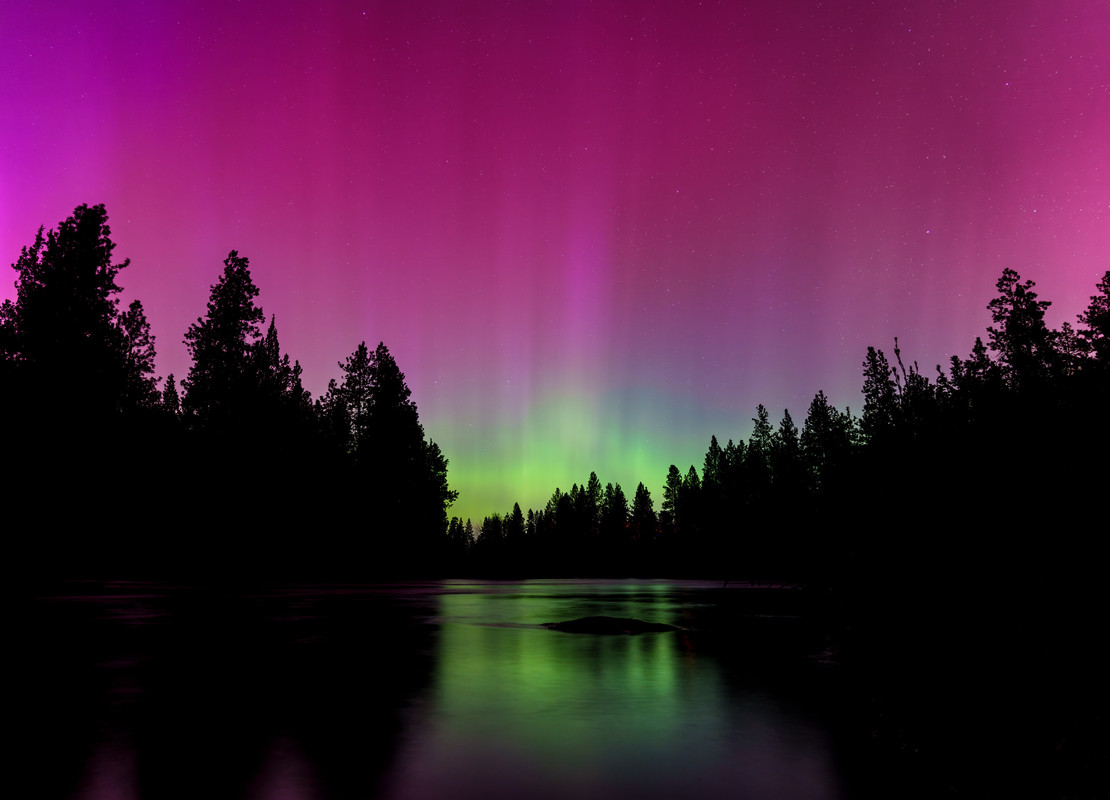
P.S Doesn't have to be Sony GMs...Added a few photos I took in Iceland by my phone so to give you some idea what kind of landscapes I like. Phone images are far from ideal but welcome critiques.
Hate the big watermarks--wasn't intentional but hard to get what I like on my phone. Also would like to know if I can downsize the images so they won't take up the whole screen.
Save the money and get a Sony 20-70G + Sony 70-200G or Sony 20-70G + Tamron 50-300. If you absolutely have no interest in long shots - then perhaps 20-70G + 16-25/2.8. GM lenses are heavy and unnecessary for the A7C II.
The 20-70 covers most of what I shoot. Paired with a 1.4 prime in your favorite focal length for low light is a great travel kit, perhaps also consider the 24 f/1.4 for those aurora shots and a good 36mm in crop mode. For Iceland you may want a longer zoom as well, both of TravelinBriNY's recommends are great for travel. Great image quality at landscape apertures and less weight than the GMs.
and was floored. As a near exclusive prime shooter, this was surprising. It is also quite light, for what it is. If you need wider than f/2.8, it can’t help you, but for everything else, it can more than get it done. I have taken just it on some trips and never missed anything.
You might also want to pack a longer lens. I find 100-200 really nice for landscapes. I lean towards the 135gm for that, which is a spectacular lens, but it is expensive, unless you know you’ll use it. Several companies have competing 135 or ~100mm lenses, with variable cost and weight. It is easier to make these longer primes perform well than it is a wide zoom, so you don’t have to break the bank - or your back.
and was floored. As a near exclusive prime shooter, this was surprising. It is also quite light, for what it is. If you need wider than f/2.8, it can’t help you, but for everything else, it can more than get it done. I have taken just it on some trips and never missed anything.
You might also want to pack a longer lens. I find 100-200 really nice for landscapes. I lean towards the 135gm for that, which is a spectacular lens, but it is expensive, unless you know you’ll use it. Several companies have competing 135 or ~100mm lenses, with variable cost and weight. It is easier to make these longer primes perform well than it is a wide zoom, so you don’t have to break the bank - or your back.
Jim - have you used the 16-35/2.8 GM II for astro at all? I have the lens, but have gravitated to 1.8 primes for astro - wondering if I could make do with the 2.8...
11-16 , which is ~18-25 ff equivalent, stuck on the camera on a trip. It was awful. So just having 16-35 isnt something I'd like
So I'd recommend something longer, depending on the fl you use. Sometimes I use teles on trips sometimes I don't, do you go to Iceland on a regular basis? If not you might take at least 2-3 lenses
Im more f/8 on travel you might look at a tripod to avoid a faster lens
TravelinBriNY wrote:
Save the money and get a Sony 20-70G + Sony 70-200G or Sony 20-70G + Tamron 50-300. If you absolutely have no interest in long shots - then perhaps 20-70G + 16-25/2.8. GM lenses are heavy and unnecessary for the A7C II.
TravelinBriNY wrote:
Save the money and get a Sony 20-70G + Sony 70-200G or Sony 20-70G + Tamron 50-300. If you absolutely have no interest in long shots - then perhaps 20-70G + 16-25/2.8. GM lenses are heavy and unnecessary for the A7C II.
Thank you! The images are beautiful. I have the 70-200 GMII, and prefers this range most of the time (my fav lens for my Nikon)...trying to get away from heavy bulky lenses when I travel
Curious to understand the reason why you said GM lenses are unnecessary for A7C II. I get that most people find even the 70-200 GM too big a lens for A7C II, as A7C II is the most compact camera with a small body. I tried the camera with both 70-200 f2.8 GM II and 28-70 f2 GM at a local store and found big lens on small body not an issue for me. Thank you again
I don’t shoot astro but should…lots of nice coastline near me.
However, f/2.8 can work for astro…just 2-fold (and some change) difference in iso or shutter speed from your f/1.8. I bet sharper, too.
TravelinBriNY wrote:
Jim - have you used the 16-35/2.8 GM II for astro at all? I have the lens, but have gravitated to 1.8 primes for astro - wondering if I could make do with the 2.8...
TimCC wrote:
The 20-70 covers most of what I shoot. Paired with a 1.4 prime in your favorite focal length for low light is a great travel kit, perhaps also consider the 24 f/1.4 for those aurora shots and a good 36mm in crop mode. For Iceland you may want a longer zoom as well, both of TravelinBriNY's recommends are great for travel. Great image quality at landscape apertures and less weight than the GMs.
Thank you. If I were to get 16-35 f2.8, would it be sufficient for the aurora shots compared to the 24 f1.4? I mainly shoot portraits. New into landscapes and astro. Really appreciate all your advices/input.
and was floored. As a near exclusive prime shooter, this was surprising. It is also quite light, for what it is. If you need wider than f/2.8, it can’t help you, but for everything else, it can more than get it done. I have taken just it on some trips and never missed anything.
You might also want to pack a longer lens. I find 100-200 really nice for landscapes. I lean towards the 135gm for that, which is a spectacular lens, but it is expensive, unless you know you’ll use it. Several companies have competing 135 or ~100mm lenses, with variable cost and weight. It is easier to make these longer primes perform well than it is a wide zoom, so you don’t have to break the bank - or your back.
Thank you Jim! I'm really eyeing on the 16-35 GM II. Thanks for the comparison images too. Really helpful. If I am not to take my 70-200 GM II with me (most likely I won't), which 135 mm lens you'd recommend (f stops and make)?
AmbientMike wrote:
11-16 , which is ~18-25 ff equivalent, stuck on the camera on a trip. It was awful. So just having 16-35 isnt something I'd like
So I'd recommend something longer, depending on the fl you use. Sometimes I use teles on trips sometimes I don't, do you go to Iceland on a regular basis? If not you might take at least 2-3 lenses
Im more f/8 on travel you might look at a tripod to avoid a faster lens
I've been there once. Planning for my next trip. That said, I don't know how often I'd go to Iceland (yet). Looks like I can't really get away from a longer range lens. Can you recommend a compact light weight tripod for travel--obviously solid enough that won't flip easily with any wind. Wind can be pretty strong in Iceland. Thank you for your advice.
You can definitely get aurora photos with the 16-35 GM. When I was in the highlands, the aurora was so bright that you could see it clearly over the lights of the hotel parking lot. I was shooting with the 20mm G at the time so I'll let others weigh in on which one would be a better choice.
Do you know what focal lengths you usually use in low light, if they’re a known range, you might find it really useful to pair a slow super zoom for daylight / tripod use and a bright prime for low light, indoors, and people. Say the 16g, 20g, 24gm, or 35gm, paired with a single zoom that gets you as much of the range you want to get (20/25/28-200, 24-105, 20-70, 50-300, etc)
I always found that primes make you think harder about a photo you're about to take. As a result the % of keepers taken with prime lenses is much higher for me. I cannot claim that it's a universal rule, but plenty of well known photographers shared the same observation, so at least I'm not alone.
And since one of your requrements is the ability to shoot in low light, the second piece of advice is to consider manual focus lenses for travel. AF adds bulk and weight, and not even needed for most situations, especially with gorgeous focus assist capabilities of modern mirrorless cameras. Besides, in true low light situations AF may hunt or miss anyway. The f/1.2 or f/1.4 Voigtlanders are wonderful for walking around at night.
On Sony mount, I have only used the 135GM, which is for sure stellar. Reviews of the Sigma 135/1.8 rate its image quality as very similar and only mention that its AF is not as fast and (I think) that it is a bit heavier. Mountains don't move fast, so AF speed is not a big concern for landscape. Even the Sony is not light, especially sitting on a C series body.
In my Canon SLR days, their EF 135/2 was awesome and much lighter, but you would need an adapter. Even a 135/4 would be totally fine for landscape and would be tiny, by comparison. If you can manually focus, there are many options there, most for <$250. Throw in a $30 adapter and relatively guilt free.
I haven't been to Iceland. My daughter has been twice. A casual photographer, her second trip her "new" husband has much more photographic interest and carries more gear, etc. She's used an first version Sony RX100 and her phone, he used Nikon ff dslr gear, not sure which, D810 and ??
She traveled by car, self driven trips, with planned/reserved lodging arrangements. With driving, I don't think restricting gear is as needed as might be if trying to completely minimize carry-on and daily carry.
From what I've seen on various shared "Iceland" between them and forums, etc.,I don't see a using "one" zoom approach that quite fits (for me). I think my "generic" 16mm to 200mm coverage would likely work. I might want out to 300mm or even 400mm. And maybe wider. Weather, or at least "wet" is a factor. In general, I'd think being prepared for wind and water spray even if not raining, between surf spray along the coast and spray near waterfalls. So, minimize lens swaps. I think one might need a heavier versus lighter tripod.
I have an A7riv. One lens? My 28-200. (My experience, based on various places is 70mm is not going to be long enough - for me,) Two lenses? I'm not sure if I'd go with the 28-200 and my older 17-28/2.8 or newer 20-70/4. One is wider but thinking maybe less swapping if the 20-70 is the on camera lens much of the time.
Three lenses and/or two bodies? 14/4 (I have it but 12-24 or similar zooms or primes might do well, too.), 20-70/4 and 50-300. I'd have to add it, swapping out my 70-350 but I think the ff coverage is better for me now, Maybe 50-400 for some but it's substantially larger/heavier. Two bodies would get one with the 20-70 and one with the long zoom and shifting cameras, not swapping lenses in iffy conditions..
StoneCrop wrote:
Do you know what focal lengths you usually use in low light, if they’re a known range, you might find it really useful to pair a slow super zoom for daylight / tripod use and a bright prime for low light, indoors, and people. Say the 16g, 20g, 24gm, or 35gm, paired with a single zoom that gets you as much of the range you want to get (20/25/28-200, 24-105, 20-70, 50-300, etc)
I don't really know yet...new to landscape and astro. Using Iceland as an example, I'm guess a 24 prime. Then yes I'll need to pair with a zoom for longer range. Alternatively, if I get 16-35 2.8, I'm thinking if I then bring a prime long lens like 135. Which setting is more efficient--taking Iceland for example. Thank you for offering your thoughts.
TimCC wrote:
You can definitely get aurora photos with the 16-35 GM. When I was in the highlands, the aurora was so bright that you could see it clearly over the lights of the hotel parking lot. I was shooting with the 20mm G at the time so I'll let others weigh in on which one would be a better choice.