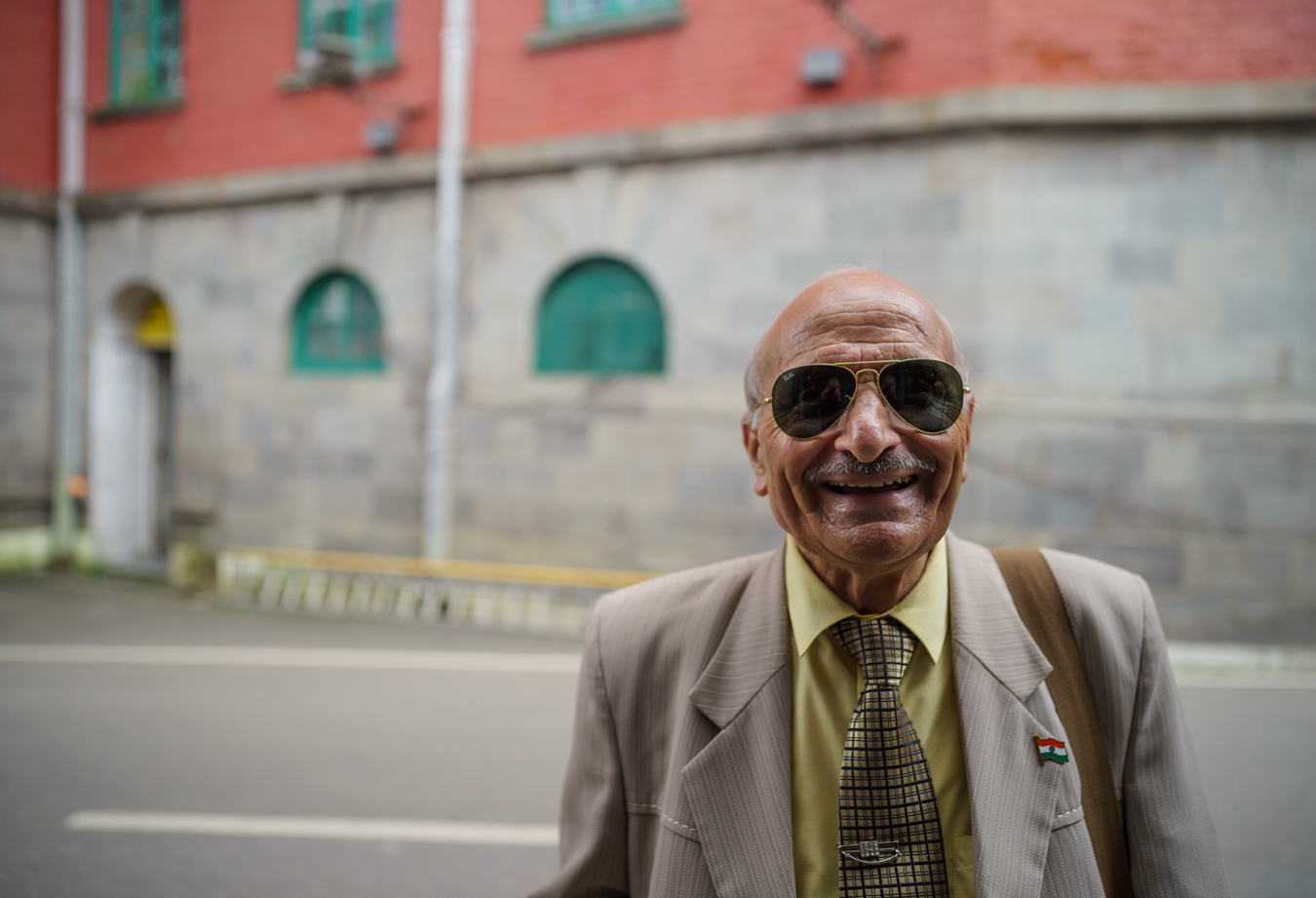
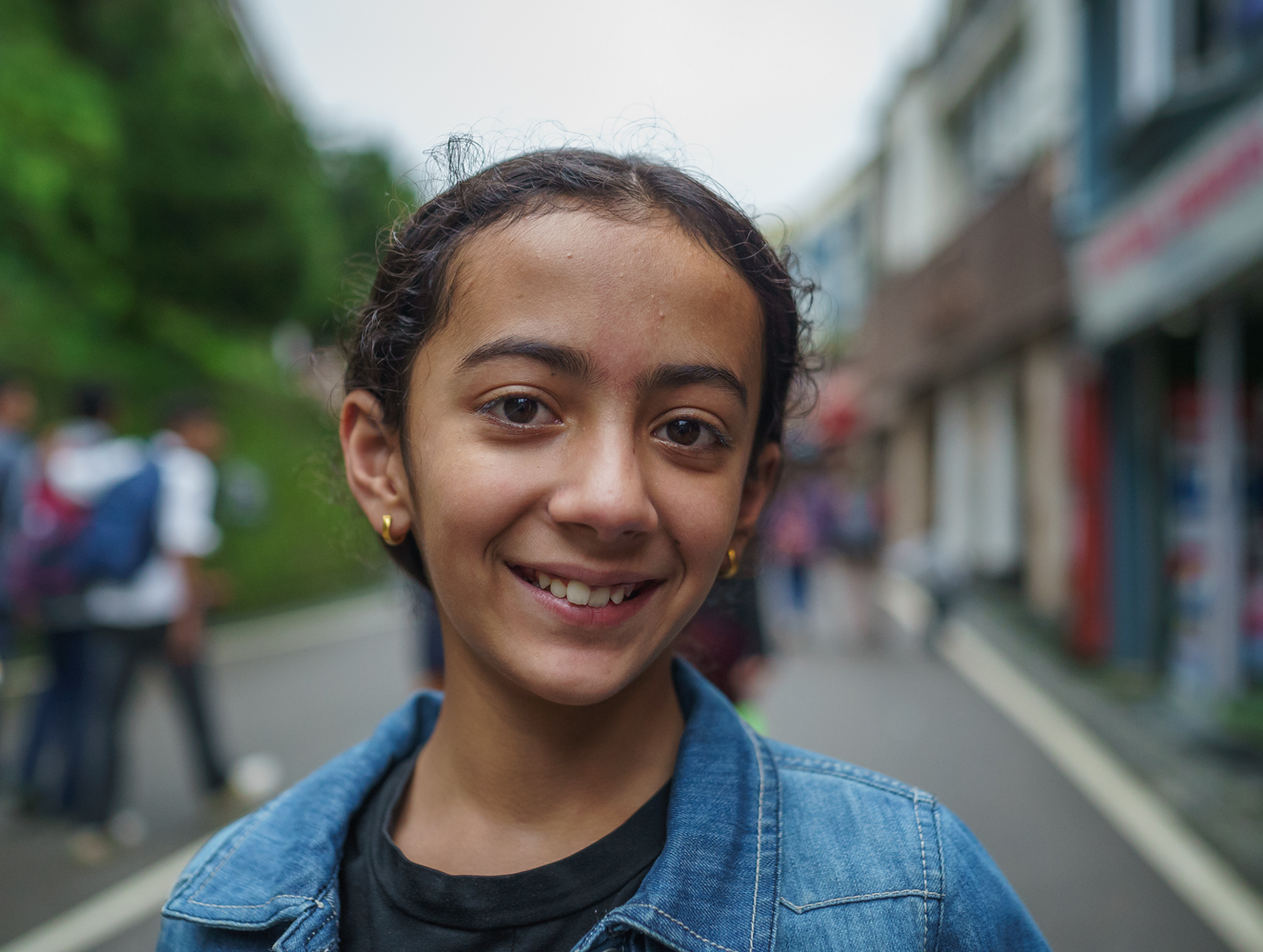
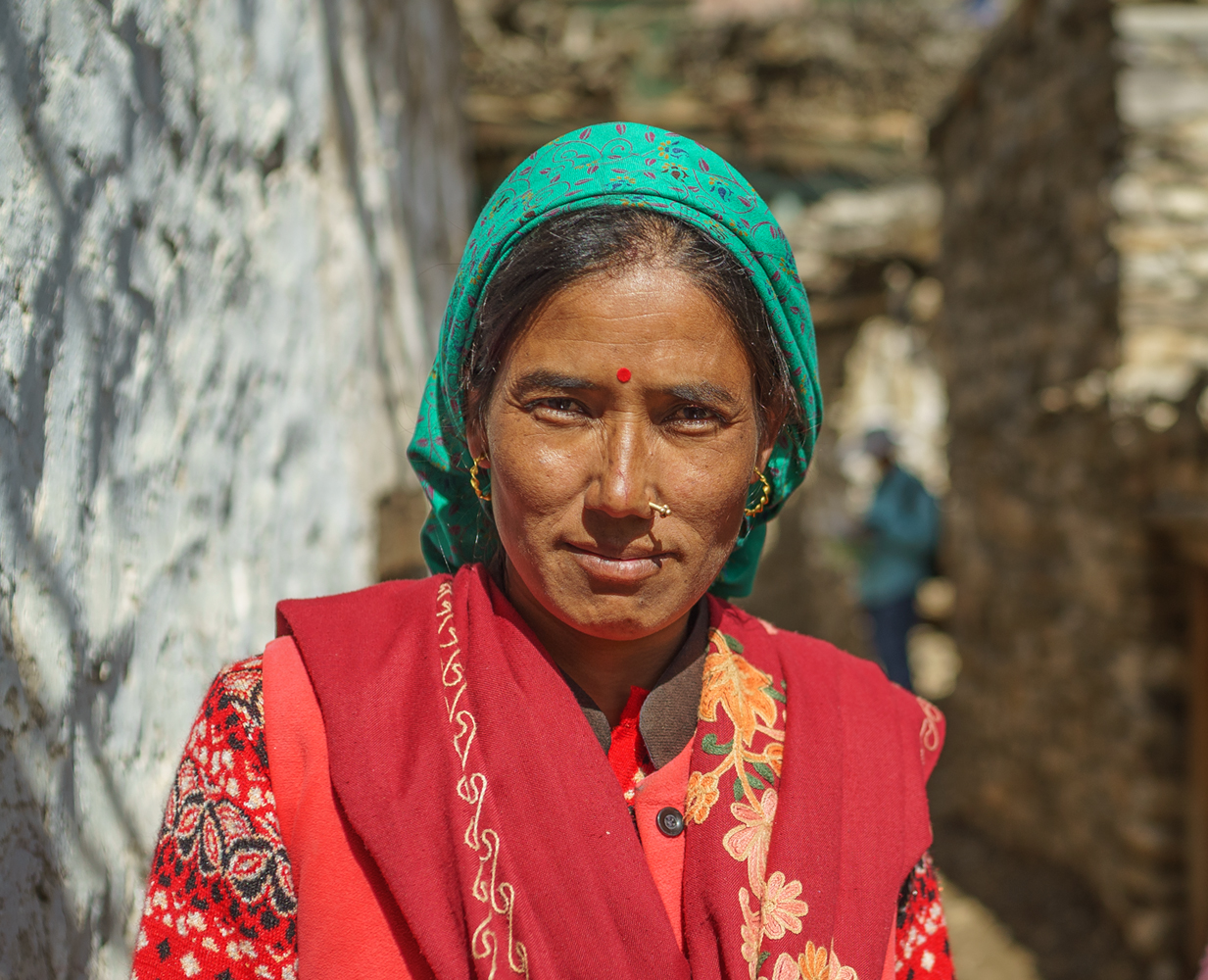
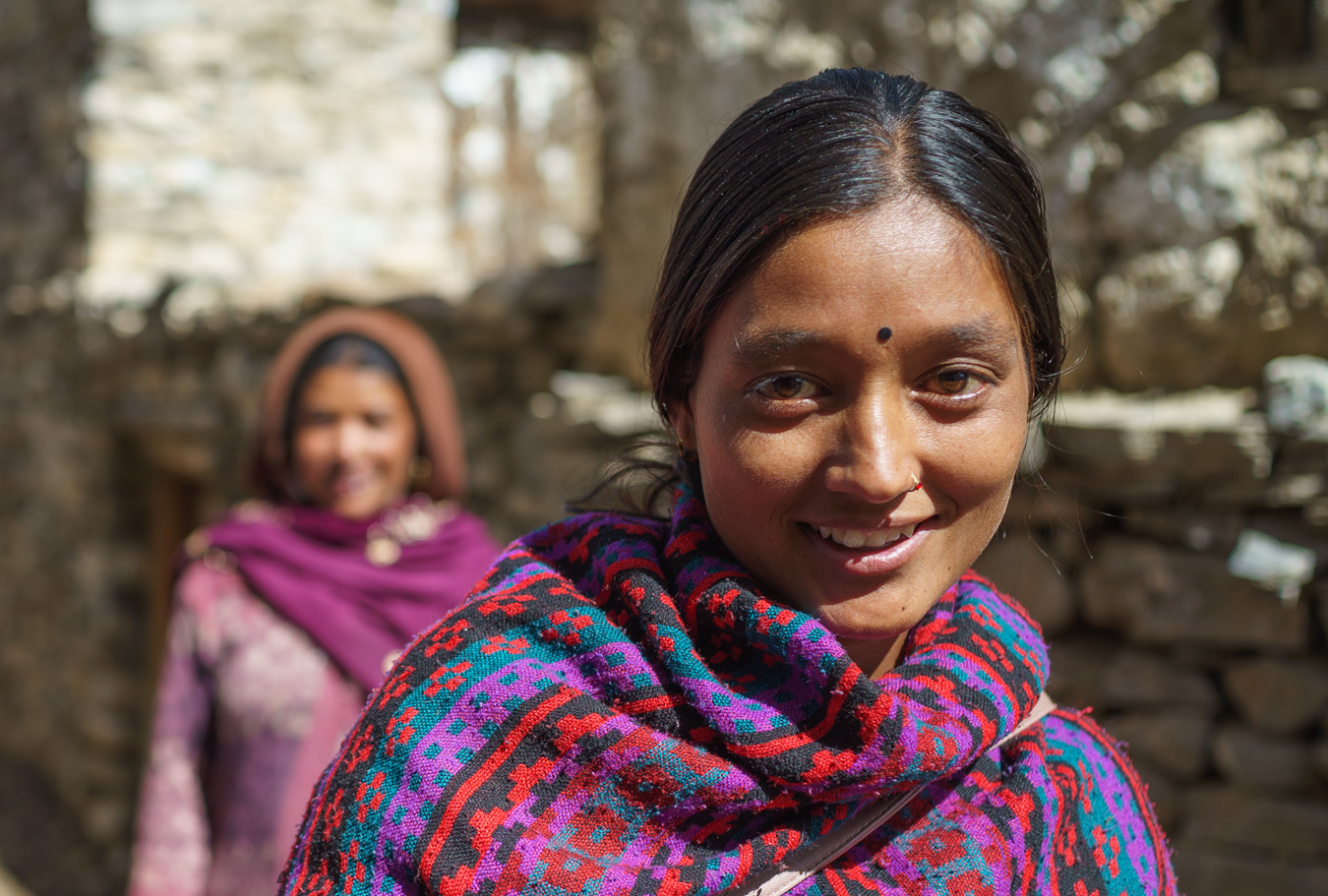
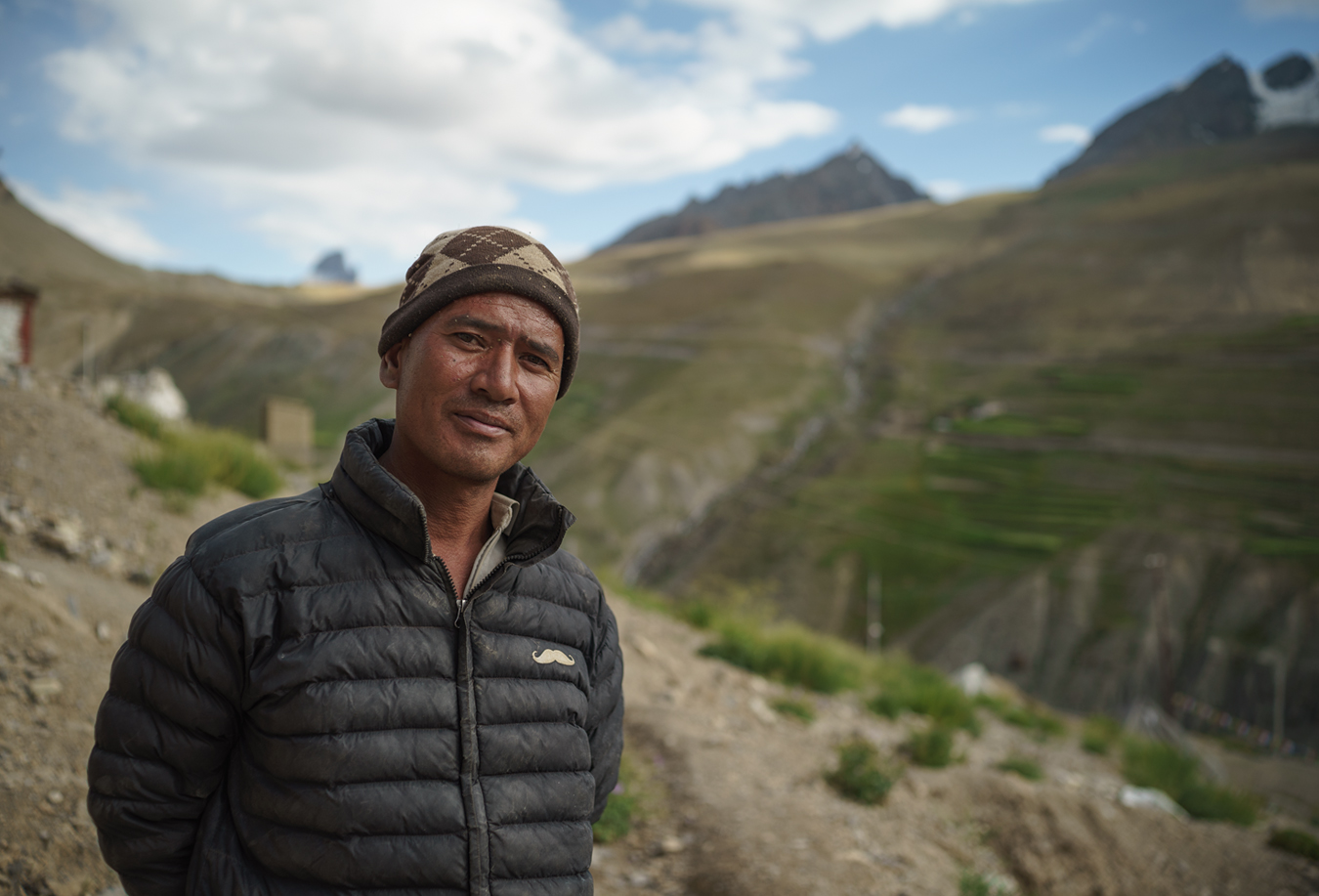
It's always important to back up your words with deeds because people can't seem to make the leap of faith required to actually believe you (or trust you, heaven forbid) even after 15 years as a member here. The images on p1 here might leave the impression the a7II is as poor at manual focus as they imagine, because of its ten-year-old EVF. And they are 'set shots' (posted to show the overall IQ from of the camera).
Here are a random selection (from literally thousands) of very time-sensitive shot-making of people with MF lenses. In my experience, nothing is harder for manual focus than impromptu street photography of total strangers. It's a great test of EVF performance too because if the EVF was inadequate or somehow dysfunctional or not up to current standards, it would not be possible, would it?
We are at the point where I have to also add: check the EXIF if you don't believe me. Sometimes people actually tell the truth, strange as that may be in your world.
philip_pj wrote:
It's always important to back up your words with deeds because people can't seem to make the leap of faith required to actually believe you (or trust you, heaven forbid) even after 15 years as a member here. The images on p1 here might leave the impression the a7II is as poor at manual focus as they imagine, because of its ten-year-old EVF. And they are 'set shots' (posted to show the overall IQ from of the camera).
Here are a random selection (from literally thousands) of very time-sensitive shot-making of people with MF lenses. In my experience, nothing is harder for manual focus than impromptu street photography of total strangers. It's a great test of EVF performance too because if the EVF was inadequate or somehow dysfunctional or not up to current standards, it would not be possible, would it?
We are at the point where I have to also add: check the EXIF if you don't believe me. Sometimes people actually tell the truth, strange as that may be in your world....Show more →
Wouldn't manual focus using a telephoto at a racetrack be harder? (Unless you just pick a spot on the track and be opportunistic in shooting that spot I guess.) Or basically any telephoto shooting of a moving subject, especially in lower light?
tsdevine wrote:
Wouldn't manual focus using a telephoto at a racetrack be harder? (Unless you just pick a spot on the track and be opportunistic in shooting that spot I guess.) Or basically any telephoto shooting of a moving subject, especially in lower light?
I also don't undestand what posed portraits using MF lens have to do with doing automotive photography (it's 2025 so most likely using AF) on a body with dated AF...
Sensible to push your money towards glass istead of Camera
If AF lenses is what youre using---> A7iii
If MF is what your using ---> A7ii would be fine
If MF lenses + lightweight & compact is what you look for A7(r)i would be my choice
"My main focus would be automotive/track photography."
If you were planning to do track photography using manual focus, I'm sure you would have said so.
Let me suggest a rewording of your question:
I'm planning to buy an A7III and a Samyang prime lens for automotive photography.
What are my options for a lens for track photography on a budget of $xxx.
aCuria wrote:
Back then there was little reason to use the A7ii over a DSLR.
The A7iii was the watershed product, not the A7ii.
I am not sure what you are talking about My comment was about your statement that “A7ii has no eye AF,” which is incorrect, even the first gen A7 and A7R have eye AF, not as good as current bodies, but still usable.
The a7II was a third lighter (300g) and about half the size of the opposition's offerings. It introduced IBIS to full-frame and accommodated every lens made in the past century. It was (is) super reliable, and (critical to street portraiture) it's very subject-friendly.
'Sony Alpha a7 II: This camera was the first to combine a full-frame sensor with the in-body stabilization technology, which was a significant advancement for both mirrorless and full-frame systems.'
Or you could have been a late adopter and waited three years and three months for the a7III to make it off the drawing boards (Feb 2018); the a7II had appeared in Dec 2014.
By waiting in the dying DSLR land, you are foregoing many thousands of shot opportunities, going to waste. a7III incomers were simply late to the party, years late. DSLRs had become bloatware by the era of the a7II, millstones around the neck. It was not a hard decision to make.
But I just watched a video of McCurry, doyen of the Magnum crowd ('magnum', get it? bigger and better than you). He was using a 1900g combo - an SL camera and a huge 24-90 zoom (82mm filter thread) - which he was aiming at the unfortunates in his presence. They did not look impressed. But it does show anything is possible, even today. Choices!
A friend is considering an a7II or a7III. The II can be had for very little, but we both agree that the III is the better of the two options. He has a D750 for reference, and the II wouldn't be much of an upgrade for him.
The A7ii was my first "real" camera and I'd come from a Canon Rebel. I got some great images with it...however if you can find an A7Rii get that instead if you're on a budget. So much better in AF performance.
philip_pj wrote:
It's always important to back up your words with deeds because people can't seem to make the leap of faith required to actually believe you (or trust you, heaven forbid) even after 15 years as a member here. The images on p1 here might leave the impression the a7II is as poor at manual focus as they imagine, because of its ten-year-old EVF. And they are 'set shots' (posted to show the overall IQ from of the camera).
Here are a random selection (from literally thousands) of very time-sensitive shot-making of people with MF lenses. In my experience, nothing is harder for manual focus than impromptu street photography of total strangers. It's a great test of EVF performance too because if the EVF was inadequate or somehow dysfunctional or not up to current standards, it would not be possible, would it? ...Show more →
True and great pics, here are a few I shot using the original A7R (which I still use over my A7Riii)
Perhaps this is very old, but I'll add my two cents as someone whose primaries are an A7II and an NEX-3N. Older cameras can take fabulous photos - the technical aspects of what sensors can capture have improved, but the output in most situations where resolution and DR are what matters will be substantially similar between a camera produced today and one produced 10 years ago (or more!). There are situations where this isn't the case, particularly those that require high ISO. I can push the A7II to ISO 1600 in a lot of cases and get photos I find acceptable, but I would not go beyond that. I can push my NEX-3C to ISO 800 and get photos I find acceptable, but I would not go beyond that. With cameras recently produced that isn't a limitation.
But you are talking about a situation where autofocus matters. You aren't shooting MF like I do, or subjects where the primary aspect of taking a photo is deliberate composition where you can easily recompose and just enjoy the slow process of taking an image you like - perhaps comparing a few different approaches to the same subject. You are capturing fleeting moments, and for that AF is going to be the factor that matters the most. The A7II will be completely inadequate to the task. I find its AF even for still subjects to be unreliable and I prefer to manually focus. The A7III was a dramatic improvement and that is where you will get your most bang for your buck in full frame land.
However, the best answer might be to shoot APS-C. You can get the AF focus of a modern camera, the DR and noise performance of a modern camera, and you can get something that is cheaper and eventually transition back to full frame. It will also be a smaller package. Plenty of people can recommend a good APS-C. And since a lot of your photography - I assume - is likely to be telephoto, you will also have the advantage of being able to frame with the crop factor already accounted for.
austinschutz wrote:
you will also have the advantage of being able to frame with the crop factor already accounted for.
That supposed “framing advantage” hasn’t worked out for me in real use.
When capturing fast, fleeting moments, I have to frame wider so the subject stays in the shot as I pan or track it. If I can comfortably track a subject at 100 mm on APS-C, then on full frame I could simply zoom to 150 mm and still keep the subject in frame.
And because most lenses resolve more detail at a longer focal length than at a shorter one, that 150 mm setting will generally give me more usable detail than shooting the same lens at 100 mm on APS-C.
So having the crop factor “built in” is actually a disadvantage, it prevents me from zooming in further while still being able to track the subject smoothly.
austinschutz wrote:
Perhaps this is very old, but I'll add my two cents as someone whose primaries are an A7II and an NEX-3N. Older cameras can take fabulous photos - the technical aspects of what sensors can capture have improved, but the output in most situations where resolution and DR are what matters will be substantially similar between a camera produced today and one produced 10 years ago (or more!). There are situations where this isn't the case, particularly those that require high ISO. I can push the A7II to ISO 1600 in a lot of cases and get photos I find acceptable, but I would not go beyond that. I can push my NEX-3C to ISO 800 and get photos I find acceptable, but I would not go beyond that. With cameras recently produced that isn't a limitation.
But you are talking about a situation where autofocus matters. You aren't shooting MF like I do, or subjects where the primary aspect of taking a photo is deliberate composition where you can easily recompose and just enjoy the slow process of taking an image you like - perhaps comparing a few different approaches to the same subject. You are capturing fleeting moments, and for that AF is going to be the factor that matters the most. The A7II will be completely inadequate to the task. I find its AF even for still subjects to be unreliable and I prefer to manually focus. The A7III was a dramatic improvement and that is where you will get your most bang for your buck in full frame land.
However, the best answer might be to shoot APS-C. You can get the AF focus of a modern camera, the DR and noise performance of a modern camera, and you can get something that is cheaper and eventually transition back to full frame. It will also be a smaller package. Plenty of people can recommend a good APS-C. And since a lot of your photography - I assume - is likely to be telephoto, you will also have the advantage of being able to frame with the crop factor already accounted for. ...Show more →
That makes perfect sense! Regardless, I don't think the A7II is a good choice because of the AF : )
aCuria wrote:
That supposed “framing advantage” hasn’t worked out for me in real use.
When capturing fast, fleeting moments, I have to frame wider so the subject stays in the shot as I pan or track it. If I can comfortably track a subject at 100 mm on APS-C, then on full frame I could simply zoom to 150 mm and still keep the subject in frame.
And because most lenses resolve more detail at a longer focal length than at a shorter one, that 150 mm setting will generally give me more usable detail than shooting the same lens at 100 mm on APS-C.
So having the crop factor “built in” is actually a disadvantage, it prevents me from zooming in further while still being able to track the subject smoothly.
Horses are a perfectly good alternative to a car. You just have to find the right street. When absolute speed isn't a necessity, the Sony a7ii is capable of capturing beautiful and sharp pictures with good glass.
I would strongly advise you to get either an A7iii or A7iv. While the A7ii will take perfectly good photos, there are so many worthwhile upgrades in the newer models. The prices of both new and used A7iii/A7iv will drop now that the A7V has just launched (the A7iii has already dropped to £899.00 in the UK).
Some people in this thread have recommended the A7Rii. I agree it produces outstanding images, but be warned, it has some serious limitations when it comes to processing 42MP files (limited write speed of about 36-37MB per second). I practical terms, you will be waiting far too long (IMO) to preview your photos after taking pictures (even with a fast SD card). I don't remember the exact amount of time (maybe 10 seconds?), but it was one of the main deciding factors to upgrade to the A7iv, which is an outstanding camera.
aCuria wrote:
And because most lenses resolve more detail at a longer focal length than at a shorter one, that 150 mm setting will generally give me more usable detail than shooting the same lens at 100 mm on APS-C.
And which lenses are those, specifically? Most telephoto zooms I've ever seen tend to lose sharpness as you get to the long end...