Will be interested in your thoughts. I bought the 9/2.8 for Z APS-C, and it's quite good, so I'd imagine this will be very similar. Looks like they haven't opened up new orders for it yet, so just those who did the initial pre-order may be in luck at the moment.
philip_pj wrote:
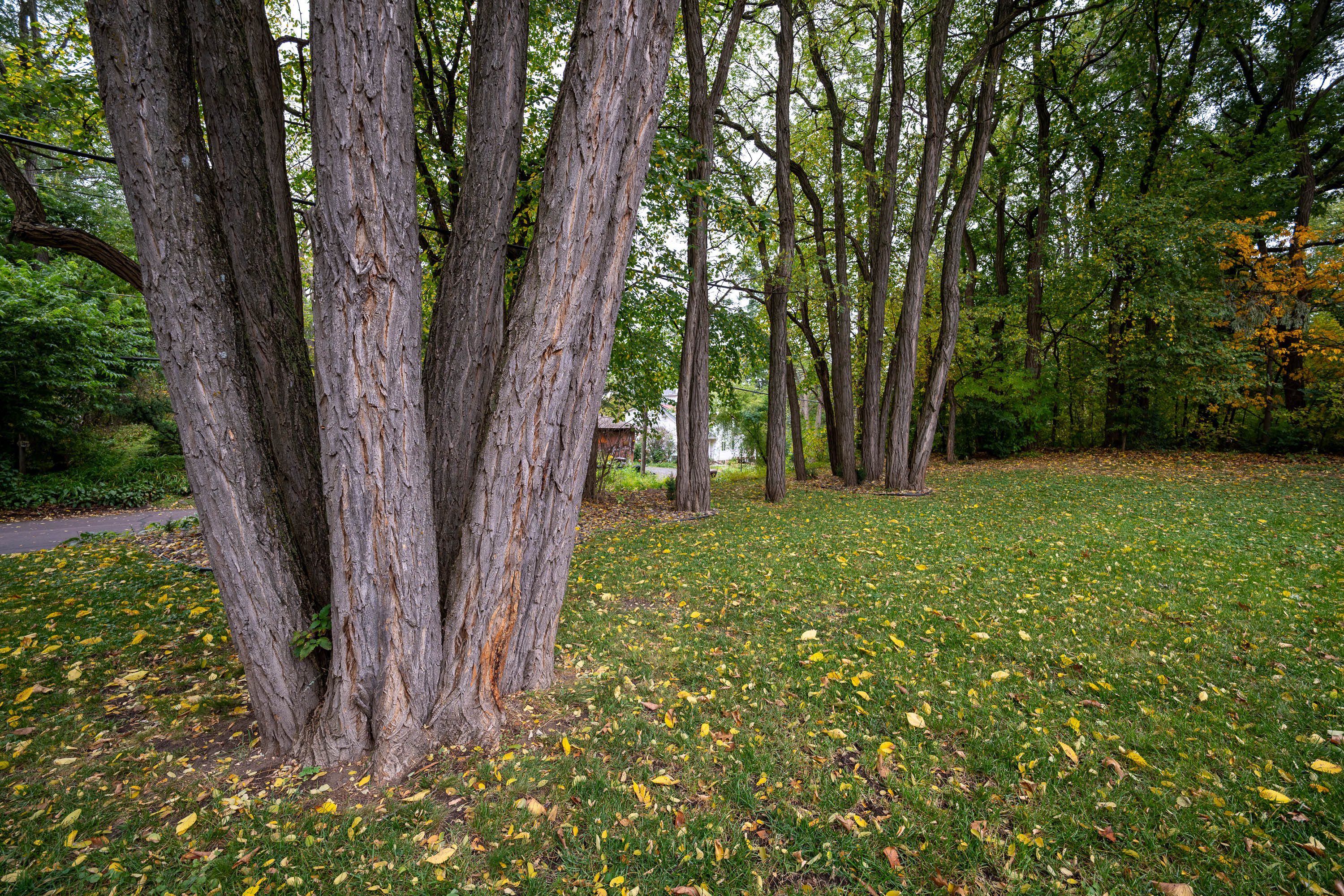
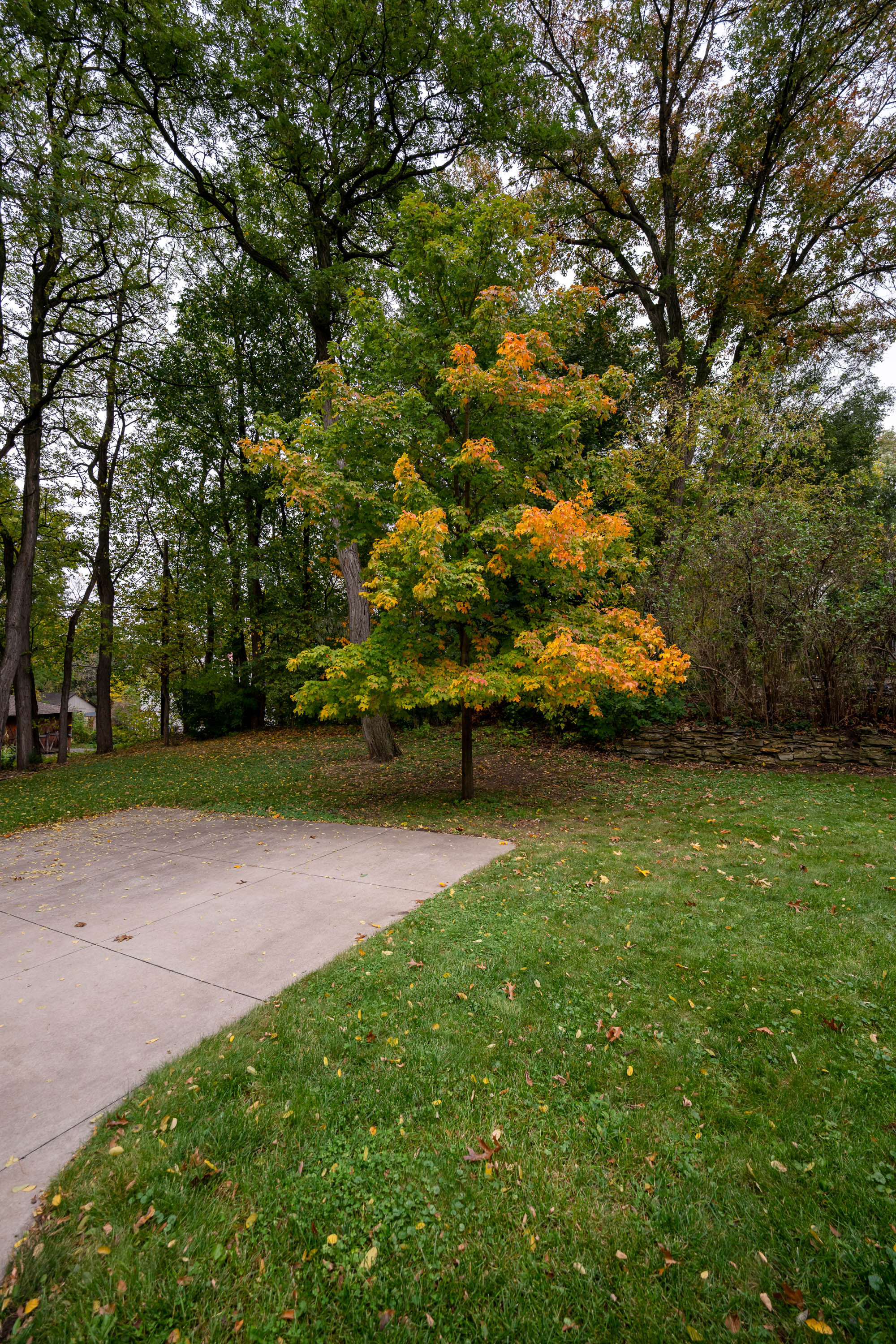
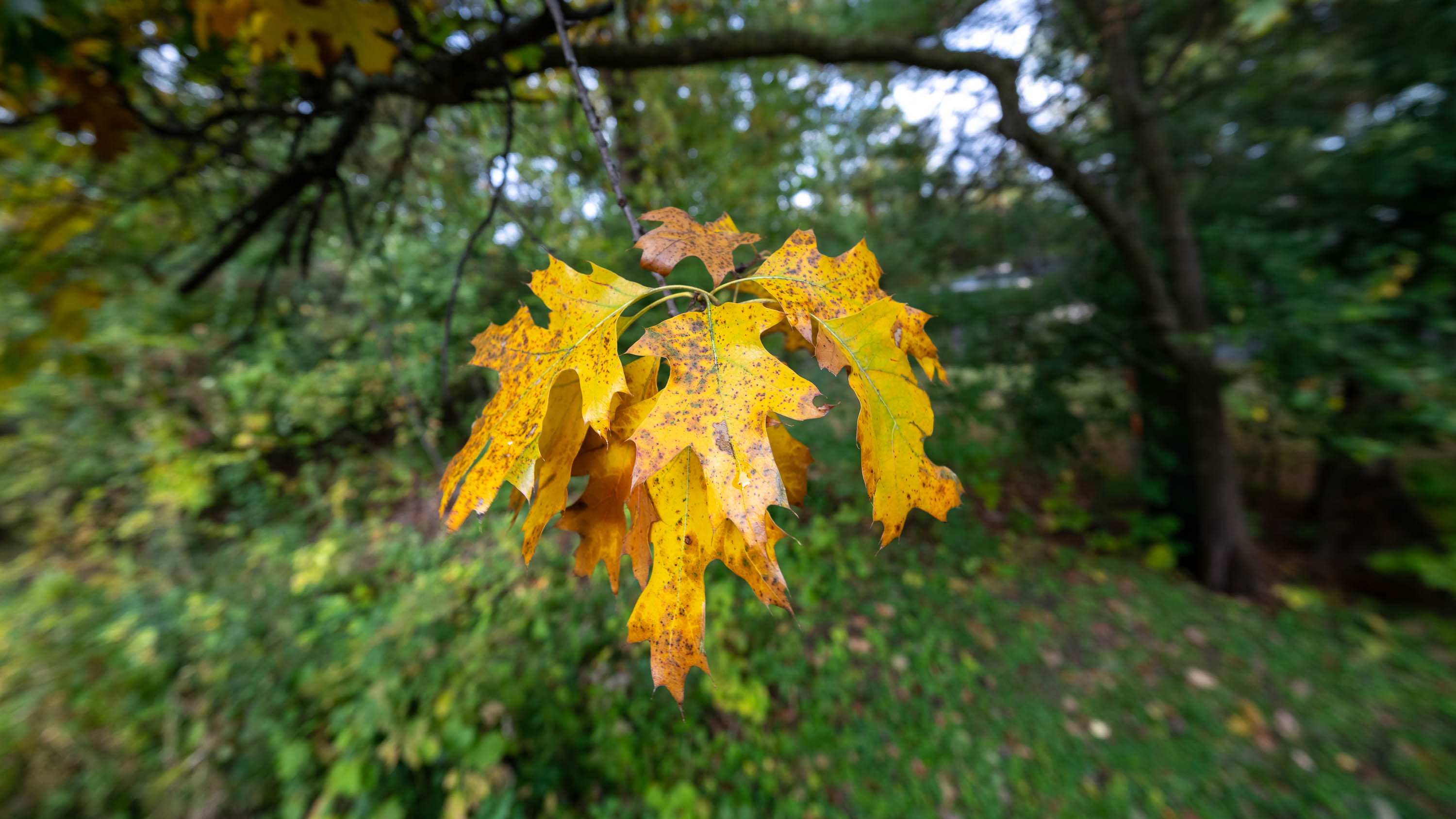
Tremendous clarity, especially seen on the near tree with all the spare trunks. Tree leaves in #2 have (much) better CA control than Voigt's 28/1.5!
I'm kind of astounded by the lack of purple fringing.
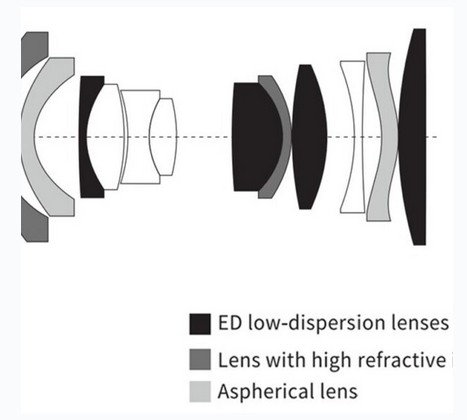
ED (and closely related APD) glass is the generally accepted fix for CA, and this little unit has four elements of it - front, middle and back. It also has a radically-shaped aspherical element near the back of the lens, just in front of the giant ED element that rounds out the diagram. My guess is this is done for telecentricity, to keep the photons ~perpendicular to the sensor.
The Chinese makers really dislike CA and distortion. They use dedicated high refractive index glasses too, where say, Cosina and Zeiss use glasses that satisfy both APD and have still good HRI. Glass processing is much improved these days, so we don't see a lot of dedicated HRI used outside China. But their makers all seem to do so - DZO/Thypoch, Viltrox and Sirui for sure.
You know what else used to be wonderful for HRI? Lead oxide. When the nanny staters in the EU banned the stuff over 15 years back (think of the kiddies eating your lenses), the goody two shoes in optics went along with it, despite having an exemption until 2021. China is not a signatory. How important was lead to optical glass? Schott makes some of the top tier glass in the world, many believe, and they lost over 80% of their entire catalog back then. Lead is wonderful for clarity, refraction and - very important - color saturation. We hear very few complaints about Chinese lenses' color characteristics. They also got on top of aspherical processing quickly.
These things are all parts of the mix. Improved coatings and other formula glasses help overcome the loss of lead, but still. Remember how wonderful late 20C lenses could be, which gave rise to rehousing the favorite ones? It's why many Chinese lenses today are vintage-leaning.
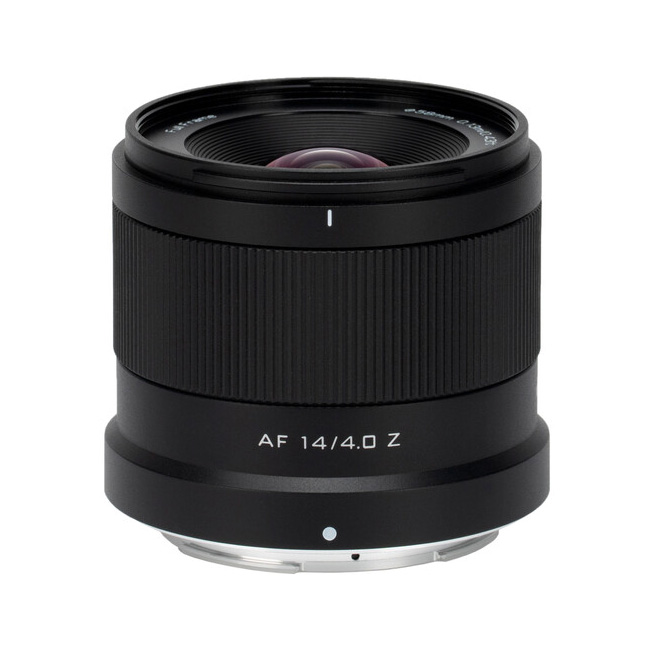
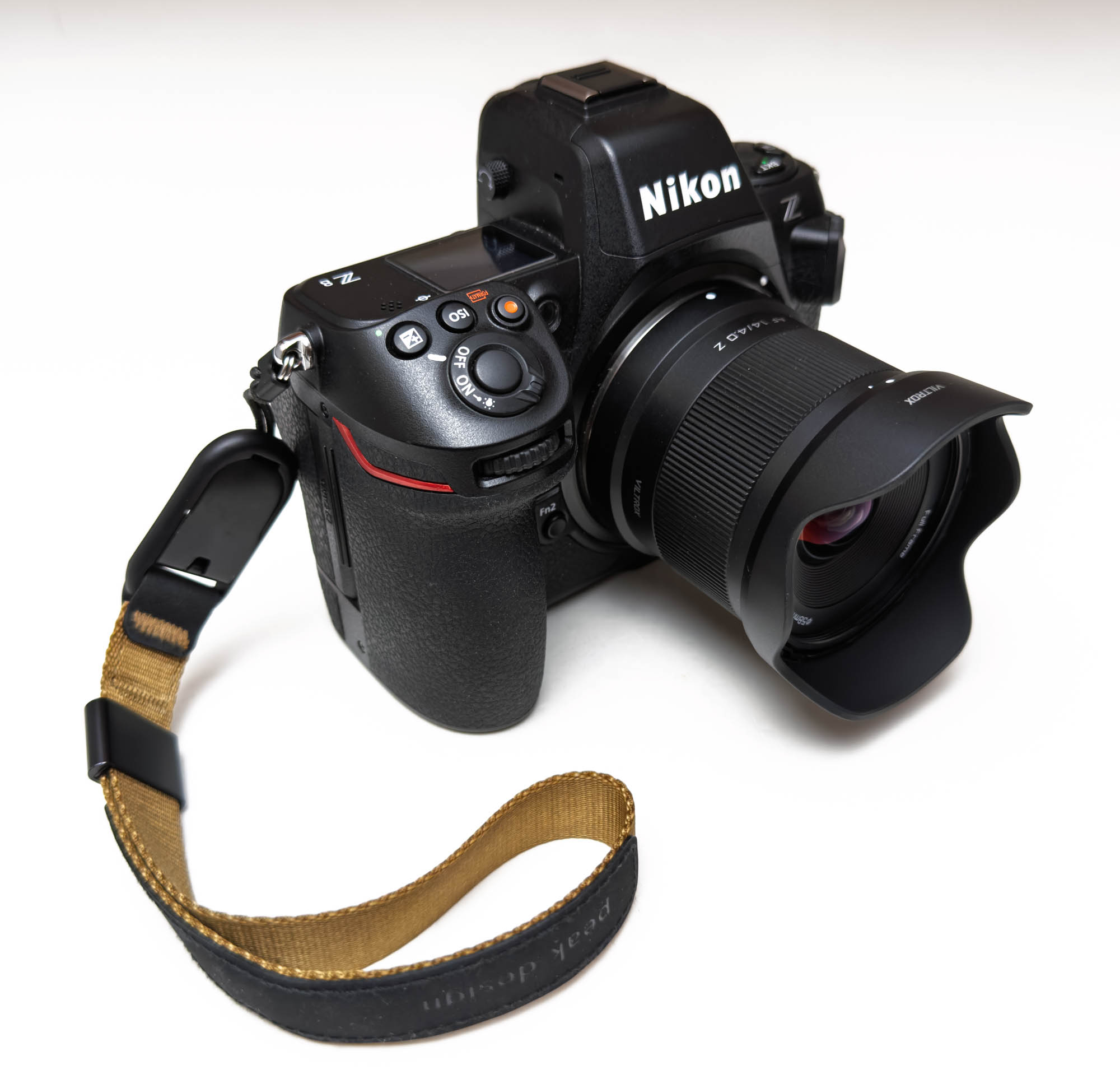
I just got mine today. I got a $25 Amazon gift card from my employer for Thanksgiving, and with the sale price, I paid $140 for the lens including tax....that's the steal of the century, IMO. Like the 9mm for APS-C, this lens has no business being this good at this size and this price. Relatively minor distortion, good sharpness wide open (with some edge softening), and quite sharp across the frame stopped down a bit, even into the corners. It doesn't quite reach 14-24/2.8S levels of image quality, but it also costs 7.6% what that lens costs at the moment. Yes, you can buy 13 of these lenses for the same price. Of course it's not a zoom, but still, insane value. I'll be using this as both a 14mm on FF and a 21mm equivalent on my APS-C kit. Makes a nice double-duty lens.
Here are a few test images with the Viltrox 14 4.0 Air on a Nikon Z7 from Salzburg/Austria.
Its an excellent little and lightweight lens. The price is very competitive. Sharp into the corners. Distortion on my test images was fine. Bokeh looks good for a ultra wide. AFAIK there is no lens profile available at the moment. The sunstar of the last image was @F5.6.
Perfect in combination with a Nikon 24-120s. Or in a small fixed lens Viltrox 14 4.0 Air, Nikon 50 1.8s/Nikon 40 2.0, Viltrox 85 2.0 EVO combo.
FYI: unfortunately, there is sample variation with this lens. I tested mine and one side/ corner is visibly smeary. You can't expect much QC for a 200€ lens but it's still a bummer.



 Of course it's not a zoom, but still, insane value. I'll be using this as both a 14mm on FF and a 21mm equivalent on my APS-C kit. Makes a nice double-duty lens.


