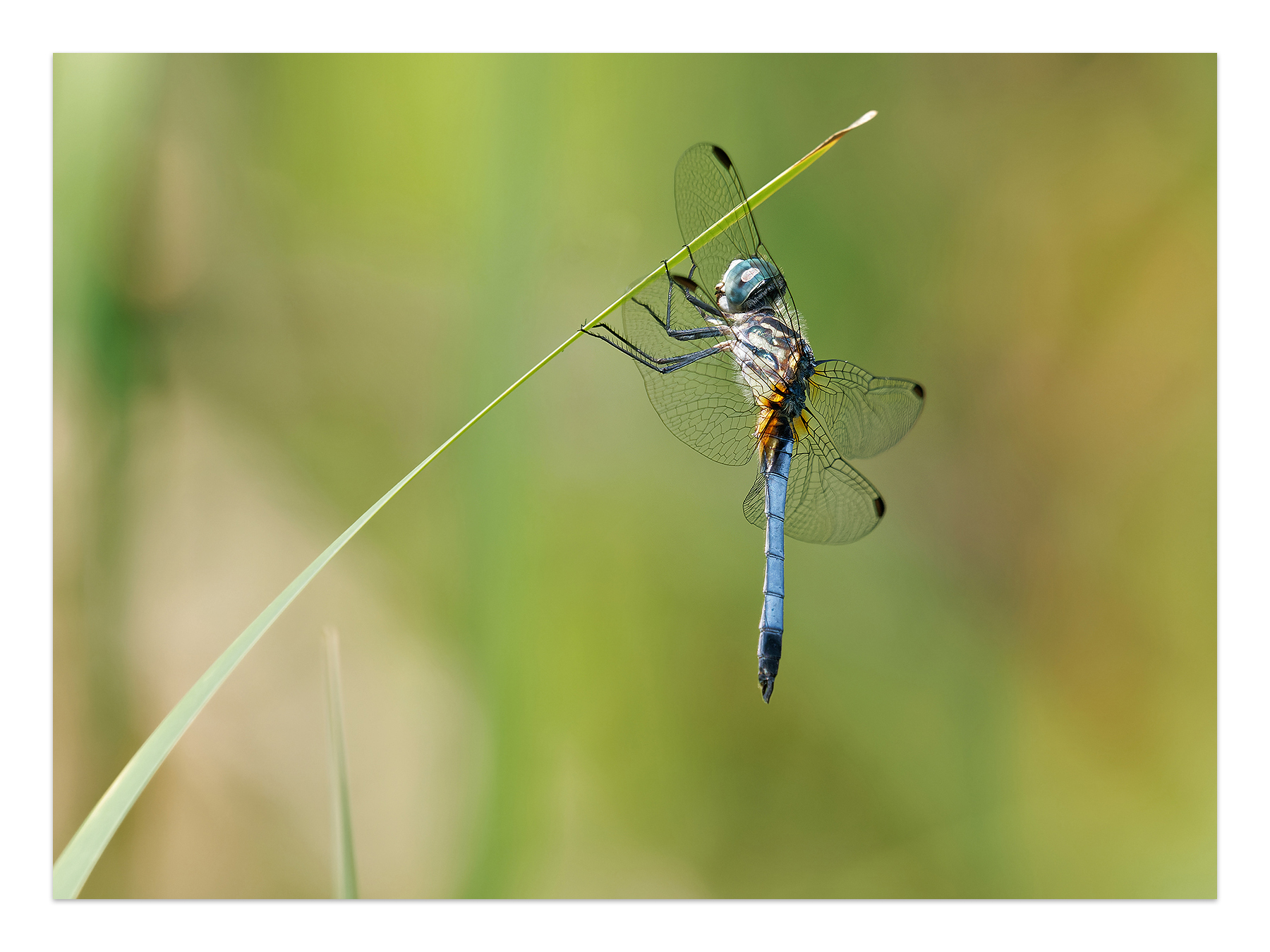
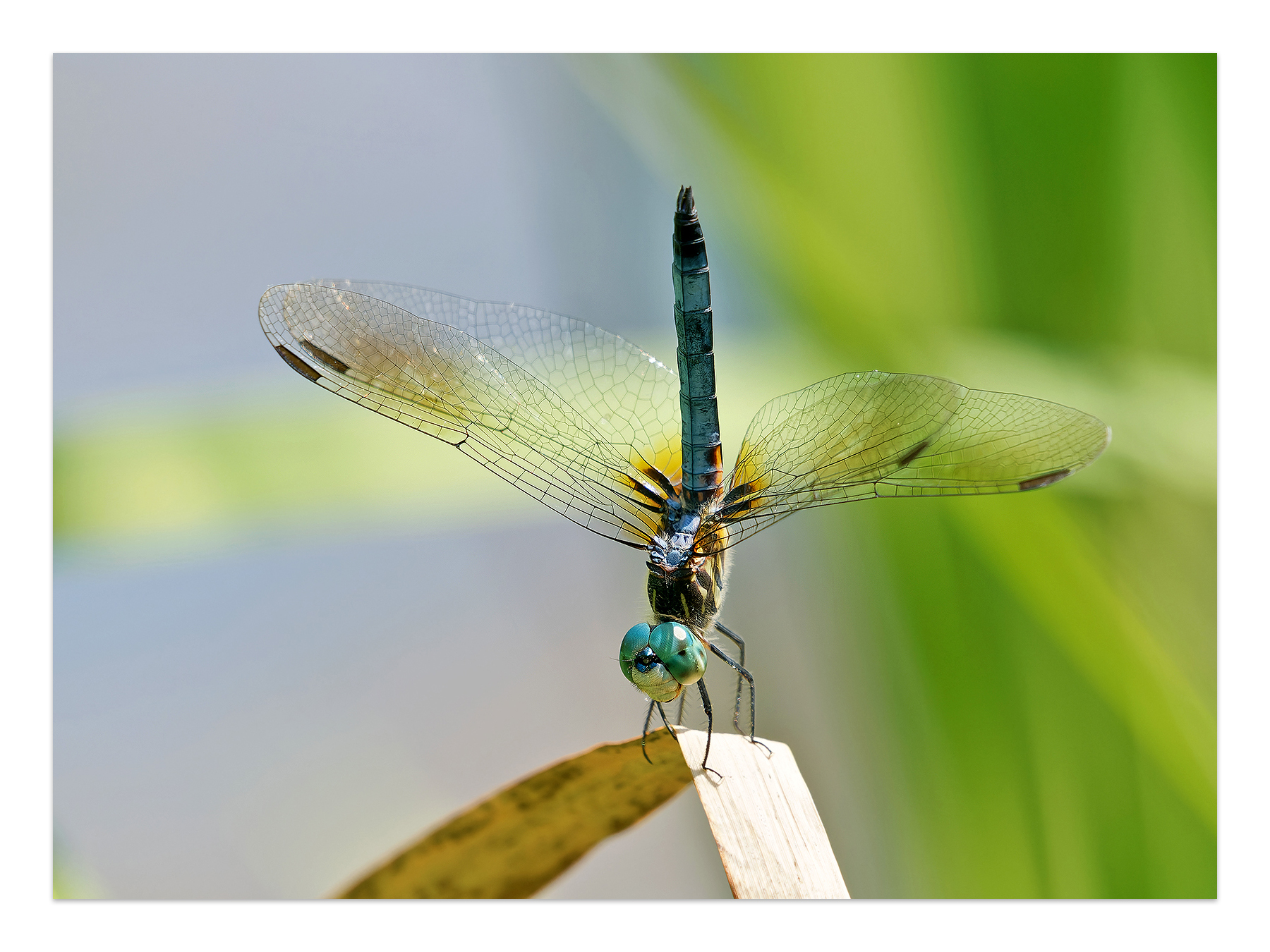
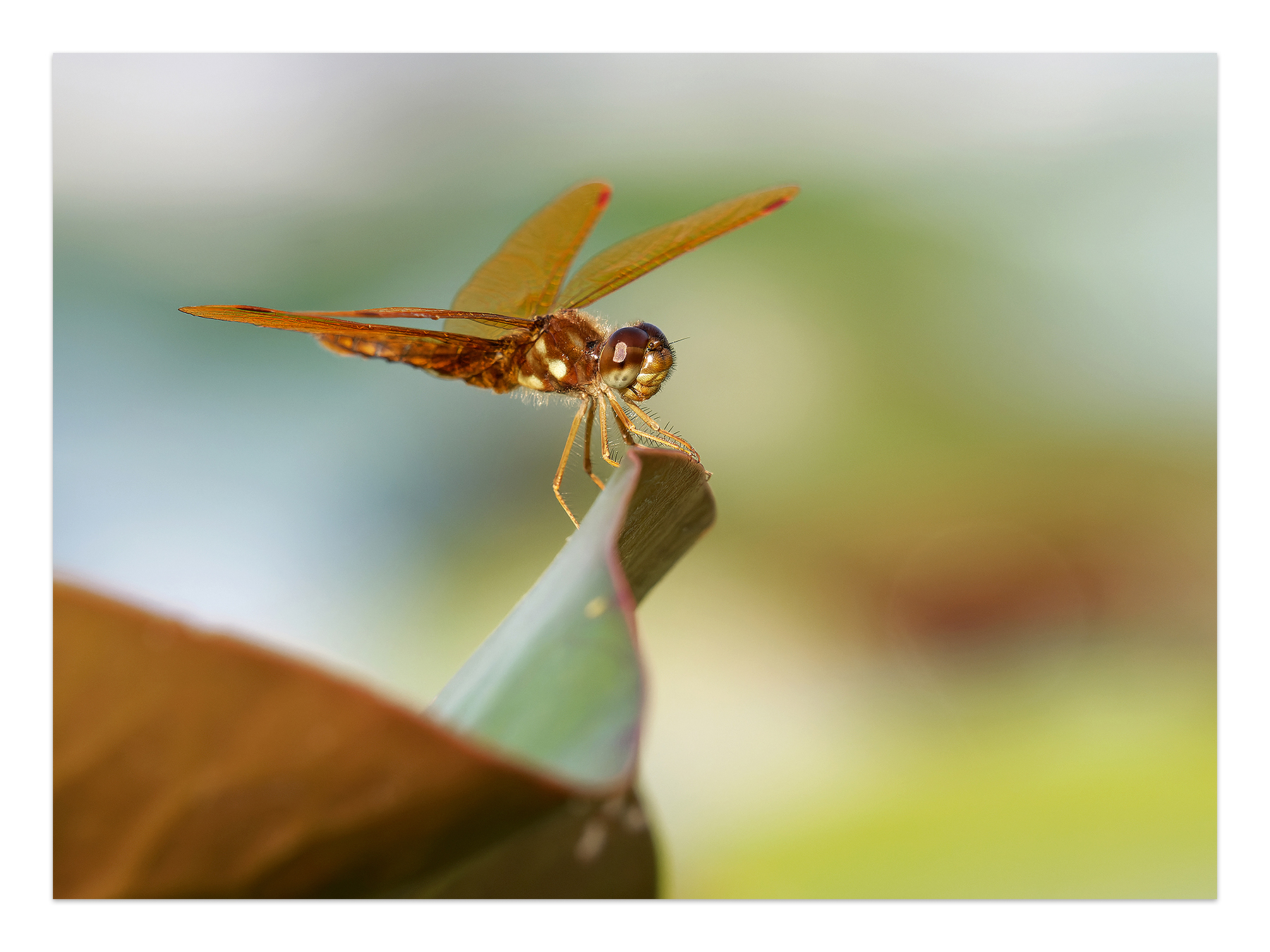
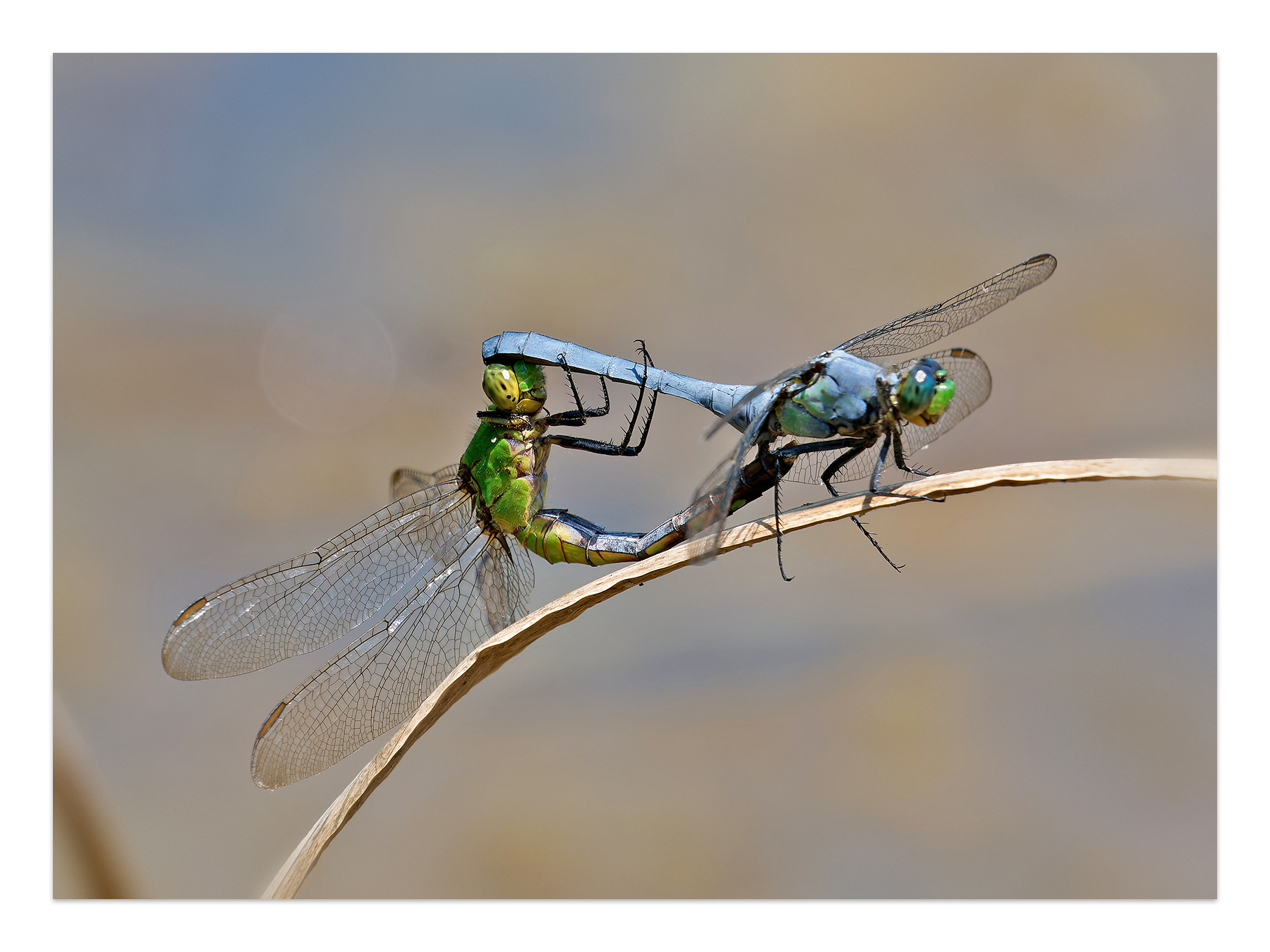
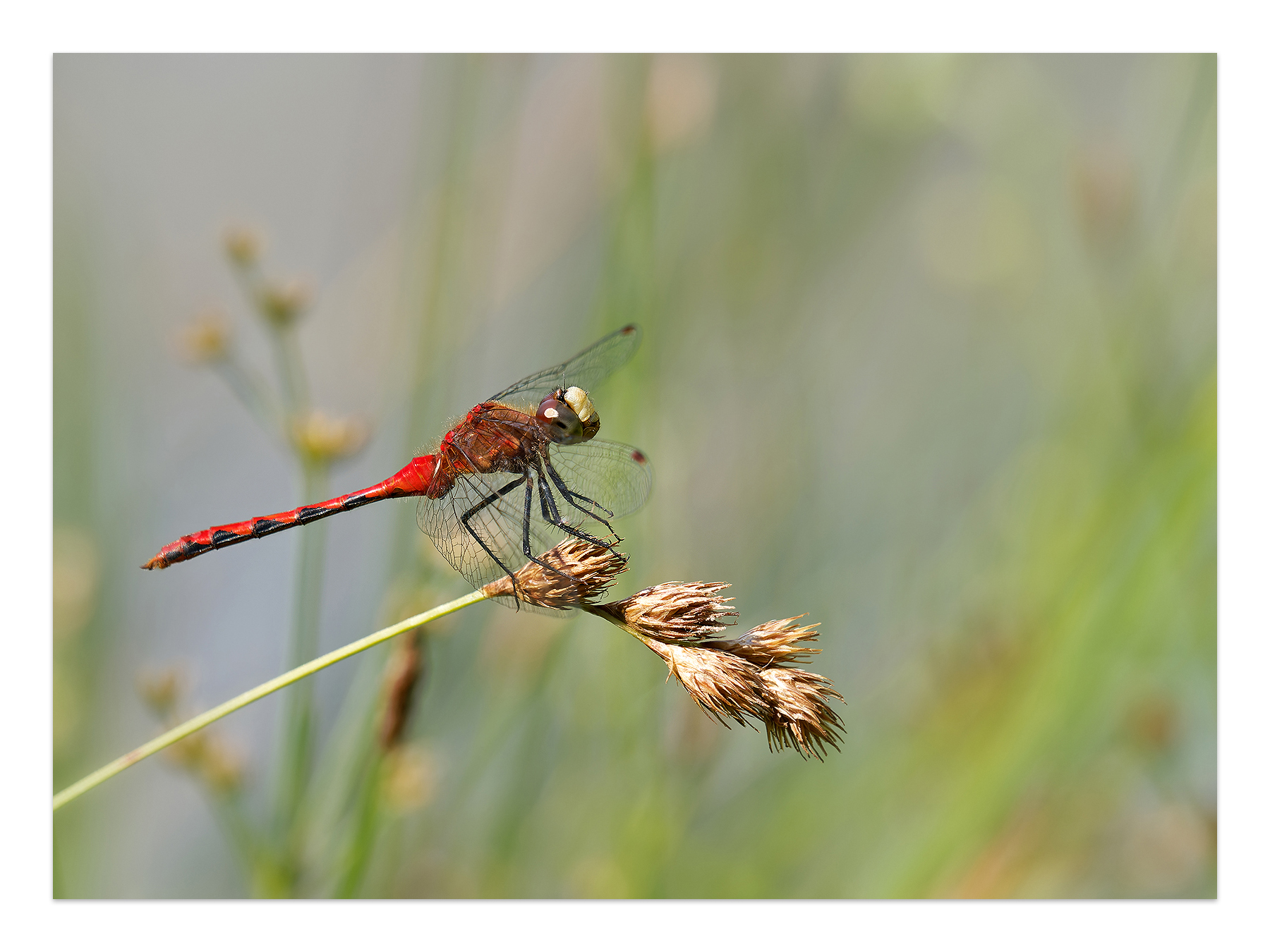
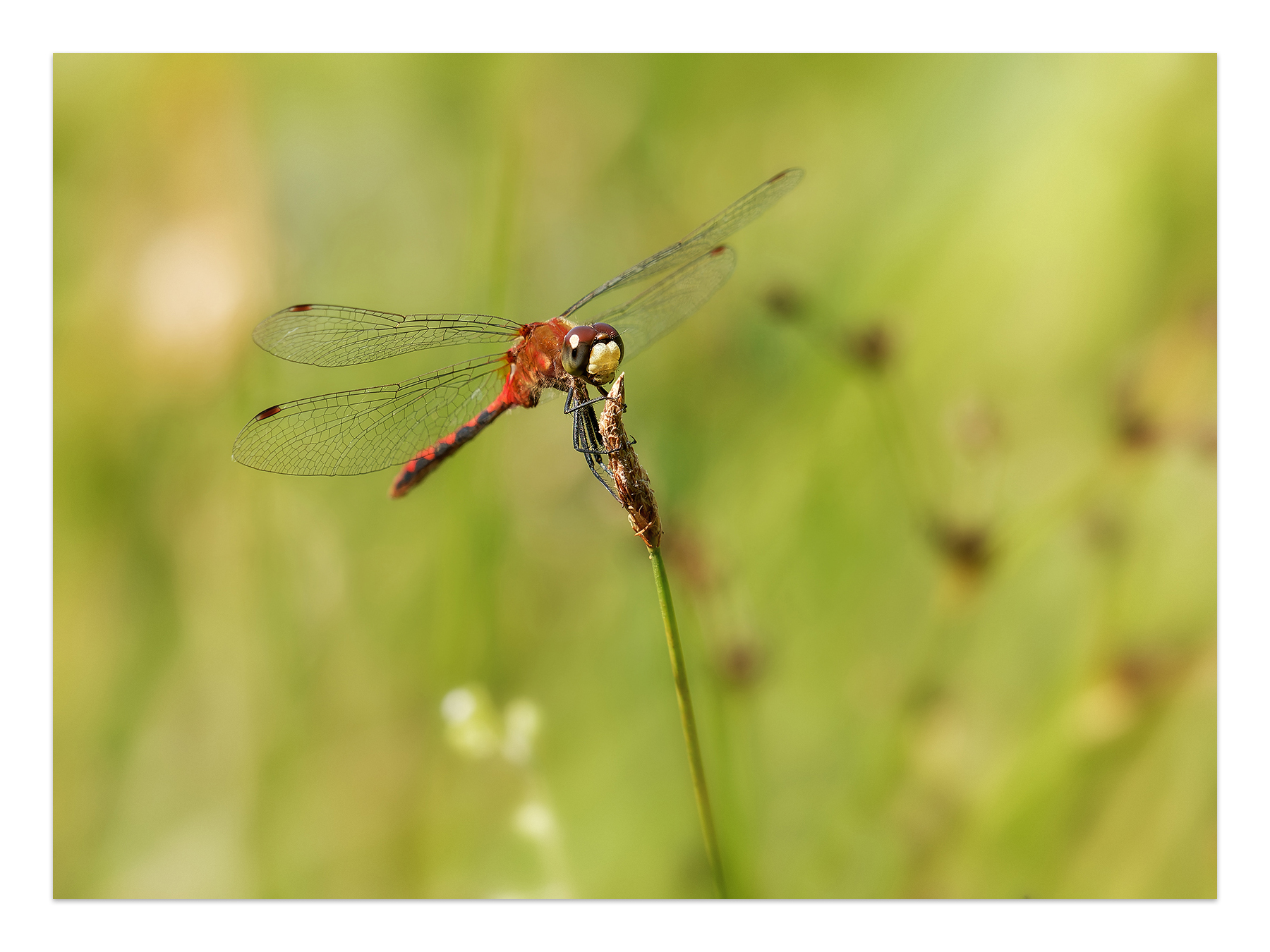
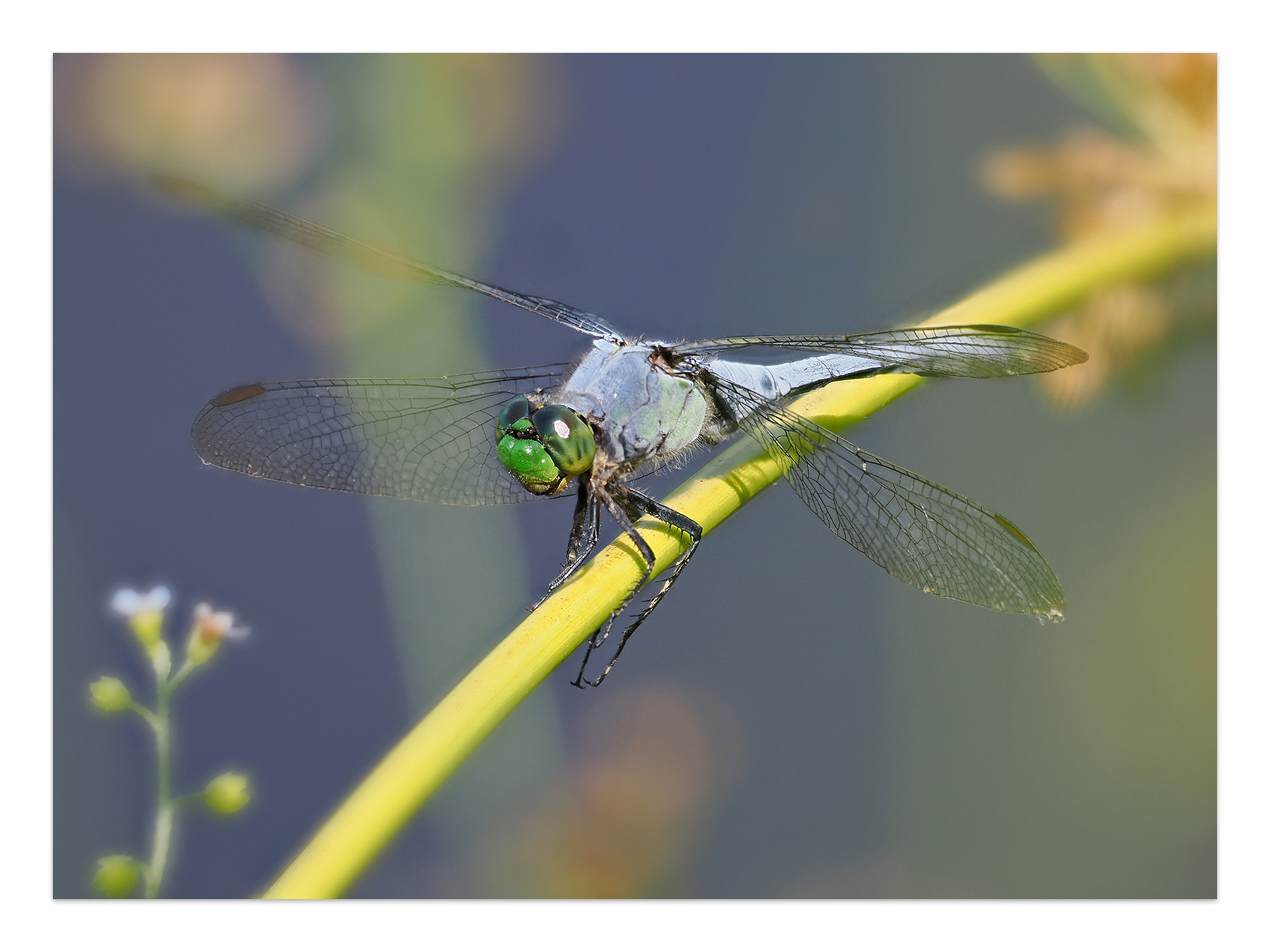
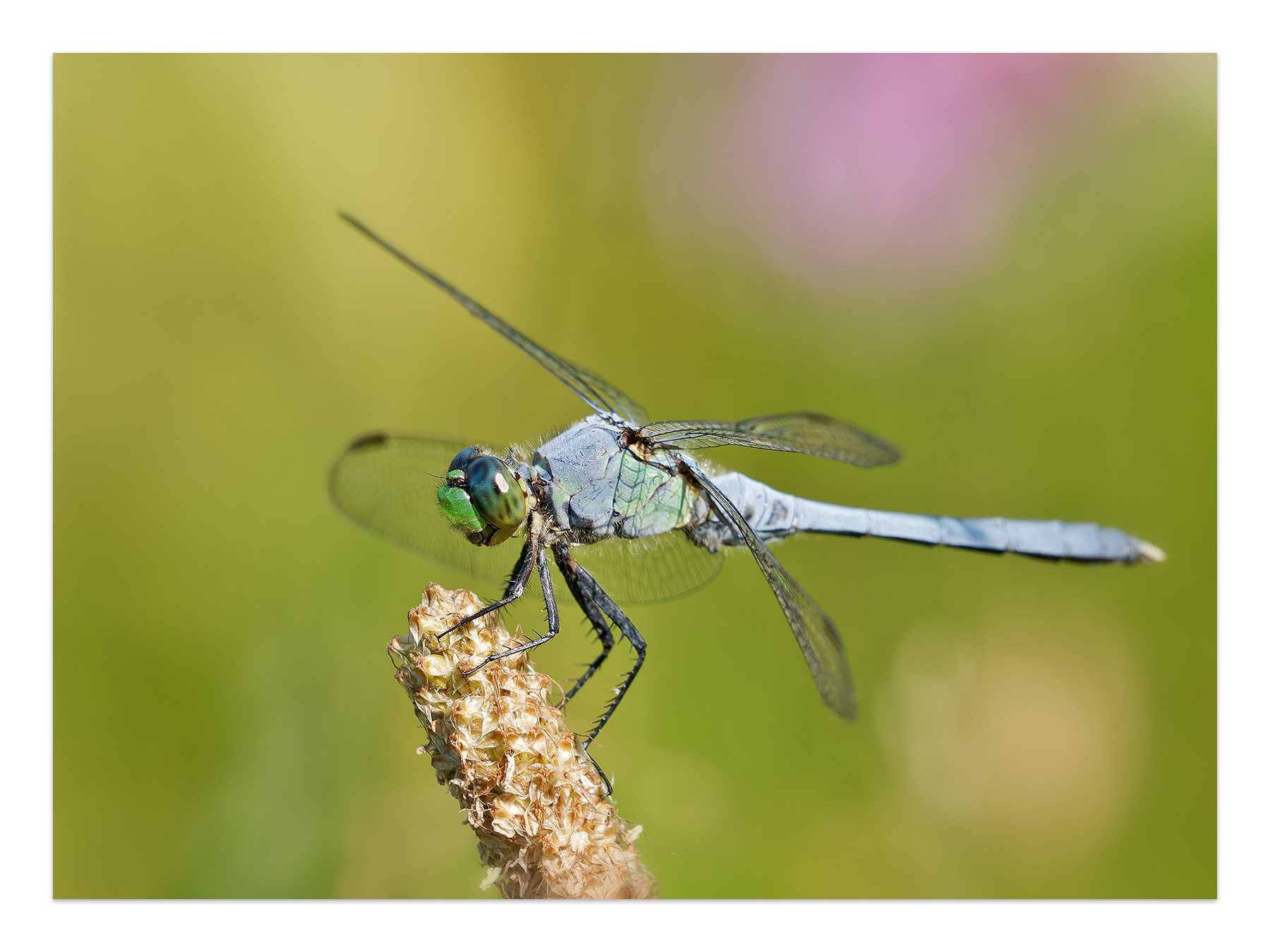
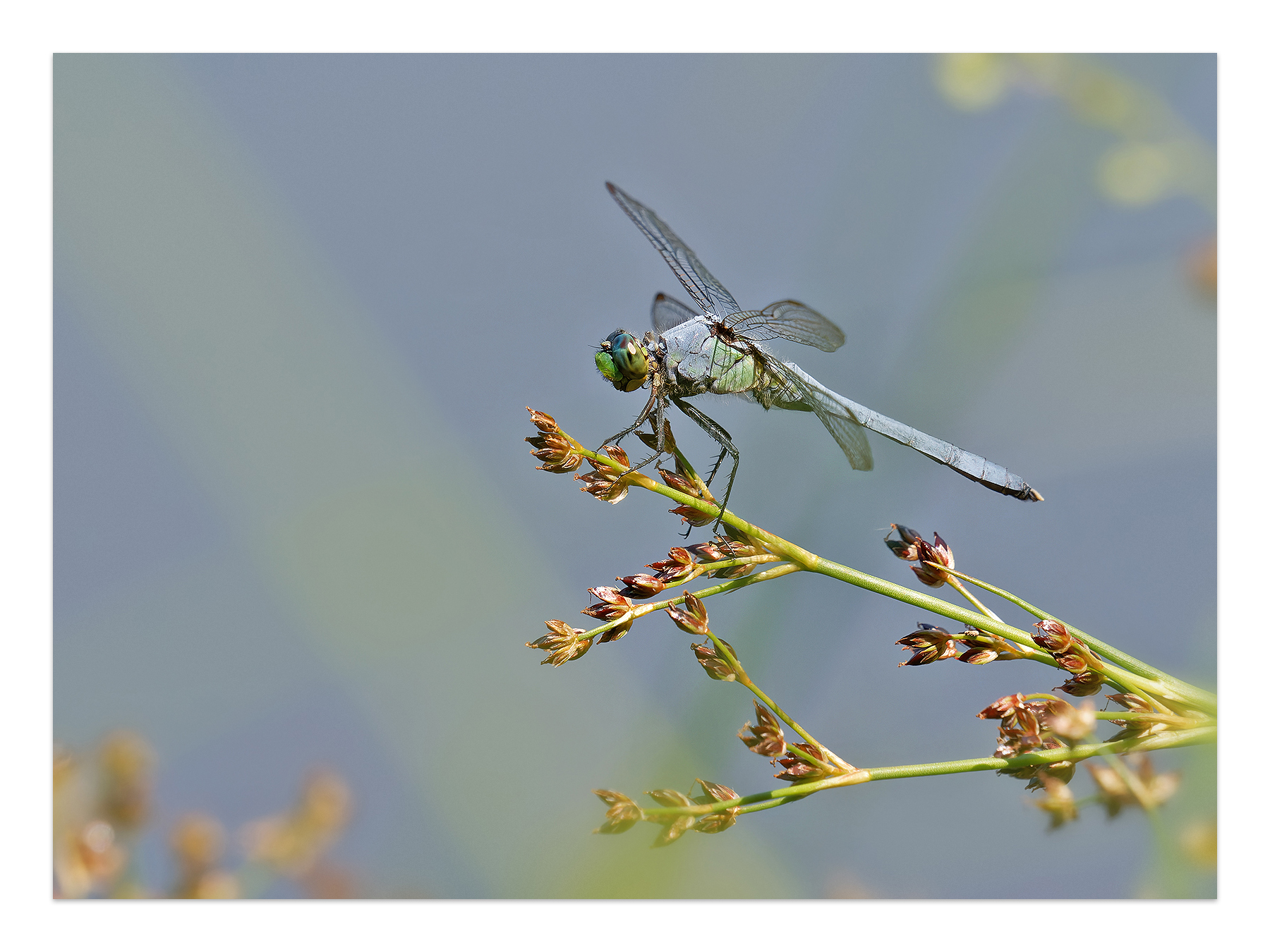
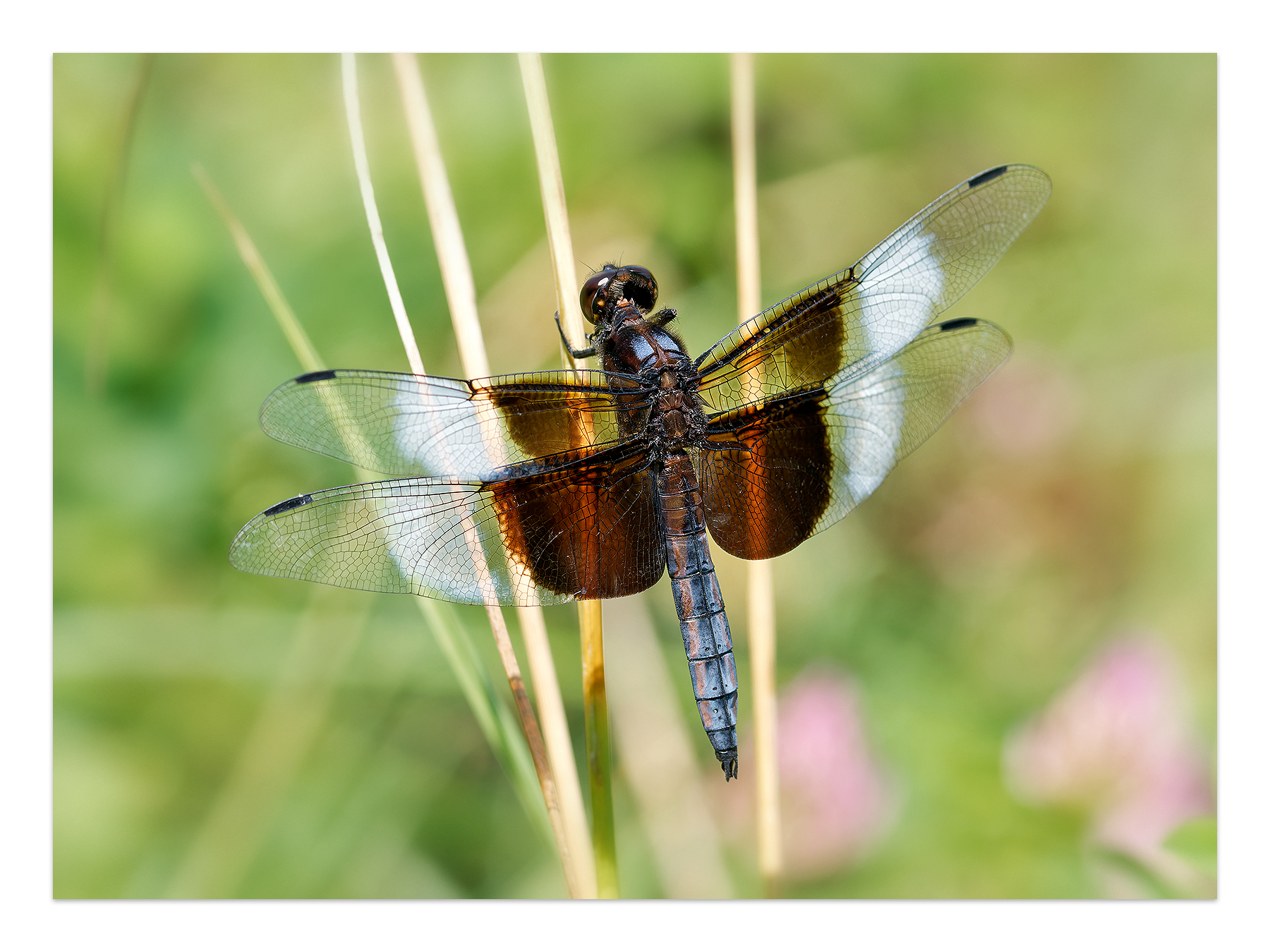
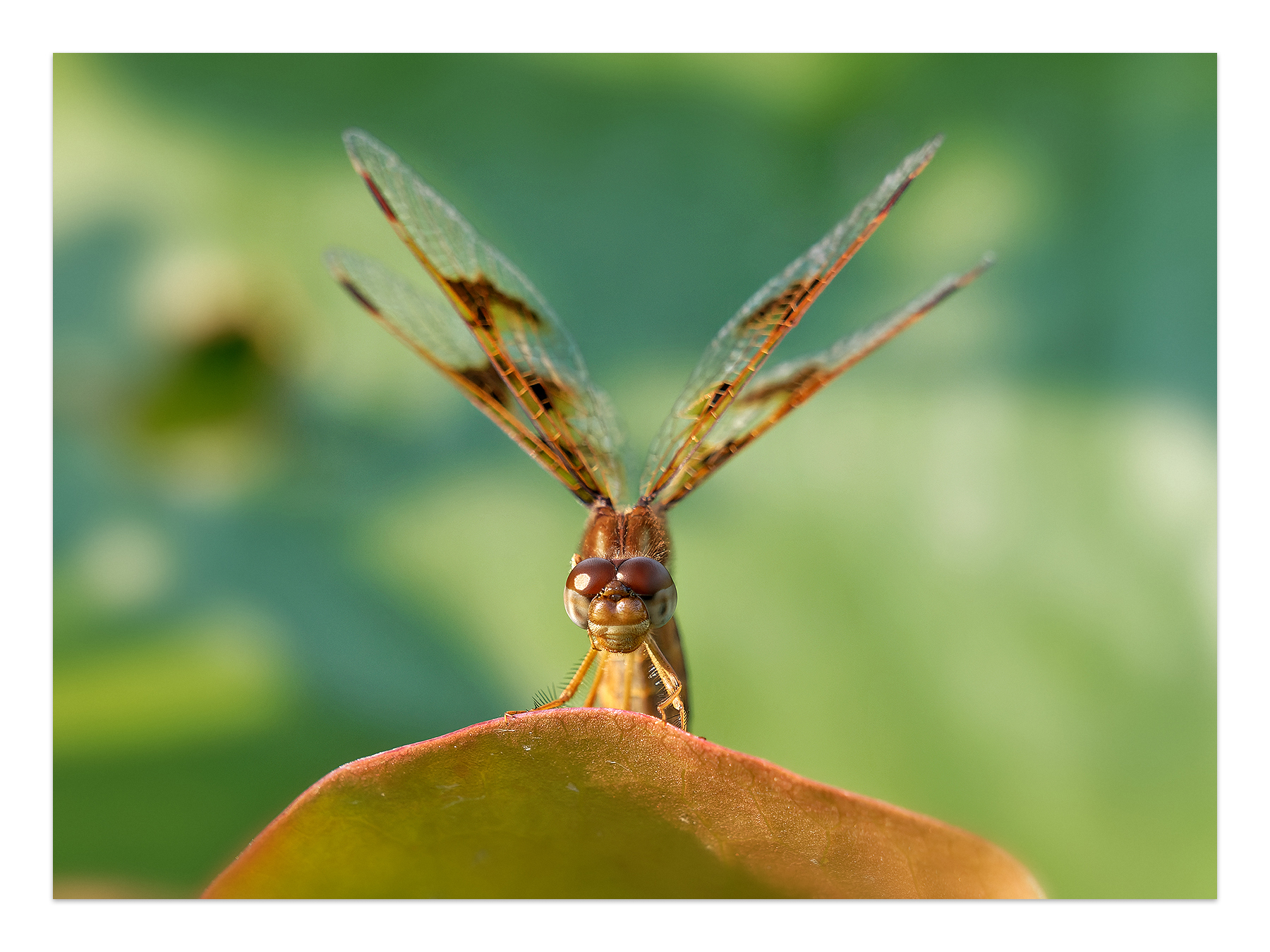
Taken at two different locations over two evenings. I'm trying to find the right mix of getting close enough to the subjects to emphasize the detail but also include their environment. All comments and critiques appreciated.
OM-1 and Olympus 100-400
Thanks for taking a look.
Gary
Excellent work Gary. I like all of them and note there are a few that could be improved by removing distractions such as the blade of grass sticking up from the bottom of the first. For me, 6 dose the best job of showing the environment without the environment taking away from the subject and in fact adding to the image.
Really fine work on these challenging creatures! They are so interesting. When my gf and I float around in my pool they will often land on our fingers or floats and chill out with us. Great to get so close to them.
Ted ellis wrote:
Excellent series Gary. Lots of POP. #4 & 5 are my favorites.
Thanks very much Ted
---------------------------------------------
morris wrote:
Excellent work Gary. I like all of them and note there are a few that could be improved by removing distractions such as the blade of grass sticking up from the bottom of the first. For me, 6 dose the best job of showing the environment without the environment taking away from the subject and in fact adding to the image.
Morris
Thanks Morris. I considered removing that blade of grass in #1 but after thinking about it I left it in. I liked the triangle it created and it almost seems like it's supporting the longer blade and balances the image. Agree on #6. I appreciate your input !
#2 shows oblisking behavior. This is a strategy dragonflies use to minimize exposure to the sun and thus keep their temperature down on hot days
#4 shows mating behavior. The pose is called a mating wheel. The male has a specialized clamp on the end of its abdomen ('tail') which fits a structure at the base of the females head. Once the pair is 'assembled' the female reaches around to gather sperm forming the 'wheel'.
#6 & #7 show male meadowhawks. One can not often tell which species of meadowhawk from a photo; this requires a close examination of an individuals terminal appendage (i.e. the 'clamp' mentioned above).
I am jealous though. I seem to not be able to find the time or energy to get out and photograph odes on these stifling hot days.
#2 shows oblisking behavior. This is a strategy dragonflies use to minimize exposure to the sun and thus keep their temperature down on hot days
#4 shows mating behavior. The pose is called a mating wheel. The male has a specialized clamp on the end of its abdomen ('tail') which fits a structure at the base of the females head. Once the pair is 'assembled' the female reaches around to gather sperm forming the 'wheel'.
#6 & #7 show male meadowhawks. One can not often tell which species of meadowhawk from a photo; this requires a close examination of an individuals terminal appendage (i.e. the 'clamp' mentioned above).
I am jealous though. I seem to not be able to find the time or energy to get out and photograph odes on these stifling hot days. ...Show more →
Well, I went ahead and removed the ID's. Not that I'm doubting your input, you seem to be very knowledgeable on this subject. I guess I shouldn't have posted ID's without being a bit more informed. I'm going to look into a book or something to help. Once again, just want to thank you for taking the time to share your detailed information, very interesting. Care to share your background ? As this seems to be more than just a passing interest
As for the stifling hot days, yes, it's been brutal. On top of the heat I got exposed to what I believe to be Wild Parsnip and have the burns on the inside of my legs and arms. This was a couple weeks ago. Horrible mess. The last two times I've been out it's been boots, long pants, and long sleeve shirts
Karl Witt wrote:
Really fine work on these challenging creatures! They are so interesting. When my gf and I float around in my pool they will often land on our fingers or floats and chill out with us. Great to get so close to them.
#2 the Headstander is a winner winner for me
Karl
Thanks much Karl. The more time I spend with them the more interesting they become.
---------------------------------------------
sum1sgrampa wrote:
Well, I went ahead and removed the ID's. Not that I'm doubting your input, you seem to be very knowledgeable on this subject. I guess I shouldn't have posted ID's without being a bit more informed. I'm going to look into a book or something to help. Once again, just want to thank you for taking the time to share your detailed information, very interesting. Care to share your background ? As this seems to be more than just a passing interest
As for the stifling hot days, yes, it's been brutal. On top of the heat I got exposed to what I believe to be Wild Parsnip and have the burns on the inside of my legs and arms. This was a couple weeks ago. Horrible mess. The last two times I've been out it's been boots, long pants, and long sleeve shirts ...Show more →
I have an undergraduate degree in biology and a graduate degree in biochemistry. I am retired from a career in academia, mostly in chemistry departments.
More than 25 years ago, I got interested in photographing the dragonflies & damselflies (i.e. 'odes", short for odonata the biological order that contains these critters) around our lake-side camp in New Hampshire. Having ready access to friends and colleagues in the biology department, I took advantage of their expertise. Every Monday morning after a weekend at camp, I would show one particular friend my photos and pester him with questions about the behaviors I observed. After a number of years, even the slowest learner picks up some knowledge!!!
This book, published last year, was written and illustrated with drawings (rather than photos) by Ed Lam.
There is a 'companion' volume on damselflies by Lam which was published about 20 years ago and is, alas, out of print. Used copies are going for crazy prices but it is well worth it if you can afford it.
You will note that the last three of these books all have the same author, Dennis Paulson. One can think of Paulson as the David Sibley (or, if you are old enough, the Roger Tory Peterson) of the ode world.
fgorga wrote:
I have an undergraduate degree in biology and a graduate degree in biochemistry. I am retired from a career in academia, mostly in chemistry departments.
More than 25 years ago, I got interested in photographing the dragonflies & damselflies (i.e. 'odes", short for odonata the biological order that contains these critters) around our lake-side camp in New Hampshire. Having ready access to friends and colleagues in the biology department, I took advantage of their expertise. Every Monday morning after a weekend at camp, I would show one particular friend my photos and pester him with questions about the behaviors I observed. After a number of years, even the slowest learner picks up some knowledge!!!
This book, published last year, was written and illustrated with drawings (rather than photos) by Ed Lam.
There is a 'companion' volume on damselflies by Lam which was published about 20 years ago and is, alas, out of print. Used copies are going for crazy prices but it is well worth it if you can afford it.
You will note that the last three of these books all have the same author, Dennis Paulson. One can think of Paulson as the David Sibley (or, if you are old enough, the Roger Tory Peterson) of the ode world.
Thank you so much for sharing all this information. Very interesting and helpful ! I'm going to go over everything when I get a chance. Something tells me an hour or so with you over a couple cups of coffee would be even more interesting
ctgoldwing wrote:
Very nice captures of a not so easy subject Gary. We do get them in our backyard but its been frustrating to nail one like you have here. GJ!
Thanks so much GJ.
I guess it's like anything else, the more time you spend with a subject the more opportunities you get