p.2 #1 · Recommended 400-500mm Telephoto Lenses for Sports Photography
That's what I can't decide. I recently bought a Leica Q3 and am having a blast walking around with a lightweight hi res camera doing street stuff. Long lens work is way down on my list at the moment.
p.2 #2 · Recommended 400-500mm Telephoto Lenses for Sports Photography
Interesting perspective on a 400/f2.8 not paying for itself. For long glass, I started 25 years ago with a beater 300/f2.8. That lens made me enough money to move up to a beater 400/f2.8. That lens also made me enough money to buy a Sigma 120-300. Those lenses also were the reason I was able to move up to a newer 400/f2.8 v1 IS lens. That lens paid for itself within a few months of having it. Granted, I used money from selling my older 400 to help fund the newer one, but it still made a lot of money back then.
At the time I was shooting a lot of youth and high school sports and, frankly, that lens helped me set my images vastly apart from most other non-pros who only had a 70-200 as their longest glass. And don't even think about those people with the kit lenses or variable aperture lenses...they were long gone once the sun went down or at indoor sports.
Having said all of that, I just within the last few months sold my latest 400/f2.8 and am going with a Canon 200-400/f4. With the high ISO capabilities of today's bodies, I've been shooting at f4 a lot over the last several years. I now mostly shoot major college and professional sports.I will be giving that 200-400 a workout in about a month when football season gets underway and will report back how it does.
p.2 #3 · Recommended 400-500mm Telephoto Lenses for Sports Photography
Thanks for the insight. I think you make some great points too. I’m curious to hear your comparison results between the two lenses for pro sports work. I did a quick price check and that’s an expensive lens new though I saw a couple on KEH/MPB for around $4,400 in “excellent” condition.
No RF version yet so the EF to RF adapter will add a little more length and weight to the mix.
p.2 #4 · Recommended 400-500mm Telephoto Lenses for Sports Photography
I found my 200-400 lens for less than $4k here on FM. Felt like I got a heck of a deal on a lens that looked virtually brand new. That lens is the only remaining EF mount I have and the adapter stays on it all the time so I can't say I've noticed the added weight.
I will say, I learned 25 years ago when I started doing serious sports photography that I needed fast glass for exposure. Not for bokeh or blown out backgrounds...for exposure. So, I will do a review of what I think about the 200-400 (and I also have an RF70-200/f4 lens) when I get a chance to use them more this fall and winter. I'm almost certain I won't notice any drop off from the old 400/f2.8 and 70-200/f2.8. (At least I'm crossing my fingers I won't! Ha!)
p.2 #5 · Recommended 400-500mm Telephoto Lenses for Sports Photography
WsternLawmn wrote:
Thanks for the insight. I think you make some great points too. I’m curious to hear your comparison results between the two lenses for pro sports work. I did a quick price check and that’s an expensive lens new though I saw a couple on KEH/MPB for around $4,400 in “excellent” condition.
No RF version yet so the EF to RF adapter will add a little more length and weight to the mix.
Scott gave you excellent advice but I would like to add to what he so professionally stated.
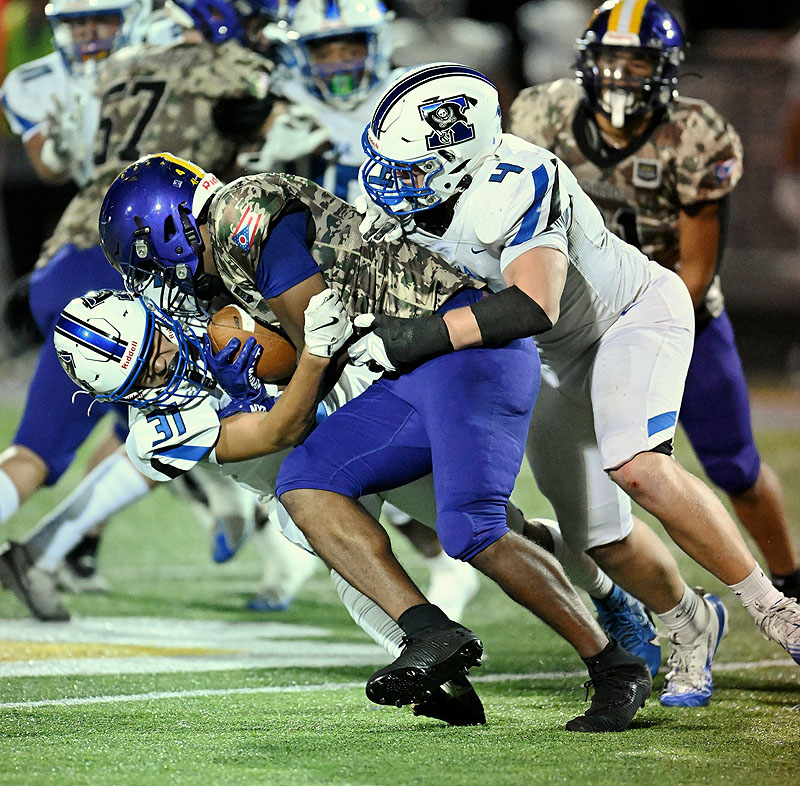
If you are planning to photograph high school football at night, you need to do some research on the lighting of the fields...home and away locations.
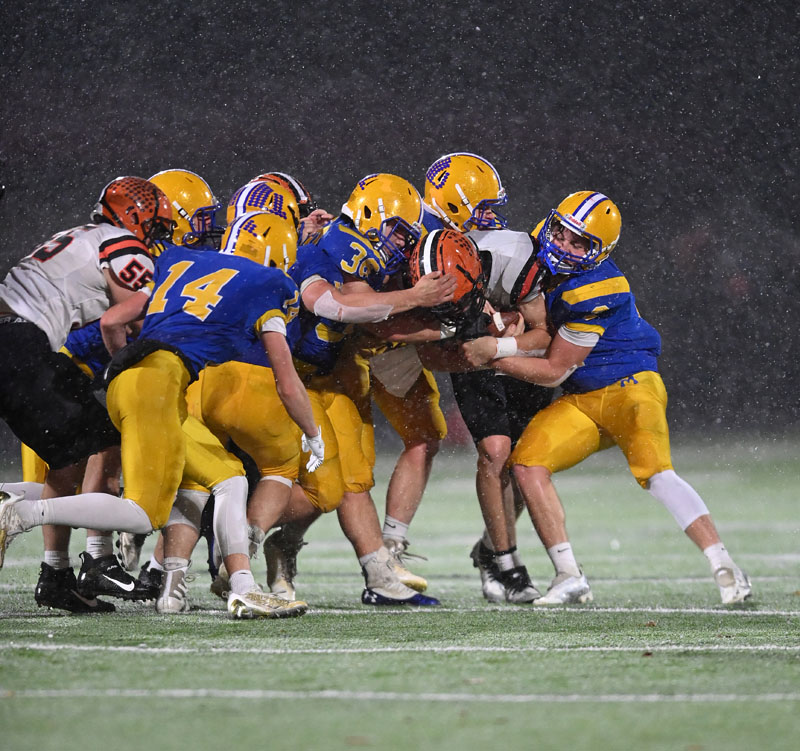
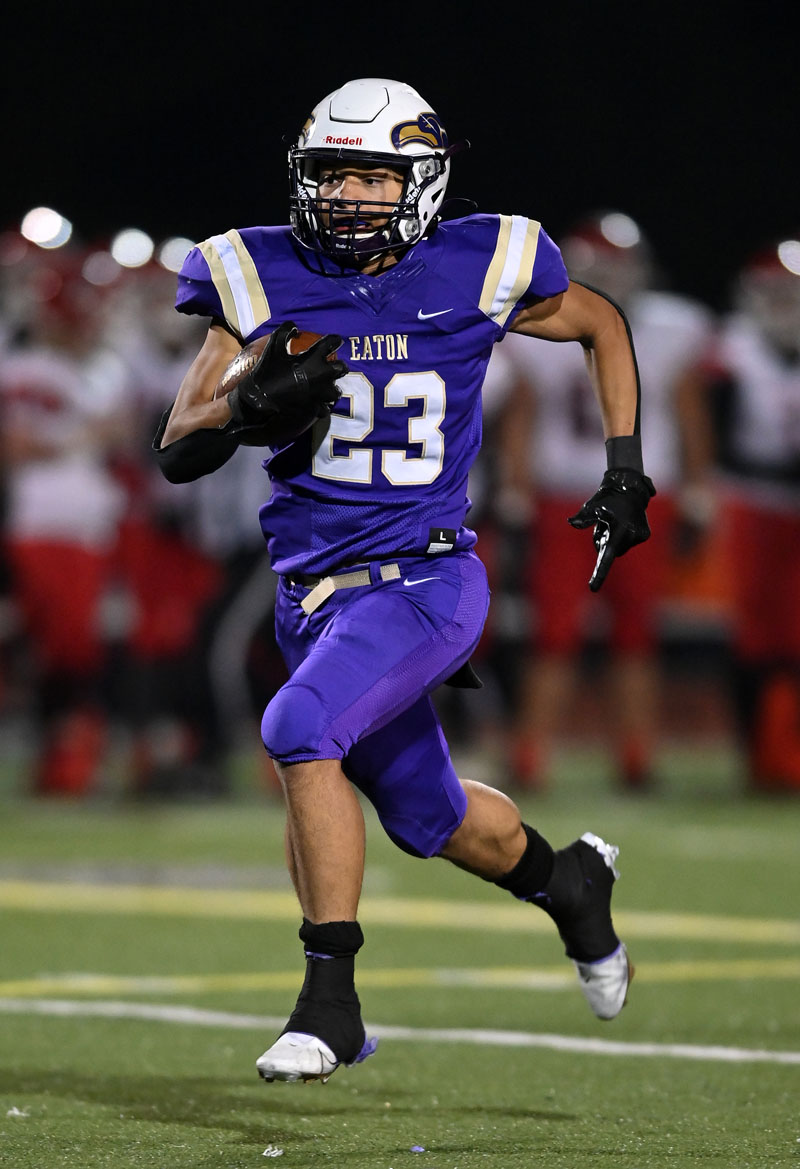
Even though all of the newer high school fields are built with LED lights and a few of the existing facilities are upgrading their current systems, most, in this area require a minimum exposure of ISO 12,800 f/2.8 and 1/1000 in the middle of the field and that is for action with the lights behind you.
Many of these fields from smaller schools are ISO 16000 to 20,000 at f/2.8 and the lights flicker so you are lucky to get a decent exposure at 1/800 so an f/4 lens would work early in the season when the sun doesn't set until halftime but when it gets dark, the f4 lens is going to require major exposure adjusting.
Shooting at the end zones from the side and in the end zone with players running towards you may drop the exposure by 1 to two stops.
Even the best high school fields do not even come close to division 1 college or pro stadium lighting however, if games are during the day, that is a different situation altogether.
A 200-400 f/4 zoom can work at the high school level. lighting..no doubt about it...but there are times that one more stop of exposure can make your work a bit easier.
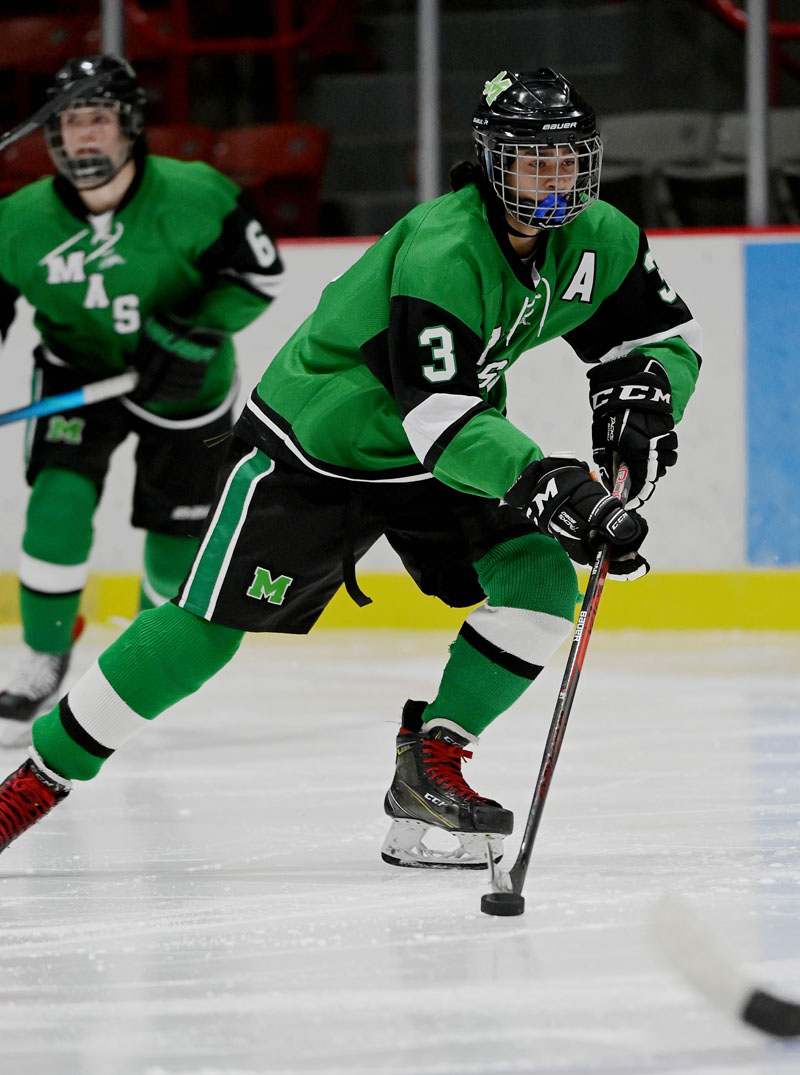
For rodeo, football, soccer and ice hockey, a long fixed focal length zoom is the way to go and your R3 should be able handle those higher ISO's and somewhat difficult lighting which can challenge the very best professional camera focusing systems.
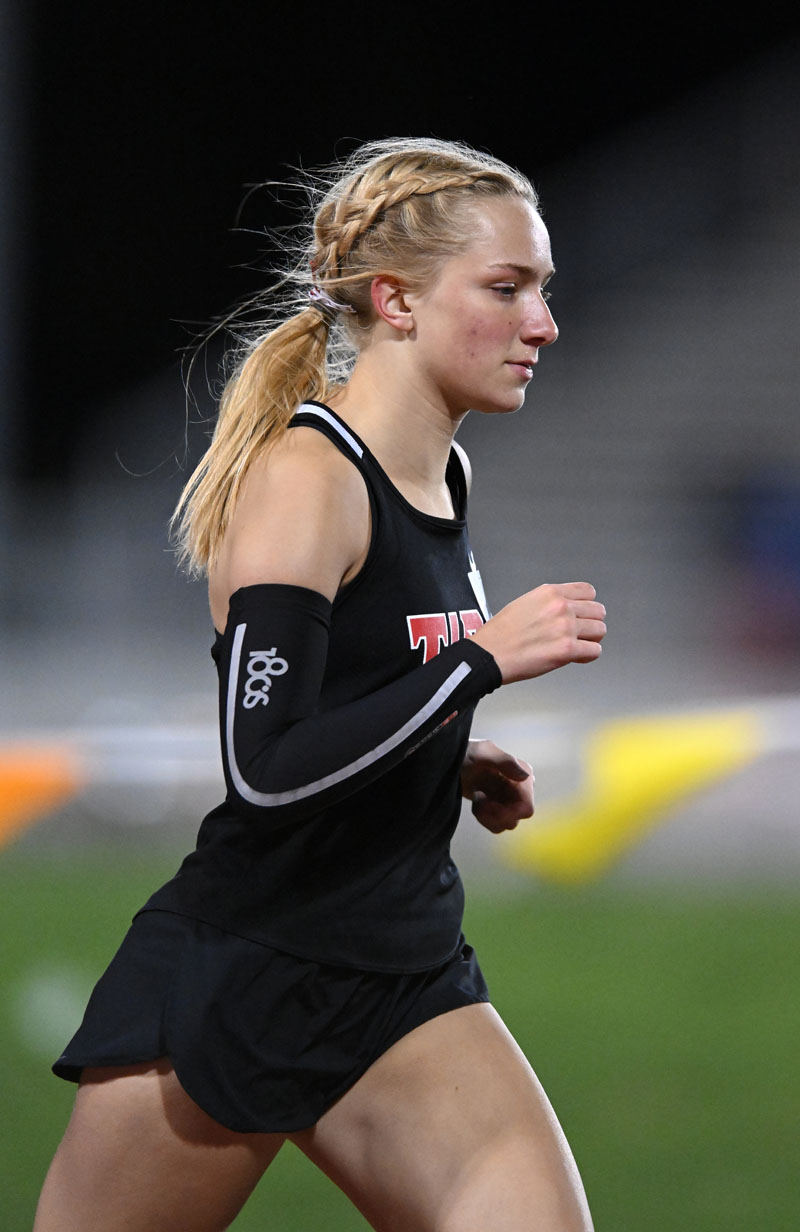
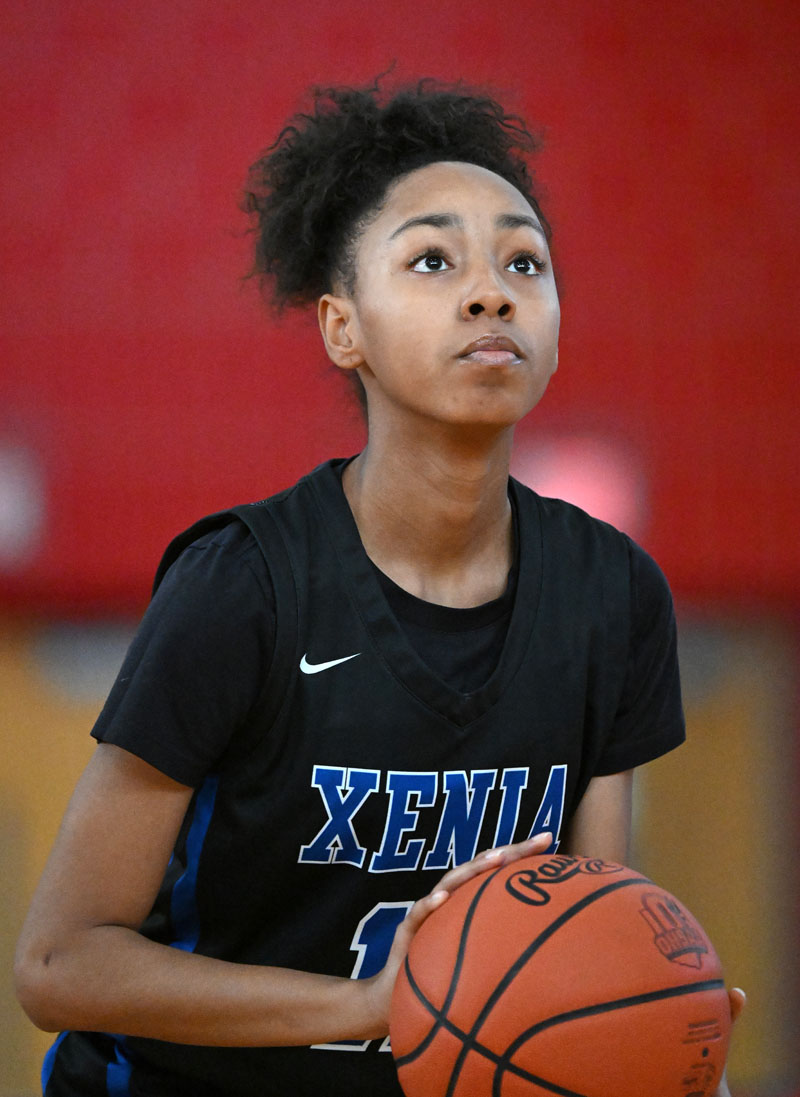
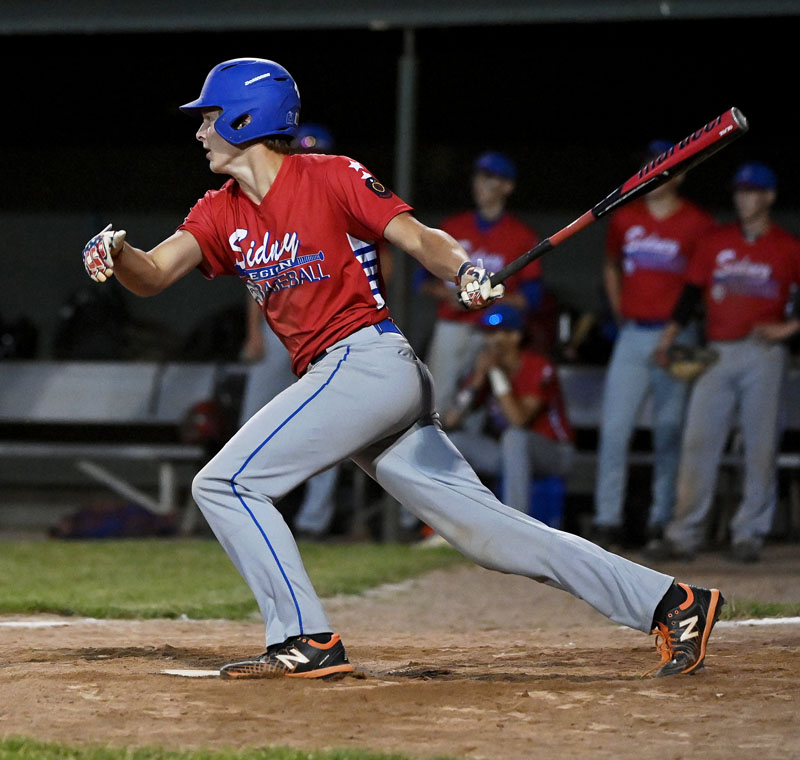
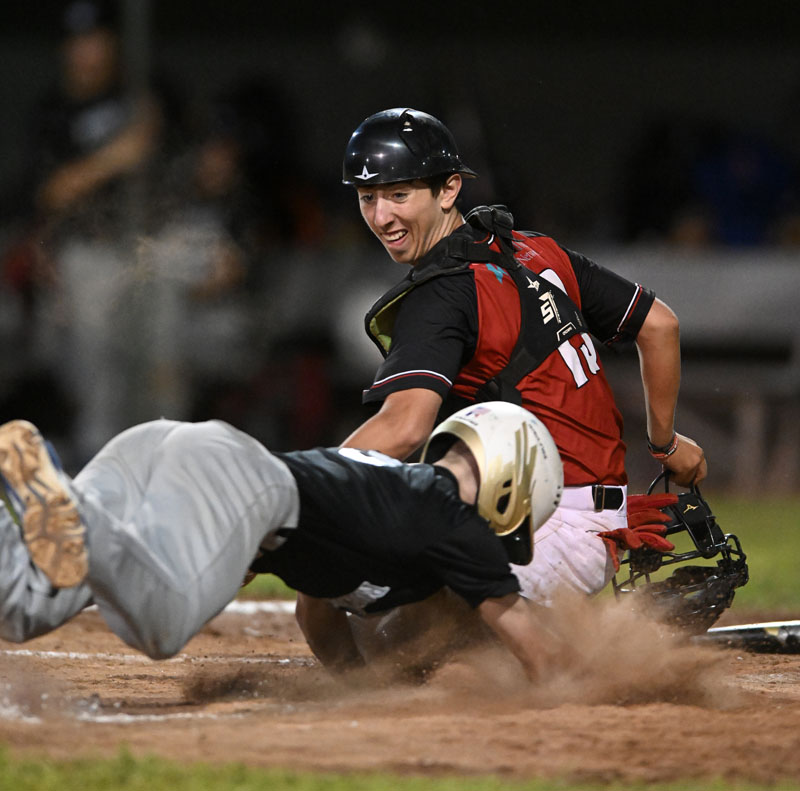
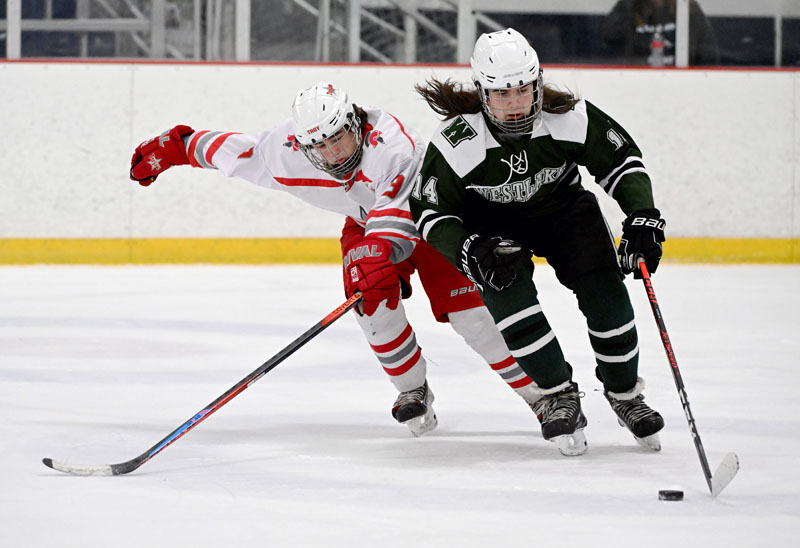
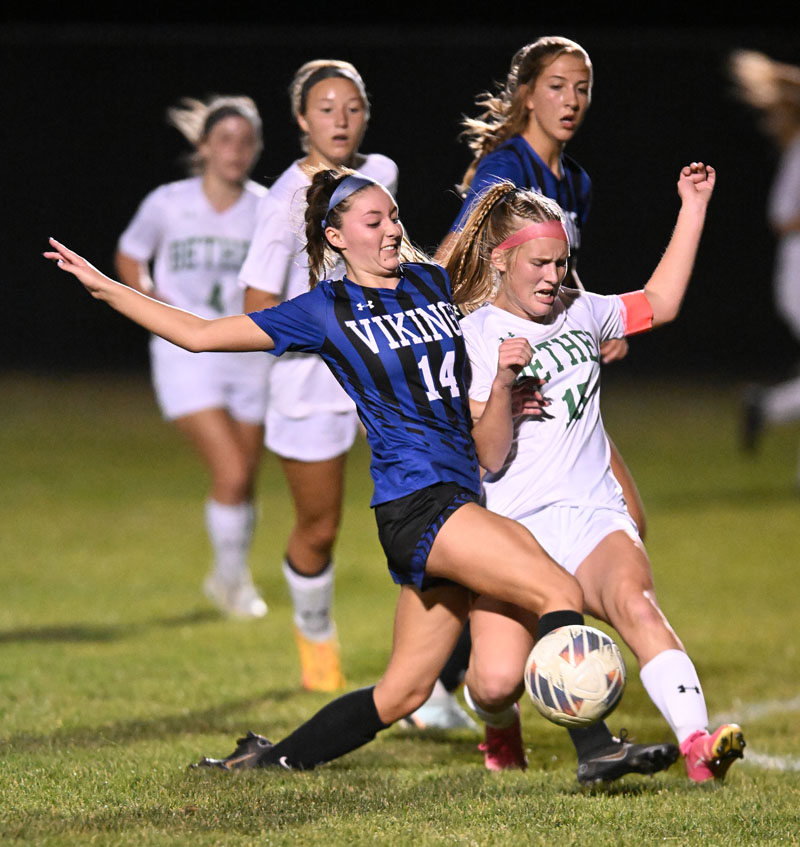
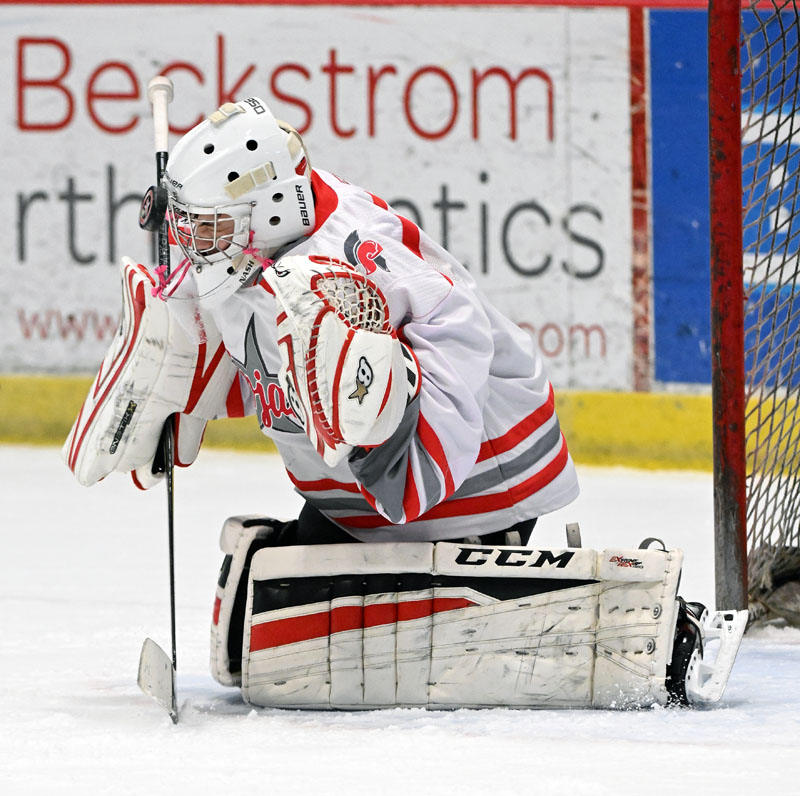
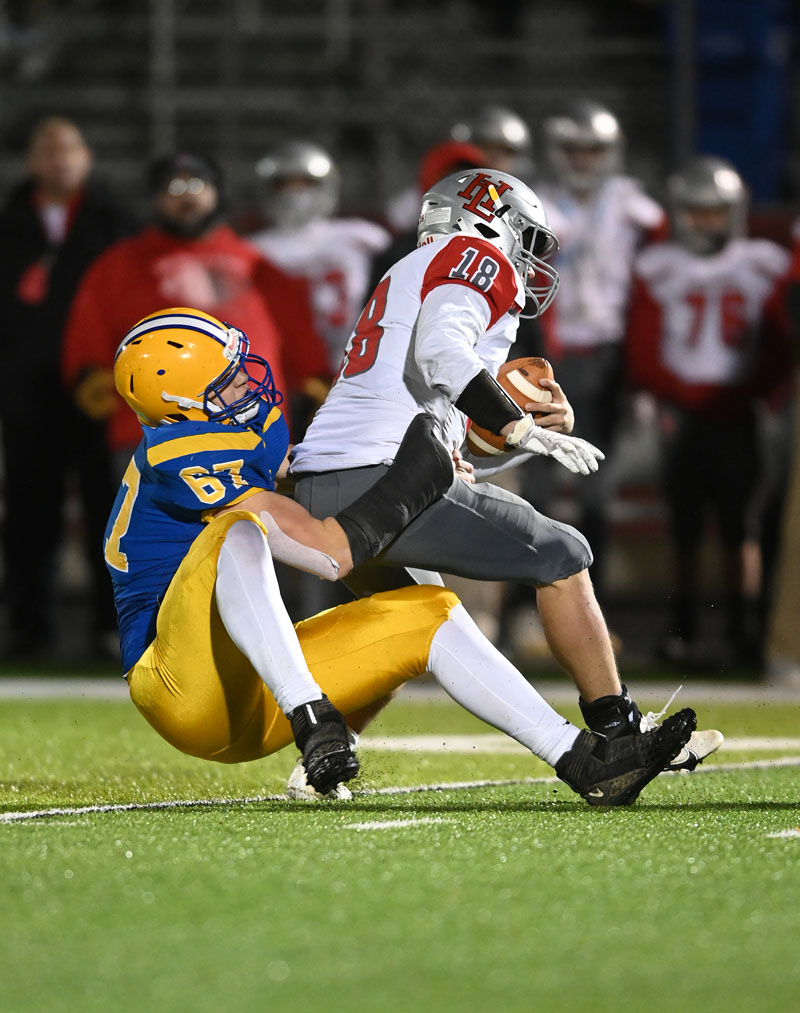
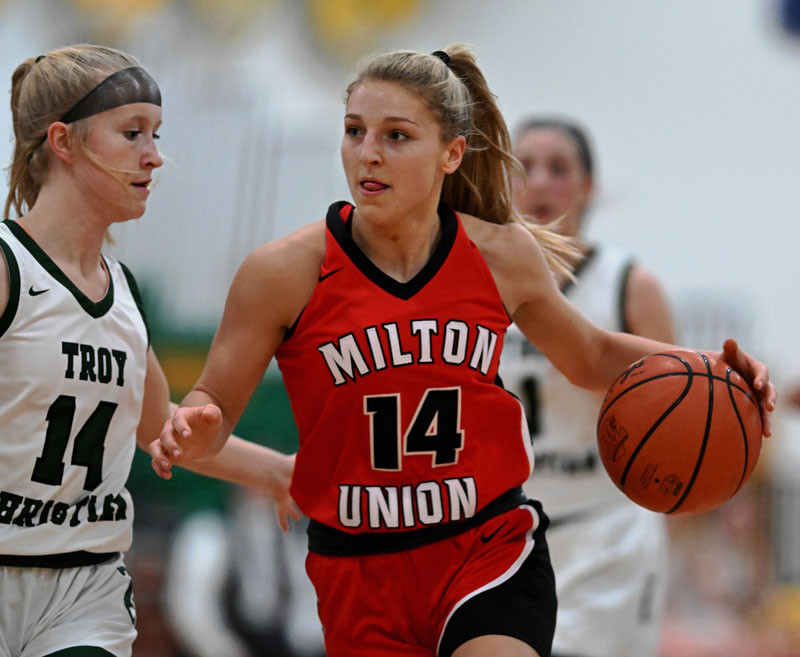
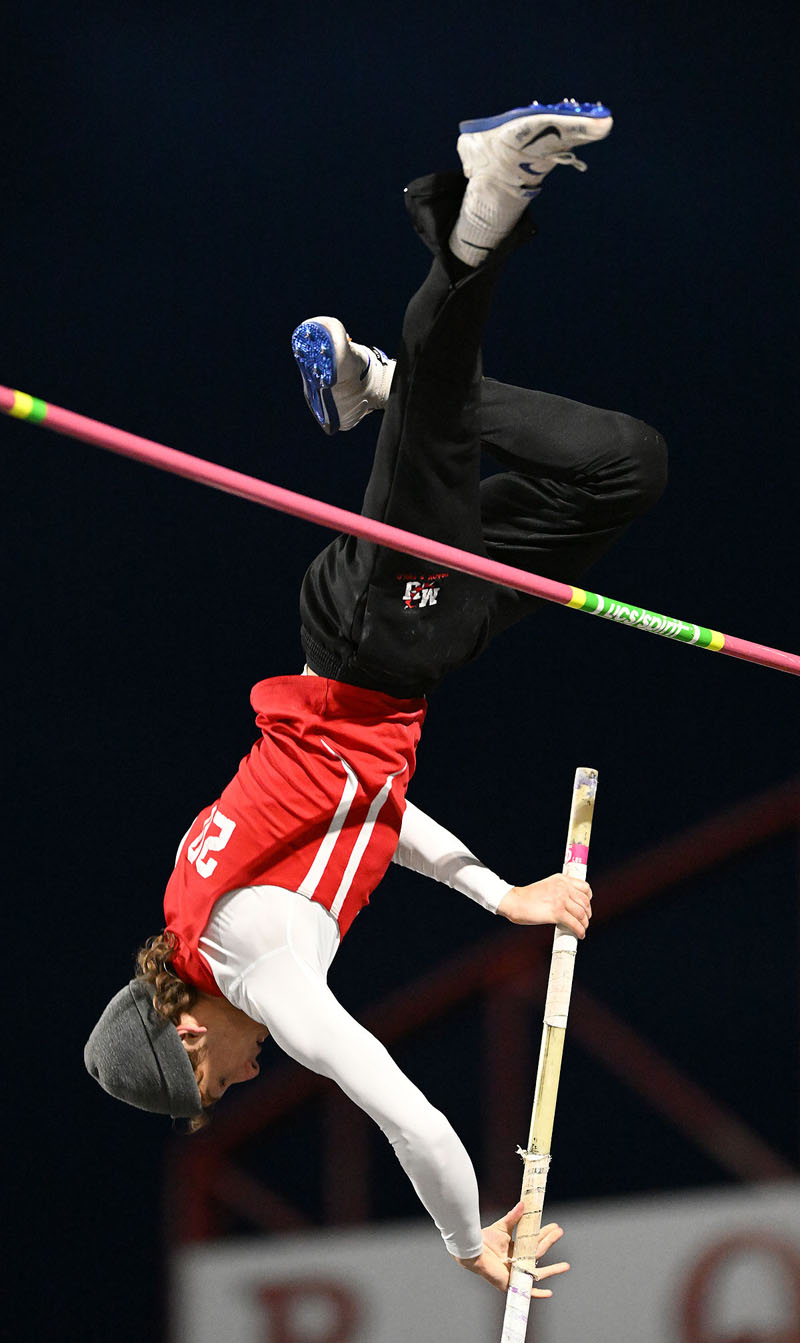
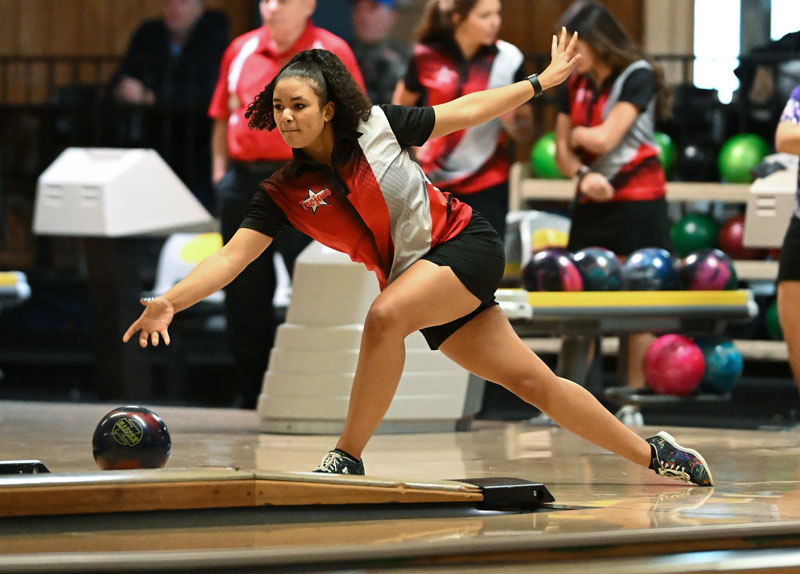
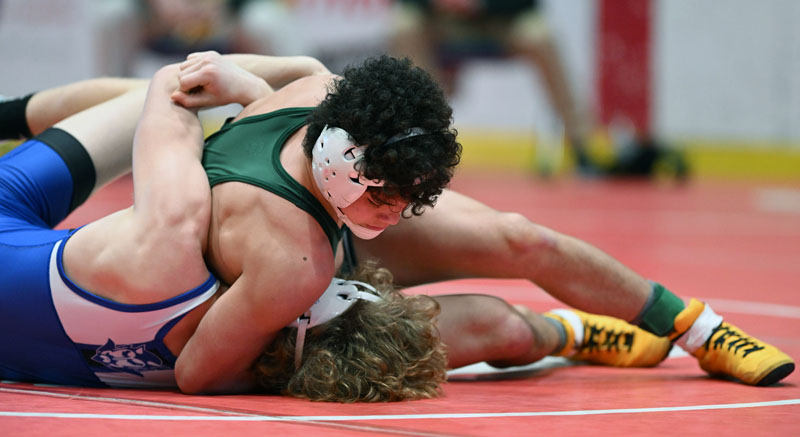
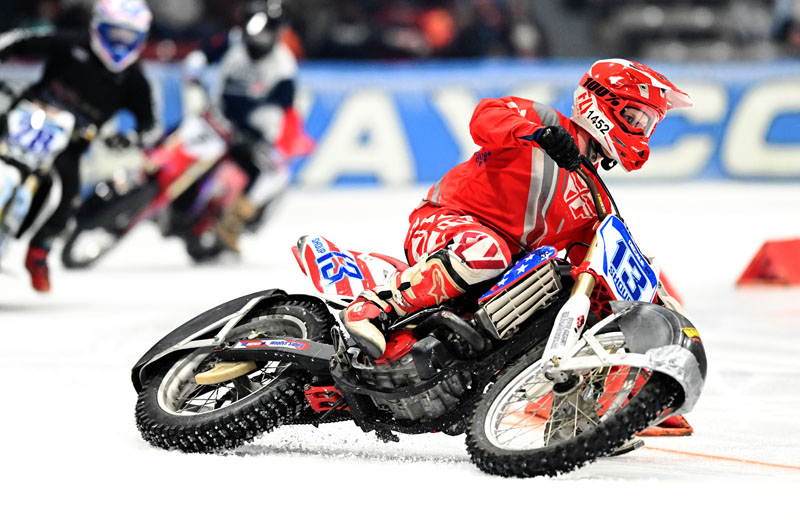
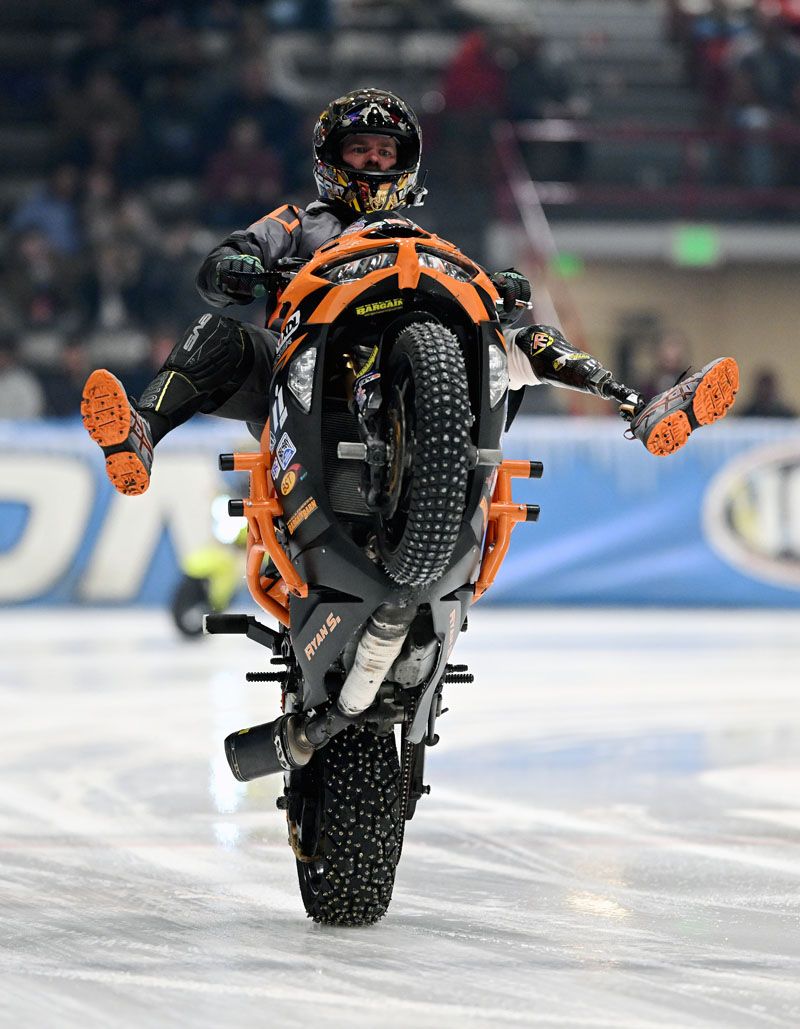
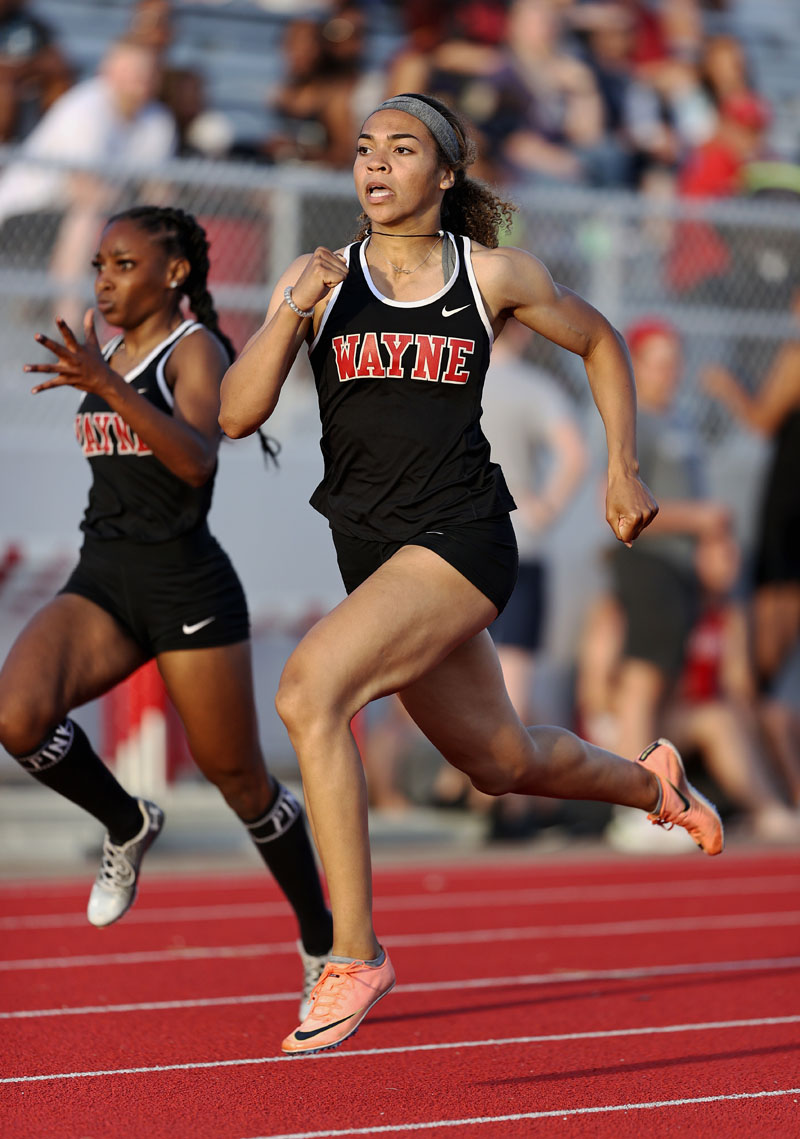
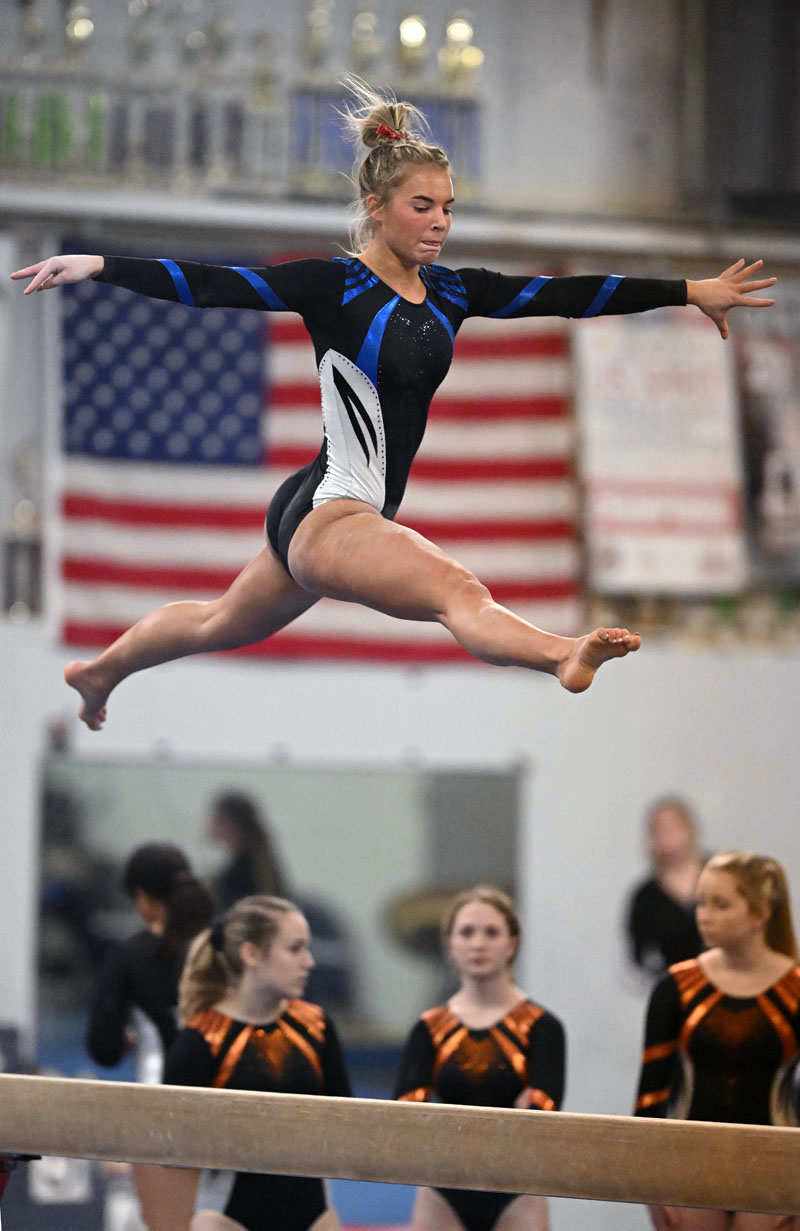
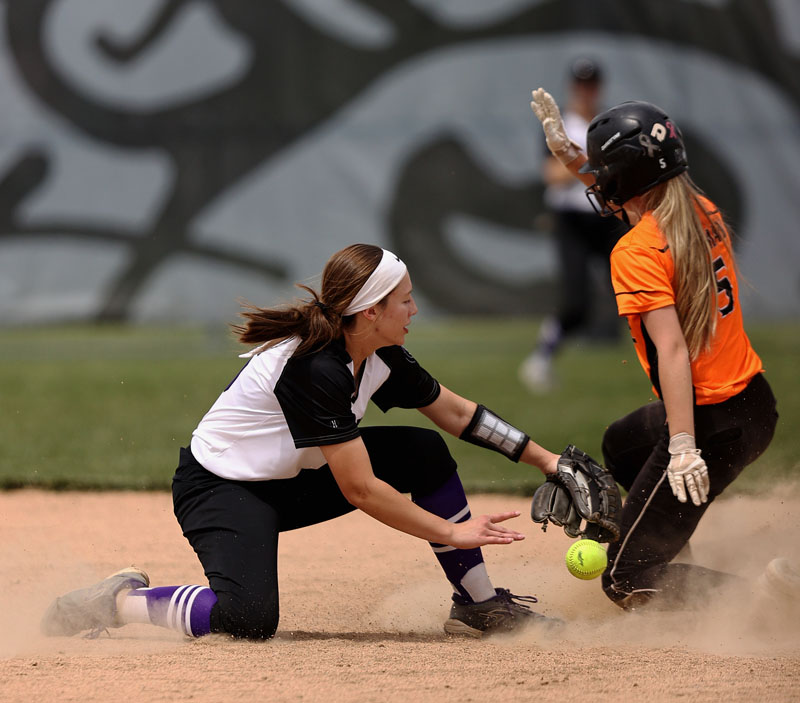
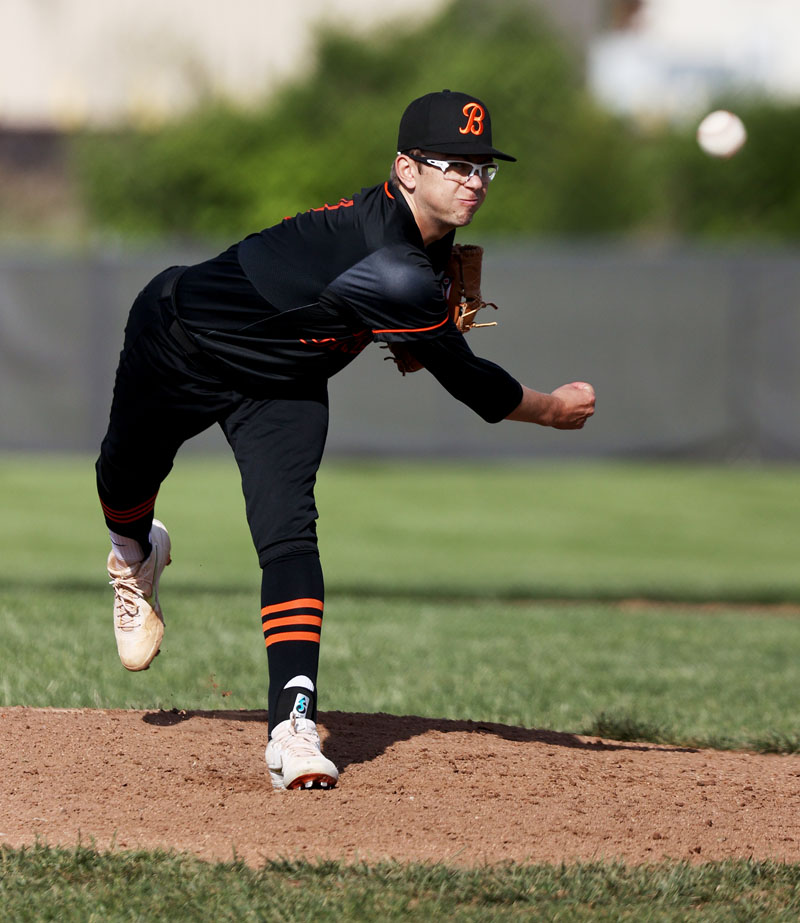
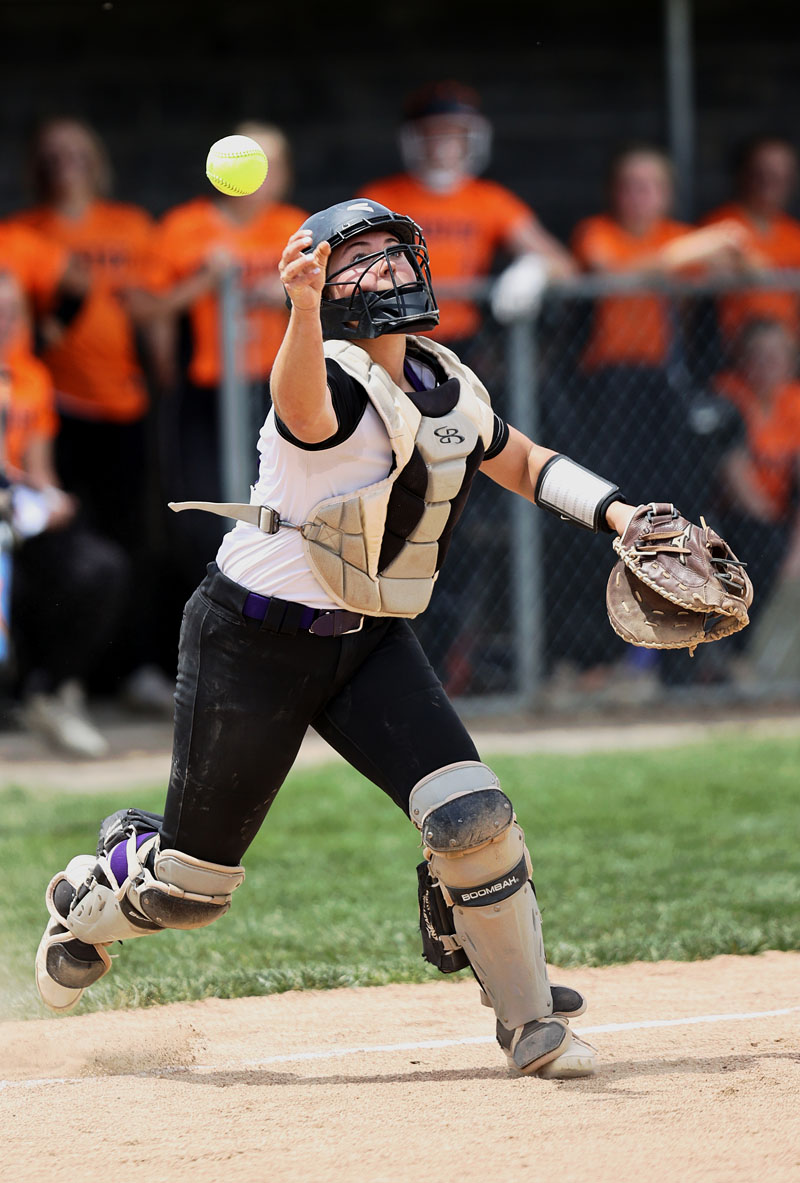
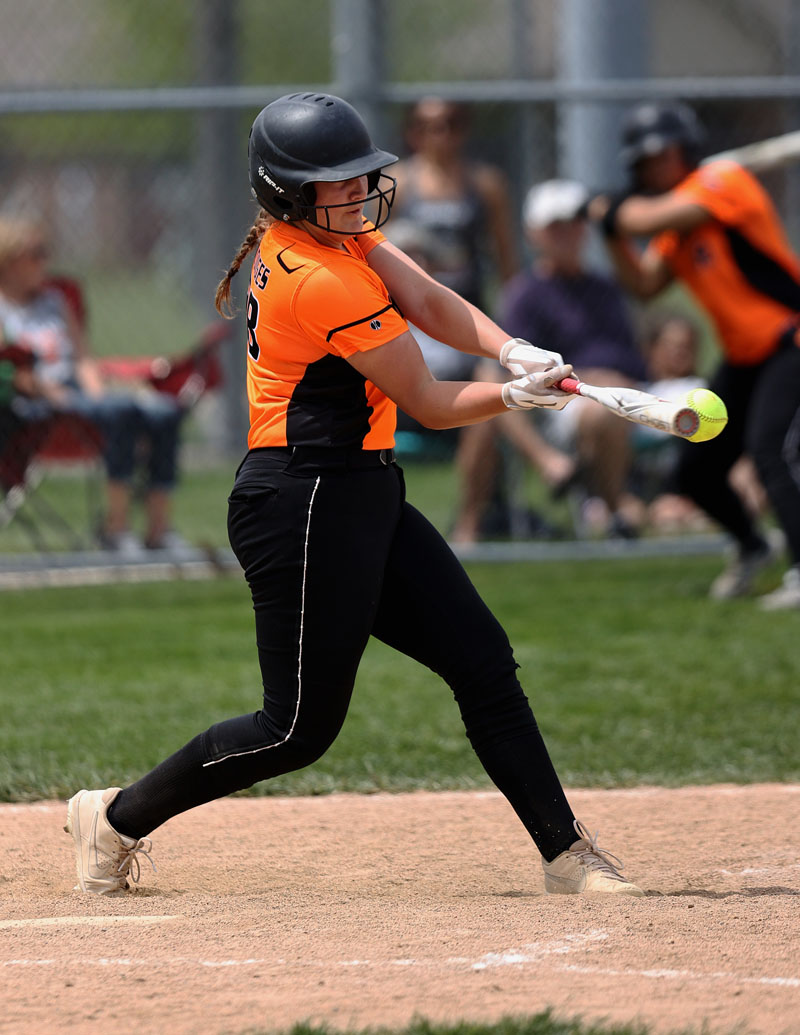
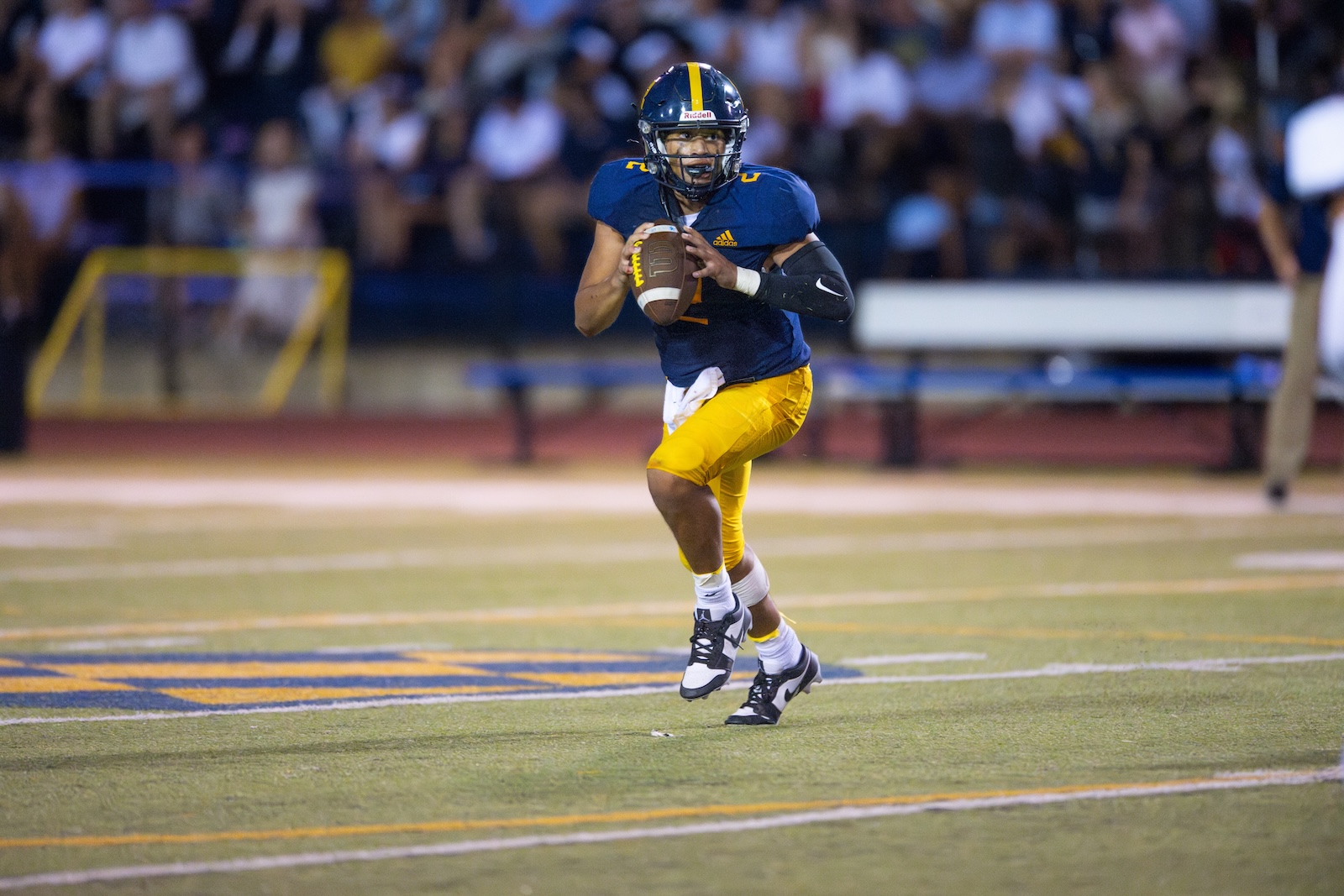
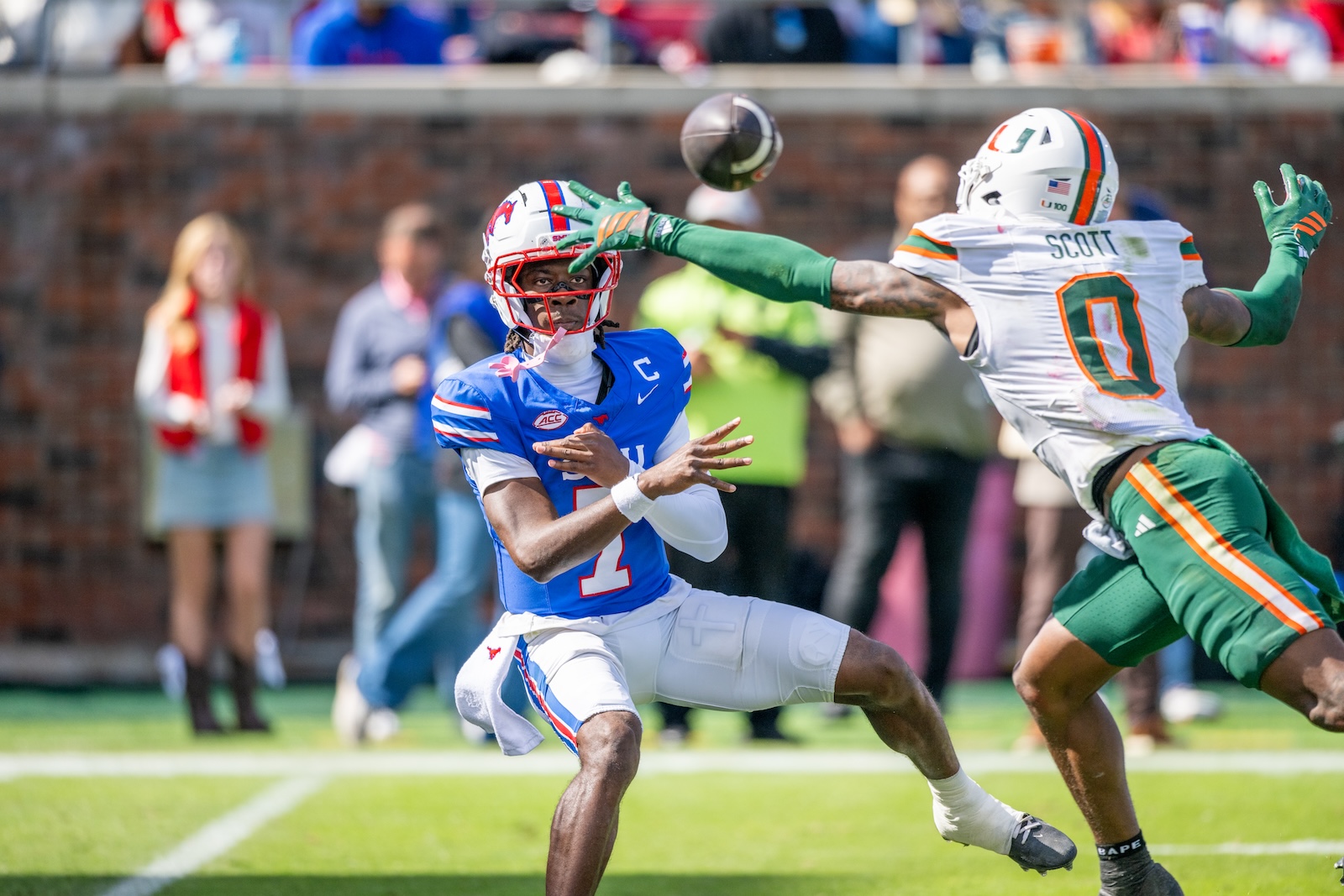
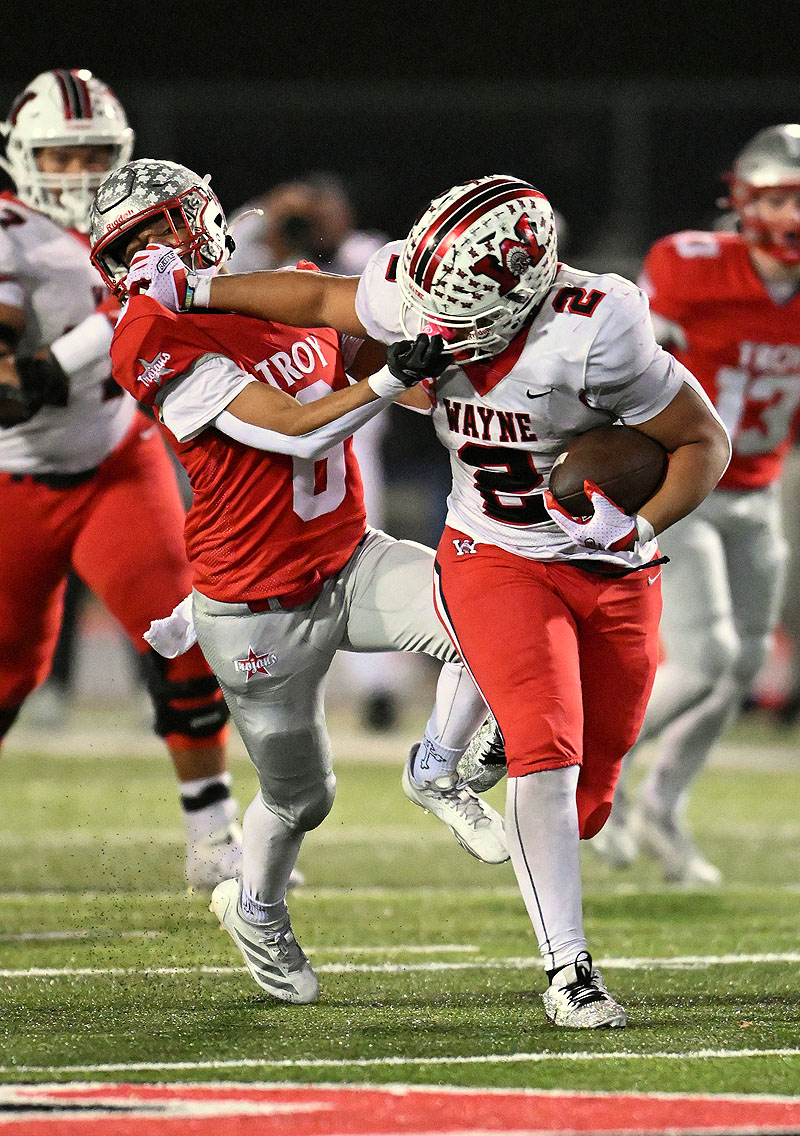
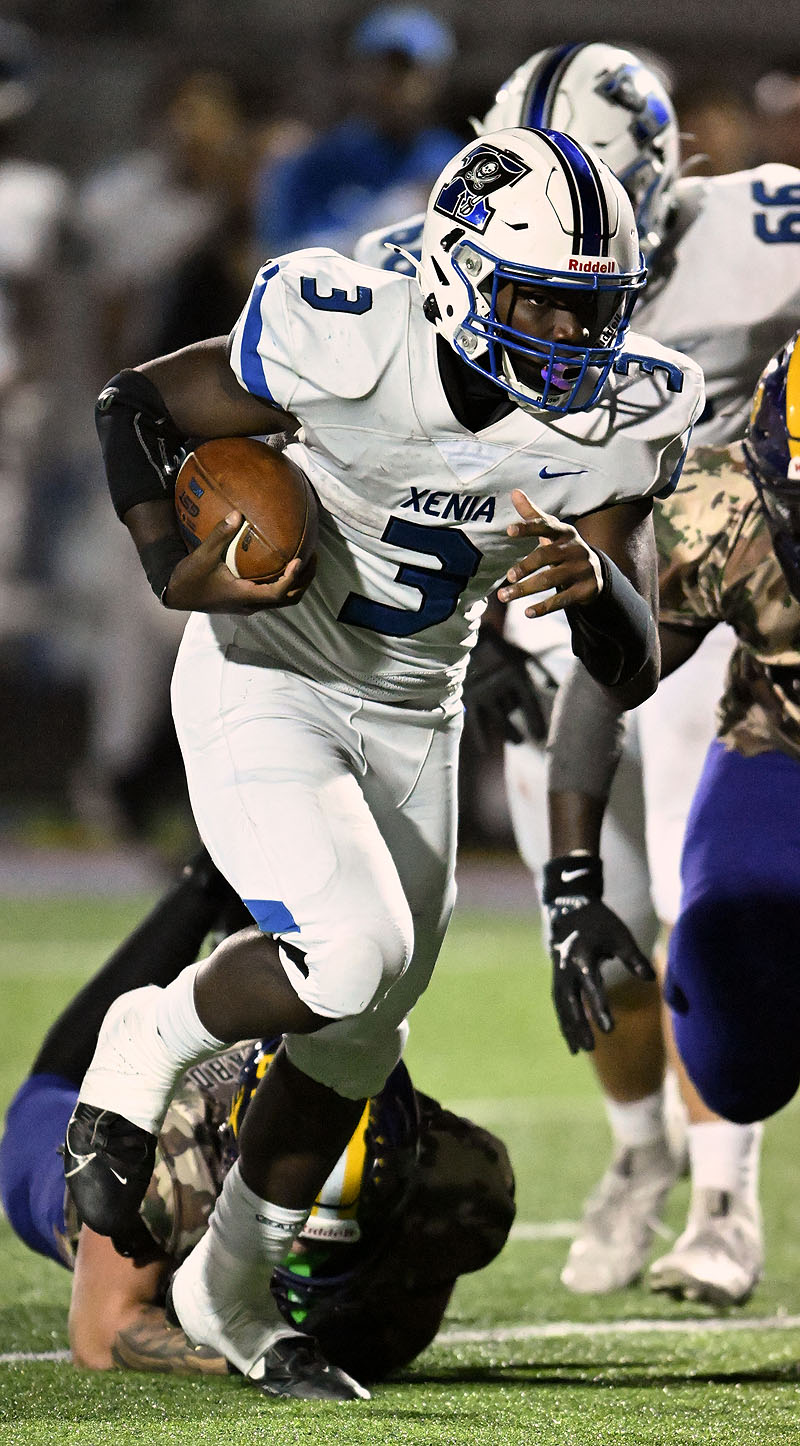
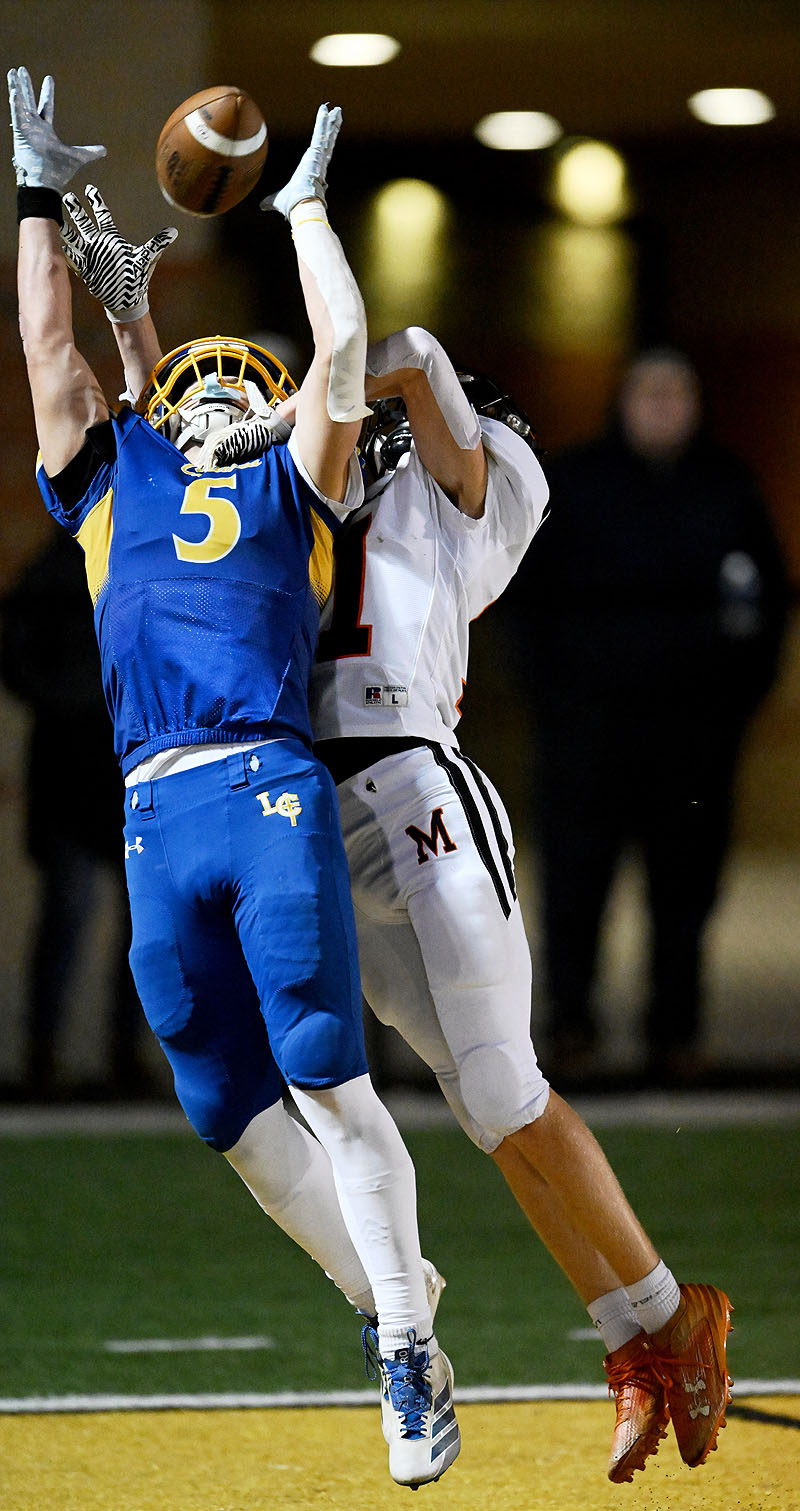
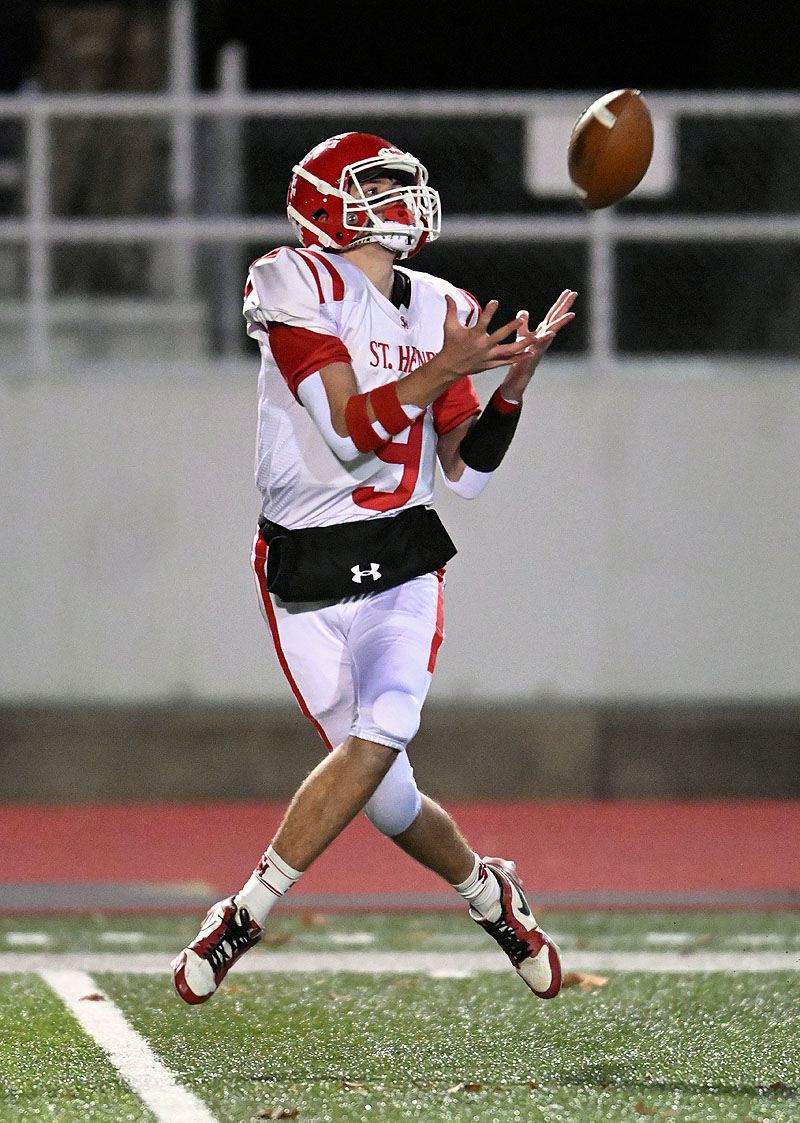
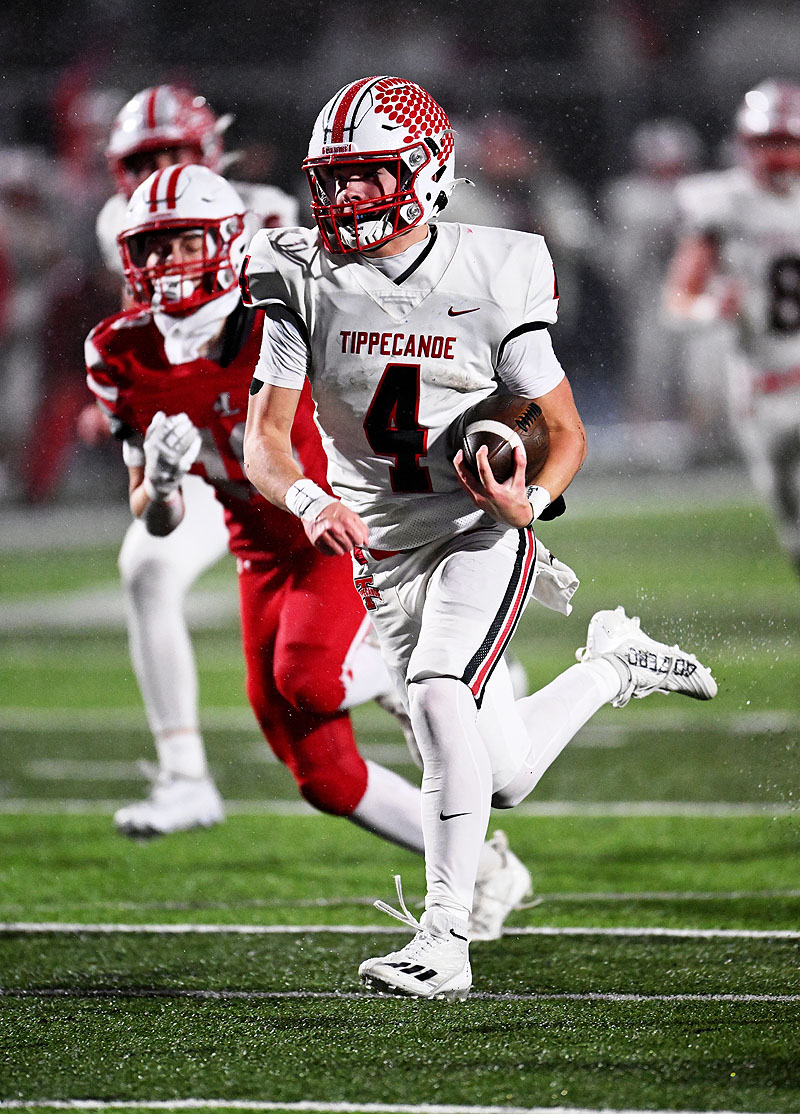
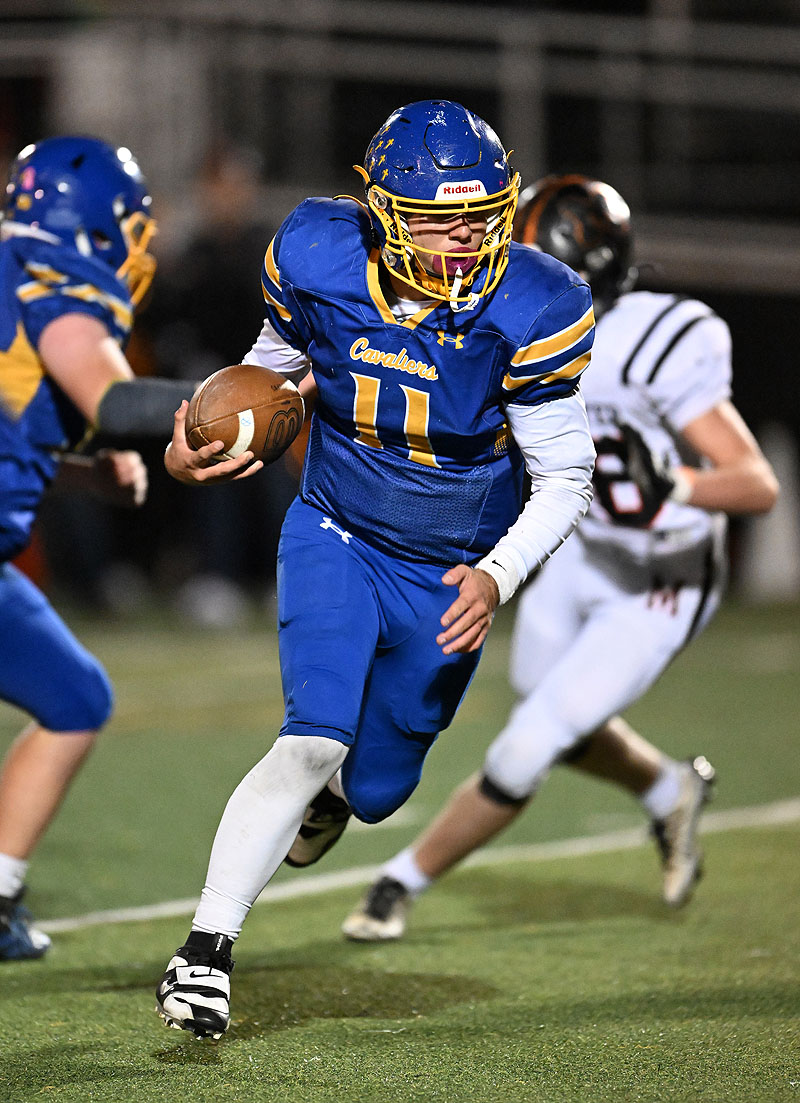
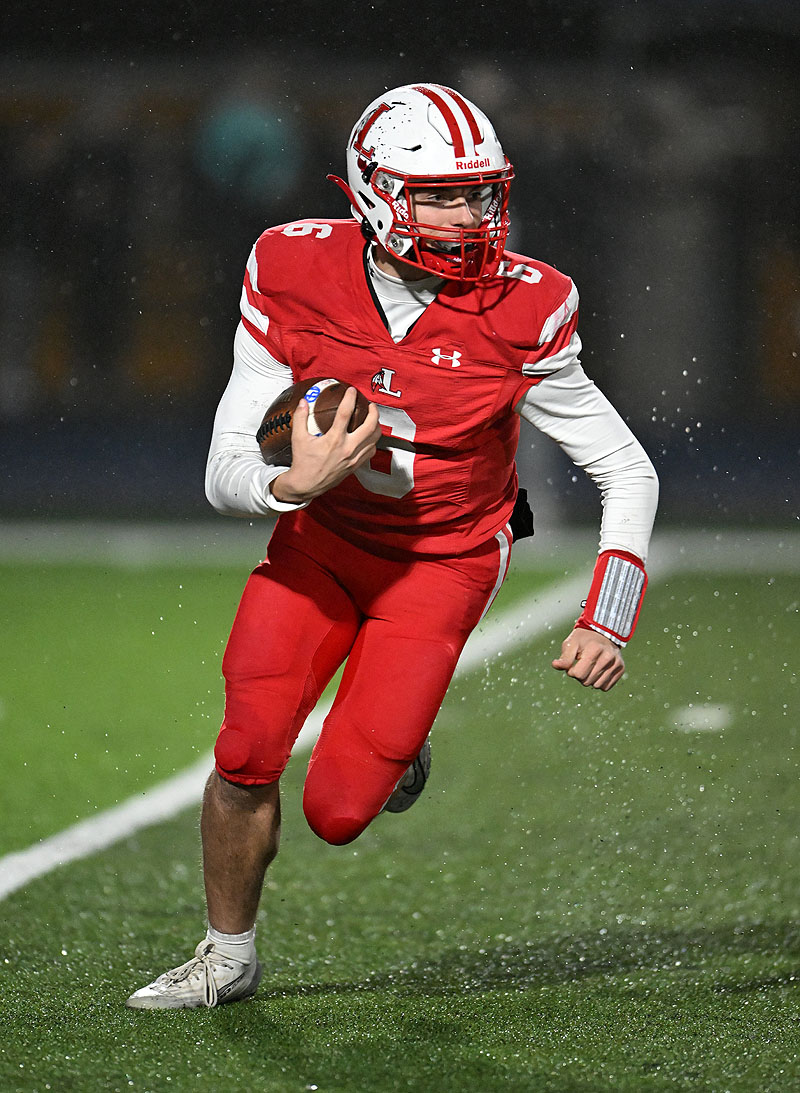
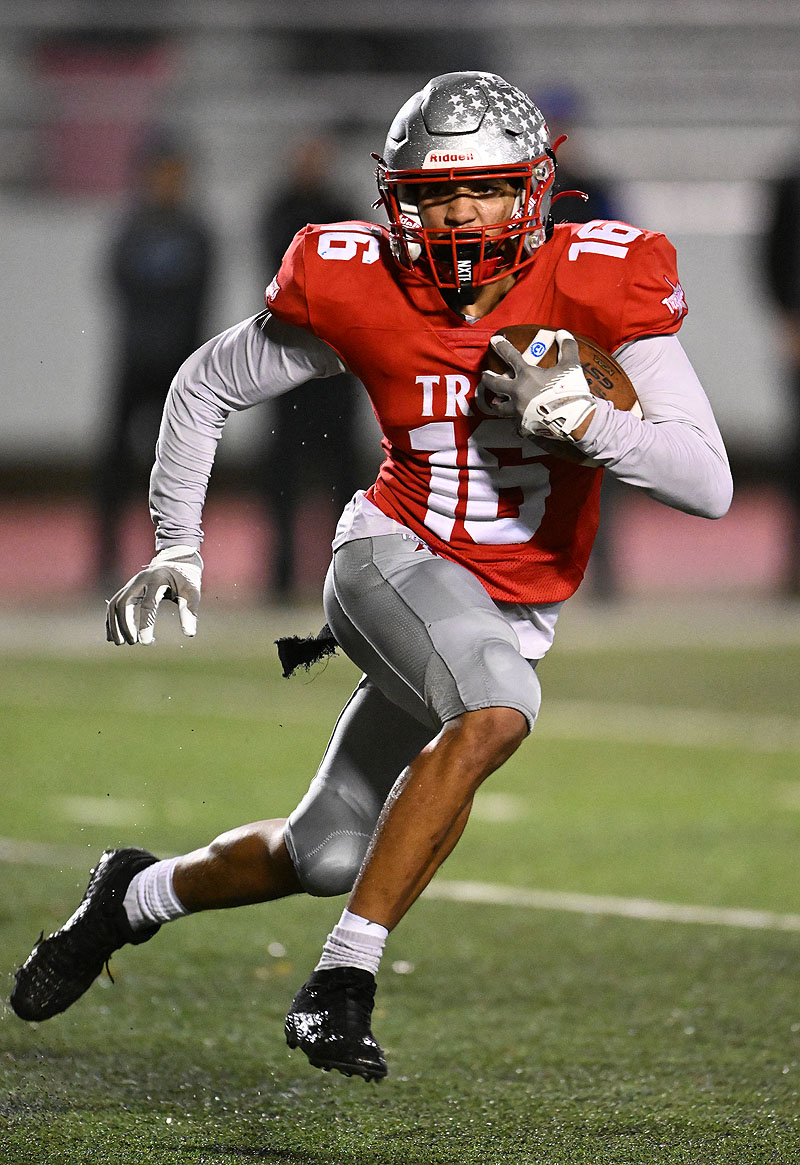
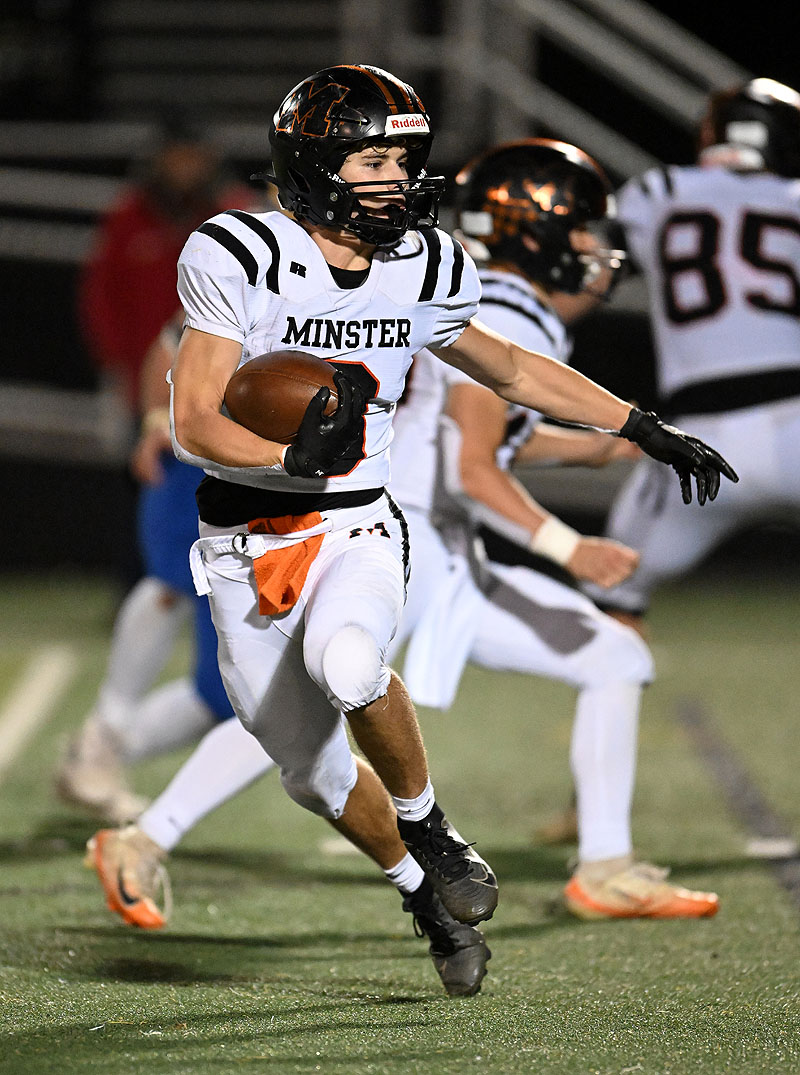
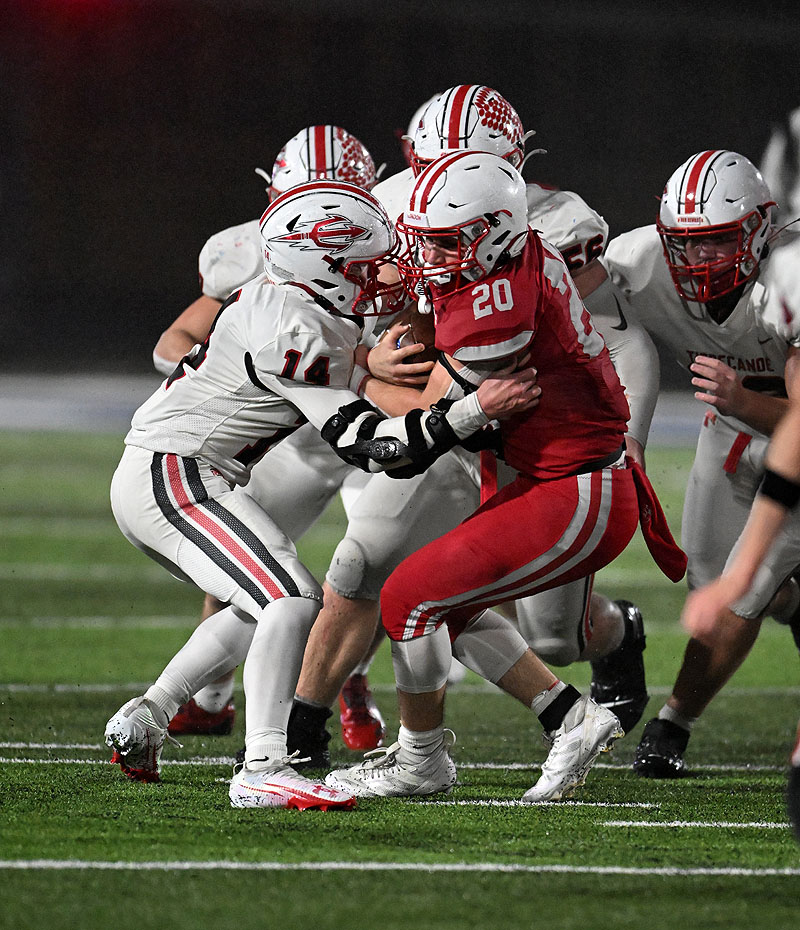
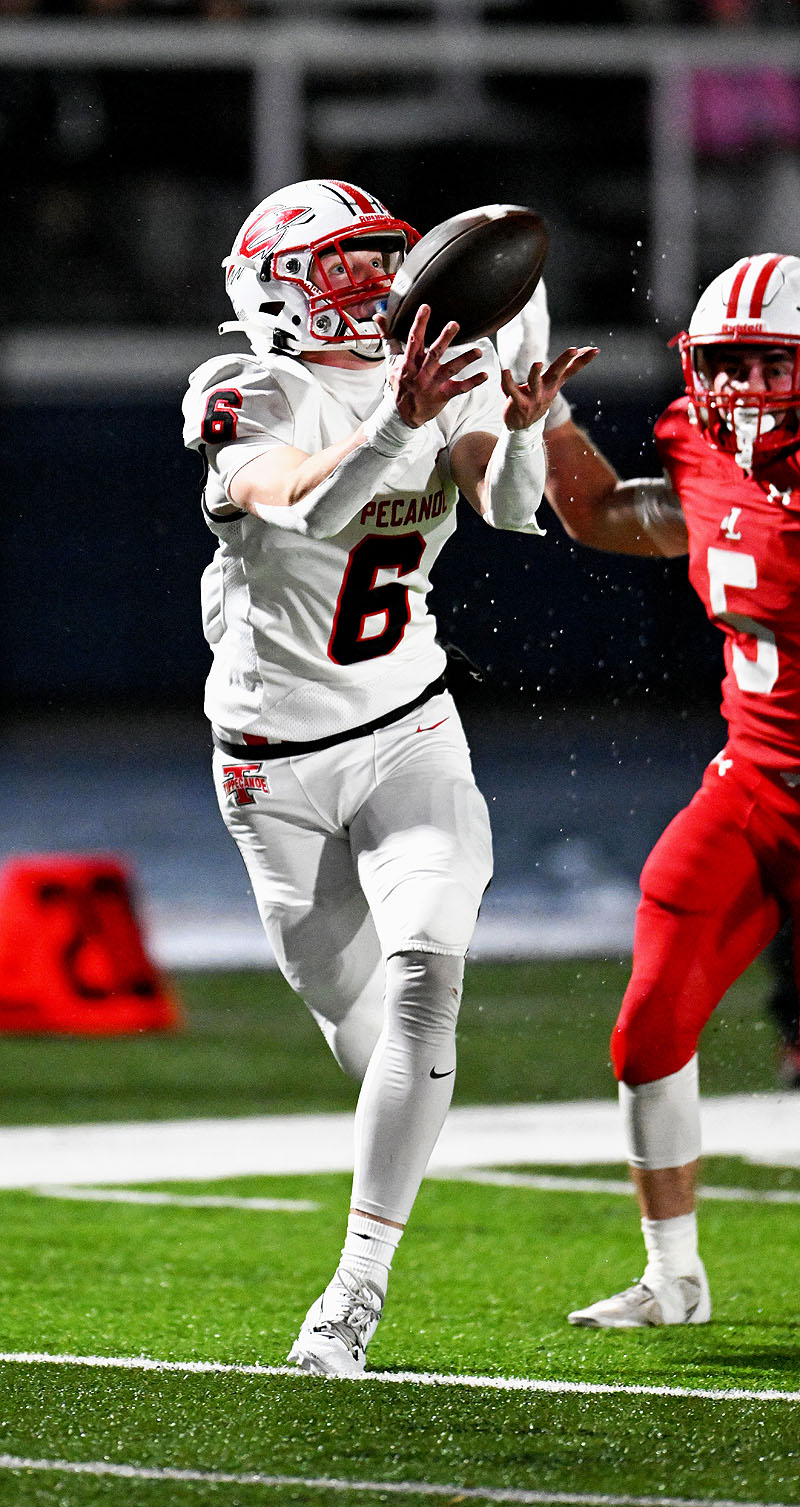
Some examples with shooting info to give you an idea of various lighting conditions that you may encounter.
p.2 #6 · Recommended 400-500mm Telephoto Lenses for Sports Photography
Lee, those are some top notch photos. Again, thank you for another notably detailed and helpful post to throw in the mix. Your insight as a pro using this equipment certainly lends important insight.
The high school gyms and indoor rodeo arenas where I currently mostly find myself have terribly outdated lighting, as do the local HS football fields (I haven’t photographed games in our two colleges yet). In the rodeo arena where my daughter primarily competes, it is not unusual for my ISO to reach up to 25,600 with around 10-16k common. That’s using a 1D X MII and R3 with a 70-200mm f/2.8 wide open and shutter speed only 800. So, a 400mm f/2.8 makes a lot of sense for me.
Steve
leewoolery wrote:
Scott gave you excellent advice but I would like to add to what he so professionally stated.
If you are planning to photograph high school football at night, you need to do some research on the lighting of the fields...home and away locations.
Even though all of the newer high school fields are built with LED lights and a few of the existing facilities are upgrading their current systems, most, in this area require a minimum exposure of ISO 12,800 f/2.8 and 1/1000 in the middle of the field and that is for action with the lights behind you.
Many of these fields from smaller schools are ISO 16000 to 20,000 at f/2.8 and the lights flicker so you are lucky to get a decent exposure at 1/800 so an f/4 lens would work early in the season when the sun doesn't set until halftime but when it gets dark, the f4 lens is going to require major exposure adjusting.
Shooting at the end zones from the side and in the end zone with players running towards you may drop the exposure by 1 to two stops.
Even the best high school fields do not even come close to division 1 college or pro stadium lighting however, if games are during the day, that is a different situation altogether.
A 200-400 f/4 zoom can work at the high school level. lighting..no doubt about it...but there are times that one more stop of exposure can make your work a bit easier.
For rodeo, football, soccer and ice hockey, a long fixed focal length zoom is the way to go and your R3 should be able handle those higher ISO's and somewhat difficult lighting which can challenge the very best professional camera focusing systems.
Some examples with shooting info to give you an idea of various lighting conditions that you may encounter....Show more →
p.2 #7 · Recommended 400-500mm Telephoto Lenses for Sports Photography
Steve
Sometimes when the light is that bad, I use the 200 f2 and take what I can get.
Also...have you considered the excellent Canon EF 300 f/2.8 plus 1.4 teleconverter as another option?
But...if your lighting is that bad, the 200 f2 is a fantastic lens and talk about bringing your work up a notch, the background blurs look like they were airbrushed...Nikon or Canon...makes no difference...both are excellent!
My clients expect results from any lighting conditions so the 200 f/2 has bailed me out many times when other photographers refuse to or don't have gear for the assignment.
Sure...you loose the range but you can move closer to where the action is?
p.2 #8 · Recommended 400-500mm Telephoto Lenses for Sports Photography
That’s an interesting option I hadn’t even thought of. But at nearly 6k new or 3-4kish used, I’m close to a used EF 400 f/2.8 IS II. It looks like it would be amazing as evidenced by your examples, for certain sports and distances, like wrestling and some rodeo events. Those backgrounds are sweet and the low light capability of a f/2 would work well like you said. My only f/2 is the Canon 28-70mm I have.
leewoolery wrote:
Steve
Sometimes when the light is that bad, I use the 200 f2 and take what I can get.
Also...have you considered the excellent Canon EF 300 f/2.8 plus 1.4 teleconverter as another option?
But...if your lighting is that bad, the 200 f2 is a fantastic lens and talk about bringing your work up a notch, the background blurs look like they were airbrushed...Nikon or Canon...makes no difference...both are excellent!
My clients expect results from any lighting conditions so the 200 f/2 has bailed me out many times when other photographers refuse to or don't have gear for the assignment.
Sure...you loose the range but you can move closer to where the action is?
p.2 #9 · Recommended 400-500mm Telephoto Lenses for Sports Photography
leewoolery wrote:
A 200-400 f/4 zoom can work at the high school level. lighting..no doubt about it...but there are times that one more stop of exposure can make your work a bit easier.
For rodeo, football, soccer and ice hockey, a long fixed focal length zoom is the way to go and your R3 should be able handle those higher ISO's and somewhat difficult lighting which can challenge the very best professional camera focusing systems.
Some examples with shooting info to give you an idea of various lighting conditions that you may encounter.
I know this is a slightly older thread, but I was looking at your shots and discussion regarding the Nikon 200-400 f/4.
Was yours a version 1 or 2? I ask because I've been testing out a z 70-200 2.8 with the 2.0TC and the sharpness is lacking, and to get max sharpness even at that you have to stop down f8. I found a 200-400 f4 VR version 1 locally for $600 and I'm debating on whether or not it is too old of a lense. I've read the AF is not the fastest and it can be soft at 400mm. Plus some poeple have complained their focus motors have stopped working. But $600 isn't the $2500-$3000 I'd need to move up to a 400 2.8G lens and you took some great photos with yours.
p.2 #11 · Recommended 400-500mm Telephoto Lenses for Sports Photography
One lens that often gets left out of these kinds of conversations is the Canon 200-400/f4 with the built-in TC. I had a 400/f2.8 lens for 20 years and just this year sold it and went with the 200-400. First, the lens is significantly less expensive than a 400/f2.8. But the biggest reason I'm very happy with this lens is the darn reach!! I literally can cover anything from 200 to 560 (when switched to the TC). Obviously, one has to use an adapter for the lens to work on an R3 body, but I have had zero issues doing this.
Sure, most are going to tell you f4 won't cut it, but I'm using the R3 and have shot at 12800 and even higher a few times, and have had zero issues with noise. Heck, I even tried the Canon 200-800 lens at a night-time high school game and it worked! You'd have to be shooting in an absolute dungeon for the 200-400 to not handle the low light.
And don't get me started about the bokeh and background differences between f2.8 and f4. That's a made-up thing by photographers who don't know that bokeh and buttery backgrounds are created by more than just aperture. Again, I have images from the 200-800 shot at f9 that I'm certain no one would be able to tell they weren't shot with an f2.8 lens.
There is a 200-400 lens available now on Buy and Sell for $4,250 and one in my area selling on FB Marketplace for $4,100 (I know the seller, so it would be legit purchase). One recently sold here for $3,600. Seriously, those are great prices for a VERY versatile lens.
p.2 #12 · Recommended 400-500mm Telephoto Lenses for Sports Photography
I picked up a used Nikon AF-S NIKKOR 400mm f/2.8G ED VR for ~ $3,000 on eBay last year (2024).
Fantastic lens for nighttime field sports.
I also bought a used Nikon AF-S Nikkor 500mm f/4G ED VR for ~ $2,000 on Adorama this year (2025).
My #1 favorite focal length for American football during the day and at night when lighting permits.
Both were used on the Nikon Z9, performed exceptionally well with the FTZ II adapter, and get a recommendation from me
Sample image below from each...(compressed / reduced size, so full detail isn't shown)...
NIKON Z 9VR 400mm f/2.8G lens400mmf/2.81/1000s10000 ISO0.0 EV
NIKON Z 9VR 500mm f/4G lens500mmf/4.01/3200s400 ISO0.0 EV
p.2 #13 · Recommended 400-500mm Telephoto Lenses for Sports Photography
@Scott Sewell - Glad you brought up the point about bokeh. I've gotten images where a 600mm lens @ f/6.3 got as good of - if not better - background blur than a 400mm @ f/2.8
Yes, aperture is a big factor, but so is our distance to the subject, the subject's distance to the background, the focal length being used, and even sensor size.
p.2 #16 · Recommended 400-500mm Telephoto Lenses for Sports Photography
jmreese wrote:
@Scott Sewell@ - Glad you brought up the point about bokeh. I've gotten images where a 600mm lens @ f/6.3 got as good of - if not better - background blur than a 400mm @ f/2.8
Yes, aperture is a big factor, but so is our distance to the subject, the subject's distance to the background, the focal length being used, and even sensor size.
Thanks for mentioning those other factors that always play a part in those buttery backgrounds.
IMO, it's a bit disingenuous when people only mention shooting wide open as a way to get nice bokeh. It's always much more than that. I've used my Canon 200-800 and have images at 800mm shot at f9 and I guarantee people would think they were shot with a f2.8 lens.
Here's a video I made about this topic that might help others understand this.
p.2 #17 · Recommended 400-500mm Telephoto Lenses for Sports Photography
@leewoolery - So the 400/2.8 "D" you used was the one that has the aperture ring in the back, correct? Btw...the sample images following your reply above all came from the "G" series, which is the one I had. Are you able to edit the reply & swap those images for ones taken with the "D" series?
Since you've used both "D" and "G" series, have you noticed any improvements the newer "G" offers over the older "D" (e.g., sharpness, AF speed, colors, contrast, etc.)?
p.2 #18 · Recommended 400-500mm Telephoto Lenses for Sports Photography
@Scott Sewell - Absolutely. Though I will say that at a given focal length & distance, 1 stop wider gives mild to moderate improvement in the background blur while 2 stops wider yields a significant improvement (at least to my eyes). I've learned that a 70-200/2.8 on the sidelines for vball or bball doesn't blur out the crowd nearly enough for my liking, but an 85/1.4 gets a whole lot closer
Legit! I actually saw another of your videos a month ago called "I need HOW MUCH lens for Field Sports?" (great explanation & appreciated your 'on-the-field approach' with sample images)! Just added the one you linked above to my Watch Later playlist and will probably add more, too, for my upcoming flight tomorrow.
p.2 #19 · Recommended 400-500mm Telephoto Lenses for Sports Photography
@Scott Sewell@@ FYI. For FM, it only embeds the YT using this part of the URL, for example: https://youtu (dot) be/uG1KkV9ELDI afer the '?', it's just included as text. No big deal, just so you know.
p.2 #20 · Recommended 400-500mm Telephoto Lenses for Sports Photography
jmreese wrote:
@leewoolery@ - So the 400/2.8 "D" you used was the one that has the aperture ring in the back, correct? Btw...the sample images following your reply above all came from the "G" series, which is the one I had. Are you able to edit the reply & swap those images for ones taken with the "D" series?
Since you've used both "D" and "G" series, have you noticed any improvements the newer "G" offers over the older "D" (e.g., sharpness, AF speed, colors, contrast, etc.)?
No difference from what I could tell except from the original D version...which was noticeably slower to focus.