Fred Miranda wrote:
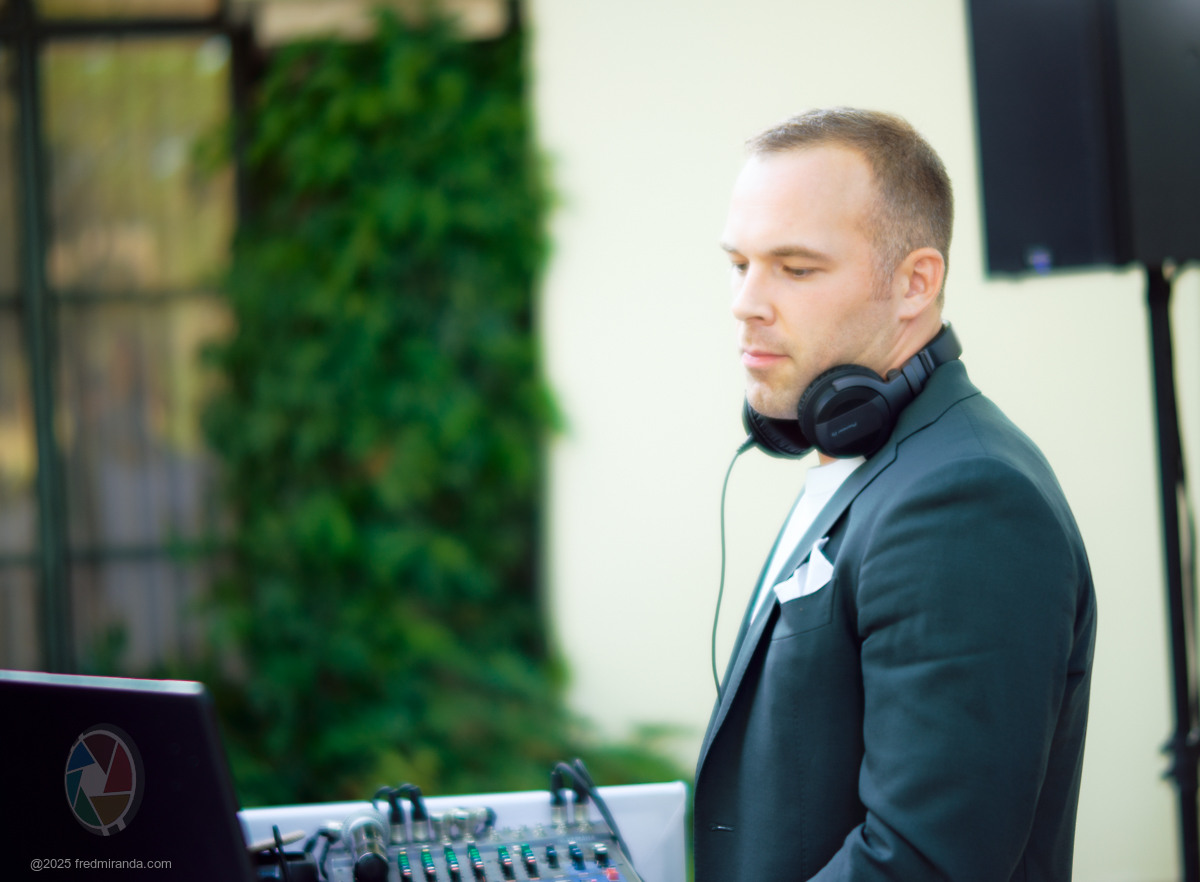
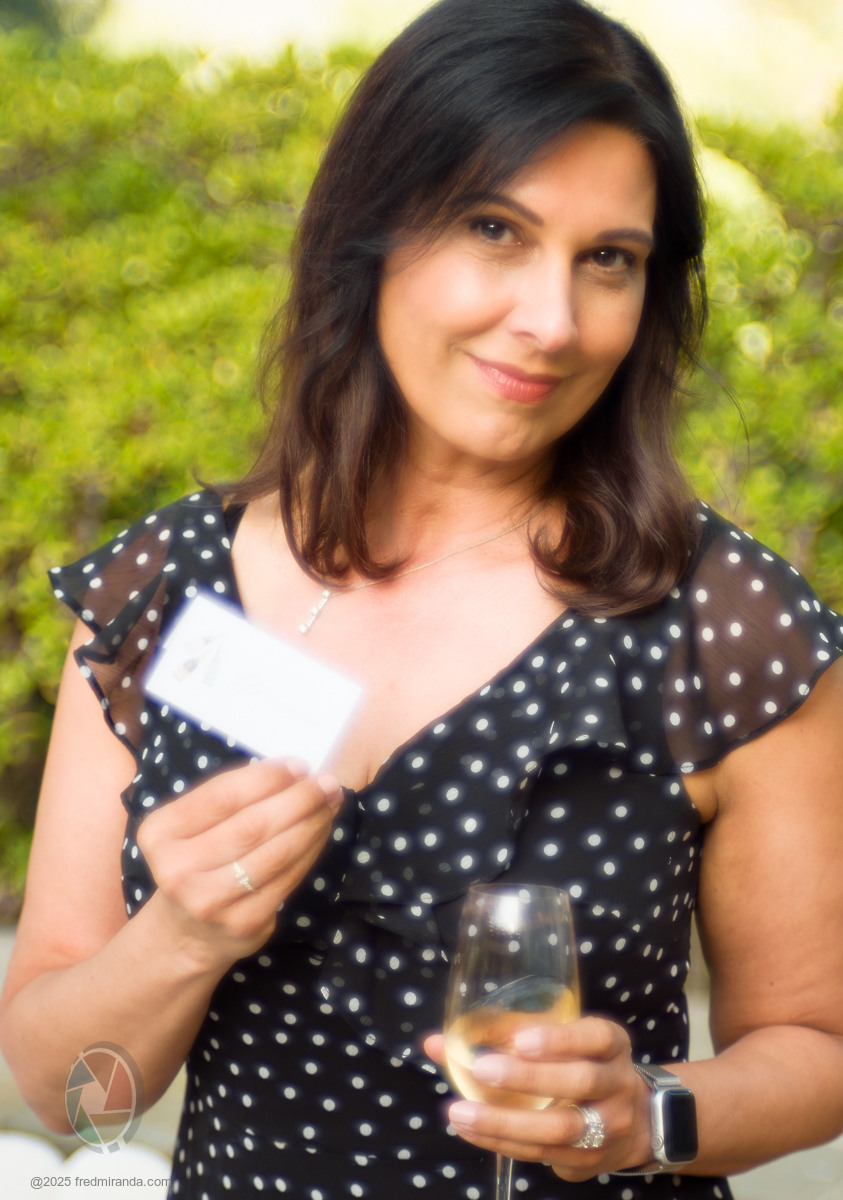
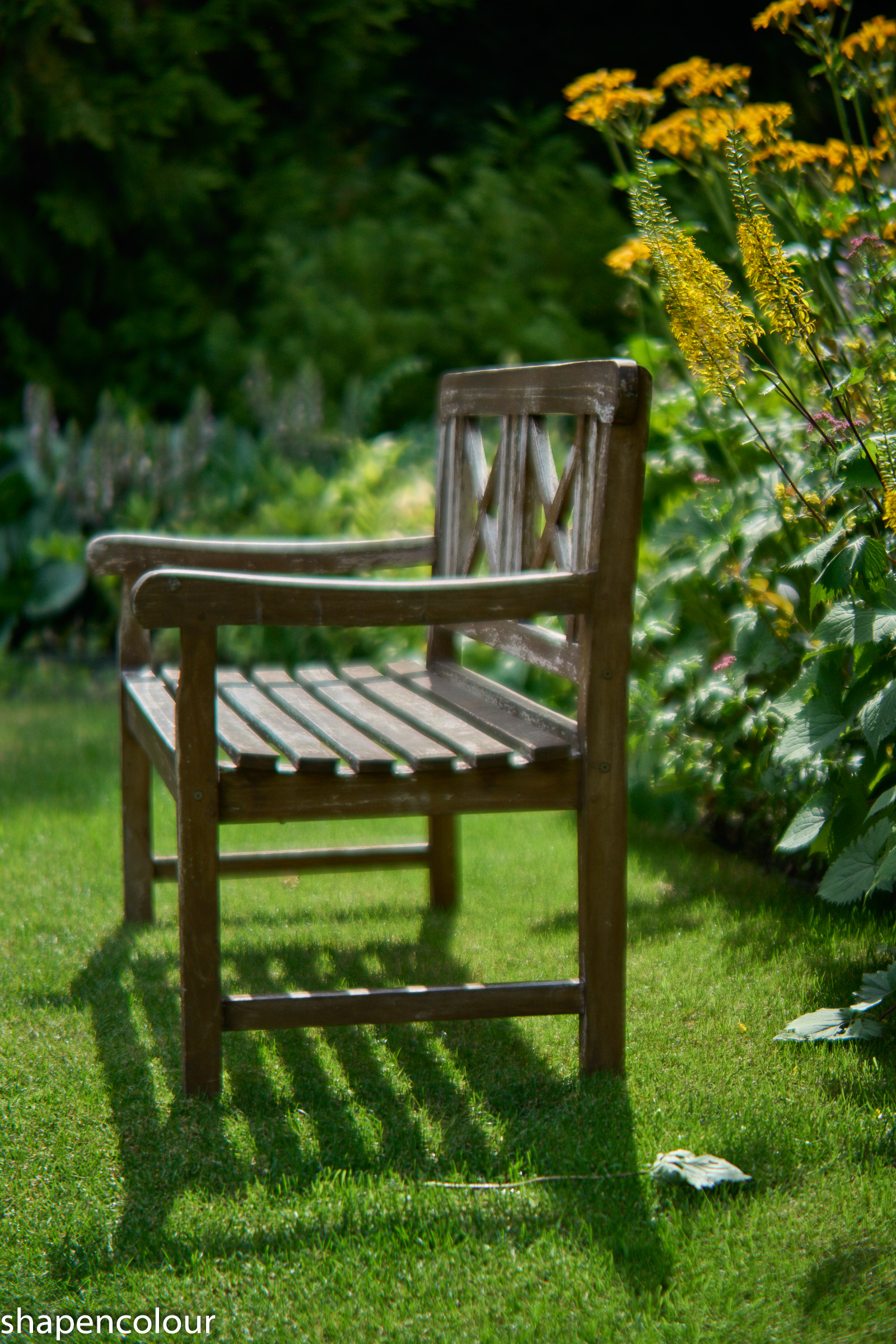
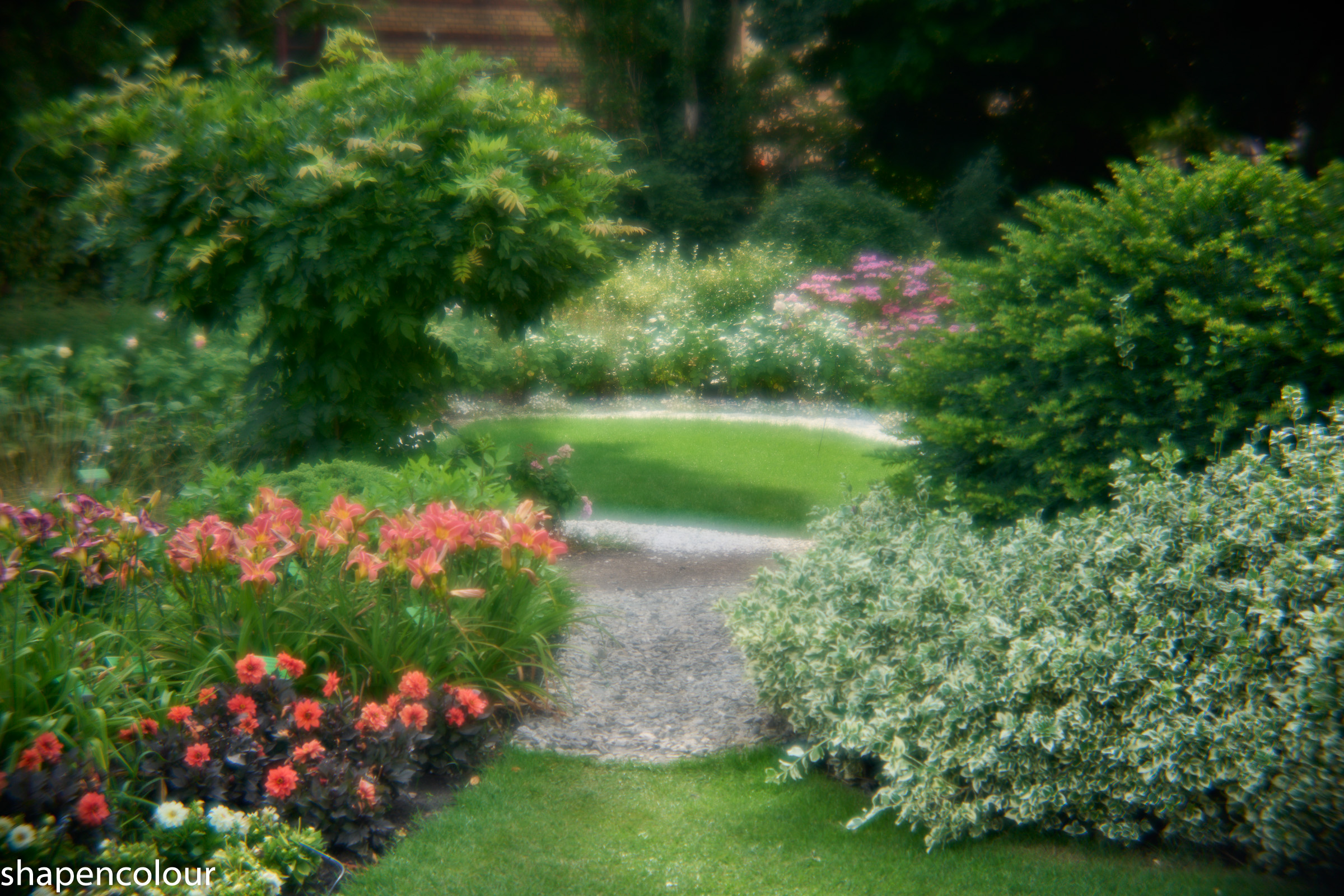
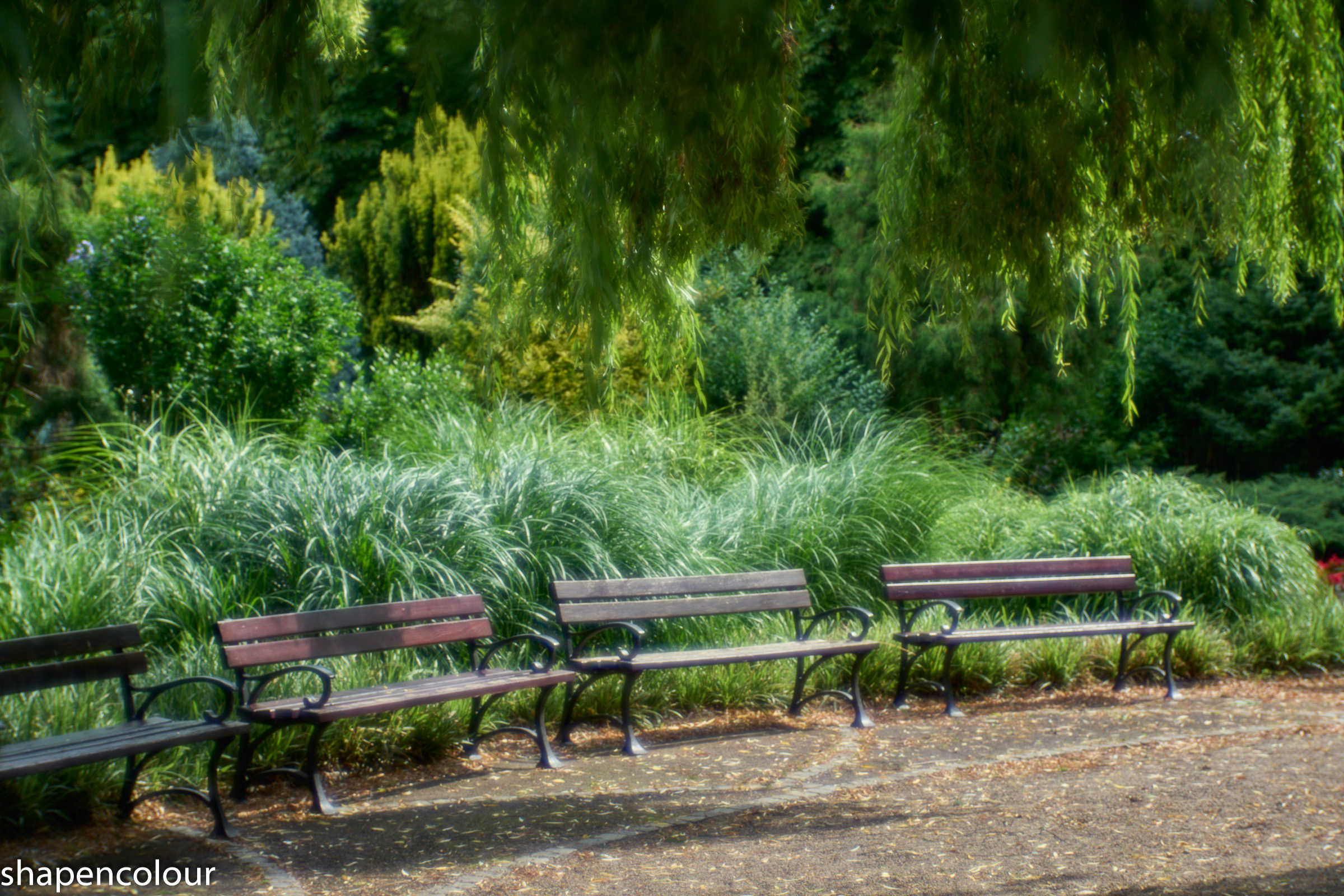
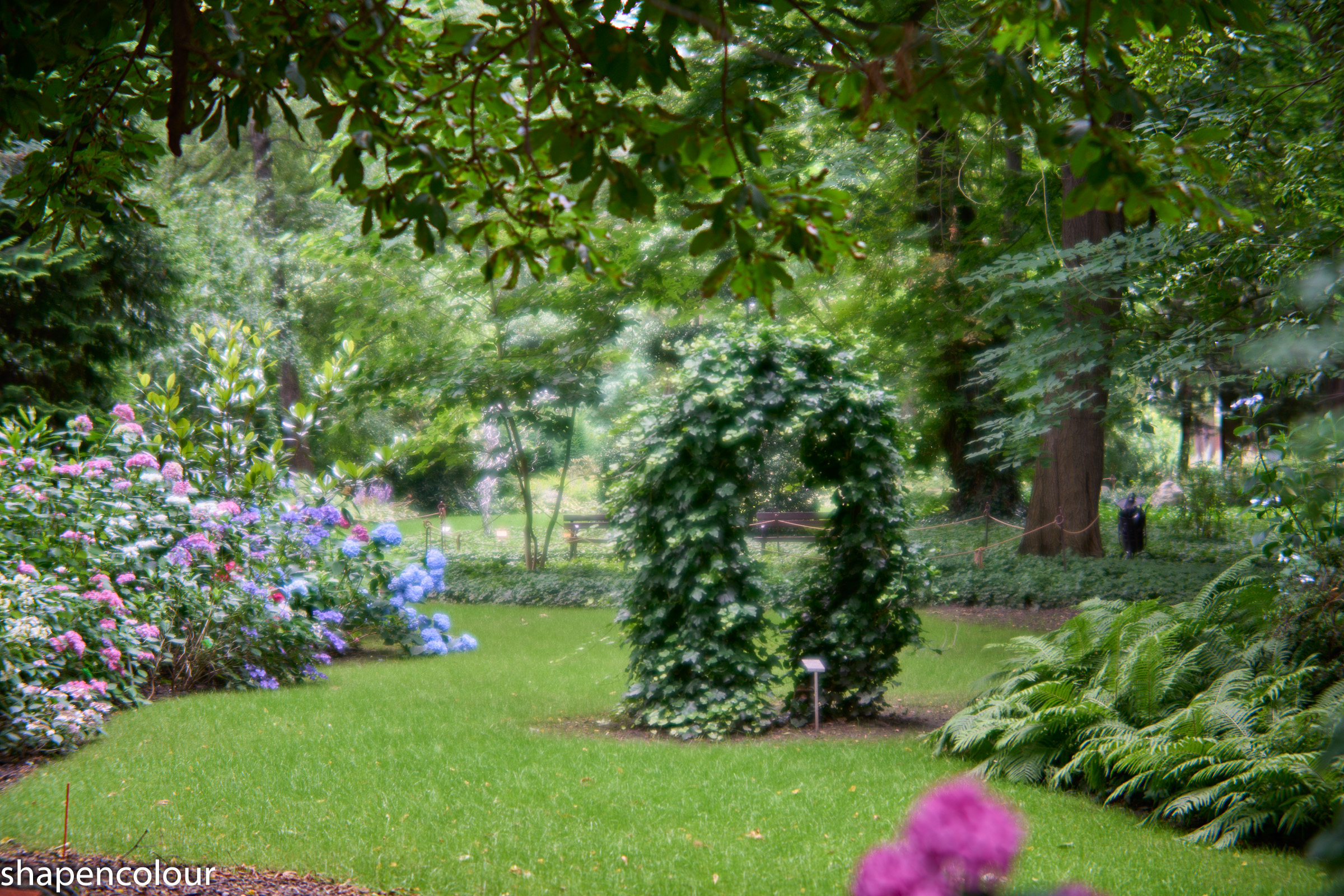
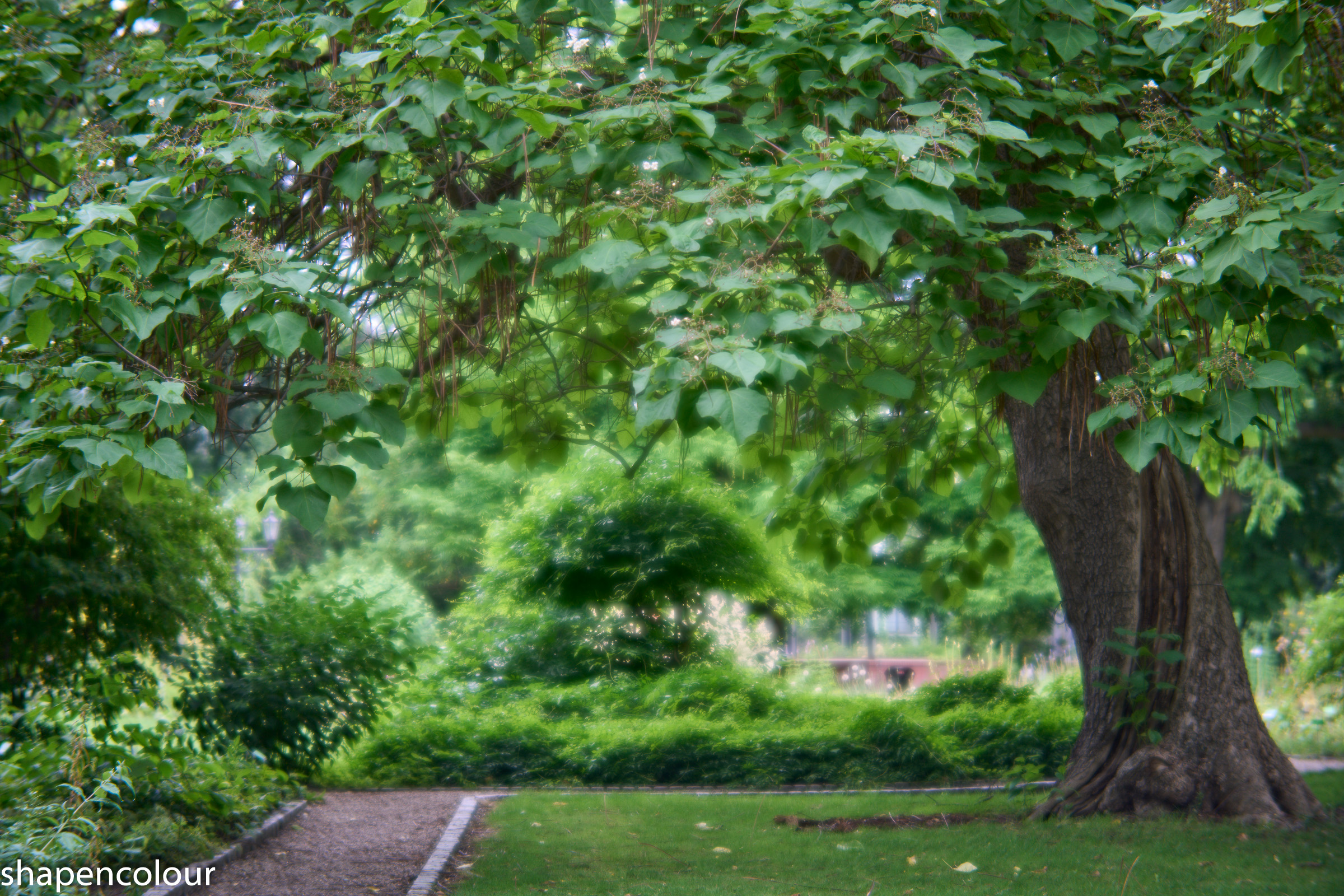
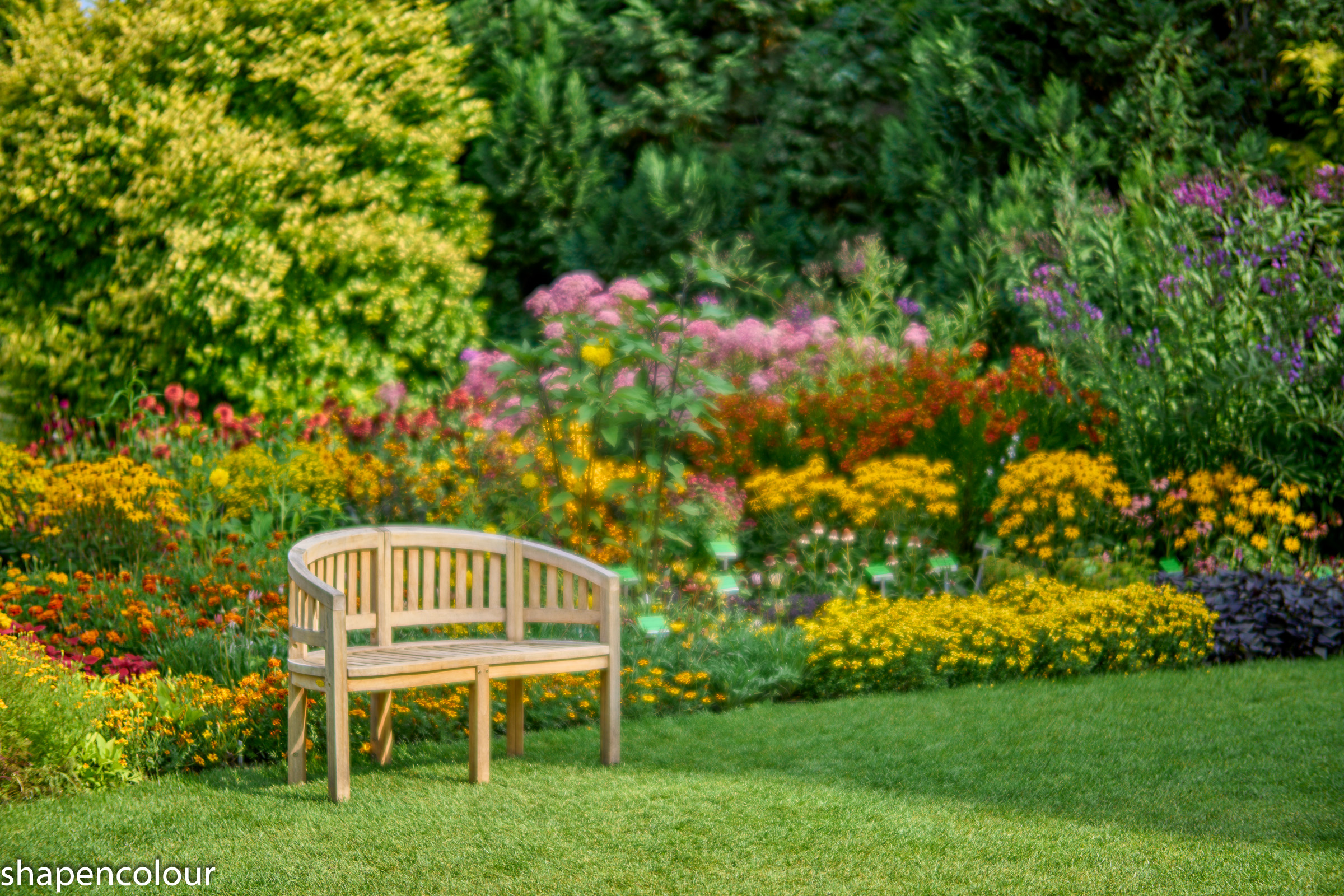
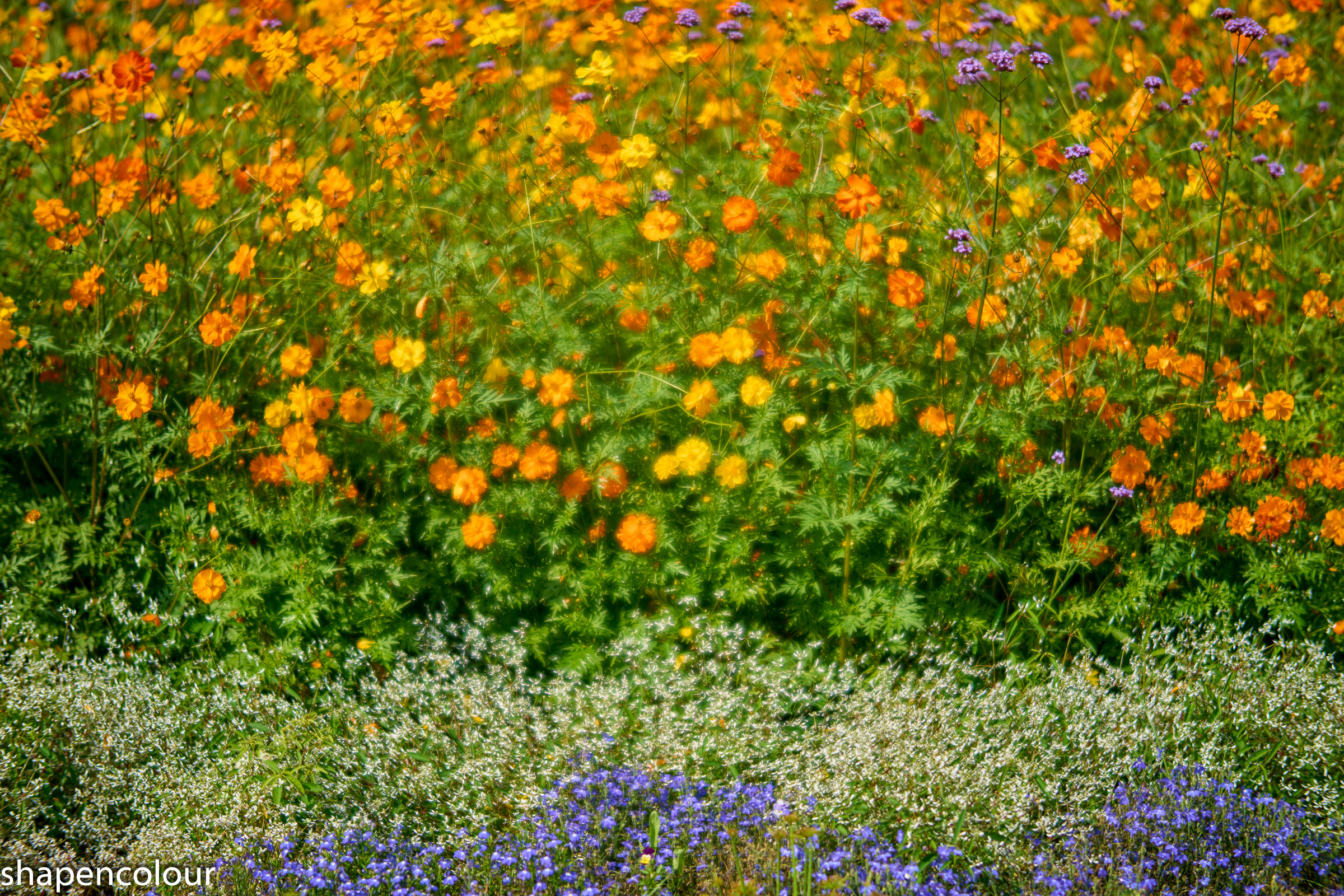
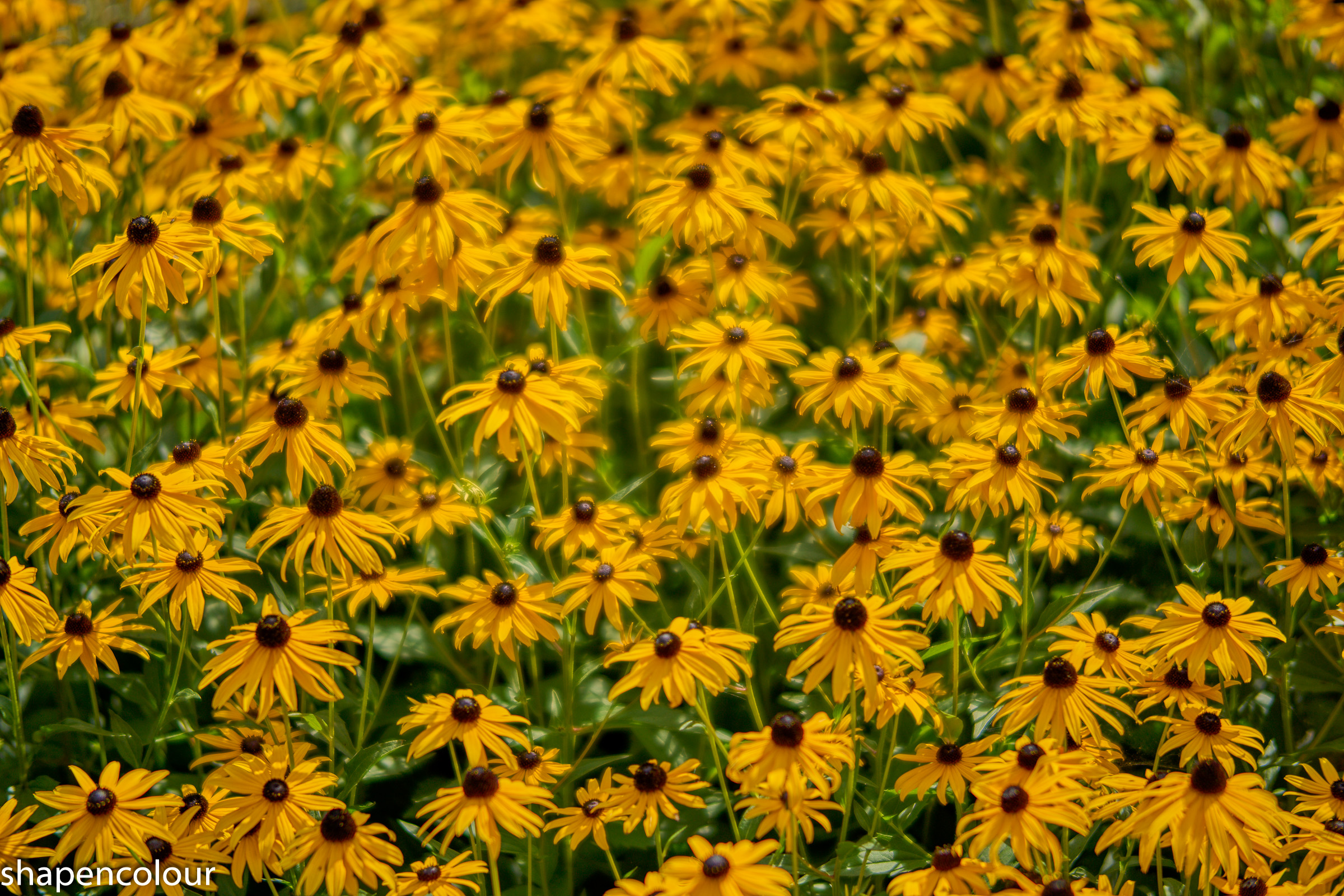
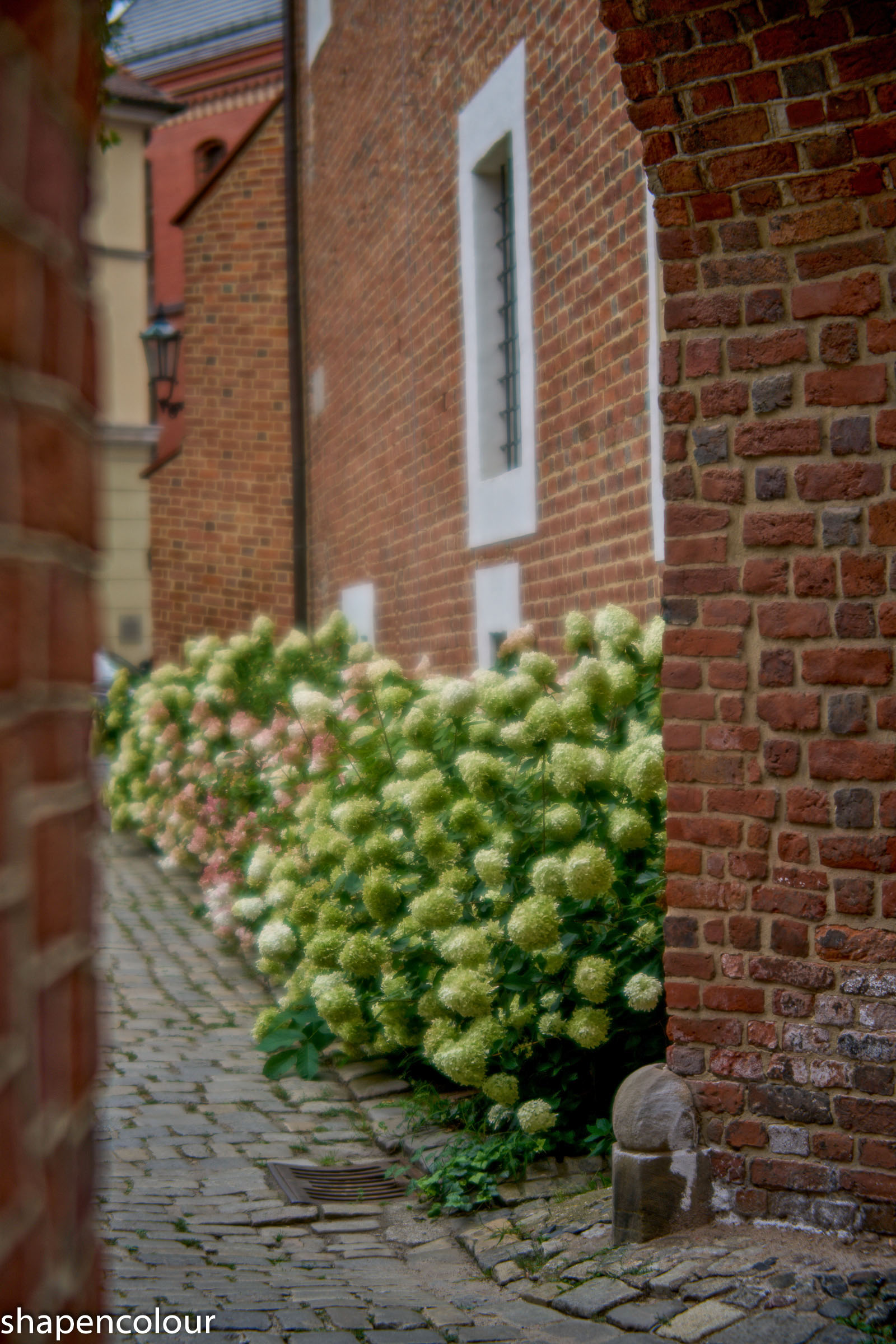
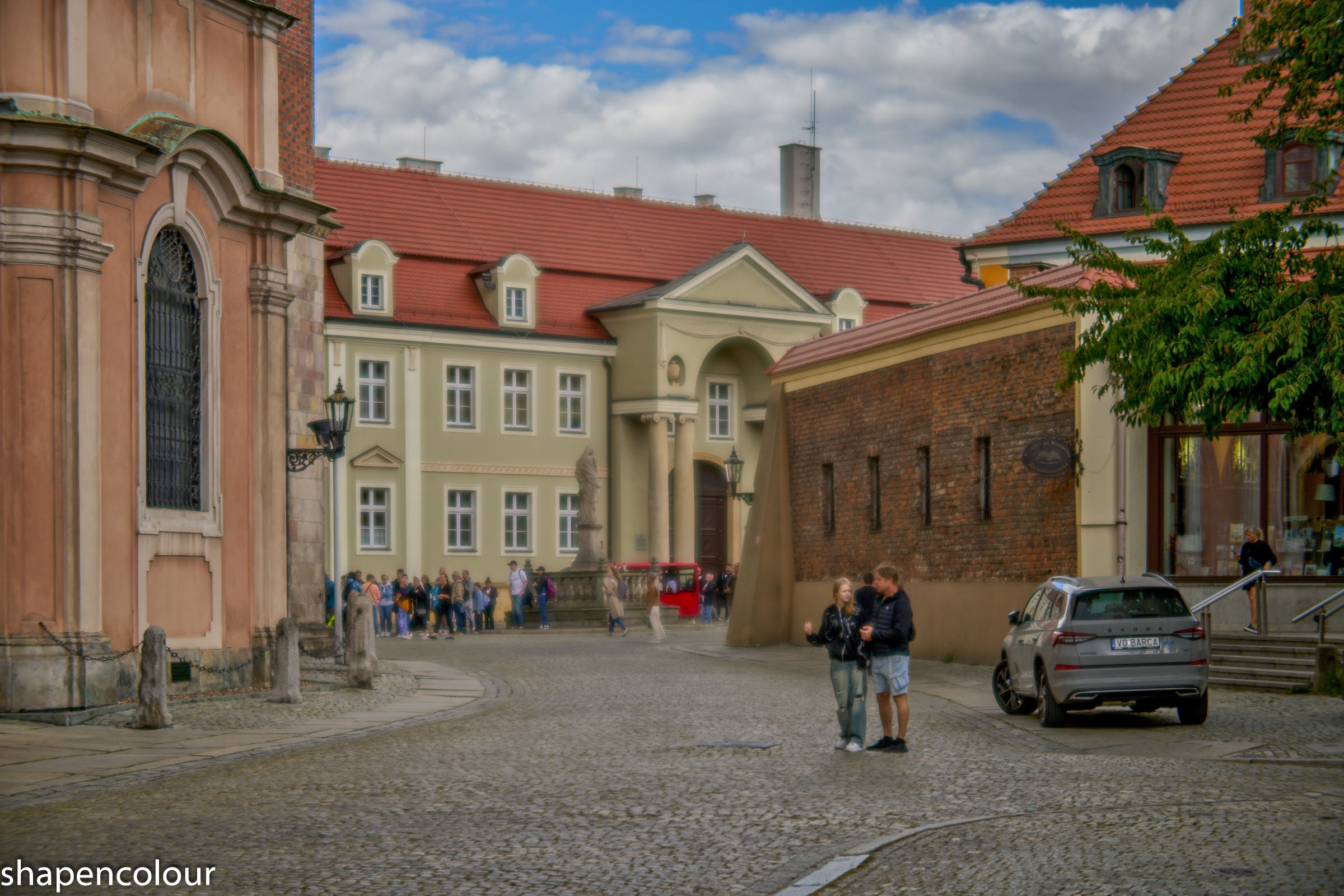
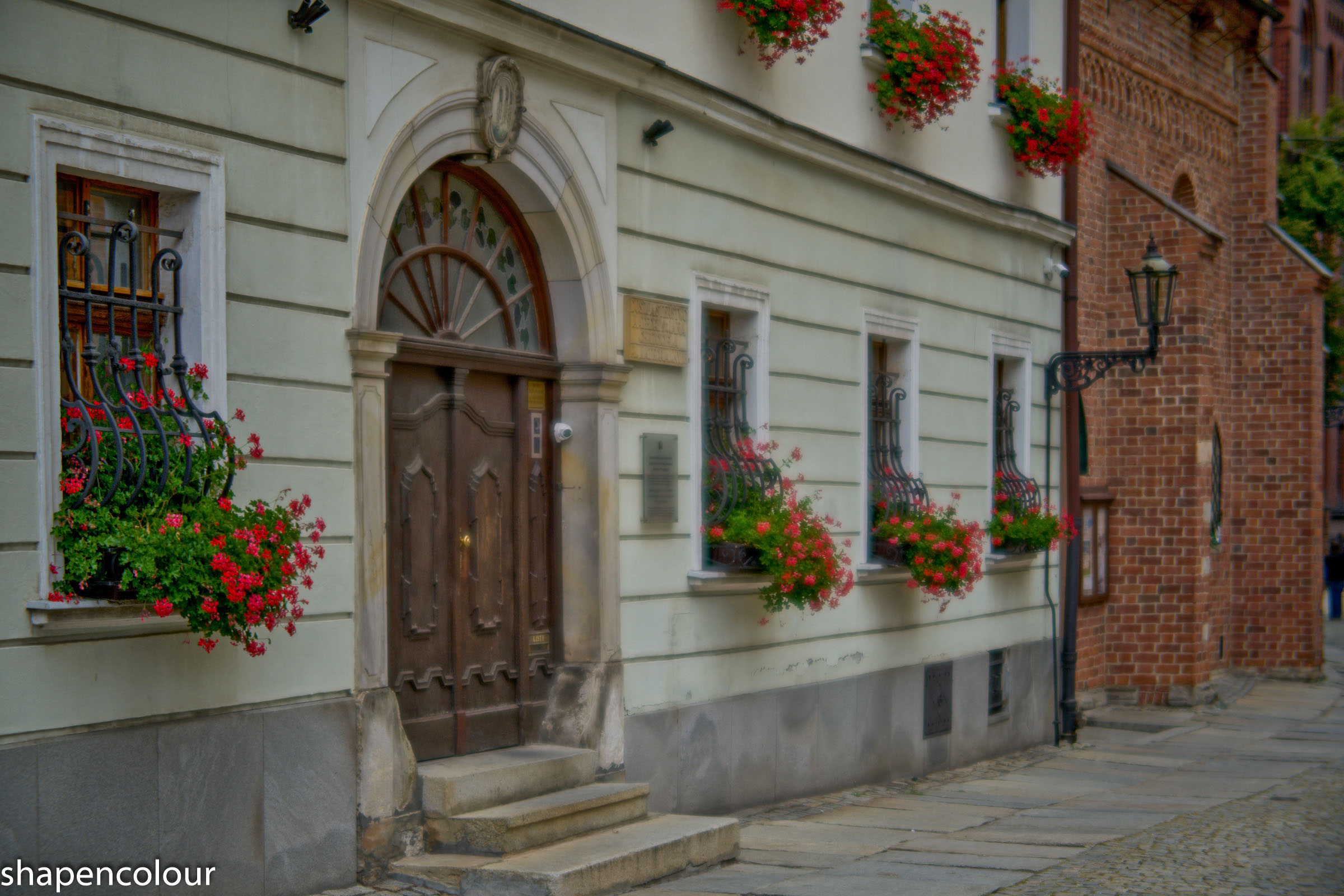
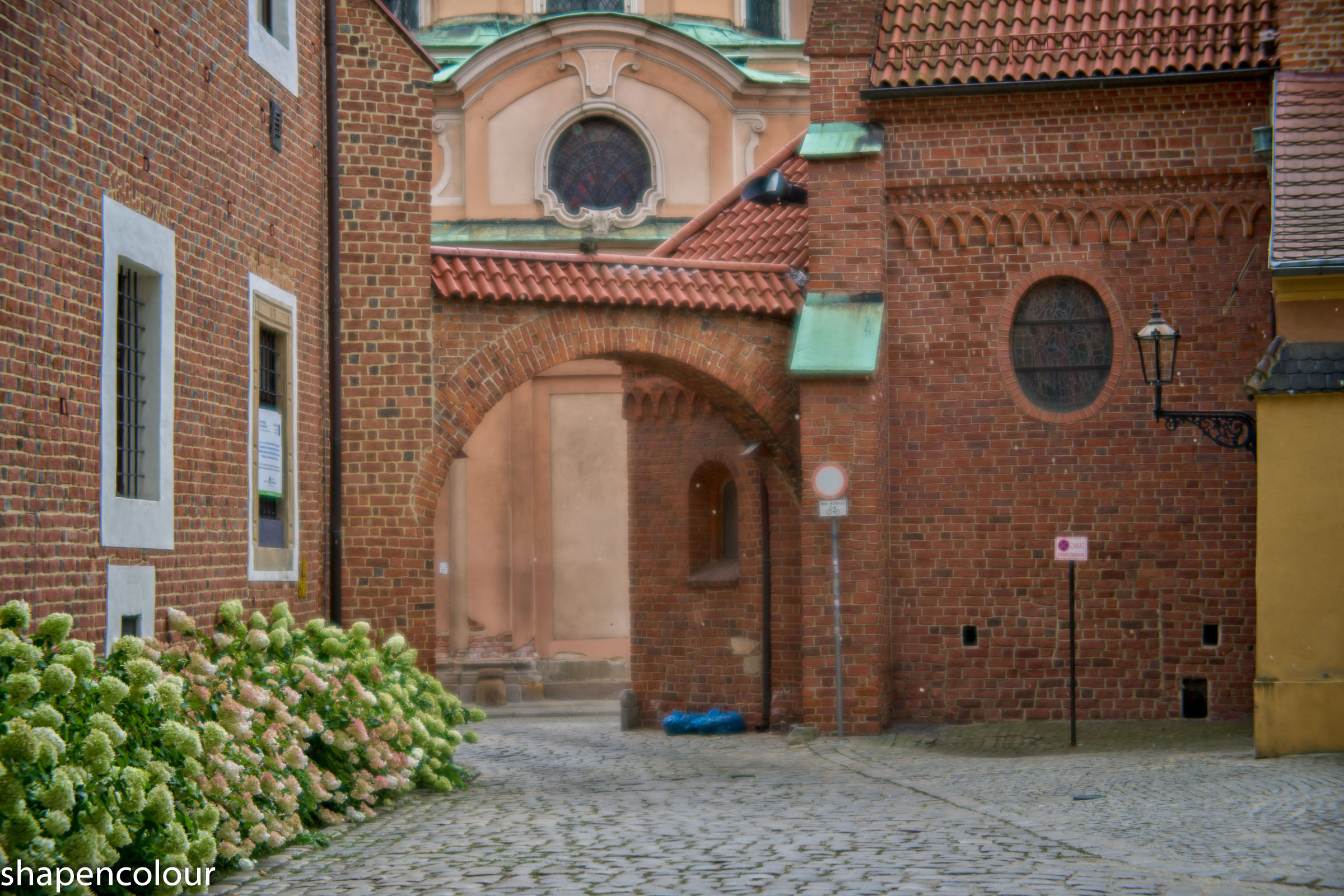
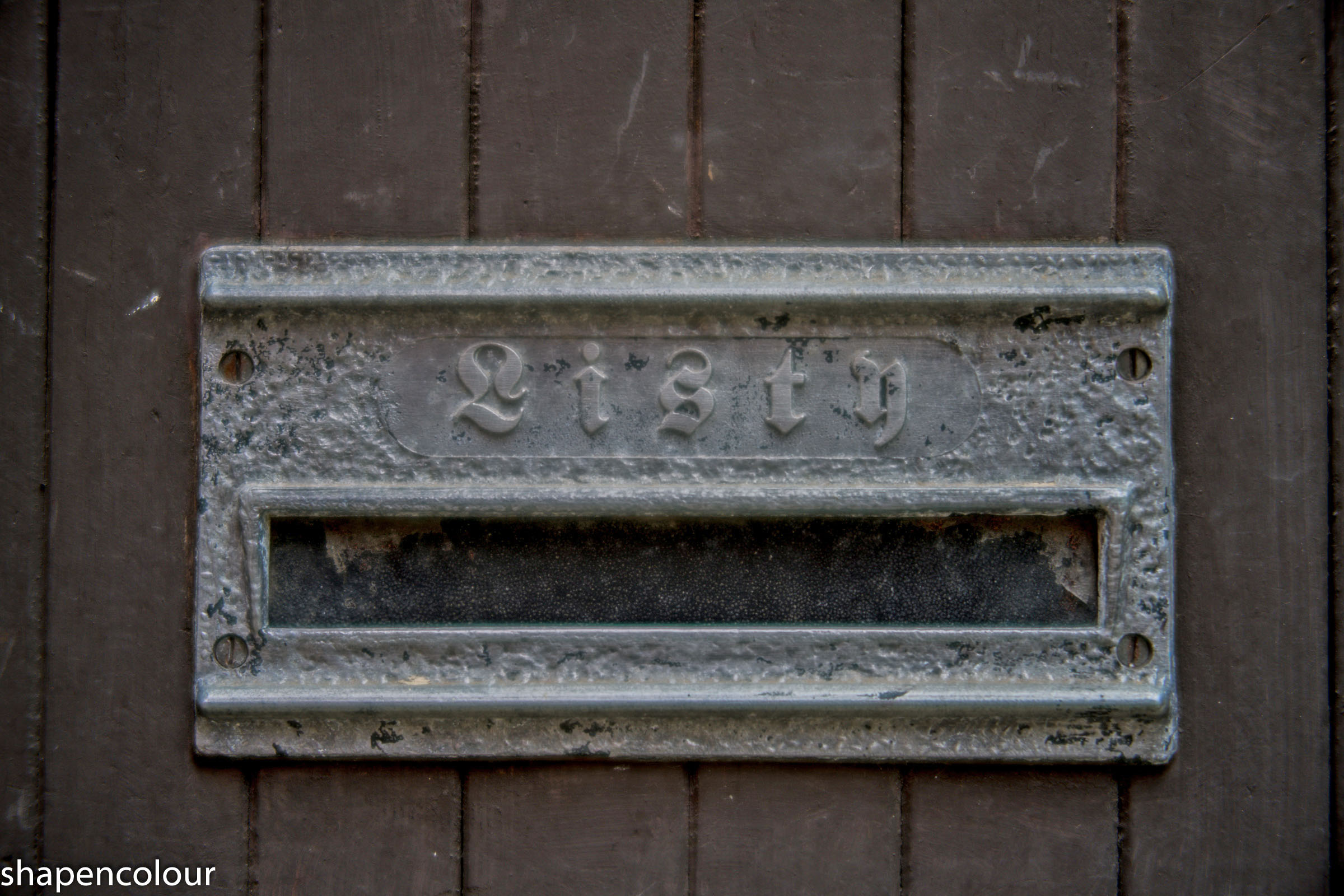
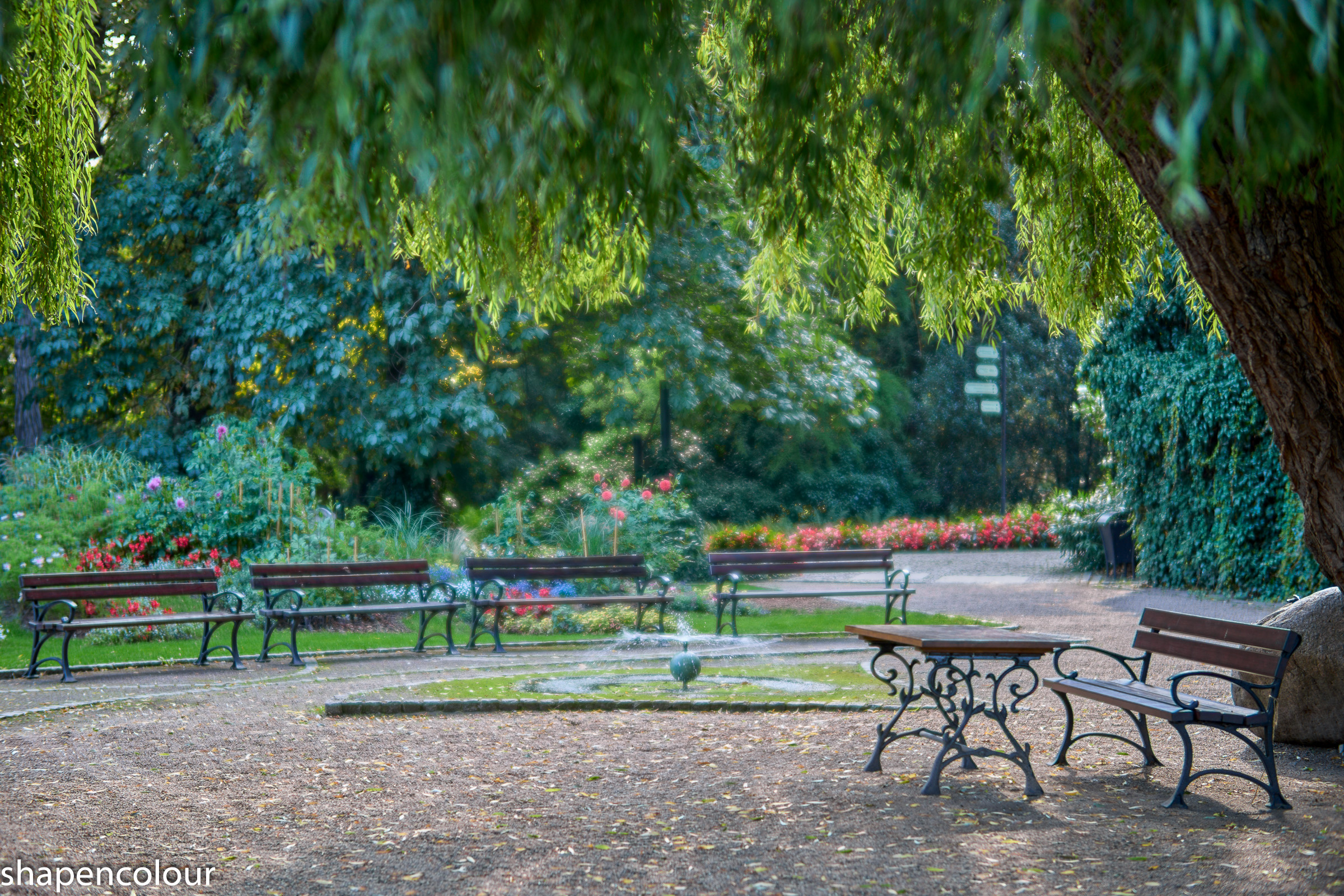
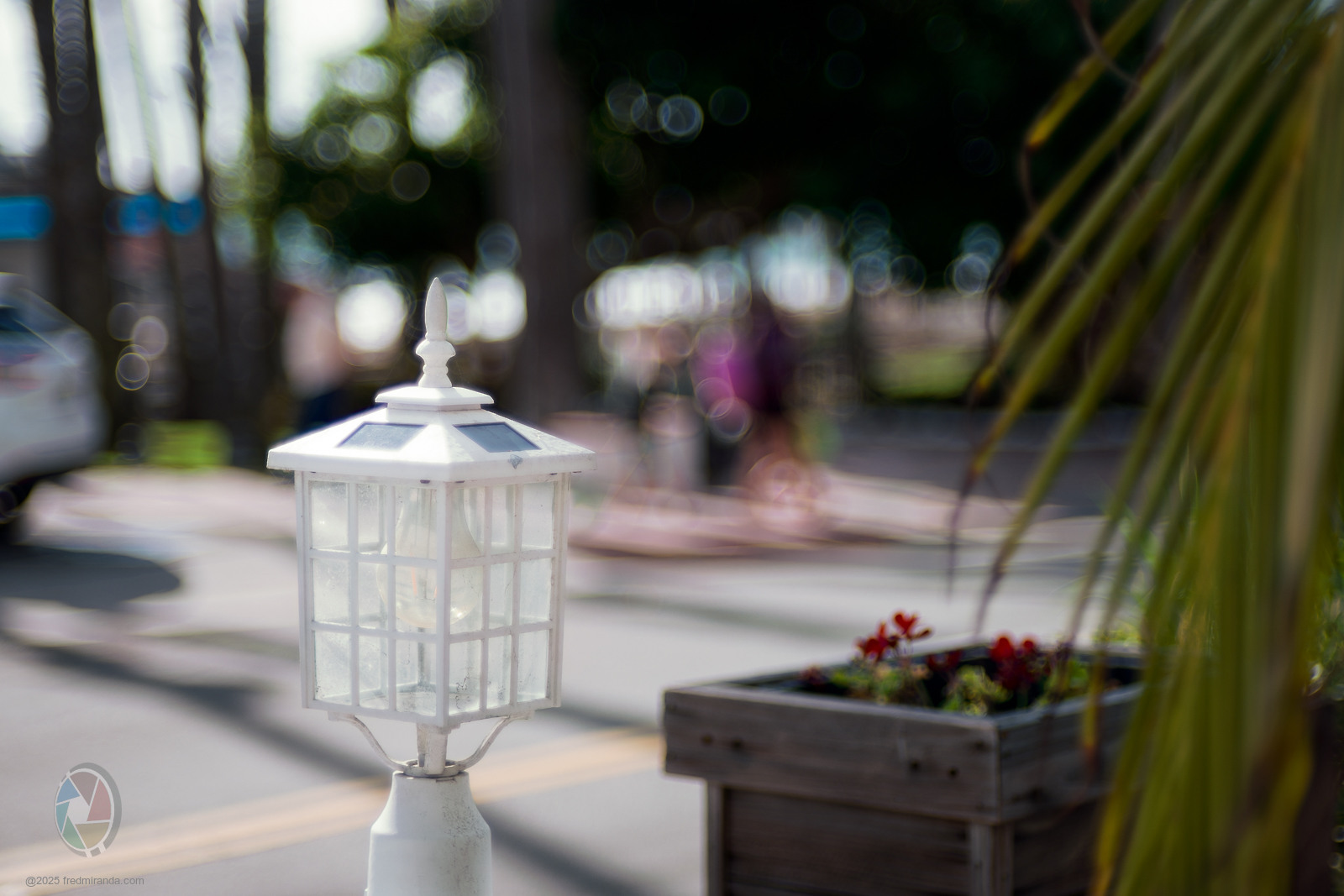
Some people just aren't fans of the effect and that really comes down to personal taste. My wife, for instance, doesn't like it at all and thinks the lens makes the image appear "blurry". I show her it's actually sharp when zooming in but she still isn't convinced by the overall rendering.
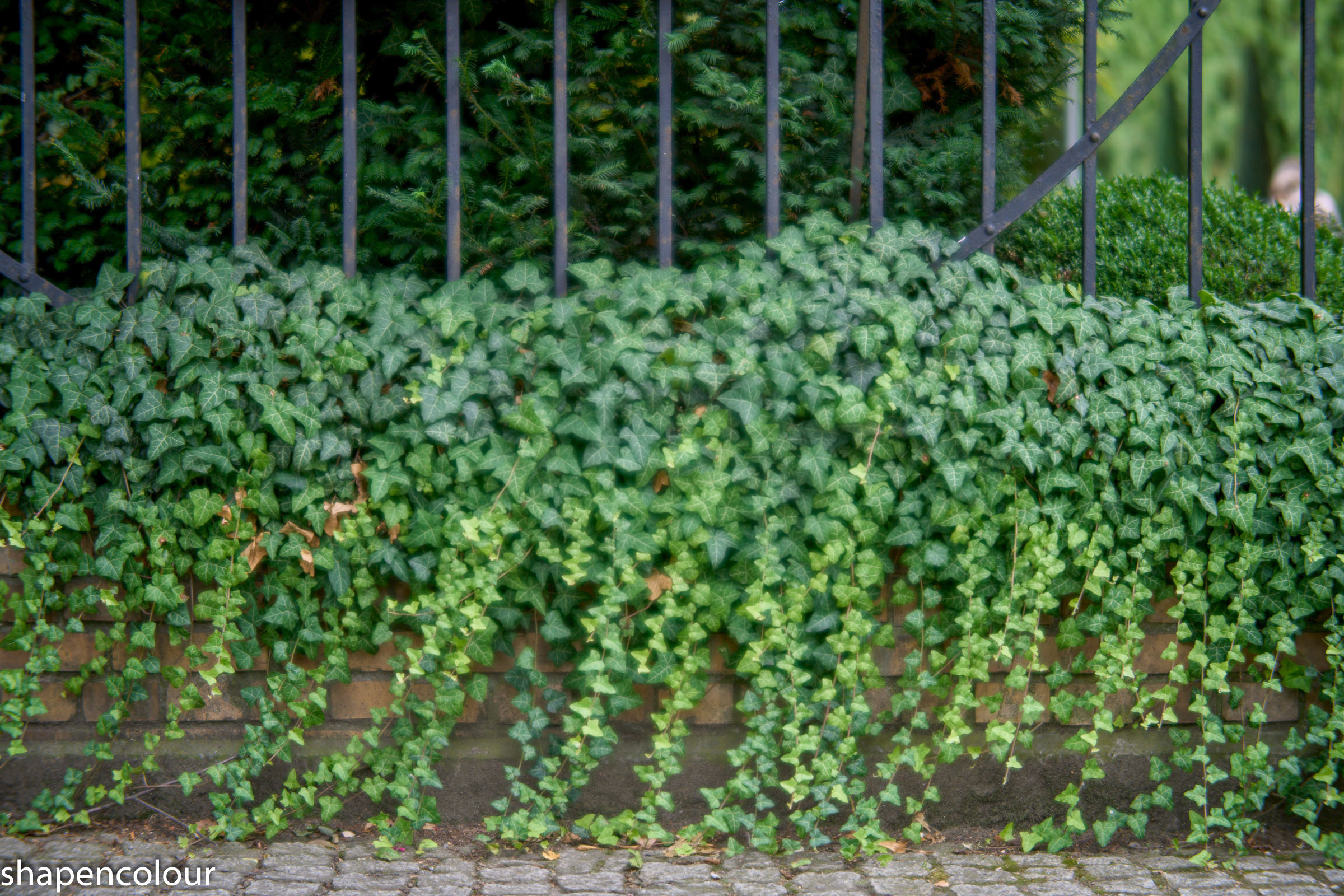
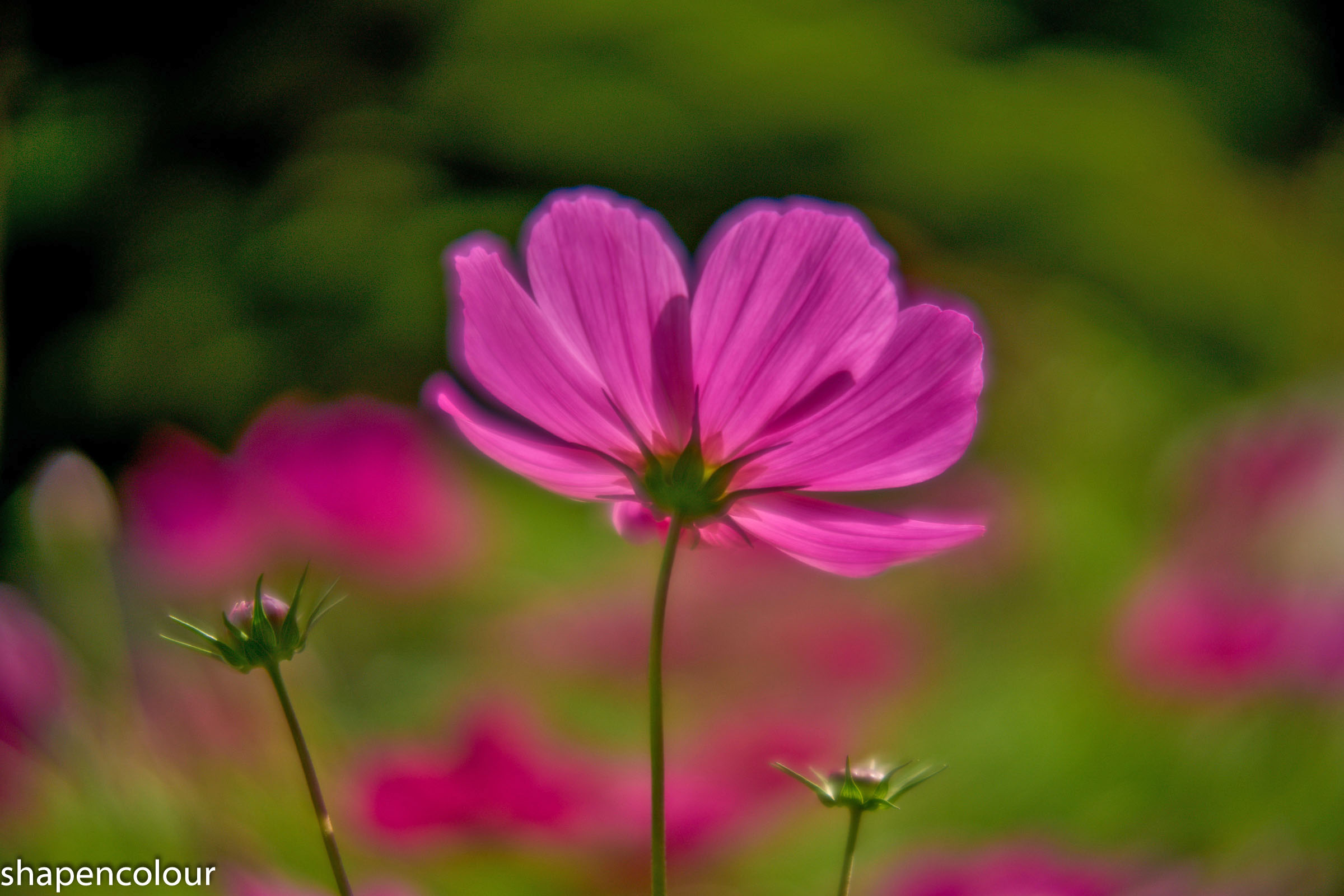
Personally, I appreciate the aesthetic when it's applied with intention, especially in the kind of dreamy and ethereal context you shared. I think there's definitely a place for it, even with the stronger settings. The more subtle adjustments, like dialing in just a 1-step effect, can already make a noticeable difference and still feel natural enough for general photography.....Show more →
I'm well aware that some people actually do not like smeary pictures or bubble/swirly bokehs.My wife does not like them as well .I tried to take same as above photographs with -1 settings,but the effect was almost invisible and did not meet my aestethics. I'm sure that when I try different subjects at different conditions lower settings will be more suitable.
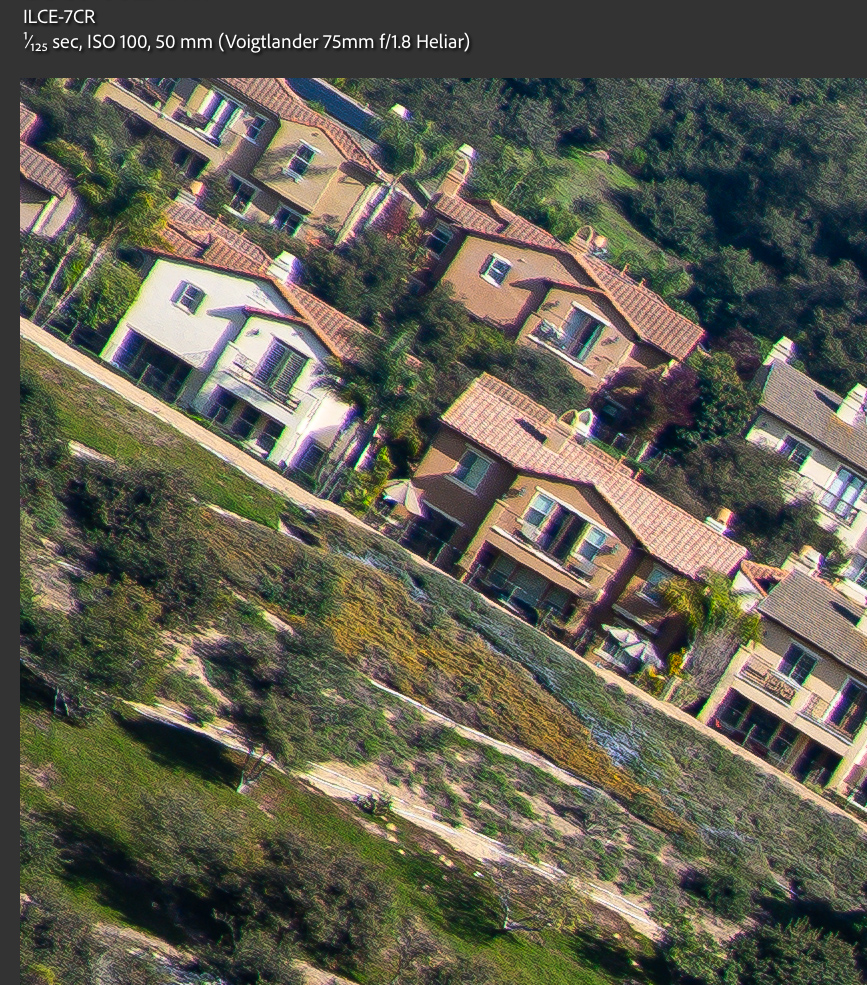
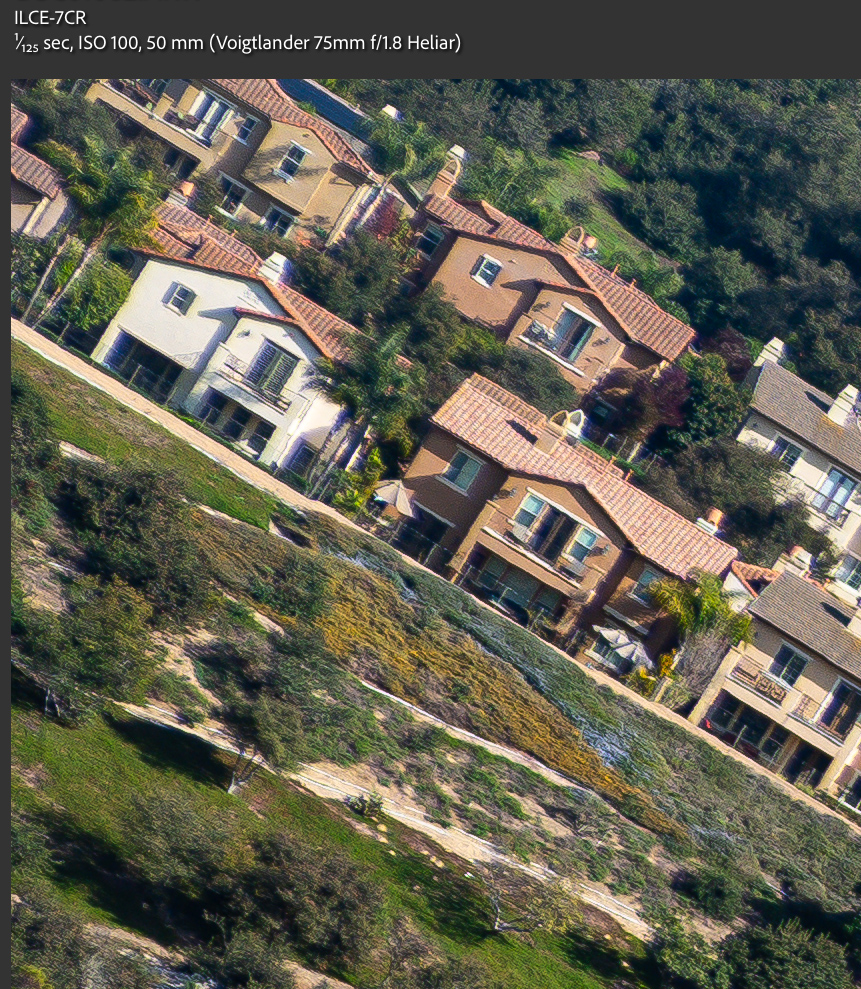
Typically, fast 75mm lenses show noticeable axial and lateral CA, but the Voigtlander 75mm f/1.8 Heliar performs better than expected in this area, especially considering its older optical design. Some color fringing is present, and its chromatic aberration correction is about average. Out of all the images I shot with it, I only found a few that showed more visible fringing, mostly when using the "Under" or "Over" SA setting, which seems to magnify this issue.
In regular use without any SA tweaking, axial CA isn't a major concern even in high contrast light and rarely stands out in real-world images. Considering the lens's optical design age and speed, the 75/1.8 Heliar still holds up well for portraiture and general photography.
Here are the worst-case examples I was able to find:
Under corrected
ILCE-7CRVoigtlander PORTRAIT HELIAR 75mm F1.8 lens75mmf/1.81/160s100 ISO+0.3 EV
100% magnification from image above
Over Corrected
ILCE-7CRVoigtlander PORTRAIT HELIAR 75mm F1.8 lens75mmf/1.81/250s100 ISO+0.3 EV
Regarding lateral chromatic aberration, which appears toward the corners of the frame at any aperture, the Voigtlander 75mm f/1.8 Portrait Heliar offers decent correction. It's not perfect, but in line with what you'd expect from a lens in this class and speed.
I included a 100% crop comparison to show the color fringing more clearly. Lightroom’s automatic CA correction applies a mild fix, though it doesn't fully eliminate the aberration.
What really sets the Voigtlander 75mm f/1.8 Portrait Heliar apart is its spherical aberration (SA) control ring, a feature that very few lenses offer. This ring lets you shape the bokeh from smooth and dreamy to more structured with a glow around your subject, and you can see the effect live through the EVF as you adjust it. With 10 levels of SA control, the lens provides a range of rendering styles, though subtle adjustments usually work best for most situations.
Designed for Sony E-mount, the lens includes electronic contacts for full EXIF data, supports 5-axis in-body stabilization through its built-in distance encoder, and automatically activates focus magnification when you turn the focus ring. Its optical design is adapted from the discontinued M-mount version but optimized for Sony’s full-frame sensors. It features a smooth, all-metal helicoid for precise manual focusing and a 9-blade aperture.
While it does not deliver the highest resolution or contrast wide open, this actually benefits portrait photography by creating a gentler, more organic look that is flattering on skin. The SA control ring adds creative flexibility, but the extreme under-correction setting can cause noticeable softness and vignetting, especially with subjects at mid to long distances. This can be beautiful for certain portraits or a classic soft focus style but requires careful use.
Distortion is virtually nonexistent, which is impressive for a 75mm lens and helpful beyond portraits. Sunstar rendering is subtle due to the 9-blade aperture but still produces evenly spaced 18-point stars at smaller apertures like f/8 and f/11.
The minimum focus distance is 0.7m, standard for this focal length, but may feel limiting to some users. Focus shift is noticeable when stopping down, but because this lens is designed for live view on mirrorless cameras, you can adjust focus in real time.
Overall, this lens offers a unique combination of vintage character and modern features. It is not about ultimate sharpness but about creative control and pleasing portrait rendering. For photographers who want to explore different bokeh styles and enjoy tactile manual focusing with classic optical character, the Voigtlander 75mm f/1.8 Portrait Heliar is a compelling choice.
To show how the background rendering and the character in the focal plane change with each spherical aberration setting, here’s a sequence that first goes through the "Over" levels (1 to 4), followed by the "Under" levels (1 to 6).
Pay attention to the shifts in sharpness, vignetting, glow, veil, specular highlight shape, and the level of outlining. This comparison should give a clear idea of what to expect when using the lens for portraits.
Personally, I find "Under" at -1 and -2 and "Over" at +1 and +2 to be the most practical for general shooting. That said, it's also fun to experiment with the more extreme SA settings....Show more →
Interesting lens, Fred. The Over +1 to +4 give your image a very 3D look. I like this much better than the Under settings.
Al Trujillo wrote:
Interesting lens, Fred. The Over +1 to +4 give your image a very 3D look. I like this much better than the Under settings.
Al
I agree, Al.
I really prefer the "Over" settings because I like a more structured overall rendering. It also seems to add a bit more separation, just as you described. I usually shoot at +1, and sometimes go to +2 or even +3, for most of my shooting with this lens. The CV 75mm f/1.8 Heliar already has plenty of character even at the default SA setting, but the outlining becomes a bit more pronounced with a touch of "Over" compensation.
In certain applications it may be an okay lens...up-close portraits mainly, but a lot of these center-OOF landscape images make my eyes wonky and give me the feeling I personally associate with the onset of a migraine.
I love most Voigtlander's but I am a fan of this particular lens.
buggz wrote:
I like it, I am actually a sucker for this type of rendering.
I have sooo many soft focus lens of differing mounts and formats, it's crazy.
Shrug, I seem to not be able to shake it off, definitely addicted, sigh...
I'm always enjoying shooting with this lens, and I've been gradually moving towards using more moderate settings (I like the standard setting a lot).
Thanks for the samples!
Which settings do you prefer Juha?
For me, when I want a more abstract background with some hazy effect, I set it to -1 or -2. If I want a more structured bokeh, I go with +2 or +3. There is more swirling with the under-corrected setting and a softer look to the highlights, whereas with overcorrection there is noticeable outlining, almost no swirl, and the highlights stay more rounded toward the edges.
For me, when I want a more abstract background with some hazy effect, I set it to -1 or -2. If I want a more structured bokeh, I go with +2 or +3. There is more swirling with the under-corrected setting and a softer look to the highlights, whereas with overcorrection there is noticeable outlining, almost no swirl, and the highlights stay more rounded toward the edges.
I shoot with the standard 0 setting quite a bit and for undercorrected side I mostly like +1, +1.5 and +2 and don't usually go further. For overcorrected side I'm happy to use even the most extreme end of settings for certain types of flower / plant shots. The lens is quite nice as a general short tele as well just at the 0 setting, I like it that way for cityscapes quite a bit. I should use this lens again soon when the cherry blossom season kicks in probably from next week. However, since I'm expecting to receive the new Septon 40/2 tomorrow, I'll probably be using that one most actively for the next 2 weeks or so.
What happens when you stop the lens down? I assume the over/under SA correction is reduced at slower apertures giving the photographer another layer of control?
darwinphoto wrote:
What happens when you stop the lens down? I assume the over/under SA correction is reduced at slower apertures giving the photographer another layer of control?
Yes, once you stop down past f/2.8, spherical aberration is greatly reduced, so the SA ring becomes far less useful.
I ended up picking up this lens and really enjoy shooting with it. I had previously owned the Voigtlander 75mm f/1.8 Heliar, so I was already familiar with its performance and rendering, but the added SA control gives it a lot more flexibility.
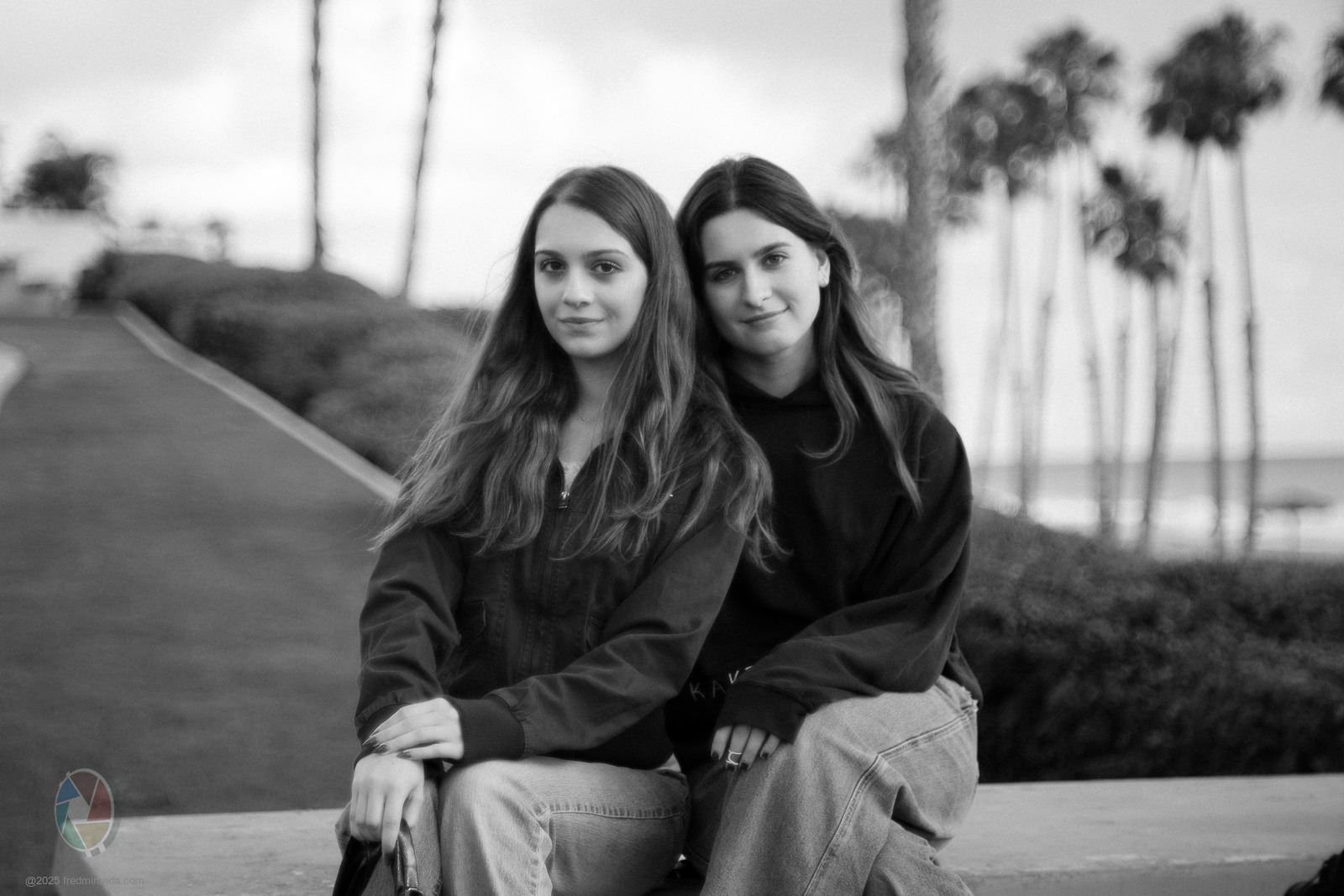
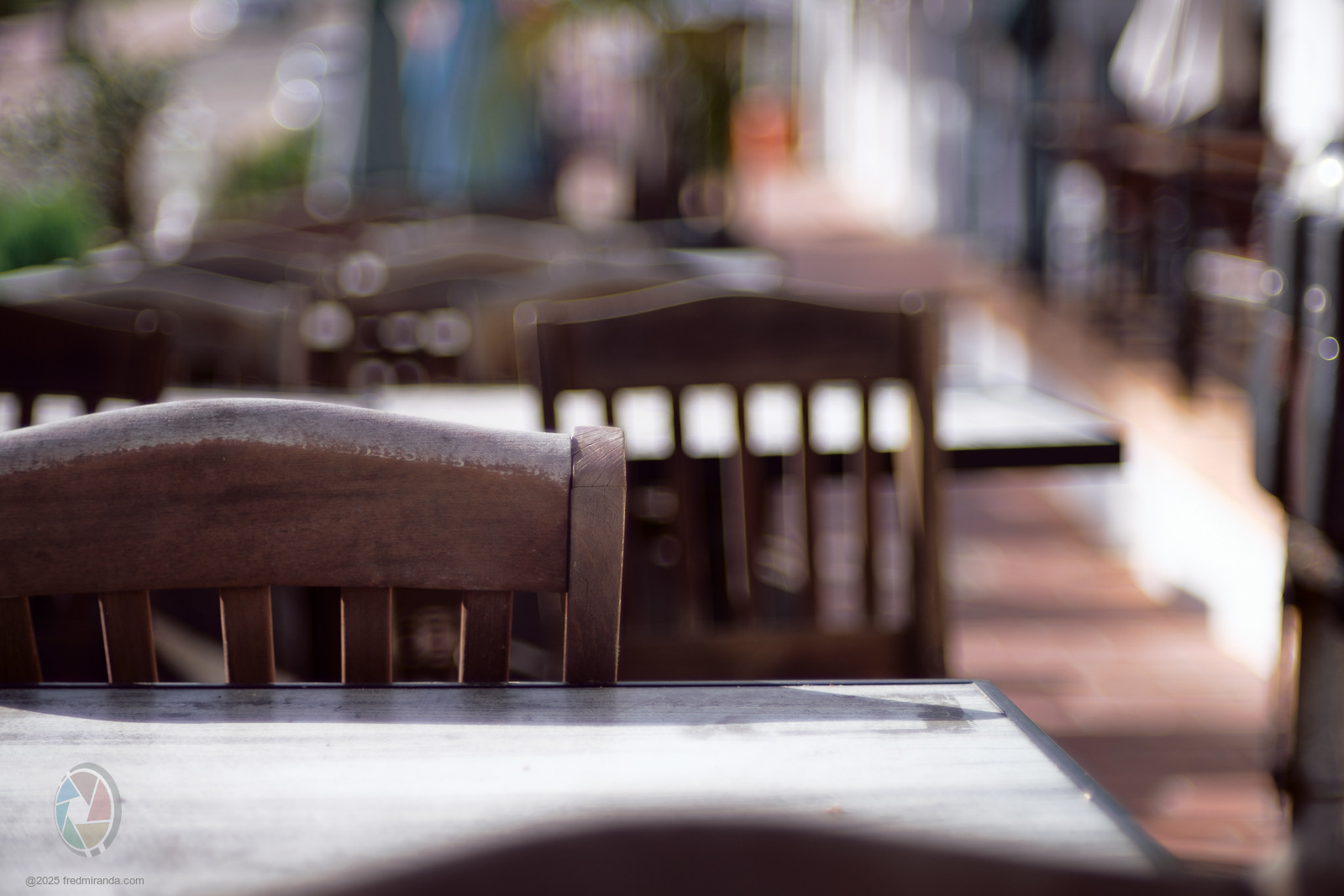
My favorite setting so far is "+2" overcorrection. It maintains most of the resolution and contrast, while adding a slight glow to the highlights and giving the rendering a bit more structure, which I really like.
Here are a few samples from this morning.
ILCE-7CRVoigtlander PORTRAIT HELIAR 75mm F1.8 lens75mmf/1.81/1600s100 ISO+0.3 EV
ILCE-7CRVoigtlander PORTRAIT HELIAR 75mm F1.8 lens75mmf/1.81/2500s100 ISO+0.3 EV
ILCE-7CRVoigtlander PORTRAIT HELIAR 75mm F1.8 lens75mmf/1.81/3200s100 ISO+0.3 EV
The way this lens renders reminds me of Lomography lenses. Not for me, but I can understand how some might like the blurry artistic rendering. I will stick with my Voigtlander Nokton lenses.