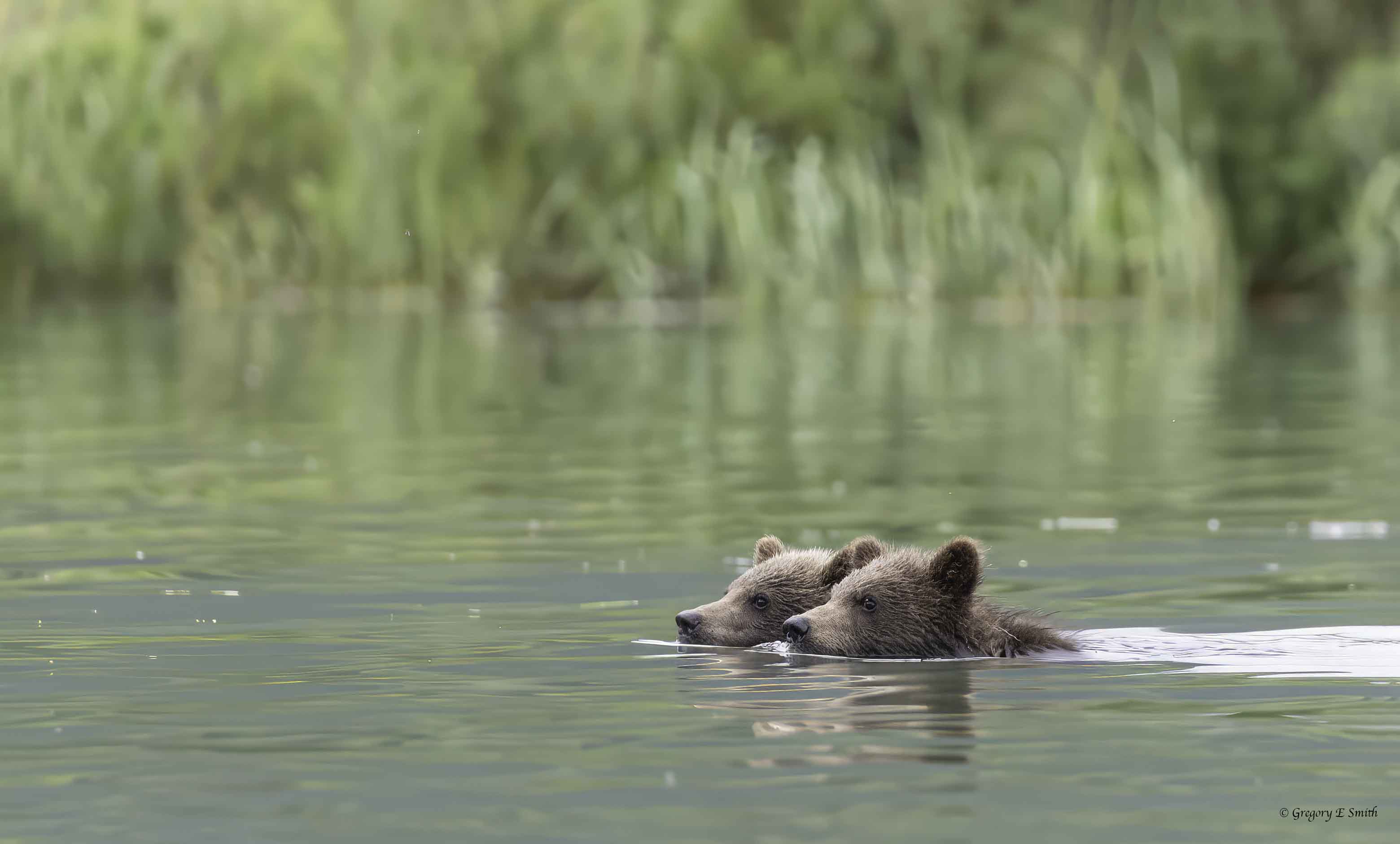
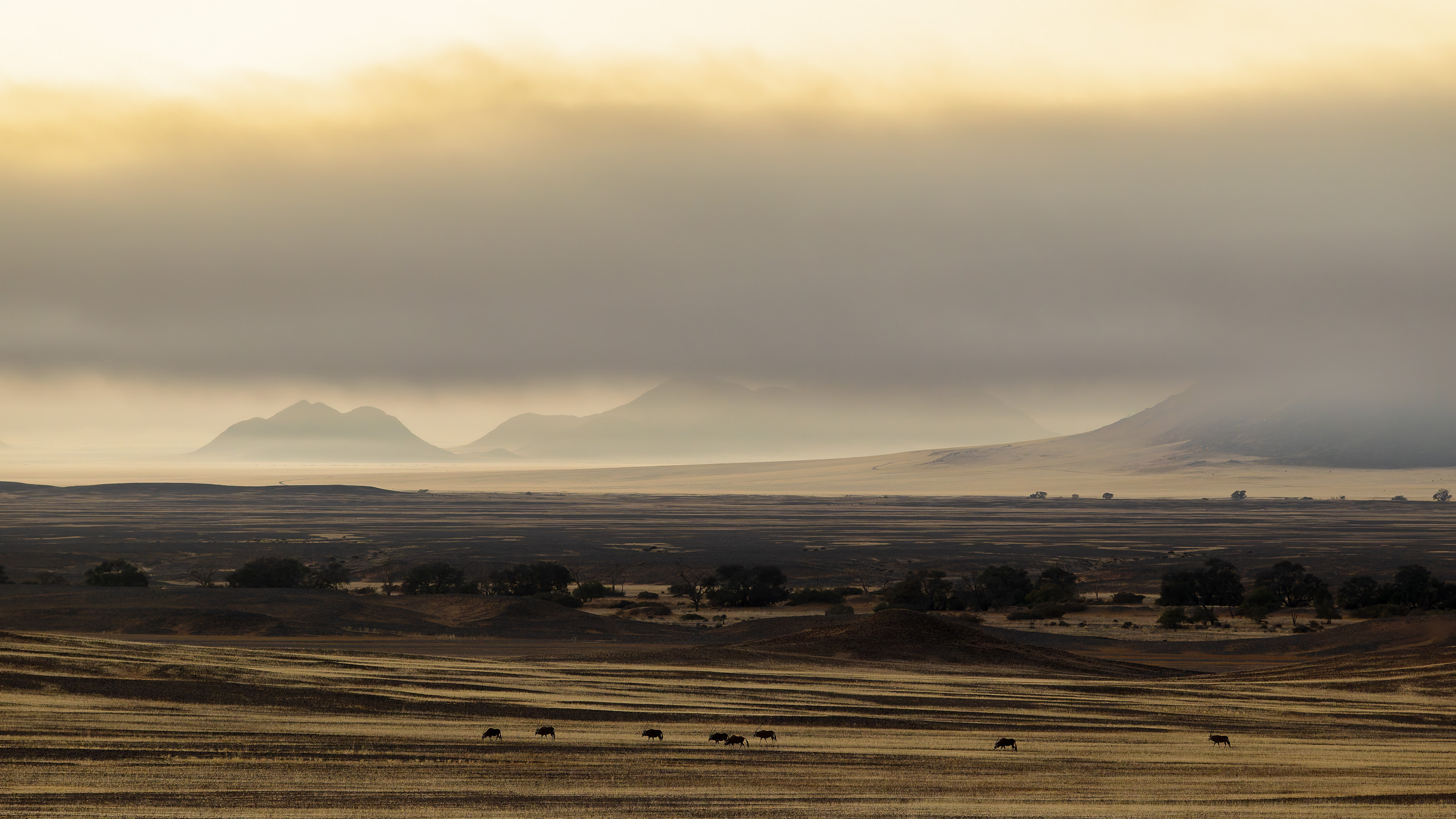
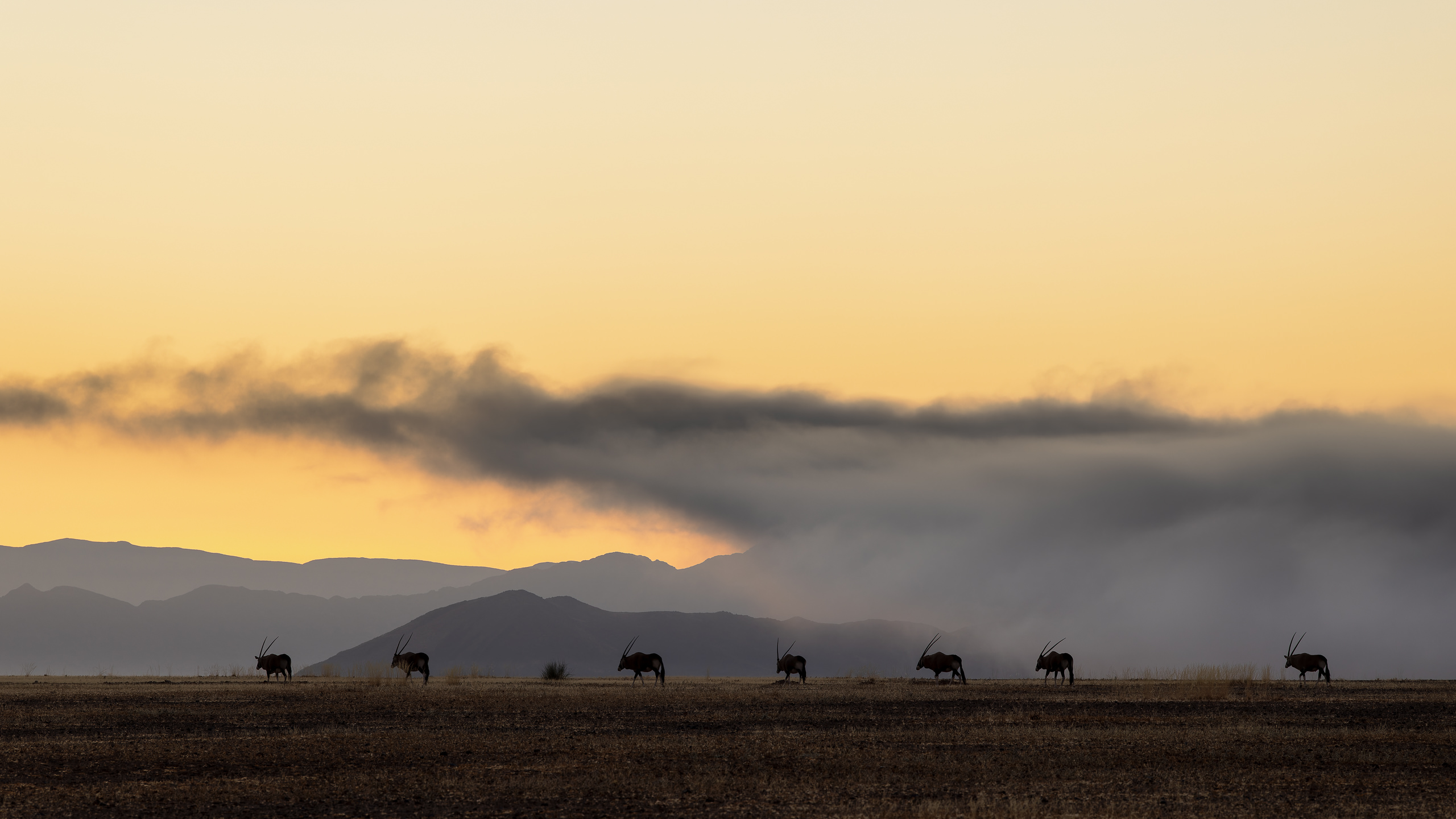
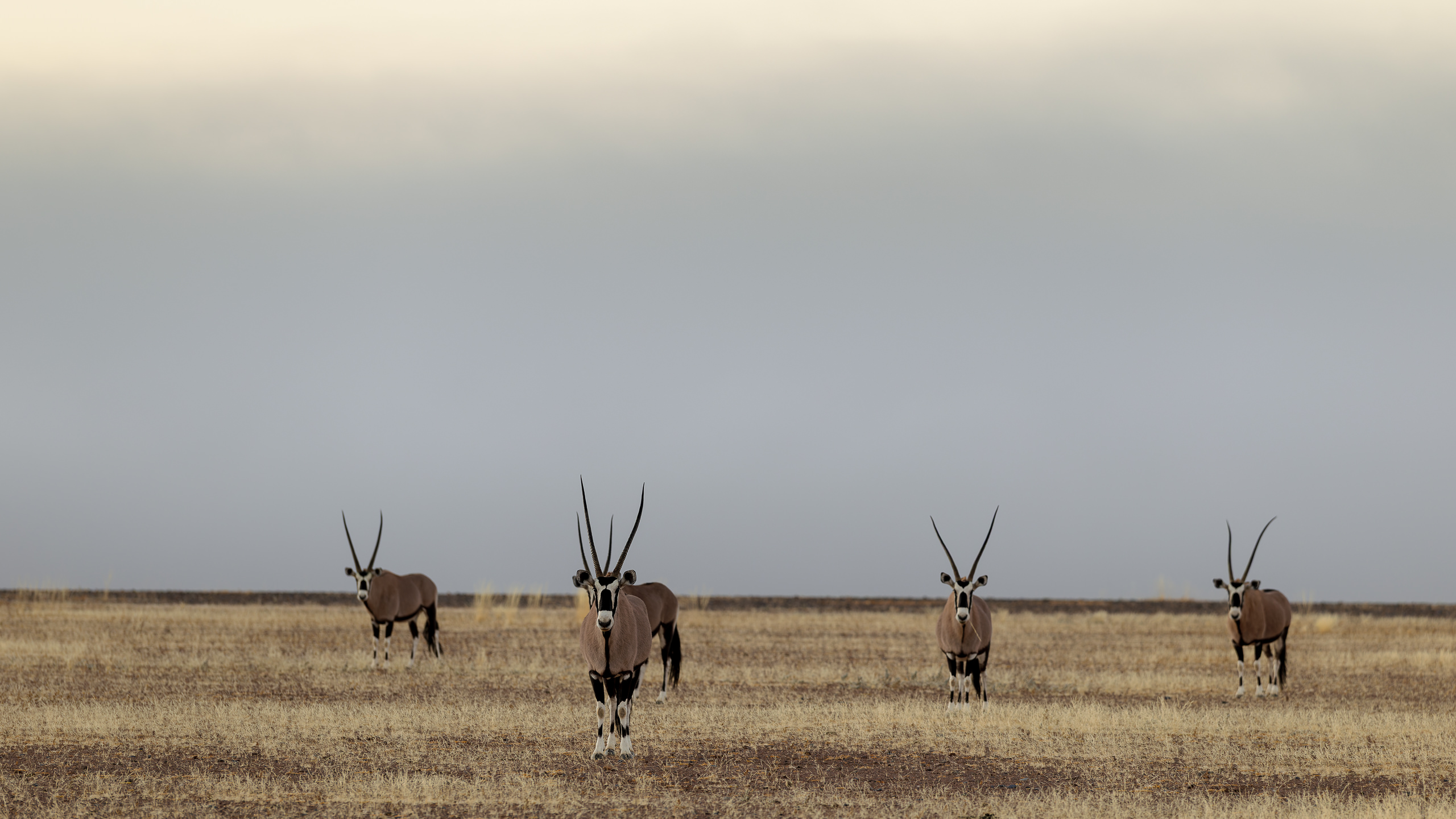
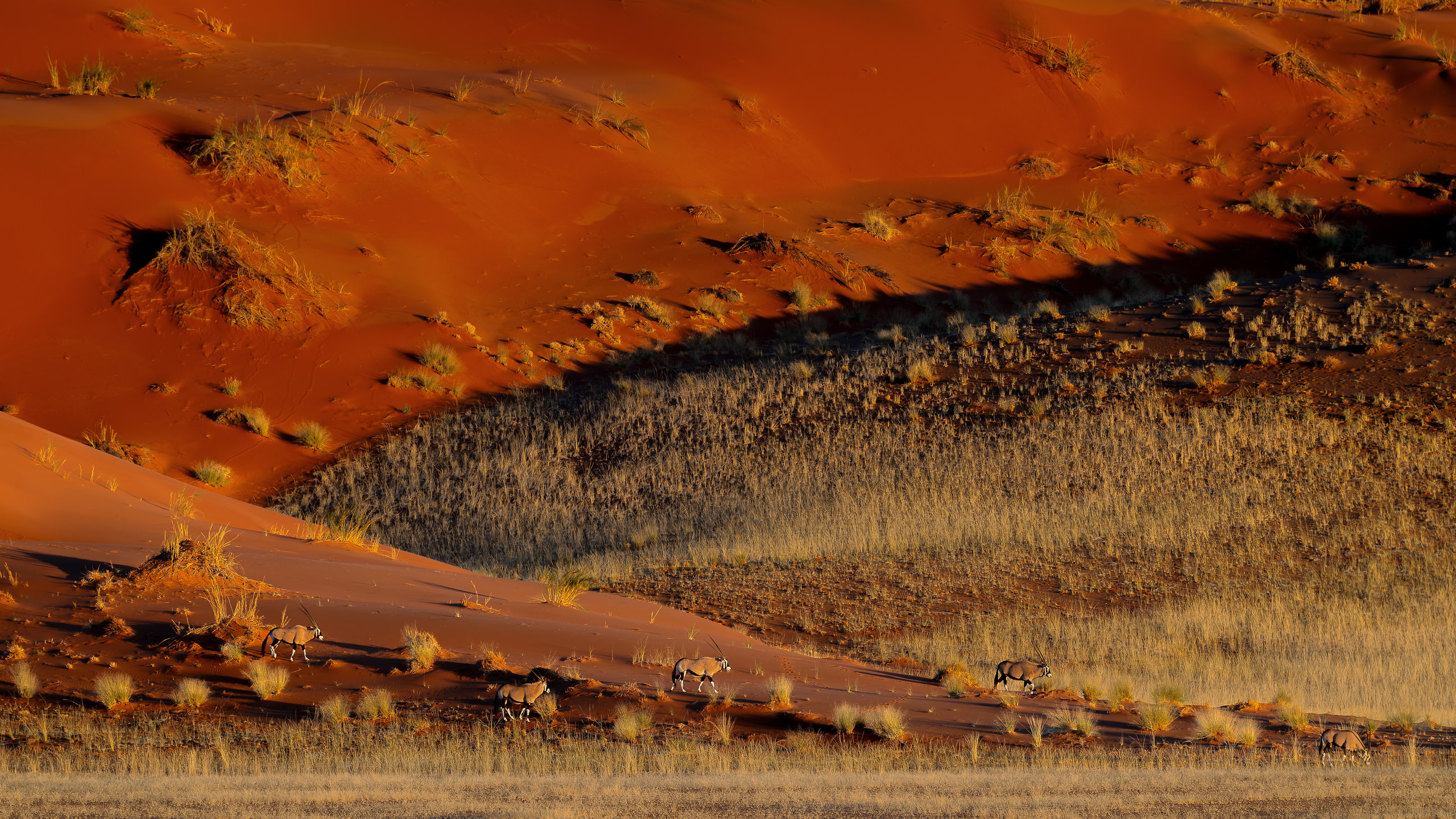
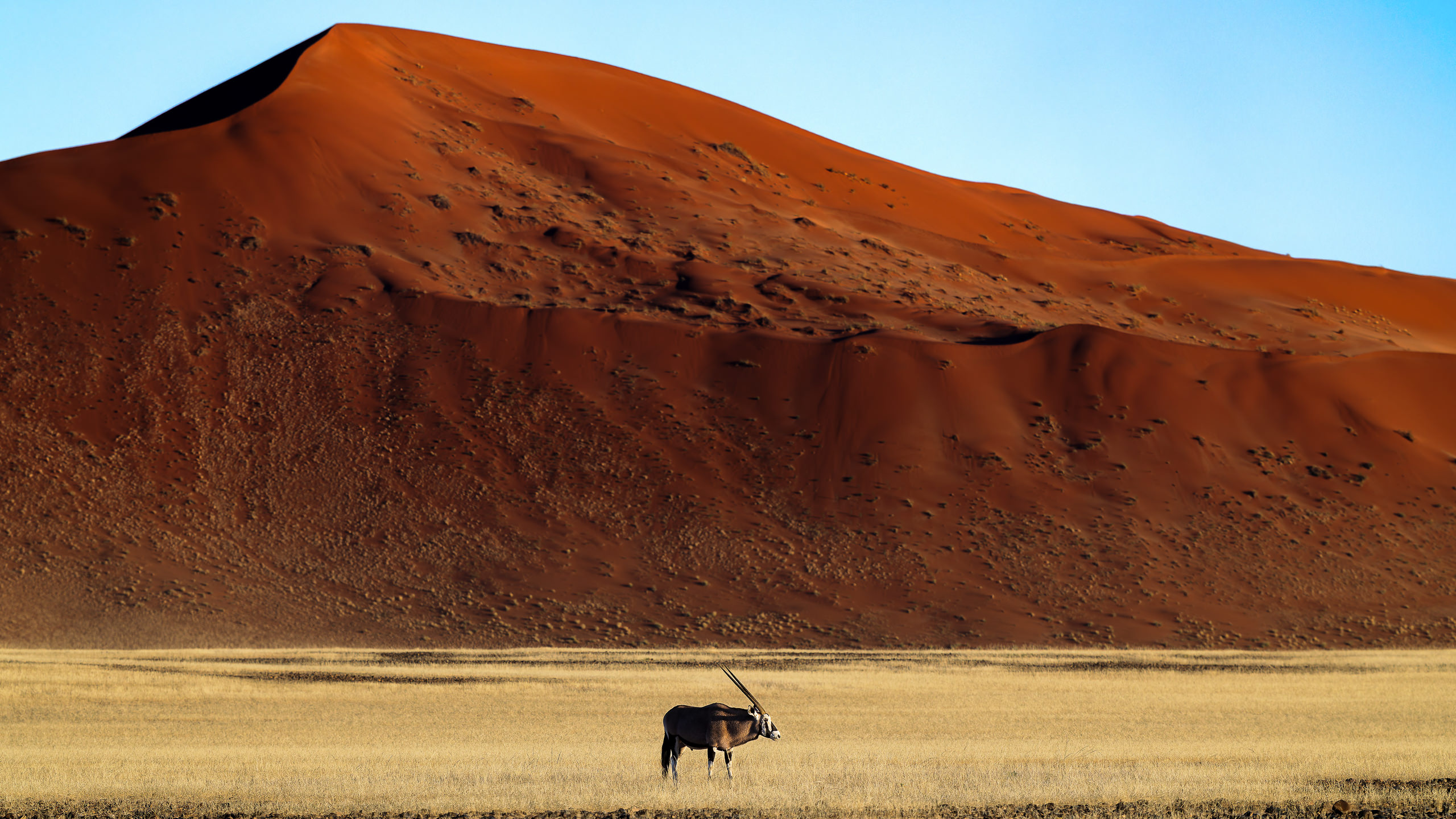
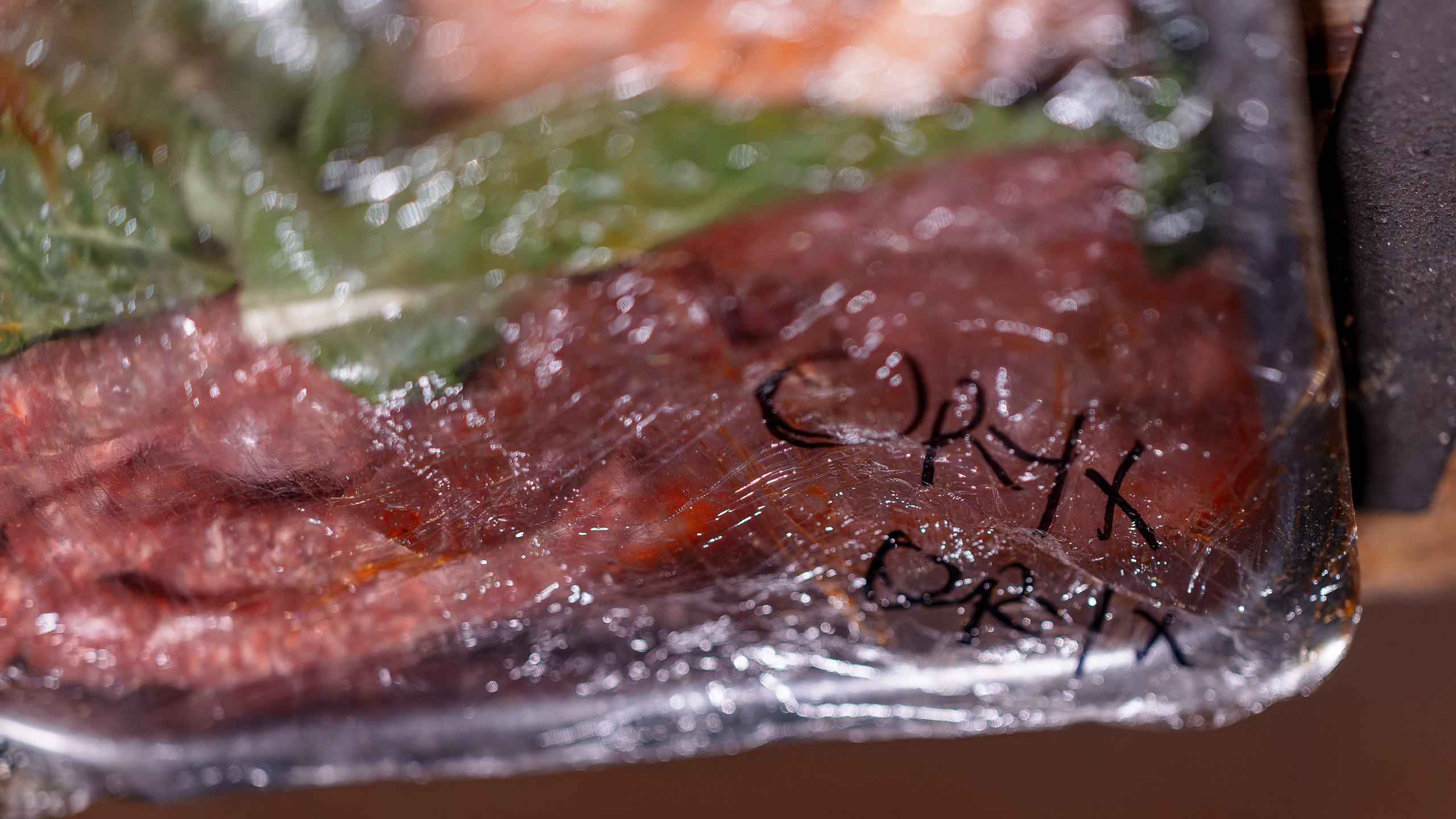
In all seriousness, if you're into meat, Oryx is seriously the way to go. Kudu was thus far my favorite, but after tasting just about every antelope there is, Oryx is consistently the best.
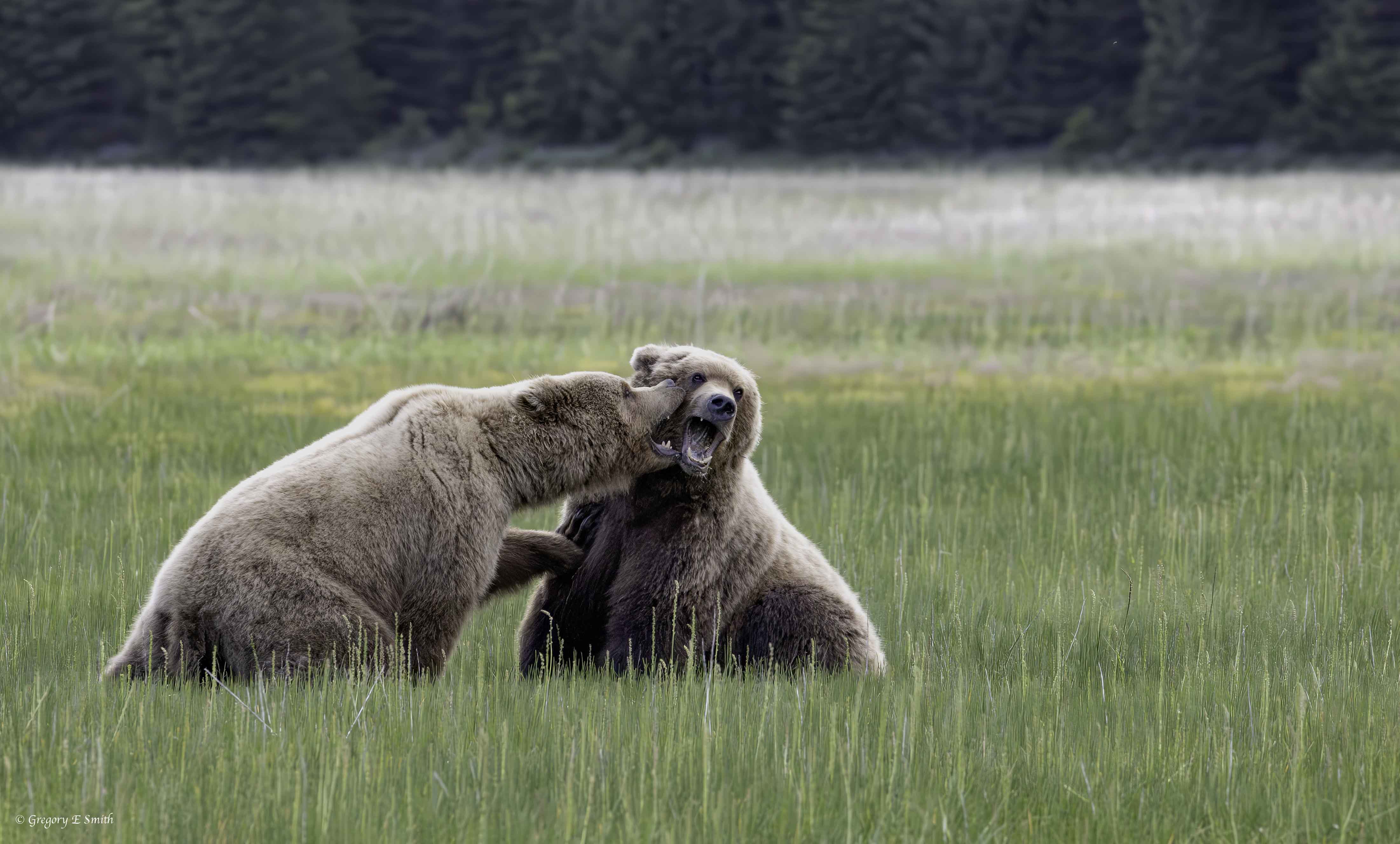
Canon EOS R5m2RF70-200mm F2.8 L IS USM Z lens200mmf/5.61/125s2500 ISO+0.3 EV
Canon EOS R5m2RF70-200mm F2.8 L IS USM Z lens200mmf/8.01/60s125 ISO+0.3 EV
Canon EOS R5m2RF70-200mm F2.8 L IS USM Z lens200mmf/4.01/80s160 ISO+1.0 EV
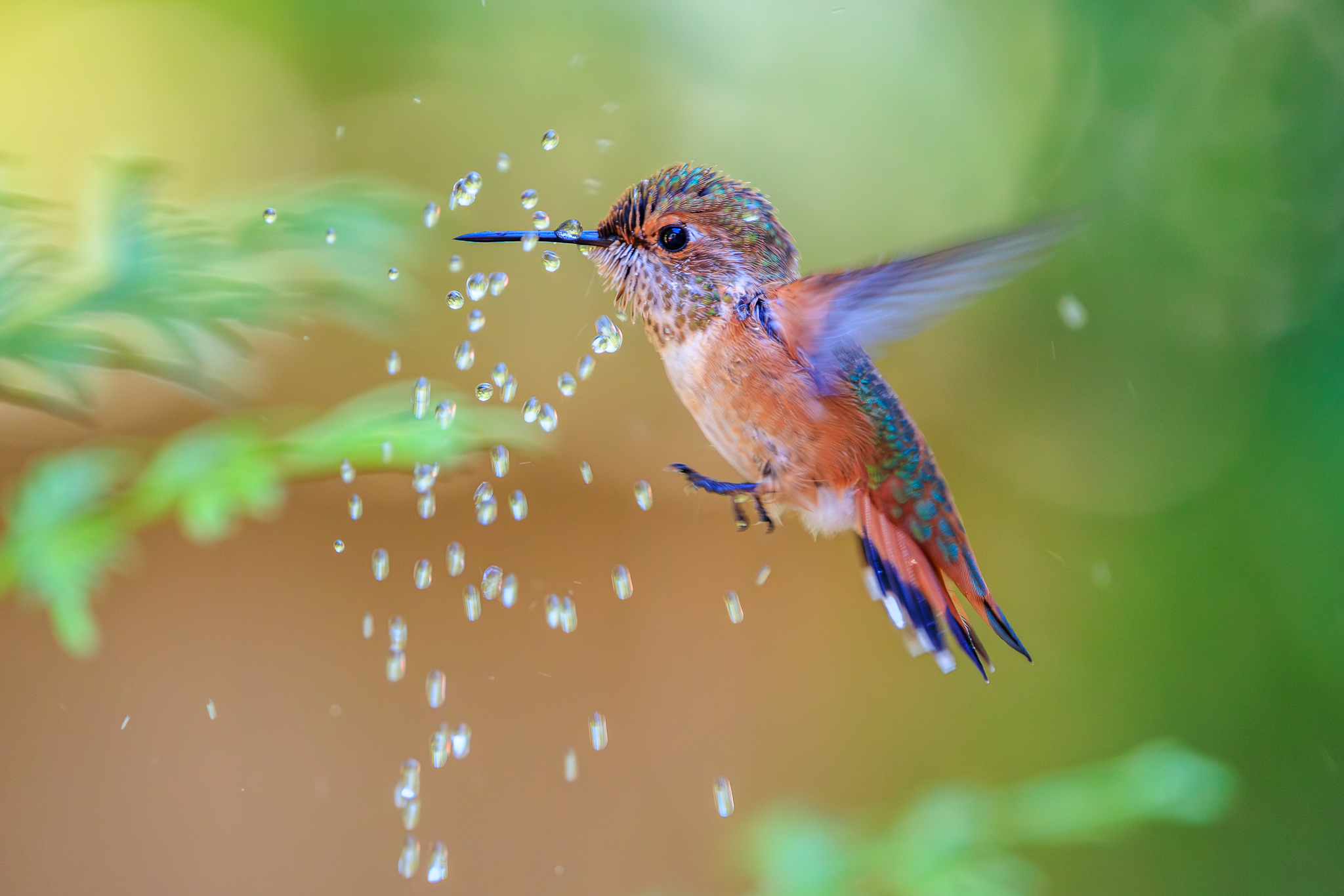
Canon EOS R5m2RF70-200mm F2.8 L IS USM Z + EXTENDER RF2x lens400mmf/8.01/320s320 ISO-1.0 EV
Canon EOS R5m2RF70-200mm F2.8 L IS USM Z + EXTENDER RF2x lens284mmf/8.01/500s320 ISO0.0 EV
Canon EOS R5m2RF50mm F1.4 L VCM lens50mmf/1.41/80s2500 ISO-1.0 EV
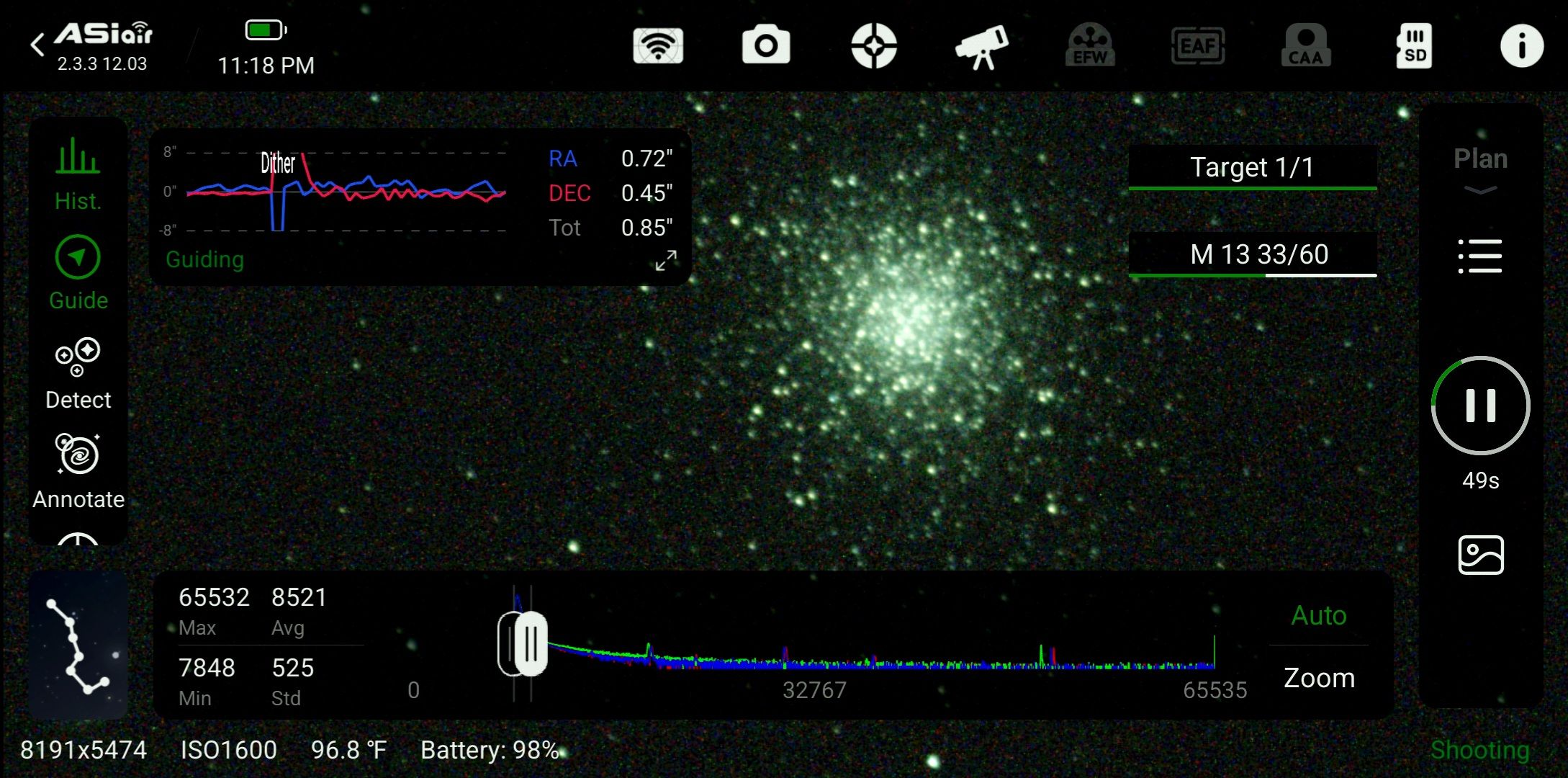
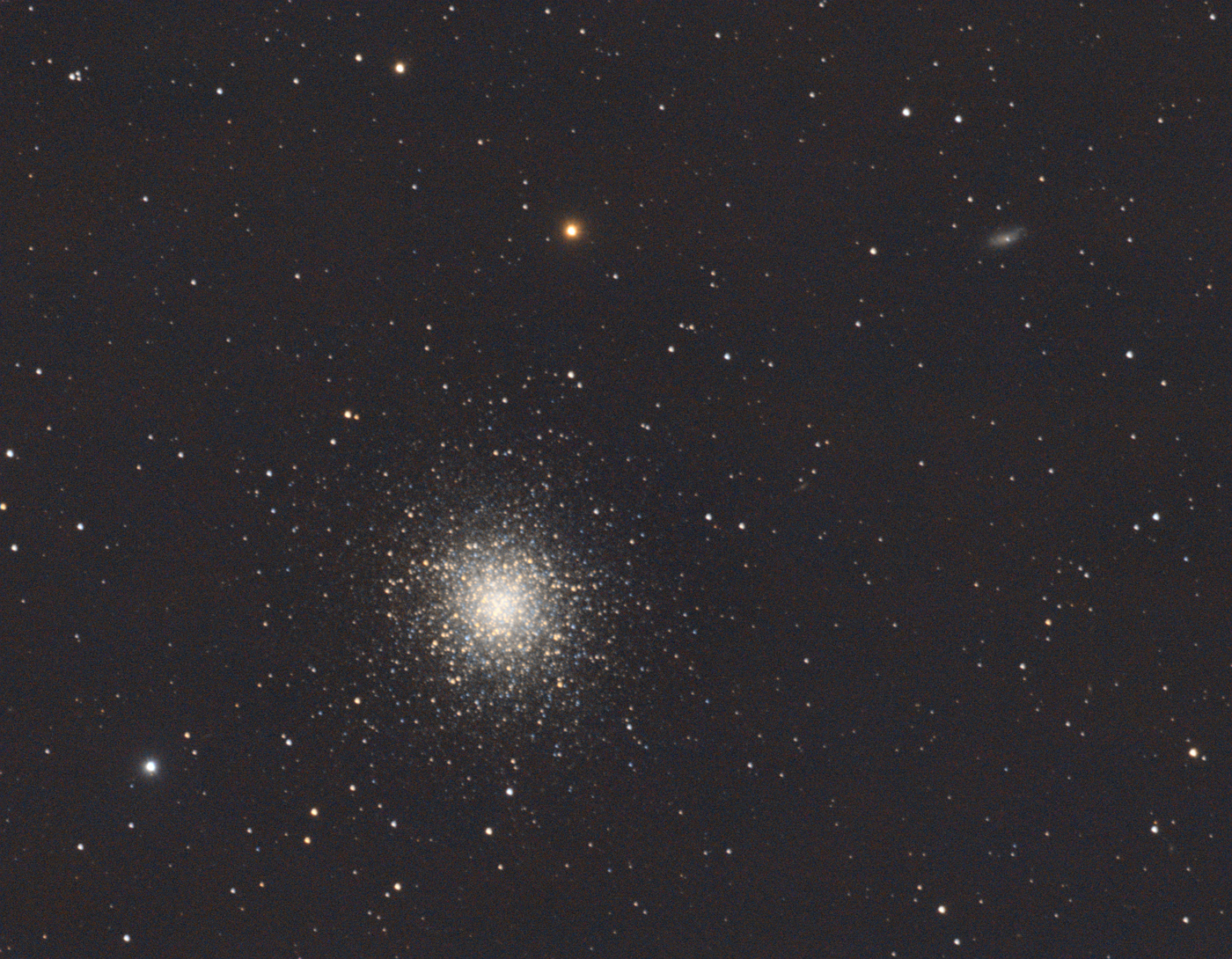
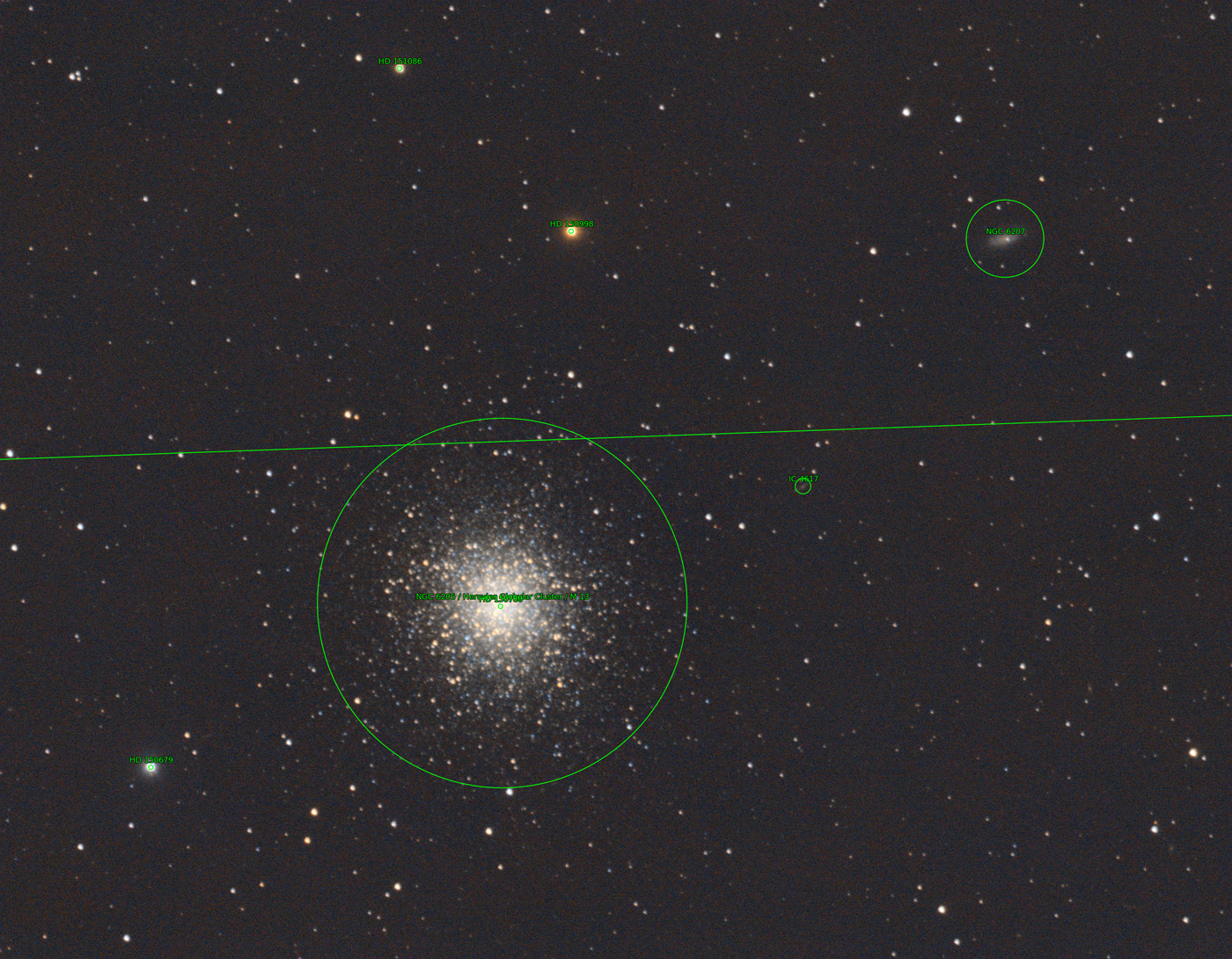
The skies were reasonably good early Wednesday evening, but degraded after that. I was able to collect 57 minutes of data for M13 (the Great Globular Cluster in Hercules).
The first photo you see is a screenshot from my cell phone, which I use to control my equatorial mount, an external computer (ASIAir Pro), a primary camera, and a guide camera. The second photo is a fully processed image (stacked from 57 individual 1-minute exposures). The last photo is the same image with annotations for significant celestial objects.
M13 is a globular cluster of at least 300,000 stars in the constellation of Hercules. It is ~ 25,000 light years from Earth with a diameter of ~150 light years. It orbits the center of our galaxy. Nearby to M13 is NGC 6207 (~ 30 million light years away), a 12th-magnitude edge-on galaxy. A small galaxy, IC 4617 (~ 550 million light years away), appears halfway between NGC 6207 and M13, north-northeast of the large globular clusters' center.
Imaging technical details:
Canon R5 body (45mp)
Canon 400mm f/4 DO II lens
Canon 2X Tele-extender (yielding 800mm @ f/8)
iOptron CEM26 equatorial mount
ASIAir Pro computer and cell phone app
57 1-minute exposures shot @ ISO 1600
Images processed and stacked using Siril v1.2
Final processing tweaks in Photoshop