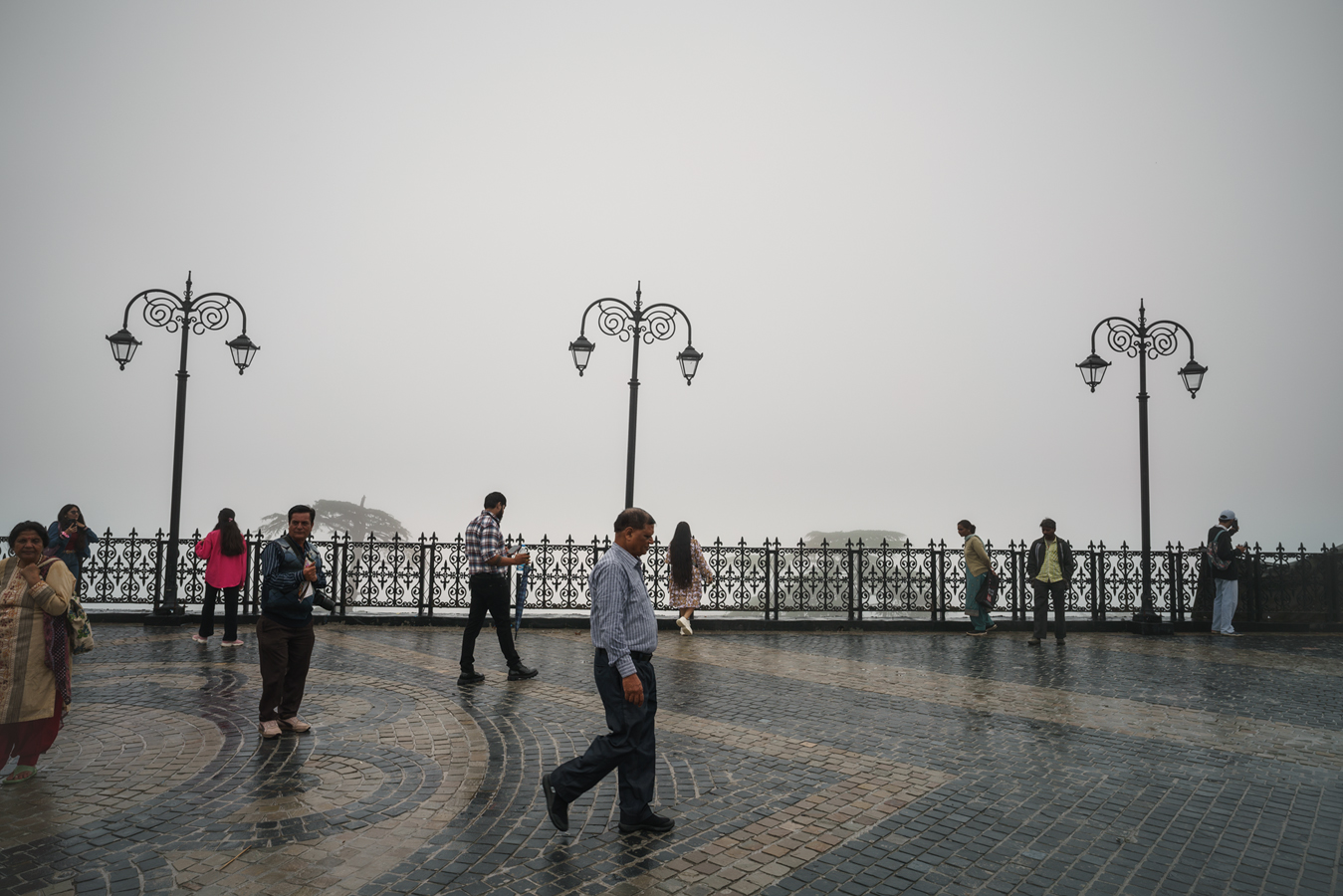
This first one took a lot of post work. I love how the lens handles 'highlight capture' in high contrast natural lighting. Buyers of this lens are going to be very happy with it, I suspect. For a reduced micro-contrast f1.4 lens made for near focus portraiture, it's very good at distance work. (this is down to high resolution triumphing over micro-contrast, as with the early Leica APO Summicrons.) This adaptableness is very important, almost vital in a travel lens, where you don't have the ability to carry several narrow specialty lenses, for prime shooters it's certainly true. Total lens carry weight is a harsh taskmaster, implacable.
I've been testing this out on Leica M11, Nikon Zf and Hasselblad CFV100C.
Despite the hefty bulky look when mounted on Leica, it's surprisingly balanced to handle. It is quite long lens but while it's also lightweight, it keeps the centre of gravity closer to the camera body than the front element (which isn't the case for many fast lenses like some Voigtländer Noktons for example).
When mounted on Nikon Zf, it tends to be more front heavy due the adapter. It looks more balanced on Nikon, but the adapter makes it even more longer and shifts the centre of gravity point just enough to make it feel heavier to handle. Hard to explain..
To my surprise, it actually covers the medium format sensor. It vignettes at the corners, thought. I have to test shoot this more on Hasselblad to see what kind of hassle it will be to remove vignetting from sky in bright scenes (November in Finland isn't ideal season..). Lower corners of the picture are more forgiving while they usually are gradually darker areas in the picture. And I'm not looking to completely remove vignetting as I like it in many situations.
This is a great opportunity to test the focal length on Hasselblad while I have developed a feel of need for XCD 75P for quite a while for now. I've been seriously thinking selling my 45P and some Noktons in exchange for 75P.
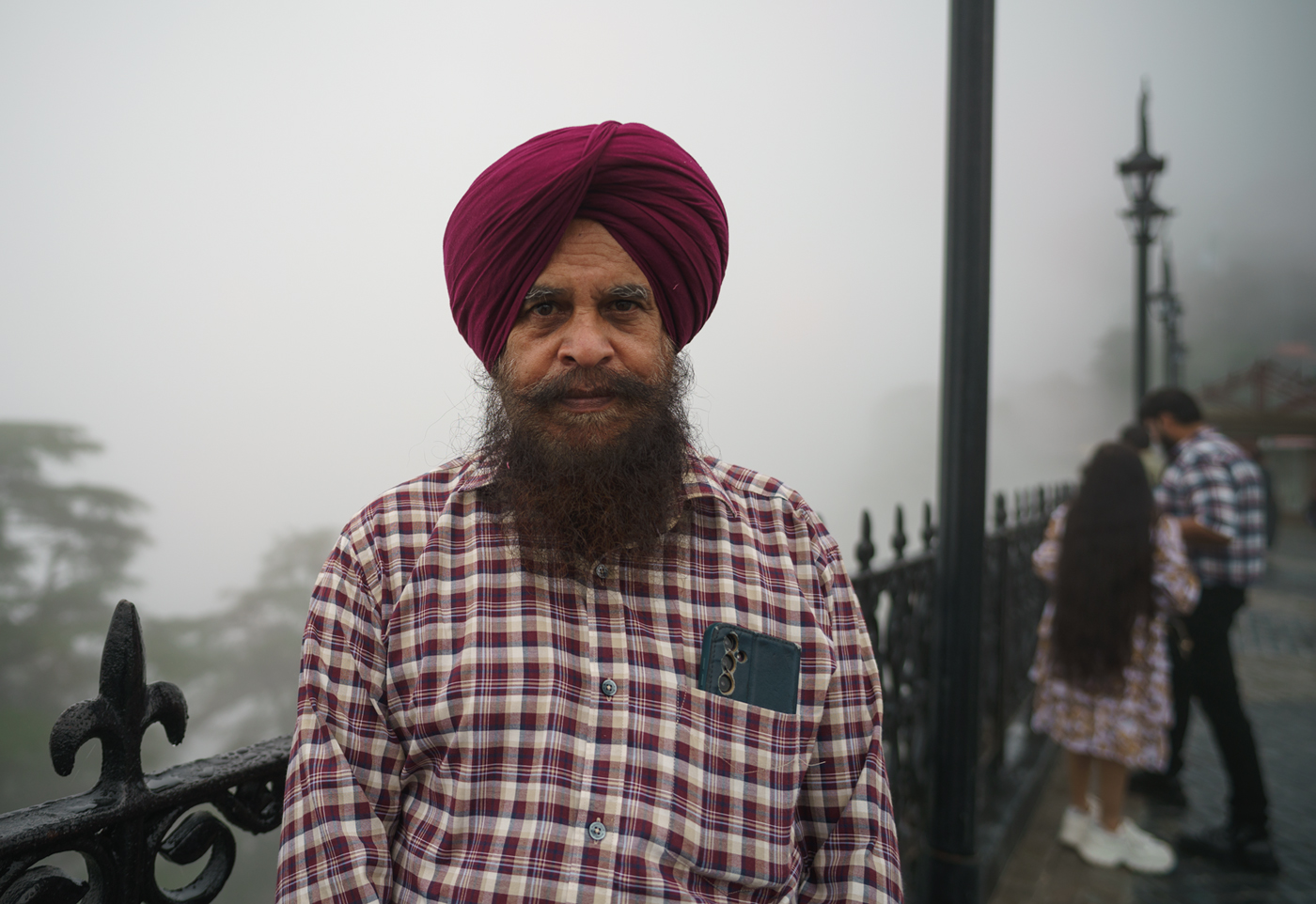
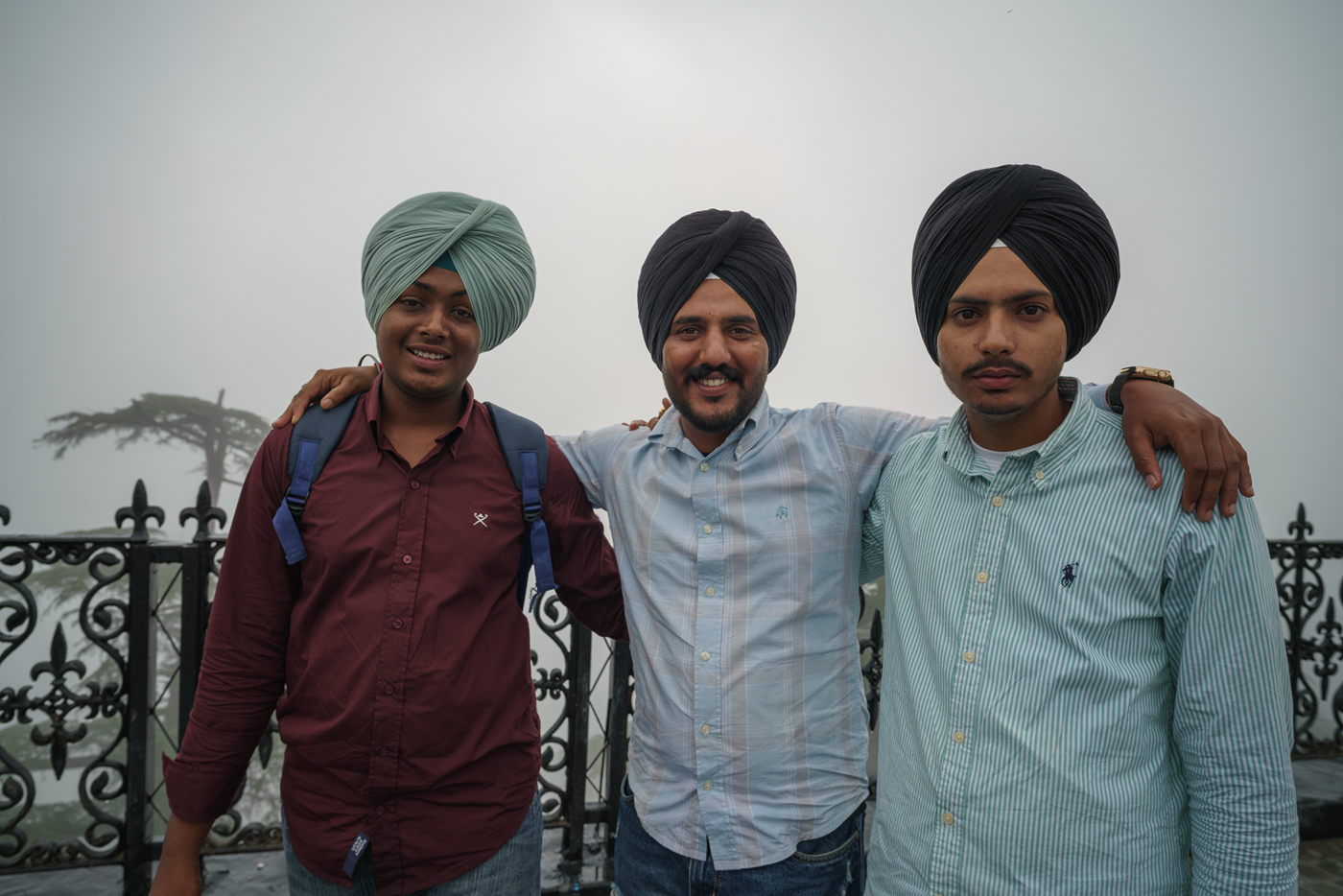
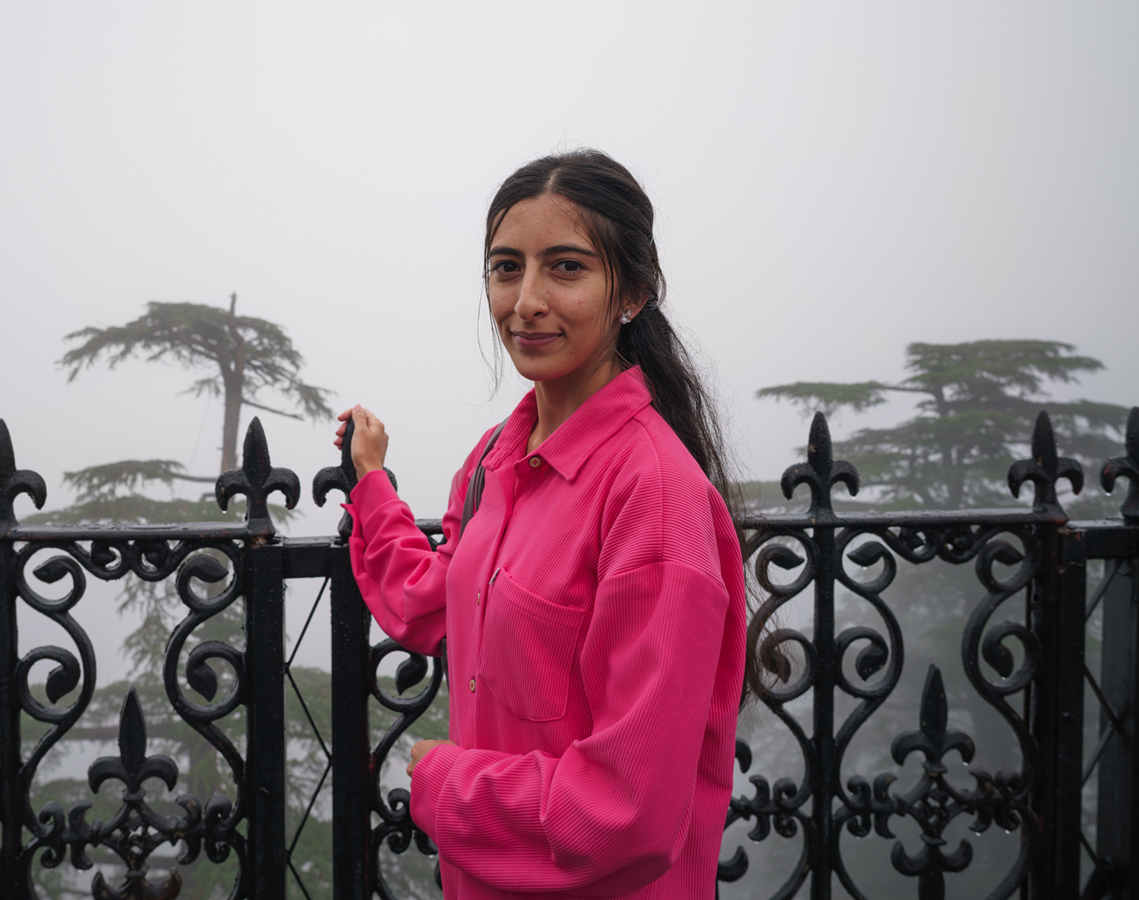
Now regarding the image quality.. It certainly has more modern look but in a way it leans towards more organic than clinical sharpness. When shooting wide open, you can easily where the in-focus area is, but the elements in the picture remain a bit soft. There's still a certain amount of micro-detail and contrast but it isn't by any means tack sharp, "crisp" or highly resolving. And I like that! Reminds me of GF 110mm on GFX system. GF110 wrestles in a complete magnitude of different series, but the overall elements of its rendering are similar to this Simera 75mm. The same 'modern organic' feel to it.
But man, this lens is ugly. I don't like the depth of field scale nor the oversized aperture ring. I'm not a big fan of the font they used for the markings. I'm not sure if I get used to these, but well, it's a nice performer and hopefully fills the spot for this focal length in my camera bag I don't usually like this modern look, but we'll see, we'll see..
Hello all, I am new to the forum though I have read many great lens reviews here in the past;
I recently got interested in finding out if 75mm is an useful focal length for me. Encouraged by the reviews here and elsewhere of the Simera 75mm f1.4, I went and found a good deal and have had the lens for bit over a week now.
Overall I am very impressed by the performance, also the usability is a bit better than with the 28mm f1.4 type 2 that I also have.
I realize that focusing a fast 75m lens is challenging, and for most the most part, if the focus is off, it is only a little bit off; I cannot always see everything perfectly in the EVF (Visoflex 2 on M11) nor is the rangefinder perfect for this kind of fast shallow depth of field lens either. That is okay, I will learn over time.
But every now and then, there is an unexplainable front focusing problem; I thought everything was perfectly lined up, and then afterwards I take a close look at the picture and see that the focus is off by several meters and always to the front in these cases. When this happens it is always with a focusing distance of let's say 10-15 meters or so. Far away or very close, the success ratio is much better.
I don't think this kind of problem can be explained by things like focus shift or rangefinder calibration, it is just so much off. So the most obvious problem is that I am just doing something wrong here, and trying to figure out what it is. I will continue experimenting, too bad it's so dark outside. Maybe over the weekend...
(Oh and I do also check the focus in the EVF.... yet somehow come back with front focused pictures anyway.)
I look forward to using mine every time, but on Sonys. With very pleasing results and in street work, 'good runs' - sequences of tier one images (the hit rate).
You can try aperture settings between f1.4 and f2, that is why Thypoch gave you such a generous gap between the wide settings - for more precision where it matters. And it's assisted by a trouble-free 16-blade iris, meaning you keep the settled image look of the lens at wide open.
You pick up more lens contrast on top of an already strong base, it's easier and many times better than wide open for that little extra DOF and a little de-risk on exact focus and two eyes coverage. It's all very confidence-inspiring, and a nice yet rare addition is the long thin white line you can see in the top YT video shown above. I shoot a lot at dusk and dawn, and it seems to help.
thrice wrote:
Right. I guess it's subjective, I would classify really dark corners with more than 2 stops of intense vignette unacceptable for medium format.
I suppose it depends if a person is looking at as FF+ vs. MF-
A few images to illustrate some issues. #1 shows the graduated focus fade character; #2 shows the way this one handles very busy bokeh amid its focus fade; #3 and #4 shows how it handles slow shutter speeds (1/40s and 1/30s); #5 shows excellent skin tones and color vibrancy. It has displaced my CV 75/1.5 and its rather funereal picture quality entirely.
I love the liveliness the Thy 75mm brings. Interesting too that almost all reviewers, including these two above, make note of the character the lens imparts, without understanding that the lens achieves its design intentions. Thypoch will not etch skin tones. Very few MF portraitists will be disappointed with this one, as it delivers a more cinematic feel than the shorter RF-oriented FLs in the range. It seems to reach deeper into the subject's personality, to then show them in their best light (so to speak).
Replying to myself, I spent ~3 weeks comparing the Thypoch and an Ultron 75mm 1.9 and eventually I concluded, that the Thypoch is simply the better one of these. The difficulty of getting a good focus that I had in the beginning is gone; I suspect it was something as silly as me shooting in freezing cold temperatures (coldest winter in Berlin in 16 years) with thick gloves and fumbling something between focusing and taking the shot, or whatever.
After 3 weeks of shooting these lenses side by side, the Thypoch, while having some idiosyncracies etc., was a more consistent performer across the board. So for me, 75mm case closed, Thypoch Simera stays.
Toni Nikkanen wrote:
Replying to myself, I spent ~3 weeks comparing the Thypoch and an Ultron 75mm 1.9 and eventually I concluded, that the Thypoch is simply the better one of these. The difficulty of getting a good focus that I had in the beginning is gone; I suspect it was something as silly as me shooting in freezing cold temperatures (coldest winter in Berlin in 16 years) with thick gloves and fumbling something between focusing and taking the shot, or whatever.
After 3 weeks of shooting these lenses side by side, the Thypoch, while having some idiosyncracies etc., was a more consistent performer across the board. So for me, 75mm case closed, Thypoch Simera stays.
Now I am also seemingly one of the first european owners of the Ksana 21mm f3.5 lens -- very favorable first impression, but I need a sunny weekend to run it through before any lasting impressions.
I really like this lens. I purchased a used copy off of Buy n Sell. It works flawlessly on mirrorless, but front focuses somewhat significantly at distances over 1m when used on a rangefinder (a recently serviced 0.85x M7 w/ 1.4x diopter/magnifier). Under 1m it appears to be fine...which is odd.
A friend let me borrow his 75mm APO-Summicron and I will say that the Simera compares very favorably at a much more reasonable price (though the size, ergonomics and industrial design of the APO-Summicron are superior).
Tyler by Jim Fischer, on Flickr
Leica M7, Thypoch 75mm f/1.4 Simera, Eastman-5222, Adox XT-3 1:1
Thypoch customer service sent me a video that shows how to remove the shims to deal with my rangefinder front focus issue. As I don't have a digital rangefinder, the process might be a bit cumbersome. I think I have a spare ground glass in one of my junk boxes I can use. We'll see...



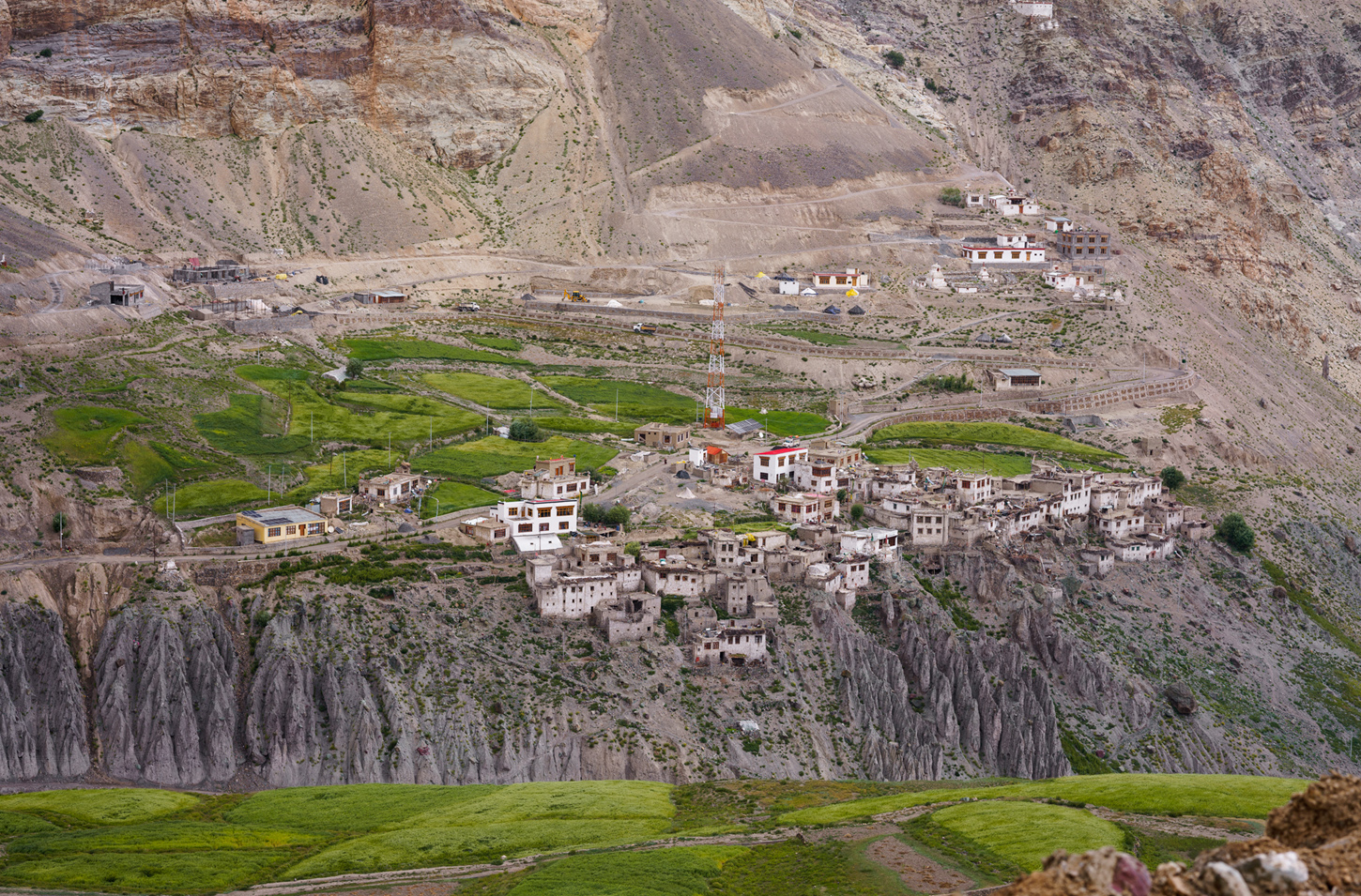
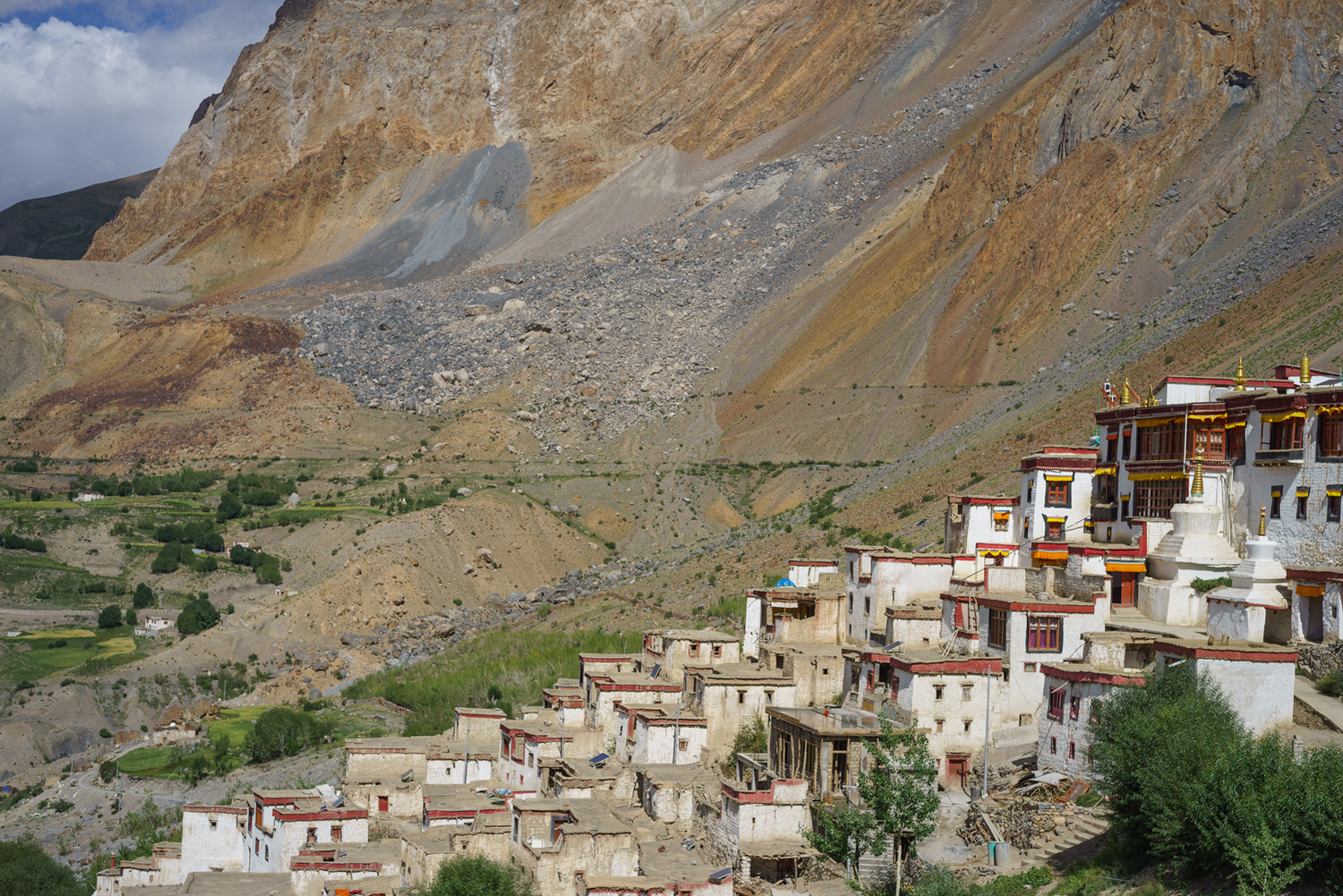
 I don't usually like this modern look, but we'll see, we'll see..