Philip,
These are spectacular! Especially the last ones. Thanks for sharing. I recently added the 75 simera to my fold.
Maybe I'm a little nuts, but I have all three: the summilux, the nocton and this simera. In addition, I repurchased a new copy of the 80 summilux-r which while too heavy is worth it's weight in gold. If only I had some.
Joe D
Your recent photographs with your new Thypoch 28/1.4, 50/1.4, and 75/1.4 are some of the best you've ever taken. I'm really enjoying the portraits you are taking.
(sorry not to reply earlier and thanks for the kind words).
One reason (not often stated) for us keeping up with lenses and looking at new options is that they can make a difference to many of the images we produce. I also have the CV 75/1.5 and it's a lens I have really enjoyed - for what it does best. I'm kind of late to the Chinese makers entry to the market in the surge we see today, they just seemed strangely out of place. How wrong I was.
The CV 75/1.5 - I would have taken it to India had this first Simera 75mm in the country not arrived a day before going. I found I was shooting the CV 75 at f2 and up, and that it did not like harsh light, that is was also (by design) soft and dreamy at short focus distances, where low contrast then made it hard to focus quickly. But lovely color and it's great at mid apertures.
I just like the 'cine look' more than what we might call the 'sophisticated stills lens' look. With all the new lenses it's great to see images from different people shot in different places, as it will help others decide yea or nay for them. I'm not particularly good at this caper, I had a lot of good people to photograph there.
Another thing I want to add is that street work is really helped by lenses that do well at 'near misses' where focus is off a little, this Simera does that well too. It's kind of hard-wired into cine lenses because they are manual focus and we all make errors, slight or greater. I feel 75mm is close to perfect as a street portrait lens, and even then you may want to try f1.7-f2 if having a bad day - the focal plane is very thin at f1.4. But nowhere near as hard as 85mm lenses. The 16 blade iris appears to be helping with the often wild bokeh effects.
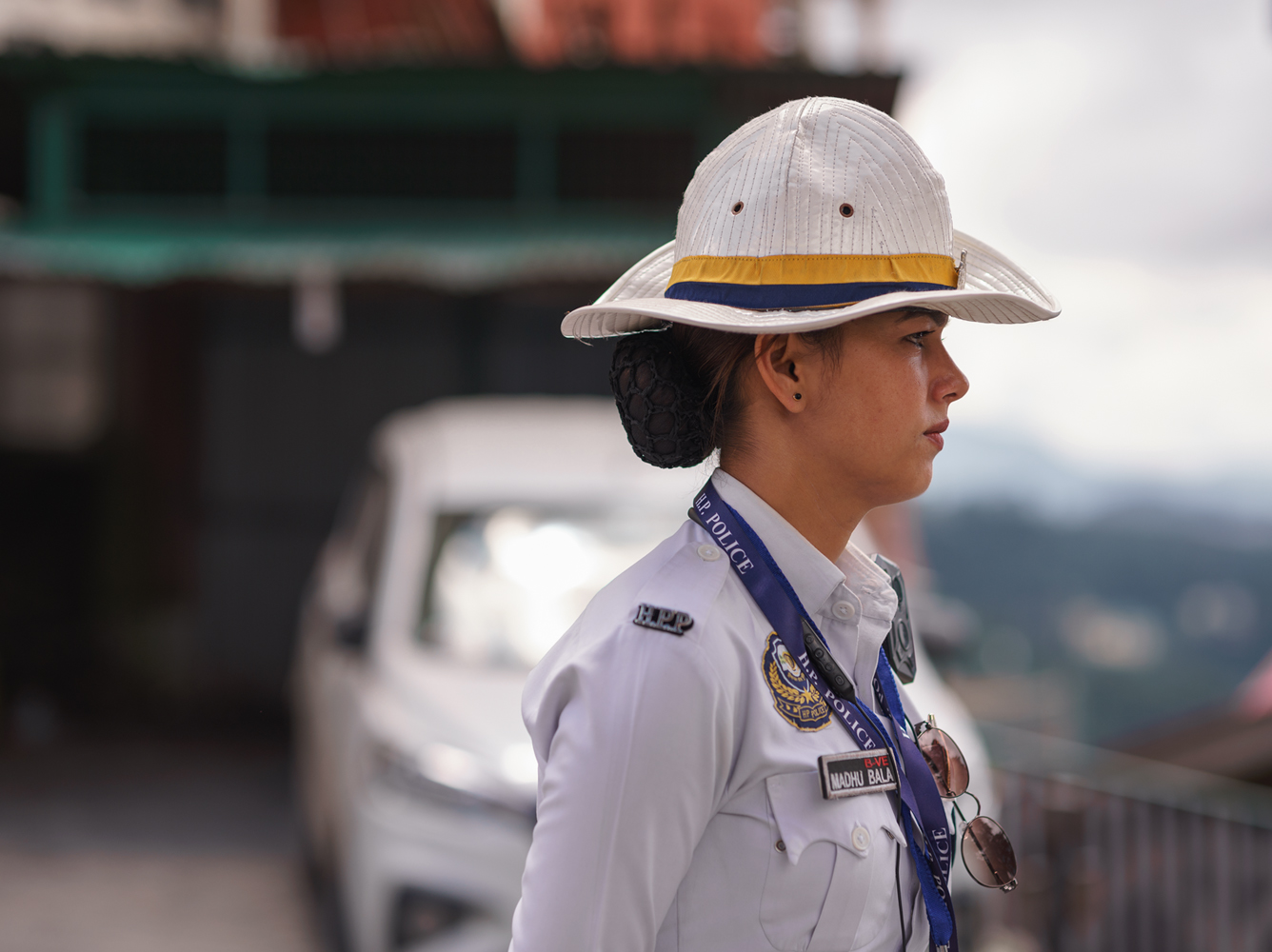
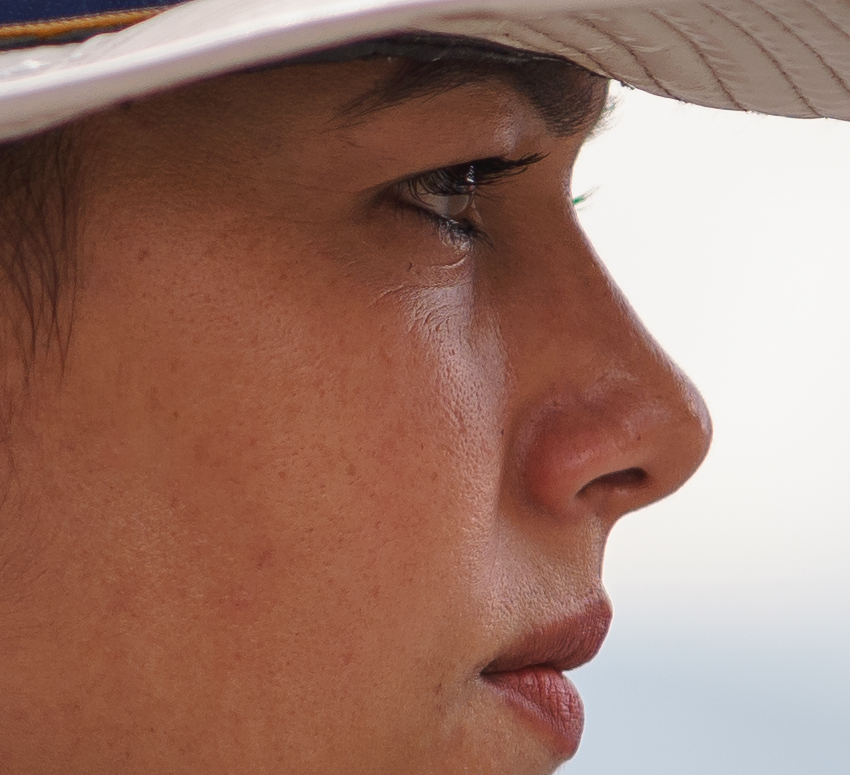
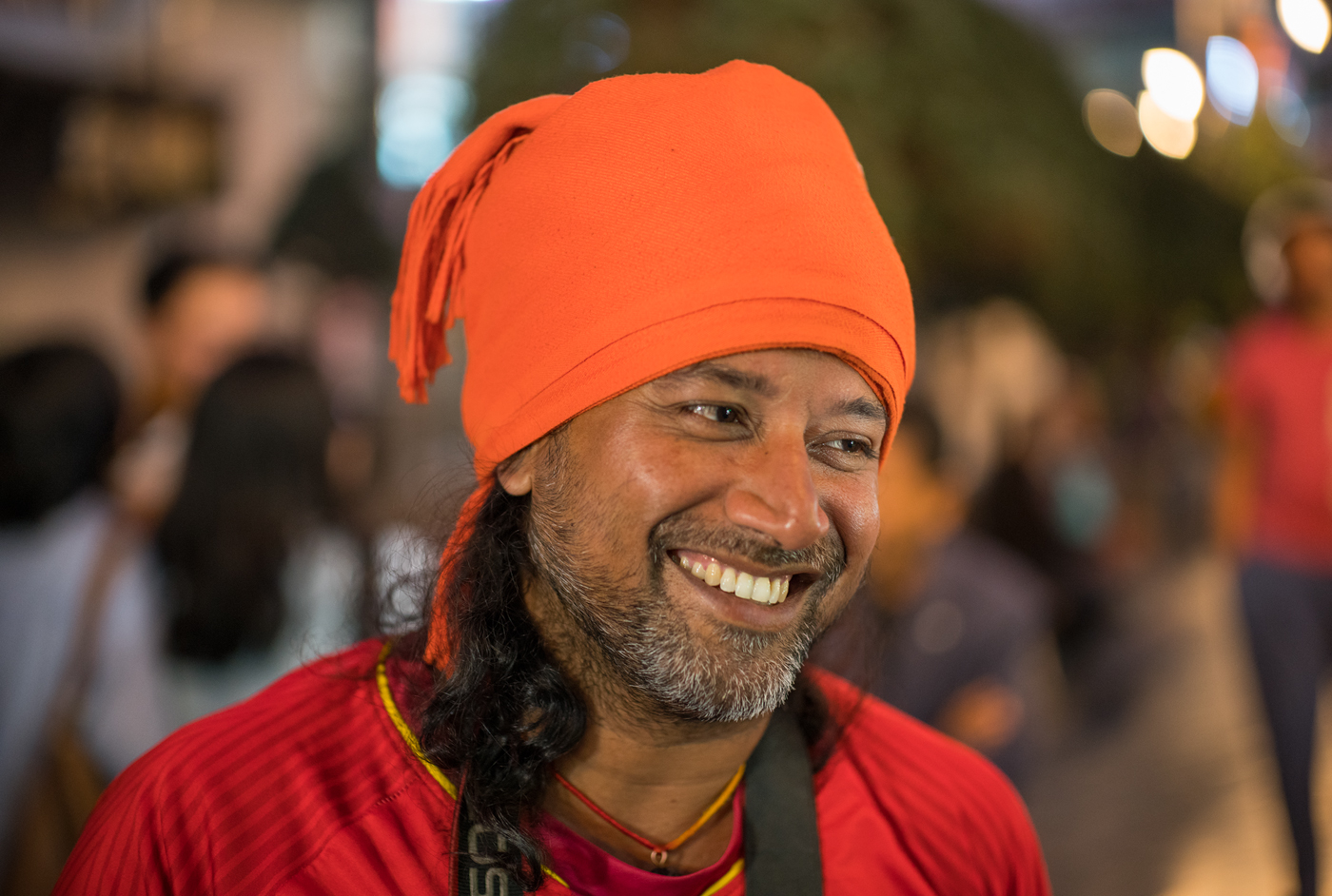
Here are a few from some sweet folks in a cafe. I had more seconds to get them right, so maybe they are more realistic for others to see than many other images made in 2-3 seconds. I wanted to get these right as I will send them copies - most people are using phones and don't see what the better camera lenses deliver. The Simeras just pick up light from everywhere, and that is part of their secret. The color gets overlooked too but it's also very good. I won't say you can't go wrong, but it's harder with them, certainly at short distances.
philip_pj wrote:
Here are a few from some sweet folks in a cafe. I had more seconds to get them right, so maybe they are more realistic for others to see than many other images made in 2-3 seconds. I wanted to get these right as I will send them copies - most people are using phones and don't see what the better camera lenses deliver. The Simeras just pick up light from everywhere, and that is part of their secret. The color gets overlooked too but it's also very good. I won't say you can't go wrong, but it's harder with them, certainly at short distances. ...Show more →
Love these portraits!
I see the 28 is available in e-mount, and that happens to be the one most curious to try initially. Wish lensrentals had it. Anyway, did they mention if the other focal lengths would come in e-mount? Is there an advantage one way or another?
I’m in Paris now on vacation and want to have the Simera 28/1.4 on my A7R5 almost all the time. It’s almost the perfect focal length. It’s become one of my favorite lenses. Pairing it with this Simera 75mm may be my next move.
May 26, 2025 at 04:59 PM
Steve Spencer Offline • • • • • • • Upload & Sell: On
I see the 28 is available in e-mount, and that happens to be the one most curious to try initially. Wish lensrentals had it. Anyway, did they mention if the other focal lengths would come in e-mount? Is there an advantage one way or another?
Amos
They still have not announced the 50 or the 75 f/1.4 for Sony E mount. It is not clear if they will. The Leica M mount versions do show some decreased performance on unmodified Sony E mount cameras (although the 75 only show a small amount of decreased performance). It would be nice if these were made with a Sony E mount and the formula was adjusted for the thicker cover glass of the Sony camera, but we don't know if Thypoch will do that. It would be better yet, if they were made with electrical contacts for Sony E mount (and other mounts as well) and were adjusted for the thicker cover glass.
I have the Sony E mount version of the adapter and it works well
From what I've read, it allows you to match the aperture in-camera an on the lens. But does it still have the bug(?) that it can't record apertures smaller than f/5.6?
Sep 12, 2025 at 07:18 AM
Steve Spencer Offline • • • • • • • Upload & Sell: On
Egg Salad wrote:
From what I've read, it allows you to match the aperture in-camera an on the lens. But does it still have the bug(?) that it can't record apertures smaller than f/5.6?
I don't know, I don't try to match the aperture in-camera with the EXIF data. I just use it to designate the focal length, so that IBIS works properly.
Sigh...me again. Can anyone tell me how its rendering compares to the Sigma 85/1.4 DG DN?
I just remembered that I'm stupid and just sold the Sigma because I wasn't using it that much. It is a solid performer but I somehow found it uninspiring (contrary to the 135/1.8). Is this 75/1.4 different?
It will present very different images, you can get a pretty fair idea of the Sim 75/1.4 from this thread. The Sigma strikes me as a very competent AF event lens, a typical modern optic with 15/11 elements/groups and lots of (image flattening) ED glass. Their rendering model runs counter to the deep cinematic look the Simeras are targeting with these rangefinder-based enthusiast lenses.
Big differences in specs too: MFD 0.6m vs 0.85m; 16 blades vs 11 blades; 370g weight vs 625g; 58mm filters vs 77mm. The Simera lenses require no profiles - distortion and (very low) CA are optically corrected.
Sigma are an example of a lens maker of rapid focus-fade and high volume blur field lenses. This is the modern short telephoto look, where soft, billowy bokeh serves primarily to isolate the subject. On the other hand, the design of 3D lenses (like the Simeras) aim for linear fade with still visible background motifs. As Art Adams points out:
‘We use the word ‘bokeh’ to describe the out-of-focus part of the image, and *it’s just as important to design that look as it is to design the look at the point of focus*, because the background sets the stage for everything that happens in front of it.’ (Art Adams, ARRI product specialist)
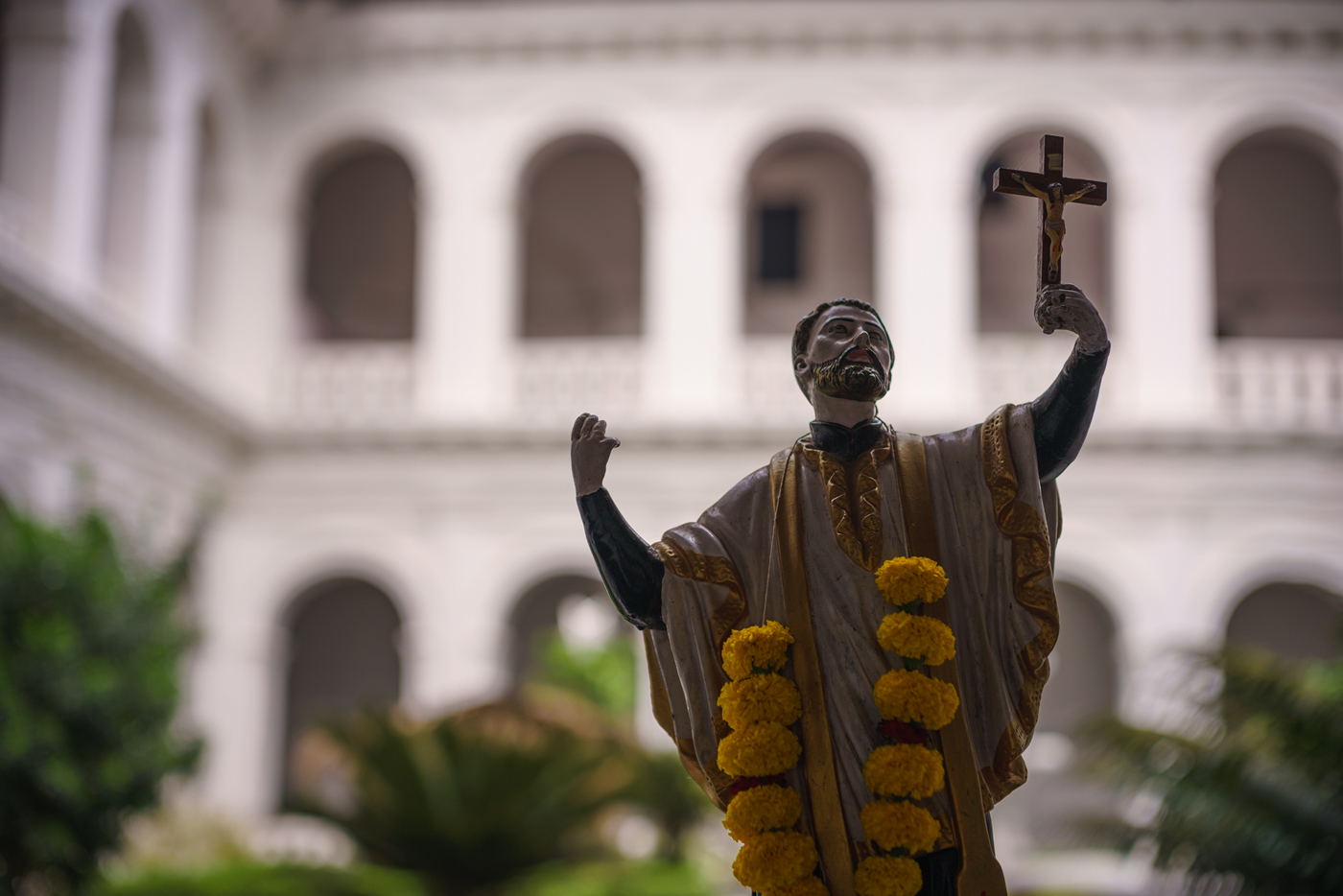
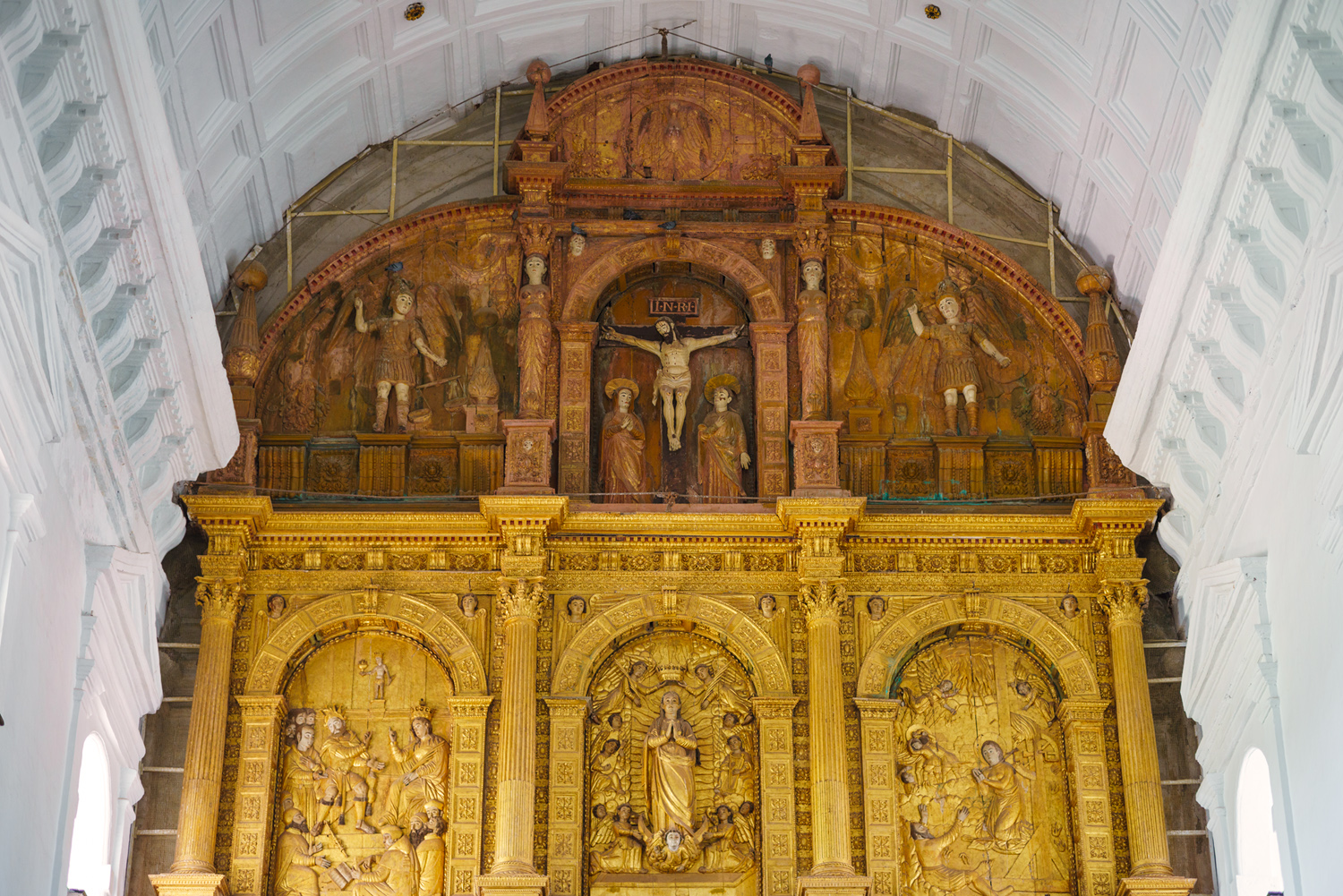
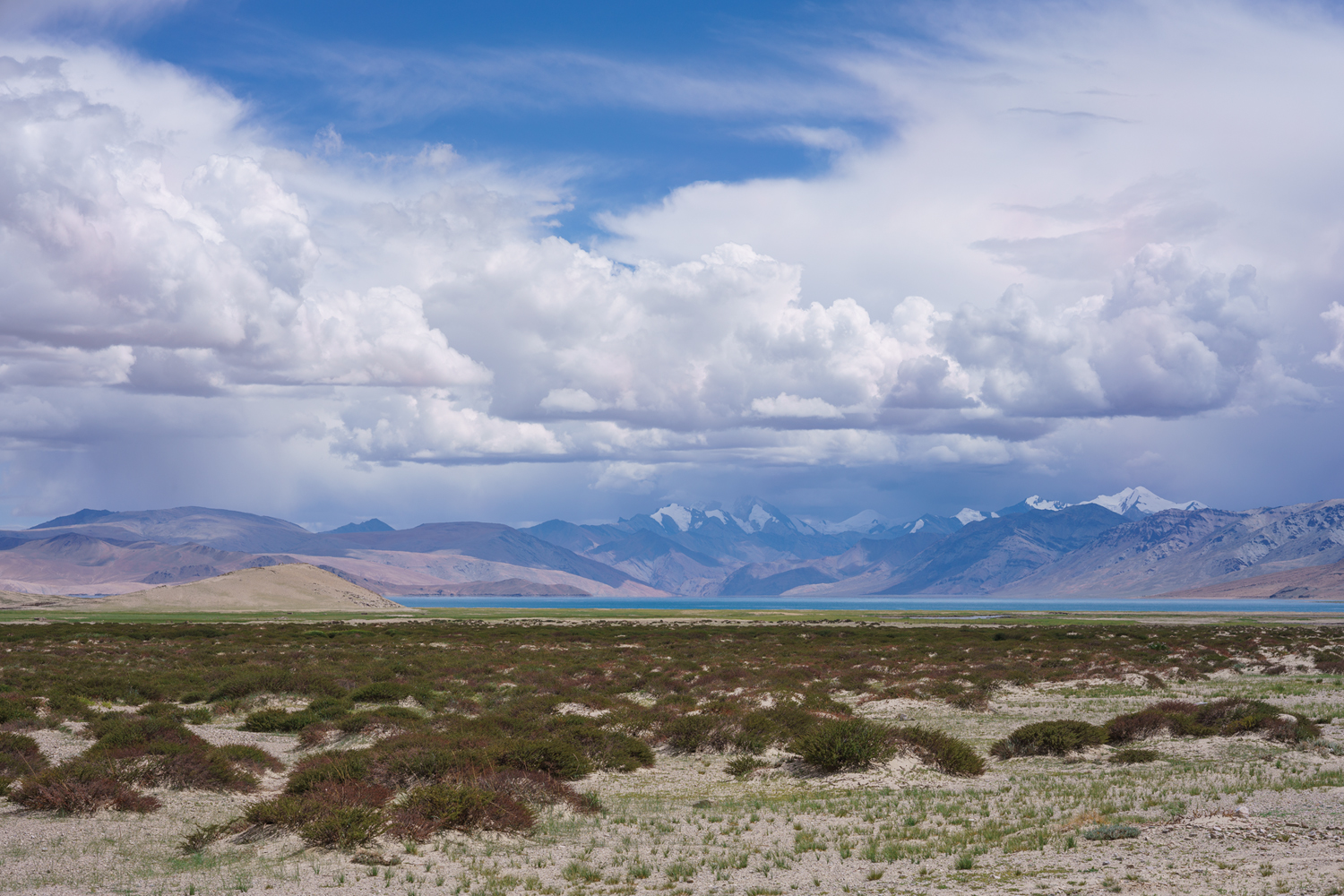
Recent landscape maybe helps show this Simera lens's drawing style. It has more of the look of DZO's cine lenses than much else of a well-specced 9/8 at 75mm. We can expect Thypoch's range style to 'drift' over time, if they establish themselves - which seems likely. The 21mm was based closely on Cosina's 21/1.4, and the 50/1.4 is an improved Summilux. I don't know the design source of this 9/8 75mm lens. I feel they have been most influenced by the edge-of-spectrum cine lenses like Leitz's Thalia and some ARRI attributes, plus Leica/Zeiss/Cooke. They probably always intended these lenses for the C-Simera sister range of light cine lenses.
They want well-balanced lenses that produce a naturalistic look, no lens artefacts, just high detail and moderate-high contrast, smooth edges (lower micro-contrast but high resolution) with more identifiable image motifs in the bokeh.
They handle highlights really well with the Chinese industry's HRI glasses. It's pretty special stuff, basically no CA and surrreal halo'd aureoles in the bokeh. I use one for street portraits at f2 or so for better accuracy (not better performance), but was pleasantly surprised to see it perform for high altitude landscapes and cityscapes. (This one is at 4500m. The snowstorms and far peaks are at the India-Tibet border.)
It's a dedicated portrait lens made for the emerging light cine market, the optics are identical to the Simera-C range, down to the 16-blade aperture. I have used such lenses for over a decade, many don't do so well in these more documentary applications, where the lens just has to deliver the scene rather than inject its own whatever.
So the post was for the inquirer to see more than people images, as an input to the question about rendering. And you never know, some others may be interested too. Having a fast sub-400g lens that 'does it all' is very welcome for discerning travel photographers. The 50/1.4 of the range is even more impressive for landscapes/nature, perhaps the best 50mm I've used. HRI glass, which implies a certain substance no longer used by most lens producers.
Has anyone tried the cinema one for sony e-mount? 75mm T1.5, just thinking about the focus throw being more useful for people shots, getting the focus on the eye. Wanting to try it for waist up portraits.
I wouldn't mind using the non-cinema on Sony, or the lighter CV (VM) nokton 1.5 on Sony, but both have short throws from what I've read.
Would you say you get a good hitrate with it? I get a decent one with the nokton 50mm1.2 SE but seen a few more complaints about the 75s.
Also wondering if I can get away with the voigtlander 40/50 1.2 noktons in crop mode. Want a little less skin details out of camera and think the nokton 75mmf1.5 probably won't help with that.
Have any of you used the 7Artisans 75/1.4? I've got one on the way (prime day impulse buy), it was too cheap to not try. The little bit I've seen from it looks encouraging, and I've generally liked the other 7A glass I've used.
I've used the VM 75/1.5 on Sony cameras, but never did it justice shooting wide open. 75s are never easy shot at f1.4, for the street niche in any case. The Simera 75/1.4 is a very different lens, and even there I often use f1.7-f2 to get more DOF and a small gain in lens contrast.
Focus throw is so personal. Zeiss's new 85mm is 260 degrees or so, it's a 'two hander'. I much prefer 120-140 degrees, every millisecond is precious! It's hard to go wrong so best advice is to look at many images from both lenses if you go for a 75mm.
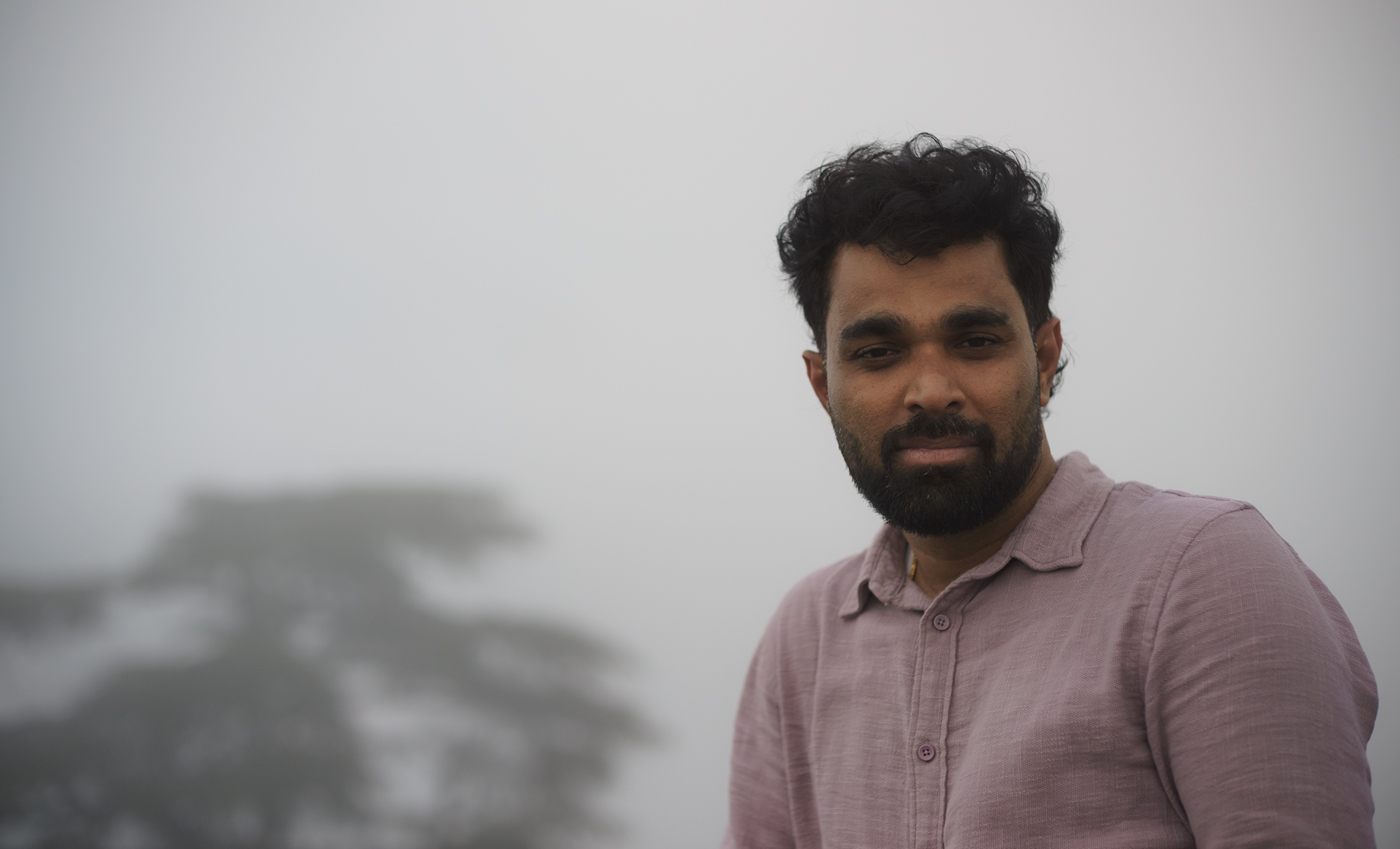
My hit rate is pretty good with the Simera, much the same as for a 50mm, but I work very hard at it, never have enough time - the street shooter's curse. Here are a couple for you to give you an idea of bokeh, skin treatment and 'presence':