Congratulations to cth55 for winning Feature Thread of the Week with 6 votes - View Previous Winners
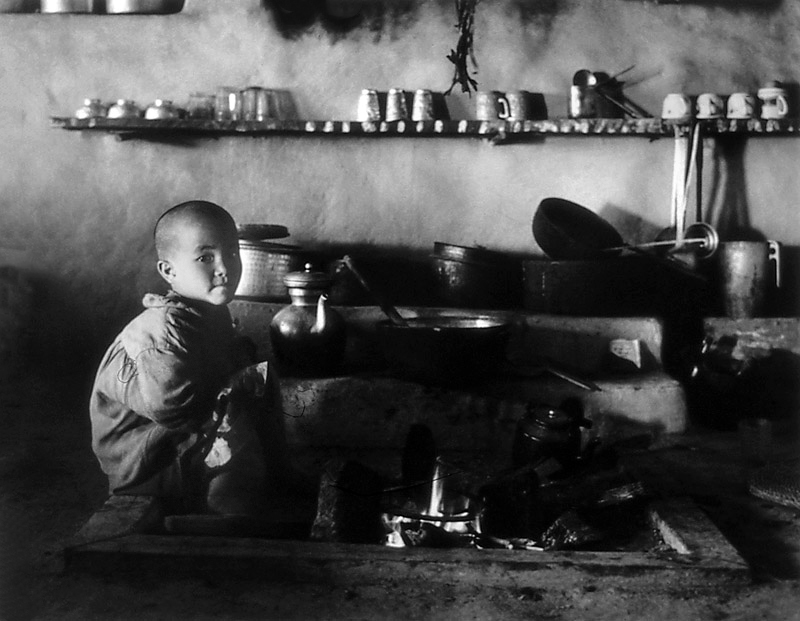
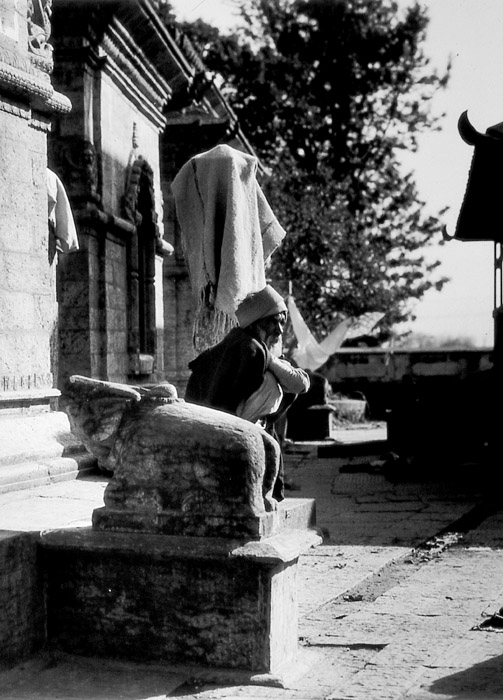
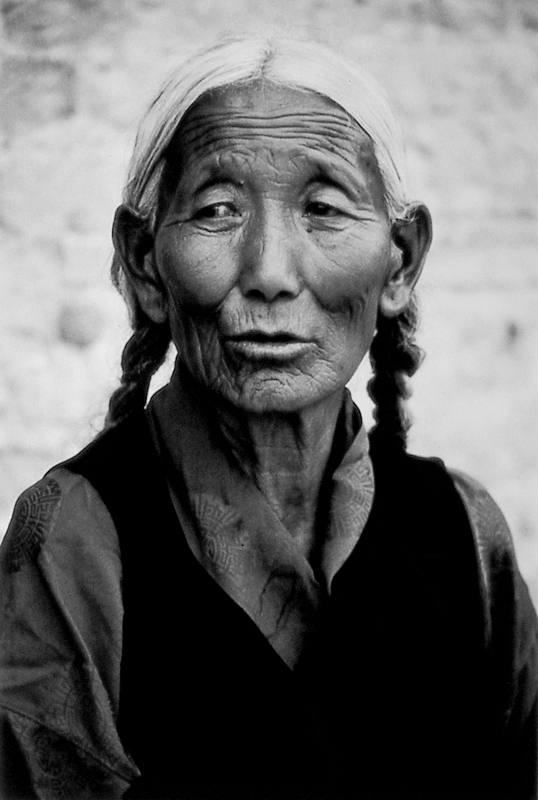
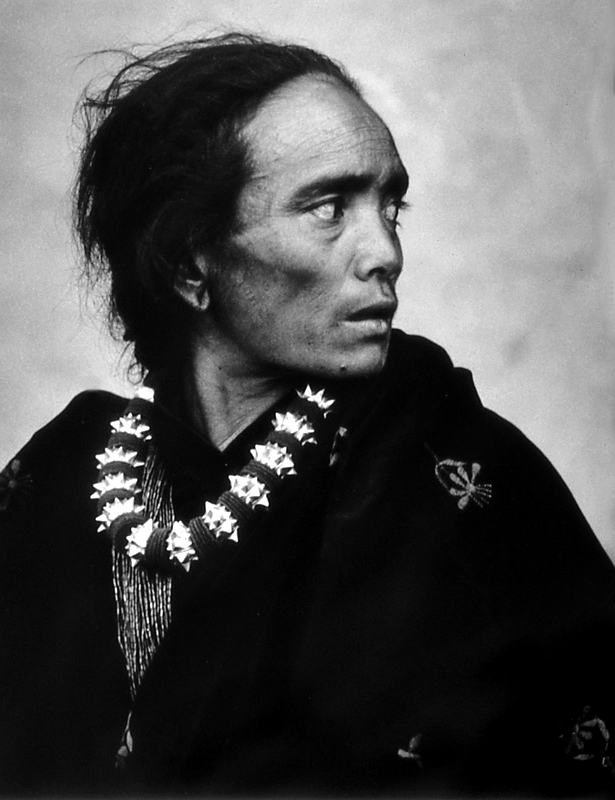
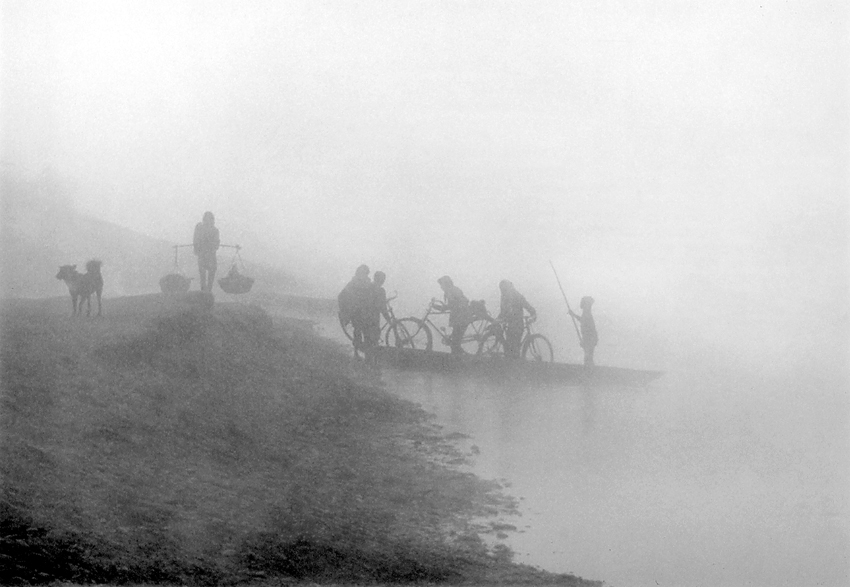
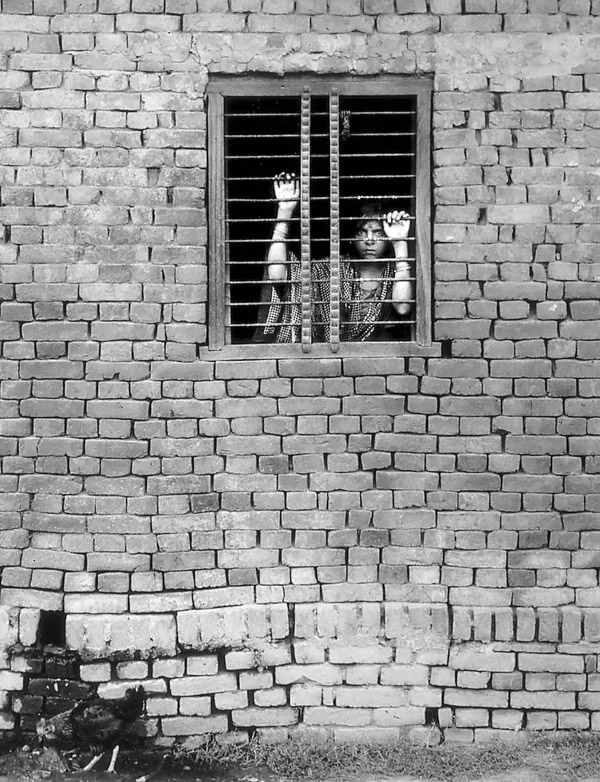
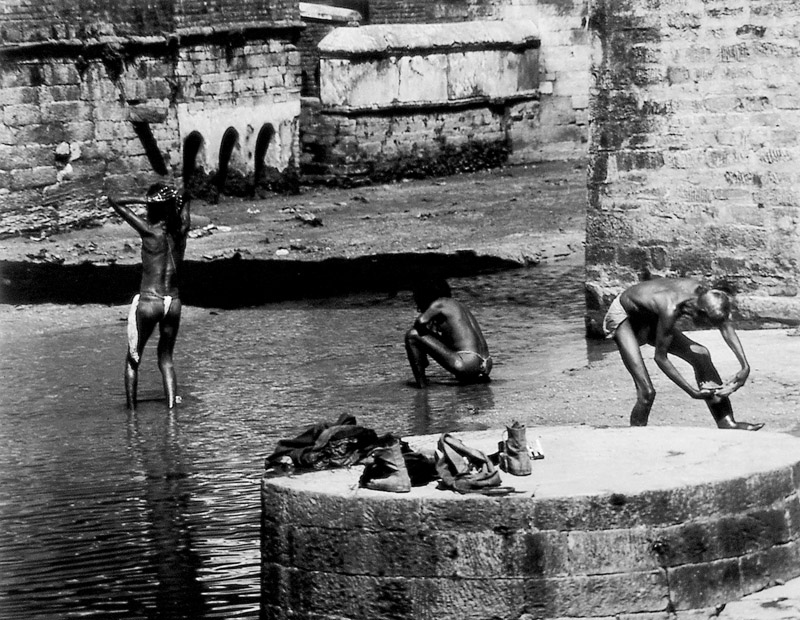
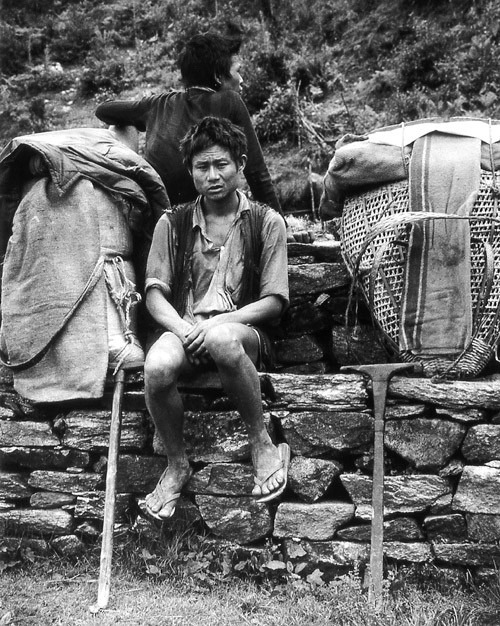
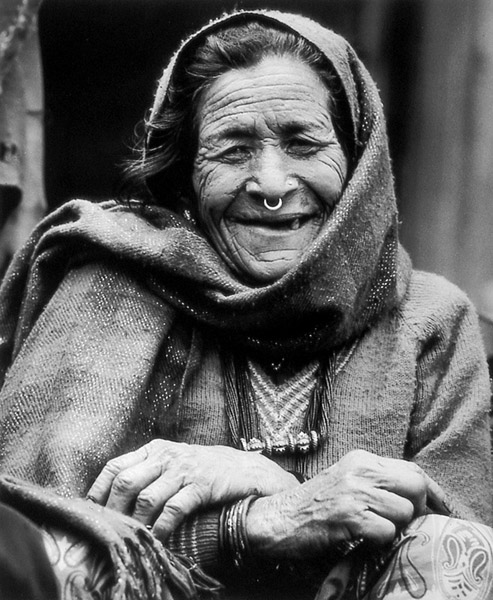
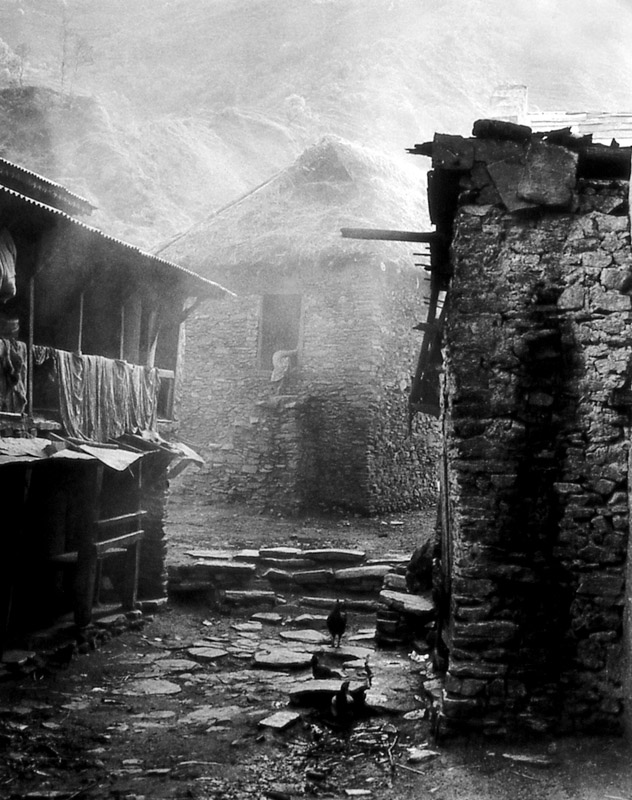
These images are a part of my print portfolio from the '80s. All were originally taken with a medium format film camera -- either the Pentax 67 or Bronica SIIA -- using Pan-X or Tri-X. I digitized the prints by photographing them with slide film and then scanning the slides. I haven't had access to a darkroom since 1995 and have a backlog of old negatives I never got worked through. Perhaps I will start scanning negatives and see how it goes. Enjoy these and I'll post another couple of sets at a later date.
These are exceptional compositions Chris! Extremely well done both in the original composition and the move to digital!!!
The tones are wonderful! Nice and crisp! Contrast excellent!
Yes lets see more!!
Thanks!
Dan
Very well done. Exceptional tones that create a lovely and deeply organic atmosphere. Makes me wonder whether digital photos can ever achieve the level of character of these classical films. I have tried some of the colour to b&w conversion software on my digital images, and they still fall short of such results.
Charles, I agree with you. I haven't seen a B&W print that can compare with film. Perhaps someday I'll get back into the darkroom. Digital, however, has come a long way and it's certainly more convenient.
charley5 wrote:
Very well done. Exceptional tones that create a lovely and deeply organic atmosphere. Makes me wonder whether digital photos can ever achieve the level of character of these classical films. I have tried some of the colour to b&w conversion software on my digital images, and they still fall short of such results.
-Charles
---------------------------------------------
cth55 wrote:
Dan, I'll post some more next week.
Charles, I agree with you. I haven't seen a B&W print that can compare with film. Perhaps someday I'll get back into the darkroom. Digital, however, has come a long way and it's certainly more convenient.
If you have the NIK Collection....Have either of you tried the DXO Nik Collection Analog Film templates?
I have the Nik Collection..I have NOT tried the "film type" templates.
If you have the NIK Collection....Have either of you tried the DXO Nik Collection Analog Film templates?
I have the Nik Collection..I have NOT tried the "film type" templates.
I will try them and let you know...
Dan
I have the NIK Collection, but have only seen color film simulations. It could be that I missed such options. I'll check again...
If you have the NIK Collection....Have either of you tried the DXO Nik Collection Analog Film templates?
I have the Nik Collection..I have NOT tried the "film type" templates.
Dan, I downloaded the NIK collection trial version and did a rapid test simulating Pan-X. I'll post two images. One is a standard B&W conversion, and the other is with the NIK plug-in Pan-X simulation. I did the NIK processing independently from a full-resolution TIFF file of the B&W conversion. There may be better ways to proceed, which I can figure out later. Here are the two images:
This is the regular conversion as I posted in a previous thread
charley5 wrote:
I have the NIK Collection, but have only seen color film simulations. It could be that I missed such options. I'll check again...
-Charles
Charles I have NOT really looked at what film simulations Analog EFX has. So I may be mistaken about any b&w.....JUst thought I would pass that on to members...Hope it does have B&W simulations.
Dan
Somehow I missed your reply Charles. Facial color on a non white person can be difficult but your image is excellent like Derek stated. But I think the Nik is also very very good for a plug in!
Dan
cth55 wrote:
Dan, I downloaded the NIK collection trial version and did a rapid test simulating Pan-X. I'll post two images. One is a standard B&W conversion, and the other is with the NIK plug-in Pan-X simulation. I did the NIK processing independently from a full-resolution TIFF file of the B&W conversion. There may be better ways to proceed, which I can figure out later. Here are the two images:
Excellent and instructive comparison. The simulated film image lacks the dynamic range of the original, and some crispness of detail. Obviously, the original is preferable, but I think the simulation is acceptable. All in all, there is just a special, more organic feel to the original.