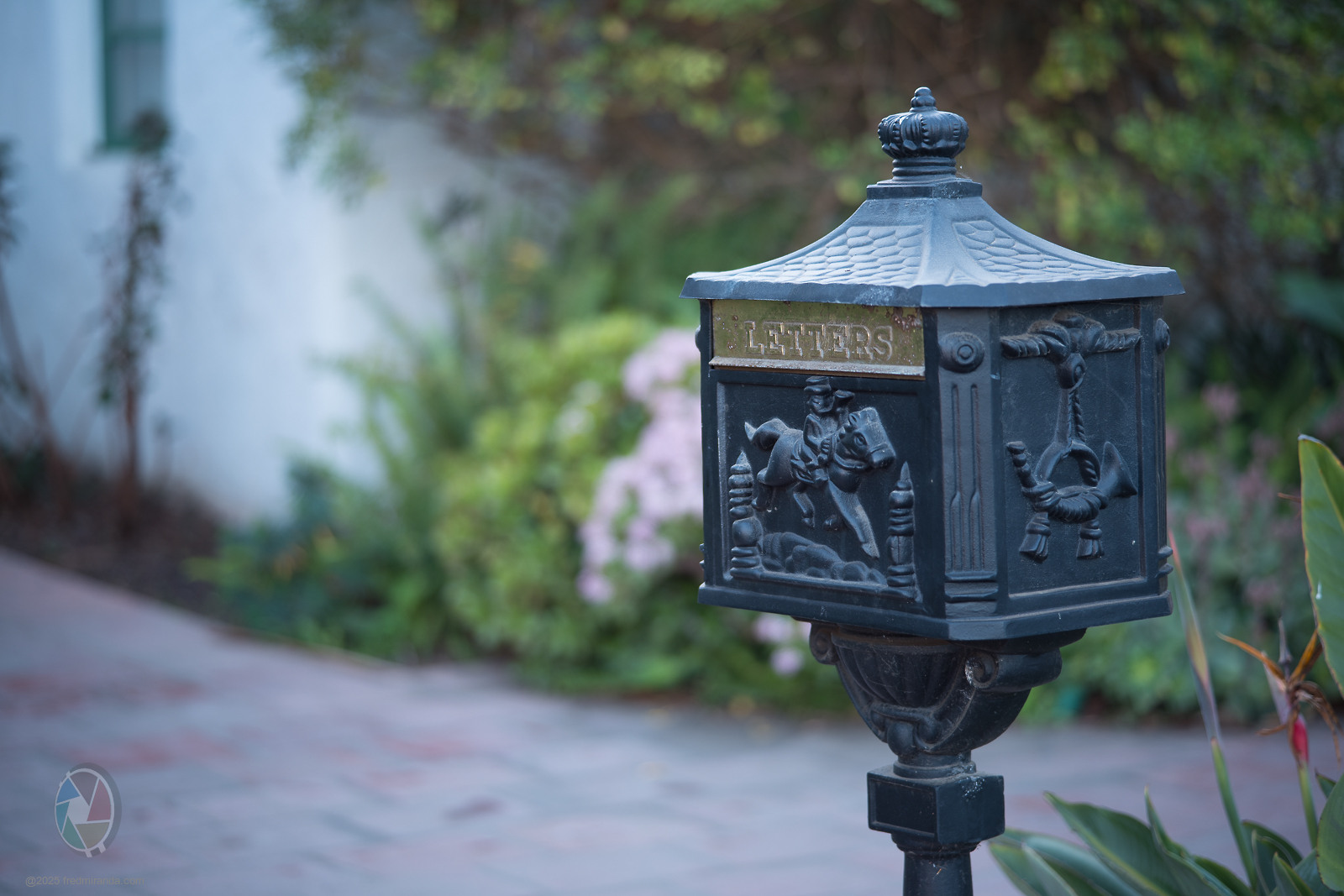
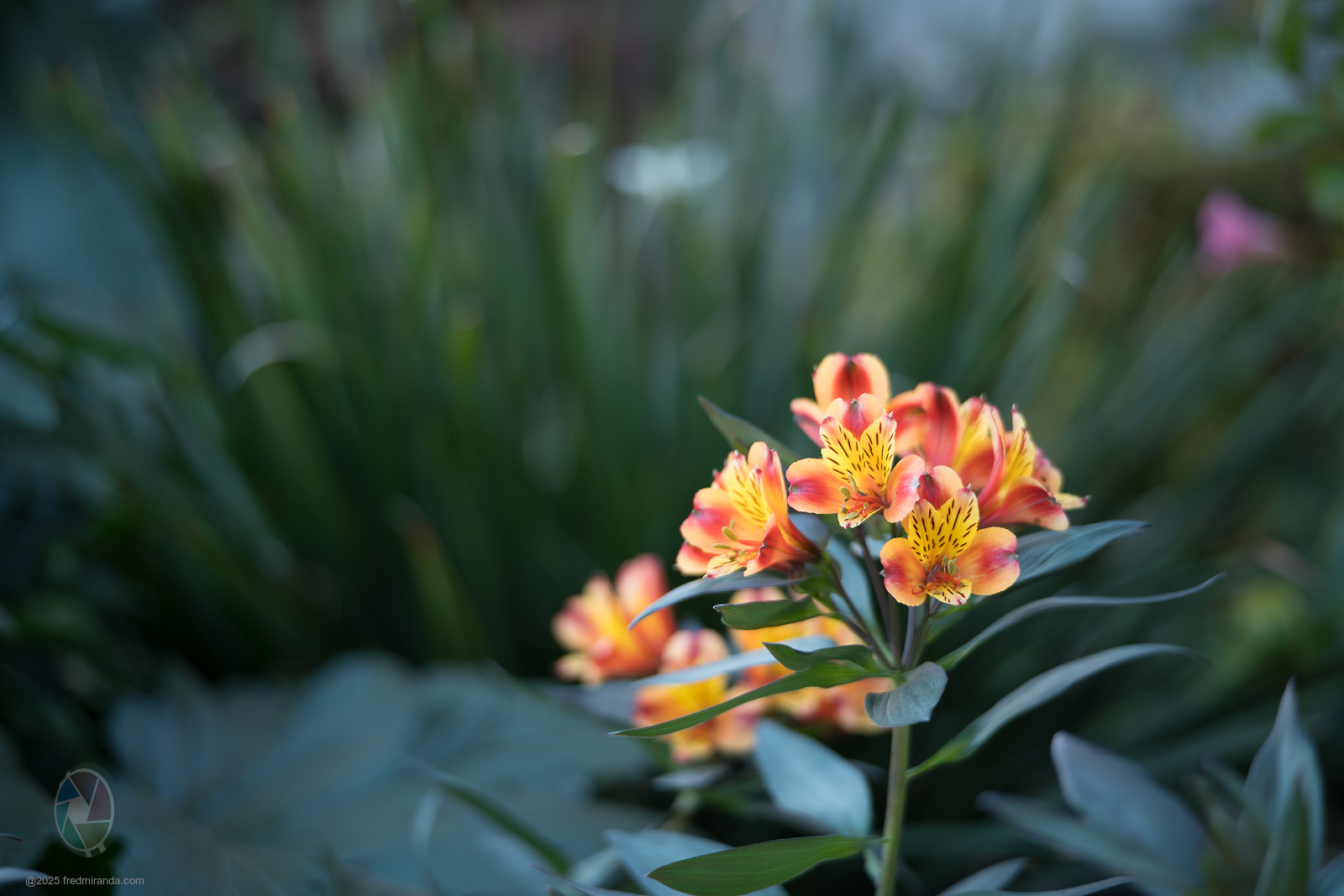
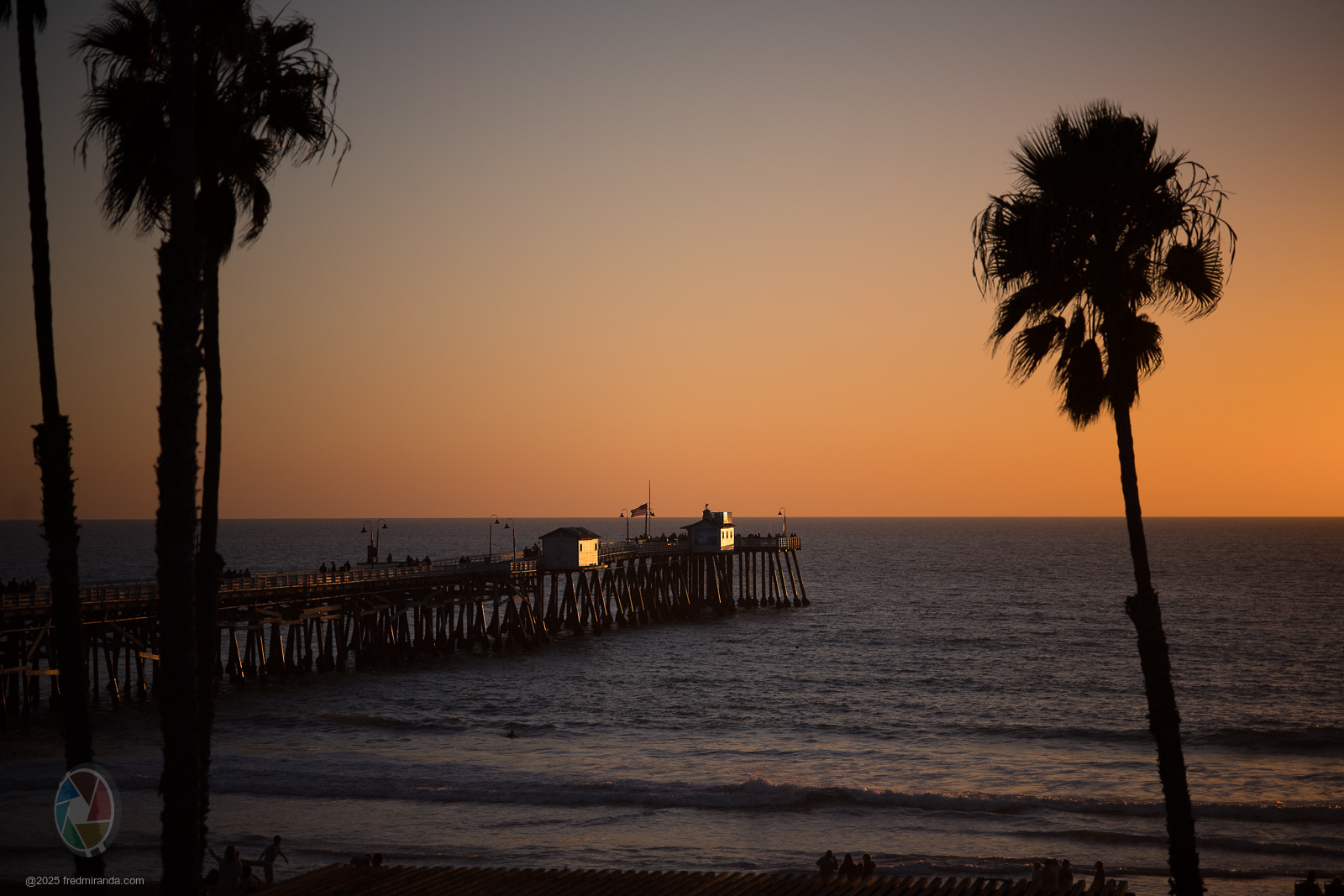
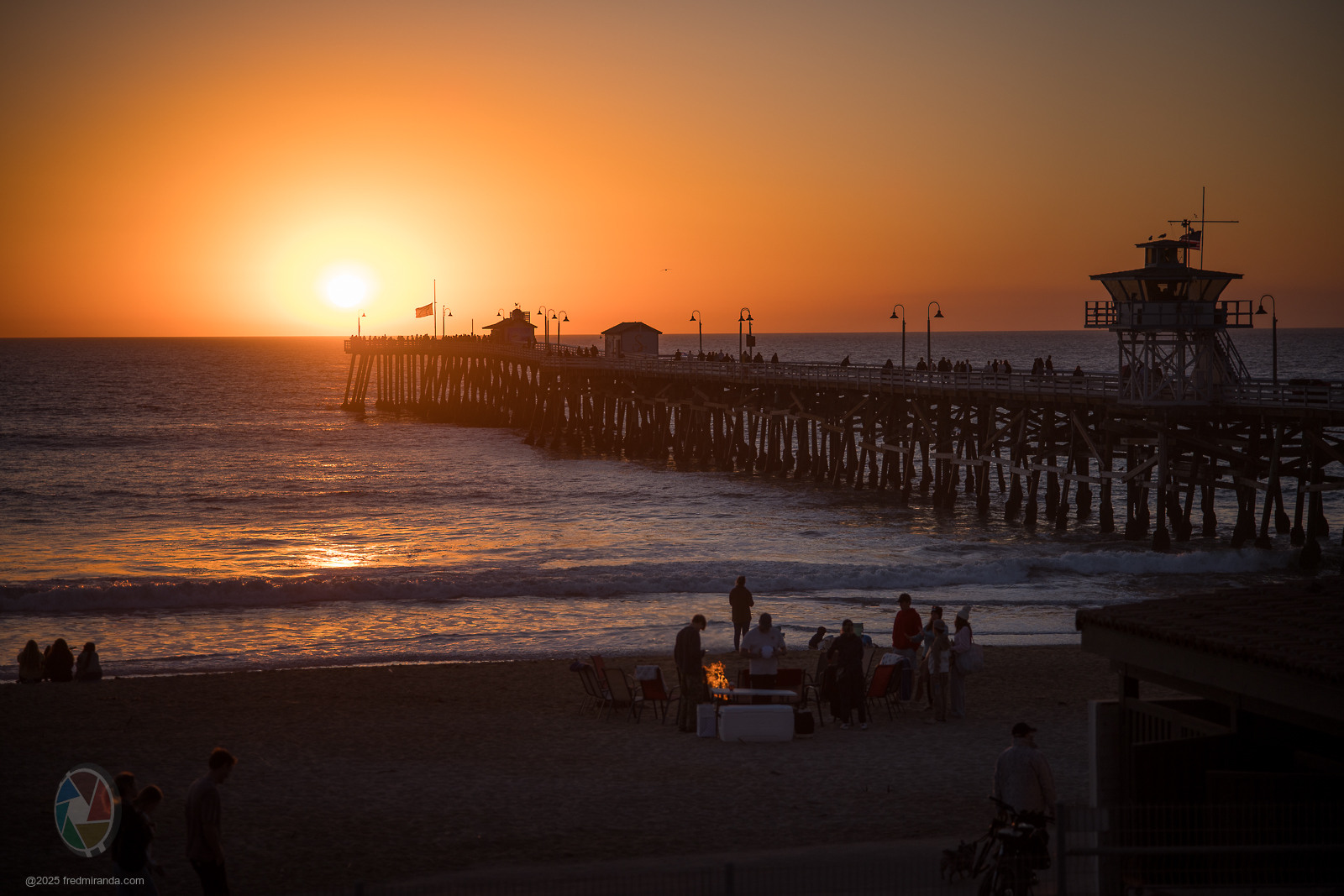
The Voigtlander 90mm f/2 APO-Ultron stands out as Cosina's best telephoto lens to date. While Cosina has previously produced good 90mm APO lenses, such as the 90mm f/2.8 APO-Skopar, I found that the real-world performance didn’t always match the impressive optical design and special glass. The new Voigtlander 90mm f/2 APO-Ultron, however, offers significant improvements, vastly surpassing the f/2.8 Skopar version and even competing with the Leica APO-Summicron 90mm f/2 ASPH. In fact, it performs better at both wide and smaller apertures, where the Leica has traditionally excelled, offering higher resolution, better contrast, and stronger flare resistance.
The Leica, an older design, was ahead of its time but lacks the modern multi-coating and special glass formulas found in newer lenses like the Voigtlander. Despite this, the Leica still delivers high resolution images with a certain charm and less clinical rendering compared to the Voigtlander.
The Voigtlander 90mm f/2 APO-Ultron also brings several advantages: it creates well-defined sunstars, maintains a more neutral field curvature, eliminates detectable focus shift, and performs well at minimal focus distance, even at wide apertures. It is also excellently corrected for axial CA, which can be a key benefit for certain types of shooting.
On the other hand, the Leica APO-Summicron 90mm f/2 ASPH. shows slightly lower distortion and less optical vignetting, resulting in a more pleasing off-axis rendering.
If you’re in the market for a high-performance 90mm telephoto lens with strong correction, the Voigtlander 90mm f/2 APO-Ultron offers excellent performance. While it’s marketed as a portrait lens by Cosina, it may not be the best choice for portraits unless your subjects have flawless skin.
Pros:
Compact and lightweight (339g) for a 90mm f/2 lens.
Lens does not block the 90mm framelines at most distances.
High resolution and contrast across the entire image field, even when wide open.
Strong performance at minimal focus distance.
Well-built with tight tolerances; my copy was properly centered and calibrated with the rangefinder. (I will test another production copy and report back)
Aperture mechanism creates defined 12-pointed sunstars from f/2.8 onwards, optimal after f/4.
No detectable focus shift.
Neutral field curvature from close distance to infinity.
Pleasant rendering with high contrast subjects and smooth transitions.
Excellent resistance to ghosting and veiling flare.
Strong chromatic aberration control.
Cons:
Noticeable pincushion distortion, although easily correctable.
Relatively long 0.9m minimum focus distance.
Higher optical vignetting compared to some other 90mm f/2 lenses.
As of today, I am a happy owner of the Apo Ultron VM 90mm in silver/chrome. I liked the silver version better. It looks great on the black M10r. The first results are very promising so far and I will test it extensively against the Leica M Apo 90mm in the next few days. I will also use the Lumix S1R for this. Unfortunately, I can't upload any photos here.
Ysol wrote:
As of today, I am a happy owner of the Apo Ultron VM 90mm in silver/chrome. I liked the silver version better. It looks great on the black M10r. The first results are very promising so far and I will test it extensively against the Leica M Apo 90mm in the next few days. I will also use the Lumix S1R for this. Unfortunately, I can't upload any photos here.
I really like the look of chrome lenses on a black M. Could you share a quick photo of it mounted on the body?
It looks like they're the same weight so I'd assume that both are anodized aluminum and not actually chrome plated. Just saying in case someone expects a chromed brass lens as that doesn't look to be the case.
pinewood wrote:
It looks like they're the same weight so I'd assume that both are anodized aluminum and not actually chrome plated. Just saying in case someone expects a chromed brass lens as that doesn't look to be the case.
Adamwilbert wrote:
Fred I saw your comment about this being maybe too sharp for portraits.
Would the 2.8 be a better choice for shooting people?
I would say both lenses perform similarly in this regard, as they are both well-corrected. The Voigtlander 90mm f/2.8 APO-Skopar delivers excellent center performance but isn't as strong off-axis compared to the Ultron, which also offers greater subject separation (blur) when shot wide open.
For portraits, many photographers appreciate lenses with a hint of residual spherical aberration, as it softens fine details and reduces contrast, creating a more flattering and forgiving look. The APO-Skopar and APO-Ultron are also great options for certain types of portraits, and if needed, their higher micro-contrast can easily be adjusted in post-processing by dialing down clarity, contrast, or similar settings.
Personally, I tend to prefer lenses with some SA and a bit less resistance to veiling flare for portraits, such as the Leica 75mm f/1.4 Summilux or the MS Optics 73mm f/1.5 Sonnetar (as well as the Leica 90mm f/2 APO ASPH compared here). I’m also a fan of the AF Sony 85mm f/1.4 GM (version I), which offers excellent resolution while retaining just enough spherical aberration to beautifully soften skin tones.
That said, 'portraits' is a broad term, and preferences can vary widely. Some photographers prefer sharp, high-contrast lenses for their subjects, so it really depends on the specific style or look you are aiming for.
pinewood wrote:
It looks like they're the same weight so I'd assume that both are anodized aluminum and not actually chrome plated. Just saying in case someone expects a chromed brass lens as that doesn't look to be the case.
Fred Miranda wrote:
Yes, black and silver are anodized aluminum.
I thought Cosina was moving away from black anodization to matte black paint? Something changed?
We can't measure portrait excellence, it's purely down to taste. The older M APOs [50/2 (2012), 75/2 (2005) and 90/2 (1998)] and the longer Otuses (2012-2019) are wonderful for skin rendering on digital at any resolution. Zeiss managed this balancing act by ensuring high spatial frequency MTF was constrained at close focal (that is, portrait) distances wide open, by design. I imagine Leica did much the same, but they don't publish MTF for both infinity and close focus for these lenses.
Each of these six great lenses used just one aspherical element, and it's very likely they did this for just one surface. (for comparison, the Q3 43 design has more asph surfaces (7) than all these six, taken together..and it still does pretty well too for some tastes.)
Having made the very best lenses in their categories, Leica and CZ were not going to throw away the advantages of digital imaging just to fit in with ephemeral industry trends.
Cosina did well with the 50/3.5 APO (link below); and we won't be able to judge this 90/2 APO for some time.
In most, if not all, rendering images (taken at medium to short focus distance), the Apo-Summicron is shot at mostly a third stop faster shutter speed than the Apo-Ultron, while having the same exposure in the central area.
Given that, as well as the size of the rear lens element, I wonder whether the Apo-Ultron is more like an f/2.3 lens, at least in practical use. I highly doubt glass and coatings are the reason. I speculate that the quite strong optical vignetting which is visible a little away from the center of the image is the reason for the difference we see in shutter speeds.
LarsHP wrote:
In most, if not all, rendering images (taken at medium to short focus distance), the Apo-Summicron is shot at mostly a third stop faster shutter speed than the Apo-Ultron, while having the same exposure in the central area.
Given that, as well as the size of the rear lens element, I wonder whether the Apo-Ultron is more like an f/2.3 lens, at least in practical use. I highly doubt glass and coatings are the reason. I speculate that the quite strong optical vignetting which is visiblea little away from the center of the image is the reason for the difference we see in shutter speeds. ...Show more →
This is the case with many of the new Voigtlander lenses. I'll assume the f-stops are correct enough, but in terms of actual transmission they are often 1/3 stop slower (at full aperture) relative to their counterparts (and I'd agree that it has a lot to do with the high vignette value allowed in the design). On modern digital sensors, 1/3 stop isn't a terrible penalty, but on film (if you have an electronically controlled shutter that can shoot at 'in-between' speeds), every little bit helps.
The 75/1.5 is a lens with a strong visual signature with very few flaws outside nitpicking which would include softness wide open at near distance, breathing noticeably even from 2m to MFD, some slightly retained blade shapes in certain bokeh balls, highlights may get out of hand easily at times.
So they are both very proficient, and the general walk around test for the 90/2 could see it being more similar to, than different from the 75/1.5. Are you are 75-80mm fan or a 90/100mm (many of them breathe that much)? You will very likely find 90mm pushes you into certain types of images, in crowded streets you can't be fussy. I used a 100mm for years, which narrowed down to portraits, still very enjoyable if narrow focus.
The 75mm is more of a long 58mm backed up by both brightly flavored contents in the focus fade areas and really good deep bokeh from say, 10m. It permits decent cropping by f4-f8, it's very high performance there. Colour is vibrant and lively, there is a touch of vintage about its character.
I think it's their best lens for the aesthetics (personal of course) which is why I suggested you look into it enough to see how it strikes you. Some prefer the 75/1.9, but I am after a more strident look at 75mm.
..and look closely at the portraits in the video, stop the play to see how a stills image would look. That way you can see how it shapes peoples' heads and faces in 3D, and the fade to the ears, hair.
It has the Otus formula of one asph element at the rear that (I believe) is responsible for the distinctive signature. It's their longest lens with any aspherics, from memory.
I wouldn't hazard a guess about the 90/2 APO beyond the basics - it just takes time to get to know them well. But there will be a number of YT influencers taking it in hand, I'm sure, and it all adds to your basis for choosing. Short teles are specialist lenses to my mind, it's hard to choose the right one.
To the QU, the 75mm is a much better companion lens to a 35mm lens. You don't want too big a gap in the middle in a two lens setup, and a 75mm is about as longer from 50mm as a 35mm is shorter than 50mm, on the wider side. Just my take.