nmerc_photos wrote:
I'll take the opposite stance, and say they exemplify precapture for wildlife.
With my Z9, I can't get a picture like he posted to save my life.
A little bird, right after launching off the perch? Forget about it. Precapture would make it so easy to do though
I agree, with the R5 I could get similar images when I caught the moment the bird took off but with pre-capture it's much more consistent. The bird still has to fly in the right direction, and paying attention to the wind direction is quite important with images like these. Sometimes it still feels like cheating.
Axel H wrote:
If I wait until the bird takes off, I get the previous 15 frames at 30 fps from sitting, then takeoff and flight images, and the following images appear seemlessly. Of course, I only process those that have interesting poses and wing positions.
That's in my opinion, the advantage of what pre-capture offers. Hence the word "pre" in pre-capture. I would delete the first 14 images in that sequence and then select the best ones of the take-off and a few of the in-flight images. But I fully understand that it is your photography and your call entirely.
AGeoJO wrote:
That's in my opinion, the advantage of what pre-capture offers. Hence the word "pre" in pre-capture. I would delete the first 14 images in that sequence and then select the best ones of the take-off and a few of the in-flight images. But I fully understand that it is your photography and your call entirely.
The way I use it on the R5II is a bit different. When you half-press the shutter button it continuously saves 15 frames and discards those before, hence the new battery requirements. When the bird takes off, and you fully press the shutter button, the previous 15 frames typically include the entire sequence from sitting to flying and there may be 2 or 3 interesting ones. As it is RAW, one has to count to see if it actually was part of pre-capture or the regular frames following it.
Axel H wrote:
The way I use it on the R5II is a bit different. When you half-press the shutter button it continuously saves 15 frames and discards those before, hence the new battery requirements. When the bird takes off, and you fully press the shutter button, the previous 15 frames typically include the entire sequence from sitting to flying and there may be 2 or 3 interesting ones. As it is RAW, one has to count to see if it actually was part of pre-capture or the regular frames following it.
Hm, it seems that there is a difference between our 2 understandings what pre-capture entails. I am not saying who is right or who is wrong; it is just a difference in our understanding of the meaning. In case bird photography, my understanding is that that feature enables us to get a few images before a bird takes off from its perch PLUS the take off sequence AND the in-flight shots. Our reaction to trigger the shutter normally lags a tad behind the bird's speed getting into action. That feature allows us to include a number of frames BEFORE the actual shutter button is triggered. After the bird has taken off, it is more the stickiness of the AF system on that bird that plays a role in keeping the bird in focus and of course, the skill of the photographer to keep the bird in the frame. In other words, I do not distinguish between pre-captured images, which most folks keep only 1 or maybe 2, and the subsequent images of the bird in-flight. The pre-captured images and the subsequent images tell the story as whole for me.
AGeoJO wrote:
Hm, it seems that there is a difference between our 2 understandings what pre-capture entails. I am not saying who is right or who is wrong; it is just a difference in our understanding of the meaning. In case bird photography, my understanding is that that feature enables us to get a few images before a bird takes off from its perch PLUS the take off sequence AND the in-flight shots. Our reaction to trigger the shutter normally lags a tad behind the bird's speed getting into action. That feature allows us to include a number of frames BEFORE the actual shutter button is triggered. After the bird has taken off, it is more the stickiness of the AF system on that bird that plays a role in keeping the bird in focus and of course, the skill of the photographer to keep the bird in the frame. In other words, I do not distinguish between pre-captured images, which most folks keep only 1 or maybe 2, and the subsequent images of the bird in-flight. The pre-captured images and the subsequent images tell the story as whole for me. ...Show more →
I think we are in agreement, I probably just didn't phrase it clearly enough.
Since having the R5II, I adjusted my technique for takeoff shots a little by waiting for the bird to take off and then going from half-press to fully pressing the shutter button because the 15 pre-capture frames normally have the whole sequence and I avoid ending up with too many images that I would have to cull afterwards.
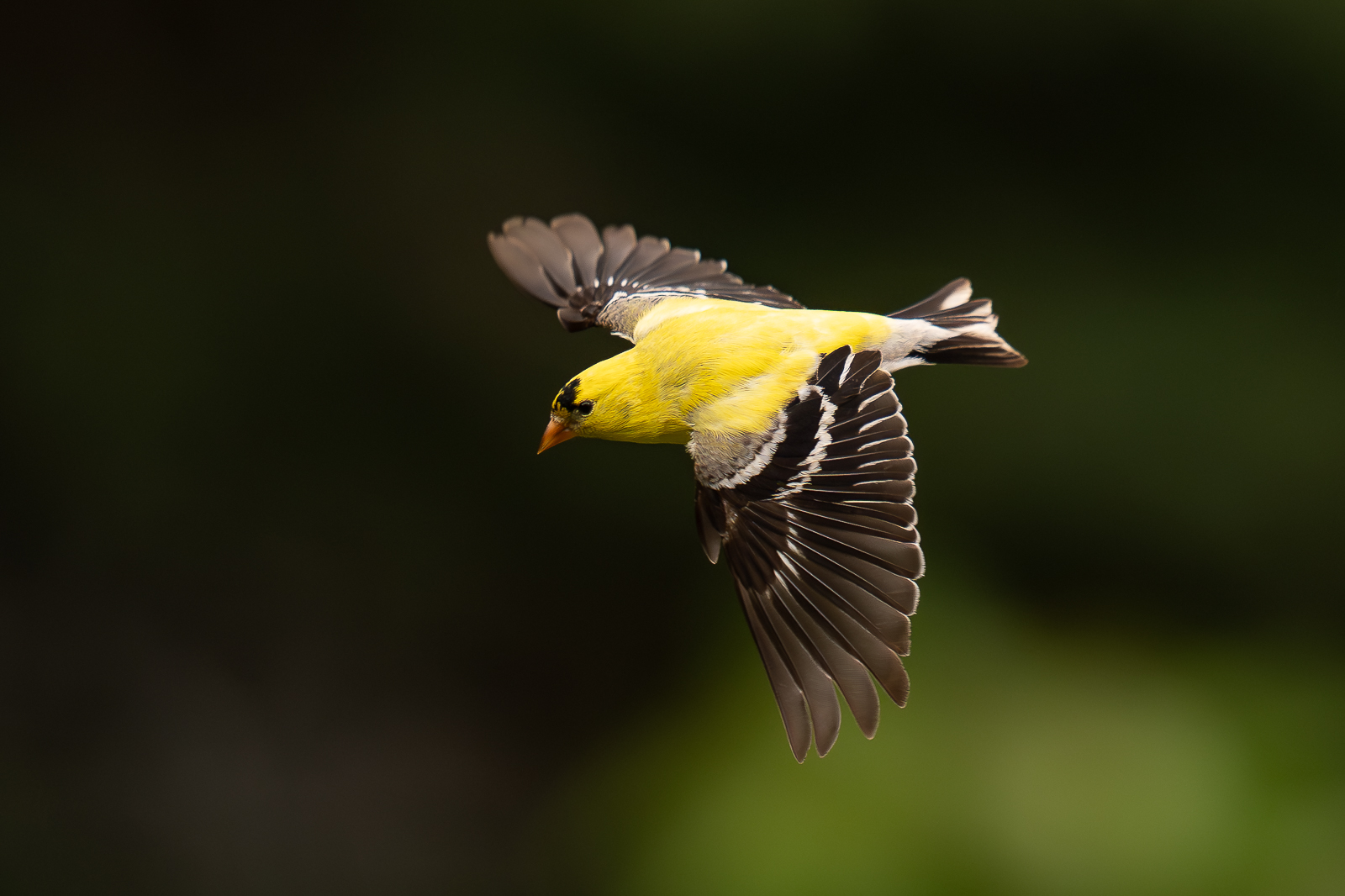
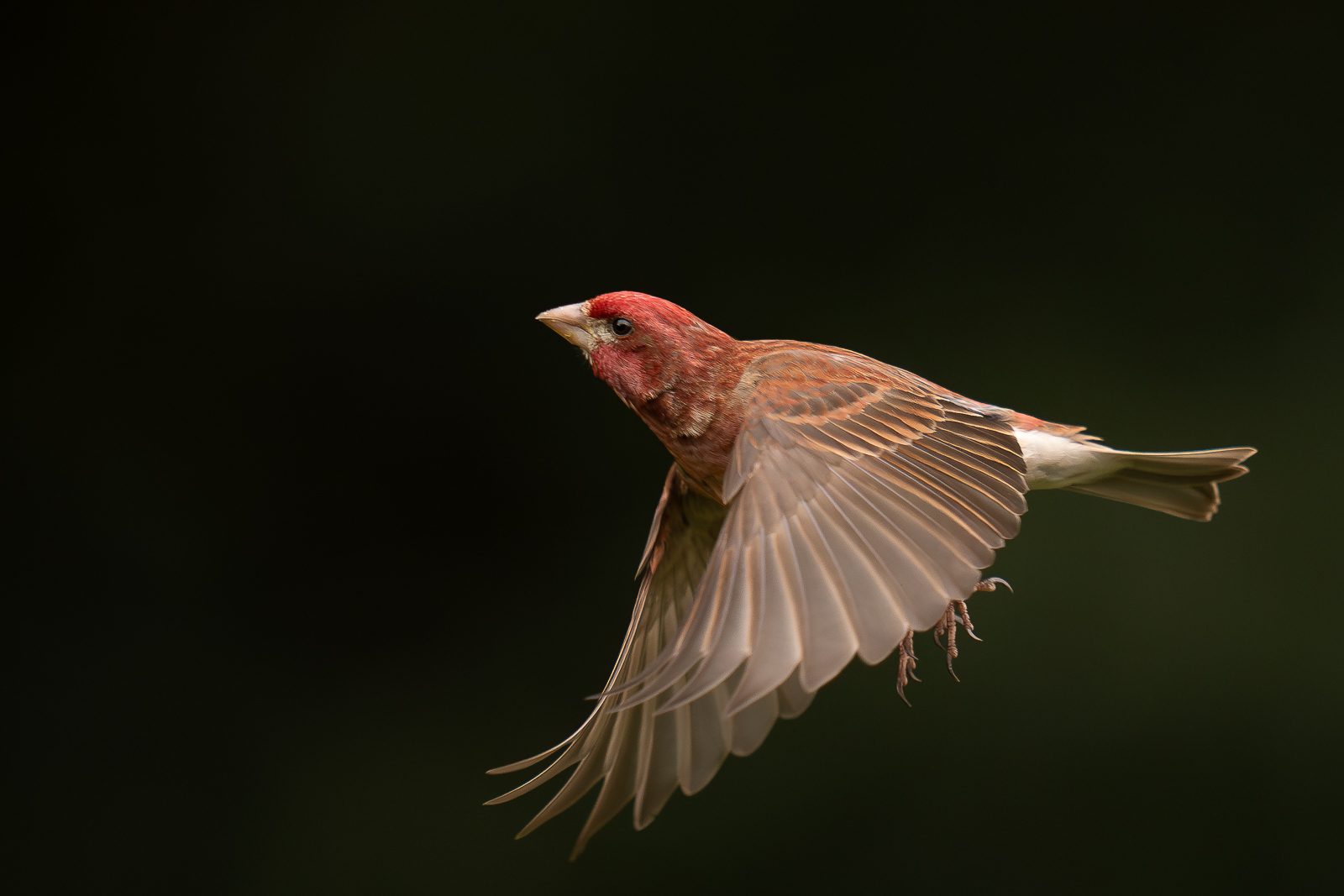
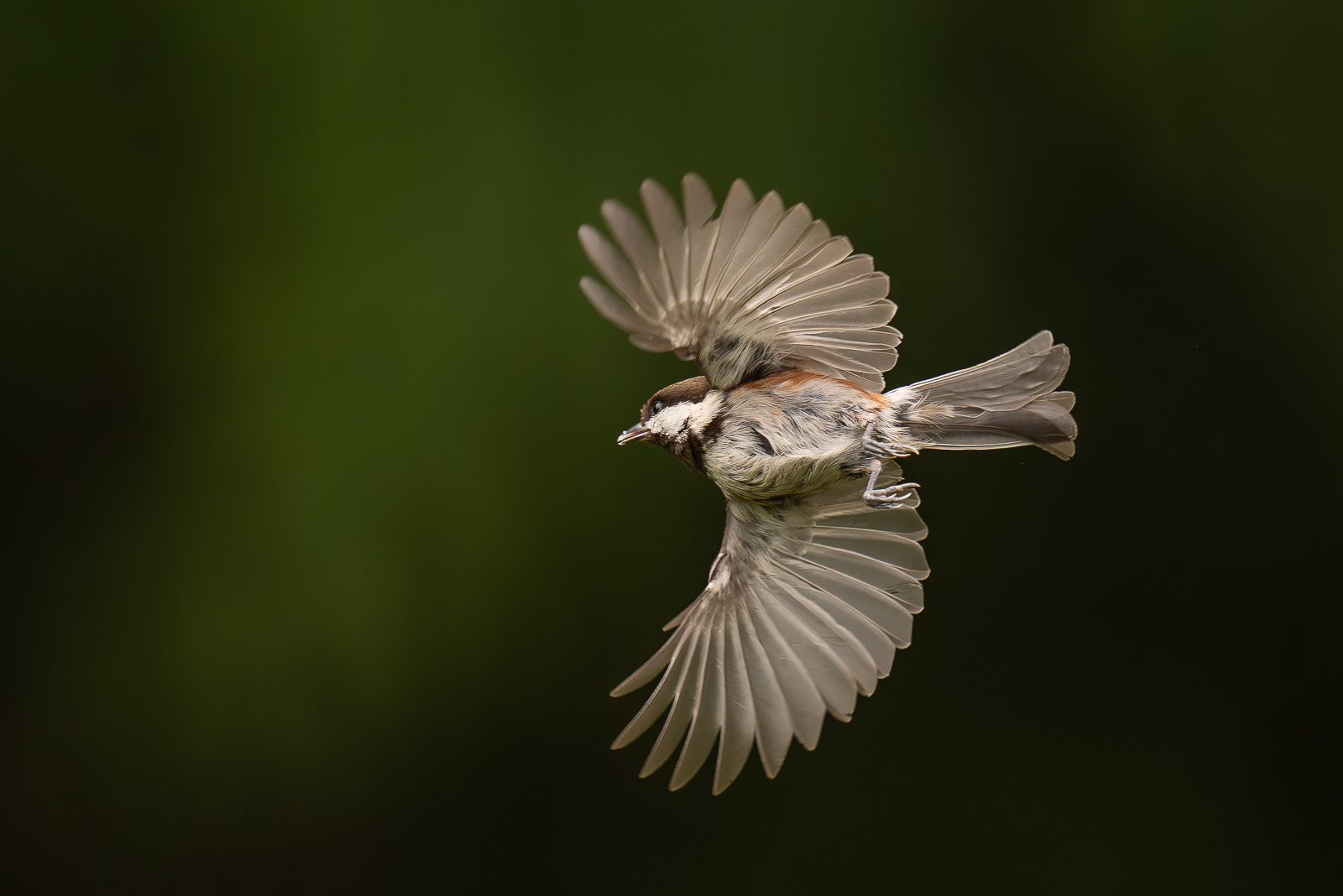
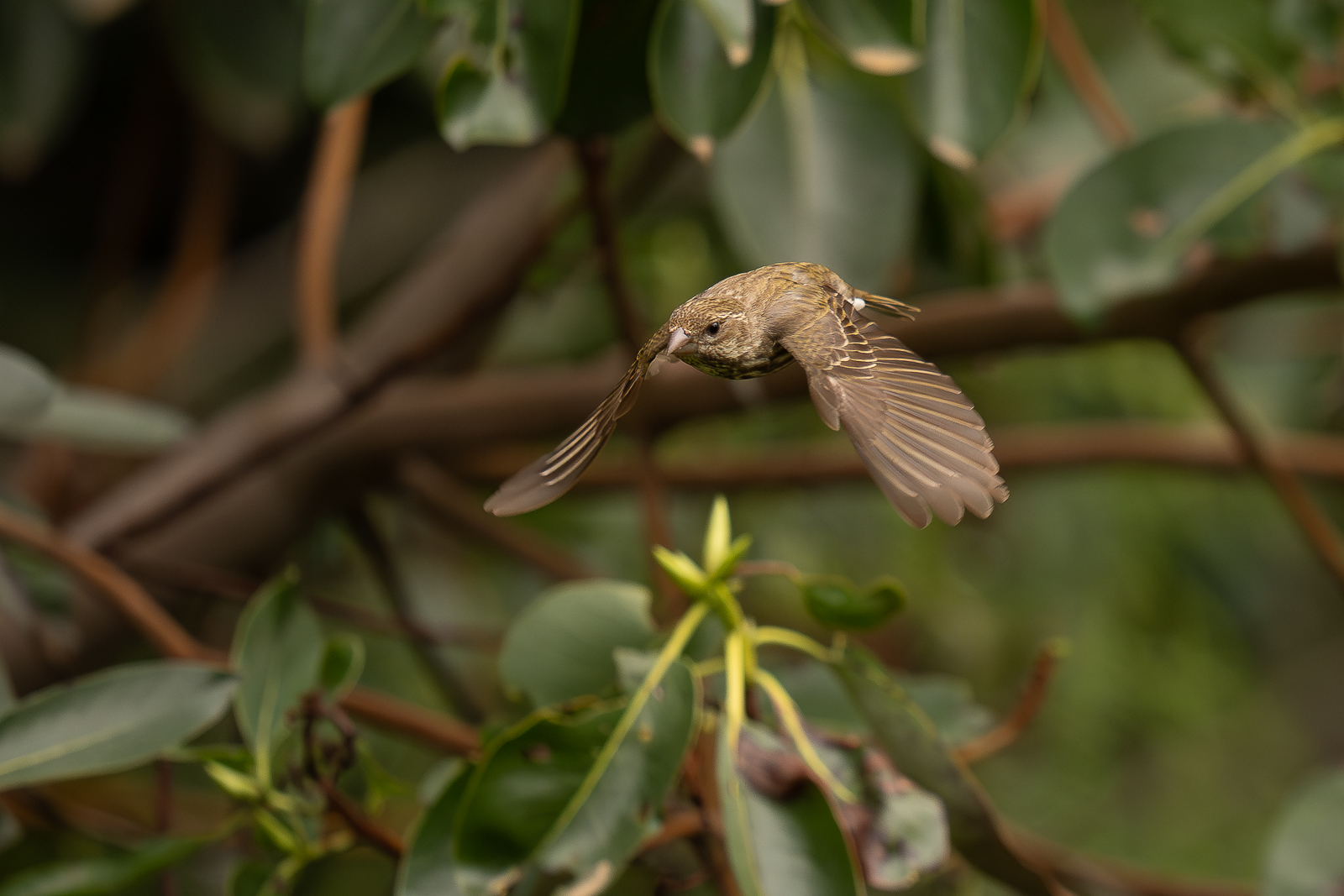
Despite owning my most recent a1 for only four months, I am ordering the a1 II because I greatly missed the pre-capture feature that I used when I had an Olympus OM1 and, later, a Panasonic G9 II as evidenced by the G9 "pre-capture" photos below.
DC-G9M2LEICA DG 50-200/F2.8-4.0+TC2.0 lens176mmf/7.01/2000s400 ISO0.0 EV
DC-G9M2LEICA DG 50-200/F2.8-4.0+TC2.0 lens176mmf/7.01/2000s400 ISO0.0 EV
DC-G9M2LEICA DG 50-200/F2.8-4.0+TC2.0 lens176mmf/7.01/2000s400 ISO0.0 EV
Amazing shots
Not sure where the skill lies tho?
Clearly this demonstrates the awesome capabilities of the camera (and lens) so basically the tail wagging the dog scenario. …No?..
EVF
Pre capture
Eye focus
30fps
Not to mention lightroom for final tweaking
What exactly was the operators input besides buying, switching on and pointing in the general direction? Serious question
Pixelpuffin wrote:
Amazing shots
Not sure where the skill lies tho?
Clearly this demonstrates the awesome capabilities of the camera (and lens) so basically the tail wagging the dog scenario. …No?..
EVF
Pre capture
Eye focus
30fps
Not to mention lightroom for final tweaking
What exactly was the operators input besides buying, switching on and pointing in the general direction? Serious question
It reminds me of painting by numbers tbh.
But well done canon 👍🏻
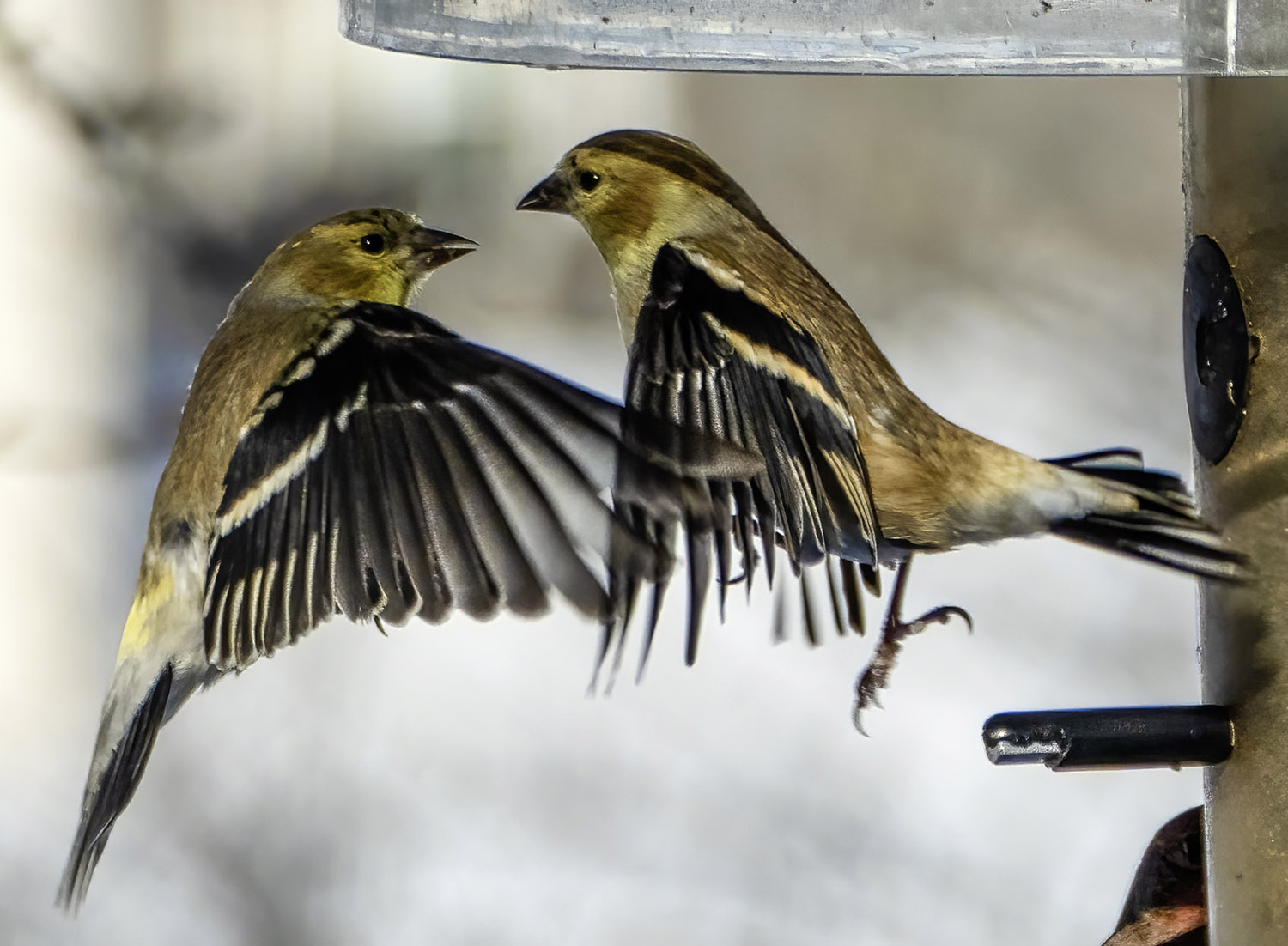
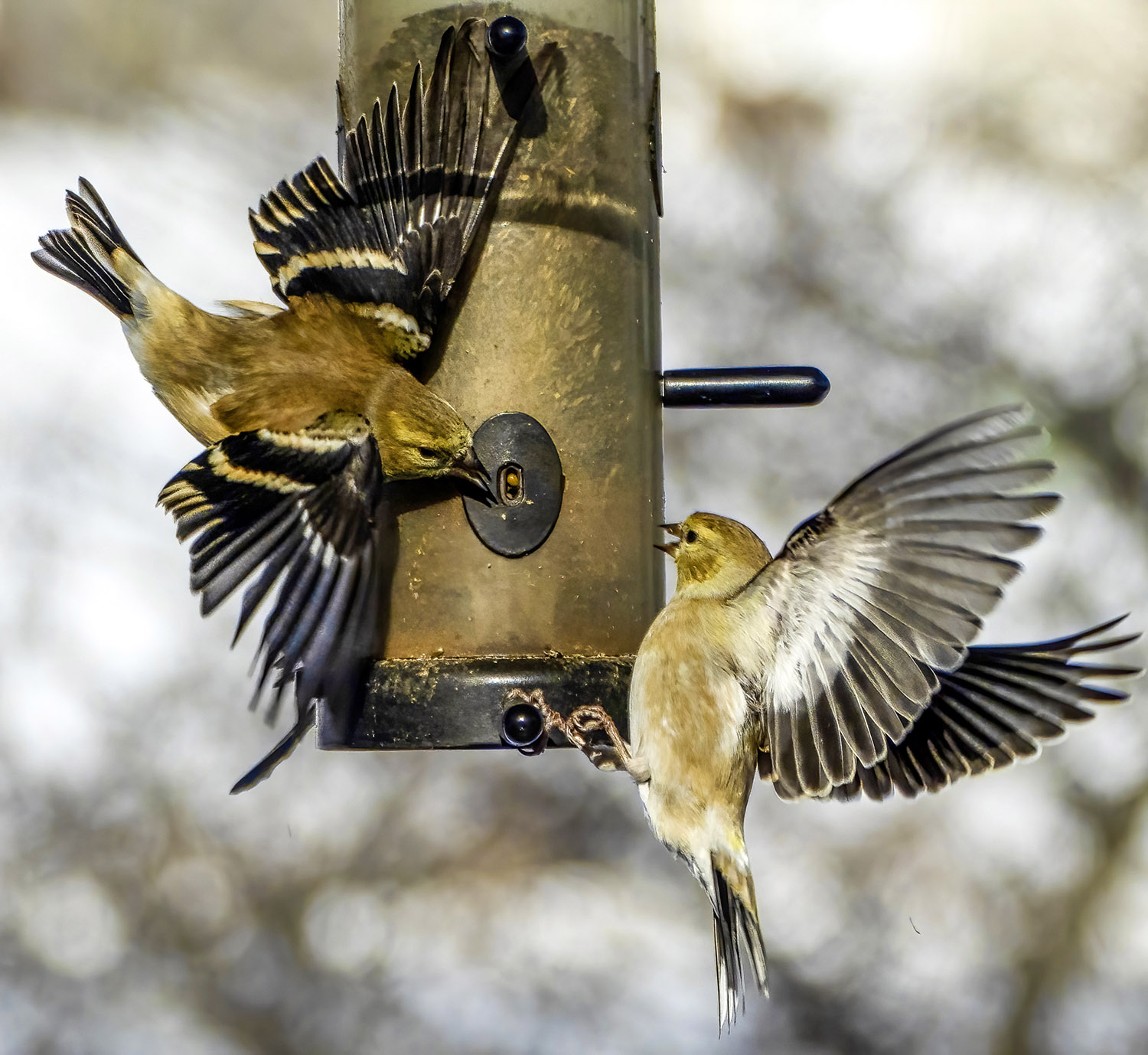
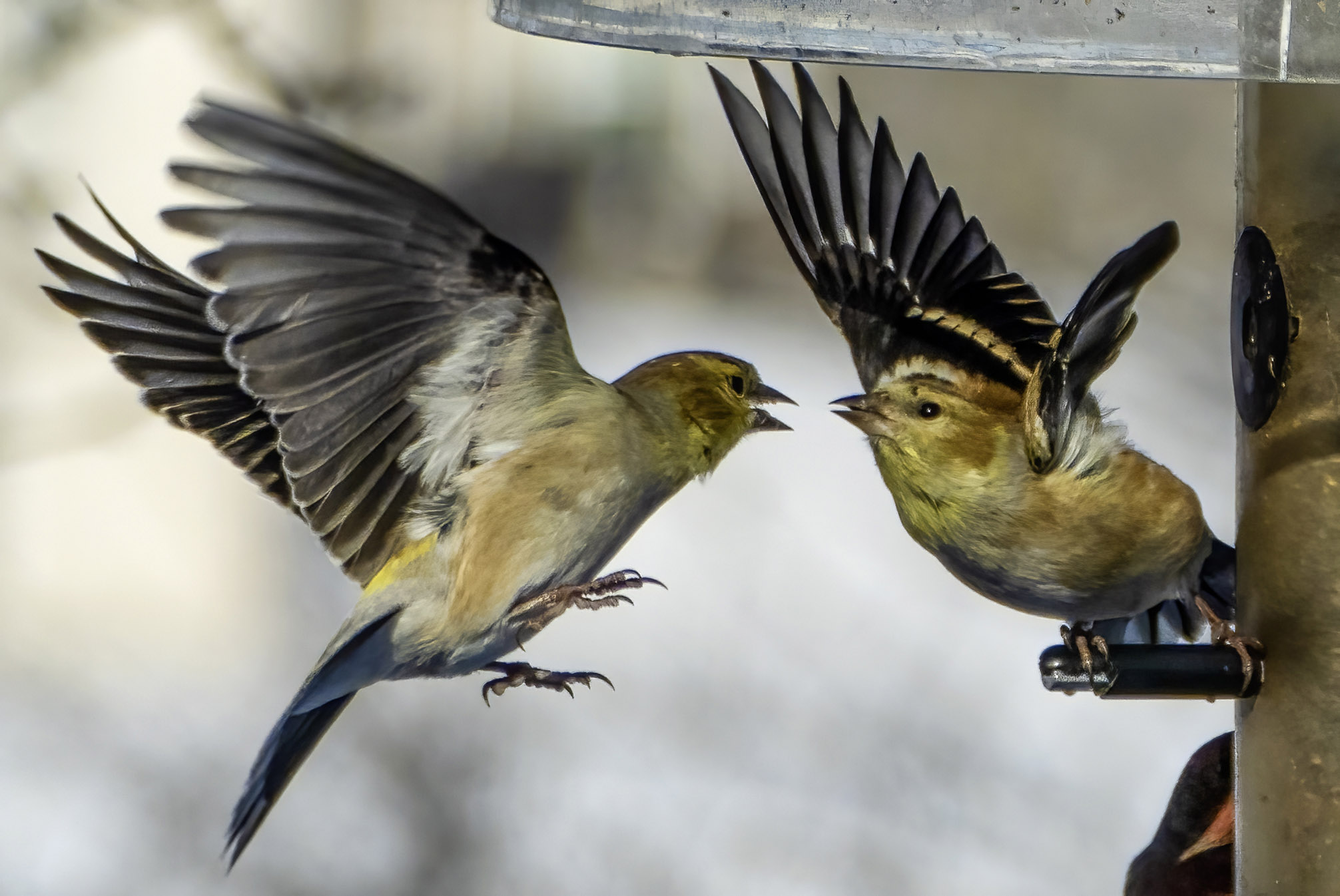
In some scenarios like some of the backyard feeder birds I posted I totally agree. There really isn't much skill involved at all.
But there are still lots of other applications I will use pre-capture for where I've had to use good field craft and knowledge of my bird to even get in a position to maybe be lucky for it to do what I'm after. If it does then the precapture is going to give me a higher success rate. Two scenarios I will use it in like this are both from my kayak and those are diving kingfishers and osprey. It takes me a lot of slow approach and stealthy paddling to even get within a reasonable shooting distance of the KFs (all be it way easier than it is to approach one on land) and I've managed to get the shots of beaks just touching the water without preacapture but I get so few opportunities to be close enough to a dive that I really would like the precapture to maximize my return when it happens. Same for Osprey, easier to approach but still hard to get that perfect entry shot which isn't too far above or too far below the water level. Precapture can help although a bigger help is 60-120FPS so a camera like A9III is better when I can get close enough.
Another example is shooting swallows. I've shot so many swallows that getting them in a basic flight shot isn't something new for me anymore. I usually hope to get shots with them going after insects. The problem is that when they see a bug they immediately and unexpectedly divert from their relatively straight flight path and it is very hard to react that fast. I'm usually wasting frames firing at them as they fly straight hoping that my "spray and prey" will catch them darting for a bug. With precapture I can just wait till I see the dart for the bug, fire for a half second and should have much better chance of getting that shot without so many wasted shots like I get without it. But shooting the swallows in flight still takes practice, skill and knowledge of the area they fly in. So precapture doesn't decrease the skill involved to follow them and shoot them in the first place, it just increases the chance of getting more unique shots while you are doing so.
RoamingScott wrote:
I don’t need to be told about the Z9 from a guy with a combined 36 min shooting it 😆
If you’re shooting ANYTHING but HE* you’re doing it so, so very wrong.
I had it for about 5 weeks combining all the times I bought it. But sure, 36mins, 5 weeks, what's the difference right?
And my statement is correct isn't it?
Of course I always shot in HE* but you didn't say that. I can shoot an A9III at 120FPS in Small Jpeg onto a V30 SD card and get unlimited buffer. It helps to be more precise in your comments.
arbitrage wrote:
In some scenarios like some of the backyard feeder birds I posted I totally agree. There really isn't much skill involved at all.
But there are still lots of other applications I will use pre-capture for where I've had to use good field craft and knowledge of my bird to even get in a position to maybe be lucky for it to do what I'm after. If it does then the precapture is going to give me a higher success rate. Two scenarios I will use it in like this are both from my kayak and those are diving kingfishers and osprey. It takes me a lot of slow approach and stealthy paddling to even get within a reasonable shooting distance of the KFs (all be it way easier than it is to approach one on land) and I've managed to get the shots of beaks just touching the water without preacapture but I get so few opportunities to be close enough to a dive that I really would like the precapture to maximize my return when it happens. Same for Osprey, easier to approach but still hard to get that perfect entry shot which isn't too far above or too far below the water level. Precapture can help although a bigger help is 60-120FPS so a camera like A9III is better when I can get close enough.
Another example is shooting swallows. I've shot so many swallows that getting them in a basic flight shot isn't something new for me anymore. I usually hope to get shots with them going after insects. The problem is that when they see a bug they immediately and unexpectedly divert from their relatively straight flight path and it is very hard to react that fast. I'm usually wasting frames firing at them as they fly straight hoping that my "spray and prey" will catch them darting for a bug. With precapture I can just wait till I see the dart for the bug, fire for a half second and should have much better chance of getting that shot without so many wasted shots like I get without it. But shooting the swallows in flight still takes practice, skill and knowledge of the area they fly in. So precapture doesn't decrease the skill involved to follow them and shoot them in the first place, it just increases the chance of getting more unique shots while you are doing so....Show more →
Thanks for the polite and somewhat restrained response.
Tbh my quip wasn’t aimed at you, clearly you know your onions mate 👍🏻
My guess is we both know who it was aimed at as do they themselves.
arbitrage wrote:
In some scenarios like some of the backyard feeder birds I posted I totally agree. There really isn't much skill involved at all.
But there are still lots of other applications I will use pre-capture for where I've had to use good field craft and knowledge of my bird to even get in a position to maybe be lucky for it to do what I'm after. If it does then the precapture is going to give me a higher success rate. Two scenarios I will use it in like this are both from my kayak and those are diving kingfishers and osprey. It takes me a lot of slow approach and stealthy paddling to even get within a reasonable shooting distance of the KFs (all be it way easier than it is to approach one on land) and I've managed to get the shots of beaks just touching the water without preacapture but I get so few opportunities to be close enough to a dive that I really would like the precapture to maximize my return when it happens. Same for Osprey, easier to approach but still hard to get that perfect entry shot which isn't too far above or too far below the water level. Precapture can help although a bigger help is 60-120FPS so a camera like A9III is better when I can get close enough.
Another example is shooting swallows. I've shot so many swallows that getting them in a basic flight shot isn't something new for me anymore. I usually hope to get shots with them going after insects. The problem is that when they see a bug they immediately and unexpectedly divert from their relatively straight flight path and it is very hard to react that fast. I'm usually wasting frames firing at them as they fly straight hoping that my "spray and prey" will catch them darting for a bug. With precapture I can just wait till I see the dart for the bug, fire for a half second and should have much better chance of getting that shot without so many wasted shots like I get without it. But shooting the swallows in flight still takes practice, skill and knowledge of the area they fly in. So precapture doesn't decrease the skill involved to follow them and shoot them in the first place, it just increases the chance of getting more unique shots while you are doing so....Show more →
Well said Geoff. Precapture+high FPS increase the odd of getting THE shot, not saying older cameras in the right hand can't do it, but much harder. Too bad the A1 II still caps at 30 FPS, after almost 4 years
Douglas L wrote:
Well said Geoff. Precapture+high FPS increase the odd of getting THE shot, not saying older cameras in the right hand can't do it, but much harder. Too bad the A1 II still caps at 30 FPS, after almost 4 years
Really my only disappointment with the A1II is staying at 30FPS. If it had got to 60FPS it would have been my perfect camera.




 , Tim!